Dude, Shandong Slaps Hard—My Unfiltered Western Traveler Recap
Dude, Shandong Slaps Hard—My Unfiltered Western Traveler Recap
After scrolling Instagram reels of China’s “City of Springs” for months, I finally booked a trip to Jinan—and let me tell you, it’s even better than the hype. Booked a local tour with this awesome agency, and they hooked us up with the best guide ever—total game-changer. No stuffy itineraries, no tourist traps, just pure, unscripted fun. Shandong isn’t just a place to visit; it’s the kind of trip that makes you go, “Why didn’t I come here sooner?”
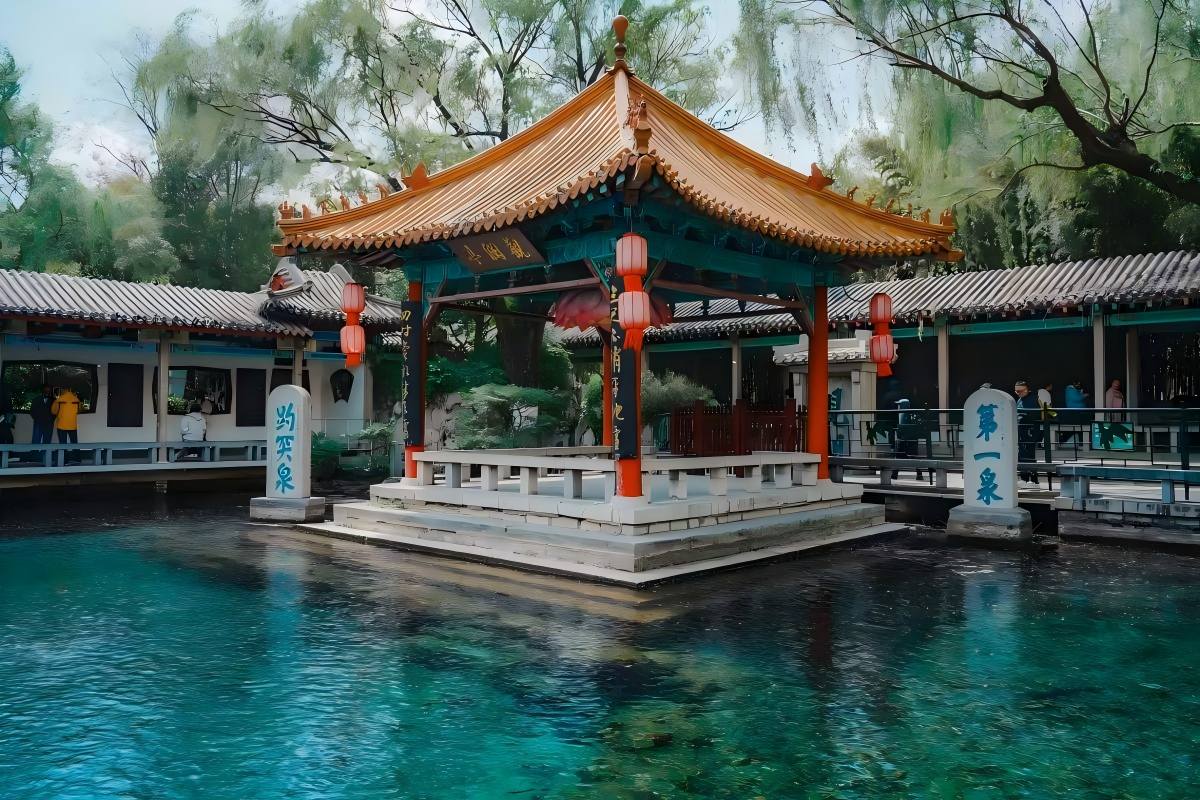
Jinan’s Springs: Our Guide Hooked Us Up With the Real Deal
Everyone says Jinan’s the “City of Springs,” but our guide made sure we didn’t just see the crowds—we lived it. First stop: Baotu Spring. Yeah, the main springs are cool (three gushing columns of water? Wild!), but our guide took us around the back, away from the selfie sticks, to this tiny hidden tea stall. “Locals come here to escape the crowds,” he said, handing us jasmine tea brewed with fresh spring water. Dude, this water is next-level—crisp, sweet, no weird aftertaste. He told us how Jinan folks grow up drinking spring water, how they’ll argue about which spring tastes best (apparently Black Tiger Spring is the fan favorite). It wasn’t just a “look at this thing” moment—it was getting a peek into real local life.

Later, we hit Black Tiger Spring, and our guide didn’t just point at the water—he grabbed a clean cup, filled it up from one of the spouts, and said, “Drink up. This is better than any bottled water you’ll ever buy.” I was skeptical at first (drinking from a random spout in a park?), but I chugged it—and wow. Cold, refreshing, and tasted like nature in a cup. He even showed us how locals bring their own buckets to fill up every morning, laughing and chatting like it’s a social event. “This is what makes Jinan special,” he said. “The springs aren’t just attractions—they’re part of daily life.” Total truth. We ended up filling our reusable bottles too—free, fresh water for the rest of the day? Score.
Qufu: Our Guide Made Ancient History Actually Fun
Let’s be real—I’m not the type to get hyped about ancient temples. But Qufu (Confucius’s hometown) was a vibe, and our guide is the reason why. First off, he spoke flawless English, no confusing translations. Second, he didn’t just recite facts—he made Confucianism relatable. “Think of it like this,” he said as we walked through the Confucius Temple. “Confucius was all about ‘be nice to people, respect your elders, don’t be a jerk.’ Basic stuff, but it’s shaped China for 2,000 years.”
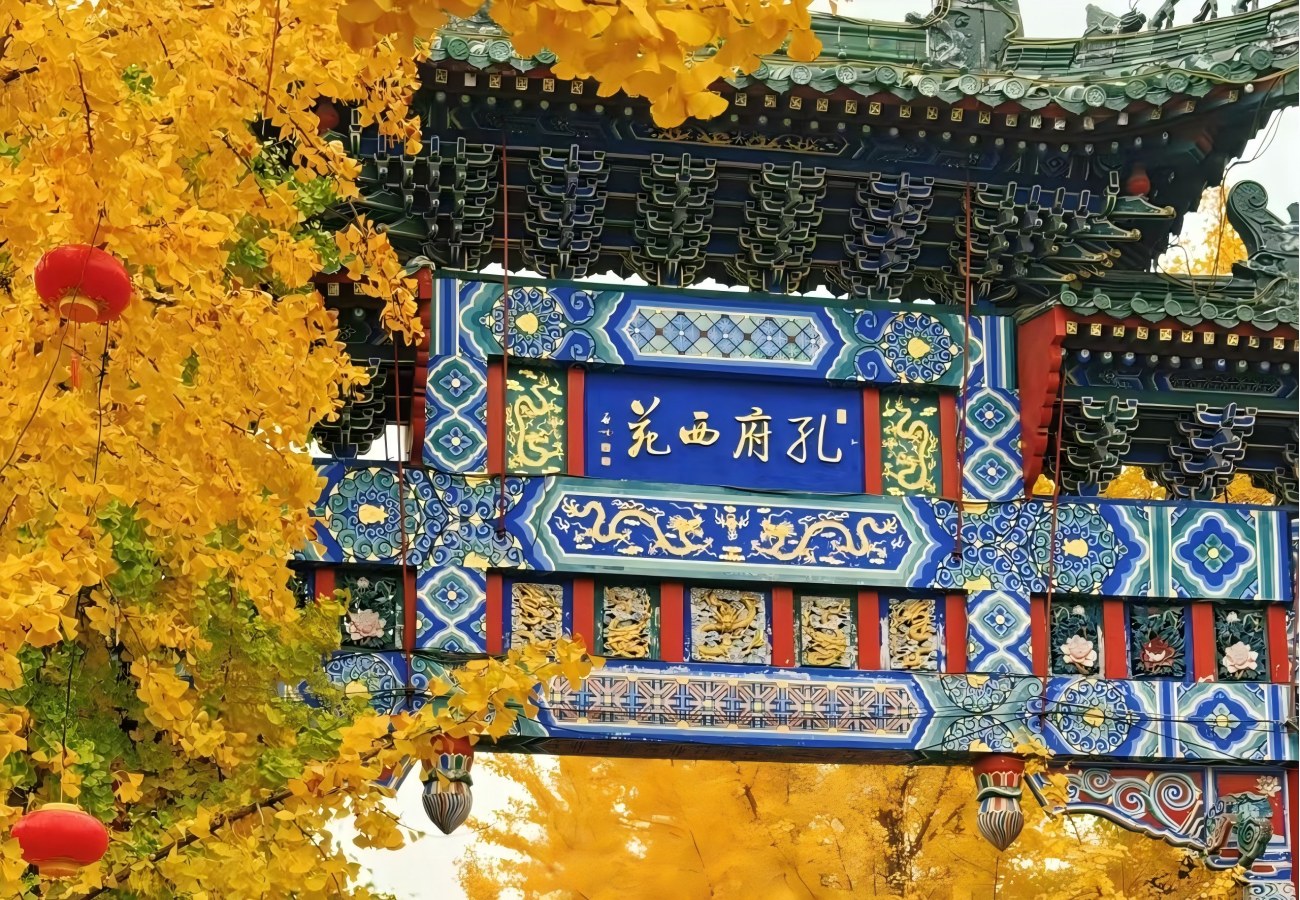
We stumbled on a traditional sacrificial ceremony, and he didn’t just stand there—he explained what each part meant. “The music, the costumes, the incense—this is how people honor Confucius’s teachings today.” It was weirdly moving, watching people in ancient robes move to that slow music. Later, at the Confucius Mansion, he pointed out little details I would’ve missed: a hidden garden where Confucius’s descendants used to read, a table with carvings that told stories of family life. “Most tourists just take photos of the big gates,” he said. “But the good stuff is in the small things.” He wasn’t wrong. By the end, I wasn’t just “visiting a temple”—I felt like I understood a little piece of China’s soul.
Daming Lake: Our Guide Got Us the Best Boat Ride Ever
Back in Jinan, we hit Daming Lake—and our guide didn’t just book a random boat tour. He called up a friend who’s a local boat lady, and we got this tiny wooden boat all to ourselves. No loud groups, no scripted speeches—just her rowing slow, pointing out hidden temples, and telling us the juicy versions of the lake’s legends. “That’s where the hero fought off invaders,” she said, pointing to a little island. “And over there? People say a princess fell in love with a fisherman and ran away to live there.” Our guide translated, adding his own jokes: “Don’t worry, no need to search for the fisherman—he’s probably hiding from the paparazzi.”
After the boat ride, he took us to a street food alley that wasn’t on any tourist map. “Locals eat here for breakfast, lunch, and dinner,” he said. We tried you xuan—flaky pancakes slathered with sweet bean sauce (I ate two in five minutes) and tian mo, a savory porridge with peanuts and veggies. I was skeptical about porridge for lunch, but it was warm, flavorful, and hit the spot. He even helped me order—“She doesn’t eat spicy, can you make it mild?”—and the lady gave us extra portions because “foreign friends need to eat well.” Total win.
Food: Our Guide Took Us to the Local Spots (No Tourist Traps!)
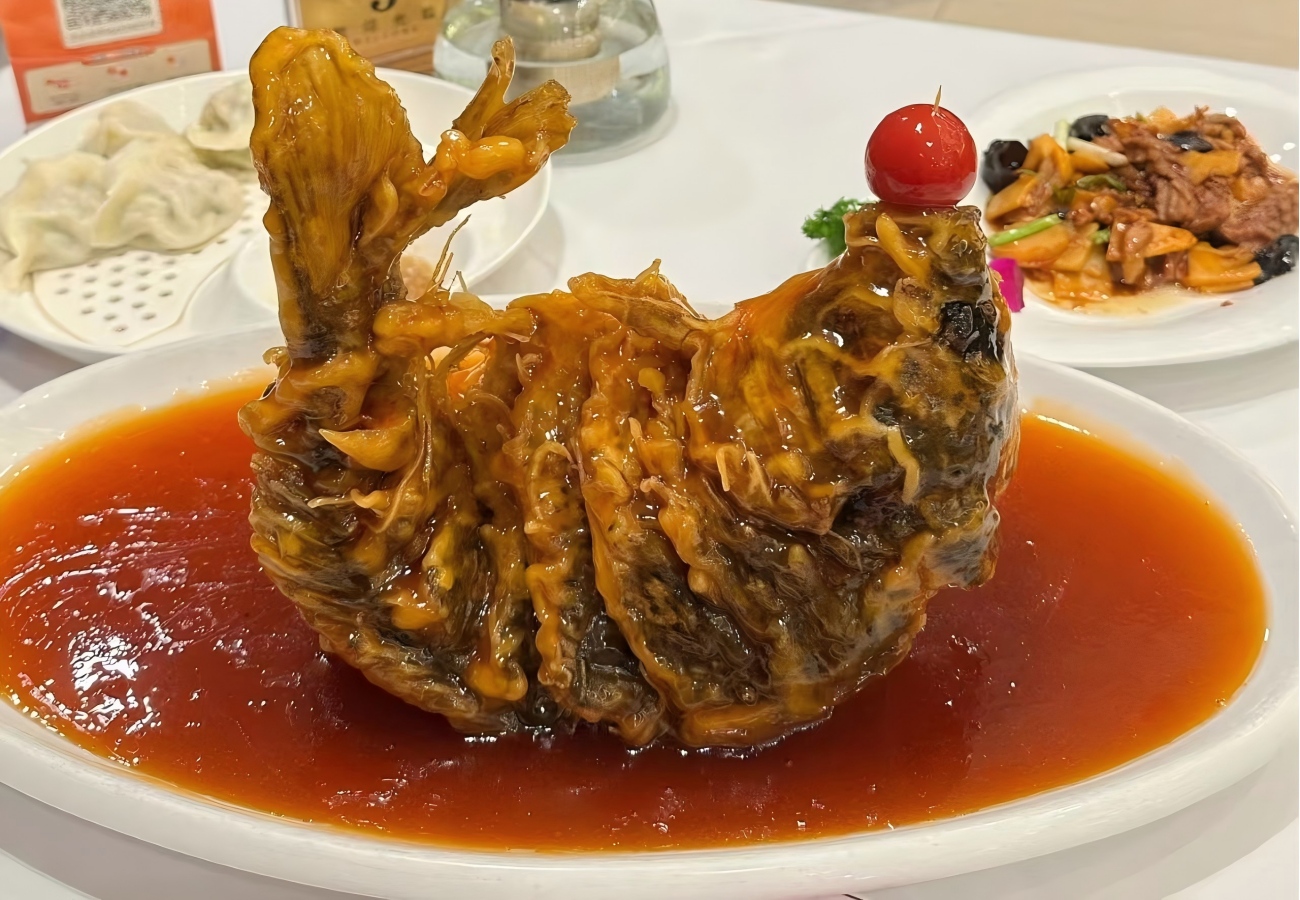
Let’s talk about food—oh my god, the food. Shandong cuisine is next-level, and our guide made sure we didn’t waste time on overpriced tourist restaurants. First night, he took us to this tiny family-run spot—no menus in English, just photos on the wall. “Trust me,” he said. “Get the nine-turn braised intestines and sweet and sour carp.” I was nervous about the intestines (intestines? Really?), but he said, “Just one bite—if you hate it, I’ll eat it.” Spoiler: I ate the whole plate. Crispy on the outside, tender on the inside, sweet, sour, spicy, and savory all at once. The carp? Fried to look like it’s jumping out of the plate, with a tangy sauce that’s perfection. “Locals serve this at celebrations,” he said. “It’s for good luck—but mostly, it’s just delicious.”
We also tried ba zi rou—braised pork belly that melts in your mouth. Our guide laughed as I cleaned my plate: “Told you Shandong portions are no joke.” He even taught us how to eat it like a local—wrap it in a pancake with green onions and sauce. Street food was just as good: pan si bing (crispy shredded pancakes) that I ate while walking, getting crumbs all over my shirt. Who cares? It was worth it. In Qufu, he took us to a little restaurant that serves Confucian Mansion cuisine—fancy, but not pretentious. The tofu dish was so creamy, I thought it had cheese in it (it didn’t—just skill). “This is how Confucius’s family ate,” he said. “Fancy, but rooted in simple flavors.”
Leaving Shandong: Already Planning My Return (With the Same Guide!)
My trip flew by way too fast. On the last day, our guide dropped us off at the airport with a bag of local goodies: handcrafted spring water tea and a little book of Shandong’s best hidden spots. “For your next trip,” he said. “You’re gonna need it.” I hugged him—this guy didn’t just show us around; he became a friend. He helped us navigate the subway when we got lost, translated menus when the restaurant didn’t have English, and even stayed late to show us a night market because “you can’t leave without seeing Jinan after dark.”
That’s the thing about booking a local tour with a great agency—you’re not just getting a guide; you’re getting someone who knows the ropes, cares about your experience, and wants you to see the real place. Shandong’s beauty isn’t just in the springs or the temples—it’s in the little moments: drinking spring water with your guide, eating way too much pork belly at a family restaurant, laughing at bad translations and cultural mix-ups.
If you’re on the fence about visiting China—book Shandong. And do yourself a favor: book a local tour with an agency that hooks you up with a guide who’s actually from there. It’s not just a trip; it’s memories that’ll stick with you forever. I’m already texting my friends: “We’re going to Shandong next year—same guide, same food, same awesome vibes.” Trust me, this is one trip you won’t regret.
Pro Tips (From a Fellow Westerner Who Learned the Ropes):
Book a local tour! Having a guide who knows the area, speaks English, and avoids tourist traps is worth every penny. Our agency was chef’s kiss—no pressure, just good vibes.
Wear comfy shoes. Jinan’s best explored on foot—walking the moat, wandering alleyways, chasing springs. Your feet will thank you.
Portions are MASSIVE. Dine with friends so you can try everything. I ate alone and regretted not being able to sample more dishes.
Bring a reusable water bottle. Fill it up at Black Tiger Spring—free, fresh water that’s better than bottled.
Don’t be scared to try new food. Our guide pushed me to try intestines and porridge, and they ended up being my favorites.
Download WeChat Translate. It’s a lifesaver for street stalls or subway directions, even with a guide.
Ask your guide for hidden spots. They know the best little restaurants, quiet parks, and local hangouts that aren’t on Google.