House of the Huangcheng Chancellor
Discover Huangcheng Xiangfu: Your Tailor-Made Cultural Journey
We specialize in crafting personalized travel experiences for international visitors. Explore the iconic "Oriental Castle" with us:
Historical Immersion: Step into a 300-year-old Ming-Qing dynasty official's residence, the ancestral home of Chen Tingjing, chief compiler of the Kangxi Dictionary.
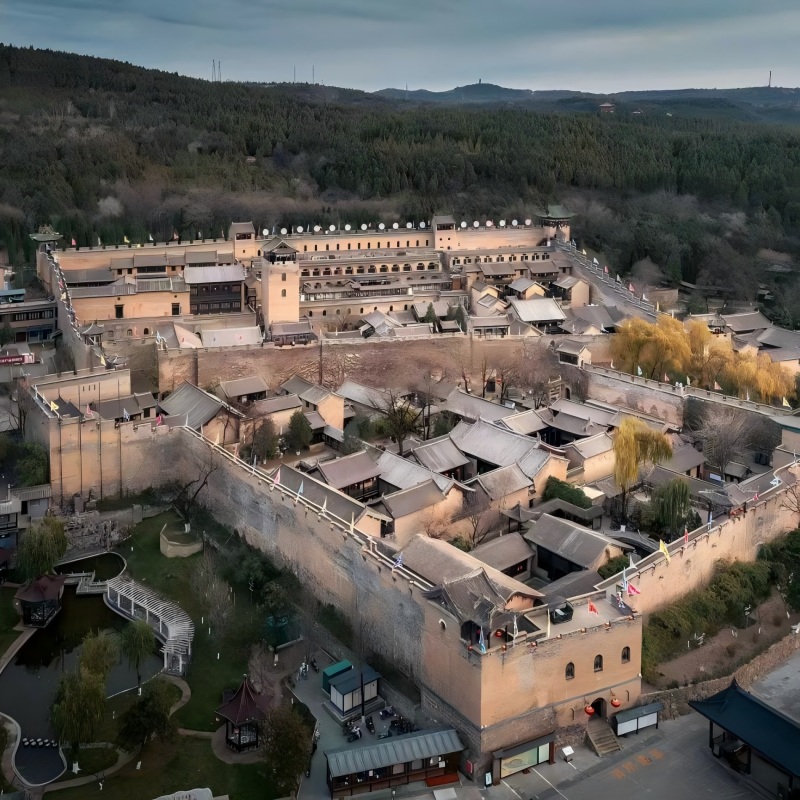
Architectural Wonder: Explore the unique dual-structure castle featuring the defensive Douzhu Ju inner fortress and the prestigious Zhongdao Zhuang outer manor.
Cultural Stories: Discover legendary sites like the Hidden Soldier Caves and the Imperial Calligraphy Tower, which showcase ancient wisdom and imperial favor.
Tailor-Made Itineraries: We design flexible private tours. Focus on history, architecture, local cuisine, or photography—we create the perfect trip based on your interests.
Let us design your unique journey into China's imperial past. Contact us to start planning.
Huangcheng Xiangfu: The Oriental Castle – Your Guide to a 300-Year-Old Cultural Gem
Hello and welcome, travelers!I’m your guide, and I’m thrilled to take you through the magnificent Huangcheng Xiangfu today. Over the next few hours, we’ll step inside this legendary "Oriental Castle"—a Ming and Qing dynasty official's residence—and feel the warmth of its 300-year history. We’ll dive into its deep traditional culture and uncover the stories hidden in its grey bricks and black tiles.
Located in Beiliu Town, Yangcheng County, Jincheng City, Shanxi Province, Huangcheng Xiangfu is no ordinary ancient village. It was the ancestral home of Chen Tingjing—a Grand Secretary of the Wenyuange Pavilion and the chief editor of the Kangxi Dictionary during the Qing Dynasty. Built in the late Ming and early Qing periods and expanded during the prosperous Kangxi and Qianlong eras, this castle witnessed the rise of the Chen family. It’s a perfect reflection of the culture and architectural wisdom of northern Chinese official families from that time. Now, let’s follow the footsteps of history and uncover its secrets.
1. The Chen Family Legacy: Where Culture Meets History
The story of Huangcheng Xiangfu is tied to the Chen family’s success. They weren’t born noble—they worked hard over ten generations starting in the early Ming Dynasty. Eventually, they became famous for producing "nine Jinshi (top imperial scholars) and six Hanlin (imperial academy scholars) across three generations."
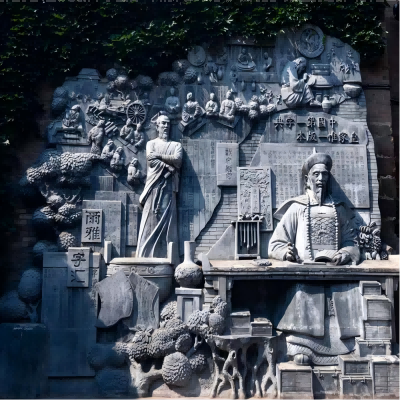
The most famous member is Chen Tingjing. Born in 1639, he was a gifted scholar. He passed the provincial exam at 19 and the national exam at 20, starting a 53-year government career. He served as Minister of Rites, Revenue, Personnel, and finally as Grand Secretary of the Wenyuange Pavilion, becoming one of Emperor Kangxi’s most trusted advisors.
We can’t talk about Chen Tingjing without mentioning the Kangxi Dictionary. As the first Chinese dictionary named "dictionary," Chen led its compilation. Emperor Kangxi wanted a comprehensive reference to standardize Chinese characters and promote culture. Chen took charge, leading a team of scholars for six years to complete this massive work containing over 47,000 characters. It’s a milestone in Chinese cultural history and shows the Chen family’s dedication to preserving tradition.
The design of Huangcheng Xiangfu is full of cultural symbols. Based on Confucian etiquette and feng shui principles, it’s divided into two parts: the inner city "Douzhu Ju" and the outer city "Zhongdao Zhuang." The inner city was built in the turbulent late Ming period for defense. The outer city was added later to showcase the family’s high status.
Every detail—from the building layout to carvings and inscriptions—reflects Confucian values like loyalty, filial piety, and the importance of both farming and studying. It’s traditional culture brought to life in architecture.
2. Main Gate of Zhongdao Zhuang: A Symbol of Prestige
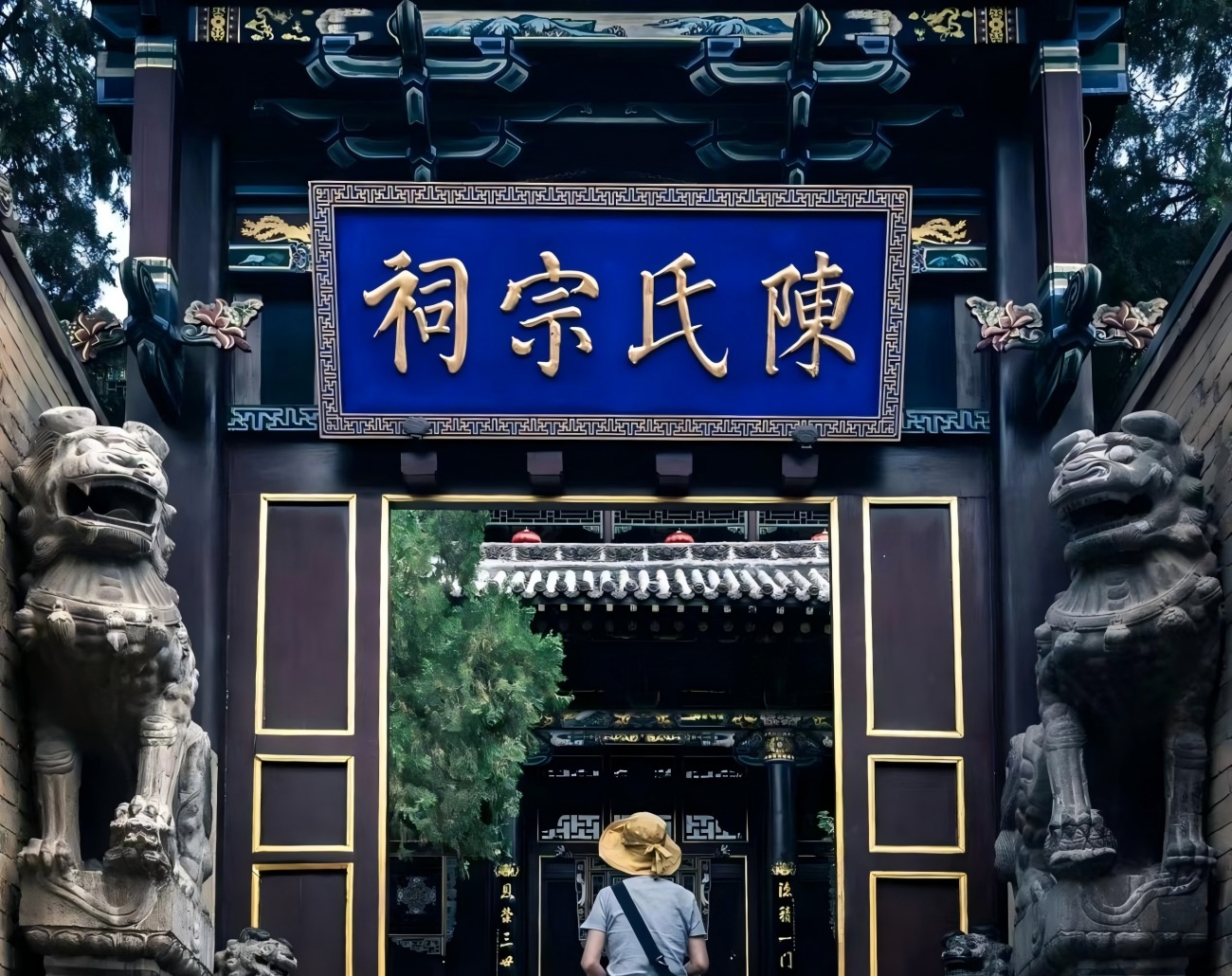
Everyone, look up! We’re at the main gate of Zhongdao Zhuang, the outer city entrance. Above us is a large plaque with three powerful characters: "Zhongdao Zhuang." These were personally written by Emperor Kangxi, showing the Chen family’s special status.
The gate is a classic example of Ming-Qing official architecture. It’s wide, with upturned eaves and beautifully painted beams. On each side, stone lions stand guard—symbols of authority and protection.
Notice the door studs: there are 81 in total, arranged in nine rows of nine. In ancient China, only imperial palaces and homes of top officials could have 81 studs. This detail confirms Chen Tingjing’s high rank.
As we enter, you’ll see two stone tablets on the walls. One says "Nine Jinshi from One Family," the other "Six Hanlin Across Three Generations." These summarize the Chen family’s amazing achievements—a rare national honor.
3. Grand Secretary’s Mansion: Life as a High Official
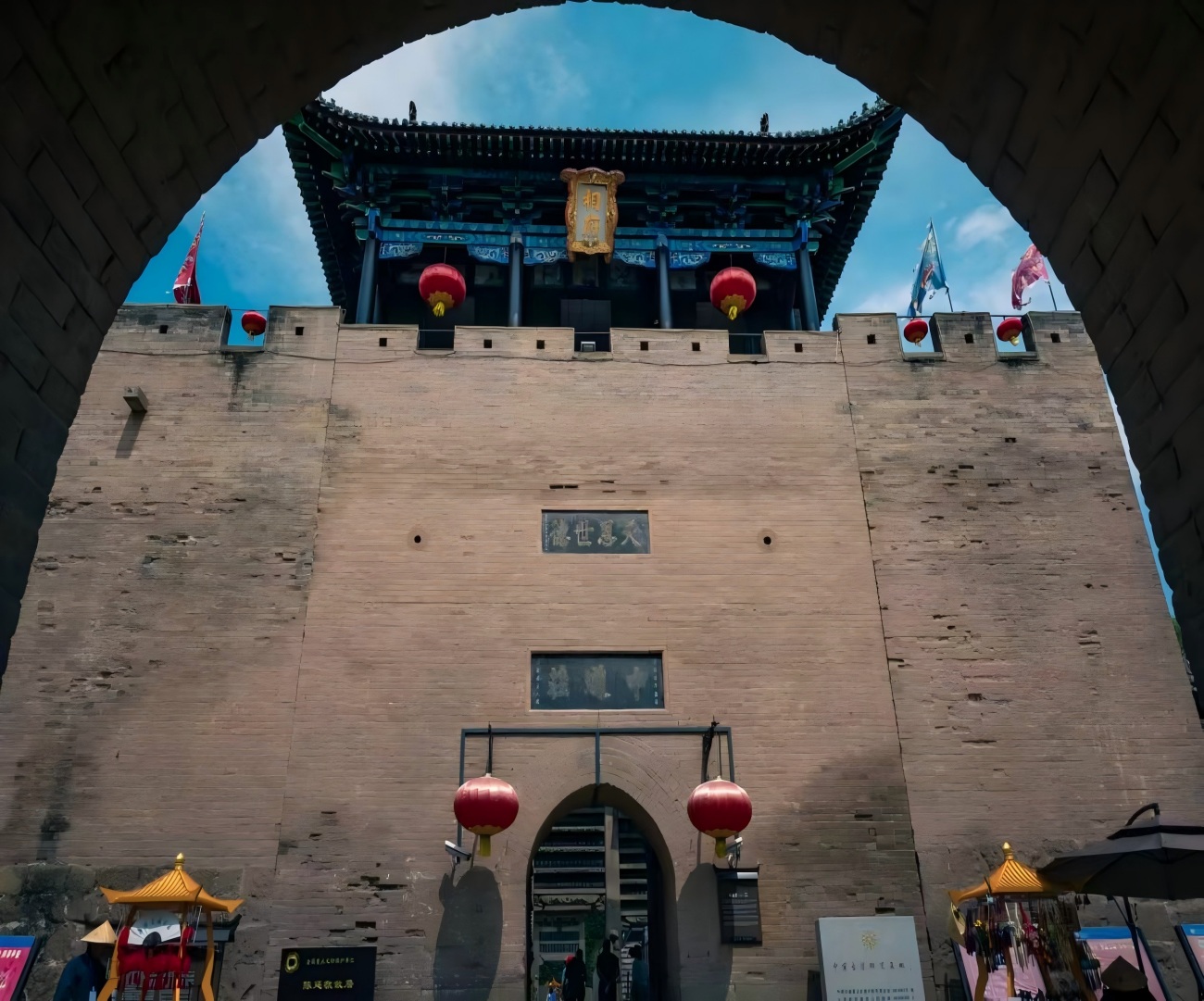
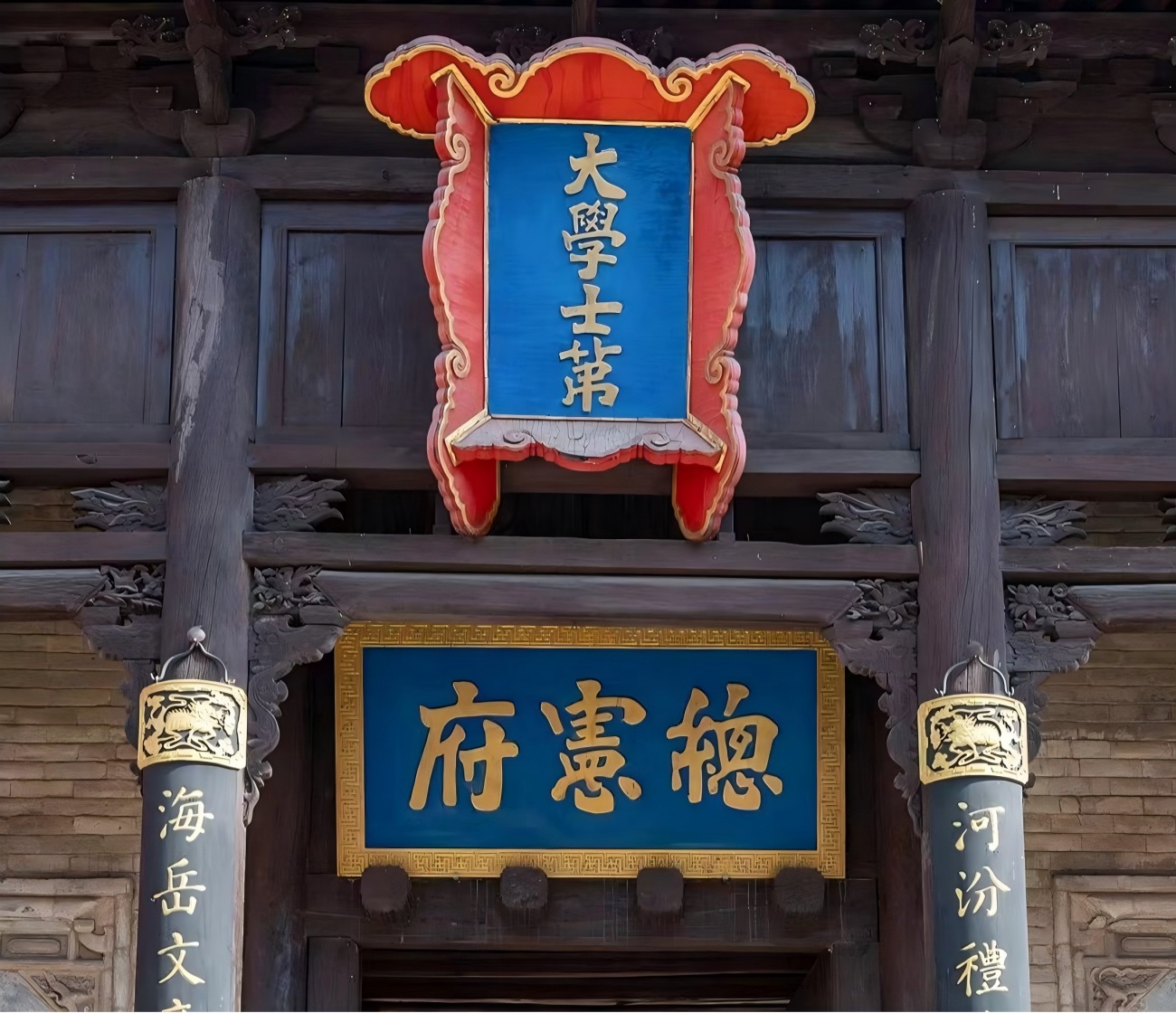
Next, we visit the Grand Secretary’s Mansion, one of the castle’s core buildings. This was Chen Tingjing’s home when he served as Grand Secretary. Also called the "Prime Minister’s Courtyard," it faces south and has three sections: front, middle, and back yards.
The front yard was for receiving guests. The middle yard was Chen’s study and bedroom—you can still see his desk with classic writing tools and hanging scrolls. He studied here daily, even while managing official duties. The back yard was for family, with rooms for his parents and children. It feels cozy, with old trees and a small garden.
The decorations here are exquisite. Doors and windows are carved with lucky symbols like "fortune" and "longevity," as well as stories from Chinese classics. It’s both beautiful and meaningful.
4. Douzhu Ju: A Late Ming Dynasty Fortress
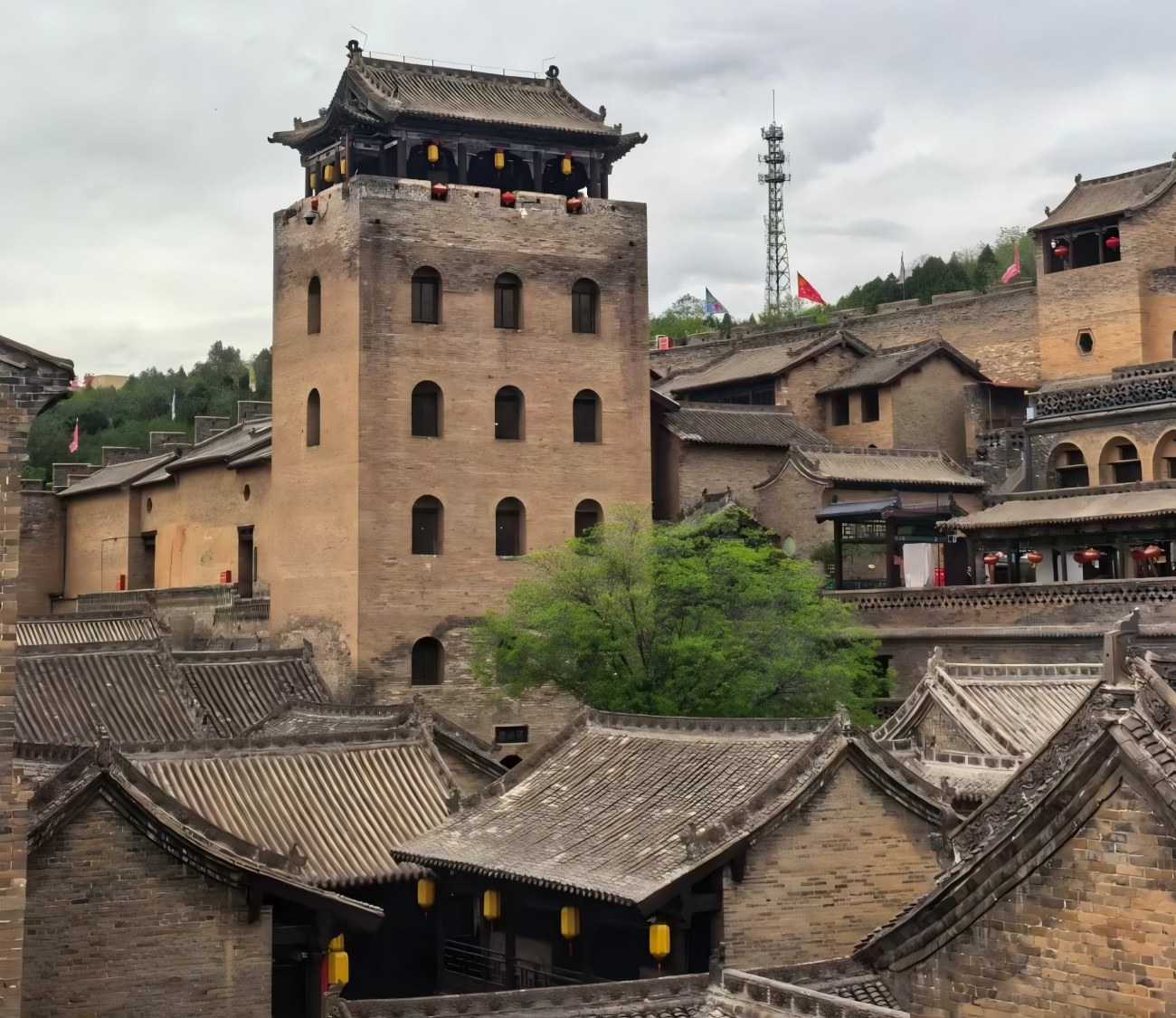
Now we’re at Douzhu Ju, the inner city. The name means "Big Dipper Residence," referring to its layout and precise construction. Built during the chaotic late Ming period, it was designed for defense.
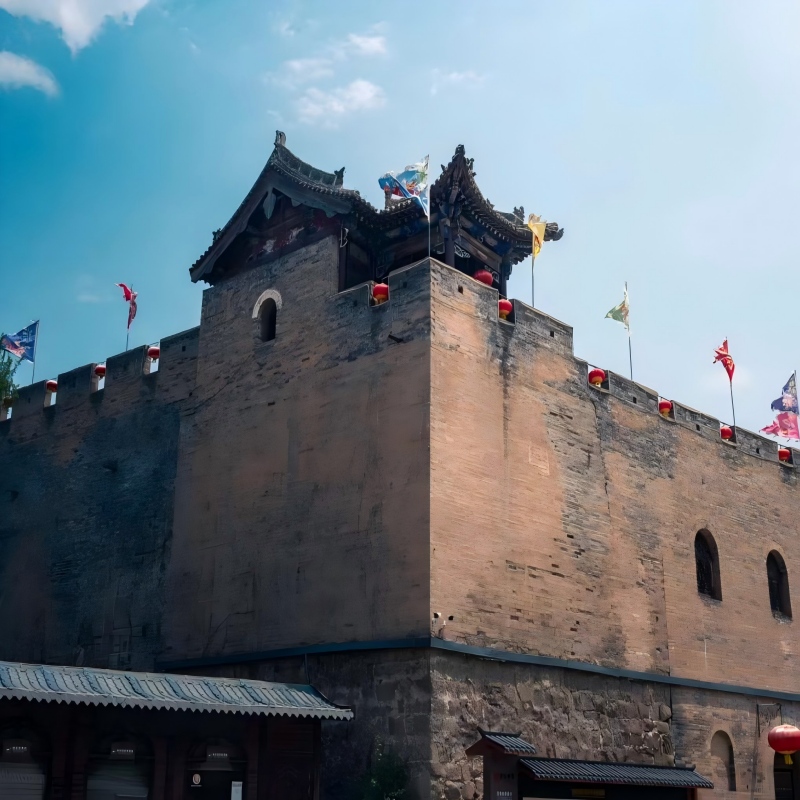
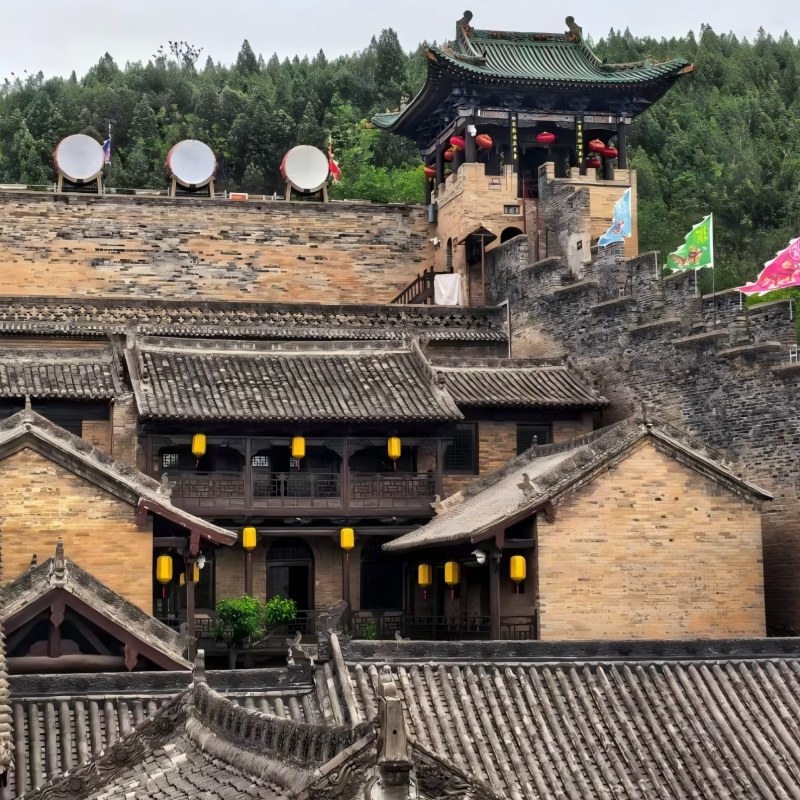
The walls are 12 meters high and 2 meters thick, made of grey brick. They have watchtowers and shooting holes. Inside, three heavy gates (east, west, and south) kept the family safe. The streets are narrow and winding, with connected houses that created a hidden defense network.
At the center stands Heshan Lou, a 30-meter-high tower. It’s the tallest point here. The first floor stored food and weapons; the middle floors were for living and defense; the top floor was a lookout. During bandit attacks, over a thousand people could shelter here. It’s a symbol of the Chen family’s unity.
5. Hidden Soldier Caves: Clever Military Design
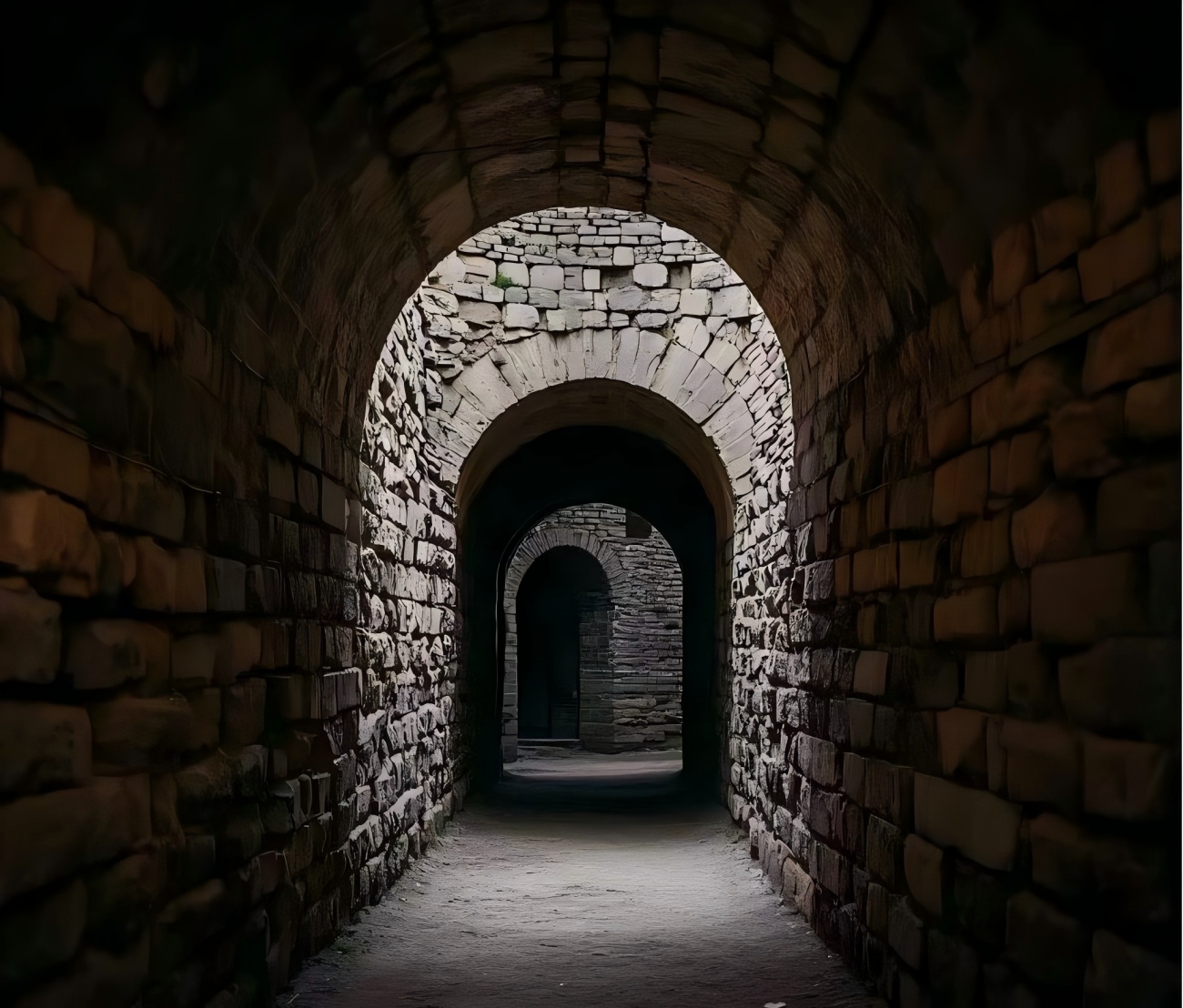
Walking along the walls, you’ll see small caves built into them—the Hidden Soldier Caves. There are 52 in total, some holding over a dozen people. Their entrances are hidden behind battlements, making them hard to spot from outside.
Inside, they’re connected like a secret network. Soldiers could hide here, store weapons, or launch surprise attacks. They even have ventilation and drainage, so staying inside was comfortable.
Legend says Emperor Kangxi visited these caves and asked Chen Tingjing how many soldiers they could hold. "Over a thousand," Chen replied. The emperor was impressed. These caves show how advanced civilian defense was in early Qing times.
6. Imperial Calligraphy Tower: A Gift from the Emperor
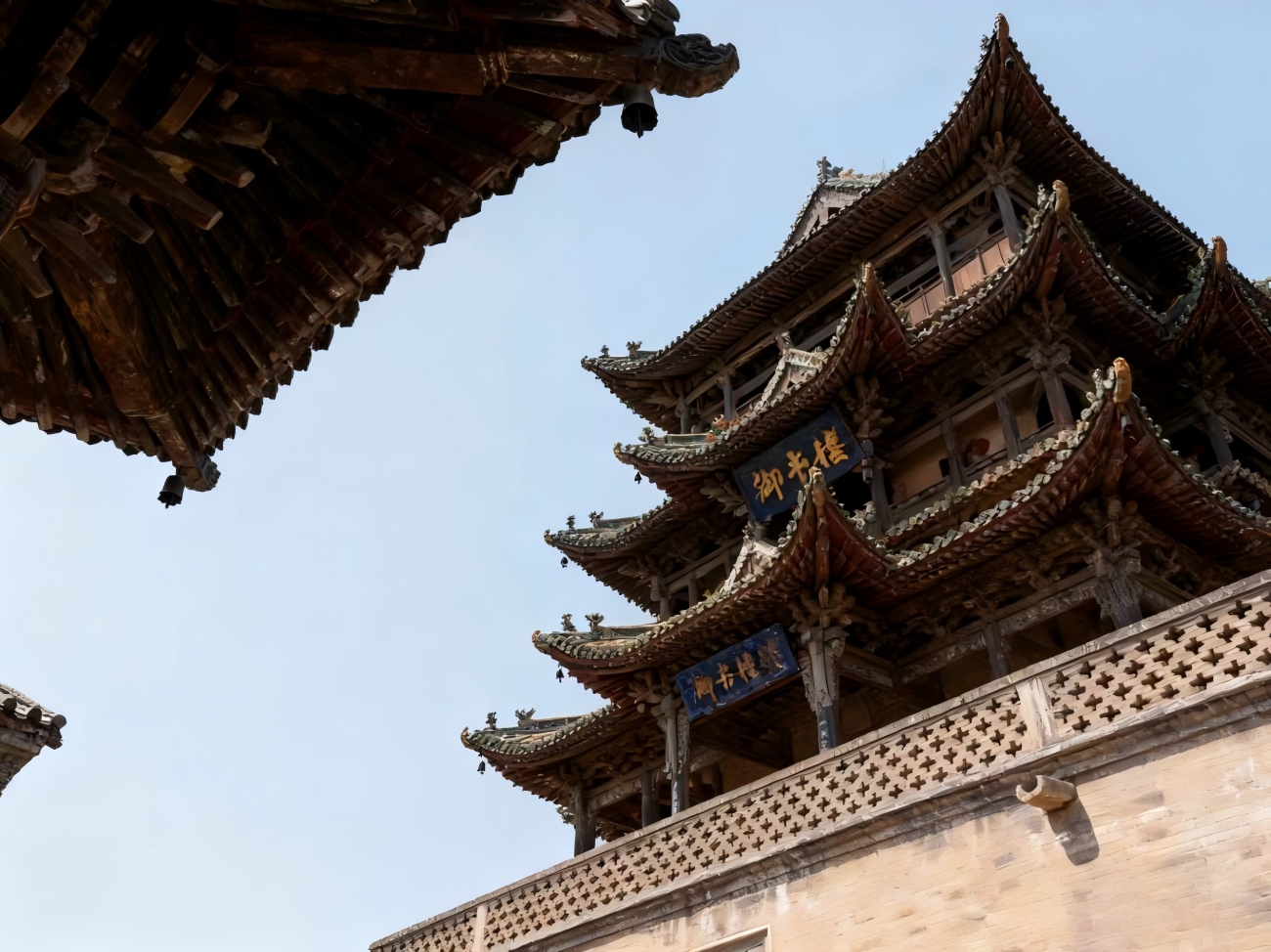
Last, we visit the most prestigious building: the Imperial Calligraphy Tower. This three-story tower houses plaques and poems personally written by Emperor Kangxi. On the first floor, a bronze statue of Kangxi captures his dignity.
Upstairs, you’ll see his handwritten works. The most famous is a plaque for Chen Tingjing and a couplet praising Chen’s integrity and achievements. The tower’s interior is decorated with murals and glazed tiles, showing royal grandeur.
This tower is more than a symbol of the Chen family’s glory—it’s a witness to the bond between emperor and official in Qing times.
7. Local Food: Taste Jincheng’s Flavors
After all that exploring, you’re probably hungry! Here are some local Jincheng dishes to try:
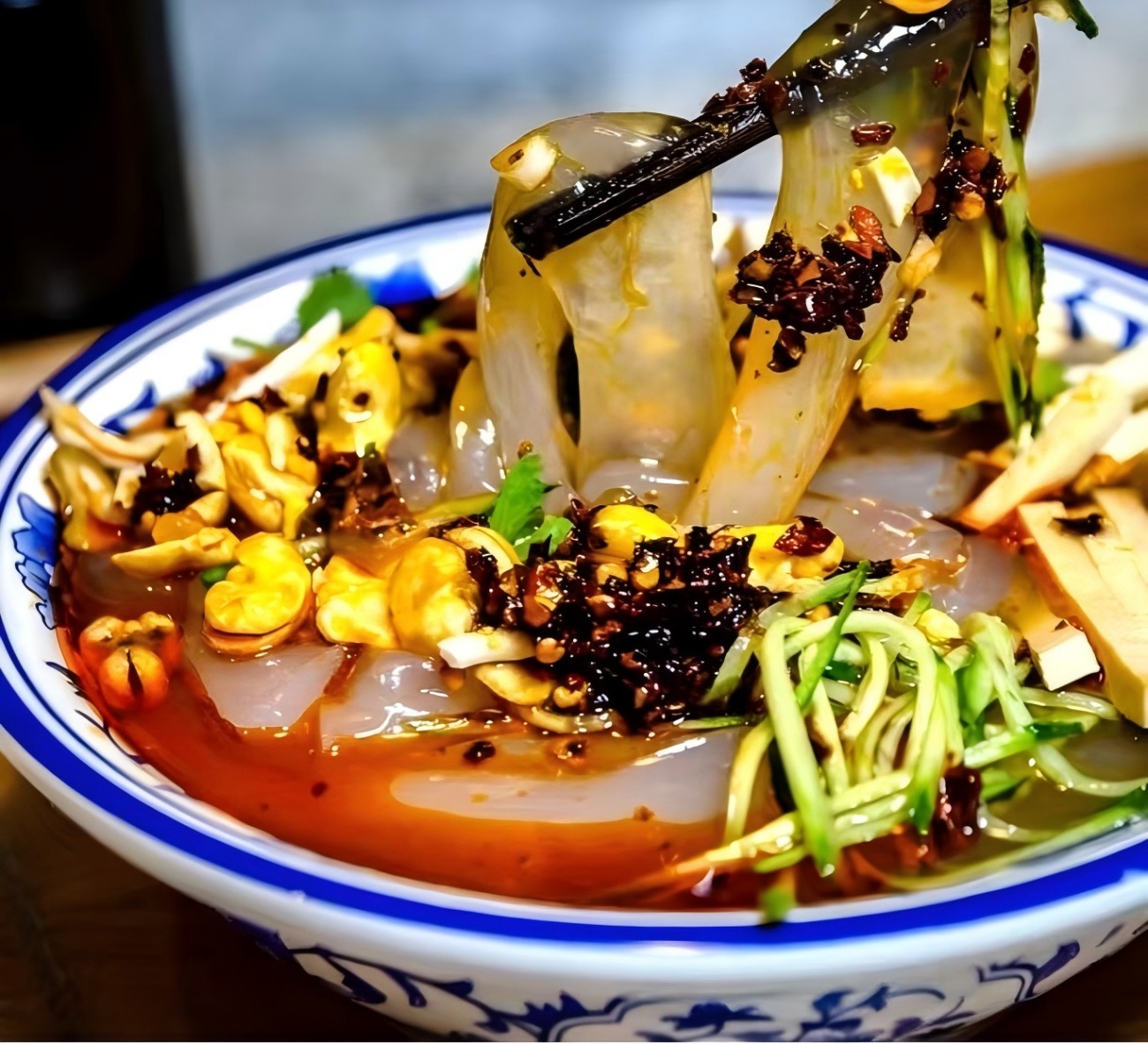
1. Jincheng Stir-Fried Jelly Noodles: A signature snack made with mung bean noodles, garlic, chili, and scallions. Crispy outside, tender inside—totally delicious! You’ll find it in snack streets near the castle.
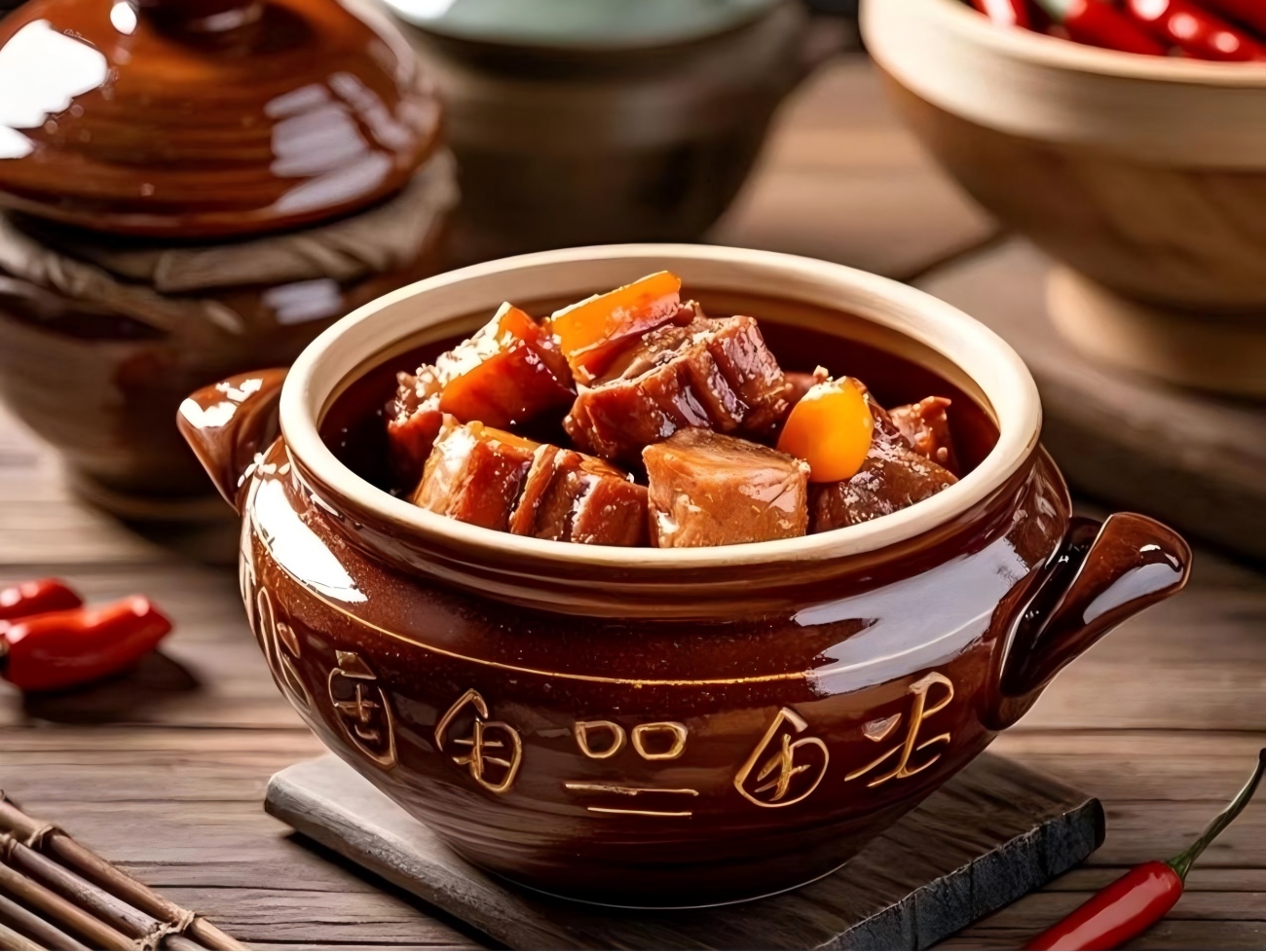
2. Yangcheng Braised Pork in Clay Pot: A 300-year-old specialty. Pork belly is slow-cooked with spices in a clay pot. It’s tender, flavorful, and not greasy. Perfect for colder weather!
3. Gaoping Braised Tofu: Local tofu, fried and braised in a special sauce. Crispy outside, soft inside, with a savory taste. There’s even a historical story behind it—ask a local!
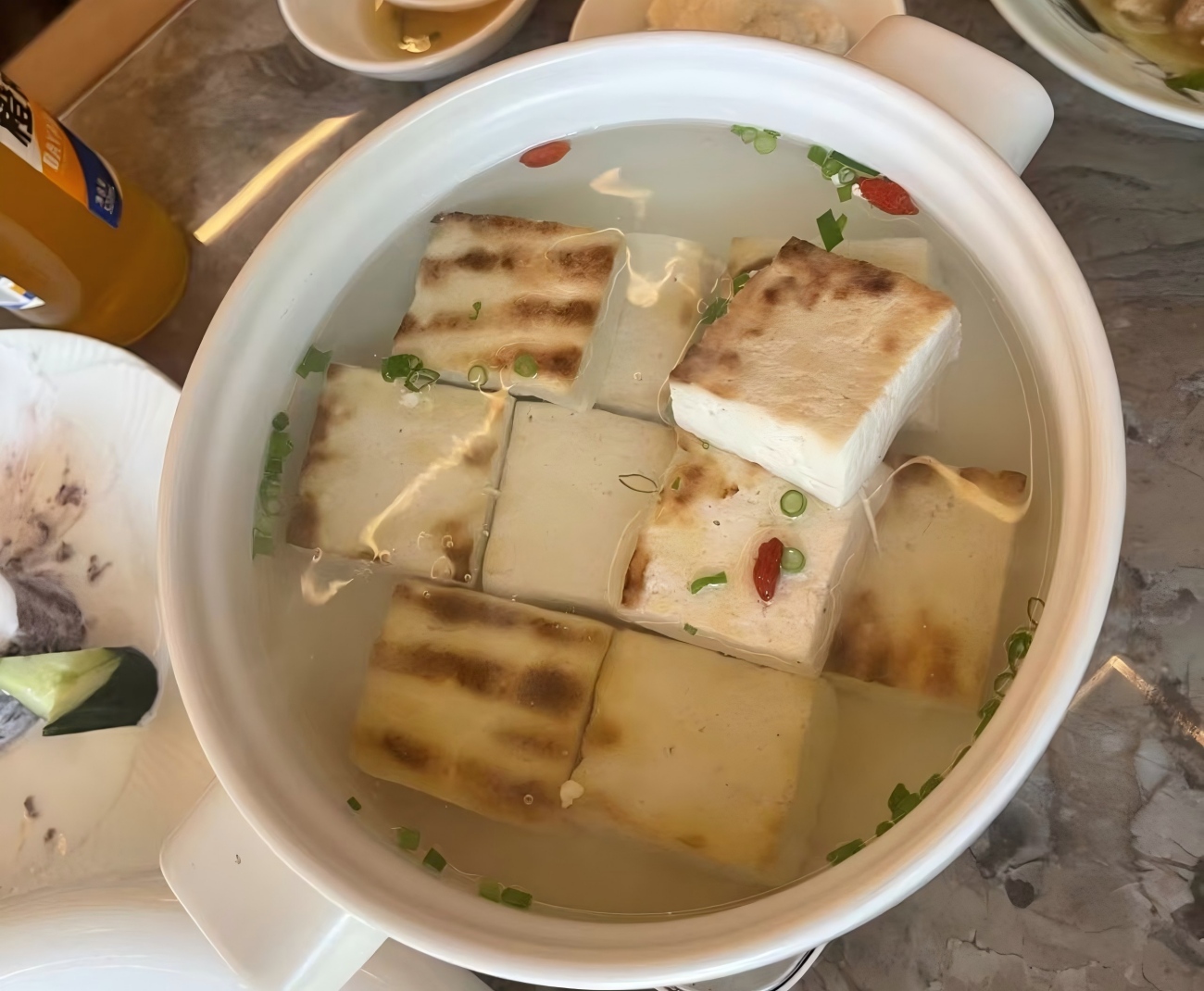
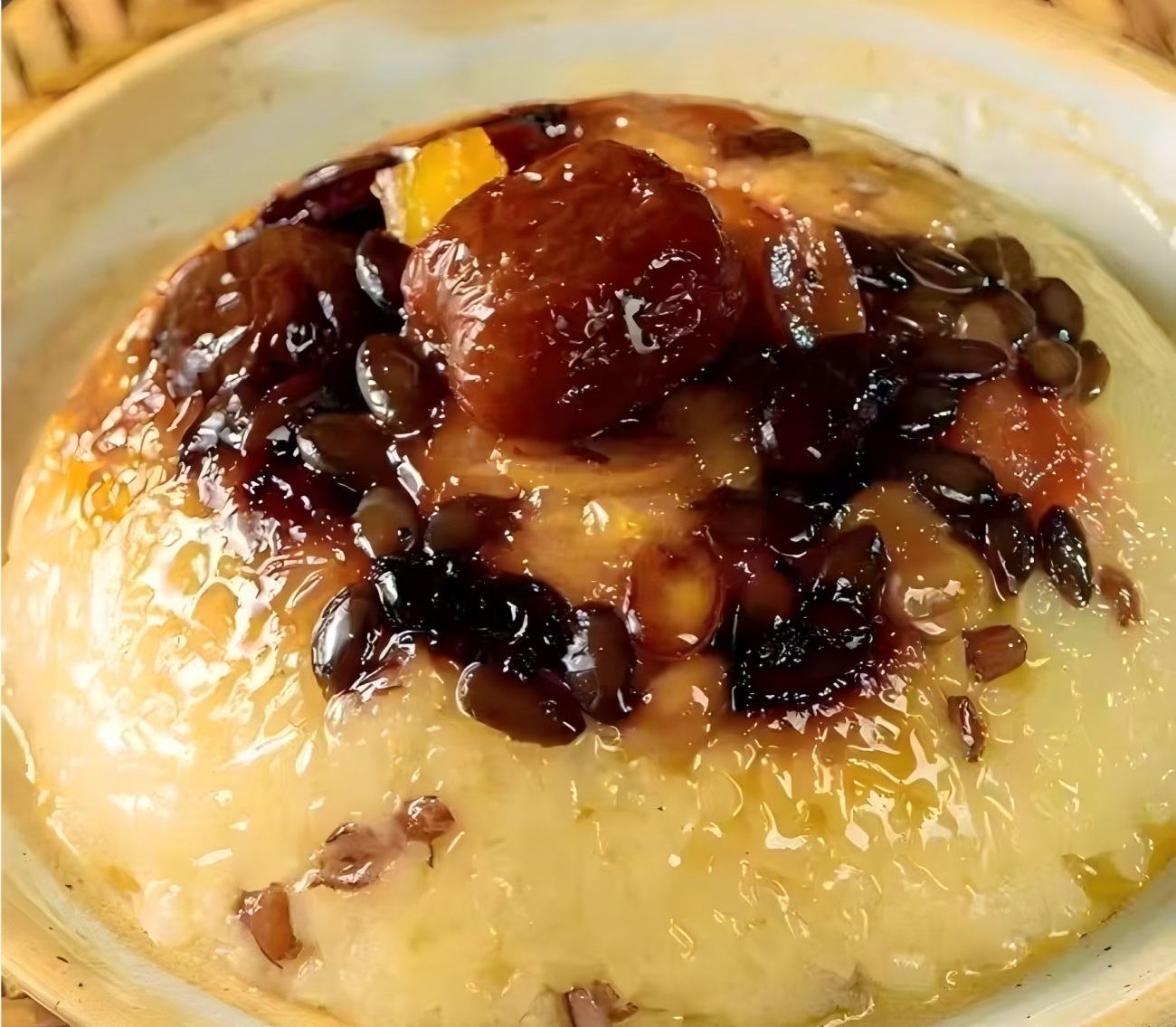
4. Zezhou Sweet Rice Pudding: A traditional dessert. Glutinous rice is steamed with red dates, longan, and nuts. Sweet but not overwhelming, it symbolizes happiness and is loved by locals.
8. Goodbye to the Castle, Hello to Memories
Dear travelers, our tour ends here. I hope you’ve enjoyed discovering Huangcheng Xiangfu’s history, architecture, and stories—and maybe even tasting some local food!
This castle is more than an old building—it’s a treasure of Chinese culture and art. Here, we’ve seen how Ming-Qing officials lived, felt the depth of Confucian values, and admired ancient Chinese wisdom and hard work.
May the beauty of Huangcheng Xiangfu stay with you. Share its stories with friends and family! Thank you for joining me today. Wishing you all wonderful journeys ahead. Goodbye, and see you again!