Everest Base Camp
Reach Your Everest Dream Without the Hassle. Let【 Huatu】Guide You.
Tibet's Everest Base Camp is a lifetime adventure, but planning it can be overwhelming. Huatu Travel, a certified 5A scenic spot operator, makes it effortless with our exclusive "Menu-Style" Custom Tours.
Forget rigid schedules. We offer flexible, build-your-own itineraries. Choose from iconic experiences like the Rongbuk Monastery (world's highest temple) and stunning Gyatso La Pass viewpoints. We handle all complex permits, logistics, and provide expert local guides, so you just focus on the majesty of the Himalayas.
Why Travelers Trust Huatu:
Official Expertise: Guaranteed access & seamless arrangements.
Your Trip, Your Way: Mix and match attractions to create your perfect journey.
Hassle-Free High Altitude: We prioritize your safety and comfort.
Stop dreaming, start planning. Explore the roof of the world with the region's most trusted partner.
Visit Our Website to Design Your Everest Adventure Today!
A Pilgrimage to the Top of the World: Mount Everest Base Camp
Hello everyone, and welcome! I'll be your guide today on this incredible journey to Mount Everest Base Camp. Right now, we're in Dingri County, Shigatse, Tibet, about to enter a place that tops countless bucket lists – the foothills of the world's highest peak.
Mount Everest, known as "Chomolungma" (Goddess Mother of the World) in Tibetan, isn't just a geographical wonder standing at 8,848.86 meters. It's a profound cultural and spiritual symbol, deeply woven into Tibetan history and beliefs. So, let's dive in and experience this sacred land, touching the sky while soaking up its rich heritage.
Before we arrive, let's rewind a bit. Over 1300 years ago, during the Tibetan Empire, Everest was already revered as a sacred mountain. It's considered the main peak of the "Five Long-Life Sisters" in Tibetan Buddhism, specifically "Jomo Miyo Lang Sangma," a guardian deity of the plateau. This area was also a key stop on ancient Tea Horse Road routes, where traders and pilgrims exchanged goods and ideas. In modern times, Everest became the ultimate challenge for climbers worldwide, famously first summited in 1953 by Sir Edmund Hillary and Tenzing Norgay. But for the local Tibetan people, it remains a holy mountain, respected through annual pilgrimages and ceremonies.
1. Everest Base Camp (EBC): Your Gateway to the Summit
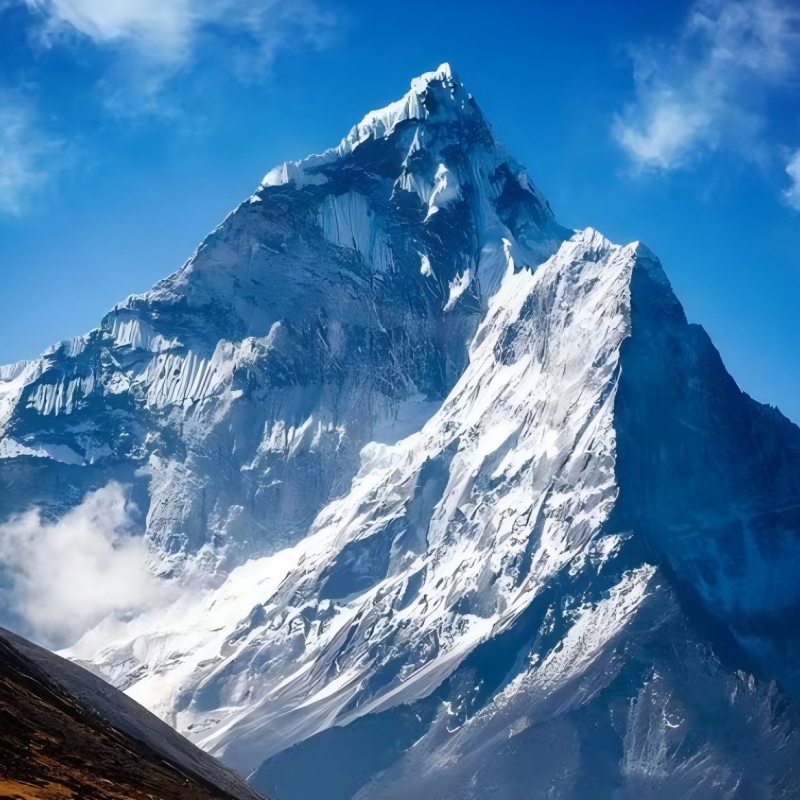
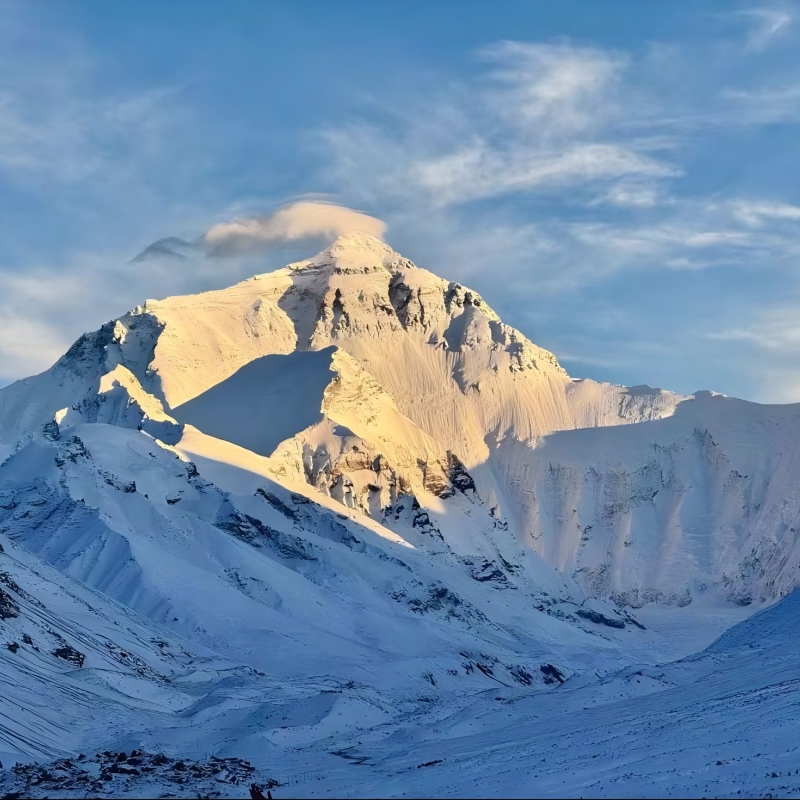
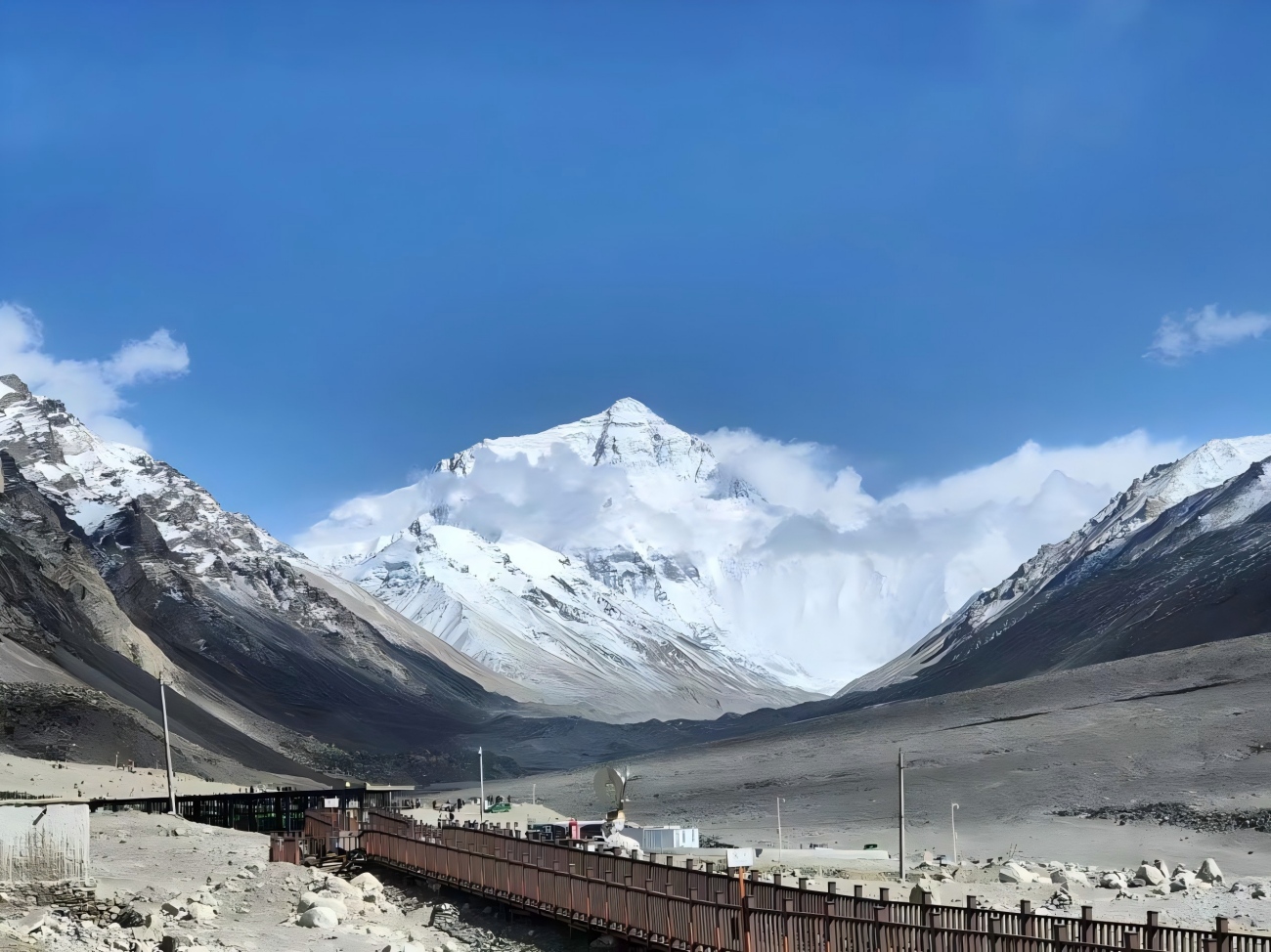
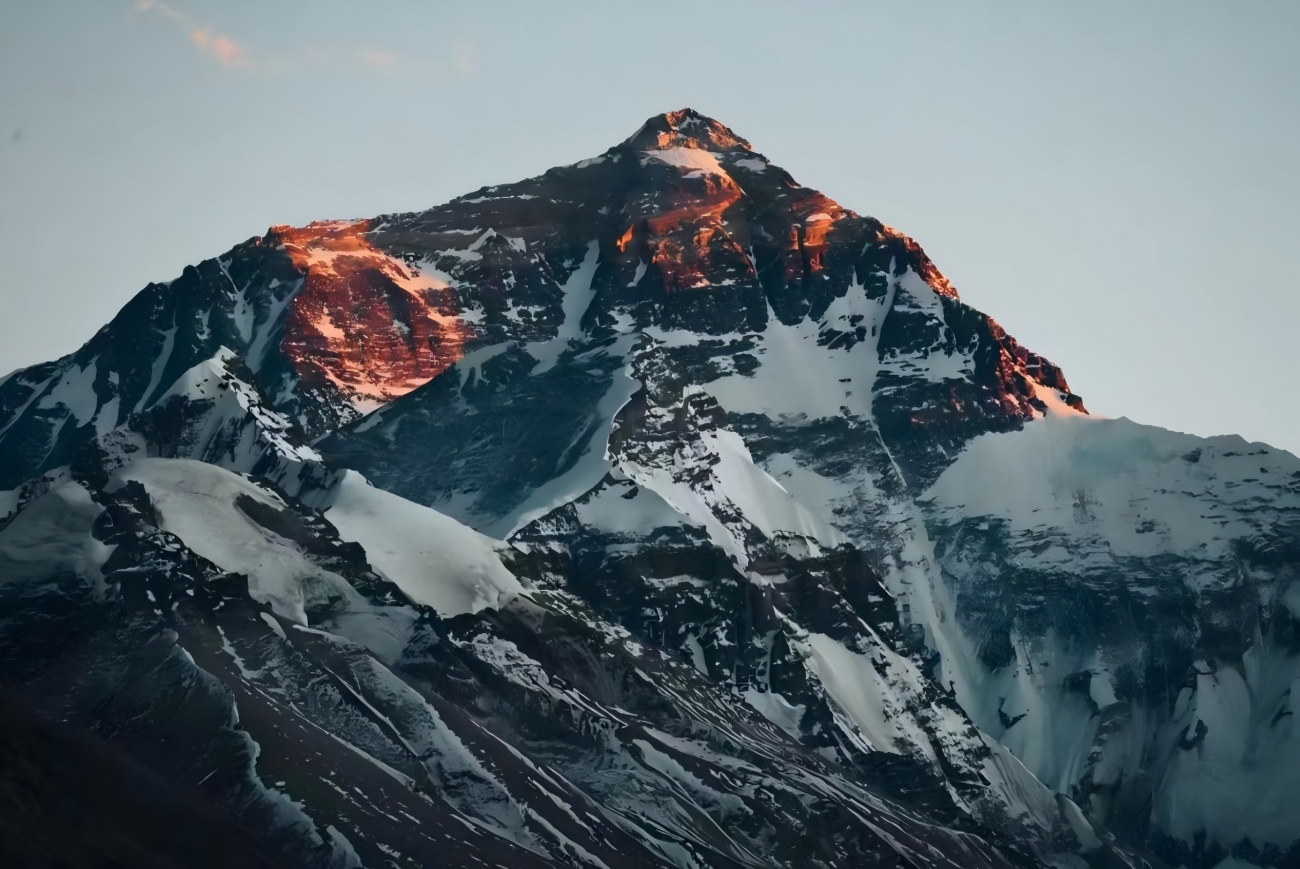
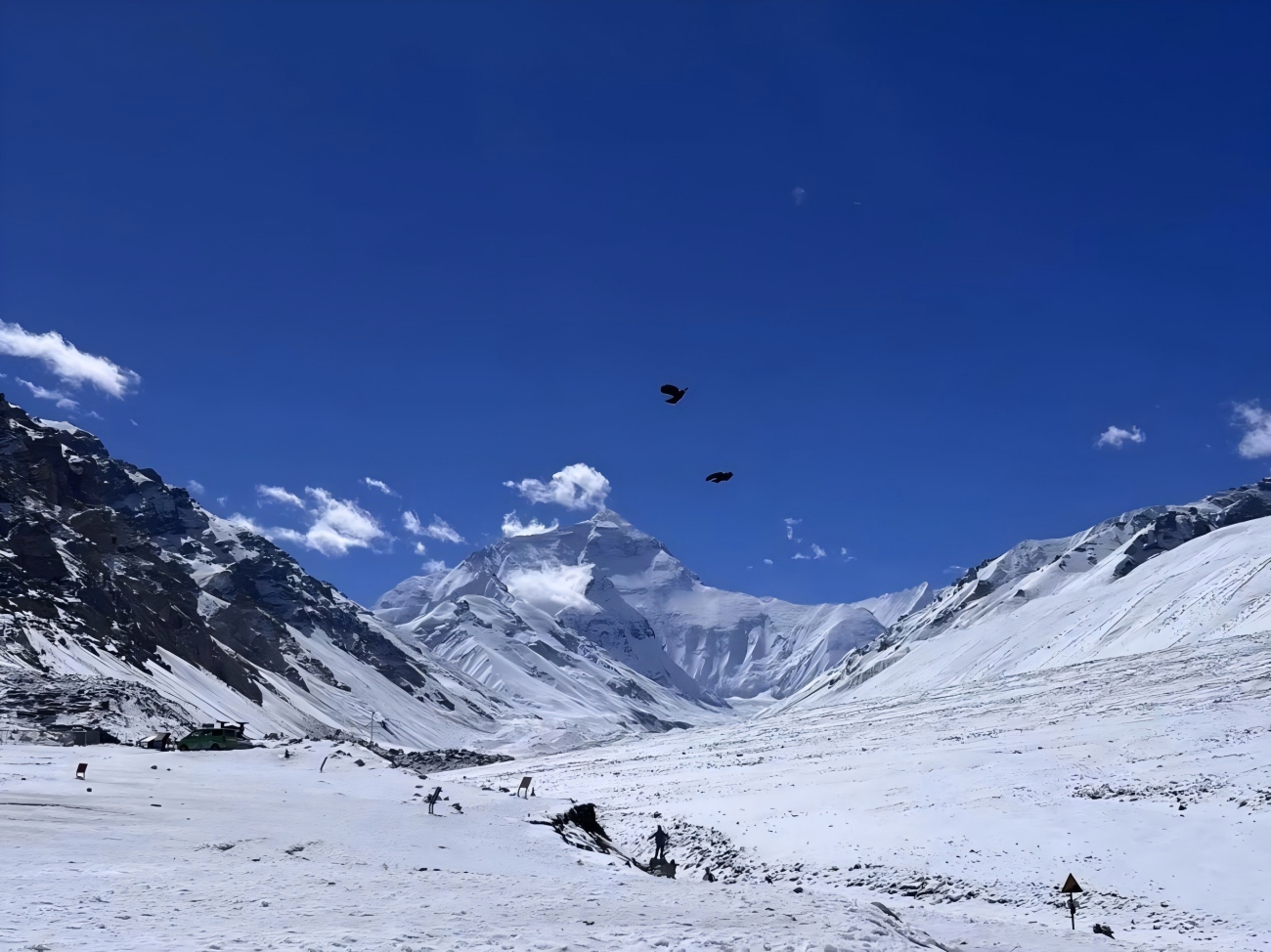
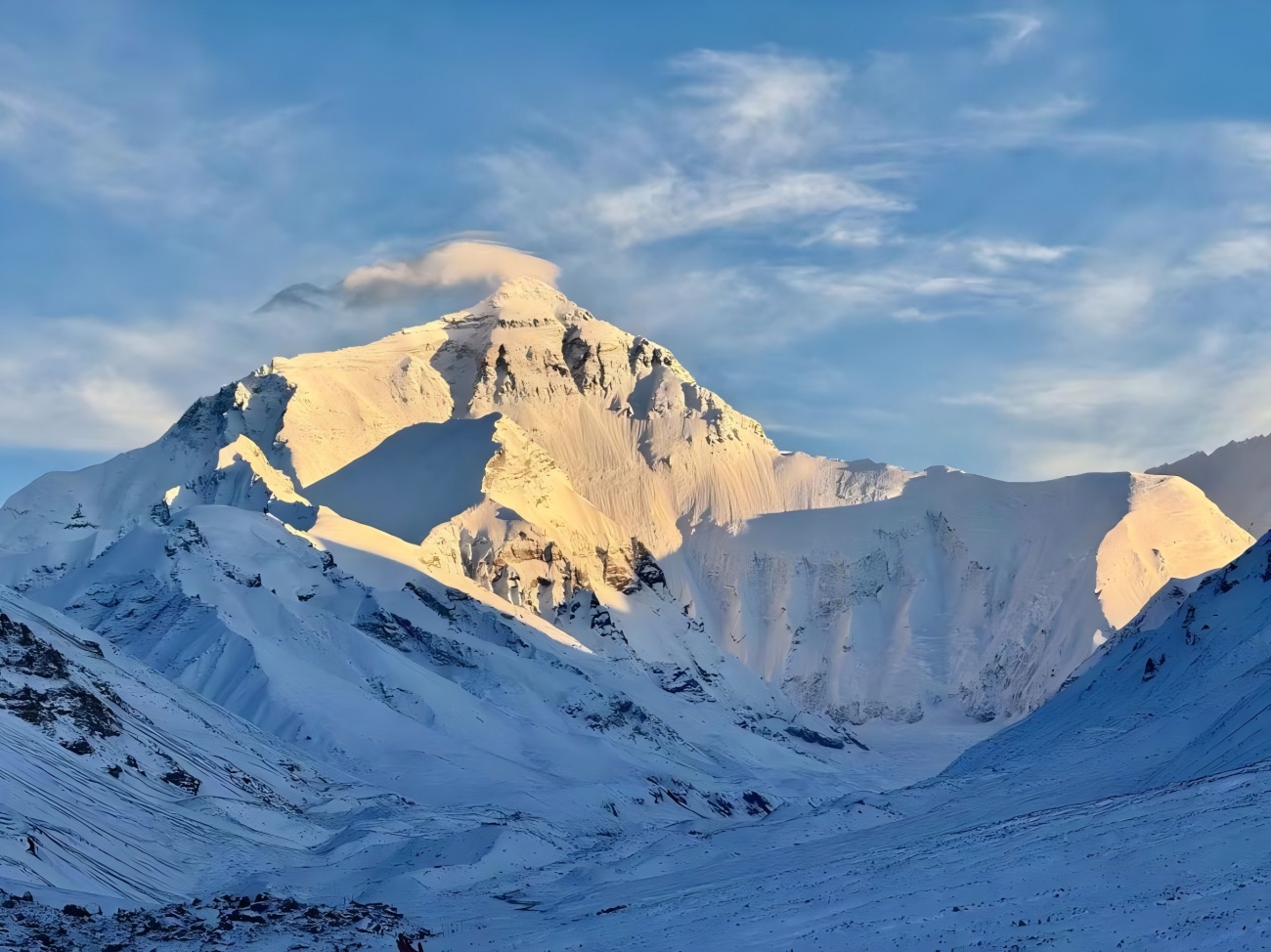
Welcome to the heart of Everest Base Camp! At 5,200 meters, this is the closest most visitors can get to the summit and the starting point for all those daring climbers. Imagine a vast, open valley surrounded by a jaw-dropping circle of snow-capped peaks. And there it is – Everest itself, rising like a giant, majestic pyramid against the sky, its peak forever white and glowing. Trust me, photos don't do it justice; seeing it with your own eyes is a moment you'll never forget.
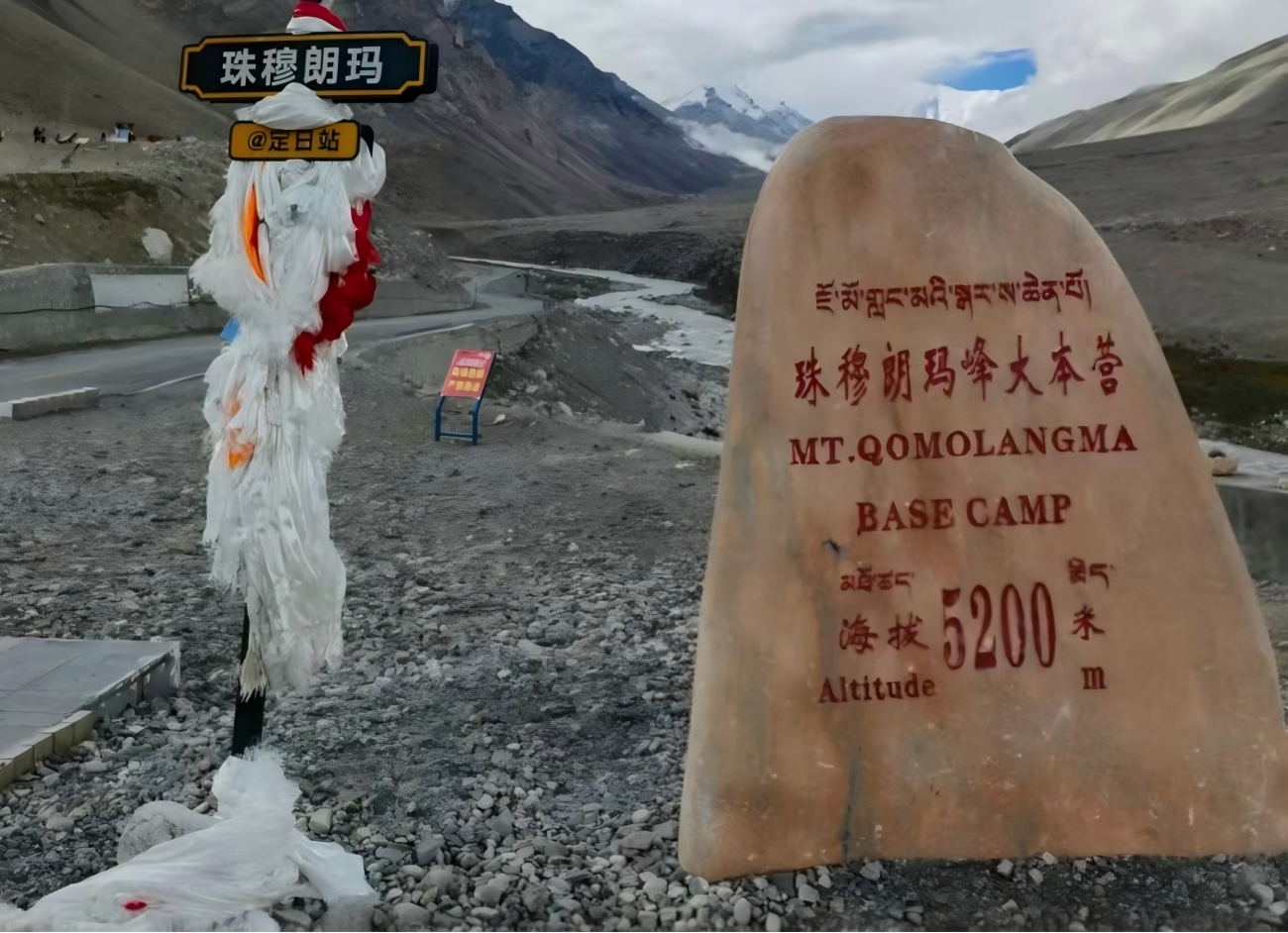
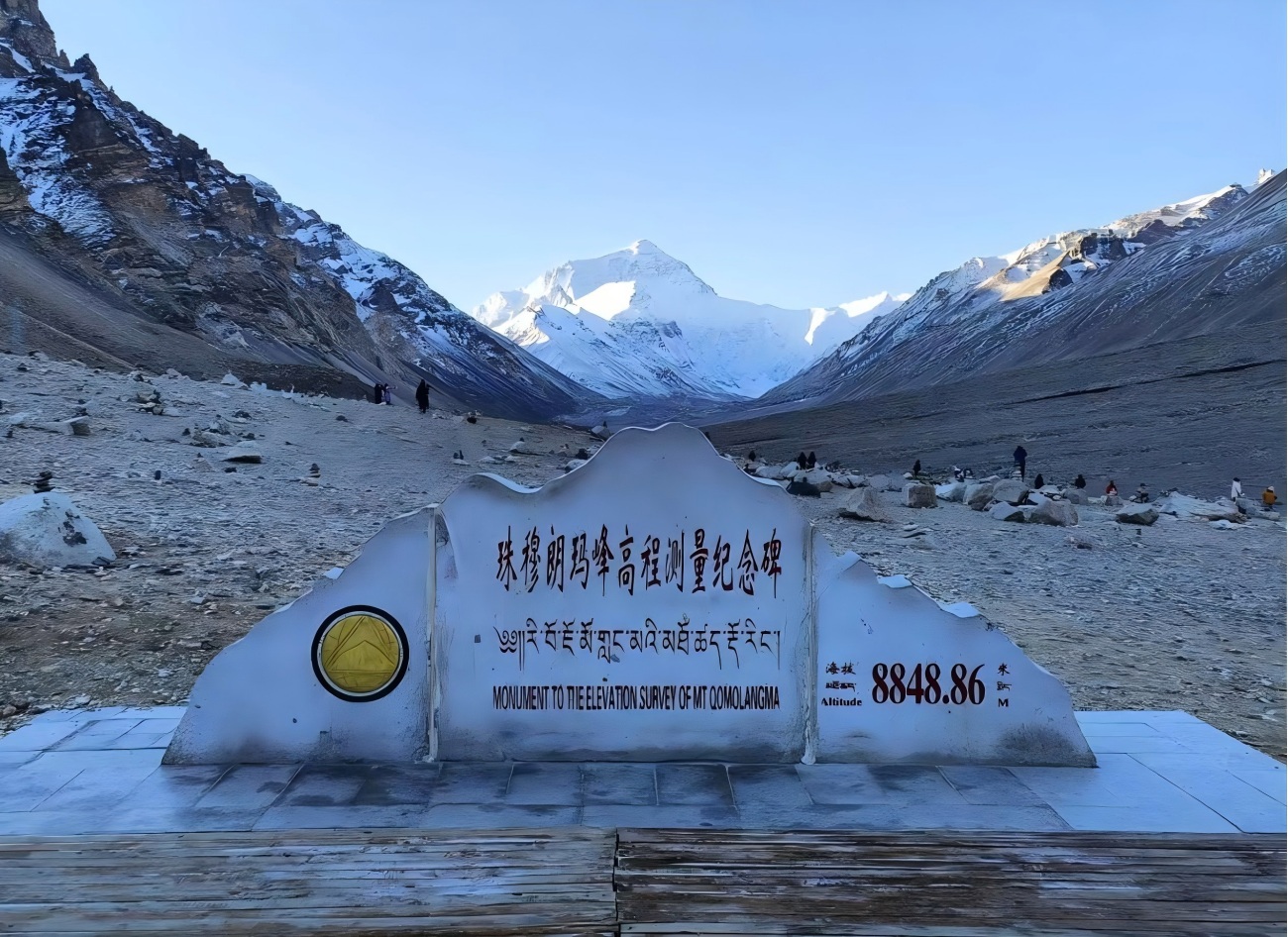
Right in the center, you'll find the official Mount Everest Survey Monument. Made of granite, it proudly displays the mountain's name and its precise height of 8,848.86 meters. It's not just a marker; it's a testament to human curiosity and scientific achievement. Surrounding it, you'll see a colorful forest of prayer flags from Tibetan locals and expedition banners from global teams. The flags, printed with the sacred "Om Mani Padme Hum" mantra, flutter powerfully in the wind, sending out prayers for safety and success.
Here's a cool piece of history: When the Chinese climbing team first planned their ascent in the 1950s, local Tibetan communities were crucial to their success. They provided yaks to carry supplies and experienced guides to help them acclimatize. A Tibetan climber named Gonpo was part of the team that made the first successful ascent from the North Ridge in 1960, proving the skeptics wrong! You can learn more about this amazing story and see original gear at the mountaineering museum here.
A quick heads-up:* We're really high up now. Some of you might feel a bit lightheaded or short of breath – that's normal. Just take it slow, drink plenty of water, and avoid any strenuous activity. There's a basic medical tent here if you need any help.
2. Rongbuk Monastery: The World's Highest Temple
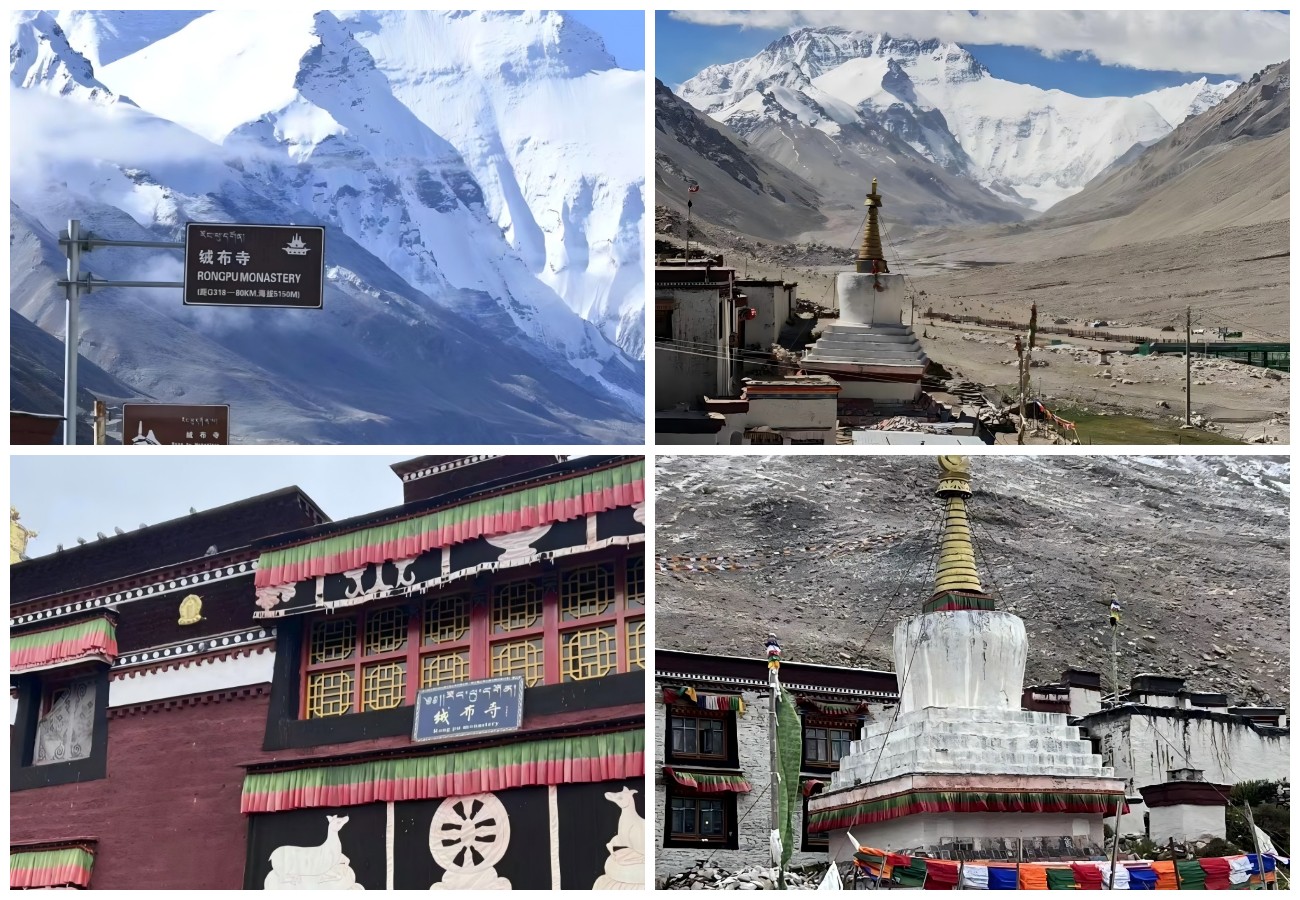
Just 8 km northwest from base camp sits a true gem – Rongbuk Monastery, the highest monastery on Earth at 5,154 meters. Founded in 1899, this Nyingma sect monastery is nestled at the end of the Rongbuk Glacier, hence its name. While it's not huge, its incredible location and deep spiritual significance make it a must-see.
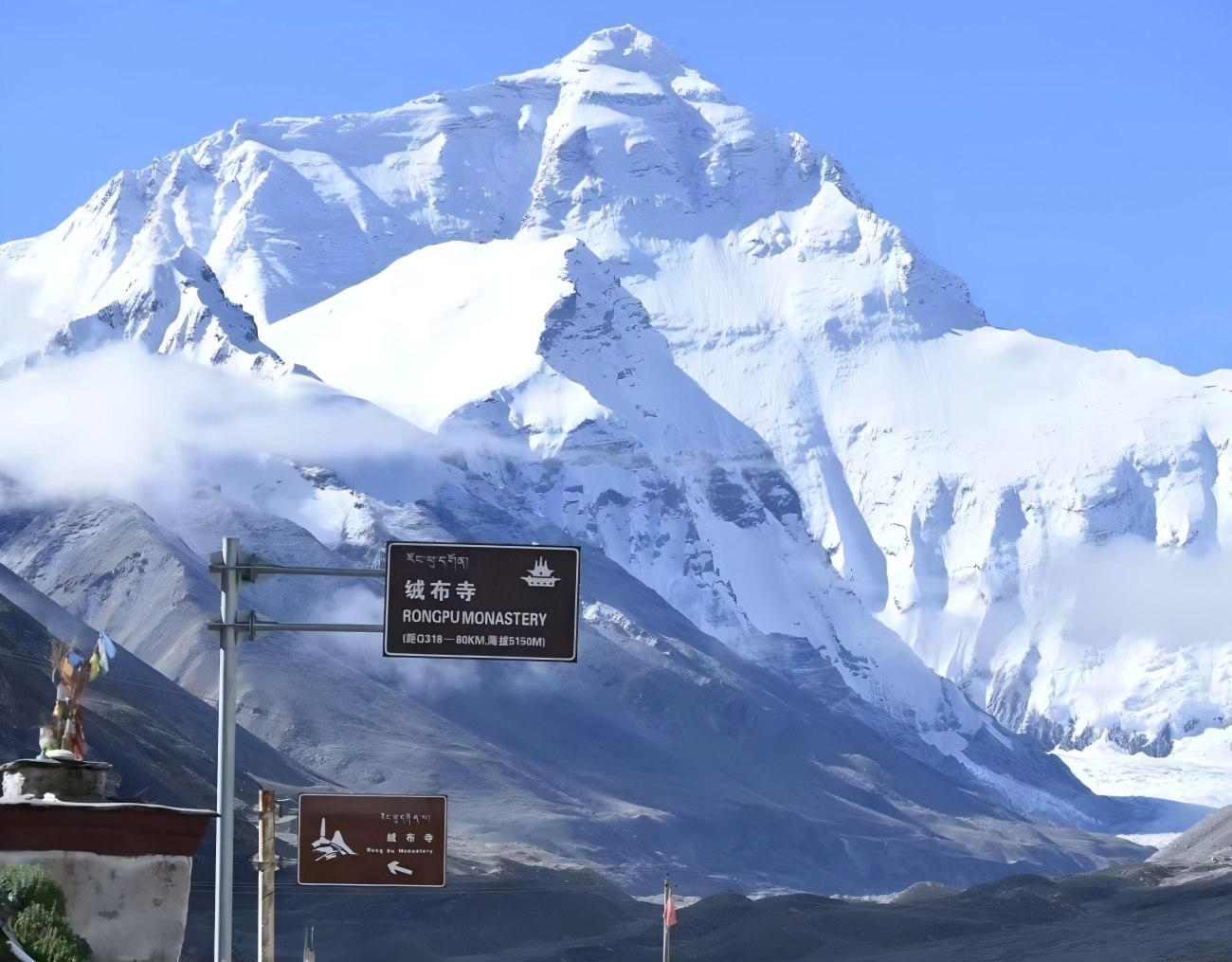
The architecture is classic Tibetan, built from local stone with roofs made from yak wool to withstand the harsh winds. Inside the main hall, you'll find beautifully crafted statues of Buddha and other important masters. The walls are adorned with vibrant murals telling Buddhist tales and local legends. The monastery even safeguards a precious Tibetan scripture from the Qing Dynasty, detailing the sacred history of Everest.
But the real showstopper is the view. The terrace in front of the monastery offers one of the most picture-perfect, uninterrupted views of Everest. At sunrise, the first light hits the peak, creating a spectacular "Golden Crown" effect that paints the entire mountain in gold – a truly magical sight for any visitor or photographer. Legend says a rainbow appeared over Everest's peak when the founder was choosing the site, confirming it was a blessed place. For over a century, the monks here have kept a constant vigil, praying for the safety of climbers and the well-being of the local community.
3. Rongbuk Glacier: A Frozen Ocean of Ice
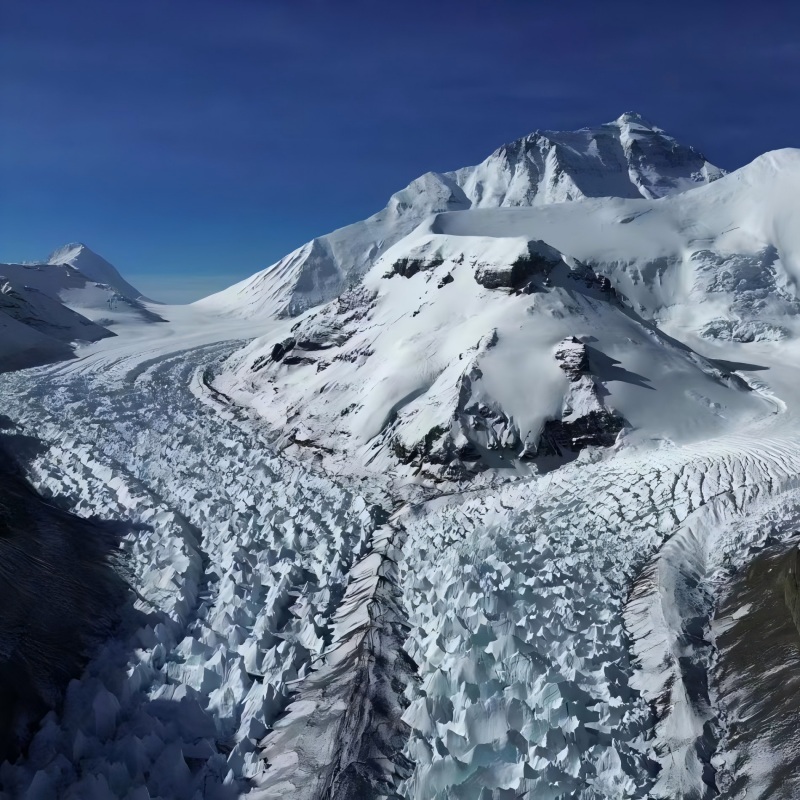
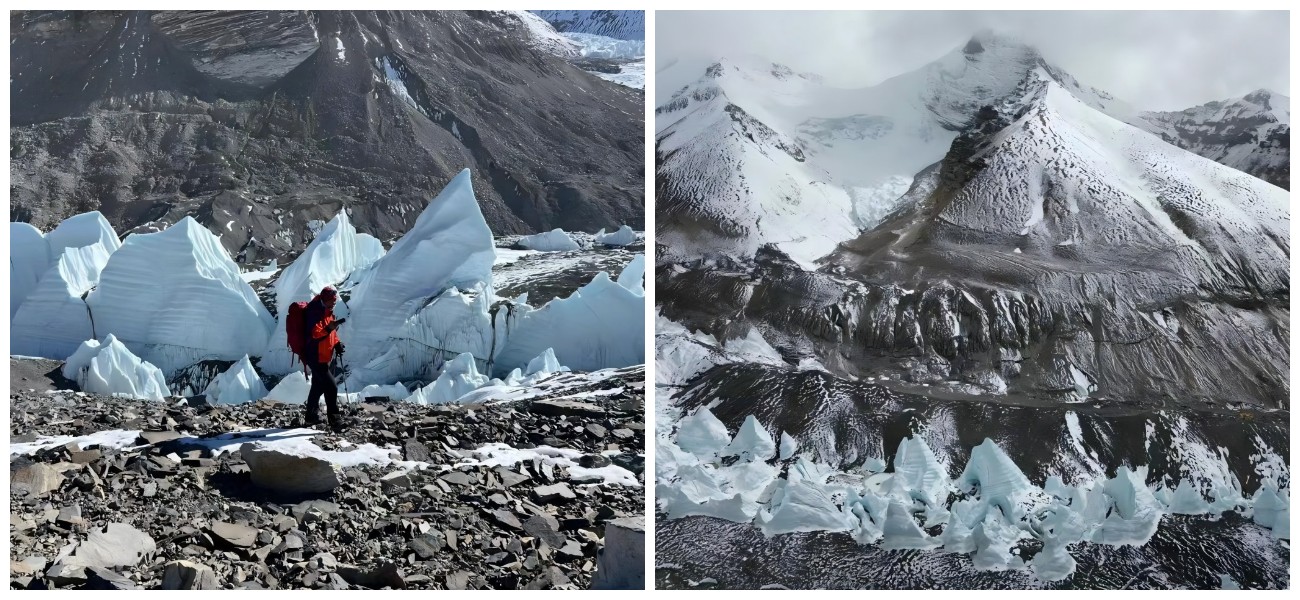
Next up, we're visiting the breathtaking Rongbuk Glacier, the largest glacier on Everest's north side. Stretching over 22 km, it's like a massive, slow-moving "frozen river" of ice, formed by snow compressed over thousands of years. It's a vital freshwater reserve and a natural record of our planet's climate history.
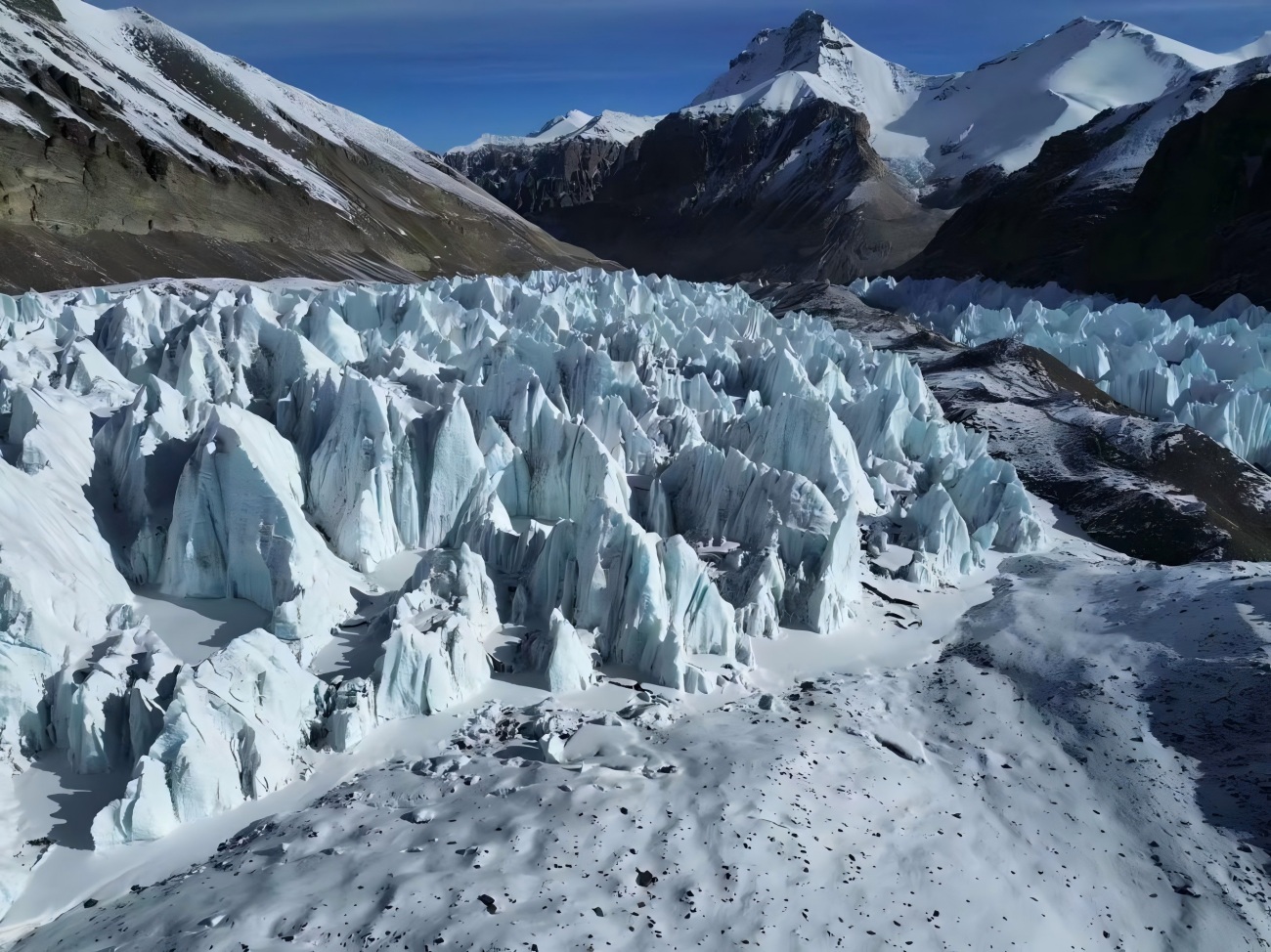
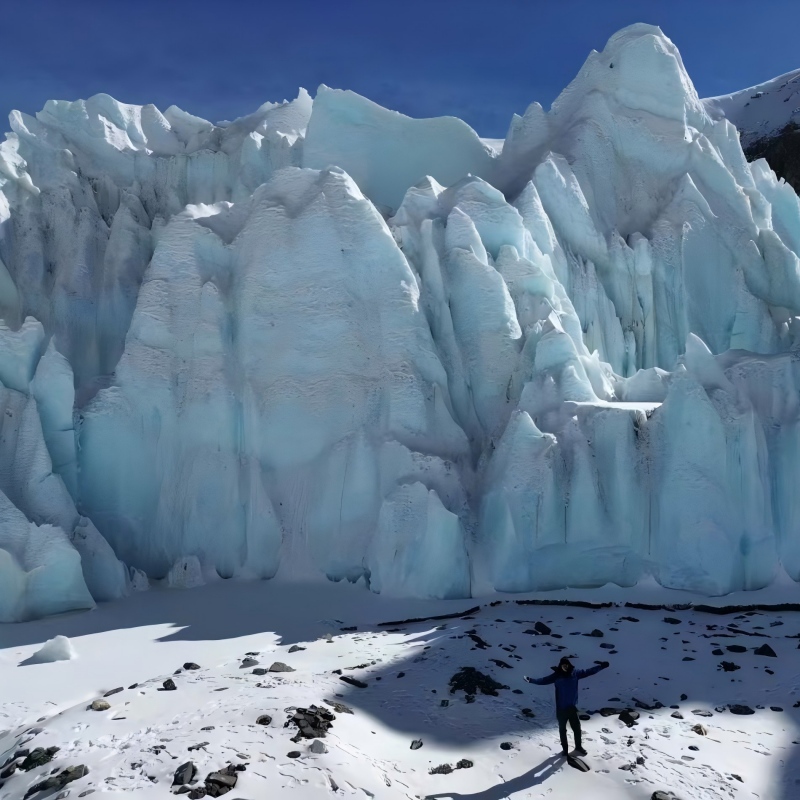
Getting closer, you'll be amazed by the forest of ice towers, some as high as 50 meters! They come in all shapes and sizes – some like sharp swords, others like ancient pagodas, all glowing with an ethereal blue light. It feels like stepping into a fantasy world. These seracs are formed by the sun melting and reshaping the ice over time. Between them, you can find intricate ice caves and bridges, decorated with stunning ice formations.
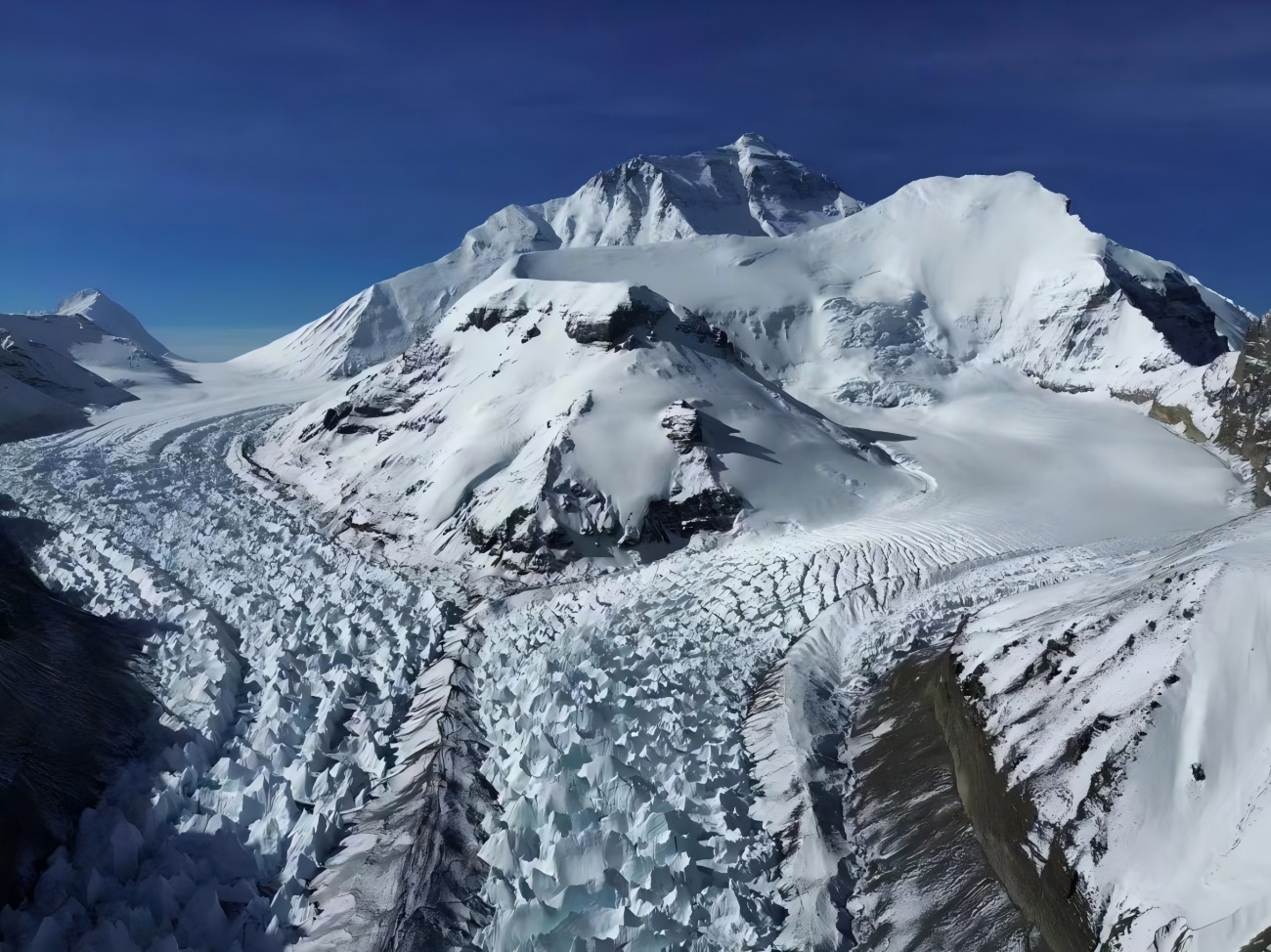
Beyond its beauty, this glacier is a scientific treasure trove. Ice core samples from here help scientists understand Earth's past climate. For Tibetans, the meltwater is considered "the milk of the sacred mountain," a life-giving source. You might also spot Mani stones carved with prayers, placed by locals to show their respect for nature.
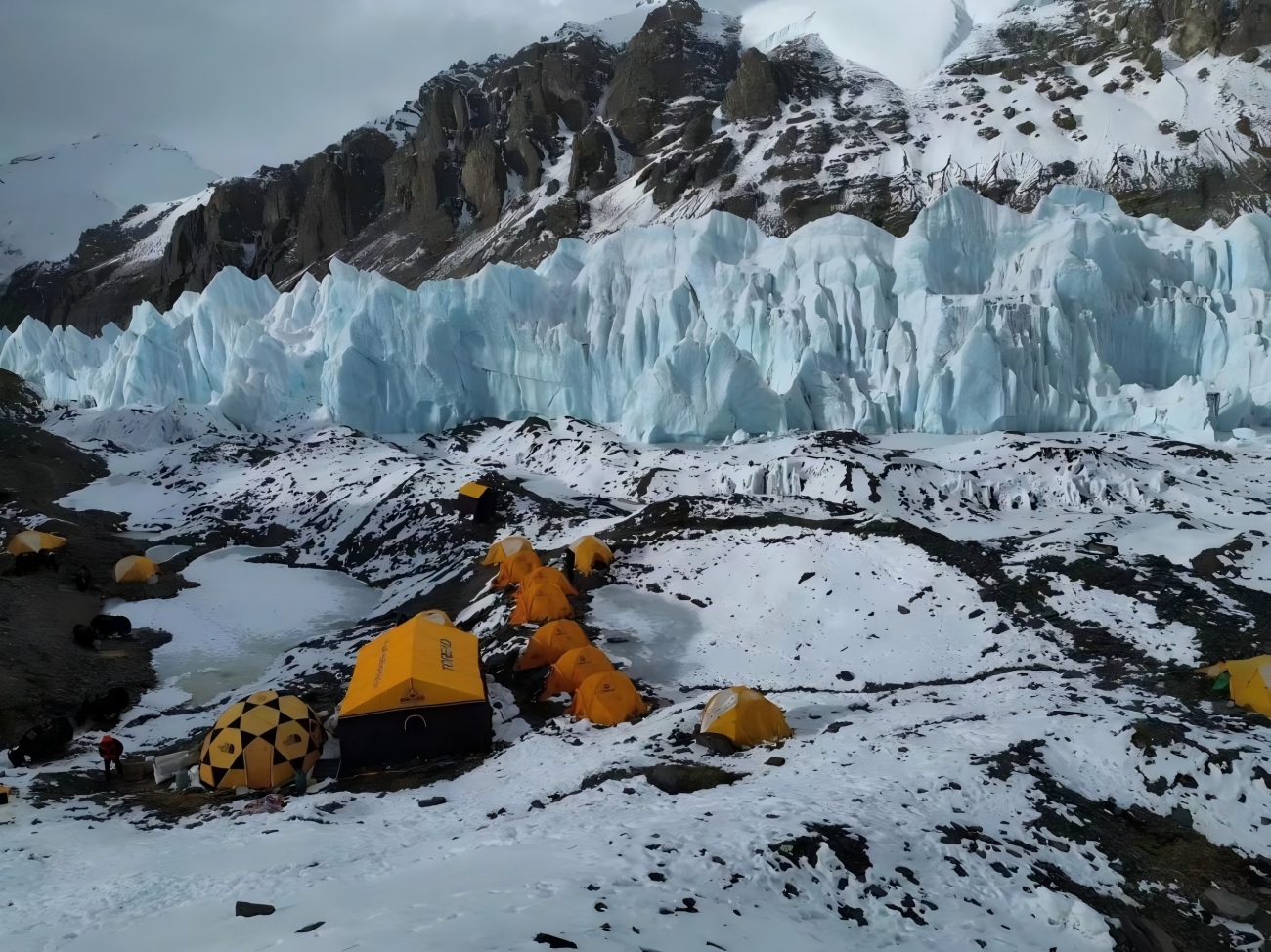
Please remember: The glacier terrain is tricky and can be slippery. Stay in the designated areas and follow your guide's instructions for a safe visit.
4. Everest Viewpoints: A 360-Degree Mountain Feast
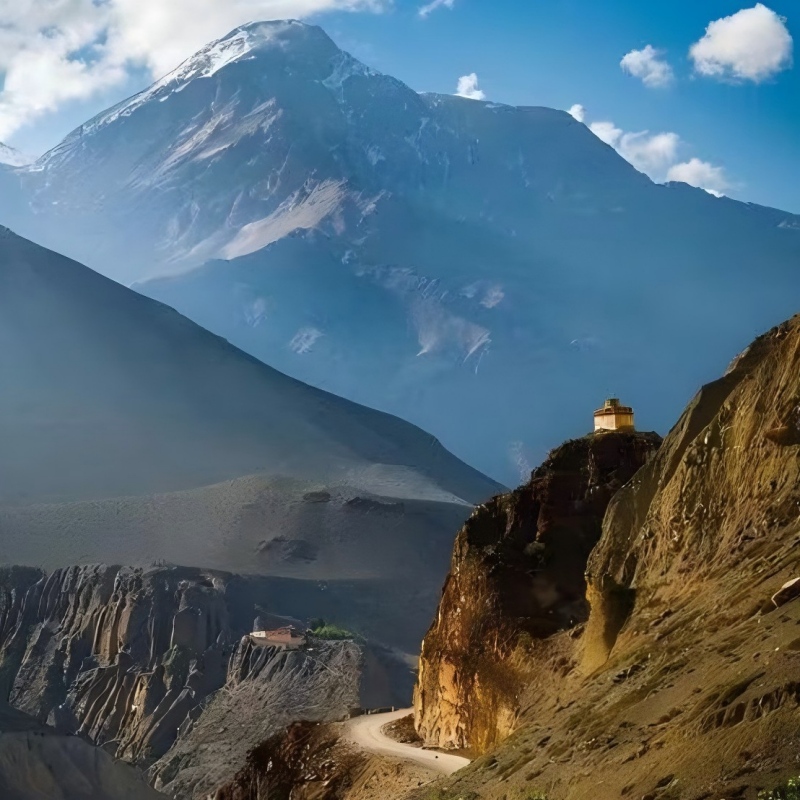
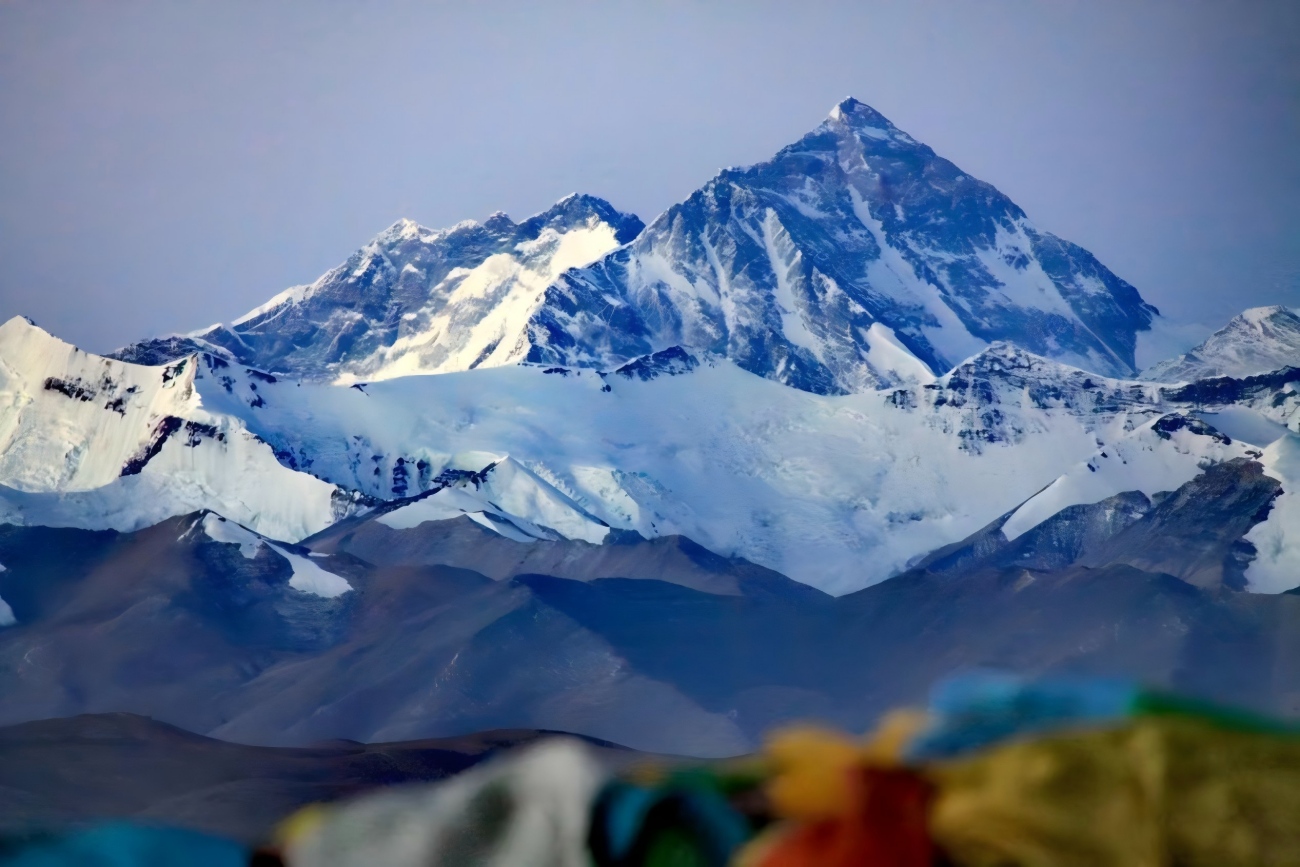
Around base camp, we're spoiled with some of the best viewpoints on the planet. The most famous is likely the Gyatso La Pass viewpoint. From 5,198 meters, it's the only place in the world where you can see *five* mountains over 8,000 meters high all at once – Everest, Lhotse, Makalu, Cho Oyu, and Shishapangma. It's an absolute mountain lover's dream. The viewpoint right here in EBC is more accessible and gives you a more intimate, close-up look at Everest's details.
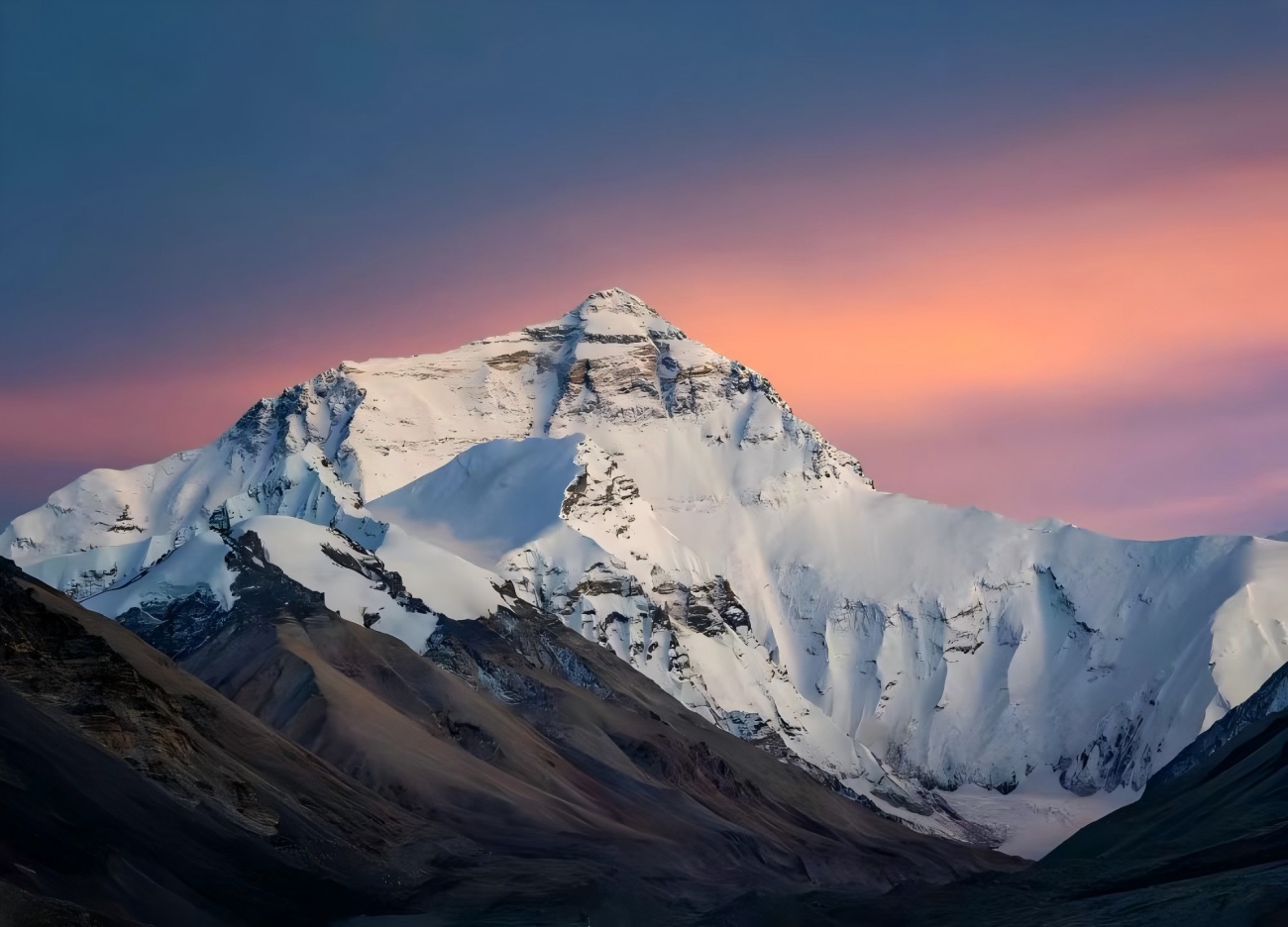
Sunrise and sunset are the prime times. At dawn, watch as the peak emerges from the clouds. At dusk, witness the "Golden Crown" phenomenon, where the summit seems to be dipped in gold. You'll often find local herders with their beautifully decorated yaks here, offering a classic photo opportunity against the epic mountain backdrop.
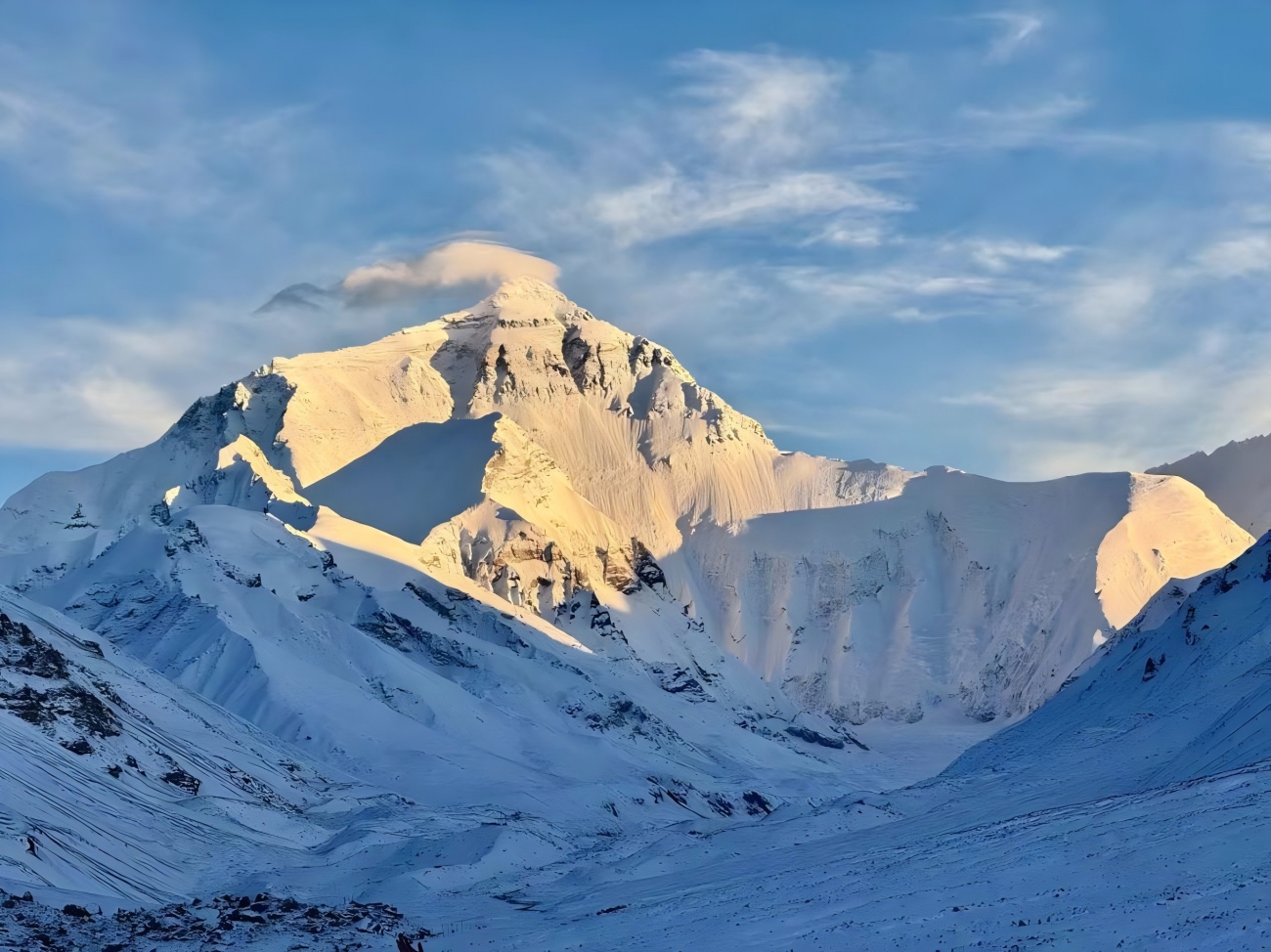
Fun fact: It was from Gyatso La Pass that Hillary and Tenzing first got a clear view of the North Col route during their historic 1953 expedition. A plaque here commemorates their journey. So, get your cameras ready, but also take a quiet moment to just breathe it all in.
5. Everest Mountaineering Museum: The Heroic Saga of Climbers
To really understand the human story behind climbing Everest, we'll visit the Everest Mountaineering Museum in nearby Zhaxizong. It's China's first museum dedicated solely to Everest expeditions.
The star exhibits are the original gear used by the 1960 Chinese team – oxygen bottles, jackets, ice axes. It looks simple now, but it was top-tech back then and represents immense courage. You'll also see flags, logs, and medals from international teams, including replicas of Hillary's boots and info about Tenzing Norgay.
Beyond climbing history, there's a section on local Tibetan culture, displaying traditional clothing, artifacts, and religious items. A multimedia room shows stunning documentaries about the mountain's nature and people. After this visit, you'll have a much deeper appreciation for the climbers' feats and the local culture they pass through.
6. High-Altitude Bites: A Taste of Tibet
Even up here, Tibetan cuisine offers delicious and energizing options perfect for the high altitude. It's more than just food; it's a taste of local life.
Yak Jerky: Your Power-Up Snack
Yaks roam free up here, and their lean, protein-rich meat is ideal for fighting the cold and boosting energy. Yak jerky is this meat, seasoned and dried into a tasty, chewy snack. You can find it in various flavors at local shops. It's the perfect trekking food and a great souvenir!
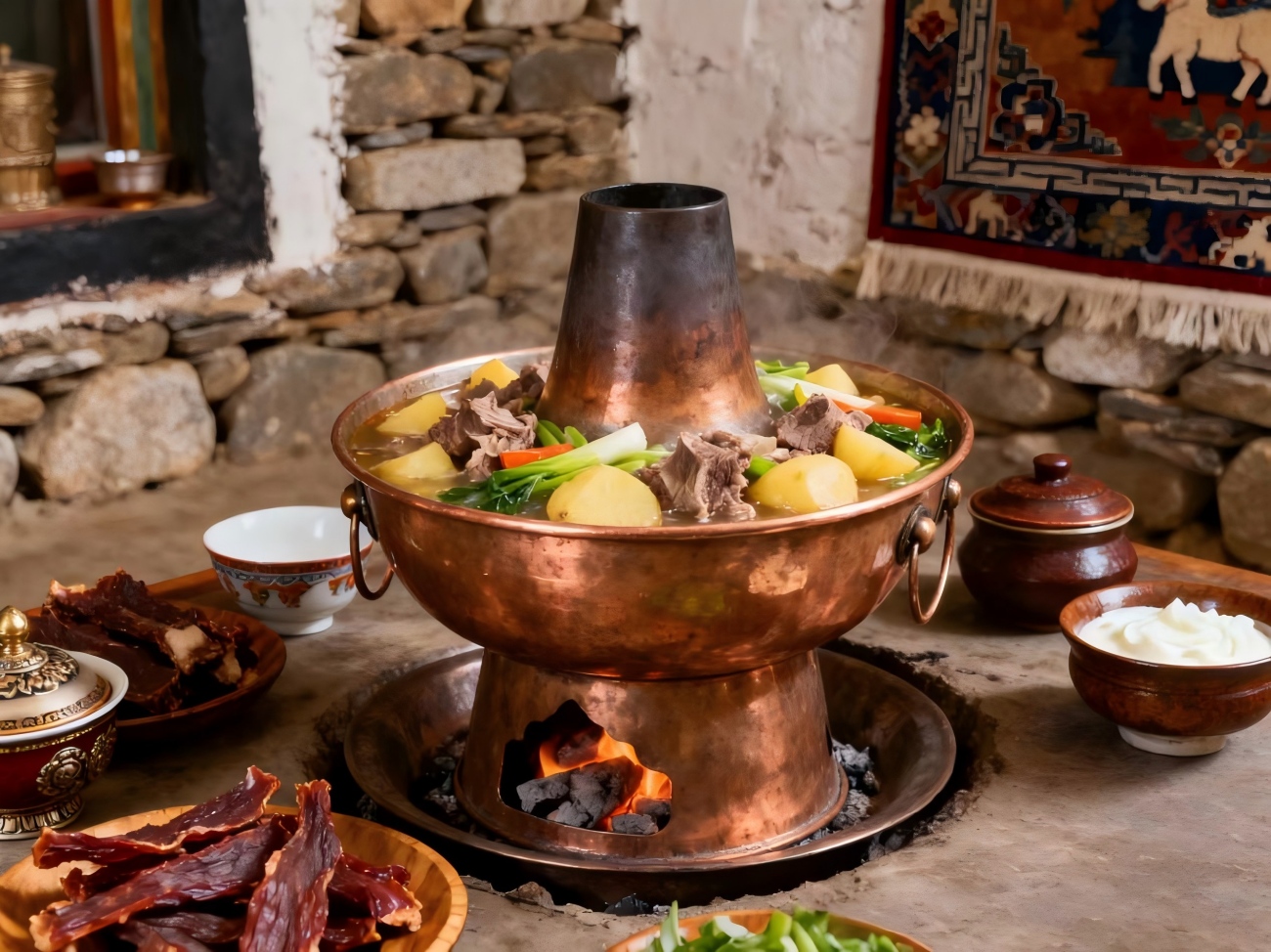
Tibetan Hot Pot: A Cozy Feast
On a chilly Everest evening, nothing beats a steaming Tibetan hot pot. The broth is rich, made from simmered yak or sheep bones with local spices. You cook thin slices of yak meat, lamb, local potatoes, mushrooms, and special Tibetan tofu right at your table. It's a social, heart-warming meal and a sign of true Tibetan hospitality.
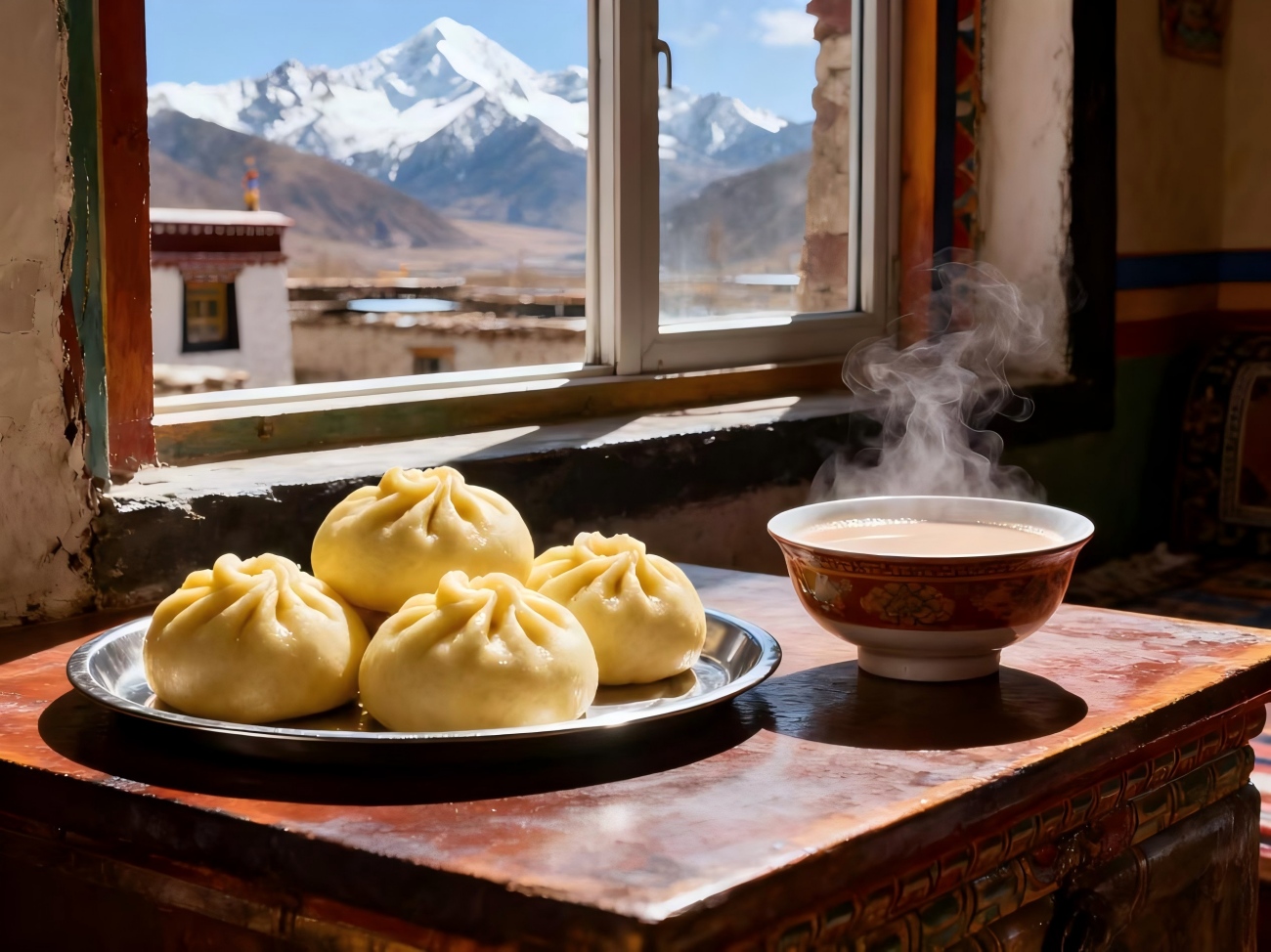
Tibetan Dumplings (Thenthuk): Flavorful Little Parcels
These aren't your average dumplings! Called "momo," they have thin, stretchy wrappers stuffed with seasoned yak or lamb, onions, and herbs. They're juicy, flavorful, and often the go-to meal for lunch. Paired with a cup of sweet tea, they're a perfect high-altitude comfort food.
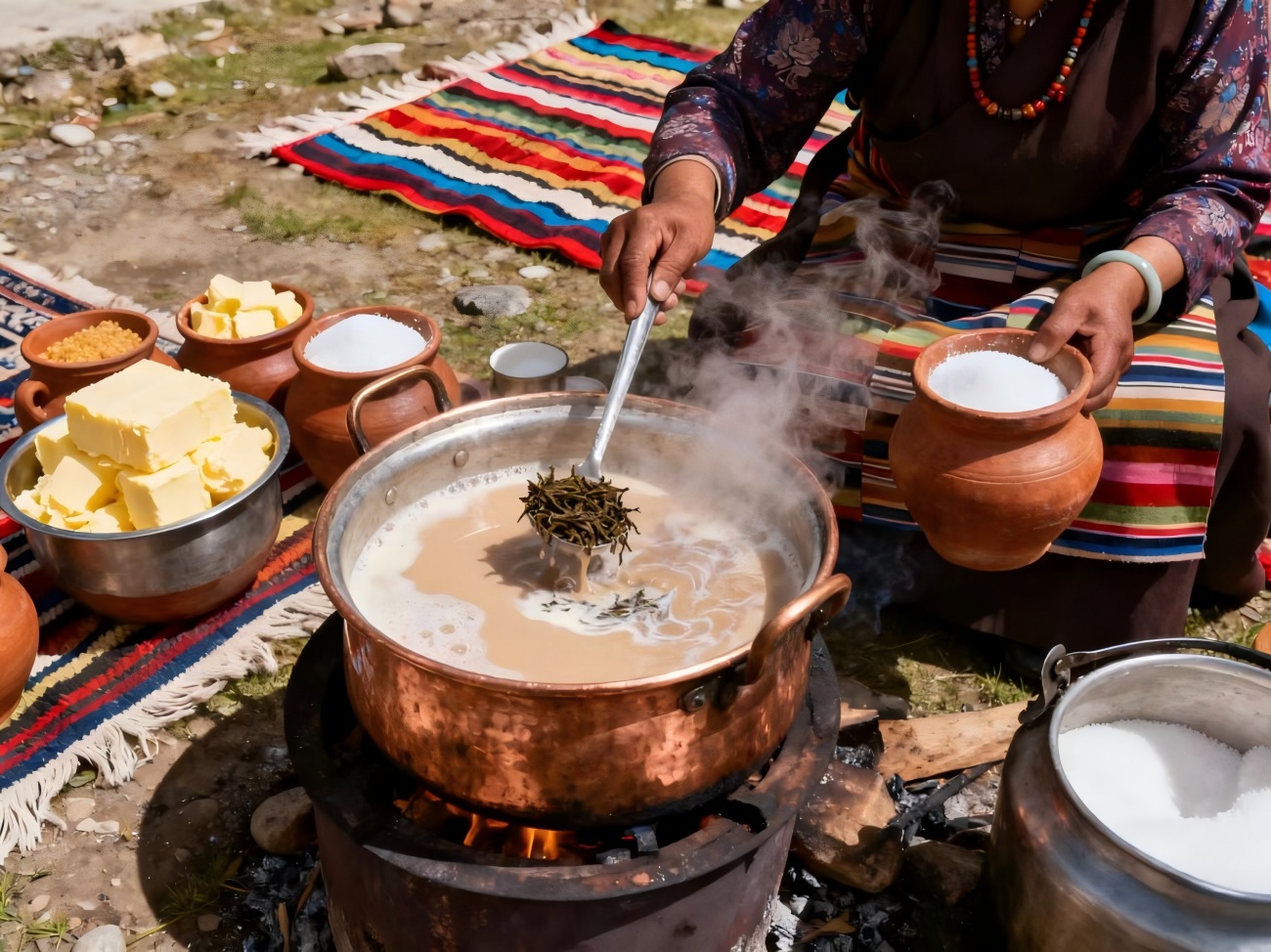
Sweet Tea: The Comforting Brew
While butter tea is a local staple, sweet tea is often a favorite for visitors. It's a simple, comforting blend of black tea, milk, and sugar – sweet, creamy, and great for a quick energy lift. You can order a pot to share at most rest tents. It's believed to have come from Nepal/India and been adapted into a Tibetan classic.
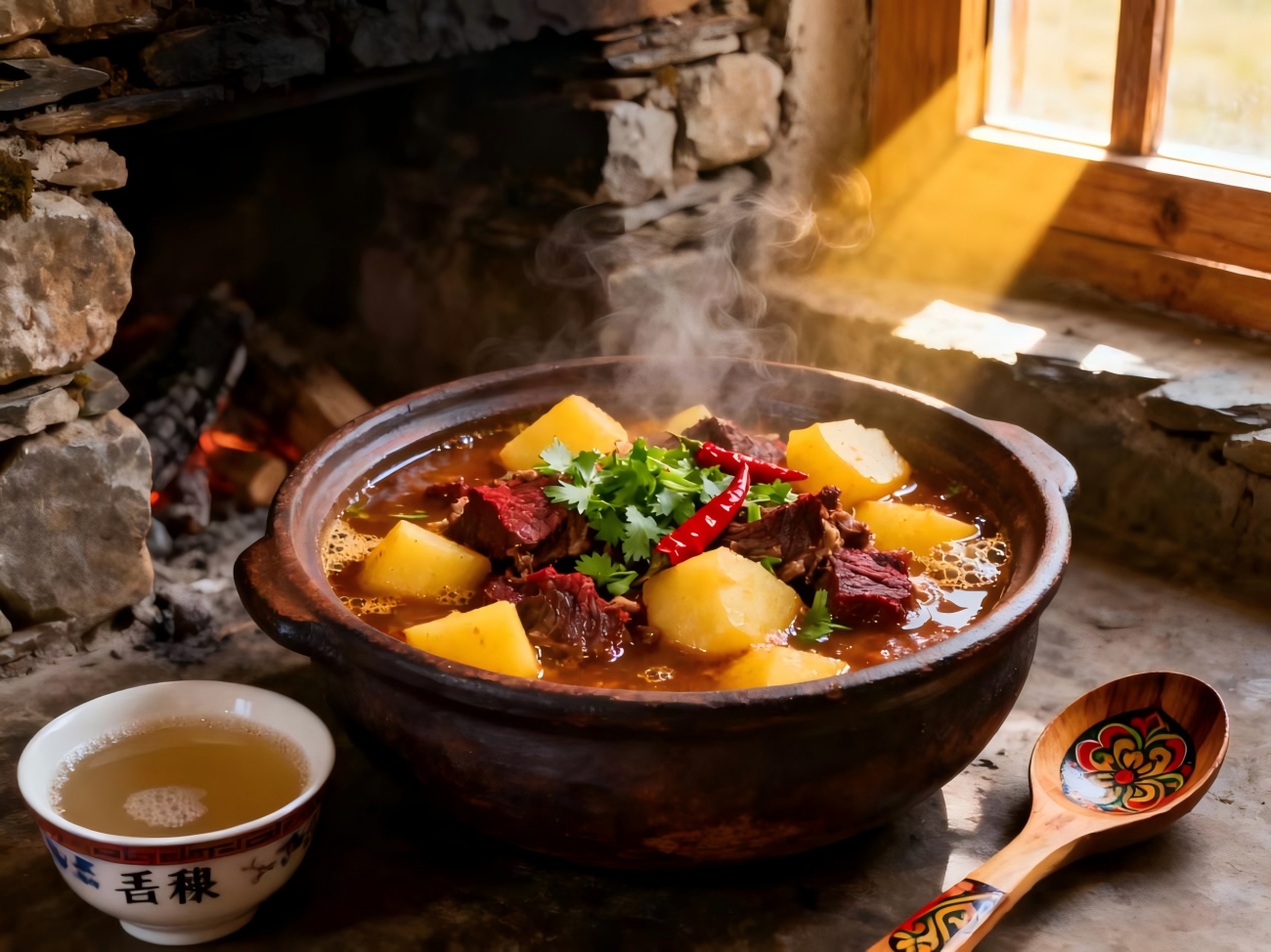
Tibetan Potato & Yak Stew: Simple & Satisfying
Potatoes grow well here, becoming wonderfully soft and sweet. This humble stew combines them with tender yak meat, slow-cooked with simple spices until everything is melt-in-your-mouth delicious. It's a nourishing, home-style dish that shows how locals create warmth and flavor with basic ingredients.
7. Farewell: Carry Everest's Blessing With You
Well, friends, our deep dive into Everest Base Camp is coming to an end. Today, you've stood in the shadow of the world's tallest peak, explored the highest monastery, witnessed a frozen river of ice, captured unforgettable mountain vistas, learned about climbing legends, and tasted unique Tibetan flavors.
Everest is more than a mountain; it's a symbol of human ambition, deep spiritual respect, and cross-cultural friendship. I hope this journey gave you not just amazing photos, but also a sense of wonder for both nature and the cultures it nurtures.
The high altitude might have tired you out, but I'm sure the awe and inspiration you felt here will stay with you forever. As we leave, let's take all our memories and trash with us, respecting this fragile environment.
Wishing you all smooth and healthy travels on the next leg of your adventure! May the majesty of Everest light your way forward. Hope to see you on the road again someday. Thank you