The Palace Museum
A 600-year-old imperial palace — the heart of Chinese history and culture.
The world’s largest and best-preserved ancient palace complex.
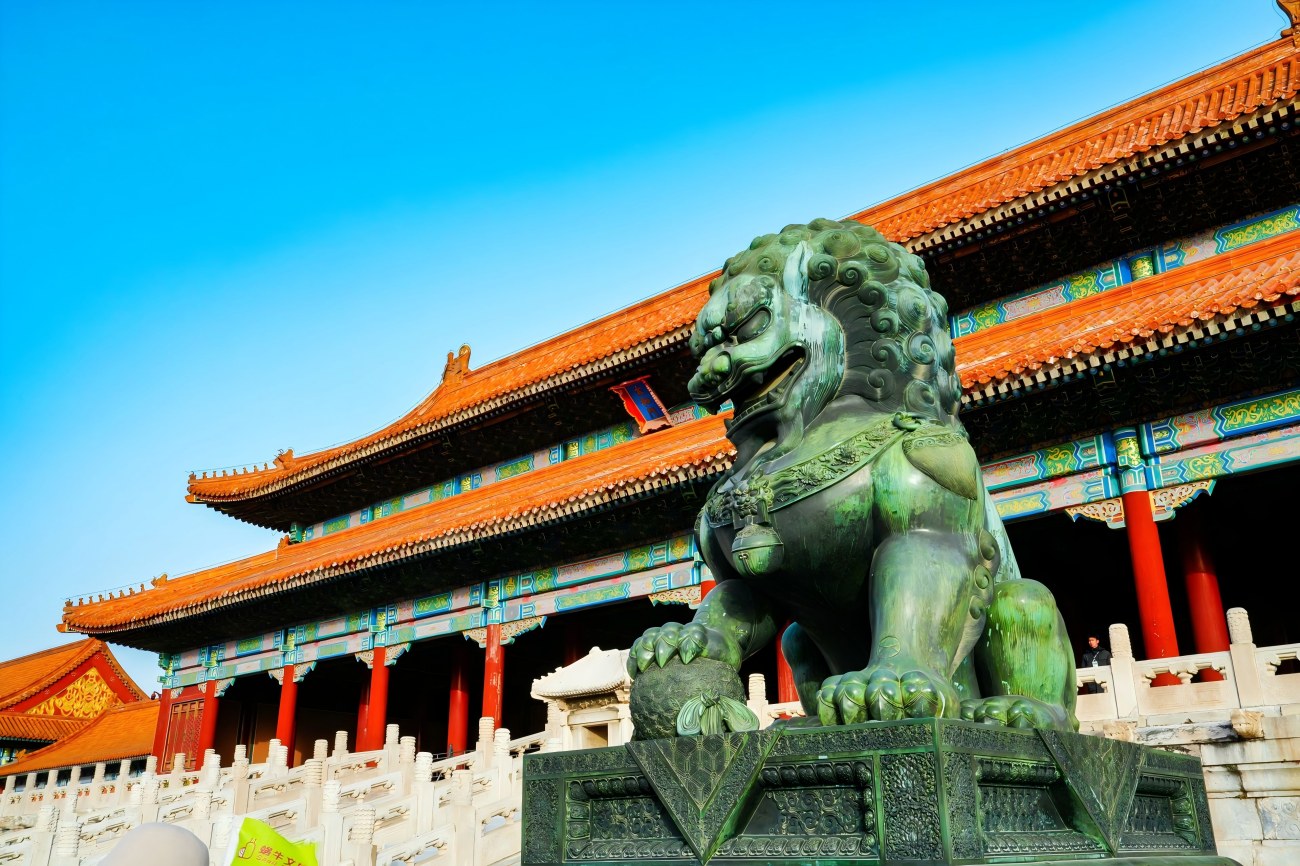
Magnificent architecture showcasing traditional craftsmanship.
Over 1.8 million priceless cultural relics on display.
Stunning royal gardens and elegant palace courtyards.
Located in central Beijing, easily accessible for all visitors.
Unlock 600 Years of Royal Legends: Uncover the Historical Stories Behind Trending Topics!
Hey, friends from all over the world! Today, let's step inside this cultural treasure that consistently dominates global search trends—the Palace Museum in Beijing! Search terms like “Forbidden City hidden stories,” “Emperor’s daily life in Palace Museum,” and “Ancient Chinese royal legends” remain perpetually trending, revealing the world's boundless fascination with this enigmatic palace. On this journey, we won't just admire the grand architecture—we'll delve deep into the millennia-old legends behind every palace, artifact, and detail. We'll bring the historical depth of this “Eastern Forbidden City” vividly to life, even uncovering hidden gems that many Chinese visitors overlook!
I. The Meridian Gate: More Than Just a “Palace Gate,” It's the “Beginning of a Legend”
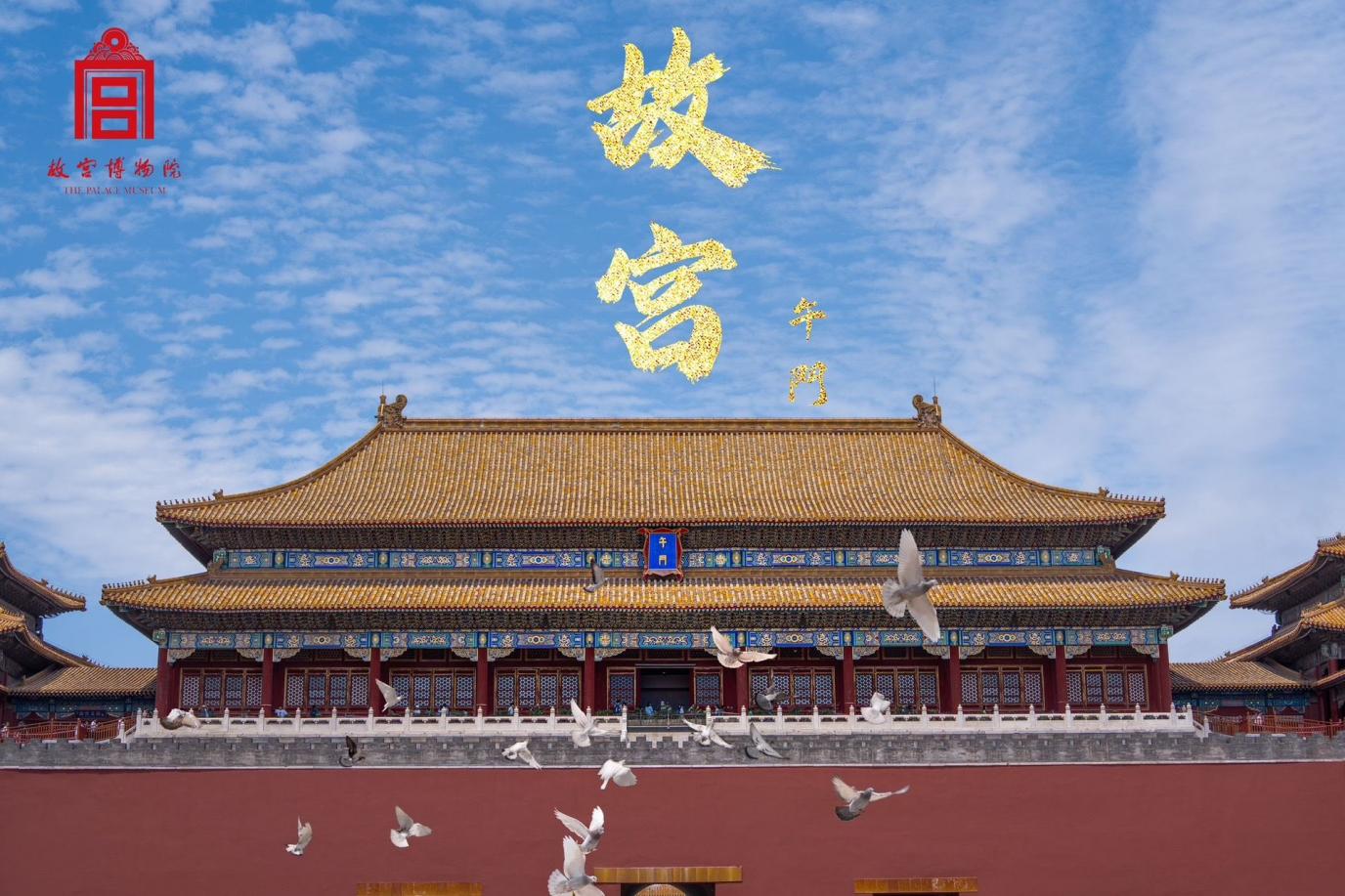
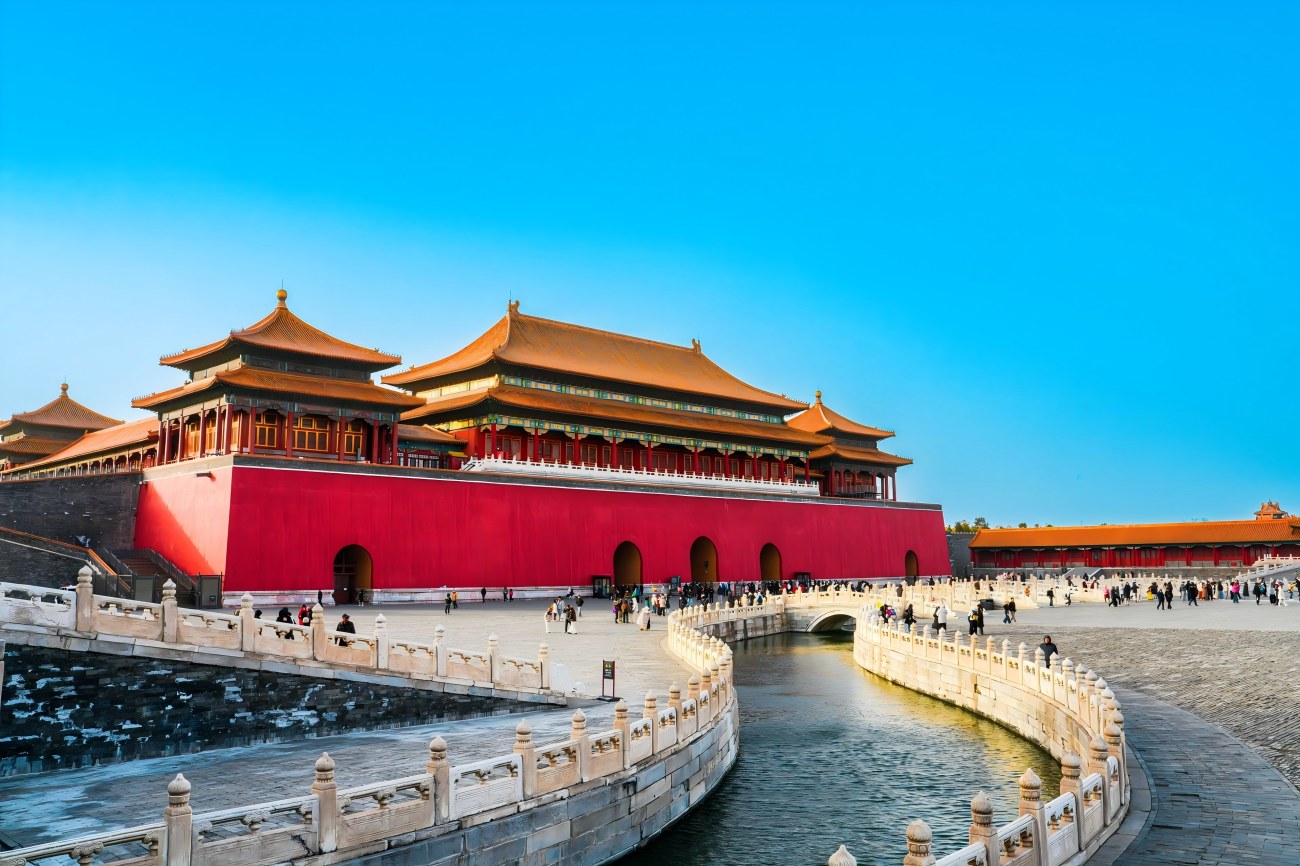
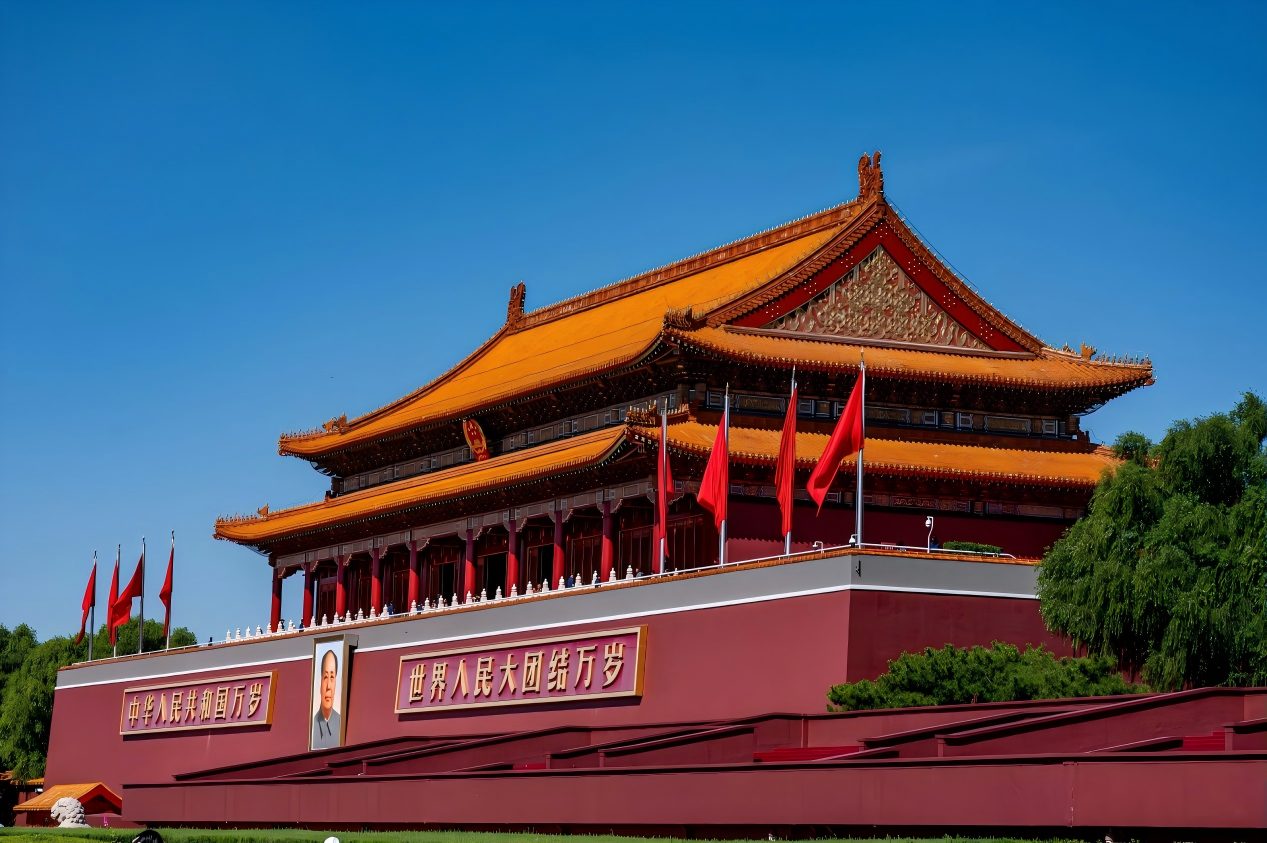
Let's begin with the Forbidden City's main gate—the Meridian Gate. This imposing gate tower, first constructed in the 18th year of the Yongle reign of the Ming Dynasty (1420), features a unique “three-ridge embrace, five-peak rise” design (a central gate tower flanked by eastern and western star-gazing towers and gate towers), forming the most awe-inspiring visual symbol of the Forbidden City. Many people search online, “Is it true that executions took place at the Meridian Gate?” Today, let's set the record straight: “Executions by pushing the condemned out the Meridian Gate” is purely fictionalized in TV dramas and films. During the Ming and Qing dynasties, execution grounds were primarily located at Chaisi (present-day Xisi, Beijing) and Caishikou. The gates of the Meridian Gate never witnessed the bloodshed of executioners. Yet this structure of vermilion walls and golden tiles does conceal the Ming Dynasty's most “hardcore” historical tale—the punishment of court caning. When censors angered the emperor, the Jinyiwei (Imperial Guard) would carry out the punishment along the imperial path east of the Meridian Gate. Following the emperor's edict to “beat thoroughly” or “beat with intent,” they would flog officials with jujube wood rods (the officials' trousers were stripped off during the beating, serving both as punishment and humiliation).
In the 14th year of the Zhengde reign (1519), Emperor Zhu Houzhao sought to embark on a southern tour (in truth, to escape court affairs and indulge in pleasure). 146 ministers collectively petitioned against it, urging the emperor to “prioritize state affairs.” Enraged, Zhu Houzhao ordered these ministers dragged to the Meridian Gate plaza for “court flogging.” Eleven ministers died instantly from severe injuries, while the rest suffered broken bones or lifelong disabilities. Remarkably, this “Memorial at the Meridian Gate” became a spiritual symbol for Ming scholars. Later, whenever emperors made misguided decisions—such as Emperor Jiajing's obsession with immortality practices or Emperor Wanli's prolonged absence from court—ministers still risked court caning to plead their case here. Some even regarded enduring the punishment as an honor, viewing it as a “medal of loyalty.” Standing now upon the Meridian Gate platform, gazing at the smooth blue stone slabs beneath, one can almost hear the echoes of ministers' pleas intertwined with the clatter of whips from six centuries past.
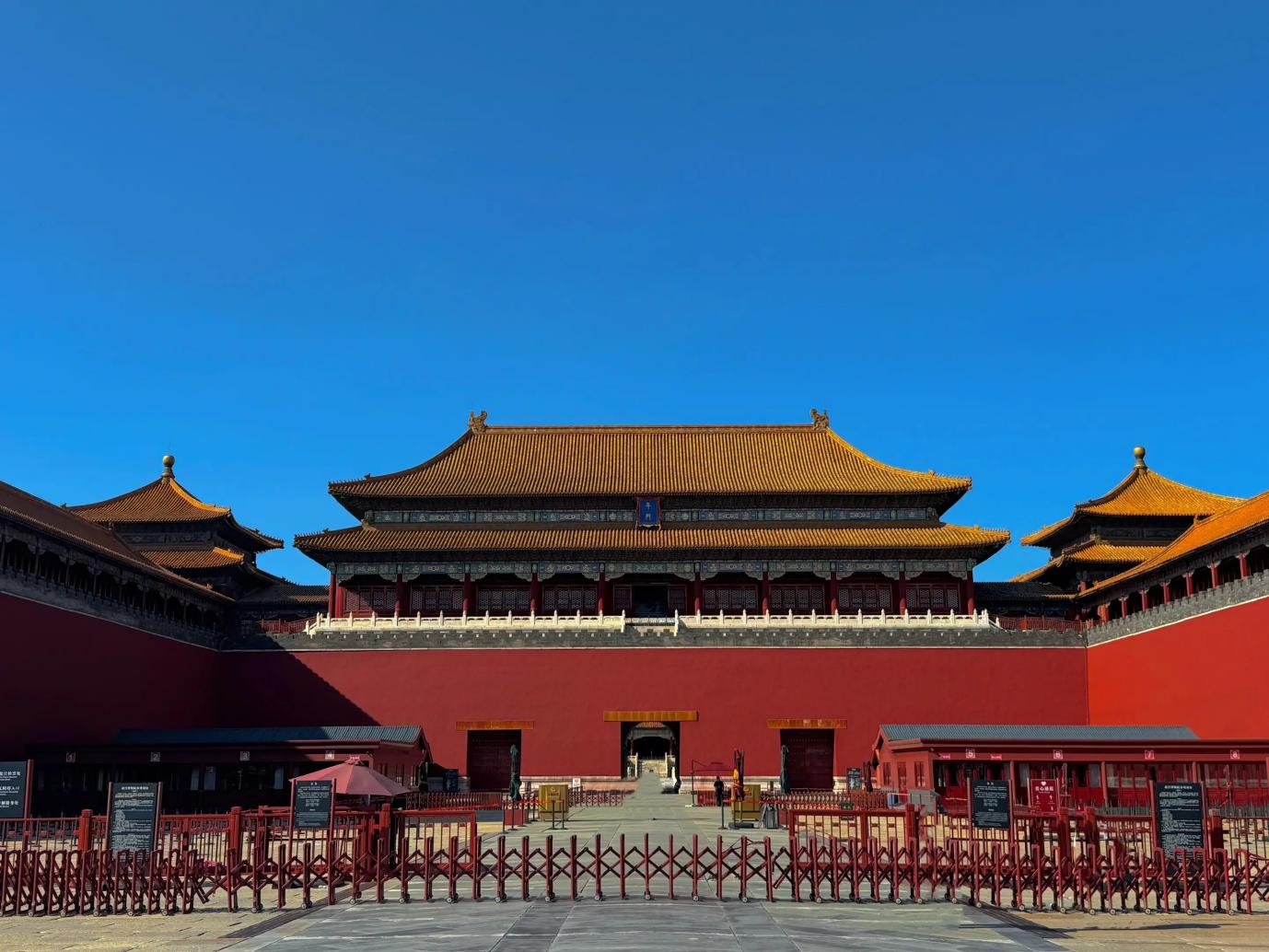
Additionally, the “three visible, five hidden” archway design of the Meridian Gate adheres to strict protocols: the central archway was reserved exclusively for the emperor (only the empress was permitted to pass through on her wedding day, and only once in her lifetime); Civil and military officials used the eastern archway, lining up according to their rank (first-rank officials at the front, ninth-rank officials at the rear); members of the imperial clan used the western archway, with princes preceding dukes. Last year, a British tourist shared a video on social media “reenacting an official's passage through the eastern archway,” captioning it: “Who knew ancient palace gate etiquette was so elaborate—like a silent ‘ceremony of status.’” This video propelled “Forbidden City gate etiquette” to trending status, even inspiring foreign netizens to design a “palace etiquette mini-game.”
Here's a little secret: the top floor of the Meridian Gate tower hides a unique viewpoint. Looking down from the eastern Astronomical Observatory, you can see the gate's “tapered” design—wider at the base and narrower at the top, with a slope of about 7 degrees. This engineering feat ensures the wall's stability, allowing it to withstand numerous earthquakes over 600 years while remaining intact. Many foreign architecture students come here specifically to measure it, marveling that “ancient China built structures that lasted centuries using only mechanical design, without steel or cement.”
[Fun Fact] The bricks of the Meridian Gate wall aren't ordinary! Their surfaces feature a special “patina” made from a mixture of glutinous rice paste, tung oil, and yellow earth. This formula not only fortified the walls but also effectively prevented water penetration and insect damage. Even more fascinating, the gaps between bricks are so narrow they achieve a “perfect fit.” Legend has it that during final inspections, craftsmen would test the joints by attempting to insert copper coins. If a coin fit, the section had to be rebuilt—a testament to ancient China's rigorous standards for construction quality.
II. Hall of Supreme Harmony: The Thrilling Secrets Behind the Dragon Throne and the Hidden Mechanisms in the Square
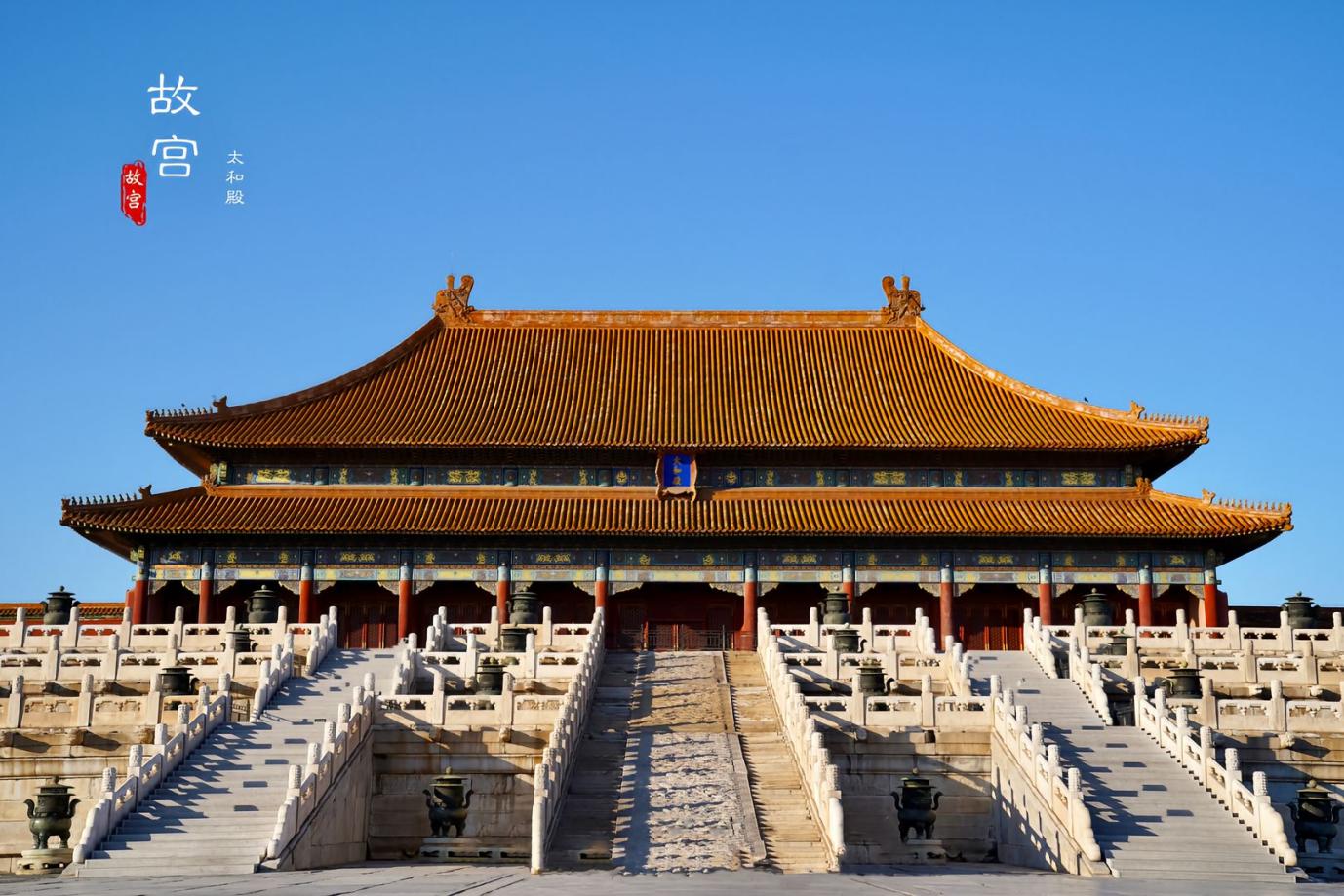
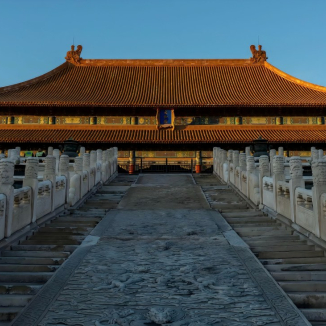
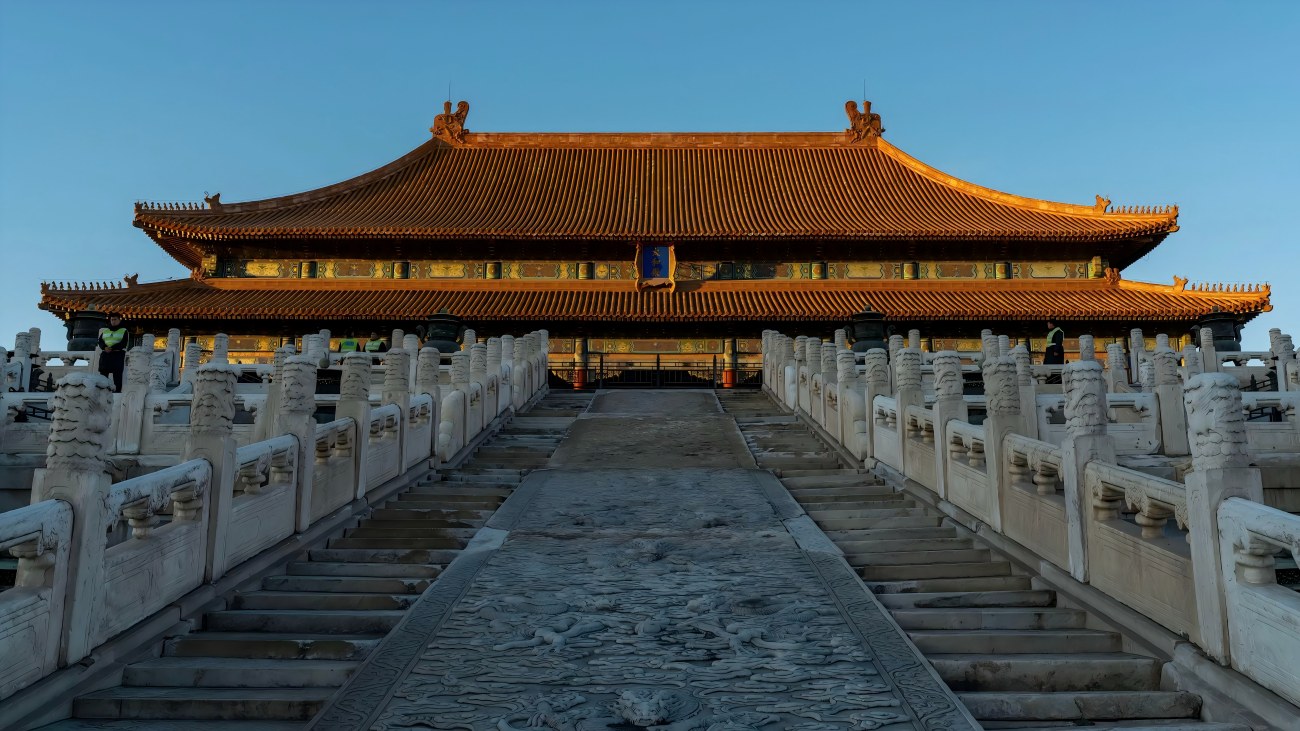
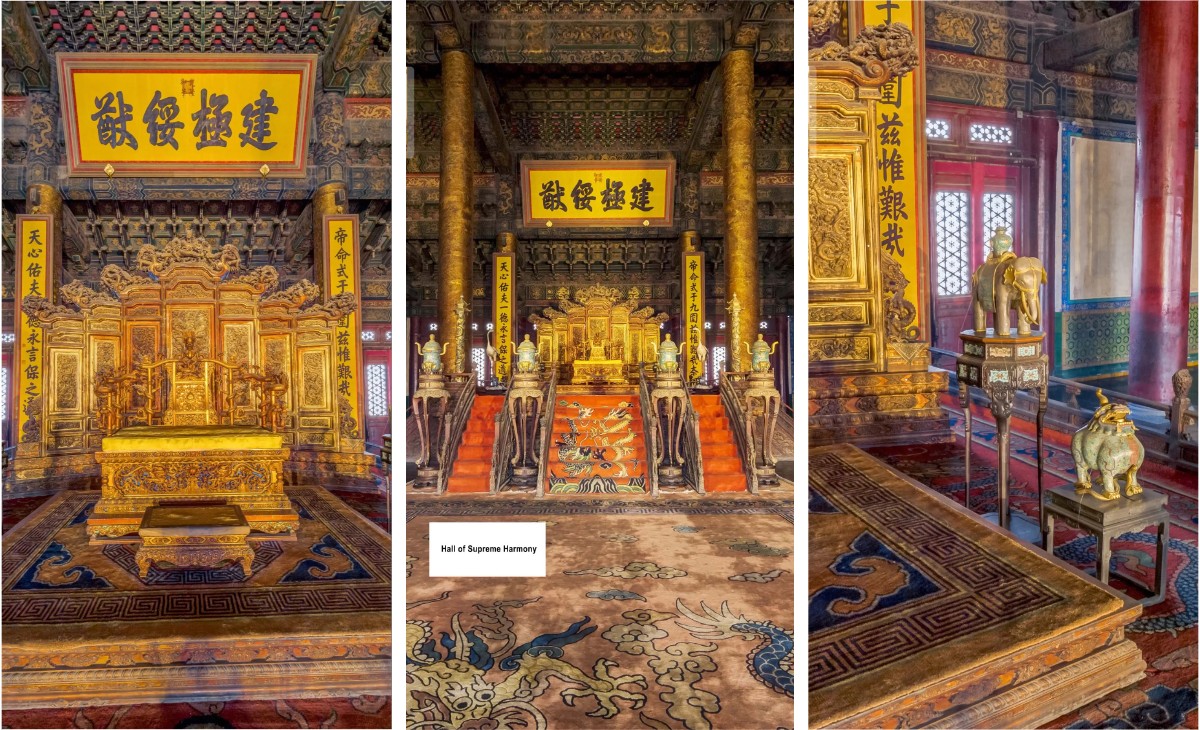
Crossing the Inner Golden Water Bridge (five bridges symbolizing “Benevolence, Righteousness, Etiquette, Wisdom, and Integrity,” with the central bridge reserved solely for the emperor), we arrive at the centerpiece of the Forbidden City—the Hall of Supreme Harmony. This 35.5-meter-tall palace (equivalent to a 12-story building) stands as China's largest surviving wooden structure. Its “double-eaved hip-and-gable roof” represents the highest architectural grade in ancient times (used only on a handful of buildings nationwide, including the Hall of Supreme Harmony and the Great Hall of the Temple of Confucius). . Inside, the dazzling golden “Nine-Dragon Throne” is what draws countless tourists searching for “Forbidden City dragon throne,” yet few know this throne nearly faced a “switch” and almost vanished forever!
In 1959, during repairs to the Hall of Supreme Harmony, Palace Museum staff discovered discrepancies in the throne's materials and craftsmanship—it turned out to be a miniature replica made during Yuan Shikai's failed attempt to restore the imperial throne in the Republic of China era! In 1915, Yuan Shikai sought imperial authority but deemed the original Kangxi-era throne “too large and imposing.” Concerned his short stature would appear inadequate seated upon it, he ordered craftsmen to create a scaled-down version just 1.5 meters wide. The original throne was dismantled and its parts secretly stashed in a warehouse corner. It took staff eight years to sift through nearly ten thousand artifacts before discovering the original throne's components in a dust-covered wooden crate. Ten master carpenters then spent five years restoring it according to the principle of “restoring old as old,” finally returning this throne—inlaid with 72 gems and carved with nine dancing dragons—to its rightful place.
The throne now on display features nine dragons on its armrests, each with distinct expressions—some fierce and claw-baring, others gentle and pearl-spitting. Its base bears the inscription “Made during the Kangxi reign of the Great Qing Dynasty,” and one can even discern the craftsmen's signatures (hidden inside the throne, visible only up close). Last year, an Italian cultural heritage restorer visited and wrote a lengthy post on social media: “The dragon scales on this throne employ ‘openwork + relief carving’ techniques. Each scale is movable yet secure—more intricate than any Renaissance wood carving we have.” The article sparked widespread discussion, making “Forbidden City dragon throne craftsmanship” a trending topic.
Beyond the Dragon Throne, the Hall of Supreme Harmony square holds two hidden secrets: First, the “golden bricks” embedded in the plaza's pavement. These seemingly ordinary blue bricks are actually “fine-grained square bricks” specially crafted at the Imperial Kiln in Suzhou. Their production involves 23 intricate steps (taking a full year from soil selection to firing). When tapped, they emit a metallic ring, hence the name “golden bricks” (though not made of gold). Many foreign tourists crouch down to tap these bricks, recording the sound for social media with captions like “Listen! The ‘imperial floor tiles’ from 600 years ago are speaking.”
The second feature is the bronze cranes and tortoises (one pair of each) flanking the square. These seemingly decorative mythical beasts are actually ancient incense burners! Their hollow interiors held oil. During major ceremonies like imperial coronations or weddings, palace attendants would ignite the oil. Smoke would slowly rise from the beaks of the cranes and the mouths of the turtles. Combined with the incense burning inside the halls, the entire square would become enveloped in mist, resembling a “fairyland.” In 2024, the Forbidden City hosted the “Reconstruction Exhibition of the Grand Ceremony at the Hall of Supreme Harmony.” Staff recreated this scene, and a video filmed by a French tourist garnered over 2 million views on YouTube. Captioned “Ancient Chinese ‘stage effects’ were incredible—more romantic than modern LED lights,” it propelled “Taihe Dian ceremony effects” to trend rapidly.
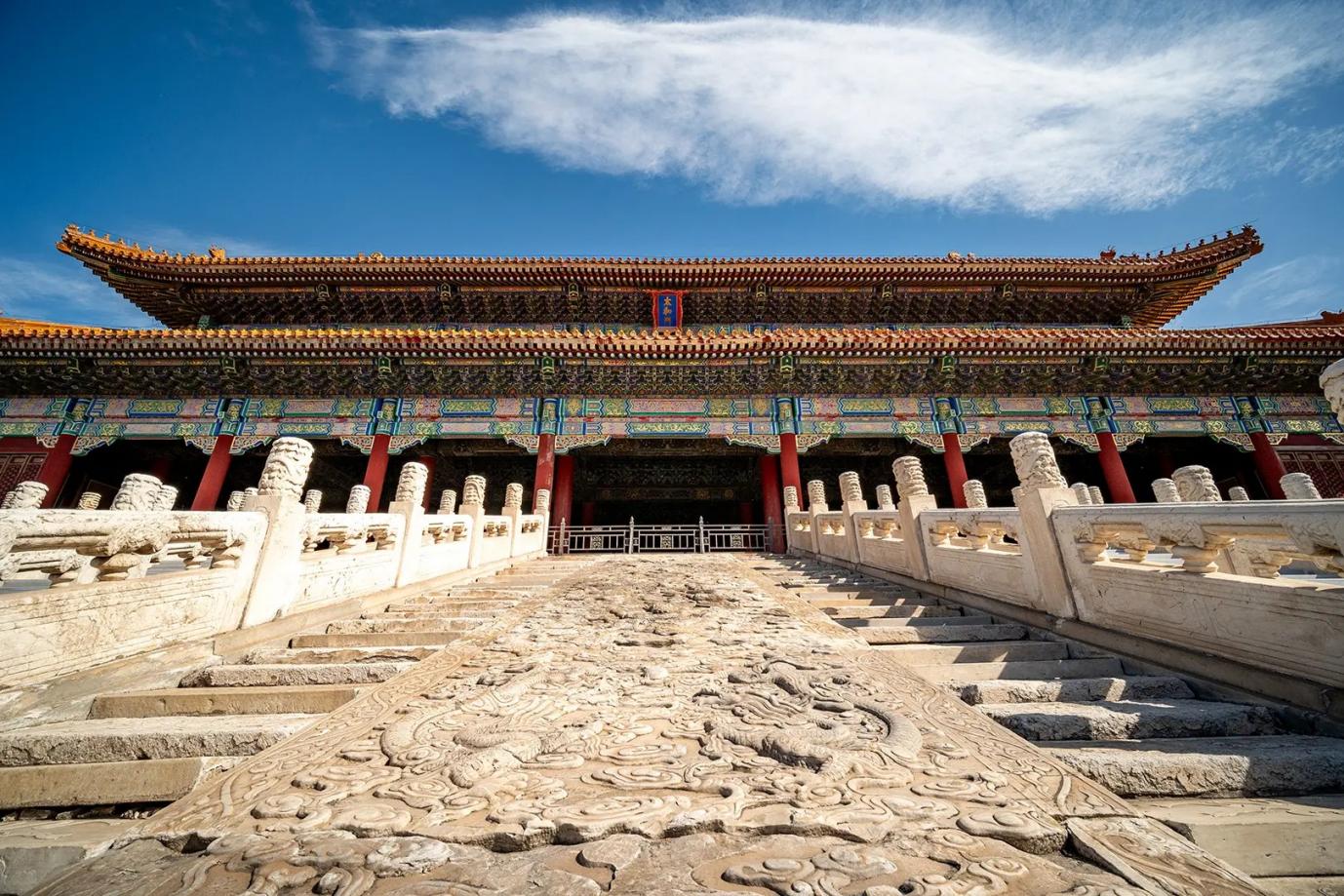
[Fun Facts about Architecture] The Hall of Supreme Harmony's Roof Holds a “Lightning-Proofing Device”! At both ends of the main ridge on the palace roof sit two approximately 3-meter-tall “chiwen” (dragon-shaped ornaments). Inside each chiwen lies a thin copper wire, one end connected to the metal framework of the roof, the other extending directly to a metal stake buried underground. This design functioned as an ancient “lightning rod,” channeling lightning strikes into the ground and protecting the Hall of Supreme Harmony from damage. Remarkably, this design dates back over 600 years—more than two centuries before the invention of the lightning rod in the West. One can't help but marvel at the ingenuity of ancient Chinese craftsmen! Additionally, the pillars of the Hall of Supreme Harmony appear to be solid wood but are actually “core-wrapped columns.” The outer layer is made of precious nanmu wood, while the interior is wrapped with ordinary cypress wood. This approach conserves valuable timber while ensuring the pillars' load-bearing capacity—truly killing two birds with one stone.
III. Qianqing Palace: The “Imperial Throne Code” Beneath the “Zhengda Guangming” Plaque, and the “Daily Life of an Emperor” in the Warm Chamber
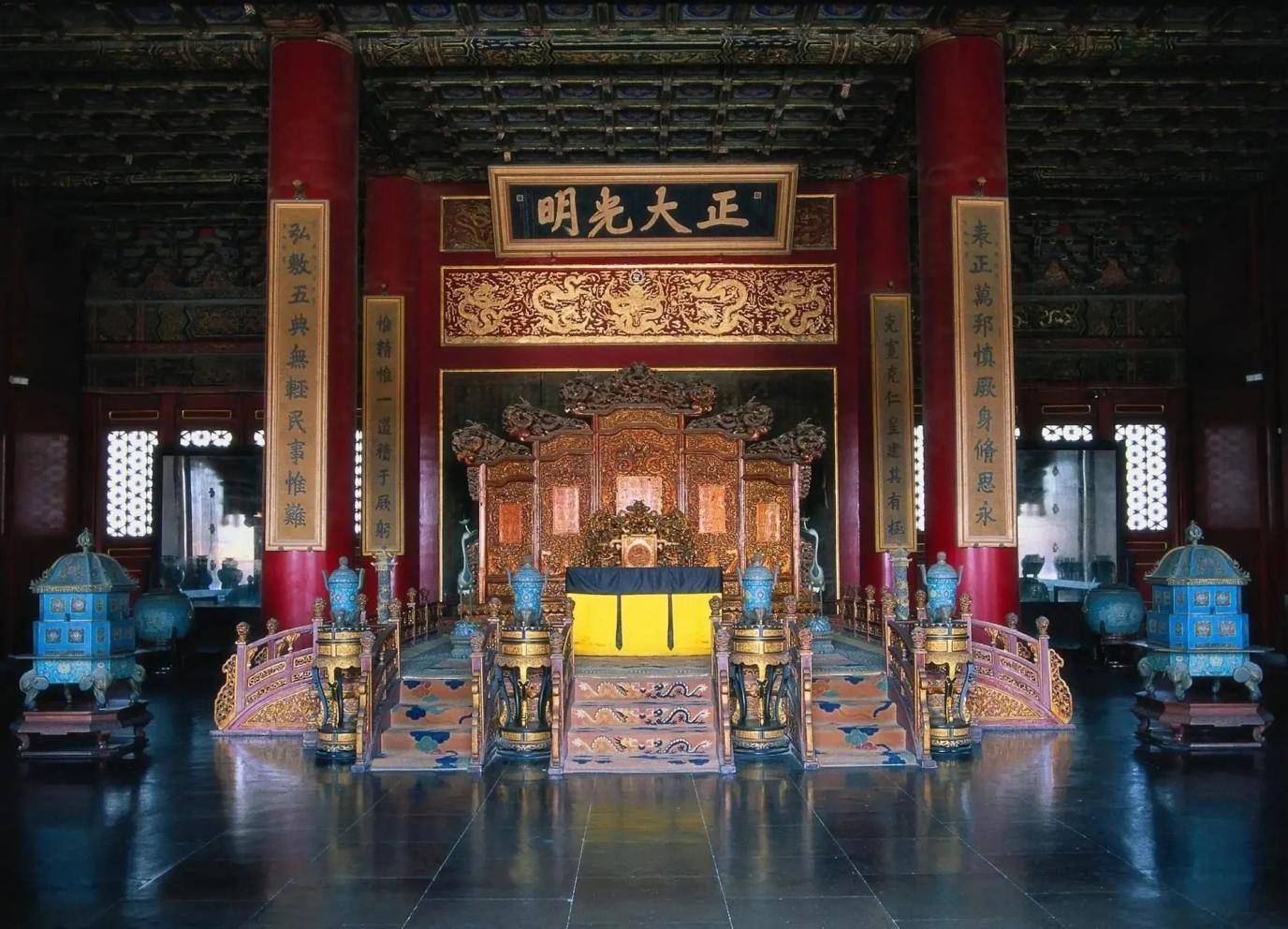
Exploring the Inner Court (the living quarters of the emperor and empress), the plaque inscribed with “Zhengda Guangming” (Uprightness, Magnanimity, Brightness, and Clarity) hanging high within the Qianqing Palace is undoubtedly the focal point. Many search for “Zhengda Guangming plaque secret,” eager to uncover the story of “imperial succession” behind it. Today, I'll share the full tale!
During the early Qing Dynasty, fierce succession struggles among imperial princes were common (such as the “Nine Princes' Struggle for the Throne” during Emperor Kangxi's reign). After ascending the throne, Emperor Yongzheng devised the “secret succession” system to prevent fratricidal conflicts: he would write the heir's name on two identical imperial edicts. One copy would be sealed behind the “Zhengda Guangming” plaque (locked in a special iron box, with the key held by ministers), while keeping the other copy on his person (hidden in a pocket inside his dragon robe). Upon the emperor's death, ministers would retrieve both edicts for comparison. Only after confirming the names matched could they announce the new emperor's accession.
This system seemed flawless, yet an “accident” occurred upon Emperor Qianlong's death: In 1799, when Qianlong passed away, ministers followed protocol to retrieve the edict from behind the plaque—only to find the iron box empty! Panic ensued—without an imperial edict, who would become emperor? Just then, Qianlong's personal eunuch recalled that in his later years, the emperor had felt “more at ease keeping the edicts close,” and had temporarily altered the rules to carry both copies on his person. The ministers urgently searched Qianlong's belongings and finally found the edict in the lining of one dragon robe. Confirming Jiaqing as the successor, they averted a “imperial succession crisis.”
Standing in the Qianqing Palace today and looking up at the plaque inscribed “Zhengda Guangming,” one can still see the metal hook beneath it—the very spot where the imperial edict box hung. The faint rust stains on the hook seem to whisper the tale of that perilous episode. An American tourist remarked after the visit: “I never imagined ancient emperors planned succession with such meticulous care—it's like a rigorous historical escape room.” This observation propelled “Qing Dynasty succession system” to trend in historical searches, even inspiring foreign history bloggers to create educational videos on the “secret succession process.”
The East Warm Hall of Qianqing Palace (the emperor's study and resting chamber) holds another “interesting detail”: a painting titled Imperial Brushwork: Winter Forest hangs on the wall. Depicting a winter woodland, it appears ordinary yet conceals the emperor's “subtle thought” — Ming and Qing emperors often worked here during summer. Viewing this “winter forest painting” evoked a sense of “coolness,” serving as ancient “psychological air conditioning.” Last summer, a Japanese tourist visited specifically during the hottest months. He remarked, “Looking at this painting really makes you feel less hot. Chinese emperors sure knew how to enjoy themselves.” This shared experience briefly trended the niche search term “Forbidden City emperor's study.”
[Fun Facts about Architecture] The floor of the Qianqing Palace is paved with “speckled stone,” which is no ordinary material. Formed by mixing rocks of various colors, it features naturally unique patterns resembling a series of natural ink paintings. Even more remarkable is its excellent thermal insulation. Cool to the touch in summer, it remains comfortably warm in winter—making it ideal for palace flooring. Moreover, this stone boasts exceptional hardness. Despite centuries of foot traffic over 600 years, it shows almost no wear, retaining its original smoothness to this day. The window design in the Hall of Pure Clarity is equally sophisticated. The window paper is not ordinary paper but “Korean paper” made from mulberry bark, tung oil, and flour. This paper allows light to pass through while being windproof and fire-resistant. Even during heavy rain, it prevents leaks inside, proving more practical than modern glass windows.
IV. The Imperial Garden: “Love Legends” Under the “Entwined Branches,” “Imperial Games” on the Rockeries IV. The Imperial Garden: “The Legend of Love” Under the Entwined Branches, “Royal Games” on the Rockeries
After a long stroll, let's take a break in the Imperial Garden. Spanning 12,000 square meters, this garden is the Forbidden City's sole “natural space,” yet every corner reveals “artificial ingenuity.” The garden's most famous feature is the 500-year-old “Entwined Cypress”—two cypress trunks intertwined at a height of 3 meters, resembling a pair of embracing lovers. This is a popular photo spot among the “Forbidden City romantic spots,” and it also hides the story of Emperor Wanli's forbidden love.
At age 16, Emperor Wanli (Zhu Yijun) encountered a palace maid named Zheng in his mother Empress Dowager Li's quarters (Zheng was only 14 at the time). Witty and spirited, Zheng did not meekly obey the emperor like other palace maids. Instead, she dared to joke with Wanli and discuss poetry, quickly becoming his “confidante.” Yet Ming court regulations were strict: the emperor's empress must come from a distinguished family, and Zheng, born a palace maid, could only attain the rank of “Consort Zheng.” When Wanli sought to make Zheng his empress, his ministers collectively opposed it (arguing that “a palace maid is unfit to be the mother of the nation”). Left with no choice, Wanli could only grant her the title of “Consort Zheng.” He even planted this intertwined cypress tree in the imperial garden, symbolizing “eternal union with Consort Zheng, never to be parted through all eternity.”
Later, Wanli even contemplated “deposing the eldest son in favor of the younger” (naming Zheng's son as Crown Prince instead of his eldest son Zhu Changluo), sparking a 15-year “Dispute over the State's Foundation” among ministers (“state's foundation” referred to the Crown Prince). Ultimately, Wanli failed to achieve his goal. In defiance, he refused to attend court for 30 years, expressing his discontent through passive resistance. Yet this intertwined cypress tree has thrived in the Imperial Garden for 500 years, surviving the fall of the Ming Dynasty and the rise of the Qing Dynasty, remaining lush and vibrant to this day. Today, many couples visit to take photos. Last year, a Japanese tourist shared on social media: “Making a wish with my boyfriend under this 600-year-old tree made our love feel more enduring.” This post caused searches for the “Yuhua Yuan love tree” to surge, even inspiring foreign couples to design matching jewelry inspired by the “intertwined cypress.”
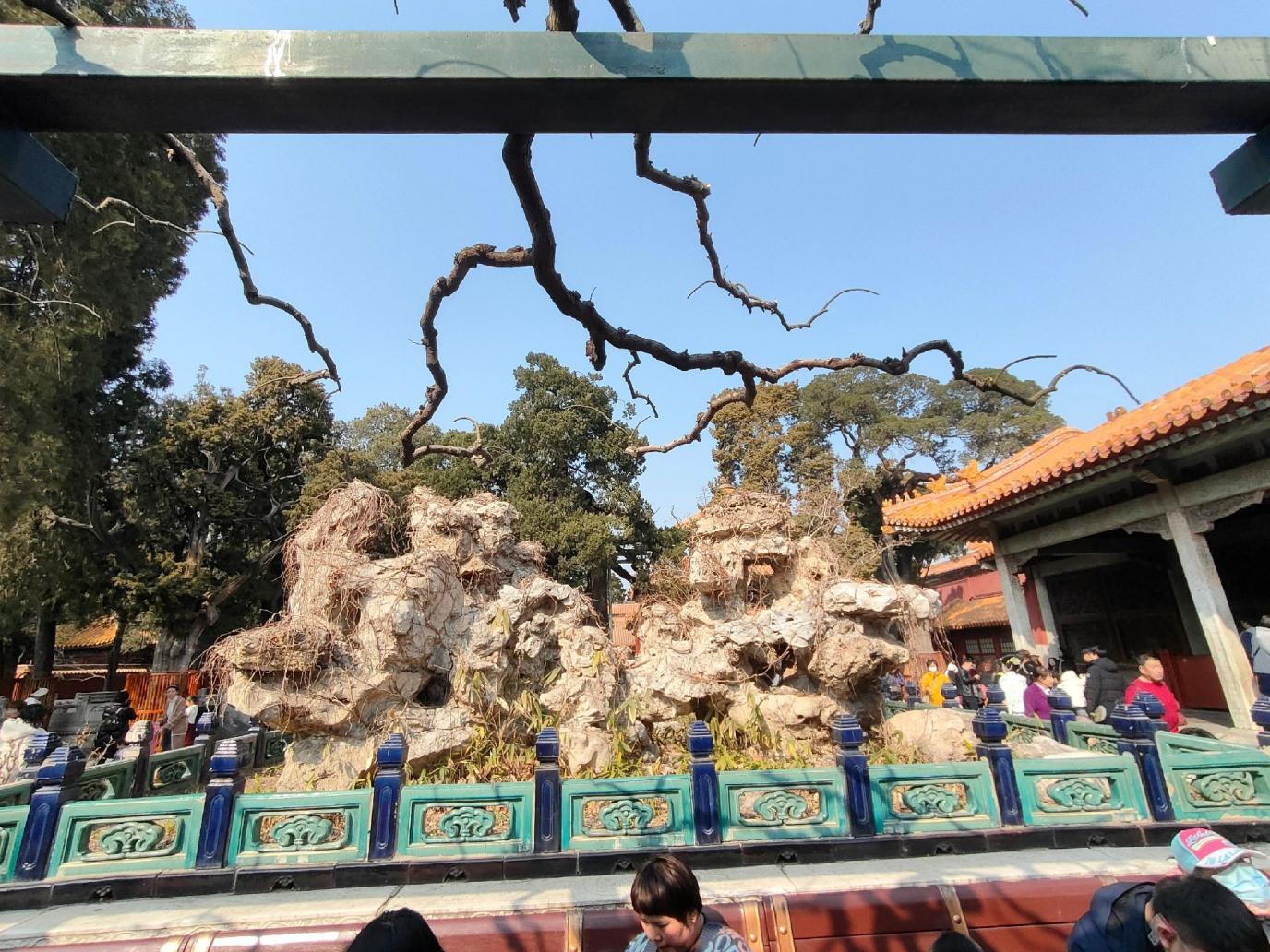
The Imperial Garden also holds a “hidden feature”: the Piled-Up Mountain (a rockery constructed from Taihu stones). This 14-meter-tall rockery conceals a winding path with “nine turns and eighteen bends,” where Emperors Kangxi and Qianlong often played hide-and-seek with their sons. Today, visitors can climb the paths to the Imperial View Pavilion atop the hill, where they can enjoy a panoramic view of the Forbidden City's golden roofs—the glazed tiles of buildings like the Hall of Supreme Harmony and the Palace of Heavenly Purity shimmering in the sunlight. Many foreign children run up and down here, while their parents take photos, marveling, “So ancient emperors loved to play just like us when they were kids.”
[Fun Facts about Architecture] The Heap of Beauty Hill in the Imperial Garden may appear haphazardly stacked, but it was actually “built to plan”! Each Taihu stone was meticulously selected for shape and size, arranged according to the principles of “lean, open, porous, and wrinkled” to ensure both aesthetic appeal and structural stability. Even more impressive are the numerous “ventilation holes” within the rockery. These openings not only allow air circulation but also drain rainwater, preventing internal water accumulation that could cause collapse. Additionally, the pillars of the Imperial View Pavilion atop the rockery are crafted from nanmu wood. This timber emits a subtle fragrance that repels insects. Sitting in the pavilion during summer, one is scarcely bothered by mosquito bites. Imagine how delightful it must have been for ancient emperors to enjoy the cool breeze here.
V. Treasure Hall: “Empress Wisdom” in the “Phoenix Crown,” “East-West Exchange” in the “Clock”
If you visit the Palace Museum's Treasure Gallery, be sure to see two of its crown jewels: the Empress Xiaojing's Phoenix Crown and the Gilded Bronze Scholar-Scribe Clock. The stories behind these artifacts reveal ancient Chinese “feminine wisdom” and the “clash of Eastern and Western cultures.”
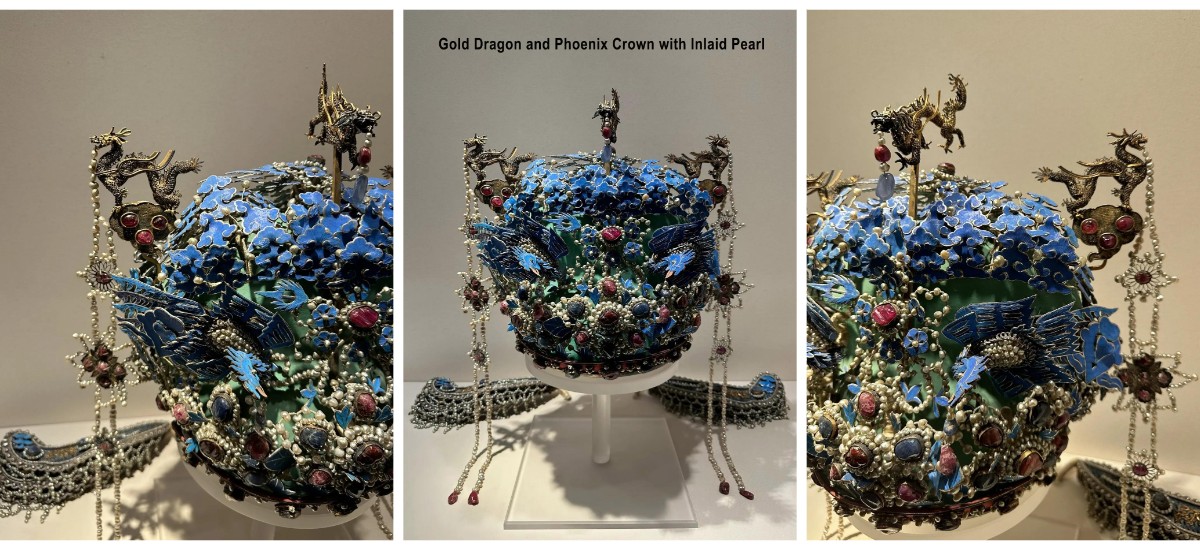
Let’s begin with Empress Xiaojing’s Phoenix Crown. This magnificent headdress stands 27 cm tall and weighs 2.95 kilograms—roughly the weight of six bottles of mineral water. It is set with 128 rubies and sapphires, and no fewer than 5,449 pearls. At its peak rests a golden phoenix with wings outstretched, holding a string of pearls in its beak that sways as the wearer moves, giving the crown a vivid, lifelike quality. When people search for “Forbidden City phoenix crown”, they are often captivated by its dazzling beauty, yet few realize that behind its splendor lies the “weight” of the empress’s survival wisdom.
Empress Xiaojing was the mother of Zhu Changluo, the eldest son of the Wanli Emperor. Originally a palace maid of humble birth, she caught the emperor’s favor by chance and gave birth to the prince. However, because of her lowly origins, she was constantly tormented by Consort Zheng—the emperor’s favorite—and even spent years confined to the cold palace.
By Ming dynasty custom, an empress had to wear the phoenix crown on all major ceremonial occasions. This nearly 3-kilogram headdress had to be secured with specially designed hairpins, placing enormous strain on the neck; prolonged wear could cause soreness or even bruising. Yet Empress Xiaojing always wore it with grace and composure, never voicing complaint. She understood that the crown’s weight was more than a symbol of rank—it was her way of showing both the court and the imperial harem: “I can bear the responsibility.”
VI. The East Six Palaces: Hidden Secrets Behind the “Internet-famous Palaces” and a Glimpse of Real Life in the Harem
Thanks to Chinese historical dramas like Story of Yanxi Palace and Empresses in the Palace, many international viewers are fascinated by the East Six Palaces. When they search for “East Six Palaces real life”, the common question is: “Were the palace scenes in the dramas really like that?” Today, let’s step into the East Six Palaces—not only to explore the legendary stories of Yanxi Palace and Jingren Palace, but also to uncover little-known architectural facts that even most Chinese visitors have never heard of, revealing the authentic side of imperial harem life.
1. Yanxi Palace: A “Half-finished Building” with a Dream of Modern Technology, and the Clash of East and West on Its Tiled Walls
When Yanxi Palace is mentioned, many might think of the heroine Wei Yingluo’s rise to power in television dramas. In reality, however, Yanxi Palace is perhaps the most “rebellious” structure within the Forbidden City. Not only was it the only palace that remained unfinished—a true “half-finished project”—but it was also the earliest attempt at introducing “modern building techniques” into the Forbidden City!
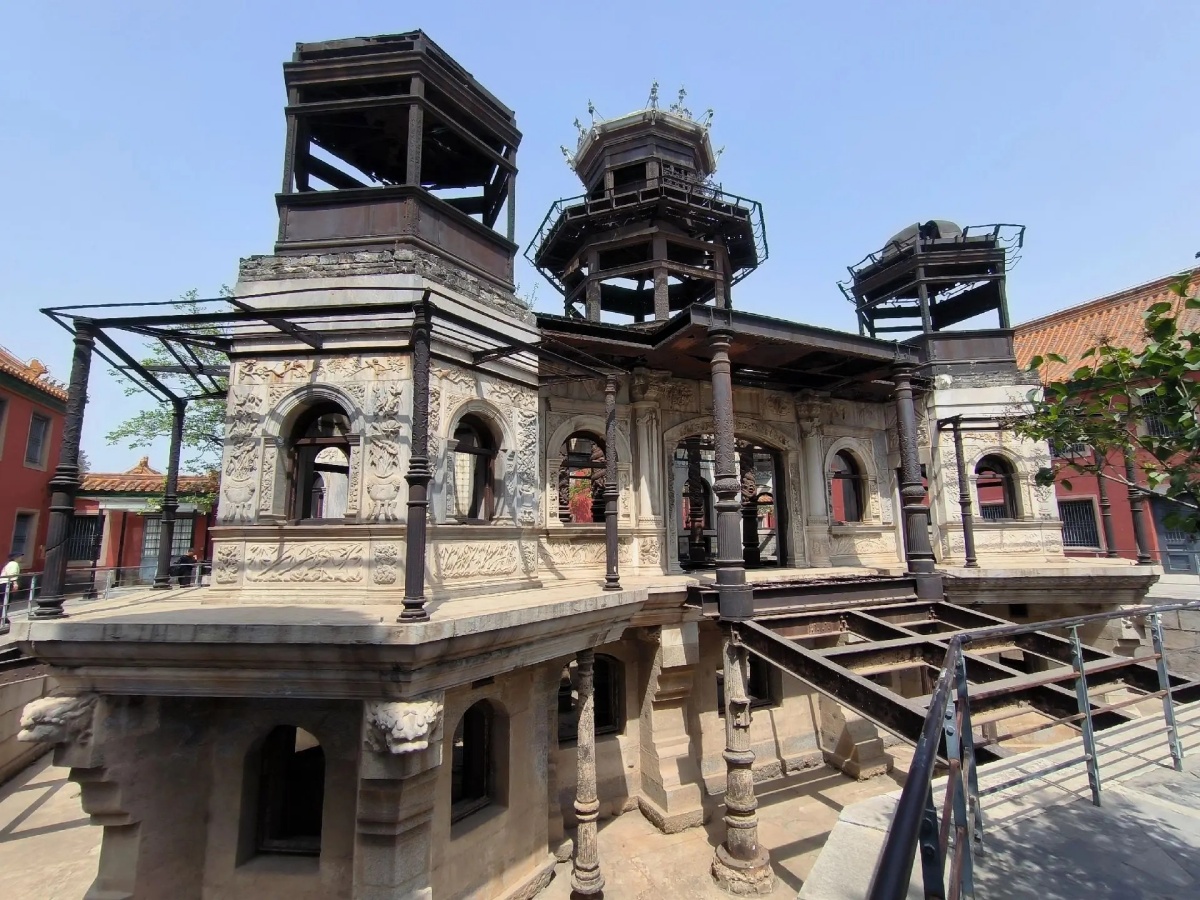
In 1900, Yanxi Palace was destroyed by a fire, leaving only crumbling walls behind. In 1909, Consort Jin of Emperor Guangxu proposed its reconstruction—and boldly suggested, “Instead of a traditional wooden palace, let’s build a Western-style water pavilion.”
The design was strikingly innovative: a three-story steel-structured building surrounded by pools of water—symbolizing “using water to overcome fire” and meant to prevent future blazes. Its exterior walls were to be decorated with colorful glazed tiles, and the pools were intended to be stocked with goldfish and lotus, making it a “breathing palace.” Consort Jin even gave it a poetic name: Lingzhaoxuan, or “Pavilion of Spirit and Marsh.”
Unfortunately, with the Qing dynasty in decline, funding ran dry after only the second story was built. Yanxi Palace became an unfinished project, a true “half-completed building.” To this day, visitors can still see its steel framework and tiled outer walls. The fusion of a traditional Chinese roof with a Western-style steel structure makes it stand out as one of the most unusual sights in the Forbidden City.
Just last year, a Spanish architect who toured the site shared on social media: “Over a hundred years ago, the Chinese imperial family already had a modern architectural vision—far ahead of its time!” The post went viral, pushing “Yanxi Palace modern architecture” into trending searches. Some foreign architecture schools have even begun citing it as a case study of East-West architectural integration.
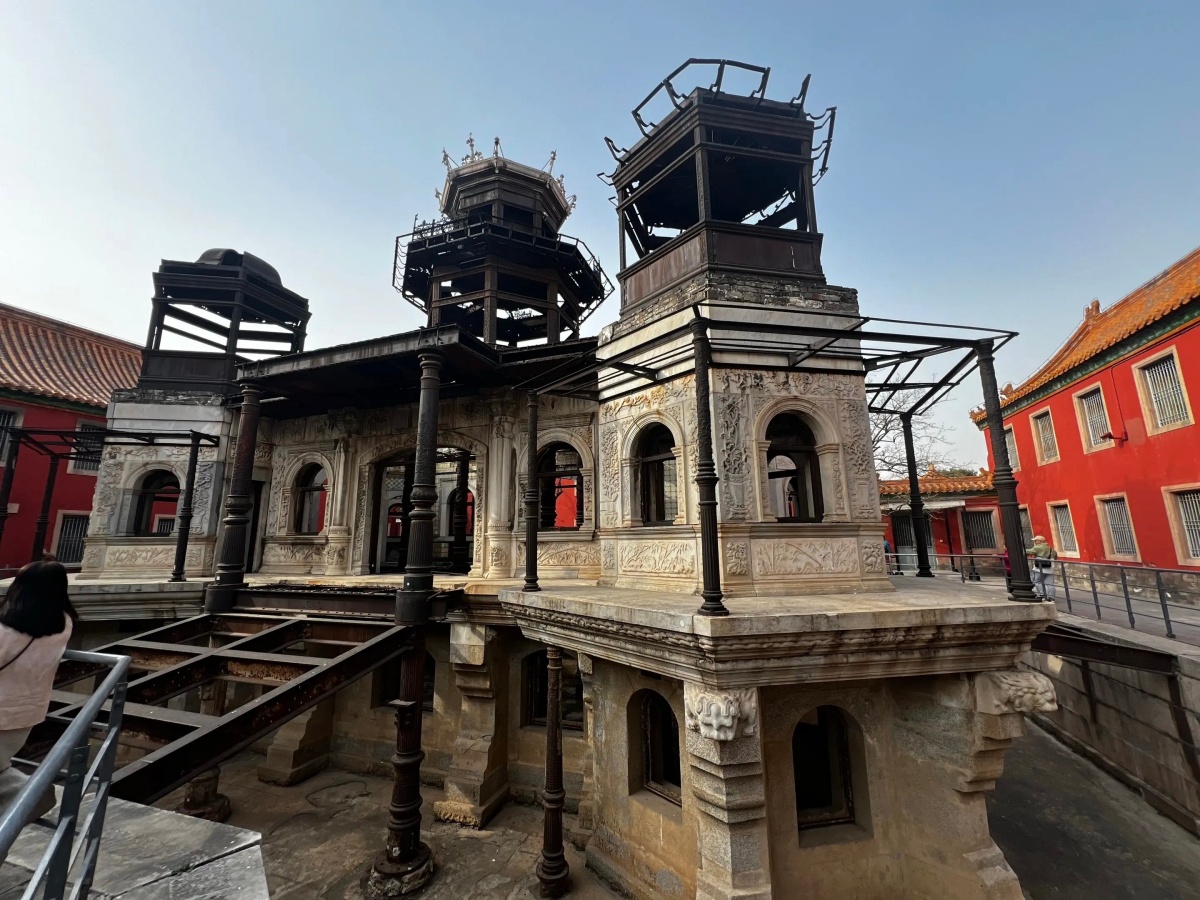
[Little-Known Fact for Overseas Visitors] The tiled walls of Yanxi Palace hide an “imported secret”! Back in 1909, Consort Jin imported colorful tiles from Germany to make the water pavilion more exquisite. Some of these tiles still bear the English inscription “Made in Germany.” Today, if you look closely at the palace’s exterior, you can still spot this mark on a few well-preserved tiles—an imported product from over a century ago, predating modern architecture in many countries!
Additionally, the steel framework of the pavilion was assembled using riveted connections, a technique that was just gaining popularity in Europe at the time. Consort Jin even hired a British engineer to oversee construction, showing how much she valued the palace. Many foreign visitors now enjoy searching for the “Made in Germany” tiles, photographing them, and posting on social media with captions like: “Found a 100-year-old ‘Made in Germany’ in the Forbidden City—amazing!”
2. Jingren Palace: The “Princess Cradle” with a “Hidden Thermometer” and Moisture-Resistant Wisdom Under the Floor Tiles
Jingren Palace is considered the “lucky palace” of the East Six Palaces. During the Ming and Qing dynasties, several princes and princesses were born here, the most famous being the Tenth Princess of the Qianlong Emperor (Princess Gurun Hexiao). The emperor was especially fond of her in his later years, even saying, “If you were a prince, I would surely make you my heir.”
The Tenth Princess lived in Jingren Palace for 16 years. Her dowry included 10 chests of jewelry and 5 estates, and her wedding was celebrated on a scale comparable to that of an empress. These fascinating stories have made “Jingren Palace princess legend” a popular search topic.
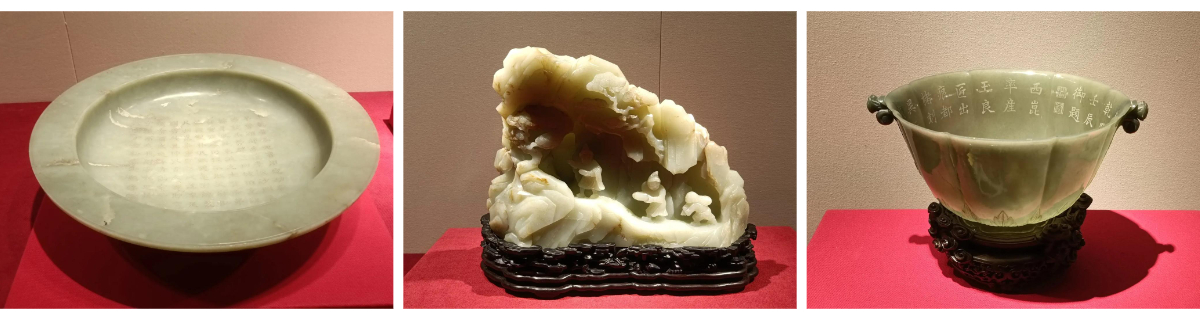
However, the most fascinating feature of Jingren Palace is not the princess stories—it’s its “invisible thermometer”! Many foreign visitors who come in summer notice that Jingren Palace feels 3–5°C cooler than other palaces. They often assume it has air conditioning, but in fact, it’s the result of ingenious architectural design.
[Little-Known Fact for Overseas Visitors] Beneath the floors of Jingren Palace lies a moisture-proof, cooling layer! Before laying the tiles, craftsmen dug a 30 cm deep trench, first filling it with crushed tiles, then a layer of charcoal, and finally the floor tiles. The crushed tiles drain water, the charcoal absorbs moisture, and together they help regulate temperature—absorbing heat in summer to cool the interior, and releasing heat in winter to warm it. This ancient design worked like a natural air conditioner, predating Western underfloor heating and modern AC by centuries. Last year, a Canadian visitor brought a thermometer and confirmed that the palace interior was indeed 4°C cooler than outside. In his video, he said: “The ancient Chinese craftsmen’s eco-friendly cooling method is even more practical than modern technology—it’s something we can learn from!”
Additionally, Jingren Palace’s windows featured mosquito-proof bamboo screens! Without modern screens, craftsmen wove extremely fine bamboo strips into a mesh and installed them inside the window frames. These bamboo screens allowed ventilation and sunlight while keeping insects out. Many foreign visitors are amazed, saying: “Ancient people had their own ‘mosquito-proof gadget’—even more delicate than our modern screens!”
3. Chengqian Palace: The “Favored Consort’s Palace” with Soundproof Walls and Hidden Stories Beneath the Murals
Chengqian Palace was the residence of Consort Dong’e, a favored consort of the Shunzhi Emperor. The emperor lavished attention on her, decorating the palace with exceptional luxury and even granting her a private study—a rare privilege for women in the imperial harem. Consort Dong’e loved reading and writing poetry, and the emperor often joined her to discuss literature. This romantic story has made “Chengqian Palace imperial love” a popular search, with many foreign visitors coming to experience the romance of the ancient imperial court.
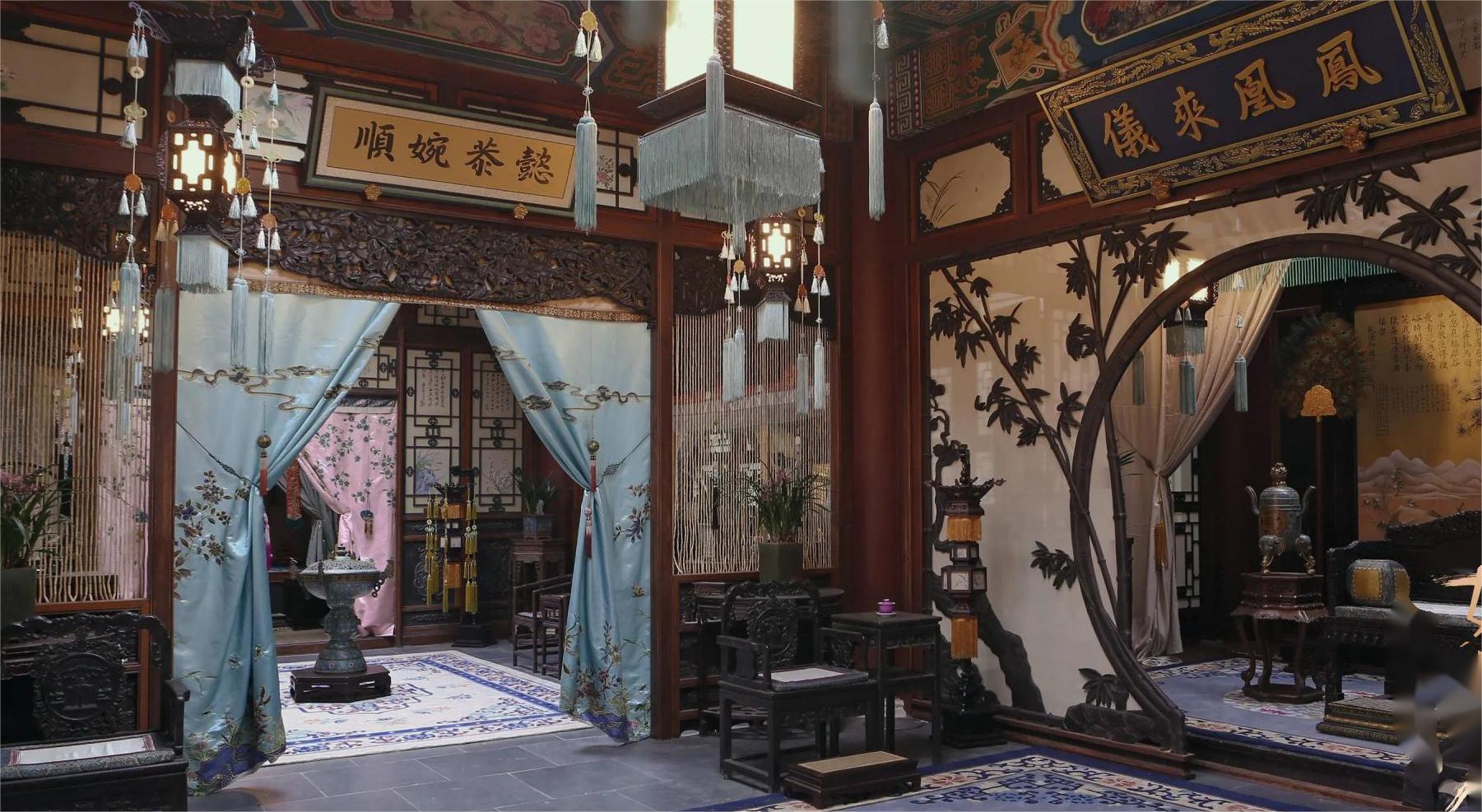
However, the most remarkable feature of Chengqian Palace is its soundproof design. Consort Dong’e preferred quiet, so the Shunzhi Emperor ordered craftsmen to implement soundproofing, making Chengqian Palace one of the quietest palaces in the Forbidden City.
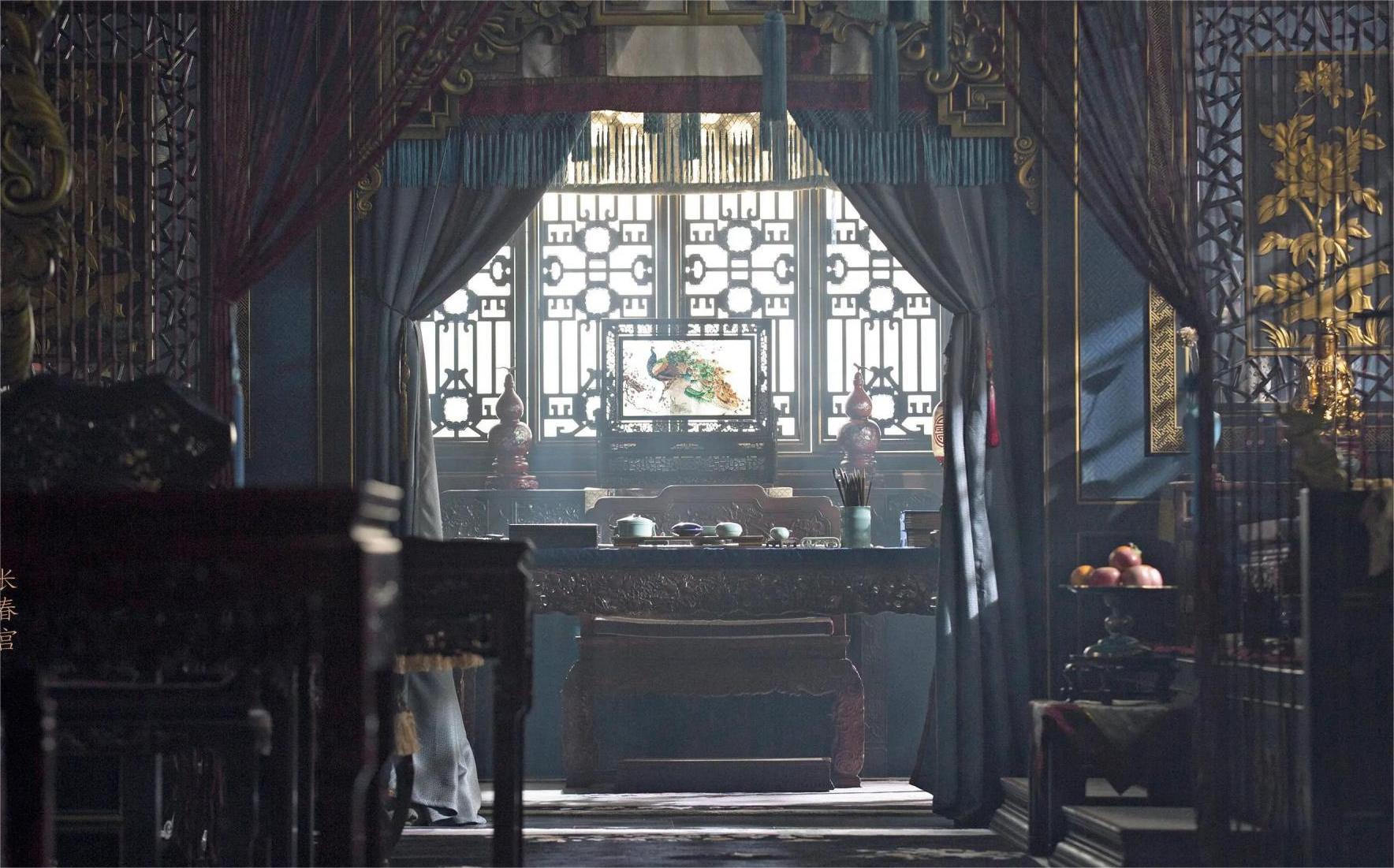
[Little-Known Fact for Overseas Visitors] The walls of Chengqian Palace are double-layered soundproof walls! When constructing the palace, craftsmen built the walls in two layers with a 10 cm gap in between, filled with sand and straw. The sand absorbs sound, while the straw blocks its transmission. This double-layer design provides exceptional soundproofing—so even if people are walking or talking outside, it’s almost completely silent inside.
Last year, a French sound designer visited and tested the palace using professional equipment. He found that Chengqian Palace’s soundproofing is comparable to modern recording studios. In his article, he wrote: “This 600-year-old soundproofing technique was more scientifically advanced than 19th-century designs. The ingenuity of Chinese craftsmen is truly astonishing!”
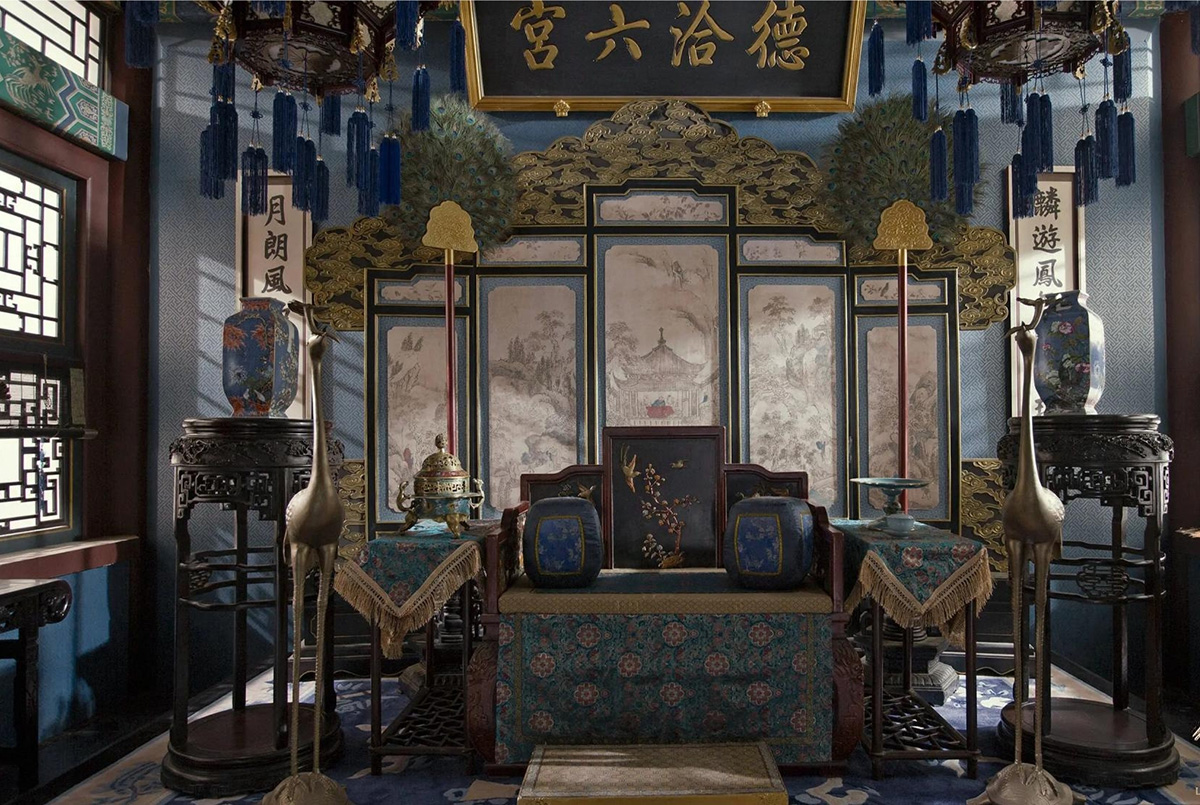
In addition, Chengqian Palace hides “secret murals” on its walls! In 2018, during renovation work, staff discovered a layer of Ming dynasty murals beneath the wall surface, depicting vibrant landscapes, flowers, and birds. Research revealed that these murals were commissioned by Consort Li Jing, a consort of the Wanli Emperor, during her residence in Chengqian Palace. Later, during Qing dynasty renovations, the murals were covered with a layer of white plaster to match Qing decorative styles. Today, the Forbidden City regularly hosts “Mural Exhibitions” in Chengqian Palace, using special lighting to reveal the murals’ original appearance. Many foreign visitors have marveled: “It’s like discovering a hidden treasure—every wall could hold a surprise!”
4. The East Six Palaces’ “Shared Kitchen”: The Harem’s Everyday Life
Many foreign visitors assume that women in the imperial harem were served only exquisite dishes from the imperial kitchen. In fact, the East Six Palaces also had a shared kitchen where palace women could cook for themselves.
This kitchen, located centrally within the East Six Palaces, is called the Shanfang Courtyard. It contains 10 stoves, each linked to a different palace. Women could use these stoves to prepare hometown dishes or small treats for the emperor or the children. The stove design was clever: the flue was curved so that smoke did not enter the room but was directed through underground channels, keeping the kitchen clean.
[Little-Known Fact for Overseas Visitors] The stoves in Shanfang Courtyard also featured temperature control valves! Craftsmen installed a copper valve next to each stove. Turning the valve regulated airflow and controlled the fire’s intensity—low for slow simmering, high for quick stir-frying. This design was even more precise than modern gas stove knobs. Many foreign visitors can’t resist trying these ancient “stoves.” Last year, an Italian chef visited and remarked: “The heat control on these stoves is even more accurate than our traditional stoves. Ancient Chinese cooking tools were incredibly advanced!”
Today, the Forbidden City hosts “Ancient Culinary Experience” activities in Shanfang Courtyard, allowing visitors to try making palace snacks such as mung bean cakes or almond tea. Many foreign visitors eagerly participate, saying: “Cooking in the Forbidden City makes you feel like you’re living in the imperial harem—it’s such a unique experience!”
VII. Practical Tips for Visiting the Forbidden City: Make Your Trip Smoother and More Enjoyable
After exploring the East Six Palaces, you've likely gained deeper insights into the Forbidden City. Finally, here are some practical tips most frequently searched by international visitors when looking up “Forbidden City travel tips”:
1. Ticket Reservations: Forbidden City tickets must be booked at least 7 days in advance via the official website or mini-program. The platform supports multiple languages including English, Japanese, and Korean, and accepts international credit cards like VISA and Mastercard. Visitors aged 60 and above can enter free of charge with valid passport—remember to bring your ID.
2. Best Visiting Times: To avoid crowds, enter at opening time (8:30 AM) or after 3 PM. Morning light is ideal for photography, while afternoons offer fewer visitors for leisurely appreciation of architectural details. For snowy scenes, visit during winter (December–February). The snow-covered golden tiles and vermilion walls create a fairy-tale landscape, making this the prime time to capture the “Forbidden City snow scenery.”
3. Guided Tours: The Forbidden City offers multilingual guided tours in Chinese, English, Japanese, Korean, German, French, and more. Reservations can be made at the Tourist Service Center near the entrance. For independent exploration, rent a “Multilingual Audio Guide” supporting over 40 languages. These devices provide detailed commentary, pinpoint your current location, and automatically describe nearby attractions.
4. Cultural Merchandise: Numerous cultural shops within the Forbidden City offer recommended items like “Forbidden City Lipstick” (inspired by the palace's red walls and glazed tiles), “Forbidden City Calendars” (featuring one artifact daily), and “Miniature Palace Models” (exquisitely crafted scaled-down replicas of the Hall of Supreme Harmony and the Palace of Heavenly Purity). These products serve as excellent souvenirs, allowing visitors to bring a piece of “Forbidden City culture” home. Last year, an American visitor purchased a set of “Forbidden City Lipsticks.” After sharing it on social media, many netizens asked “Where can I buy these?” making “Forbidden City cultural products” a trending topic.
5. Dining Recommendations: The Forbidden City features the “Ice Cellar Restaurant,” located near Cining Palace. Originally a Qing Dynasty ice storage facility, it has been transformed into a dining venue. Its signature “Imperial Court Cuisine” includes must-try dishes like “Qianlong Cabbage” (a cold salad reportedly favored by Emperor Qianlong) and “Forbidden City Cultural Ice Cream” (shaped like the Hall of Supreme Harmony or the Dragon Throne, with rich flavors). The restaurant also features an “Ice Cellar Experience Zone,” allowing visitors to feel the ancient temperature used for ice storage—a novelty that fascinates many foreign tourists.
Dear friends, the East Six Palaces of the Forbidden City are like an “encyclopedia of imperial harem life.” Here lie the love stories of favored concubines, the growth journeys of princesses, and the wisdom crystallized by ancient artisans. From the “modern architectural vision” of Yanxi Palace to the “soundproof walls” of Chengqian Palace, from the “natural air conditioning” of Jingren Palace to the “ancient gas stoves” in the Kitchen Courtyard—every detail reveals that the Forbidden City is not merely a grand palace, but a cultural treasure trove brimming with the “vibes of daily life.”
This reveals a different side of the Forbidden City—not the “fictional setting” of TV dramas, but a real, living “Eastern marvel.” Next time you share stories about the Forbidden City with friends, you'll not only describe its grandeur but also its “hidden secrets”; not only recount its historical tales but also its “architectural ingenuity.” By then, you too will have become an ambassador of Forbidden City culture, inspiring more people to fall in love with this 600-year-old imperial palace!
Finally, may your journey through the Forbidden City be fulfilling and joyful. We hope you'll share this awe and inspiration with others, spreading the stories of the Forbidden City across the globe!