Shennongjia Tour
Discover the Magic of Shennongjia with Us – Your Custom Gateway to the Roof of Central China
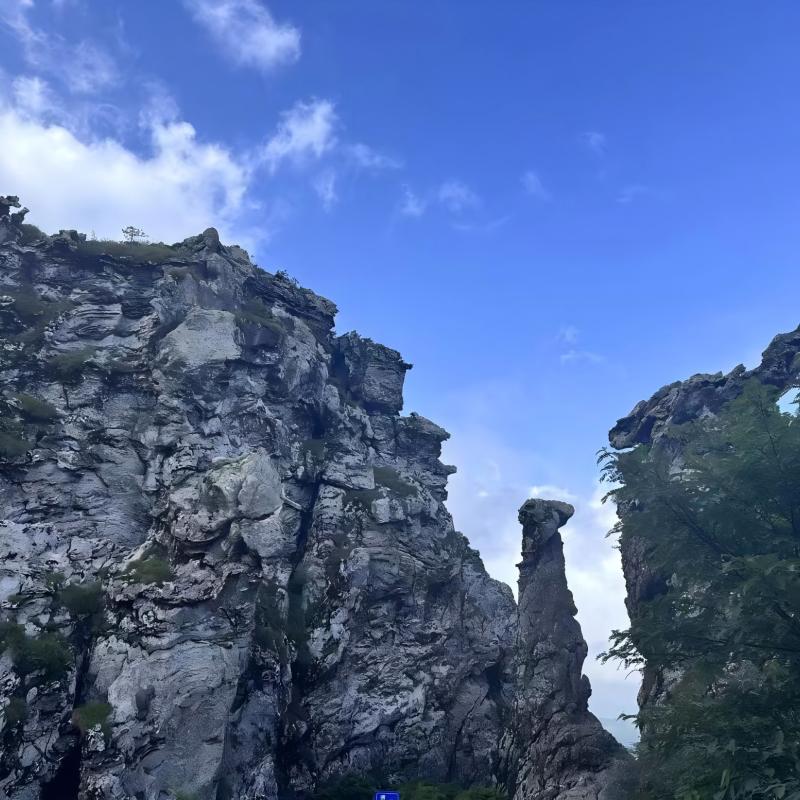
Welcome to an unforgettable journey into Hubei’s pristine wilderness. We specialize in crafting personalized travel experiences in the Shennongjia region – a UNESCO World Heritage site known as the "Roof of Central China." Whether you're drawn to epic mountain landscapes, ancient herbal culture, or unique ethnic traditions, we design trips that match your interests and pace.
Explore highlights like Shennongding, the highest peak in Central China, and the serene Dajiuhu Wetlands. Immerse yourself in Shennong culture at the Shennong Altar, walk across the breathtaking Tianshengqiao Natural Bridge, and learn about local ecology in Guanmenshan’s "natural classroom." Along the way, savor authentic mountain cuisine, from smoked pork hocks to rare Five-Black Chicken.
As an inbound travel specialist, we handle all details – expert local guides, comfortable transport, handpicked accommodations, and immersive activities. Let us create your perfect Shennongjia adventure. Contact us to start planning a journey that’s as unique as you are.
Unravel the Mysteries of Shennong, Explore the Roof of Central China – Hubei Shennongjia Tourism Area
Hello, travelers!Welcome to the Hubei Shennongjia Tourism Area, known as the Roof of Central China and a Natural Medicinal Garden. I’ll be your guide today. Over the next few hours, I’ll help you uncover the secrets of this enchanting land, discover its ancient Shennong culture, soak in pristine wilderness views, and sample authentic local mountain cuisine.
1. Shennongding Scenic Area – Primordial Wonders at the Peak of Central China
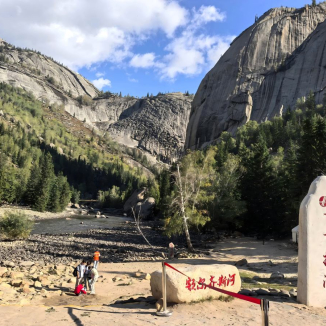
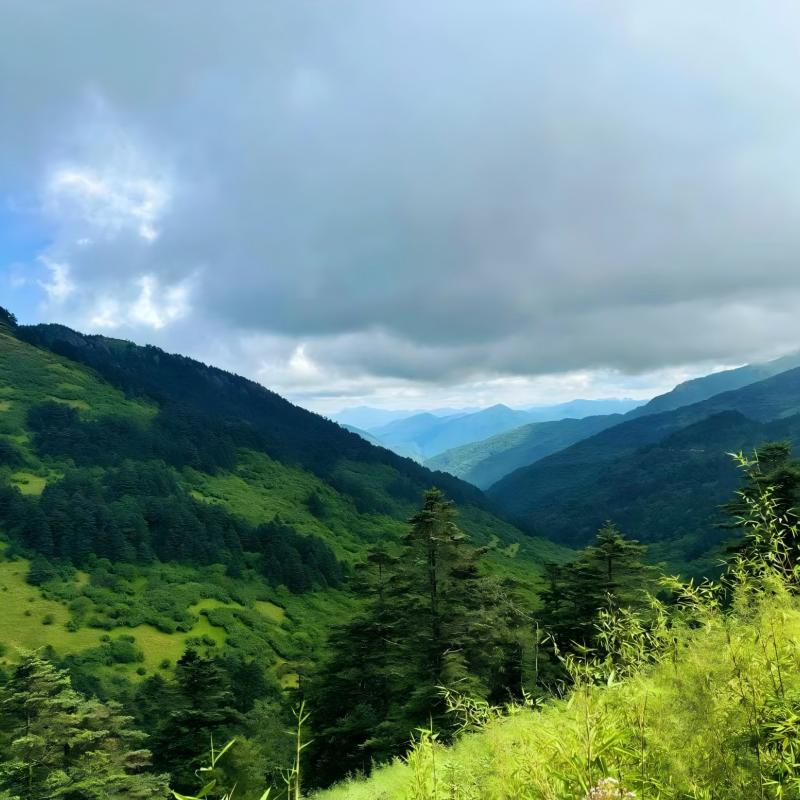
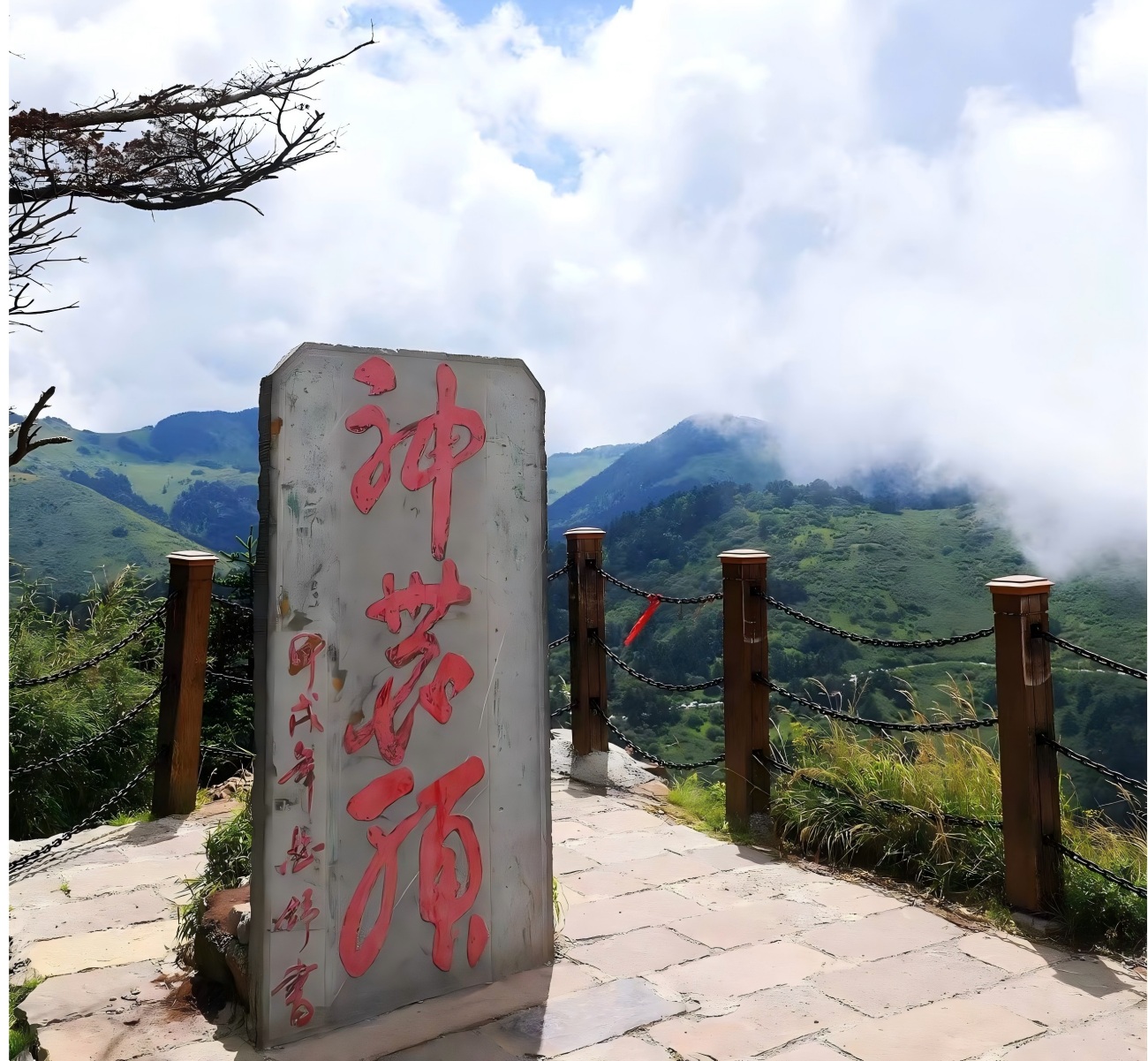
Our first stop is the heart of Shennongjia – the Shennongding Scenic Area. This is the highest point in Shennongjia, with the main peak, Shennongding, rising 3,105.4 meters above sea level. It’s often called the “Number One Peak in Central China” and forms the watershed between the Yangtze River and Han River. From the summit, you’ll see rolling mountain ranges winding like giant dragons, with clouds and mist swirling through the valleys – sometimes brushing your face like a thin veil, sometimes surging like ocean waves. You’ll feel as if you’ve stepped into a fairy tale.
Shennongding is deeply tied to the legend of Yan Di Shennong, the mythical ancestor of Chinese agriculture and medicine. According to ancient tales, Shennong traveled far and wide in search of healing herbs for his people. He eventually reached these highlands, where steep terrain and dense forests blocked his path. So, Shennong taught his people to “build wooden ladders” to scale the cliffs. At the mountaintop, he gathered many rare medicinal plants, including the prized Dragon-Head Phoenix-Tail Golden Hairpin, ranked first among the “Seventy-Two Revival Herbs.” This herb grows only under strict conditions: on the edge of sheer cliffs overlooking deep ravines, where sunlight and moonlight reflected from water below shine directly on the cliff top. To collect it, local herb-gatherers still use the ancient “wooden ladder” technique, lowering themselves by rope ladders – a tradition passed down from Shennong’s time.
Beyond its cultural heritage, Shennongding’s natural landscape is simply breathtaking. It preserves the best subtropical forest ecosystem in the Northern Hemisphere’s mid-latitudes – a true **“species gene bank.” As you walk along the scenic boardwalk, you’ll pass layers of rare trees like firs, arrow bamboo, and alpine rhododendrons. If you’re lucky, you might even spot protected animals like golden snub-nosed monkeys or tufted deer, feeling the raw vitality of this ancient forest.
2. Shennong Altar Scenic Area – A Sacred Site for Honoring Ancestral Culture
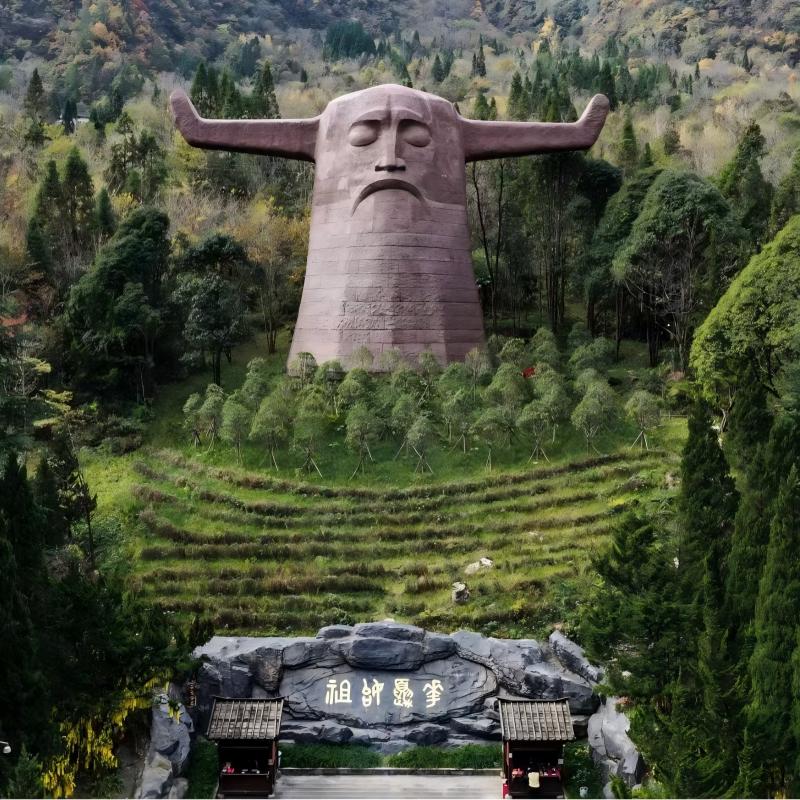
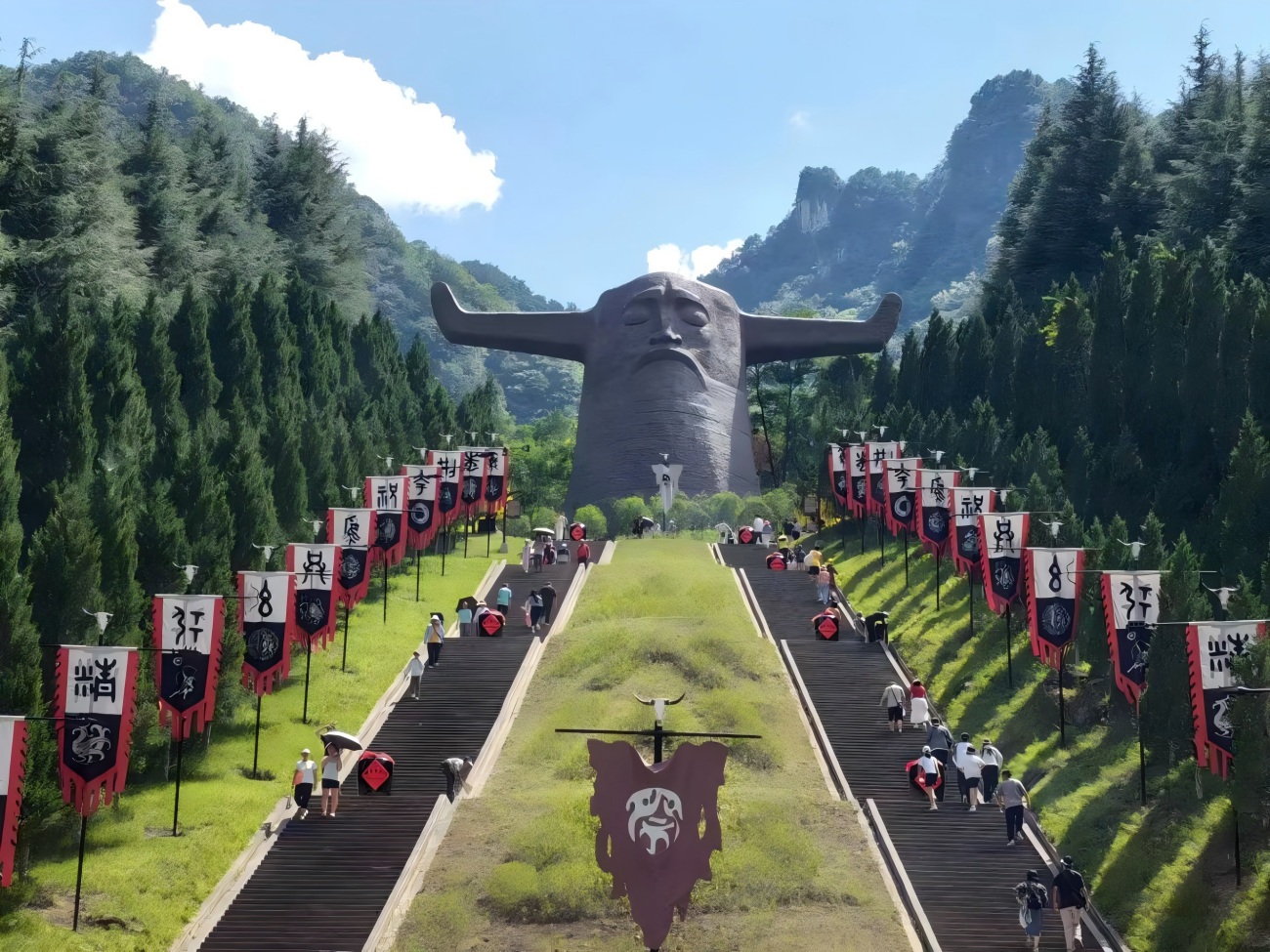
Next, we visit the Shennong Altar Scenic Area, the cultural center of Shennong worship in Shennongjia. Located just 6 km south of Muyu Town in Xiaodangyang, right off National Highway 209, its most striking feature is a giant statue of Shennong – 21 meters tall, with the head of an ox and body of a man. Nestled among emerald mountains, the statue gazes peacefully downward, as if still watching over the land he once nurtured. Its solemn presence inspires awe in every visitor.
The name “Shennongjia” (meaning “Shennong’s Ladder”) comes from the legend of Shennong tasting herbs here. In ancient times, Shennong led his people to these mountains to sample hundreds of plants and heal the sick. First, he taught them to “build wooden houses for shelter”; then, to “build wooden ladders for climbing,” making it easier to gather herbs from high cliffs. Here, he collected over 400 medicinal plants and compiled the classic Shennong’s Materia Medica. After completing his mission, Shennong “built a wooden altar, mounted a crane, and ascended to heaven.” Later generations named these mountains Shennongjia in his honor.
Within the scenic area, you’ll find the Millennium Cedar King, a tree over 1,200 years old. Its trunk is so wide it takes five or six adults to embrace it, and its canopy spreads like a giant umbrella. Locals regard this cedar as sacred. During festivals, they come to pray for good weather and family health – a custom passed down for centuries and a unique cultural highlight here.
3. Dajiuhu National Wetland Park – An Alpine Wetland Dreamscape
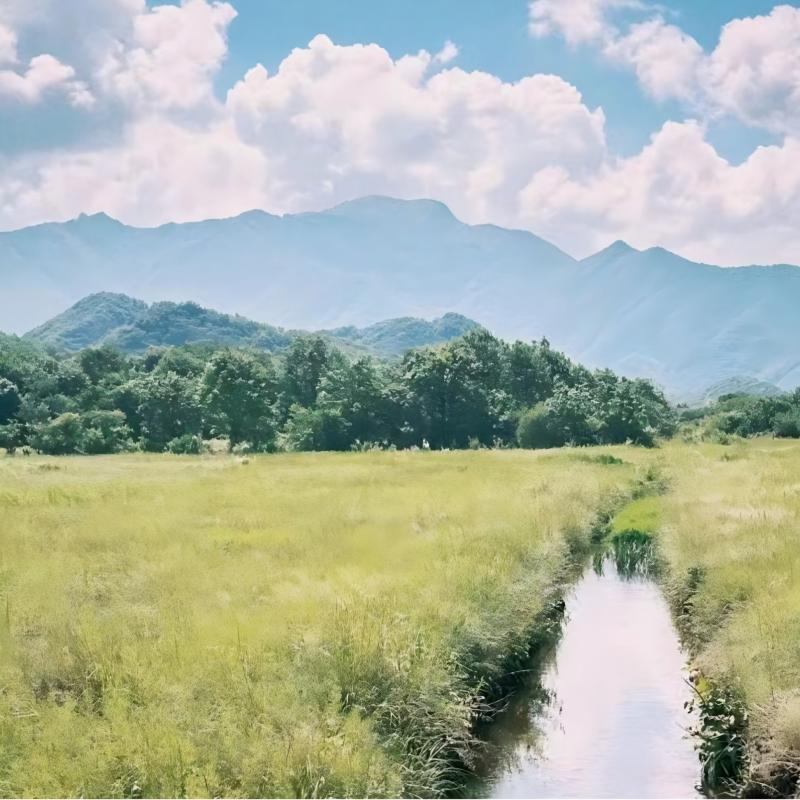
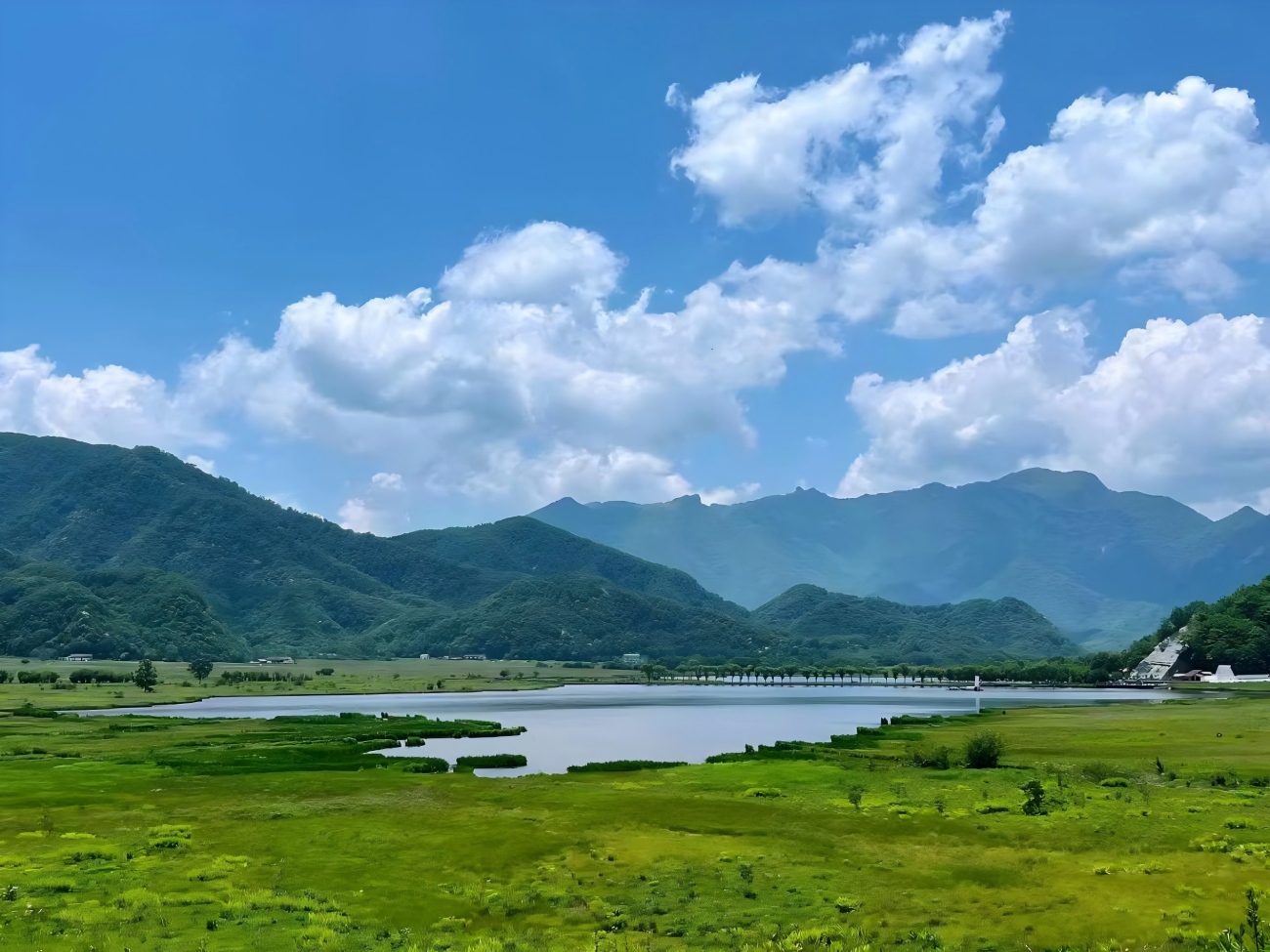
Our next destination is Dajiuhu National Wetland Park, often called the “Hulunbuir of Hubei.” Located at the western edge of Shennongjia, it’s one of China’s few subalpine wetlands. Its name comes from the nine lakes that form during the rainy season. Shaped by ancient glacial lakes and underground funnels, the area is a lush basin surrounded by mountains – like walking into a living landscape painting.
Beyond its beauty, Dajiuhu holds a rich ancient salt road history. Adjacent to the wetlands is Pingqian Ancient Town, a restored salt-road trading post. During the Ming and Qing dynasties, salt merchants traveled between Sichuan and Hubei, resting here with their camel caravans before delivering salt across Hubei. The old inns, shops, and stables still retain the atmosphere of that era. Walking its bluestone streets, you can almost hear caravan bells and merchants’ calls, reliving a bustling chapter of trade history.
Dajiuhu is most magical at dawn. A light mist blankets the lakes and meadows, with distant mountains fading in and out of view. Waterbirds like black storks and egrets play in the water, and herders sometimes pass with cattle and sheep. It’s a serene scene that brings to mind the ancient verse: “The sky is vast, the grassland endless; when the wind blows, grass bends low, revealing cattle and sheep.” Pure tranquility.
4. Tianshengqiao Scenic Area – A Natural Bridge, Waterfalls & Ba Culture
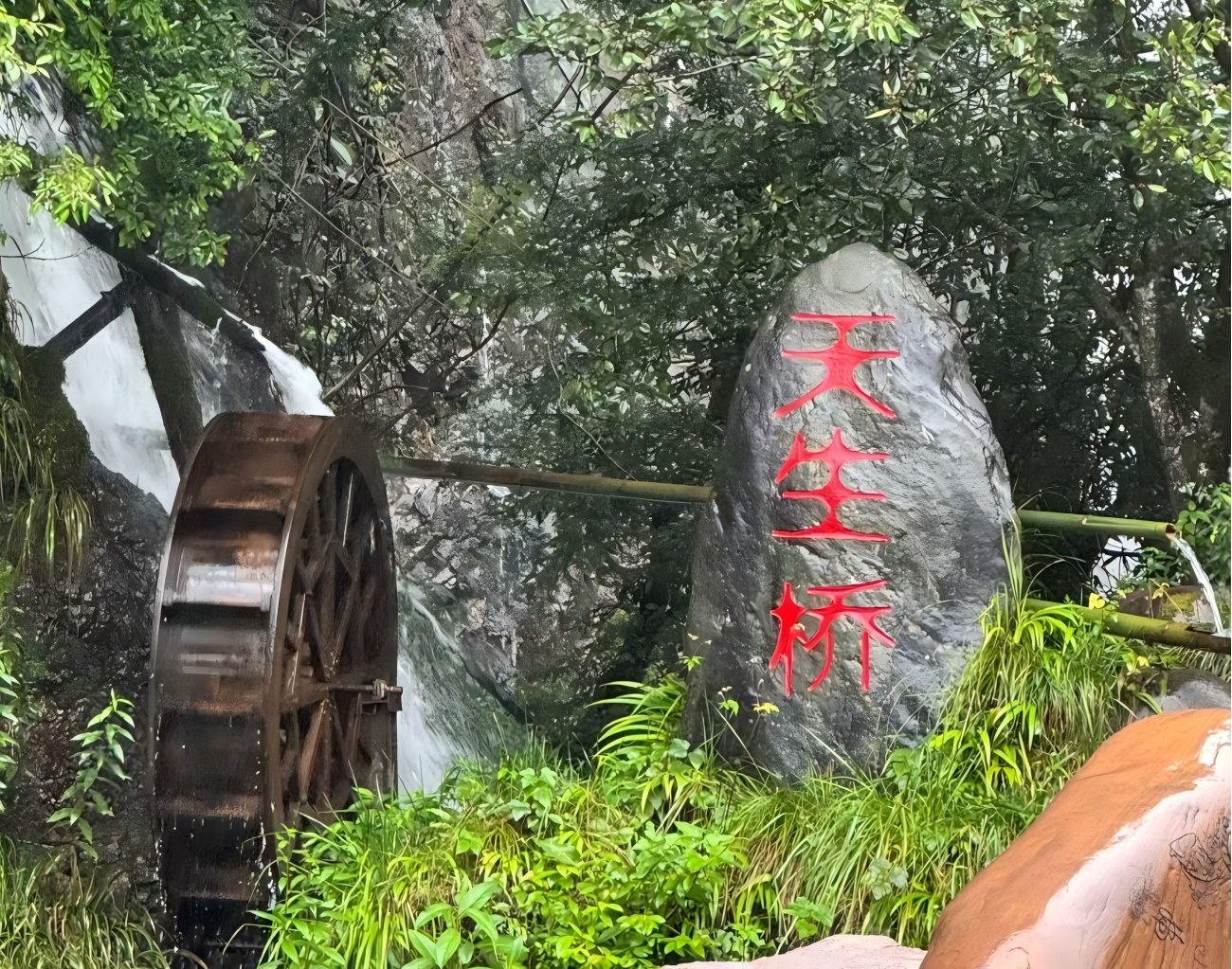
Just 3.8 km from Shennong Altar, Tianshengqiao Scenic Area features stunning caves, a natural stone bridge, cascading waterfalls, and clear pools – all infused with the culture of the local Ba ethnic group. The highlight is the natural stone bridge spanning a canyon: about 17 meters high and 10 meters wide, with a flat top that looks man-made but was carved by water erosion over millions of years – hence the name “Tianshengqiao” (Heavenly Bridge).
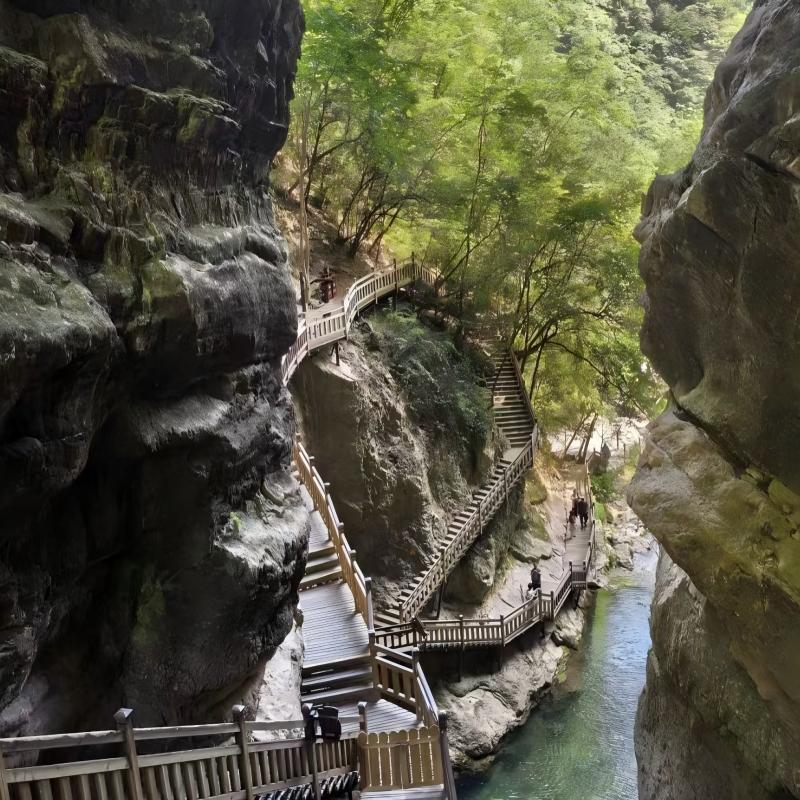
Below the bridge, a waterfall plunges into a deep pool, spraying mist that often creates rainbows in the sunlight. Follow the boardwalk along the canyon, and you’ll see cliffs draped with rare medicinal herbs and vines. The air here is fresh and rich in negative ions – a true natural refreshment.
The scenic area also showcases **Ba ethnic culture**. In the Ba Tribe Village, you can explore traditional stilt houses, weaving looms, and a winery. Don’t miss performances of Tang opera and shadow puppetry – local art forms that have entertained the Ba people for generations. Shadow puppetry uses leather silhouettes to act out ancient tales under lamplight, offering a glimpse into this unique heritage.
5. Guanmenshan Scenic Area – A Natural Science Classroom
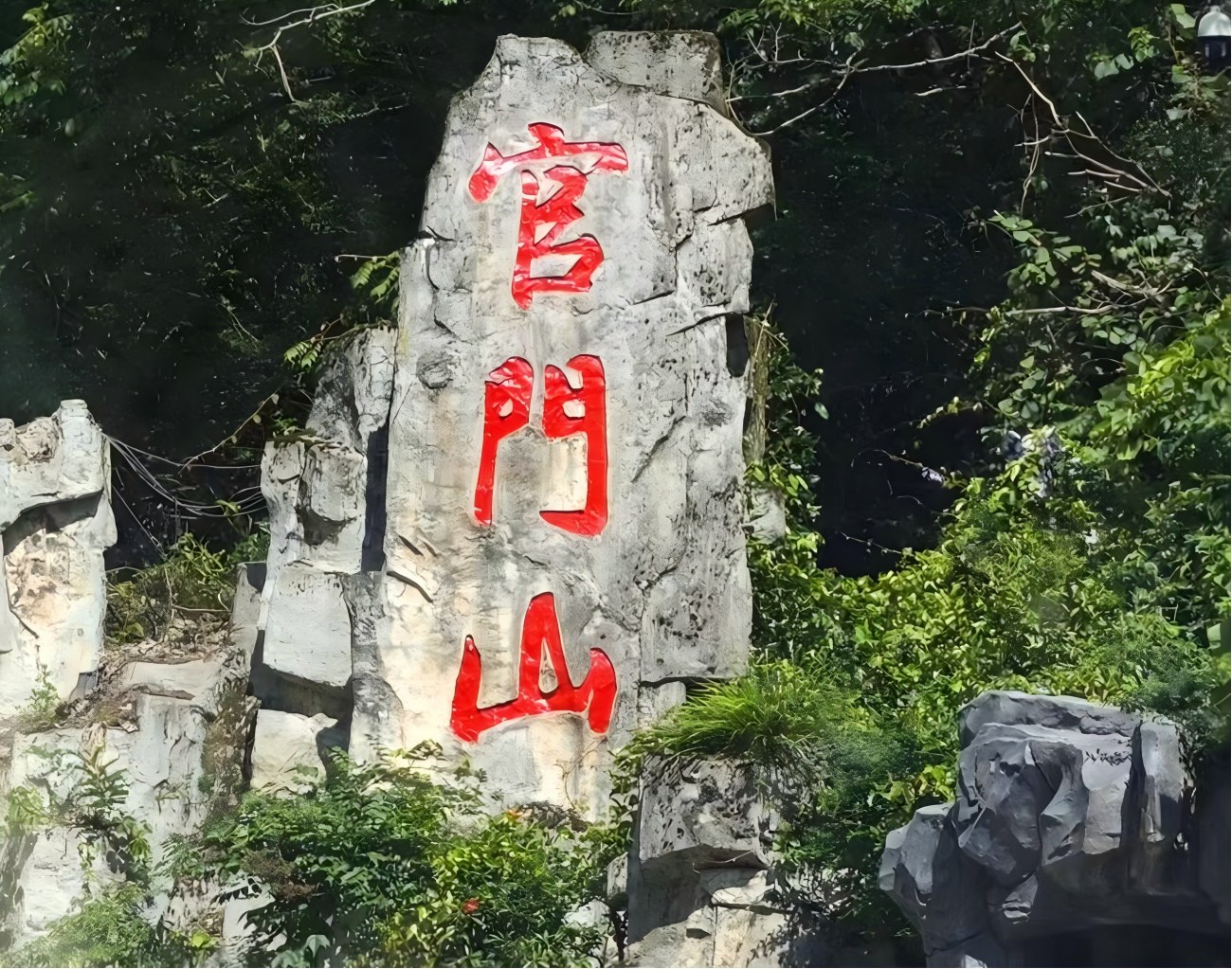
Our last scenic stop is Guanmenshan, located along the Shicao River south of Muyu Town. This is an ecological park focused on nature education, where majestic peaks, rare forests, and crystal waters create a “living classroom.”
One fascinating spot here is the Cliff Bee Garden. To protect hives from bears, locals place beehives on steep cliffs. From afar, they look like a giant honeycomb – a striking sight. Here, you can learn about bee behavior and honey production, and taste pure Shennongjia wildflower honey. Known as “Shennong’s Hundred-Herb Honey,” it’s mentioned in the Compendium of Materia Medica as the preferred honey for herbal remedies. With over 1,200 nectar plants – many of them rare medicinal herbs – it’s exceptionally nutritious, often called the “king of honey.”
Guanmenshan also has exhibition halls like the Rare Plants Museum, Animal Specimen Museum, and Geology Museum. You’ll see protected plants like dove trees and yews, lifelike specimens of golden monkeys and South China tigers, and learn how Shennongjia’s landscape formed over millennia.
6. A Taste of Shennongjia – Must-Try Mountain Dishes
After exploring, it’s time to savor local flavors. Here are four dishes you shouldn’t miss:
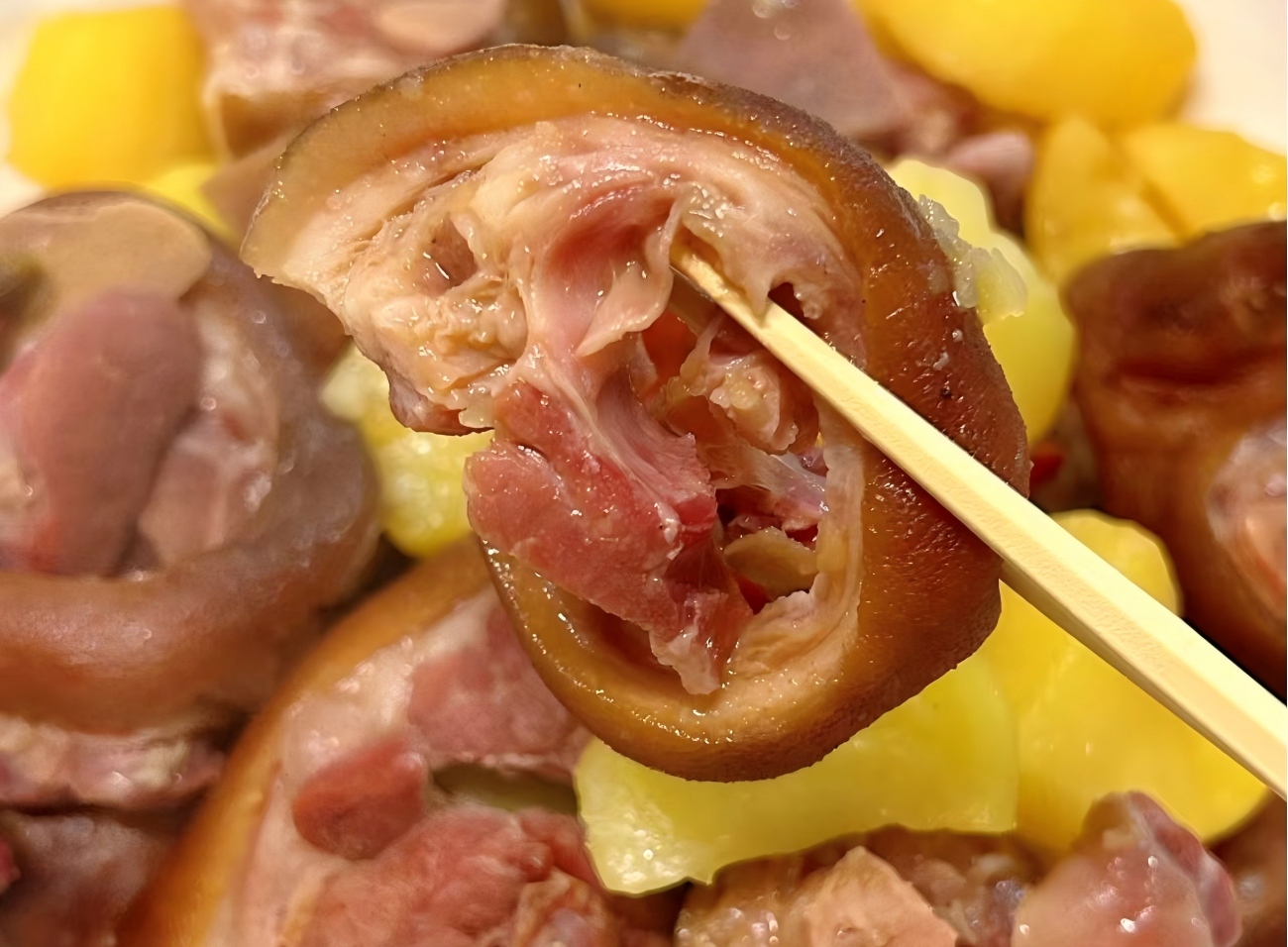
1. Shennong Smoked Pork Hocks
A household classic. Local free-range pork hocks are cured and smoked, then stewed with Shennongjia potatoes. The potatoes absorb the rich, smoky flavors, becoming soft and savory. The hock meat is firm and aromatic – pure comfort food.
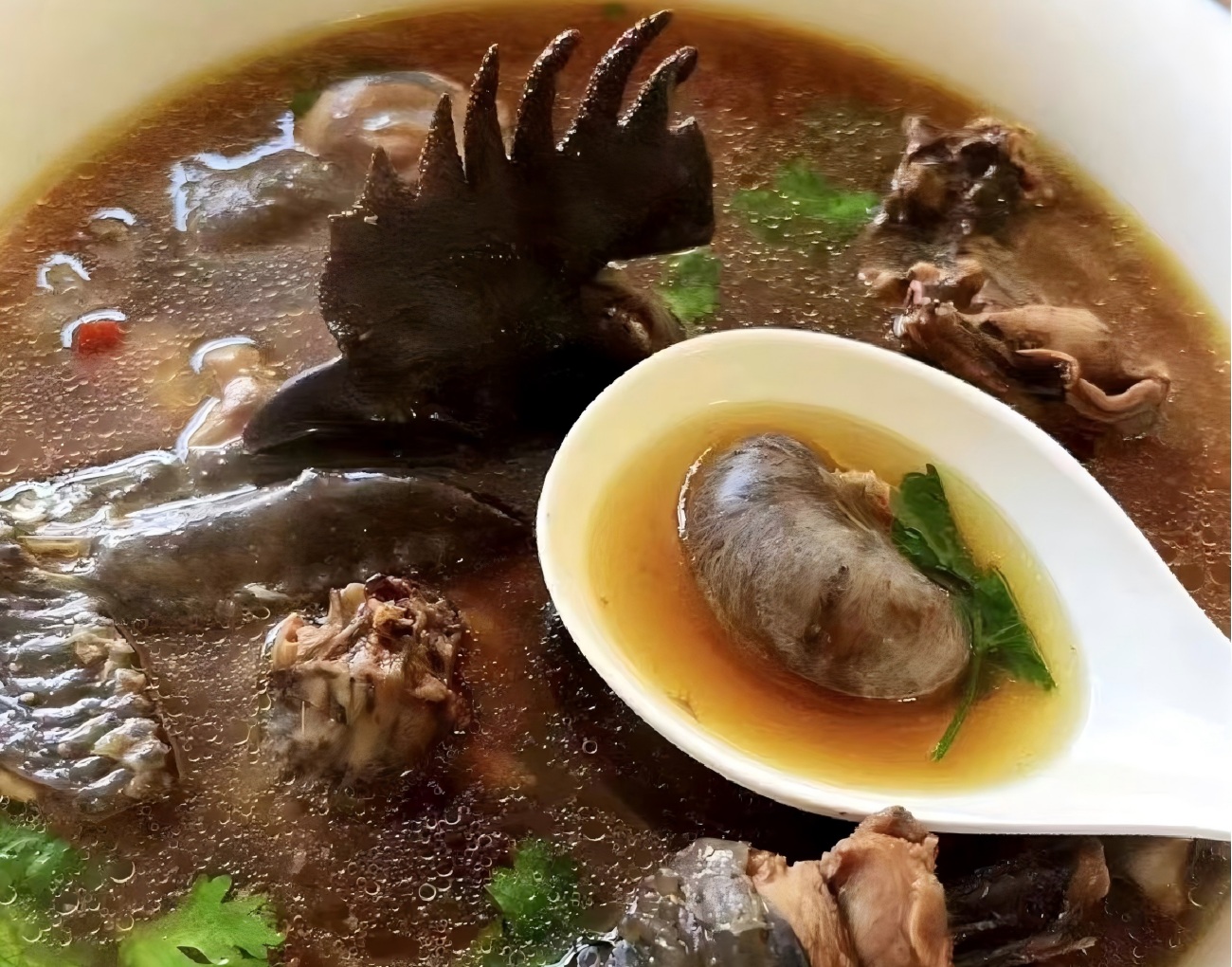
2. Shennongjia Five-Black Chicken
A rare breed with over 1,300 years of history. These chickens have black feathers, skin, meat, bones, and organs – but lay green-shelled eggs. The meat is tender and nutritious, delicious braised or stewed. It’s a prized dish for special guests.
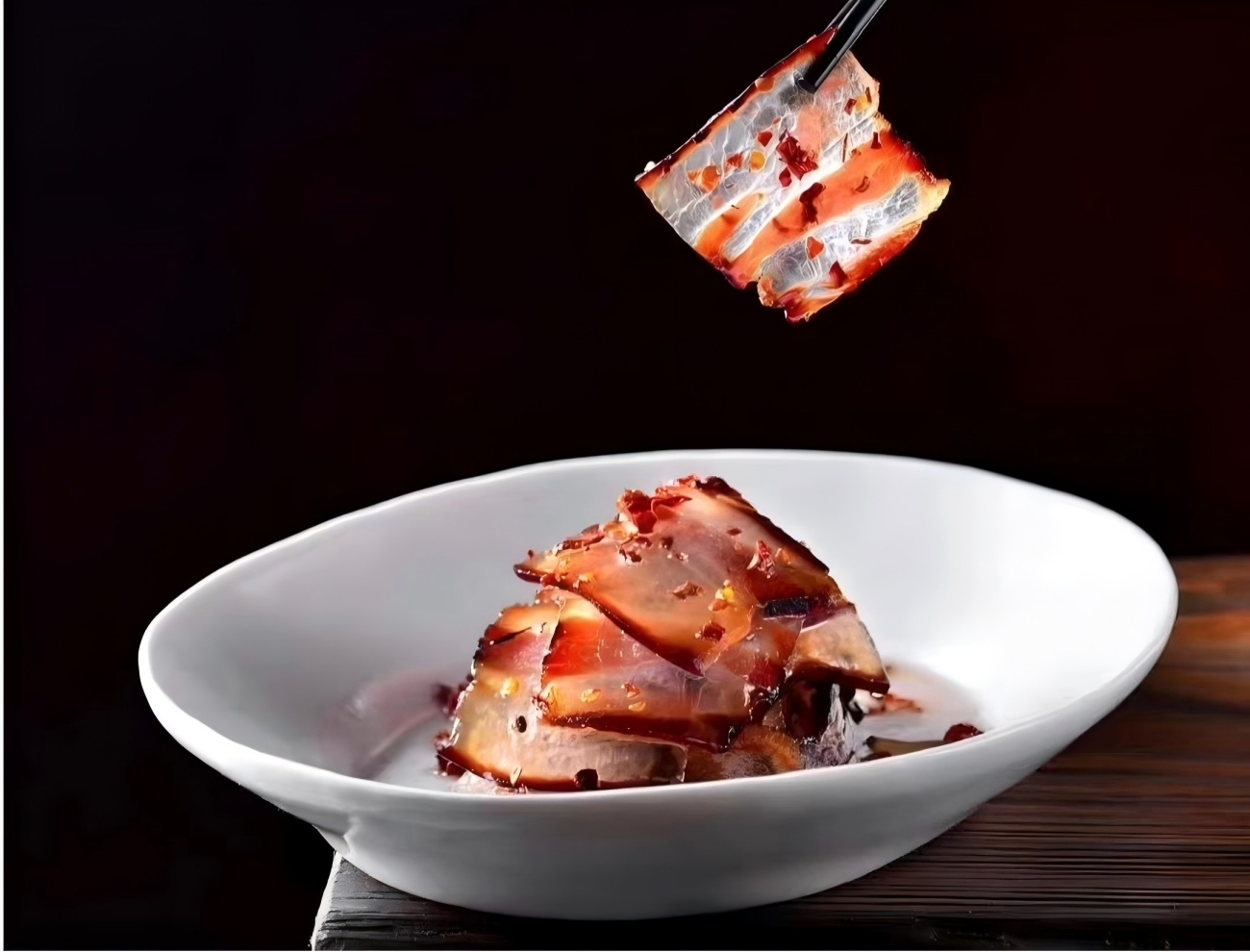
3. Shennongjia Cured Pork
A staple in local homes. Pork is salted, then smoked with firewood, orange peel, and mugwort until golden and fragrant. It can be stir-fried or cooked in hot pot, with a rich, lasting aroma. Properly stored, it keeps for years.
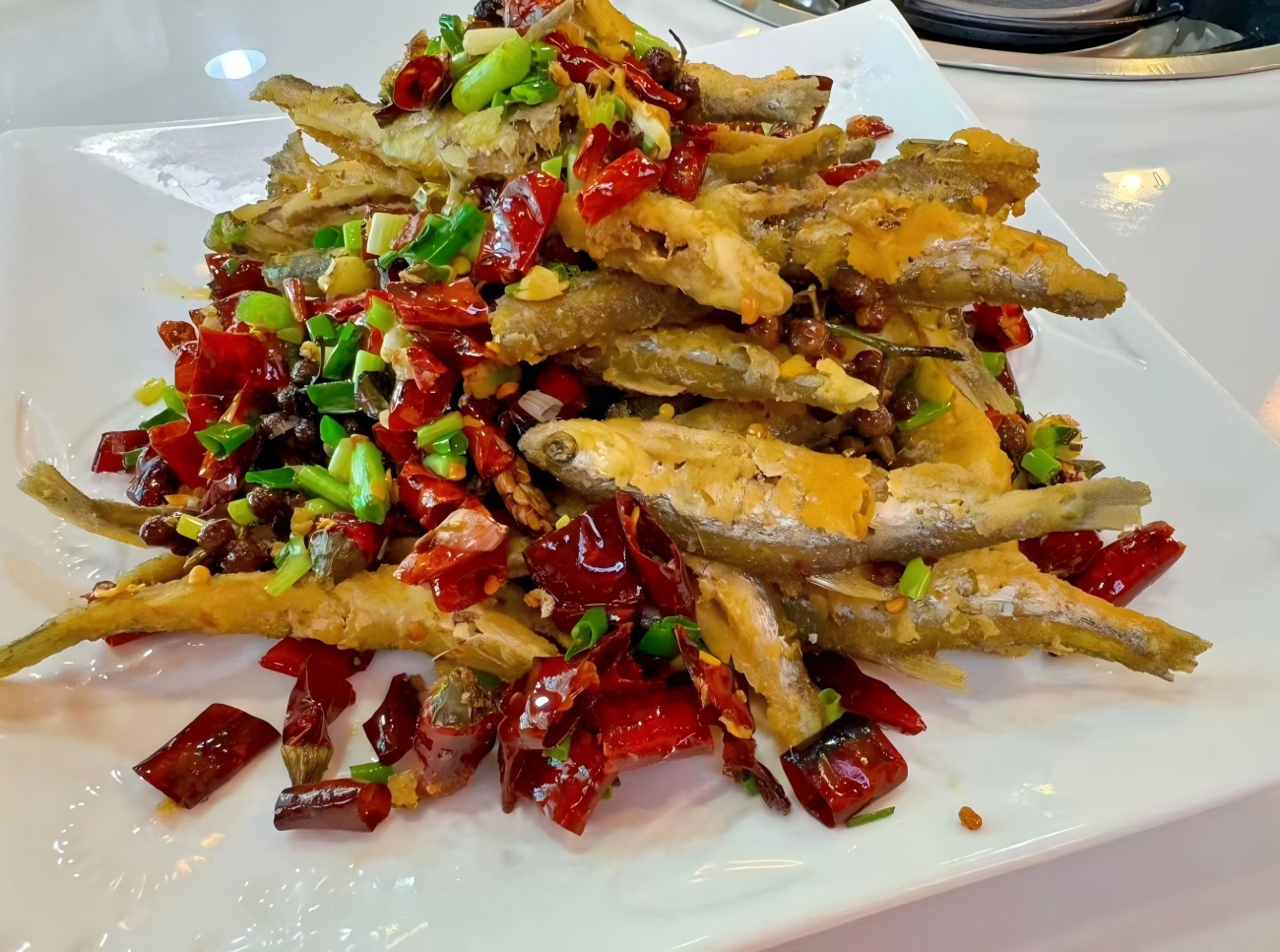
4. Pan-Fried Wild Stream Fish
Small wild fish from Shennongjia streams are cleaned, marinated, and fried until crispy outside and tender inside. Tossed with chili peppers and Sichuan peppercorns, they’re spicy, savory, and fresh – a perfect side dish.
7. Farewell, Shennongjia – Memories from the Roof of Central China
Dear travelers, our journey is coming to an end. I hope you’ve enjoyed the grandeur of Shennongding, the serenity of Dajiuhu, the wonder of Tianshengqiao, the depth of Shennong culture, the charm of Ba traditions, and the taste of mountain cuisine.
Shennongjia is a land of magic and poetry – from ancient legends of Shennong tasting herbs, to primal forests full of life, to warm local customs and natural treasures. May this trip stay with you as a cherished memory, and may you carry a piece of Shennongjia’s beauty and warmth back home.
The mountains will remain, the rivers will flow. We welcome you to return someday and discover more surprises. Wishing you all pleasant journeys and happy travels!