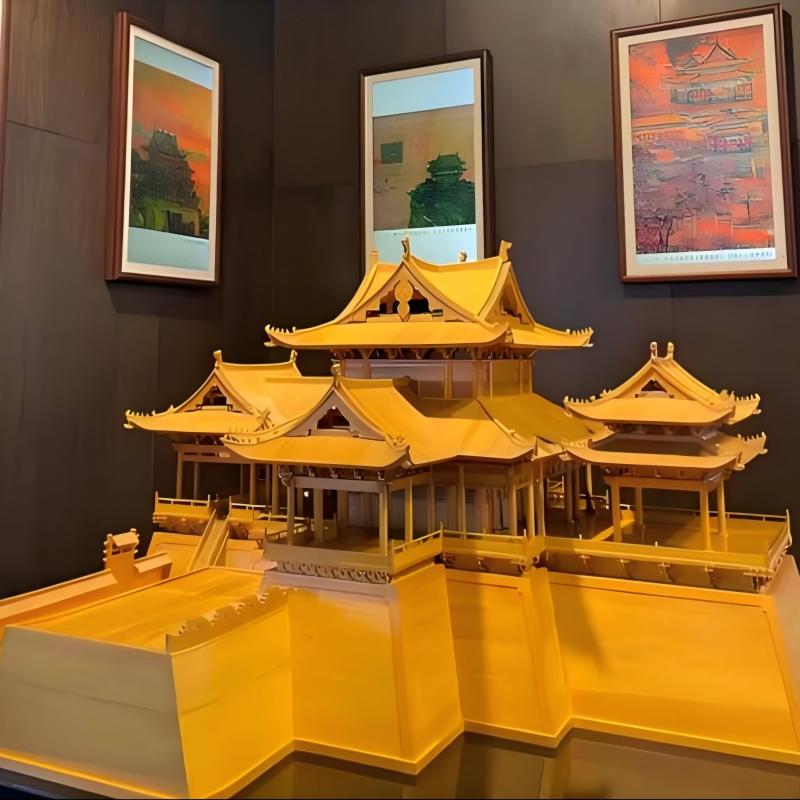
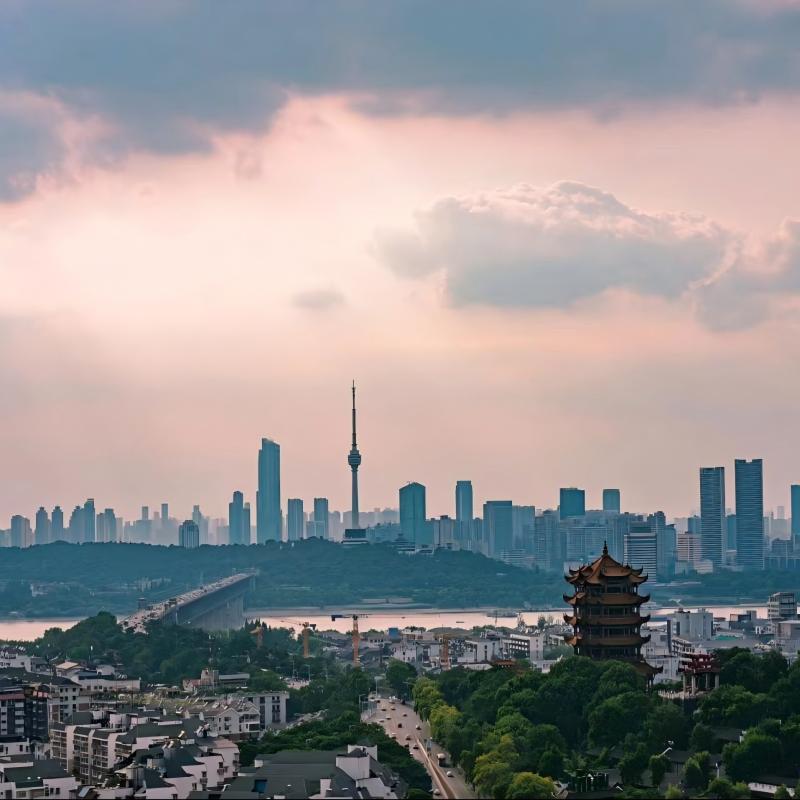
Yellow Crane Tower Tour
Discover the Timeless Charm of the Yellow Crane Tower with Our Tailored Tours
As a leading inbound travel agency in China, we specialize in creating personalized itineraries that bring history, culture, and flavor to life. Let us take you on an unforgettable journey to Wuhan’s iconic Yellow Crane Tower—a landmark with over 1,800 years of stories to tell.
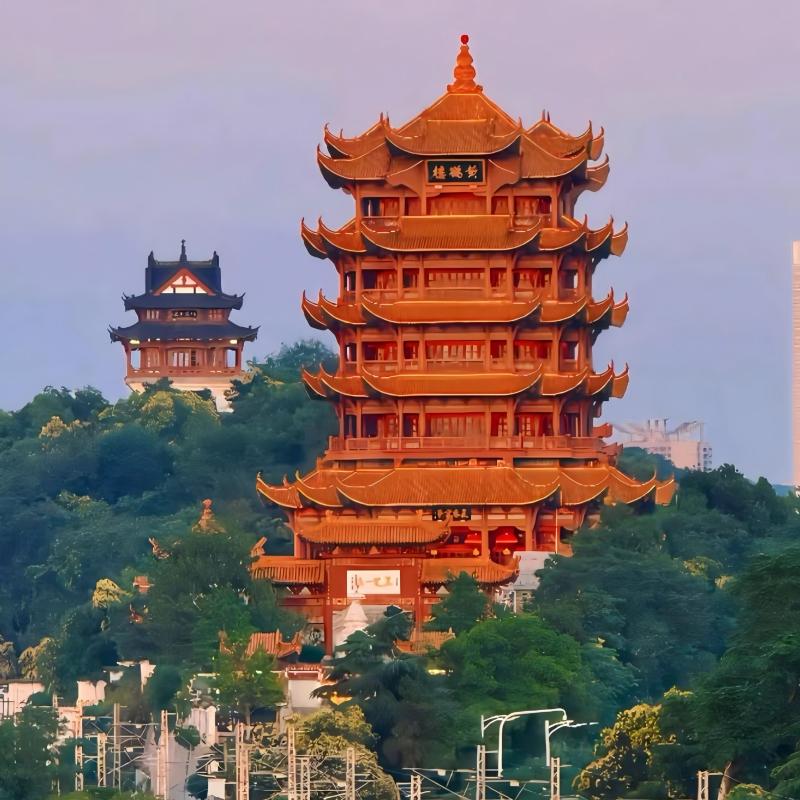
Standing tall on Snake Hill overlooking the Yangtze River, this architectural marvel blends ancient Chu-style design with breathtaking panoramic views. Explore the tower’s legendary past, stroll through its open-air Poetry Gallery adorned with verses from Tang Dynasty masters, and savor authentic local flavors like Hot Dry Noodles and steamed Wuchang fish.
Whether you’re a history enthusiast, poetry lover, or foodie, we’ll customize your visit to match your interests. From private guided tours to immersive cultural experiences, every detail is crafted to ensure an authentic and seamless adventure.
Contact us to design your perfect trip to the Yellow Crane Tower—where history, poetry, and beauty meet.
Yellow Crane Tower: A Journey Through Millennia of Poetry & History
Good morning, everyone! I’m your guide, and I’ll be with you today as we explore the Yellow Crane Tower and the timeless poetry that fills its story. The magnificent tower ahead of us stands proudly on Snake Hill in Wuhan, overlooking the mighty Yangtze River. It’s one of China’s “Three Great Towers South of the Yangtze,” alongside Yueyang Tower in Hunan and Tengwang Pavilion in Jiangxi, and is often called the “number one scenic wonder under heaven.”
From a Three Kingdoms-era watchtower to a gathering place for poets across the dynasties, and now a landmark of Hubei’s Chu culture—the Yellow Crane Tower has witnessed over a thousand years of history, standing through the rise and fall of Wuhan’s three towns. Today, let’s follow the river breeze and step back in time to explore this “Millennium Tower” and feel the deep history and poetic beauty behind it.
1. The Main Tower: Architecture & Views
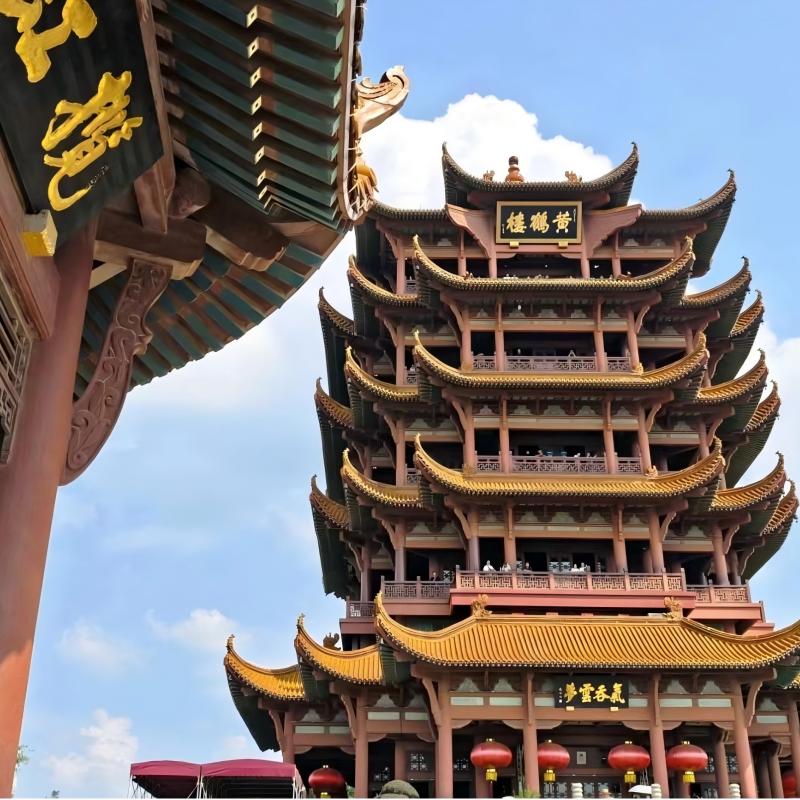
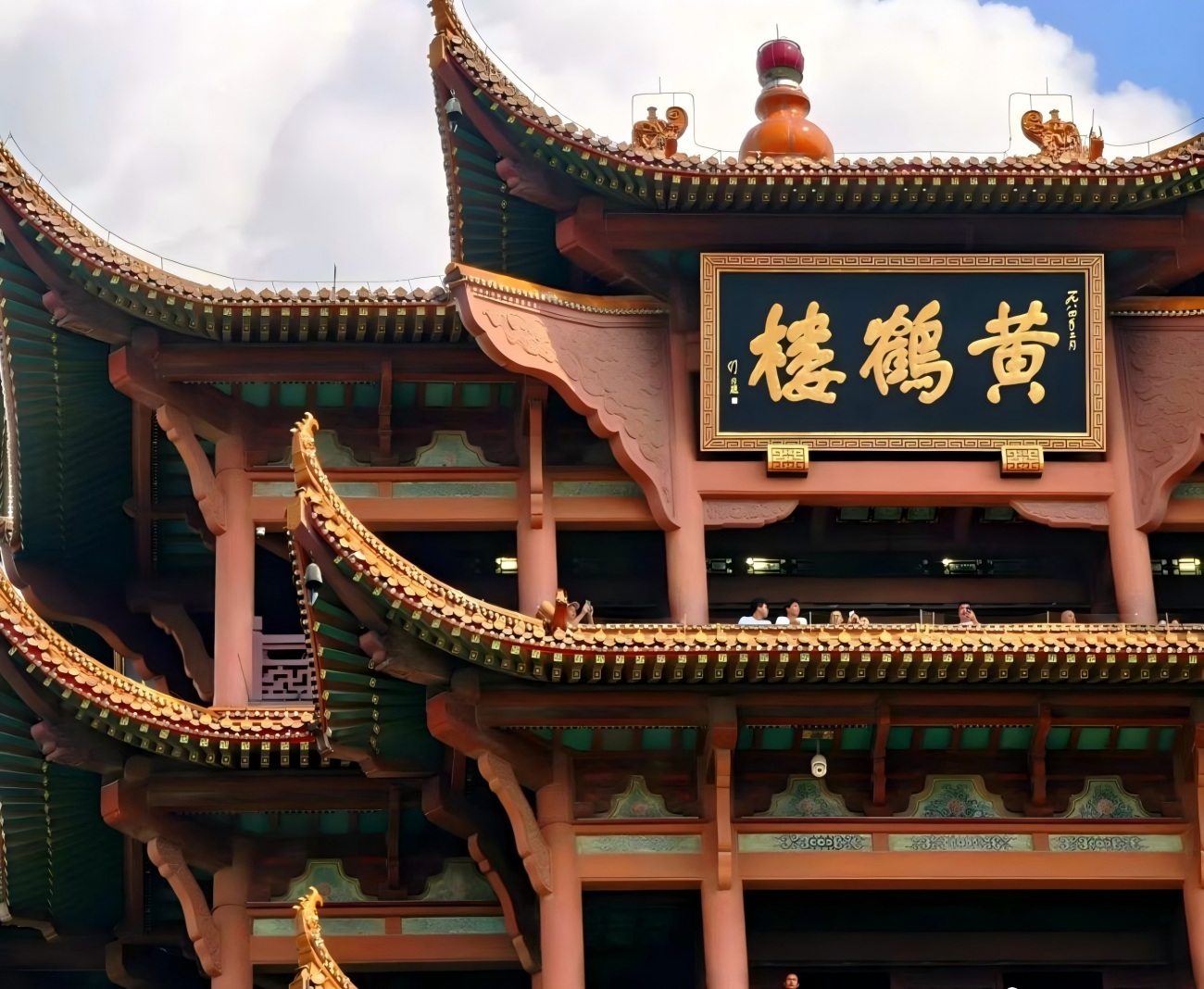
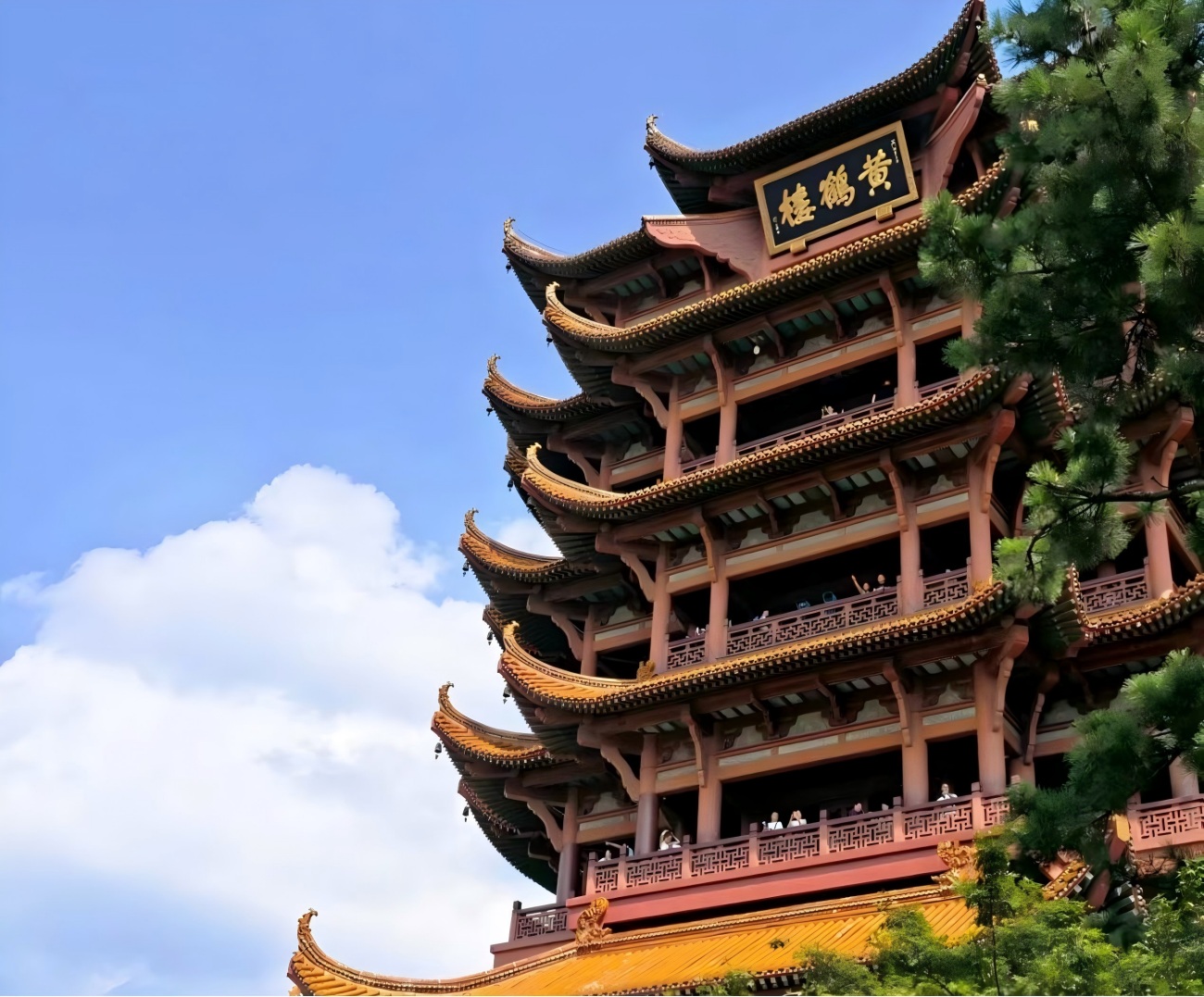
Our first stop is the heart of the site—the Main Tower. What you see today isn’t the original ancient structure; it was rebuilt in 1985 on the original foundation, following the architectural style of the Qing Dynasty version. Standing 51.4 meters tall with five stories, it uses a modern reinforced concrete frame but faithfully recreates the overhanging eaves, carved beams, and painted pillars of traditional wooden towers—a perfect example of “Chu-style architecture.”
Look up at the roof—it’s a traditional gable-and-hip design with ten upward-curving eaves. Each eave tip is decorated with a unique mythical beast, which in Chinese culture symbolizes protection and good fortune.
The tower’s history goes back to 223 AD during the Three Kingdoms period, when the ruler of Eastern Wu, Sun Quan, built a watchtower here for military defense. By the Tang Dynasty, it had transformed from a fortress into a scenic spot where scholars would climb high, enjoy the view, and write poems.
Because of its wooden structure and riverside location, the tower was destroyed and rebuilt many times—especially during the Ming and Qing dynasties, when it was reconstructed **seven times**. The worst fire was in **1884**, which left Snake Hill without a tower for nearly a century, until its grand reopening in 1985.
There’s also a beautiful legend behind its name:
Long ago, a woman named Xin ran a tavern here. One day, a poor but kind-looking Taoist priest came for a drink. Xin served him well and refused payment. To thank her, he painted a yellow crane on the wall and said, “Clap your hands, and it will dance for your guests.” The crane came to life and brought the tavern great fame. Years later, the priest returned, played his flute, and rode the crane into the sky. In memory of them, Xin built a tower and named it **Yellow Crane Tower. This legend gives the tower its magical spirit.
2. The Poetry Gallery: Where Poems Live Forever
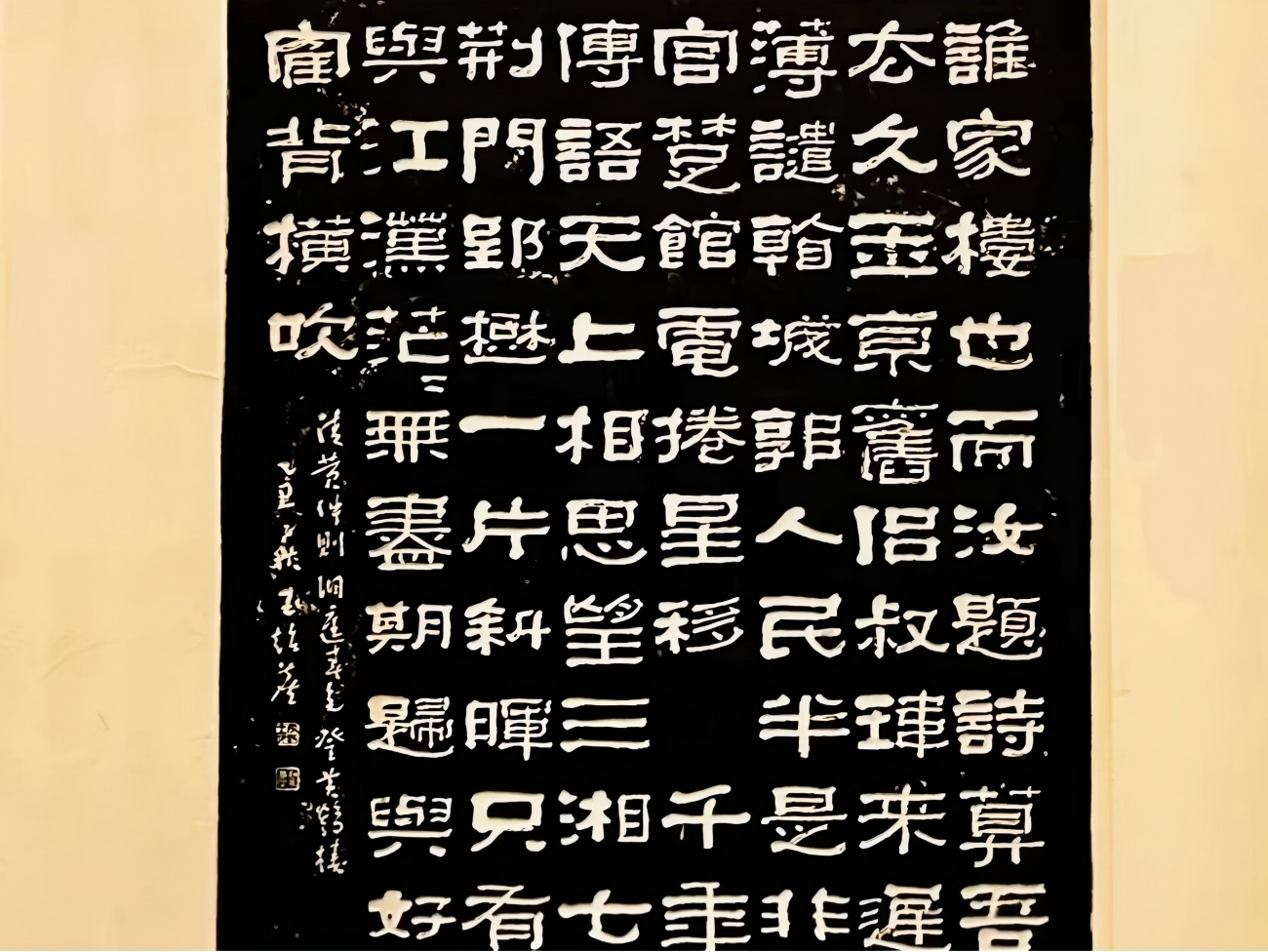
Next, we enter the “cultural soul” of the tower—the Poetry Gallery. Wrapping around the main tower for about 200 meters, it features over 100 stone tablets carved with poems about the tower from different dynasties. You’ll find works by famous poets like Li Bai and Cui Hao, alongside beautiful calligraphy—making it a true “living museum of poetry.”
Walking here, you can admire the elegant handwriting and feel the emotion behind the words—this is what makes the Yellow Crane Tower special.
The most famous poem here is "Yellow Crane Tower" by Cui Hao from the Tang Dynasty:
The sage on yellow crane was gone amid clouds white.
To what avail is Yellow Crane Tower left here?
Once gone, the yellow crane will ne’er on earth alight;
Only white clouds still float in vain from year to year.
By sunlit river trees can be counted one by one;
On Parrot Islet sweet green grass grows fast and thick.
Where is my native land beyond the setting sun?
The mist-veiled waves of River Han make me homesick.
It’s said that when the great poet Li Bai visited and saw this poem, he was so moved that he put down his brush and sighed, “I can’t write anything better—Cui Hao’s poem says it all.” Today, this poem holds the most prominent place in the gallery.
3.Must-Try Local Foods in Wuhan
No trip to Wuhan is complete without tasting its famous dishes! Here are **4 local favorites** you shouldn’t miss:
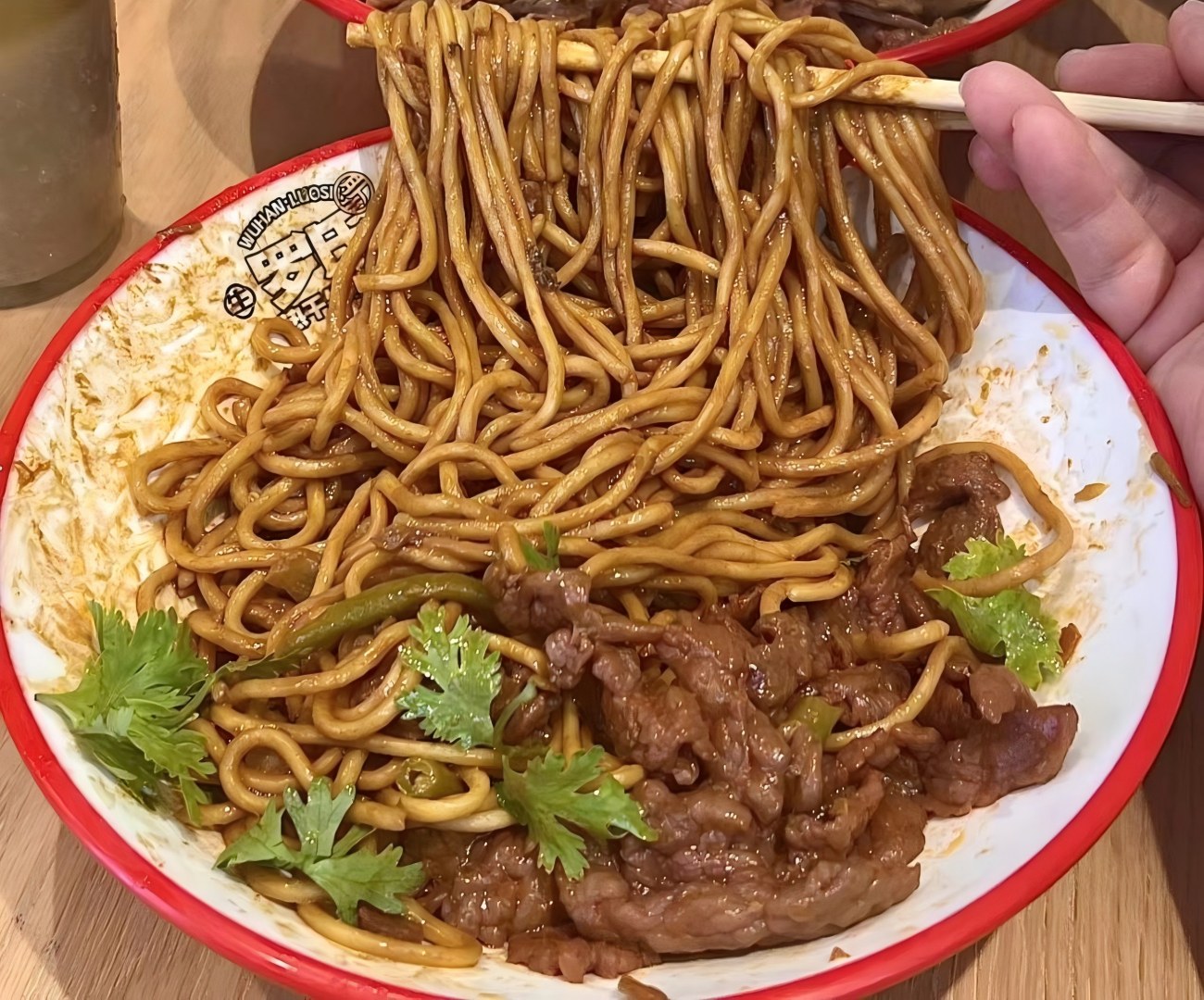
1. Hot Dry Noodle
Wuhan’s iconic breakfast! Chewy wheat noodles tossed in sesame paste, chili oil, pickled radish, and scallions. Rich, nutty, and delicious—a must-try.
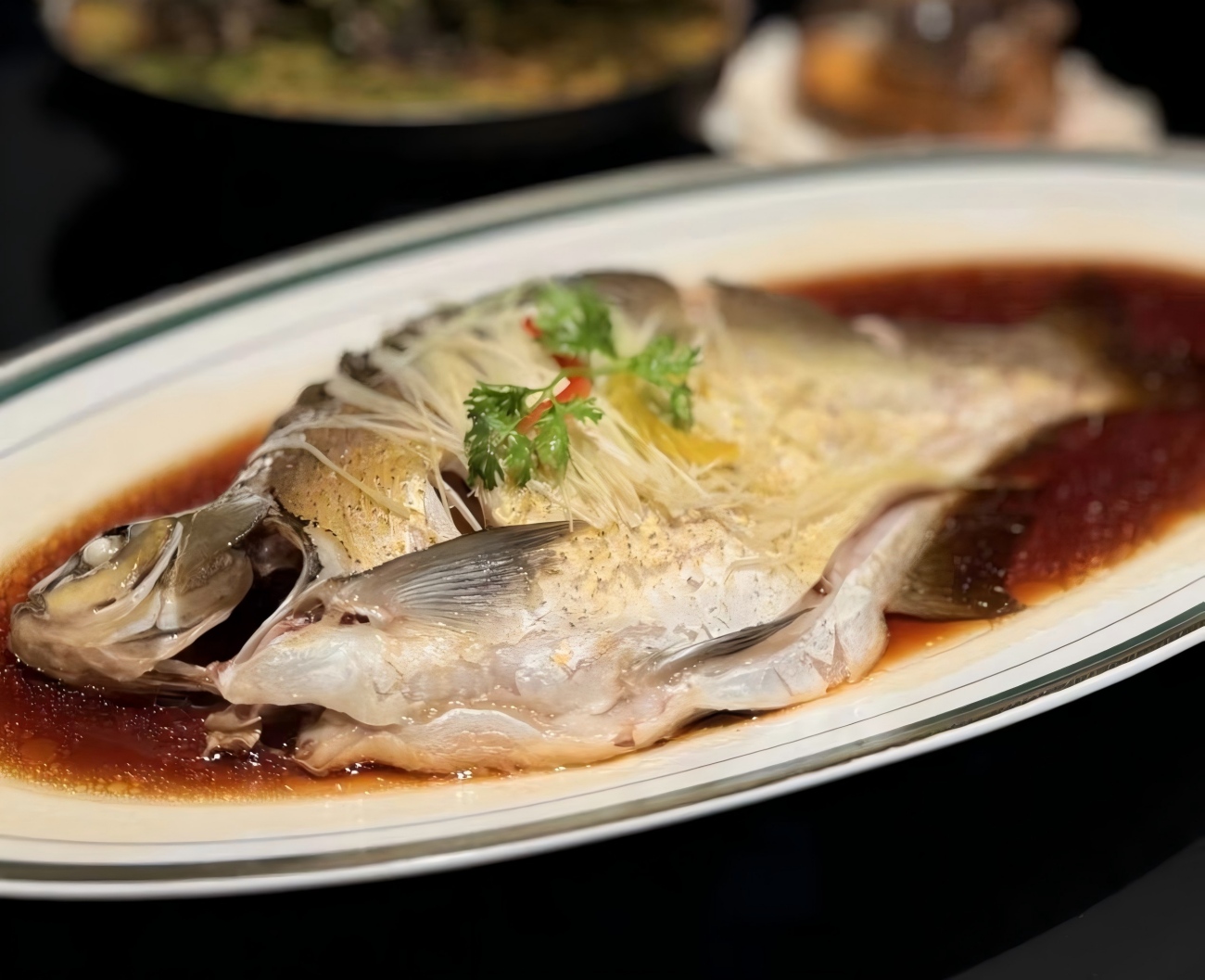
2. Wuchang Fish
Praised by Chairman Mao in a poem, this freshwater fish is tender and nearly boneless. Best **steamed** with ginger, scallions, and a splash of soy sauce and hot oil to seal in freshness.
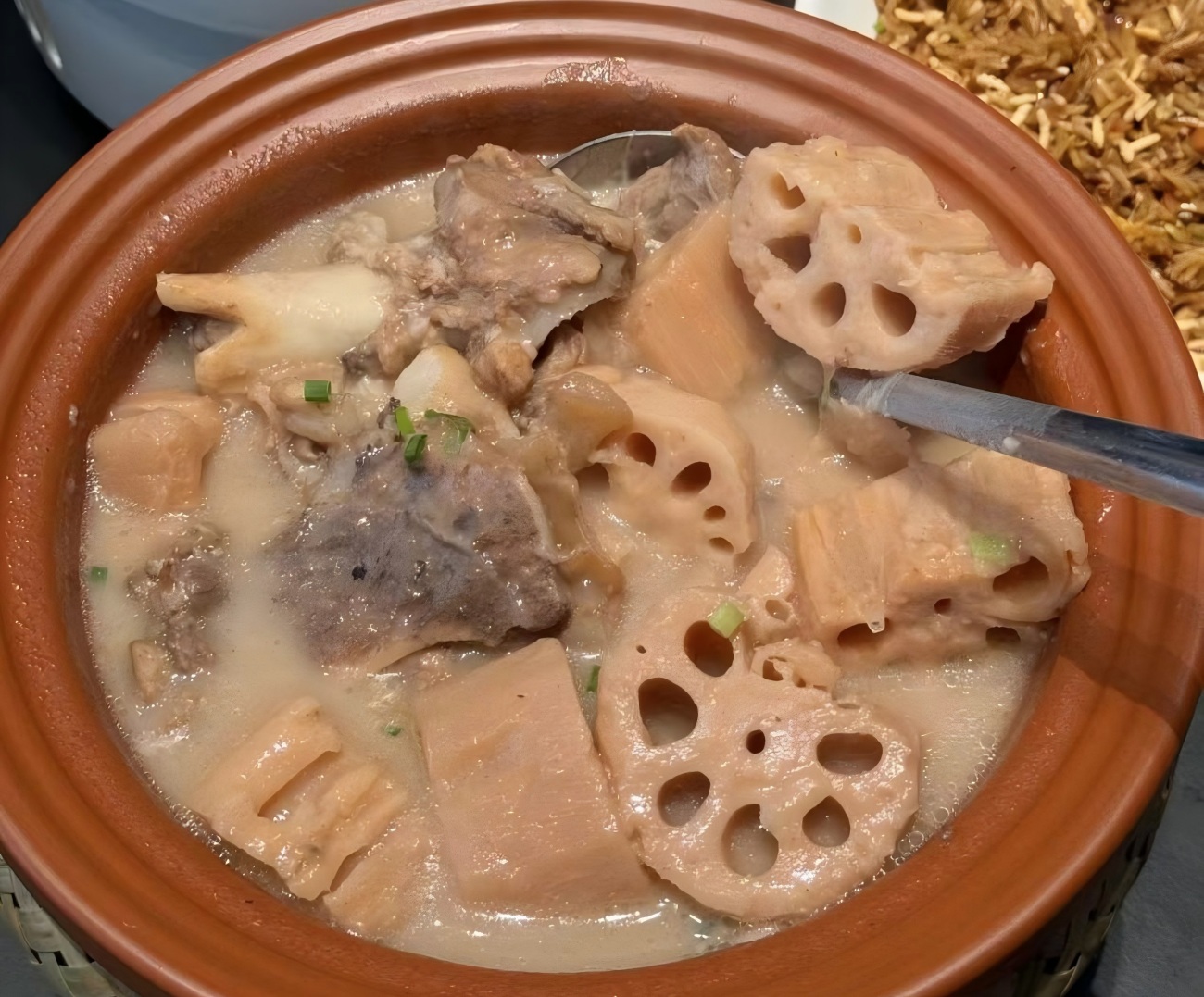
3. Pork Rib & Lotus Root Soup
A Hubei comfort food. Fresh pork ribs and sweet, starchy lotus root are slow-cooked for hours. The broth is rich, the lotus root soft, and the ribs tender—perfect for a cozy meal.
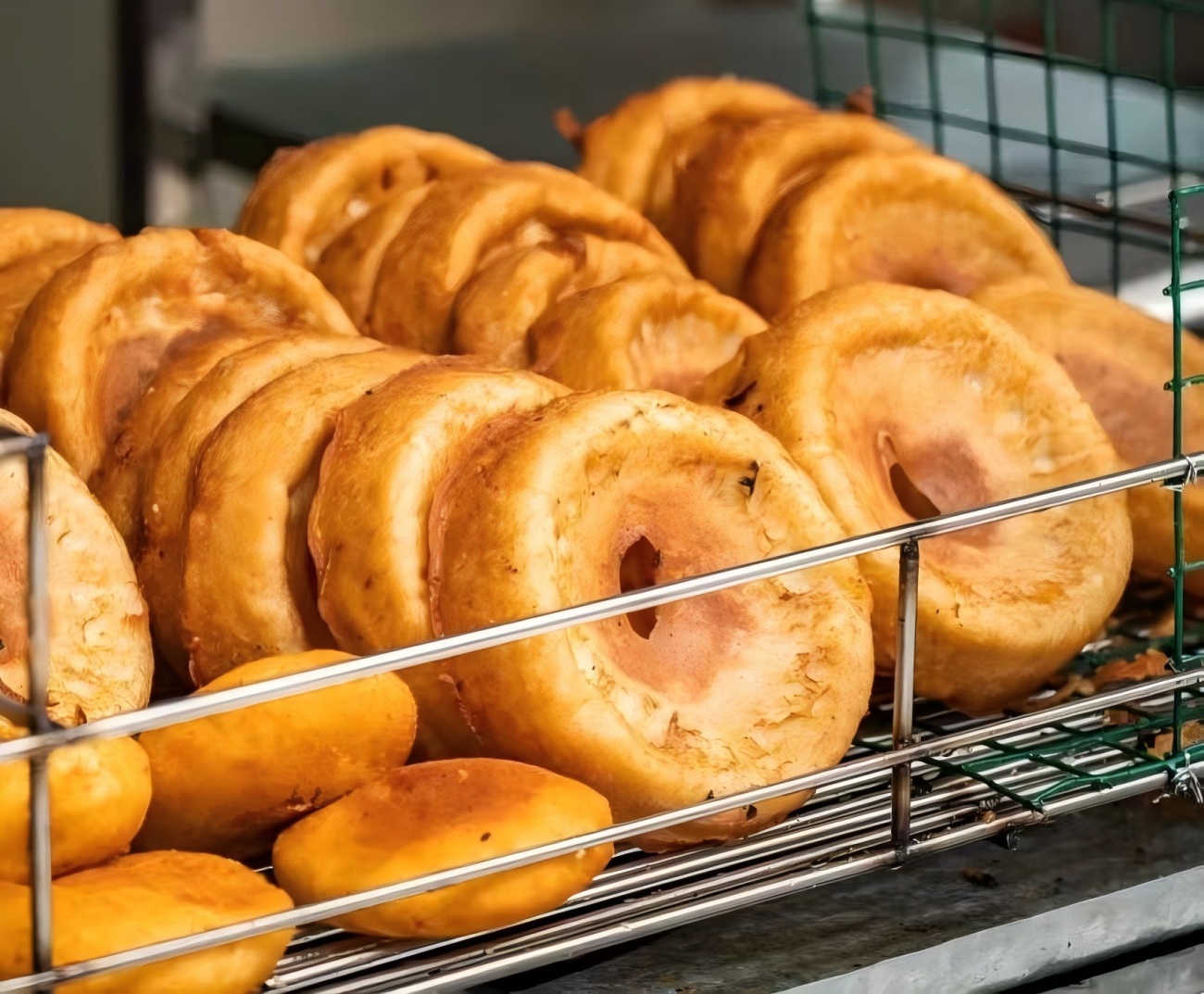
4. Mianwo
A popular Wuhan street snack. This ring-shaped fritter is crispy outside, soft inside, made from rice and soybean batter with scallions and ginger. Often eaten with Hot Dry Noodles for breakfast.
4. Goodbye, but Not Forever
As the sun sets behind the tower’s eaves, our tour is coming to an end. Today, we’ve admired the tower’s grand architecture, wandered through its poetry-filled gallery, learned its legends, enjoyed the panoramic view of Wuhan, and tasted its delicious local food.
The beauty of the Yellow Crane Tower lies in its elegant architecture, its deep poetic heritage, its enduring legends, and the vibrant local life around it. Though rebuilt many times over the centuries, it stands strong—just like Chinese culture itself, passed down through generations.
Every brick here holds history, every poem carries emotion, and every flavor tells a story.
As Cui Hao wrote, *“Only white clouds still float in vain from year to year.”* The charm of the Yellow Crane Tower, like those clouds, will linger forever.
Thank you all for joining me today. May your journey be as endless as the Yangtze River, your heart as open as the sky above Chu, and your spirit soar like the yellow crane.
The Yellow Crane Tower will always welcome you back. I hope to see you here again someday, admiring the river view and savoring the poetry once more. Safe travels!
SEO & Practical Tips for Visitors
Best Time to Visit: Spring (Mar–May) and autumn (Sep–Nov) for pleasant weather.
Opening Hours: 8:00 AM – 6:00 PM (peak season); 8:00 AM – 5:00 PM (off-season).
Ticket Price: Around ¥70 per adult.
How to Get There: Take Wuhan Metro Line 4 to Simaqiao Station, then walk about 10–15 minutes.
Nearby Attractions: Yangtze River Bridge, Guiyuan Temple, Hubei Provincial Museum.
Keywords for Search:
Yellow Crane Tower, Wuhan travel, Yangtze River view, Tang poetry, Wuhan food, Snake Hill, day trip in Wuhan
Photo Tips: Best shots from the viewing platform on the tower’s upper floors, especially at sunrise or sunset.
Accessibility:
Elevators available inside the main tower; pathways around the park are generally wheelchair-friendly.