Baiyangdian
Why Choose Our Baiyangdian Tour?
✅ Cruise Through North China’s Largest Freshwater Lake
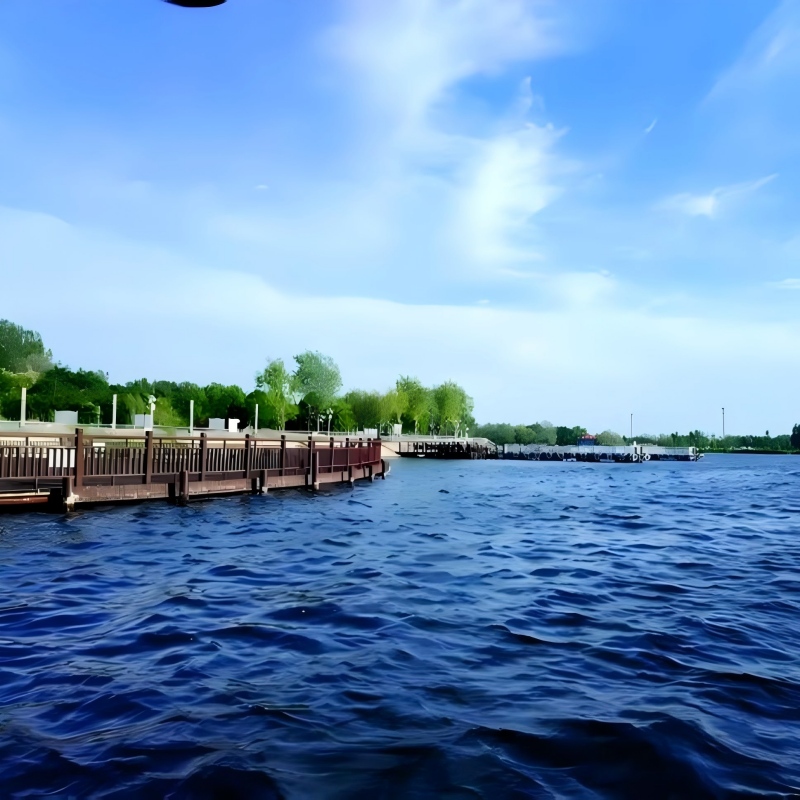
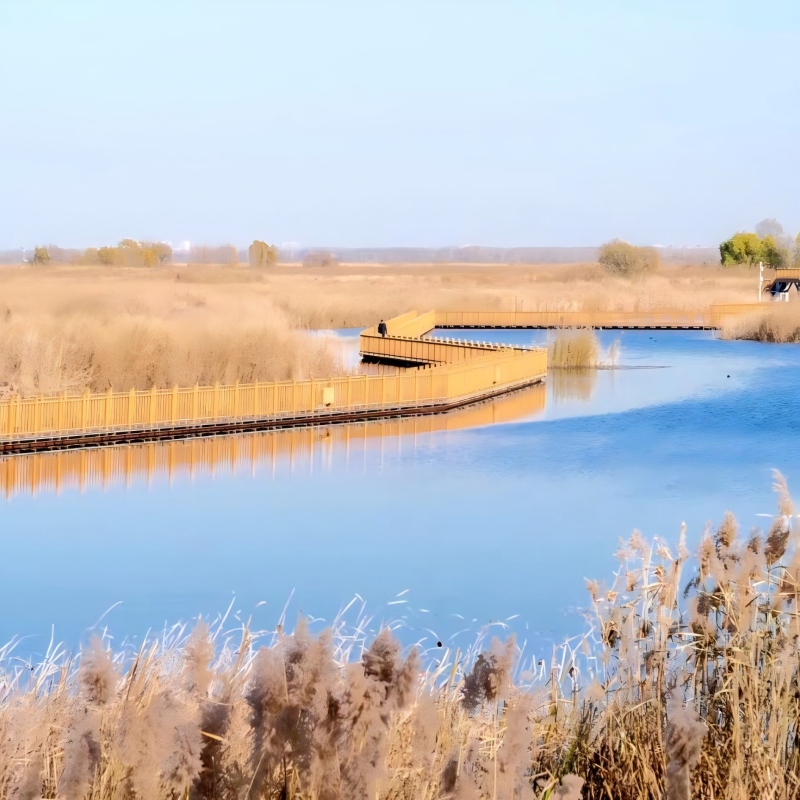
Glide along Baiyangdian’s scenic waterways, reed marshes, and interconnected lakes aboard traditional wooden boats.
✅ Discover the Famous Lotus Grand View Garden
Admire hundreds of lotus varieties and experience one of the most beautiful summer landscapes in Hebei Province.
✅ Explore Baiyangdian’s Rich History
Visit the Wild Goose Feather Team Memorial Hall and learn about the region’s unique wartime heritage and local culture.
✅ Taste Authentic Baiyangdian Cuisine
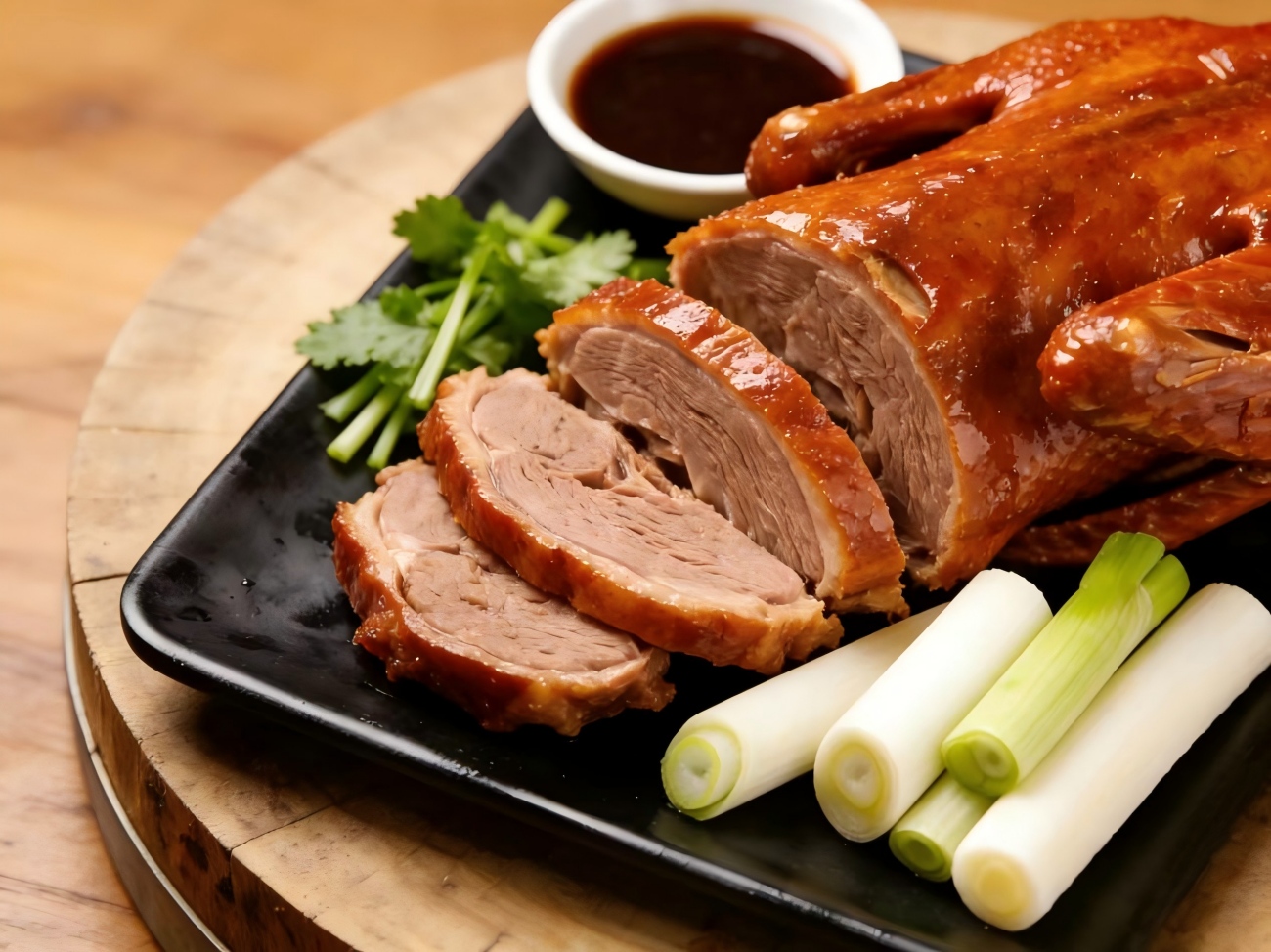
Enjoy local specialties such as braised farmed duck, smoked fish, and seasonal freshwater delicacies.
✅ Enjoy a Personalized Travel Experience
Benefit from flexible itineraries, professional local guides, and customized tours designed around your interests and schedule.
Perfect for: Nature lovers, photographers, cultural explorers, families, and first-time visitors to Northern China.
Baiyangdian Travel Guide: Exploring the Millennial Pearl of North China
Where Is Baiyangdian?
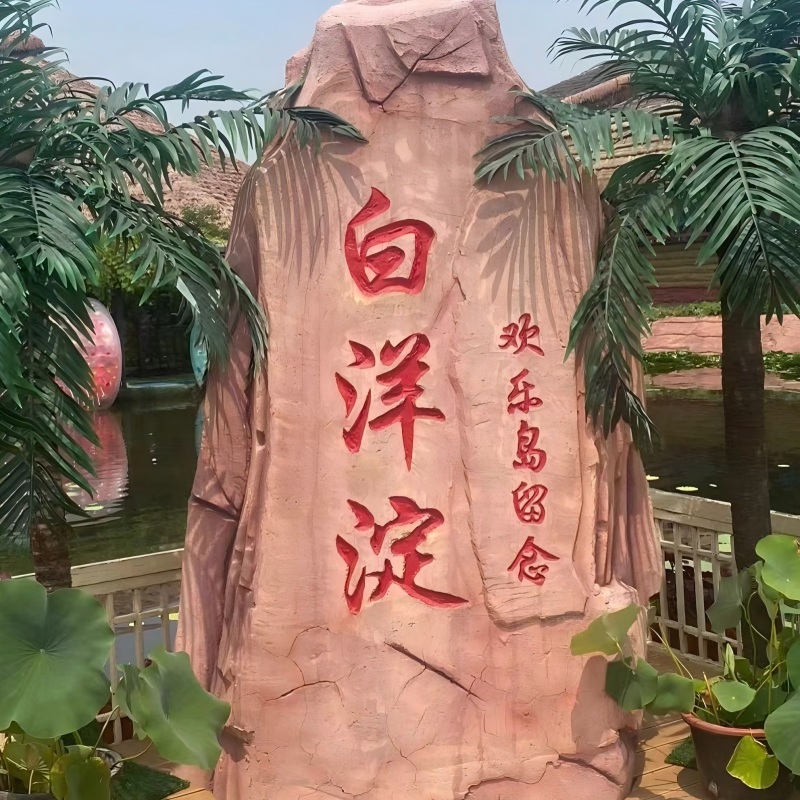
Baiyangdian is the largest freshwater lake on the North China Plain, located in the Xiong’an New Area, Hebei Province, China. Often referred to as the “Pearl of North China” and the “West Lake of the North,” Baiyangdian covers approximately 366 square kilometers and consists of 143 interconnected lakes linked by more than 3,700 winding waterways.
Situated about 150 kilometers southwest of Beijing and near Baoding City, Baiyangdian is one of Northern China's most important ecological wetlands and cultural tourism destinations.
Quick Facts About Baiyangdian
Location | Xiong’an New Area, Hebei Province, China |
Type | Freshwater Lake & Wetland |
Area | 366 km² |
Number of Lakes | 143 |
Best Time to Visit | June – September |
Famous For | Lotus Flowers, Reed Marshes, Birdwatching |
Nickname | Pearl of North China |
The Legend Behind Baiyangdian
Local folklore tells a romantic story connected to the Mid-Autumn Festival.
According to legend, the Moon Goddess Chang’e accidentally dropped her treasured mirror from the heavens. When the mirror struck the earth, it shattered into 143 glittering pieces, forming the interconnected lakes that make up Baiyangdian today.
Among those fragments, Baiyangdian became the largest and most beautiful, creating the spectacular waterscape visitors enjoy today.
This legend remains an important part of Baiyangdian's cultural identity and contributes to its reputation as one of China's most poetic lake destinations.
Top Attractions in Baiyangdian
1. Lotus Grand View Garden
The Largest Lotus Viewing Base in North China
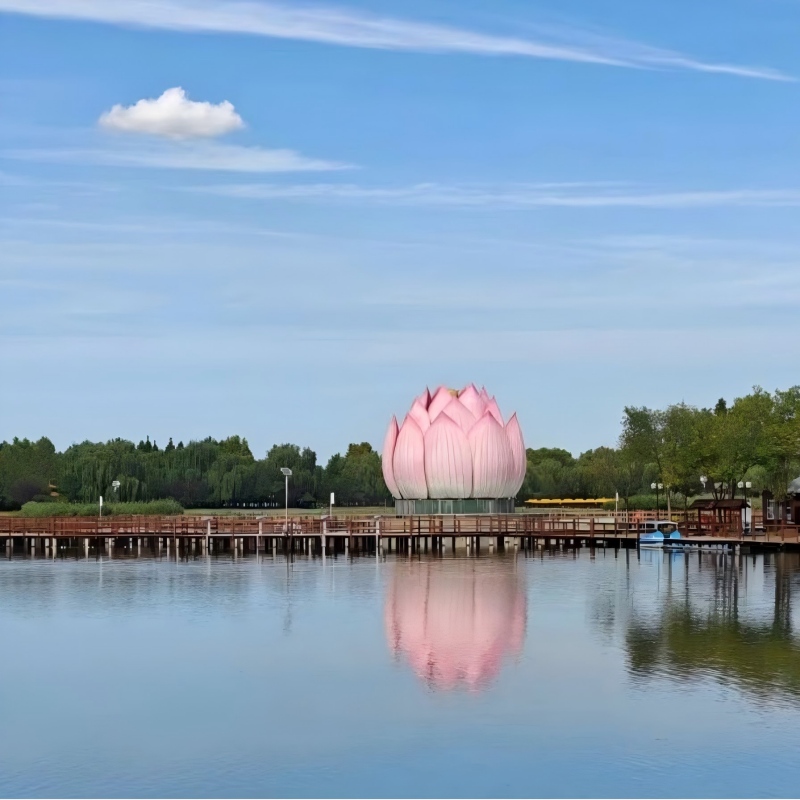
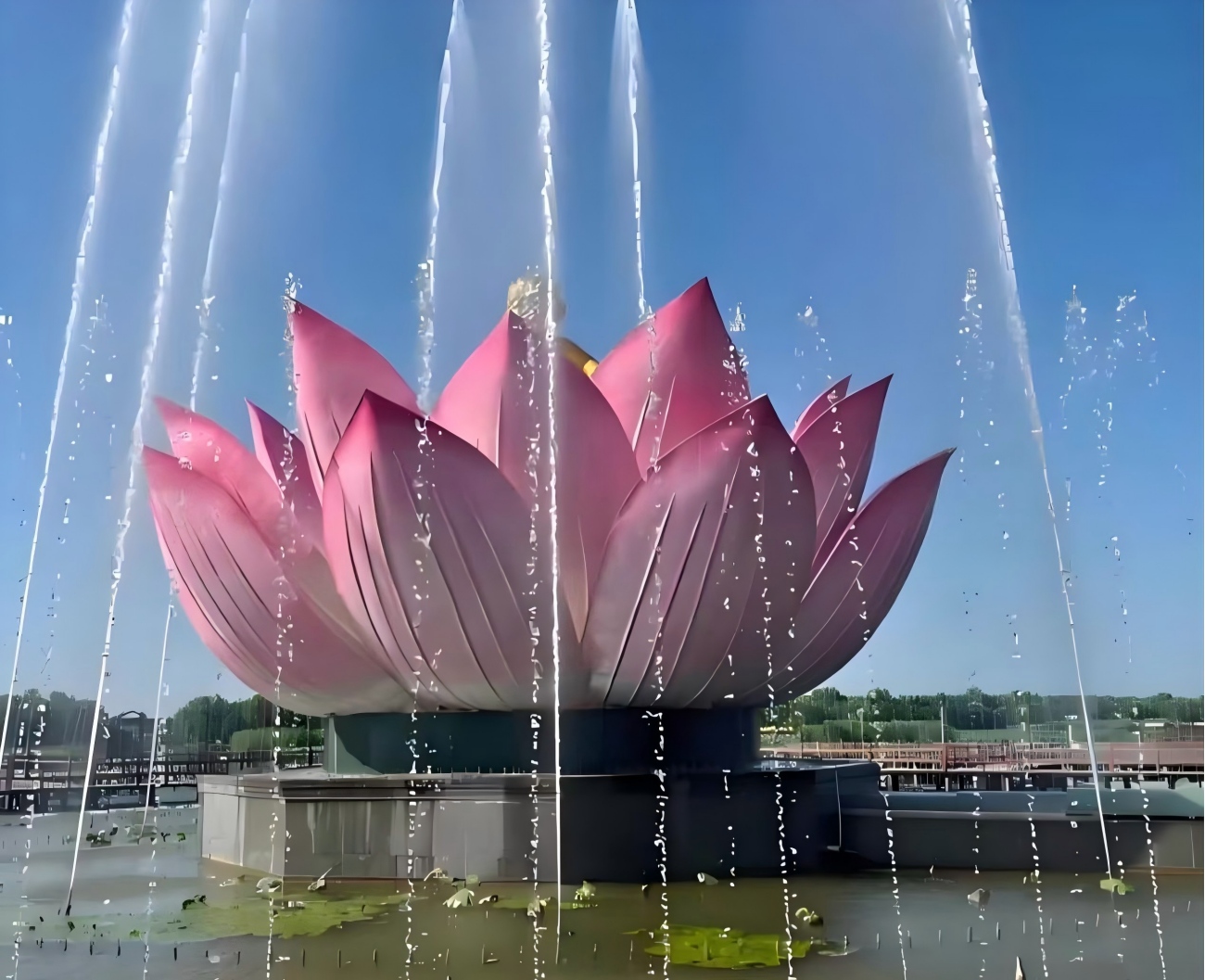
The Lotus Grand View Garden is one of the most famous attractions in Baiyangdian and a must-visit destination during summer.
Covering more than 133 hectares, the garden showcases over 699 varieties of lotus flowers collected from across China. Visitors can admire:
Pink lotus blossoms
White lotus varieties
Rare green double-petal lotus flowers
Traditional Chinese aquatic plants
During July and August, the entire area transforms into a sea of blooming lotus flowers.
The scenery perfectly reflects the famous poem by Song Dynasty poet Yang Wanli:
“Endless lotus leaves stretch to the horizon;
Lotus flowers glow brilliantly beneath the sun.”
Highlights of Lotus Grand View Garden
Lotus Viewing Tower
The observation tower offers panoramic views of:
Lotus ponds
Reed marshes
Traditional fishing boats
Wetland ecosystems
Lotus Culture Exhibition Hall
Visitors can explore:
Ancient lotus-themed paintings
Chinese poetry
Traditional handicrafts
Historical records of Baiyangdian lotus culture
Lotus Tea Experience
The garden's tea house serves:
Lotus flower tea
Lotus leaf tea
Traditional Chinese herbal beverages
2. Wild Goose Feather Team Memorial Hall
Discover Baiyangdian’s Heroic Wartime History
Beyond its natural beauty, Baiyangdian played an important role during the War of Resistance Against Japanese Aggression.
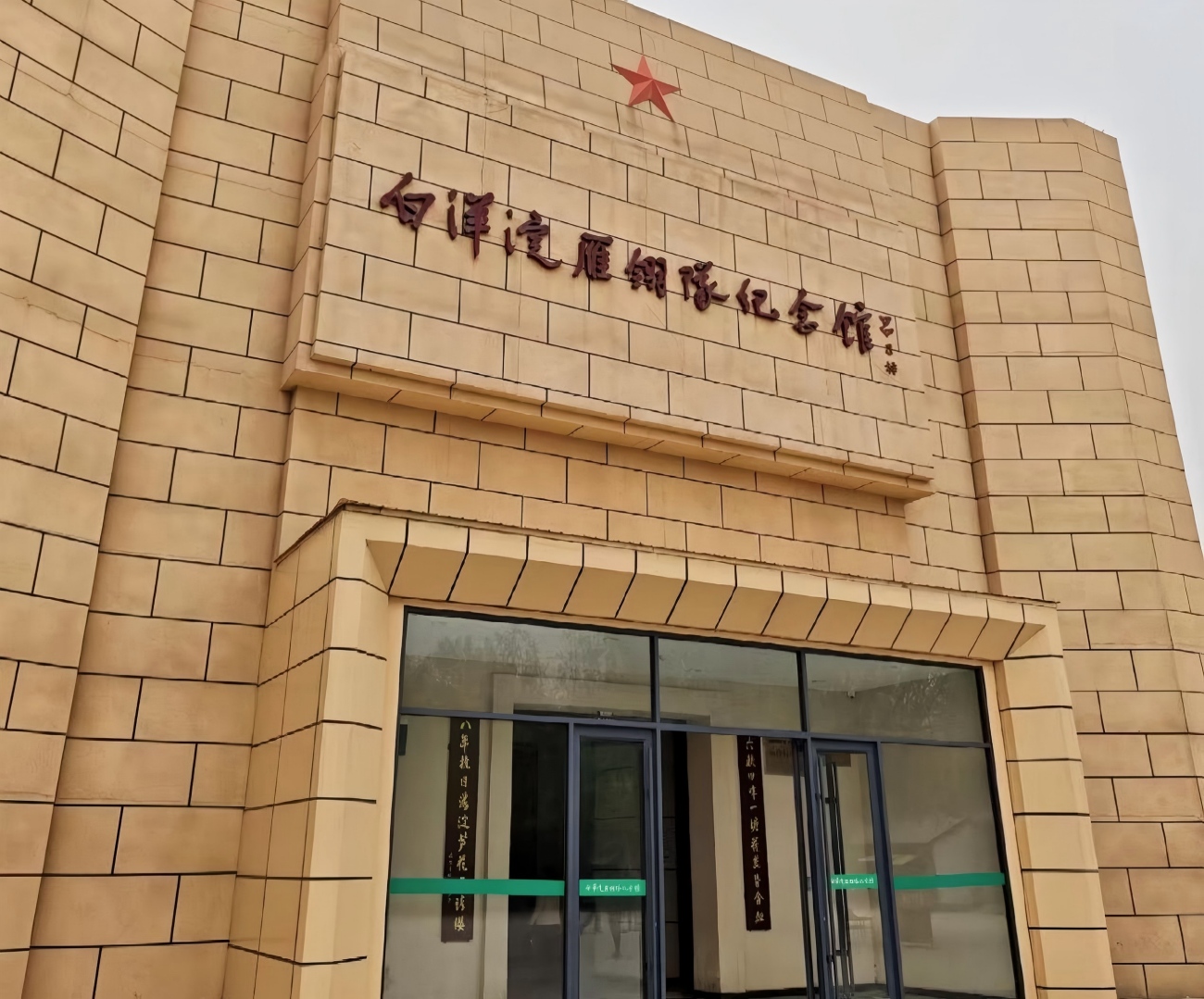
The Wild Goose Feather Team Memorial Hall was established in 1994 and covers approximately 2,566 square meters.
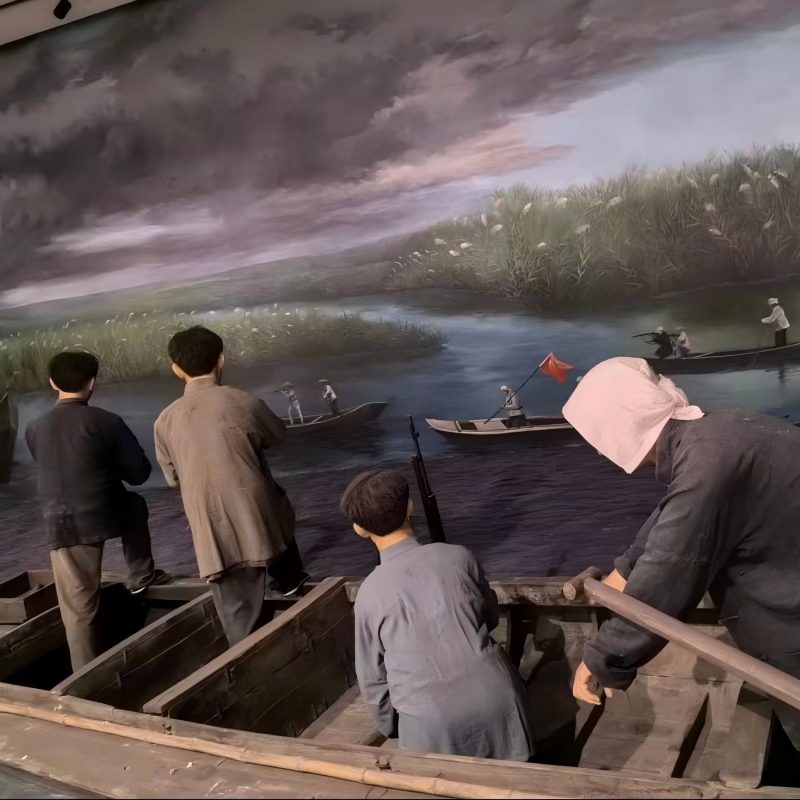
The museum commemorates local waterborne guerrilla fighters who used Baiyangdian’s vast network of reeds and waterways to resist occupation forces.
Why Were They Called the Wild Goose Feather Team?
According to historical accounts, local resistance fighters inserted goose feathers into their rifle barrels to improve shooting accuracy.
Their ability to move rapidly through the lake's waterways earned them the nickname:
"Wild Goose Feather Team."
Museum Highlights
Visitors can see:
Historical firearms
Wartime artifacts
Photographs and documents
Life-size battle recreations
Reed marsh ambush scenes
The memorial preserves an important chapter of Baiyangdian's history while honoring the courage and resilience of local communities.
What to Eat in Baiyangdian
No trip to Baiyangdian is complete without experiencing its famous local cuisine.
The area's freshwater environment has shaped a unique culinary tradition featuring fish, duck, and aquatic plants.
Braised Farmed Wild Duck
Note: Wild ducks are protected species in China. Restaurants serve sustainably farmed ducks.
This traditional dish dates back to the Qing Dynasty.
The duck is:
Carefully cleaned and prepared
Blanched and marinated
Slow-braised for 3–4 hours
Cooked with star anise, cinnamon, and Sichuan pepper
The result is tender meat with rich flavor and aromatic spices.
Recommended For
Traditional Chinese food lovers
Culinary tourists
Family dining experiences
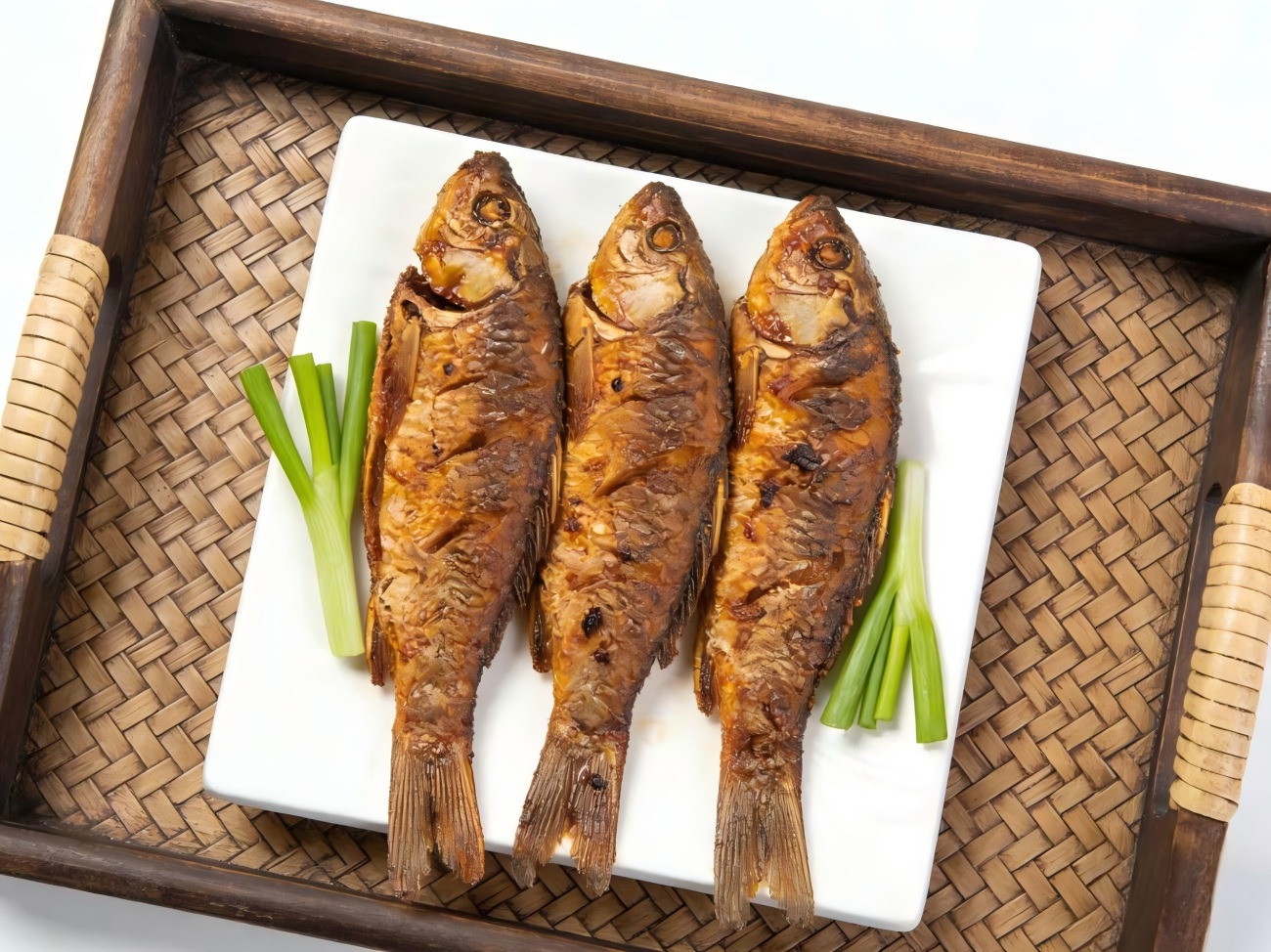
Baiyangdian Smoked Fish
Baiyangdian Smoked Fish is one of the region’s oldest culinary specialties.
Freshwater fish such as:
Grass carp
Bream
Carp
are marinated before being smoked over sugar and tea leaves.
This process creates:
A glossy appearance
Firm texture
Sweet-smoky aroma
The dish remains one of the most popular local delicacies among visitors.
Best Time to Visit Baiyangdian
Spring (March – May)
Fresh green reeds
Blooming willow trees
Migratory birds returning
Summer (June – August)
Peak lotus flowering season
Boat tours through lotus fields
Best photography opportunities
Autumn (September – November)
Harvest season
Golden wetland landscapes
Water chestnut picking
Winter (December – February)
Frozen lake scenery
Quiet natural landscapes
Unique northern China winter views
Ecotourism and Conservation in Baiyangdian
As the ecological heart of the Xiong’an New Area, Baiyangdian has undergone significant environmental restoration in recent years.
Today, visitors can observe:
Improved water quality
Expanding wetland habitats
Increased bird populations
Sustainable tourism initiatives
The region has become a model for balancing ecological conservation and tourism development in Northern China.
Why Visit Baiyangdian?
Baiyangdian offers a unique combination of:
✅ Wetland ecology
✅ Lotus culture
✅ Chinese history
✅ Traditional cuisine
✅ Birdwatching opportunities
✅ Scenic boat tours
Whether you are interested in nature, photography, history, or authentic Chinese culture, Baiyangdian provides one of the most memorable travel experiences in Hebei Province.
From endless lotus fields to heroic wartime stories, the "Pearl of North China" continues to welcome visitors throughout every season of the year.