Chengde Mountain Resort
Chengde Mountain Resort Travel Guide: China 5A UNESCO Imperial Summer Resort Near Beijing
It was the summer residence of Qing emperors Kangxi, Yongzheng, and Qianlong It played a key role in ethnic integration and imperial governance
It represents the highest achievement of classical Chinese garden architecture
It is often considered a symbol of the Qing Dynasty’s political and cultural philosophy.
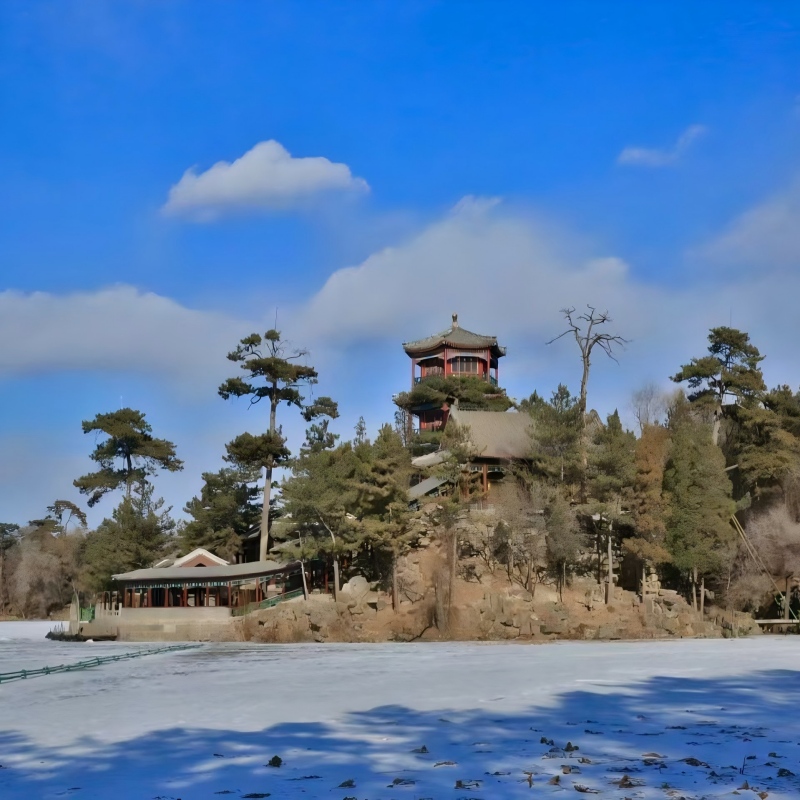
Chengde Mountain Resort is a UNESCO World Heritage Site and a China 5A-rated tourist attraction located in Chengde, Hebei Province, approximately 2–3 hours from Beijing.
Built during the Qing Dynasty between 1703 and 1792, it served as an imperial summer retreat and a political center for managing ethnic relations and national governance.
Today, it is one of the most important examples of classical Chinese landscape garden design, combining lakes, palaces, temples, and mountains into a unified cultural landscape.
What to see in Chengde Mountain Resort
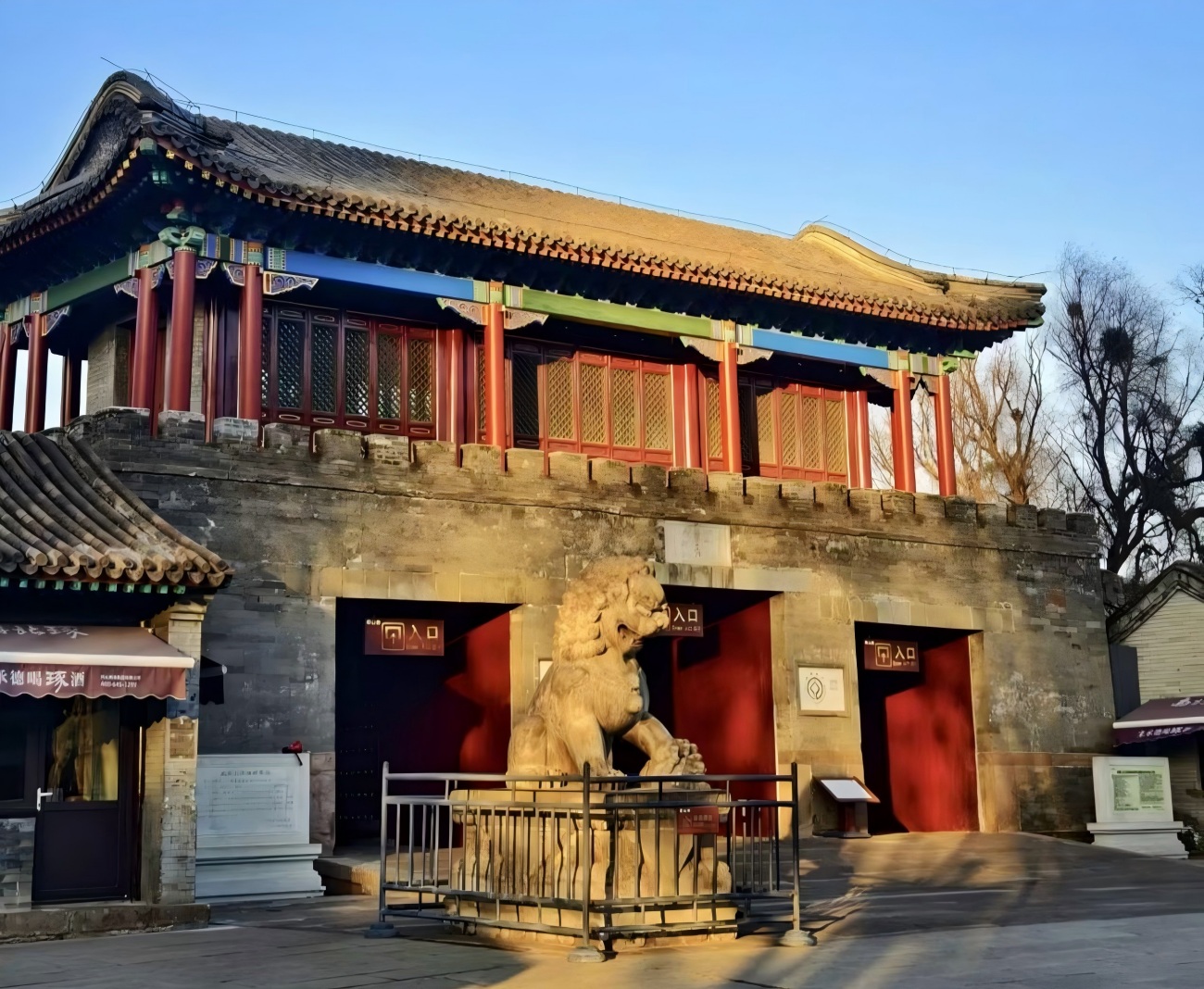
1. Lizheng Gate (Imperial Entrance)
Lizheng Gate is the main entrance to the imperial complex.
It symbolizes imperial authority and the Qing Dynasty’s concept of multi-ethnic unity.
Lizheng Gate. The name comes from the Book of Changes, symbolizing righteous governance and the emperor's vision to guide the nation. Built in the 19th year of Emperor Qianlong’s reign, every detail reflects imperial grandeur and the philosophy of ethnic integration.
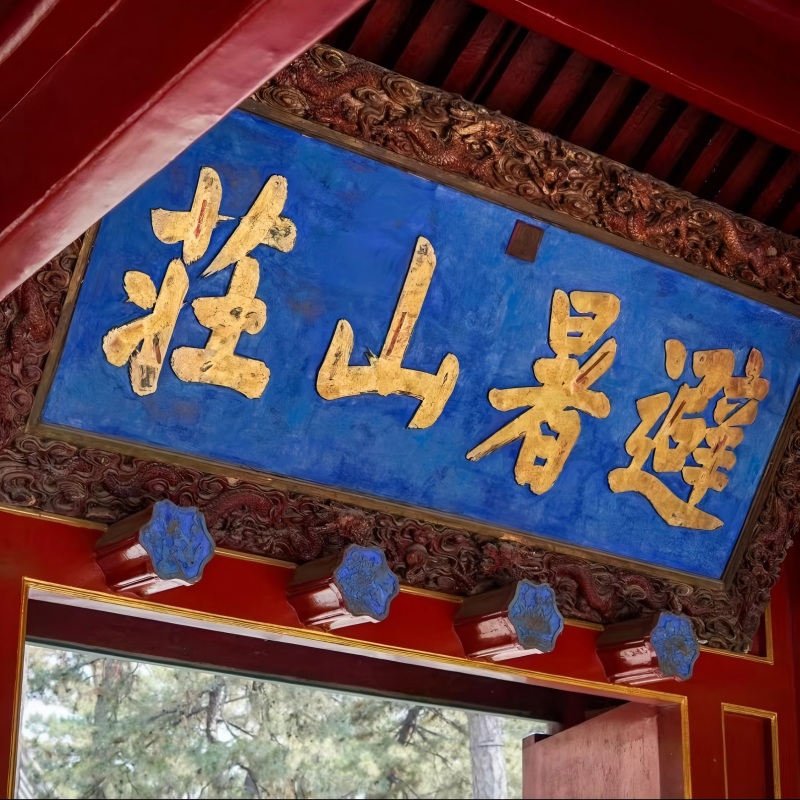
Look up at the stone plaque above: "Lizheng Gate" is carved in five scripts—Manchu, Han, Mongolian, Tibetan, and Uyghur. This is rare in ancient imperial architecture and vividly showcases the "great unification" policy of the Qing era.
Notice the dismounting steles on both sides, also inscribed in five languages, ordering all officials to dismount here—a clear assertion of the emperor’s supreme authority.
The gate has three passages: the central one reserved for the emperor, the side ones for nobles and officials, reflecting the traditional "ritual system." Passing through, we leave the ordinary world behind and enter the imperial garden.
Inscriptions in five languages: Manchu, Han, Mongolian, Tibetan, and Uyghur
Historical “dismounting steles” showing imperial hierarchy
Traditional three-gate structure for royal protocol
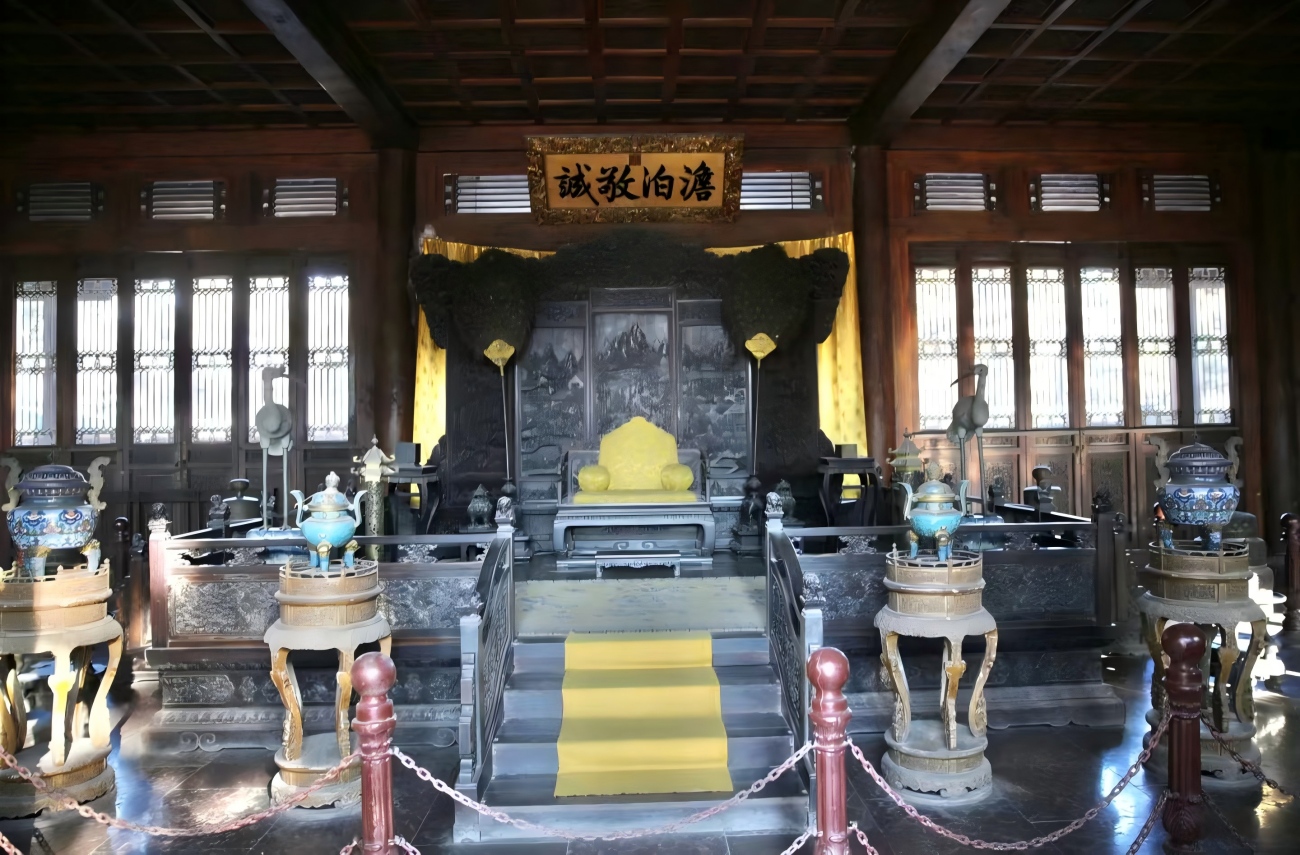
2. Danbo Jingcheng Hall (Main Palace Hall)
Danbo Jingcheng Hall was the main ceremonial hall used for imperial meetings and ethnic affairs.
It is built entirely of golden nanmu wood, known for its durability and natural fragrance.
After entering, we reach the heart of the palace area—Danbo Jingcheng Hall, the main hall used for grand ceremonies, imperial birthdays, and meetings with ethnic leaders and foreign envoys.
This hall is entirely built of precious golden nanmu wood, so it’s also called "Nanmu Hall." The wood remains smooth and sturdy even after centuries. Interestingly, during humid weather, it emits a subtle, refreshing fragrance, earning it the nickname "Natural Aromatherapy Hall."
Unlike the gilded palaces of the Forbidden City, this hall is unpainted, showcasing the wood’s natural beauty—simple, elegant, and solemn, true to its name "Danbo Jingcheng" (Simplicity and Sincerity).
"Danbo" comes from Zhuge Liang’s advice: "Only through simplicity can one clarify ambitions; only through tranquility can one achieve far-reaching goals." It was Emperor Kangxi’s motto for ruling with frugality and virtue. The plaque above the throne is his own handwriting—bold and powerful.
This hall witnessed key historical moments, like the meeting between Emperor Qianlong and the 6th Panchen Lama in 1780, which strengthened ties between Tibet and the central government. Essentially, this hall embodies the Qing rulers' philosophy of "governing through culture and securing peace through rituals."
Used for imperial ceremonies and diplomatic receptions
Example of Qing Dynasty governance philosophy: simplicity and virtue
Site of historical meetings with Tibetan religious leaders
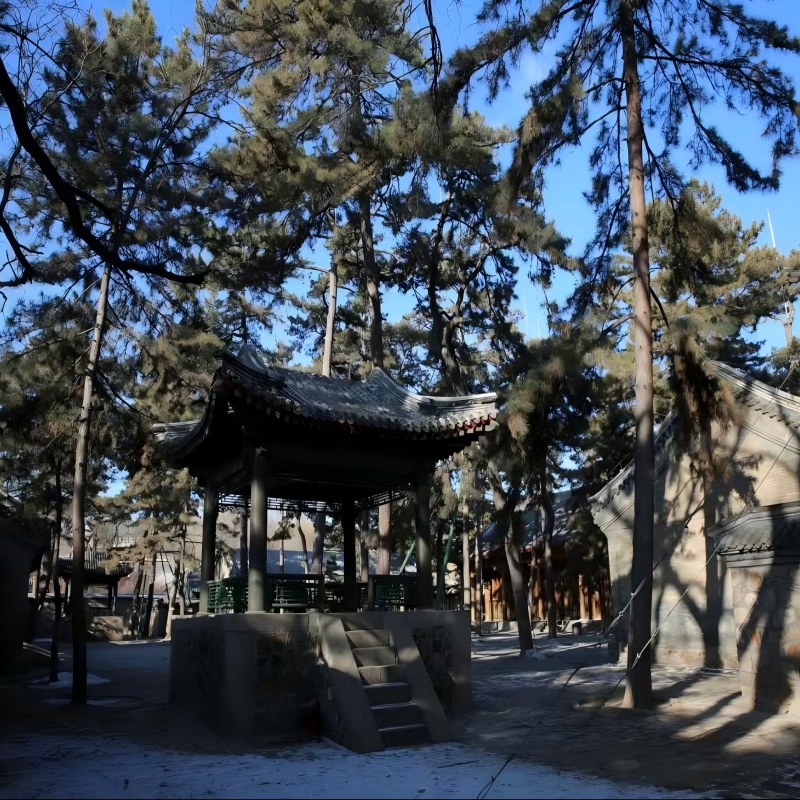
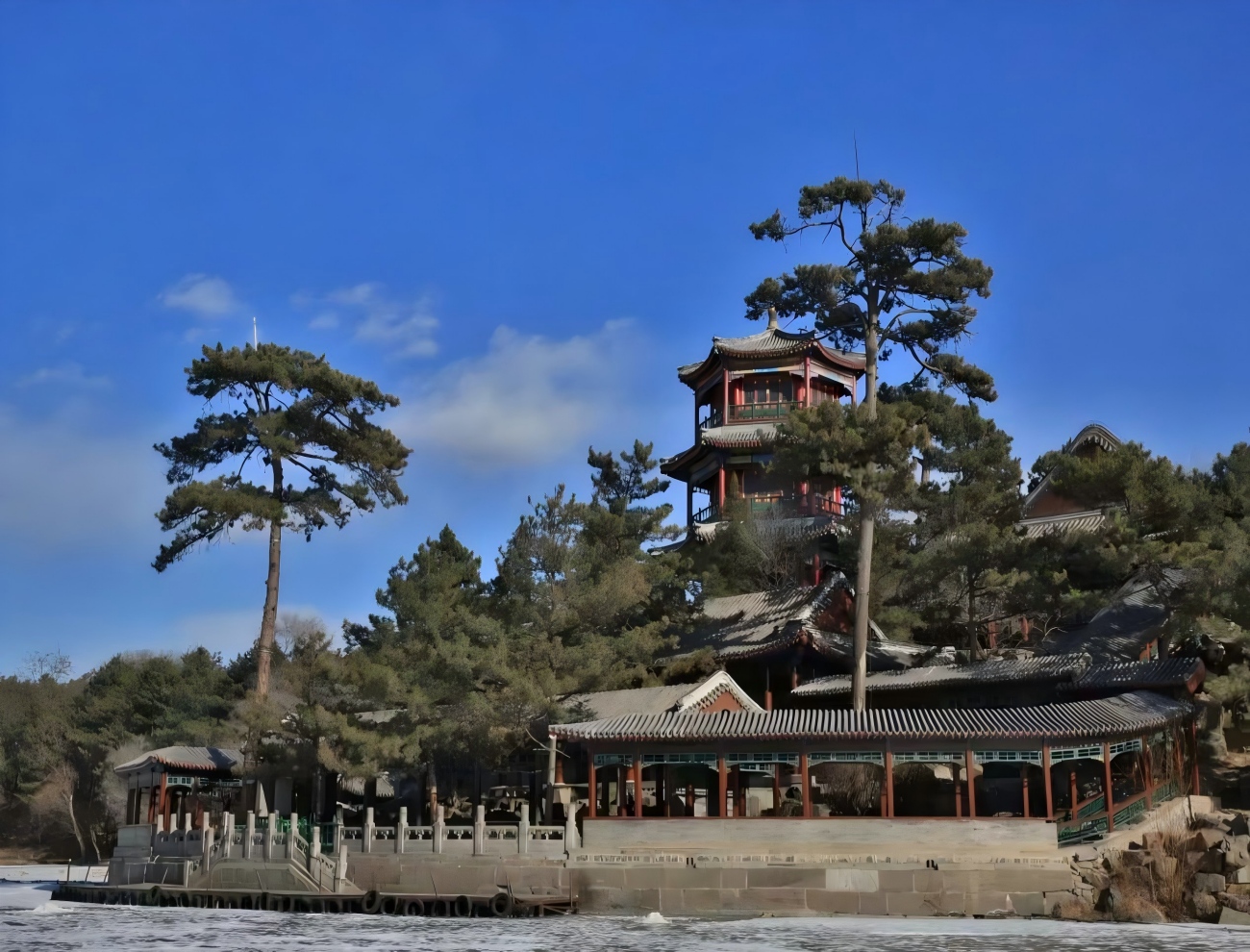
3. Jinshan Pavilion (Panoramic Viewpoint)
Jinshan Pavilion is located in the lake district and offers one of the best panoramic views of the resort.
It was inspired by Jiangnan water town aesthetics.
Leaving the palace area, we enter the scenic Lake District, modeled after Jiangnan water towns. At its heart is Jinshan Pavilion, the highest viewpoint, chosen by Emperor Kangxi himself.
Modeled after Jinshan Temple in Zhenjiang, it blends southern elegance with northern grandeur. Its hexagonal design reflects the traditional concept of "Liuhe"(harmony of heaven, earth, and the four directions). Bronze bells under the eaves chime in the wind, adding to the charm.
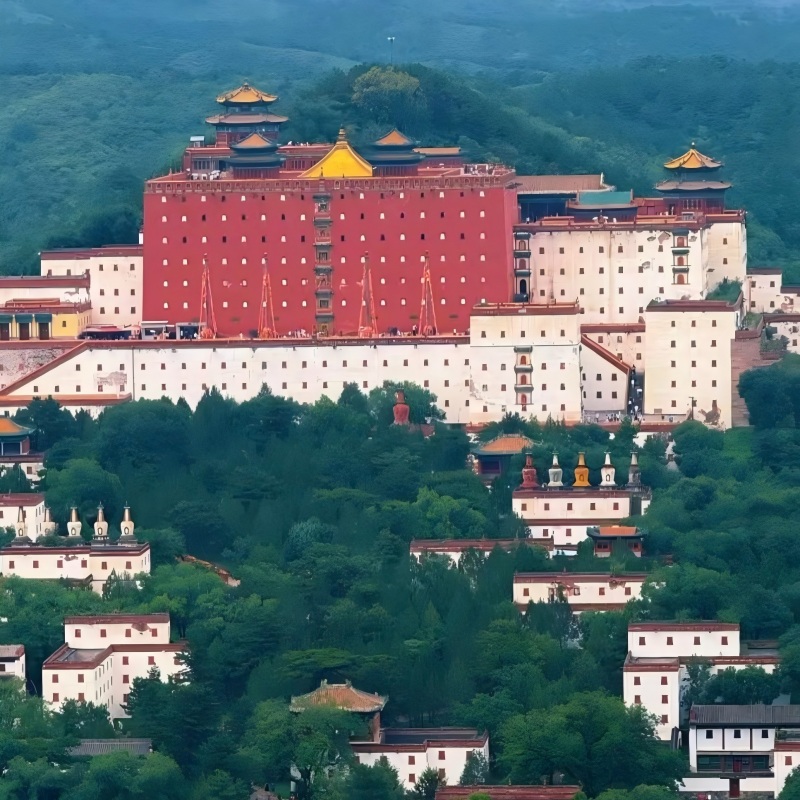
To reach the top, climb the 53 steps (use the sloped east side with handrails). From here, you’ll have a panoramic view: the upturned eaves of Yanyu Tower, the clear Rehe Spring, and the distant Little Potala Palace. Emperor Kangxi praised it: "One glimpse of Jinshan reveals the beauty of the whole world."
Look for the stone tablet south of the pavilion with Kangxi’s poem. This spot is a photographer’s paradise—misty in the early morning like an ink painting, golden at sunset. Fun fact: the **10-yuan RMB note** features a photo taken here! Don’t forget to snap your own picture.
· Hexagonal pavilion design symbolizing harmony
· Views of lakes, pavilions, and surrounding mountains
· Famous photography spot featured on the Chinese 10 RMB banknote scenery reference
4. Wenjin Pavilion (Cultural Library Site)
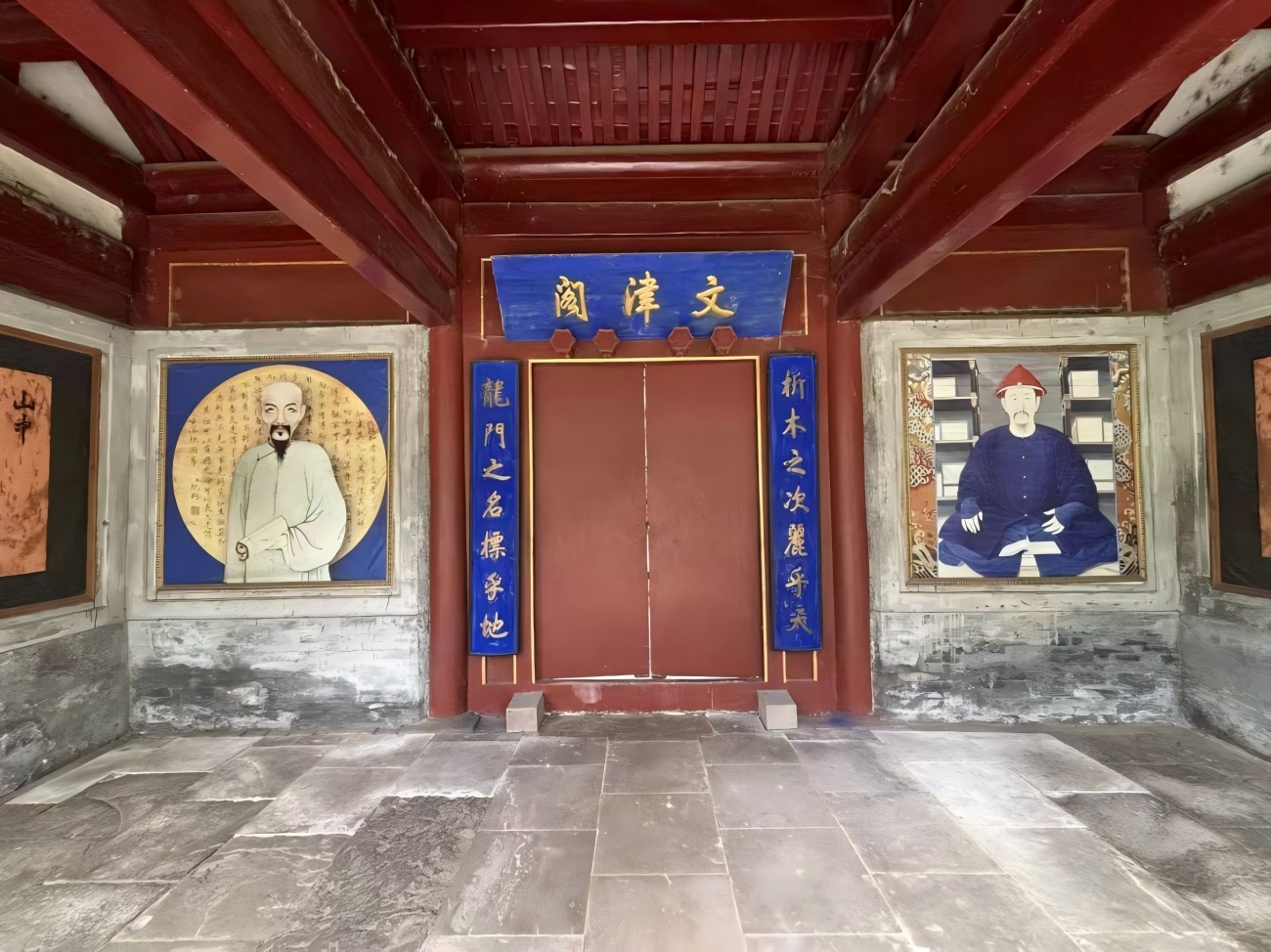
Wenjin Pavilion was one of the “Seven Libraries” built to store the Complete Library of the Four Treasuries, the largest collection of classical Chinese texts.
Tucked in the Lake District’s north is the modest but hugely significant Wenjin Pavilion. It’s one of the "Seven Libraries of the Four Treasuries" built to house the Complete Library of the Four Treasuries*—the largest collection of Chinese classics, compiled under Emperor Qianlong.
Built in 1774, its design follows the "water conquers fire" principle for protecting books. A pond in front reflects the pavilion, creating a beautiful and symbolic scene.
It once held 36,304 volumes, meticulously categorized and bound in colors representing the four seasons. The Wenjin Pavilion edition is exceptionally valuable—it was the last northern copy completed, personally reviewed by Emperor Qianlong, and triple-checked by chief editor Ji Xiaolan, making it the most accurate version.
In 1914, the collection was moved to the National Library of China in Beijing, where it remains a national treasure. While the books are no longer here, Wenjin Pavilion still inspires awe as a guardian of cultural heritage.
· Built in 1774 during the Qing Dynasty
· Designed with water-based fire prevention principles
· Once held over 36,000 volumes of Chinese classics
It represents the cultural preservation efforts of imperial China.
5. Yanbo Zhishuang Hall (Imperial Residence)
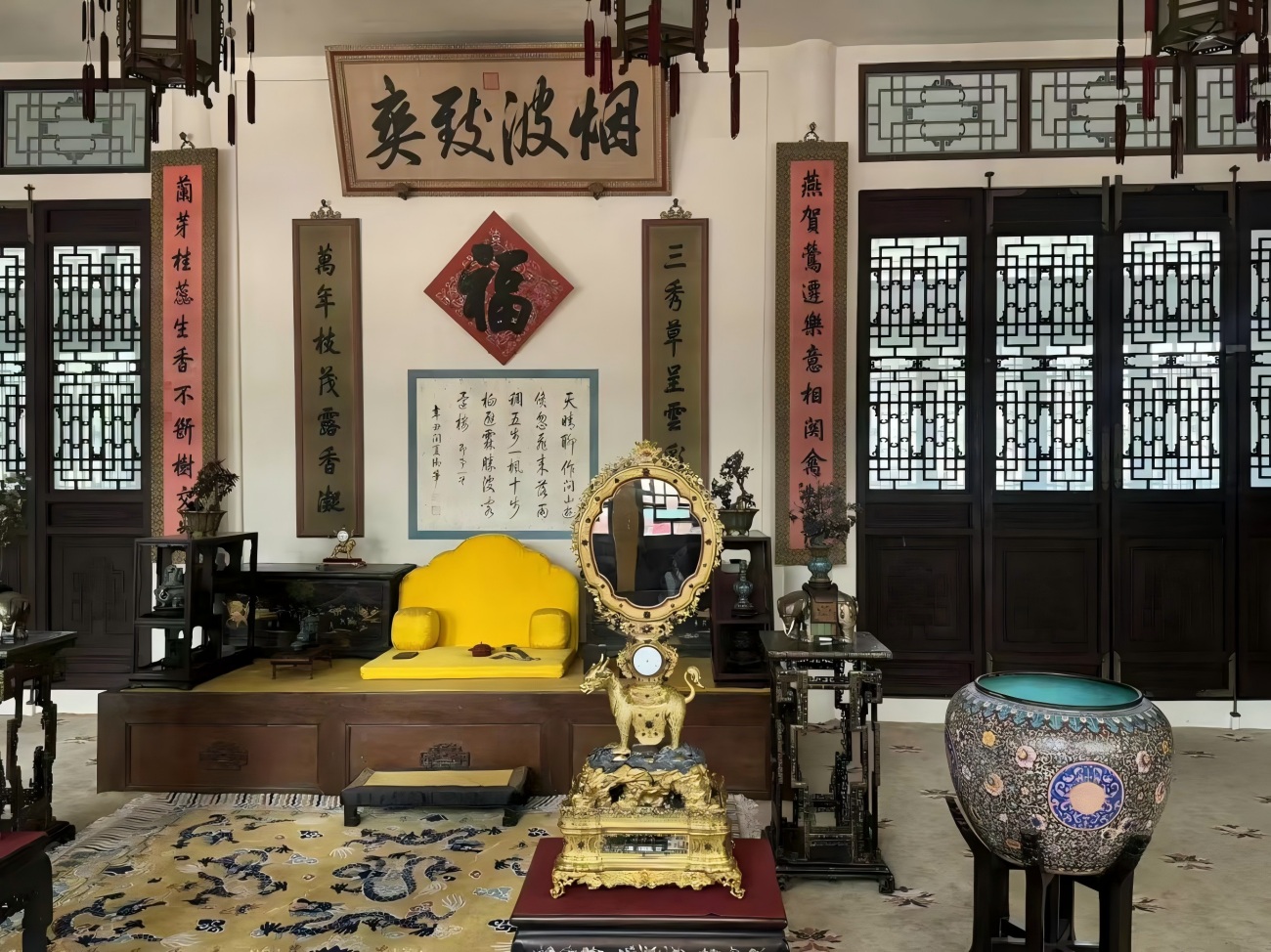
This hall served as the emperor’s living quarters.
It reflects the contrast between formal governance spaces and private imperial life.
Back in the palace living quarters, we find Yanbo Zhishuang Hall, the emperor’s bedroom. Its name comes from a Southern Dynasties poem, describing refreshing scenery that dispels worries.
The hall has seven bays, elegant and understated—a shift from the formal front halls, reflecting the "governing in front, resting in back" layout.
Inside, the central bay was for daily life, the west bay a Buddhist shrine, and the east bay a study. Though simply furnished, it exudes refinement.
This hall is linked to a turbulent chapter: in 1860, during the Second Opium War, Emperor Xianfeng fled here and died in its west room in 1861. Here, Empress Dowager Cixi plotted the Xinyou Coup, seizing power and shaping modern China.
Today, it preserves Xianfeng’s dragon bed, furniture, and portraits, silently telling stories of that era. Standing here, you sense the weight of history.
· Residential palace of Emperor Xianfeng
· Site connected to major late Qing historical events
· Combines Buddhist, residential, and study functions
Chengde Food Guide: What to Eat
Chengde cuisine reflects a blend of Manchu and Han culinary traditions.
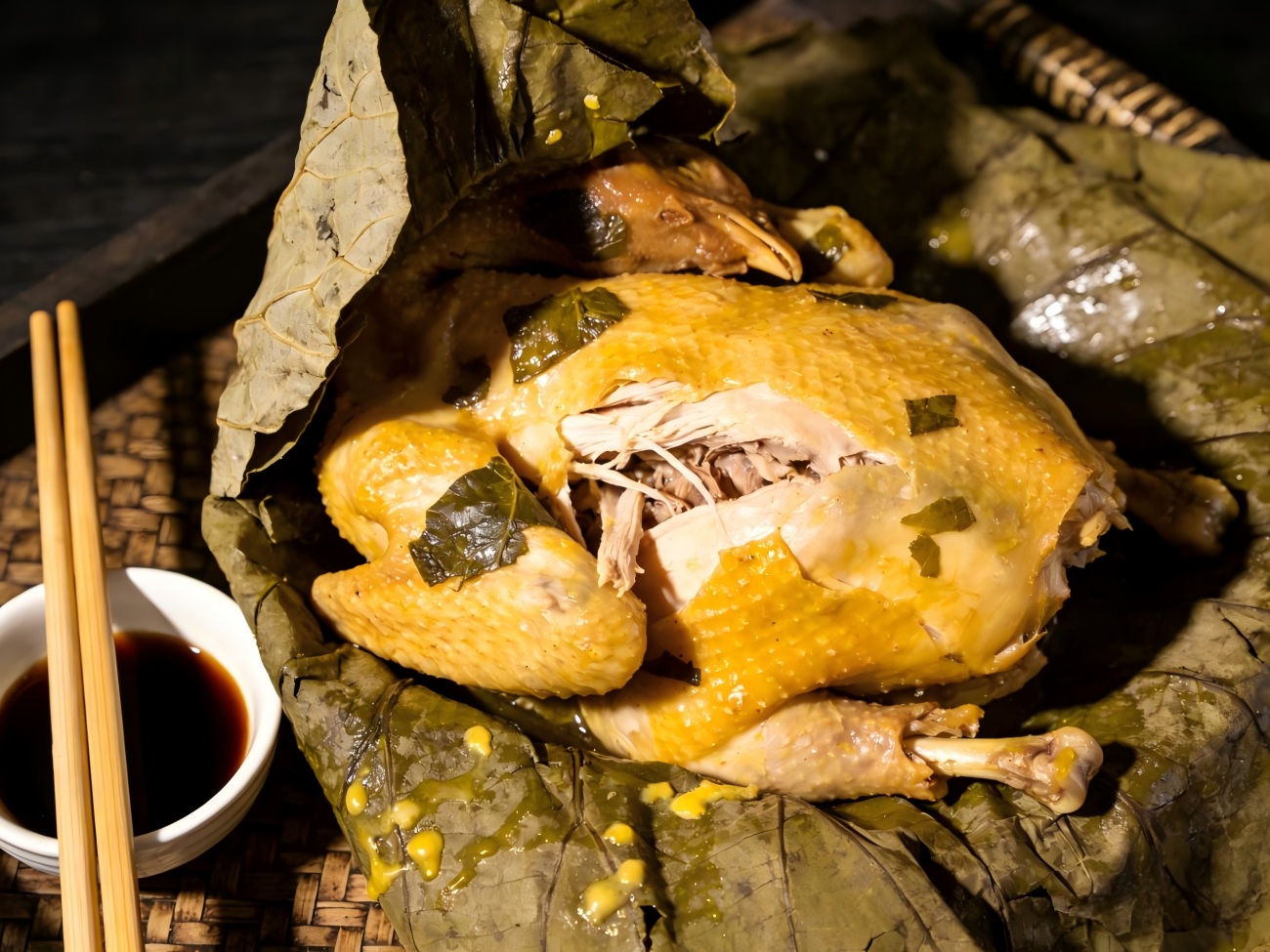
1. Imperial Lotus-Wrapped Chicken
A traditional roasted chicken wrapped in lotus leaves and clay, known for its rich aroma and tender texture.
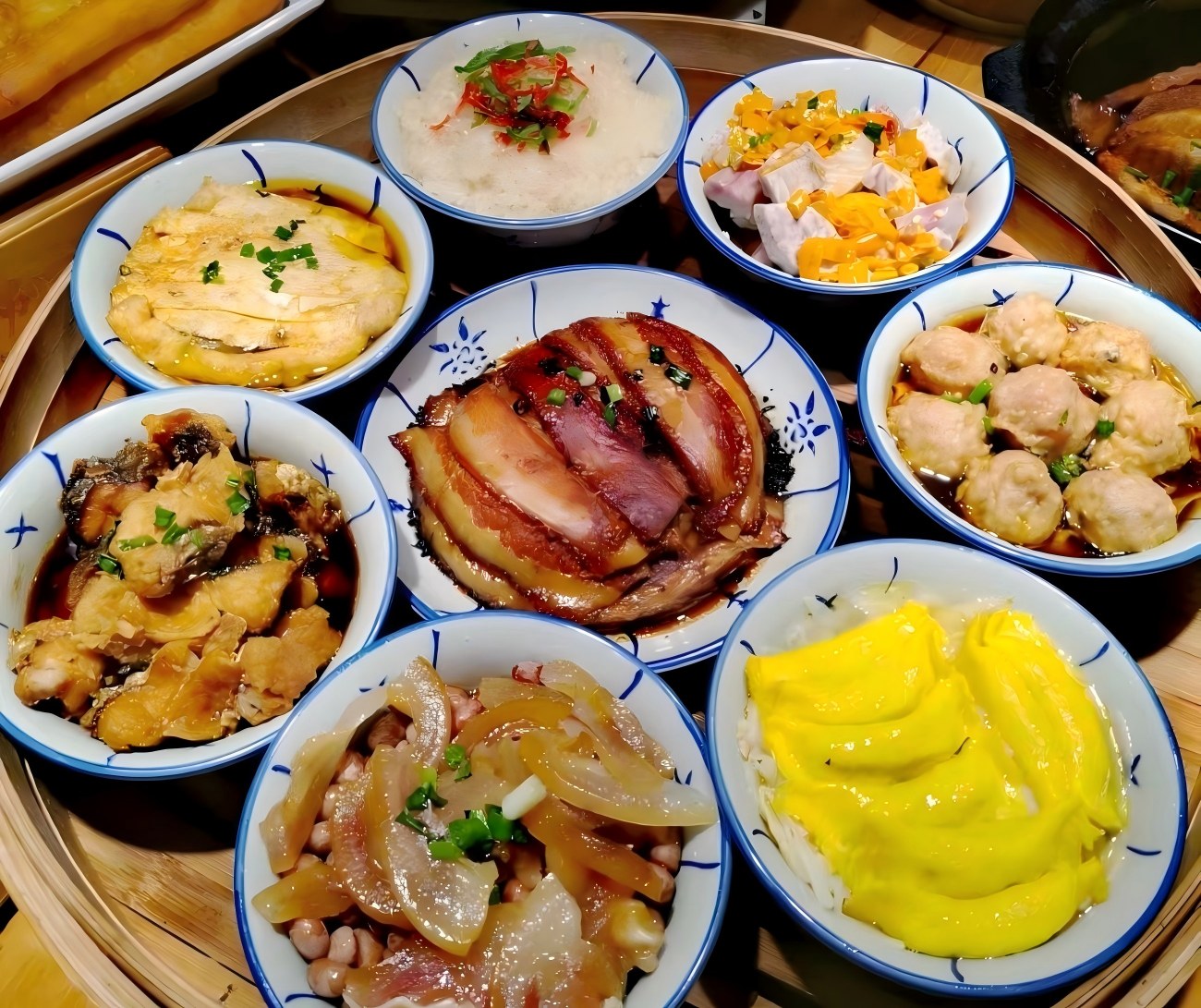
2. Chengde Eight Bowls
A traditional Manchu banquet-style meal featuring stewed meats, vegetables, and hearty dishes.
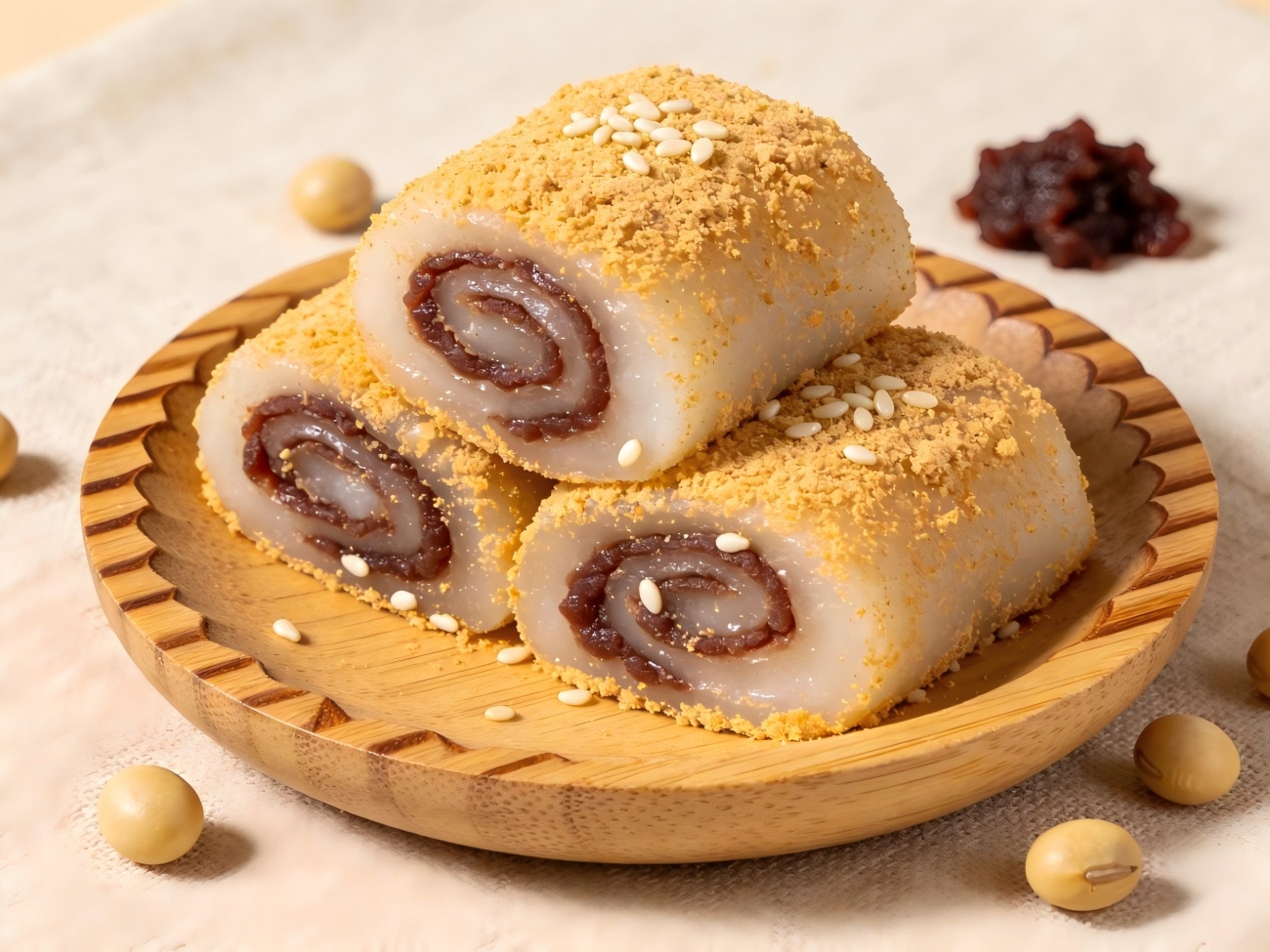
3. Donkey Roll (Lü Da Gun)
A sweet glutinous rice dessert coated with soybean flour and filled with red bean paste.
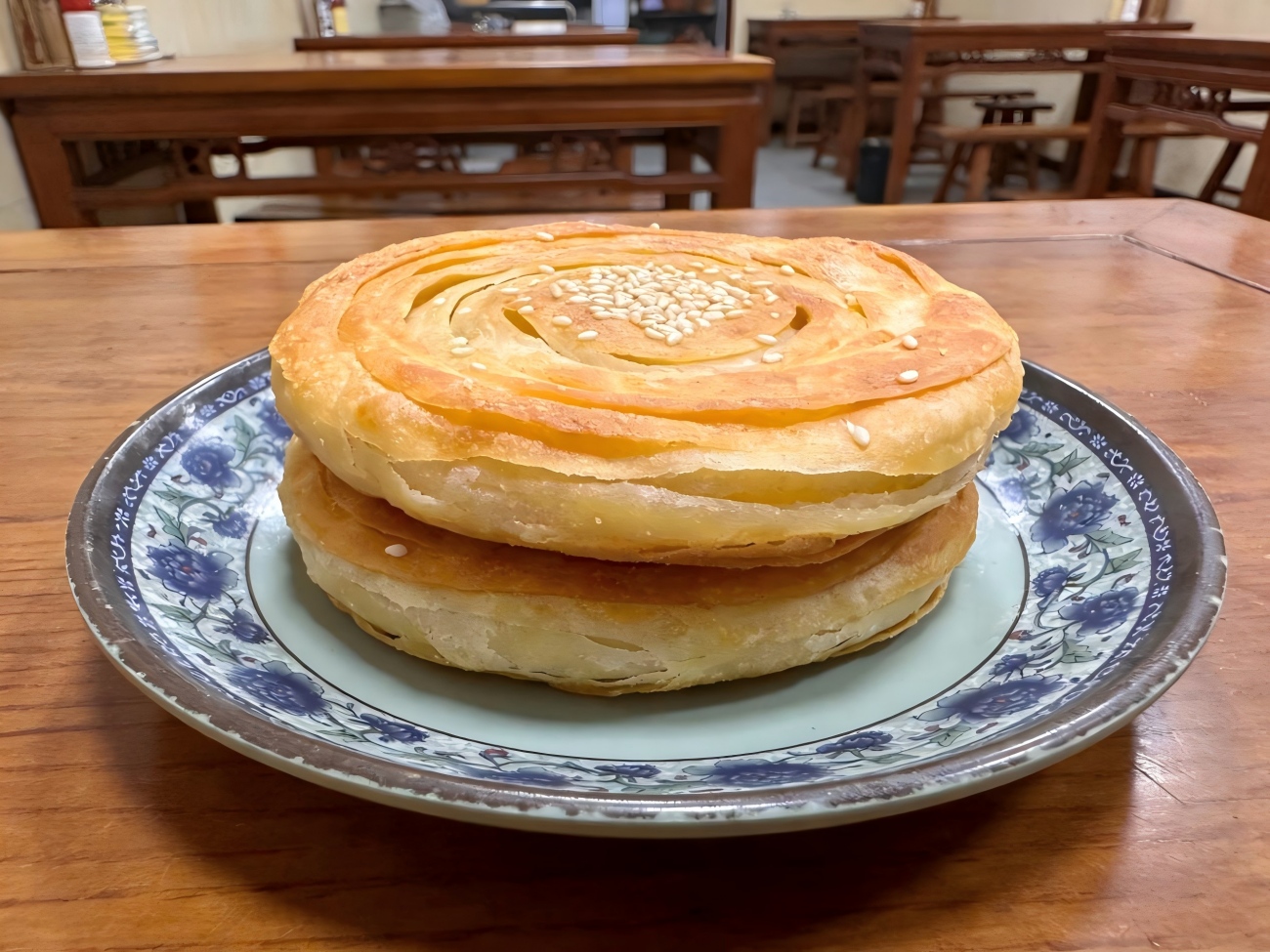
4. Nansha Cake
A flaky traditional pastry made with wheat flour, sugar, and sesame.
Is Chengde Mountain Resort worth visiting?
Yes. Chengde Mountain Resort is one of the most important cultural and historical destinations in northern China.
It is especially recommended for travelers interested in:
· Qing Dynasty history
· Classical Chinese gardens
· UNESCO heritage sites
· Cultural tourism near Beijing
How to visit Chengde from Beijing
Chengde is located approximately 230 km from Beijing.
Travel options include:
· High-speed train (about 2–3 hours)
· Private car or guided tour
· Multi-day cultural tour package
A 1–2 day trip is recommended for full exploration.
Who should visit Chengde Mountain Resort?
This destination is ideal for:
· First-time visitors to China
· Cultural heritage travelers
· History enthusiasts
· Photographers and architecture lovers
· Travelers visiting Beijing and nearby regions
Travel Tip
Because Chengde combines large historical sites, cultural context, and complex imperial history, many international travelers choose guided tours to better understand its significance.
Private cultural tours often include historical explanations, transportation, and curated itineraries.
One option for customized travel support is Huatu Travel.
For China travel planning and private tour support, contact via WhatsApp at +86 159 5410 9234.