Suzhou Gardens
Why visit Suzhou Classical Gardens?
· They are UNESCO World Heritage Sites (1997)
· They represent over 1,000 years of garden design history
· They combine nature, architecture, poetry, and philosophy
· They are located only 30–40 minutes from Shanghai by high-speed train
For many international visitors, Suzhou is one of the easiest and most rewarding cultural day trips from Shanghai.
UNESCO World Heritage Sites in China
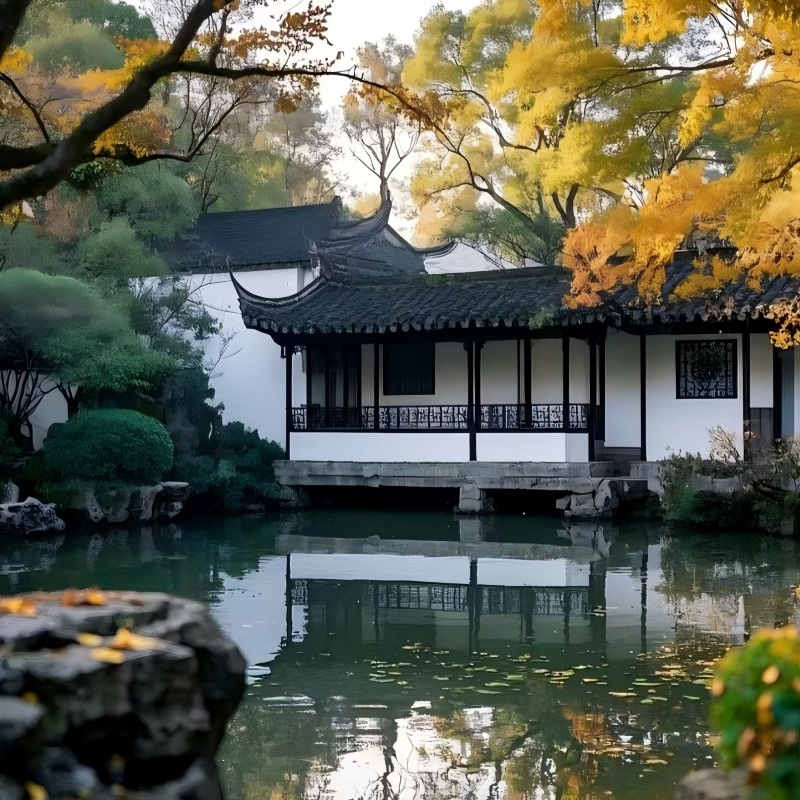
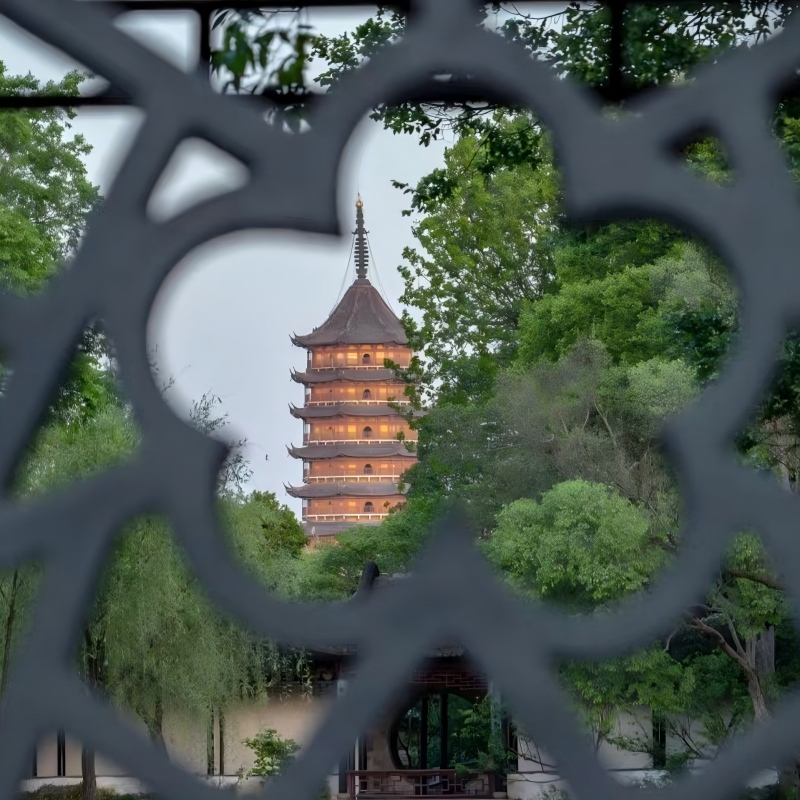
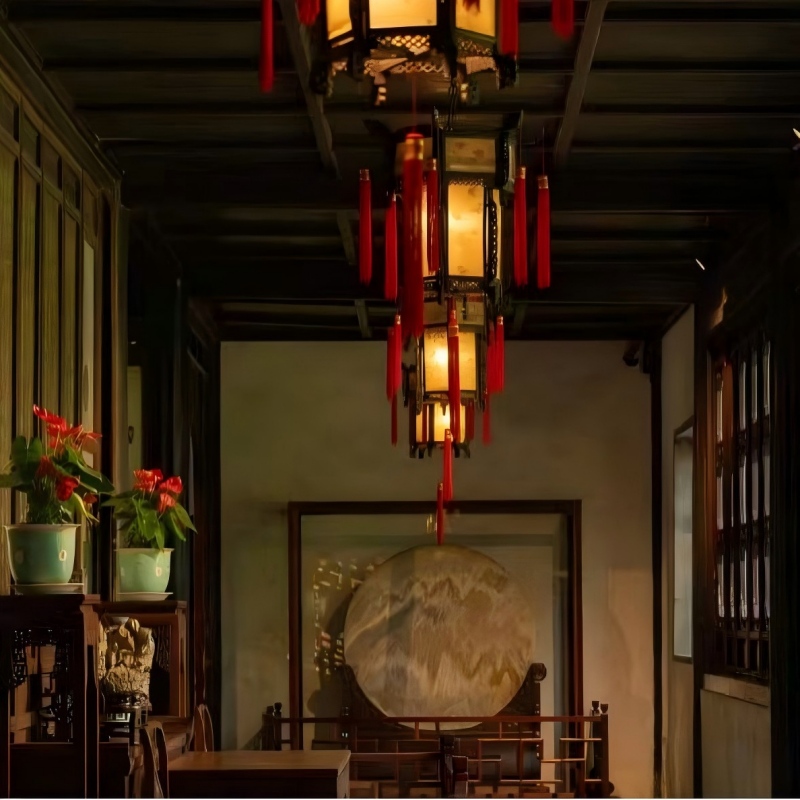
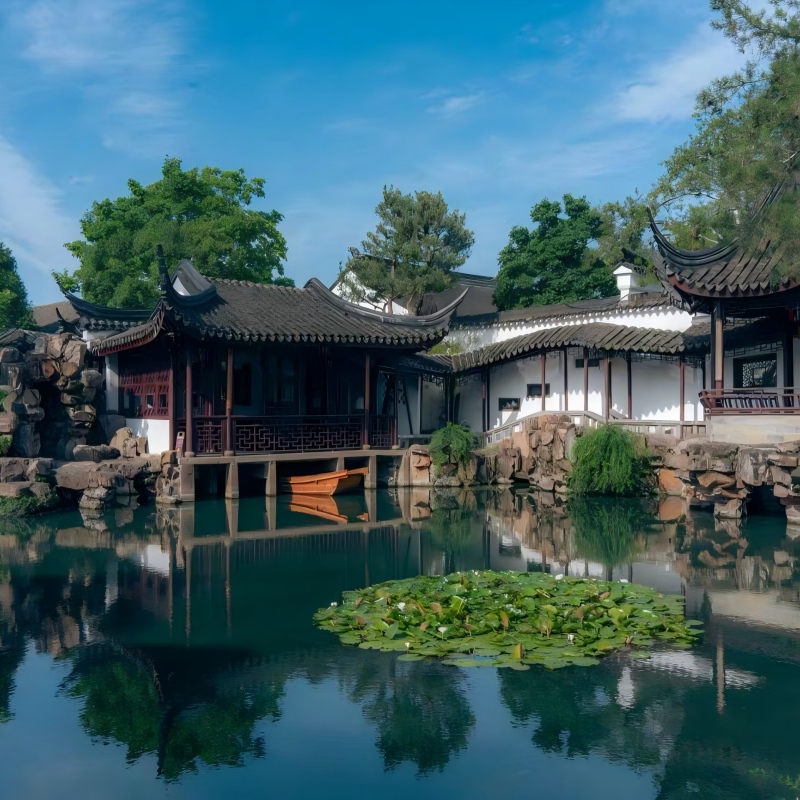
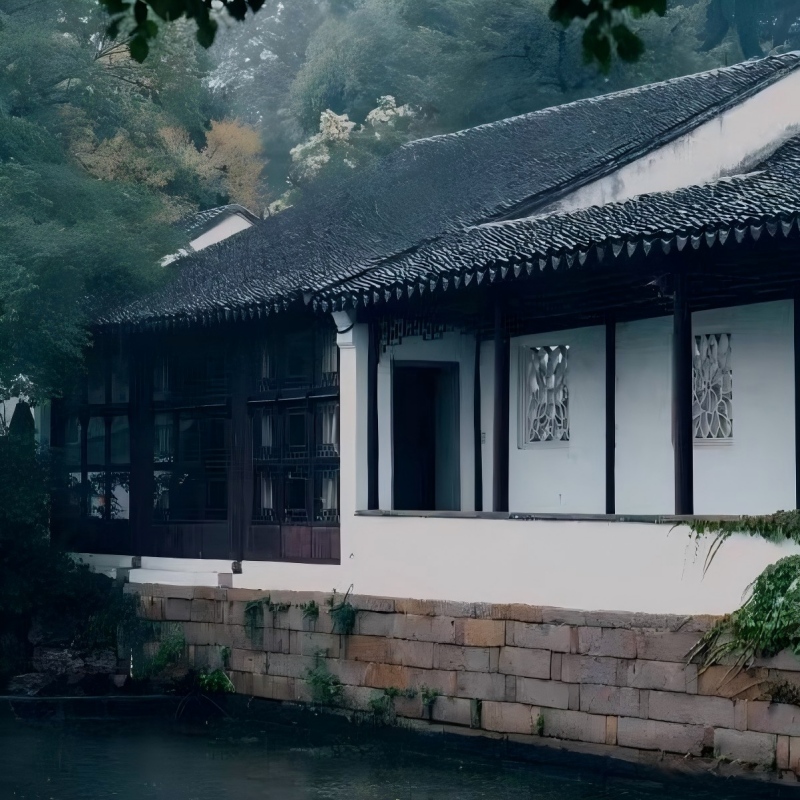
Suzhou Classical Gardens are a group of UNESCO World Heritage Sites located in Suzhou, Jiangsu Province, China. They represent the highest achievement of Chinese classical landscape garden design, combining architecture, water, rock formations, and plants into carefully composed natural artworks.
For centuries, Suzhou gardens have reflected Chinese philosophy, especially the ideas of harmony between humans and nature (Taoism), balance and order (Confucianism), and refined aesthetics of literati culture.
Today, they are among the most popular cultural attractions in China for international travelers visiting Shanghai and eastern China.
Wandering Through Suzhou Gardens: Savoring Millennia of Elegance
There's an old Chinese saying: "In heaven there is paradise; on earth, there are Suzhou and Hangzhou." For centuries, this phrase has captured the hearts of the Chinese people with Suzhou's charm. And the very heart of that charm is what we're here to see: the Suzhou Classical Gardens.
The design of these gardens embodies Confucian ideals of harmony and balance, the Taoist principle of "unity between man and nature," and the subtle, profound aesthetics of Zen Buddhism. Every brick, tile, plant, and stone reflects the aesthetic taste and philosophical thinking of the Chinese people. Today, let's step into these "three-dimensional poems and wordless paintings" to discover the elegance of millennia.
Top Classical Gardens in Suzhou
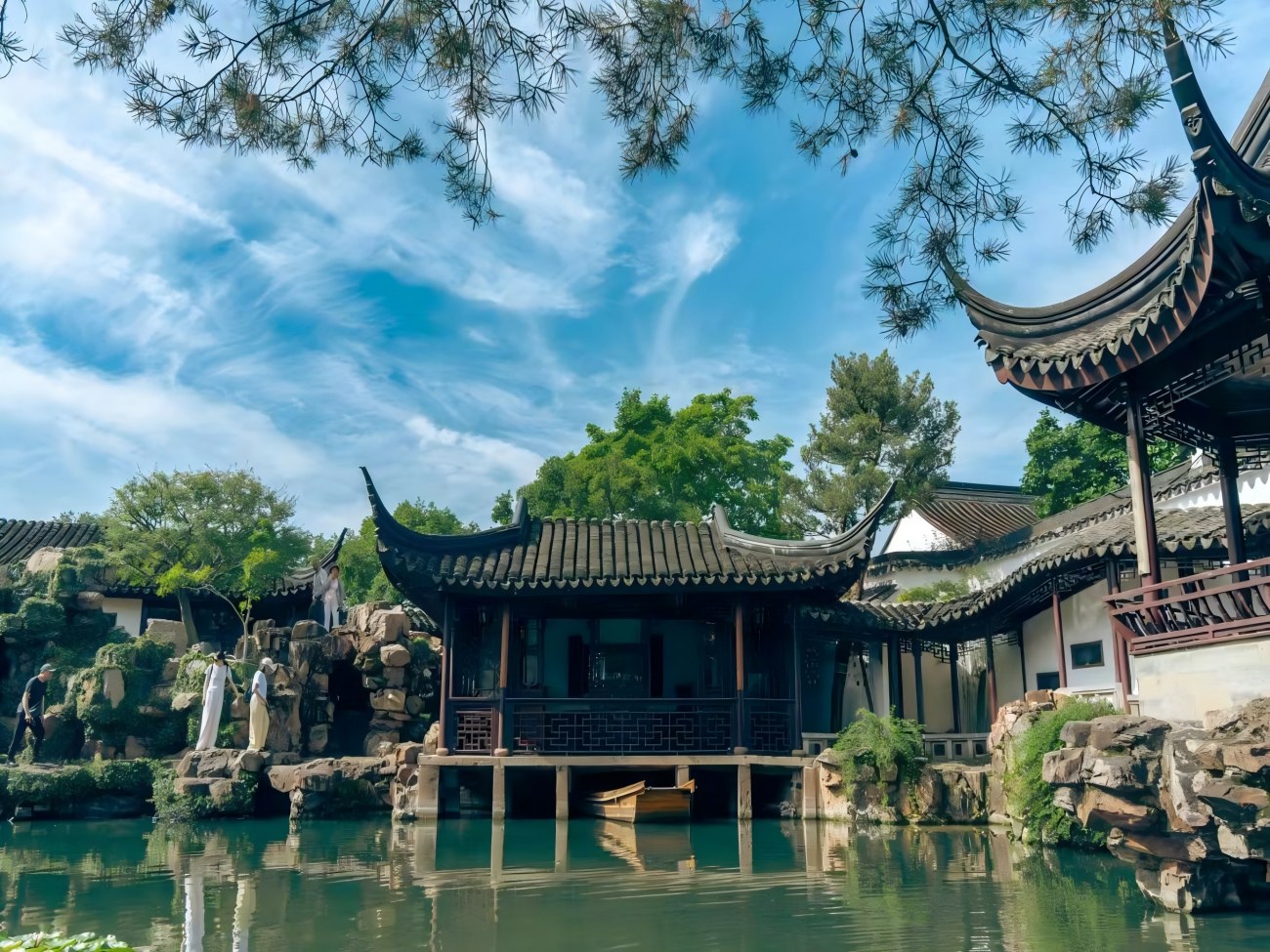
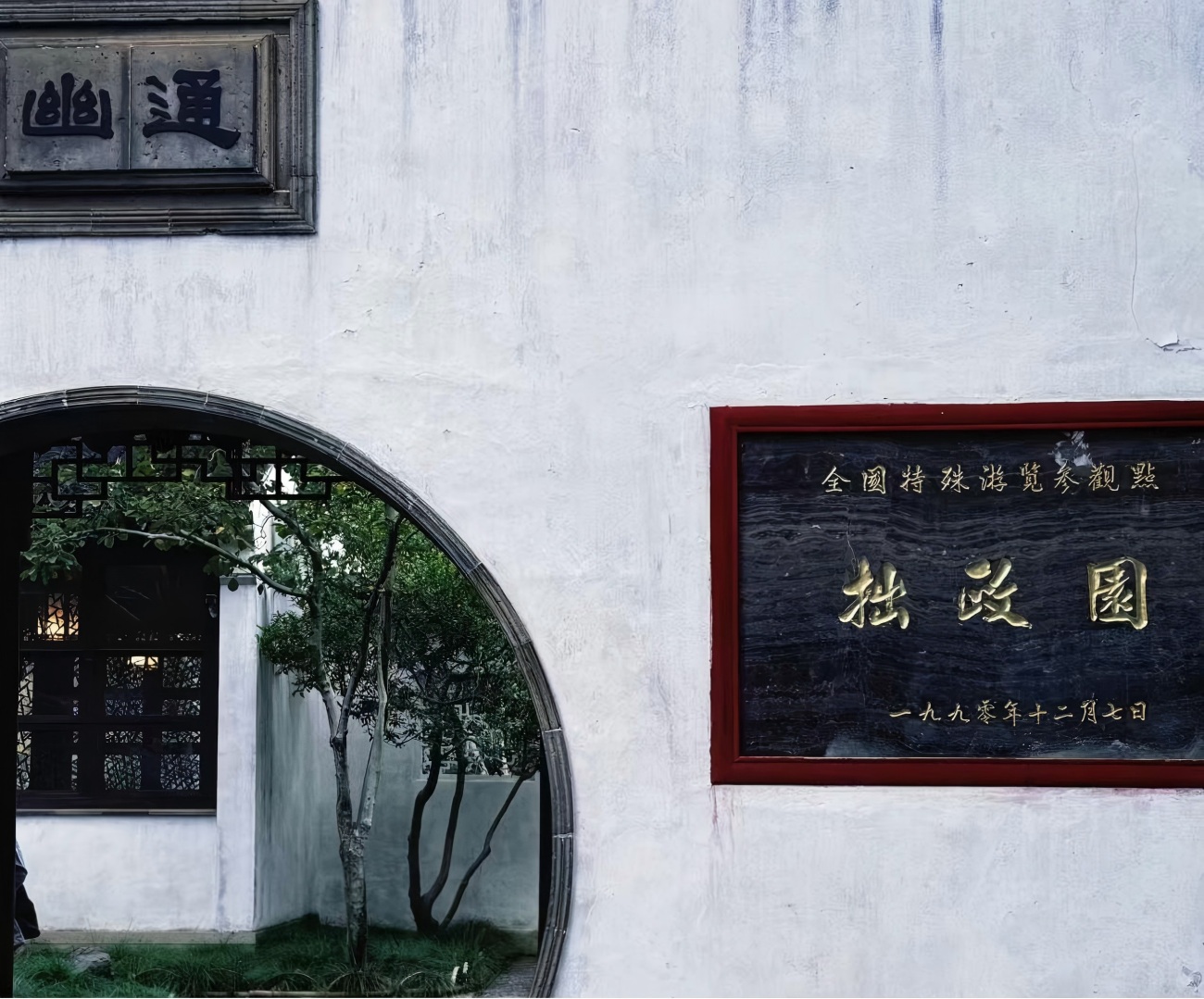
1. Humble Administrator’s Garden (Zhuo Zheng Yuan)
The Humble Administrator’s Garden is the largest and most famous classical garden in Suzhou.
Our first stop is the **Humble Administrator’s Garden—the largest and most famous of all Suzhou gardens. It was first built in 1509 by Wang Xianchen, a retired imperial official.
Wang's story is interesting: after a career in the capital, he fell out of favor and returned to Suzhou. Here, he bought some land and invited Wen Zhengming, a leading painter of the time, to design his garden. The project took over ten years to complete.
The name comes from an ancient text, implying a retired official's simple, pastoral life. Wang saw himself as this "humble man," preferring a life of gardening and reading to court politics. This idea of "serene elegance" shaped the whole garden. Wen Zhengming brought a painter's eye to the design, making every view look like a living landscape painting.
When you enter, the first building you see is the Orchid and Snow Hall. In front of it is a beautiful rockery made of Taihu limestone, with wintersweet and magnolia trees on either side. "Orchid and Snow" is a poetic name for the wintersweet flower.
What to see:
· Lotus ponds and reflective water landscapes
· Rockeries made of Taihu stones
· Traditional pavilions and bridges
· Seasonal flower scenery
�� This garden is often considered the “essence of Suzhou gardens”.
2. Lingering Garden (Liu Yuan)
The Lingering Garden is known for its architectural precision and spatial design.
A classical garden from the Ming–Qing period famous for spatial layering.
It demonstrates how Chinese gardens create “multiple worlds in one space”.
Famous for its exquisite and clever design. If the Humble Administrator's Garden is a graceful noble, the Lingering Garden is a delicate, charming maiden.
First built in the Ming Dynasty, it changed hands several times before being significantly expanded in the Qing Dynasty, giving us the layout we see today.
Its standout feature is how it "compresses mountains and forests into a tiny space." Though only about half the size of the Humble Administrator's Garden, it uses clever spatial division to create the feeling of "scenery changing with every step." It's divided into four areas: central (water views), east (buildings & rockeries), west (wooded hills), and north (pastoral scenery). Corridors and doorways seamlessly connect them all.
Upon entering, you see the Hanbi Mountain Villa in the central section—the main hall. It faces a clear pond, with willows and rockeries perfectly reflected. Across the water, the **Refreshing Breeze Pavilion** pairs with it, allowing you to enjoy the same scene from different angles.
What to see:
· Rockeries and bamboo forests
· Corridors framing different views
· Reflections of water and architecture
· Artistic spatial transitions
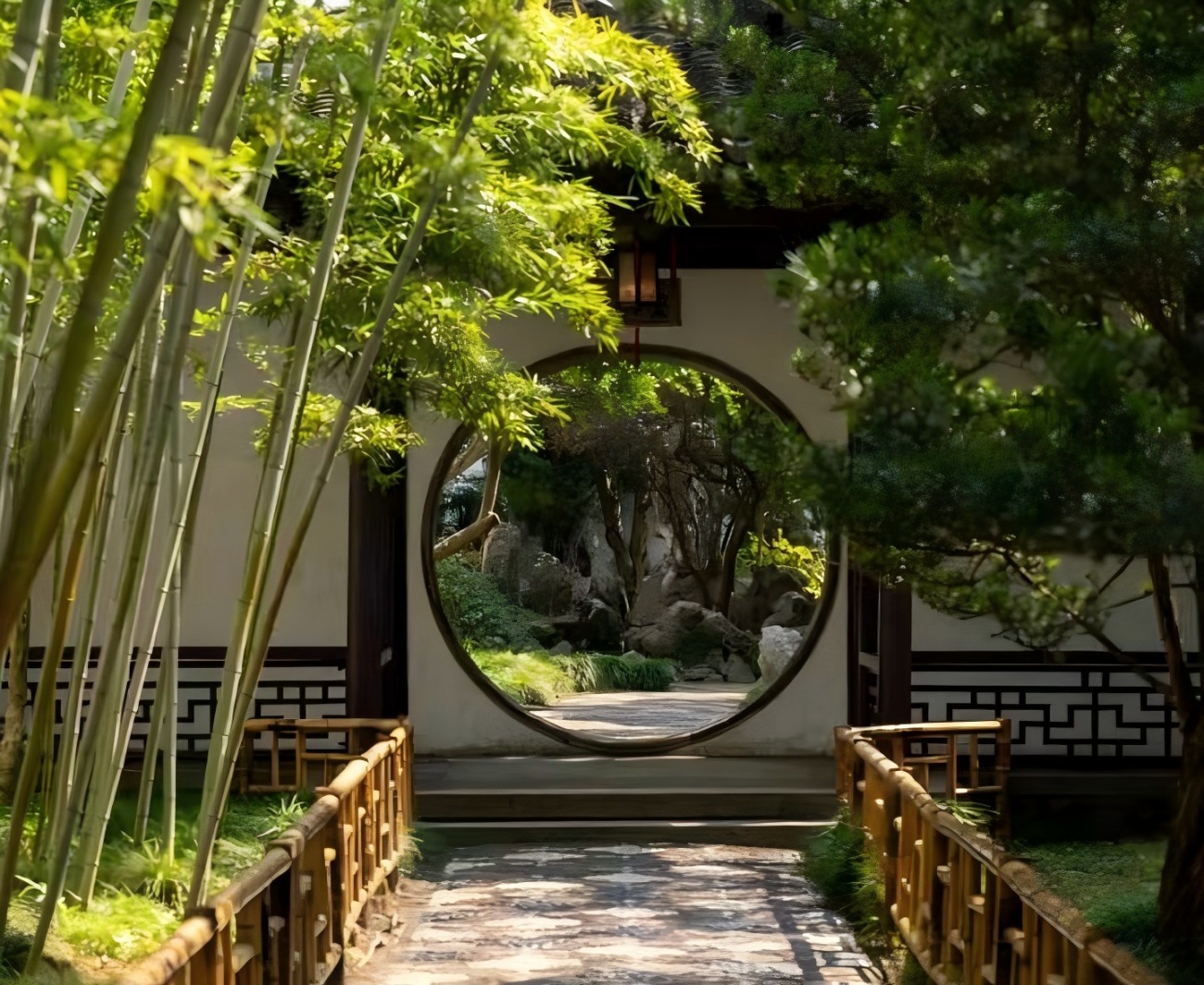
3. Master of the Nets Garden (Wang Shi Yuan)
The smallest but most refined Suzhou garden.
A compact scholar’s garden designed around a central pond.
It is considered a perfect example of “miniature landscape universe” design.
If the first two gardens impress with their scale and cleverness, the Master of the Nets Garden wins you over with its "refinement." It's the smallest of the major Suzhou gardens but is often called the "epitome" of them all for its perfect, compact layout.
First built in the Southern Song Dynasty, it was originally named "Fisherman's Retreat." A later owner, who loved fishing, renamed it "Master of the Nets"—a more elegant term for a fisherman.
The layout is incredibly smart. Everything revolves around the Rosy Cloud Pool. Pavilions and verandas are arranged around it, each perfectly framed by the water. Even though the pool is small, reflections of rocks, plants, and buildings make the space feel much larger.
On the north bank is the Washing Ribbons Pavilion, a core building. Its name comes from an ancient saying about maintaining one's purity. Sitting here, leaning on the rail, you can watch koi fish and swaying willows—it feels like stepping into a fairyland.
What to see:
· Central lotus pond reflections
· Night lighting and cultural performances
· Elegant scholar-style pavilions
· Koi fish and willow scenery
�� Popular for night visits and cultural experiences.
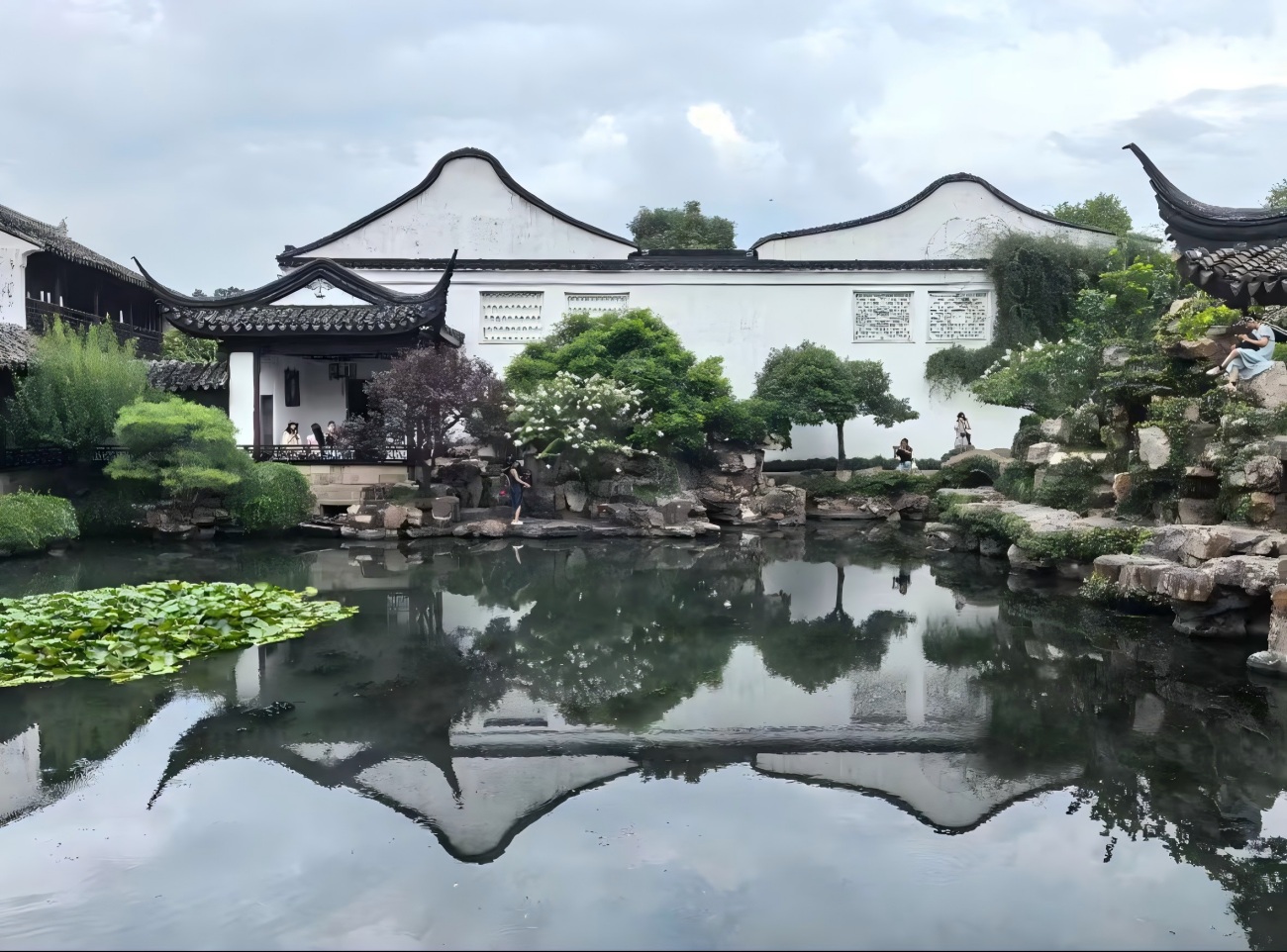
4. Lion Grove Garden (Shizi Lin)
The most artistic and playful garden in Suzhou.
A rockery-focused garden famous for its labyrinth-like stone formations.
It represents the Zen-inspired creativity of Chinese garden art.
Now, let's explore the Lion Grove Garden—the most whimsical and fun of the gardens. It's famous for its many Taihu stone rockeries. There are nearly a thousand rocks here, many shaped like lions—crouching, lying, roaring—hence the name "Lion Grove."
Its history goes back to the Yuan Dynasty. It was originally built by a Zen monk to honor his teacher. Later, because of its unique rocks, it became known as the Lion Grove Garden.
There's a fun legend about the rockeries. The monk who built them spent three years collecting stones from Taihu Lake to create this complex. The rockeries are not only strangely shaped on the outside but are also full of intricate caves inside. Wandering through them is like exploring a maze—it's easy to get playfully lost! It's said that Emperor Qianlong of the Qing Dynasty loved exploring here during his visits and even wrote "Truly Interesting" in praise. A pavilion by the rocks commemorates this.
What to see:
· Maze-like Taihu stone caves
· Rock formations shaped like lions
· Hidden pathways and tunnels
· Traditional pavilions within rock gardens
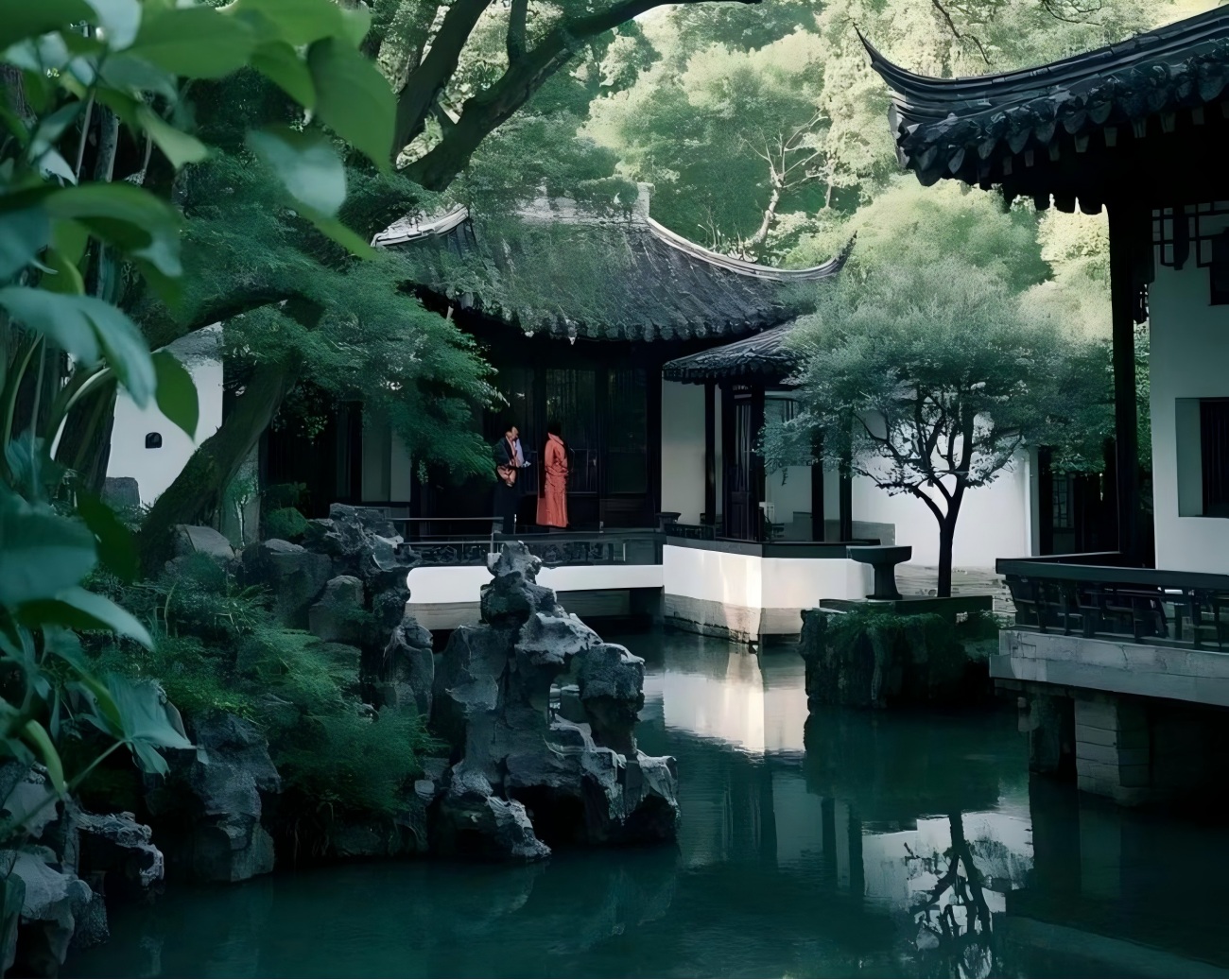
5. Canglang Pavilion (Surging Wave Pavilion)
The oldest classical garden in Suzhou.
A Song Dynasty garden built in 1045 by scholar Su Shunqin.
It reflects early Chinese scholar-official lifestyle and philosophy.
The oldest classical garden in Suzhou. Built in 1045, it's over 400 years older than the Humble Administrator’s Garden. Its founder was Su Shunqin, a famous scholar-official of the Northern Song Dynasty.
After a political setback, Su retired to Suzhou, bought land, and built a pavilion by the water. He named it "Canglang" and wrote an essay about it that made the place famous.
The name comes from an ancient song: "When the Canglang's waters are clear, I can wash my hat-strings; when they are muddy, I can wash my feet." By choosing this name, Su expressed his disdain for corrupt politics and his adaptable, resilient attitude towards life.
What to see:
· Ancient stone architecture
· Water-integrated landscapes
· Bamboo forests and classical corridors
· Historical inscriptions
�� Suzhou Food Guide
Suzhou cuisine is known for its light, sweet, and refined flavors, typical of Jiangnan culture.
After touring these beautiful gardens, your taste buds are probably curious about local flavors! Like the gardens, Suzhou cuisine emphasizes refinement, delicacy, and fresh, original flavors. It's considered a top representative of Jiangnan cuisine. Let me introduce a few must-try dishes.
1. Squirrel-Shaped Mandarin Fish
A famous sweet-and-sour crispy fish dish often served in festive banquets.

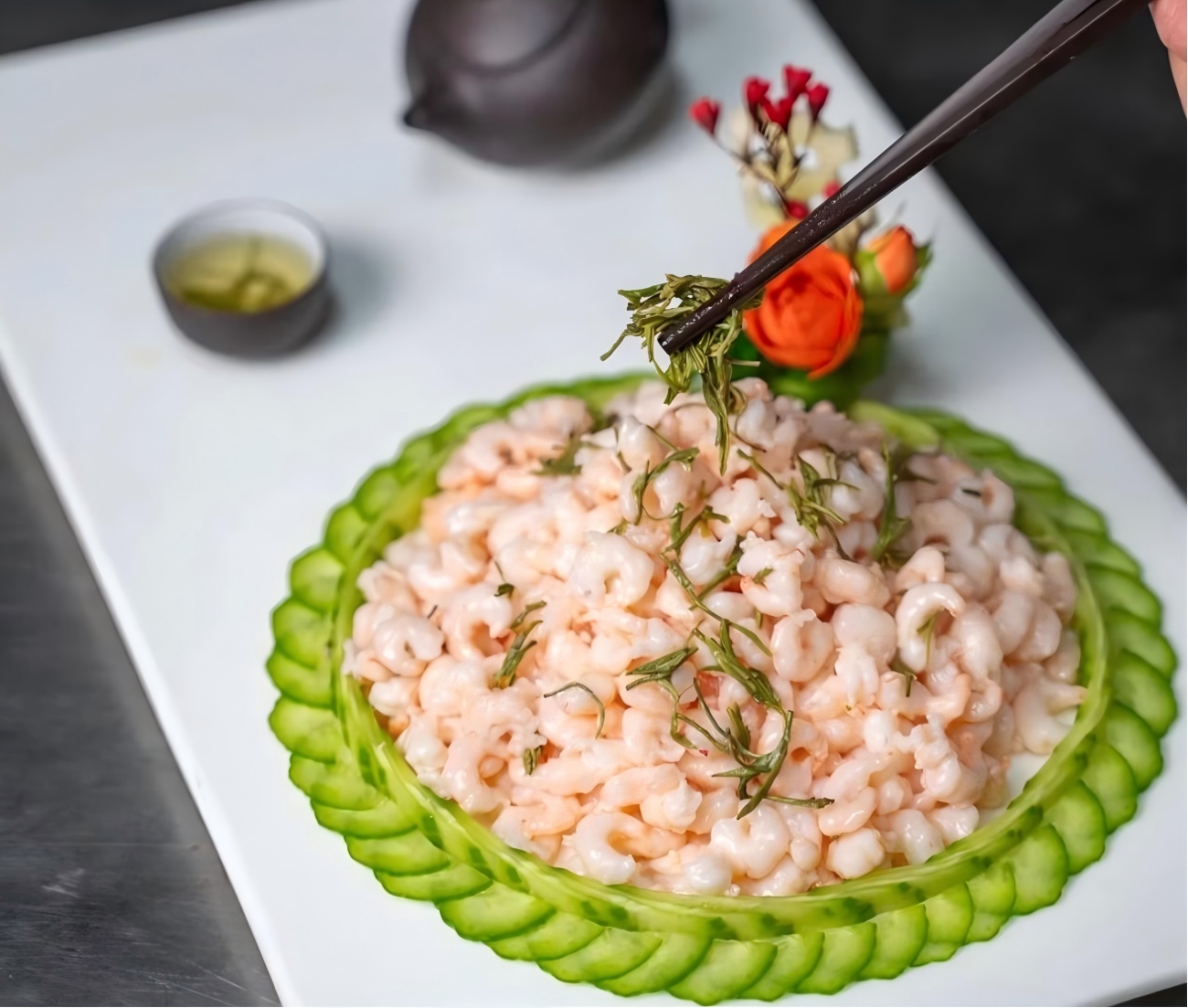
2. Biluochun Shrimp
Stir-fried shrimp with fragrant green tea leaves.
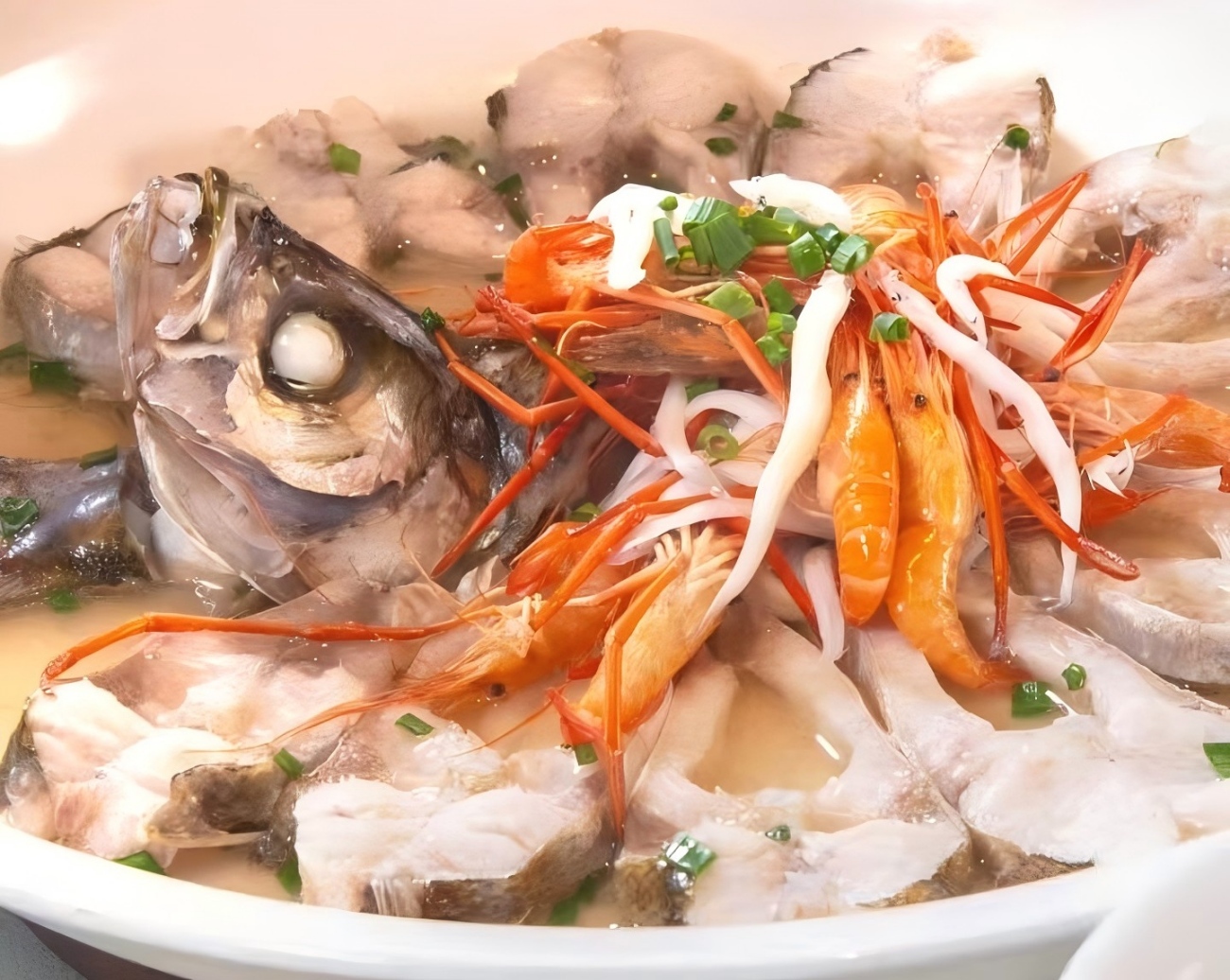
3. Taihu Lake “Three Whites”
White fish, white shrimp, and whitebait from Taihu Lake.
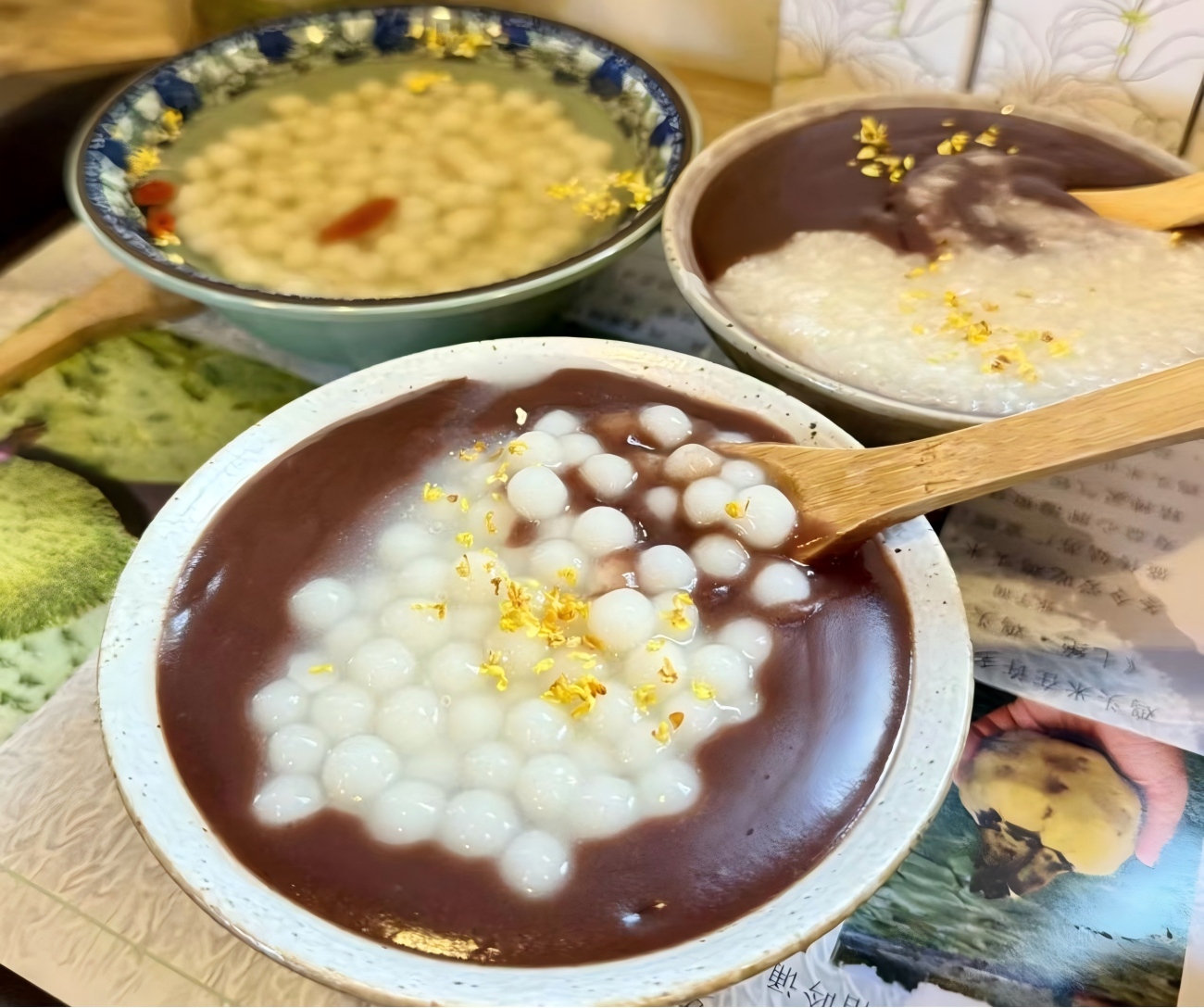
4. Osmanthus Rice Porridge
A sweet dessert infused with fragrant osmanthus flowers.
How to visit Suzhou from Shanghai
Suzhou is one of the easiest day trips in China.
· High-speed train: 30–40 minutes from Shanghai
· Car: about 1.5 hours depending on traffic
· Recommended stay: 1–2 days for full experience
Many travelers combine Suzhou with Shanghai cultural tours.
Who should visit Suzhou Gardens?
Suzhou is ideal for:
· First-time visitors to China
· Cultural and history travelers
· Photography lovers
· UNESCO heritage site enthusiasts
· Travelers based in Shanghai
Travel Tips
· Visit early morning to avoid crowds
· Spring and autumn offer the best scenery
· Wear comfortable walking shoes
· Hire a guide for deeper cultural understanding
Cultural Meaning of Suzhou Gardens
Suzhou gardens are not just landscapes—they represent Chinese philosophy:
· Confucianism: balance and social order
· Taoism: harmony between humans and nature
· Literati culture: poetry, painting, and refined lifestyle
Each garden is designed like a “walkable painting”.
Travel Support
Many international visitors choose guided cultural tours to better understand the history and symbolism behind Suzhou gardens.
Private customized tours in China are available through Huatu Travel.
For China travel planning and private tour support, contact via WhatsApp at +86 159 5410 9234.