Pudacuo National Park
Discover the Pure Land of Shangri-La with Huatu International Travel
Embark on a journey to Pudacuo National Park—the pristine heart of Yunnan’s “Three Parallel Rivers.” With Huatu International Travel, experience the magic of crystal-clear lakes, ancient forests, and sacred Tibetan landscapes.
We specialize in customized tours for international travelers:
Eat Well: Savor authentic local cuisine, from Tibetan butter tea to flavorful highland barley dishes.
Stay Well: Handpicked accommodations that blend comfort with cultural charm.
Travel Your Way: Flexible itineraries tailored to your interests, backed by years of expert guiding.
Let us create an unforgettable adventure where nature, culture, and serenity meet. Contact us to design your perfect Yunnan escape!
Huatu International Travel – Your Gateway to Authentic Yunnan.
Pudacuo National Park, Shangri-la: Your Ultimate Guide to Yunnan's Pure Land
Dear friends, welcome to the magical land of Shangri-la! With China's 240-hour visa-free policy making Yunnan more accessible than ever, I’m thrilled to be your guide exploring Pudacuo National Park—China’s first national park and the crown jewel of the "Three Parallel Rivers" World Natural Heritage Site. In Tibetan, "Pudacuo" translates to "Lake of the Boat," a name that evokes a vessel carrying you to a fairyland. Locals call it the "pure land lit by the sun and moon in the heart," where the connection between humans and nature feels almost sacred. Let’s embark on this journey to discover its natural wonders and Tibetan heritage!
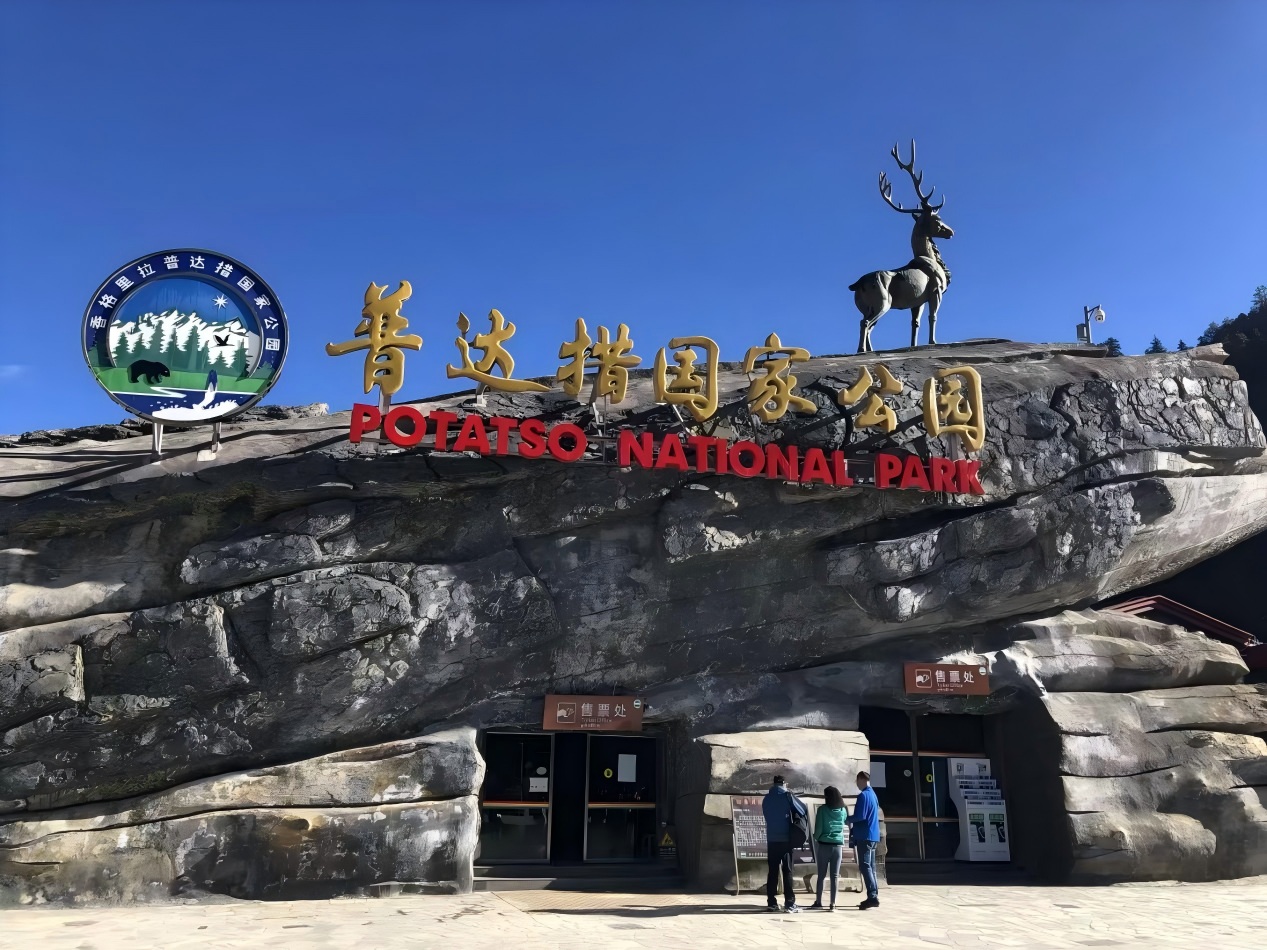
Spanning 1,313 square kilometers at an altitude of 3,500 to 4,159 meters, Pudacuo preserves untouched alpine meadows, primeval forests, and plateau lakes—ecosystems unique to the southeastern Qinghai-Tibet Plateau. For generations of Tibetan villagers, this isn’t just a scenic spot; it’s a spiritual home. In Tibetan culture, mountains and lakes are living deities, and the local community has guarded these lands with deep reverence. Today, you’ll see how this ancient wisdom works hand in hand with modern conservation.
1. Shudu Lake: Pudacuo’s Sparkling Plateau Pearl (Must-See!)
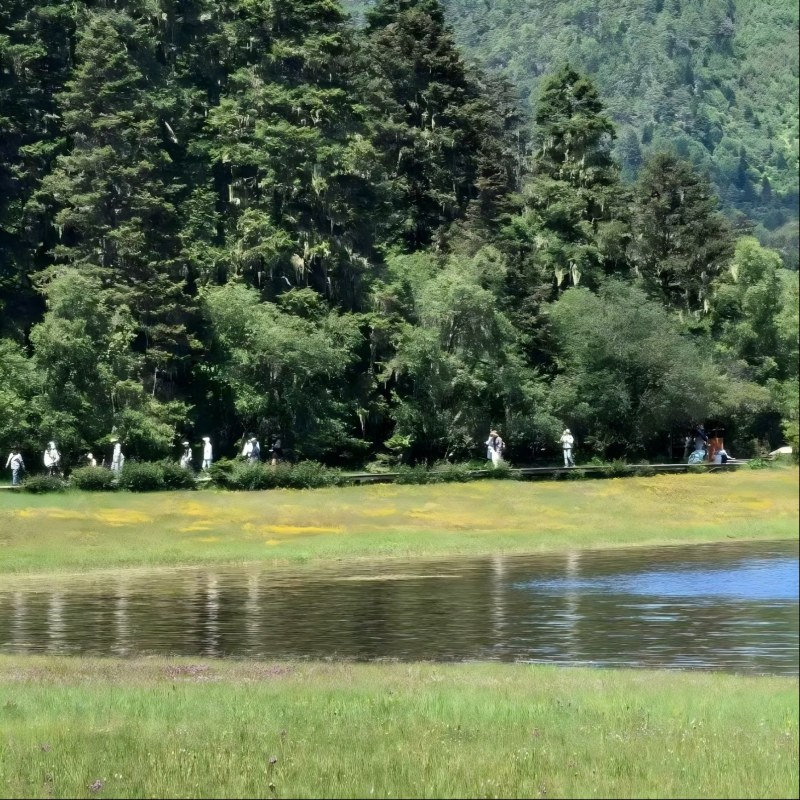
Our first stop is Shudu Lake, the star attraction that tops most "Pudacuo things to do" lists. At 3,705 meters above sea level, this 1.1-square-kilometer lake shimmers like a blue gem, surrounded by endless coniferous forests and alpine meadows. Its name comes from the Shudu schizothorax—a rare cold-water fish that’s a vital part of the lake’s ecosystem, and a symbol of the area’s untouched biodiversity.
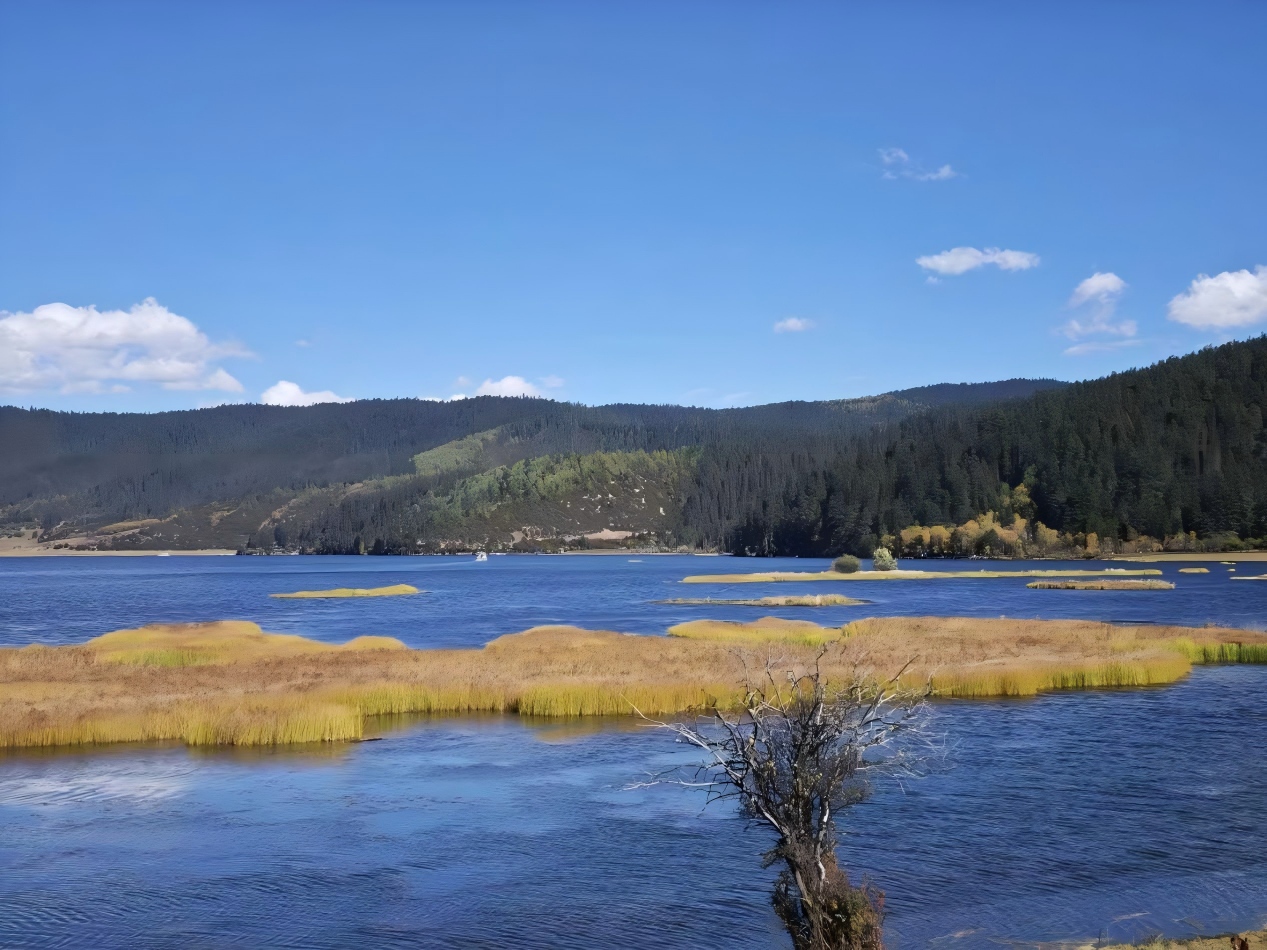
Tibetans share a heartwarming legend about this lake: A kind young herdsman once met a fairy by the waters. Impressed by his goodness, she gave him a magic whip that made pastures lush and livestock thrive. They married and settled here, and the fairy infused the lake with her power to nurture all living things—a story that explains why locals treat Shudu Lake with such care.
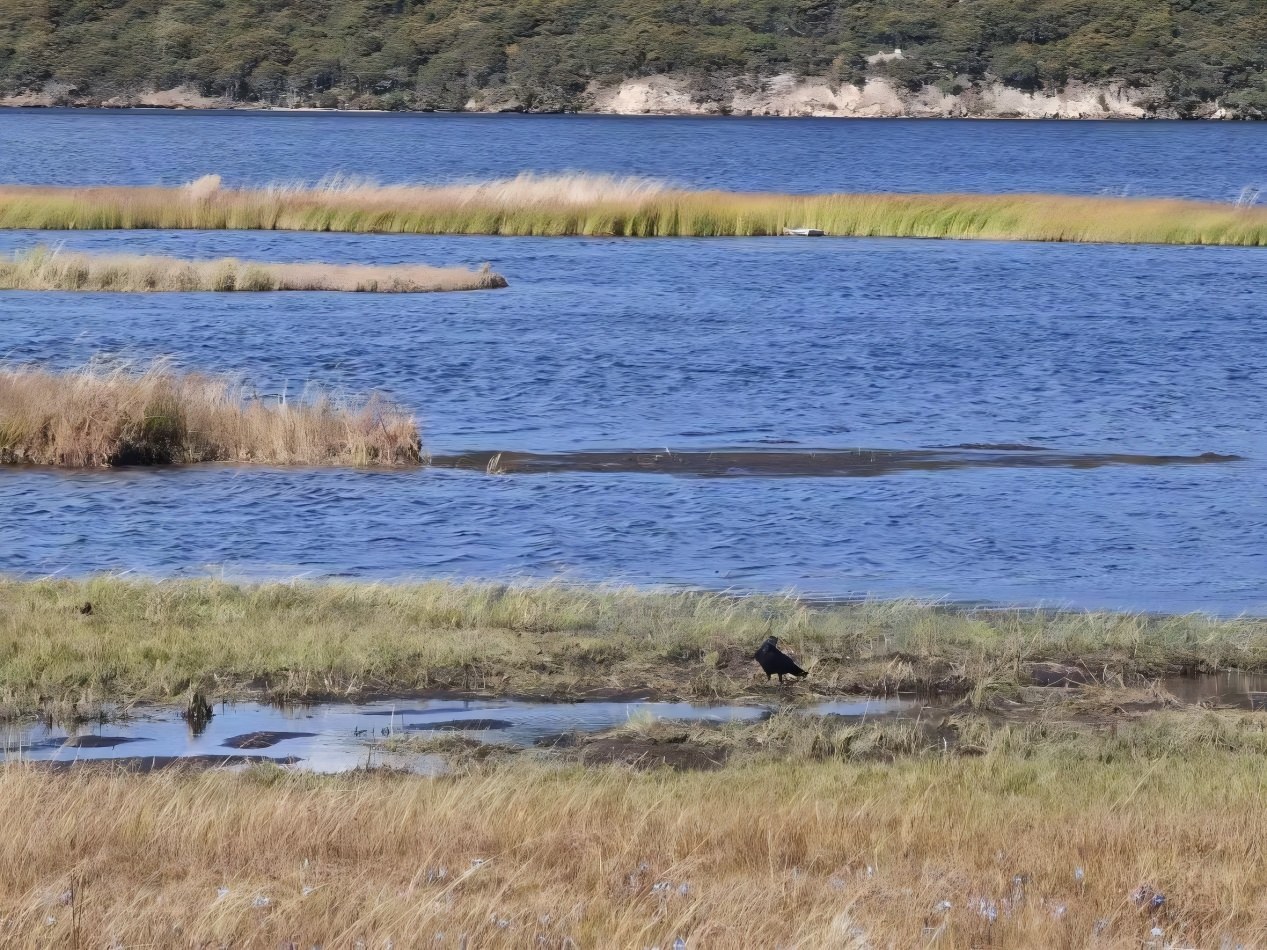
As we walk the 3.3-kilometer eco-friendly boardwalk (built to protect fragile vegetation), look up at the spruces and firs draped in "tree beards"—a type of lichen that only grows in pollution-free air. Breathe in the pine-scented breeze, listen to the birdsong, and soak in the views: wildflowers paint the meadows in spring and summer, while autumn turns the forests golden.
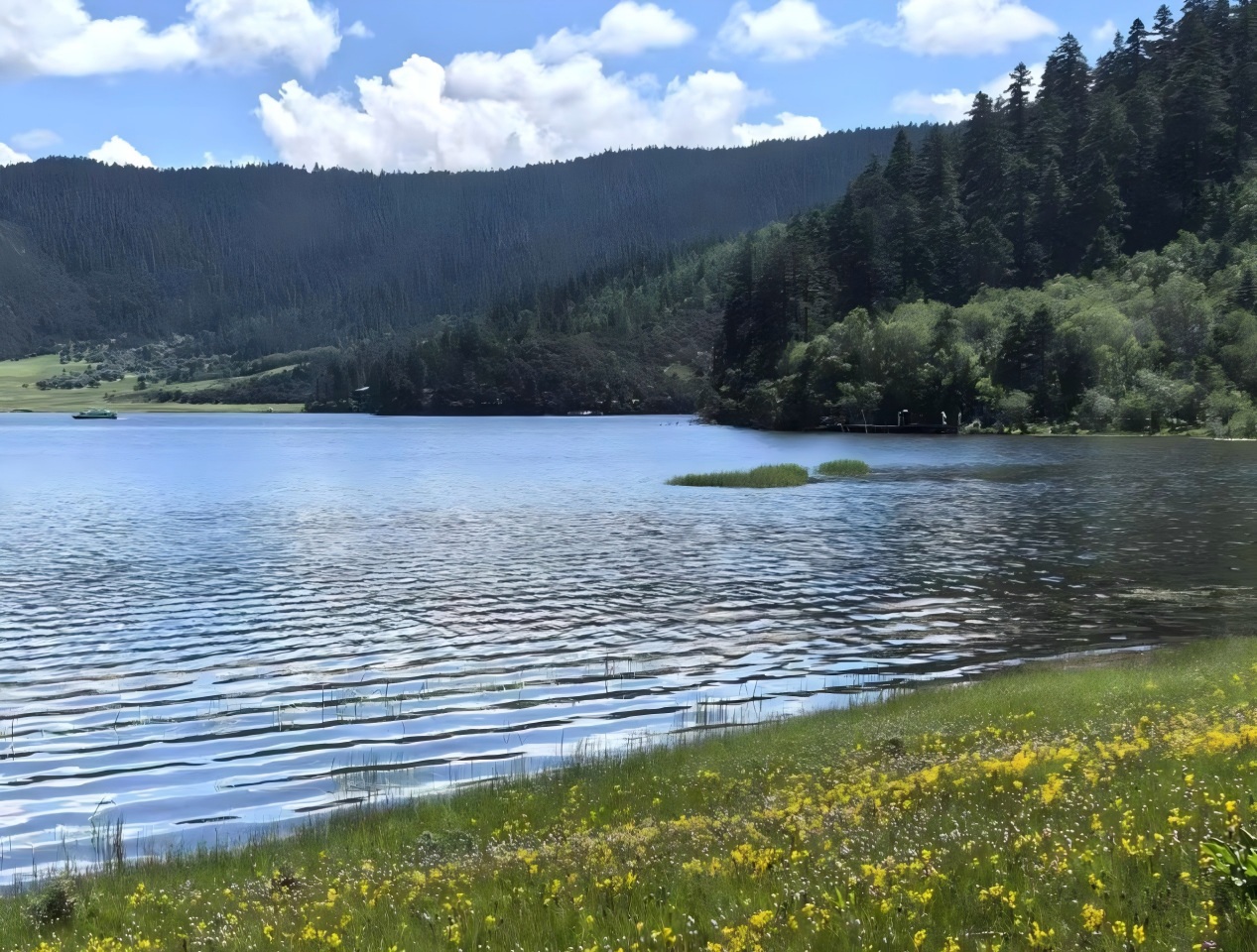
Pro Tip: Due to the altitude, take your time! Carry water and avoid running. Remember—no picking flowers or stepping off the boardwalk to keep this paradise intact.
2. Bitahai Lake: Holy Lake with Snow Mountain Reflections
Next, we’ll head to Bitahai Lake—Yunnan’s high-altitude treasure and a sacred site for Tibetans. At 3,538 meters, this 1.6-square-kilometer fault lake gets its name from the Tibetan phrase for "oak carpet"—each autumn, golden oak leaves line the shore like a royal tapestry. Fed by snowmelt and groundwater, its crystal-clear waters perfectly mirror the distant snow-capped mountains, creating the famous "snow mountain mirror" scene you’ll want to photograph.
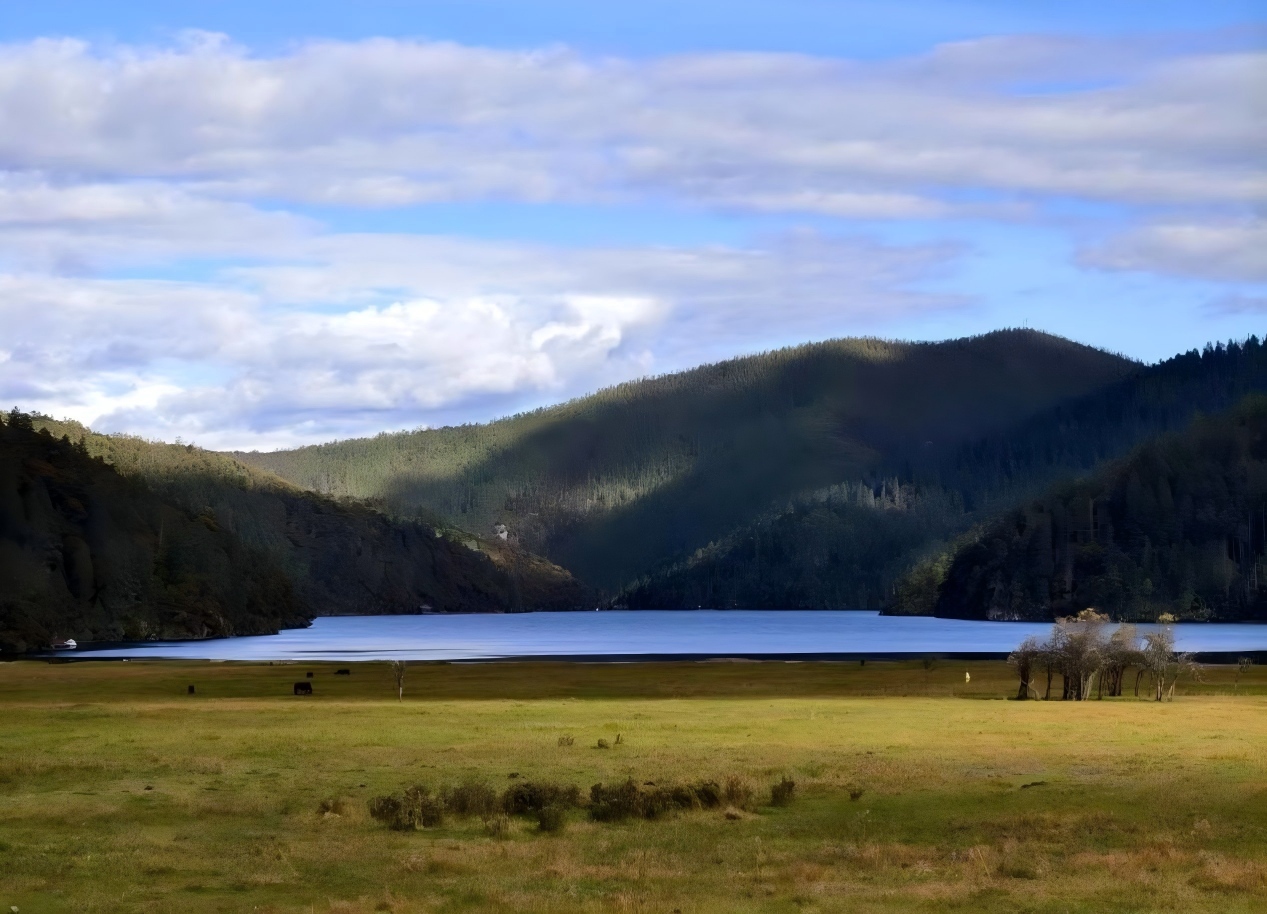
Bitahai is more than beautiful—it’s spiritual. Tibetans believe it’s the "soul lake" of a revered Living Buddha, with a magical palace at the bottom holding sacred artifacts. Every 5th day of the 5th lunar month, locals gather here for a grand ceremony: they offer butter tea and highland barley, then dance the Guozhuang (a lively group dance where people hold hands and spin to folk music) to thank nature for its gifts.
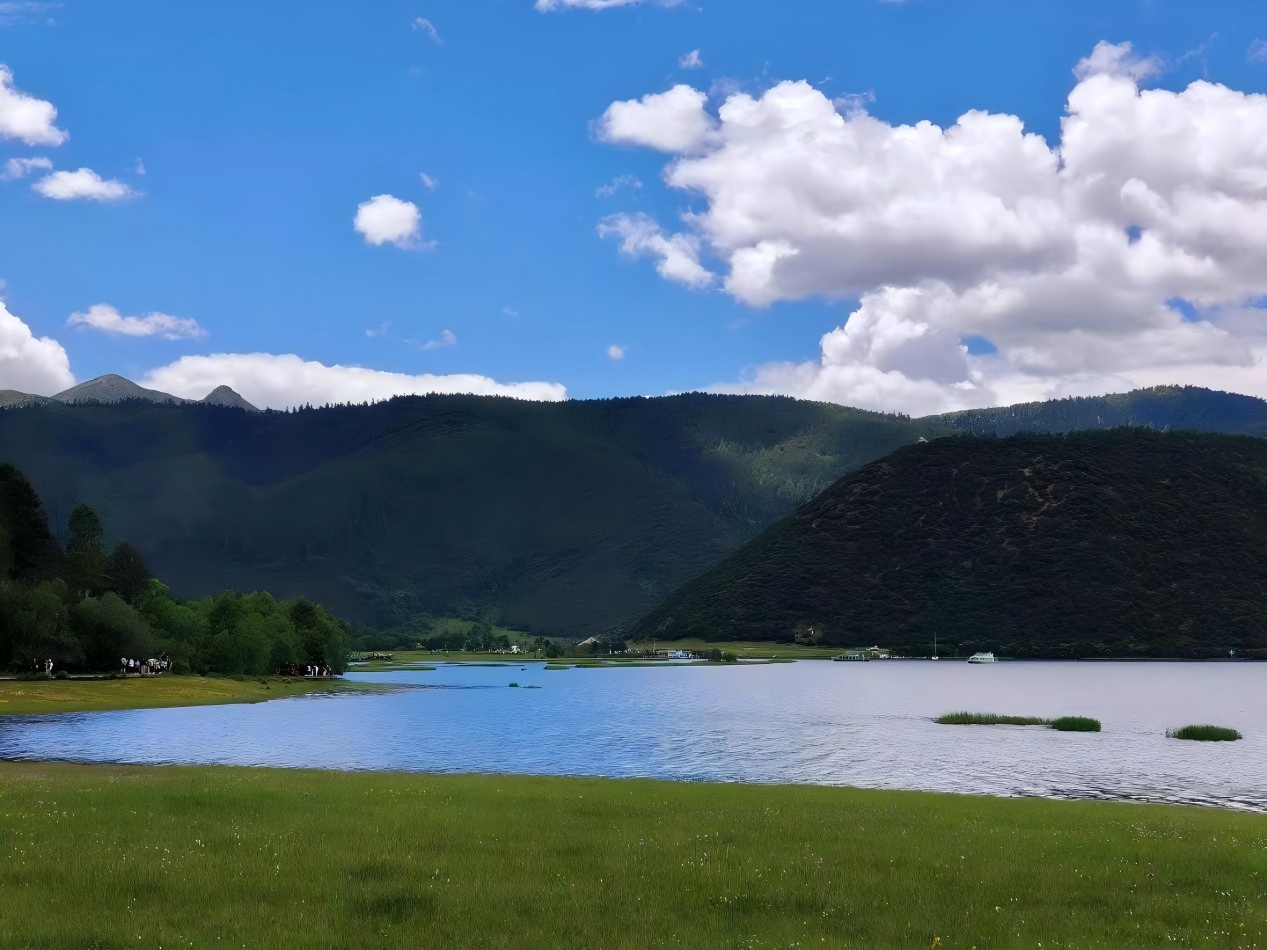
Ecotourists will love Bitahai’s unique ecosystem. In summer, pink "plateau water lilies" bloom on the surface—proof of the lake’s pure water. Keep an eye out for rare birds like black-necked cranes and bar-headed geese, which make this their home. You can take a boat tour for a closer look at the snow mountain reflections or hike the quiet boardwalk.
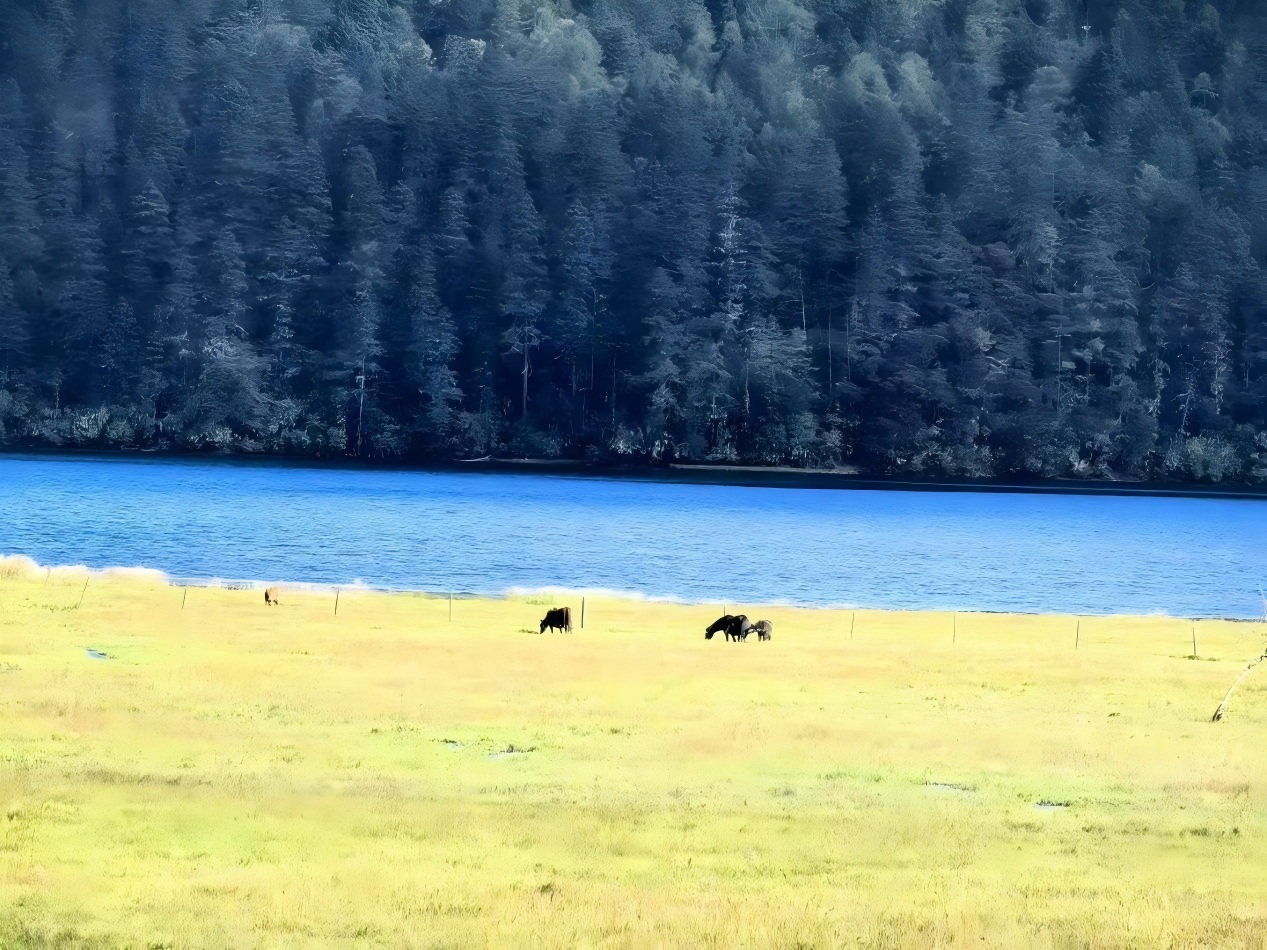
Cultural Note: Swimming, fishing, or littering is forbidden here. It’s a sacred site, and respecting this tradition means preserving its magic for future visitors.
3. Xiagei Village: Live Like a Tibetan in Yunnan’s First Eco-Village
Tucked between Shudu and Bitahai Lakes, Xiagei Village is Pudacuo’s only Tibetan village—and a must-visit for cultural immersion. This small community of just a few dozen households is called "Yunnan’s First Tibetan Eco-Cultural Village" for its perfect blend of traditional life and conservation. Once, villagers made a living by logging; now, they’re park rangers and protectors, part of Pudacuo’s "co-build, co-exist, share" philosophy.
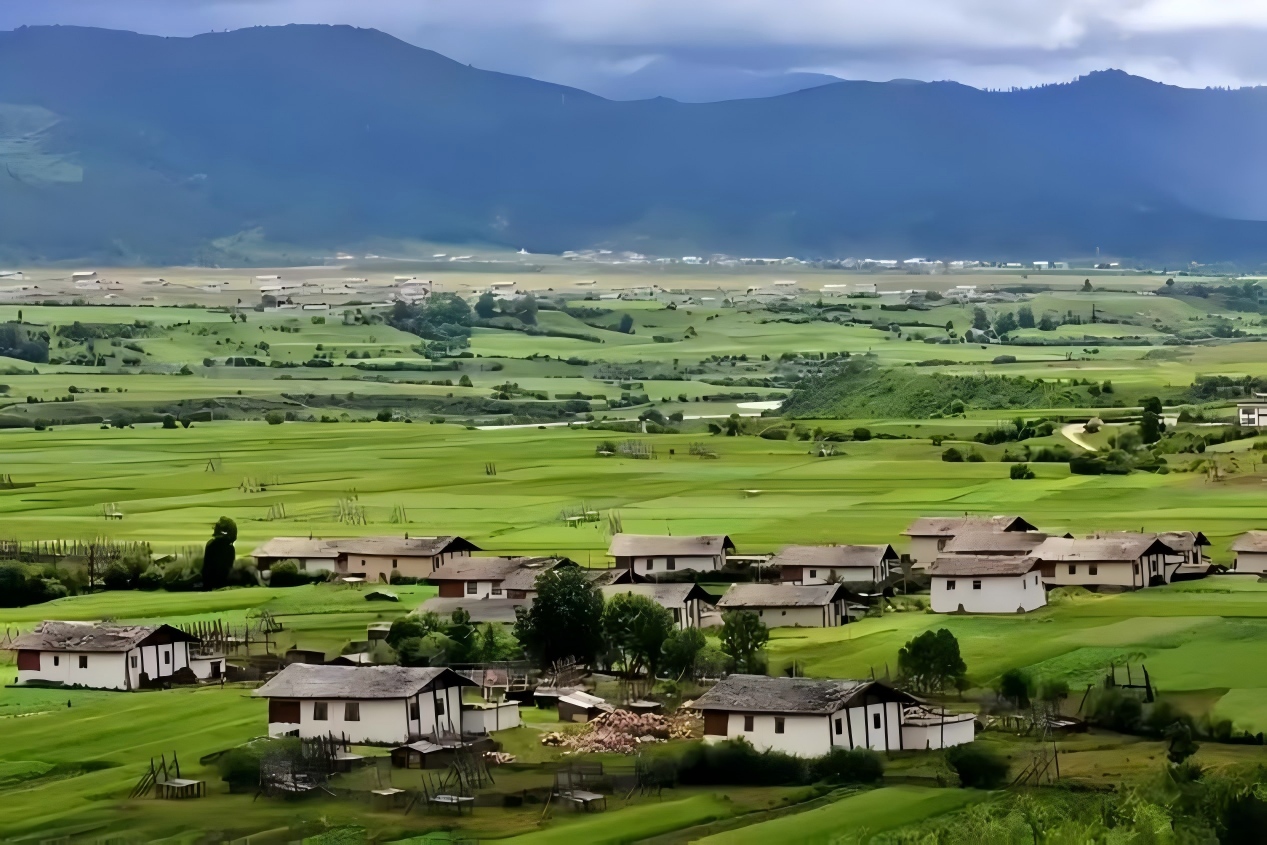
Walk through the village, and you’ll see wooden houses with stone roofs, decorated with colorful murals of Buddhist stories and auspicious symbols. Don’t miss Xiagei Monastery—a small but elegant Ming Dynasty temple where locals gather for prayers. The village’s history is tied to the Kagyu sect of Tibetan Buddhism, adding to its spiritual aura.
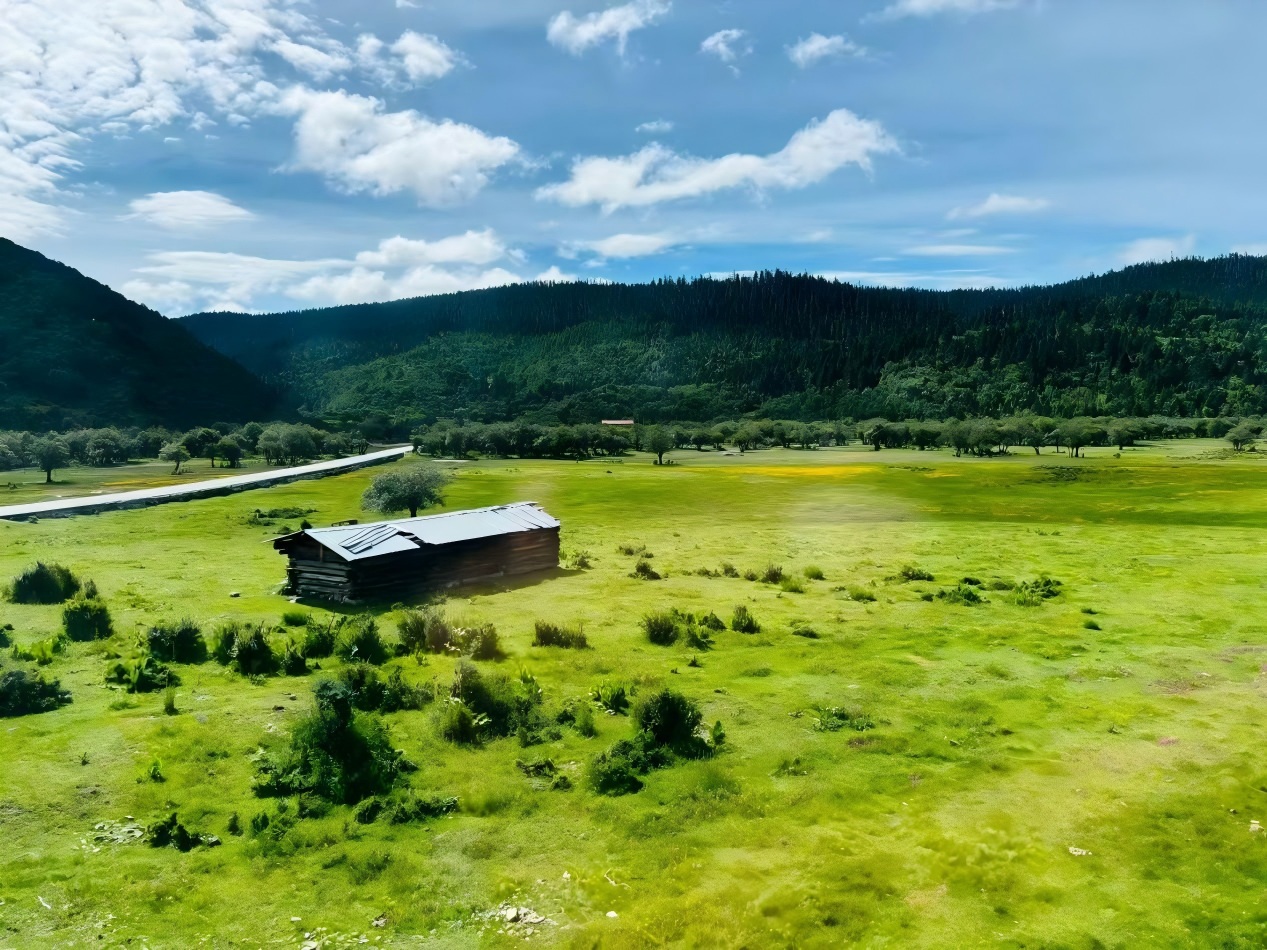
Here’s your chance to experience authentic Tibetan culture: Step into a local home to taste butter tea (creamy and savory) and tsampa (roasted barley flour, a staple food). Watch artisans create thangka (intricate Buddhist scroll paintings made with natural pigments) and Tibetan incense (blended from mountain herbs). It’s a rare opportunity to see how Tibetans live in harmony with nature.
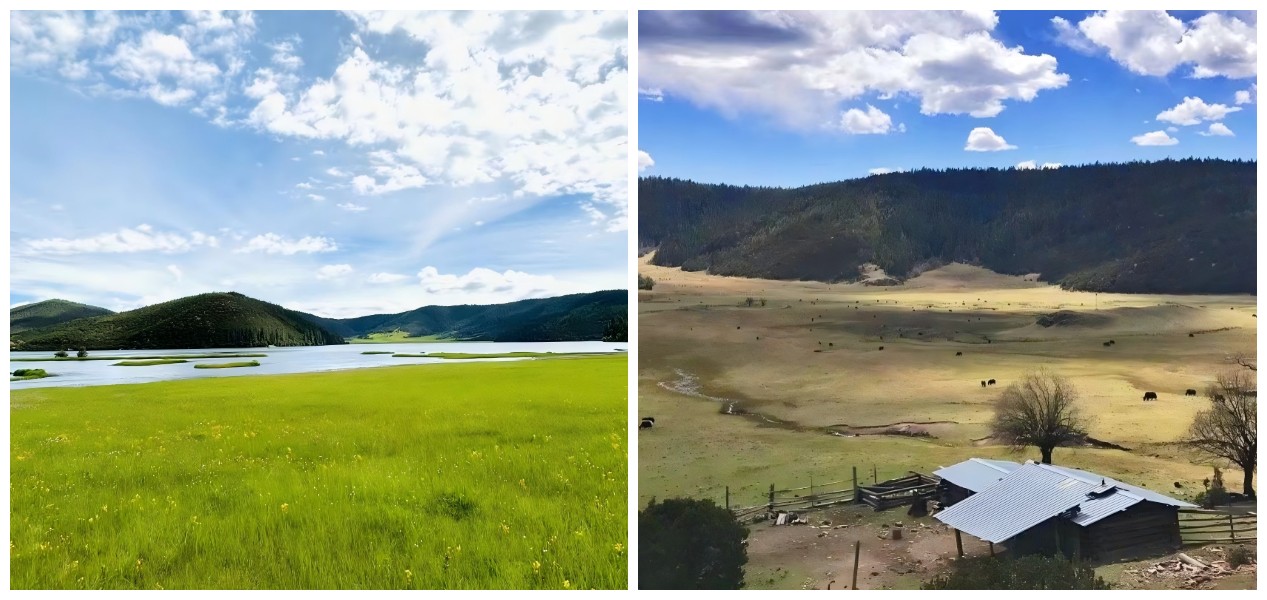
4. Militang Meadow: Gallop Through Buddha’s Eye-Shaped Pasture
From Xiagei Village, we’ll drive to Militang Sub-Alpine Meadow—Pudacuo’s largest meadow and a postcard-perfect spot for photos. Covering 11 square kilometers at 3,700 meters, its name means "Buddha’s eye-shaped meadow"—look down from a viewpoint, and you’ll see why its curves resemble the eye of the Buddha.
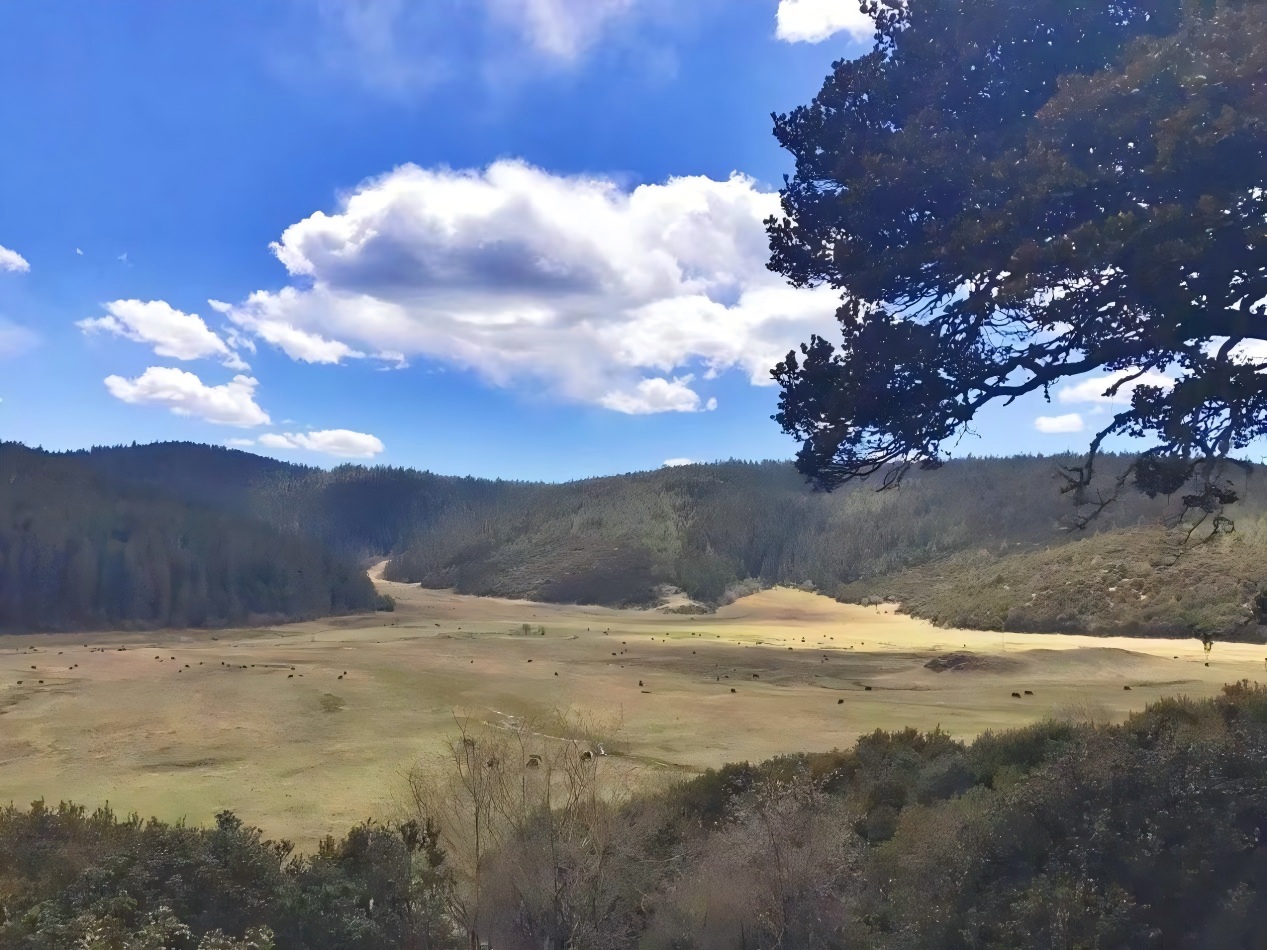
For centuries, this has been a summer pasture for Tibetan herdsmen. They migrate here with their cattle and sheep to let lower pastures rest—a traditional practice that keeps the ecosystem balanced. Locals tell of a Living Buddha who ended a terrible drought by creating a sacred spring in the meadow’s center; today, that spring still flows with sweet water, feeding the grass and animals.
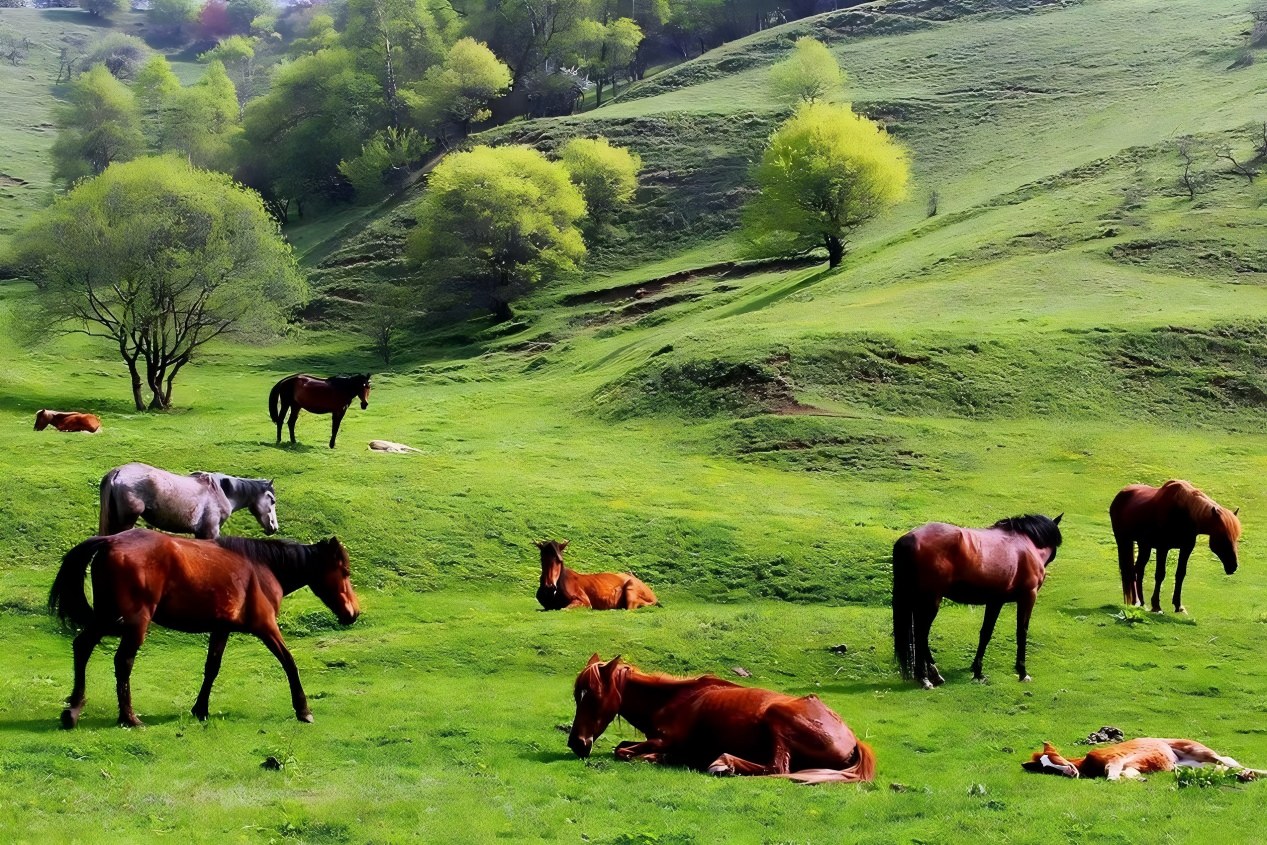
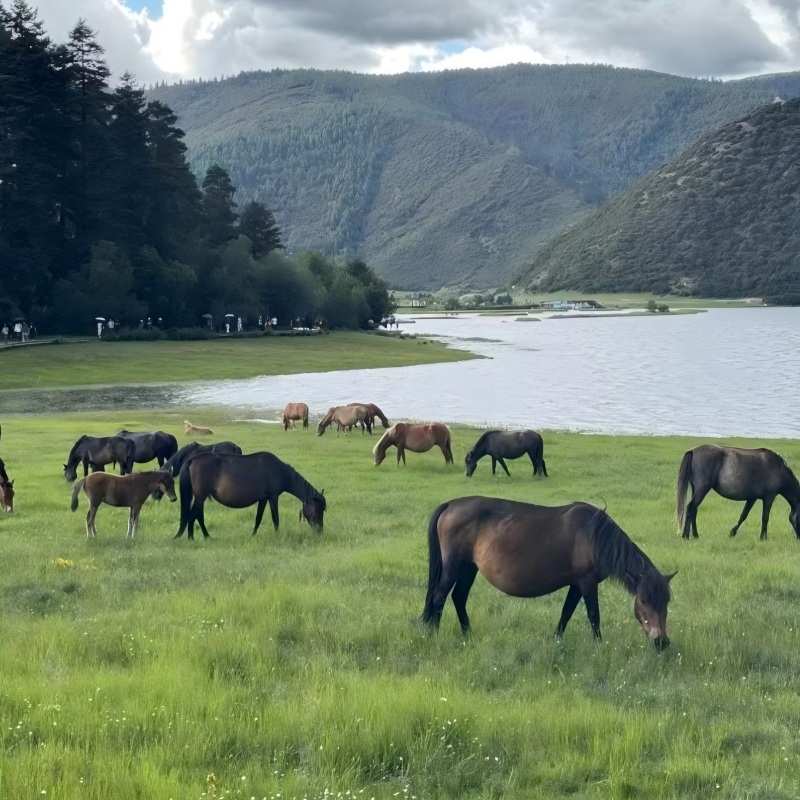
Summer (June-August) is magical here: the meadow bursts with wildflowers, and you’ll see herds grazing against the backdrop of snow mountains—exactly the "endless grassland, cattle and sheep revealed by the wind" scene from classic poems. Try horseback riding (guided by locals) to feel the freedom of the plateau, or stroll along the marked paths.
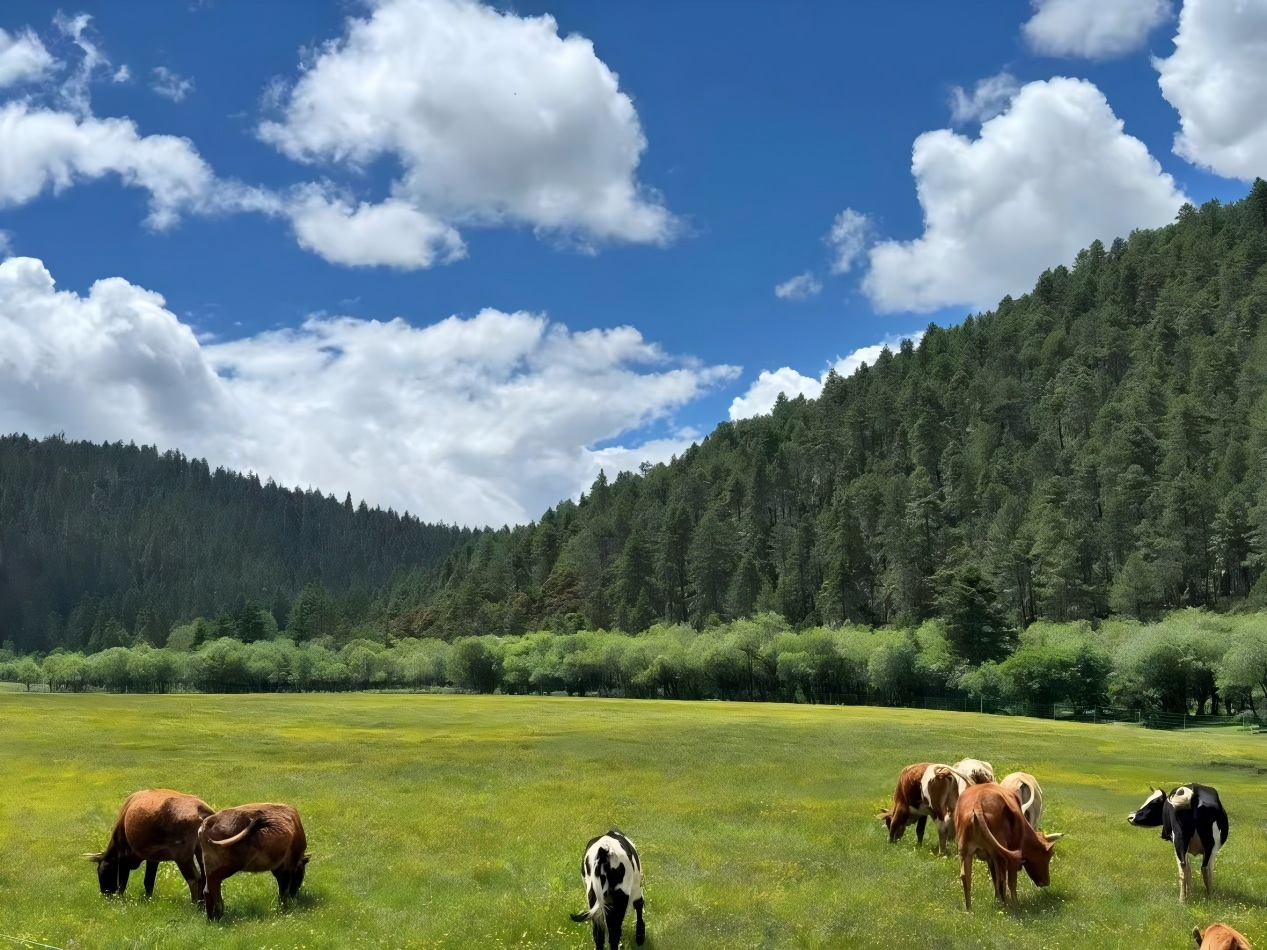
Best Time to Visit: June-August for wildflowers; September-October for golden grass and clear skies.
5. Primeval Forest: Breathe in Yunnan’s Natural Oxygen Bar
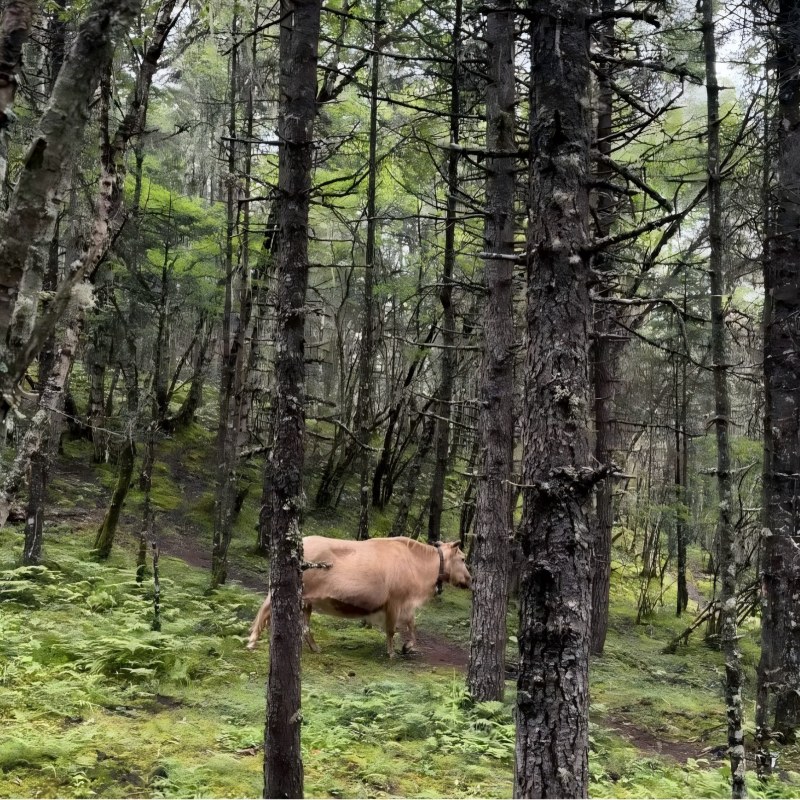
Our final stop is Pudacuo’s Primeval Forest—a paradise for nature lovers and a "natural oxygen bar" with ultra-high negative ion levels. This ancient forest is dominated by 100-year-old spruces, firs, and alpine pines, with birches and oaks adding color. Sunlight filters through the canopy, casting dappled shadows, and the air smells like pine and damp earth.
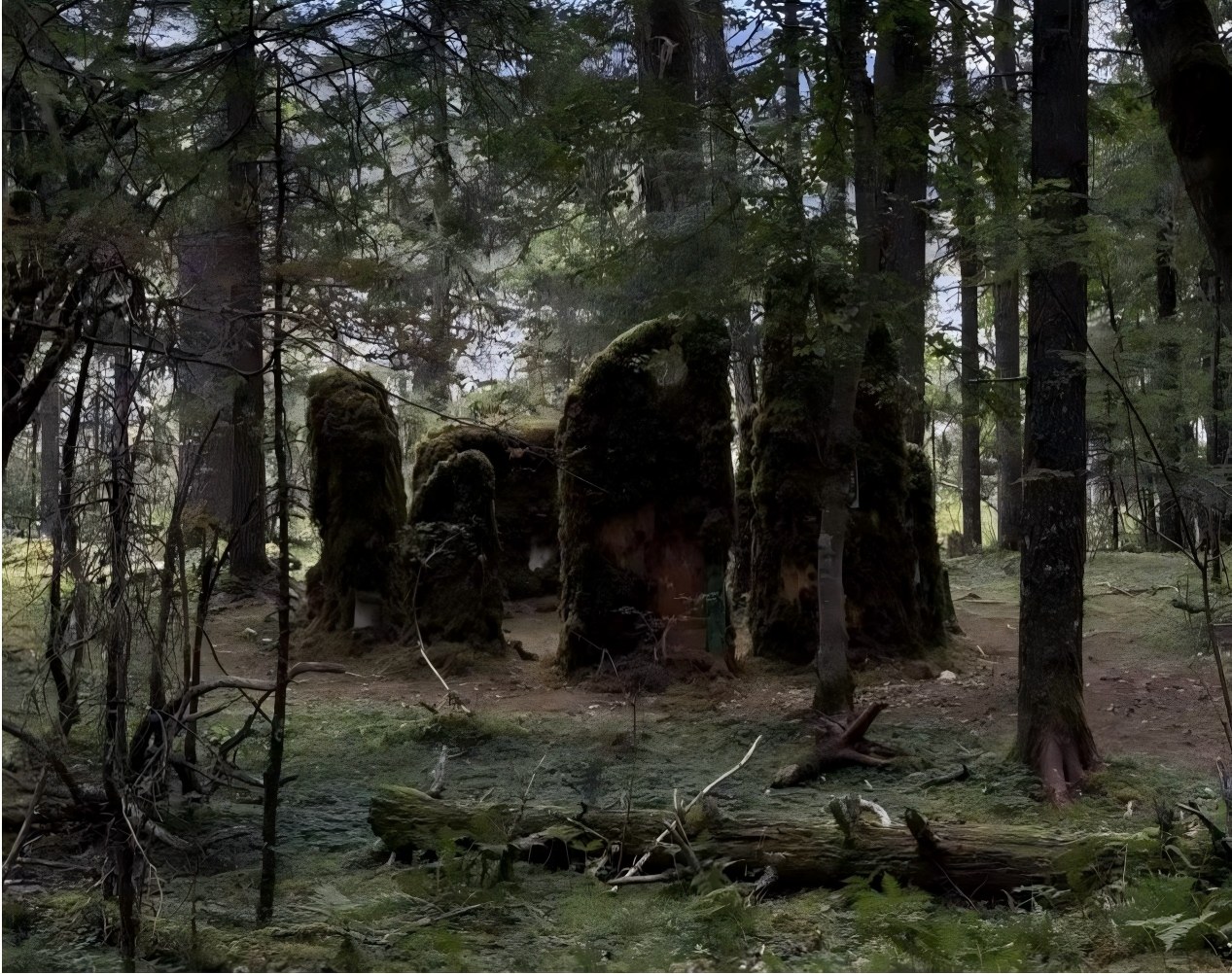
This is a biodiversity hotspot. It’s one of the few places to spot the Yunnan golden monkey—a rare primate endemic to China and a national first-class protected animal. There are special observation points, so keep your eyes peeled! The forest also has valuable medicinal plants like cordyceps sinensis and matsutake mushrooms, which locals harvest sustainably.
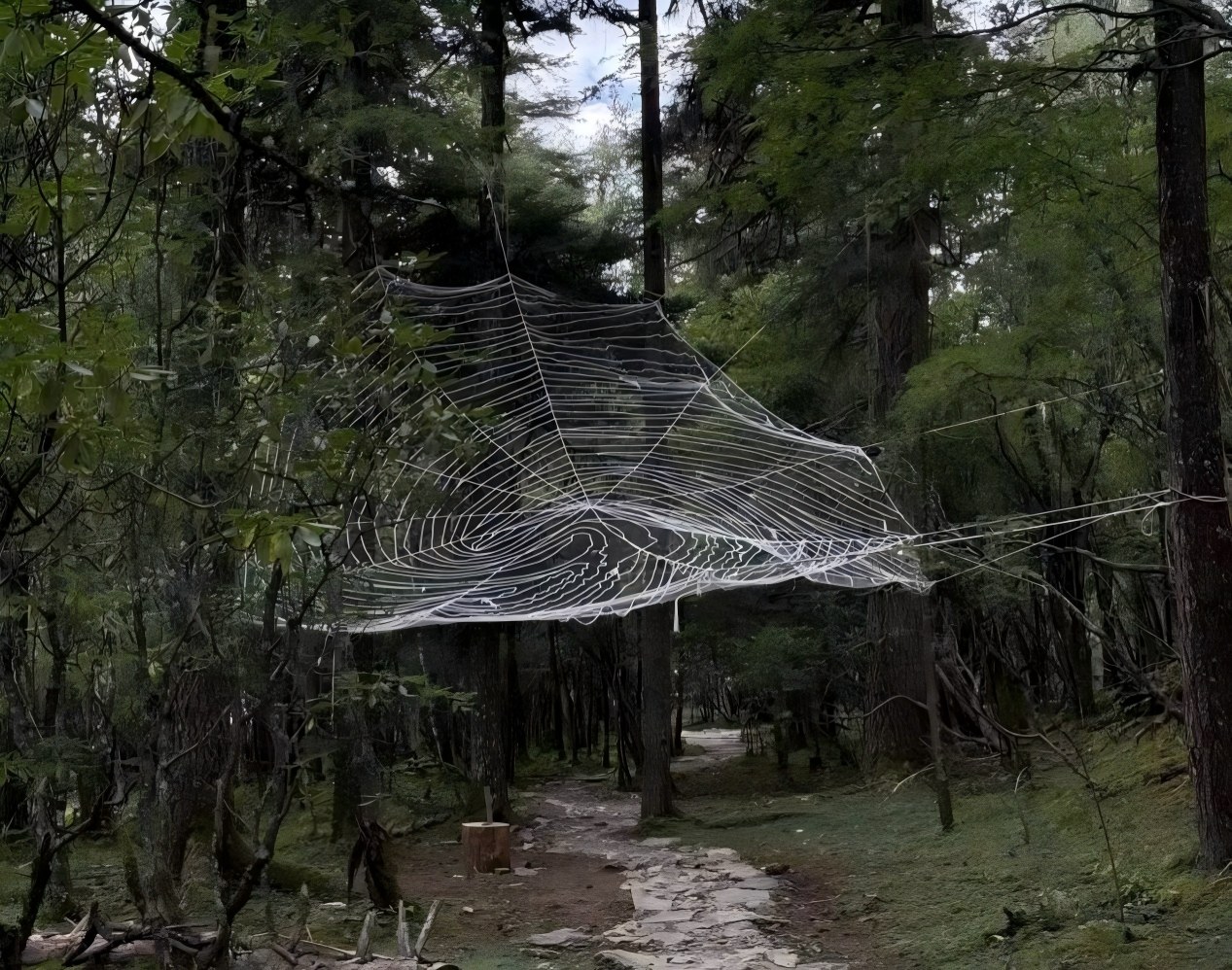
Tibetans call this forest "the gods’ residence," so they never cut down trees or pick wild plants arbitrarily. Walk the safe boardwalk to listen to woodpeckers and songbirds, and feel the calm of this ancient ecosystem.
Safety Rule: No smoking or open flames—dry pine needles are highly flammable, and we must protect this green treasure.
Farewell: Take Pudacuo’s Peace With You
Dear friends, our Pudacuo journey is coming to an end. I hope you’ve fallen in love with Shudu Lake’s clarity, Bitahai’s mystery, Xiagei Village’s warmth, Militang’s vastness, and the forest’s tranquility. More than that, I hope you’ve felt the Tibetan wisdom of living with nature—not just using the land, but honoring it.
Pudacuo is special because it’s not just a national park—it’s a living example of how nature and culture can thrive together. Thanks to China’s visa-free policy, this pure land is now easier to reach than ever, and I hope you’ll tell your friends about this hidden gem in Shangri-la.
As we say goodbye, let’s remember the Tibetan greeting Tashi Delek—may peace, joy, and good fortune follow you. And when you plan your next trip to Yunnan, Pudacuo will be here, waiting to welcome you back to the "sun and moon in the heart."