Sun Yat-sen Mausoleum Tour
Your Gateway to Immersive China Experiences
Welcome to China! As a premier inbound travel service, we specialize in crafting personalized journeys for international visitors. Dive deep into China's rich history and culture with our expert-guided tours.
Based on your interests, we can create a custom itinerary like the Nanjing exploration featured above. Walk the sacred steps of the Sun Yat-sen Mausoleum, savor the legendary Nanjing salted duck, and uncover stories from ancient capitals—all tailored to your pace and preferences.
We handle every detail: knowledgeable English-speaking guides, seamless transportation, comfortable accommodations, and unique cultural activities. Let us transform your travel ideas into an unforgettable, hassle-free adventure.
Contact us to begin designing your perfect trip to China.
Climbing Sun Yat-sen Mausoleum: A Century of History and Change
Hello and welcome, everyone! I’ll be your guide today as we explore one of Nanjing’s most meaningful sites—the Sun Yat-sen Mausoleum. Nanjing is known as an ancient capital with a rich history, and this mausoleum is a place where the nation’s memory and respect come together.
Located on the southern slope of Nanjing’s Purple Mountain, this is the final resting place of Dr. Sun Yat-sen, a key figure in China’s modern democratic revolution. Built between 1926 and 1929, the mausoleum is not only an architectural masterpiece but also a symbol of the hard work and dedication of the Chinese people.
Dr. Sun Yat-sen played a crucial role in ending feudal rule and establishing a republic. His philosophy, the Three Principles of the People, has deeply influenced modern China. After he passed away in Beijing on March 12, 1925, his wish to be buried at Purple Mountain was honored, and this site was chosen for his mausoleum.
1. The Arch of Universal Love: Gateway to the Mausoleum
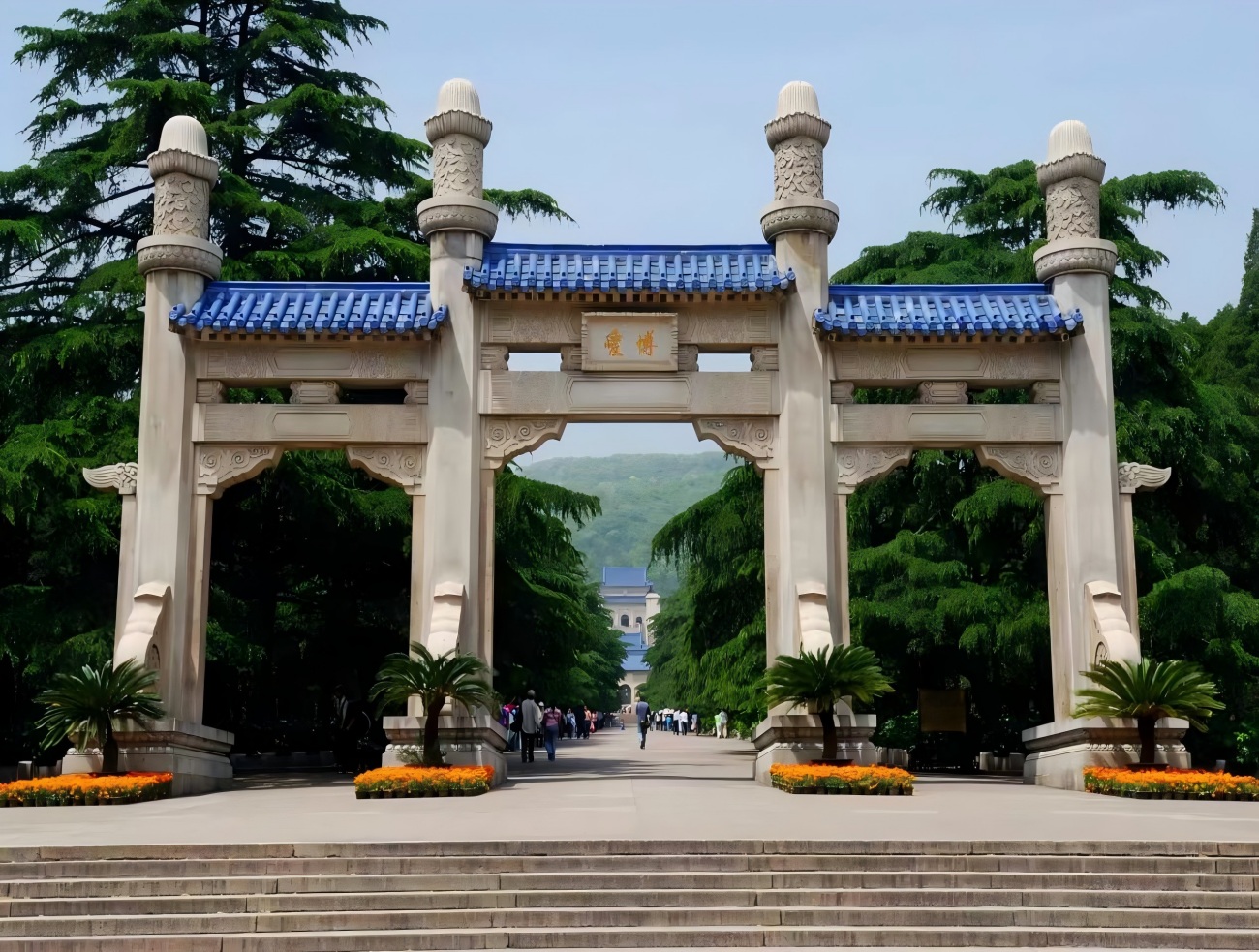
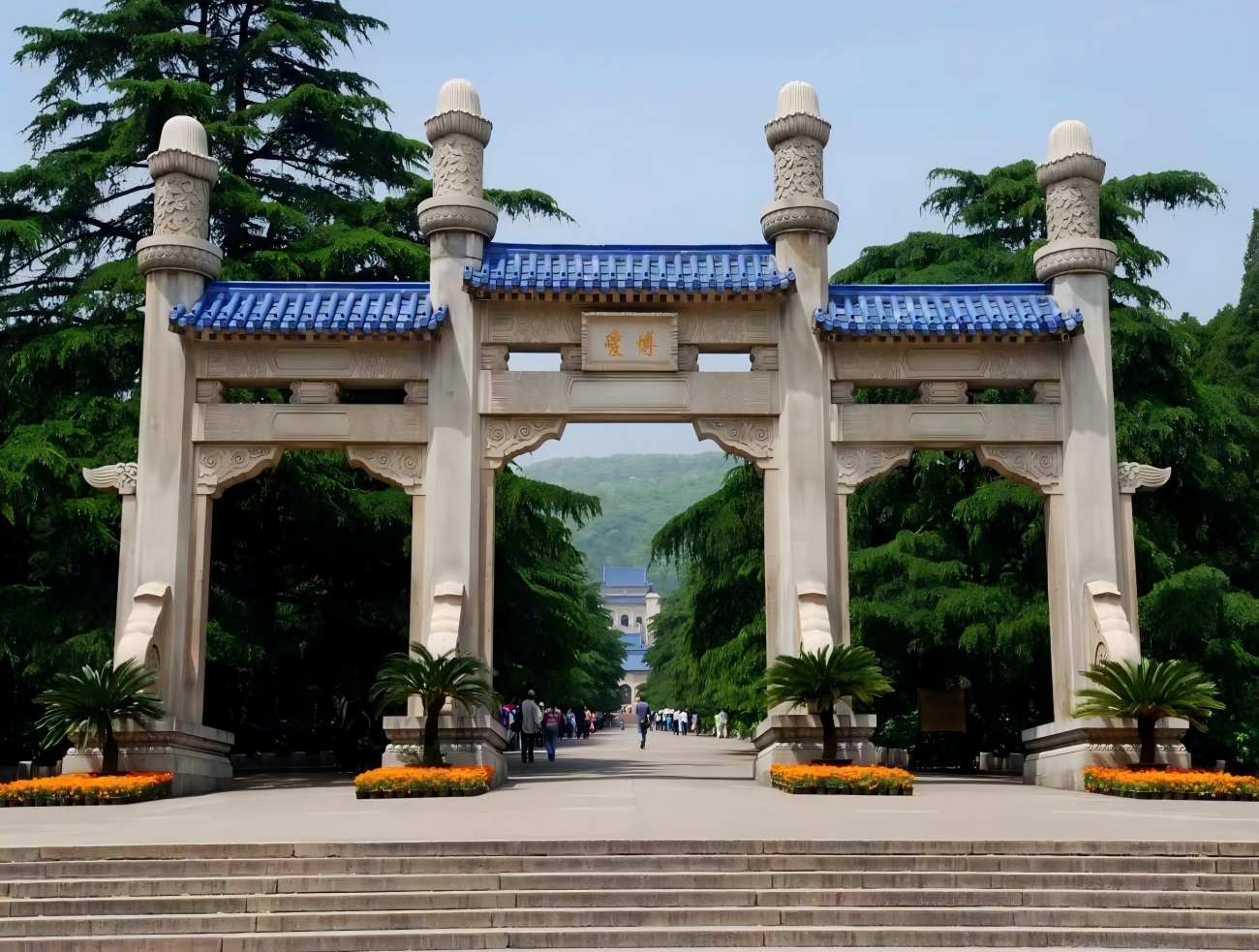
Our tour begins at the entrance—the Arch of Universal Love. This arch is not only a key landmark but also part of the mausoleum’s overall “liberty bell” layout, symbolizing freedom and liberation.
Built in 1929, the arch is 10.5 meters tall and 17.3 meters wide. It blends traditional Chinese design with modern touches, giving it a timeless yet grand appearance.
At the center of the arch, you’ll see the characters “Bo Ai” (Universal Love), handwritten by Dr. Sun Yat-sen. These words represent his core belief in loving humanity, country, and nation—a vision for unity and renewal.
The arch’s four granite columns feature lotus carvings at their bases. In Chinese culture, the lotus symbolizes purity and compassion, reflecting the spirit of “Universal Love.” The blue glazed tiles on the roof represent the sky, suggesting the vastness of Dr. Sun’s vision.
From here, you can see the mausoleum rising up the mountain—a sight that inspires respect and reflection.
2. The Pathway and Stele Pavilion: Walking Through History
After passing through the arch, we’ll follow the pathway to the main tomb. This 480-meter path has 392 steps divided into ten sections, with resting platforms in between.
The designer, Lu Yanzhi, used the slope creatively: from below, you see only steps, creating a sense of grandeur; from above, you see only platforms, symbolizing steady progress—much like Dr. Sun’s revolutionary journey.
Along the path, cedar and juniper trees line the way. Planted in 1929, these trees symbolize endurance and nobility, standing guard over Dr. Sun’s spirit.
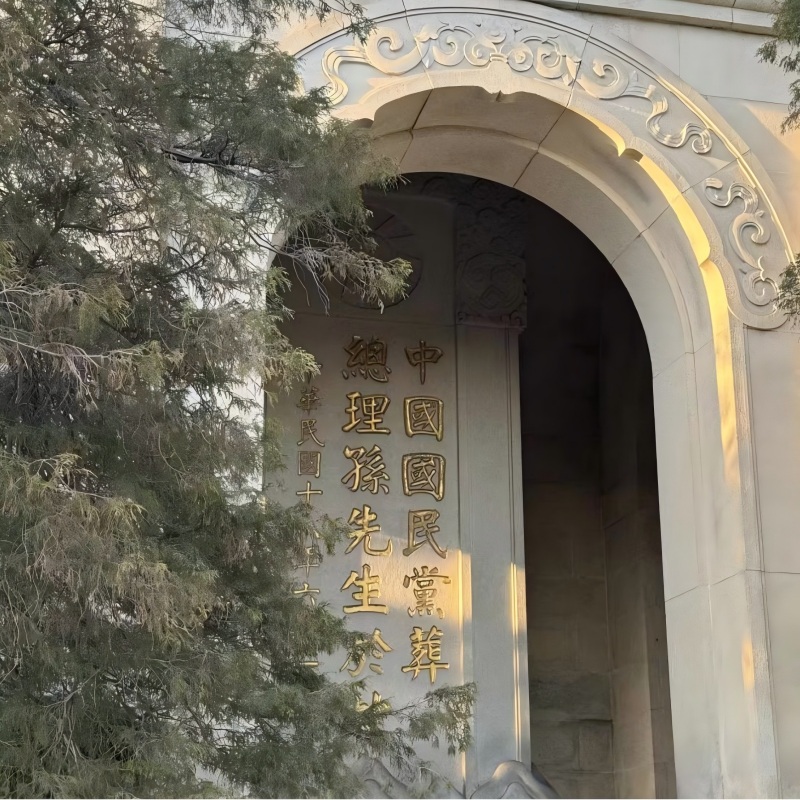
About halfway up, we reach the Stele Pavilion. This square pavilion is 17 meters high and features a double-eave roof with blue glazed tiles. Inside, a large granite stele is inscribed with 24 golden characters: “The Kuomintang of China Buries Its Leader Mr. Sun Here. June 1, the 18th Year of the Republic of China.”
The stele’s story is remarkable: the stone was sourced from Fujian and transported to Nanjing with great effort, taking nearly six months. This shows the importance placed on Dr. Sun’s burial site.
The pavilion has four arched doorways, each guarded by stone lions—a traditional symbol of protection and dignity.
3. The Memorial Hall: Heart of the Mausoleum
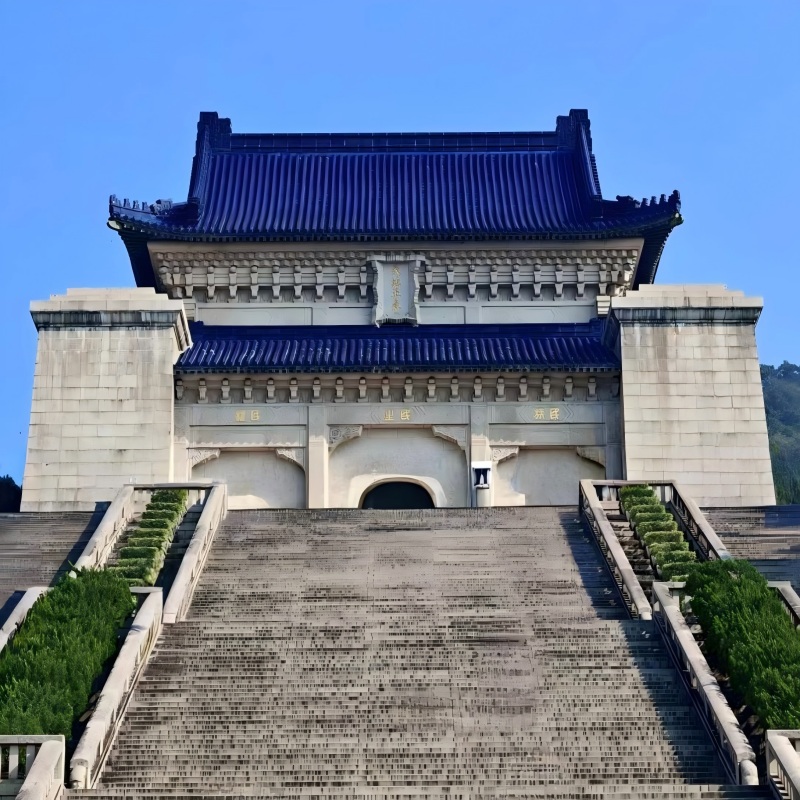
Continuing upward, we arrive at the Memorial Hall—the central building of the mausoleum. This is where Dr. Sun’s memory is honored and ceremonies are held.
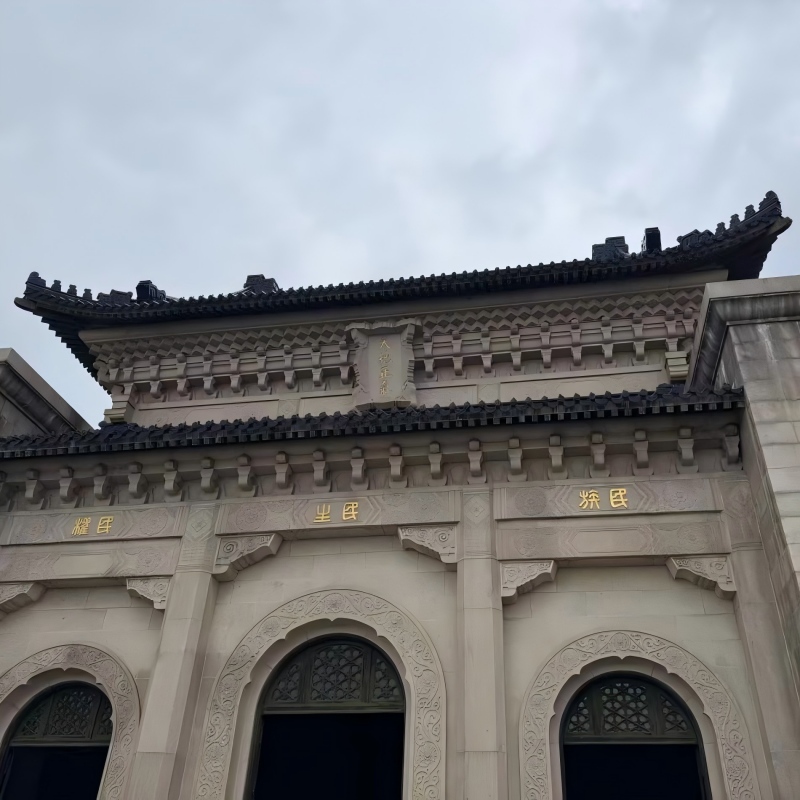
The hall stands 29 meters high and combines Chinese palace style with a Western-inspired dome. Above its three arched doors are the golden characters for “Nationalism,” “Democracy,” and “People’s Livelihood”—the Three Principles of the People.
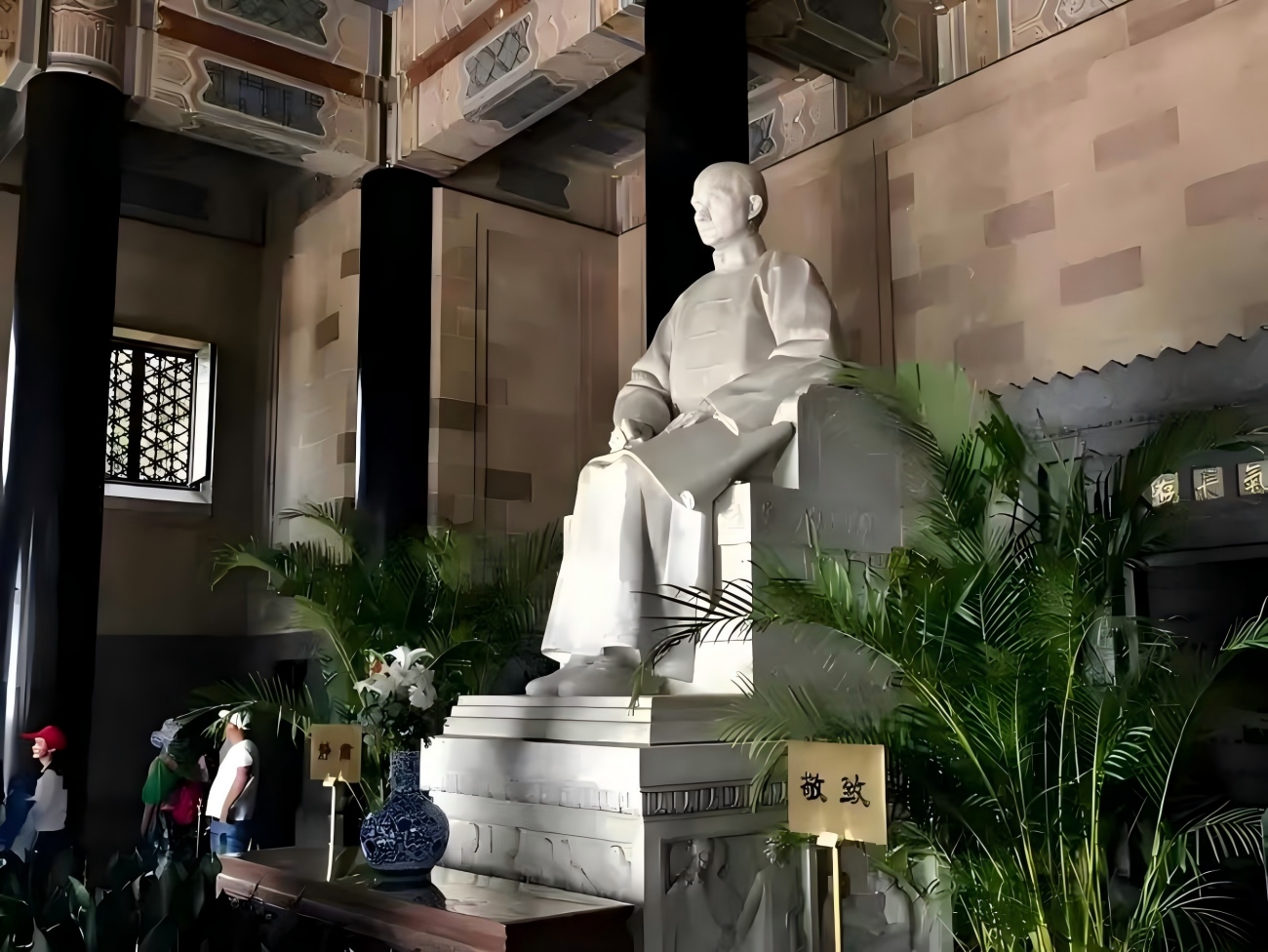
Inside, a white marble statue of Dr. Sun sits at the center. Created by French sculptor Paul Landowski, the statue shows Dr. Sun in a Zhongshan suit, looking thoughtfully into the distance. Around the hall, eight marble reliefs depict scenes from his life and the principles he championed.
Natural light streams through the dome, creating a solemn and respectful atmosphere.
4. The Tomb Chamber: A Peaceful Final Resting Place
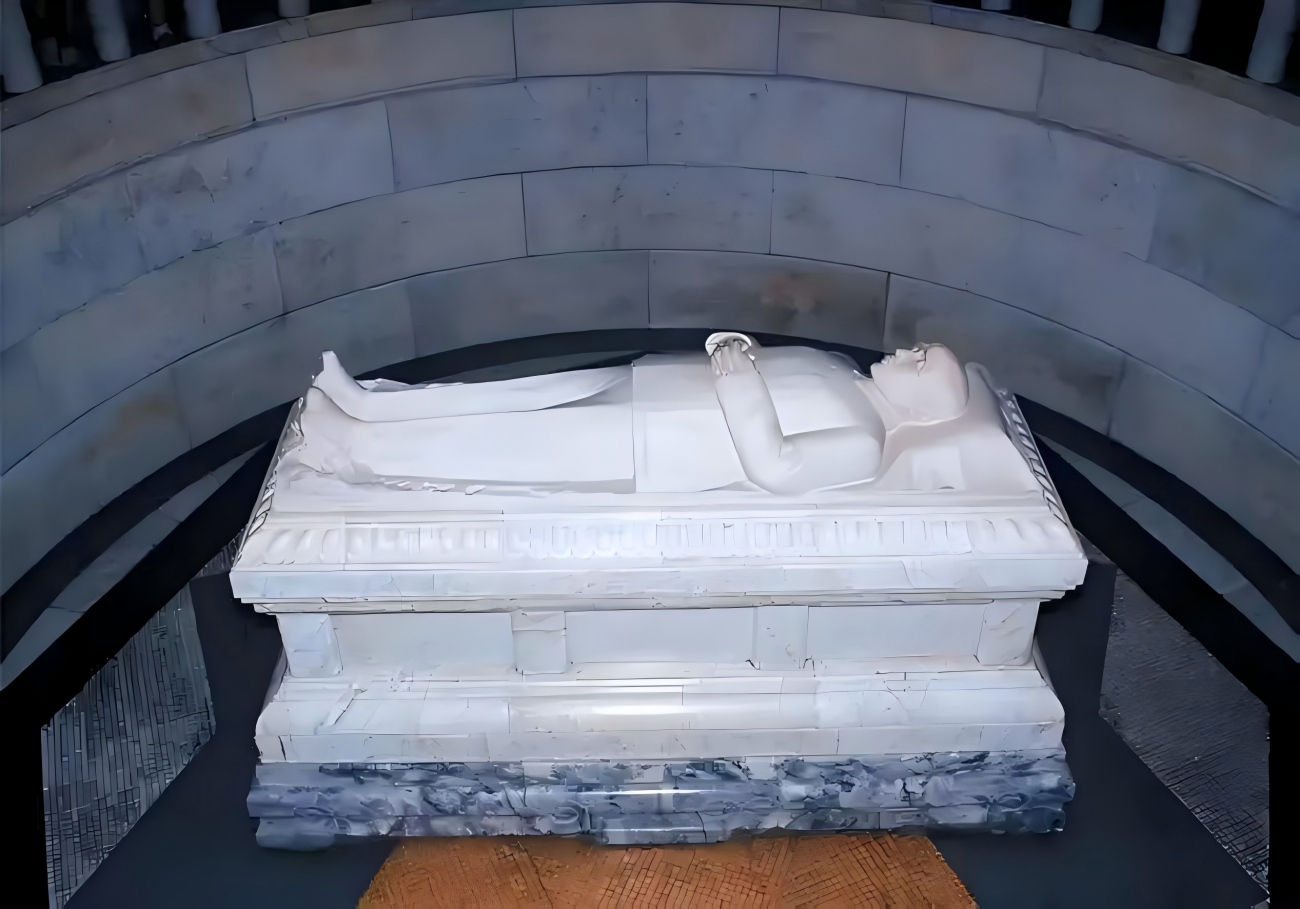
Behind the Memorial Hall is the Tomb Chamber, where Dr. Sun’s remains rest. The atmosphere here is quiet and serene.
Two bronze doors mark the entrance, engraved with the “Blue Sky, White Sun” emblem and Dr. Sun’s famous words: “The revolution is not yet complete; all comrades must continue their efforts.”
The circular chamber is lined with white marble. At its center, a purple copper coffin lies inside a marble sarcophagus. A recumbent statue of Dr. Sun rests on the lid, appearing peaceful in sleep.
The walls are inscribed with Dr. Sun’s *Founding Strategy*, his vision for China’s future development—covering areas like economy, education, and infrastructure.
Dr. Sun’s remains were moved here from Beijing in 1929 with great care. Today, visitors speak softly and walk gently as a sign of respect.
5. The Music Stage and Liuhui Pavilion: Cultural Spaces
Beyond the main buildings, the mausoleum grounds include cultural spots like the Music Stage and Liuhui Pavilion.
The Music Stage:
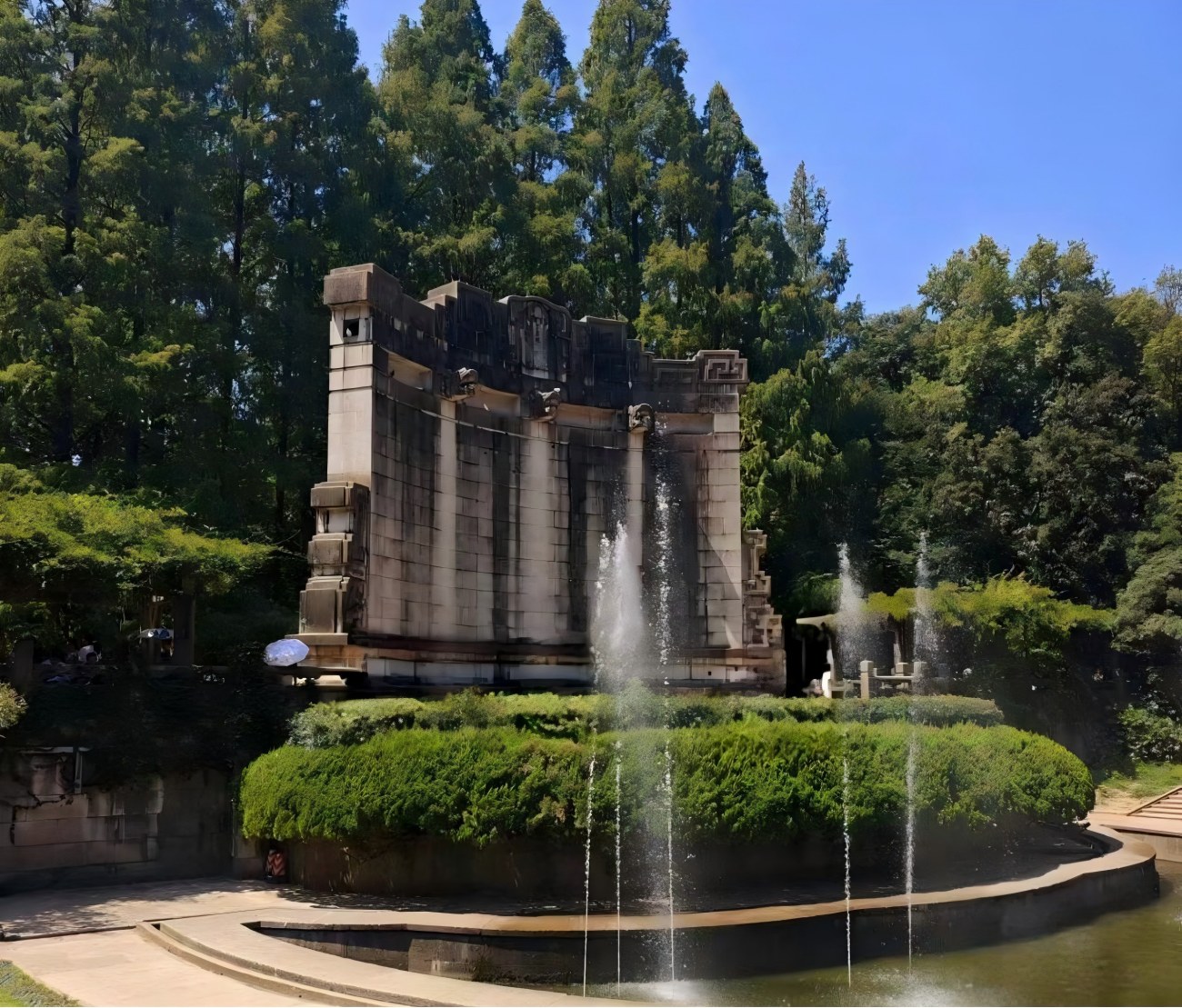
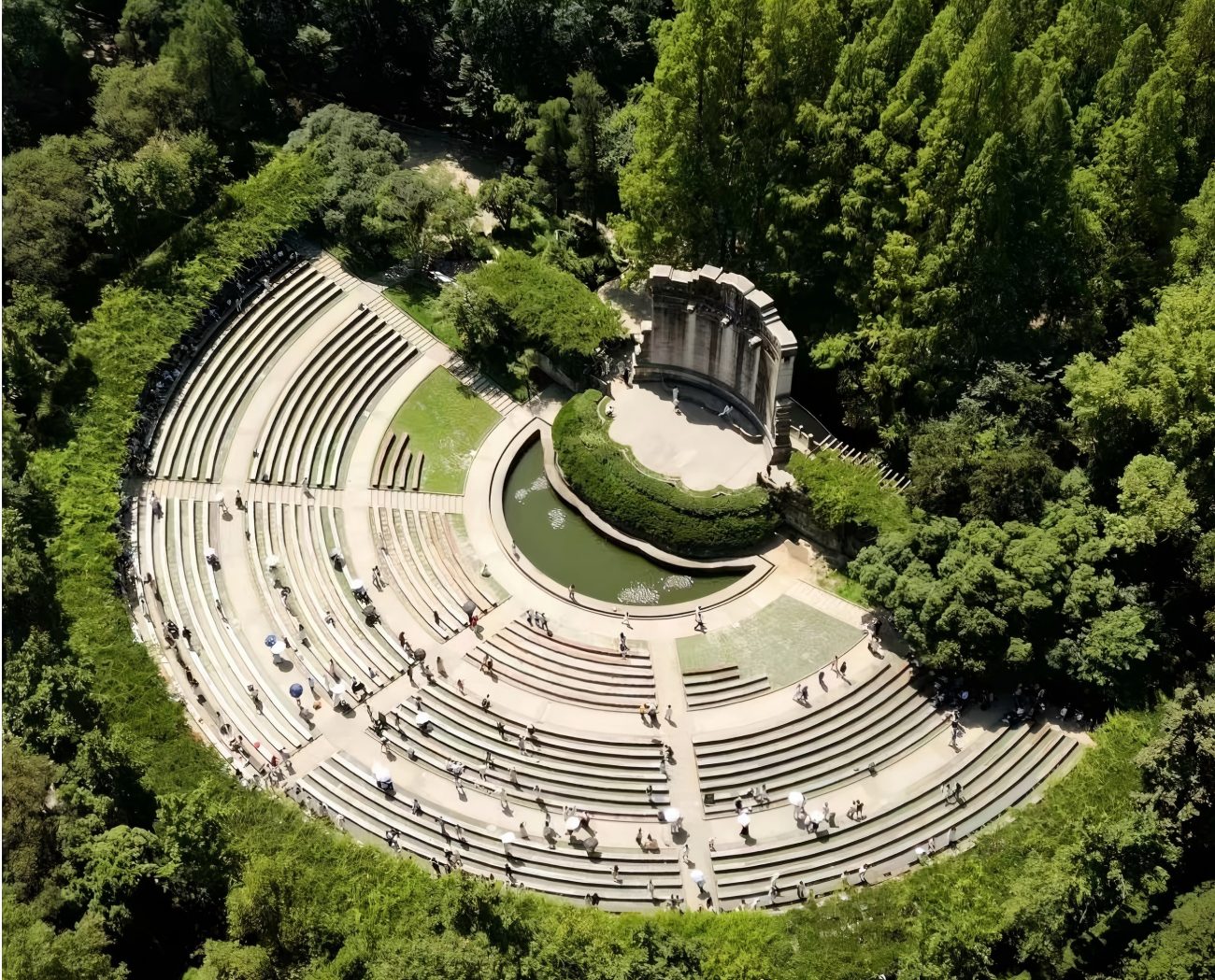
Built in 1932, this open-air stage can hold thousands of people. Its curved design reflects sound naturally, so performances can be heard clearly without microphones. Today, it hosts concerts and events, and on weekends, doves are released here—a symbol of peace.
Liuhui Pavilion:
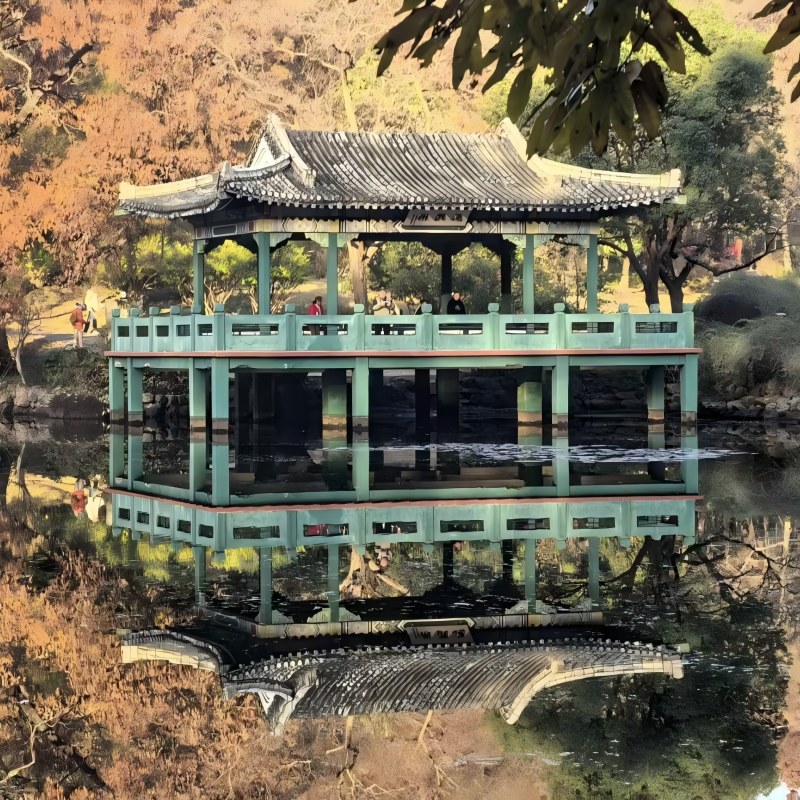
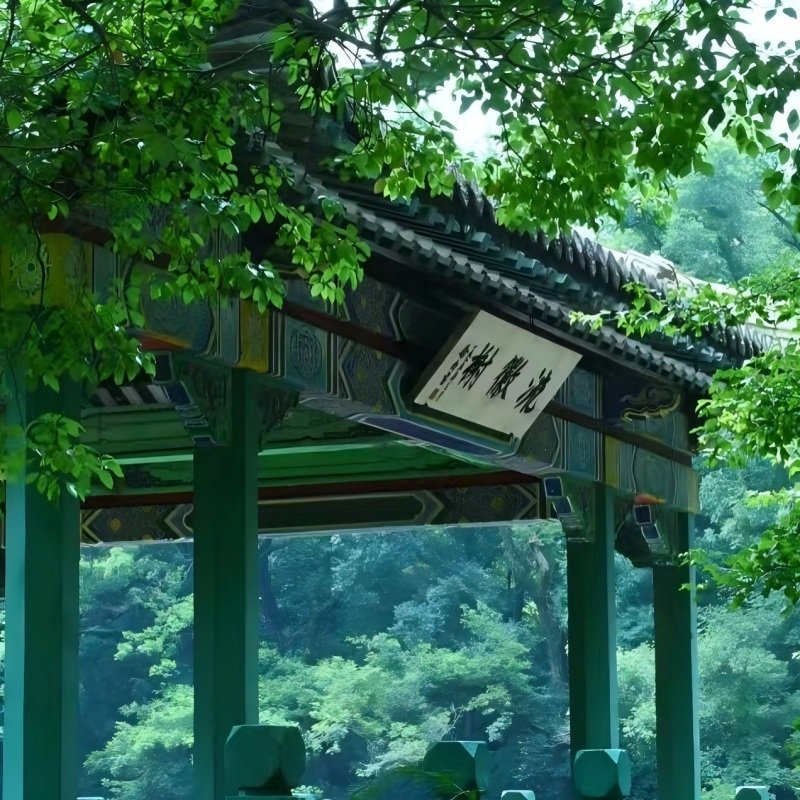
This waterside pavilion, built in 1932, offers a quiet place to rest. Its name comes from classical Chinese poetry, suggesting the lasting influence of noble spirits. Surrounded by water and greenery, it’s a peaceful spot to enjoy nature and reflect.
6. Nanjing Cuisine: Tastes of the Ancient Capital
After exploring the mausoleum, you might be hungry! Nanjing’s food blends southern delicacy with northern heartiness. Here are some local favorites:
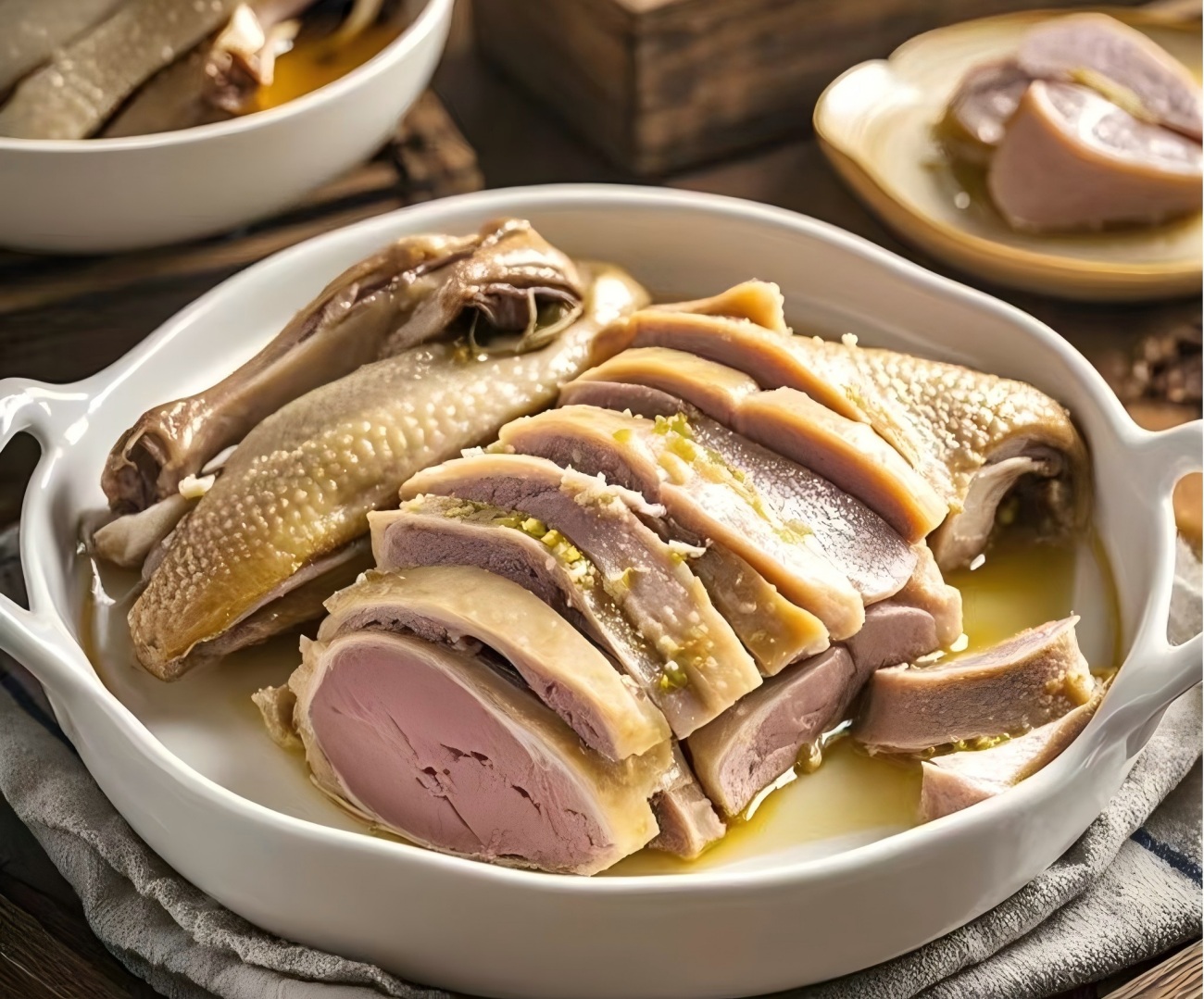
Salted Duck:
Known as the “No. 1 Dish of Jinling,” Nanjing’s salted duck is famous for its tender meat and rich flavor. It’s seasoned with spices and slow-cooked to perfection. Locals often enjoy it during festivals.
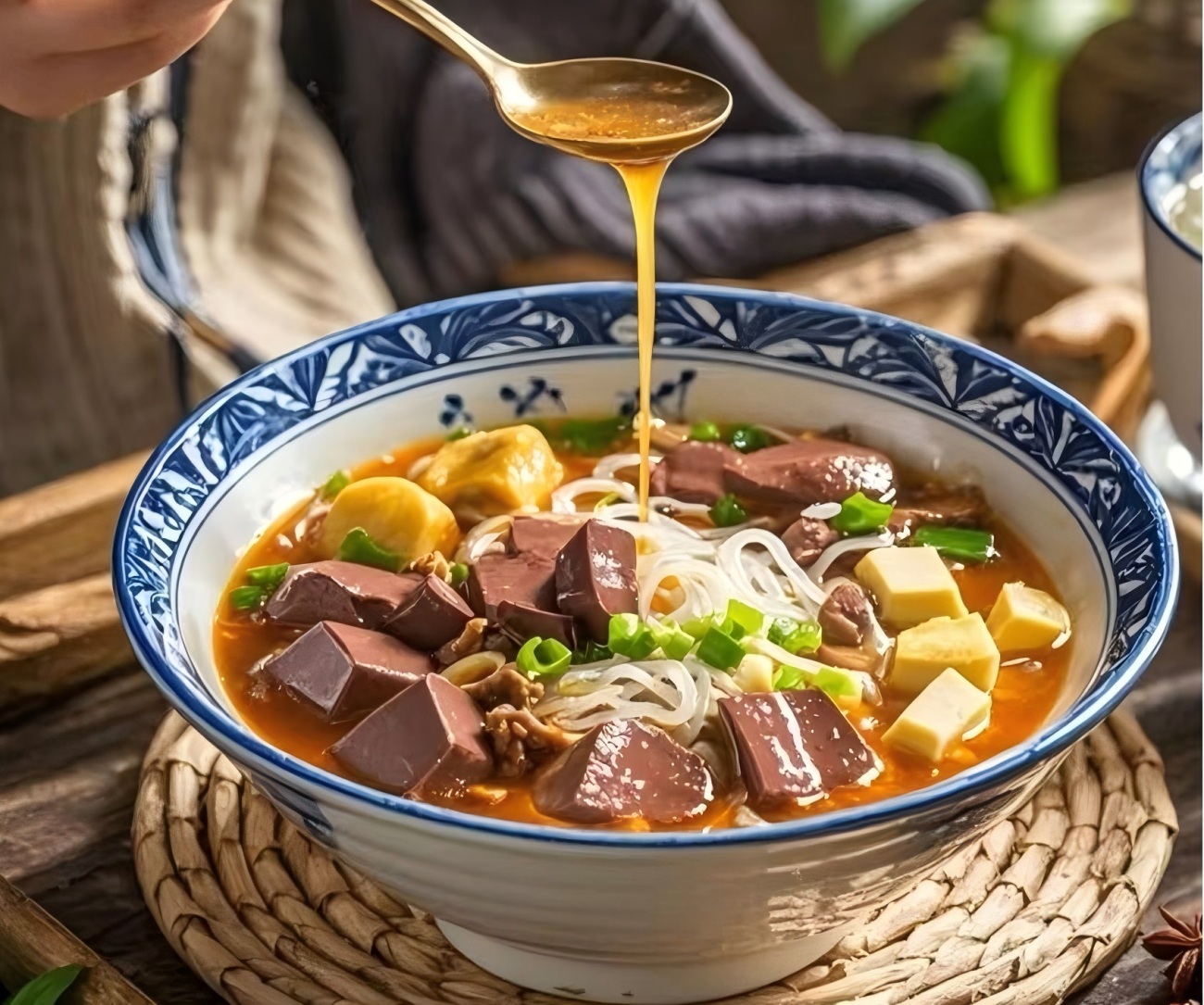
Duck Blood and Vermicelli Soup:
A popular street food, this soup features duck blood, vermicelli, and organs in a savory broth. Topped with scallions and chili oil, it’s warming and satisfying.
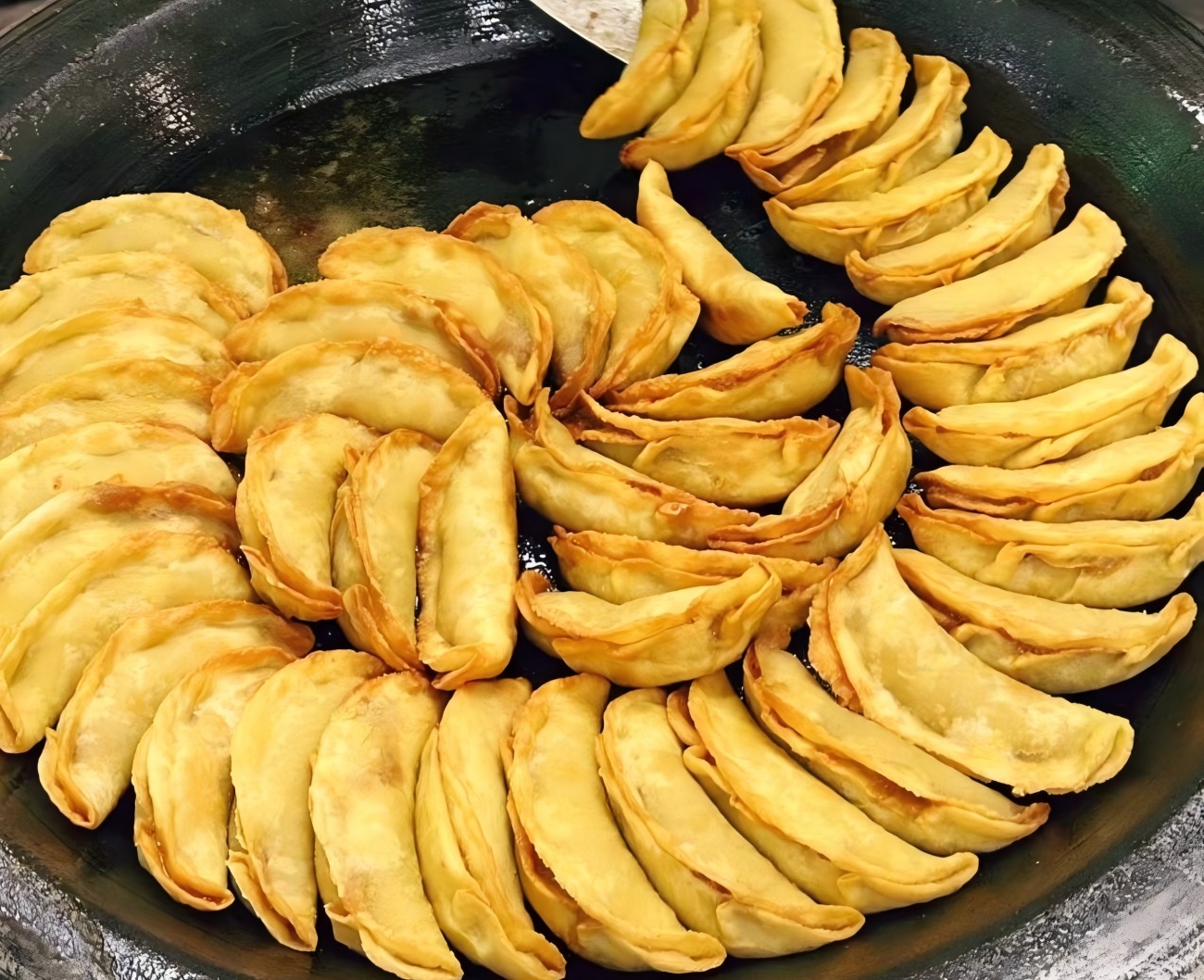
Beef Potstickers:
These pan-fried dumplings are crispy outside and juicy inside. Filled with seasoned beef, they’re often served with vinegar for extra flavor.
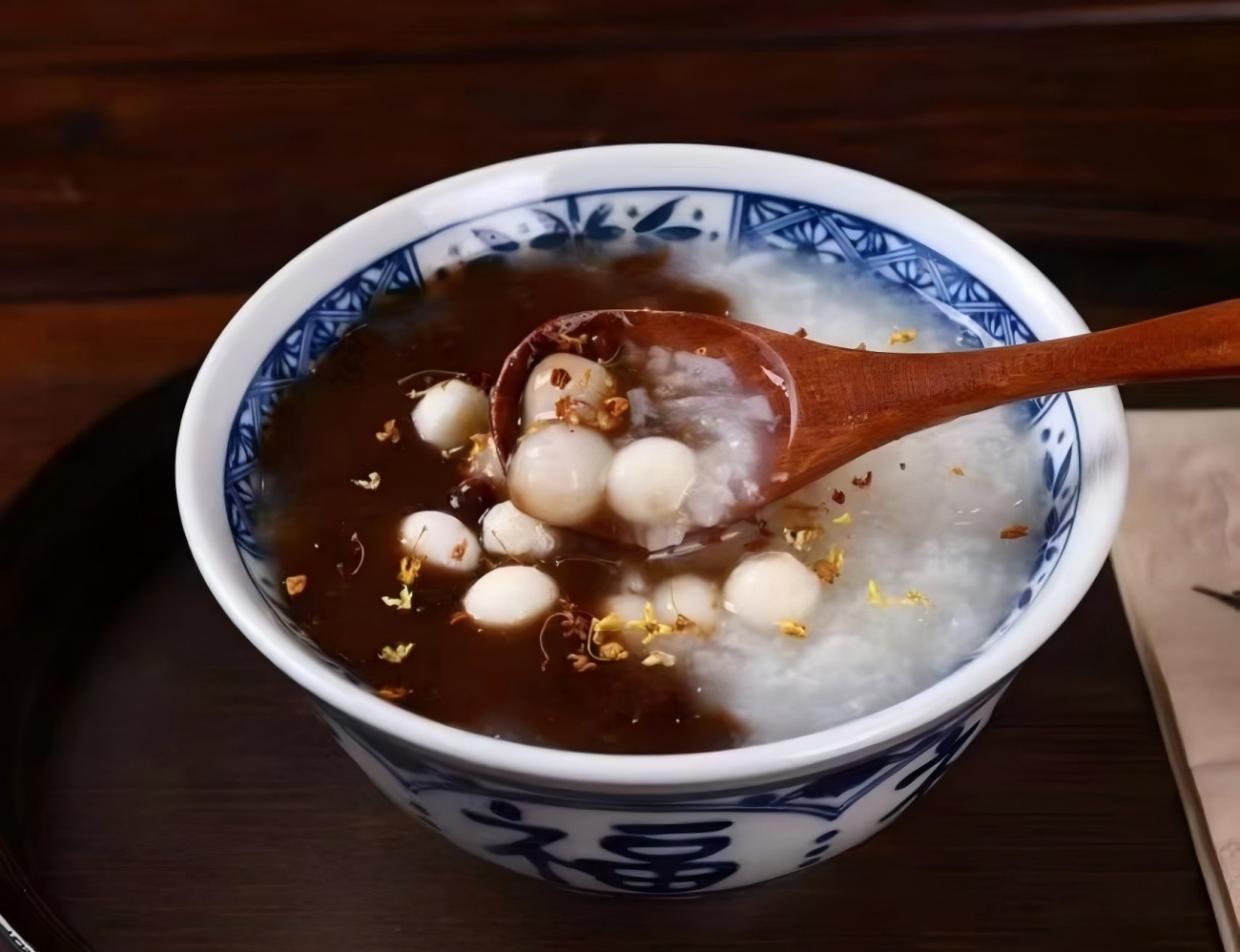
Red Bean Glutinous Rice Balls:
A classic dessert, these sweet rice balls are served in red bean soup with osmanthus sugar. It’s a comforting treat, especially in colder weather.
7. Conclusion: Carrying Forward the Legacy
As our tour ends, I hope you’ve felt the depth of history and spirit here at Sun Yat-sen Mausoleum. From the Arch of Universal Love to the quiet Tomb Chamber, each part tells a story of vision, struggle, and hope.
Dr. Sun Yat-sen’s ideas and his call to “continue the effort” still inspire us today. This mausoleum is more than a tomb—it’s a reminder of China’s journey and a symbol of ongoing progress.
Nanjing has much more to offer, from the Confucius Temple to the Presidential Palace. I encourage you to explore further and discover the stories of this ancient capital.
Thank you for joining me today. Travel safely, and may Dr. Sun’s spirit of perseverance stay with you. Hope to see you in Nanjing again!