Dream of visiting China’s legendary "fairyland on the sea"? Book with Huatu International Travel Service—your reliable top-tier Chinese travel partner—to experience the magic of Penglai Pavilion.
Penglai Pavilion Tour
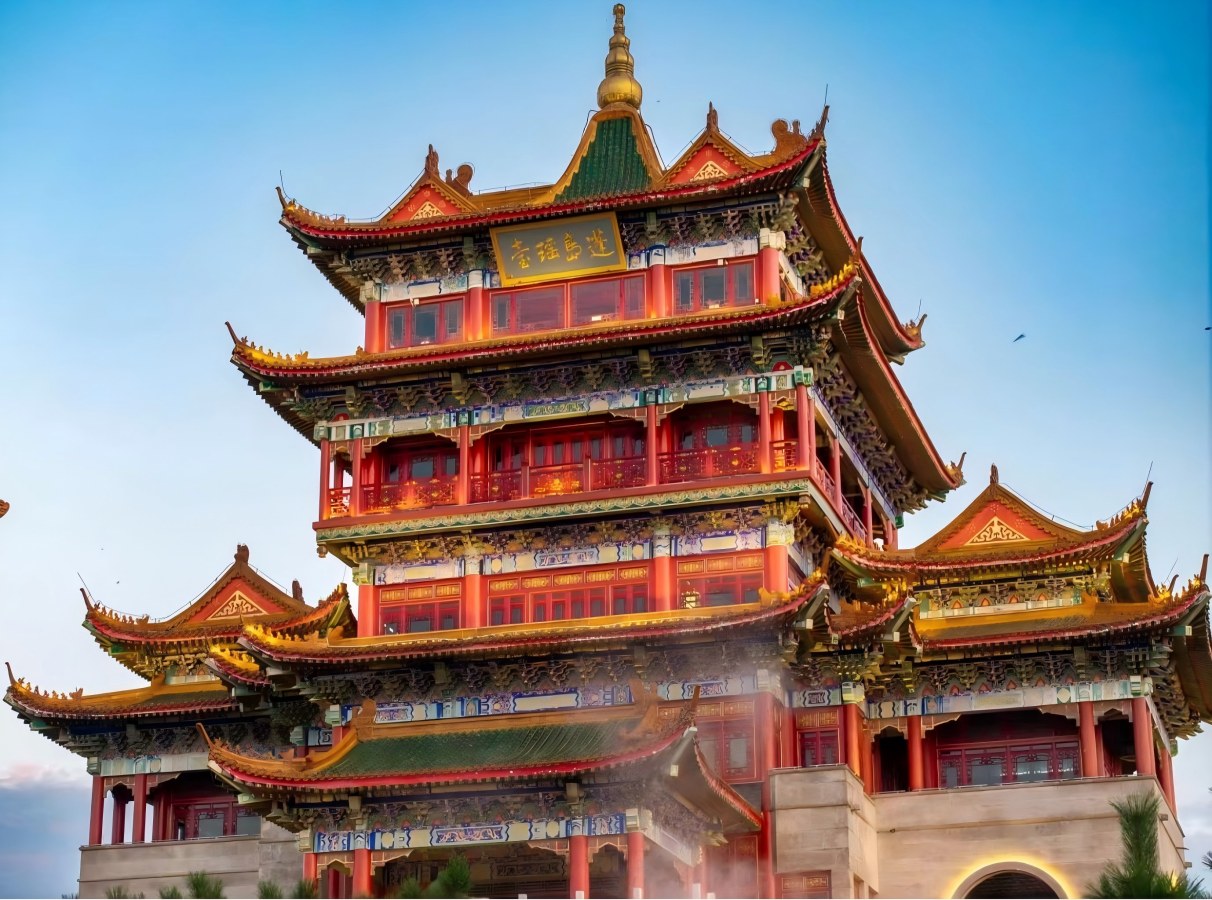
As a must-see coastal highlight, Penglai Pavilion is famous for its thousand-year-old tales like "Eight Immortals Crossing the Sea" and the breathtaking "Penglai mirage" (best viewed in spring and summer). Ranked among China’s "Four Great Famous Towers", it offers panoramic views of the Bohai-Yellow Sea Boundary—a unique natural wonder you won’t want to miss.
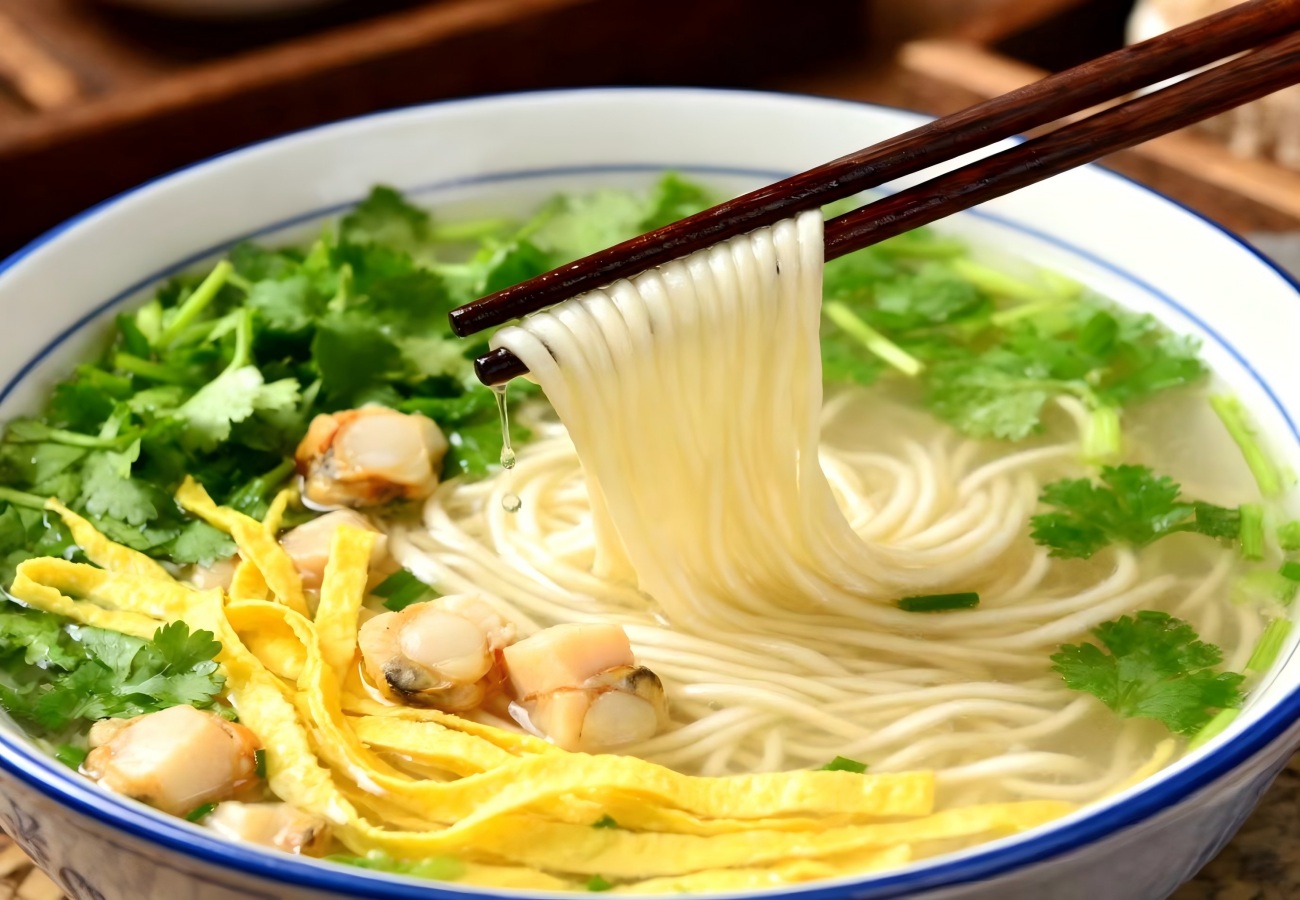
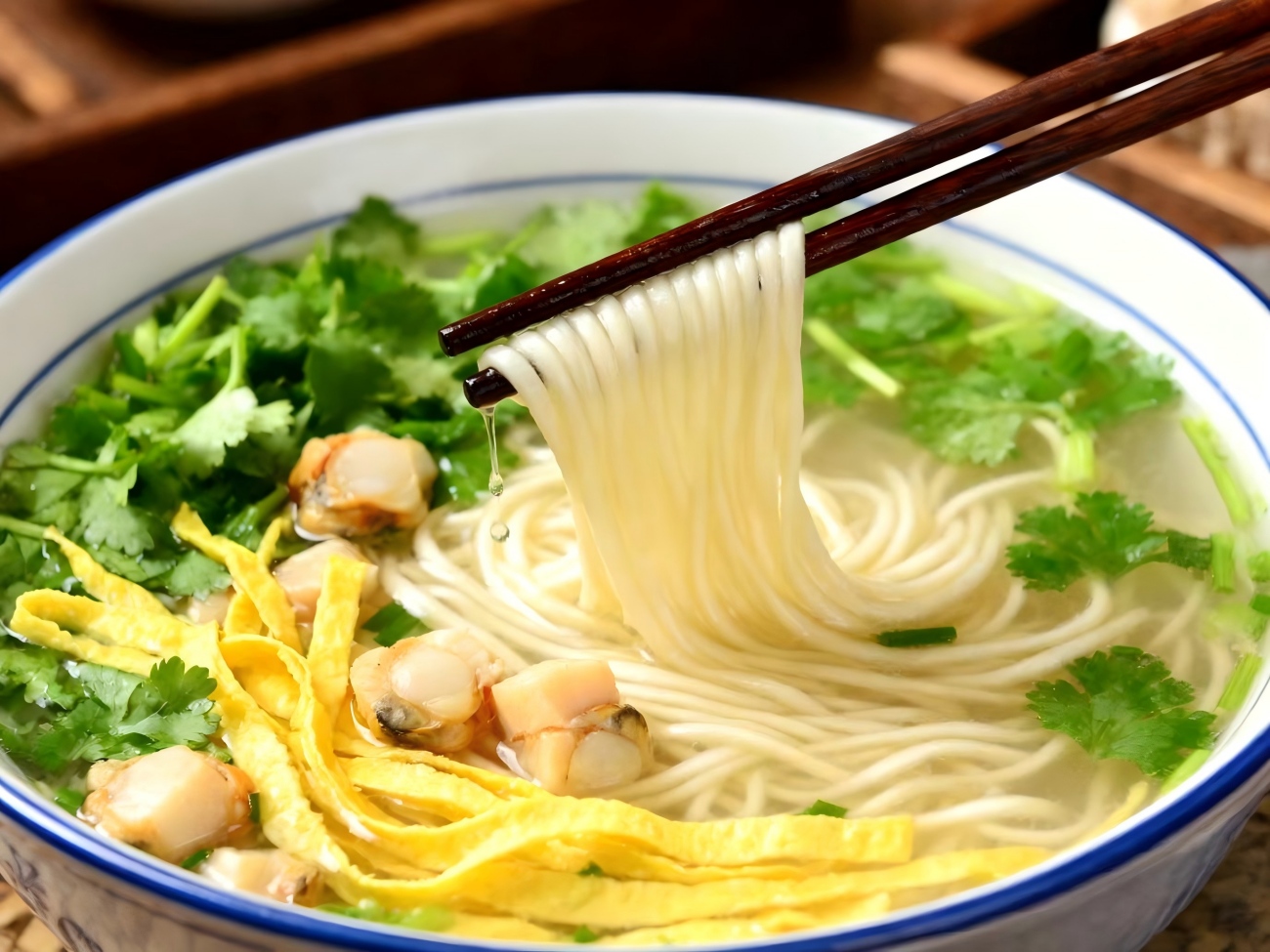
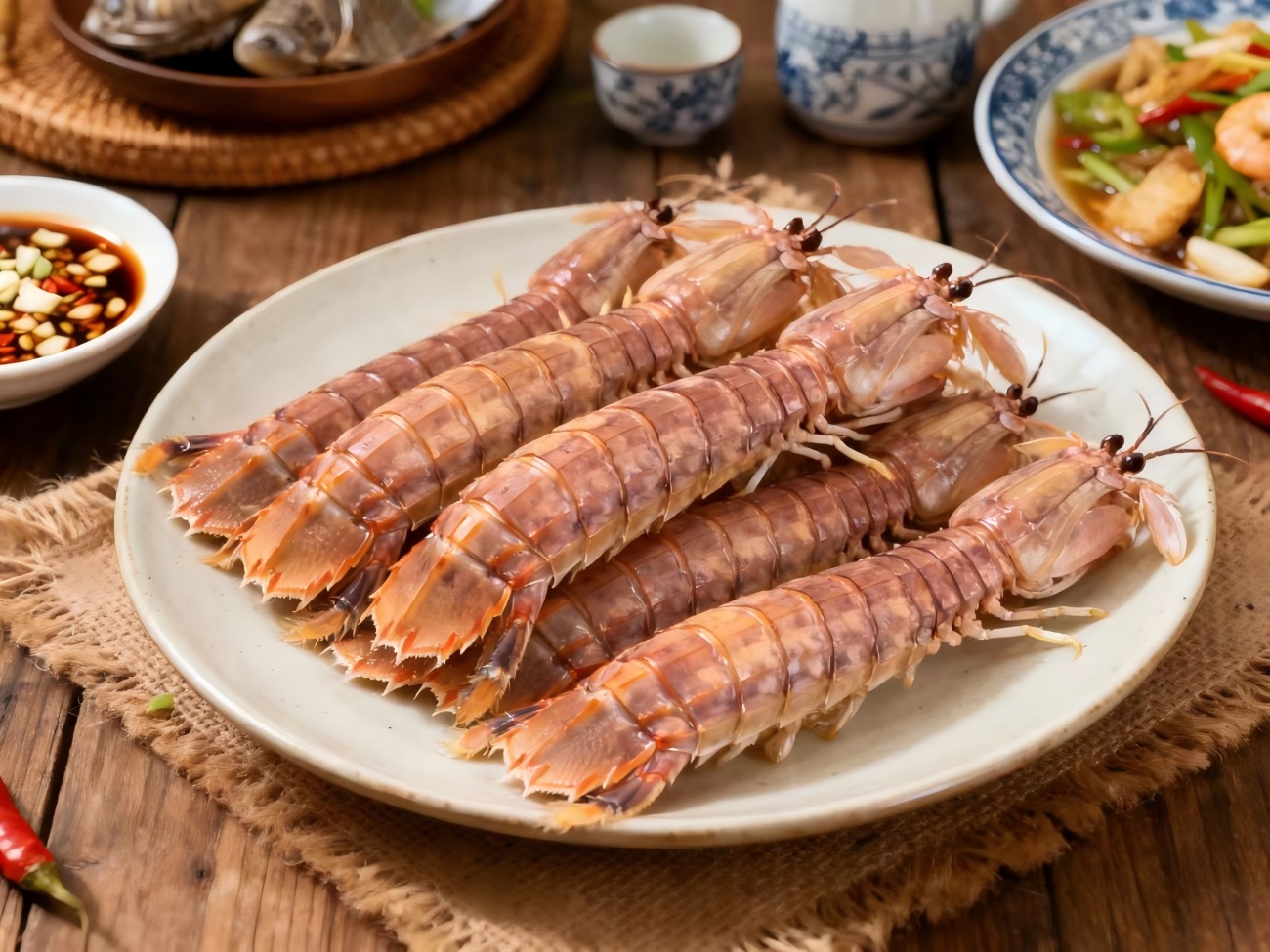
With Huatu, you’ll stay in local 4-star+ hotels: spacious, conveniently located near scenic spots, ensuring a comfortable stay. Taste authentic local cuisine too—steaming Penglai Noodle Soup, fresh steamed mantis shrimp, and savory seaweed buns, all showcasing the best of coastal flavors.
We also create flexible itineraries: pair your Penglai Pavilion visit with nearby 5A attractions like Three Immortal Mountains or Tianheng Mountain Cultural Park, making your China trip even more memorable.
For an unforgettable Penglai Pavilion tour, book with Huatu International Travel Service today!
Need more route ideas? Just reach out to customer service directly!
Product Details
Penglai Island: Where Myth Meets the Sea – A Journey to China’s "Fairyland on Earth"
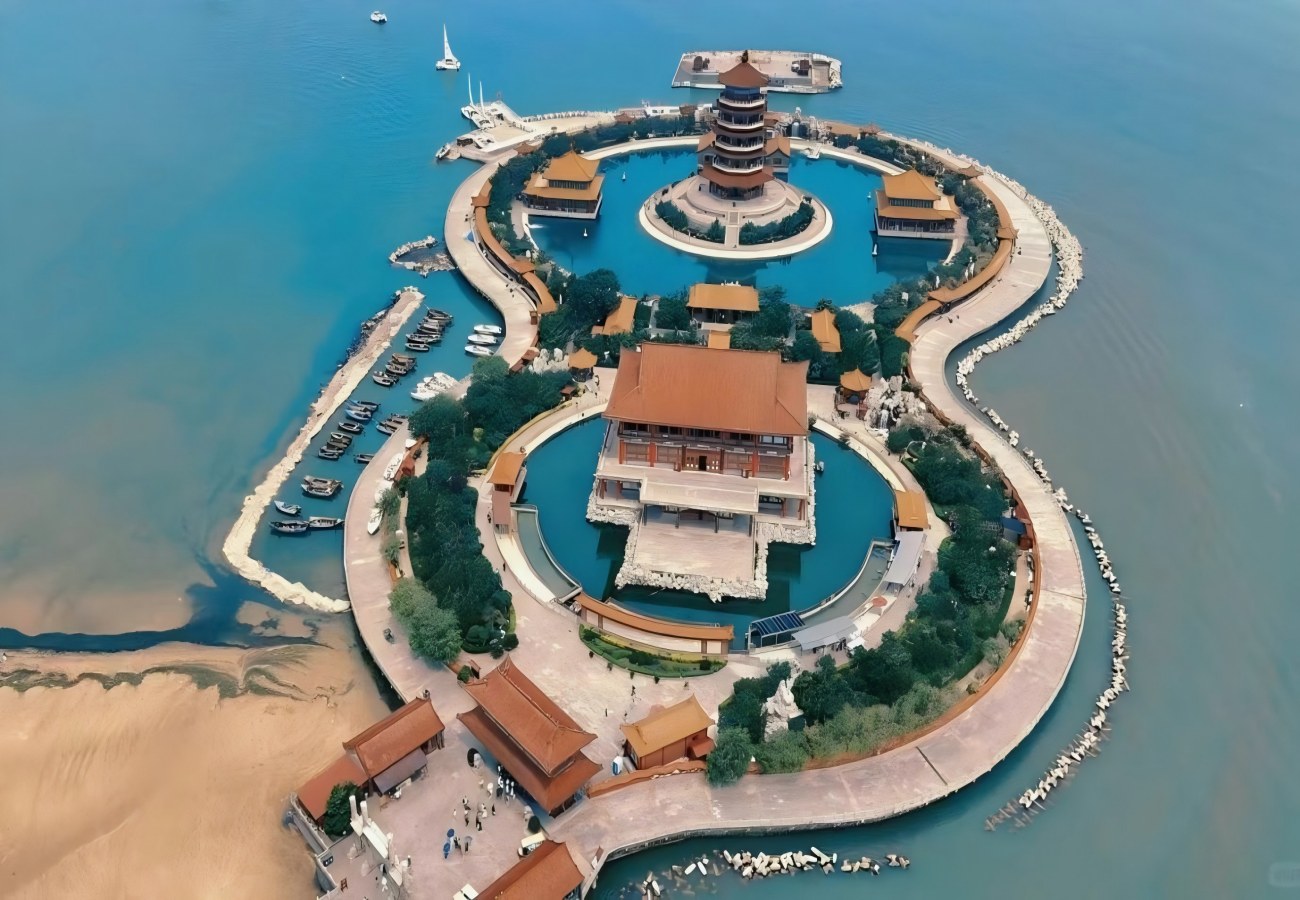
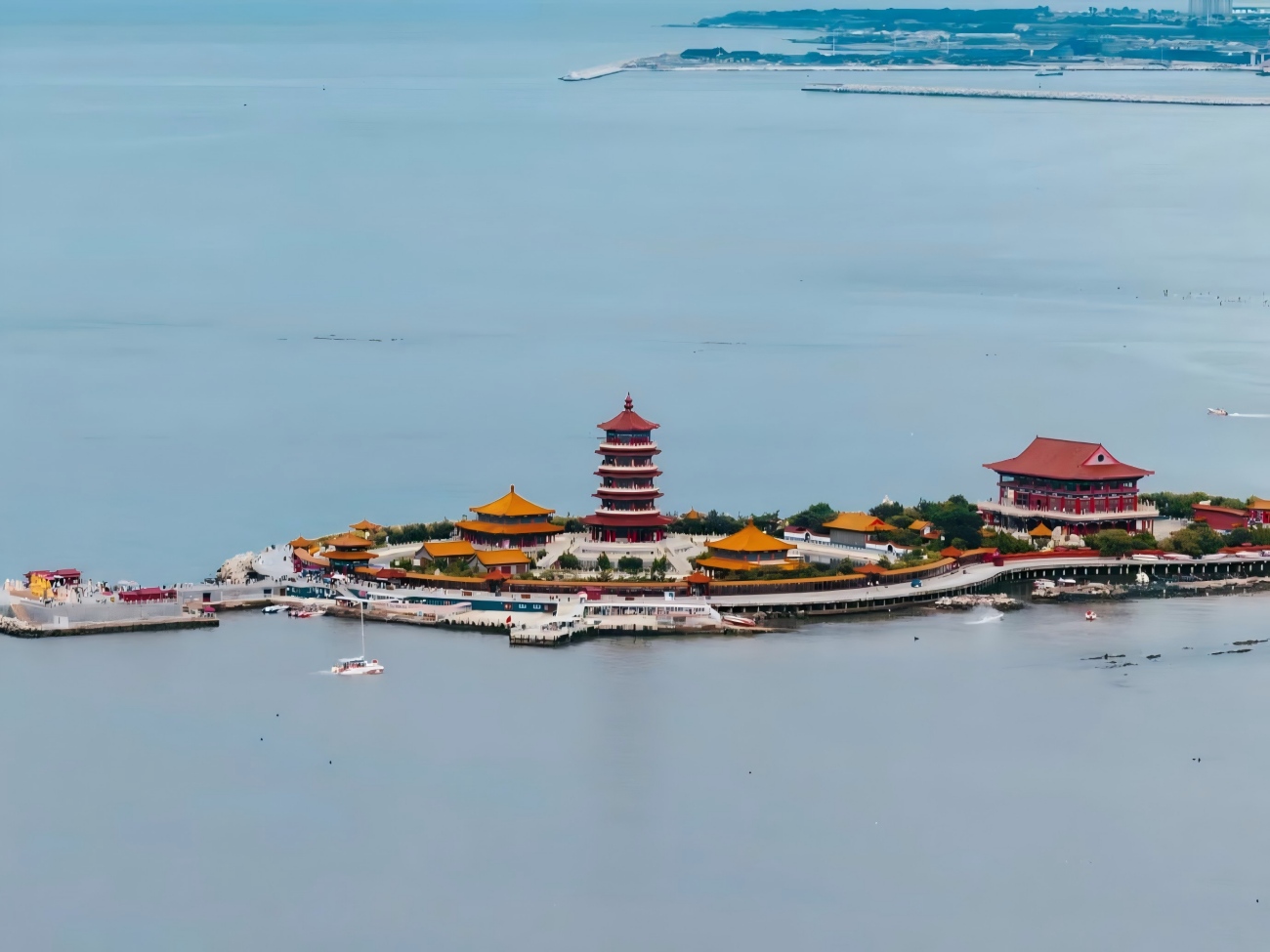
Dear visitors, welcome to Penglai Island, renowned as the "Fairyland on Earth" and the "Eastern Sea Immortal Mountain". Nestled at the confluence of the Bohai Sea and the Yellow Sea, this island is not only home to the romantic legend of the "Eight Immortals Crossing the Sea" but also carries a thousand years of history, from Qin Shi Huang’s eastern tours in search of immortality to Emperor Wu of Han’s construction of platforms to gaze at the sea. Now, let us follow the light and shadow of the mountains and seas, step into this "immortal mountain on the sea" recorded in The Classic of Mountains and Seas and praised by scholars and poets, and embark on a journey through time to this fairyland.
I. Origins of Immortal Connections: The Cultural Roots from Myths to Historical Marks
Penglai Island’s reputation as an "immortal abode" dates back to pre-Qin dynasty classics. The Classic of Mountains and Seas – Inner Beihai Chapter records: "Penglai Mountain stands in the sea, where immortals dwell." During the Warring States period, alchemists described it as a sacred place "with the elixir of life and inhabited by immortals", making "Penglai" the Chinese synonym for "fairyland" ever since. However, the legend that truly made Penglai a household name is the story of the "Eight Immortals Crossing the Sea".
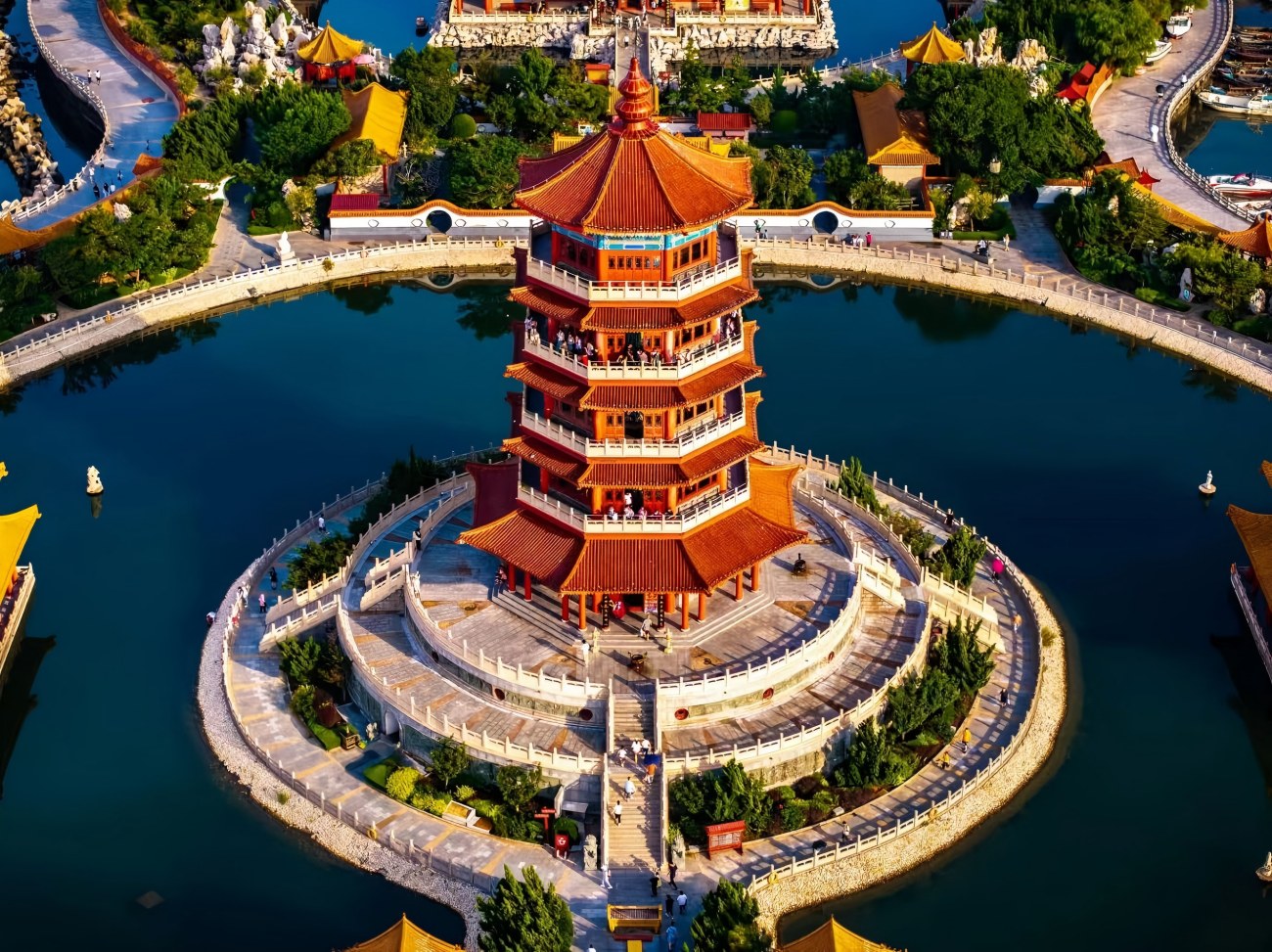
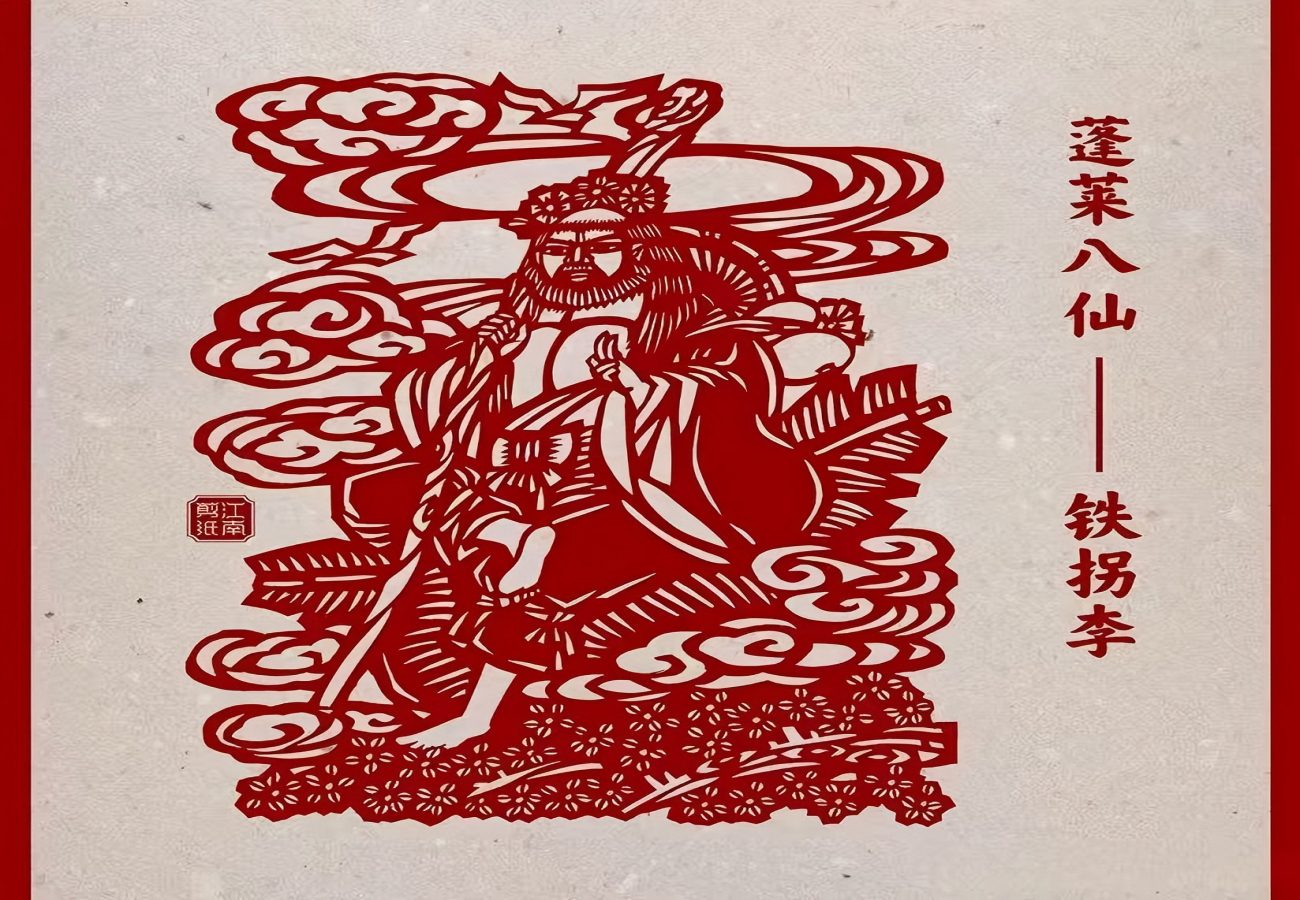
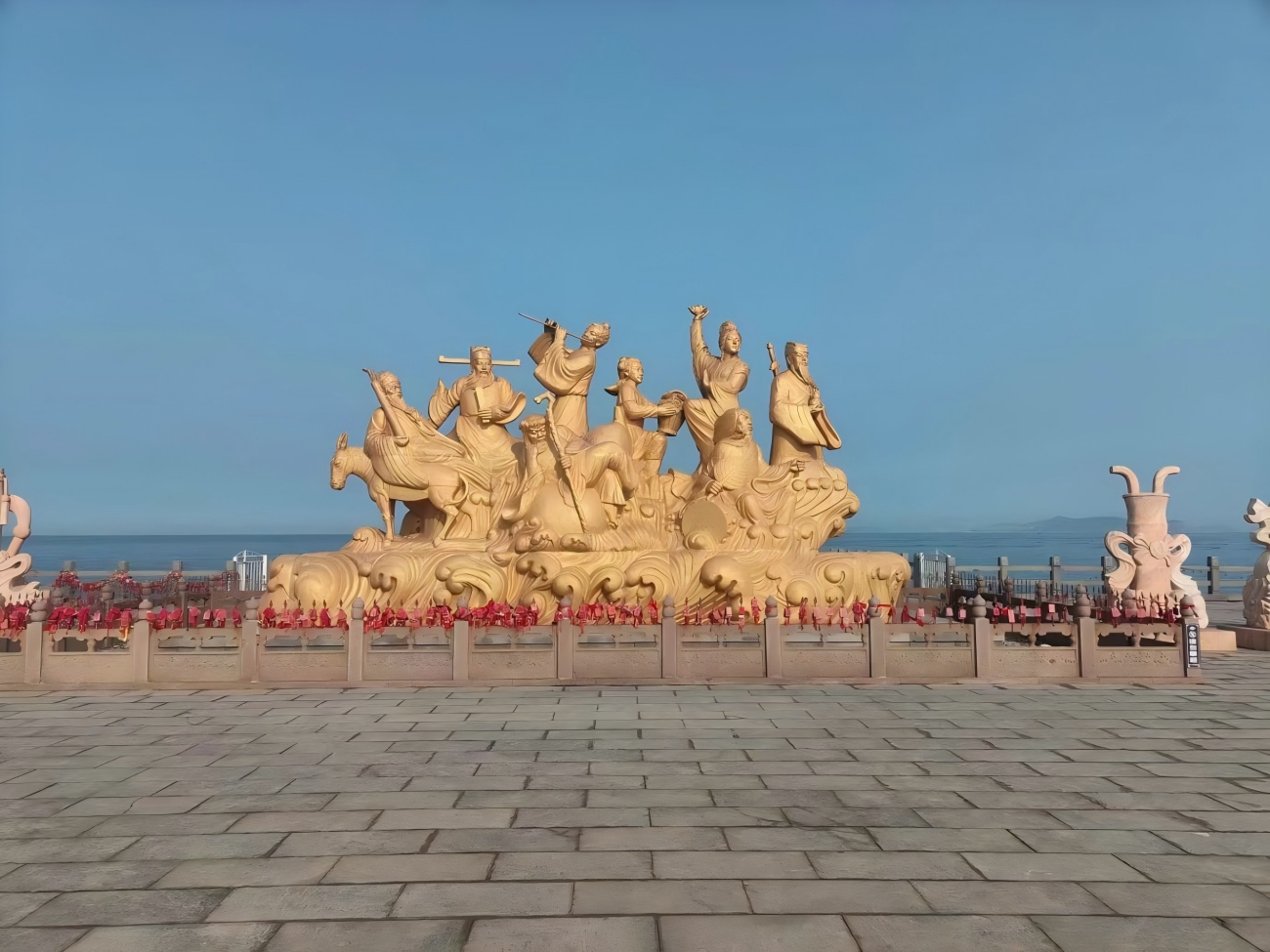
According to legend, during the Jiayou era of the Northern Song Dynasty (1056-1063), eight immortals – Tieguai Li, Han Zhongli, Zhang Guolao, Lü Dongbin, He Xiangu, Lan Caihe, Han Xiangzi, and Cao Guojiu – got drunk at Penglai Pavilion and crossed the sea using their magical powers. Tieguai Li used his crutch as a boat, Han Zhongli floated on a palm-leaf fan, and Zhang Guolao rode a donkey backward across the waves. This gave rise to the idiom "Each immortal shows their special skill" (referring to people using their unique abilities to achieve a common goal). Today, at the "Eight Immortals Crossing the Sea" Scenic Area east of Penglai Pavilion, a group of white marble sculptures vividly recreates this scene. The eight immortals, sitting or standing, smiling or chanting, each with distinct expressions, seem ready to ride the wind across the sea at any moment.
Beyond myths, Penglai Island bears profound historical marks. After unifying China, Qin Shi Huang (the first emperor of China) made two eastern tours to Penglai, sending the alchemist Xu Fu with thousands of boys and girls to sail east in search of the elixir of life. Though the elixir was never found, the story of "Xu Fu’s Eastern Voyage" became a timeless tale. Emperor Wu of the Han Dynasty, also fascinated by the Penglai fairyland, visited Dengzhou (modern-day Penglai) multiple times and built the "Danya Viewing Platform" to pray for immortals, laying the groundwork for the later construction of Penglai Pavilion. These historical stories make Penglai not just a "mythical fairyland" but also a "sacred place in history", where every inch of land is steeped in a thousand years of cultural heritage.
II. Landmark of the Fairyland: Penglai Pavilion – A Millennium-Old Architectural Complex Between Mountains and Sea
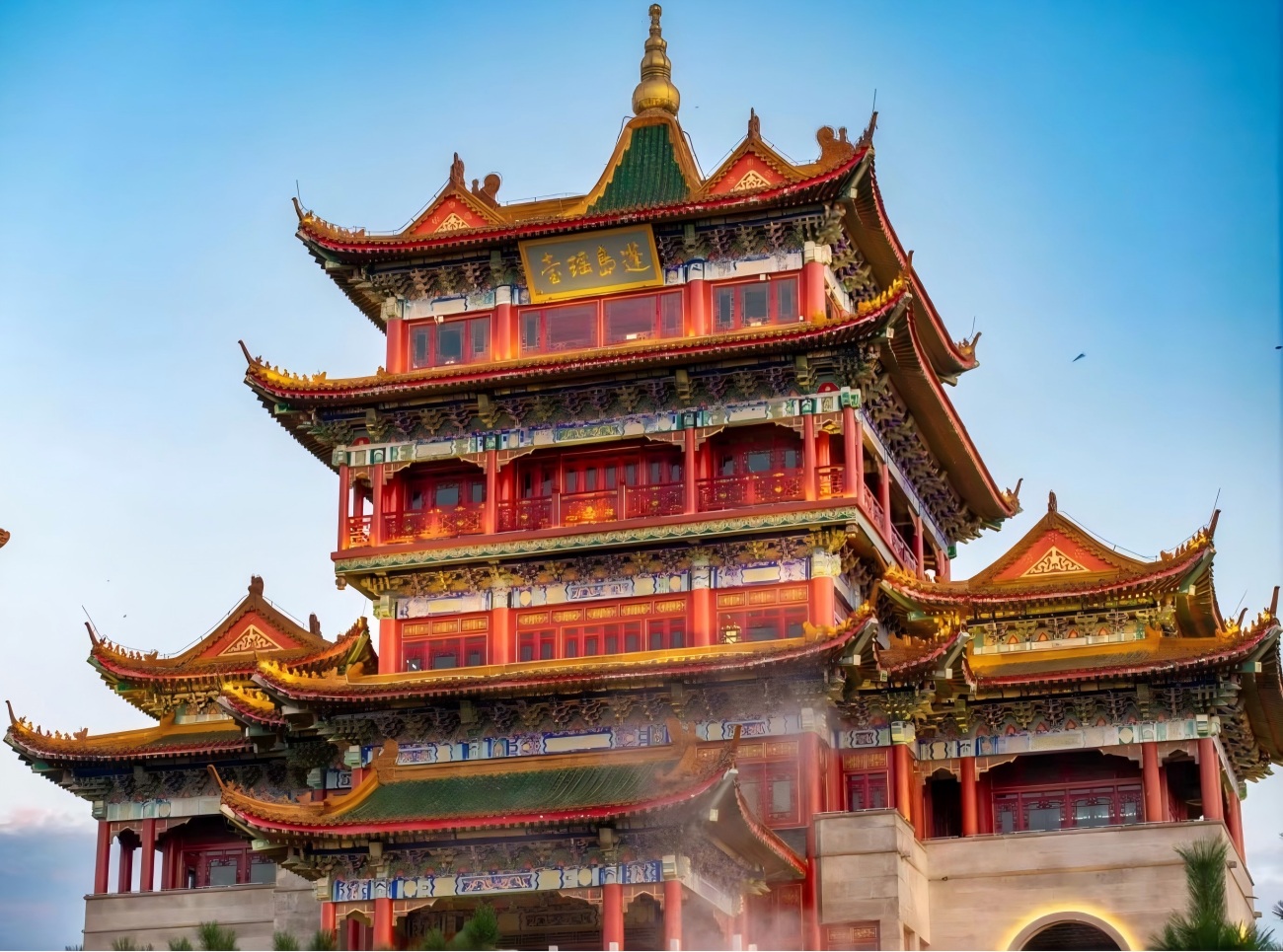
When talking about Penglai Island, its core landmark – Penglai Pavilion – cannot be missed. First built in 1061 (the 6th year of the Jiayou era of the Northern Song Dynasty), this architectural complex sits atop Danya Mountain, facing the Yellow Sea with the Bohai Sea at its back. It is ranked among China’s "Four Great Famous Towers" alongside Yellow Crane Tower, Yueyang Tower, and Tengwang Pavilion, and is known as the "No.1 Tower Under Heaven" for its association with the "mirage" phenomenon.
Penglai Pavilion is not a single building but a complex of over 20 structures, including the Sanqing Hall, Lüzu Hall, Su Gong Shrine, Tianhou Palace, Dragon King Palace, and the main Penglai Pavilion Tower. Covering a total area of 32,800 square meters, these buildings are scattered across Danya Mountain in harmony with the terrain. Their red walls and gray tiles contrast beautifully with the blue sea and sky, embodying the grandeur of the "Immortal Pavilion Soaring in the Sky".
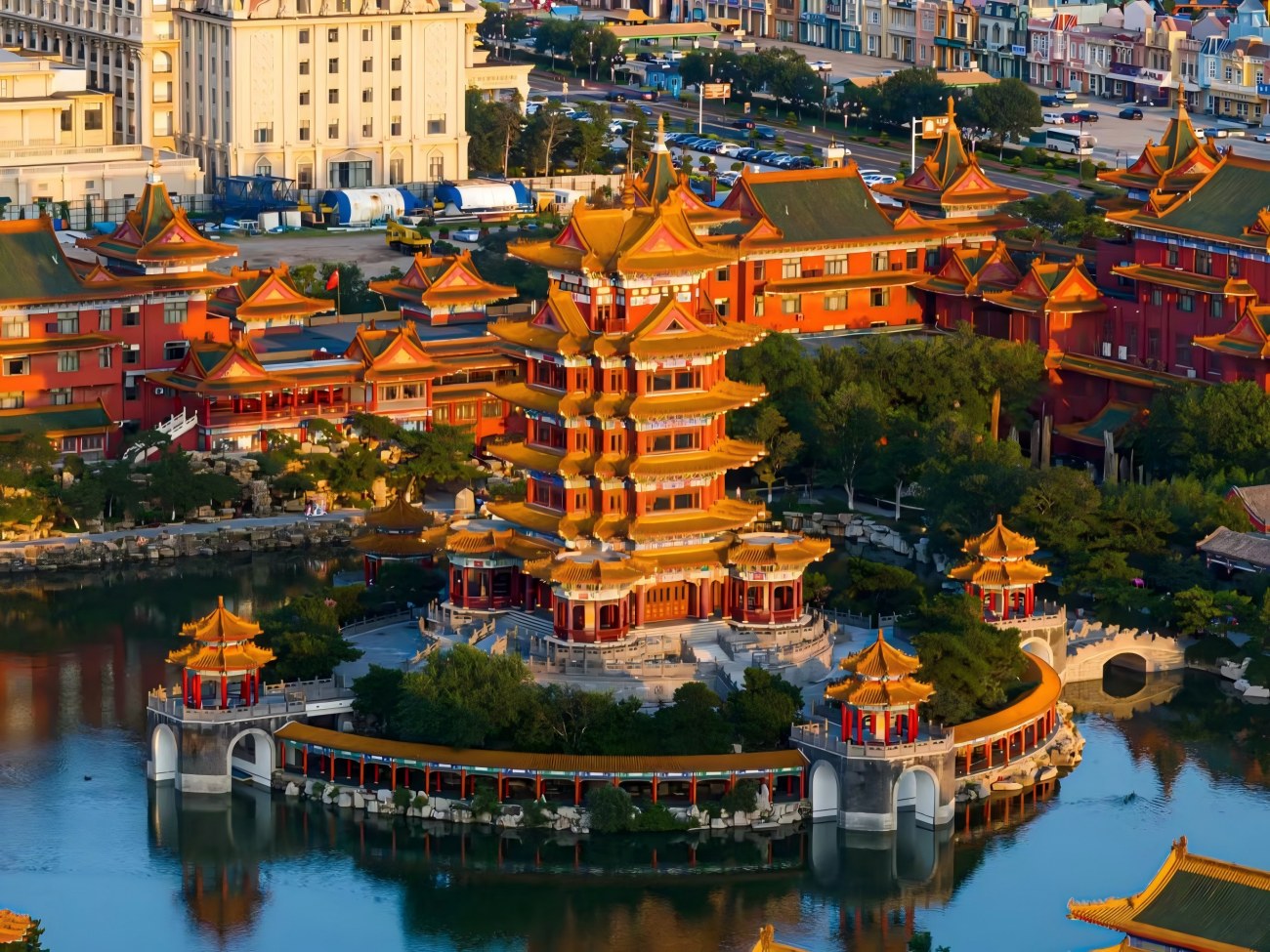
(1) The Main Tower of Penglai Pavilion
As the centerpiece of the complex, the main tower stands 15 meters tall, featuring a double-eaved gable-and-hip roof. Bronze bells hang from the eaves of each floor; when the sea breeze blows, the clear, melodious chimes sound like "immortal music". Climbing to the second floor and leaning on the railing, visitors can clearly see the boundary between the Bohai Sea and the Yellow Sea – the blue and yellow waters converge to form the "Yin-Yang Sea" spectacle. On clear days, one might even witness a "mirage": illusions of cities, pavilions, and mountains suddenly appear on the distant sea, creating a dreamlike scene that truly feels like stepping into a fairyland. Inside the tower, a huge plaque inscribed with "Penglai Pavilion" hangs in the center, flanked by a couplet: "The magnificent and spectacular Penglai Pavilion; the majestic and grand Bohai Bay", which perfectly captures its imposing momentum.
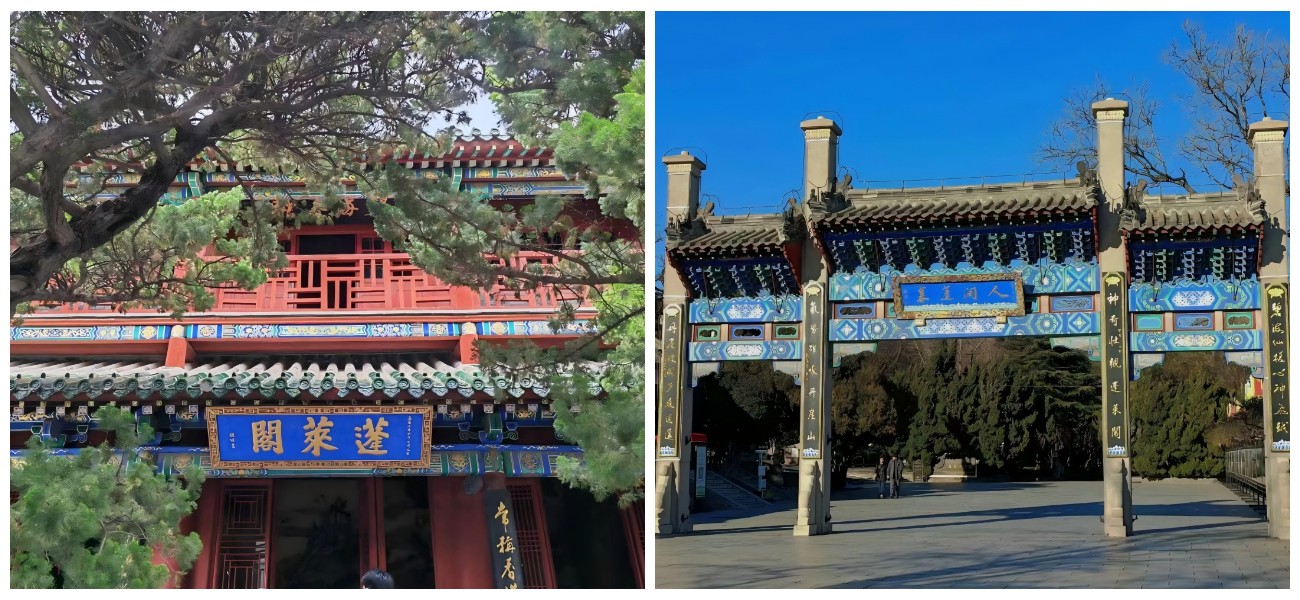
(2) Lüzu Hall and Sanqing Hall
Lüzu Hall, located west of Penglai Pavilion, is dedicated to Lü Dongbin, one of the Eight Immortals. Inside, there is a 3-meter-tall wooden sitting statue of Lü Dongbin, holding a fly-whisk with an elegant demeanor. Outside the hall is the "Immortal Well", said to be where Lü Dongbin refined his immortal elixirs. The well water remains undried year-round and tastes clear and sweet; visitors can lean over to taste the "immortal water" and absorb some "immortal aura".
Sanqing Hall, situated north of the complex, is dedicated to the three supreme gods of Taoism: Yuanshi Tianzun (Heavenly Lord of Primordial Beginning), Lingbao Tianzun (Heavenly Lord of Precious Treasures), and Daode Tianzun (Heavenly Lord of Dao and Virtue). The murals inside depict the "Three Pure Ones Preaching the Dao", with bright colors and smooth lines, making them fine examples of Ming Dynasty Taoist murals. Outside the hall stands the "Danya Fairyland" Stone Archway, built in the Ming Dynasty. Measuring 5.8 meters tall and 9.8 meters wide, the archway bears the inscription "Danya Fairyland" written by the renowned Ming Dynasty calligrapher Tie Bao, whose bold and powerful handwriting makes it one of Penglai Pavilion’s iconic stone carvings.
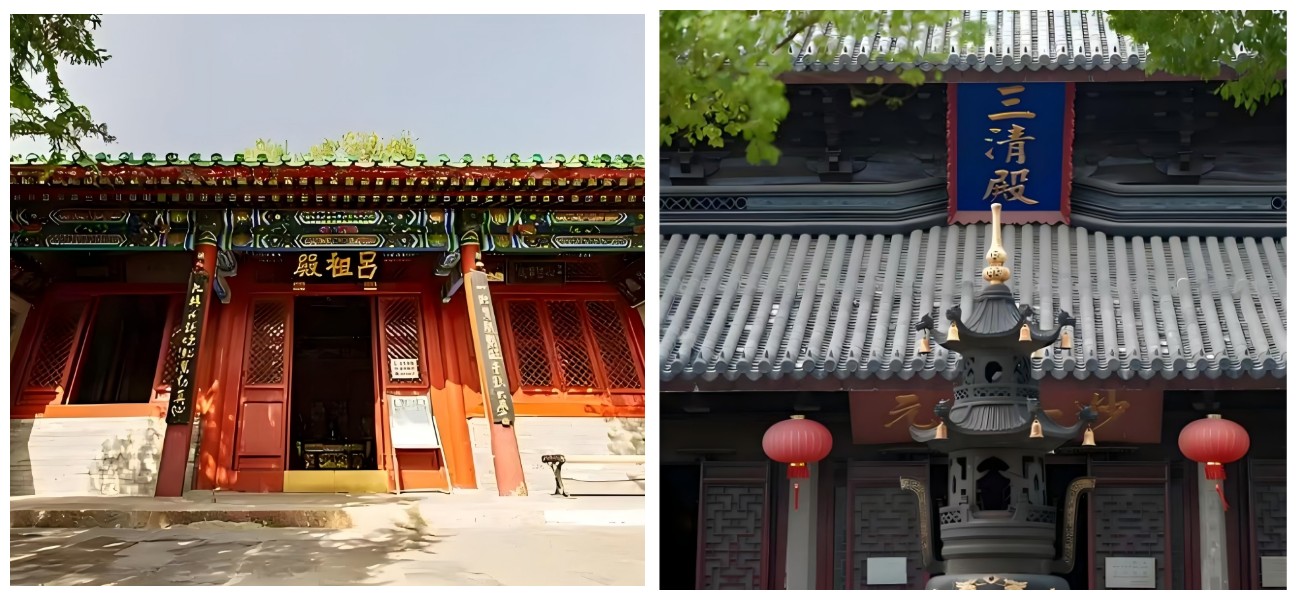
(3) Su Gong Shrine and Tianhou Palace
Su Gong Shrine was built to commemorate Su Shi (Su Dongpo), a great literatus of the Northern Song Dynasty. In 1085 (the 8th year of the Yuanfeng era of the Northern Song Dynasty), when Su Shi served as the governor of Dengzhou, he visited Penglai Pavilion many times and wrote timeless poems such as Sea Market at Dengzhou and Evening Scenery at the Sea-Viewing Tower. Among them, the line "The eastern sea clouds are empty and vast; immortals appear and disappear in the clear sky" has become a classic description of the Penglai fairyland. The shrine displays stone inscriptions of Su Shi’s poems and records of his administrative work in Dengzhou, allowing visitors to feel the thousand-year resonance between the literatus and the fairyland.
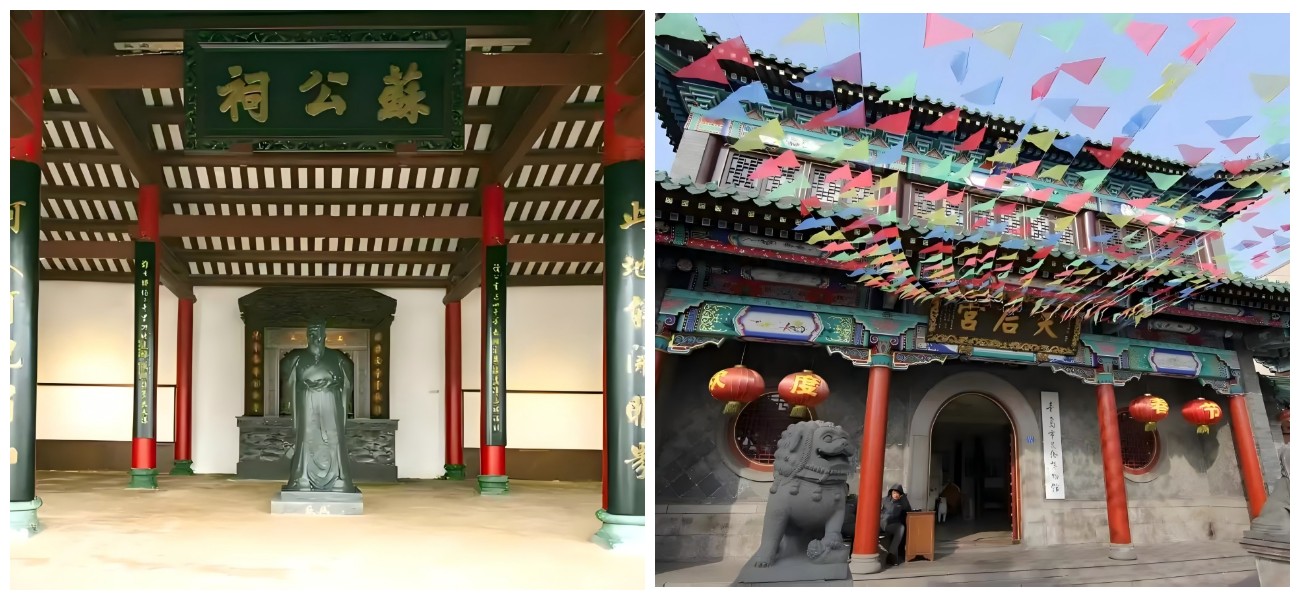
Tianhou Palace is the largest single building in the Penglai Pavilion complex. First constructed in the Song Dynasty, it is dedicated to Mazu, the sea goddess. Inside, a 4.2-meter-tall wooden sitting statue of Mazu is enshrined, wearing a colorful robe and holding a jade ruyi (a ceremonial scepter symbolizing good fortune). Flanking Mazu are the two deities "Thousand-Mile Eye" and "Wind-Ear". Every year on the 23rd day of the third lunar month (Mazu’s birthday), a grand "Mazu Temple Fair" is held here. Fishermen bring offerings to pray for blessings, and folk activities such as dragon and lion dances and yangko (a lively folk dance) performances create a bustling atmosphere, showcasing Penglai Island’s unique marine culture.
III. Exploring Wonders: Natural and Cultural Marvels from Mirages to the Eight Immortals Crossing the Sea
The charm of Penglai Island lies not only in its profound history and ancient architecture but also in its breathtaking natural wonders and cultural attractions. Beyond the "mirages" at Penglai Pavilion, the island boasts several must-visit spots, each filled with the romance and mystery of the "fairyland".
(1) Eight Immortals Crossing the Sea Scenic Area
Located east of Penglai Pavilion, this scenic area covers 55,000 square meters. Themed around the "Eight Immortals Crossing the Sea" legend, it is one of Penglai Island’s most fairy-tale-like attractions. Using sculptures, architecture, and water features, the area recreates scenes from the legend.
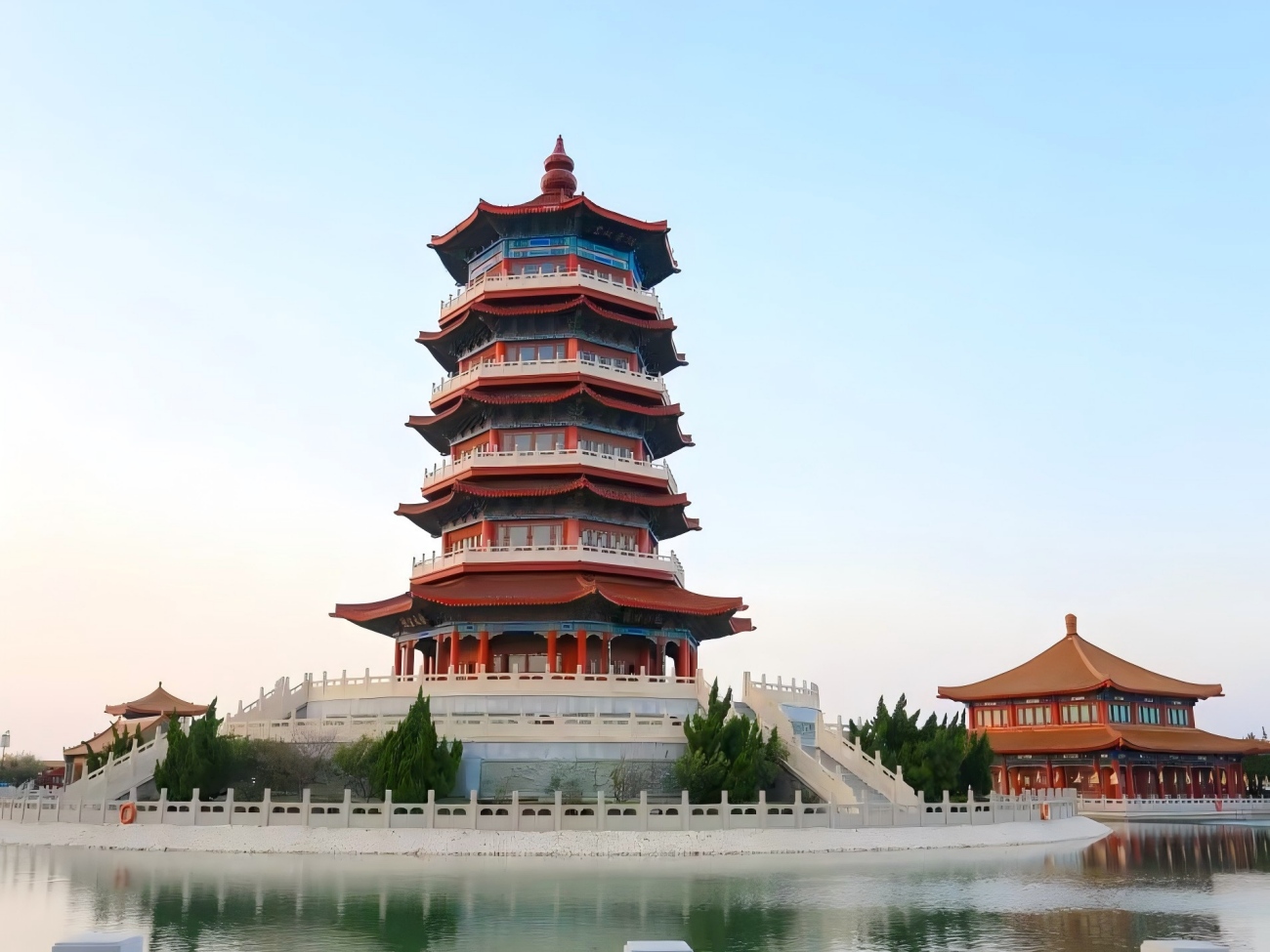
Upon entering, visitors are greeted by the "Eight Immortals Bridge", which is 108 meters long. The railings are carved with the immortals’ magical artifacts – such as Tieguai Li’s crutch, Lü Dongbin’s sword, and He Xiangu’s lotus – allowing visitors to identify them as they walk and experience the immortals’ "supernatural powers". At the end of the bridge is the "Eight Immortals Shrine", which houses 2.8-meter-tall white marble statues of the eight immortals, each with vivid and lifelike expressions. On the "Crossing-the-Sea Square" outside the shrine, a group sculpture titled Eight Immortals Crossing the Sea is a highlight – the eight immortals stand on their artifacts or float on the water, as if braving the wind and waves to cross the sea, reminding visitors of the idiom "Each immortal shows their special skill".
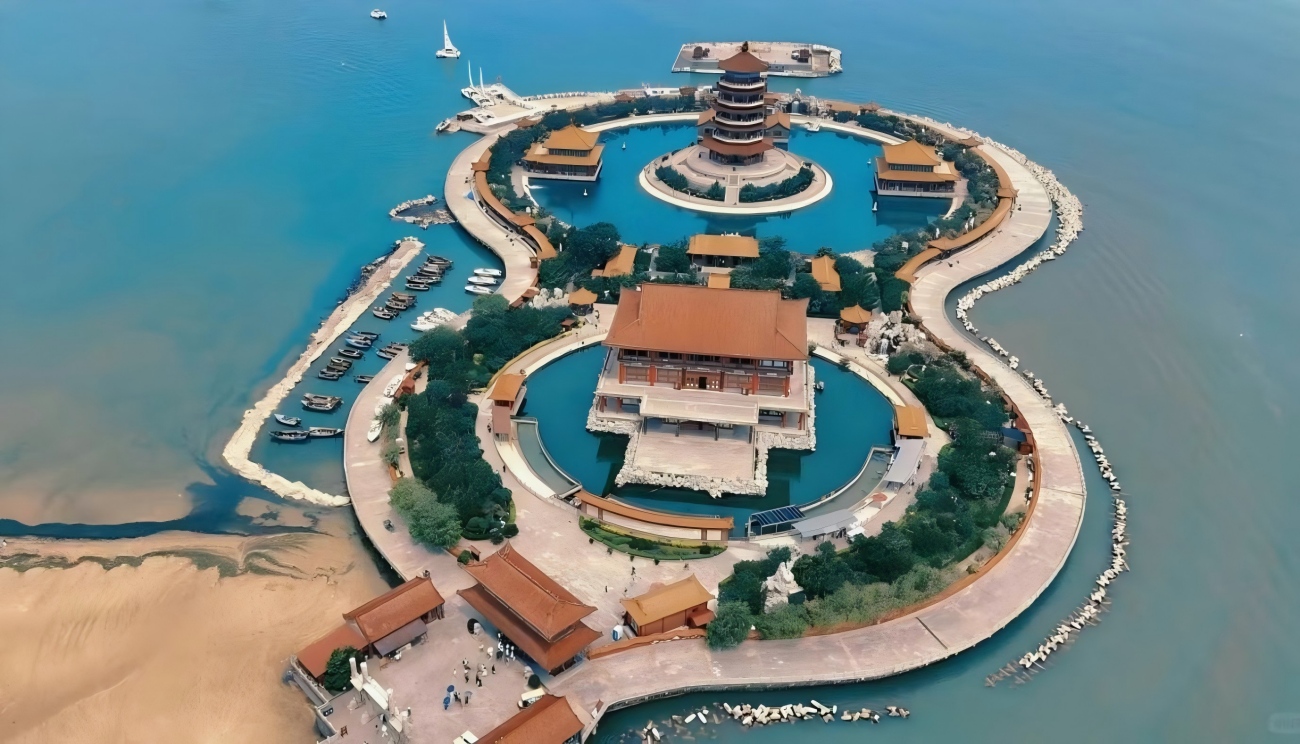
The scenic area also features a "Mirage Observation Deck", one of the best spots to view mirages. Every spring and summer, when there is a large temperature difference between the sea surface and the air, mirages may appear on the sea. The observation deck is equipped with professional telescopes, allowing visitors to wait quietly for this "fairyland wonder". Additionally, the "Seal Island" in the area is highly entertaining. Dozens of spotted seals live here, playing in the water or sunbathing on rocks, and visitors can feed and observe them up close, experiencing the vitality of marine life.
(2) Three Immortal Mountains Scenic Area
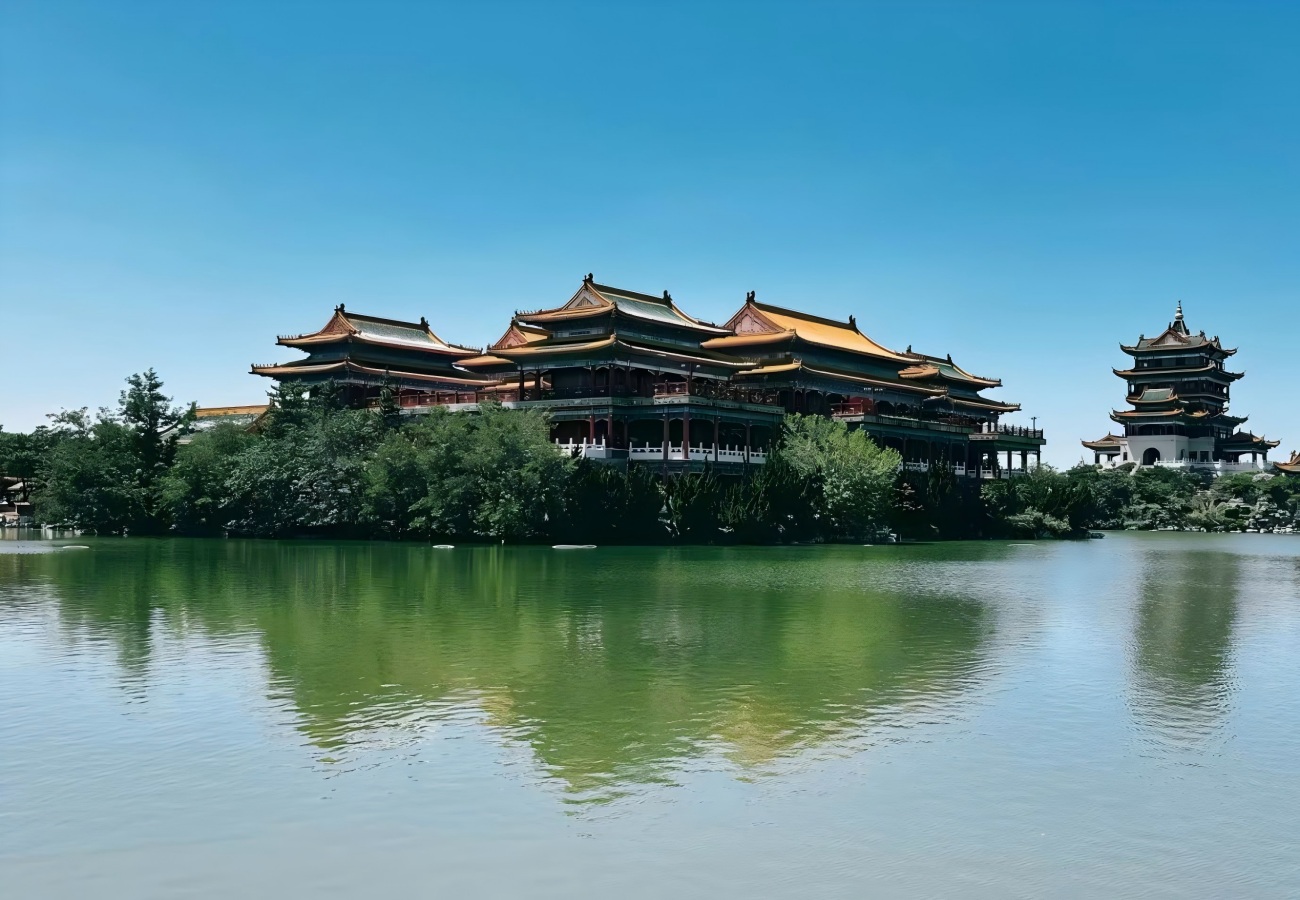
Situated in the northwest of Penglai Island, this 200,000-square-meter scenic area is a large cultural complex built based on the records in Records of the Grand Historian about the "Three Immortal Mountains – Penglai, Fangzhang, and Yingzhou". Known as a "model of Eastern gardens", it integrates elements of classical Chinese gardens, Taoist culture, and marine culture, with scenic views at every step, making visitors feel as if they are in a real "immortal mountain".
The core attraction is the "Three Immortal Mountains" – Penglai Mountain, Fangzhang Mountain, and Yingzhou Mountain. All three are man-made, standing about 20 meters tall, with pavilions, towers, temples, and Taoist monasteries built on top. They are surrounded by artificial lakes with clear water reflecting the mountains and buildings, creating the beautiful scene of "mountains in water, water around mountains". The "Penglai Immortal Pavilion" on Penglai Mountain is an exquisite replica, 18 meters tall, echoing the real Penglai Pavilion in the distance. Inside, ancient calligraphy, paintings, and cultural relics themed around immortals showcase the cultural heritage of the "immortal mountain".
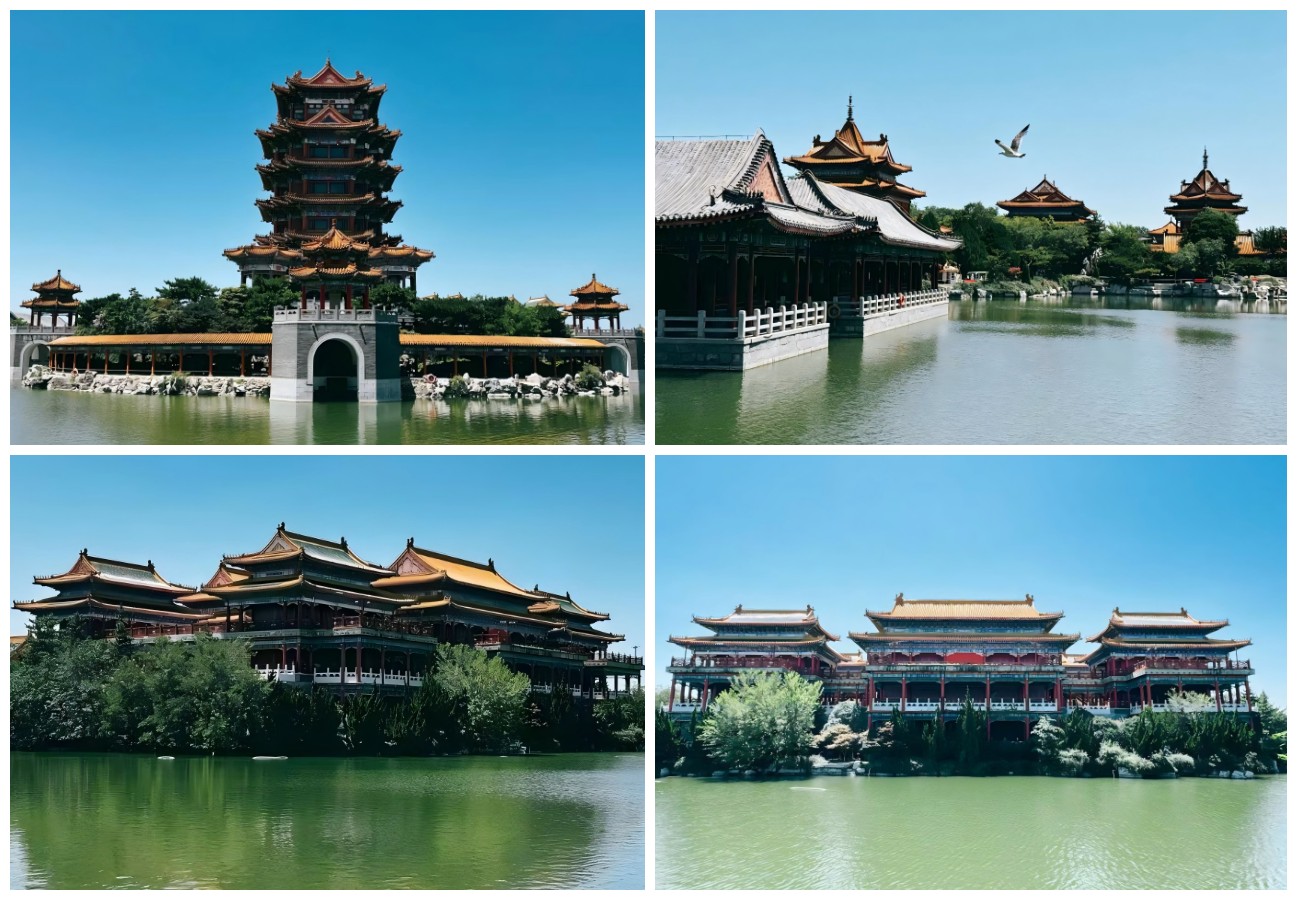
"Fanghu Shengjing" (Wonderland of Fanghu) on Fangzhang Mountain is another highlight. Modeled after the "Fanghu Shengjing" in the Qing Dynasty’s Yuanmingyuan (Summer Palace), it consists of 12 buildings connected by covered bridges carved with exquisite dragon and phoenix patterns. The bridges are surrounded by lakes planted with lotus and water lilies; in summer, when the flowers bloom, the pink and white blossoms reflect in the water, resembling a "garden in the fairyland". "Yingzhou Academy" on Yingzhou Mountain exudes a scholarly atmosphere, displaying ancient books and calligraphy tools. Visitors can experience calligraphy and painting here, immersing themselves in the elegance of ancient scholars.
Furthermore, the "Treasure Hall" in the scenic area is worth a visit. It houses a large collection of rare treasures, the most famous being its "treasure of the hall" – a 2.6-meter-tall Mazu statue carved from a single piece of Hetian jade. The statue features 温润 jade texture and exquisite craftsmanship, making it a "masterpiece of jade". The hall also displays numerous ancient porcelains, bronzes, and calligraphy works, each with a long history and profound cultural connotations.
(3) Tianheng Mountain Cultural Park
Located at the northernmost tip of Penglai Island, this 150,000-square-meter park is named after Tian Heng, a Han Dynasty noble who stationed 500 warriors here. It is a scenic area that combines historical culture and natural landscapes, surrounded by the sea on three sides and connected to the mountains on one side, making it one of the best spots to view the "Bohai-Yellow Sea Boundary".
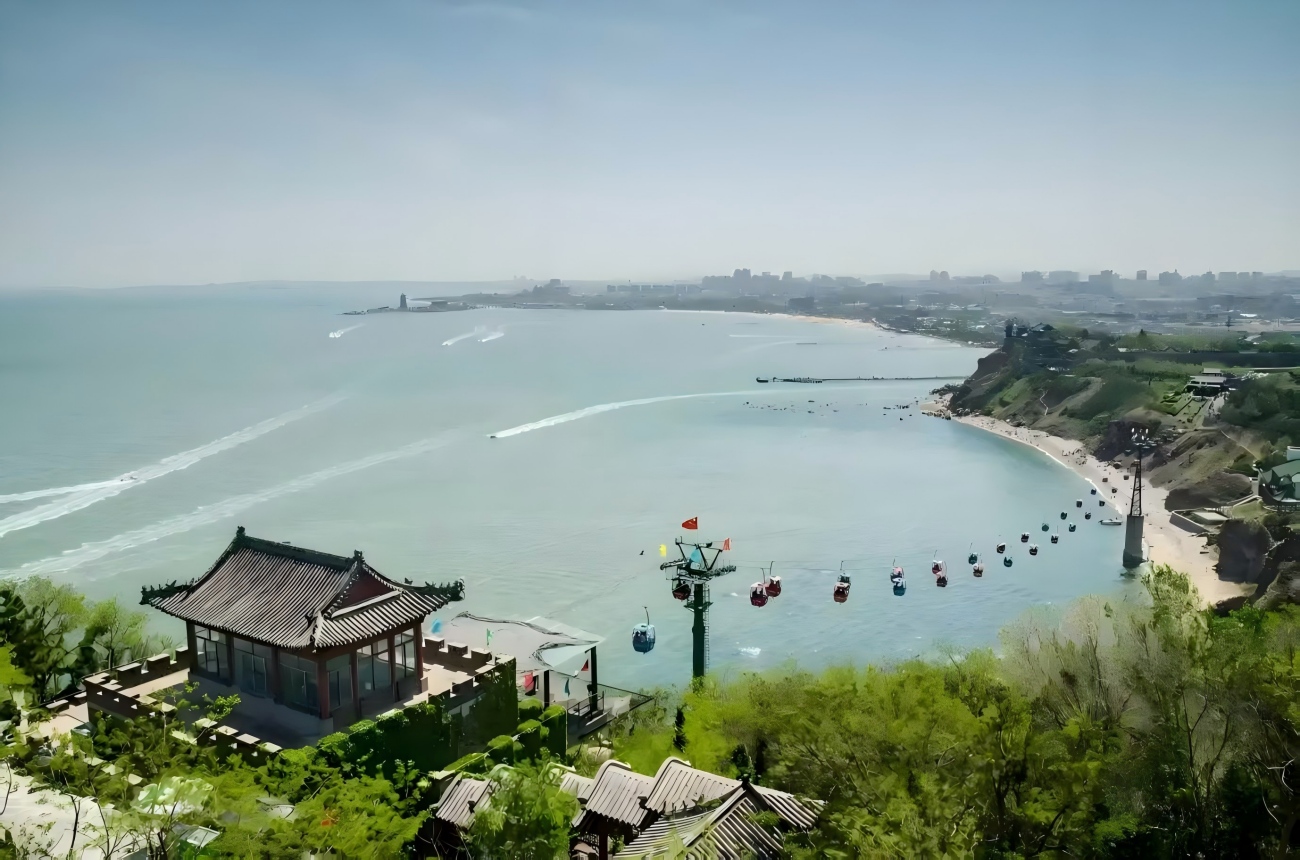
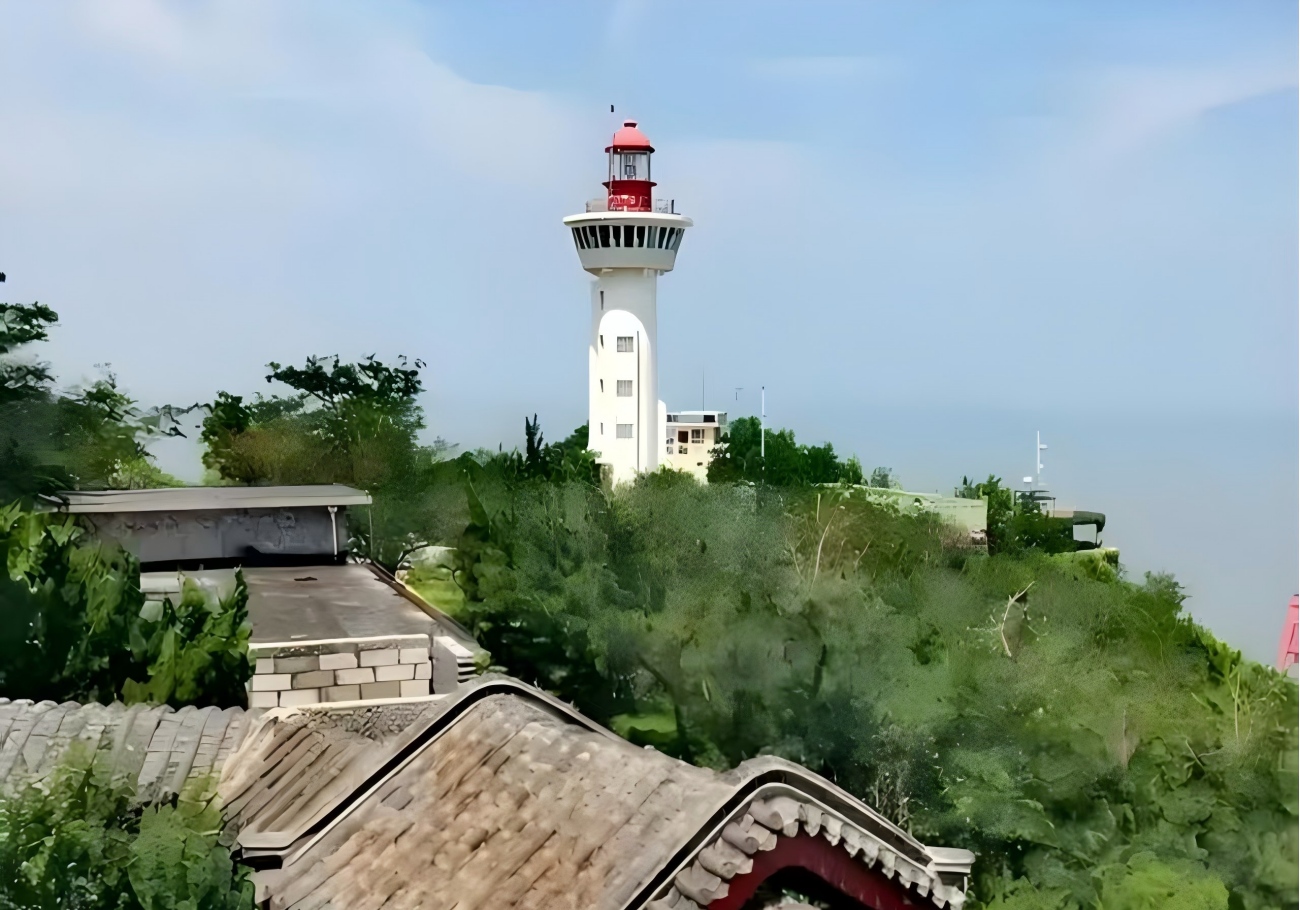
The park’s core attraction is the "Tianheng Cliff Walkway". Built along the cliff, it is 200 meters long and 1.5 meters wide, with a sheer drop to the sea on one side and a steep mountain on the other. Walking on the walkway, visitors feel as if they are "in the air", with the roaring sea below and the howling wind in their ears – a thrilling and exciting experience. At the end of the walkway is the "Tianheng Pavilion", which houses a 3-meter-tall statue of Tian Heng, holding a sword with a determined expression, recreating his heroic spirit of "refusing to surrender and preferring death".
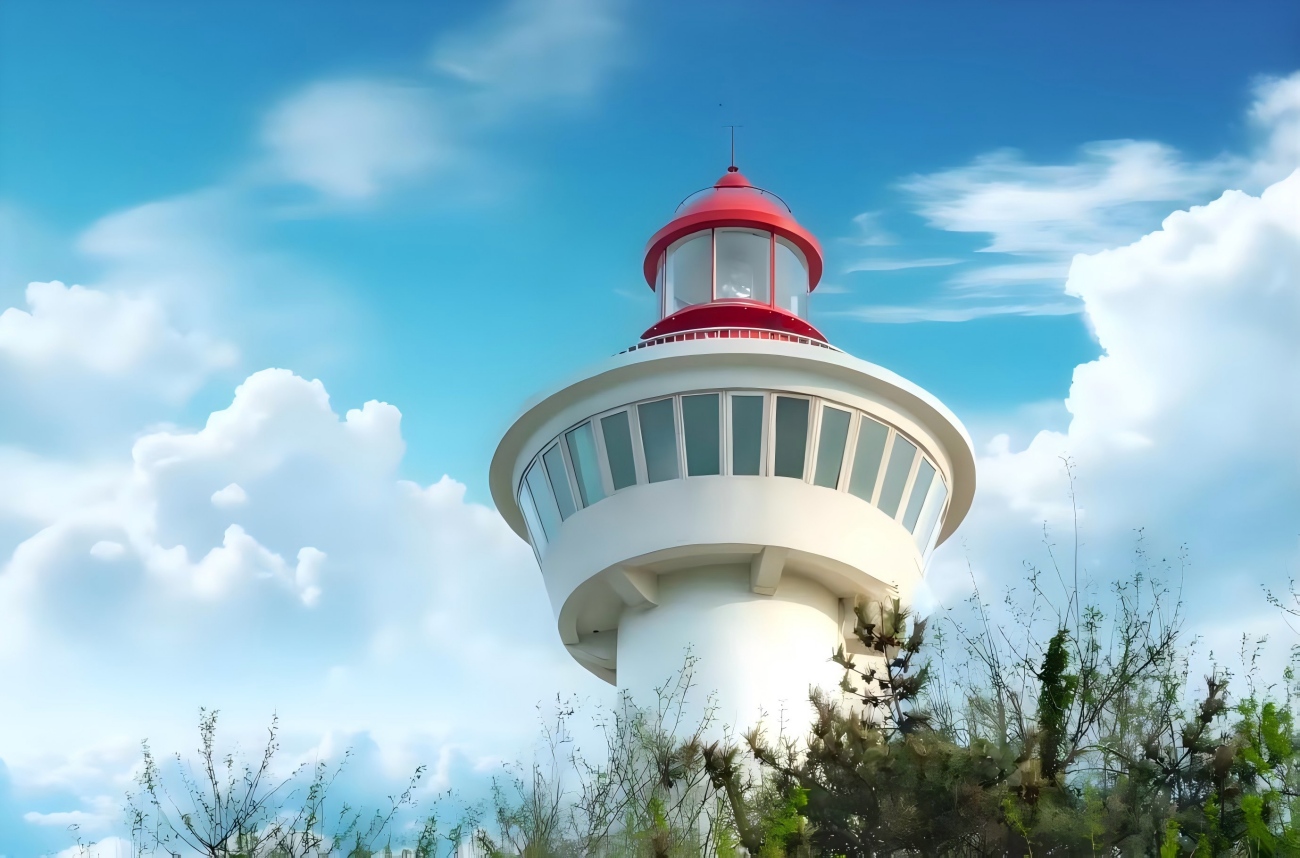
From Tianheng Pavilion, visitors can clearly see the Bohai-Yellow Sea Boundary – a long line of white waves separating the two seas. The Yellow Sea to the east is deep blue, while the Bohai Sea to the west is pale yellow; the two colors meet distinctly, forming the "Bohai-Yellow Sea Watershed", a unique natural wonder of Penglai Island. Additionally, attractions such as the "Haihe Pavilion" (Sea Convergence Pavilion) and "Haijing Pavilion" (Sea Viewing Pavilion) are ideal for enjoying the sea scenery, allowing visitors to climb high and gaze far, experiencing the grandeur of "the sea and sky merging into one".
IV. Cultural Heritage: The Liveliness of Fishermen’s Folk Customs and Intangible Cultural Heritage (ICH) Skills
Penglai Island has not only "immortal charm" but also "human warmth". For thousands of years, fishermen living on the island have developed unique folk customs and ICH skills through their interaction with the sea. These vibrant cultural elements make the "fairyland" more vivid and touching.
(1) Fishermen’s Folk Custom Experiences
The most representative folk custom of Penglai Island is the "Fishermen’s Lantern Festival". On the 13th day of the first lunar month, fishermen spontaneously organize this festival. Every household makes fishing lanterns – using reed stalks as frames, colored paper as shades, and candles inside – symbolizing "lighting the fishing boats and ensuring safe voyages". In the evening, fishermen carry the lanterns and parade along the coast, setting off firecrackers and beating gongs and drums to pray for smooth winds, calm seas, and abundant catches in the new year. After the parade, they release the lanterns into the sea; countless lanterns floating on the water resemble a "sea of stars", creating a spectacular scene.
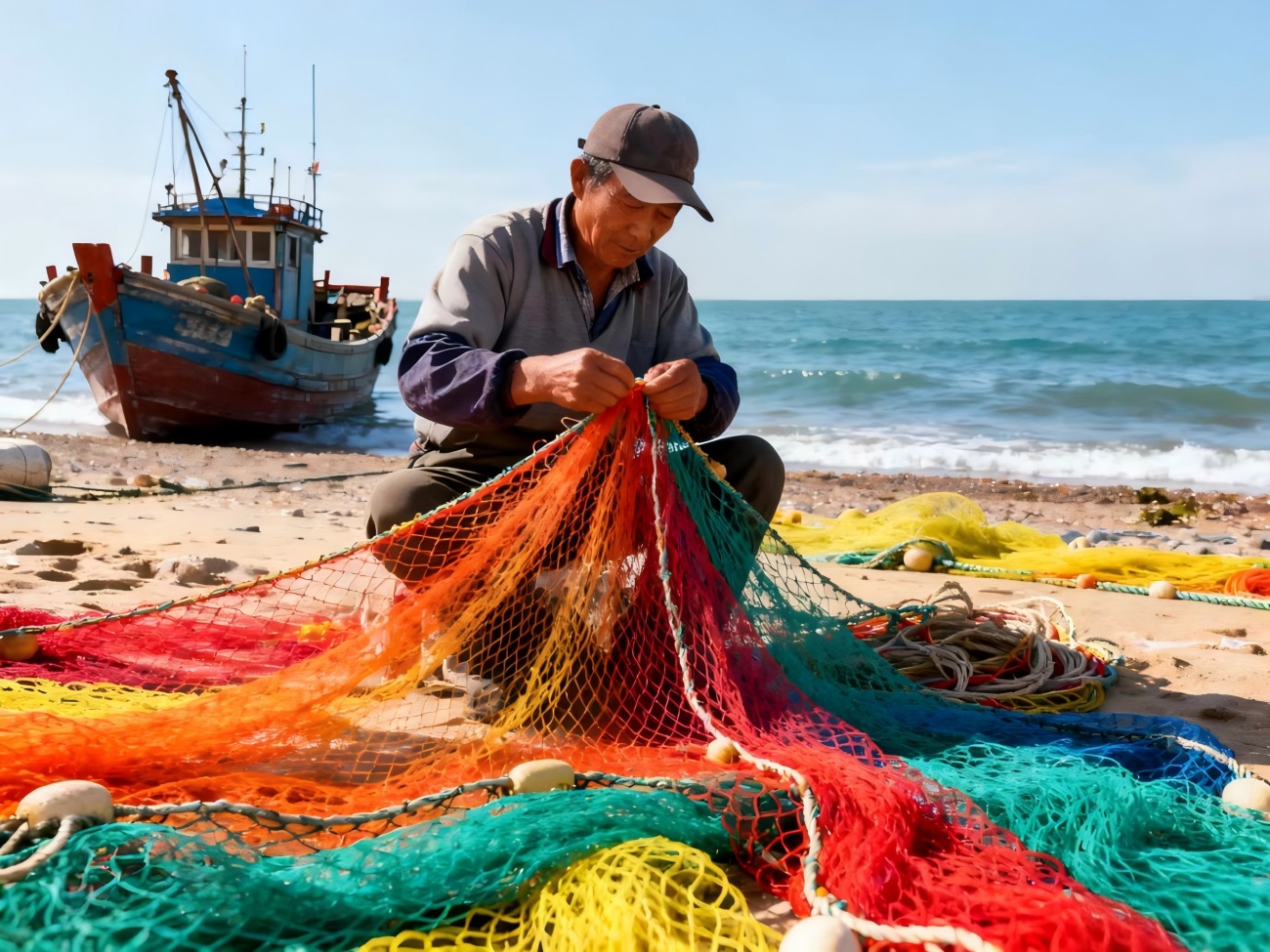
Another famous tradition is the "Fishermen’s Work Songs". These are ballads sung by fishermen while fishing or loading/unloading goods, divided into types such as "Anchoring Songs", "Net-Pulling Songs", and "Unloading Songs". With simple lyrics and powerful melodies, they express fishermen’s awe for the sea and love for life. Today, in some seafood restaurants on Penglai Island, visitors can still hear fishermen artists singing these work songs while enjoying fresh seafood, experiencing the charm of fishermen’s culture.
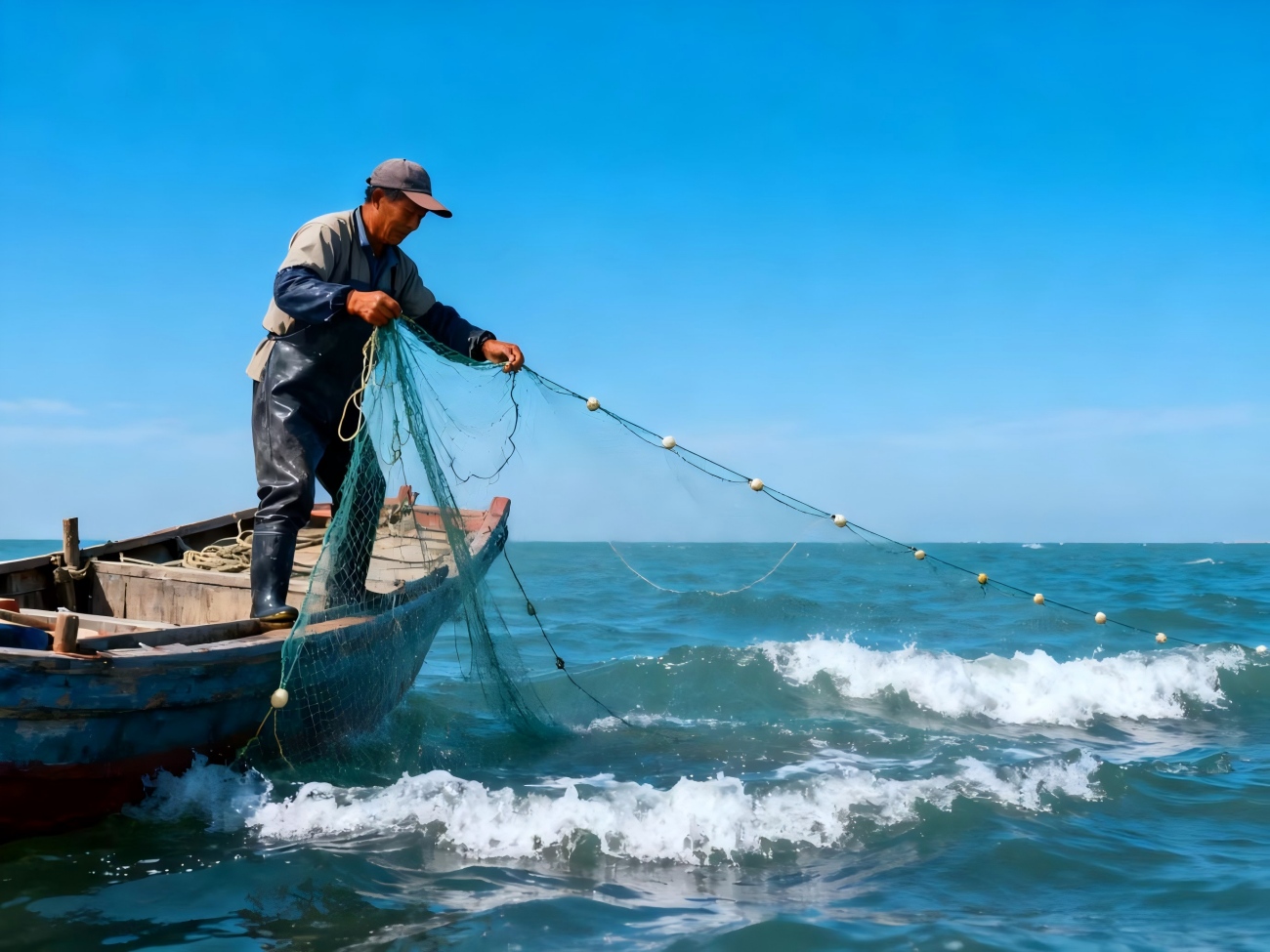
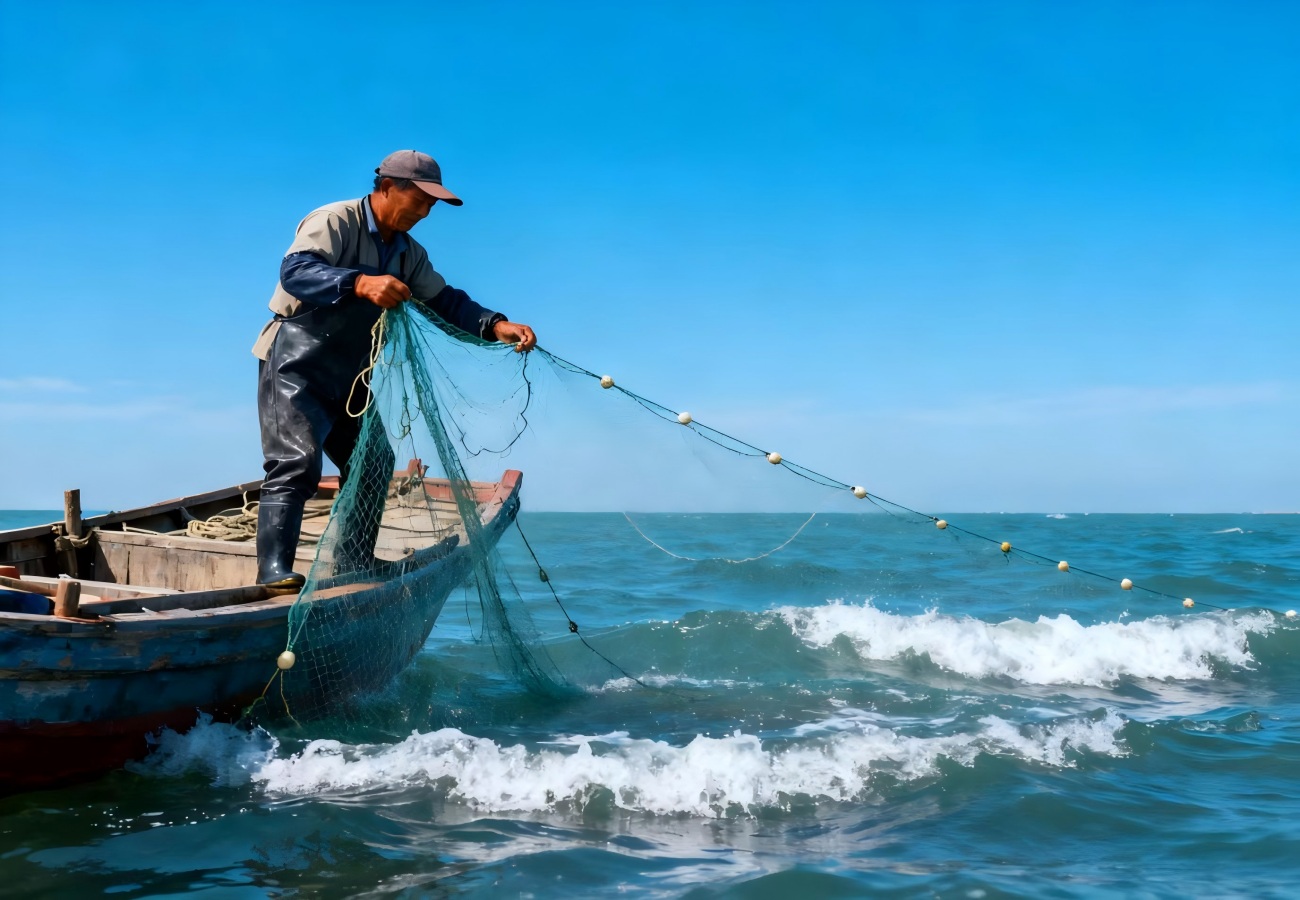
Visitors can also experience "fishermen’s daily life" – taking a fishing boat out to sea, casting and hauling nets by hand to feel the fishermen’s routine. Or, in a fishermen’s courtyard, learn to make local snacks (such as fish balls and shrimp paste) with the fishermen, experiencing the joy of "do-it-yourself". These experiences allow visitors not only to "see the fairyland" but also to "taste life", gaining a deeper understanding of Penglai Island’s fishing culture.
(2) Intangible Cultural Heritage (ICH) Skill Demonstrations
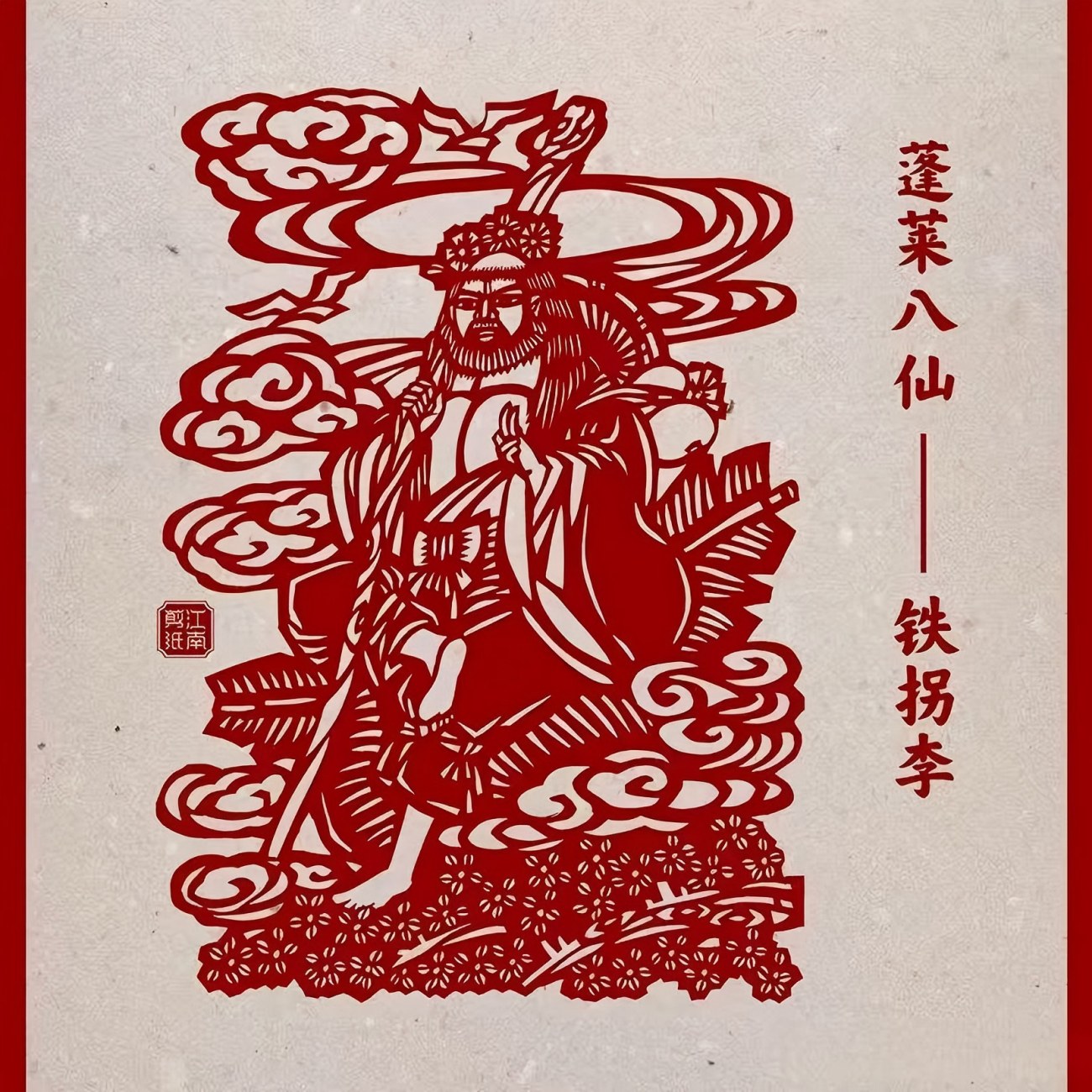
The most famous ICH skill of Penglai Island is "Penglai Paper-Cutting". With a history dating back to the Ming Dynasty, it is known for its "diverse themes, delicate cutting techniques, and vivid shapes". Common themes include the Eight Immortals legends, fishermen’s life, and marine creatures, reflecting strong local characteristics. At Penglai Island’s "ICH Experience Hall", visitors can watch paper-cutting artists perform live – with skillful scissors, artists can create a paper-cutting work of "Eight Immortals Crossing the Sea" or "Abundant Harvest Every Year" in just a few minutes. The quick movements of the scissors showcase the magic of this ICH skill. Visitors can also try paper-cutting themselves, making their own works under the artists’ guidance to take home as a "fairyland souvenir".
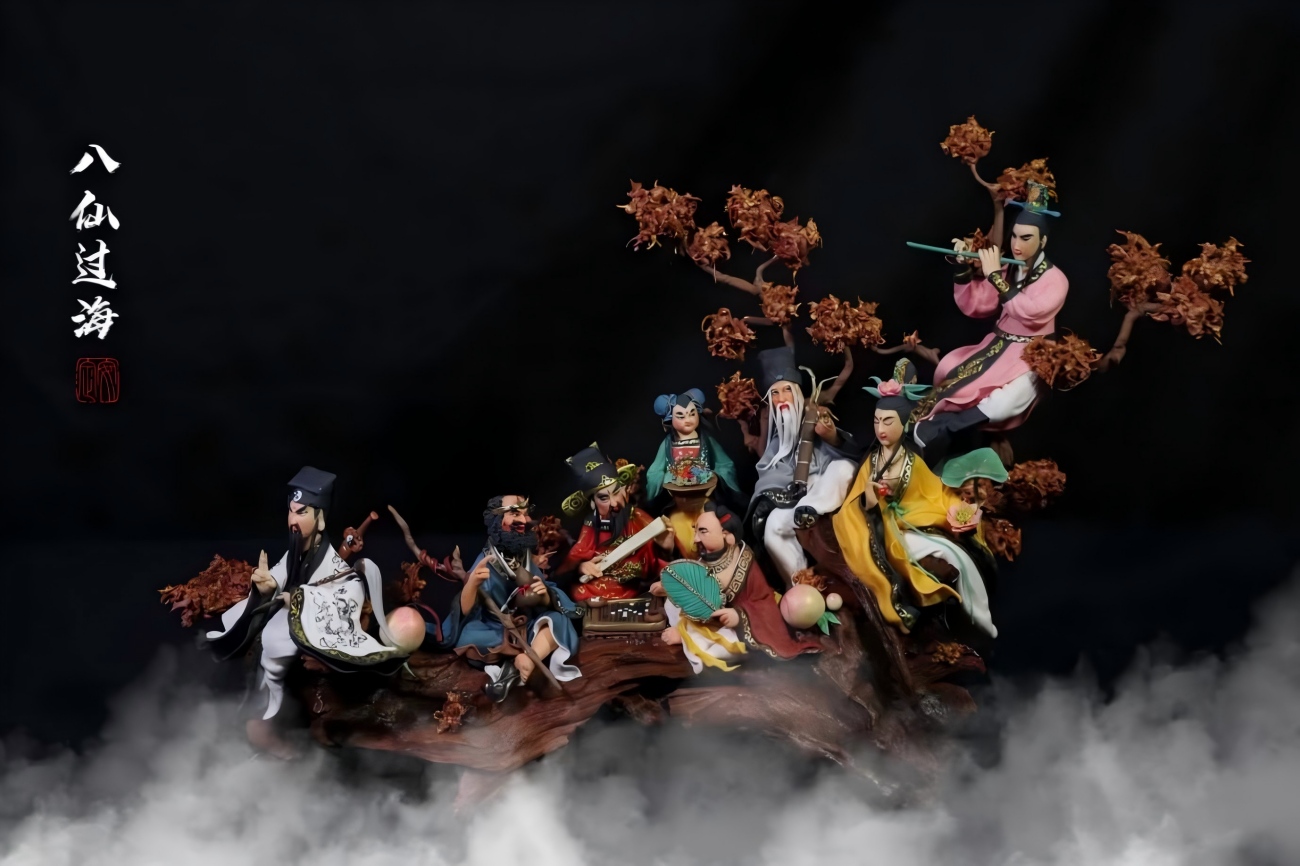
Another important ICH skill is "Penglai Dough Sculpture". Originating in the Qing Dynasty, it uses glutinous rice flour mixed with pigments to create various shapes of figures, animals, and flowers, known for their bright colors and lifelike forms. The "Eight Immortals Dough Sculptures" are particularly famous – artists depict the unique features of each immortal, with intricate details such as Tieguai Li’s crutch, He Xiangu’s lotus, and Zhang Guolao’s donkey, leaving visitors in awe. At the ICH Experience Hall, visitors can watch the dough sculpting process and try making simple dough sculptures, experiencing the fun of this traditional skill.
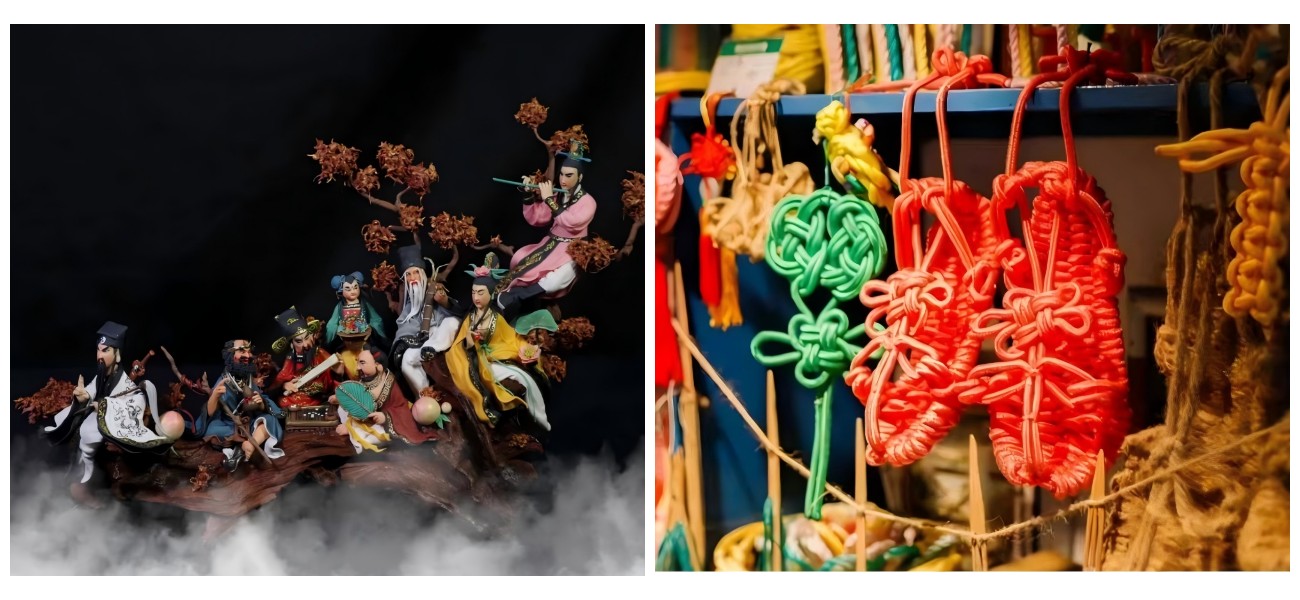
Additionally, "Penglai Fishing Knots" are a unique ICH skill. Developed by fishermen during long-term fishing activities, these knots are strong, practical, and beautiful. Common types include the "Single Hitch", "Double Hitch", and "Figure-Eight Knot", which are not only used in fishing operations but also made into decorations. In fishermen’s courtyards, fishermen teach visitors to weave fishing knots, and visitors can make a simple fishing knot pendant as a memento of their trip to Penglai Island.
V. A Feast for the Taste Buds: Penglai Island’s Fishermen’s Cuisine and Specialty Snacks
After exploring the attractions, let your taste buds embark on a "fairyland food journey". Penglai Island’s cuisine centers on "seafood", leveraging the abundant aquatic resources of the Bohai and Yellow Seas. Using simple cooking methods to lock in the fresh sweetness of seafood, every dish is filled with "the taste of the sea".
(1) Must-Try Seafood Dishes
Penglai Noodle Soup: Despite its name meaning "small noodles", it is the most iconic breakfast on Penglai Island. The key to this dish lies in the "broth", which is simmered with local seafood such as yellow croaker, sea shrimp, and scallops, resulting in a rich and flavorful soup. The noodles are hand-rolled thin noodles with a chewy texture. To eat, place the noodles in a bowl, pour over the broth, and sprinkle with green onions, cilantro, and dried shrimp. Each bite combines the savory broth with the chewy noodles, leaving a lasting impression. Penglai Noodle Soup is best enjoyed "freshly made", so in the early morning, long queues form outside many noodle shops – visitors should try it early to experience this "fairyland breakfast".

Steamed Mantis Shrimp: Penglai Island’s mantis shrimp are famous for their "large size, tender meat, and rich umami". The best seasons to enjoy them are April-May (spring) and September-October (autumn). Steaming is the best way to highlight their freshness – clean the fresh mantis shrimp, steam them, and dip in a little ginger vinegar. Each bite releases the sweet taste of the shrimp meat, making it hard to stop. In spring, most mantis shrimp are females with plump roe, which is even more delicious.

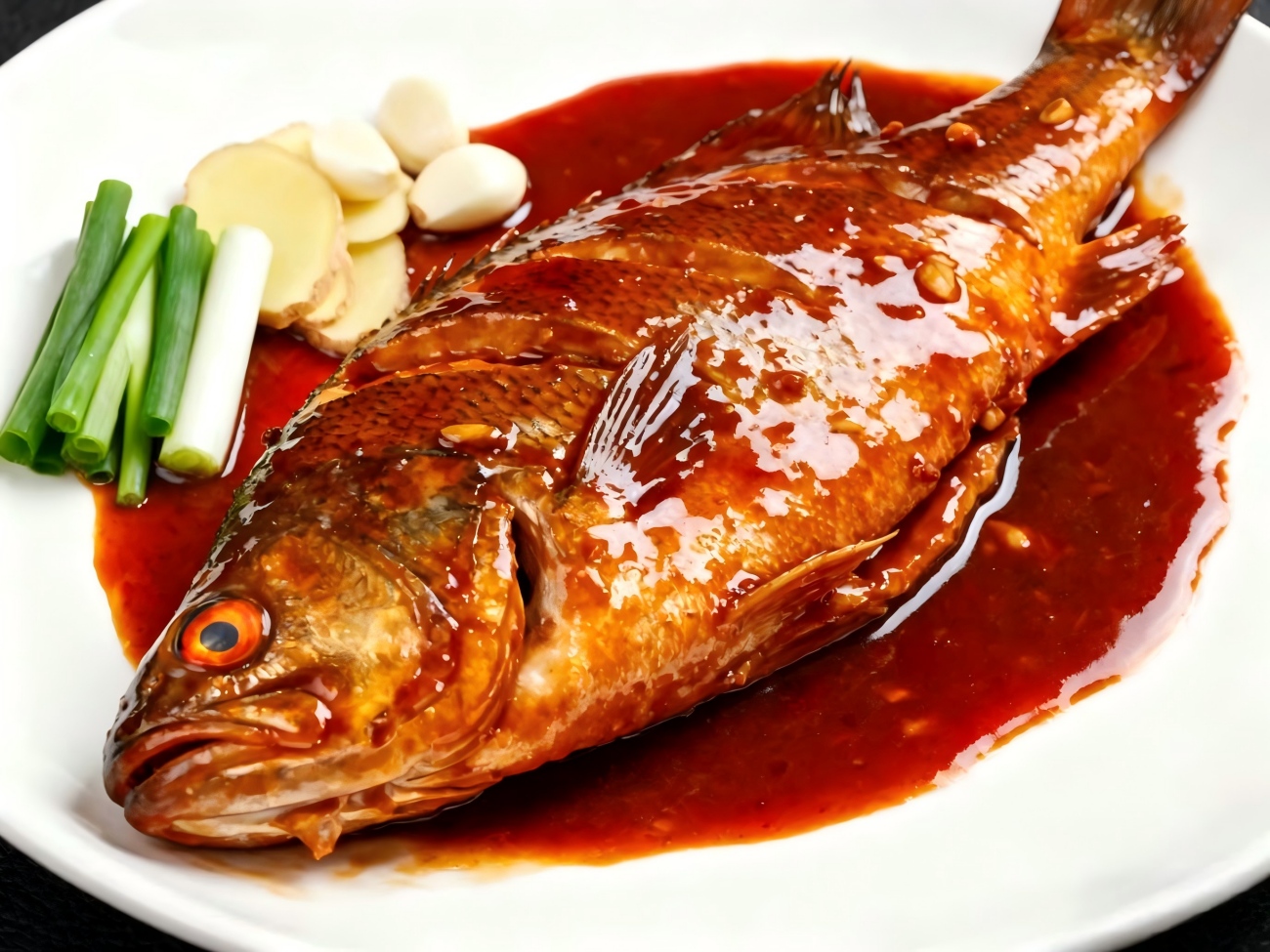
Soy-Braised Sea Bass: Sea bass is a common fish on Penglai Island, with tender meat and few bones, making it perfect for soy braising. To cook, clean the sea bass, marinate it with soy sauce, rice wine, and sugar, then braise until the flavors fully infuse the fish. The resulting dish has tender, flavorful meat and rich sauce – it is often called a "rice killer" when served with rice and is a classic dish on fishermen’s dining tables.

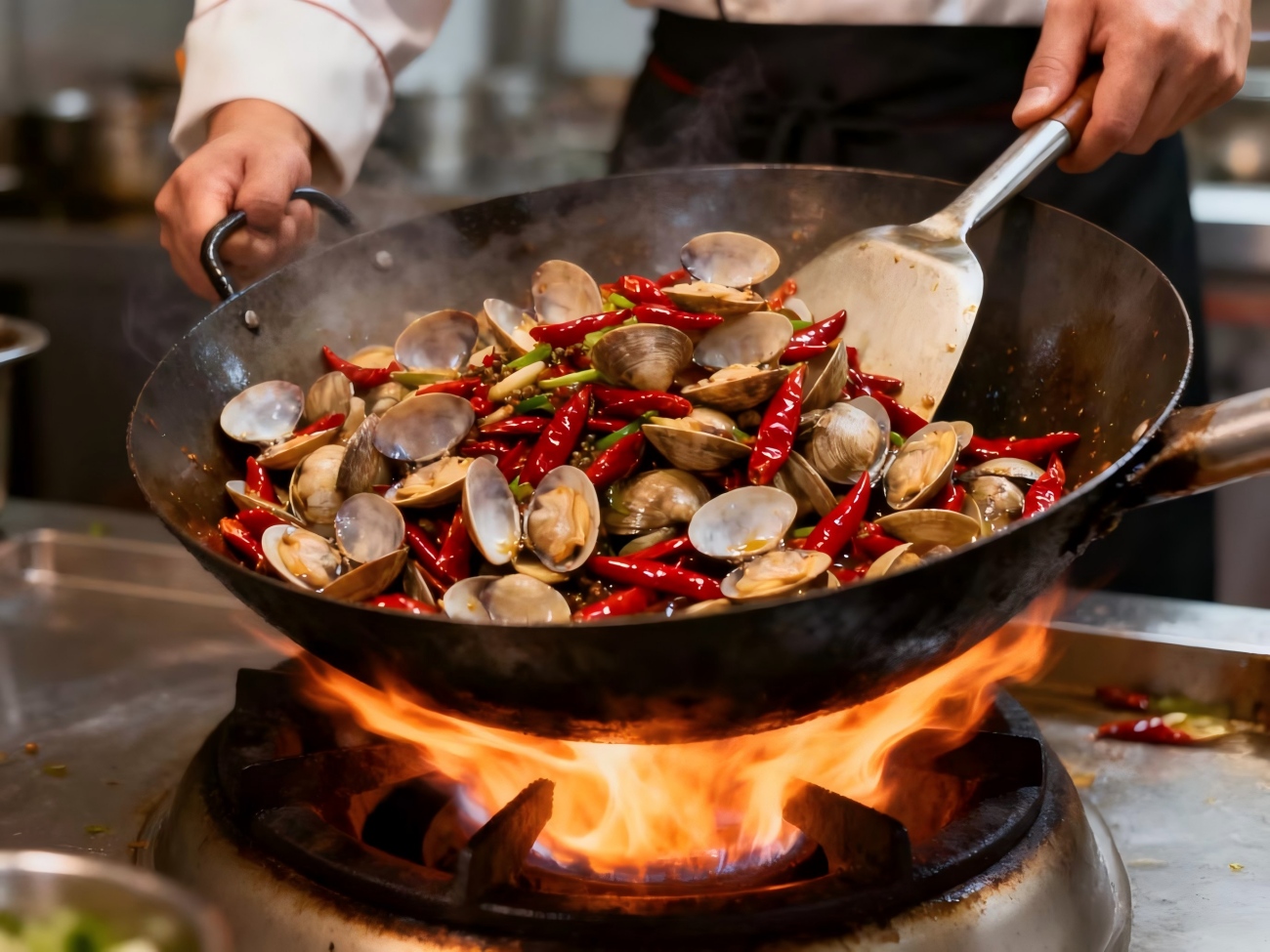
Spicy Stir-Fried Clams: Clams are among the most affordable and popular seafood on Penglai Island. Local clams have plump meat and no sand, making them ideal for spicy stir-frying. After the clams have spit out sand, stir-fry them with chili, ginger, and garlic until they open and absorb the seasonings. The spicy and appetizing taste makes this dish a perfect choice for gatherings with friends or as a beer snack, and it is a "must-order" in Penglai’s restaurants.

(2) Specialty Snacks and Desserts
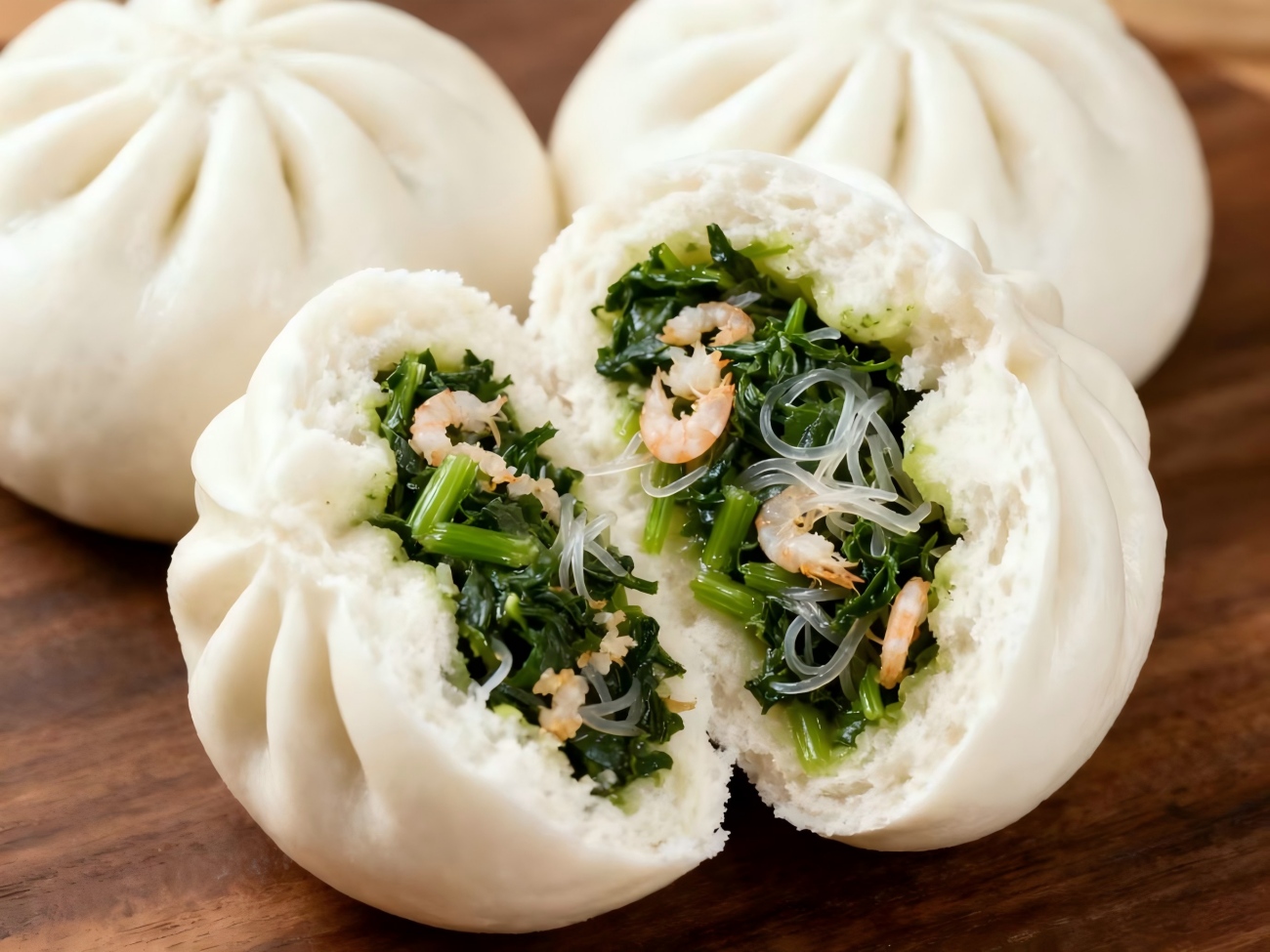
Seaweed Steamed Buns: A traditional snack of Penglai Island, these buns use local seaweed (such as wakame or laver) mixed with pork and chives as filling, wrapped in leavened dough, and steamed. Characterized by "thin skin, large filling, and fresh flavor", the umami of the seaweed blends perfectly with the aroma of the pork. Each bite is filled with the warmth of fishermen’s life, making them a common choice for locals’ breakfast or lunch.

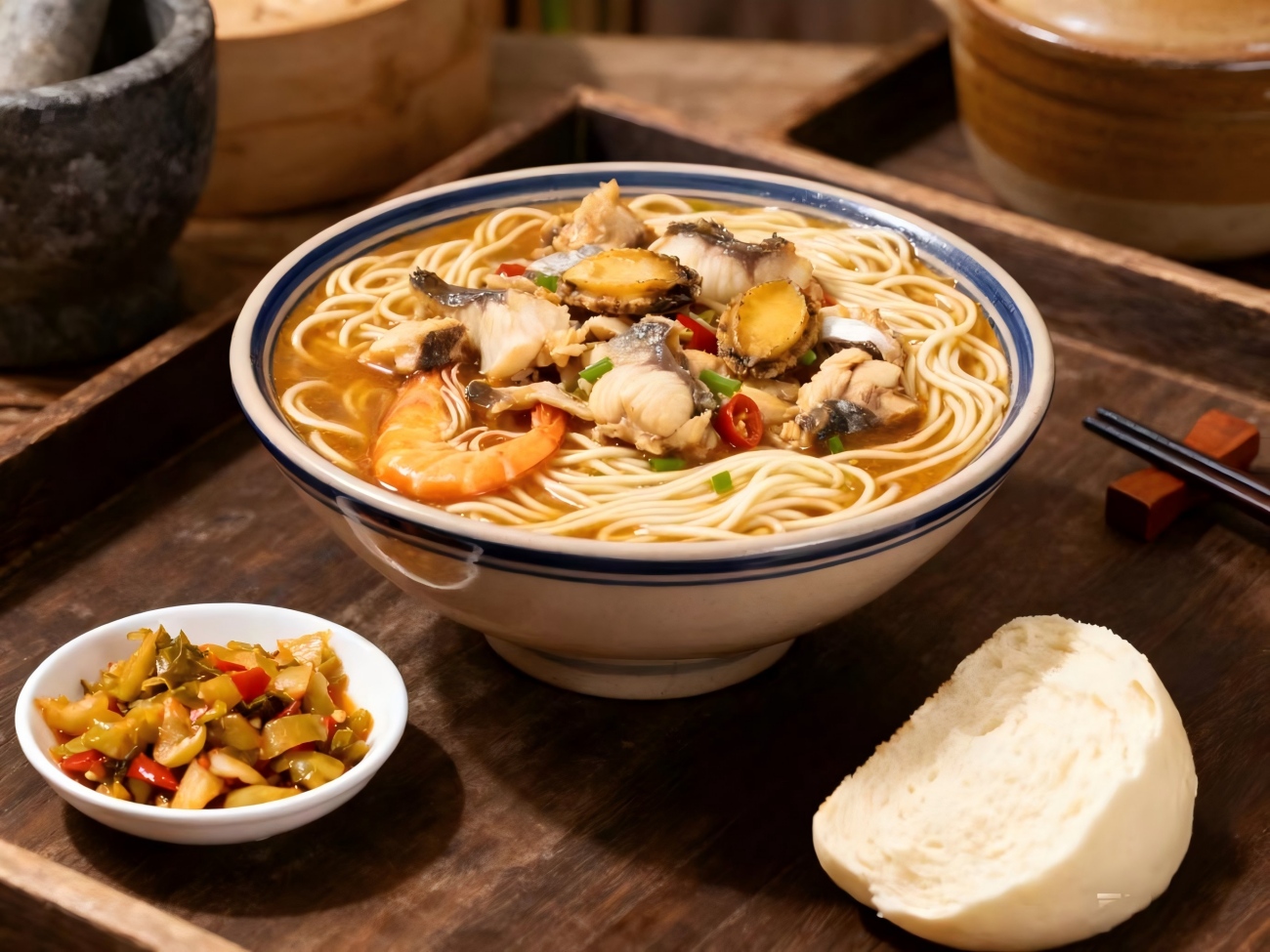
Fish Broth Noodles: Known together with Penglai Noodle Soup as the "Two Classic Noodles of Penglai", it has a completely different flavor. The broth is made by simmering fresh sea fish (mostly hairtail or yellow croaker) until the meat is tender, then straining out the bones and thickening with starch. The thick, milky broth is rich in fish umami. Thick, chewy hand-rolled noodles are cooked and mixed with the fish broth, served with pickled radish and Chinese toon sprouts. Each bite offers chewy noodles and rich, savory broth – it is the preferred warming staple for Penglai fishermen in winter and can be enjoyed at the old noodle shop "Shunxing Ju" for the most authentic taste.

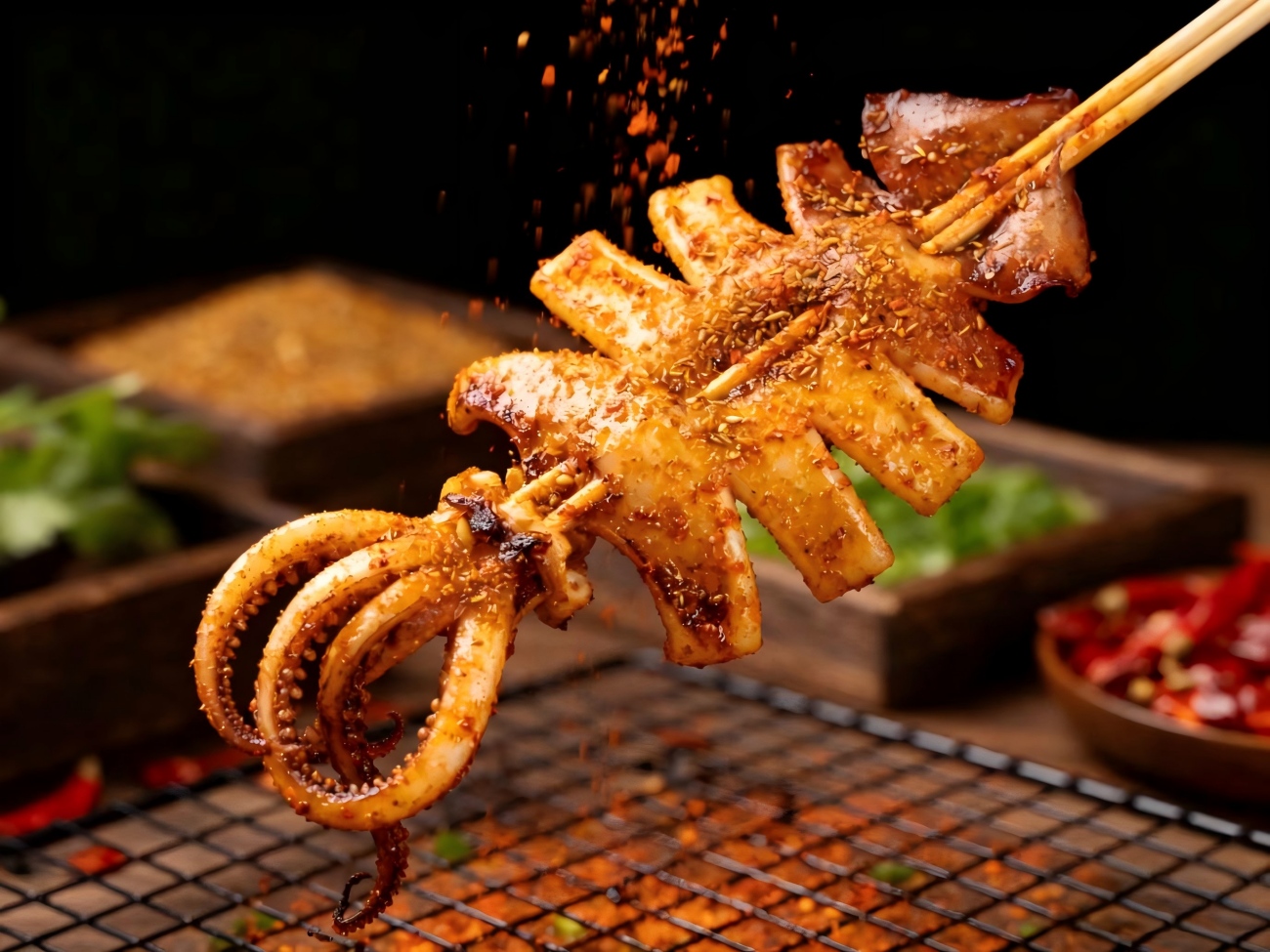
Grilled Squid: A classic snack in coastal cities, Penglai Island’s grilled squid has a unique "fishermen’s style". Fresh squid from the Bohai Bay is cleaned, cut into strips or grilled whole, brushed with a homemade sauce (based on soybean paste and sweet bean paste, mixed with garlic, cumin, and chili), and slowly grilled over charcoal until the edges are slightly charred and the sauce is fully absorbed. The resulting squid has a chewy texture, with the sauce’s aroma blending perfectly with the seafood’s umami. The squid tentacles, in particular, become more flavorful as you chew, making them the perfect snack for evening strolls along Penglai’s waterfront.

VI. Encountering Penglai
Dear visitors, as the setting sun gilds the red walls of Penglai Pavilion with its final golden light, and the sea breeze carries the fresh sweetness of seafood to your ears, our journey to the fairyland of Penglai Island is about to draw to a perfect close.
During this short journey, we traced the romantic legend of the "Eight Immortals Crossing the Sea", touched the weathered traces of the thousand-year-old Penglai Pavilion, witnessed the magical Bohai-Yellow Sea Boundary, and tasted the fresh flavors of fishermen’s cuisine. We felt the grandeur of "looking at the sea from the sky" on the Tianheng Cliff Walkway, experienced the fantasy of "being in an immortal mountain" at the Three Immortal Mountains, and touched the delicate patterns of Penglai paper-cutting with our own hands at the ICH Experience Hall. These memories, like Penglai’s mirages, are fleeting yet profound and will become unforgettable "fairyland imprints" in our hearts.
Penglai Island, this sea-bound immortal mountain recorded in The Classic of Mountains and Seas and praised by scholars and poets, has not only "mist-shrouded fairyland beauty" but also "vibrant daily life". It teaches us that "fairyland" is never just an illusory place in legends but a accumulation of history and culture, a fusion of nature and humanity, and a home and belief guarded by fishermen for generations.
As we bid farewell, may the sea breeze of Penglai Island carry away your fatigue, may the "magical powers" of the Eight Immortals bring you good luck, and may the beautiful memories of this journey become a warm "fairyland light" in your heart when you think back on it. We look forward to the day when you can step onto this island again to rediscover the fairyland stories between the mountains and seas. Finally, we hope to meet you again in China!
Leave your messages