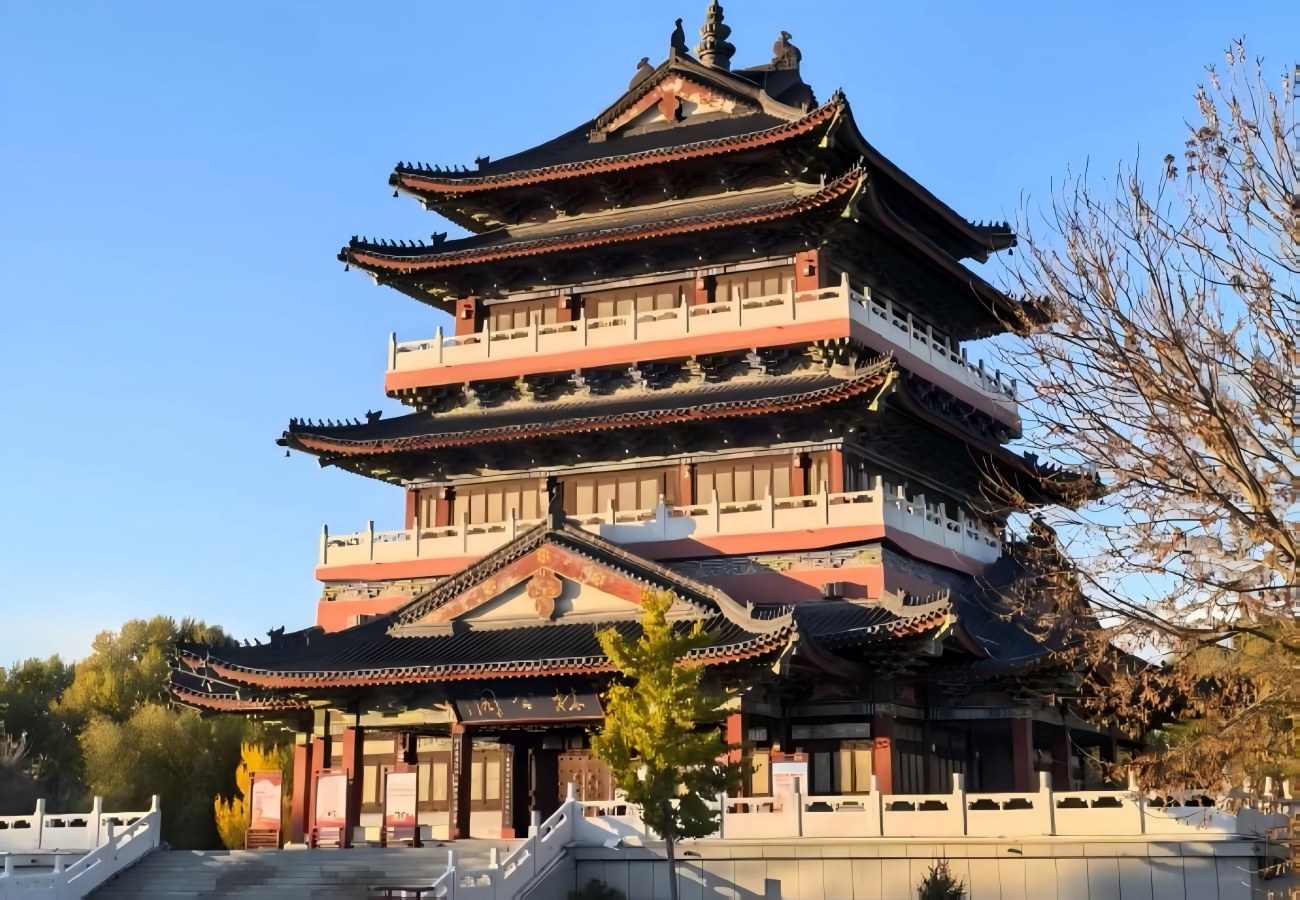
Three Confucian Sites
Seek authentic Chinese culture? Explore Qufu’s Three Confucian Sites (Confucius Temple, Mansion, Cemetery) — UNESCO World Heritage Sites with 2,000 years of Confucian wisdom.
Our tailor-made tours offer:
✅ 4-Star+ Stays: Premium hotels with modern comforts, local charm, minutes from sites.
✅ Local Eats Included: Savor Confucian Mansion dishes (e.g., Poetry & Ritual Ginkgo), crispy Confucius’ Baked Cakes, and Shandong specialties.
✅ Shandong 5A Picks: Add iconic spots like sacred Mount Tai or Qingdao’s coast to your itinerary.
✅ Pro Designers: Craft trips for cultural talks, photography, or family fun — stress-free.
Wander the Temple’s grand halls, the “Top Family Under Heaven” Mansion, and the Cemetery’s serene woods. Every moment matters, and we ensure a smooth journey.
This isn’t just a tour — it’s lasting memory. Let’s make your Shandong trip unforgettable. Book now!
Tracing the Origins of Confucianism: Confucius Mansion, Temple, and Cemetery
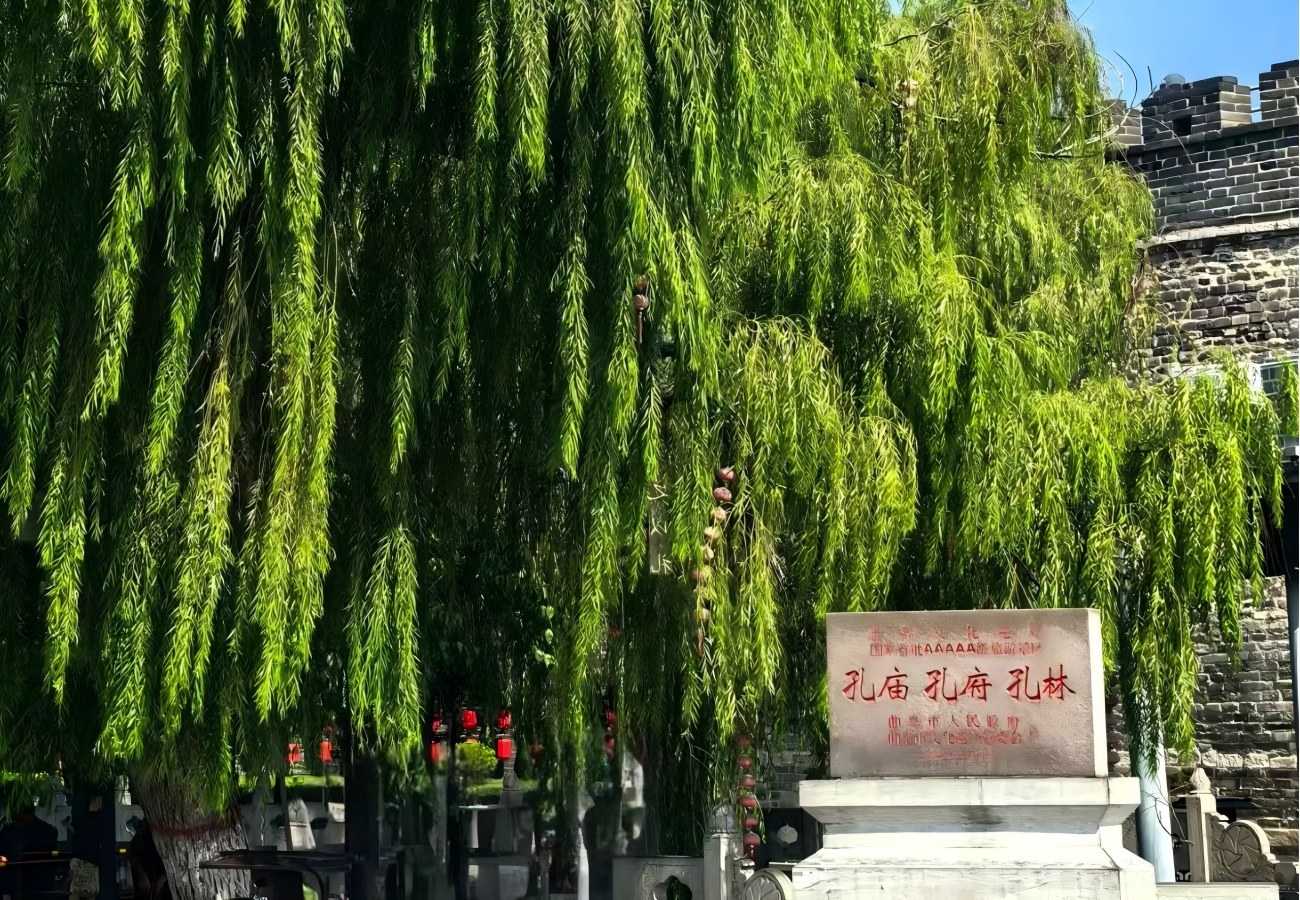
Dear overseas friends, welcome to Qufu, Shandong Province, China, for today’s cultural tour of the "Three Confucian Sites". As the hometown of Confucius, the founder of Confucianism, Qufu is home to three cultural treasures: Confucius Mansion, Confucius Temple, and Confucius Cemetery. These sites are not only outstanding examples of ancient Chinese architecture but also vivid carriers of Confucian culture that have been passed down for millennia. Together, they are inscribed on UNESCO’s World Heritage List. Now, let’s explore the historical context, architectural features, cultural connotations of these three sacred sites, as well as the "Confucian flavors" on the tip of your tongue, through six sections to experience the profound charm of Confucian thought.

I. Confucius Temple: The "Top Temple Under Heaven" for Worshiping Confucius
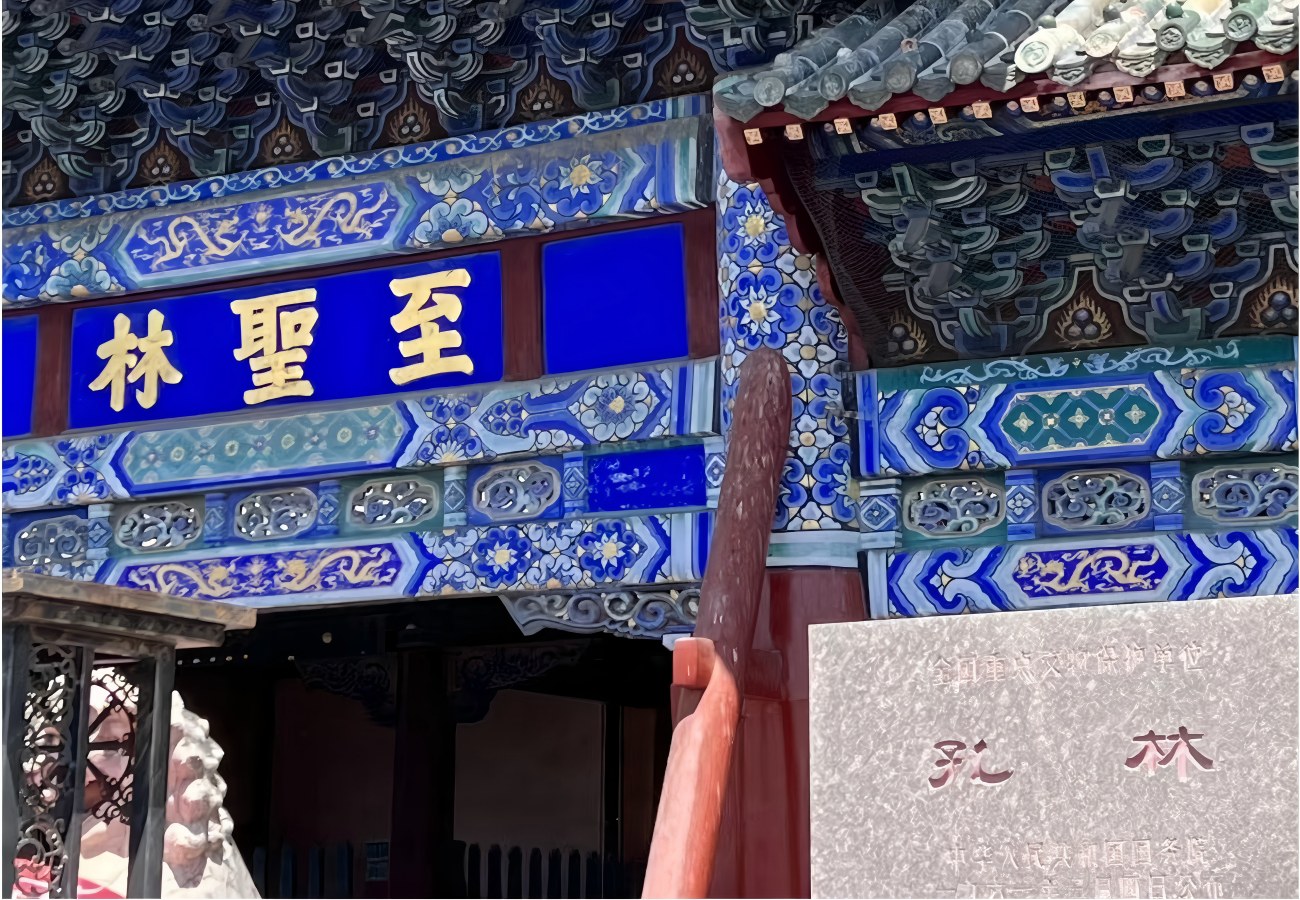
Confucius Temple, also known as the "Temple of the Most Sage", is a place where emperors, officials, and common people of successive dynasties worship Confucius. It is the largest and best-preserved ancient ritual complex for worship in China, earning it the title of "Top Temple Under Heaven".
Founded in 478 BCE, just one year after Confucius’ death, it initially started as a simple structure of three thatched huts built on Confucius’ former residence. Over more than 2,000 years, it underwent 15 large-scale renovations and expansions, eventually developing into a grand complex covering approximately 218,000 square meters, with 466 buildings including halls, pavilions, and towers.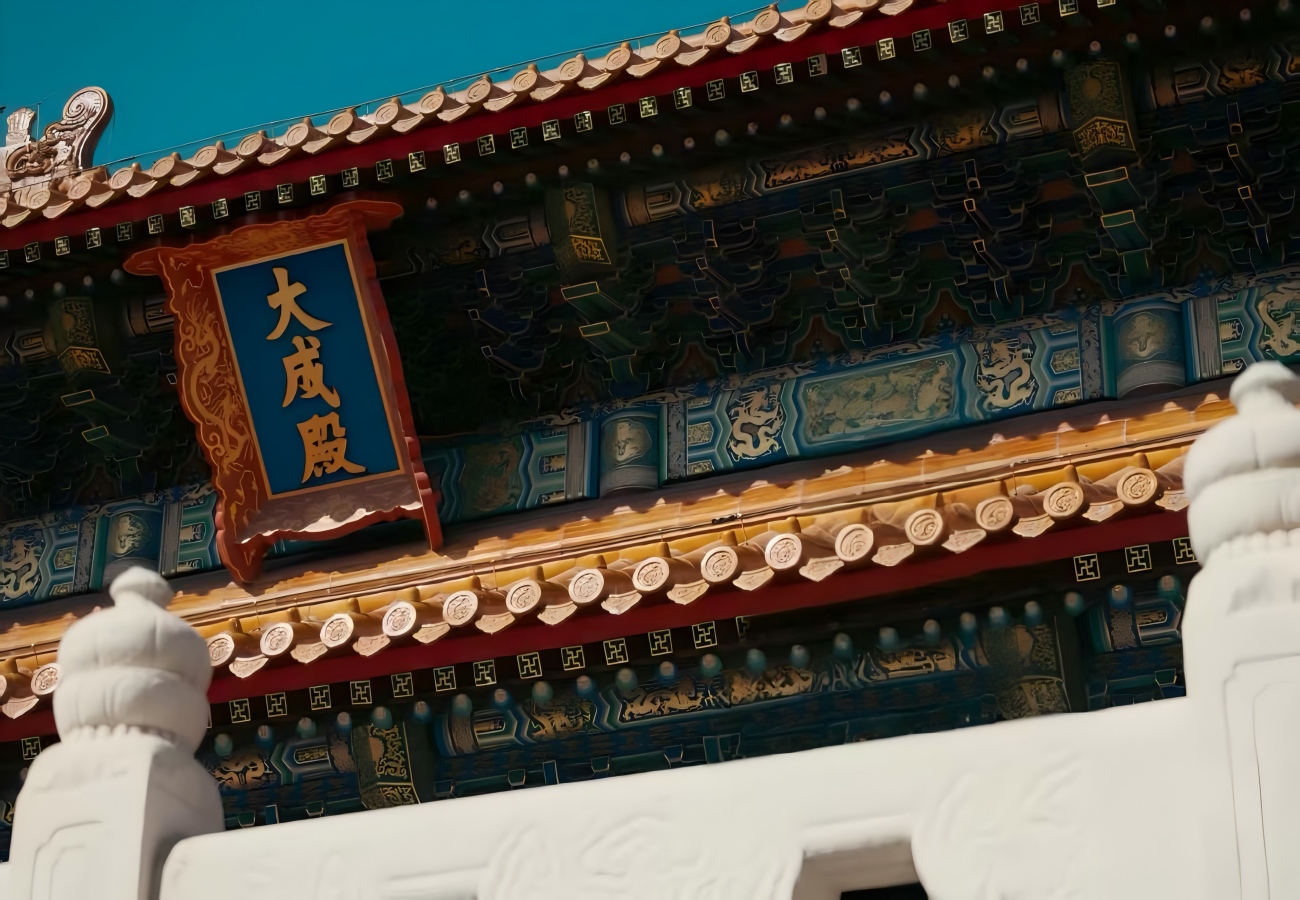
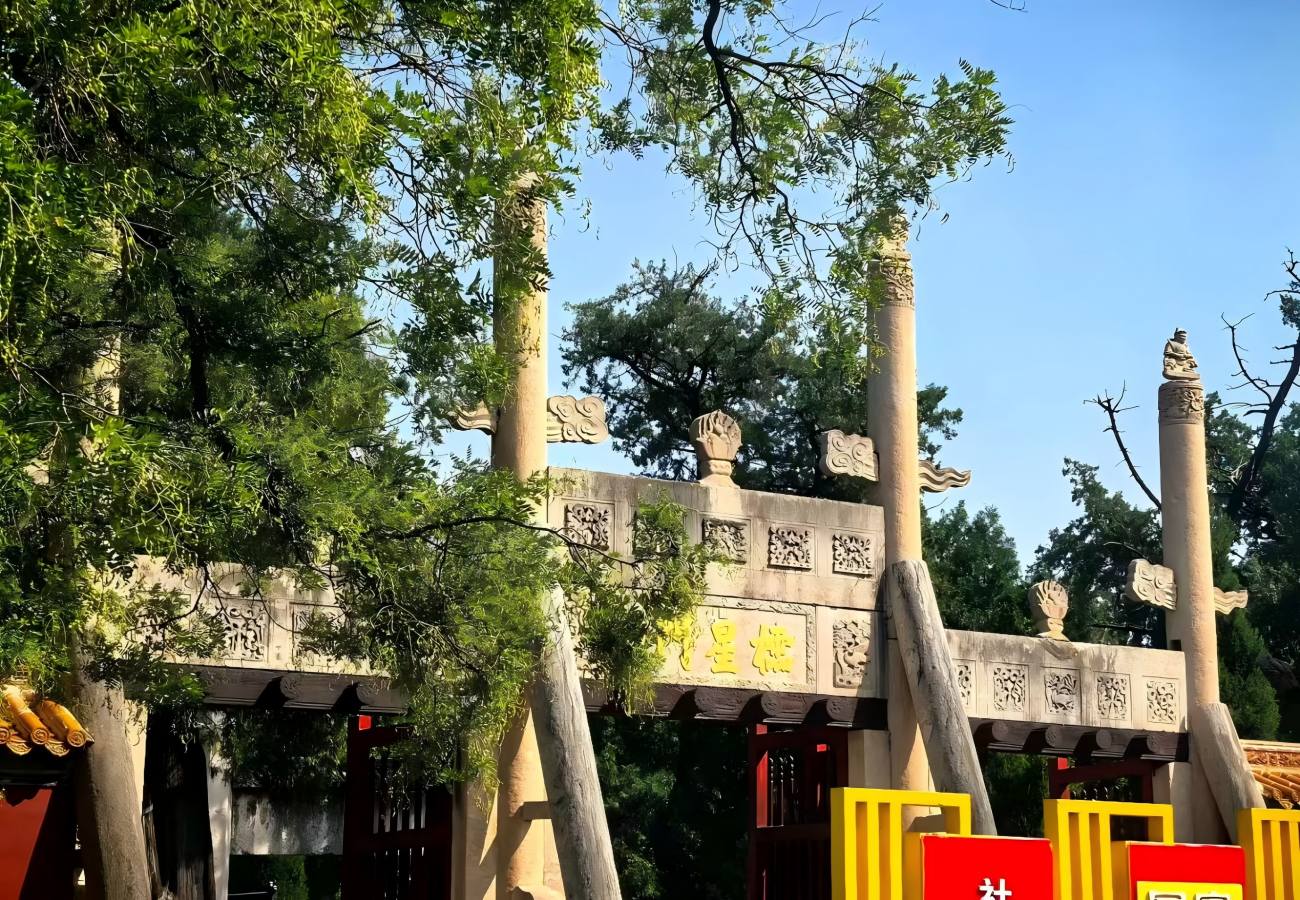
The temple’s layout strictly follows the ancient Chinese principle of "symmetry along a central axis". From south to north along the axis, core structures are arranged in sequence: Lingxing Gate, Shengshi Gate, Hongdao Gate, Dazhong Gate, Tongwen Gate, Kuiwen Pavilion, Thirteen Stele Pavilions, Dacheng Gate, Dacheng Hall, Qin Hall, and Shengji Hall. Each structure carries profound cultural meanings.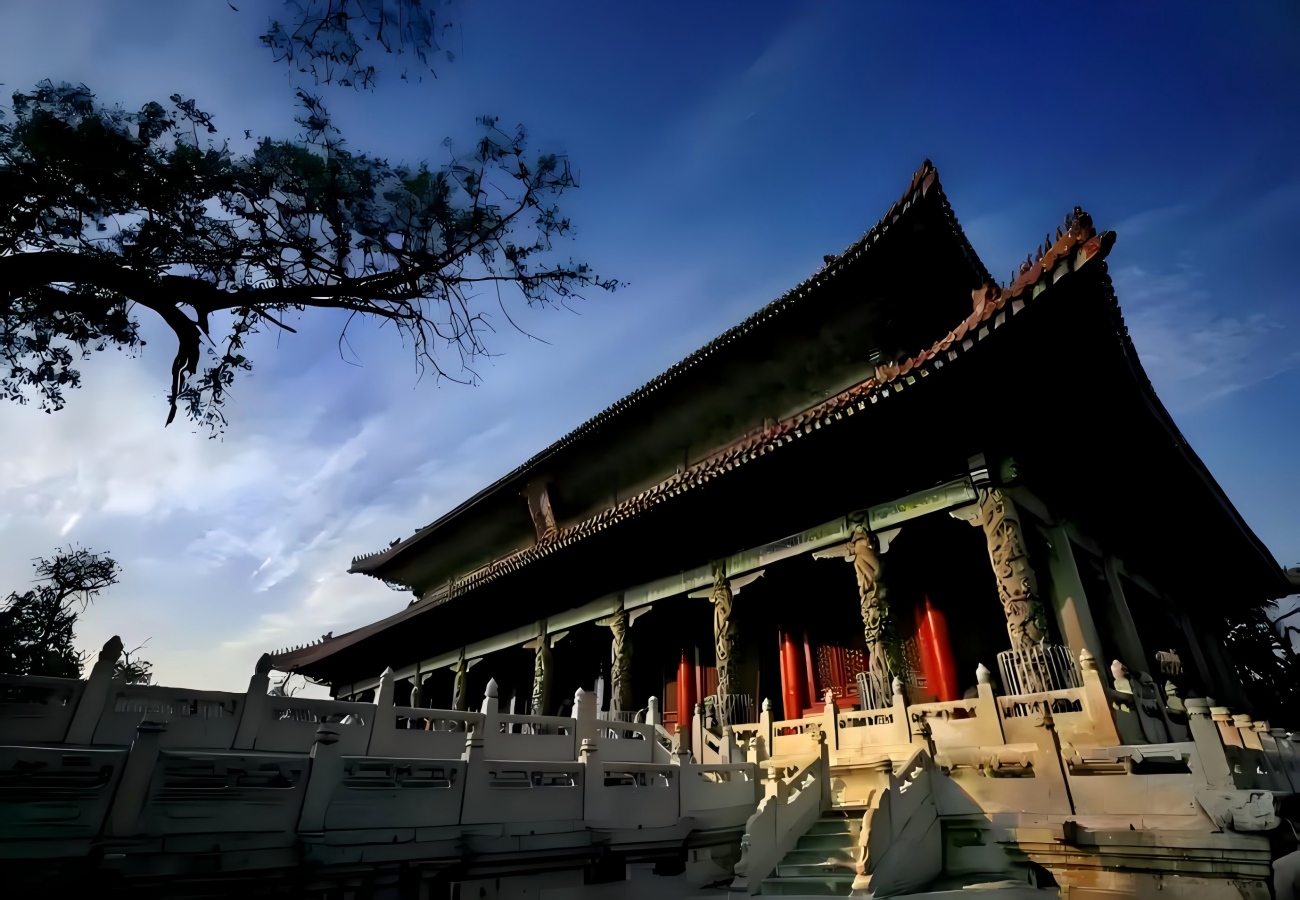
Among them, Dacheng Hall is the centerpiece of the temple. It ranks alongside the Hall of Supreme Harmony in the Forbidden City (Beijing) and Tiankuang Hall in Dai Temple (Mount Tai) as the "Three Great Halls of Ancient China". Standing 24.8 meters tall and 45.69 meters wide, the hall houses a statue of Confucius in its center. Above the statue hangs a plaque inscribed with "Model Teacher for All Ages", written by Emperor Kangxi of the Qing Dynasty. Outside the hall, 28 dragon-carved stone pillars line the veranda. Each pillar, 5.98 meters high, is adorned with exquisitely carved, lifelike coiling dragons—masterpieces of ancient Chinese stone carving art that showcase remarkable craftsmanship and majestic momentum.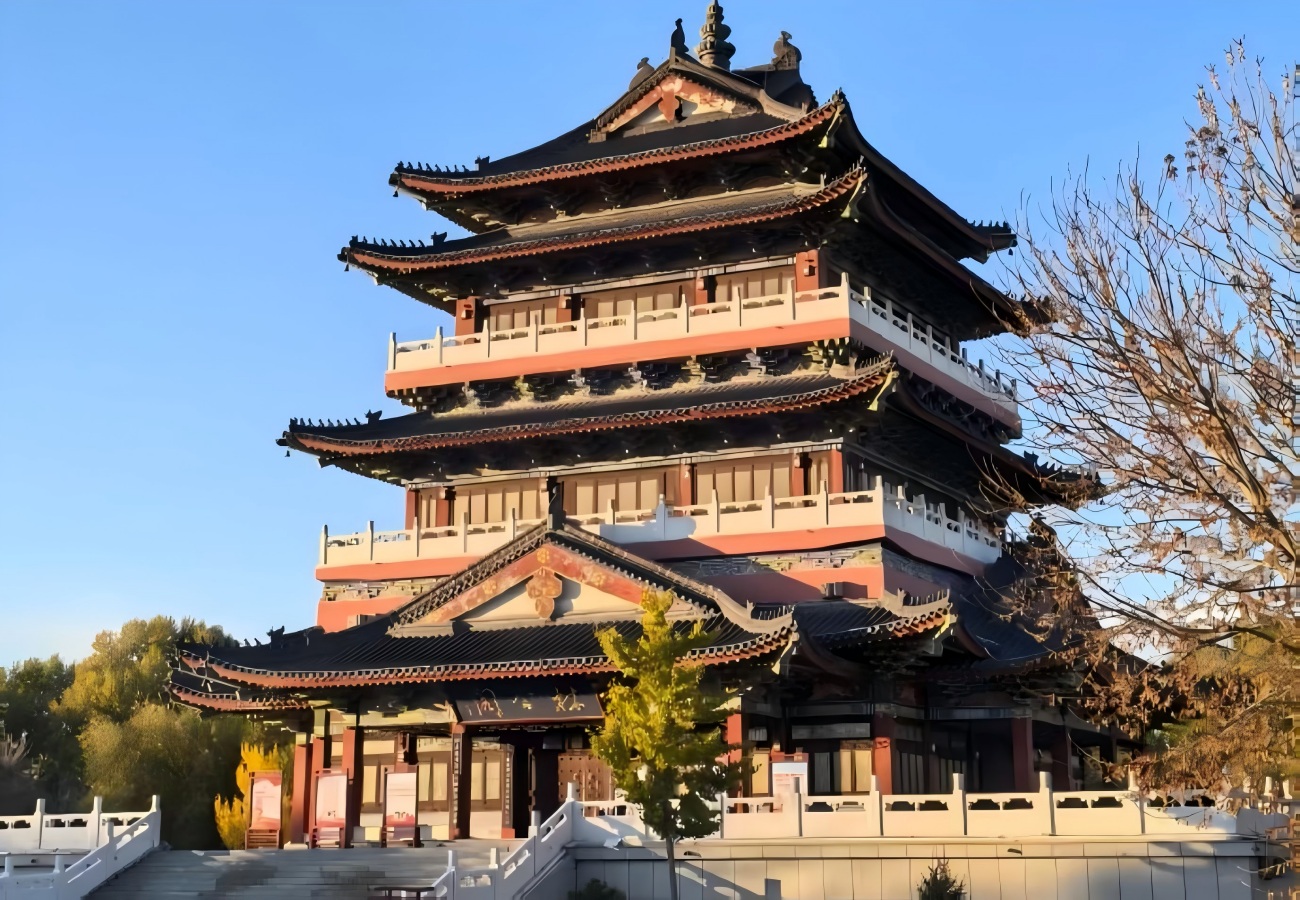
In addition, the temple preserves a wealth of precious historical relics. Kuiwen Pavilion, a wooden library built during the Ming Dynasty, is a renowned ancient Chinese wooden pavilion that once stored a large number of Confucian classics. The Thirteen Stele Pavilions house 13 steles inscribed by emperors of various dynasties in honor of Confucius, with inscriptions in Chinese, Manchu, Mongolian, and other languages—testaments to the respect for Confucian culture across different dynasties. The Shengji Hall displays 120 stone carvings of "Confucius’ Life Stories", which vividly recount key events in Confucius’ life in a comic-strip style. Wandering through Confucius Temple is like traveling back in time; every building and every stele tells the story of Confucius and the lofty status of Confucian culture.
II. Confucius Mansion: The "Top Family Under Heaven" of Confucius’ Descendants
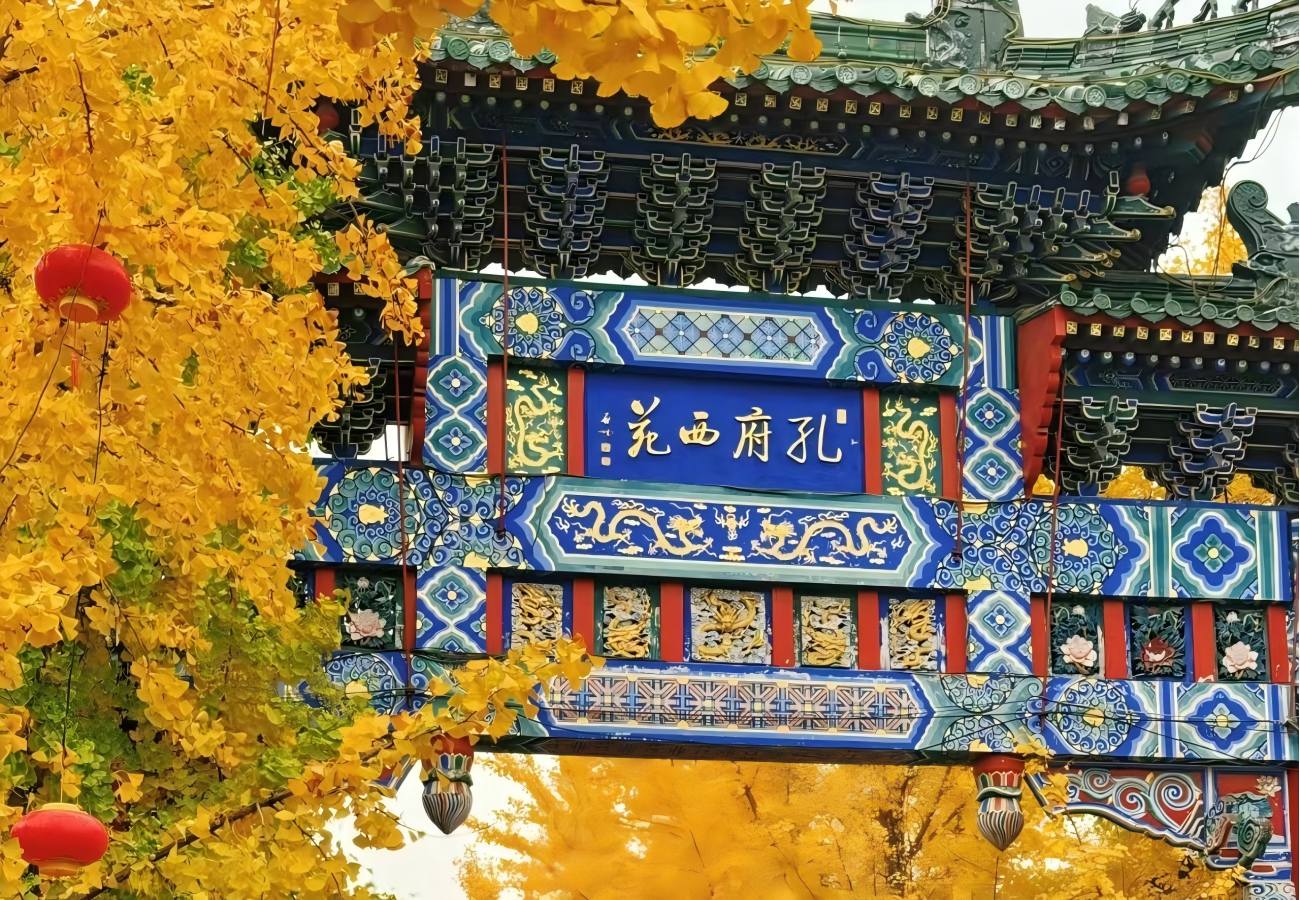
After visiting Confucius Temple, a 500-meter walk brings us to Confucius Mansion. Also known as the "Mansion of the Duke of Yansheng", it is the ancestral home of Confucius’ direct descendants and the largest and best-preserved feudal noble manor in China, known as the "Top Family Under Heaven".
Founded in 1038 CE during the Baoyuan era of the Northern Song Dynasty, its scale expanded over time as the title of "Duke of Yansheng" (bestowed on Confucius’ direct descendants) grew in prominence. Eventually, it became a vast complex covering about 160,000 square meters, with 463 buildings including towers, halls, and pavilions.
The mansion’s layout is divided into two parts: the "Front Hall" and the "Rear Quarters". The Front Hall served as the official area for handling family affairs and receiving officials and guests, while the Rear Quarters were the residential area for Confucius’ descendants. This layout fully reflects the ancient Chinese ritual concept of "Front Court for Official Business, Rear Quarters for Daily Life".
In the Front Hall area, the Grand Hall is the core structure. It was where the Duke of Yansheng held important ceremonies and heard family cases. Plaques such as "Governing the Clan" and "Upholding Rituals and Justice" hang in the hall, and weapons like swords and spears are displayed on both sides—symbolizing the duke’s authority. The Second Hall was used to receive officials of the fourth rank and above. A large screen carved with "nine peaches and five bats" (a symbol of good fortune) is placed here, a gift from Emperor Qianlong of the Qing Dynasty, renowned for its exquisite craftsmanship and auspicious meaning.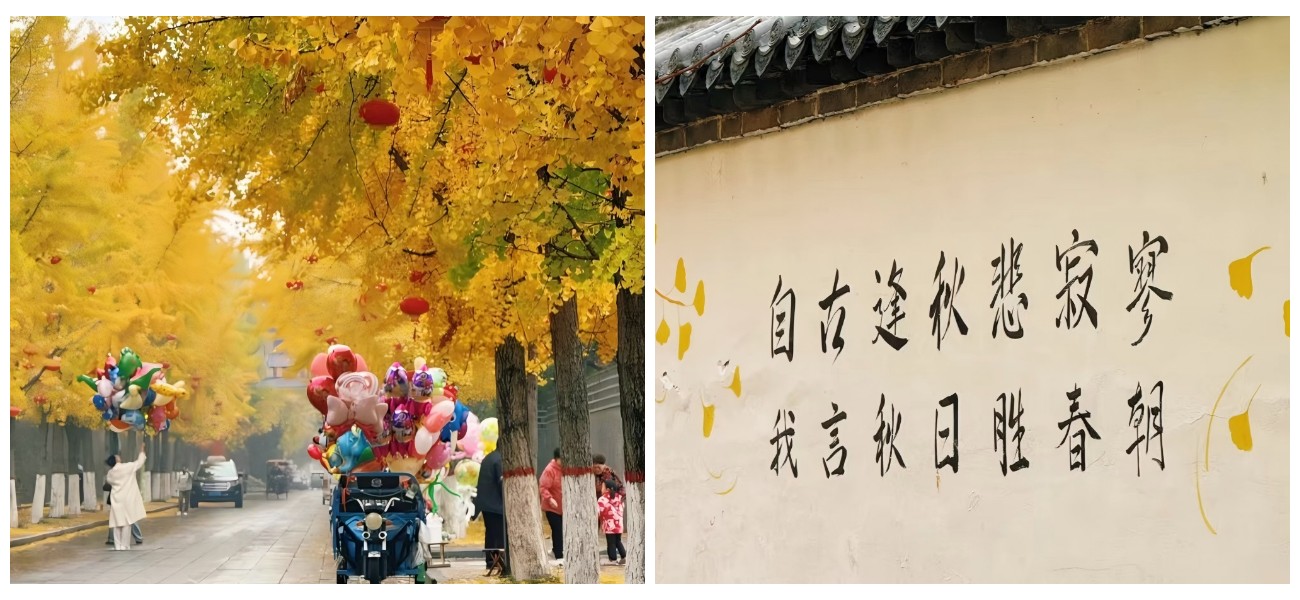
In the Rear Quarters, the Inner Mansion Gate is a crucial boundary. A sign reading "No Noise" hangs inside the gate, emphasizing the privacy of the residential area. The Upper Front Room served as the family’s living room, where grand banquets were held during festivals or important family events. The Front Bedroom Building and Rear Bedroom Building were the residences of the Duke of Yansheng and his family. A large number of cultural relics from the Ming and Qing dynasties—such as furniture, costumes, and utensils—are preserved here, offering an authentic glimpse into the life of ancient nobility.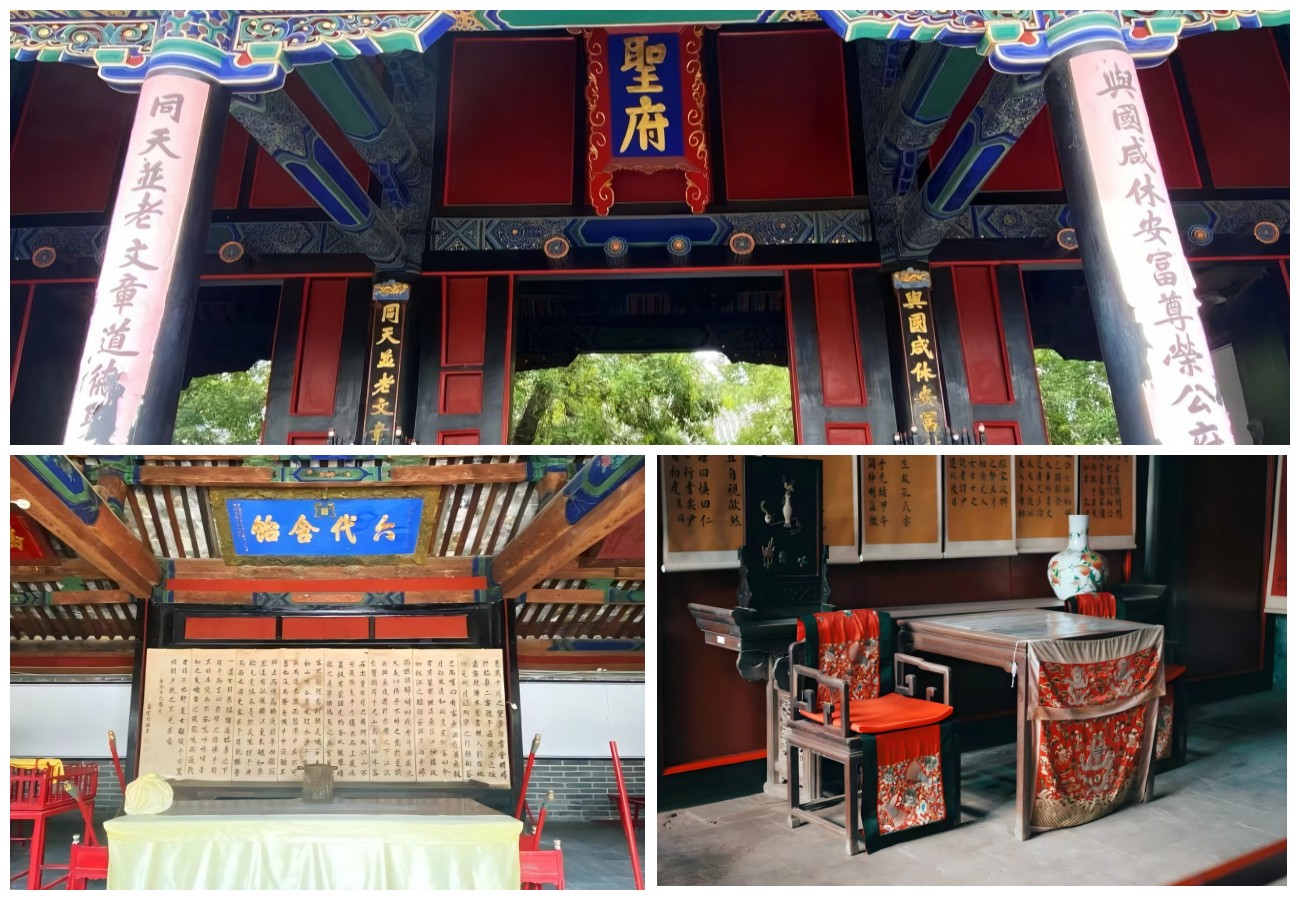
Additionally, the mansion features a garden built during the Ming Dynasty. With rockeries, ponds, pavilions, and exotic flowers and plants arranged in a delightful manner, it was a place for the Confucius family to relax and entertain. It embodies the Confucian concept of "harmonious coexistence between humans and nature".
III. Confucius Cemetery: The "Top Cemetery Under Heaven" for Confucius and His Descendants
The final stop of our "Three Confucian Sites" tour is Confucius Cemetery, also known as the "Cemetery of the Most Sage". It is the family cemetery of Confucius and his descendants, as well as the largest, longest-lasting, and best-preserved family cemetery and man-made garden in China—earning it the title of "Top Cemetery Under Heaven".
Founded in 479 BCE, the year Confucius passed away, it began as a simple tomb for Confucius. Over more than 2,000 years, with the respect shown to Confucius by emperors of successive dynasties, the cemetery was continuously expanded. It now covers an area of approximately 3,000 mu (200 hectares), surrounded by a 7-kilometer-long vermilion wall.
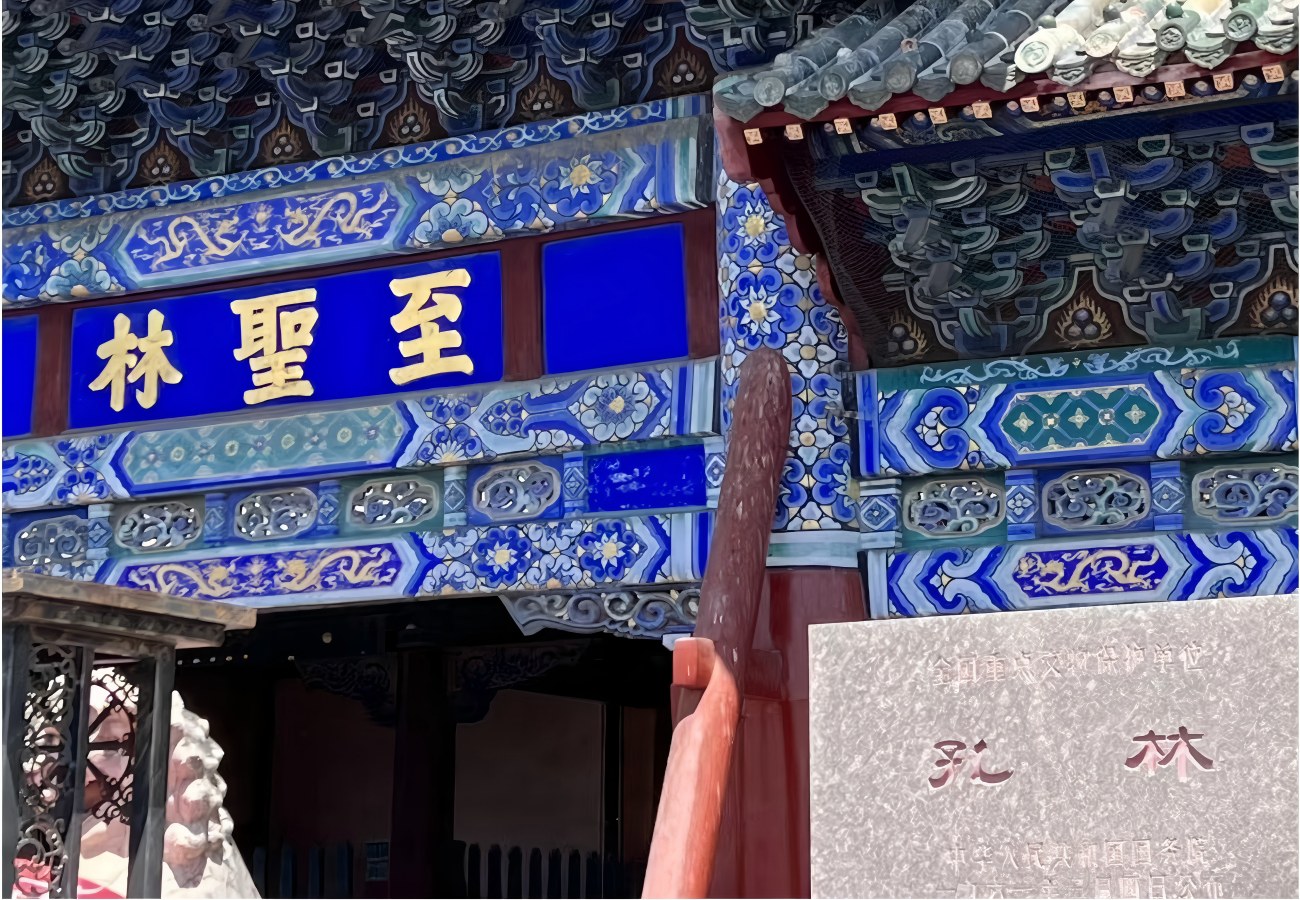
Inside the cemetery, there are over 100,000 tombs, housing the remains of Confucius and dozens of generations of his descendants—creating a unique "multi-generational cemetery" landscape. At the heart of the cemetery lies Confucius’ Tomb, located slightly south of the center. The tomb stands 3.7 meters high with a circumference of 20 meters. Two steles stand in front of the tomb: the front stele, inscribed with "Tomb of Confucius, the Great Sage and Cultural Emperor", was erected in 1443 during the Ming Dynasty; the back stele, carved with the seal script "Tomb of the Sage", dates back to 1285 during the Yuan Dynasty.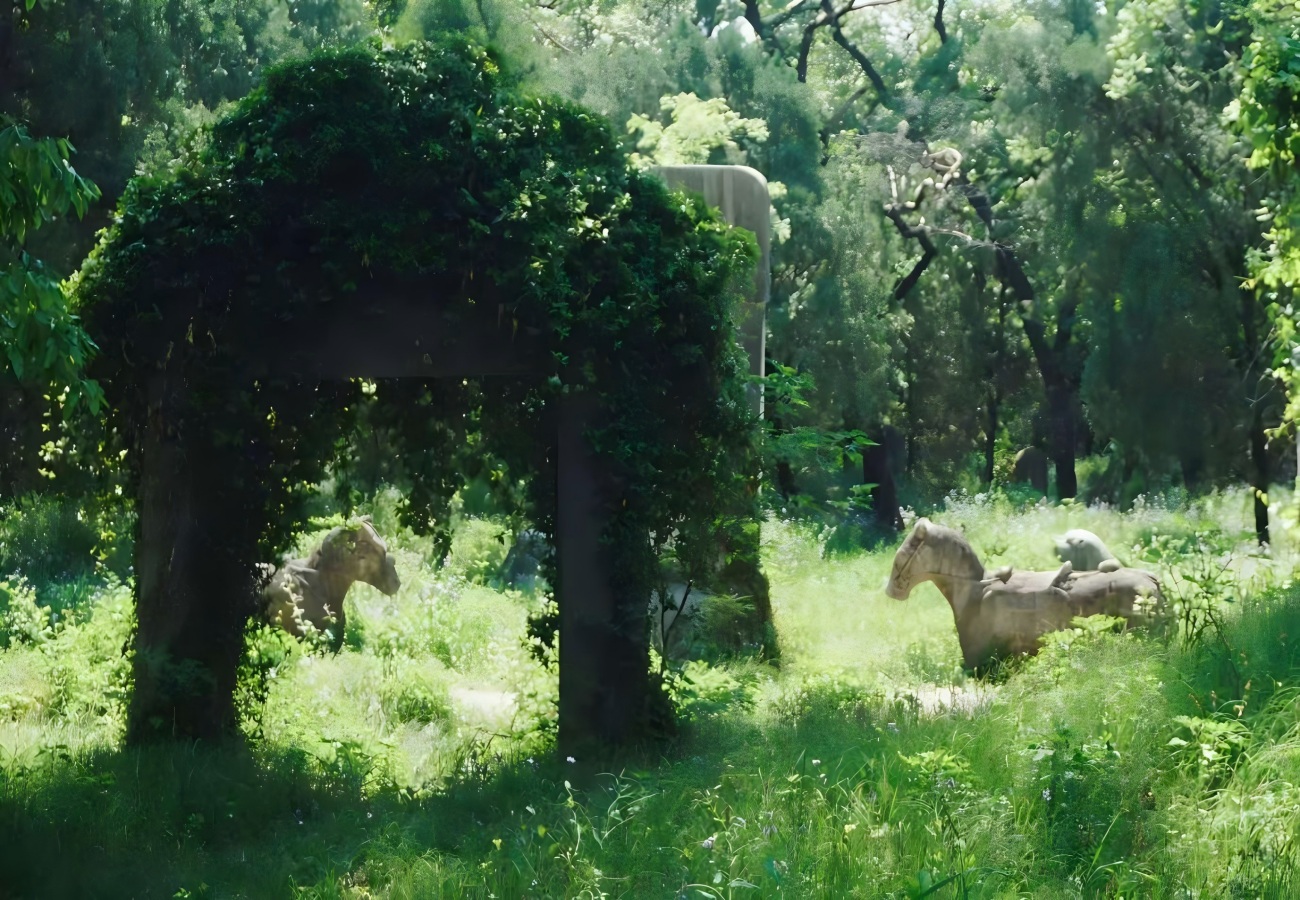
Next to Confucius’ Tomb lie the tombs of his son Kong Li and grandson Kong Ji. Arranged in a "pin" (品) shape, the three tombs form a layout known as "supporting the son and embracing the grandson". This not only reflects traditional Chinese family ethics but also symbolizes the "intergenerational inheritance" of Confucian thought.
Beyond the tombs, the cemetery is home to rich cultural relics: over 4,000 steles dating from the Han Dynasty to the Qing Dynasty, featuring calligraphy styles such as seal script, official script, regular script, running script, and cursive script—making it a "stone calligraphy museum". Among the over 100,000 ancient trees, there is a "Chinese scholar tree planted by Zigong" (Zigong was a disciple of Confucius). Despite enduring thousands of years of wind and rain, new branches still sprout from the tree, symbolizing the enduring vitality of Confucian thought.
Wandering through Confucius Cemetery, with its towering ancient cypresses and numerous steles, you can feel both the weight of history and the vitality of nature. It is like a three-dimensional scroll that blends humanity and nature.
IV. The Confucian Cultural Codes in the "Three Confucian Sites"
Confucius Mansion, Temple, and Cemetery are not isolated buildings but an integrated whole that jointly carries Confucian culture. They contain rich "cultural codes" waiting to be deciphered.
1. The Concept of Rituals
The layout of Confucius Temple strictly follows the "rituals between monarch and subject". The scale of Dacheng Hall is second only to the imperial palace, reflecting the idea of "respecting Confucius as one respects the monarch".
The "Front Hall, Rear Quarters" layout of Confucius Mansion corresponds to the Confucian ethical norm of "distinguishing between public and private affairs".
The "supporting the son and embracing the grandson" tomb layout in Confucius Cemetery is a vivid embodiment of the Confucian concept of "filial piety and fraternity".
These architectural details are the concrete manifestations of Confucian "ritual" culture in real life.
2. Educational Philosophy
The "Apricot Altar" in Confucius Temple is said to be the place where Confucius gave lectures; it has now become a symbol of Chinese education.
Confucius Mansion once established the "Zhusi Academy" to educate Confucius’ descendants and local students, passing down Confucian classics.
Many inscriptions on the steles in Confucius Cemetery record stories of Confucius’ descendants studying diligently and respecting teachers—reflecting the Confucian educational ideas of "education for all without discrimination" and "never tiring of learning".
3. The Concept of Harmony
The buildings of Confucius Temple and Mansion are skillfully integrated with the natural environment. Confucius Cemetery, in particular, is a model of "harmonious coexistence between humans and nature": ancient trees stand beside tombs, and steles coexist with plants. It respects the deceased while protecting nature, perfectly interpreting the Confucian ecological concept of "unity of man and nature".
V. Confucian Flavors on the Tip of Your Tongue: Recommended Confucian Mansion Dishes and Local Delicacies
After exploring the cultural landscapes of the "Three Confucian Sites", let your taste buds immerse themselves in Confucian culture. Qufu’s cuisine centers on Confucian Mansion dishes—a outstanding representative of Shandong cuisine. Inscribed on the national intangible cultural heritage list in 2011, each dish carries historical allusions and Confucian wisdom, truly embodying Confucius’ dietary concept of "valuing refinement in food and delicacy in cuts".
(I) Classic Confucian Mansion Dishes: A Blend of Culture and Delicacy
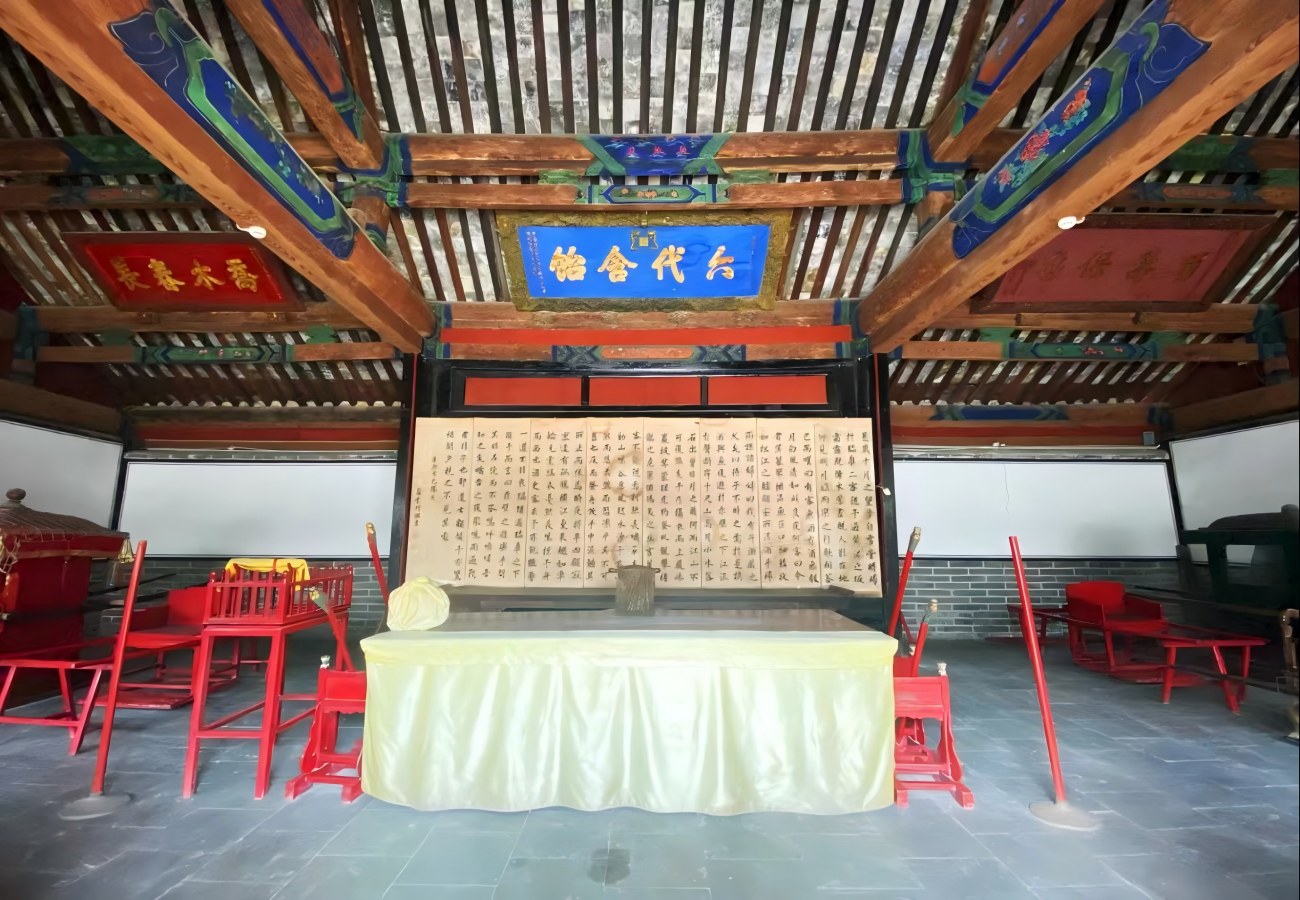
Poetry and Ritual Ginkgo: This dish is closely linked to the story of Confucius teaching his son. The Analects records Confucius instructing his son Kong Li: "Without learning the Book of Songs, you cannot speak well; without learning rituals, you cannot stand firm in society." To commemorate this "family teaching", later generations built the Poetry and Ritual Hall. The ginkgo fruits from the male and female ginkgo trees in front of the hall became the ingredients for this dish. Chefs blanch the ginkgo, then simmer it slowly with honey. The finished dish is amber-colored, tender, and sweet. The Duke of Yansheng named it "Poetry and Ritual Ginkgo"—not only to commemorate the teachings of his ancestors but also to symbolize the "inheritance of poetry and rituals" through the ginkgo’s longevity.

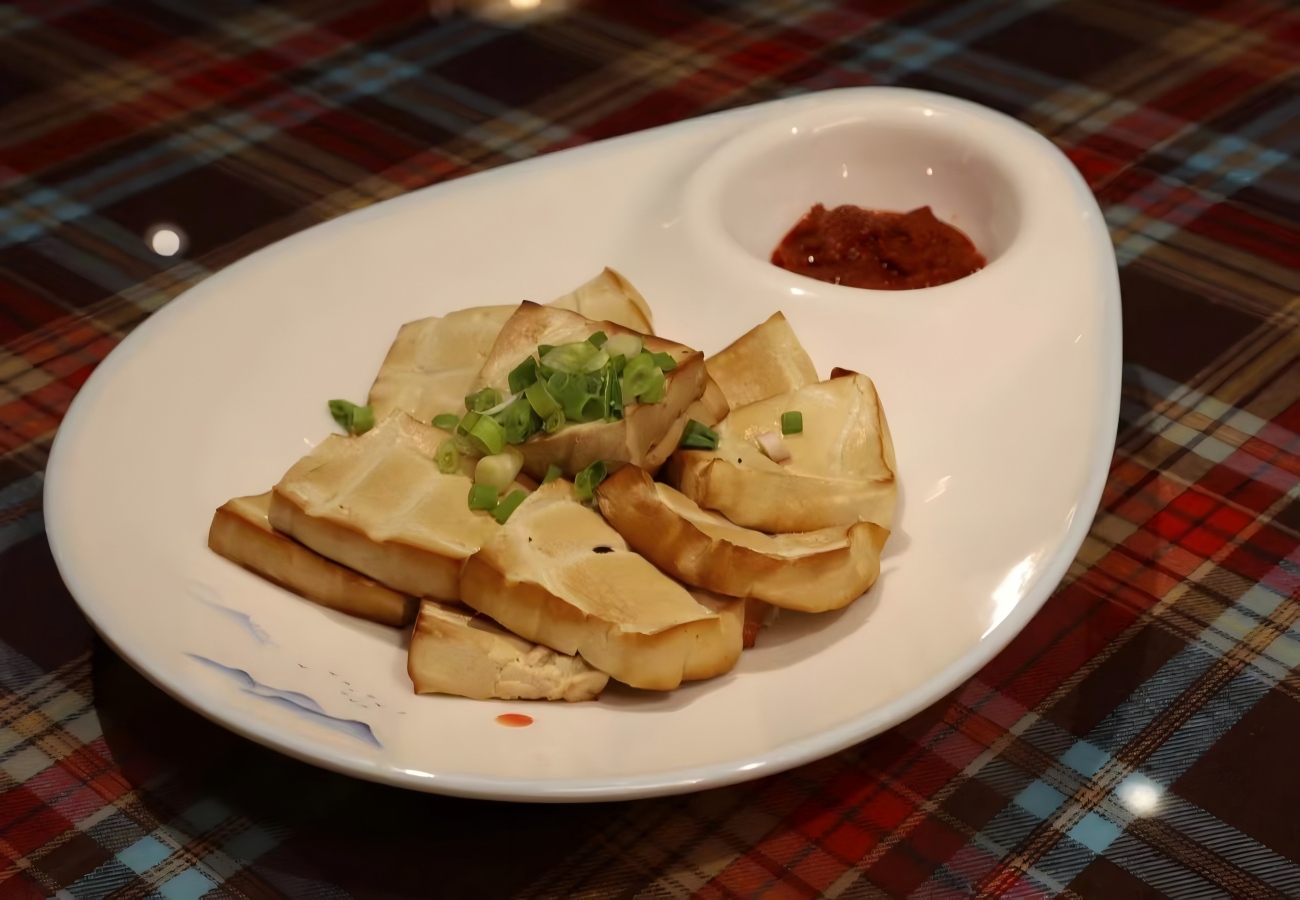
Confucian Gate Tofu: This seemingly simple dish hides a story of folk wisdom. During the Qianlong era of the Qing Dynasty, Han Lao’er, a tenant farmer of Confucius Mansion, accidentally smoked his unsold tofu. Unwilling to discard it, he boiled it with salt and found it had a unique flavor. After being sent to Confucius Mansion, chefs improved it by simmering it with spices like cinnamon and Sichuan pepper, turning it into a delicacy of the mansion. Today, this smoked tofu is popular among the people—chewy on the outside, tender on the inside, and savory. It represents Confucian Mansion cuisine’s ability to "turn the ordinary into the extraordinary".
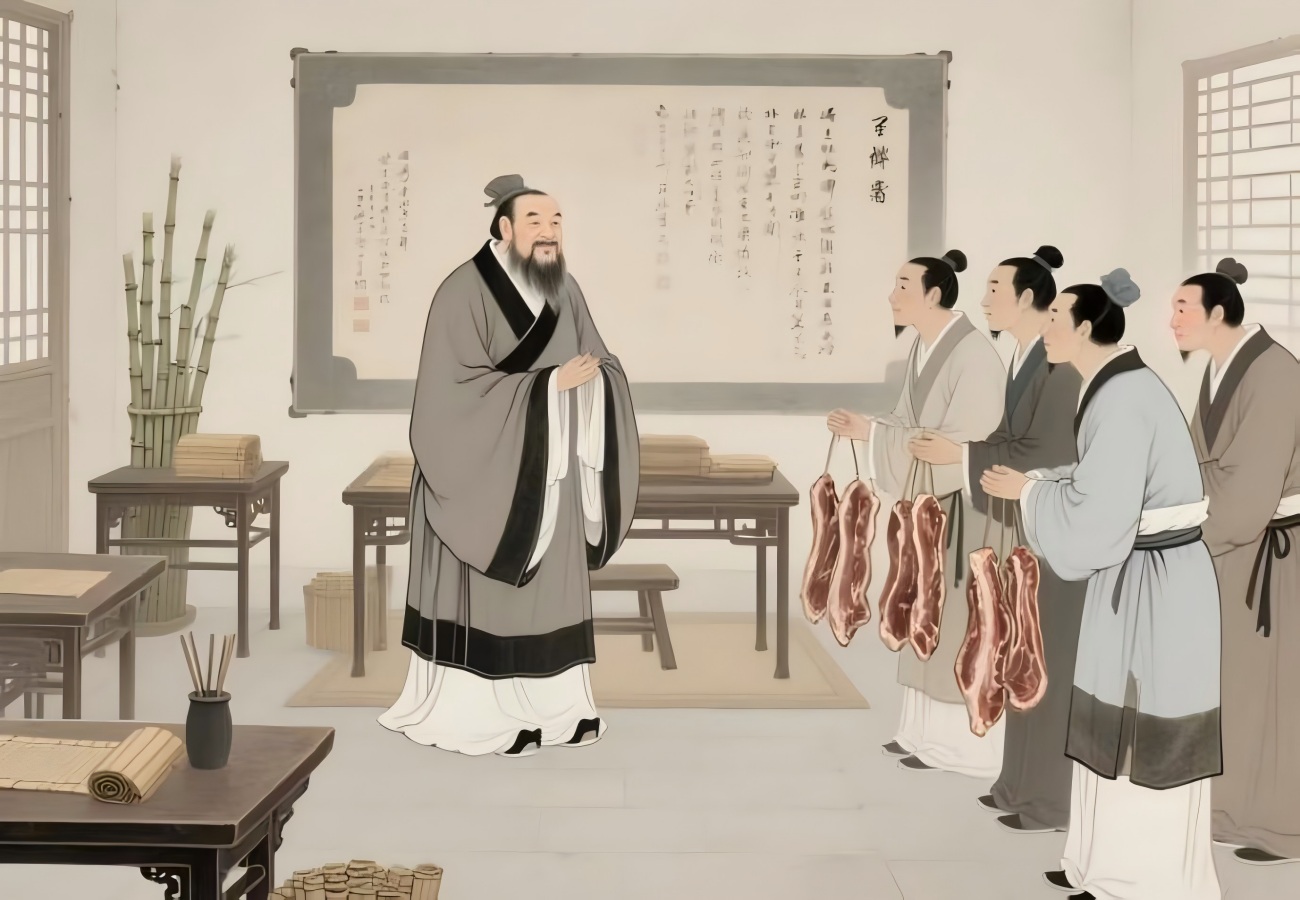
Dried Meat as Tuition: The name of this dish comes from a quote in the Analects: "For anyone who brings me ten strips of dried meat as tuition, I have never refused to teach them." It embodies Confucius’ educational concept of "education for all without discrimination". The dish uses high-quality pork belly, which is marinated, dried, and then steamed. Sliced, it is wrapped in lotus leaf cakes with lettuce and green onion segments. Rich in flavor and chewy in texture, every bite carries the cultural memory of respecting teachers and valuing education.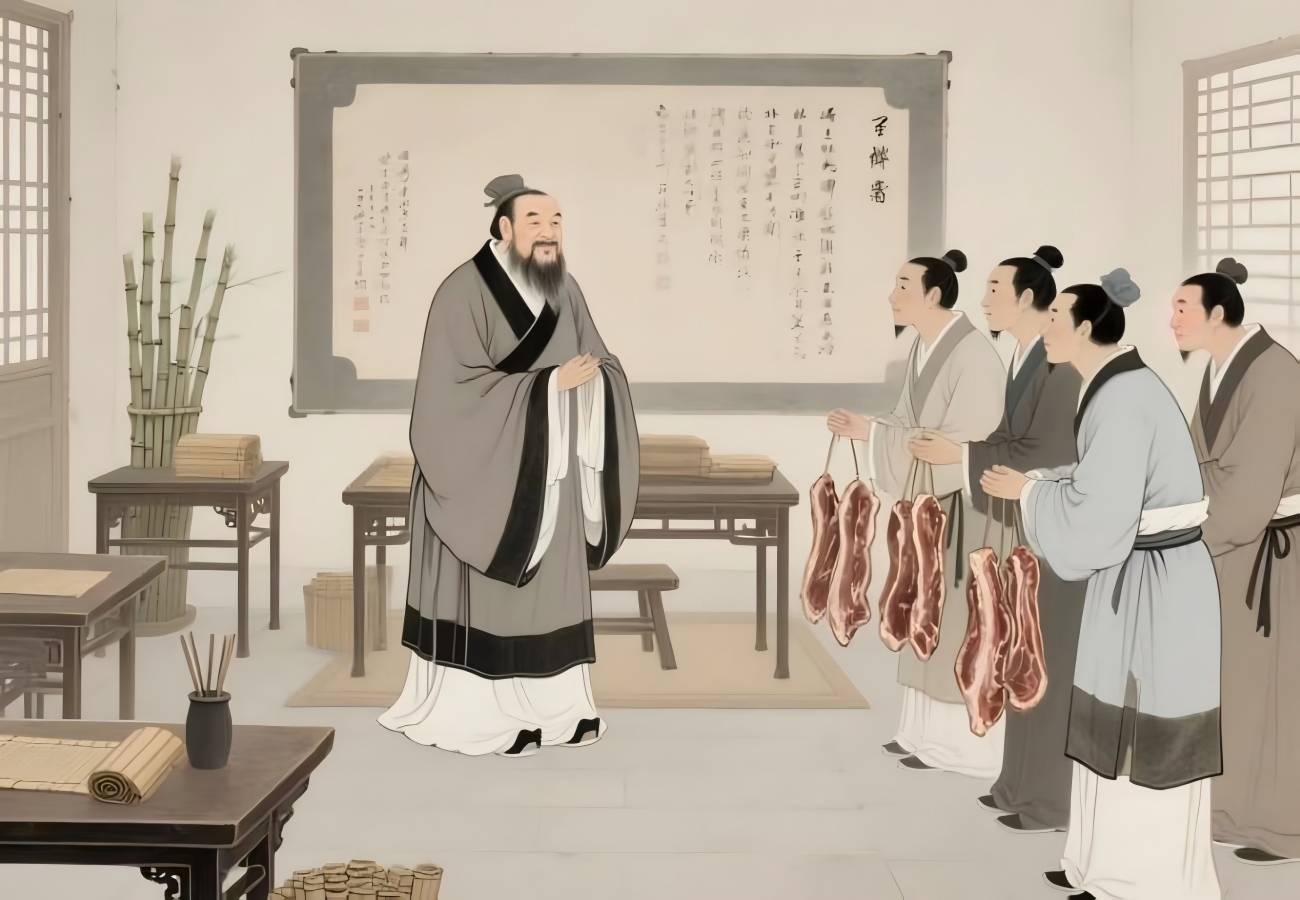
Golden Hooks Hanging Silver Strips: This dish gained fame because of Emperor Qianlong’s love for it. Legend has it that when Emperor Qianlong made a southern tour to worship Confucius, he grew tired of luxurious delicacies. Chefs at Confucius Mansion used ordinary mung bean sprouts—pinching off the roots and buds—and stir-fried them with dried shrimps. The red dried shrimps look like "golden hooks", and the silvery white bean sprouts like "silver strips". Crisp and refreshing, the dish won high praise from Qianlong. It perfectly illustrates the Confucian Mansion cuisine’s feature of "valuing refinement over luxury".
(II) Featured Local Snacks: The Aroma of Street Food
Confucius’ Saying Baked Cake: This popular snack can be found at Changping Market in Nishan Sacred Area. With a crispy crust that crumbles at the touch and fillings available in savory or sweet flavors, it is fragrant and delicious when eaten hot. Its name, echoing Confucius’ teachings, makes it a favorite among tourists. Easy to carry, it is the perfect snack during your tour.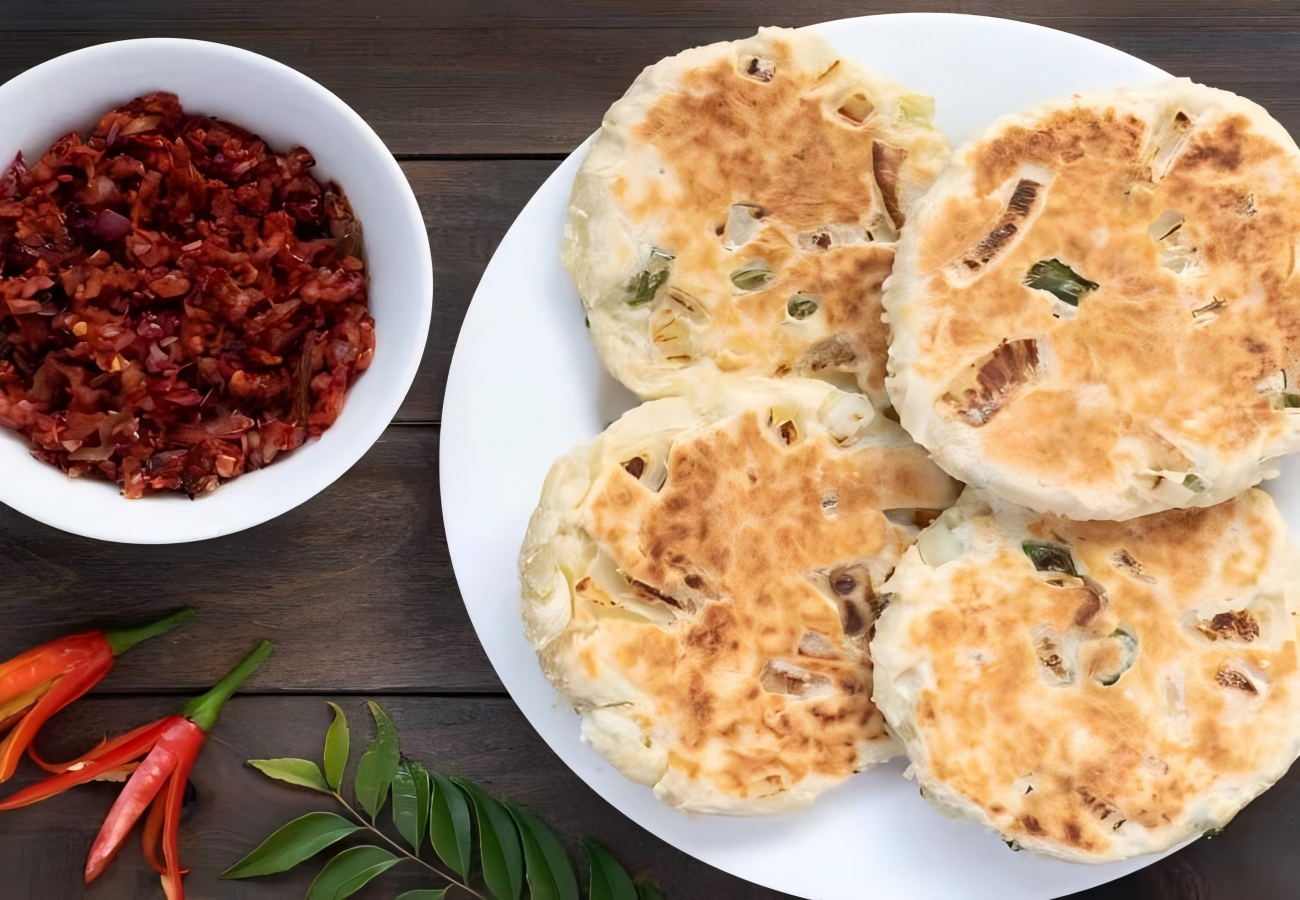
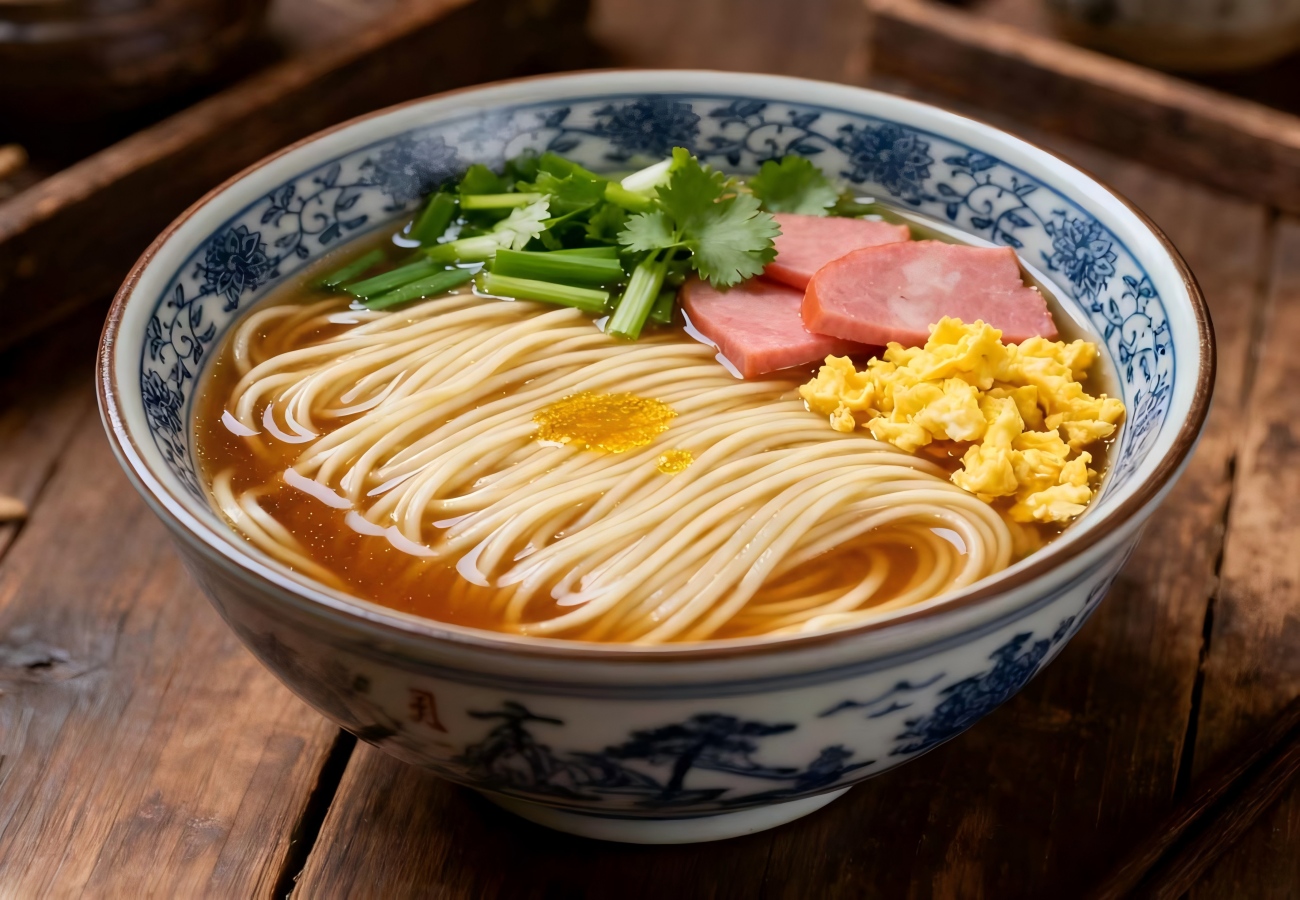
Master’s Noodles: The signature dish at Nishan Master’s Noodle House, these noodles are chewy and smooth, with a rich, mellow soup base. Flavors range from sweet and sour to savory. A bowl of these noodles symbolizes "tasting Confucius’ life of varied experiences". Topped with duck legs or beef, it is filling and comforting.
(III) Recommended Dining Spots
High-End Experience: Qufu Oriental Confucian Garden Hotel and Queli Guest House offer full sets of Confucian Mansion banquets, allowing you to experience the "rituals of dining". The Ya Tang Restaurant at Nishan Academy Hotel combines northern and southern culinary techniques to create innovative Confucian Mansion dishes.
Casual Eats: Changping Market on the first basement floor of Nishan Sacred Area’s University Hall offers a wide variety of snacks, including Confucius’ Saying Baked Cakes and Zhuangyuan Milk Tea. The Shengjing Zhuangyuan Restaurant east of Jinshengyuzhen Square provides family set meals, ideal for dining with kids.
VI. The Global Significance and Contemporary Value of the "Three Confucian Sites"

Over more than 2,000 years, the "Three Confucian Sites" have transcended regional and temporal boundaries to become a common cultural treasure of humanity. The Confucian thought they embody still holds important value in today’s world.
From the Perspective of Global Cultural Exchange
The "Three Confucian Sites" are an important calling card of traditional Chinese culture. They attract millions of tourists from around the world every year, serving as a key platform for cultural exchange between China and other countries. Confucian ideas such as "Do not do to others what you do not want others to do to you" and "Love others" resonate with the fine cultural concepts of other countries, providing ideological resources for building a community with a shared future for mankind.
From the Perspective of Contemporary Social Value
The Confucian concept of "respecting parents and elders" helps promote family virtues.
The emphasis on "honesty and trustworthiness" contributes to building an honest society.
The idea of "harmony without uniformity" facilitates social harmony.
Today, many schools in China organize study tours to the "Three Confucian Sites", allowing young people to experience the charm of traditional culture. Meanwhile, the concepts and practices of cultural relic protection at the "Three Confucian Sites" provide valuable experience for the protection of world cultural heritage.
Dear friends, today’s tour of the "Three Confucian Sites" is coming to an end. During this journey, we have experienced the solemn worship at Confucius Temple, the noble life at Confucius Mansion, and the timeless tranquility of Confucius Cemetery. We have also understood the delicacy and depth of Confucian culture through the flavors on our tongues. We hope this tour has opened a window for you to learn about traditional Chinese culture. We also look forward to you sharing what you have seen, heard, thought, and felt here with more people—so that the wisdom of Confucian culture can shine even more brilliantly around the world!
I can further optimize the translation of specific sections (such as the introduction of Confucian Mansion dishes or the architectural details of Confucius Temple) to make it more in line with the reading habits of overseas tourists. Do you need me to refine a certain part?