Huangguoshu Waterfall
Discover Huangguoshu with Huatu International Travel
Experience China’s iconic Huangguoshu Waterfalls—where the “Milky Way on Earth” roars, and Miao/Bouyei legends come alive. As a seasoned inbound travel expert, Huatu crafts tailor-made trips just for you.
Savor Guizhou’s best: sour soup fish, sticky rice cakes, and farm-fresh specialties—authentic flavors you won’t find elsewhere. Rest easy in cozy, well-located accommodations after a day chasing waterfalls and exploring Water Curtain Cave.
Whether you want to linger at Tianxing Bridge’s birthday stones or relive Journey to the West moments at Doupotang, our customized itineraries fit your pace. With years of serving international travelers, we handle every detail. Let Huatu turn your Huangguoshu dream into a seamless, delicious adventure!
Huangguoshu Waterfalls: China’s Iconic Natural Wonder – History, Legends & Travel Tips
Tucked away in the mountains of Guizhou Plateau, Southwest China, there’s a natural masterpiece that ancient poets called “the Milky Way pouring down to Earth” – Huangguoshu Waterfalls. It’s not just Asia’s largest waterfall; it’s a cultural hotspot woven with thousands of years of traditions and fascinating legends. For international travelers eager to explore China’s nature and culture, Huangguoshu is more than a scenic spot – it’s a living book where every drop of water tells a story, and every view shares Eastern wisdom. Let’s break down its 5 core areas and what makes each unmissable.
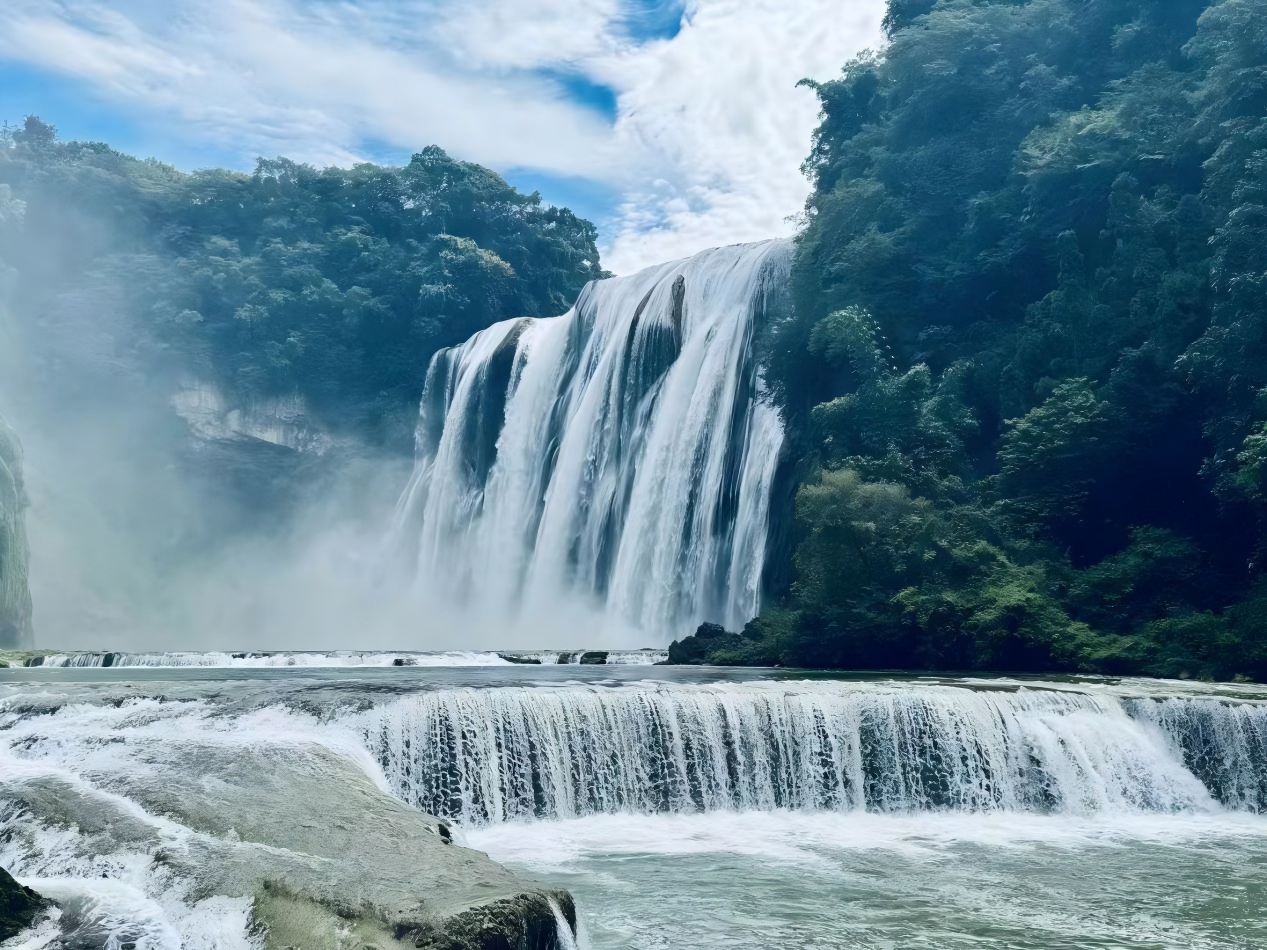
1. Main Falls: China’s “No.1 Waterfall” with a Cool Backstory
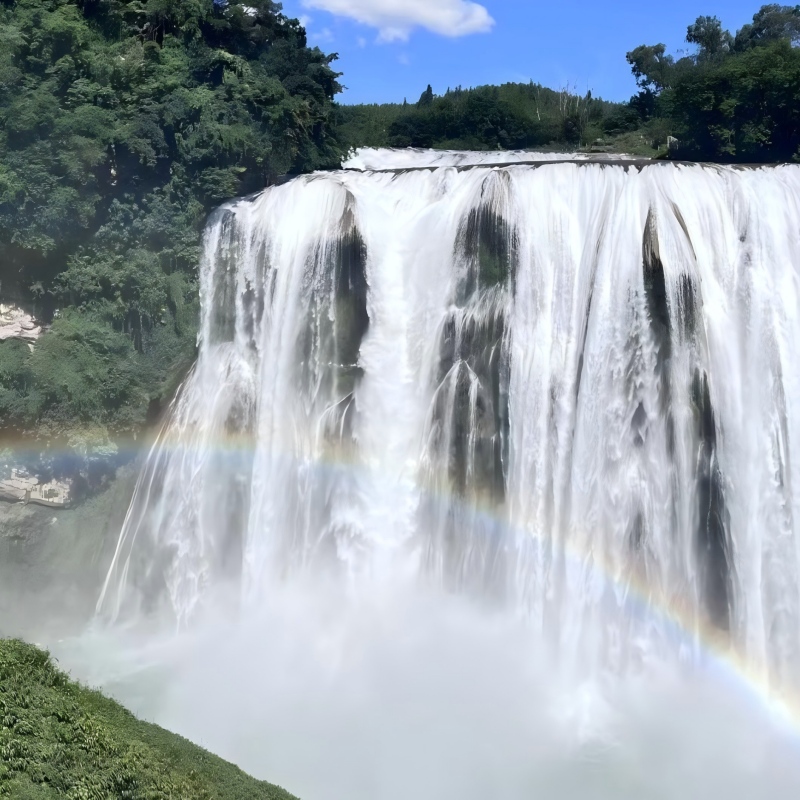
The star of the show, the Main Falls, stands 77.8 meters tall and 101 meters wide – no wonder it’s known as “China’s No.1 Waterfall.” Ever wondered where the name “Huangguoshu” comes from? It’s a twist on local dialect: the area is full of “yellow jackfruit trees” (黄桷树, huángjué shù). Over time, locals pronounced “jué” like “guǒ” (which means “fruit” in Chinese), so “Huangguoshu” stuck. It’s a sweet reminder of how closely the local people live with nature.
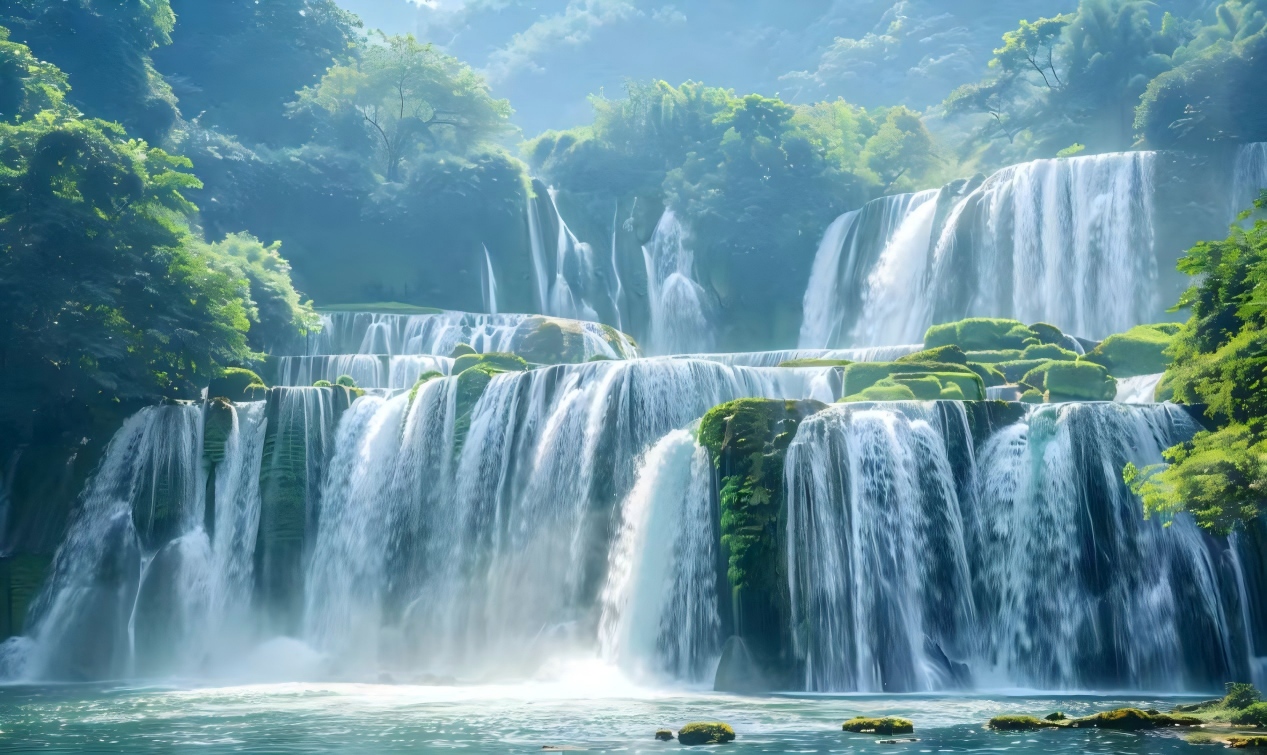
This waterfall isn’t a new sensation, either. Back in the Ming Dynasty (1368–1644), the famous traveler Xu Xiake wrote about it vividly: “A river tumbles down, like ten thousand white silk ribbons fluttering in the wind… crashing into pearls and broken jade, spray rising like mist. Its power is overwhelming.” His words perfectly capture both its raw strength and delicate beauty – no wonder it’s inspired poets and artists for centuries.
Then there’s the Miao ethnic group’s touching legend. They say a clever girl named Axiu wove a magical brocade to channel water from the mountains to her drought-stricken village. In the end, she turned into this mighty waterfall to keep her people safe. The pool below, called Rhinoceros Pool, is said to be guarded by a mythical rhinoceros that protects the water source. Stand on the viewing platform, feel the mist on your face, and listen to the roar – you might just sense Axiu’s spirit in the air.
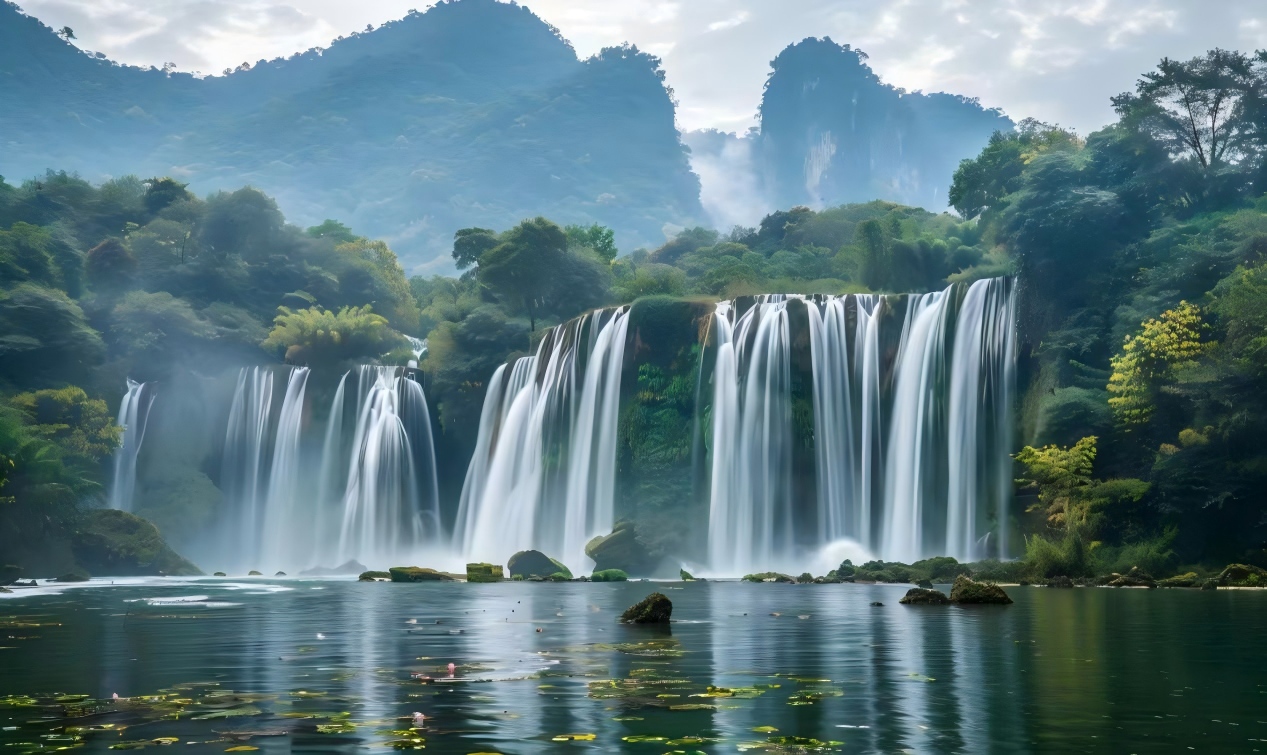
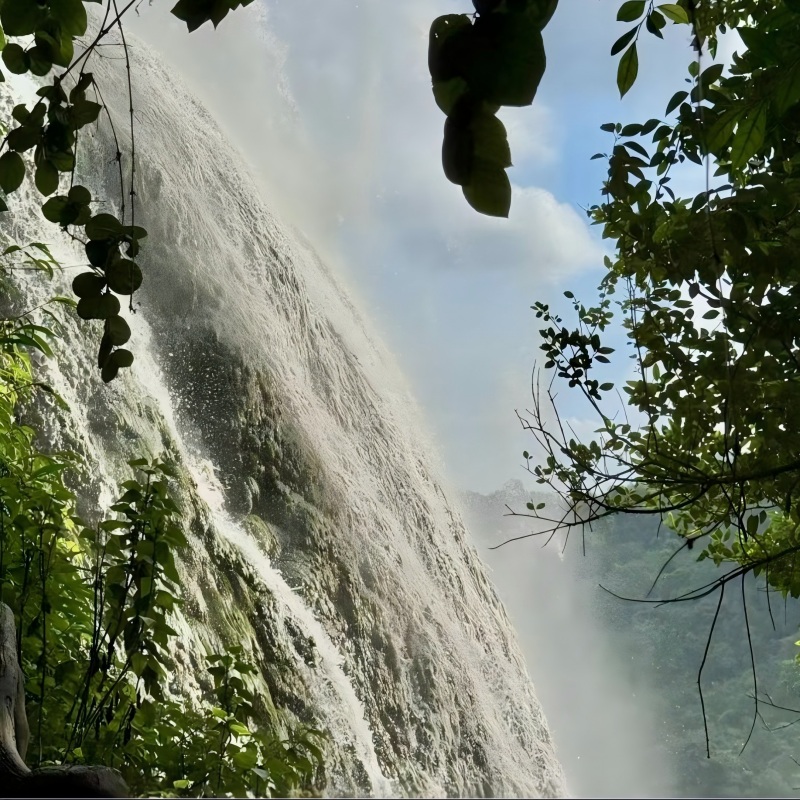
The best part? You can see the falls from six different angles – above, below, front, back, left, and right. The front view gives you that classic “water thundering down” moment, but walking behind the cascade through the Water Curtain Cave is pure magic. It’s like stepping into a natural water curtain theater.
2. Water Curtain Cave: The “Secret Cave” Behind the Falls
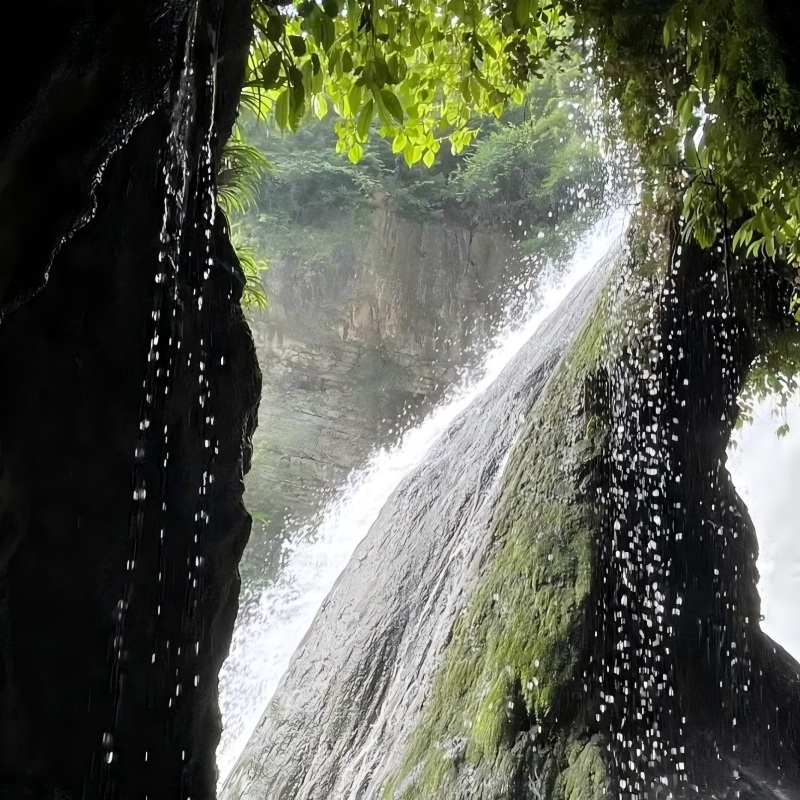
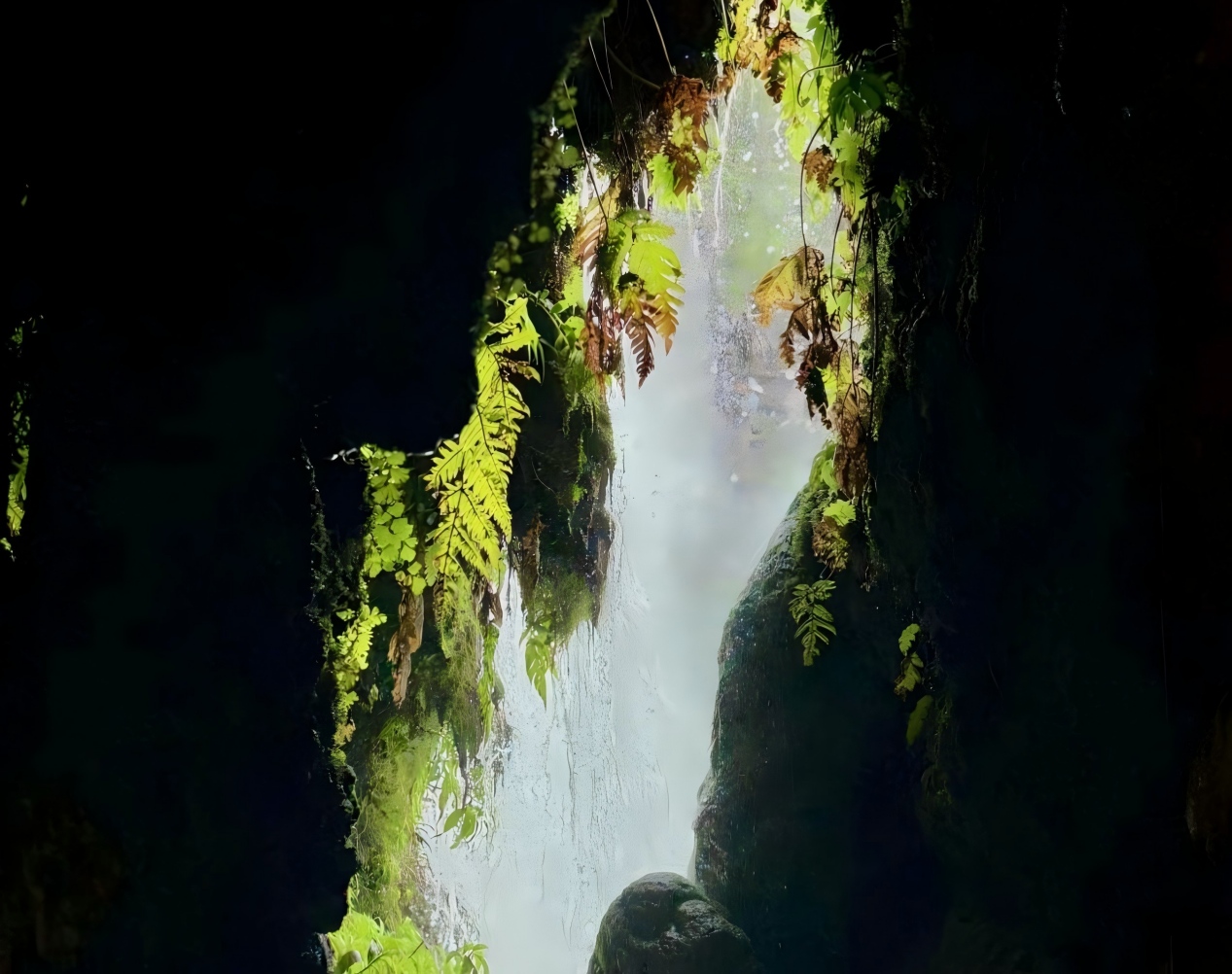
If the Main Falls are the grand entrance, Water Curtain Cave is the hidden gem. This 134-meter-long natural cave sits right behind the rushing water – a true wonder of Guizhou’s karst landscape. It’s made up of 6 “windows,” 5 chambers, 3 springs, and 6 passageways. The mind-blowing part? The waterfall acts as a natural shield, so you can walk behind it, peek through the windows at the water, and stay mostly dry. It’s a rare experience you won’t find many places in the world.
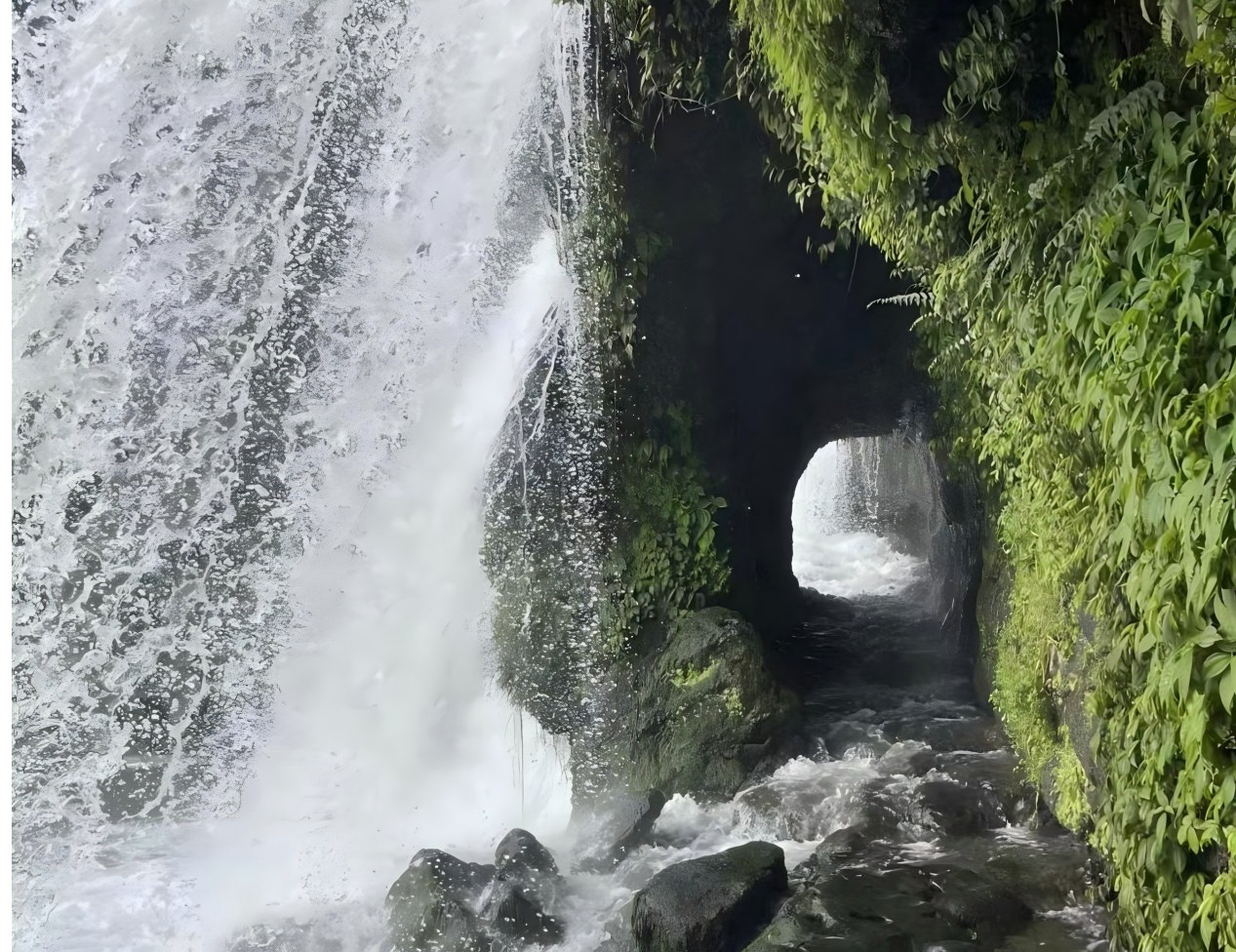
How did it form? Over millions of years, the waterfall eroded the limestone cliff behind it, carving out this hidden world. In Chinese culture, caves like this are often linked to immortals and meditation – and this one has a legend to match. Locals say a Taoist monk found the misty cave, thought it was perfect for spiritual practice, and even achieved immortality here. Features inside, like “Fairy’s Bed” and “Alchemy Furnace,” get their names from this tale, adding a mystical touch.
As you walk through, don’t miss the three dripping springs and six cave windows – each frames a different view of the waterfall, sometimes like a beaded curtain, other times like a soft white ribbon. On sunny days, sunlight hits the spray and creates rainbows inside the cave. It feels like stepping into a dream.
3. Tianxing Bridge: The “Karst Art Gallery” of Water and Stones
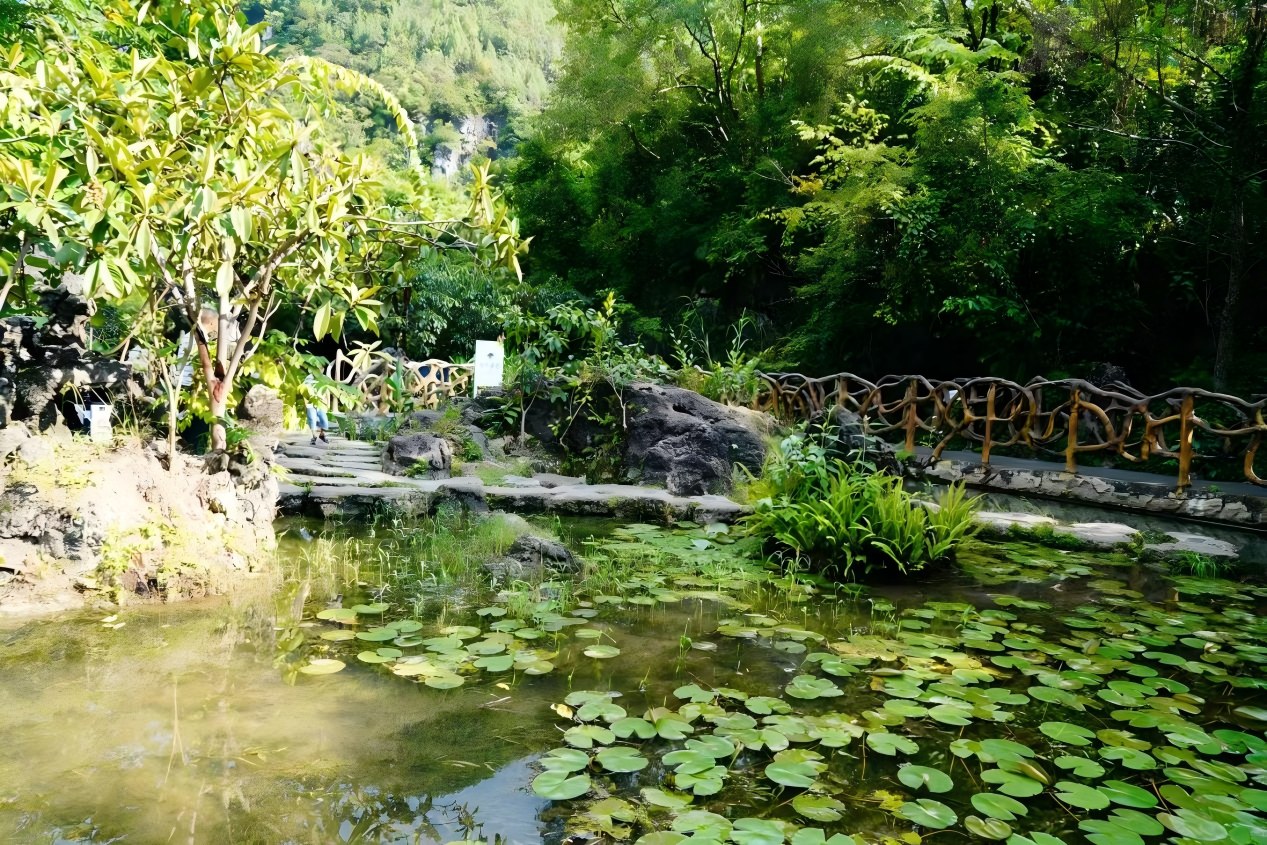
After the Main Falls’ power, Tianxing Bridge offers a more gentle, intricate kind of beauty. Think “water flowing over stones, stones sitting in water, trees growing on rocks” – it’s why people call it the “Karst Art Gallery.”
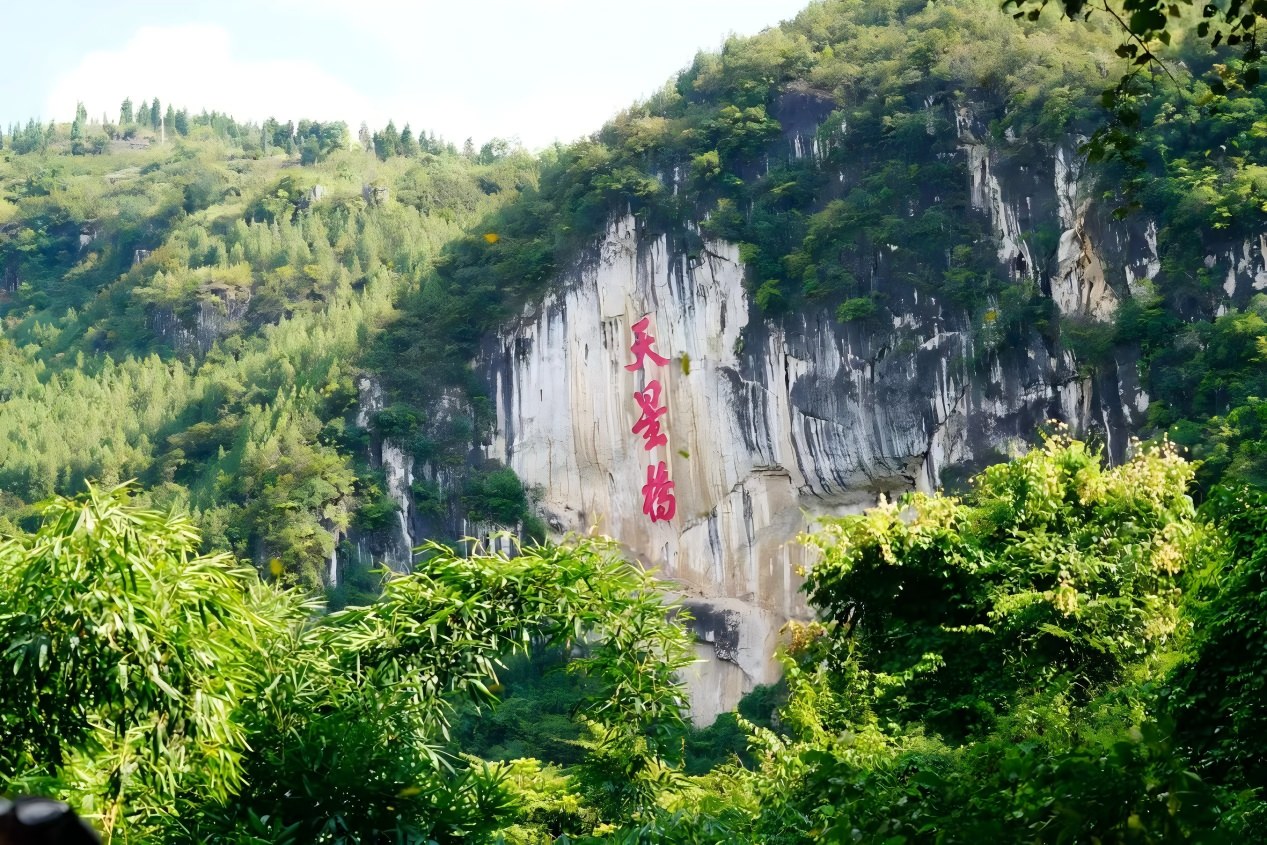
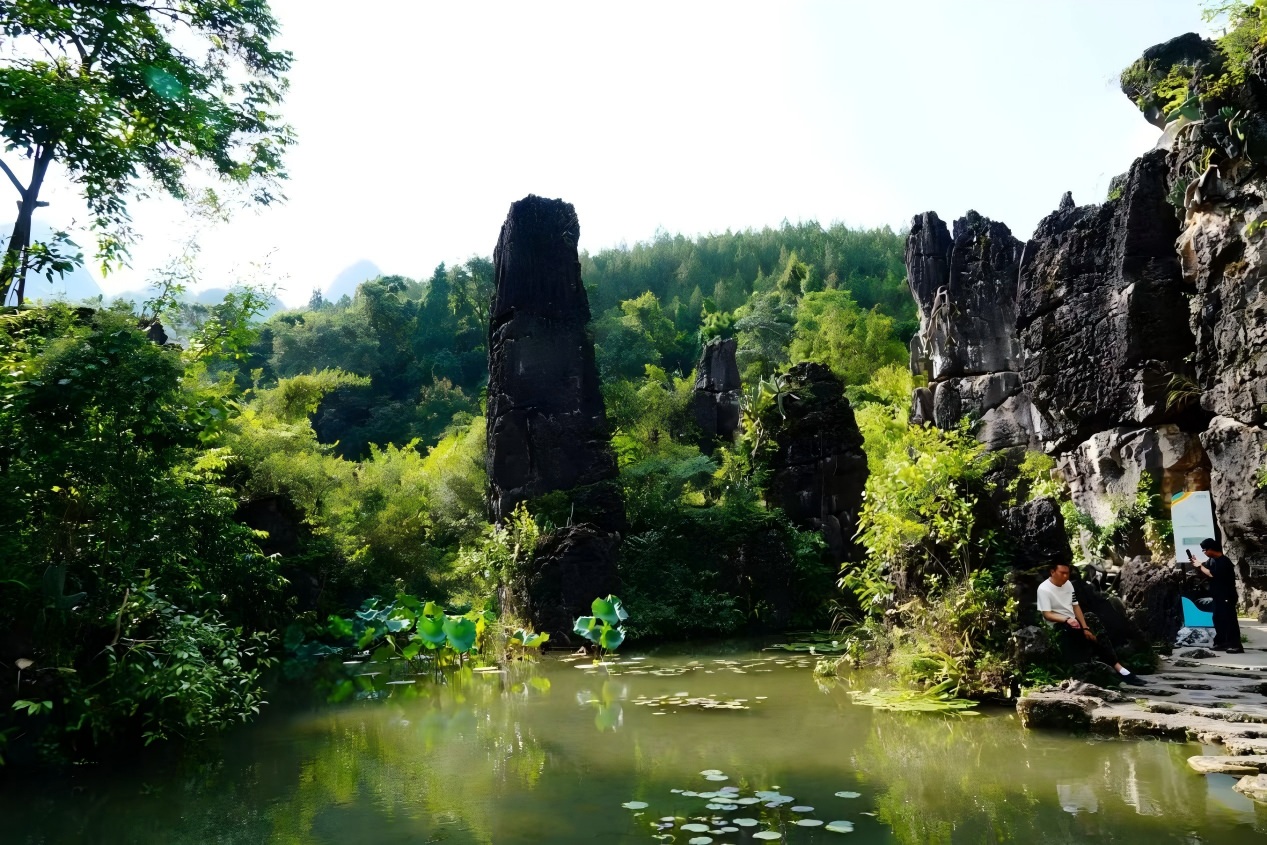
The area has three parts: Tianxing Basin, Tianxing Cave, and the Waterborne Stone Forest. The highlight? The “Stepping-Stone Walk” in the basin. There are 365 stone steps, each carved with a date. Find the one with your birthday, stand on it, and make a wish – it’s a fun mix of nature and the Chinese idea of celebrating every day of the year.
Tianxing Bridge is also deeply tied to the local Bouyei ethnic group. Tianxing Cave used to be a sacred site for their ceremonies. Inside, the stalactites and stalagmites look like “a fairy scattering flowers” or “the Eight Immortals” – the Bouyei people saw these as divine shapes.
Don’t skip the Waterborne Stone Forest, where limestone pillars rise from streams, with trees clinging to their sides. Look for the “Beautiful Banyan Tree” – its trunk naturally curves like a graceful woman. And the “Silver Chain Falling Pool”? A wide, gentle waterfall that flows like a delicate silver necklace into a calm pool. It’s perfect for photos.
4. Doupotang Falls: The “Flowing Sand River” from Journey to the West
If you know the classic Chinese novel Journey to the West (or its 1986 TV adaptation), Doupotang Falls will feel familiar – it’s the filming location for the “Flowing Sand River,” where Monk Tang and his disciples crossed the water. That connection alone makes it a favorite for international visitors.
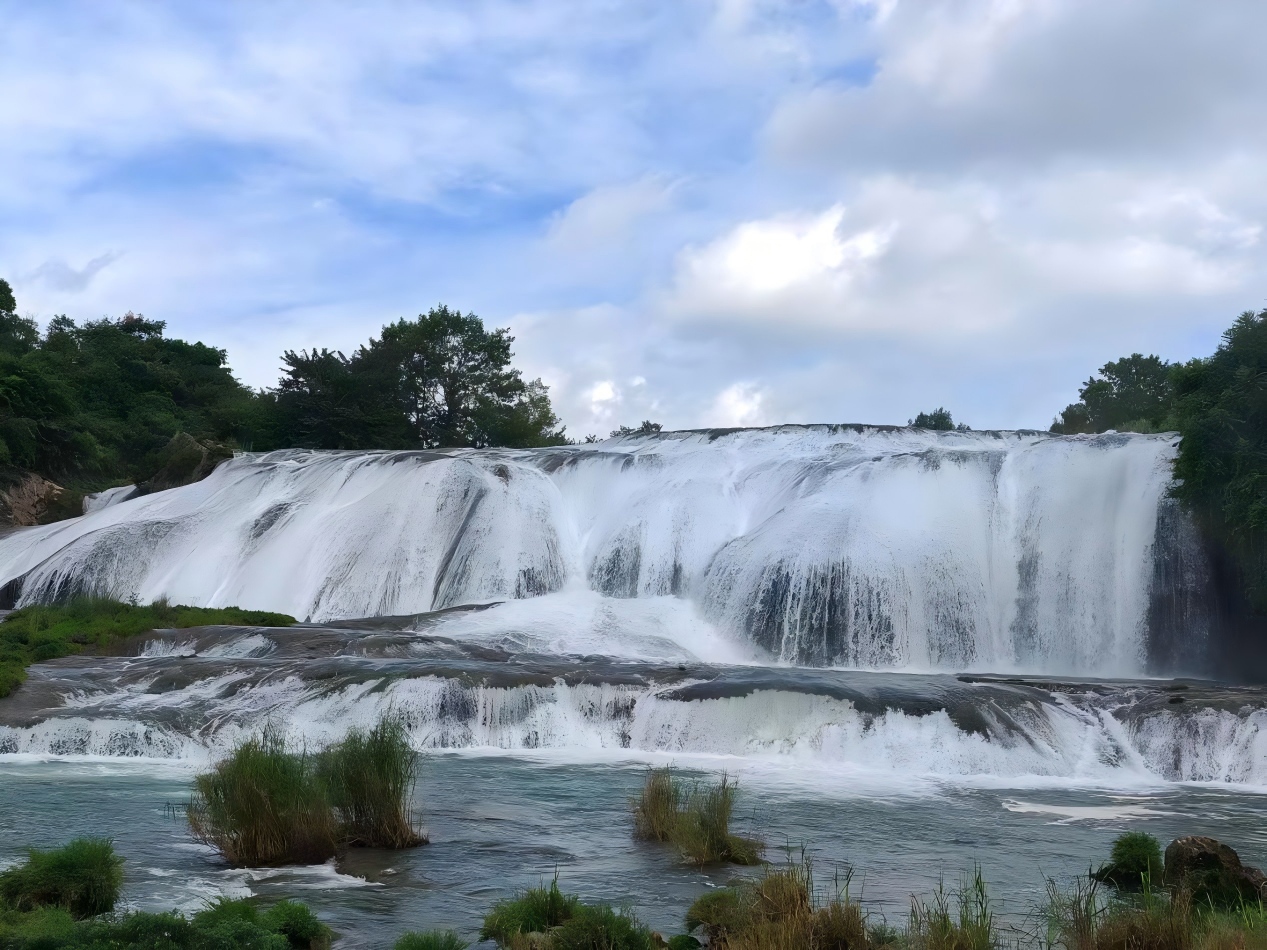
Located about 1 kilometer upstream from the Main Falls, Doupotang is 21 meters high but an impressive 105 meters wide. In the rainy season (May to October), it roars so loudly locals call it “The Roaring Falls.” In the dry season, it softens into a smooth sheet of water, like a classic Chinese ink painting.
It has history, too. Records say there was a “Waterfall-Viewing Pavilion” here during the Qing Dynasty (1644–1912). The original is gone, but a modern one stands in its place – it’s the best spot to take in the view.
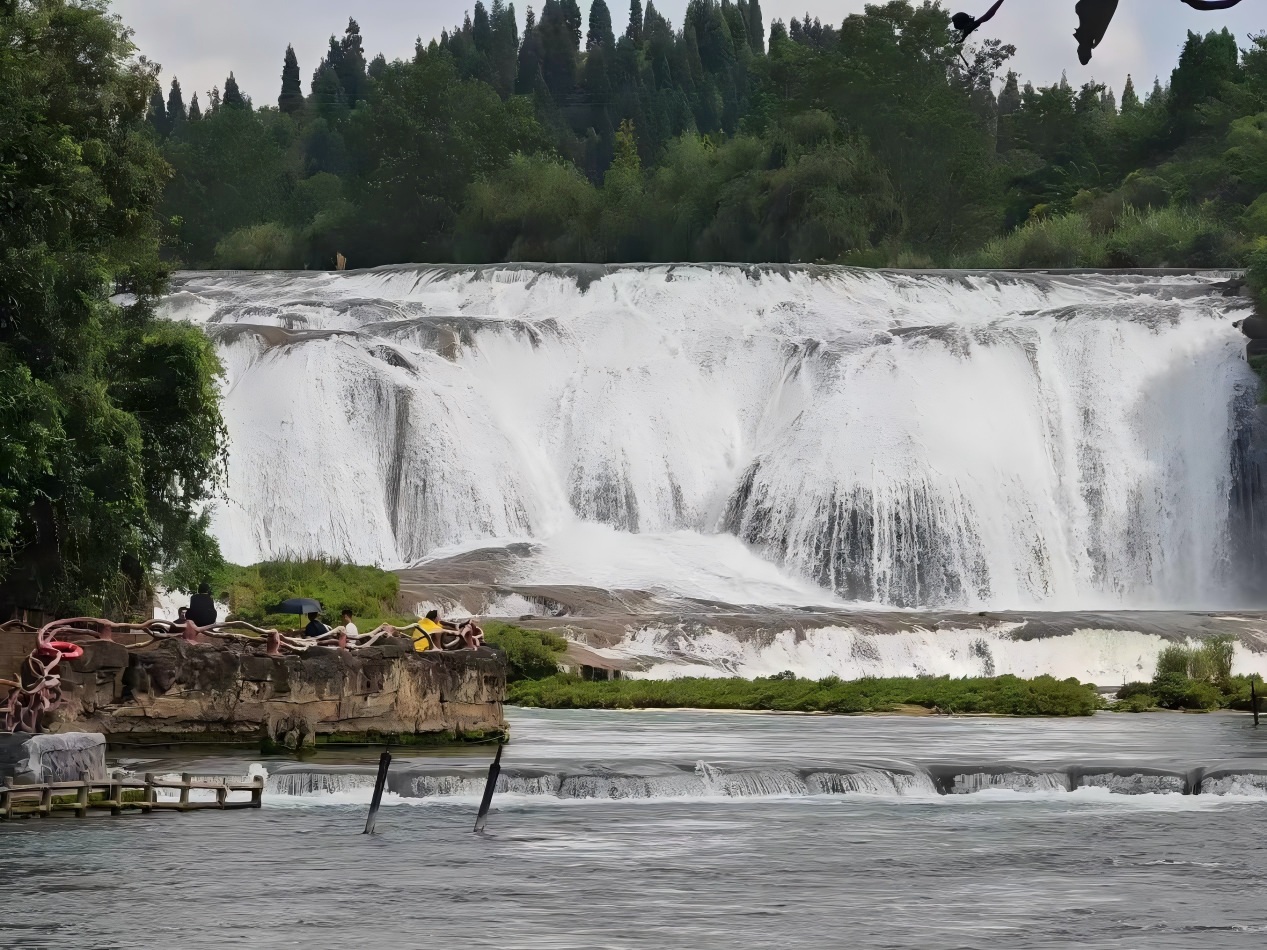
Local legend links the falls to Yinglong, a water deity. During an ancient drought, Yinglong turned into the waterfall to bring water and save the crops. Nearby villages still hold a “Water Worship Festival” to thank him – if you’re lucky, you might catch it.
5. Langgong Scenic Area: The Bouyei’s Peaceful “Shangri-La”
While the other spots show off nature and ancient tales, Langgong lets you dive into the living culture of Guizhou’s ethnic minorities. Downstream from the falls, this is mainly a Bouyei village – a quiet “Shangri-La” nestled in the hills.
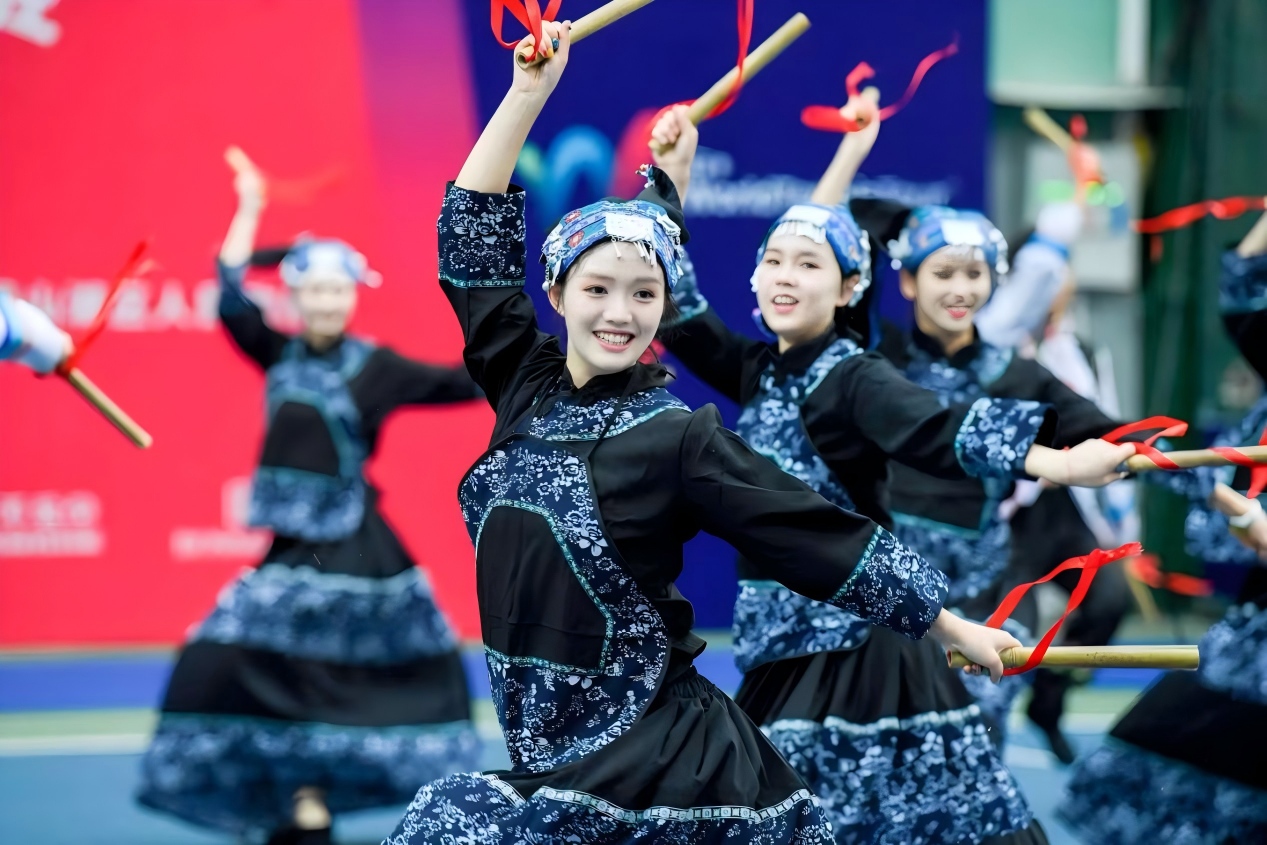
The heart of Langgong is Langgong Village, over 300 years old. Here, you’ll see traditional Bouyei stilted houses (Diaojiaolou) – wooden houses built on slopes, designed for good ventilation and to fit the mountainous land. The Bouyei Culture Exhibition Hall displays their colorful clothes, traditional instruments, and daily tools – great for learning about their way of life.
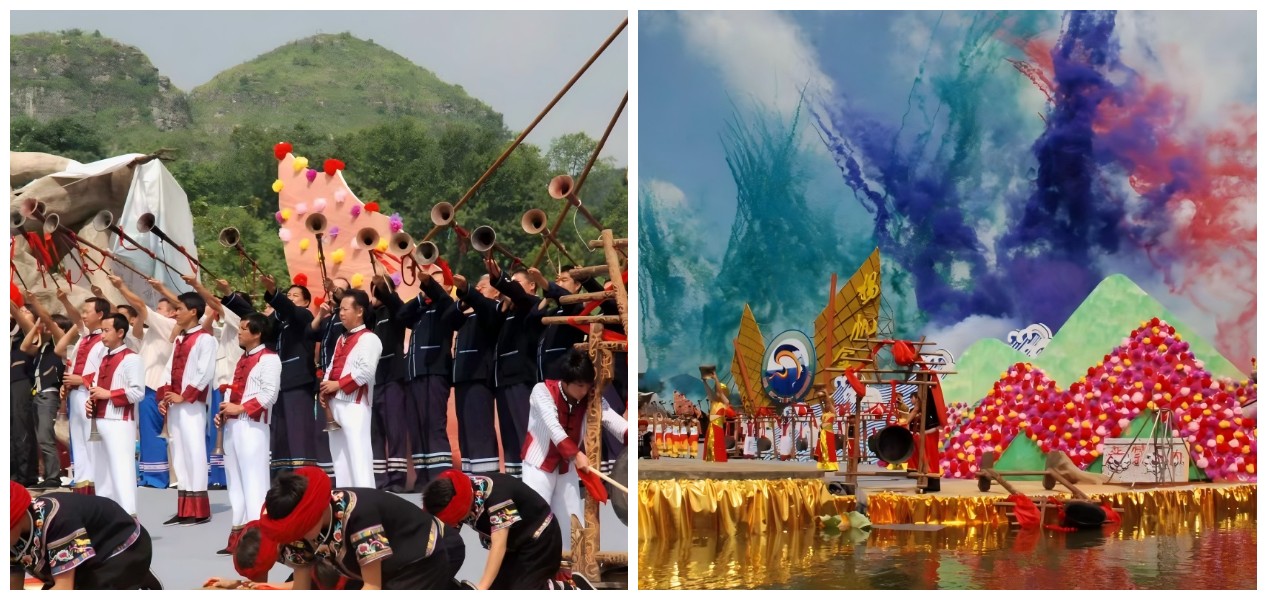
The Bouyei people are famous for their music and dance. Every day, there are performances of “Eight-Tone Sitting Singing” (a complex folk music listed as a national cultural treasure) and the interactive “Bamboo Pole Dance” – don’t be shy to join in! You can also try local snacks like sticky rice cakes and sour soup.
Nature here is just as lovely. The clear Langgong River is lined with bamboo and banyan trees – take a bamboo raft trip for serene views. “Mandarin Duck Island” in the river is a bird sanctuary, and the “Thousand-Year-Old Banyan” is a massive ancient tree the Bouyei revere as sacred. It’s the center of their village rituals – standing under it, you’ll feel the weight of their history.
Why Huangguoshu Is More Than a Waterfall
The real magic of Huangguoshu is how nature and culture wrap around each other. The Main Falls’ power, Water Curtain Cave’s mystery, Tianxing Bridge’s charm, Doupotang’s Journey to the West nostalgia, and Langgong’s ethnic warmth – these are the pieces that make it unforgettable.
For international travelers, Huangguoshu is a bridge to Southwest China’s soul. Its waters tell stories of living in harmony with nature; its legends share Eastern values; its people show off China’s diversity. When you leave, the mist might dry from your clothes, but the memories – the roar of the falls, the sound of Bouyei music, the feel of your birthday stone under your feet – will stay with you.
This isn’t just a trip for your eyes. It’s a conversation with nature’s grandeur, with history, and with the people who’ve called this place home for centuries. Your Huangguoshu story is waiting – all you have to do is step into the mist.