Looking Out Over China from Mount Tai's Peak: Thousands of Years of Heritage and Natural Wonders

Dear friends from all over the world, welcome! Today, we will explore Mount Tai, known as the "First of the Five Great Mountains" of China. As China's first dual World Heritage site (both cultural and natural), Mount Tai is not only a magnificent mountain landscape but also a spiritual sanctuary embodying the Chinese nation's aspiration for "national prosperity and people's peace". Next, let's follow in the footsteps of history and unlock the five core charms of Mount Tai.

1. Dai Temple: The "Underground Forbidden City" for Emperors' Heaven Worship
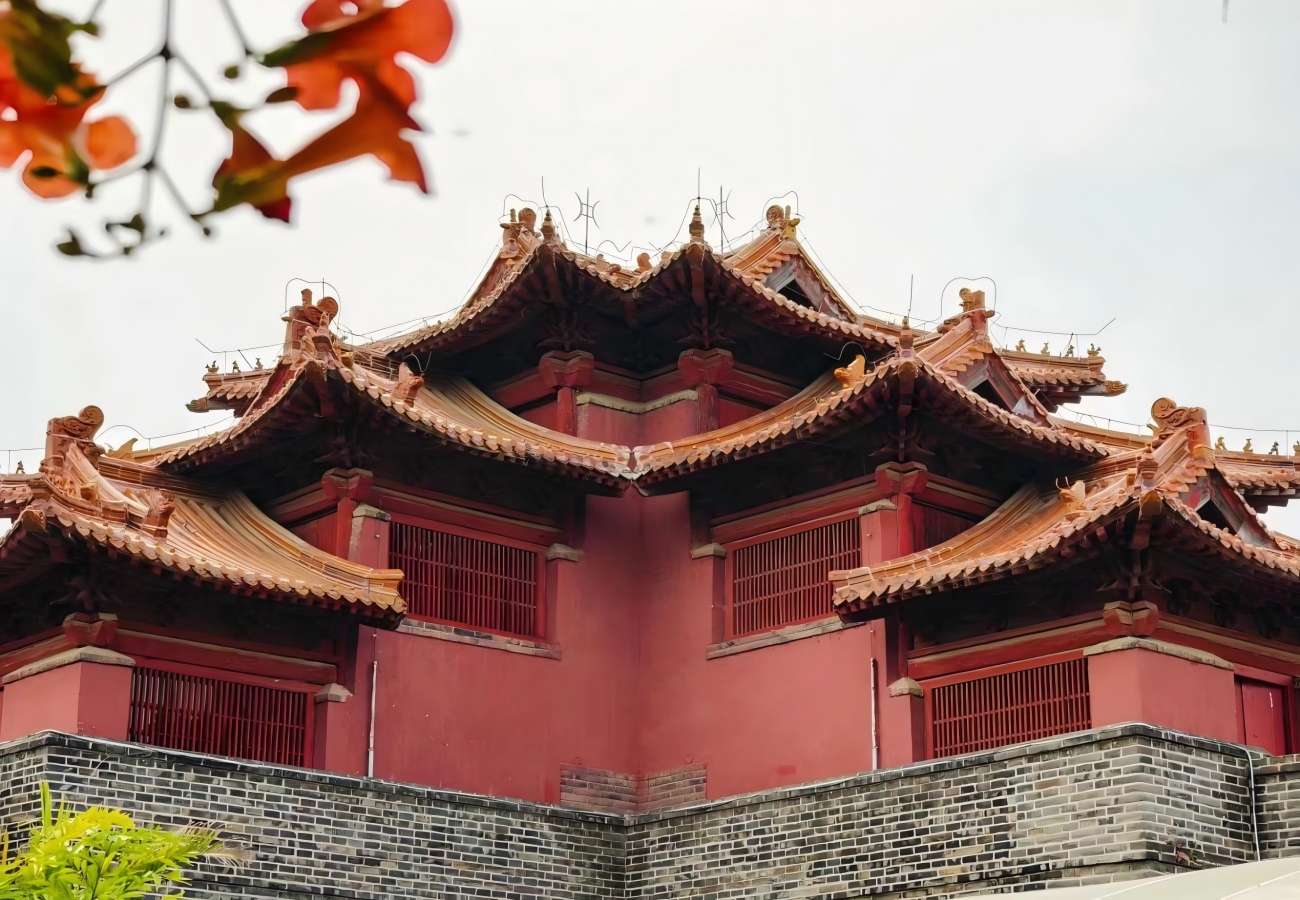
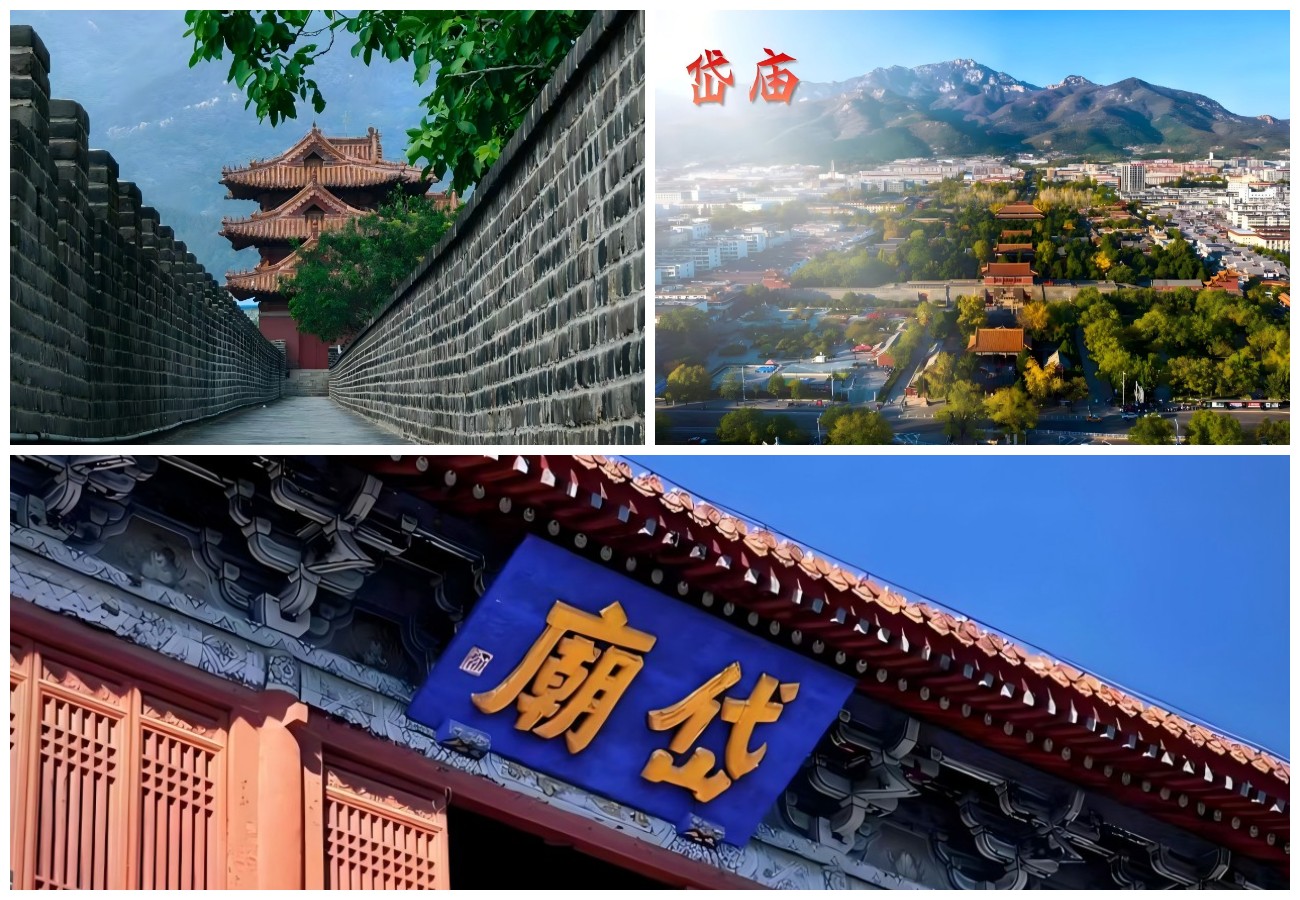
Our journey begins at Dai Temple at the foot of Mount Tai. First built during the Han Dynasty (206 BC - 220 AD), this ancient architectural complex is the largest ritual temple remaining on Mount Tai, often called a "mini Forbidden City". Upon entering Dai Temple, the first sight that catches your eye is the "Han Dynasty Intertwined Cypress" (designated as No. A0001). Legend has it that Emperor Wu of the Han Dynasty (Liu Che) planted over a thousand cypress trees during his seven visits to Mount Tai, and this surviving tree is a "living fossil". The intertwined trunks were regarded by ancient people as a symbol of good fortune.

The most stunning feature of the temple is the "Tiankuang Hall", which, together with the Hall of Supreme Harmony in Beijing's Forbidden City and the Dacheng Hall of Confucius Temple in Qufu, is known as one of the "Three Great Halls of China". Inside the hall, the huge mural The God of Mount Tai's Royal Procession depicts the grand scene of the Mountain God's tour. The painting includes 657 human figures, as well as horses, carriages, and ceremonial guards, and its colors remain vivid even after thousands of years. Notably, the layout of Dai Temple subtly reflects the ancient Chinese cosmic view of "the heavens being round and the earth being square". The glazed tiles on the roof glisten in the sun, as if connecting the mortal world to the heavenly realm. This was once the place where emperors held grand ceremonies to worship the God of Mount Tai before their Fengshan (imperial mountain worship) rituals. Emperors like Qin Shihuang and Emperor Wu of the Han Dynasty all held grand ceremonies here, leaving behind historical legacies of "receiving the mandate from heaven and enjoying eternal prosperity".
2. Zhongtianmen to Shibapan: Uncovering Cultural Codes While Climbing
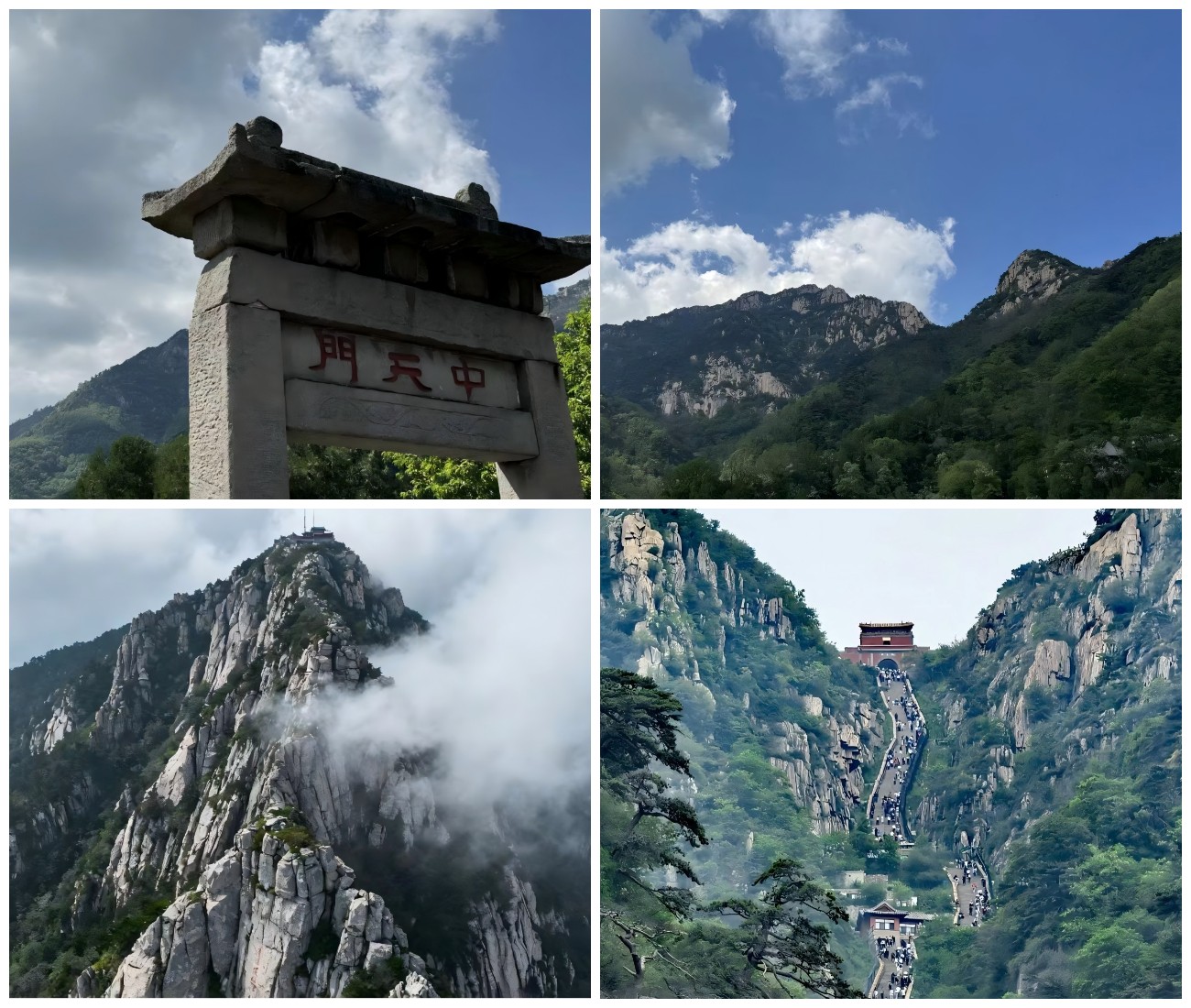
After taking a bus from Dai Temple to Zhongtianmen (Mid-Heaven Gate), the real hiking journey begins. This section of the route is known as the "Heavenly Staircase", and every stone step and ancient cypress along the way holds a story. When you reach Yunbu Bridge (Cloud-Stepping Bridge), you can see a waterfall cascading down the cliff, with water droplets creating rainbows in the sun. Beside the bridge stands the legendary "Wudaifu Pine" (Five-Rank Official Pine). According to Records of the Grand Historian, when Qin Shihuang climbed Mount Tai, he encountered a heavy rain and took shelter under this pine tree. Afterward, he conferred the title of "Wudaifu" (a mid-rank official in ancient China) on the tree. Despite thousands of years of wind and rain, the pine still stands tall and firm, symbolizing the resilience of Mount Tai.
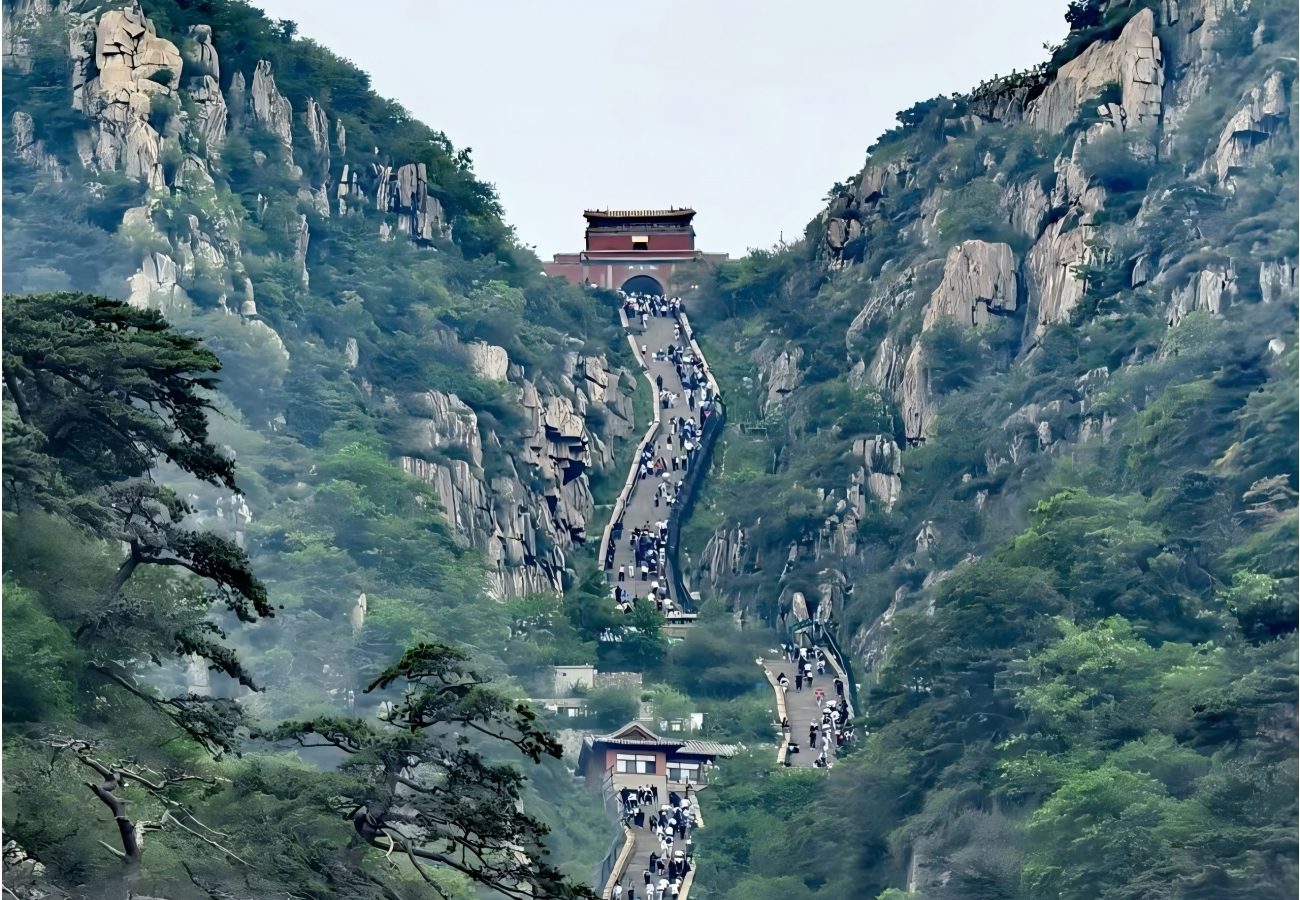
Continuing upward, you will reach Shibapan (Eighteen Bends), the most challenging section of Mount Tai. This 1-kilometer-long winding path has 1,594 stone steps, a vertical height of 400 meters, and a maximum slope of nearly 80 degrees. From a distance, it looks like a ladder hanging between the mountains. Locals often say, "Tight Eighteen, Slow Eighteen, and another Eighteen that's neither tight nor slow", describing the need to alternate between fast and slow paces while climbing. There is an interesting legend about the origin of Shibapan: in ancient times, craftsmen spent ten years chiseling stones to build this mountain path. The Mountain God was moved by their dedication and sent immortals to help overnight, completing the most dangerous section. Climbing here today, even though you may be out of breath, you can deeply feel the ancient spirit of "fearlessness in the face of hardship and courage to climb heights". Many Chinese literati and poets have left poems here, and Du Fu's famous line "When I reach the summit, all other mountains appear small" perfectly captures the pride of reaching the top.
3. Nantianmen and Tianjie: The "Heavenly Street" Above the Clouds
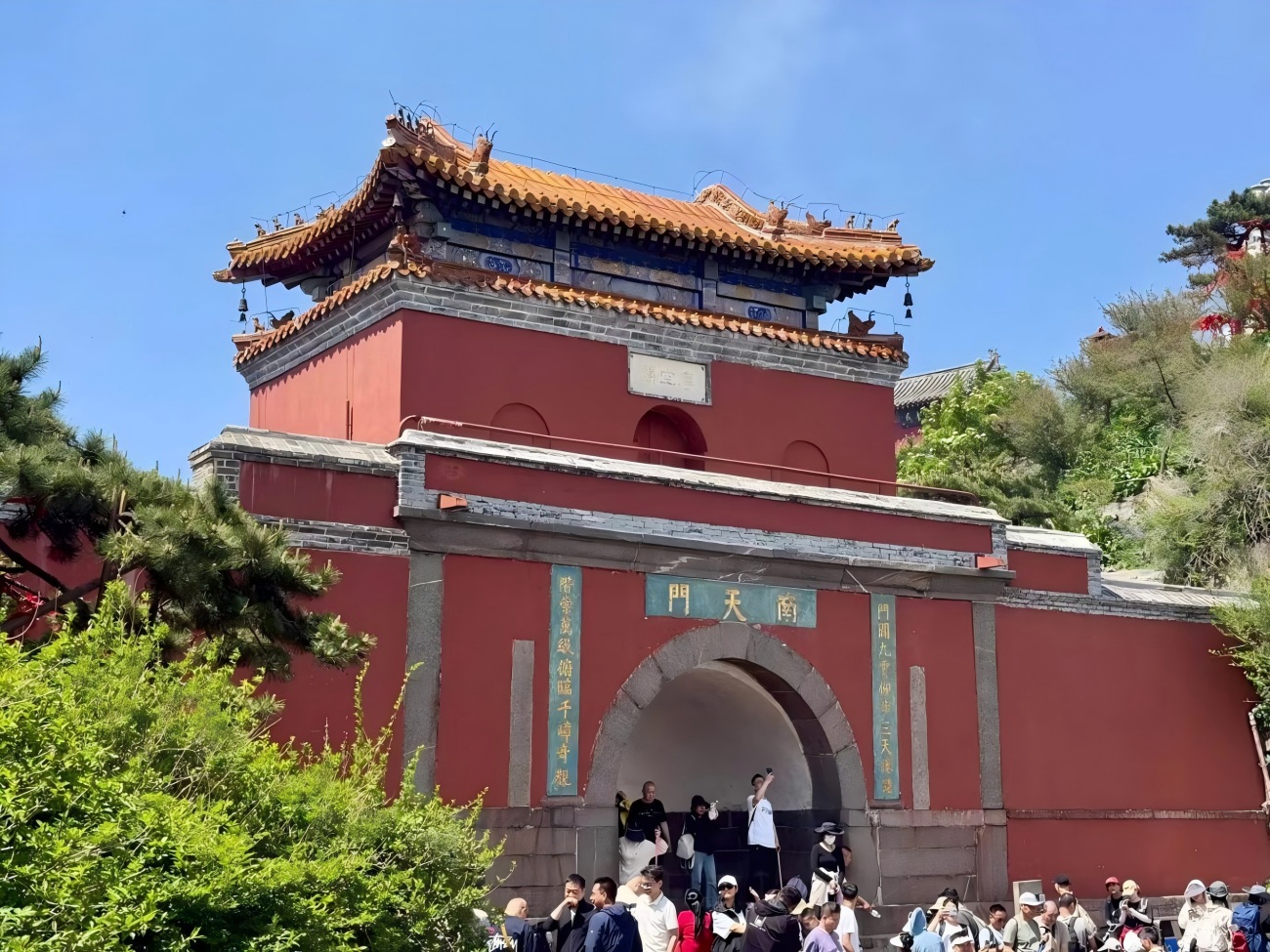
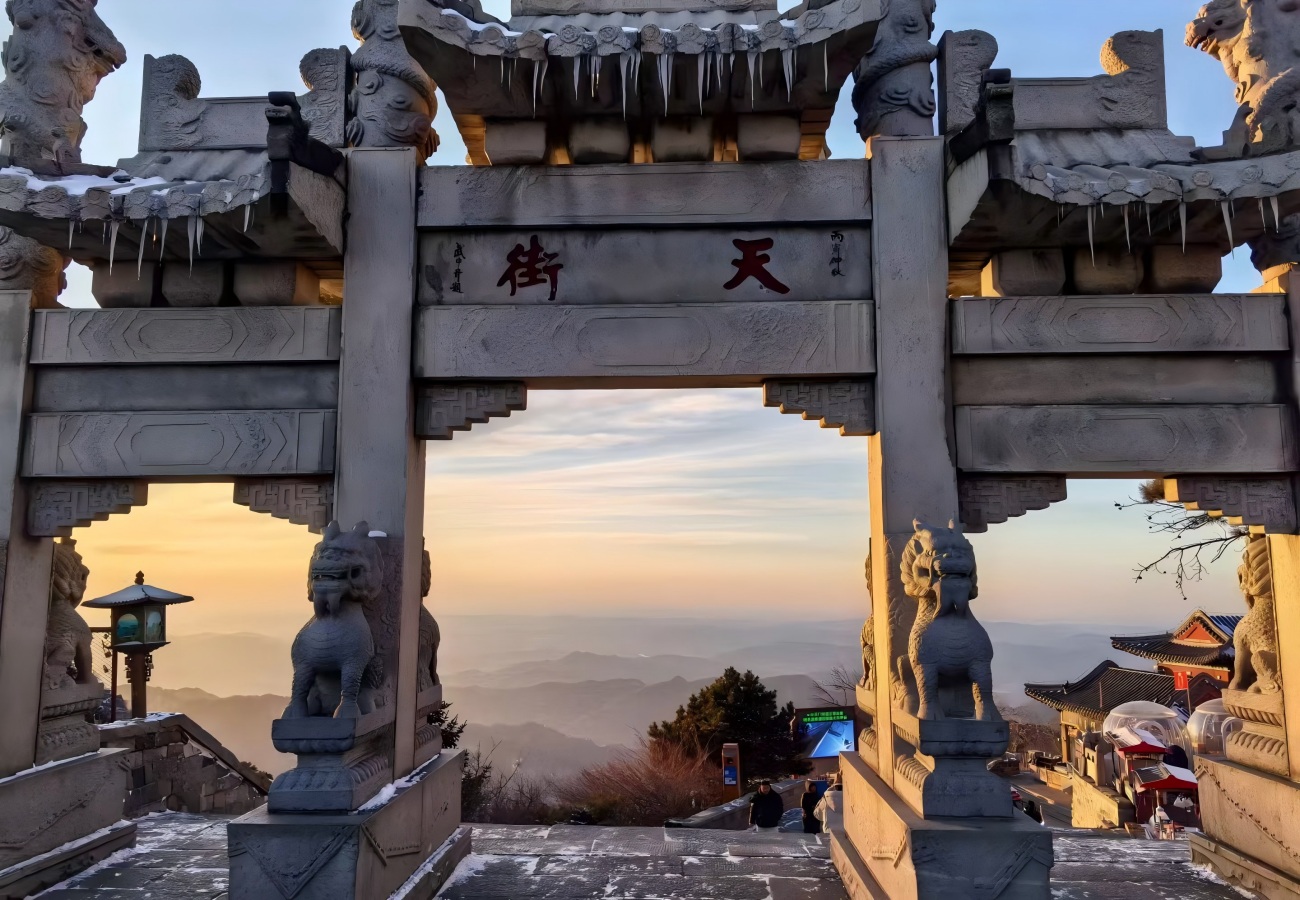
The moment you finally step onto Nantianmen (South Heaven Gate), you will understand why ancient people called it the "Gate to Heaven". This gate, located between Feilongyan (Flying Dragon Cliff) and Xiangfengling (Soaring Phoenix Ridge), looks like a celestial palace gate when viewed from below. Stepping through it, you feel as if you have entered a world above the clouds. The small courtyard inside was originally dedicated to three ancient imperial advisors, later converted into a Guandi Temple (worshipping Guan Yu), reflecting the Chinese people's admiration for loyalty.
Passing through Nantianmen, you arrive at the famous Tianjie (Heavenly Street) – a street built at an altitude of over 1,400 meters. Here, there are shops selling souvenirs and teahouses for tourists to rest. What makes it special is the stone steles along both sides of the street, which are more than five times the number found in other parts of Mount Tai. One of these steles is inscribed with "Mount Tai - World Cultural and Natural Heritage", witnessing the important moment in 1987 when Mount Tai was awarded this honor. Strolling along Tianjie, you often see clouds drifting beneath your feet, as if you are in a fairyland. There is a local saying: "A walk on Tianjie will let you live to be 99." Many tourists tie red ribbons here, writing down wishes for their families. These fluttering ribbons have become a unique sight on Tianjie.


4. Bixia Shrine: A Sacred Place for Blessings from Mount Tai's Goddess
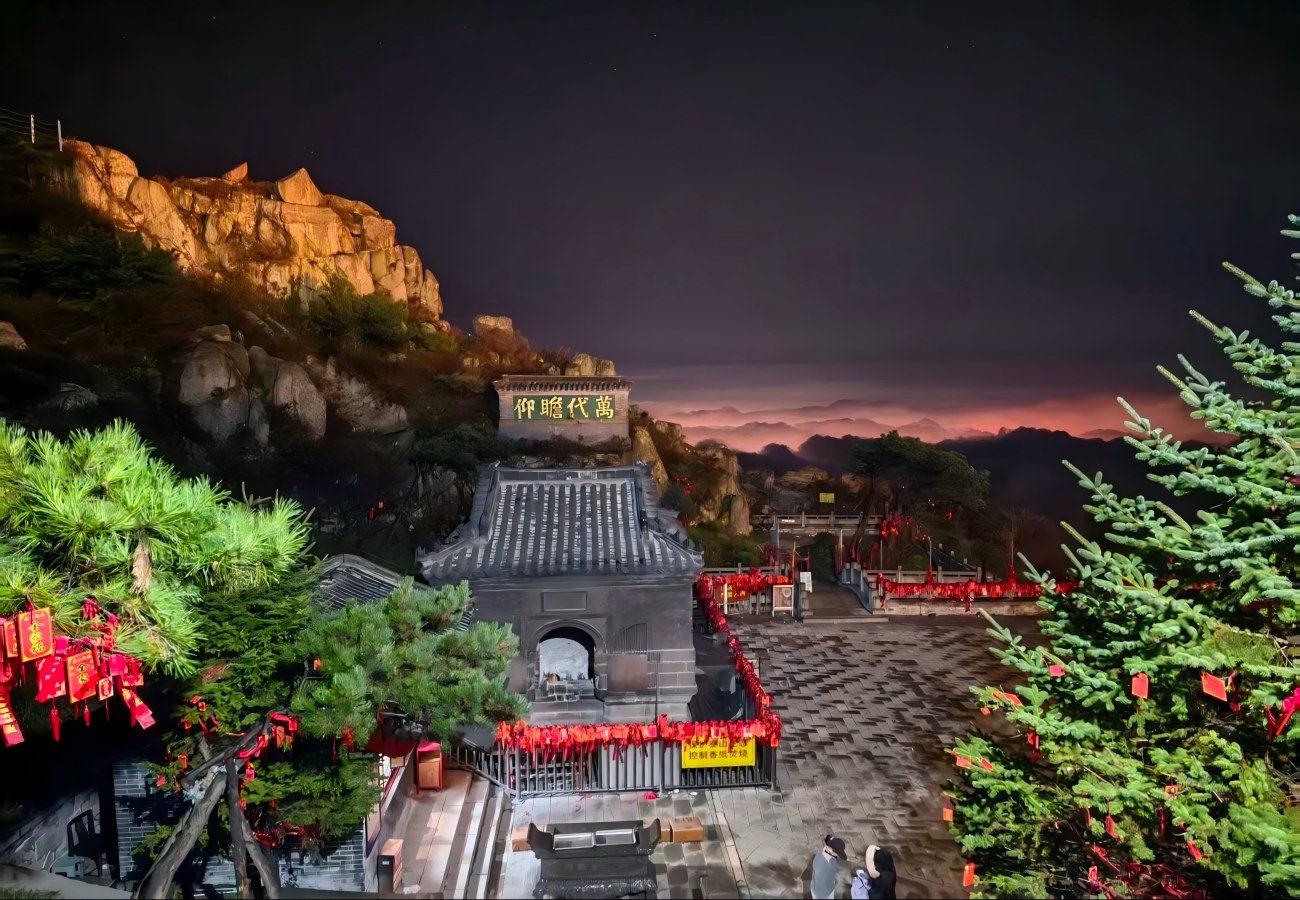
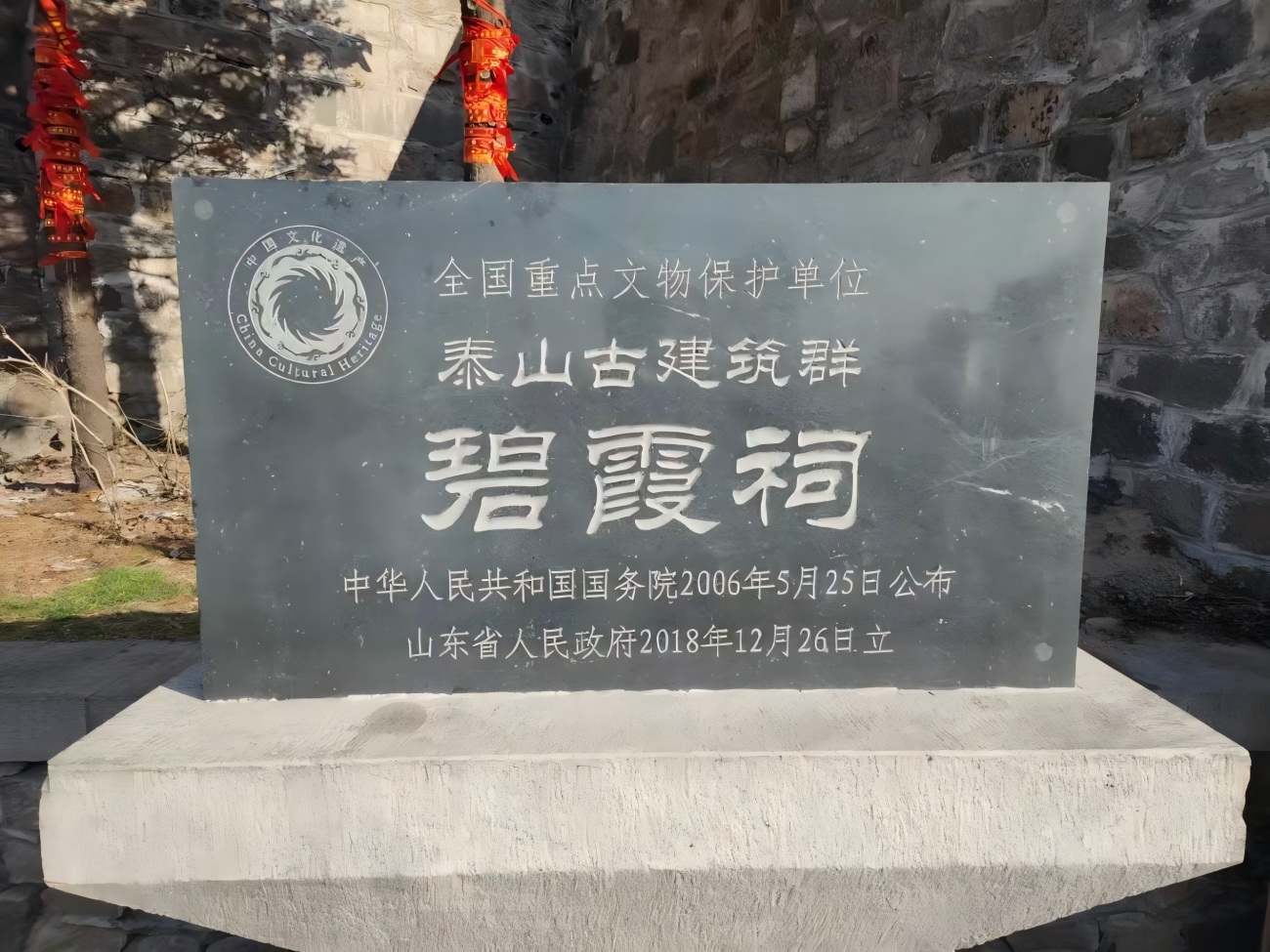
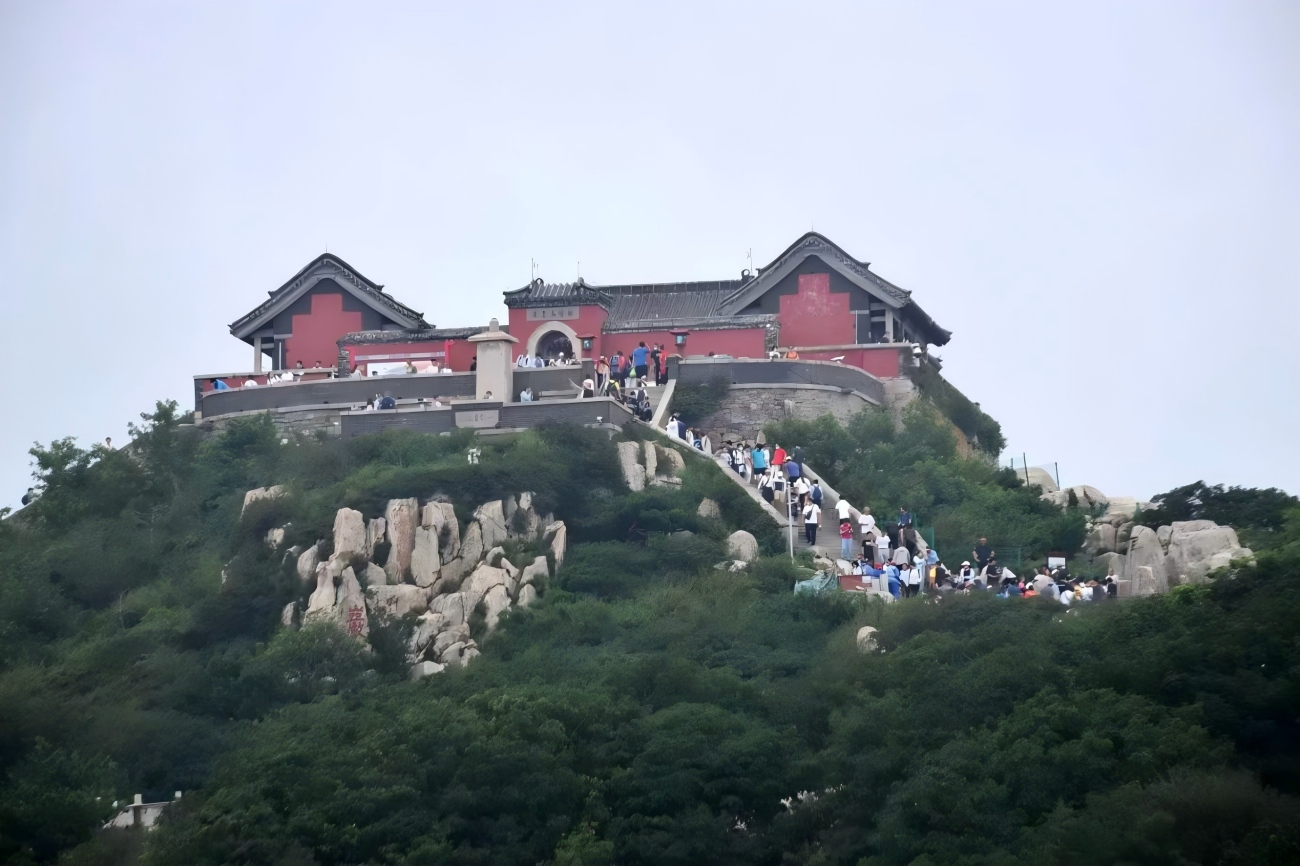
At the end of Tianjie stands the resplendent Bixia Shrine, the most popular temple on Mount Tai, dedicated to "Bixia Yuanjun" (Goddess of Mount Tai), who is deeply beloved by the Chinese people. Legend has it that Bixia Yuanjun is the guardian deity of Mount Tai, capable of relieving suffering and granting blessings to all living beings. Whether people pray for good health, academic success, or peace, they are willing to come here to burn incense and make wishes.
The architecture of Bixia Shrine is a masterpiece of ancient Chinese architecture. The entire shrine is built on a platform at the top of the mountain, with its roof covered in specially made copper tiles that shine golden in the sun and do not rust even in rainy weather. Inside the shrine, there is a "bronze altar table" weighing over 500 kilograms, a relic from the Ming Dynasty (1368 - 1644), with exquisitely carved dragon and phoenix patterns that look lifelike. Every year on the 15th day of the third lunar month, a grand temple fair is held here to celebrate "Bixia Yuanjun's Birthday", attracting pilgrims from all over China, creating a lively atmosphere. For overseas friends, the most touching part here is experiencing the Chinese spirit of "revering nature and being grateful for life". Regardless of language barriers, the sincere heart of praying for blessings is universal.
5. Yuhuangding: A Dialogue Between Heaven and Earth at Mount Tai's Summit
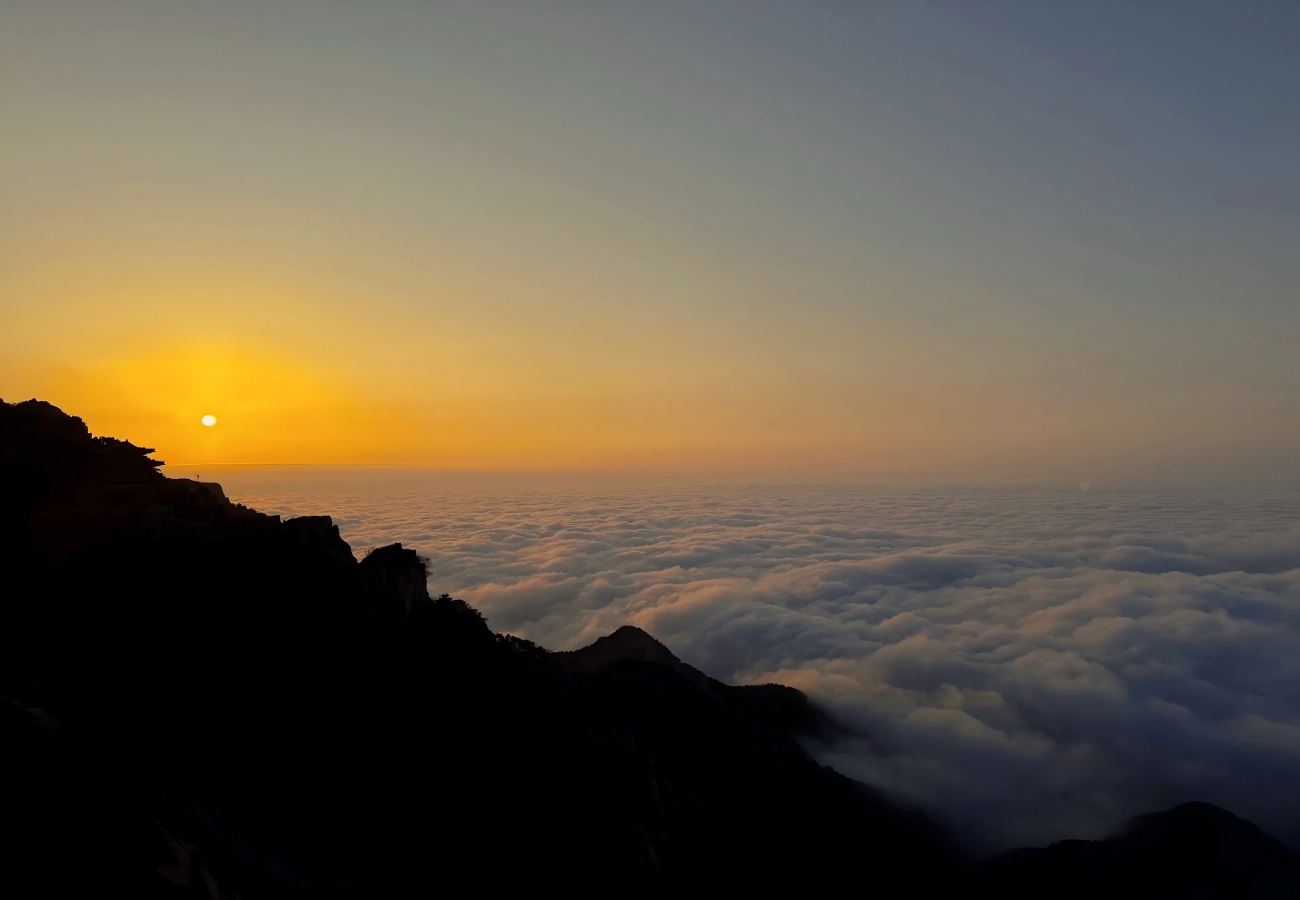
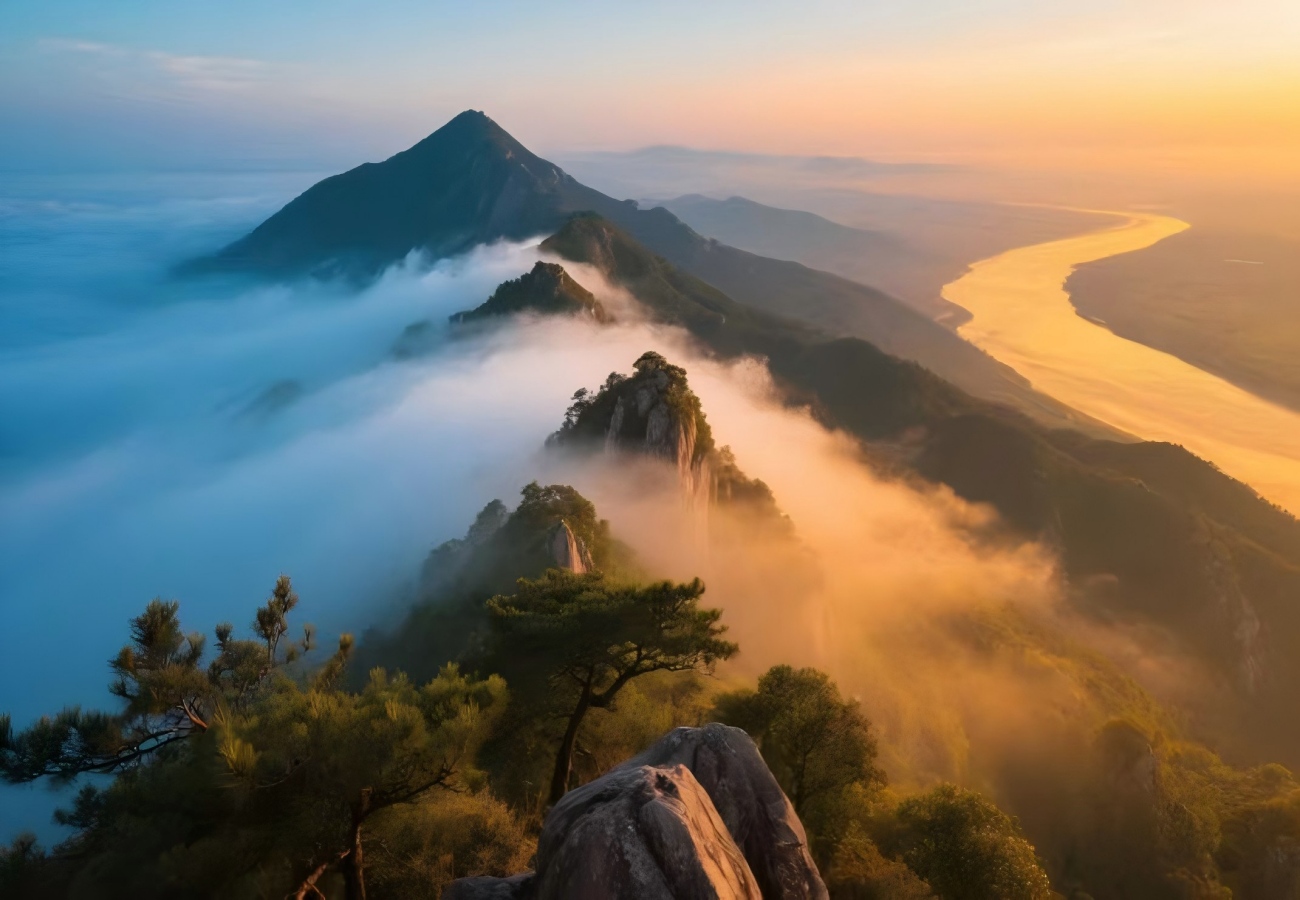
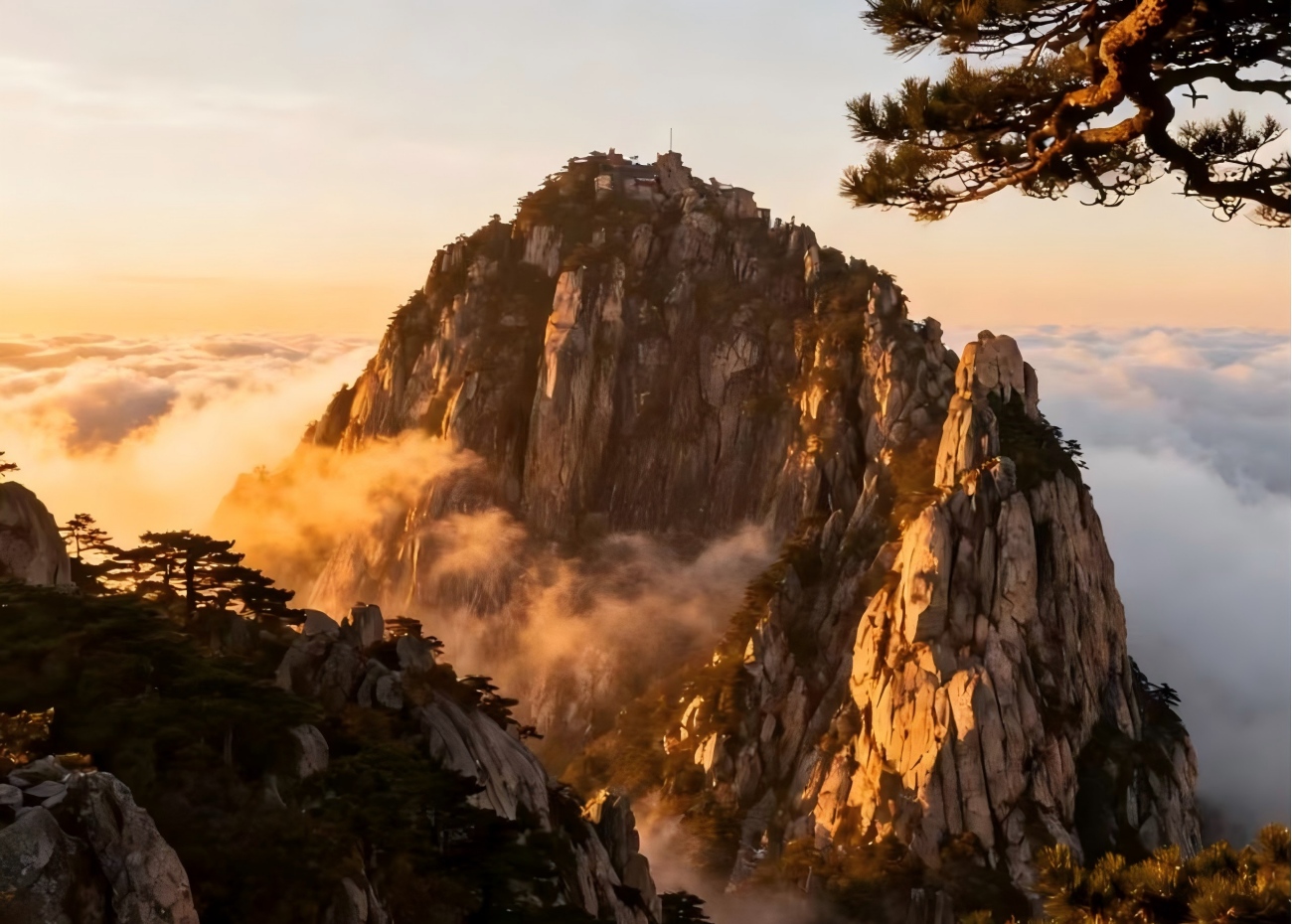
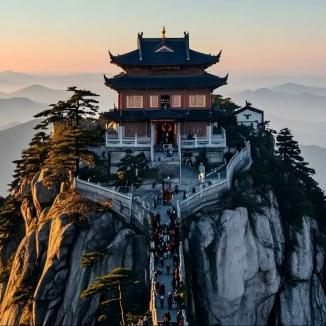
Our final destination is Yuhuangding (Jade Emperor Peak), the main peak of Mount Tai, with an altitude of 1,545 meters. It is the highest point of Mount Tai and the best spot to watch the sunrise and sea of clouds. The Yuhuang Temple (Jade Emperor Temple) on the peak was first built during the Ming Dynasty, and inside it stands a bronze statue of the Jade Emperor, symbolizing reverence for heaven and earth.
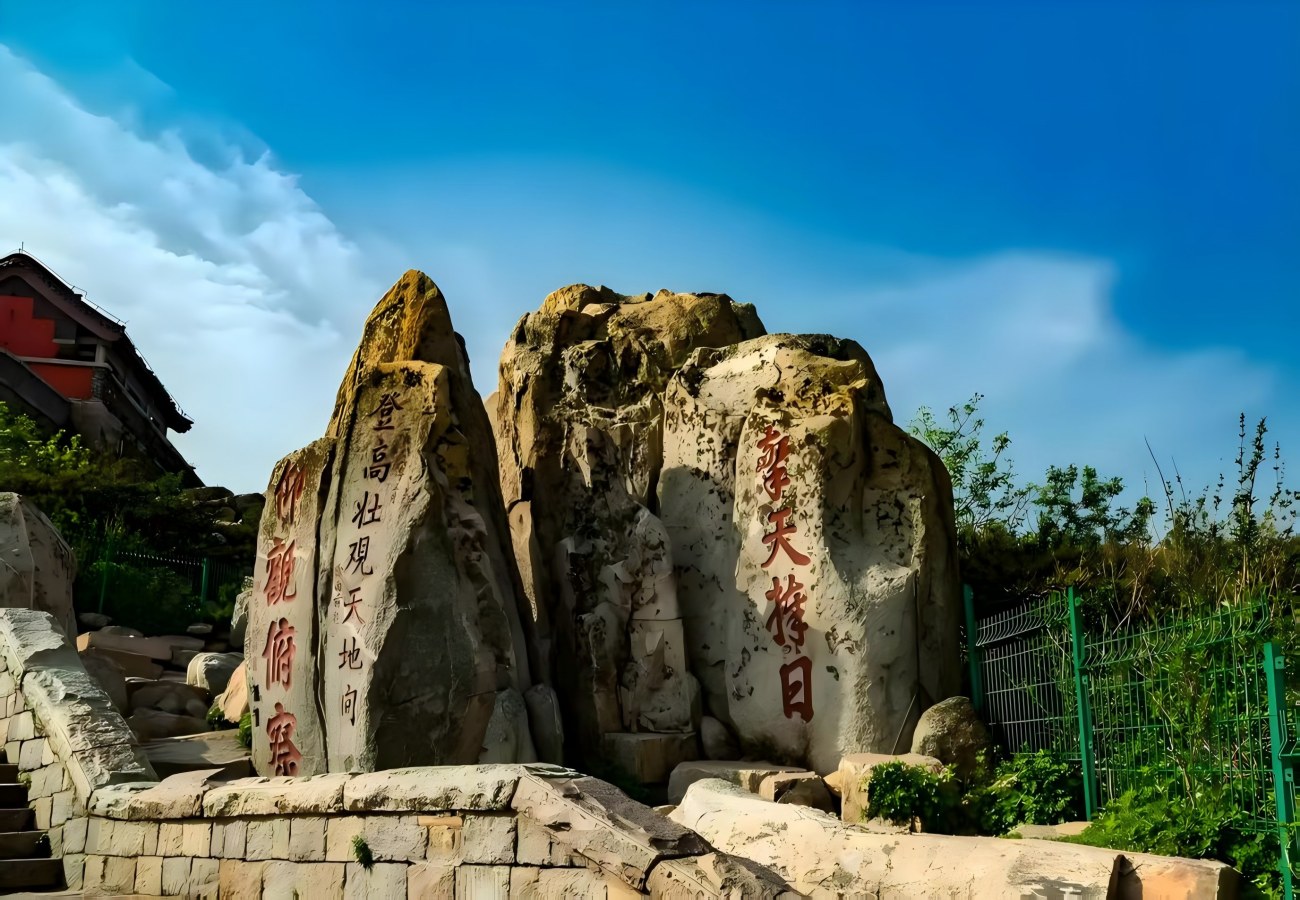
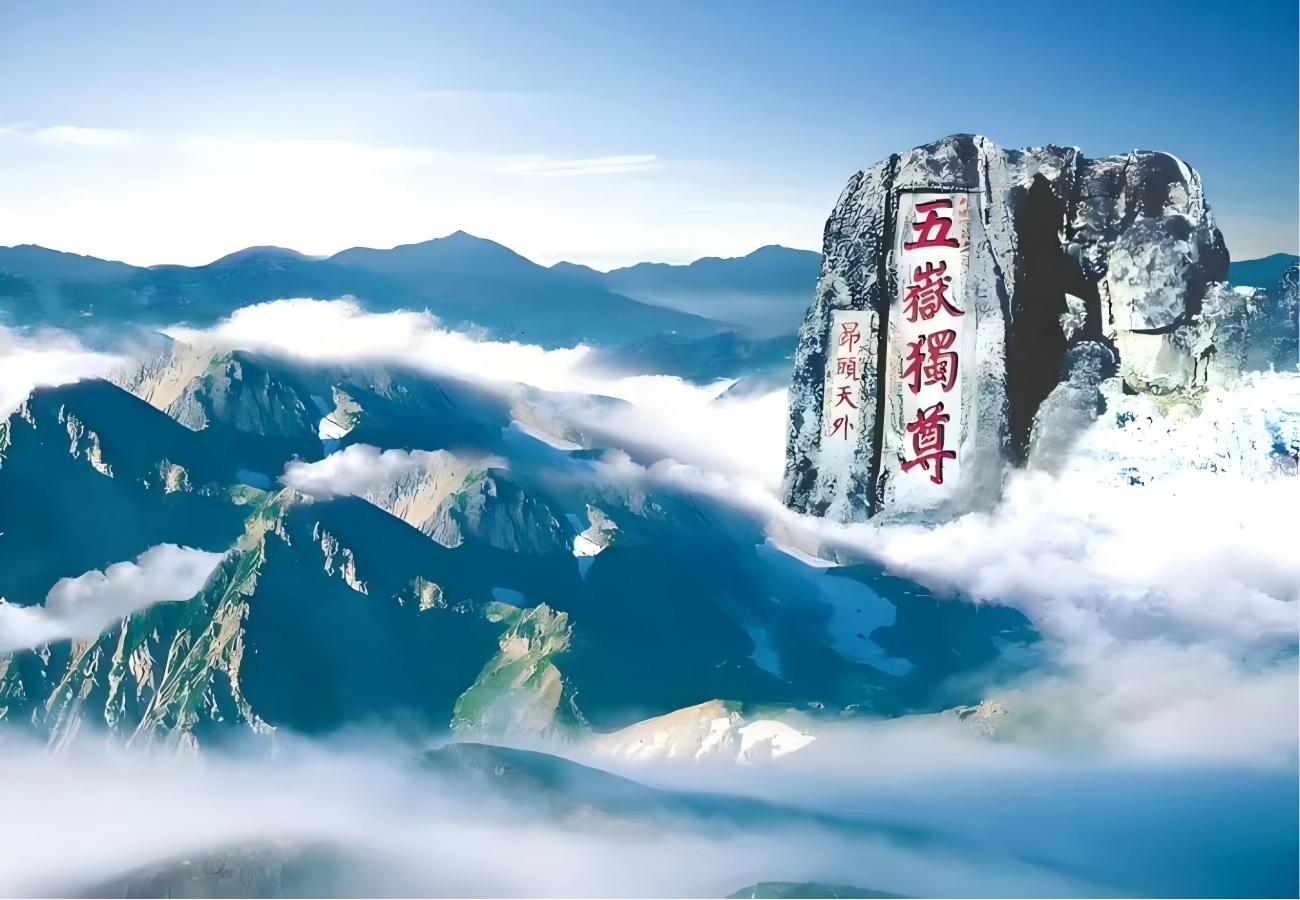
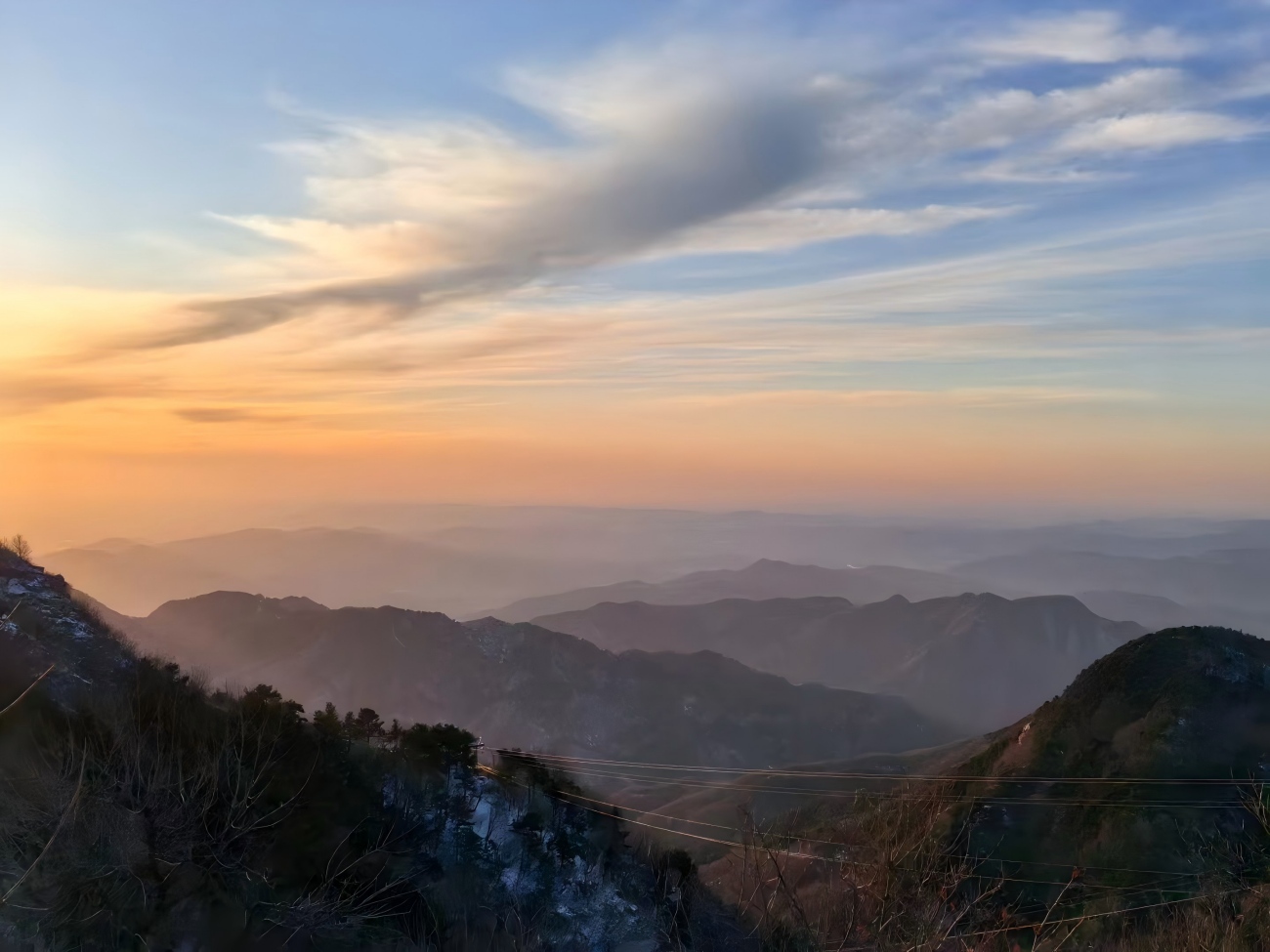
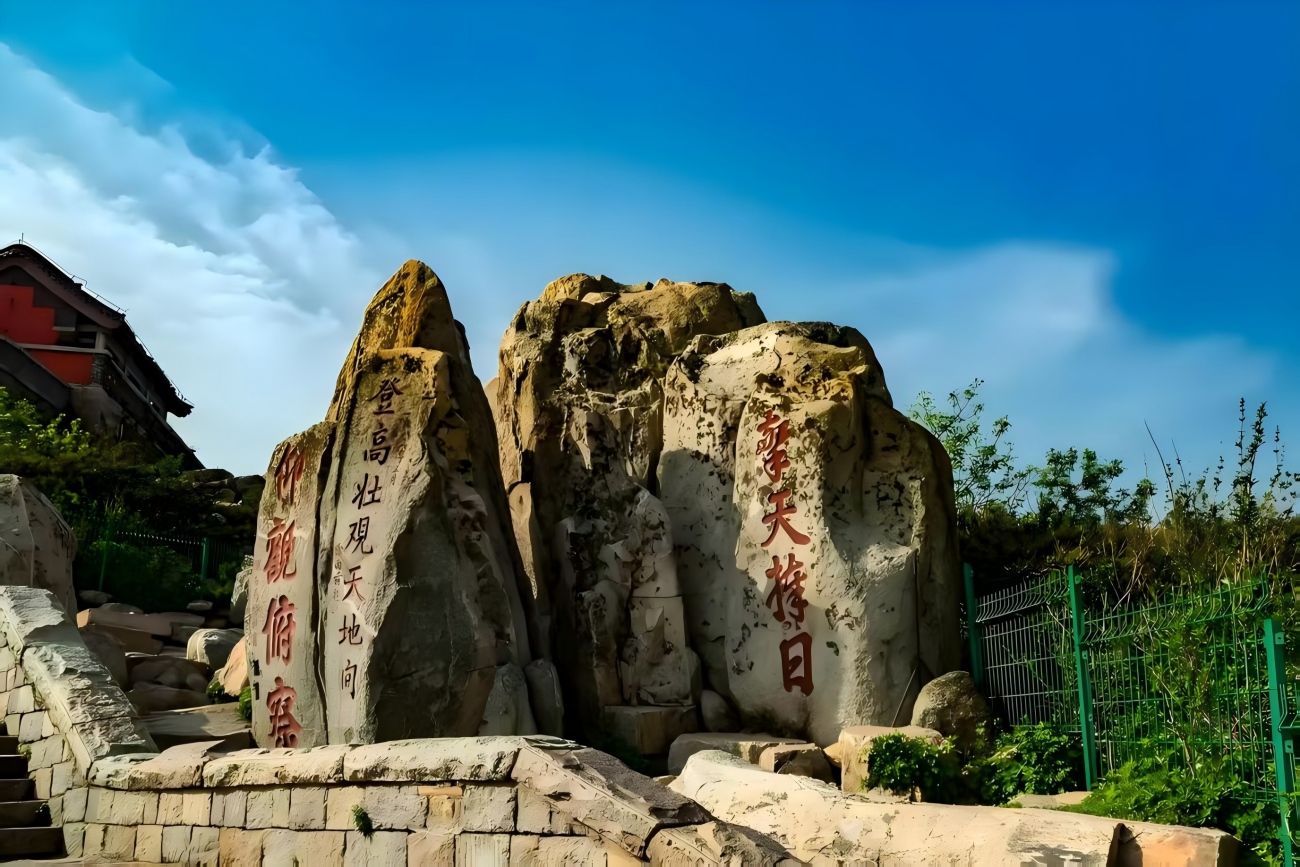
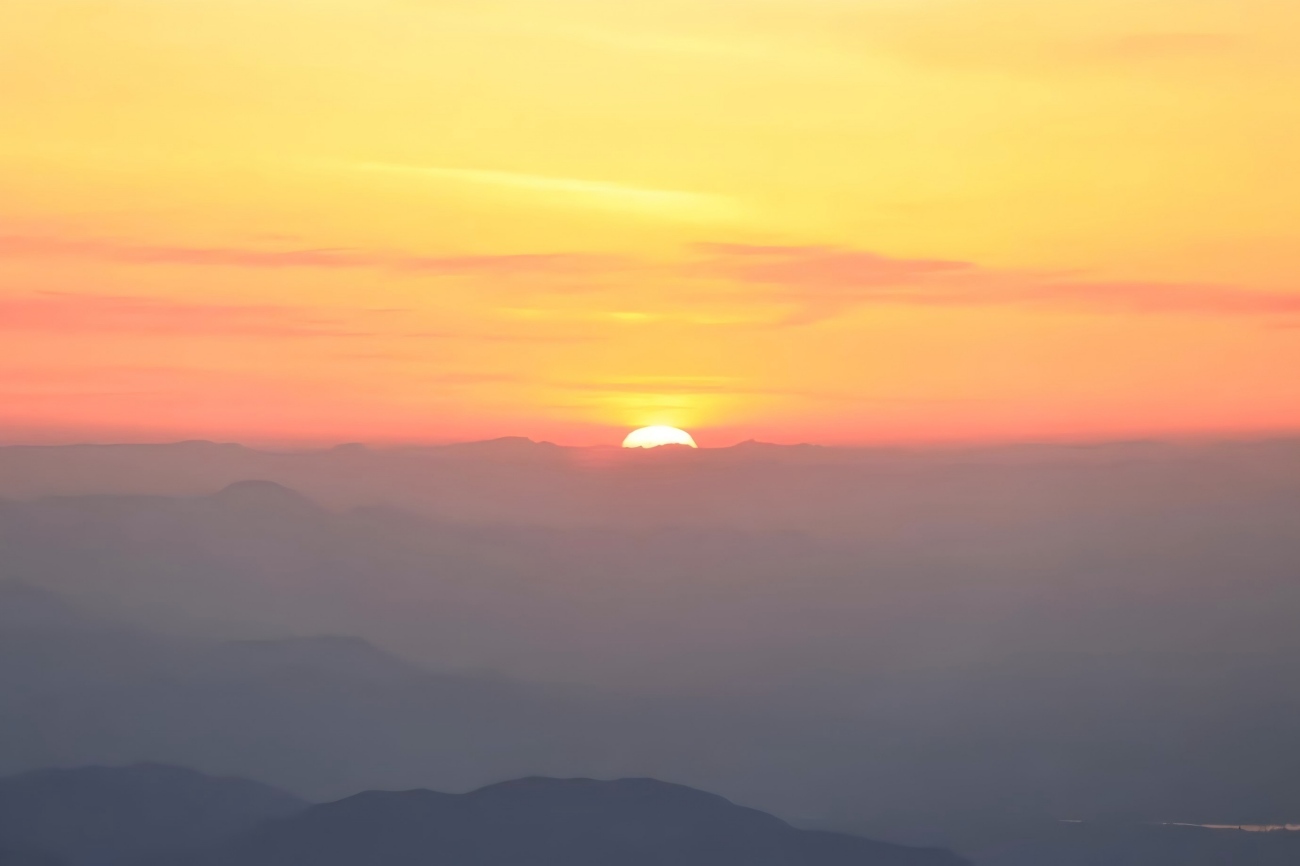
In the early morning, as the eastern sky turns pale, countless tourists hold their breath in anticipation. Suddenly, a red sun slowly rises from the sea of clouds, instantly dyeing the sky golden red. The rolling clouds resemble surging waves, and the surrounding mountains loom faintly in the morning light. This is the spectacular sunrise scene known as the "No.1 Wonder of Mount Tai". To the west of Yuhuangding stands the famous "Five Great Mountains, Mount Tai is the Most Respectable" stone stele. These four characters were proposed by Mencius, an ancient Chinese philosopher, meaning "among the Five Great Mountains, Mount Tai is the most revered". Today, it has become the most iconic symbol of Mount Tai, and almost every tourist takes a photo here. Standing here and looking far into the distance, you will truly understand the profound meaning of "when Mount Tai is stable, the whole country is stable". This mountain is not only a natural miracle but also a symbol of the Chinese national spirit.
6. Recommended Specialty Foods of Mount Tai
While climbing, you might as well try Mount Tai's specialty foods and experience the Qilu culture (the culture of Shandong Province) through your taste buds:
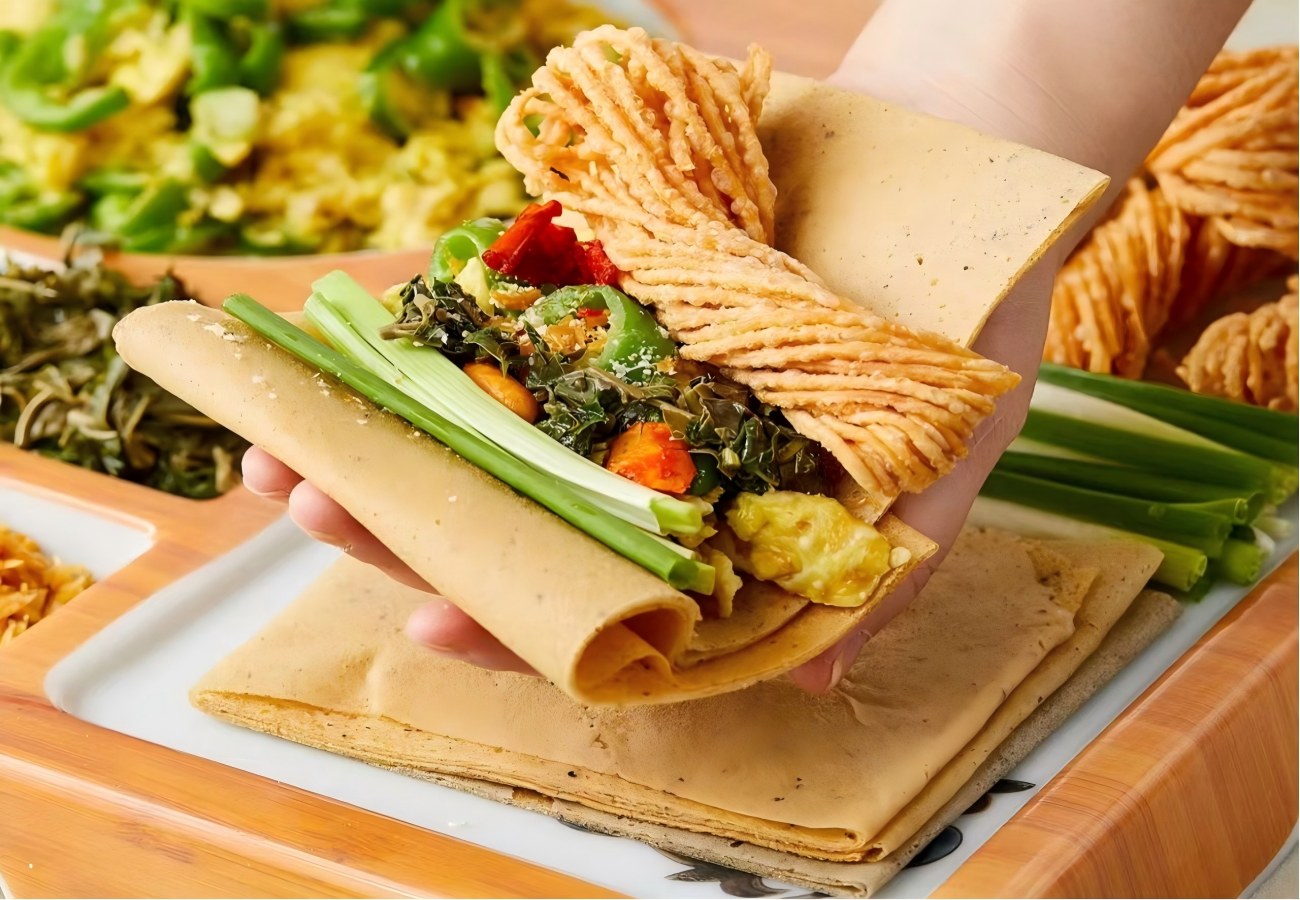
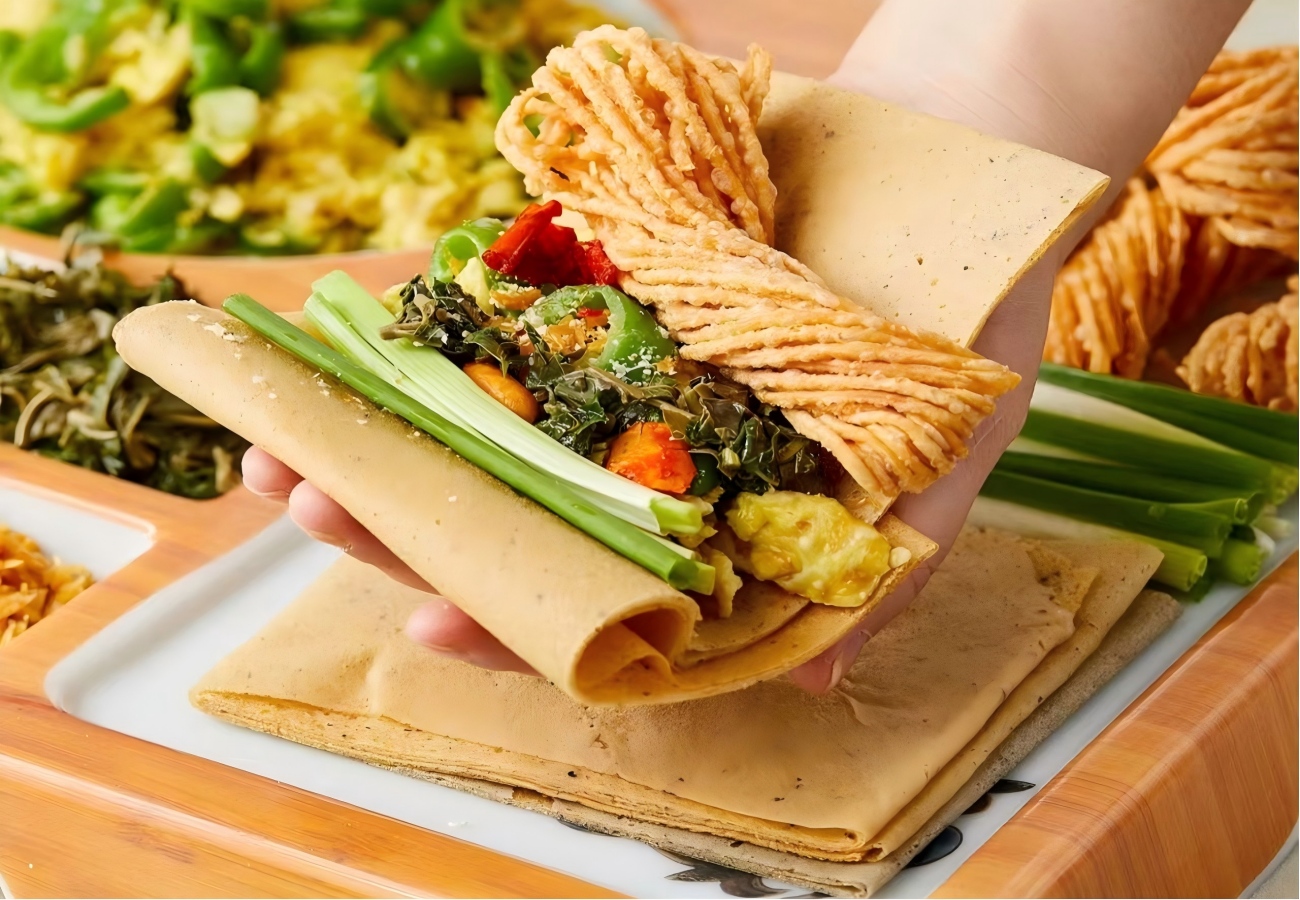
Mount Tai Pancake Rolled with Green Onion: This is the most representative snack of Mount Tai. The paper-thin pancake is made from ground millet, rolled with crispy green onions and sweet soybean paste, offering a rich layered taste. Locals say, "Eating pancake rolled with green onion gives you strength to climb the mountain."

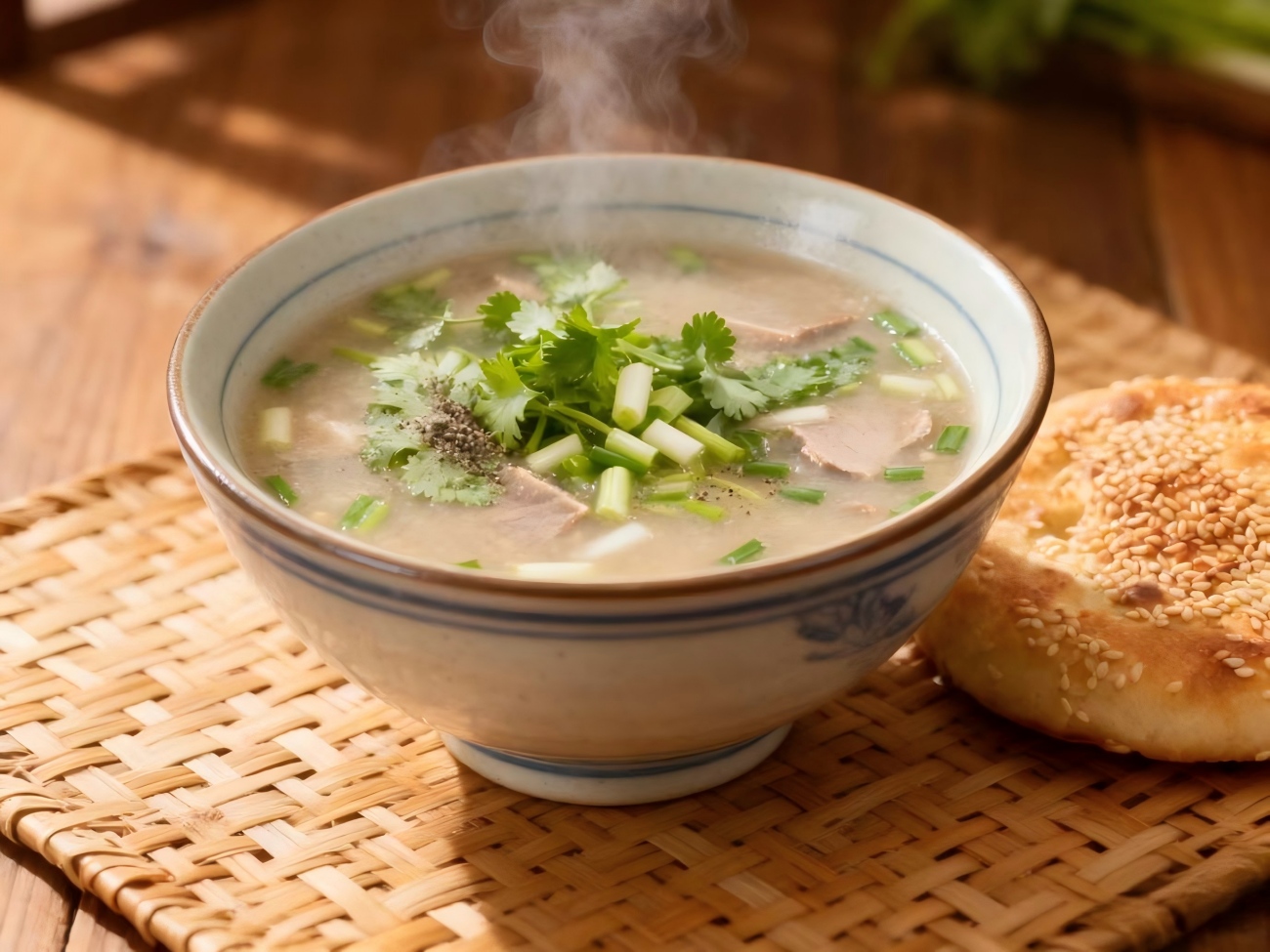
San Soup: As a classic breakfast for people in Tai'an (the city where Mount Tai is located), San Soup is made with chicken and wheat kernels, simmered for several hours. The soup is savory, smooth, and refreshing, and when paired with crispy fried dough cakes, it warms your heart and stomach. The San Soup at Guohua San Soup Restaurant is particularly favored by locals.
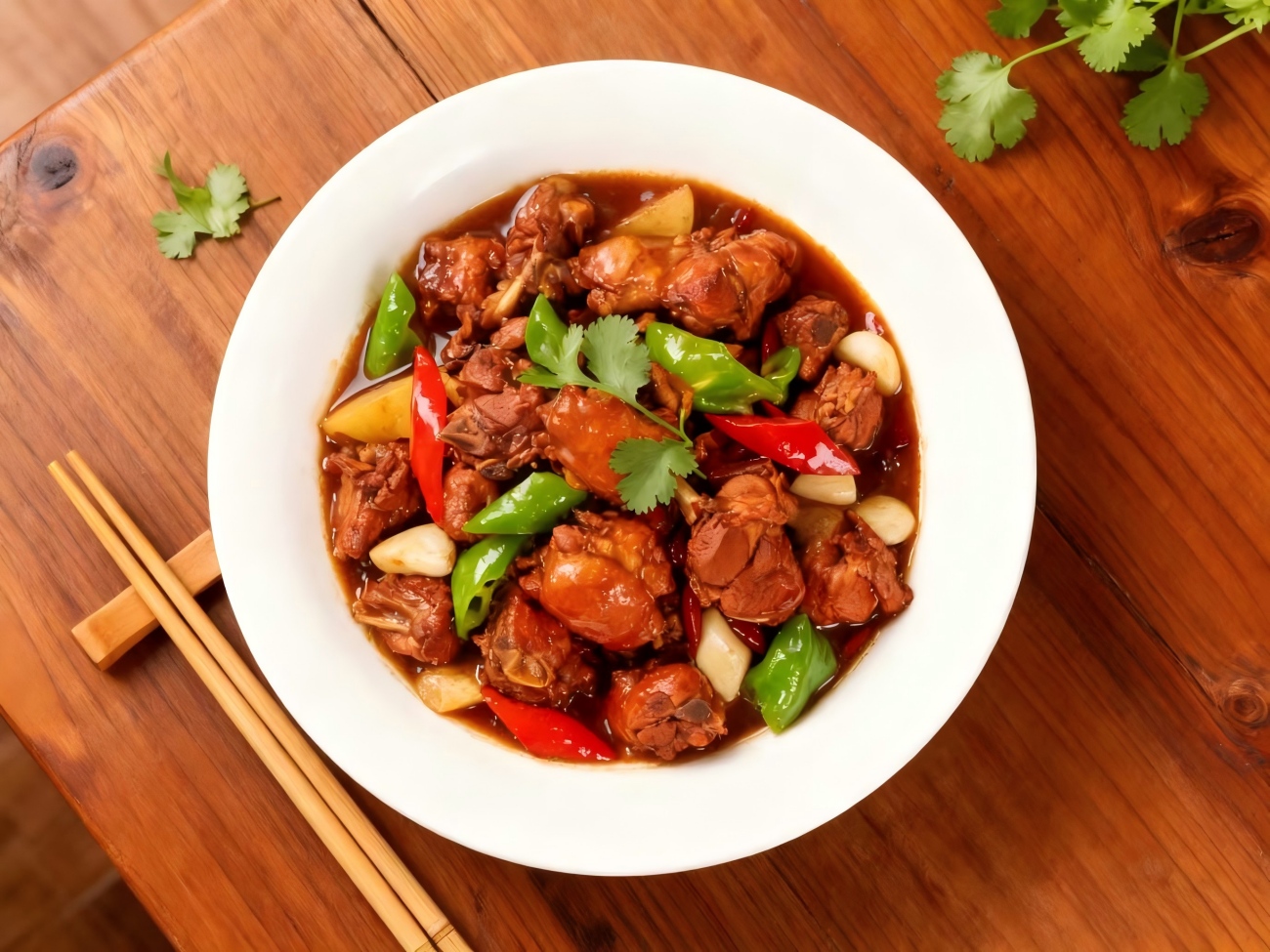
Tai'an Stir-Fried Chicken: Using free-range local chickens, stir-fried with secret sauce, the chicken meat is firm and chewy with a rich sauce flavor. It is a specialty dish of Shandong cuisine. The stir-fried chicken at local restaurants like Shiba Pan is renowned for its excellence.
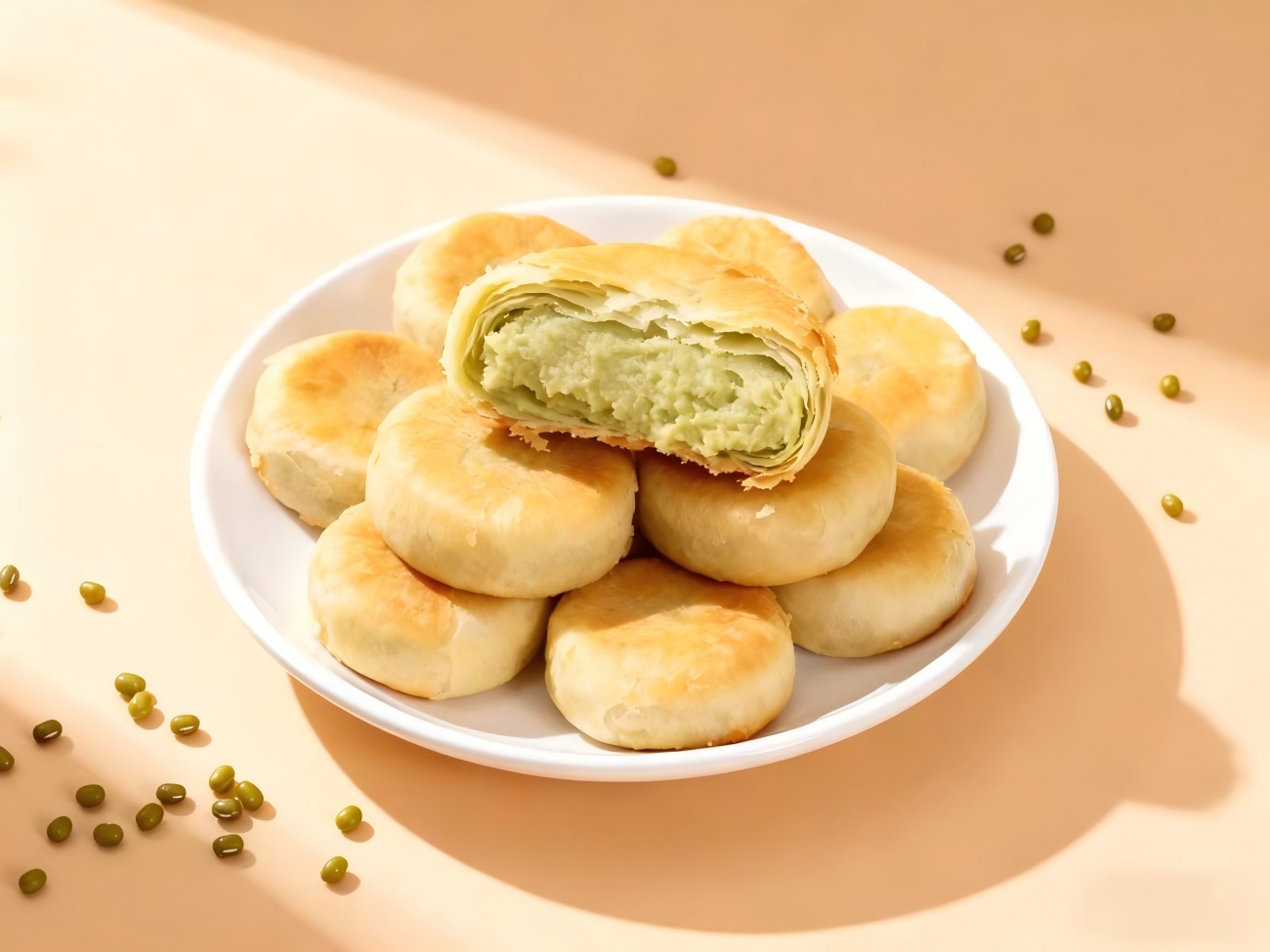
Huarongzhe Mung Bean Cake: The mung bean cakes from this popular pastry shop have a crispy outer layer and a smooth, sweet inner filling, with no excessive sugar. They are an excellent choice for replenishing energy during the climb, and you can often see long queues outside the shop.
Dear friends, our journey to Mount Tai is coming to an end, but the millennia of cultural heritage and natural wonders carried by this mountain have surely left a deep impression in your heart. As a tourist from Bulgaria once said, the stone carvings and ancient cypresses of Mount Tai all tell touching stories. It is hoped that the grandeur and profoundness of Mount Tai will help you gain a deeper understanding of the charm of Chinese civilization. We look forward to you sharing the story of Mount Tai with the world, carrying this memory in your heart.