1. UNESCO World Heritage (2007)
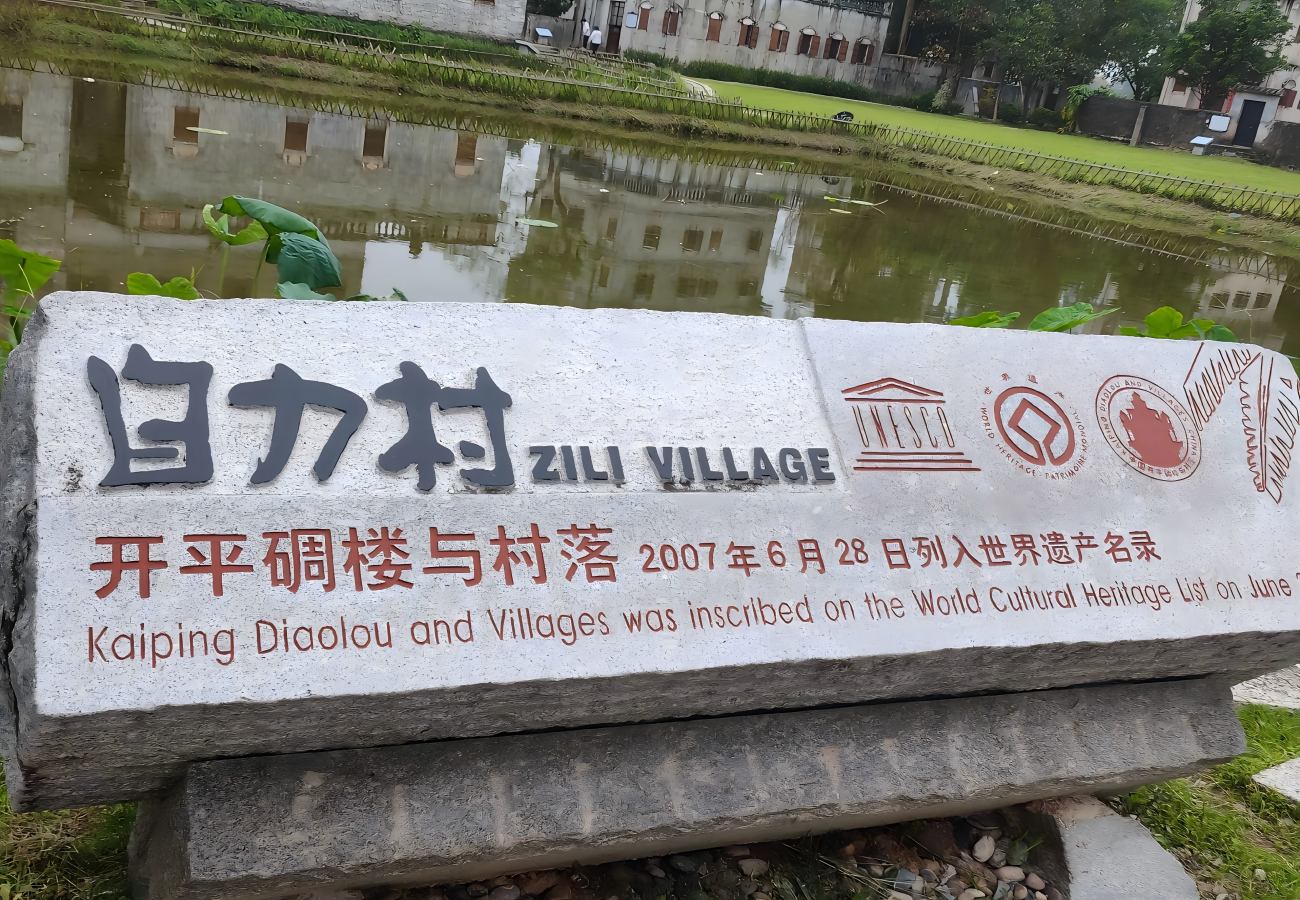
Kaiping Diaolou and Villages
This means it’s a treasure shared by all people—worth visiting to see a piece of world-famous culture.
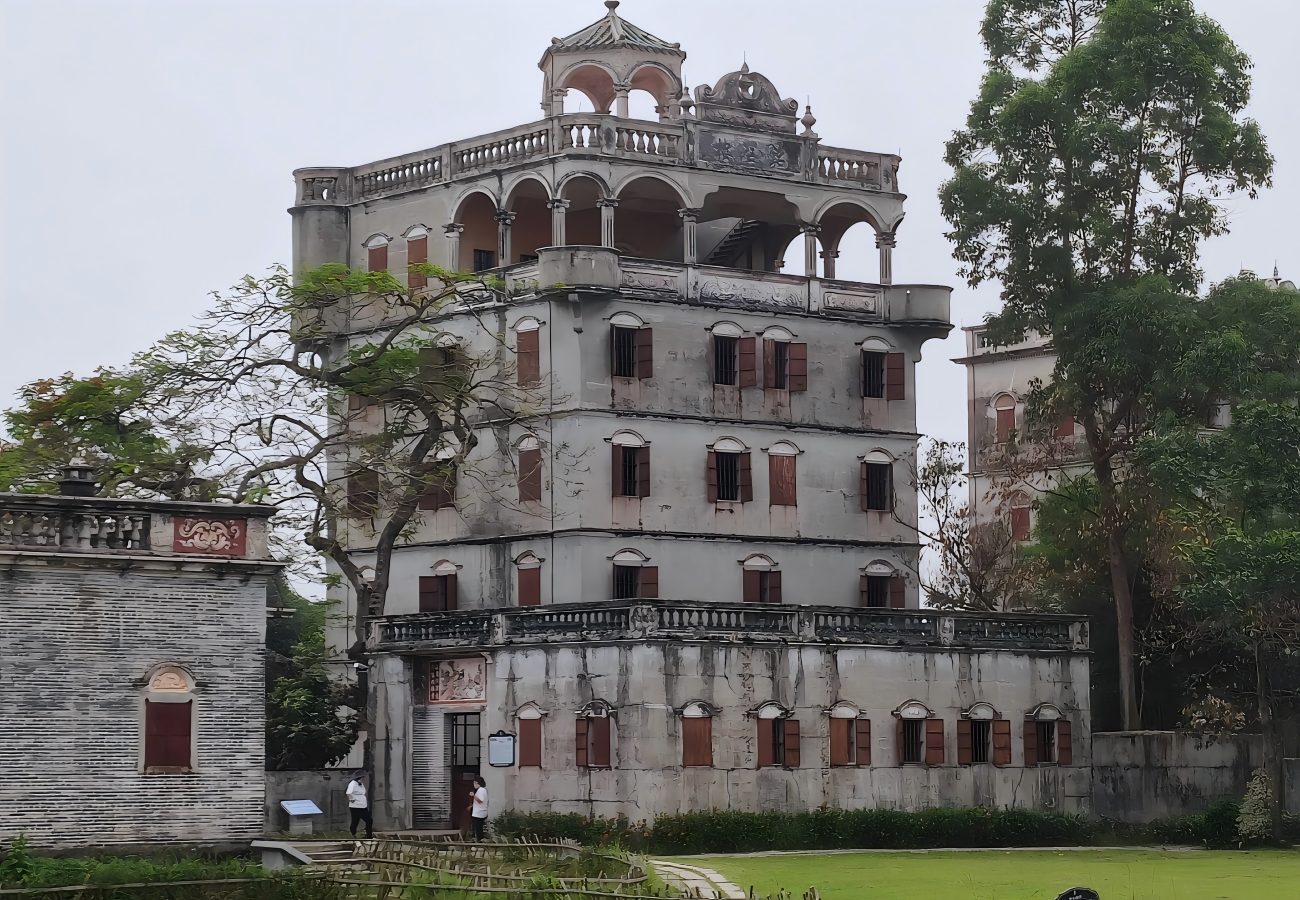
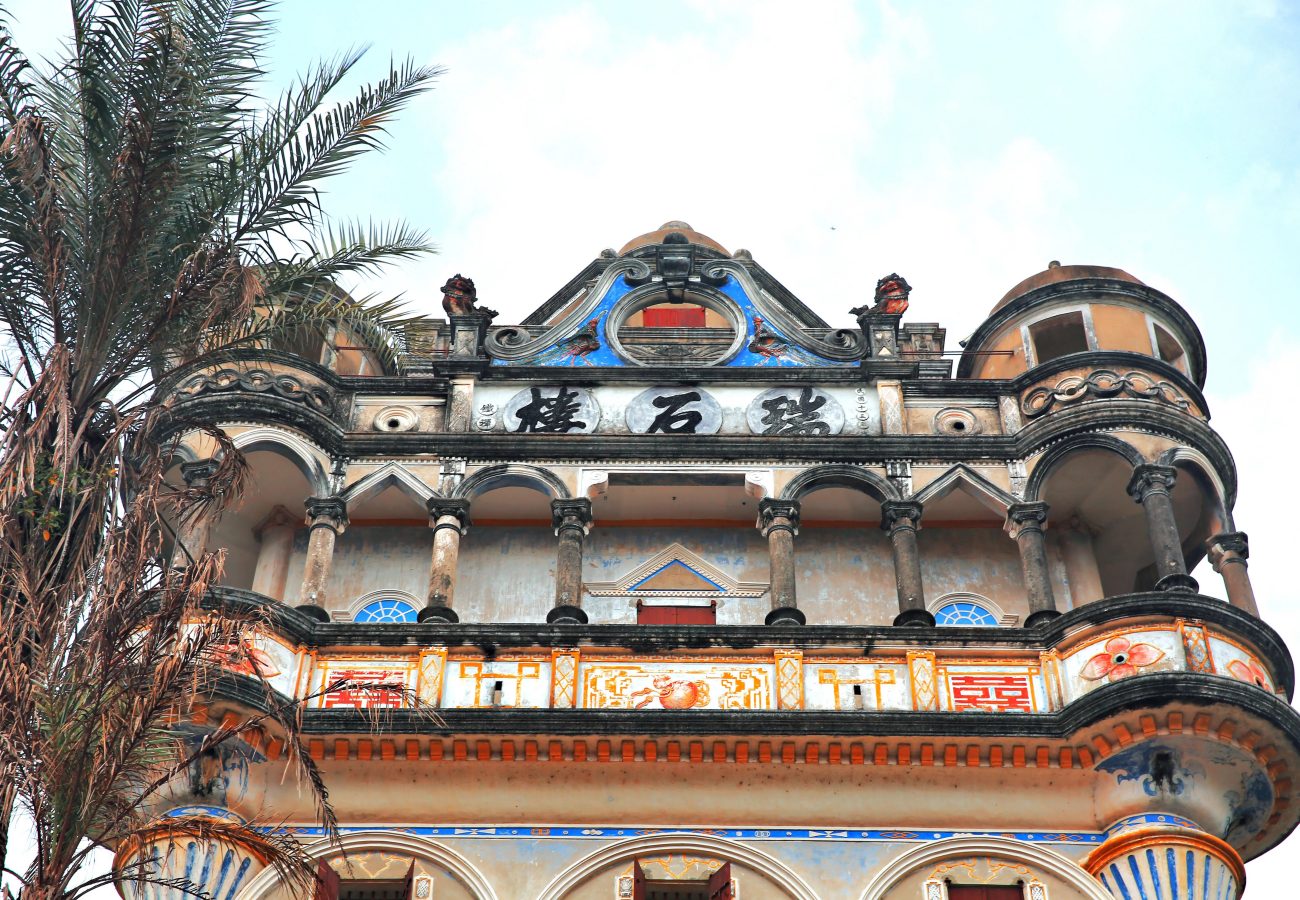
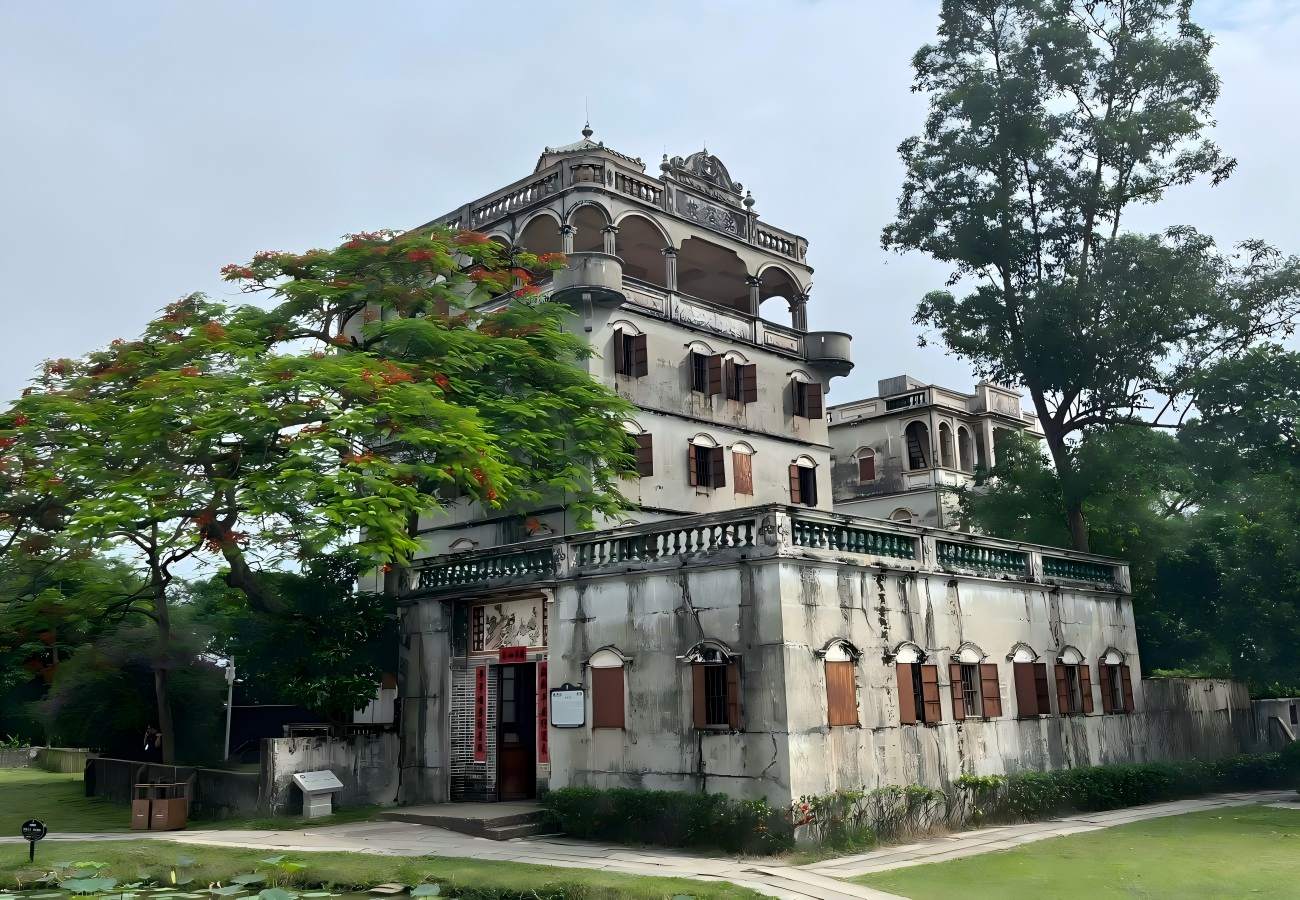
Diaolou mix Chinese styles with Western designs (Greek columns, Roman arches). Over 100 unique tower tops.
Kaiping people worked in the US/Canada, came back to build diaolou to protect families. Each has a home-love story.
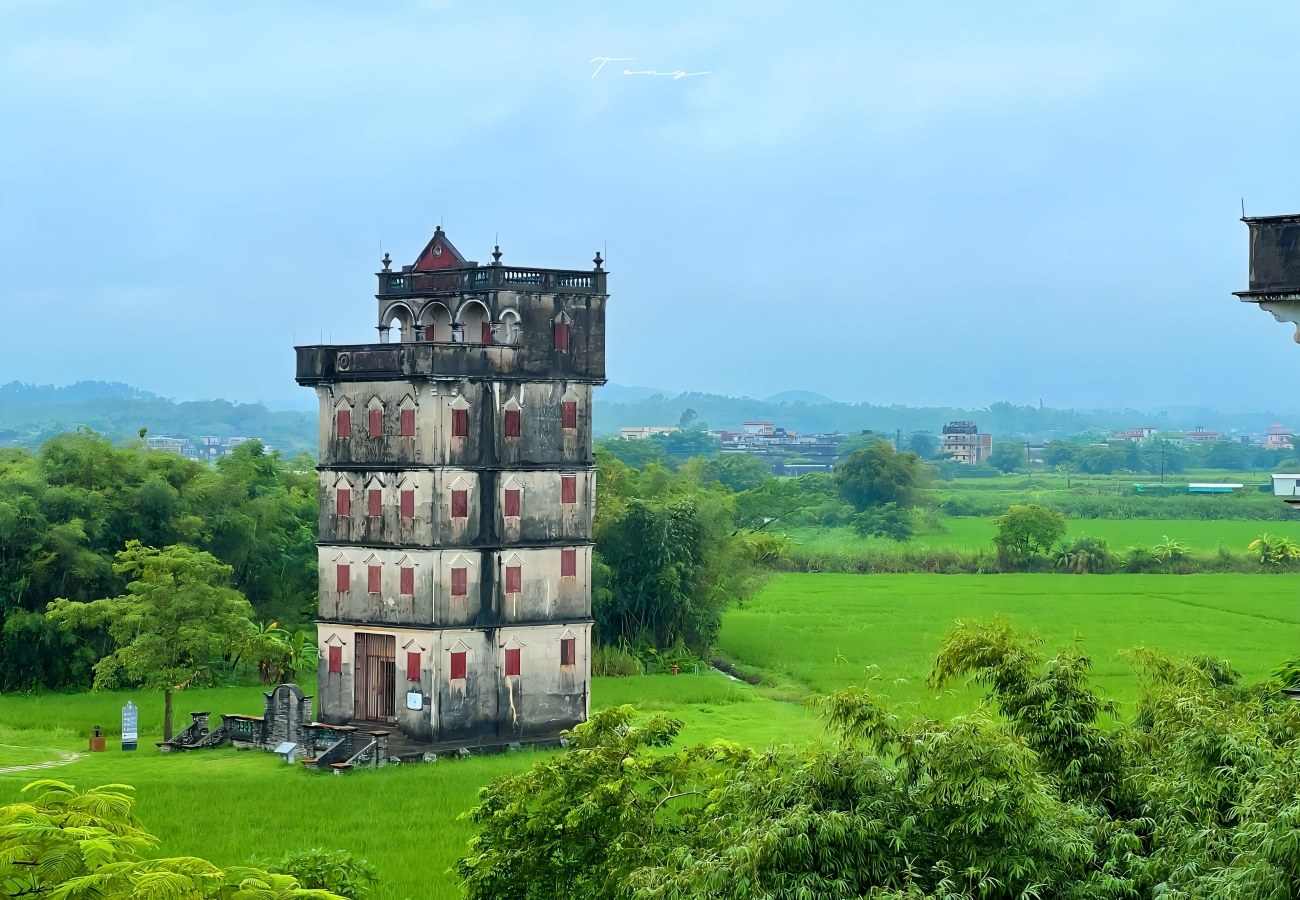
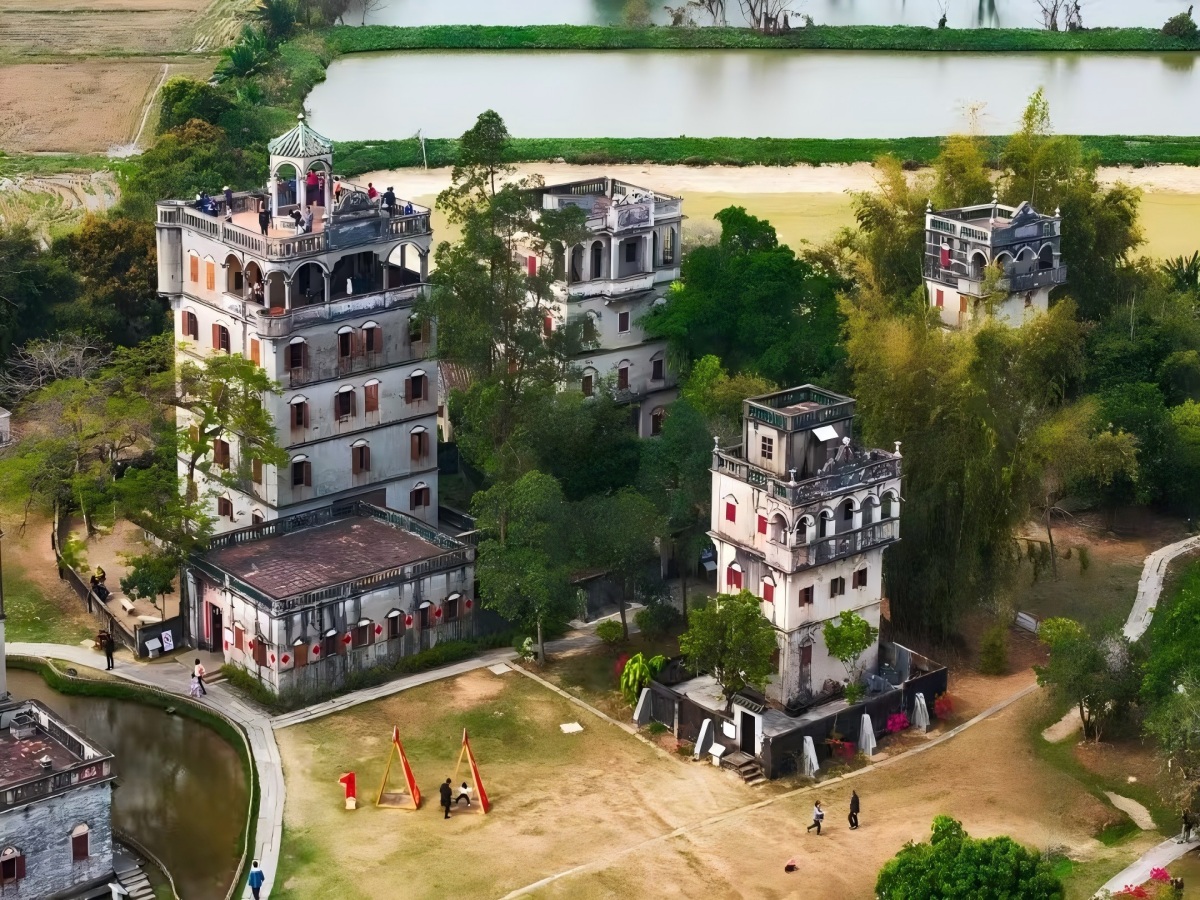
Diaolou with rice fields, ponds and old houses— classic quiet Chinese countryside.
Accommodation Standard: 4-5 Star Local Hotels.
Attraction Selection: Flexible Combinations & Professional Itinerary Design.
Transportation Standard: Multiple Vehicle Options Tailored to Your Needs.
Entertainment Activities: Immersive Local Cultural Experiences with Guide Escort.
Need more route ideas? Just reach out to customer service directly!
Product Details
Dear friends from abroad, welcome to Kaiping Diaolou and Villages in Guangdong, known as the "Museum of World Architectural Art". I am your online tour guide today, and it is my great honor to lead you in exploring these unique buildings that carry a century of history and culture on this land, and to experience the brilliant sparks created by the collision of Chinese and Western cultures here.
I. A Century of Vicissitudes: The Historical Echoes of Diaolou and Villages
Kaiping Diaolou and Villages, located in Kaiping City, Jiangmen City, Guangdong Province, are a special type of Chinese rural architecture. They are multi-storey tower-style buildings that integrate defense, residence, and Chinese-Western architectural art. On June 28, 2007, "Kaiping Diaolou and Villages" was inscribed on the UNESCO World Heritage List, making it a cultural treasure shared by all mankind.
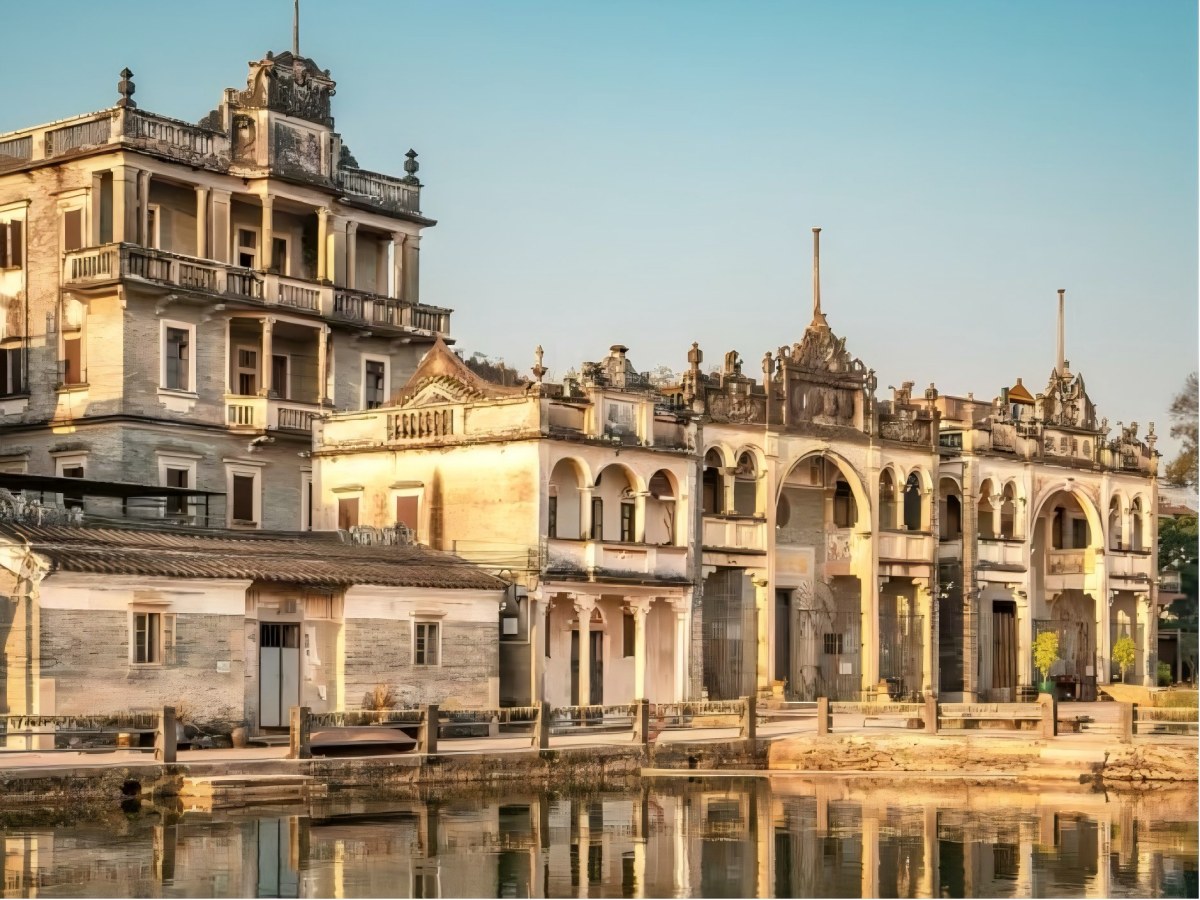
Why did such unique buildings emerge in Kaiping? This dates back to the history a century ago. From the late Qing Dynasty to the Republic of China period, Kaiping, located in the western part of the Pearl River Delta, had a low-lying terrain with dense river networks. Coupled with the social unrest at that time, rampant banditry, and frequent floods, many Kaiping people left their hometown to make a living overseas, working hard in countries such as the United States, Canada, and Australia. After earning some wealth through hard work abroad, they missed their homeland and returned to their hometown. However, the safety of their hometown was always a concern for them. To protect their families and property from bandit attacks and floods, they combined the Western architectural styles they had seen overseas with traditional Chinese architectural techniques, and built solid, durable, and uniquely designed diaolou (watchtowers).
At the same time, these diaolou also witnessed the struggle history of Kaiping people going to Southeast Asia and the wider world. Behind each diaolou lies a touching story of overseas Chinese, carrying their nostalgia for their hometown and yearning for a better life. Moreover, the diaolou, together with the surrounding villages, rice fields, and rivers, set off each other, forming a unique idyllic scenery. This not only reflects the harmonious coexistence between man and nature but also showcases the unique folk culture and traditional lifestyle of Kaiping.
II. Architectural Treasures: A Tour of the Characteristics of the Three Major Diaolou Groups
(I) Zili Village Diaolou Group: An Artistic Picture Scroll in the Countryside
First, we come to the Zili Village Diaolou Group, one of the most representative diaolou clusters in Kaiping and also a filming location for the movie Let the Bullets Fly. I believe many of you will feel a sense of familiarity with the scenes here. Founded during the Daoguang period of the Qing Dynasty, Zili Village has a total of 15 diaolou and one ancient residential building. These diaolou are scattered among the fields in a well-proportioned manner, forming a highly poetic idyllic picture with the surrounding paddy fields, lotus ponds, and bamboo groves.
1. Mingshi Building: A "Flying Fortress" of Chinese-Western Integration
Among the diaolou in Zili Village, Mingshi Building is undoubtedly the most eye-catching one. Built in 1925 with funds from Mr. Fang Runwen, an overseas Chinese living in the United States, it has 6 floors and is the tallest diaolou in Zili Village. Mingshi Building features a very unique architectural style, integrating traditional Chinese architecture, ancient Greek, ancient Roman, and Baroque architectural elements.
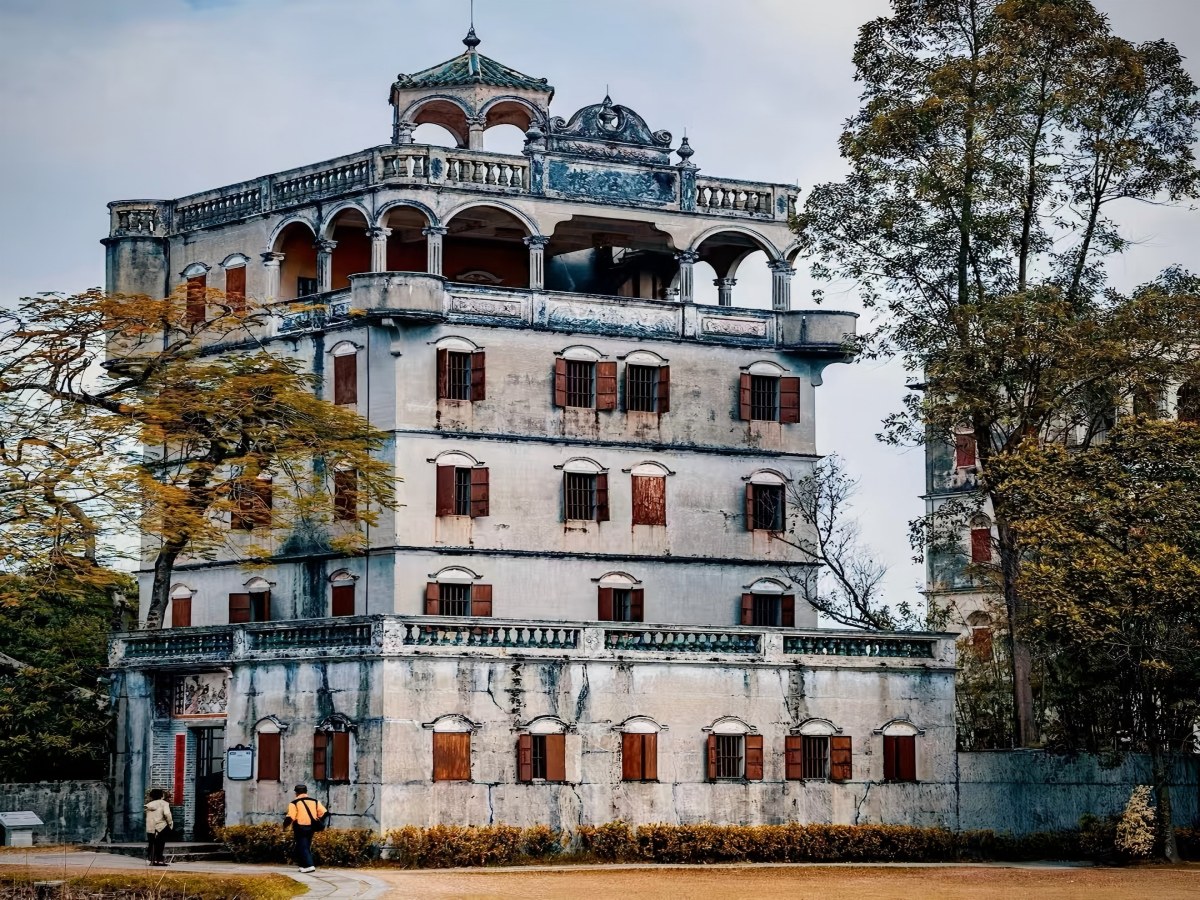
In terms of appearance, the walls of Mingshi Building are made of concrete and granite, extremely solid. There are many shooting holes on the walls, which are cleverly designed to resist bandit attacks while ensuring the safety of the people inside. The top floor of the diaolou adopts an ancient Greek column structure, with exquisitely carved patterns on the column capitals. The roof, on the other hand, follows the traditional Chinese Xieshan-style design (a traditional Chinese roof with four sloping sides and a gable on each end) and is covered with green glazed tiles. From a distance, the characteristics of Chinese-Western integration are very distinct.
Stepping inside Mingshi Building, we can see that the decoration inside is still well-preserved. The first floor consists of a living room and a kitchen. The living room is furnished with European-style furniture brought back by overseas Chinese from abroad at that time, such as sofas, coffee tables, and pianos. These pieces of furniture are exquisitely crafted and full of strong Western charm. The second to fifth floors are bedrooms and storage rooms, and each bedroom is equipped with an independent bathroom, which was very rare in rural areas at that time. The sixth floor is an observation deck. Standing on the observation deck, we can overlook the beautiful scenery of the entire Zili Village, with fields, villages, and rivers all in sight, like a flowing landscape painting.
There is also a touching story behind Mingshi Building. In his early years, Mr. Fang Runwen worked in the United States, engaging in arduous work such as railway construction and mining. After years of hard work, he finally accumulated enough wealth. He always cared about his family in his hometown. To enable his family to live a safe and comfortable life, he spared no expense in building this diaolou. During the construction process, he personally participated in the design, integrating the architectural styles he had seen and heard overseas into it, striving to make this diaolou not only solid and practical but also beautiful and elegant. Mingshi Building is not only a manifestation of Mr. Fang Runwen's love and responsibility for his hometown and family but also a symbol of the struggling spirit of Kaiping overseas Chinese.
2. Yesheng Residential House: Cultural Integration in the Warmth of Daily Life
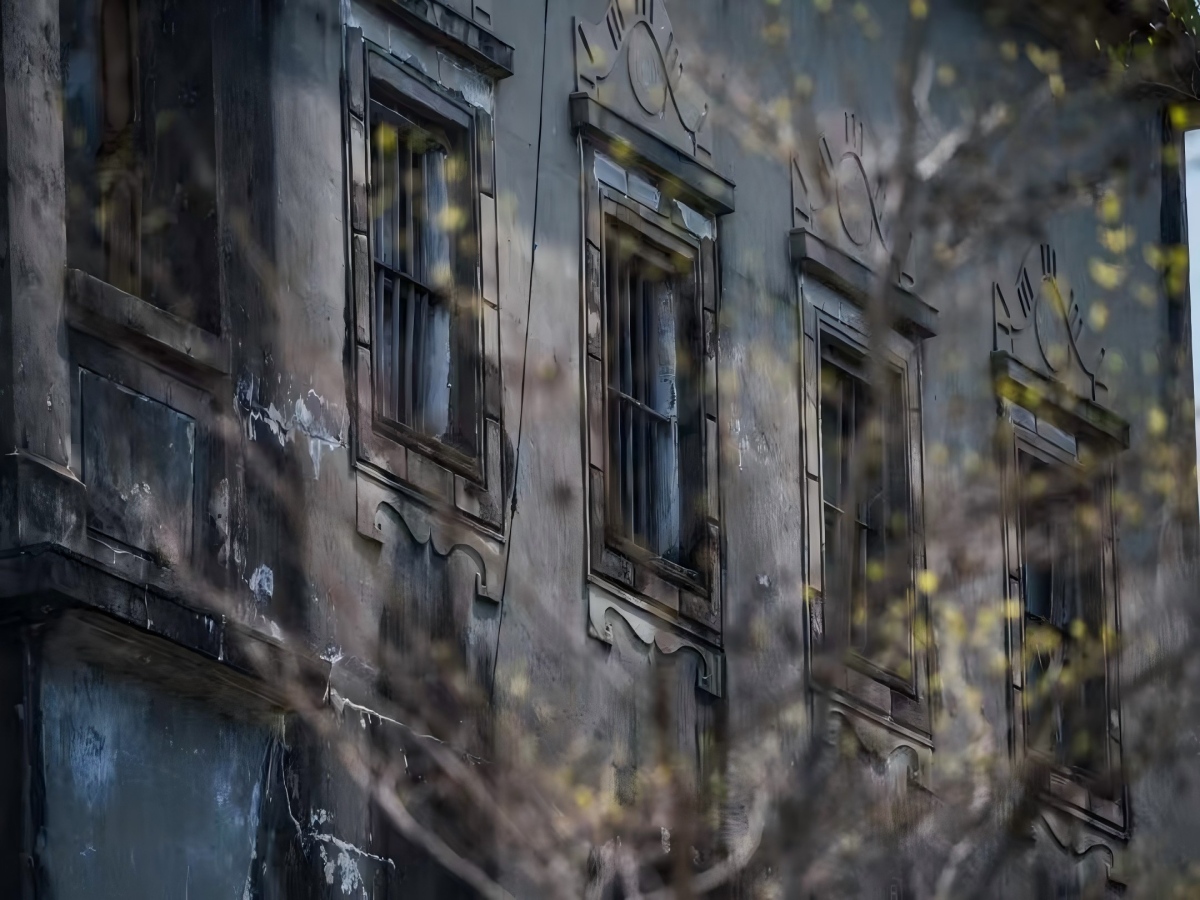
Besides Mingshi Building, Yesheng Residential House in Zili Village also has its own unique features. Built in 1930, it is a residential building combining Chinese and Western styles. Although it is not as tall and magnificent as Mingshi Building, it is full of warm daily life atmosphere. The architectural style of Yesheng Residential House is mainly based on traditional Chinese residential buildings, while integrating some Western architectural details, such as stained glass on the windows and European-style carvings on the doors.
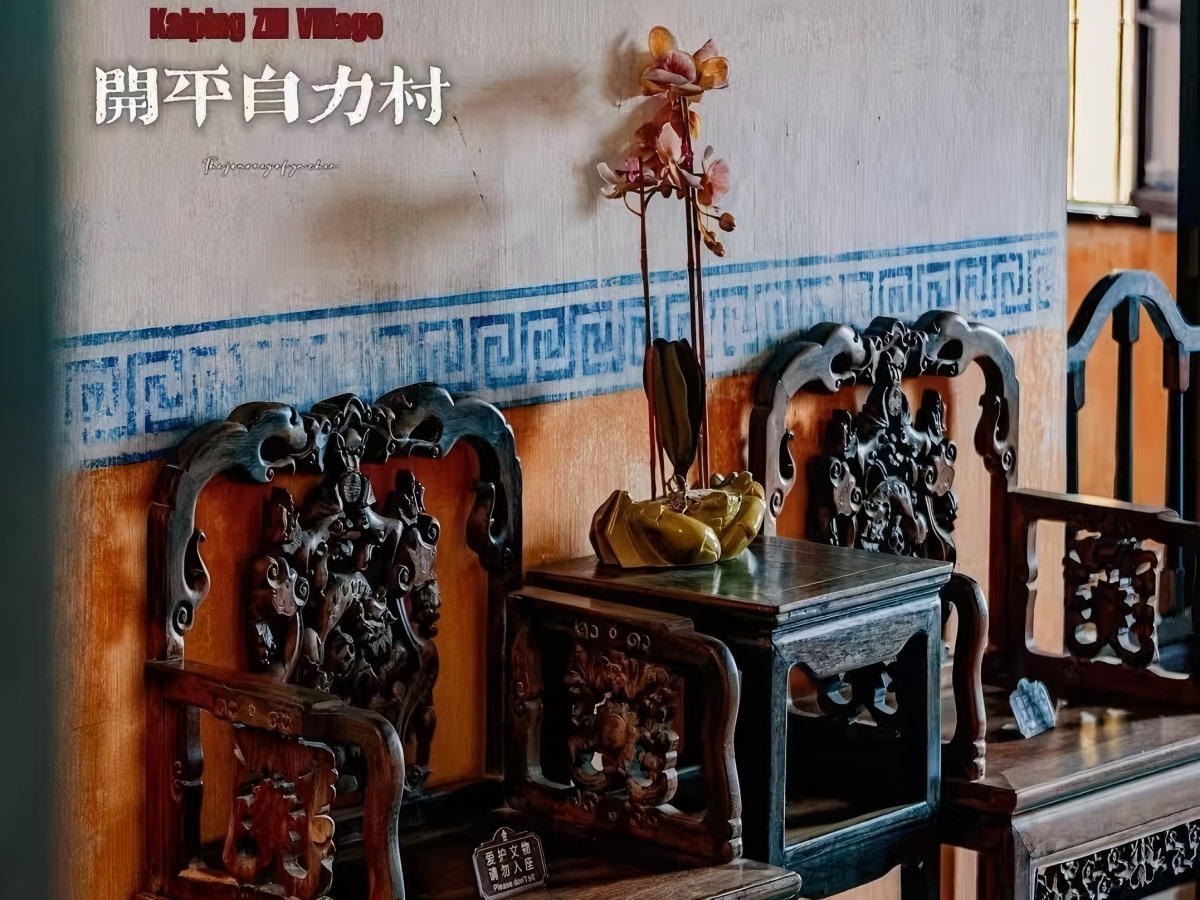
Entering Yesheng Residential House, we can see that the layout inside still maintains its original appearance from that year. The living room is furnished with traditional Chinese eight-immortal tables (a square table with eight seats, a traditional Chinese furniture style) and Taishi chairs (a type of traditional Chinese armchair), and family portraits and calligraphy works are hung on the walls, filling the space with a strong atmosphere of traditional Chinese culture. In the bedrooms, however, there are Western-style beds and wardrobes, achieving a perfect integration of Chinese and Western cultures here. The owner of Yesheng Residential House, Mr. Ye, was also an overseas Chinese living in the United States. He did business abroad for many years and returned to his hometown to build this residence, hoping to spend his later years here and live a happy life with his family. Today, although no one lives in Yesheng Residential House anymore, it still shows us the living conditions and cultural pursuits of Kaiping overseas Chinese at that time.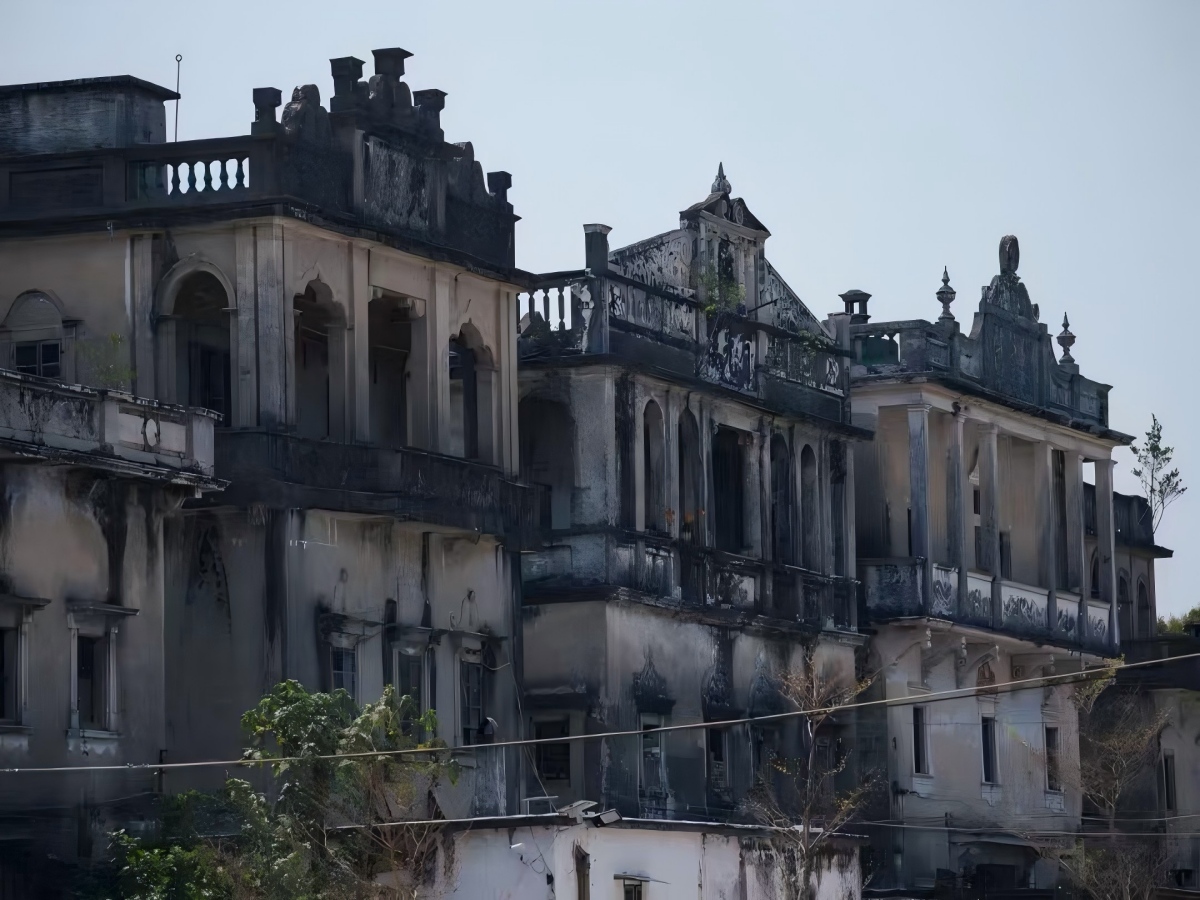
(II) Maxianglong Diaolou Group: A Quiet Poem by the River
Leaving Zili Village, our next destination is the Maxianglong Diaolou Group. Located in Baihe Town, Kaiping City, this group has a total of 6 diaolou and one ancestral hall, namely Yong'an Building, Nan'an Building, Hedong Building, Qinglin Building, Long'an Building, Xiudu Building, and Maxianglong Ancient Ancestral Hall. These diaolou and the ancestral hall are distributed on both banks of a small river, surrounded by lush green trees, creating a very quiet and peaceful environment. It is known as "the most beautiful rural diaolou group in Guangdong".
1. Yong'an Building: A Guardian Barrier Through the Years
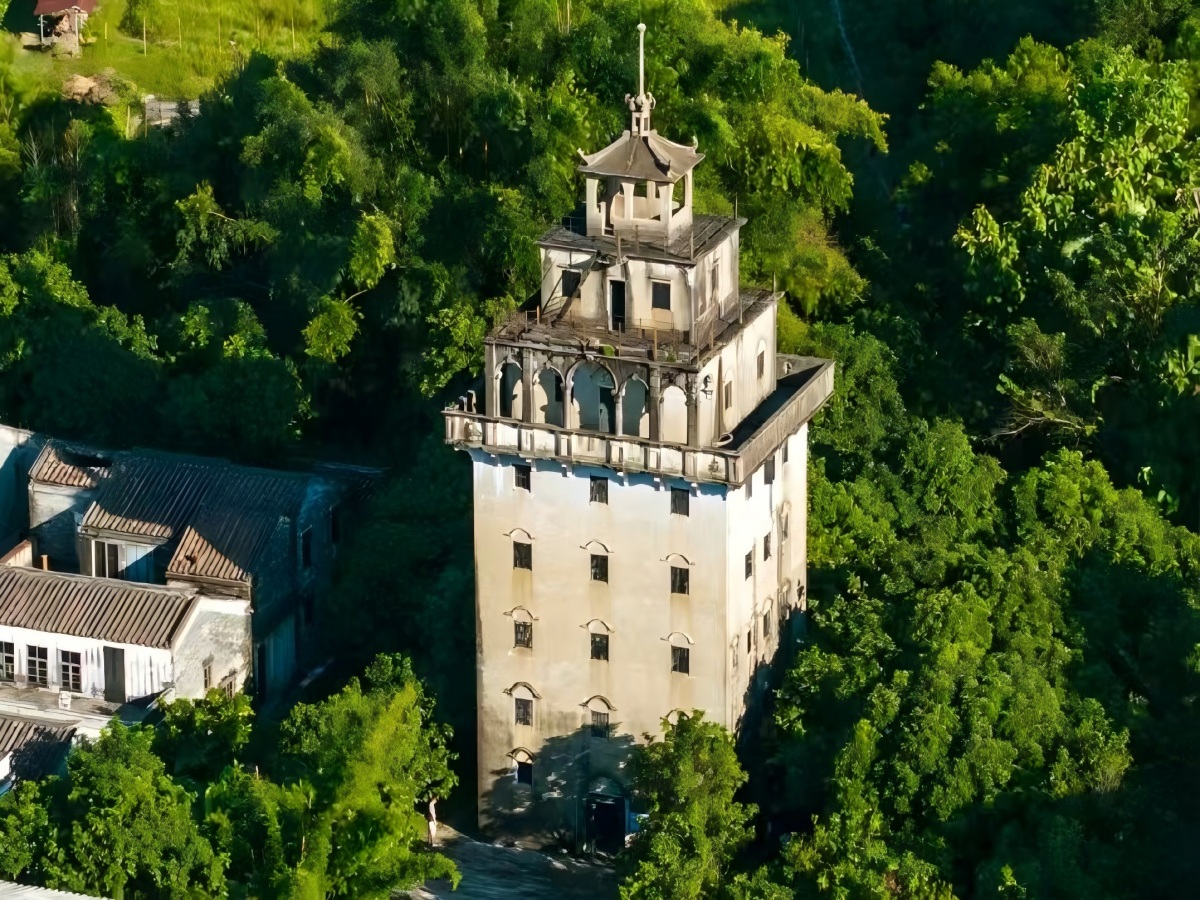
Yong'an Building was built in 1920 with funds from Mr. Huang Huaijue, an overseas Chinese living in Canada. With 5 floors, it is one of the earliest built diaolou in the Maxianglong Diaolou Group. The architectural style of Yong'an Building is mainly based on traditional Chinese architecture, while absorbing some advantages of Western architecture, such as solid concrete walls and flexible shooting hole designs.
The wall thickness of Yong'an Building reaches 80 centimeters, made of a mixture of concrete and river sand, which is extremely solid. Even when bandits attacked with earthen cannons at that time, it was difficult to break through. The internal design of the diaolou is very practical: the first floor is a warehouse and a guard room, the second to fourth floors are bedrooms and living rooms, and the fifth floor is an observation deck and a machine gun position. From the observation deck, we can see the surrounding fields and rivers. Once bandits are spotted approaching, people can immediately organize to defend themselves.
There is also an extraordinary history behind Yong'an Building. Mr. Huang Huaijue was engaged in the catering industry in Canada, and after years of hard work, his business grew larger and larger. He never forgot his family in his hometown. When he learned that banditry was rampant in his hometown, he did not hesitate to invest in building this diaolou, providing a safe shelter for the villagers in his hometown. During the War of Resistance Against Japanese Aggression, Yong'an Building also served as a secret stronghold for the local anti-Japanese guerrillas, making an important contribution to resisting the Japanese invaders.
2. Maxianglong Ancient Ancestral Hall: A Carrier of Family Memory Inheritance
In the Maxianglong Diaolou Group, the Maxianglong Ancient Ancestral Hall is also a scenic spot not to be missed. Built during the Xianfeng period of the Qing Dynasty, this ancestral hall is the ancestral shrine of the Huang family in Maxianglong Village and has a typical traditional Chinese ancestral hall architectural style. The exterior of the ancestral hall is magnificent, with upturned eaves, carved beams, and painted rafters. The doors are carved with exquisite dragon and phoenix patterns and historical stories, demonstrating the exquisite craftsmanship of traditional Chinese architecture.
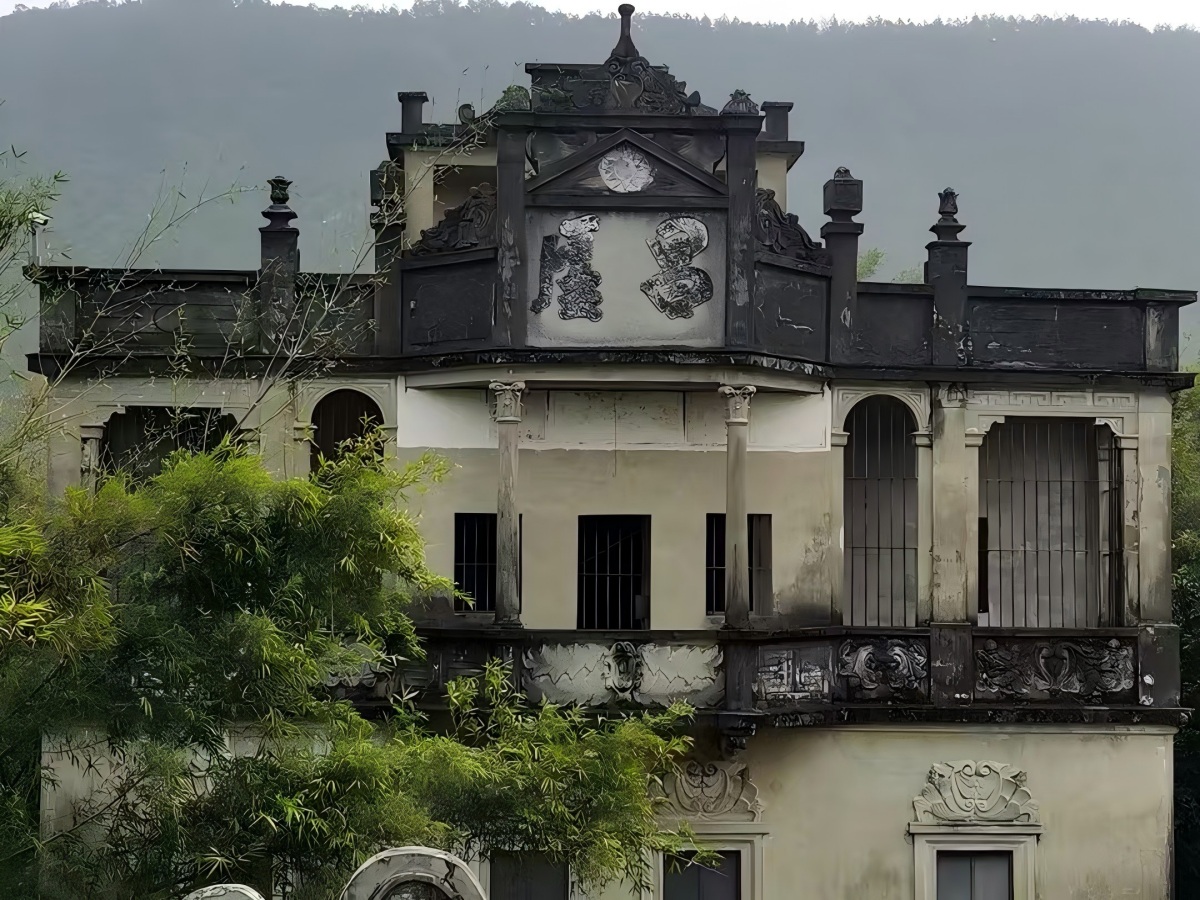
Entering the ancestral hall, we can see that it is divided into the front hall, the middle hall, and the back hall. The front hall is a place for receiving guests, the middle hall is used for holding family sacrificial ceremonies and discussions, and the back hall enshrines the memorial tablets of the ancestors of the Huang family. The walls of the ancestral hall are covered with the genealogy of the Huang family and portraits of famous figures of past generations, recording the development history and glorious achievements of the family. In the courtyard of the ancestral hall, there are also several tall ancient banyan trees. These ancient banyan trees have a history of over a hundred years, with luxuriant branches and leaves, adding a touch of simplicity and elegance to the ancestral hall.
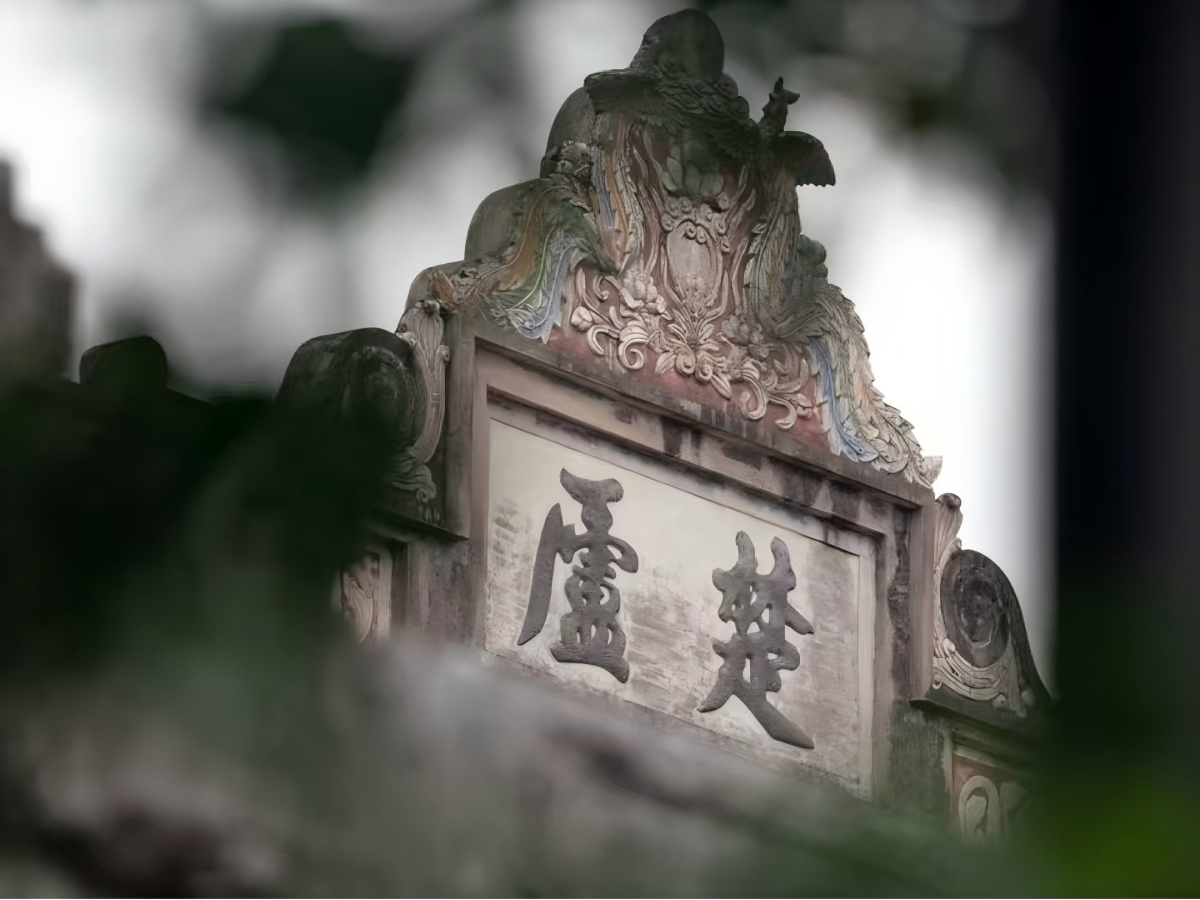
The Maxianglong Ancient Ancestral Hall is not only an important place for the Huang family to worship their ancestors and inherit family culture but also a gathering place for local villagers to hold various folk activities. Every year during traditional festivals such as the Spring Festival and Qingming Festival, villagers will come to the ancestral hall to hold grand sacrificial ceremonies and celebration activities, which are lively and convey good wishes for good luck and prosperity. Here, we can feel the profound heritage and unique charm of traditional Chinese family culture.
(III) Jinjiangli Diaolou Group: An Architectural Legend Precipitated by Time
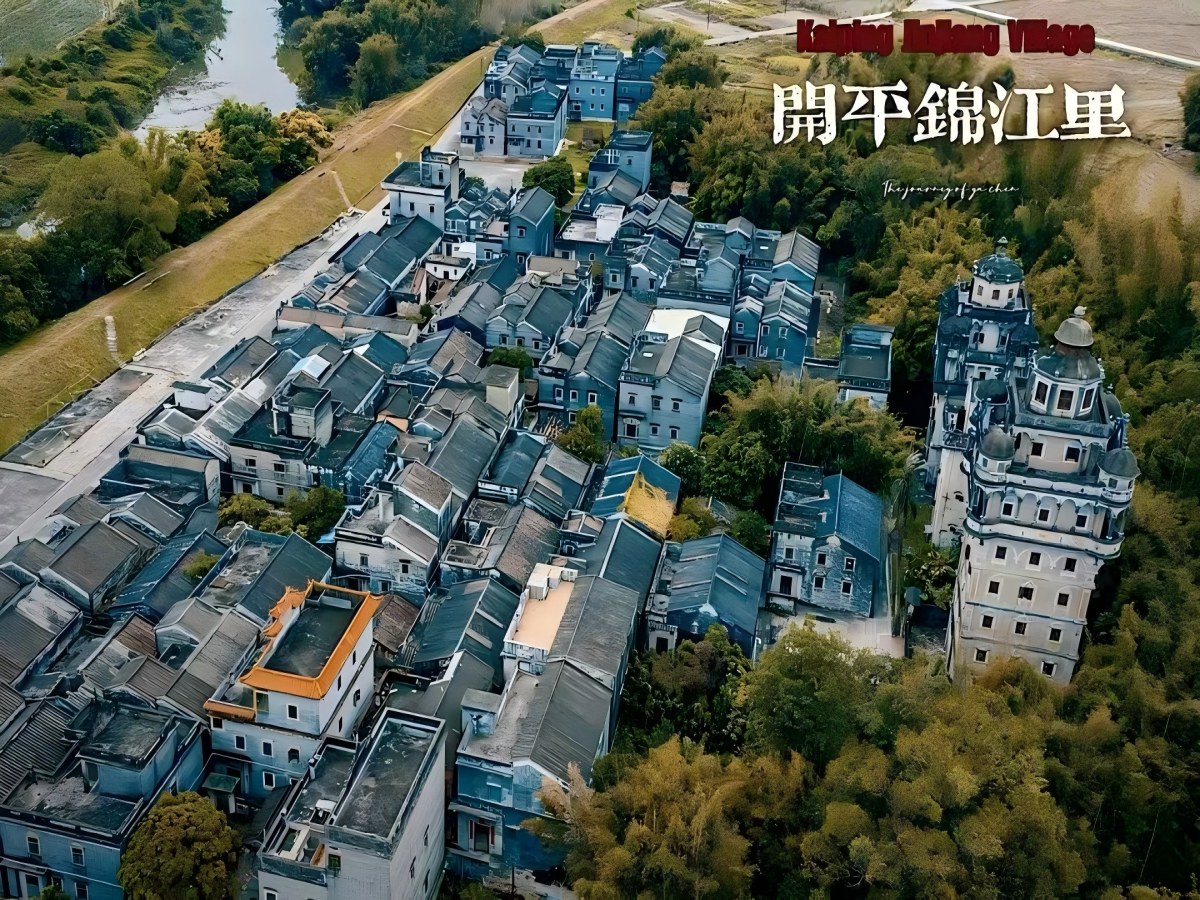
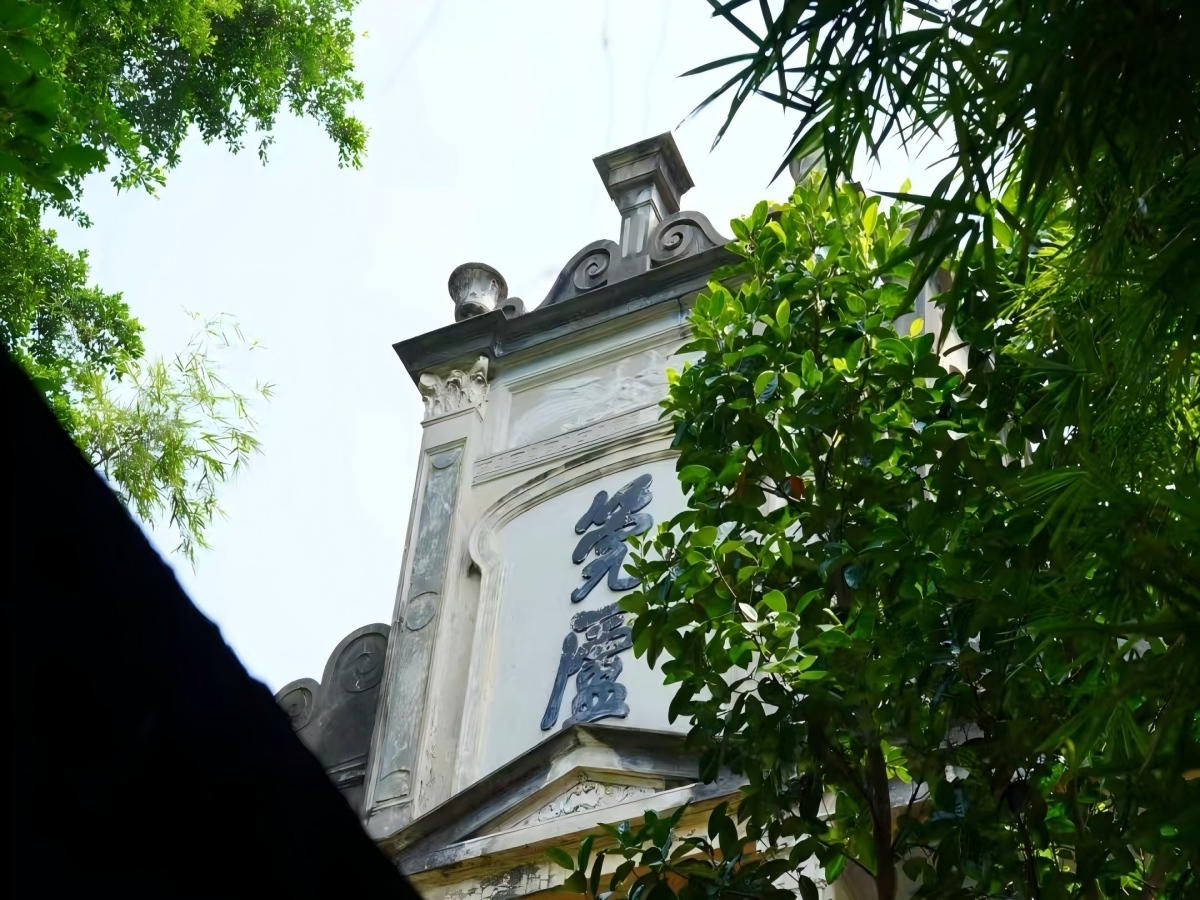
Finally, we are going to the Jinjiangli Diaolou Group, located in Xianggang Town, Kaiping City. It is one of the best-preserved diaolou clusters in Kaiping and also one of the iconic scenic spots of Kaiping Diaolou. The Jinjiangli Diaolou Group has a total of 3 diaolou, namely Ruishi Building, Shengfeng Building, and Jinjiang Building. These 3 diaolou are distributed in a "pin" -shaped pattern (a Chinese character meaning "product"), echoing each other and forming a unique scenic line.
1. Ruishi Building: The Brilliant Charm of the "King of Diaolou"
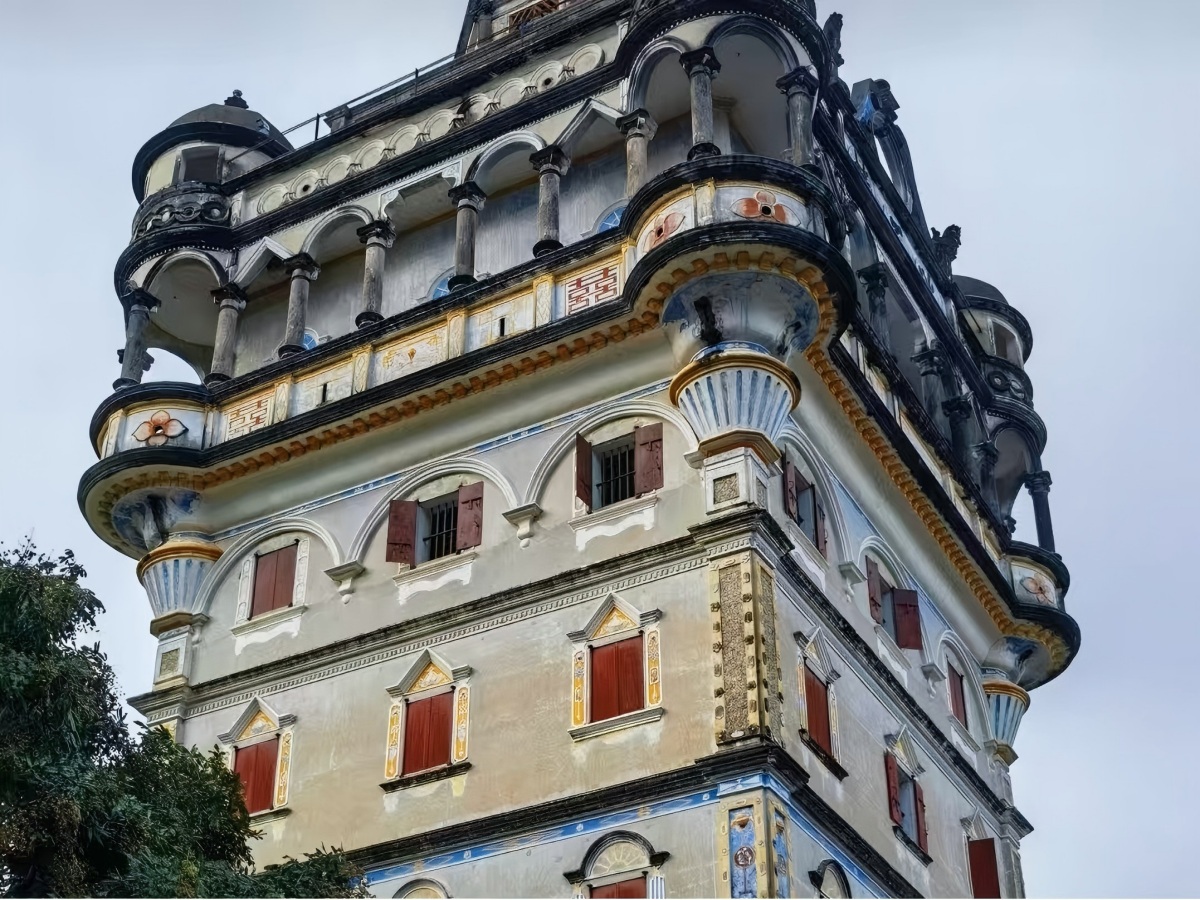
Ruishi Building was built in 1923 with funds from Mr. Huang Bixiu, an overseas Chinese living in Australia. With 9 floors, it is the tallest and most luxurious diaolou in Kaiping, known as the "King of Kaiping Diaolou". The architectural style of Ruishi Building is extremely unique, integrating traditional Chinese architecture, ancient Roman architecture, Islamic architecture, and other architectural styles, making it a model of the combination of Chinese and Western architectural art.
In terms of appearance, the walls of Ruishi Building are made of concrete and granite, reaching a height of 25 meters, which looks magnificent. The first to fifth floors adopt the ancient Roman arch structure, with exquisitely carved patterns on the arches; the sixth to eighth floors use the traditional Chinese pavilion-style structure, with verandas and railings on each floor, and the railings are carved with various auspicious patterns; the ninth floor is an observation deck, and the top of the observation deck adopts an Islamic-style dome design, covered with green glazed tiles that shine in the sun.
Stepping inside Ruishi Building, it feels like entering a luxurious palace. The first floor consists of a living room and a dining room. The living room is furnished with a huge European-style marble dining table and chairs, and exquisite tableware is placed on the table. A large oil painting hangs on the wall of the dining room, depicting the idyllic scenery of Europe. The second to eighth floors are bedrooms and studies. Each bedroom is decorated very luxuriously, equipped with European-style beds, wardrobes, dressers, and other furniture. The study is filled with a large number of books, antiques, and calligraphy and painting works. The observation deck on the ninth floor is particularly unique, with a machine gun position and a searchlight inside. Standing here, we can overlook the beautiful scenery of the entire Jinjiangli, with distant mountains, nearby fields, and rivers all in full view.
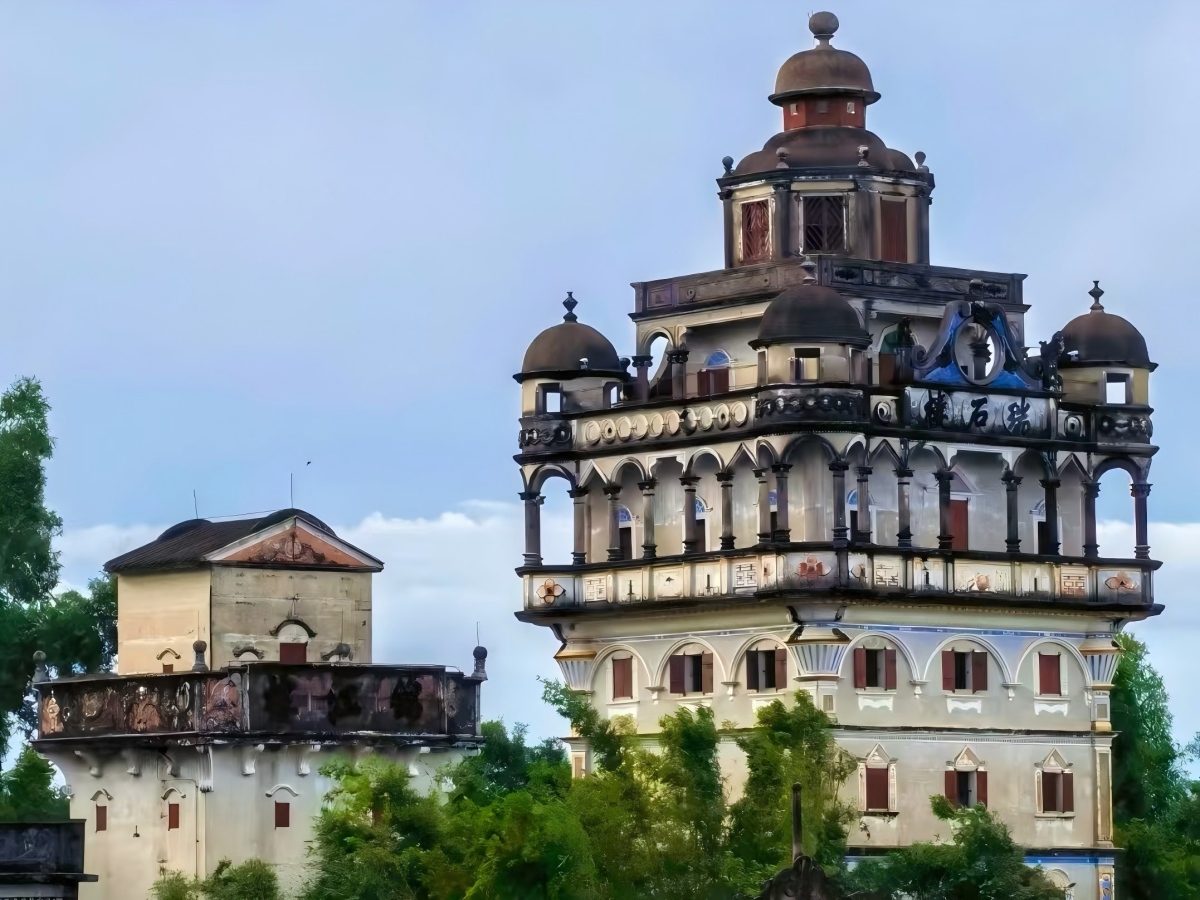
The construction process of Ruishi Building was very difficult. To build this diaolou, Mr. Huang Bixiu specially transported a large amount of construction materials and advanced mechanical equipment from Australia and also hired famous architects at home and abroad for design and guidance. After three years of hard work, Ruishi Building was finally completed. This diaolou is not only a symbol of Mr. Huang Bixiu's wealth and status but also a reflection of his love for his hometown and motherland. Today, Ruishi Building has become a business card of Kaiping Diaolou, attracting tourists from all over the world to visit.
2. Shengfeng Building and Jinjiang Building: Persistence and Guardian in Simplicity
Compared with Ruishi Building, Shengfeng Building and Jinjiang Building are not as tall and luxurious, but each has its own characteristics. Shengfeng Building was built in 1927 with 7 floors, funded by Mr. Huang Fengxiu, an overseas Chinese living in the United States. Its architectural style is mainly based on traditional Chinese architecture, while integrating some Western architectural elements, such as Western-style carvings on the windows and lightning rods on the roof. The internal design of Shengfeng Building is simple and practical: the first floor is a warehouse and a guard room, the second to sixth floors are bedrooms and living rooms, and the seventh floor is an observation deck.
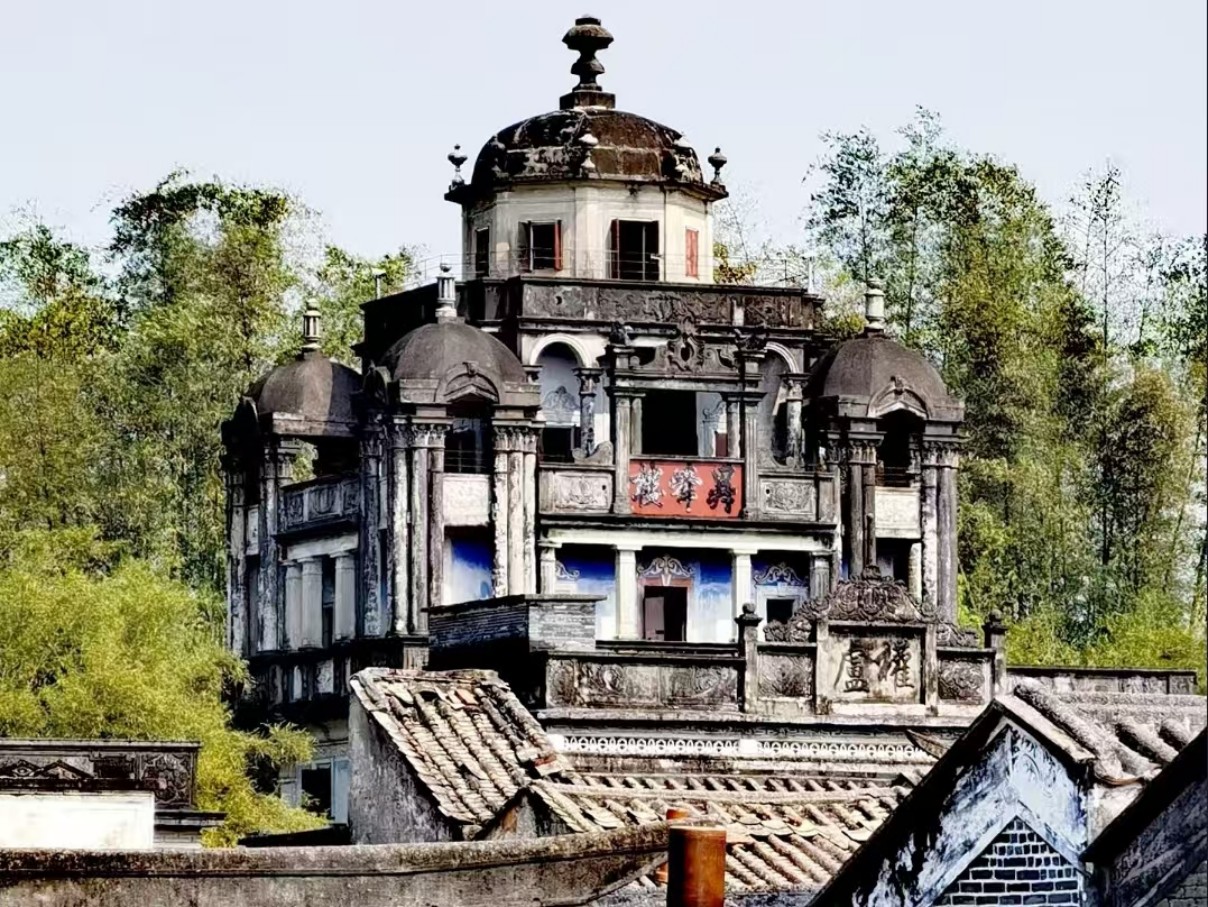
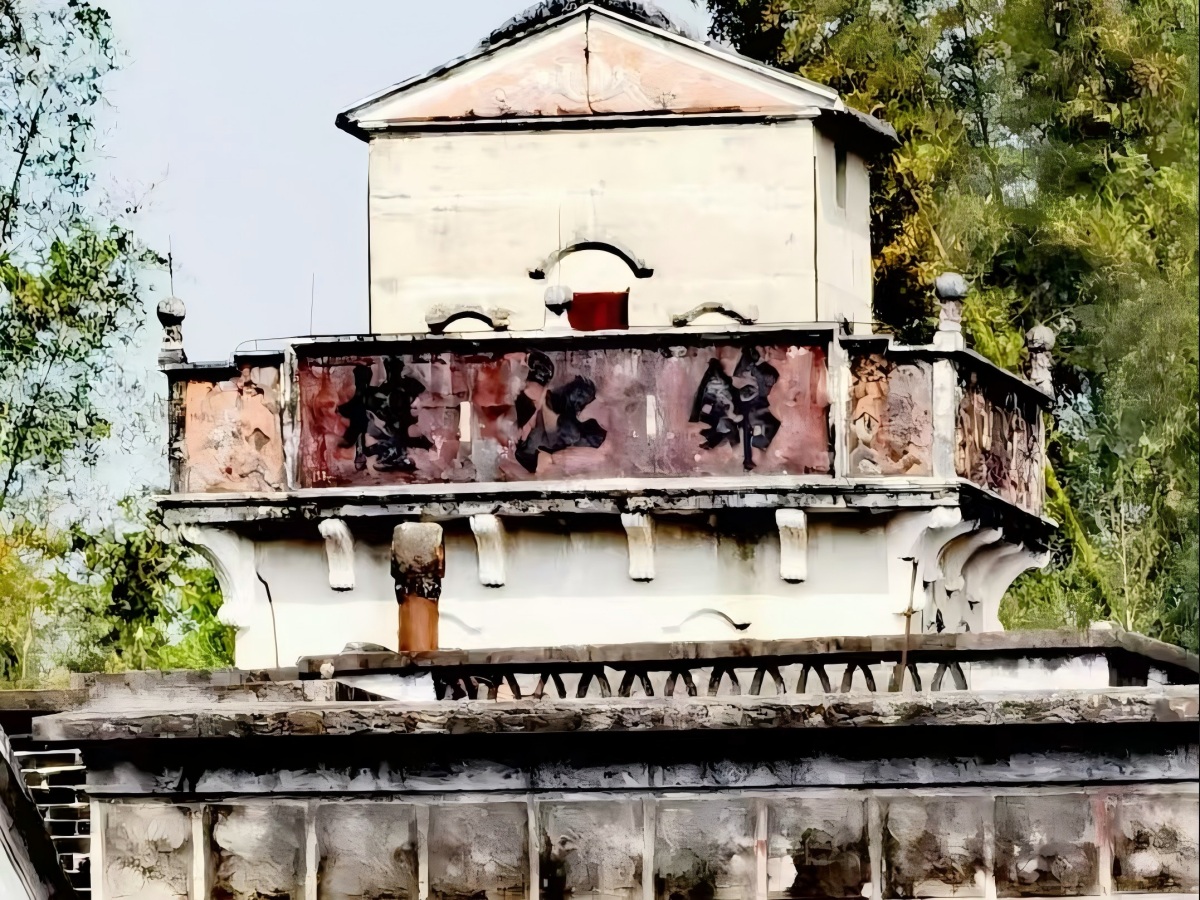
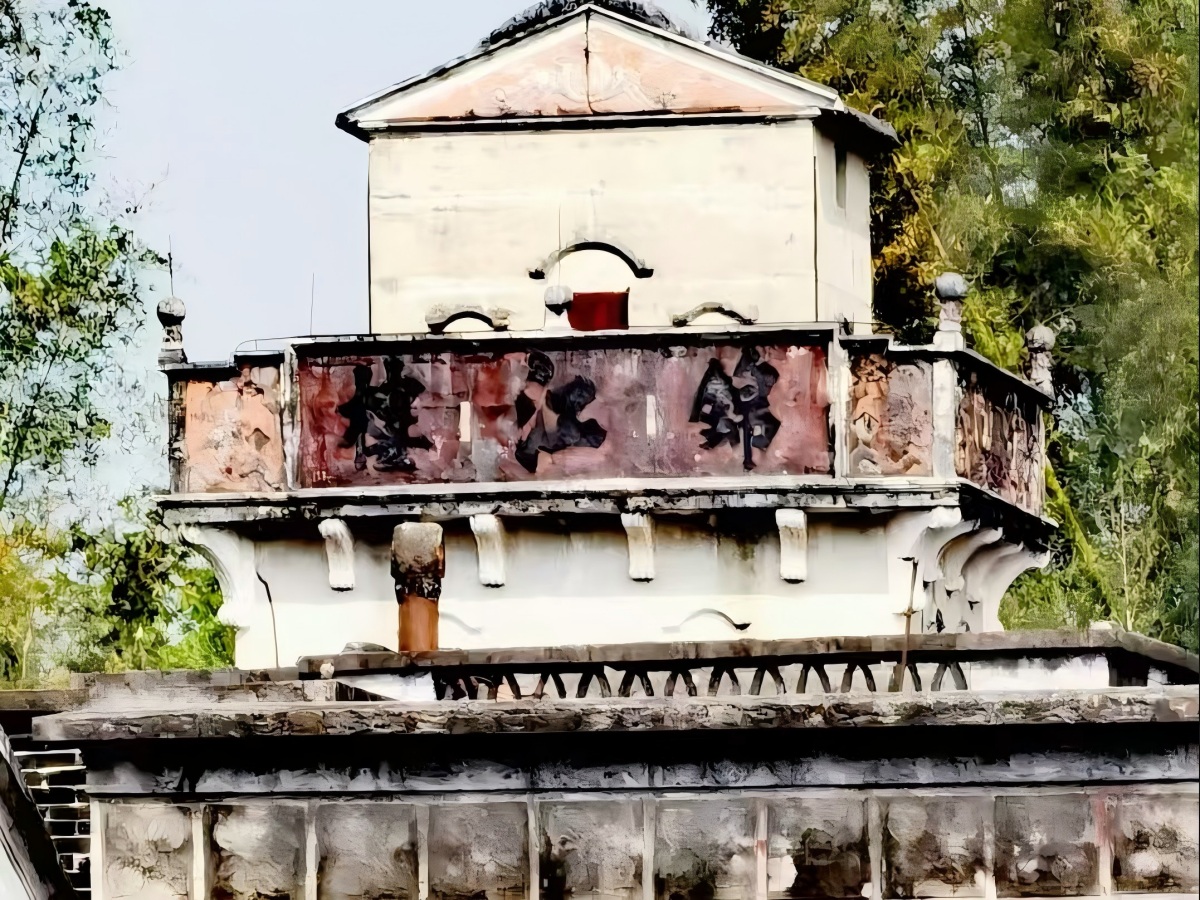
Jinjiang Building was built in 1919 with 5 floors, making it the earliest built diaolou in the Jinjiangli Diaolou Group. Its architectural style is relatively simple, focusing on practicality. The walls are made of concrete and river sand, with multiple shooting holes and observation windows. In those days, Jinjiang Building was mainly used to resist bandit attacks and floods, providing safety protection for the villagers.
III. Cultural Exploration: Experiencing the Traditional Daily Atmosphere of Kaiping
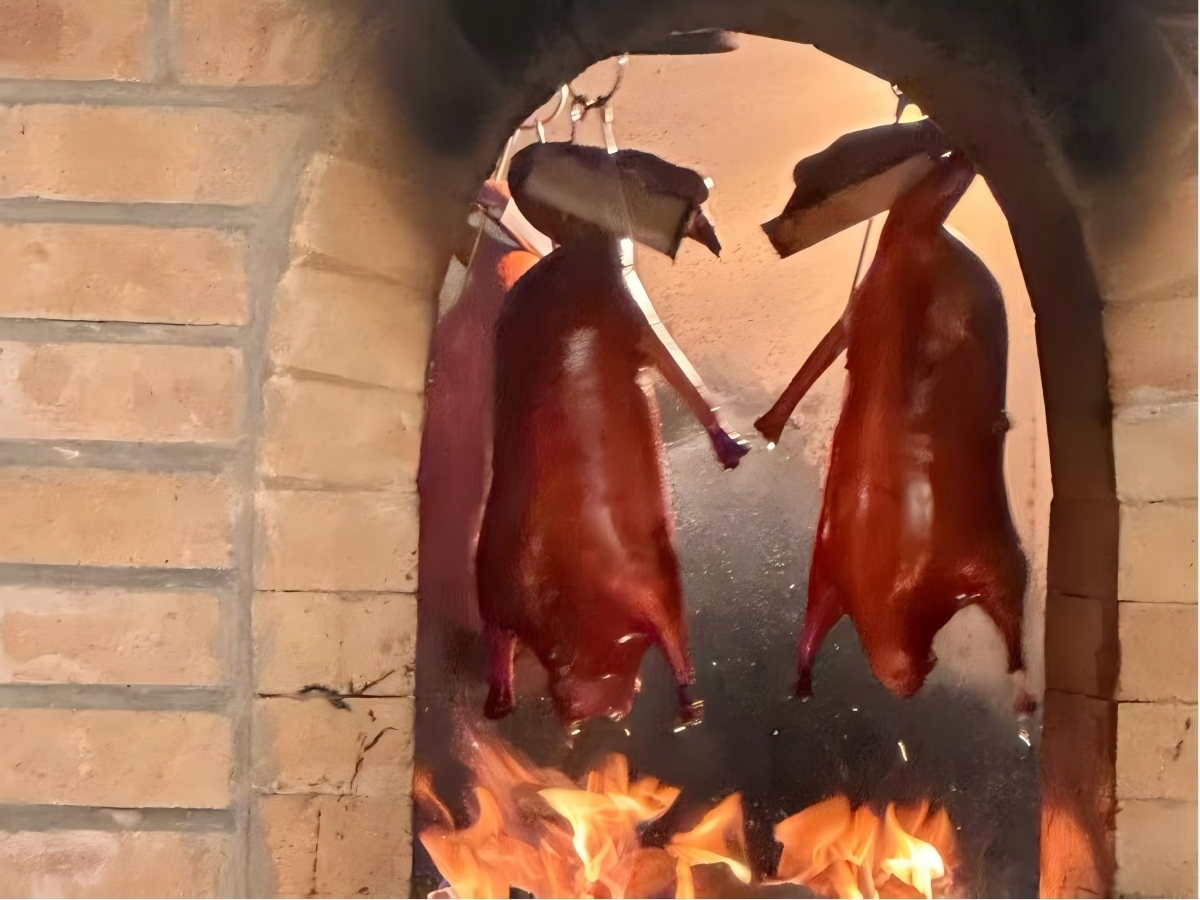
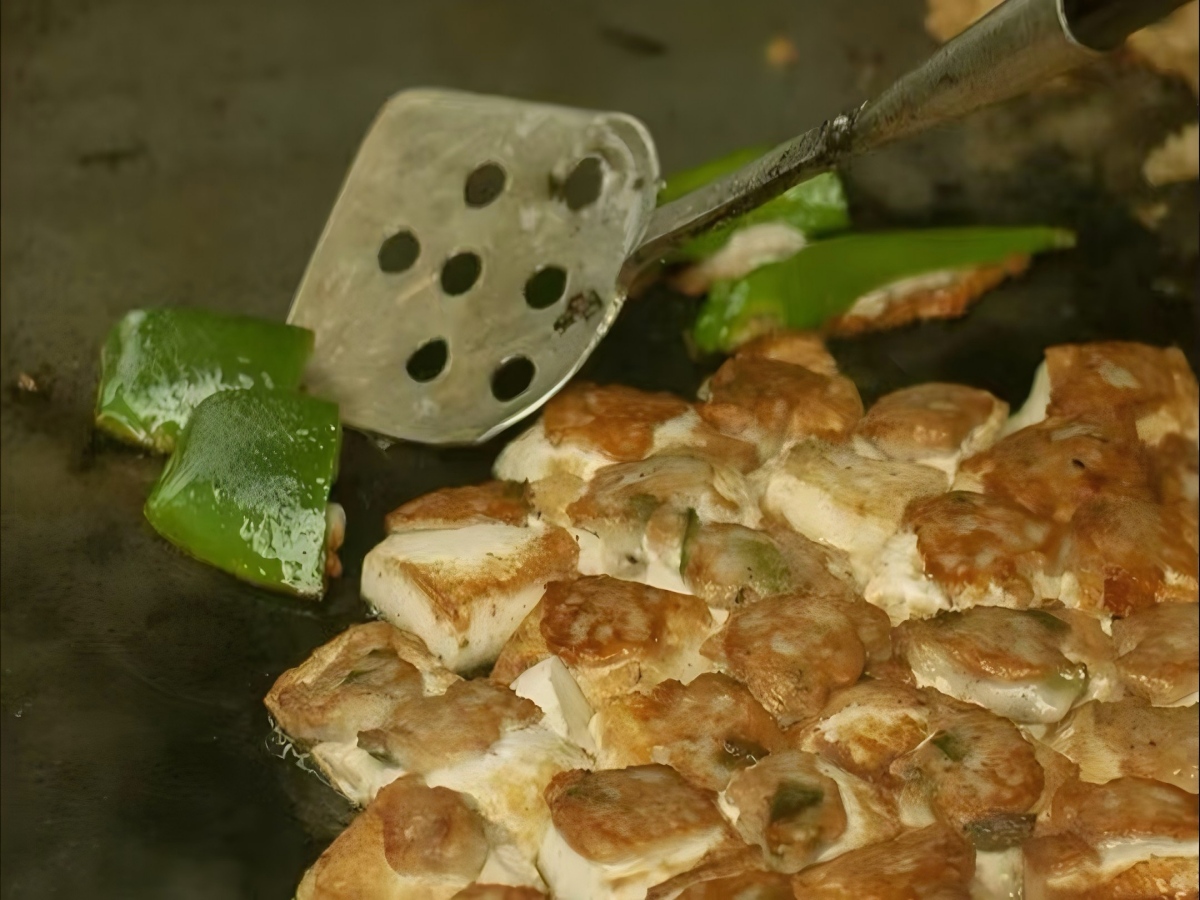
After visiting these characteristic scenic spots of Kaiping Diaolou and Villages, I believe you have gained a deeper understanding of the history, culture, and architectural art of Kaiping. In addition to admiring these exquisite diaolou buildings, we can also experience a variety of traditional cultural activities here. For example, we can taste local specialty foods such as Kaiping Roast Goose, Magang Goose, and Chikan Tofu Dumplings. These foods have unique flavors and fragrant aromas that leave a lasting impression on the taste buds. Kaiping Roast Goose uses locally raised Magang Geese, with crispy skin and tender meat. When paired with the secret sauce, every bite is full of delicious flavor; Chikan Tofu Dumplings are made with smooth tofu, wrapped in starch and fried, resulting in a crispy exterior and tender interior. Dipping them in chili sauce enhances the flavor even more.
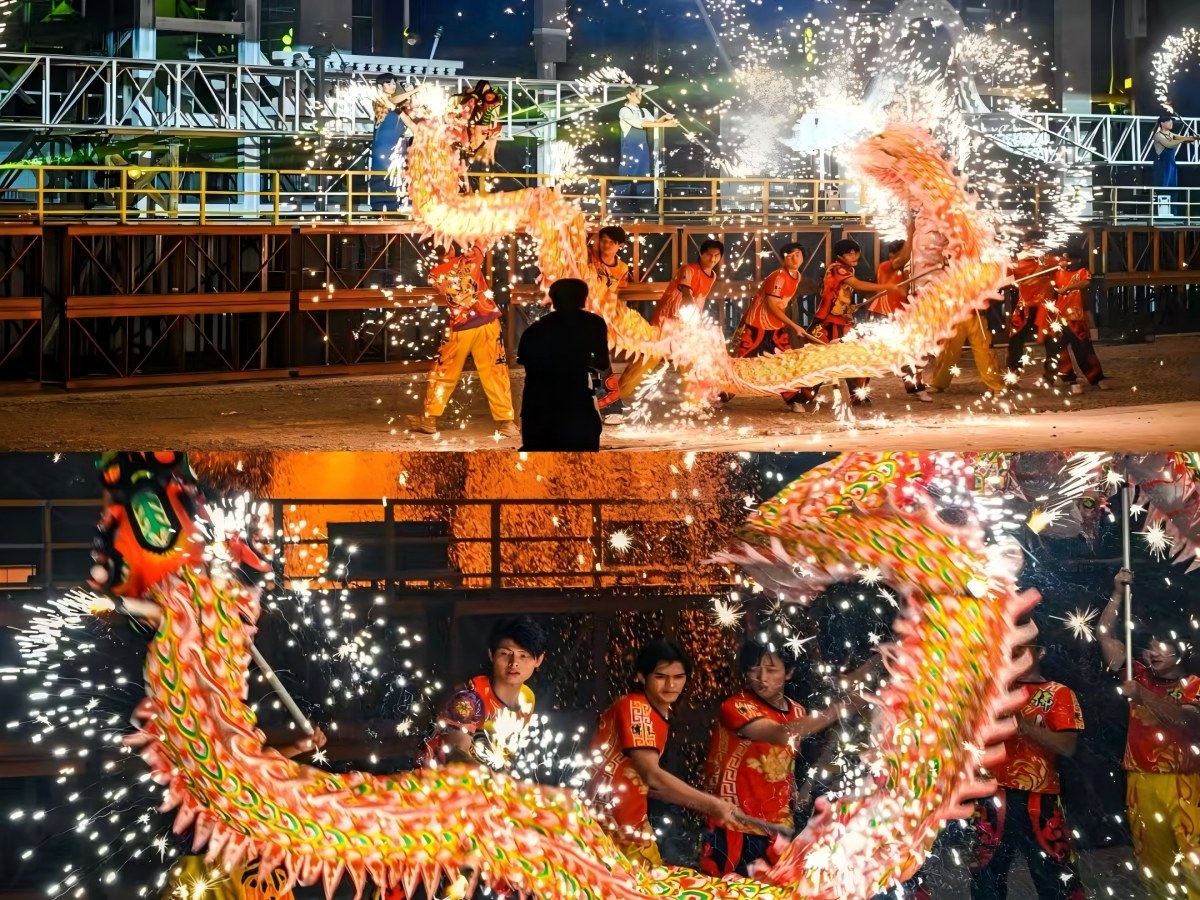
We can also visit the local folk museum to learn about the traditional folk culture of Kaiping, such as dragon and lion dances, Cantonese opera performances, and traditional handicraft production. During festivals, local villagers will voluntarily organize dragon and lion dance activities. With the sound of gongs and drums, the dragons and lions dance vigorously, creating a lively atmosphere and conveying good wishes for prosperity and good luck. As a traditional opera in Guangdong, Cantonese opera has a gentle and melodious singing style and delicate performances. Here, we can enjoy the most authentic Cantonese opera excerpts and experience the unique charm of Lingnan culture. Traditional handicrafts such as Kaiping Grey Sculpture and Bamboo Weaving embody the wisdom of local craftsmen, and each piece of work is full of strong local flavor.
IV. Spreading the Story of Diaolou to the World
Dear friends, our tour of Kaiping Diaolou and Villages is coming to an end. During this journey, we have visited the three major diaolou groups of Zili Village, Maxianglong, and Jinjiangli, touched the vicissitudes of the century-old buildings, listened to the struggle stories of the overseas Chinese ancestors, and experienced the unique charm of the integration of Chinese and Western cultures.
Kaiping Diaolou and Villages are not only architectural miracles but also witnesses to history. They record the hardships of Kaiping people leaving their hometowns, carry the deep affection of overseas Chinese for their homeland, and write a wonderful chapter of cultural exchanges between China and the West. Each diaolou is like a silent elder, standing quietly in the fields and telling us stories of the past; each village is like a vivid scroll, showing the beautiful picture of harmonious coexistence between man and nature.
It is hoped that today's journey will leave you with a deeper memory of Kaiping Diaolou and Villages. It is also hoped that you will become communicators of diaolou culture, sharing the stories and beautiful sceneries here with more friends overseas, so that this cultural treasure of all mankind will be known and cherished by more people.
Finally, thank you for your participation and cooperation, and thank you for your love and attention to Kaiping Diaolou culture. May this journey become a beautiful memory in your heart, and we look forward to meeting you again on this charming land in the future!
Leave your messages