Yungang Grottoes
Tailor-Made Journey to the Yungang Grottoes
Discover the awe-inspiring Yungang Grottoes, a UNESCO World Heritage site, with our expert travel services. We specialize in creating personalized itineraries for international visitors.
Exclusive Access: Explore 1,500-year-old caves featuring colossal Buddha statues, a fusion of Chinese and global artistic styles, and captivating histories.
Customized Experience: Your private tour is fully flexible. Choose your pace, focus on your interests (history, art, or photography), and enjoy comfortable transport.
Hassle-Free Travel: We handle all logistics—permits, tickets, and transfers—for a seamless and memorable cultural journey.
Contact us to design your perfect visit to this stone-carved masterpiece.
Discover Yungang Grottoes: A Stone-Carved Epic from Ancient China
Hello and welcome, everyone! I'm your guide, and I'm thrilled to take you on a journey to one of China's most breathtaking ancient sites: the Yungang Grottoes in Datong. Listed as a UNESCO World Heritage site and often called the "Treasure House of Oriental Buddhist Art," this is more than just a collection of caves. It's a 1500-year-old story carved in stone, telling tales of empires, artistic fusion, and profound spirituality. Over the next few hours, we'll unravel its secrets together.
Quick Facts:
Built: Started in 460 AD (Northern Wei Dynasty), taking over 70 years for the core sections.
Why it's special: A masterpiece of early Chinese Buddhist cave art, showcasing a fusion of Indian, Central Asian, and Chinese styles.
UNESCO Status: Inscribed in 2001.
Must-See: Five colossal Buddha caves, thousands of intricate statues, and fascinating historical narratives.
1. The Tan Yao Five Caves: Where Emperors Became Buddhas
Our first and most iconic stop is the Tan Yao Five Caves (Caves 16-20). These are the founding caves of Yungang and hold a unique political story.
The Backstory: The Northern Wei Dynasty, founded by the Xianbei people, used Buddhism to unite their vast empire. The monk Tan Yao had a brilliant idea to link faith with imperial power. He designed these five giant Buddhas to represent the first five emperors of the Northern Wei Dynasty. This created the powerful concept of the "Emperor as the Living Buddha."
What to See & Feel:
Standing before these caves, you'll immediately feel their raw power and grandeur. The style is bold and majestic, reflecting the nomadic spirit of the dynasty's early years.
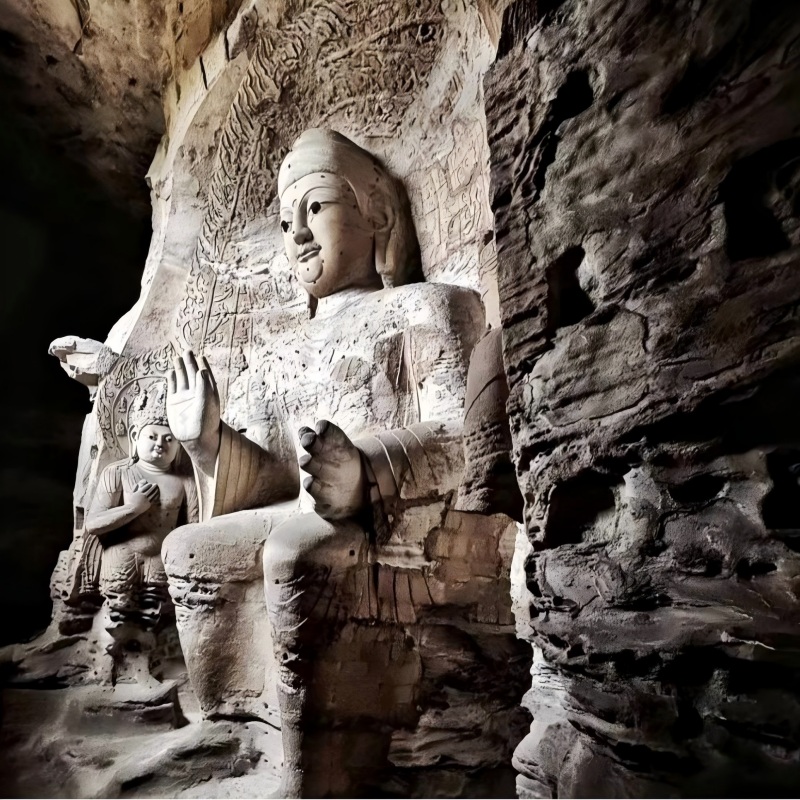
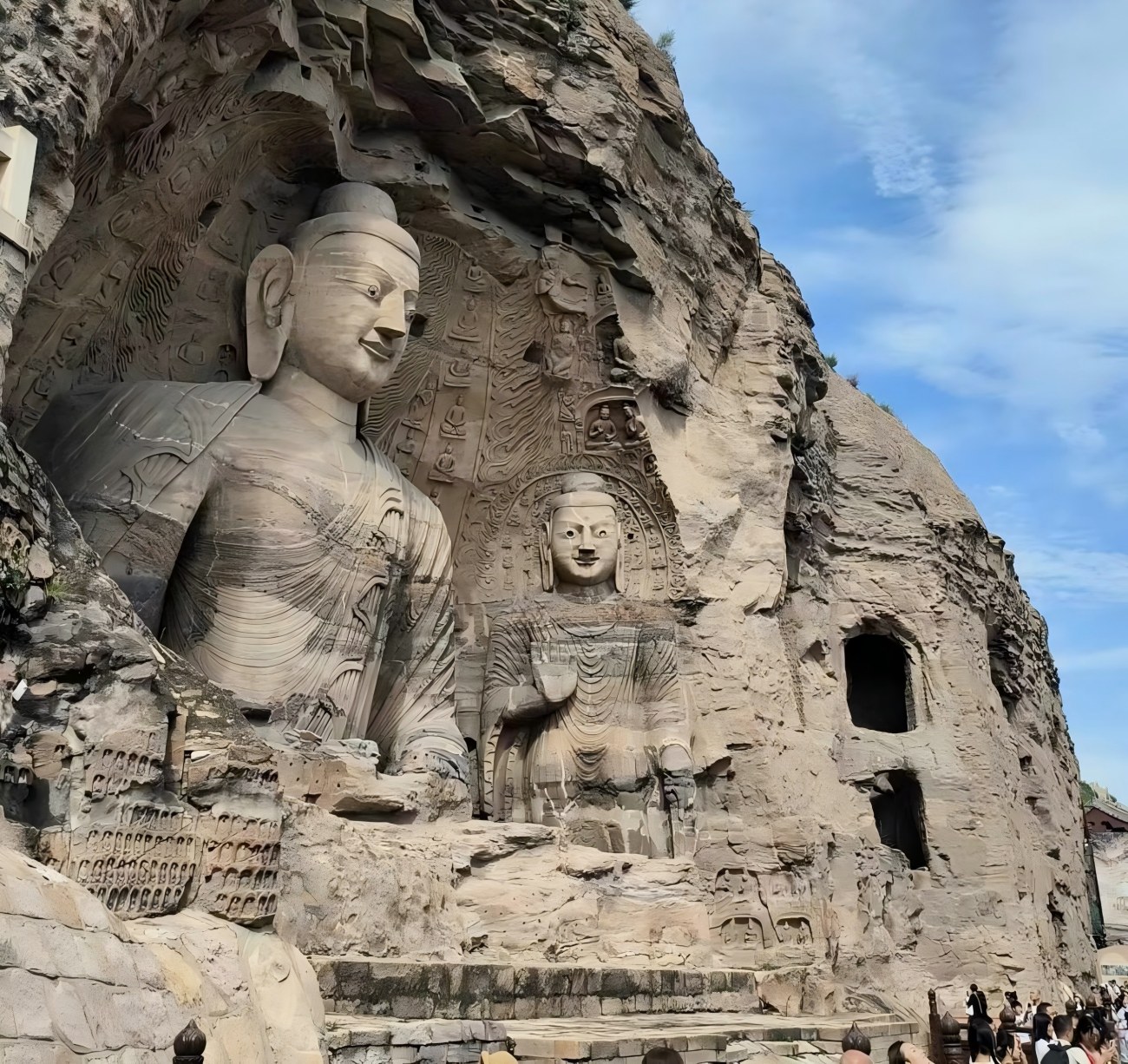
Cave 20 (The Open-Air Buddha): This is the most photographed Buddha here. The cave's front wall collapsed long ago, leaving the magnificent 13.7-meter-tall seated Buddha exposed to the sky. Its serene face and powerful presence are unforgettable. It's said to represent Emperor Taizu.
Caves 16-19: Each houses a colossal standing or seated Buddha (13-17 meters tall), with distinct features believed to mirror a specific emperor. Look at their expressive faces and the detailed carvings on their robes.
Guide's Tip: Look for the differences in the Buddha's clothing. Earlier statues show a Central Asian influence (right shoulder bare), while later ones wear Chinese-style robes, hinting at the cultural changes to come.
2. The Xiaowen Period Caves: Where Chinese and Buddhist Art Merged
Next, we enter the heart of the grottoes (Caves 5-13), carved under Emperor Xiaowen. This emperor pushed for massive reforms to adopt Han Chinese culture, and you can see this "Sinicization" reflected beautifully in the art.
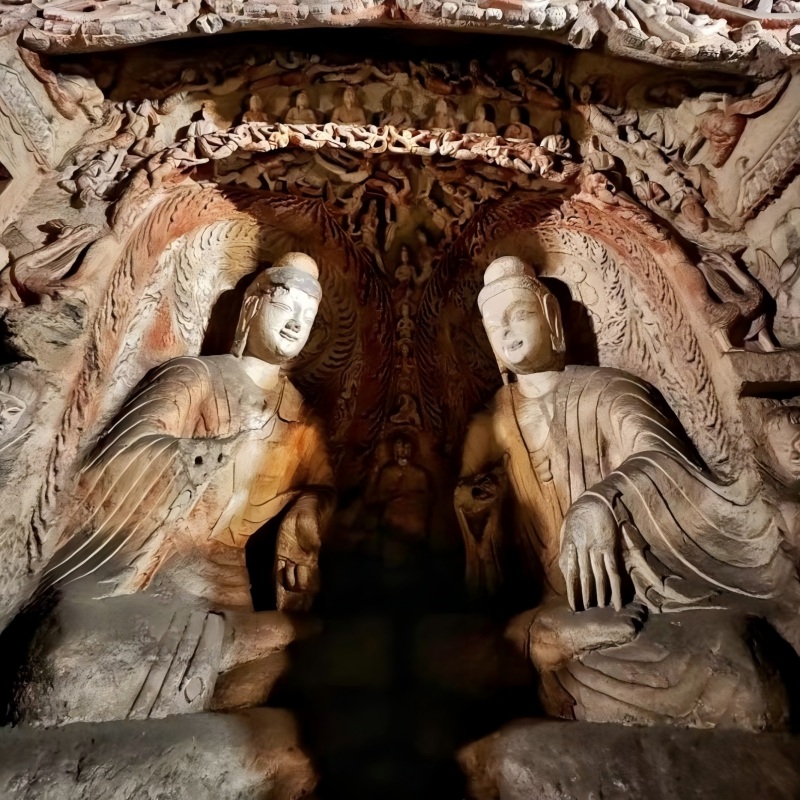
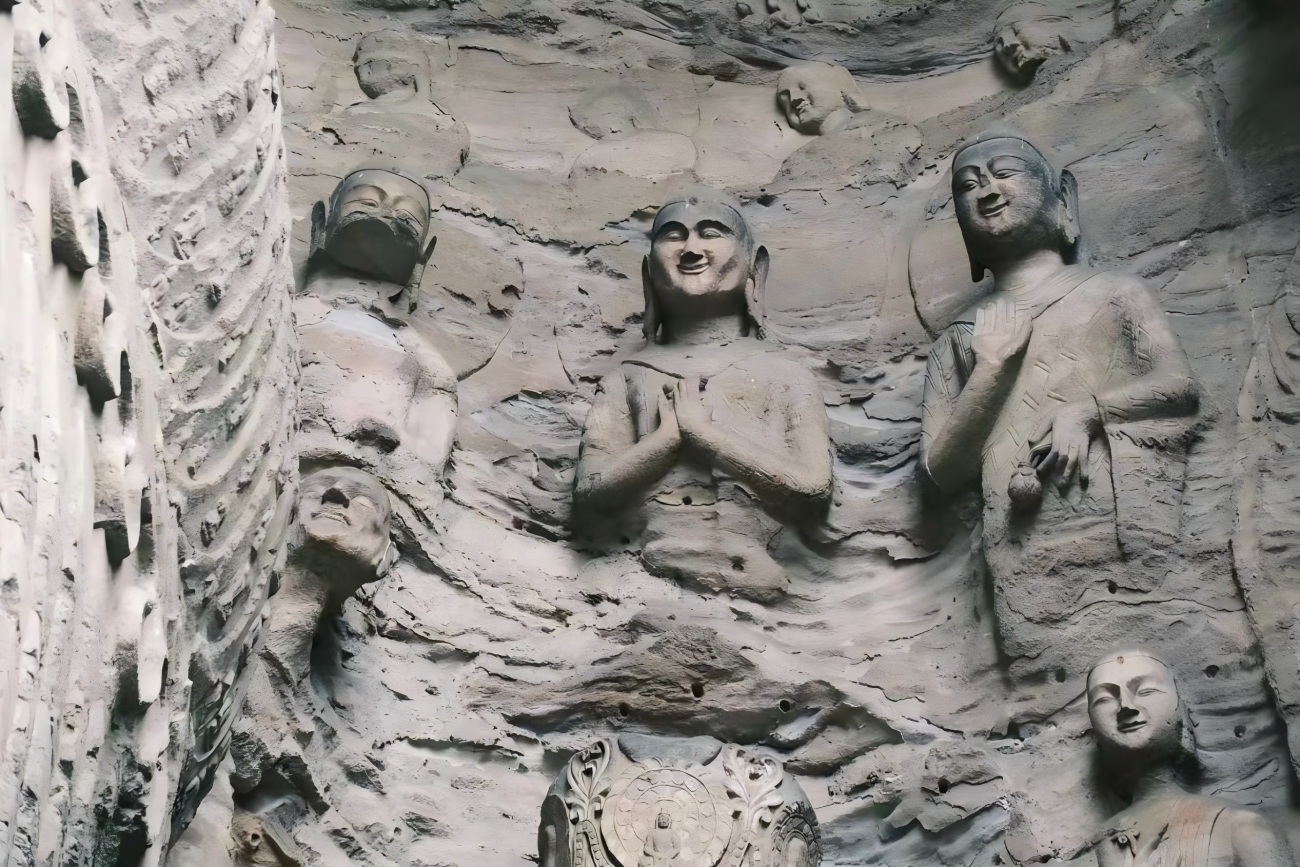
The Change: The statues here become more elegant, slender, and graceful. The fierce, imposing style gives way to gentle smiles and flowing, intricate robes. It's a beautiful blend of foreign Buddhist art with traditional Chinese aesthetics.
Must-Visit Highlights:
Cave 5: Home of the Largest Buddha. Inside awaits a gigantic 17-meter-tall seated Buddha, the largest in Yungang. He wears the classic Chinese "bao yi bo dai" robe (loose gown with wide sashes). The walls are covered with over 10,000 smaller Buddhas – a truly mesmerizing sight.
Cave 6: The Storybook Cave. This is a masterpiece! A central pillar is carved like a pagoda. The walls tell the entire life story of Buddha in stunning 3D reliefs—from his birth to enlightenment—like an ancient comic strip. Don't miss the touching jataka tales (stories of Buddha's past lives) illustrating compassion and sacrifice.
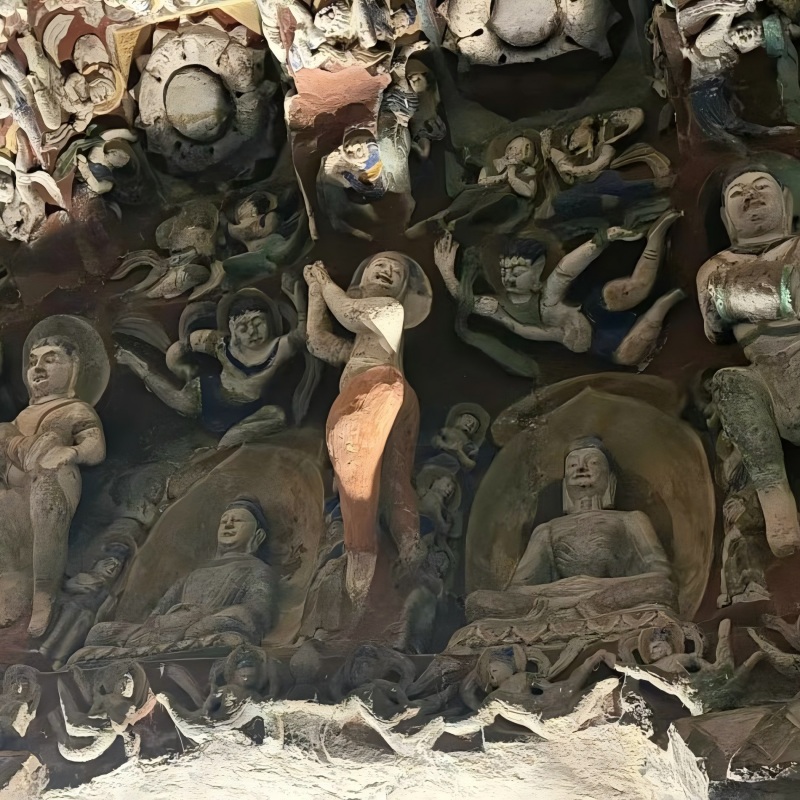
Cave 12: The Music Cave. This is a fan favorite! Look up to see a ceiling full of apsaras (heavenly musicians) playing over 40 different instruments from ancient China and the Silk Road. It's a frozen concert from the 5th century!
3. Lingyan Temple: The Living Monastery Beside the Stones
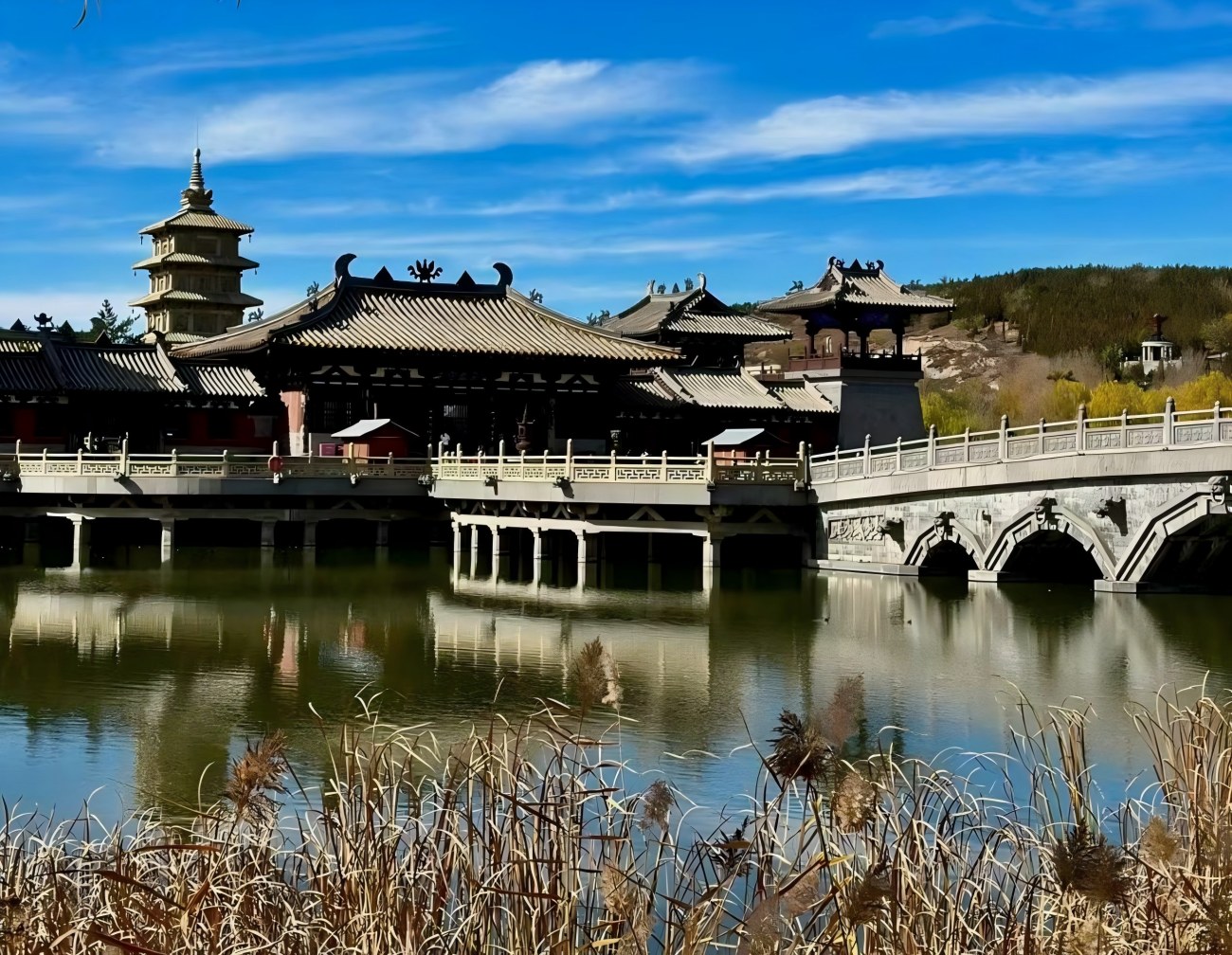
Nestled within the grotto site is the peaceful Lingyan Temple. This active monastery shows the traditional "temple-and-cave" model, where worship happened both in man-made halls and natural grottoes.
What Makes it Special:
A Working Heritage Site: Unlike the silent caves, here you can feel the living tradition of Buddhism. The smell of incense, the sound of bells, and monks going about their day create a serene atmosphere.
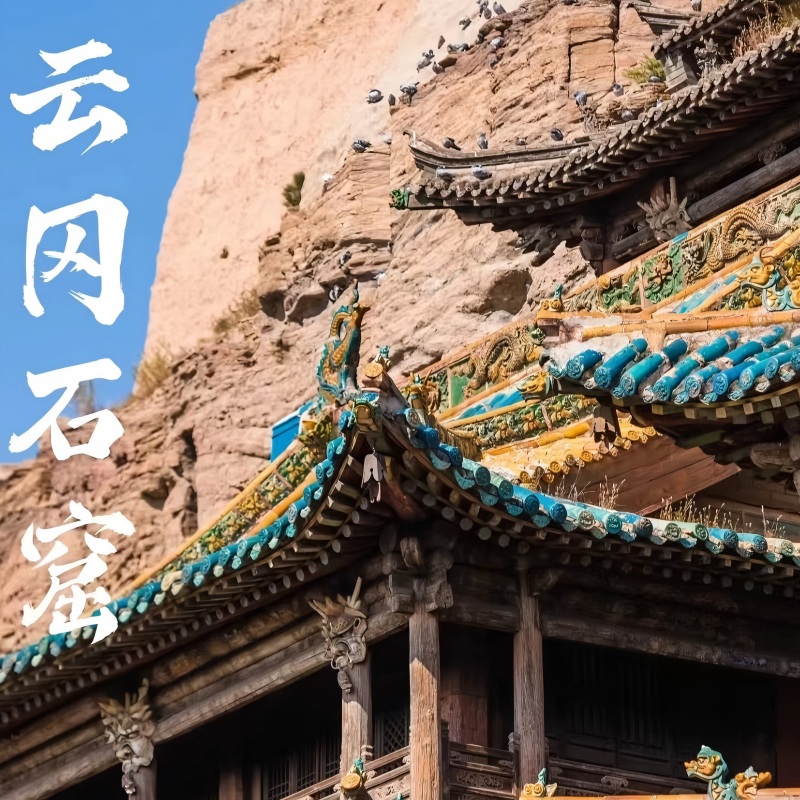
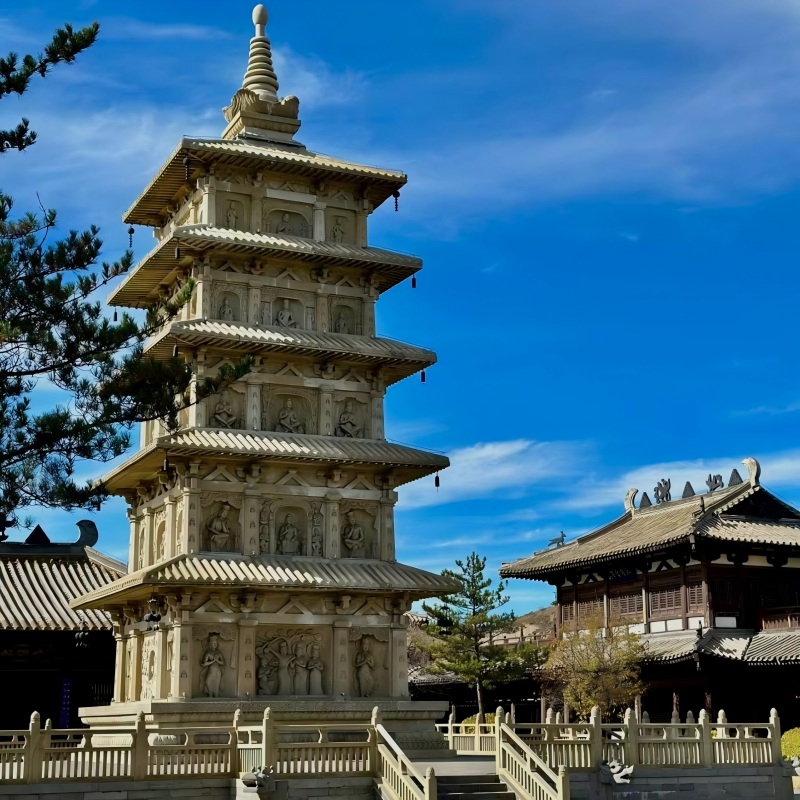
Harmonious Layout: The temple follows classic Chinese architecture, with halls (like the Heavenly King Hall and the Grand Buddha Hall) arranged on a north-south axis. It perfectly complements the caves behind it.
The Tan Yao Statue: In the courtyard, you'll find a bronze statue of Monk Tan Yao, honoring the mastermind behind the grottoes.
Visitor's Experience: This is a place for quiet reflection. Enjoy the contrast between the vibrant temple colors and the weathered stone of the caves. It connects the ancient art to the living faith that continues today.
4. The Western Caves: Art for the People
As we move to the later caves (21-45), you'll notice another shift. By this time (late 5th century), the capital had moved, and funding from the emperors decreased. So, who built these? Wealthy families, officials, and even ordinary citizens!
The "Secular" Style: The art becomes more refined, accessible, and diverse. The Buddhas and Bodhisattvas look kinder and more approachable, with gentle smiles. The scenes include more everyday donors and lively details, showing how Buddhism had become part of daily life for common people.
What to Look For:
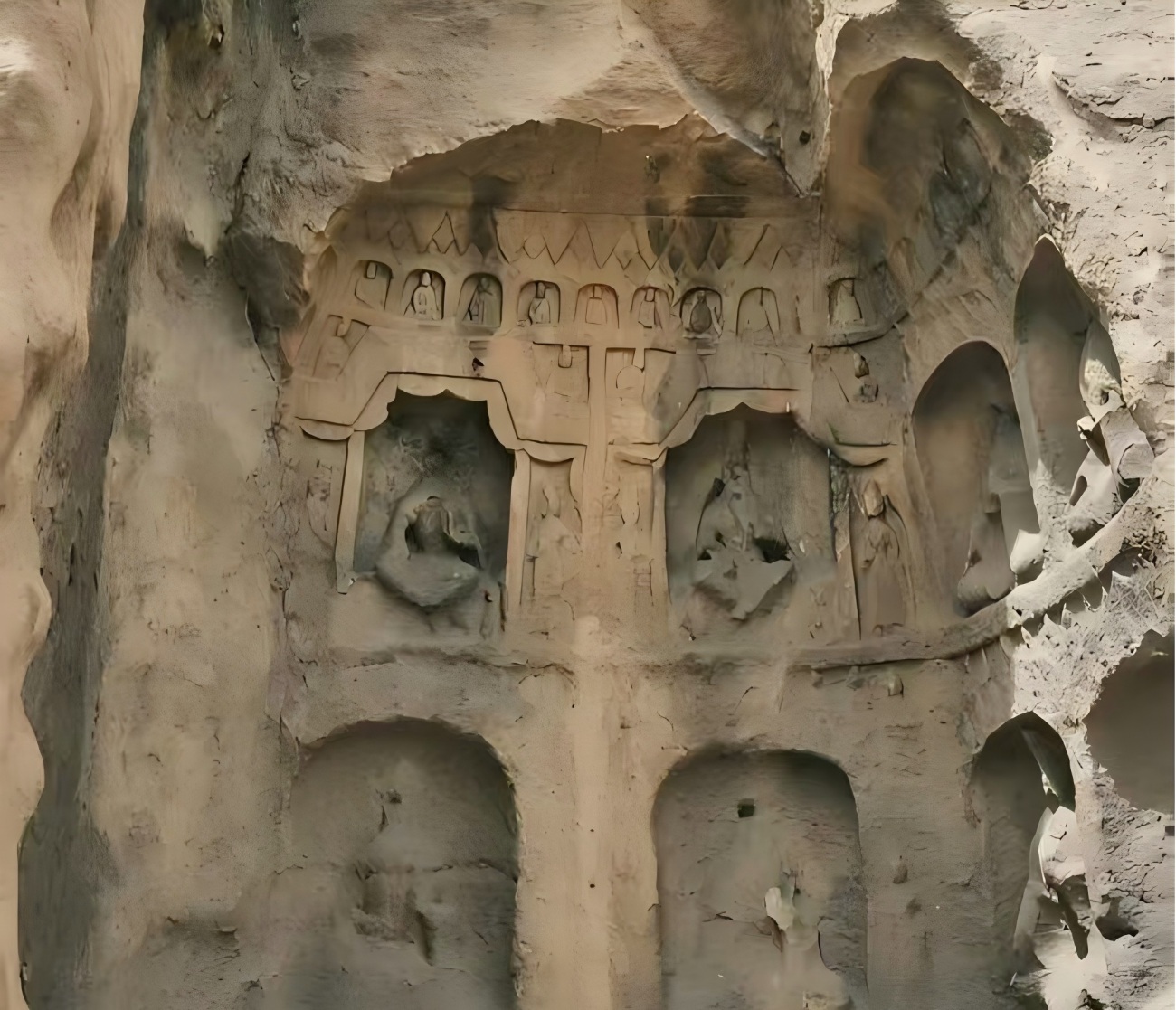
Smaller, More Detailed Caves: Explore these niches to find charming stories and inscriptions left by the donors, telling us their names and wishes—a direct link to individuals from 1500 years ago.
Evolution in Fashion: The statues here are the most "Chinese" in appearance, with delicate facial features and elegantly carved drapery, completing the artistic journey of Yungang.
5. Yungang Grottoes Museum: Preserving the Legacy
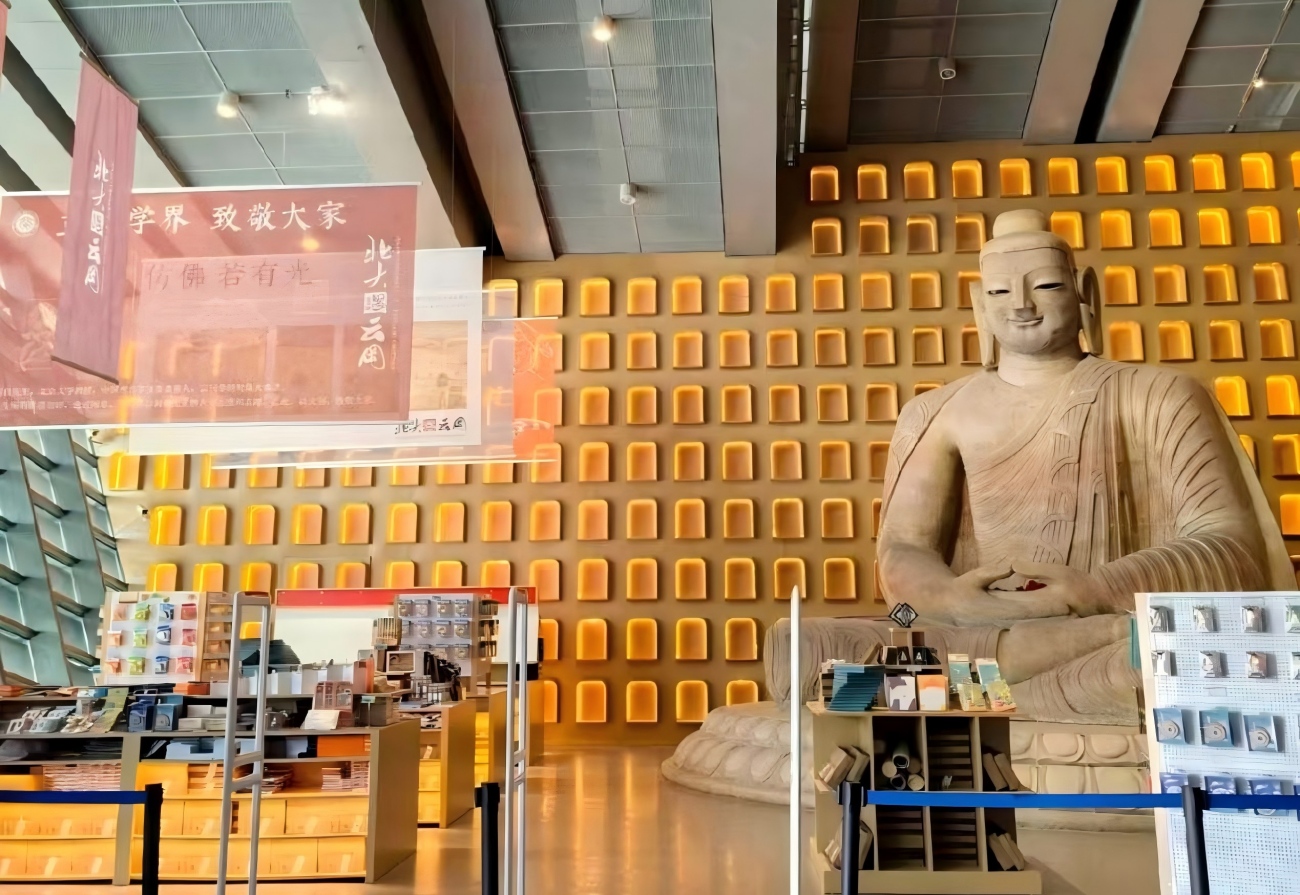
Before we go, a visit to the modern Yungang Museum is a must. It's built into the landscape and offers the "why" and "how" behind the incredible art we've just seen.
Top Exhibits to See:
The History Hall: Understand the Northern Wei Dynasty, the Silk Road context, and why they chose this site.
The Art Hall: See detailed replicas, fragment exhibits, and 3D animations that explain carving techniques and artistic styles. It helps answer questions like, "How did they carve this?"
The Conservation Hall: Learn about the incredible efforts—from early 20th-century archaeologists to today's digital scanning teams—to protect this fragile heritage for future generations.
Why Visit: The museum ties everything together. It deepens your appreciation and shows how technology is helping to preserve and study these grottoes.
6.Must-Try Foods at the Yungang Grottoes
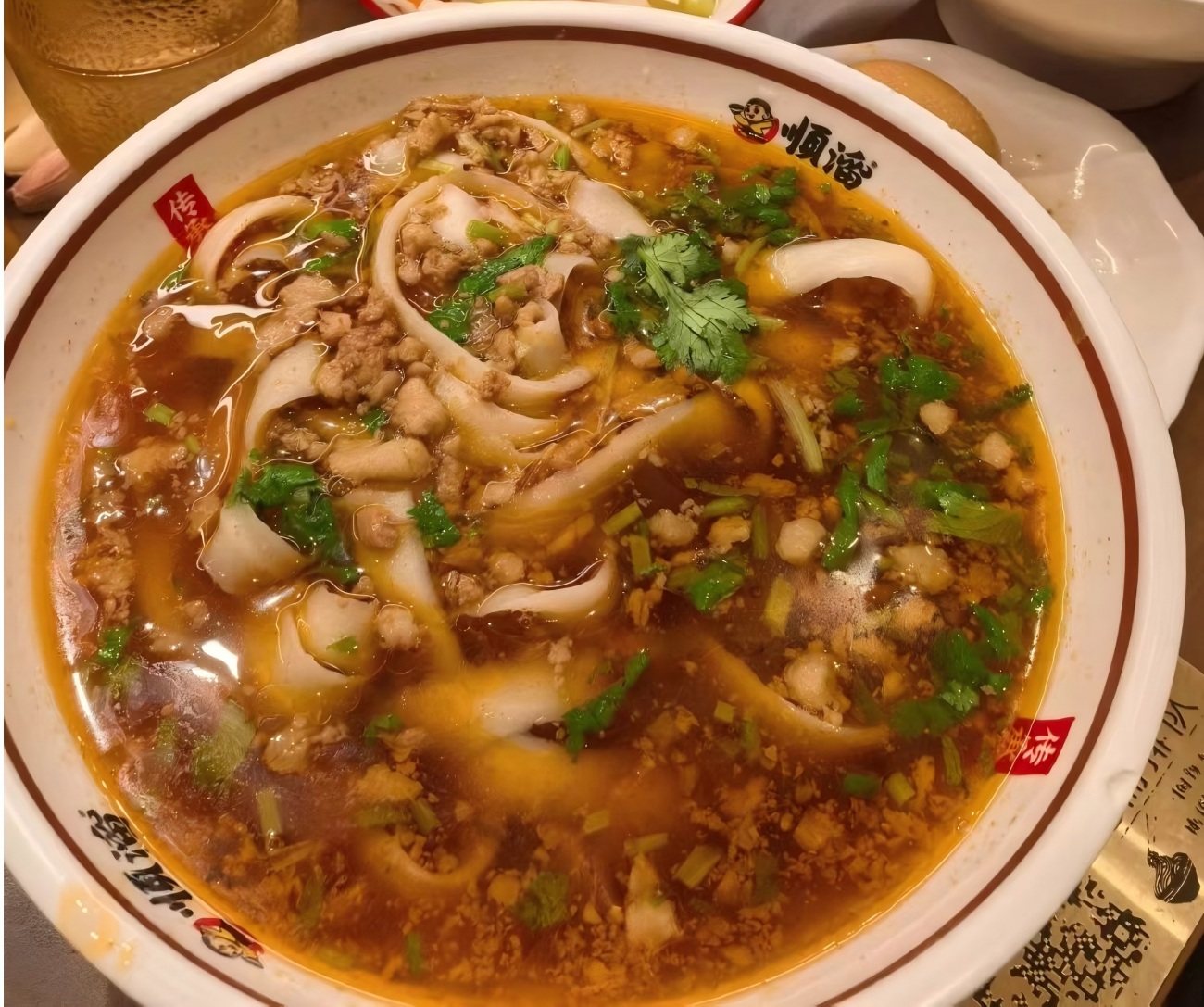
1. Hand-Cut Noodles with Stone-Rhyme Sauce
A classic dish from northern Shanxi. Skilled masters hand-slice the noodles—thick in the center and thin along the edges—giving them a satisfying chewiness. Served in a rich bone broth with minced meat and a drizzle of chili oil, these noodles are savory, hearty, and perfect for warming up after exploring the grottoes.
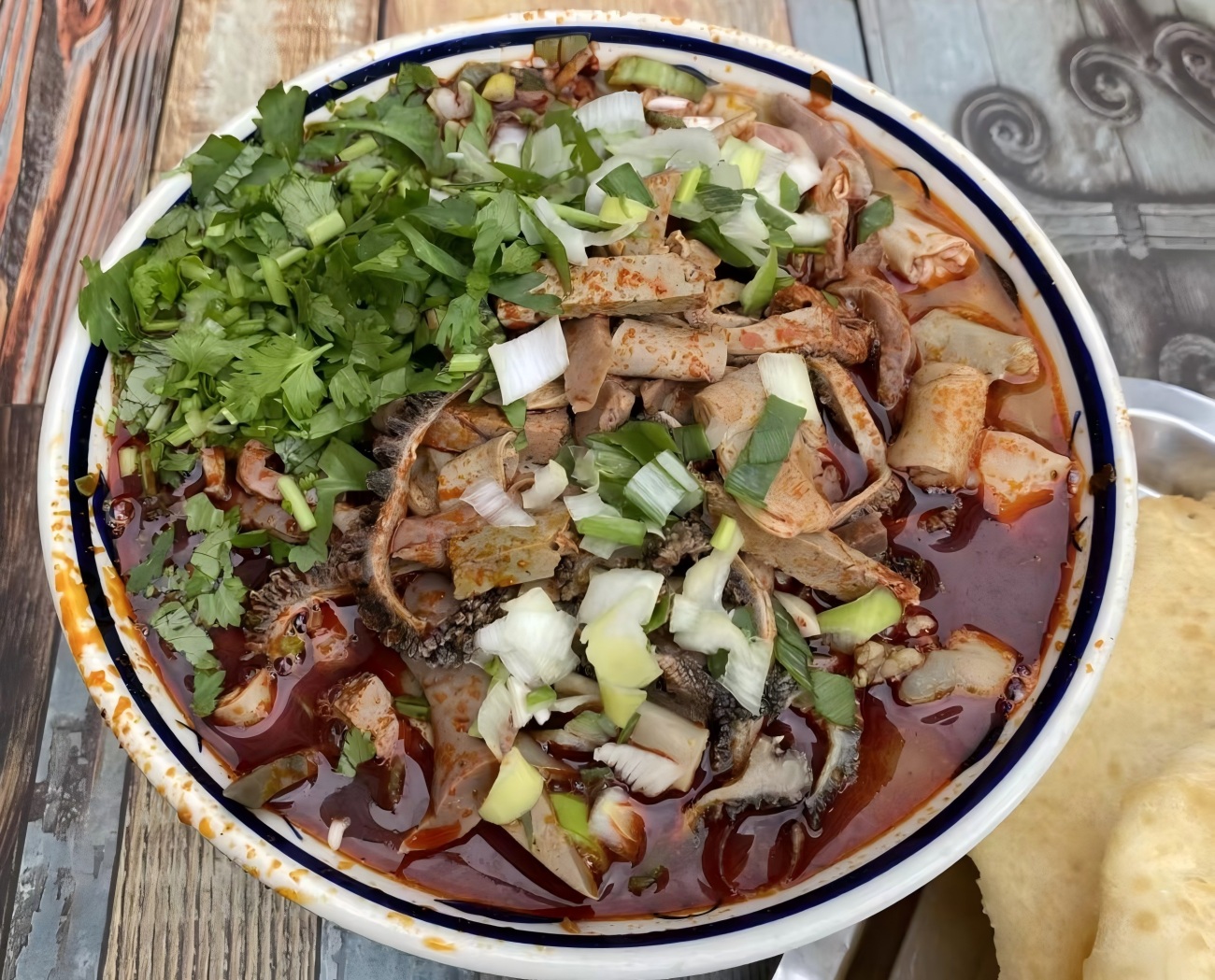
2. Noodle Soup with Mixed Sheep Offal
A popular local breakfast. Tender sheep offal is simmered with vermicelli in a flavorful broth that balances spicy, sour, and savory notes. Enjoy it with crispy-yet-soft fried cakes dipped into the soup—a hearty and energizing bite that reflects the bold flavors of northern Shanxi cuisine.
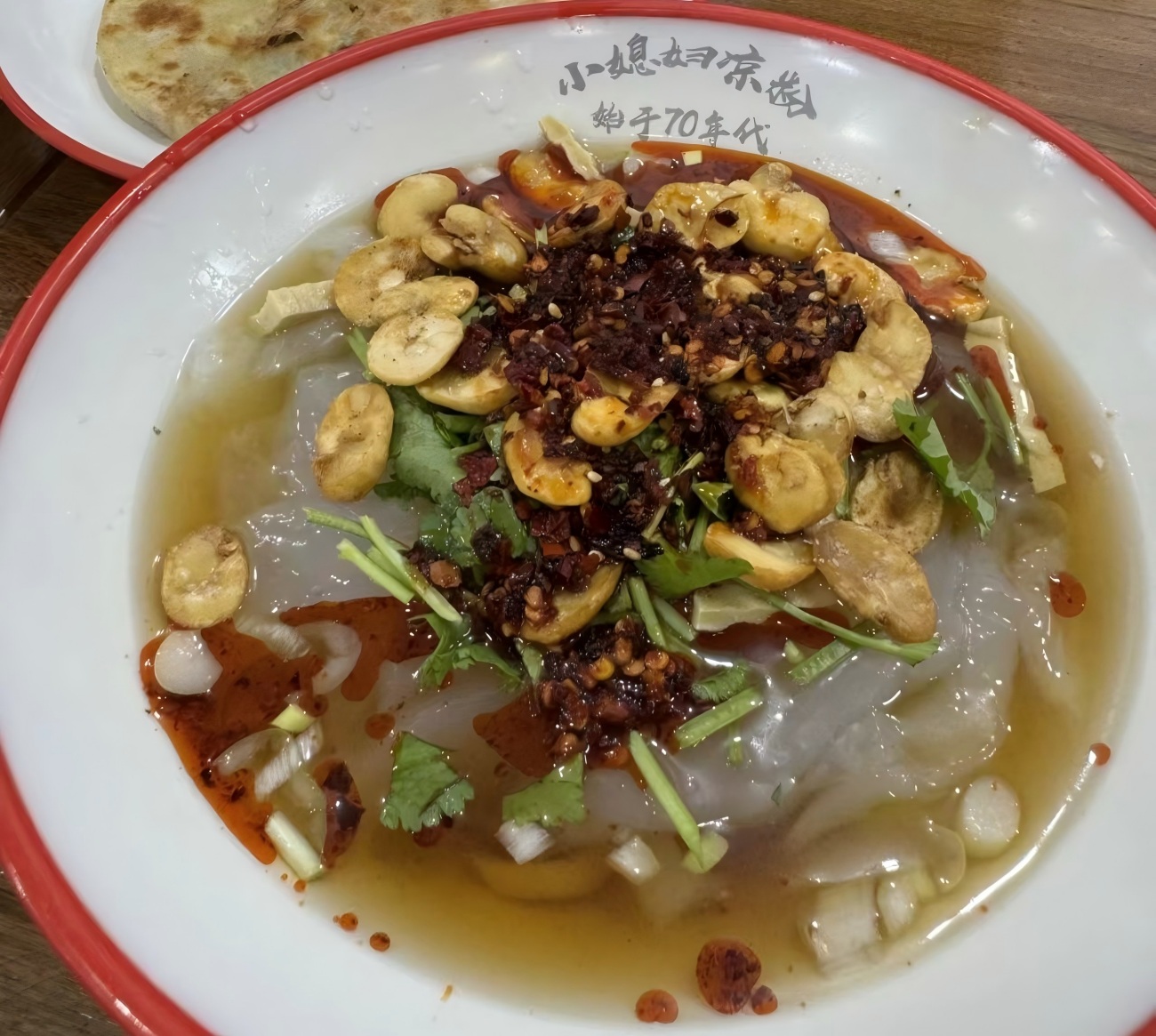
3. Hunyuan Jelly – Cool & Refreshing
Made with fresh Datong water, this jelly is smooth and light. Tossed with chili oil, lotus seeds, and other seasonings, it offers a refreshing contrast of textures and a tangy-spicy kick—a great quick snack to recharge between cave visits.
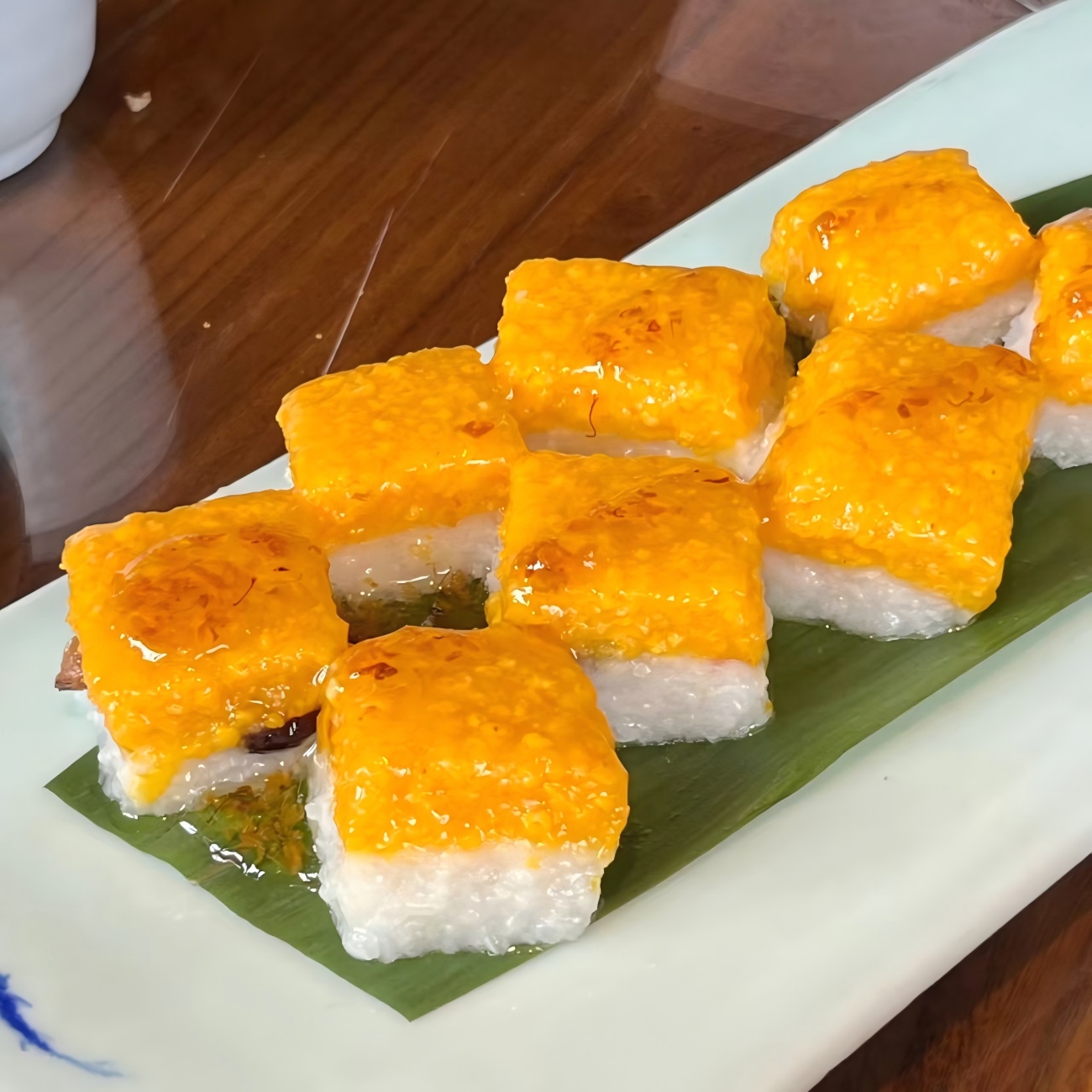
4. Yellow Rice Cake with Honey & Osmanthus
Steamed local glutinous yellow rice is filled with smooth red bean paste, then drizzled with honey and osmanthus syrup. Sweet, sticky, and fragrant, it’s a delightful dessert to cleanse your palate after a meal.
7.Final Thoughts: An Enduring Legacy
As our tour ends, I hope you carry with you the memory of these stone giants and intricate carvings. The Yungang Grottoes are more than a tourist site; they are a chapter in human history. They show us cultural exchange, incredible artistry, and the timeless human search for meaning.
From the imperial power of the Tan Yao Caves to the graceful fusion of the Xiaowen period, and down to the personal devotion in the western caves, you've witnessed a full story. Thank you for exploring this wonder with me. Safe travels, and may the peace of this ancient Buddha land stay with you