Kongtong Mountain
Custom Travel to China's Kongtong Mountain: Taoist Culture & Martial Arts Adventure
Discover Kongtong Mountain, a legendary Chinese destination, with our expert-guided custom tours. More than just stunning scenery, it's a journey into the heart of Taoist philosophy and ancient martial arts.
We specialize in crafting personalized itineraries for international travelers. Your private tour can include:
Exploring sacred Taoist sites like the summit Imperial City and historic Daowang Palace.
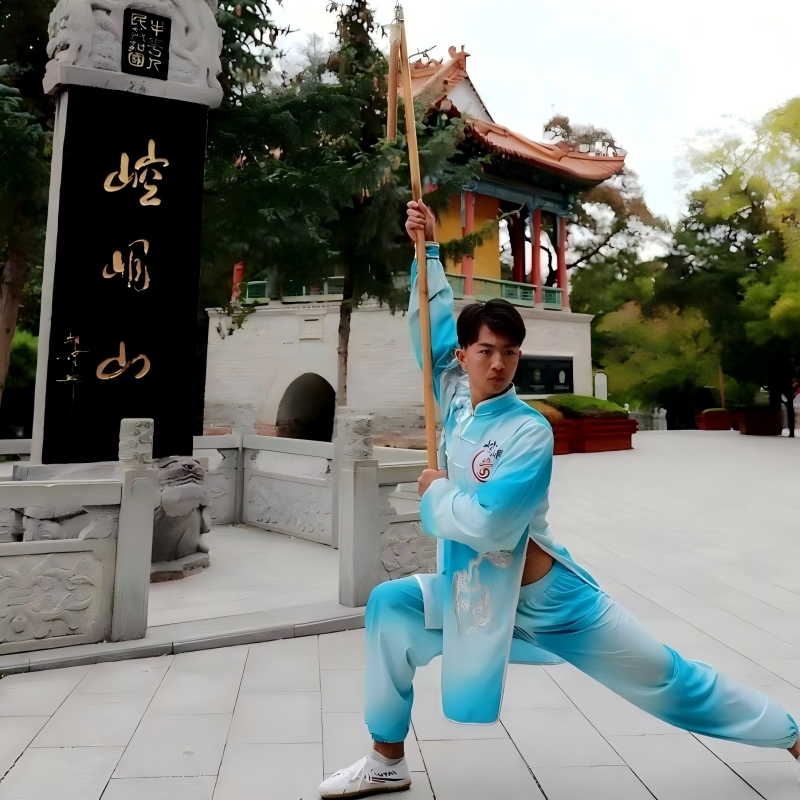
Learning about Kongtong martial arts, a UNESCO-recognized intangible heritage.
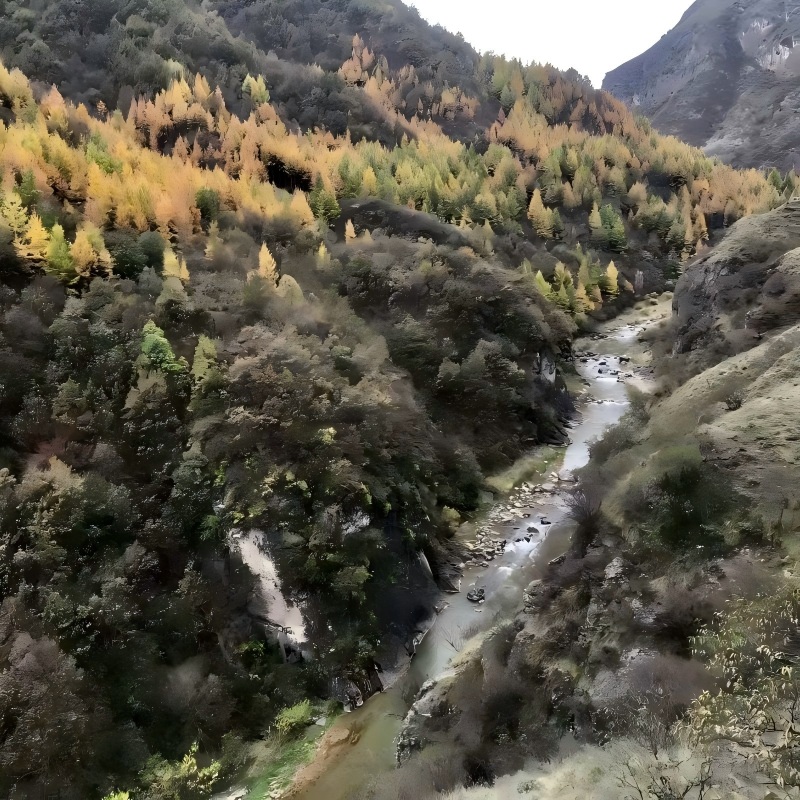
Hiking through breathtaking landscapes such as the poetic Tanzheng Gorge. Savoring authentic local cuisine in Pingliang.
Our services include professional English-speaking guides, private transportation, and flexible planning tailored to your interests and pace. Let us create your perfect cultural adventure in China.
Contact us to design your private Kongtong Mountain journey today.
Kongtong Mountain Travel Guide: Taoist Culture & Martial Arts in China's Majestic Peaks
Hi everyone! I'm your guide, and today we're exploring Kongtong Mountain – a hidden gem often called "China’s Top Taoist Mountain."Over the next few hours, we’ll uncover its thousands of years of culture and immerse ourselves in the world of Taoism and martial arts surrounded by breathtaking scenery.
Located in Pingliang City, Gansu Province, Kongtong Mountain sits where Shaanxi, Gansu, and Ningxia meet. It was a key stop on the ancient Silk Road, where cultures from central China and the Western Regions blended. Famous for its stunning natural beauty, deep Taoist roots, and unique Kongtong martial arts, this mountain is a true cultural treasure.
Why visit Kongtong Mountain?
A Top Taoist Site: One of the birthplaces of Taoism in China.
Ancient Martial Arts: Home to Kongtong martial arts, one of China's major martial arts schools.
Stunning Scenery:Dramatic peaks, deep gorges, and historic temples.
Rich History: Legends date back to the Yellow Emperor.
Great Food: A chance to try delicious local Pingliang dishes.
1. The Heart of the Mountain: Middle Platform
What to expect: This is the central flat area of the mountain (about 1,800m high) and the main hub for Taoist activity. It’s a great viewpoint!
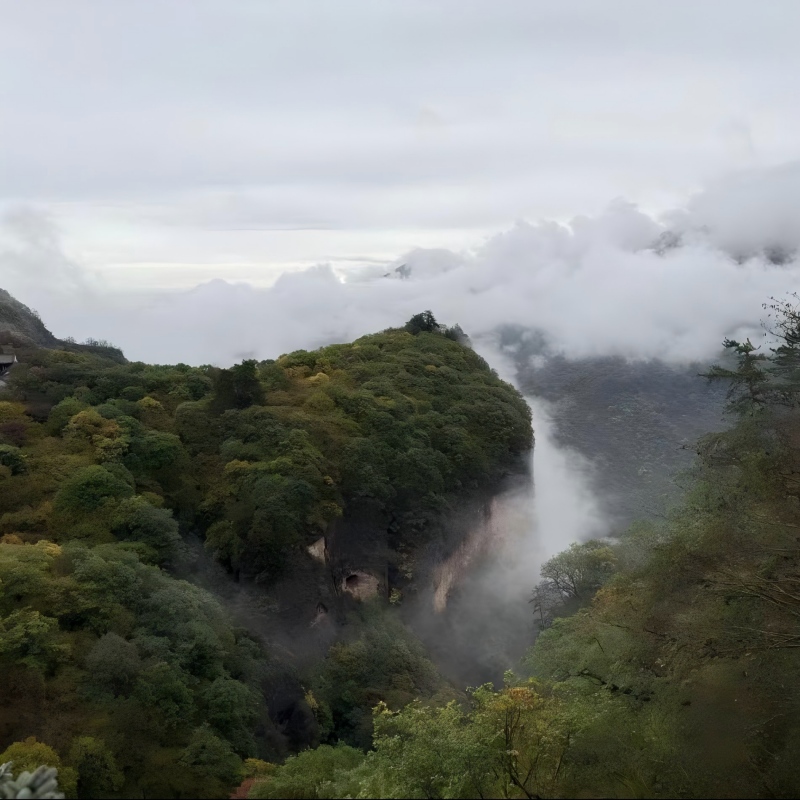
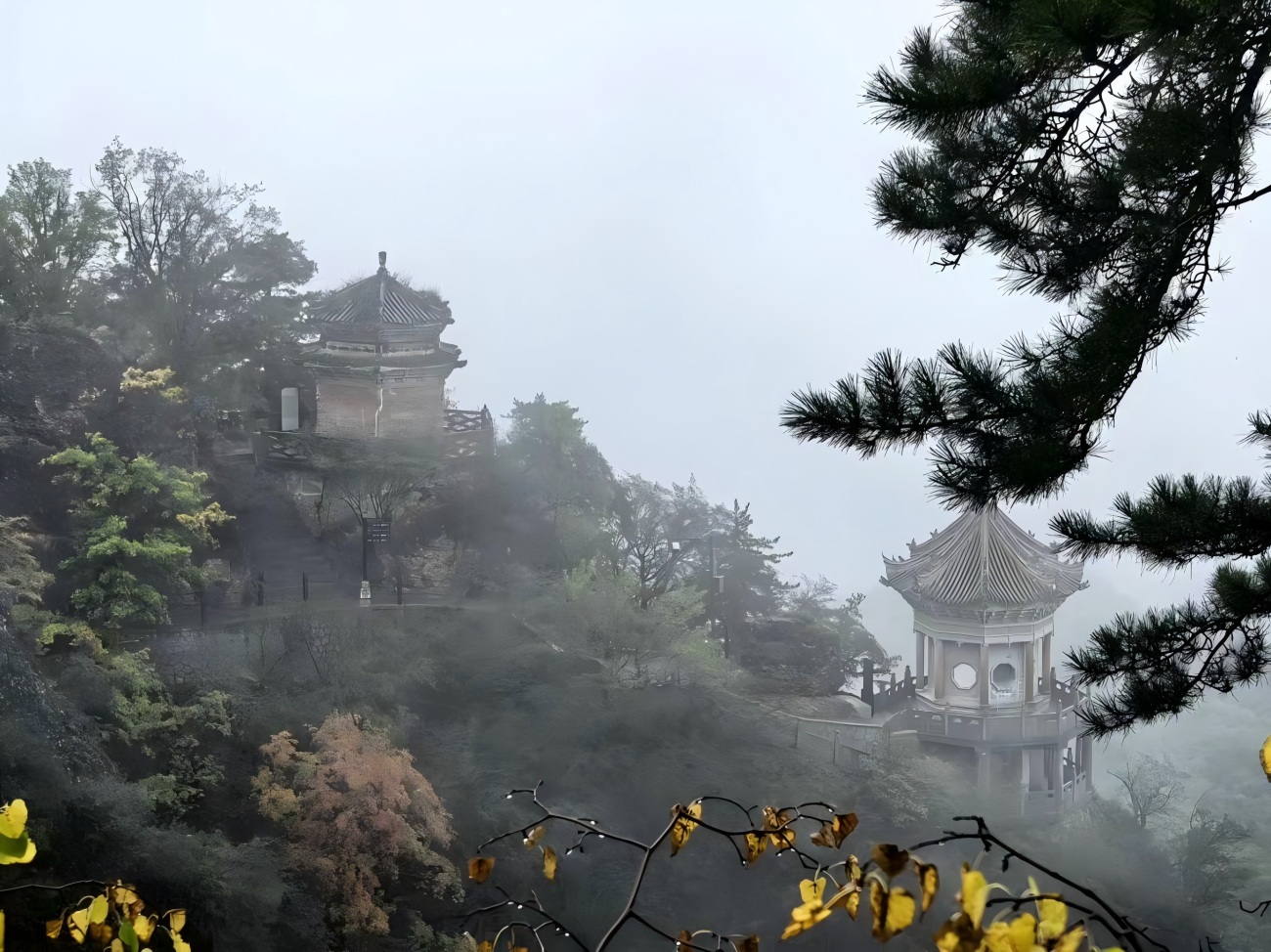
The View: On clear days, you can see temples and winding paths. When it's misty, it feels like a fairyland.
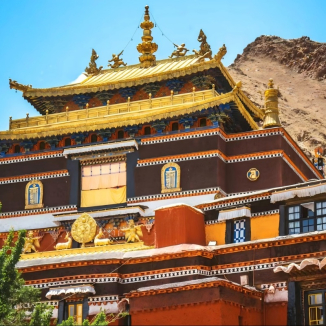
Main Attraction – Taiqing Palace: One of the oldest Taoist temples here, built in the Tang Dynasty style. Inside the Hall of the Three Pure Ones, you’ll find statues of Taoism’s highest deities and beautiful, colorful murals.
Kongtong Martial Arts:You might see demonstrations on the square here, where the style’s blend of "hard and soft" movements is on display.
2. The Summit Sanctuary: Imperial City
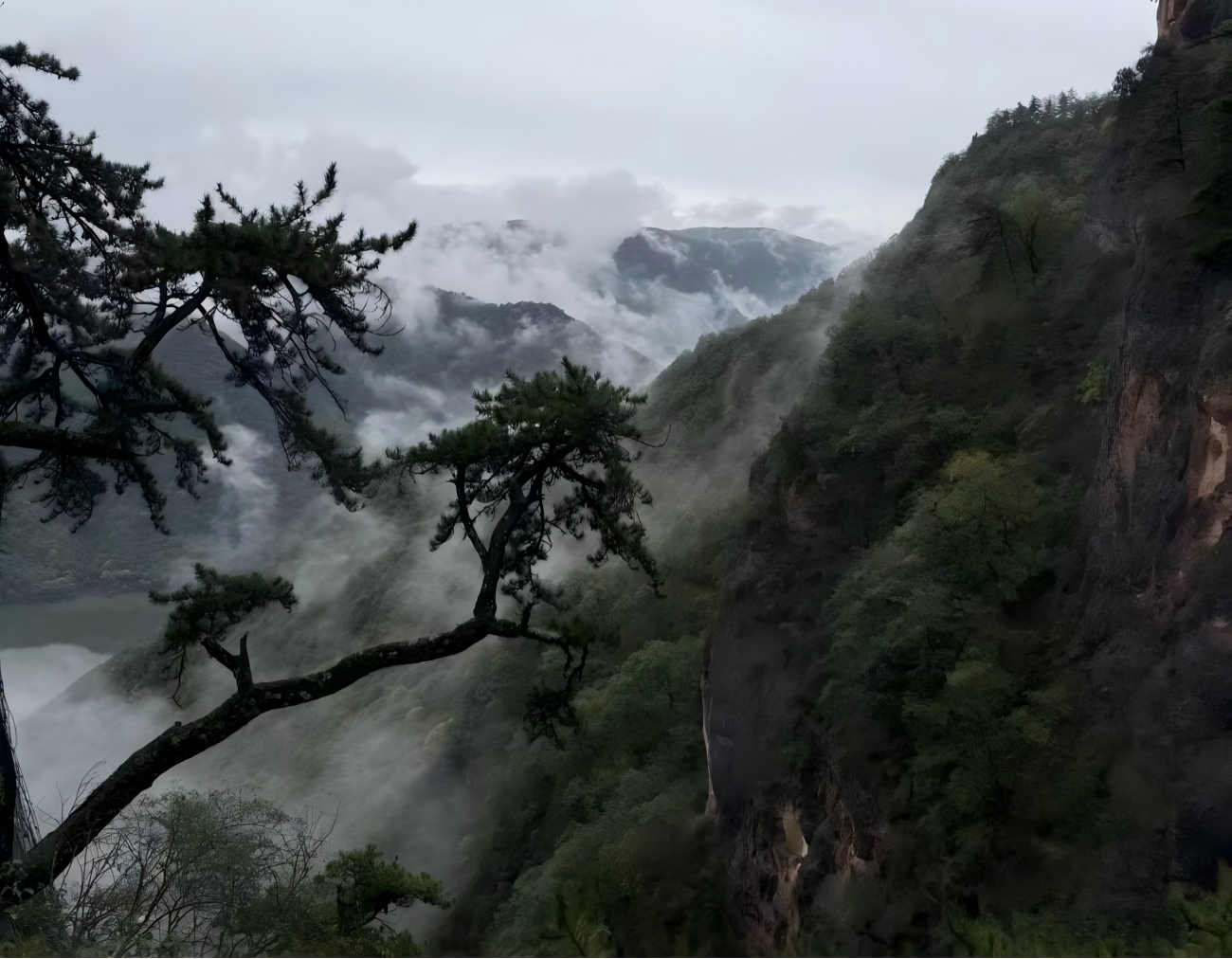
What to expect:The highest point of the mountain (2,123m) with the largest and most important group of Taoist buildings. The climb up is steep but worth it!
The Climb:Be prepared for a workout! The path involves hundreds of stone steps beside steep cliffs.
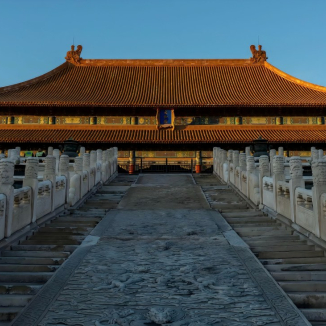
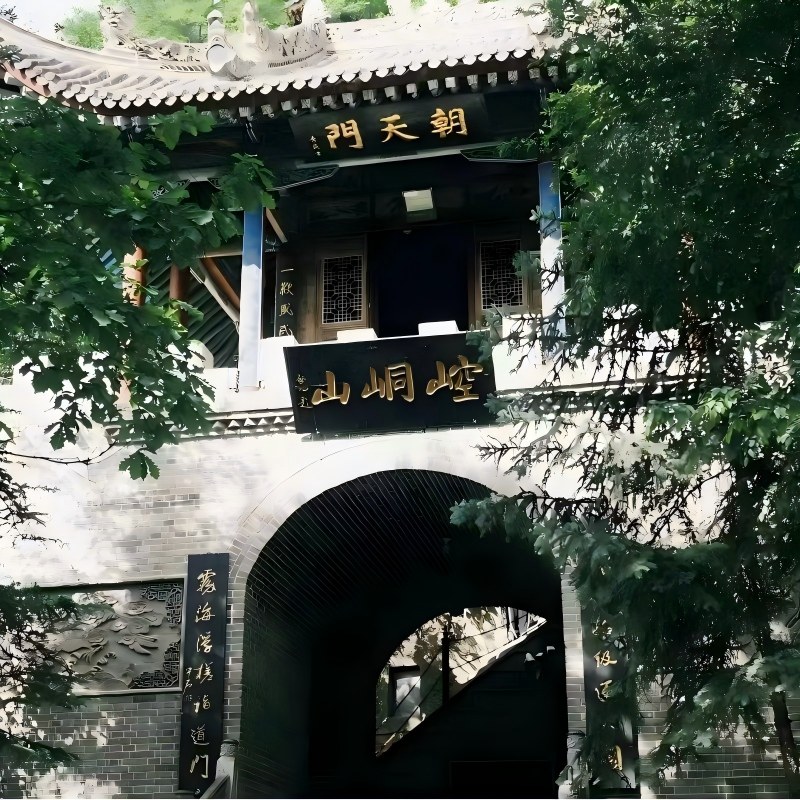
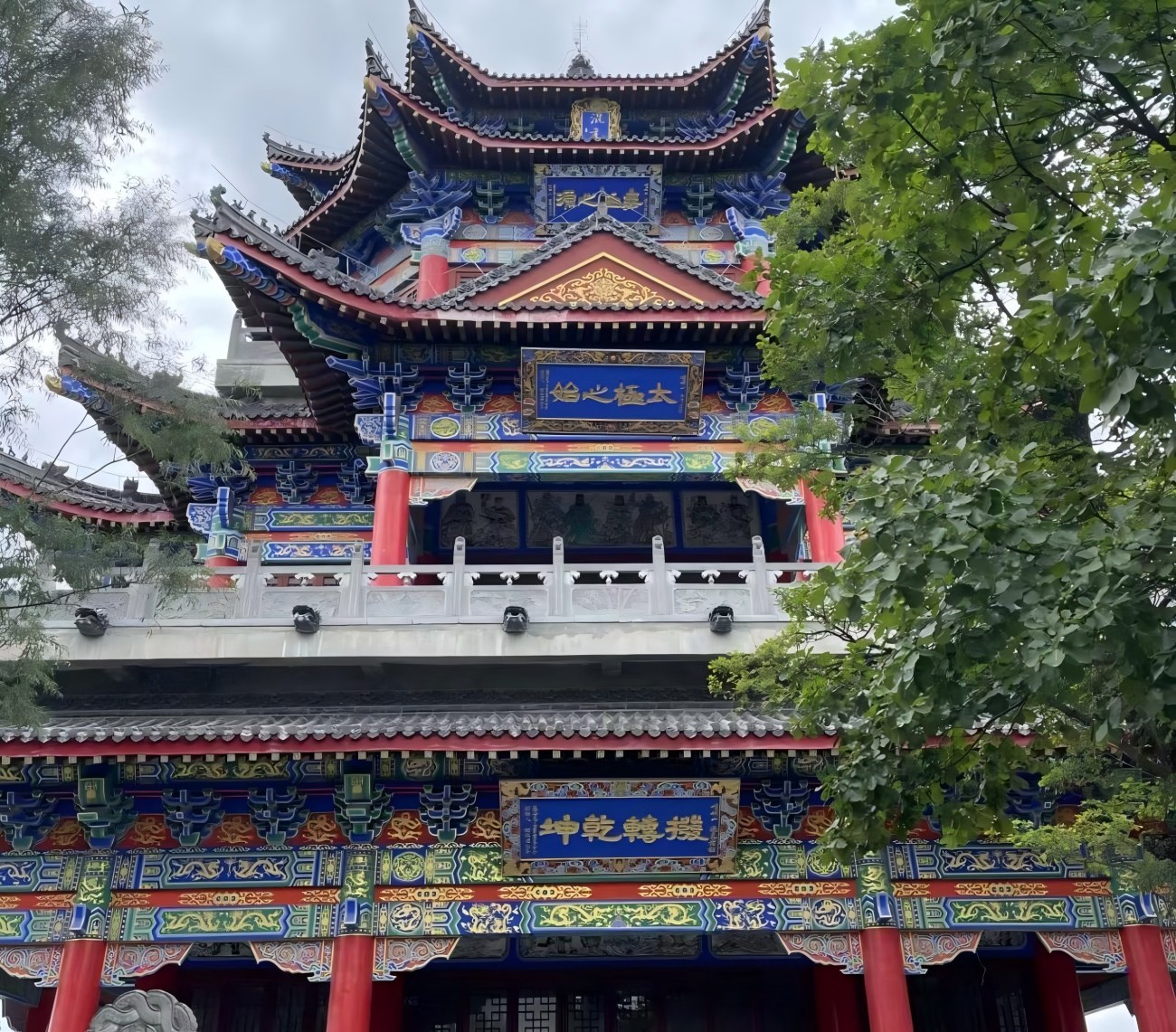
The Architecture:The complex looks like an ancient palace. Enter through the South Heavenly Gate to reach the core, the Jade Emperor Pavilion. This three-story pavilion has a majestic statue inside and amazing murals telling Taoist stories.
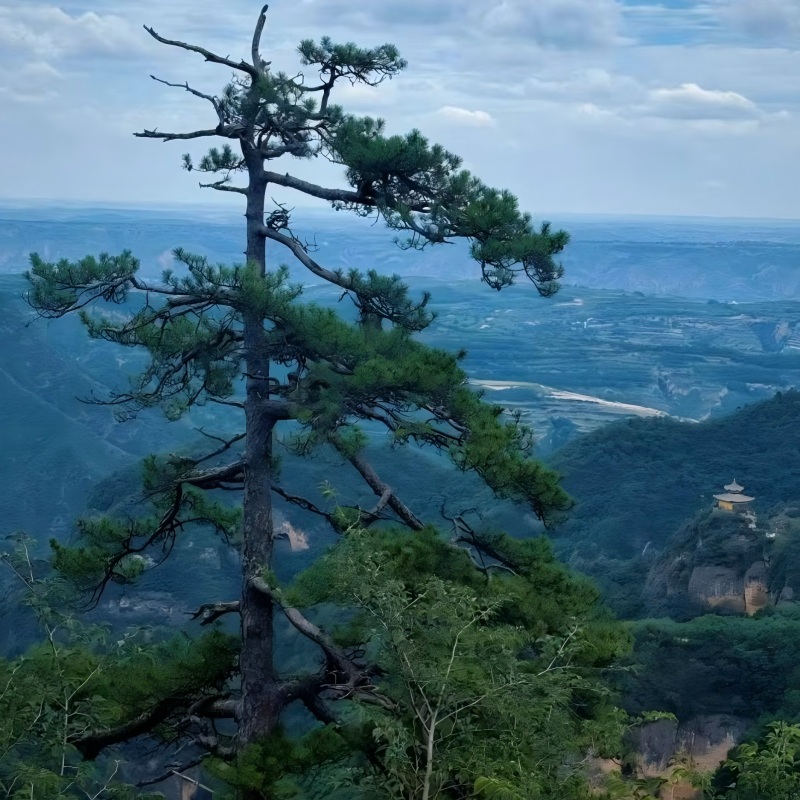
The Legend & The View: It’s said to be built where the Yellow Emperor sought wisdom. From the top, the view of the winding Jing River and endless mountains is unforgettable.
3. The Thrilling Peak: Leisheng Peak (Thunder Peak)
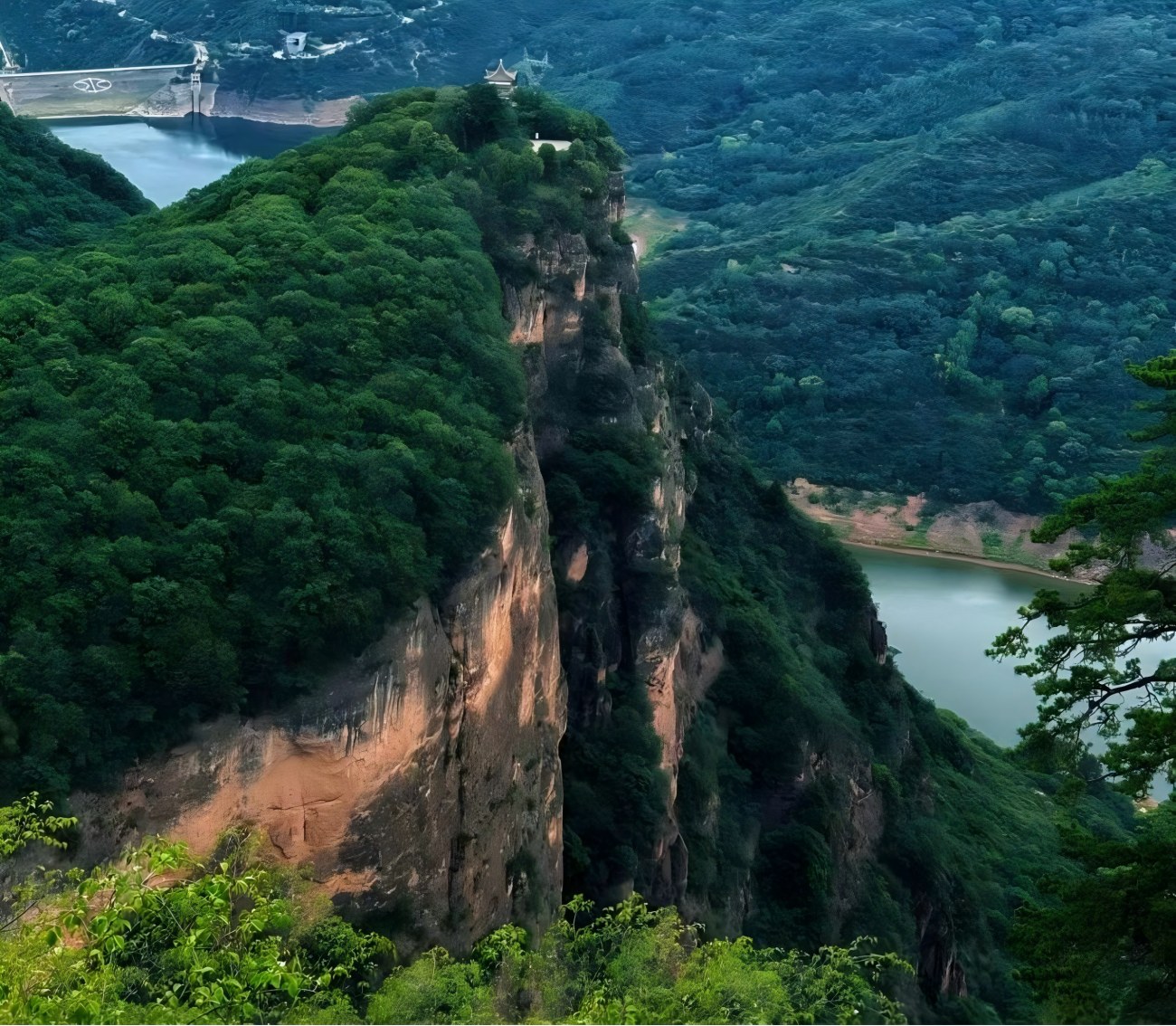
What to expect: The most adventurous and dangerous spot on the mountain. Not for the faint-hearted!
Why "Thunder Peak"? During storms, thunder echoes powerfully between its cliffs.
The Experience:The ridge is incredibly narrow (just 1 meter at some points!) with sheer drops on both sides. Hold the handrails tightly!
The Reward:It offers some of the best sunrise and sunset views. The temples here are built right into the cliff face.
4. The Scenic Gorge: Tanzheng Gorge
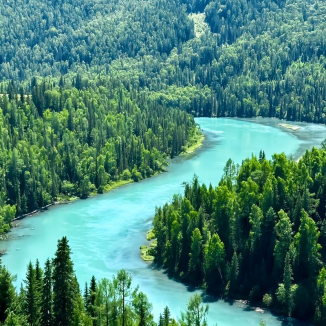
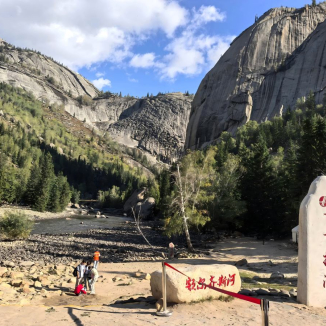
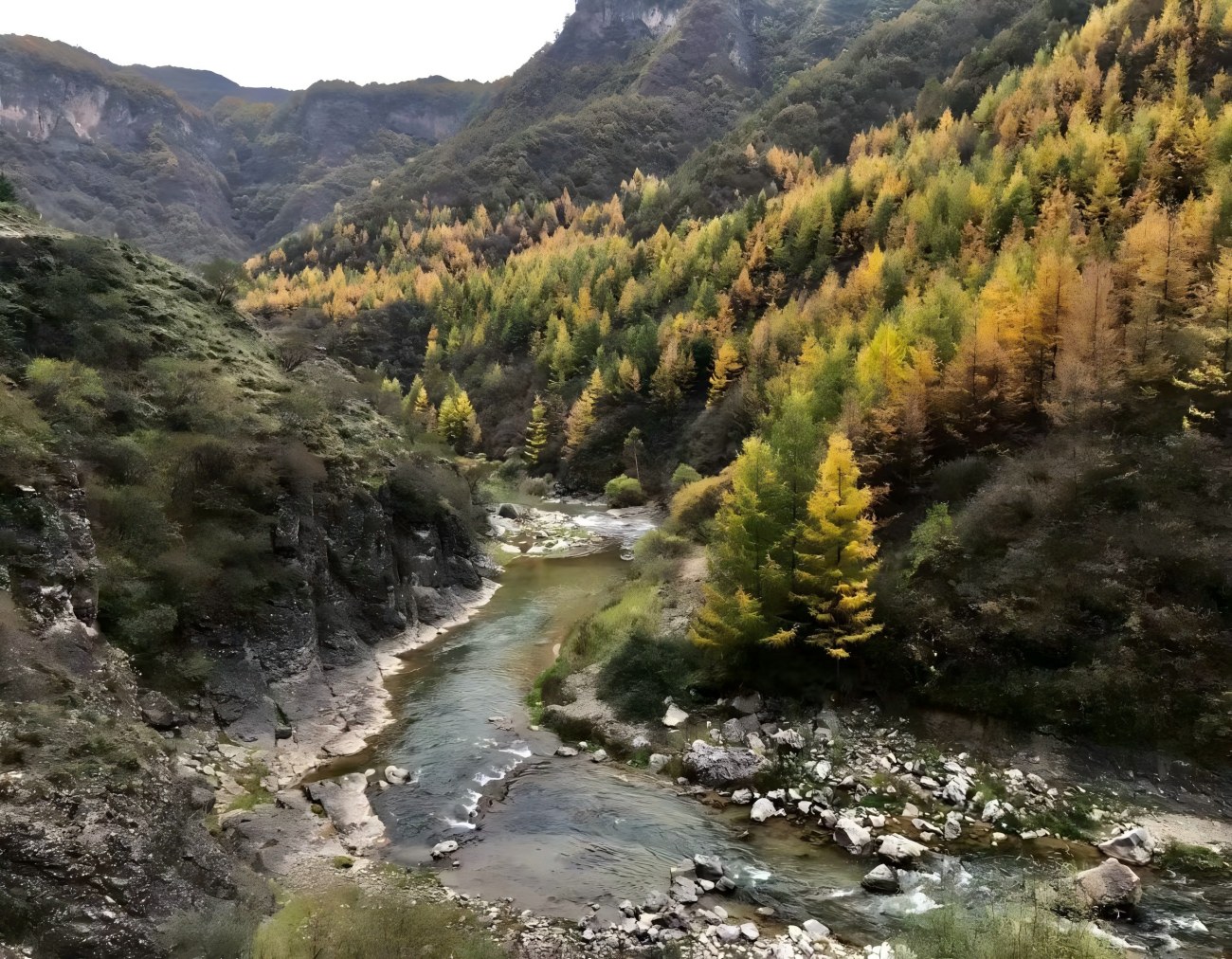
What to expect:A peaceful, 3-kilometer-long gorge perfect for a scenic walk. The sound of the Jing River hitting rocks resembles a Chinese zither (qin), giving it the name "Zither Gorge."
Natural Beauty:A "Natural Art Gallery" with clear water, lush pines, wildflowers, and unique rock formations like "A Slice of Sky".
What to do: Follow the path, listen to the water, and visit small pavilions like the Tanzheng Pavilion for rest and the best views.
5. The Historic Site: Daowang Palace (Palace of Seeking Tao)
What to expect: Located at the mountain's base, this is the legendary site where the Yellow Emperor consulted the sage Guangchengzi. It’s the most historically significant spot.
The Story: Learn about the founding legend of Kongtong Taoism through statues and murals.
The Architecture:A grand complex with a Hall of Seeking Tao, a Bell Tower, and a Drum Tower.
Don’t Miss:The ancient "Yellow Emperor’s Cypress" tree, said to be over 2,000 years old.
Must-Try Local Food in Pingliang
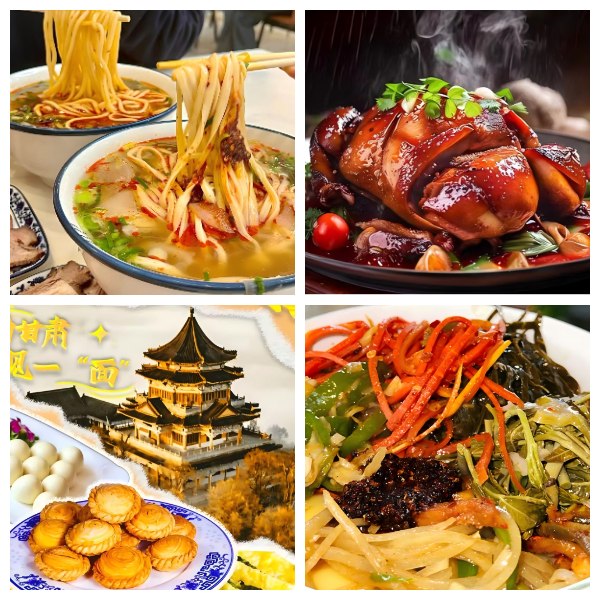
After exploring, refuel with these local specialties:
1. Pingliang Red Beef Noodles:The soul food of the region. Features chewy noodles, tender local beef, and a rich, fragrant broth. Add chili oil to taste!
2. Jingning Braised Chicken: A 200-year-old specialty. The chicken is marinated with spices and slow-cooked until the meat is incredibly tender and falls off the bone.
3. Jingchuan Pot-Steamed Buns: Soft, fluffy buns with a sweet wheat aroma, steamed in traditional clay pots. Perfect with a simple side.
4. Huating Corn Grits Porridge: A hearty and healthy porridge made with corn grits, potatoes, beans, and pork. Comfort food at its best.
Visiting Kongtong Mountain: Good to Know Before You Go
Best Time to Visit:Spring (May-June) and Autumn (September-October) for pleasant weather and beautiful scenery. Summers are cool and green; winters are cold and snowy but offer a quiet, stark beauty.
Getting There:The nearest major transport hub is Pingliang City. You can take a train or bus to Pingliang, then a local taxi or bus (about 30-40 minutes) to Kongtong Mountain.
Ticket & Cable Car:There is an entrance fee. A cable car is available to take you partway up the mountain, saving time and energy on the climb.
What to Wear/Bring:
Sturdy, comfortable shoesare essential for all the walking and climbing.
Layers of clothing.The weather can change quickly in the mountains.
Water and snacks.
Camera for the incredible views!
Final Thoughts
Our journey ends here, but I hope the spirit of Kongtong Mountain stays with you. It’s more than just beautiful peaks—it’s a living book of Chinese culture, philosophy, and history.
Thank you for joining me today! I wish you safe travels and hope you share the stories of Kongtong Mountain with others. Hope to see you again someday