Mount Sanging
Your Custom Sanqing Mountain Adventure Awaits
Tailored Sanqing Mountain Tours: Explore the ethereal landscapes and ancient Taoist culture of this UNESCO site.
Fully Customized Itineraries: We specialize in creating private tours, perfectly matching your interests and pace.
Hassle-Free Experience: Enjoy seamless travel with private transport, expert guides, and curated local insights.
Start Your Journey: Let us design your perfect adventure. Contact us to plan your unique trip today.
Wander the Fairyland of Sanqing Mountain
Hello everyone, and welcome to the breathtaking Sanqing Mountain Scenic Area in Jiangxi, celebrated as "The Most Exquisite Peak under Heaven, A Peerless Blessed Land on Earth." I'll be your personal guide on this journey into the sacred mountains. Over the next few hours, we'll explore Sanqing's incredible rock formations, touch its thousand-year-old Taoist heritage, witness magical seas of clouds and Buddha's light, savor authentic local flavors, and dive into the dreamlike fairyland of Sanqing.
1. Nangqing Garden Scenic Area: Sanqing's "Museum of Spectacular Rocks"
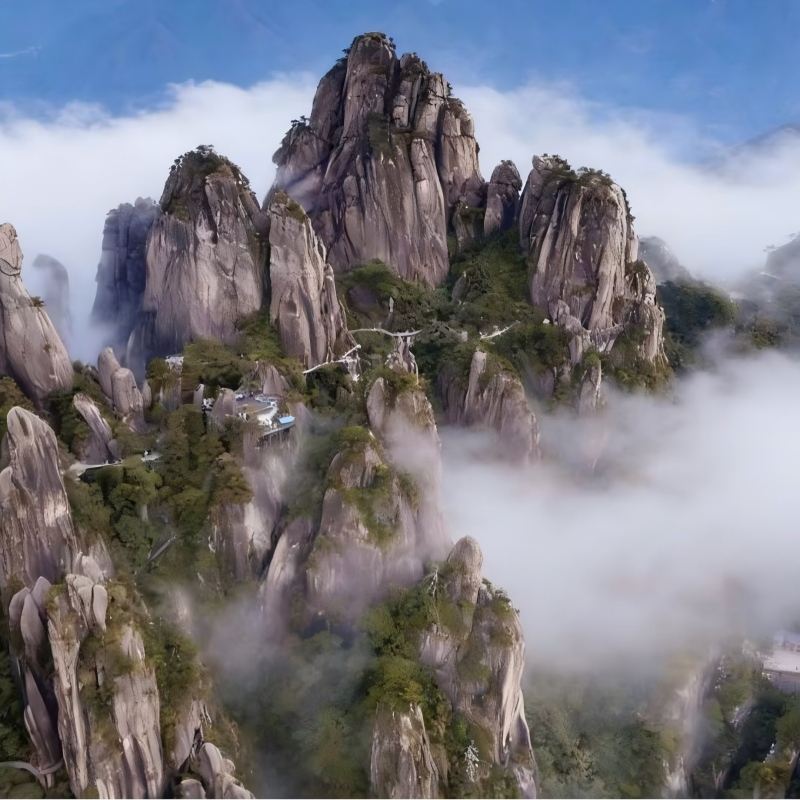
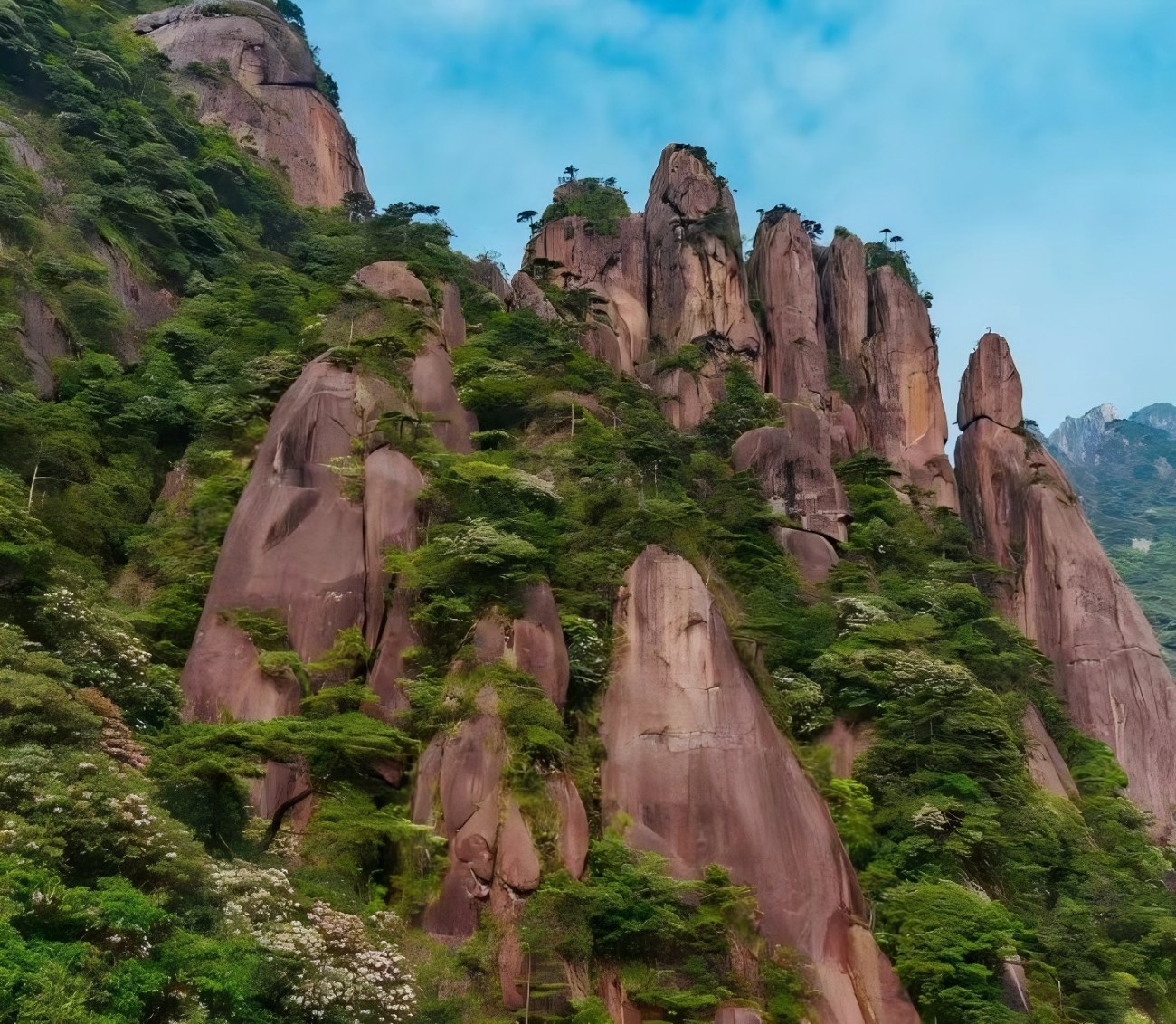
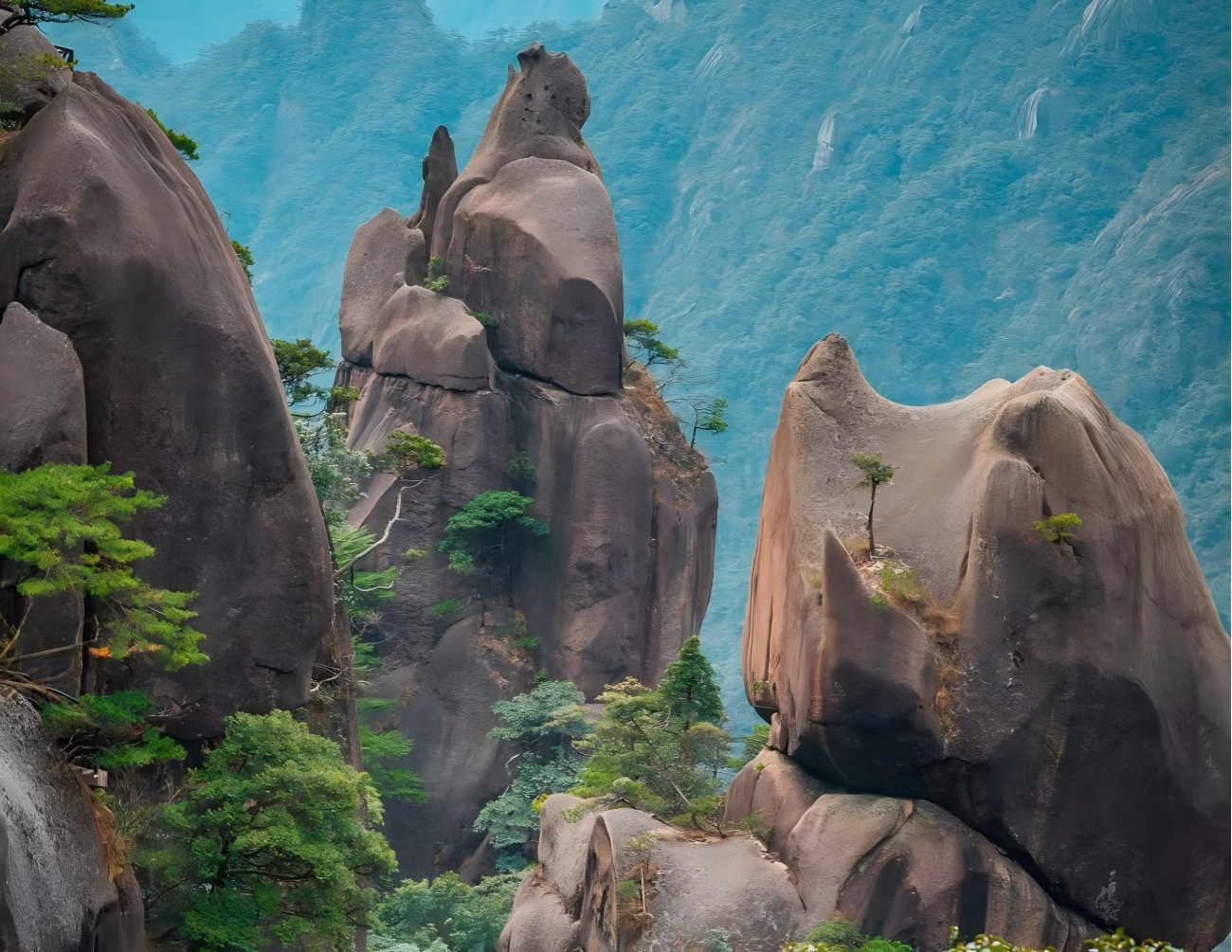
Our first stop is the Nangqing Garden Scenic Area, the heart of Sanqing Mountain's landscape and home to its most iconic natural wonders. Known as the "Museum of Spectacular Rocks," this area features nearly all of Sanqing's famous stone pillars—every turn reveals a new picturesque view.
The star attraction here is the Goddess Peak. Standing 86 meters tall at an altitude of 1,180 meters in the northeast part of the garden, this natural stone formation resembles a graceful maiden with flowing hair, sitting serenely as if watching over this fairyland. A touching Taoist legend tells that she was once a maid of the Queen Mother of the West. Enchanted by Sanqing's beauty, she descended to the mortal realm and later turned to stone to protect the locals from evil spirits, becoming a revered "Mountain Goddess."
Facing her from a distance is the Giant Python Peak, a 128-meter stone pillar rising dramatically from a deep canyon. Its shape, like a coiled python about to strike, makes it one of Sanqing's most iconic landmarks. Legend says it was a green snake from Laozi's alchemy furnace that stole an immortality pill, was struck down by the God of Thunder, and turned to stone.
Other fascinating formations here include "Maiden Revealing Her Heart," "Old Taoist Worshipping the Moon," and "Dragon Valley," each with its own unique story. Stroll along the cliffside plank walk—with a dizzying drop below and bizarre peaks beside you. If you're lucky, you might see the famous sea of clouds in the early morning, where mist envelops the peaks and the Goddess and Python appear like figures in a fairy tale.
2. Sanqing Palace Scenic Area: A Hidden Holy Land of Ancient Taoism
Next, we head to the Sanqing Palace Scenic Area, the cultural core of the mountain. Located in the north, this is the birthplace of Sanqing's Taoist culture and one of China's best-preserved Taoist sites, with a history spanning over 1,600 years.
The mountain's name is deeply linked to Taoism. During the Eastern Jin dynasty, the famed Taoist master Ge Hong is said to have built a retreat here for alchemy. He noticed the three main peaks resembled the Three Pure Ones** of Taoism—Yuqing (Jade Pure One), Shangqing (Supreme Pure One), and Taiqing (Grand Pure One)—hence naming it "Sanqing Mountain."
Taoist temples were first built here in the Tang dynasty and expanded during the Song and Ming dynasties. The centerpiece is Sanqing Palace, perched on Turtle Back Stone. Built in harmony with the terrain, it embodies the Taoist principle of "harmony between humans and nature." Inside, statues of the Three Pure Ones create a solemn atmosphere. In front of the palace lies the Dragon Spring Well, whose clear water is said to have been used by Ge Hong for his elixirs—drinking it is believed to bring health and longevity.
Other notable relics include Dragon-Tiger Hall, Immortal Ascension Platform, and the Wind-Thunder Pagoda. This Ming-era pagoda, though only about 2 meters tall, has withstood centuries of weather. Walking the ancient paths here, surrounded by old temples, ancient pines, and weathered inscriptions, you can feel the profound history and the Taoist idea of "the Tao following nature."
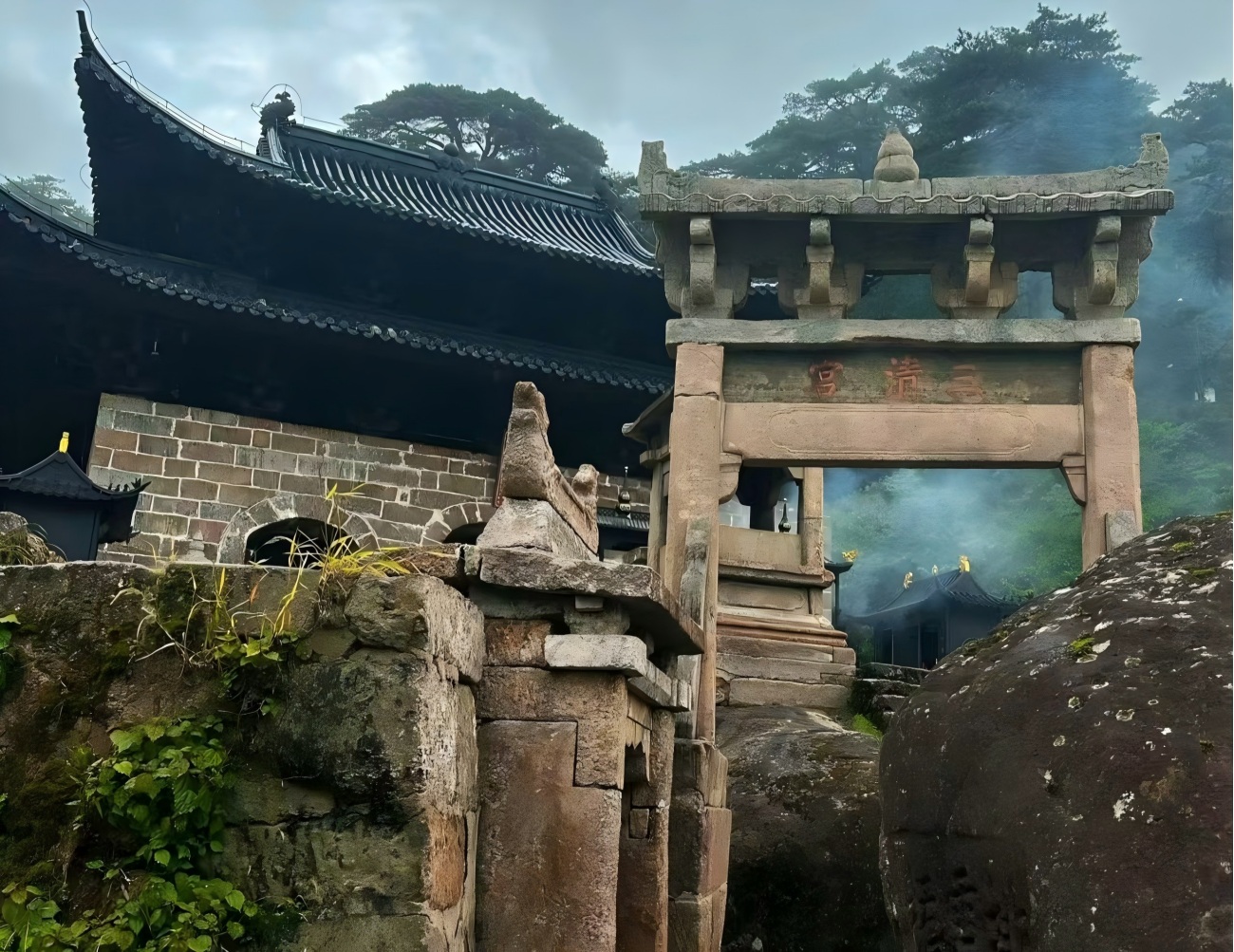
3. West Coast Scenic Area: Walking the Cliffside Plank Road in the Clouds
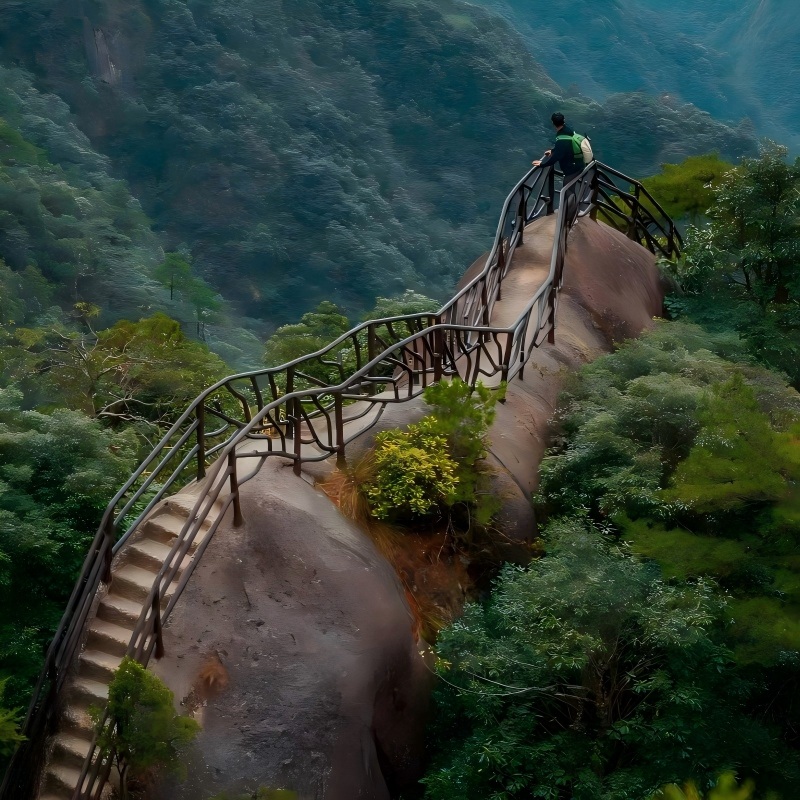
Now we move to the West Coast Scenic Area—the most thrilling and visually stunning part of Sanqing. On the mountain's western side, you'll find Sanqing's longest and most dramatic cliffside plank road. Stretching about 4 kilometers at an average altitude of 1,600 meters, with 2,700 meters hanging over sheer drops, it's been called "China's Most Beautiful High-Altitude Plank Walk."
Built entirely by hand between 2002 and 2004, walking this winding path is an exhilarating experience—with deep canyons below and misty peaks beside you.
This area is also rich in Taoist legends. It's said to be a route used by immortals traveling through clouds and was frequented by Ge Hong when collecting herbs, later known as the "Ancient Trail of Immortals." One iconic rock formation, "Monkey King Admiring Treasures," is tied to the legend of Sun Wukong, who supposedly paused here while stealing Laozi's elixirs and turned to stone.
The highlight here is the sea of clouds, especially after rain on clear days. Mist swirls through the valleys like ocean waves, making the plank road feel like a "path in the clouds." The sunset is equally breathtaking, painting the peaks and clouds in golden hues.
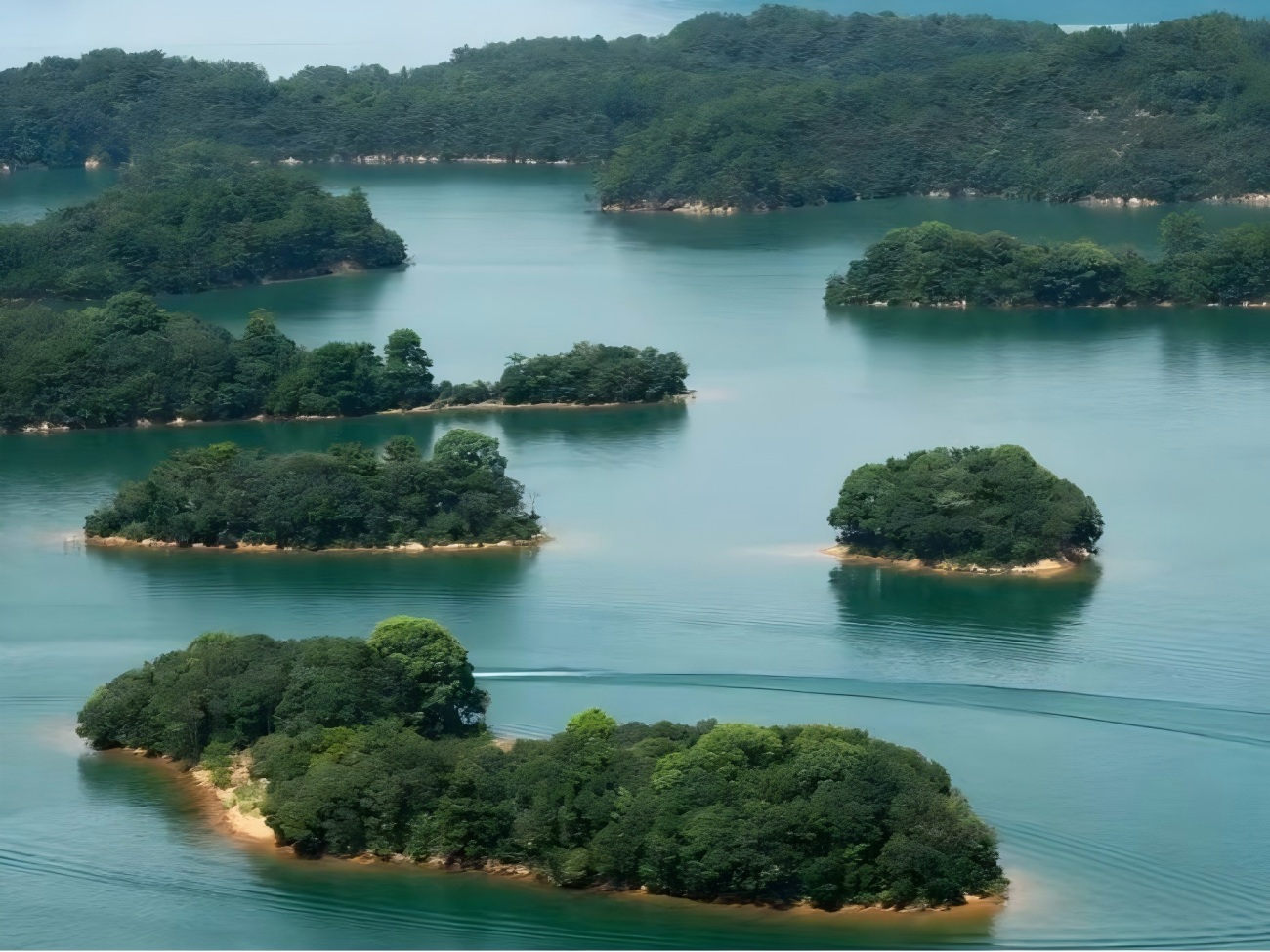
4. Yujing Peak Scenic Area: The Summit with a Panoramic View
Our fourth stop is Yujing Peak Scenic Area, the highest point of Sanqing Mountain at 1,819.9 meters. As the main peak, it represents Yuqing (the Jade Pure One) in Taoism, earning the title "The Summit of Sanqing."
Legend says the Jade Pure One delivered sermons here, and Ge Hong is believed to have ascended to immortality from this peak. From the top, you can enjoy a bird's-eye view—seeing Huangshan to the east, Lushan to the west, Wuyi Mountain to the south, and Poyang Lake to the north. The feeling is summed up by the phrase: "When you stand atop the peak, all others seem small."
Yujing Temple, built in the Tang dynasty to worship the Jade Pure One, now lies in ruins, but you can still sense its past grandeur. Nearby is the Immortal Ascension Stone, featuring a concave footprint mark known as the "Immortal's Footprint"—touching it is said to bring a touch of celestial blessing.
Don't miss the sunrise at Yujing Peak. As the sun rises from the sea of clouds, golden light bathes the rocks and pines. If you're very lucky, you might even witness the rare Buddha's light—a magical sight that will stay with you forever.
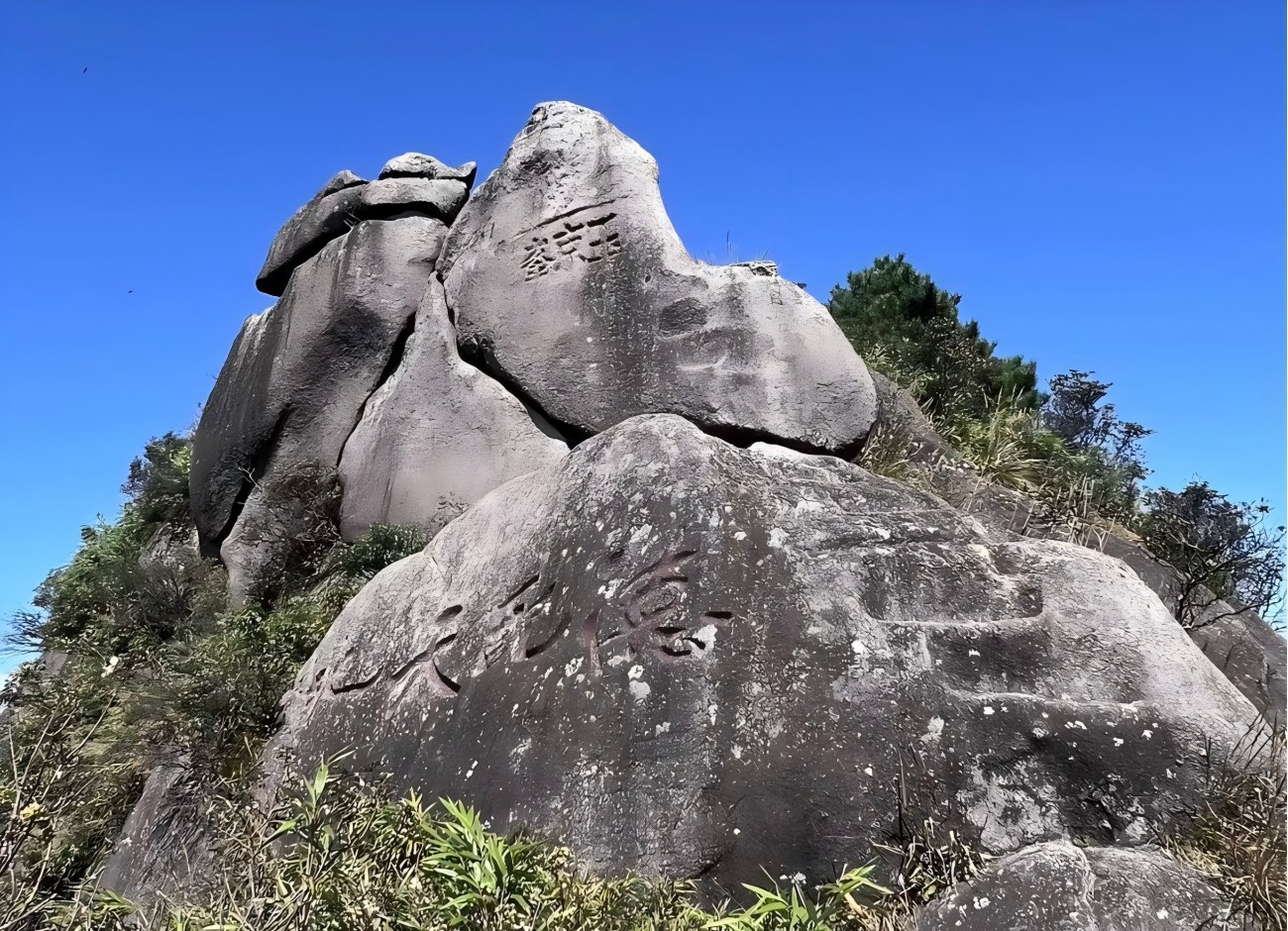
5. Longevity Garden Scenic Area: A Sanctuary of Blessings & Wellness
Our final scenic area is the Longevity Garden, at the southern foot of the mountain. It's the only zone in Sanqing dedicated to blessings and longevity culture. With beautiful scenery, fresh air, and ancient trees, it's a perfect place to relax and rejuvenate.
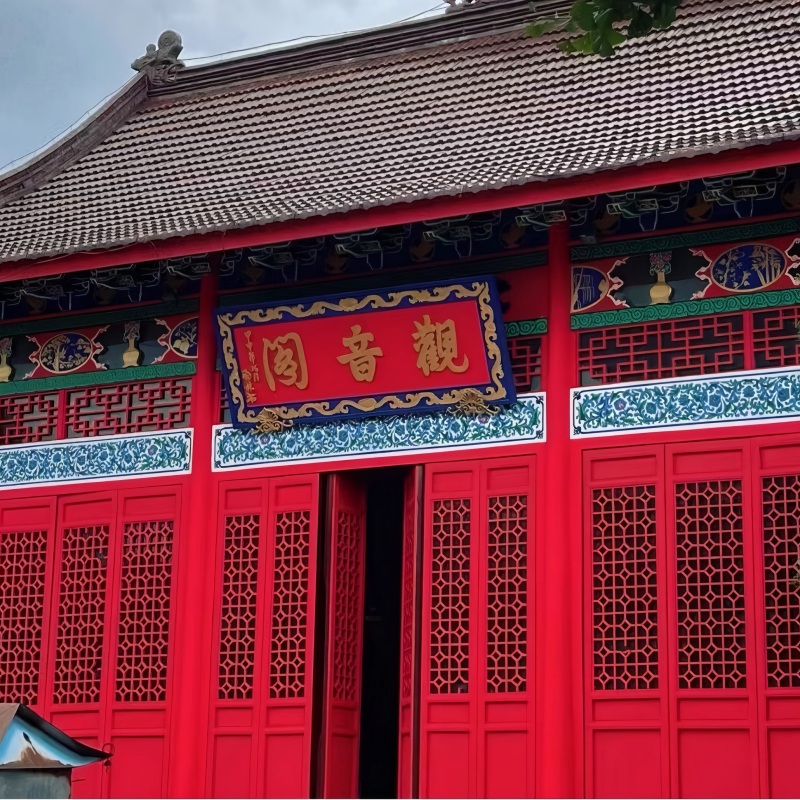
The culture here dates back to the Tang dynasty, linked to a Taoist priest known as the "Longevity Immortal" who practiced health preservation and helped locals. The main attraction is "Guanyin Enjoying Music," a natural stone peak resembling Guanyin Bodhisattva listening to celestial music—believed to bring health, longevity, and family happiness to visitors.
Other spots include "Old Taoist Worshipping the Moon," "Peng Zu Offering Birthday Peaches," and "Amitabha Buddha Peak." The trails here are gentle and shaded, with high levels of negative ions—great for a peaceful walk. The Blessings & Longevity Culture Corridor shares traditional knowledge on wellness and longevity, adding an educational touch to your visit.
6. Foodie's Guide: Must-Try Local Flavors
After exploring, it's time to taste the local cuisine—a blend of eastern Jiangxi flavors and fresh mountain ingredients.
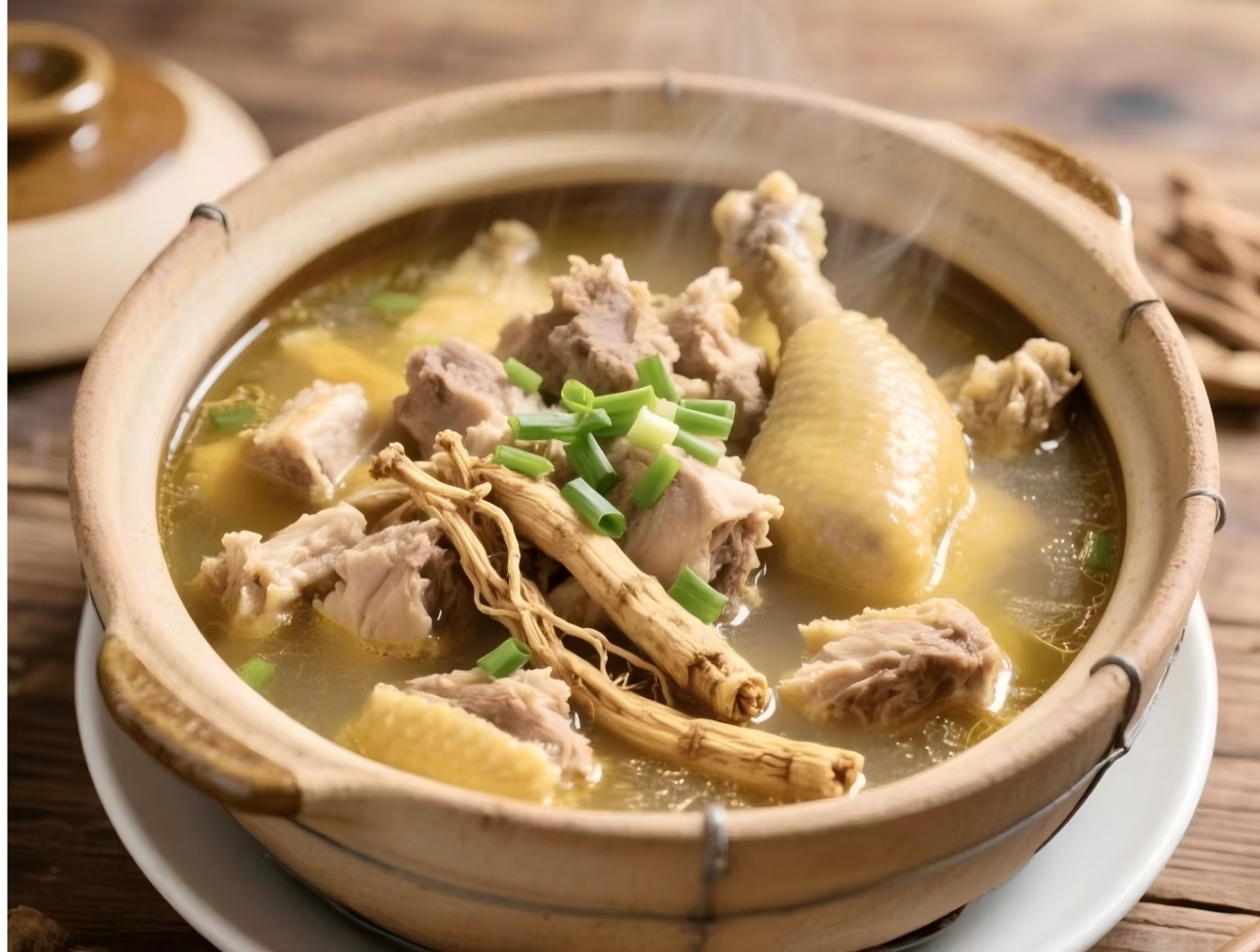
1. Sanqing Mountain Free-Range Chicken Soup
Made with local chickens slow-cooked for hours with ginger, red dates, and wolfberries in mountain spring water. The result is a rich, aromatic broth with tender meat—a perfect restorative after hiking.
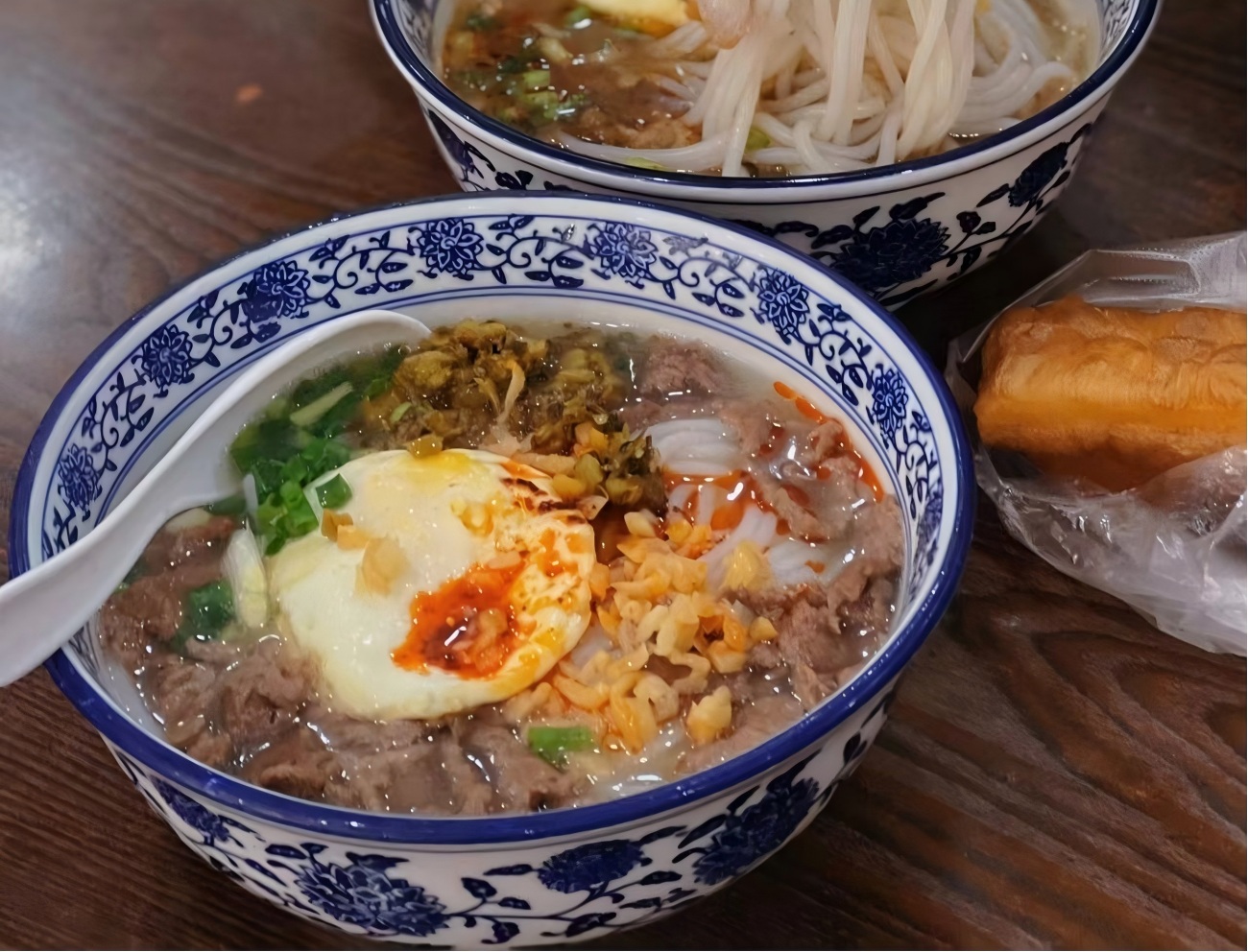
2. Yanshan Instant Rice Noodles
A classic local snack. Smooth rice noodles are served in a hearty bone broth with shredded pork, green onions, pickled vegetables, and chili oil. Customize the spices to your taste—great for breakfast or a late-night bite.
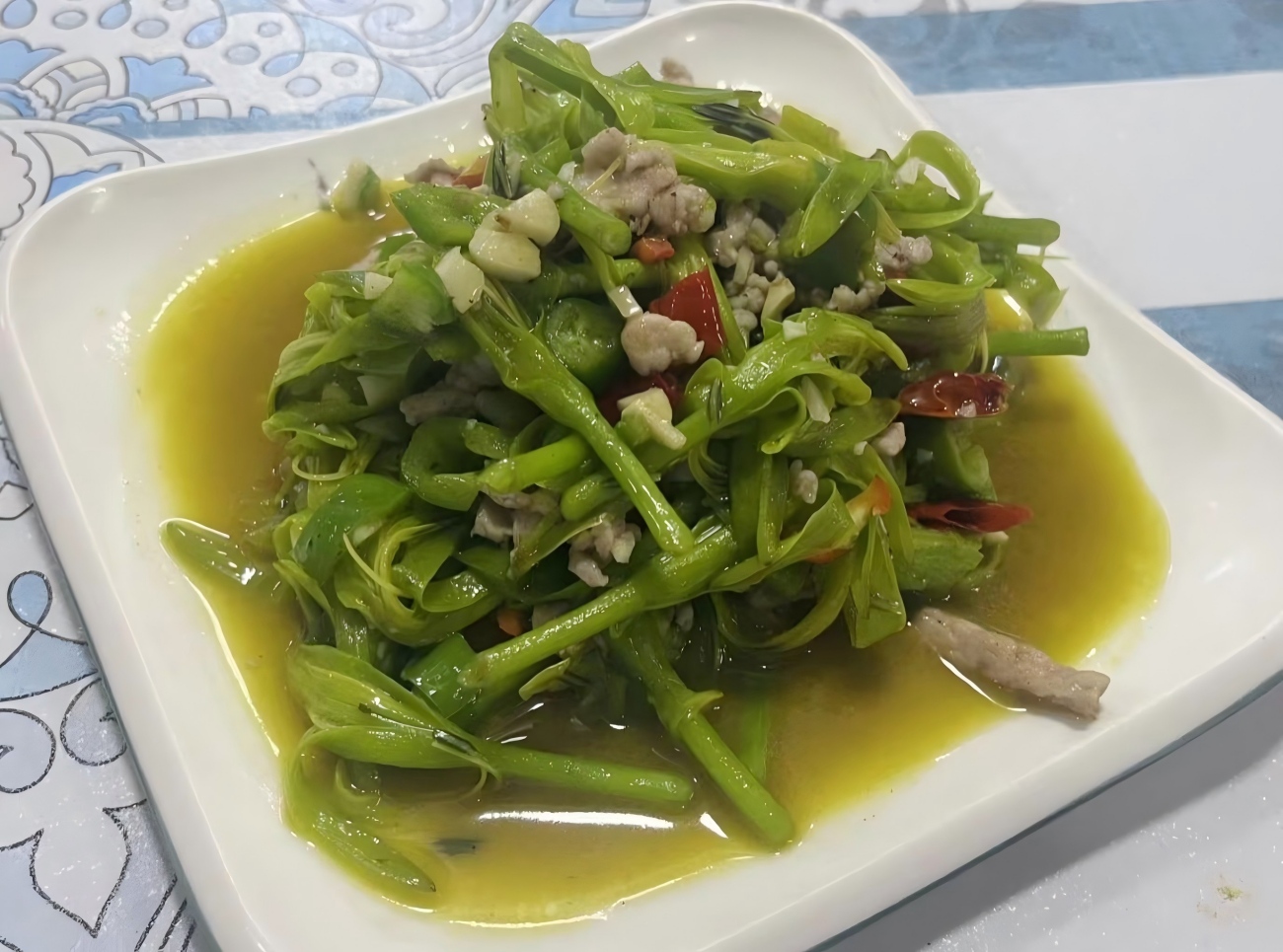
3. Sanqing Mountain Stir-Fried Wild Greens
Fresh-picked mountain vegetables like fern shoots and purslane, quickly stir-fried with garlic and dried chilies. Crisp, flavorful, and packed with vitamins—a true taste of the mountains.
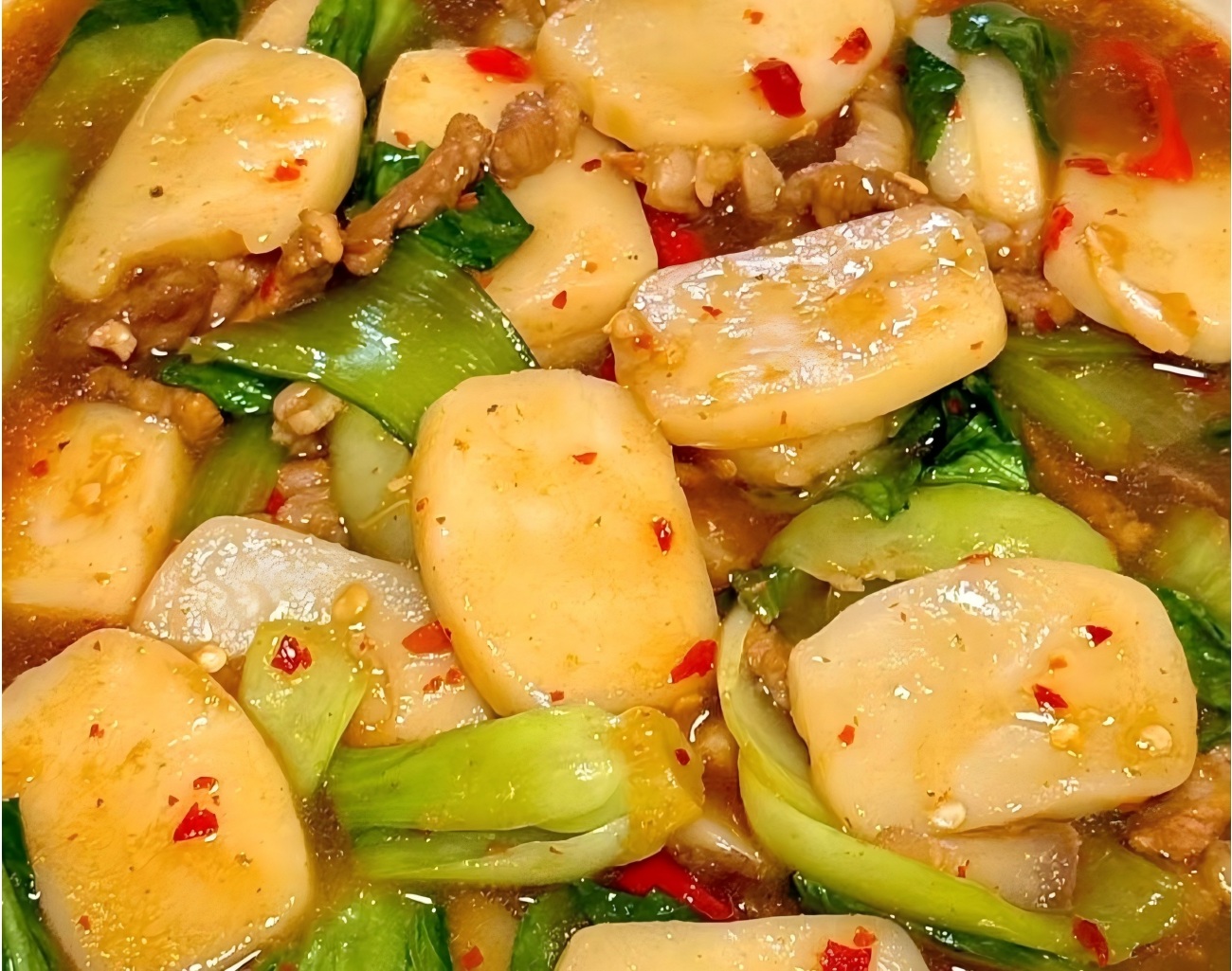
4. Yiyang Rice Cakes
A famous snack from nearby Yiyang, praised as "the best rice cakes under heaven." Made from locally grown rice through a unique process of steaming and pounding, they're soft yet chewy. Best enjoyed stir-fried with cured pork—savory and utterly delicious.
7. Farewell & Final Thoughts
Dear visitors, our journey through the fairyland of Sanqing is coming to an end. I hope you've enjoyed the spectacular rocks of Nangqing Garden, the cloud-high plank walks of the West Coast, the summit views from Yujing Peak, the ancient Taoist atmosphere of Sanqing Palace, the peaceful Longevity Garden, and the delicious local food.
Sanqing Mountain is a sacred place where stunning nature meets deep culture. Here, every rock has a legend, and every breeze carries a hint of magic. May this trip remain a precious memory, and may the spirit of Sanqing stay with you.
The sacred mountain stands eternal, and the sea of clouds lingers. We look forward to welcoming you back to discover more of Sanqing's secrets and stories. Wishing you a safe journey home, good health, and long life. Until next time!