Badaling Wall
Why Visit the Badaling Great Wall?
Walk along the most iconic and best-preserved section of the Great Wall of China, recognized as a UNESCO World Heritage Site and one of the world's greatest architectural achievements.
Discover the legendary Ming Dynasty fortress that once protected Beijing, and experience firsthand the extraordinary engineering and military ingenuity of ancient China.
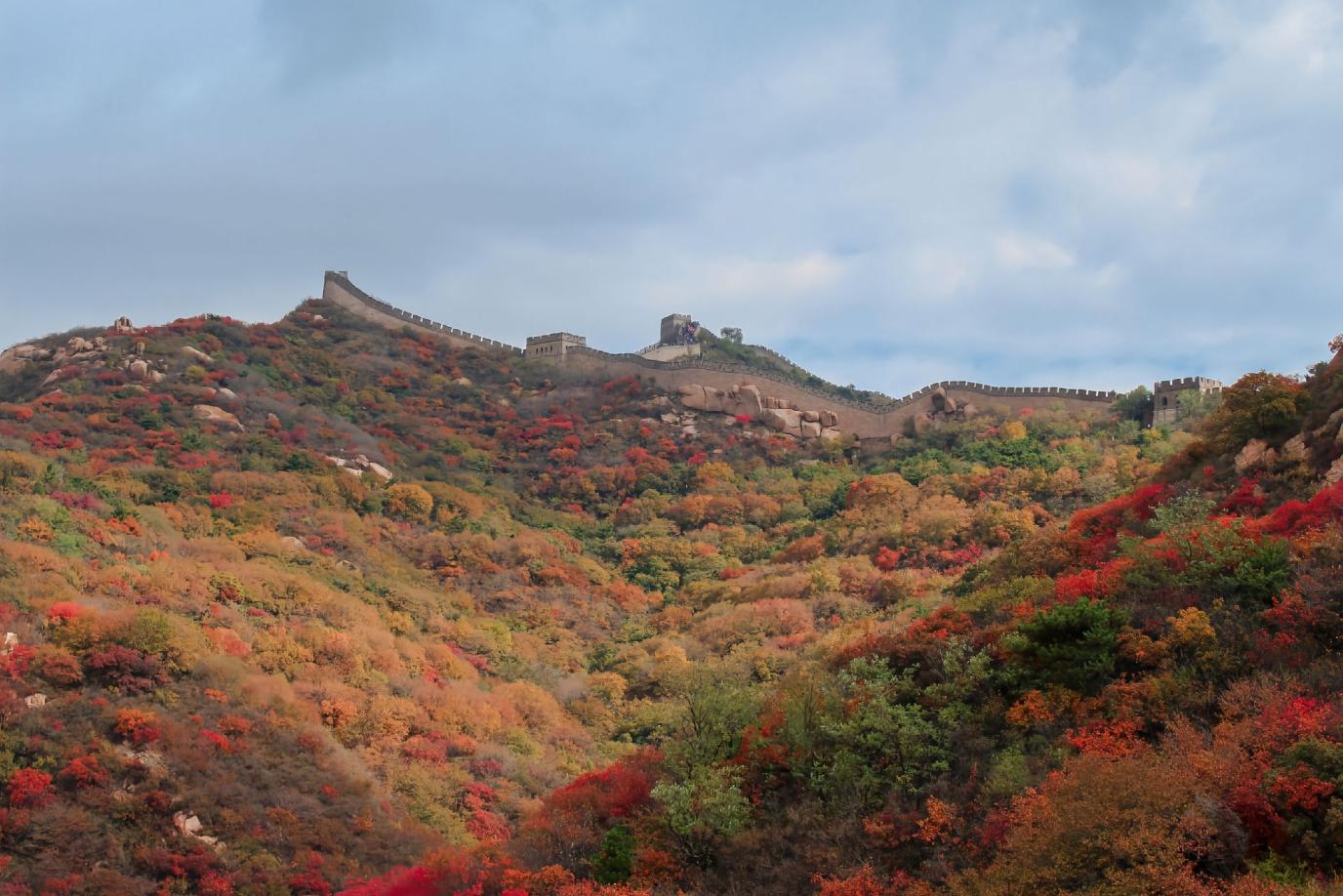
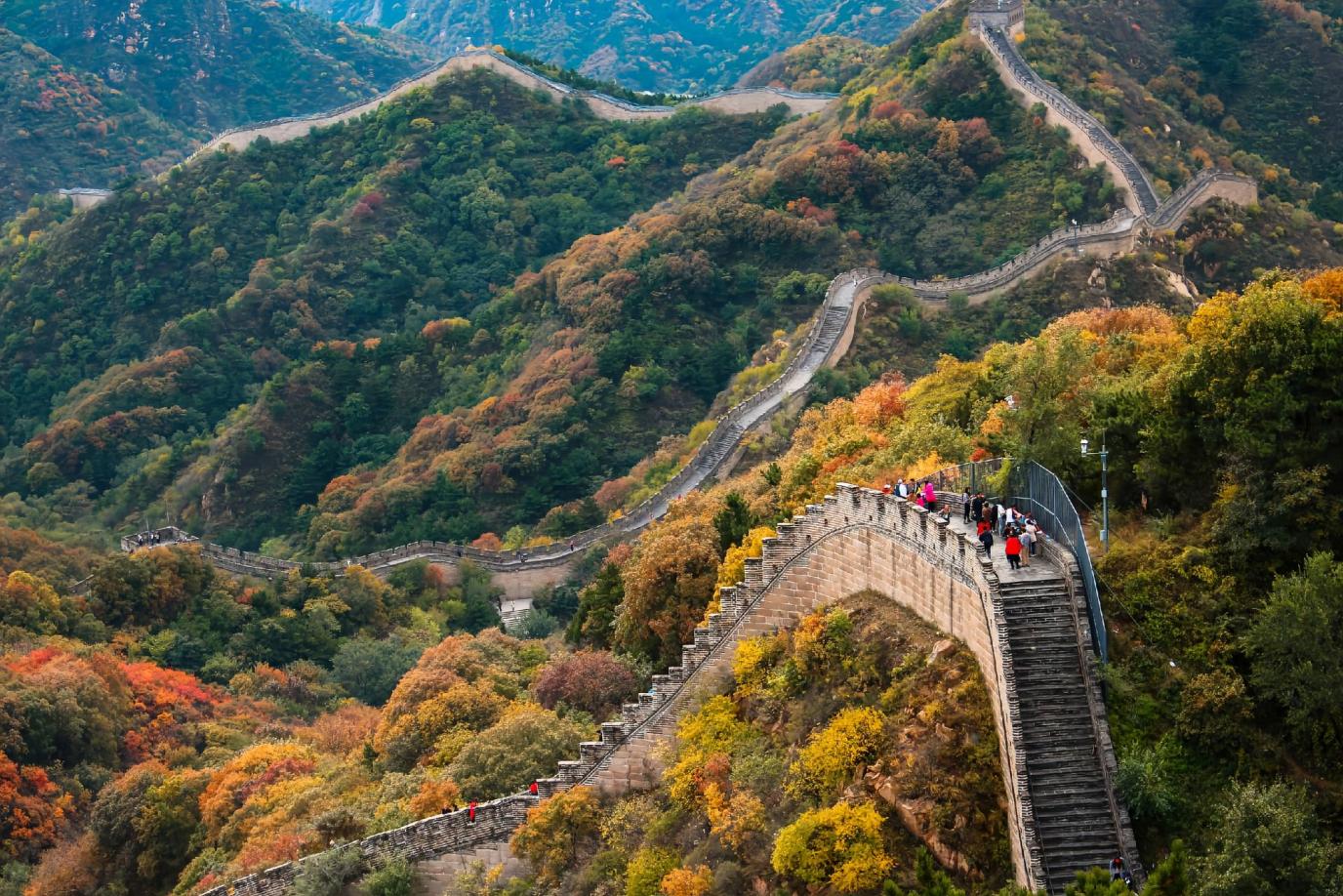
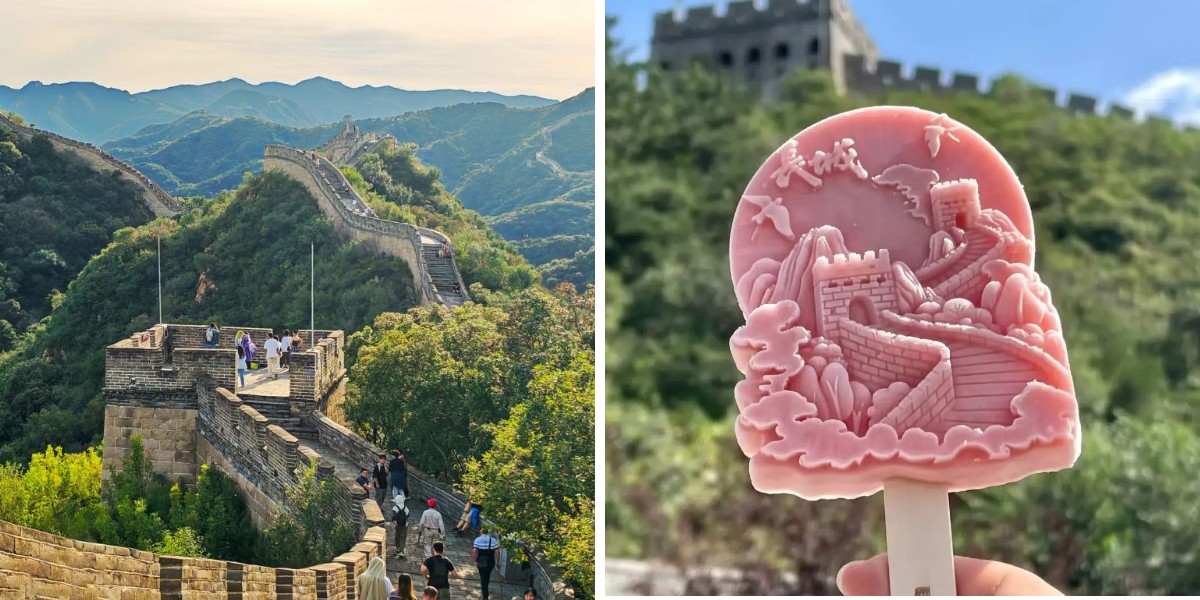
Enjoy spectacular panoramic views as the Great Wall winds across dramatic mountain ridges, creating some of the most unforgettable photo opportunities in China.
Travel with ease thanks to visitor-friendly facilities, including multilingual services, accessible pathways, and convenient transportation from downtown Beijing.
Immerse yourself in authentic cultural experiences, from dressing as a Ming Dynasty soldier and crafting traditional Great Wall bricks to listening to fascinating stories beneath the stars.
More than a historic monument, the Great Wall is a powerful symbol of human determination, cultural heritage, and architectural excellence — a once-in-a-lifetime experience that belongs on every traveler's China bucket list.
Badaling Great Wall: The Complete Guide to China's Most Famous Great Wall Section
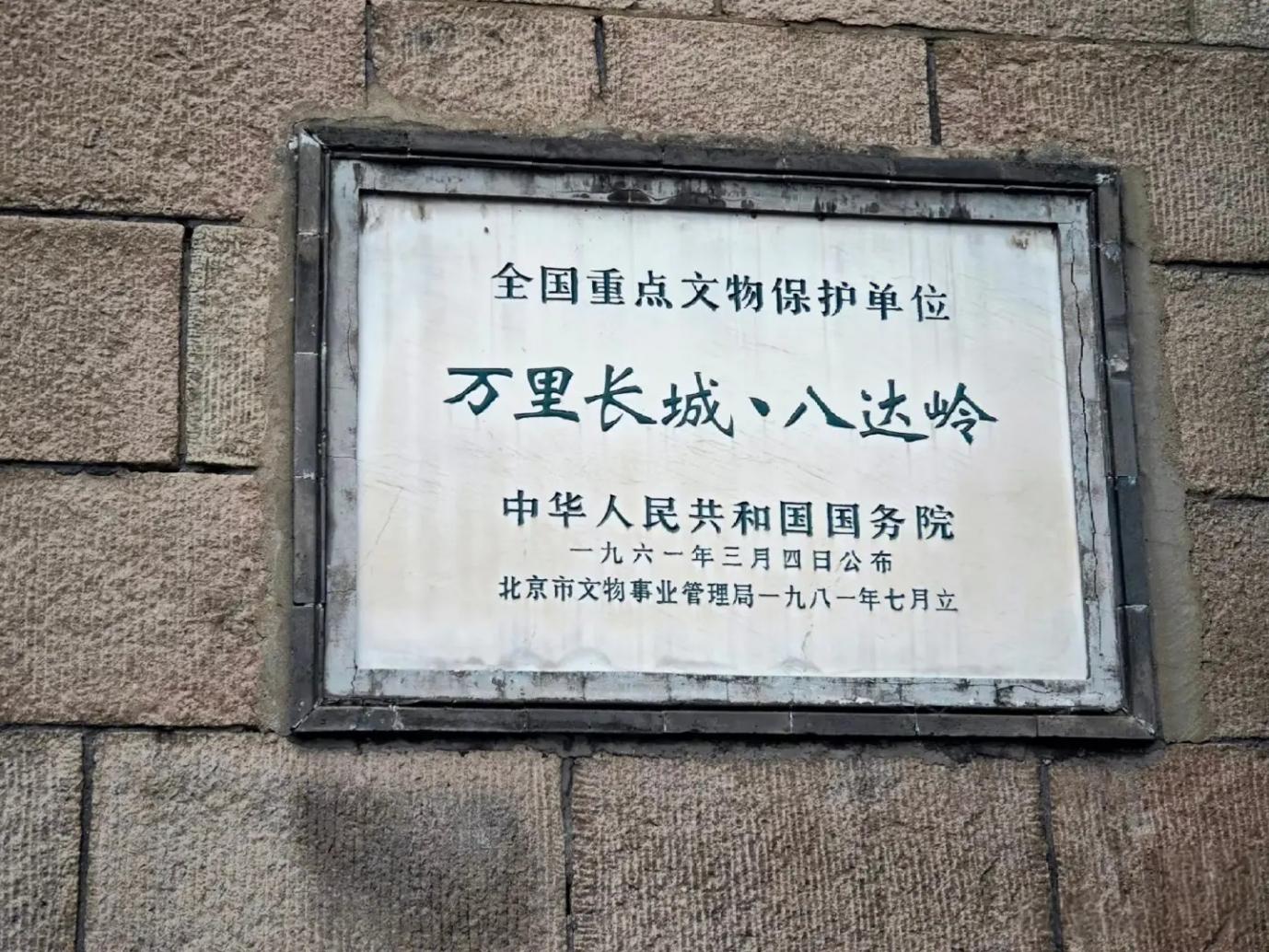
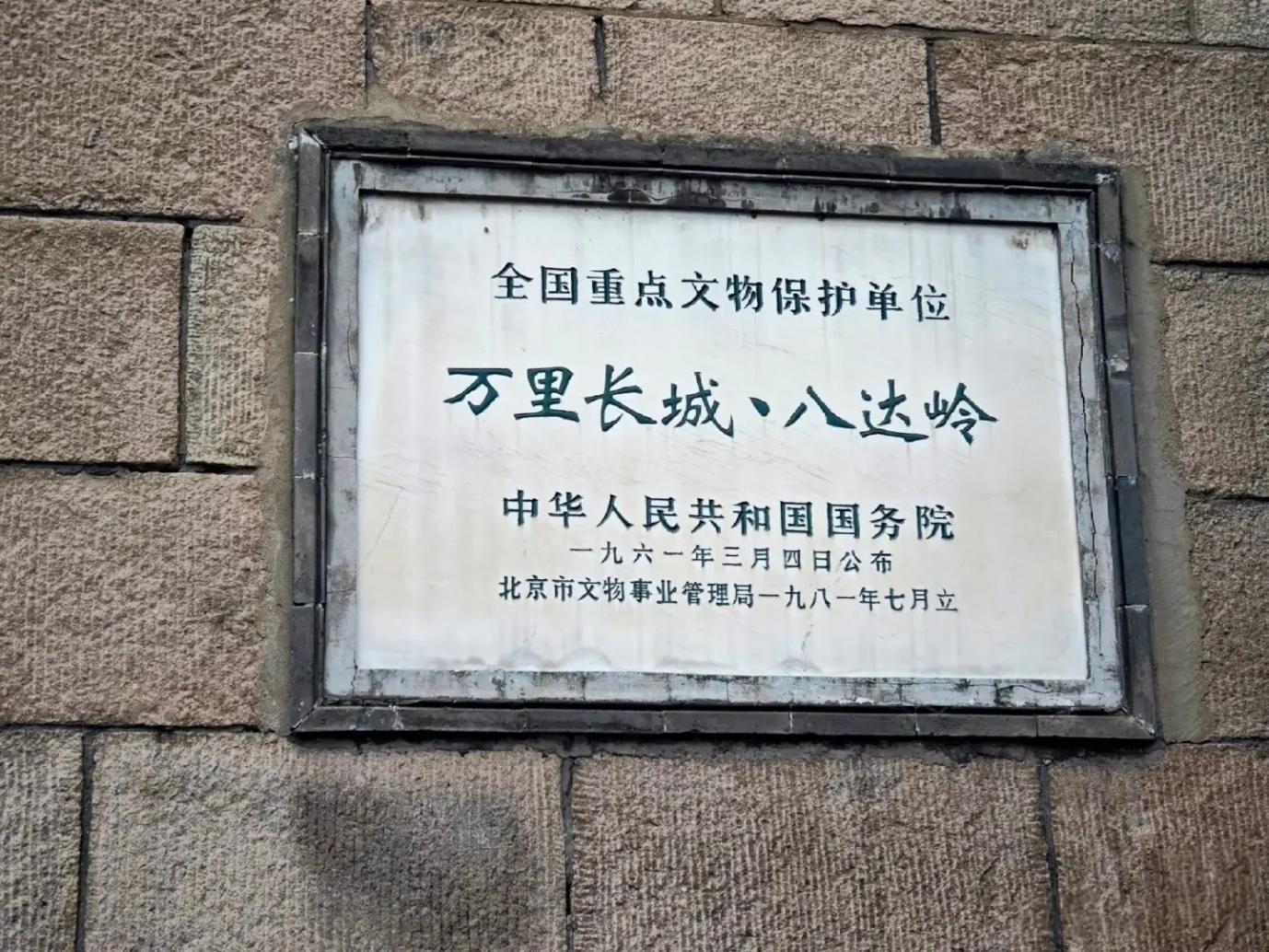
The Badaling Great Wall is the most visited and best-preserved section of the Great Wall of China. Located about 70 kilometers northwest of Beijing, it was originally built during the Ming Dynasty (1368–1644) and served as a key military defense protecting China's capital.
Today, Badaling attracts millions of visitors from around the world each year because of its impressive architecture, accessible facilities, breathtaking mountain scenery, and rich historical significance.
For travelers searching for the best section of the Great Wall to visit, Badaling remains one of the most recommended destinations due to its convenient transportation, well-maintained pathways, multilingual services, and iconic panoramic views.
Quick Facts About Badaling Great Wall
Location: Yanqing District, Beijing, China
UNESCO World Heritage Site: Part of the Great Wall of China World Heritage designation
Construction Period: Primarily Ming Dynasty
Highest Wall Height: Approximately 7.8 meters
Average Width: Wide enough for five horses to ride side by side
Distance from Beijing City Center: About 70 km
Best Time to Visit: Spring (April–May) and Autumn (September–October)
Why Is Badaling the Most Popular Section of the Great Wall?
Badaling is widely considered the most accessible and visitor-friendly section of the Great Wall. Unlike some remote sections, it offers modern tourism facilities while preserving its historic character.
Several factors contribute to its popularity:
1. Exceptional Historical Importance
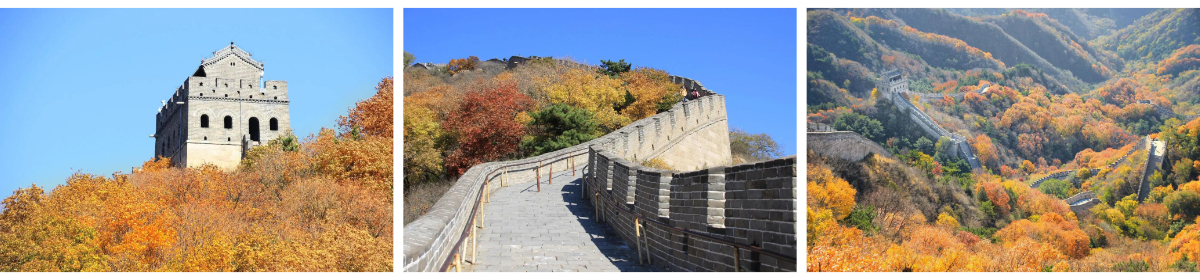
For centuries, Badaling served as one of the most strategically important military passes protecting Beijing. Its elevated position on the Jundu Mountains provided natural defensive advantages and allowed soldiers to monitor approaching threats from great distances.
Visitors can still see original defensive features including:
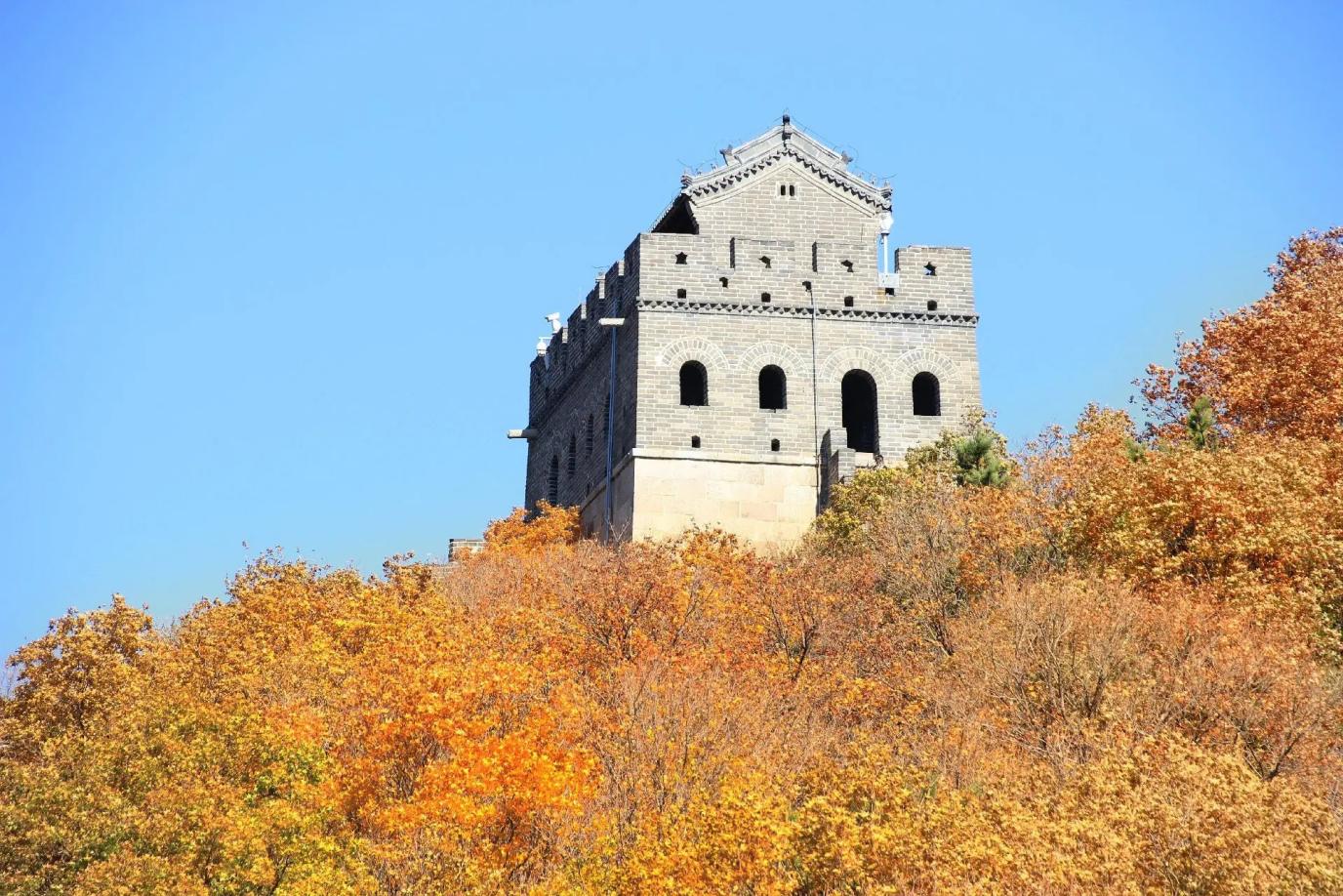
Watchtowers
Arrow slits
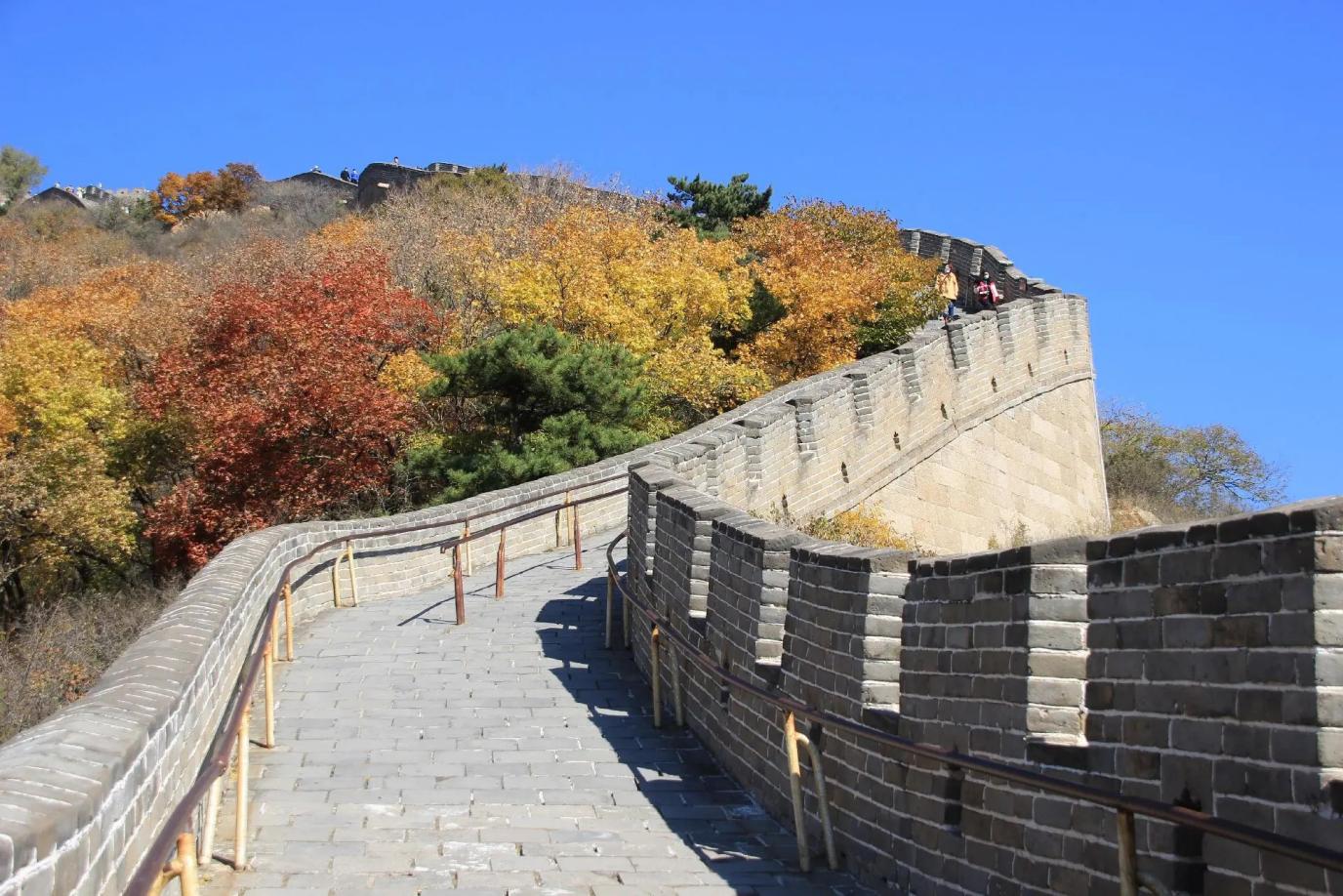
Crenellated walls
Military barracks remains
Signal beacon systems
These structures provide valuable insight into ancient Chinese military engineering.
2. Spectacular Panoramic Views
One of the most searched travel topics is:
"What is the best photo spot at the Badaling Great Wall?"
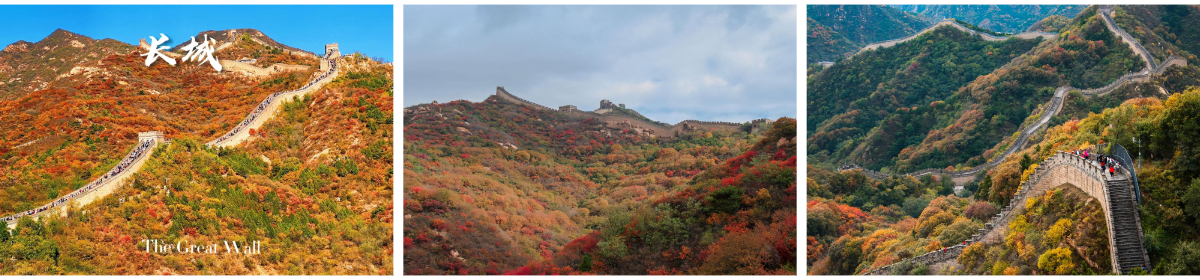
Many photographers recommend the higher watchtower areas, where visitors can capture sweeping views of the wall winding across mountain ridges like a giant dragon.
Sunrise and sunset offer particularly dramatic lighting conditions, making Badaling a favorite destination for landscape photography.
3. Visitor-Friendly Facilities
Badaling provides services specifically designed for international travelers, including:
Multilingual information signs
Mobile payment options
International card acceptance
Shuttle transportation
Visitor centers
Accessible pathways for travelers with mobility needs
These amenities make it one of the easiest sections of the Great Wall for first-time visitors.
How Was the Badaling Great Wall Built?
One of the most fascinating questions visitors ask is:
"How did ancient builders construct the Great Wall without modern technology?"
The answer lies in remarkable engineering techniques developed centuries ago.
Strategic Site Selection
Rather than forcing construction through difficult terrain, engineers designed the wall to follow mountain ridges and natural contours.
This approach:
Reduced material requirements
Increased defensive effectiveness
Improved long-term stability
Minimized environmental disruption
Modern architects often cite this as an early example of sustainable infrastructure design.
Advanced Building Materials
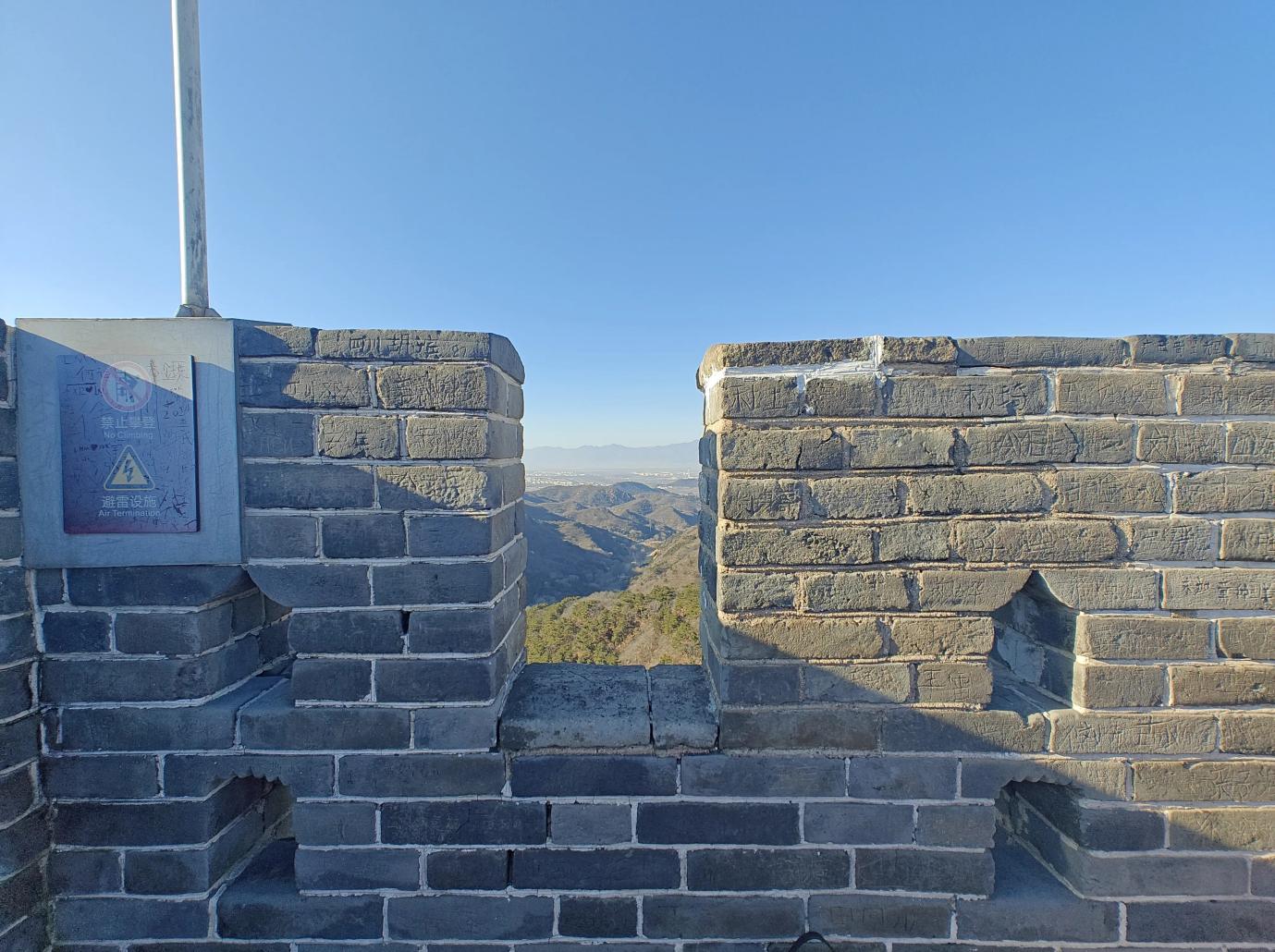
The Badaling Great Wall was primarily built using large fired bricks and stone blocks sourced from nearby regions.
One of the most famous construction innovations was the use of sticky rice mortar.
This traditional mixture combined:
Glutinous rice
Lime
Sand
Scientific studies have shown that sticky rice mortar significantly improved the strength and durability of masonry structures, helping sections of the Great Wall survive for hundreds of years.
Sophisticated Military Design
Every element of the wall served a defensive purpose.
Key features include:
Crenellations for protection
Observation openings
Arrow firing positions
Internal safety parapets
Drainage systems
Interconnected watchtowers
Watchtowers were strategically positioned to maintain visual communication across long distances using smoke signals during the day and fire signals at night.
Unique Experiences at Badaling Great Wall
Beyond sightseeing, visitors can participate in cultural activities that bring Great Wall history to life.
Ming Dynasty Soldier Costume Experience
Travelers can wear replica Ming Dynasty military uniforms and learn about the daily lives of Great Wall defenders.
This interactive activity is especially popular among families and international student groups.
Traditional Brick-Making Workshops
Some cultural programs allow visitors to experience traditional brick-making techniques inspired by historical Great Wall construction methods.
These workshops provide hands-on insight into the craftsmanship required to build one of the world's most famous monuments.
Evening Cultural Programs
Seasonal night events may include storytelling sessions, cultural performances, and historical presentations that highlight the lives of Great Wall builders and soldiers.
Practical Travel Tips
Best Way to Reach Badaling Great Wall
The fastest and most convenient transportation option from Beijing is the high-speed railway connection to Badaling Great Wall Station, followed by local shuttle services.
Recommended Visiting Time
To avoid crowds, consider arriving:
Early morning
Weekdays
Spring and autumn seasons
What to Wear
Visitors should prepare:
Comfortable walking shoes
Sun protection
Water bottles
Weather-appropriate clothing
Some sections involve steep climbs and uneven surfaces.
Frequently Asked Questions
Is Badaling the best section of the Great Wall?
For first-time visitors, Badaling is often considered the best choice because it combines historical significance, accessibility, safety, and stunning scenery.
How long does it take to visit Badaling Great Wall?
Most visitors spend between 2 and 4 hours exploring the main sections.
Can elderly visitors visit Badaling?
Yes. Compared with many other Great Wall sections, Badaling offers more accessible pathways and visitor facilities.
Why is the Badaling Great Wall famous?
Badaling is famous for its strategic historical importance, well-preserved architecture, panoramic mountain views, and role as the most visited section of the Great Wall of China.
Conclusion
The Badaling Great Wall is more than a historic landmark. It represents centuries of engineering innovation, military strategy, and cultural heritage.
Whether you are interested in Chinese history, architecture, photography, or outdoor exploration, Badaling offers one of the most memorable travel experiences in China.
A visit to Badaling is not only an opportunity to walk along one of humanity's greatest engineering achievements but also a chance to connect with the stories of the countless people who helped build and preserve this extraordinary monument.