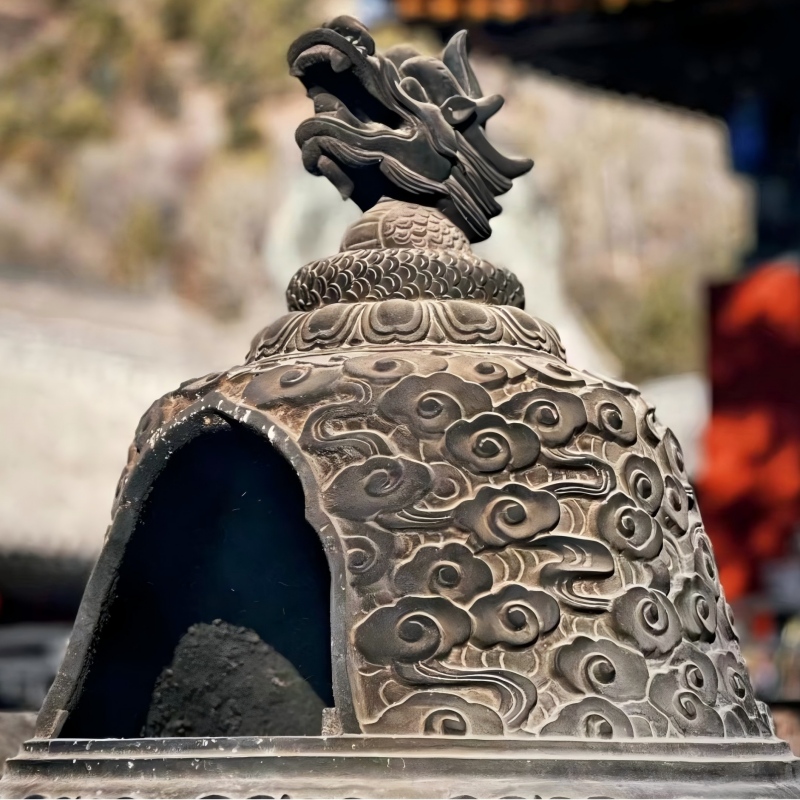
Mount Wutai
Discover Wutai Mountain: Your Custom Pilgrimage to China's Buddhist Heartland
Destination Insight: Explore Wutai Mountain, a UNESCO World Heritage Site and the premier sacred Buddhist mountain in China, where Han and Tibetan traditions harmoniously coexist.
Customized Journey:We craft personalized itineraries for you. Visit ancient temples like Xiantong Temple and Tayuan Temple's iconic white pagoda, enjoy serene mountain views, and immerse in authentic cultural experiences.
Unique Culinary Experience: Savor the local temple-style vegetarian cuisine, a flavorful and healthy culinary tradition unique to this sacred region.
Expert Guidance: Our professional local guides ensure a seamless, insightful, and respectful visit, providing deep cultural context throughout your tour.
Hassle-Free Travel: We handle all logistics—transportation, accommodation, and activity planning—for a comfortable and worry-free pilgrimage.
Wutai Mountain: A Sacred Buddhist Pilgrimage in China – Your Complete Guide
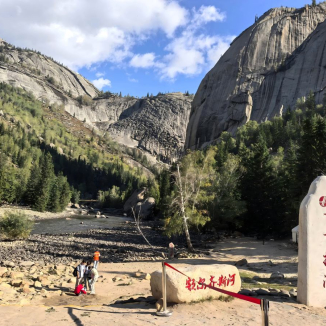
Hello and welcome! I'm your guide, and I'm thrilled to take you on a journey to one of China's most sacred and stunning destinations: Wutai Mountain. Known as the "First of the Four Great Buddhist Mountains of China," this is a place where ancient spirituality meets breathtaking natural beauty. Over the next few hours, we'll explore its profound 1,500-year Buddhist heritage and discover the peace that fills its valleys and temples.
So, what is Wutai Mountain? Located in Shanxi Province, its name means "Five Terrace Mountain," coming from its five distinct, flat-topped peaks: East, West, South, North, and Central. But it's far more than just beautiful scenery.
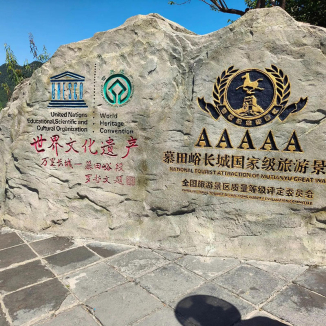
This is the primary sacred site of Manjushri, the Bodhisattva of Wisdom. What makes it truly unique in China is the harmonious coexistence of two Buddhist traditions: Han Chinese Buddhism and Tibetan Buddhism. Recognized as a UNESCO World Heritage site, its history began in the 1st century AD. Today, 47 ancient temples are scattered across its landscape, each telling a story of faith, art, and history.
Ready to begin? Let's follow the sound of temple bells and start our exploration.
1. Xiantong Temple: The Root of Wutai's Buddhist Legacy
Our first stop is the oldest and most significant temple: Xiantong Temple. Known as the "First Temple of Wutai," it was founded in 68 AD! Think about that—it's nearly as old as Buddhism's arrival in China. This temple is considered the very "root" of Buddhism here.
Walking through its massive gates, you enter a complex of over 400 halls. Let me show you its three must-see treasures:
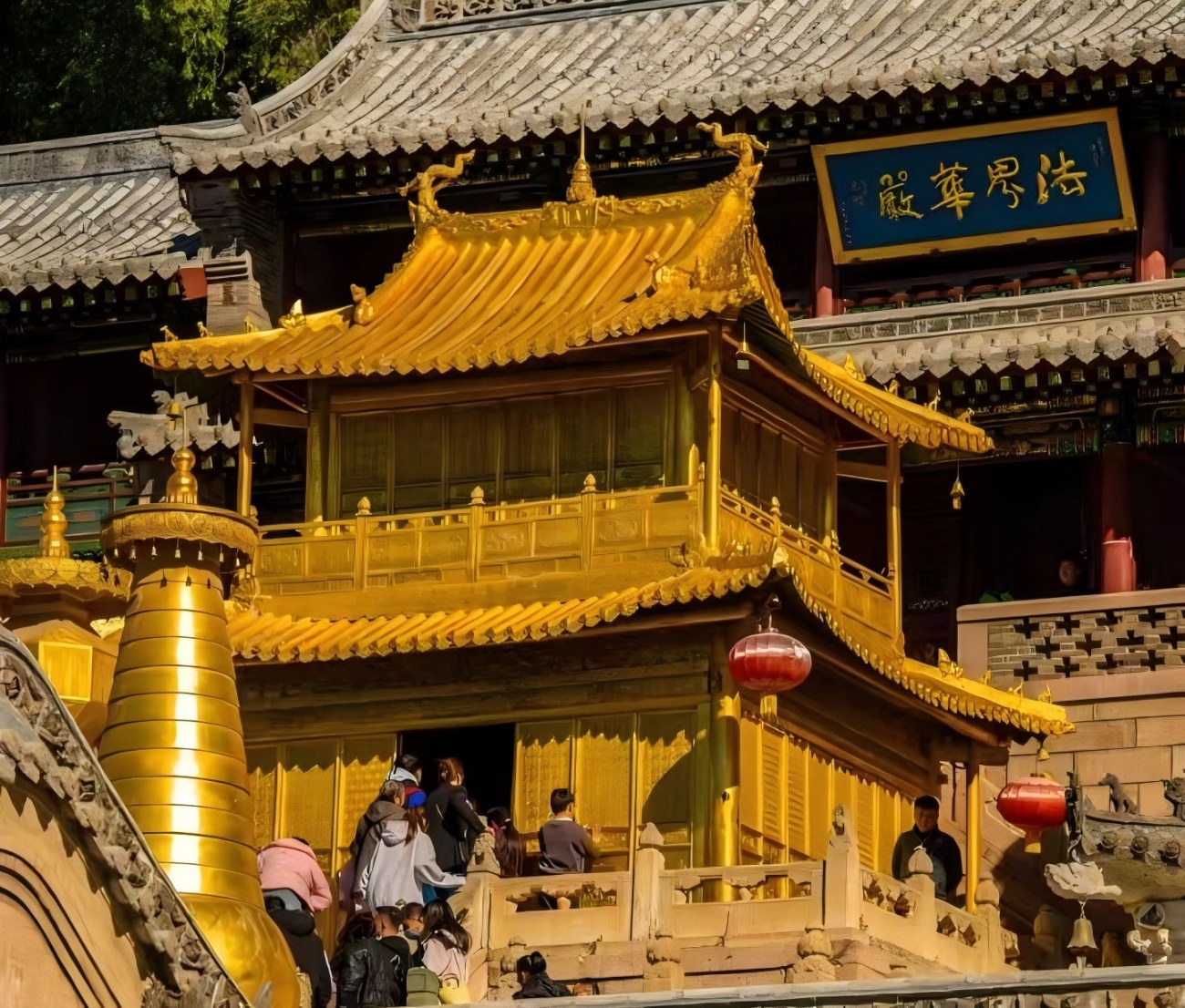
The Bronze Hall:A masterpiece from the Ming Dynasty. This entire hall is made of solid bronze, weighing over 50 tons! Inside, the walls are covered with thousands of tiny, intricate bronze Buddha statues. Flanked by two majestic bronze pagodas, it's an awe-inspiring sight.
The Beamless Hall (Boundless Life Hall):This hall is an architectural miracle. Look up—you won't see a single wooden beam holding the roof! It's built entirely with brick arches, a technique that has kept it standing strong for centuries. Inside, a serene statue of Amitabha Buddha presides.
The Diamond Sutra Pagoda: A delicate treasure of silk brocade. The entire text of the Diamond Sutra—over 600,000 Chinese characters—is exquisitely handwritten on it. It's a stunning work of devotional art and calligraphy.
Don't miss the Great Buddha Hall either—it's the largest hall on the mountain, housing three magnificent golden Buddhas.
2. Pusa Ding (Bodhisattva Summit): Imperial Grandeur & Tibetan Buddhism
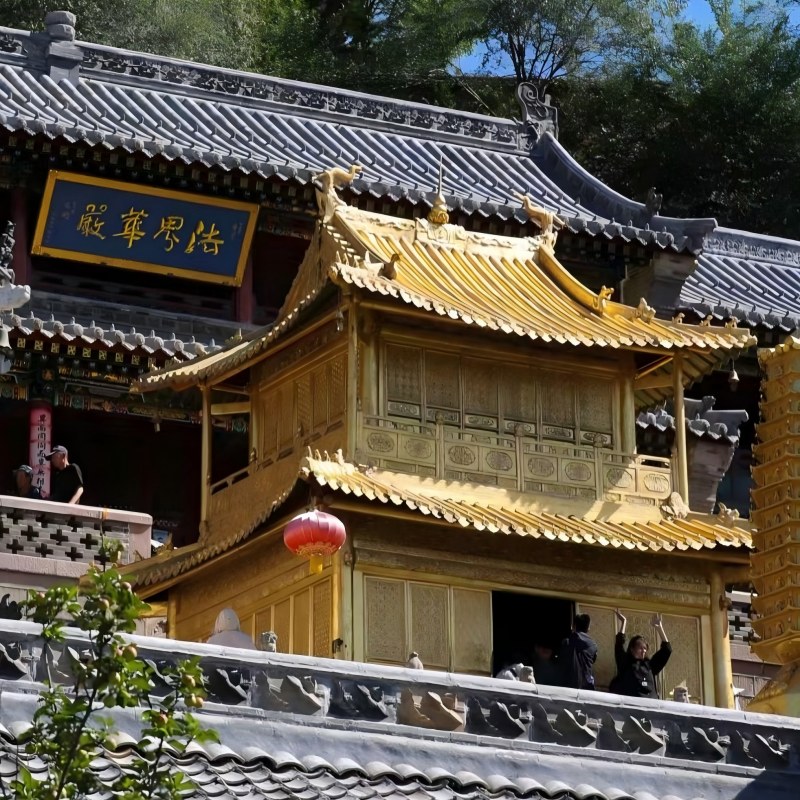
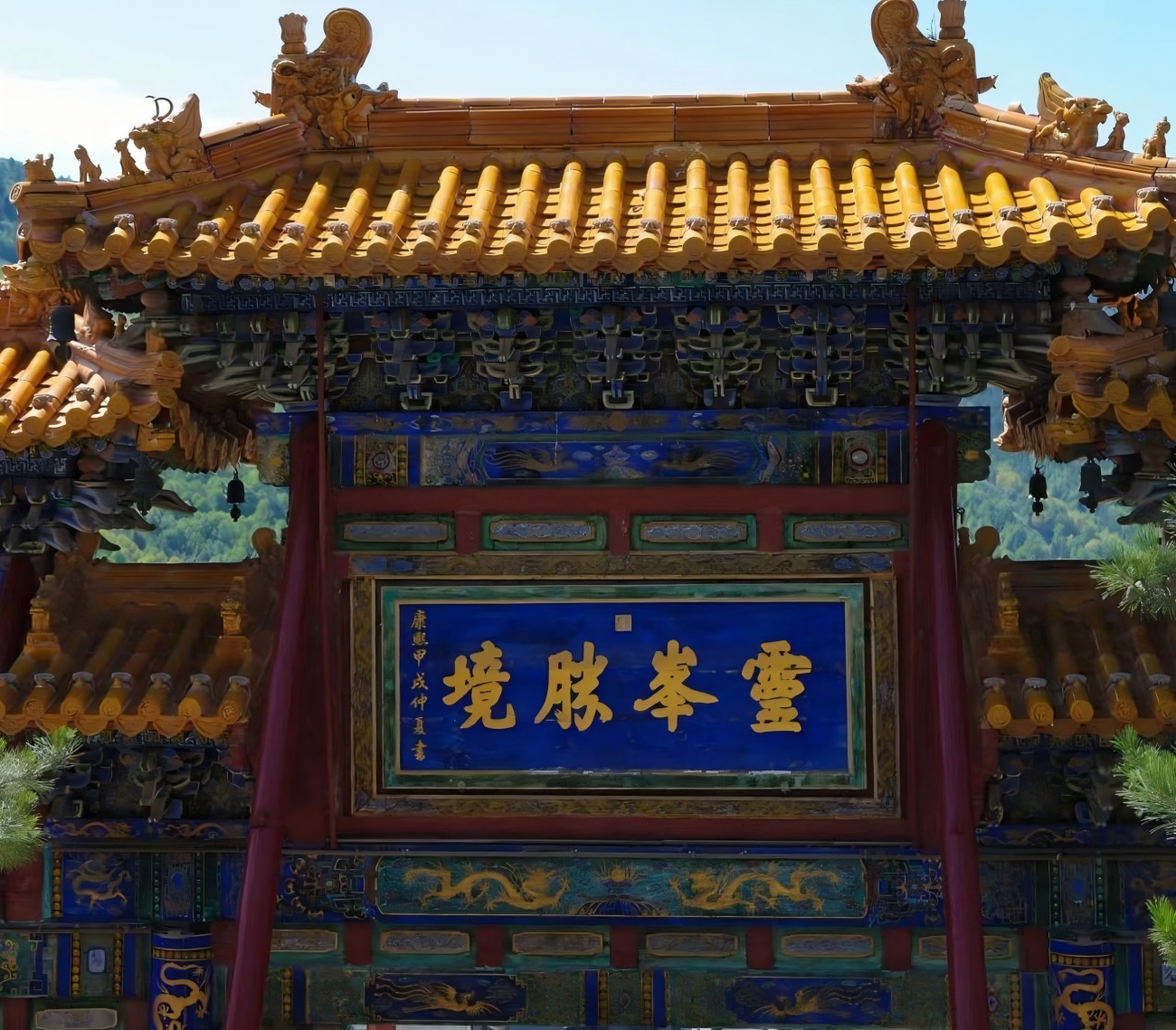
Next, we climb a famous staircase of 108 steps (said to help overcome life's 108 troubles) to reach Pusa Ding. Perched on a hilltop, this is the leading monastery of Tibetan Buddhism on Wutai Mountain.
You'll notice a difference immediately. The architecture has a majestic, imperial flair. Why? Because Emperors Kangxi and Qianlong of the Qing Dynasty loved this place! They visited often, leaving behind plaques and funding its construction. The yellow-glazed roof tiles were a privilege reserved for imperial buildings.
The main halls are richly decorated with thangkas (Tibetan Buddhist paintings) and golden statues. It's a vibrant fusion of Han and Tibetan styles. From the summit, you get a panoramic view of the entire valley—a perfect photo opportunity!
Pro Tip: If you visit around early May (4th day of the 4th lunar month), you might witness the spectacular ceremonies for Manjushri's birthday.
3. Tayuan Temple: Home of the Iconic Giant White Pagoda
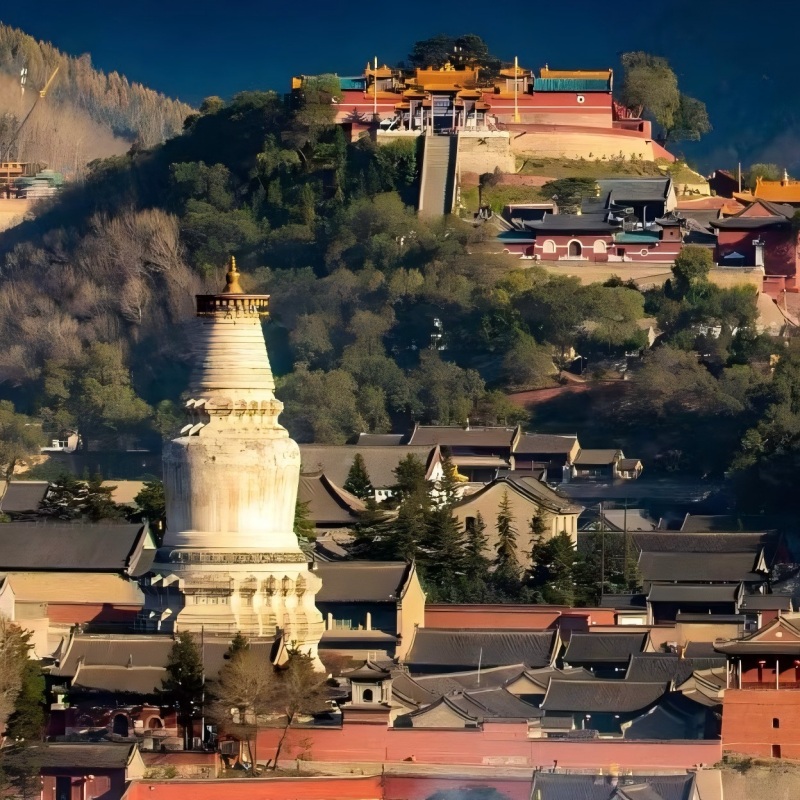
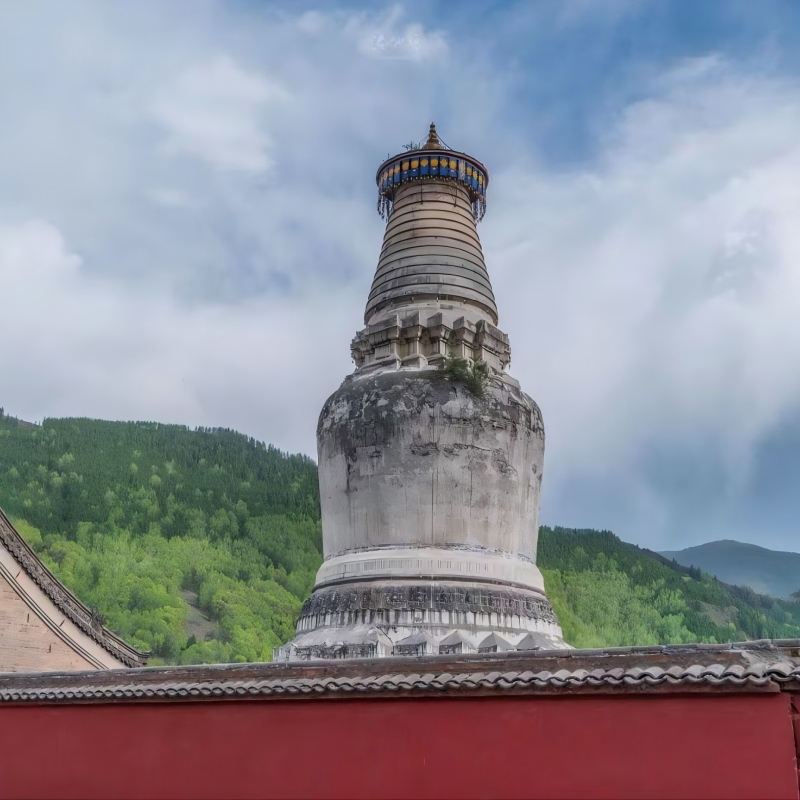
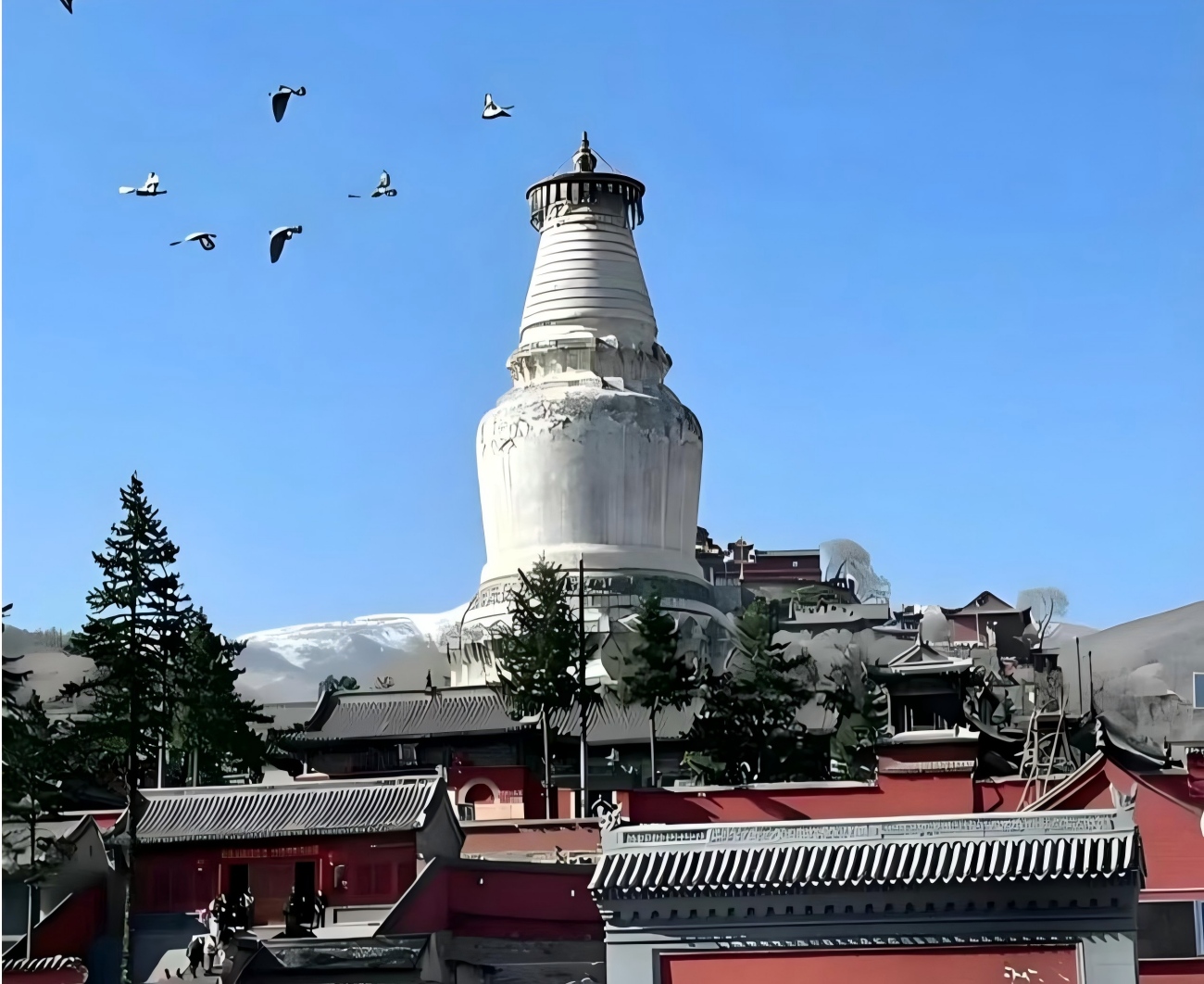
Now, let's visit the most famous landmark of Wutai Mountain. No matter where you are, you can see the **Great White Pagoda of Tayuan Temple. At 75 meters tall, it's the tallest pagoda of its kind in China.
This Nepalese-style stupa, built in the Yuan Dynasty, is more than just beautiful. It is a deeply sacred reliquary, believed to contain a tooth of the Buddha himself. You'll see pilgrims walking clockwise around its base in a meditative practice called circumambulation.
Listen for the 36 copper bells hanging from its canopy. Their gentle ringing in the wind is considered the very voice of the mountain.
Inside the temple complex, don't miss the massive "Netherworld Bell." Its deep tone marks the temple's daily rhythm. Tayuan Temple is a place of powerful presence and profound peace.
4. Shuxiang Temple: Witness the "True Form" of Wisdom
For the most magnificent statue of Manjushri, we go to Shuxiang Temple. "Shuxiang" means "True Form," and the centerpiece here is a breathtaking 9.8-meter-tall statue of Manjushri riding a lion.
This masterpiece from the Ming Dynasty is incredibly detailed and lifelike. Manjushri's face radiates compassionate wisdom, and the powerful blue lion symbolizes his ability to conquer ignorance. It's a truly moving piece of religious art.
The temple is also a center for the Huayan school of Buddhism. The walls of the main hall are covered with elaborate murals depicting stories from the Buddhist scriptures. It’s a quiet, contemplative place perfect for reflection.
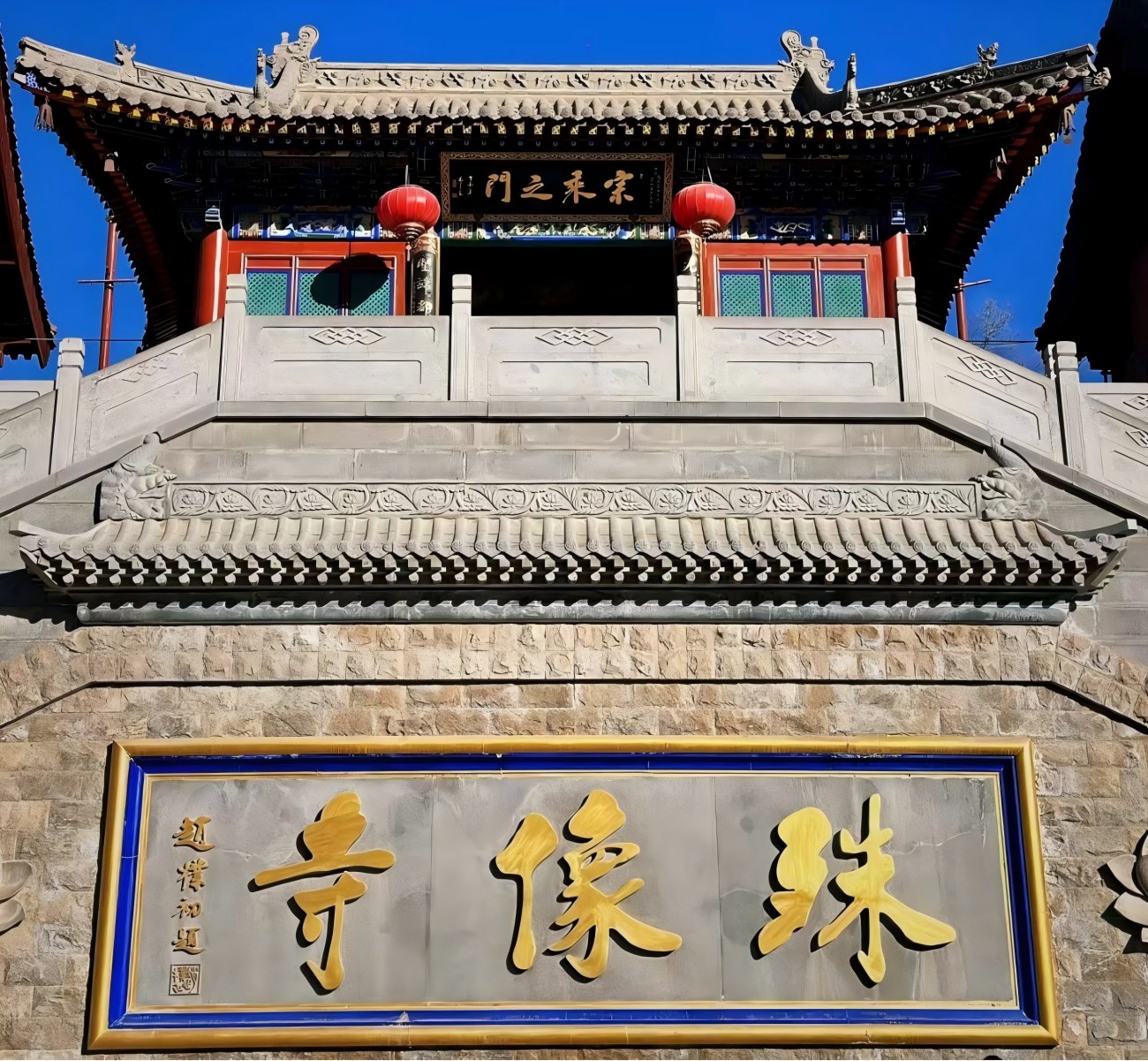
5. Nanchan Temple: A Journey to See a Tang Dynasty Treasure
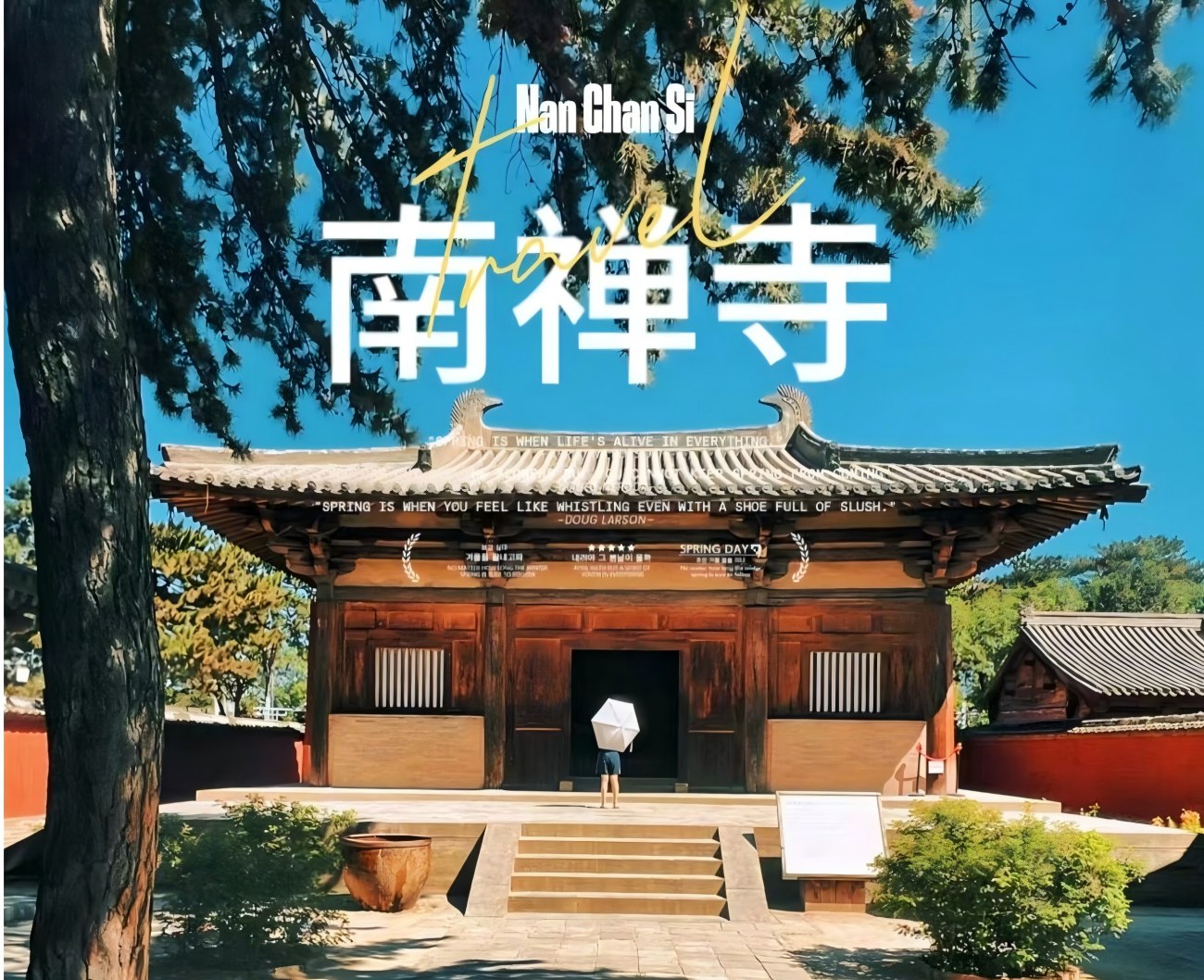
Our final highlight requires a short trip (about 30 minutes by car) from the main valley, but it is absolutely worth it. We're going to see a national treasure: the Main Hall of Nanchan Temple.
Why is this small, rural temple so special? It was built in 782 AD, making it the oldest surviving wooden building in all of China. It's a priceless time capsule from the glorious Tang Dynasty.
Despite over 1,200 years of history, including earthquakes, its wooden frame still stands strong. The architecture is simple, elegant, and represents a pinnacle of ancient Chinese engineering. Inside, you'll find original Tang dynasty clay statues of Buddhas and guardians. Standing here is like stepping directly back into the 8th century.
Visiting Tip: As a protected heritage site, visitor numbers may be managed to preserve this fragile treasure.
6.Wutai Mountain Food Guide: A Taste of the Sacred Land
After exploring the temples and history, let's talk about another highlight: the food! Wutai Mountain offers a unique culinary experience that blends Buddhist tradition with local Shanxi flavors. Think light, healthy, and flavorful dishes that are a perfect reflection of this peaceful place.
Here are the top local foods you should try:
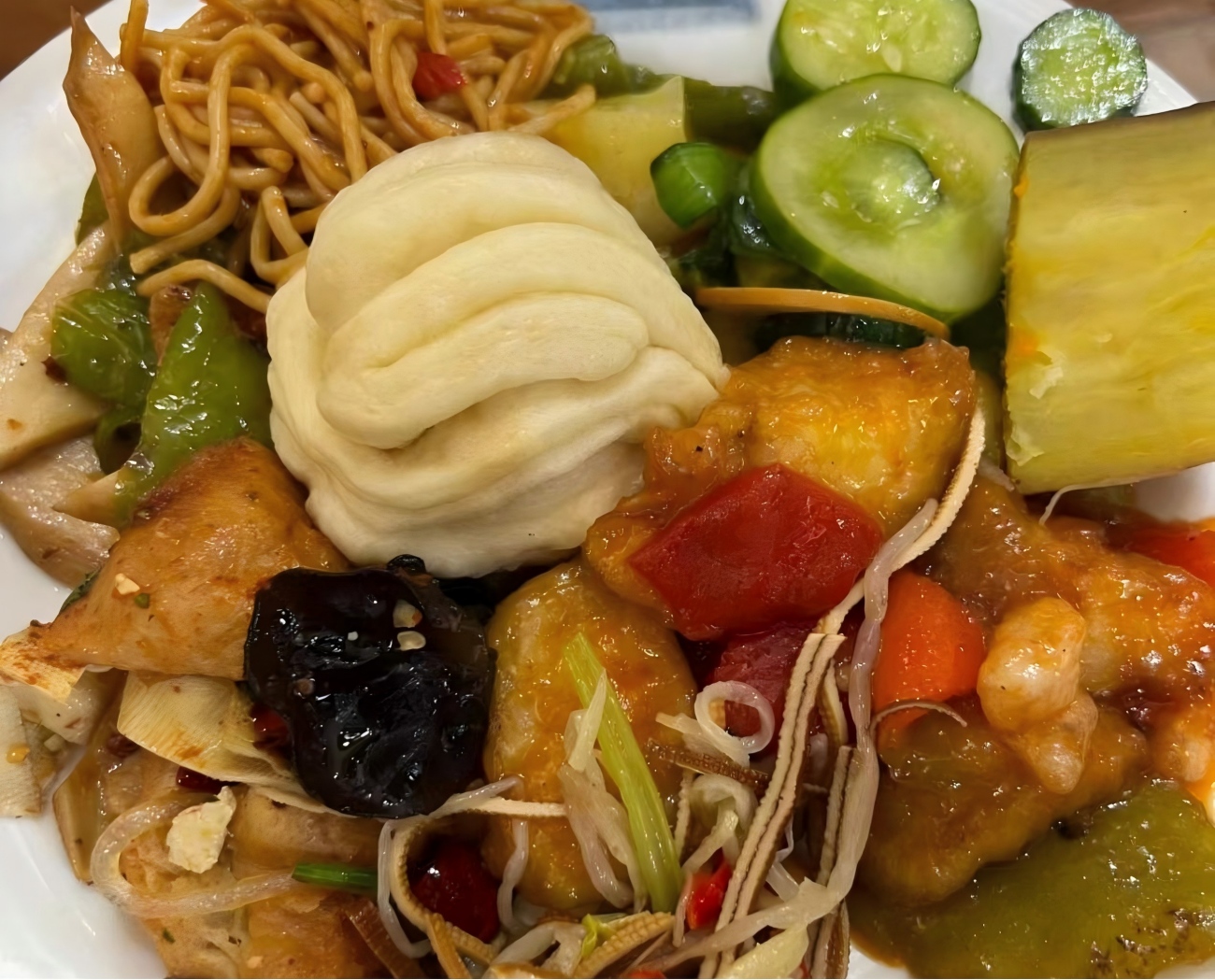
1. Temple Vegetarian Cuisine (Buddha's Delight)
This is the heart of Wutai's food culture. Served in temple dining halls and local restaurants, this cuisine follows Buddhist principles. Don't miss the "Vegetarian Platter"—incredibly realistic "meats" made entirely from tofu, wheat gluten, and mushrooms. It's a delicious and clever art form. Other classics include Braised Assorted Mushrooms and Luohan's Feast (a mixed vegetable stew). Trying a meal at Xiantong Temple or Tayuan Temple offers an authentic and serene dining atmosphere.
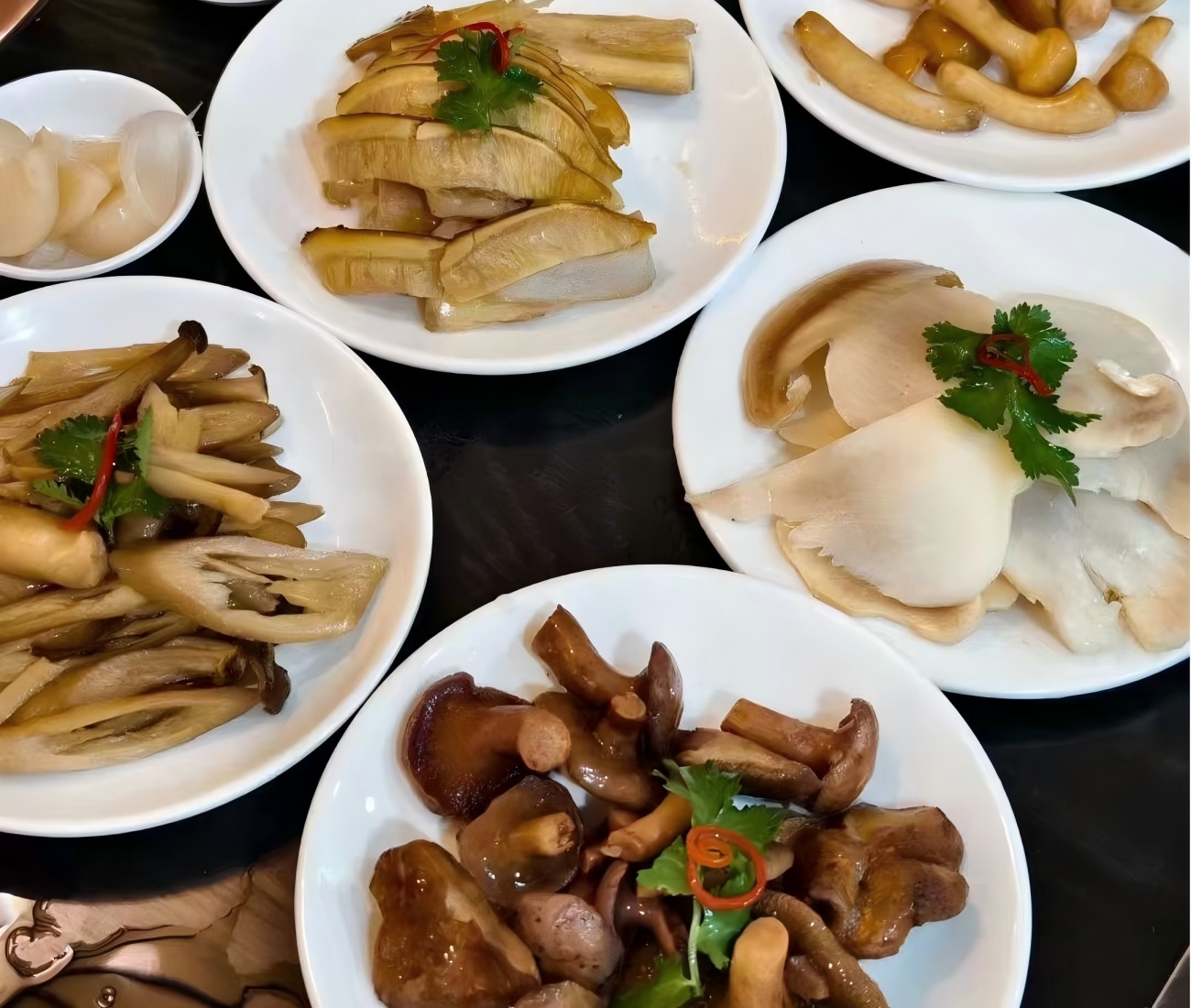
2. Wild Mountain Mushrooms
Thanks to its cool, humid climate, Wutai Mountain is famous for its wild mushrooms. They are thick, flavorful, and packed with nutrients. You'll find them in soups, stir-fries, and even as the star of a Mushroom Banquet. A simple dish of Wild Mushrooms Braised with Local Greens is a must-try for their fresh, earthy taste.
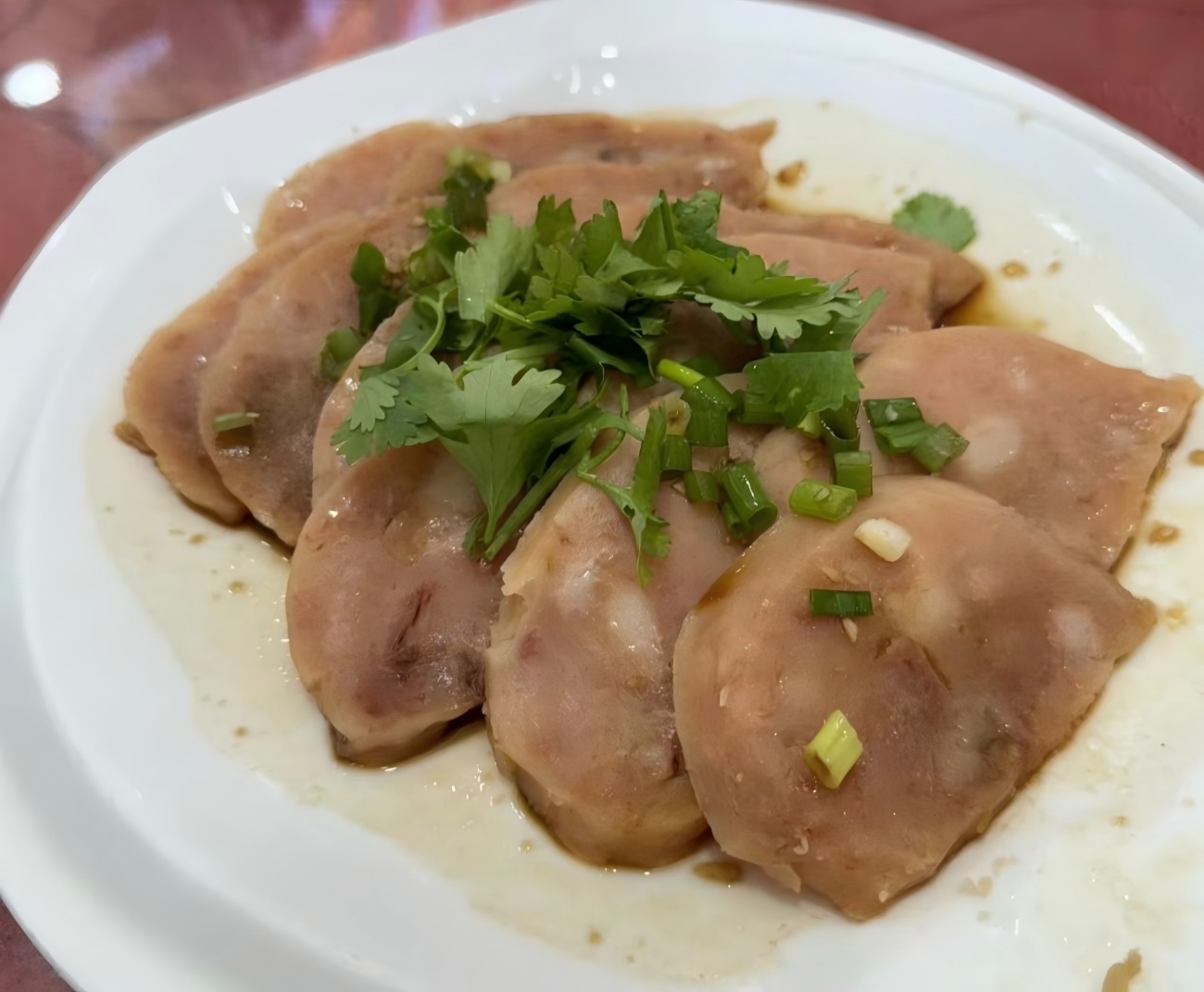
3. Wutai Steamed Pork
For those wanting to try a local meat specialty, this is it. Despite the name "steamed pork," the dish is known for being surprisingly non-greasy. Pork belly is marinated with spices, layered with potatoes or yam, and then steamed for hours until incredibly tender and flavorful. It's a festive dish you can find in restaurants in Taihuai Town.
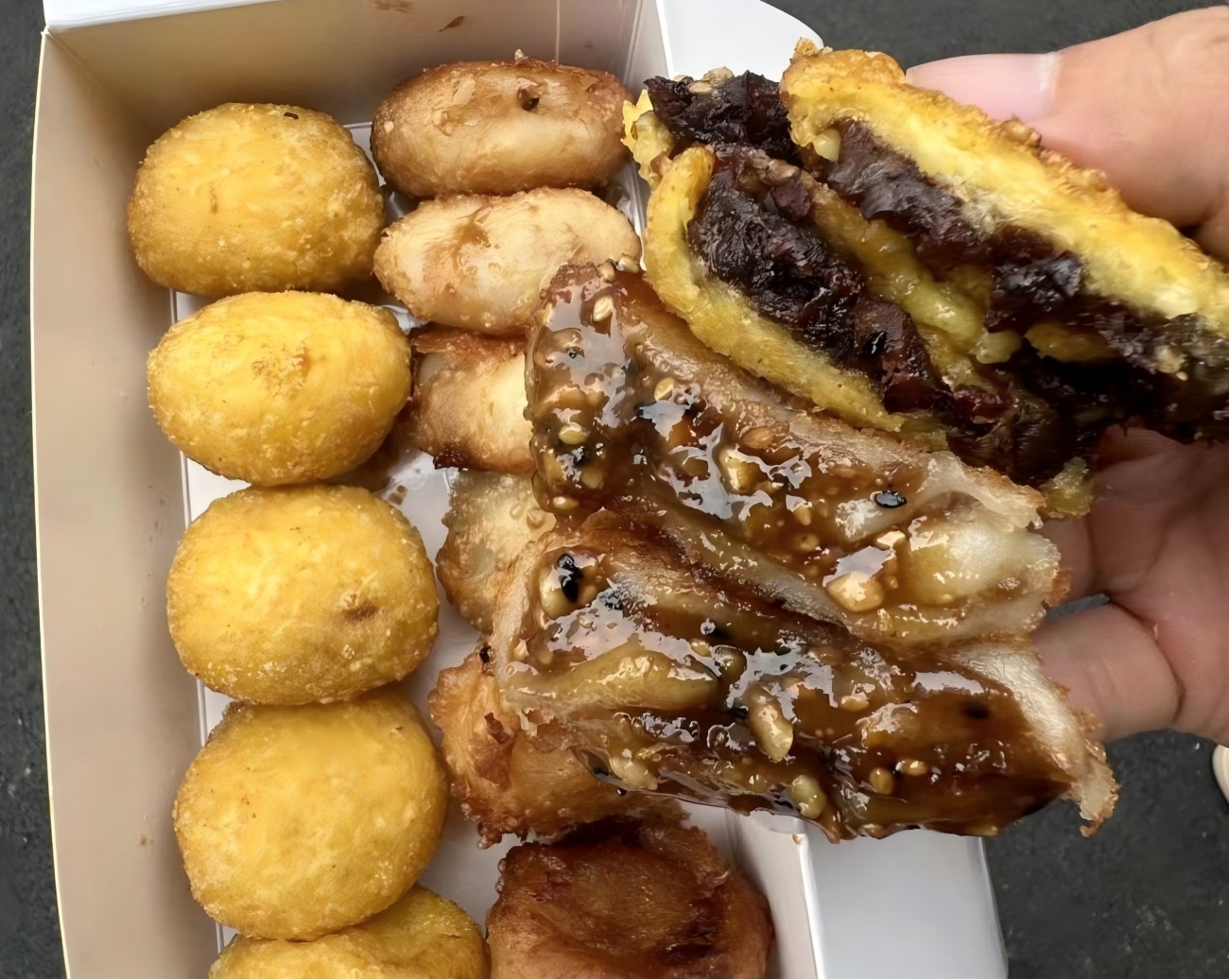
4. Fried Glutinous Rice Cakes
This is the perfect local snack! These golden, crispy cakes are made from glutinous rice flour and filled with sweet mixtures like brown sugar, sesame, and walnuts. They're chewy on the inside, slightly sweet, and wonderfully fragrant. Great for an energy boost while exploring. Look for them at street stalls in Taihuai Town—they're especially popular in the morning.
7.Parting Thoughts: Taking the Peace With You
And just like that, our journey through Wutai Mountain comes to a close.
Today, we've walked through ancient temples, stood in awe of towering pagodas, marveled at timeless architecture, and even tasted the local flavors. Wutai Mountain is more than a destination; it's an experience—a place where solemn history meets daily life, and grand mountain views hold quiet spaces for reflection.
I hope you leave not just with photos, but with a sense of the peace and wisdom that fills this sacred valley. May the calm you found here stay with you long after you depart.
Thank you for letting me guide you. I wish you safe travels and all the best on your journey ahead. May the blessings of Wutai Mountain be with you.
Planning Your Visit (Useful Tips for Travelers)
Best Time to Visit: Summer (June-August) is cool and lush. Autumn (September-October) offers clear skies and beautiful colors. Winters are very cold.
What to Wear: Comfortable walking shoes are essential. Bring layers, as the mountain weather can change quickly. Temples require modest dress (cover shoulders and knees).
Getting Around: Buses connect the main temples in Taihuai Town. Private taxis or tour vans are needed for distant sites like Nanchan Temple and the peak platforms.
Cultural Respect: Temples are active places of worship. Speak softly, ask permission before taking photos of people or inside certain halls, and follow the direction of pilgrim flow.