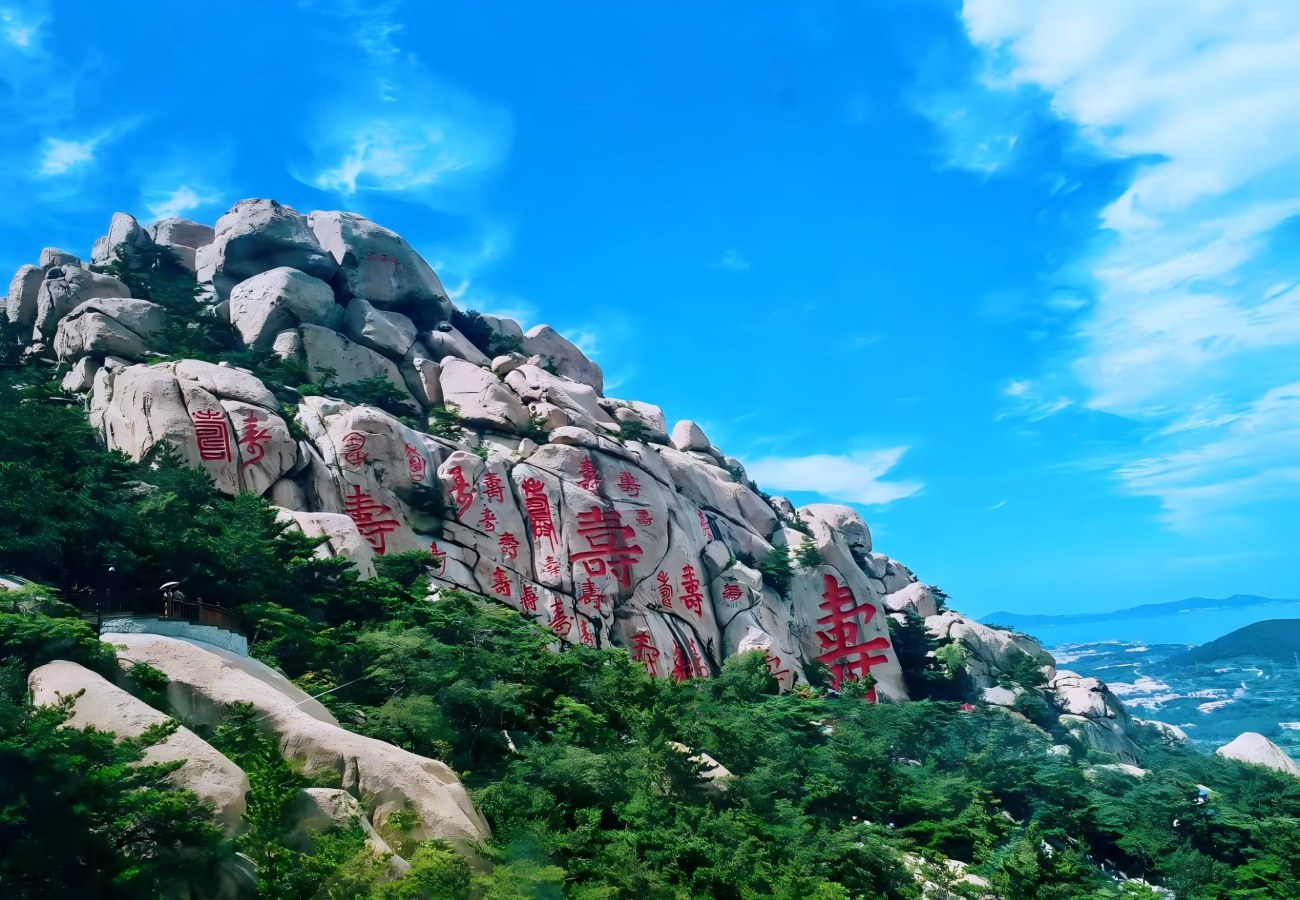
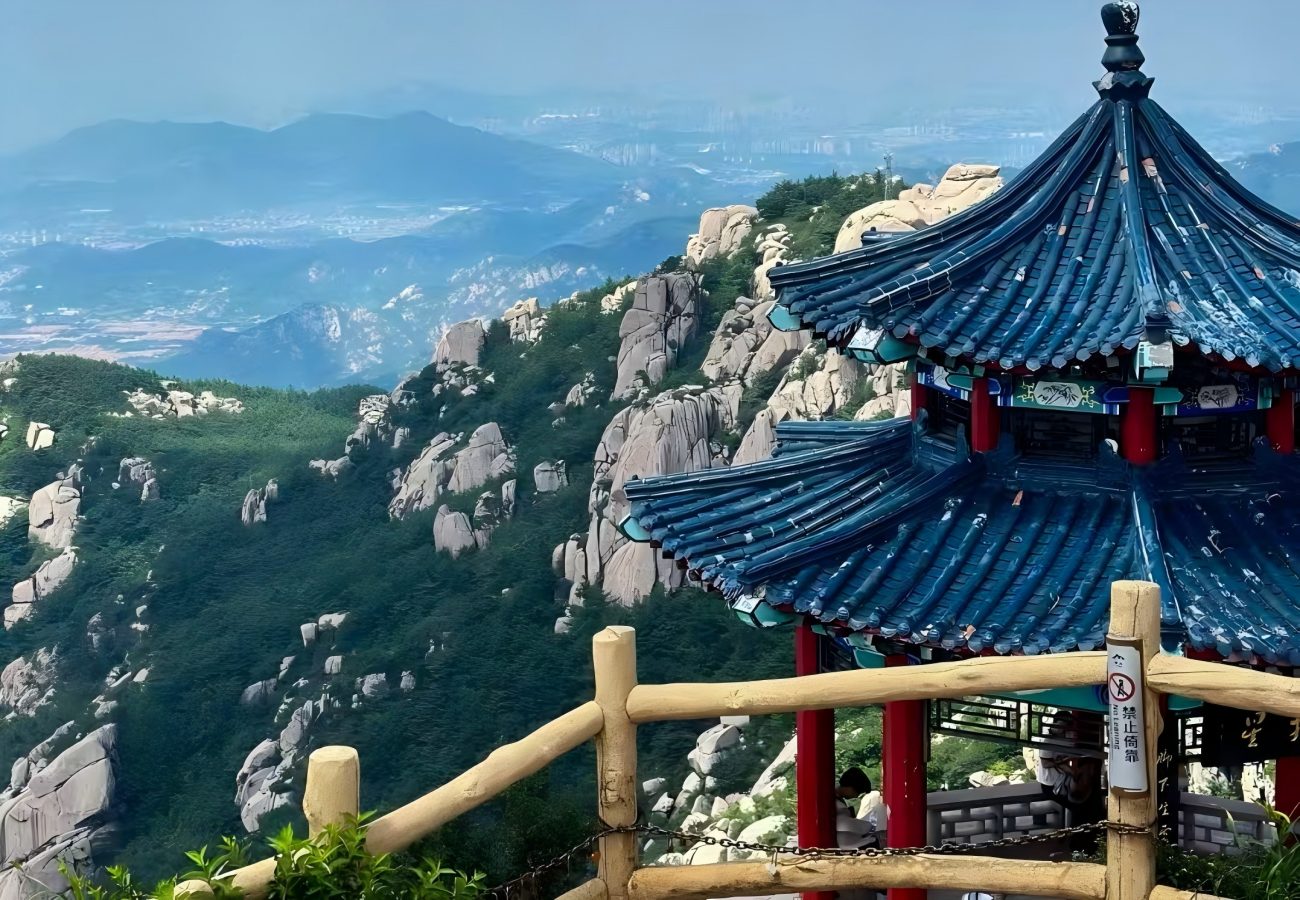
Mount Lao
Stay in 4-star+ hotels with ocean views or urban charm. Savor authentic flavors: Tsingtao Beer Prawns, fresh Yellow Sea seafood, and Laoshan Green Tea Noodles . Customize your 5A itinerary from Shandong’s menu—hike "Sea Mountain" Laoshan, wander colonial-style Badaguan, or visit landmark Zhanqiao . Unwind with coastal walks at Olympic Sailing Center or beer tastings at Tsingtao Brewery Museum . Premium service tailored for you.
Need more route ideas? Just reach out to customer service directly!
Holy Realm of Mountains and Seas · Daoist Rhythm of Laoshan —— Laoshan Mountain
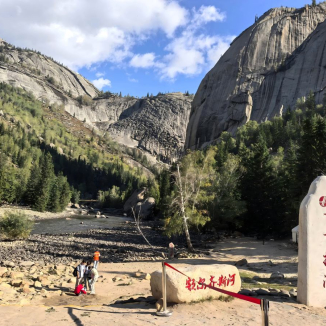
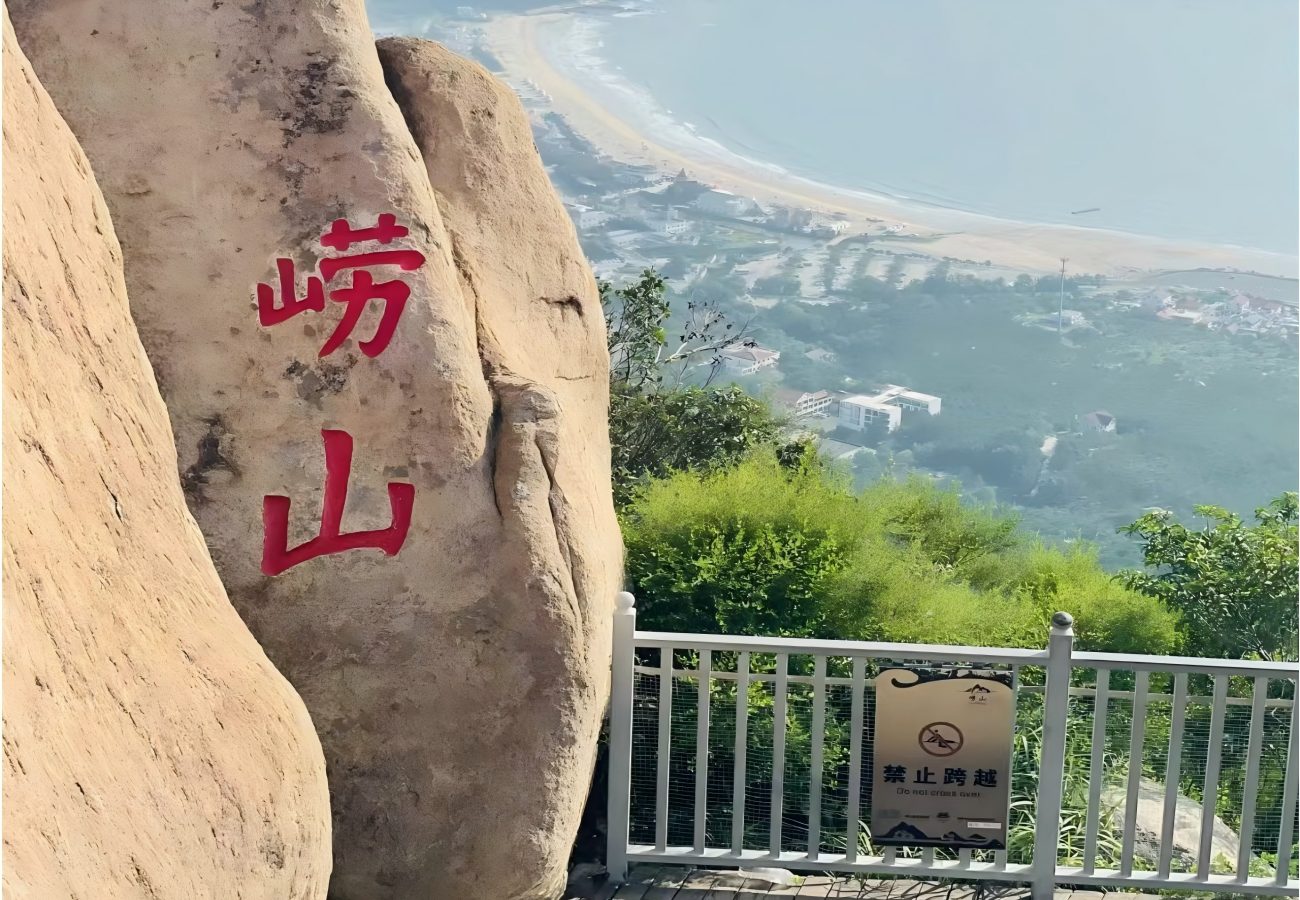
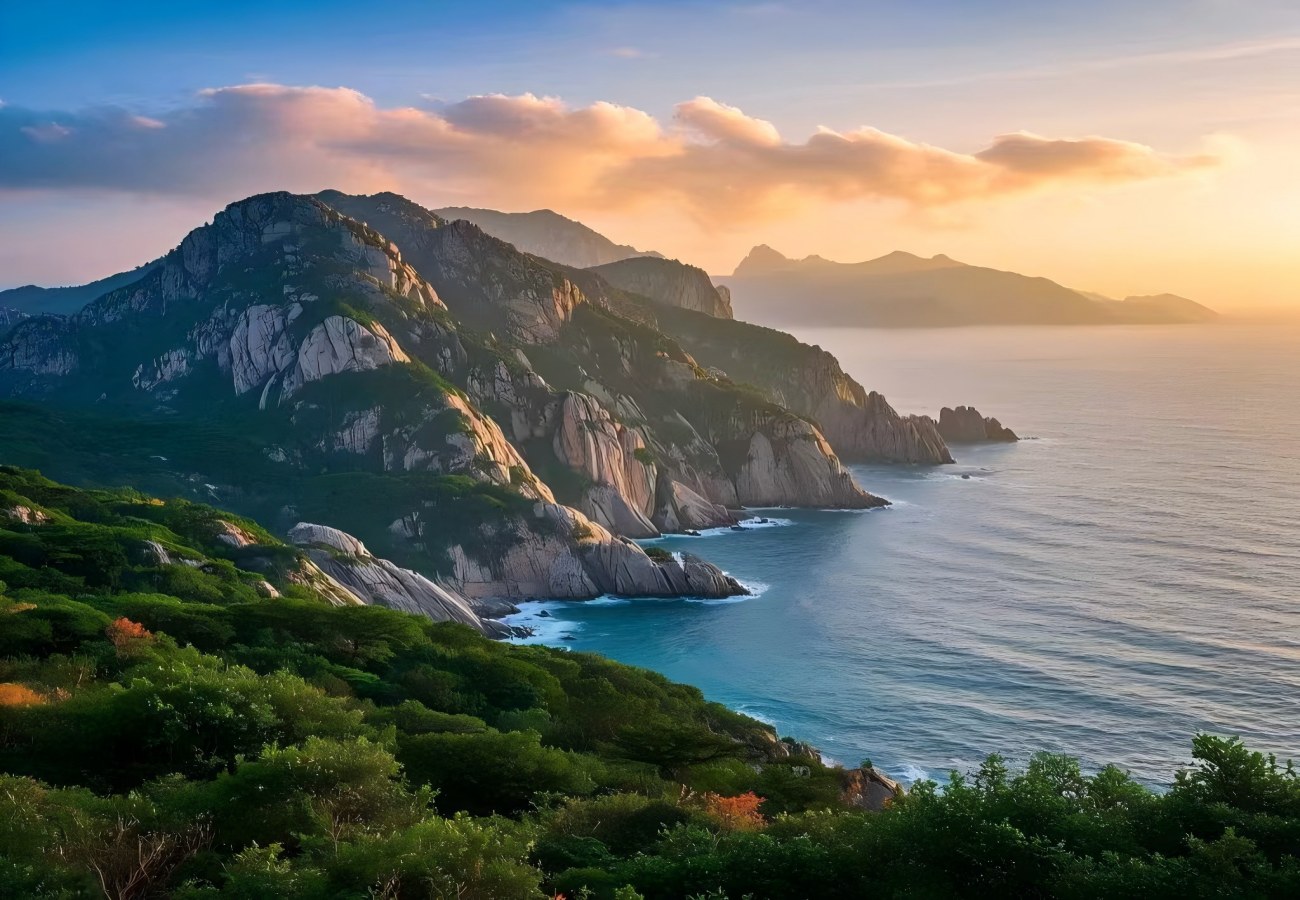
Dear tourists and friends, welcome to Laoshan Mountain in Qingdao, renowned as the "No.1 Mountain on the Sea". Stretching along the coast of the Yellow Sea, this mountain range is not only the highest peak on China’s coastline (with its main peak, Jufeng, reaching an altitude of 1,132.7 meters) but also one of the birthplaces of the Quanzhen School of Taoism. It has long been celebrated with the ancient praise: "Though Mount Tai is said to be high, it cannot match Laoshan by the East China Sea." Now, let us follow the veins of its mountains and seas, step into this "Sacred Mountain of the East" that integrates natural wonders, Taoist culture, and historical legends, and embark on an in-depth journey of "viewing the sea, seeking Dao, and savoring history".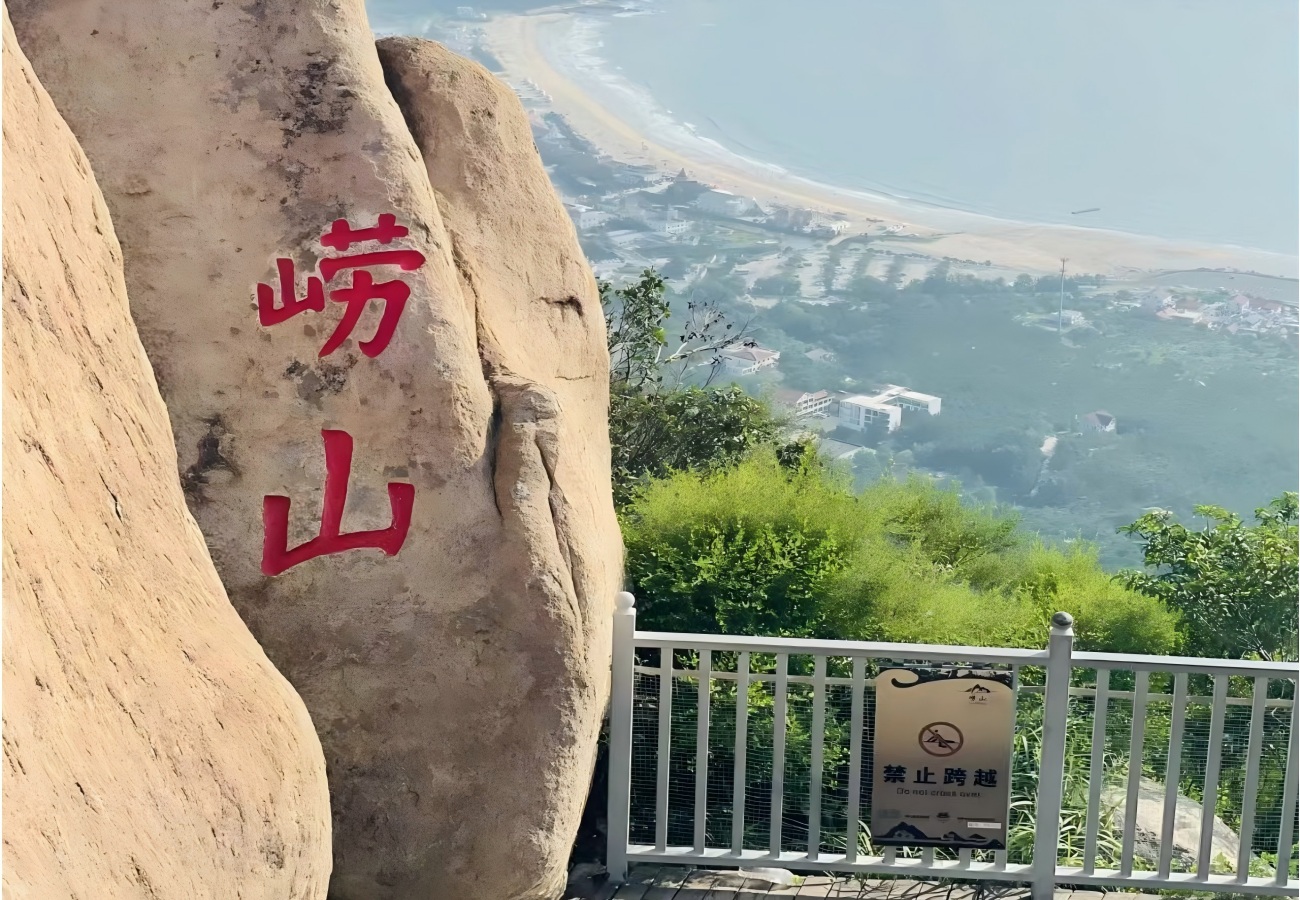
I. Origin of the Immortal Mountain: A Millennium of Cultural Heritage from Myths to Imperial Marks
Laoshan’s "holy reputation" was recorded in ancient texts as early as the pre-Qin period (c. 2100–221 BCE). The Classic of Mountains and Seas · Hai Nei Dong Jing (Shanhaijing) states: "Laoshan lies east of the Bohai Sea, a place where immortals dwell." However, it was the story of the "Laoshan Taoist" that made Laoshan’s legends household names. In the Qing Dynasty, the literary figure Pu Songling set his tale The Taoist of Laoshan in Laoshan for his collection Strange Tales from a Chinese Studio (Liaozhai Zhiyi). The story, about a scholar named Wang who learns Taoist magic to walk through walls, deeply ingrained the impression that "Laoshan is home to immortals" in people’s minds.
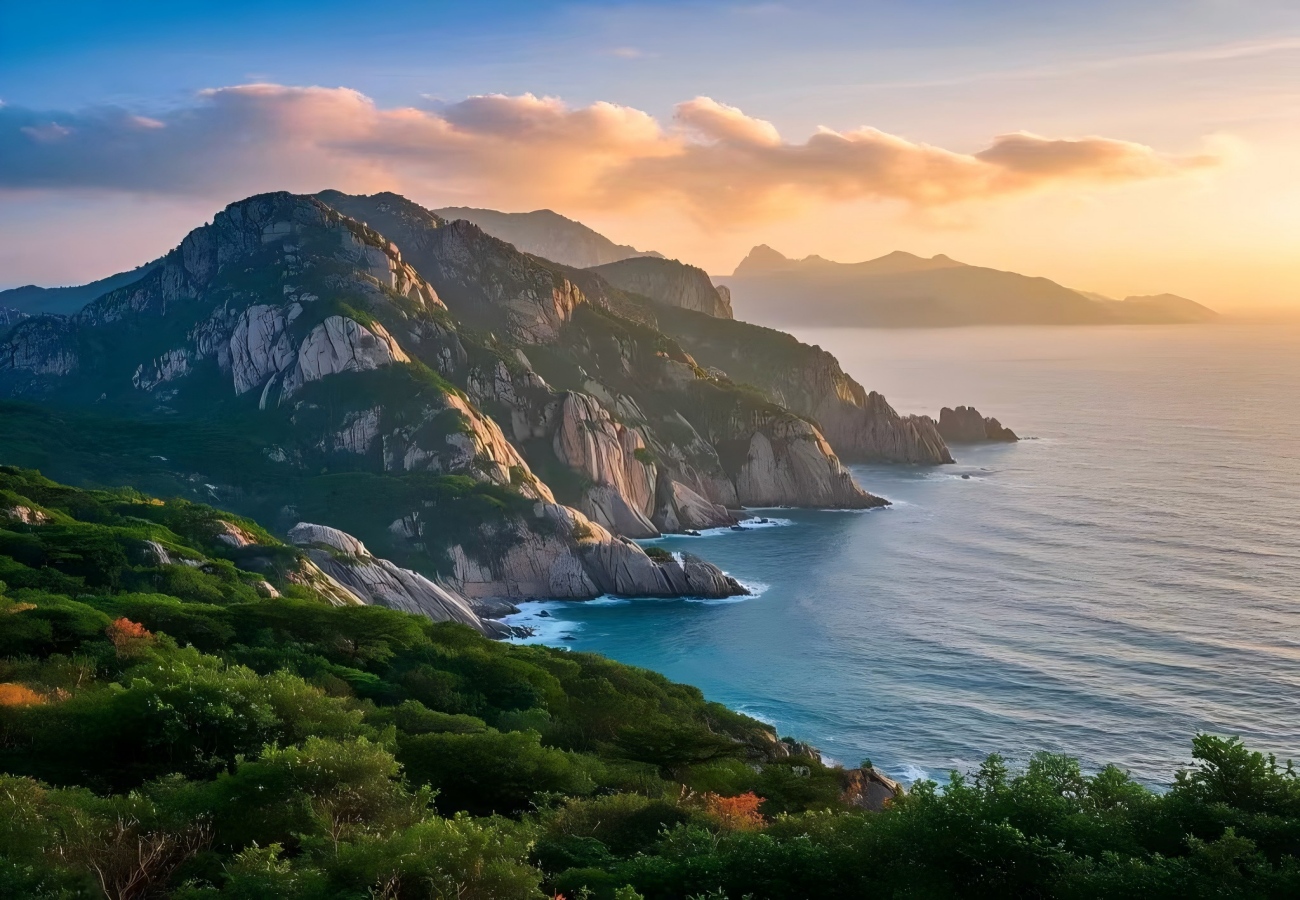
Legend has it that ancient Laoshan was part of the "Fanghu Immortal Island", where sea immortals often gathered. Another tale claims that the Eight Immortals practiced asceticism here before their famous crossing of the sea: He Xiangu picked Laoshan ganoderma to make elixirs, and Lü Dongbin inscribed poems at Taiqing Palace, adding a strong "immortal aura" to the mountain. Beyond myths, Laoshan bears profound historical marks: After unifying China, Emperor Qin Shi Huang made two eastern tours to Laoshan and sent the alchemist Xu Fu with boys and girls to sail the seas in search of the elixir of immortality. Today, "Xu Fu Island" near Taiqing Palace is one of the ruins where Xu Fu’s fleet departed. Emperor Wu of the Han Dynasty (Liu Che) also yearned for Laoshan, repeatedly sending people to find the "elixir of eternal life" and establishing the "Buqi County" there, incorporating Laoshan into the jurisdiction of the Central Plains dynasty and initiating its cultural integration with the Central Plains.
These legends and histories make Laoshan more than a natural mountain range; it has become a cultural symbol of the Chinese people’s "quest for immortals on the sea" and "worship of mountains and seas". Every rock and stream is steeped in millennia of stories and charm.
II. Taiqing Palace - The "Second Principal Monastery" of the Quanzhen School of Taoism
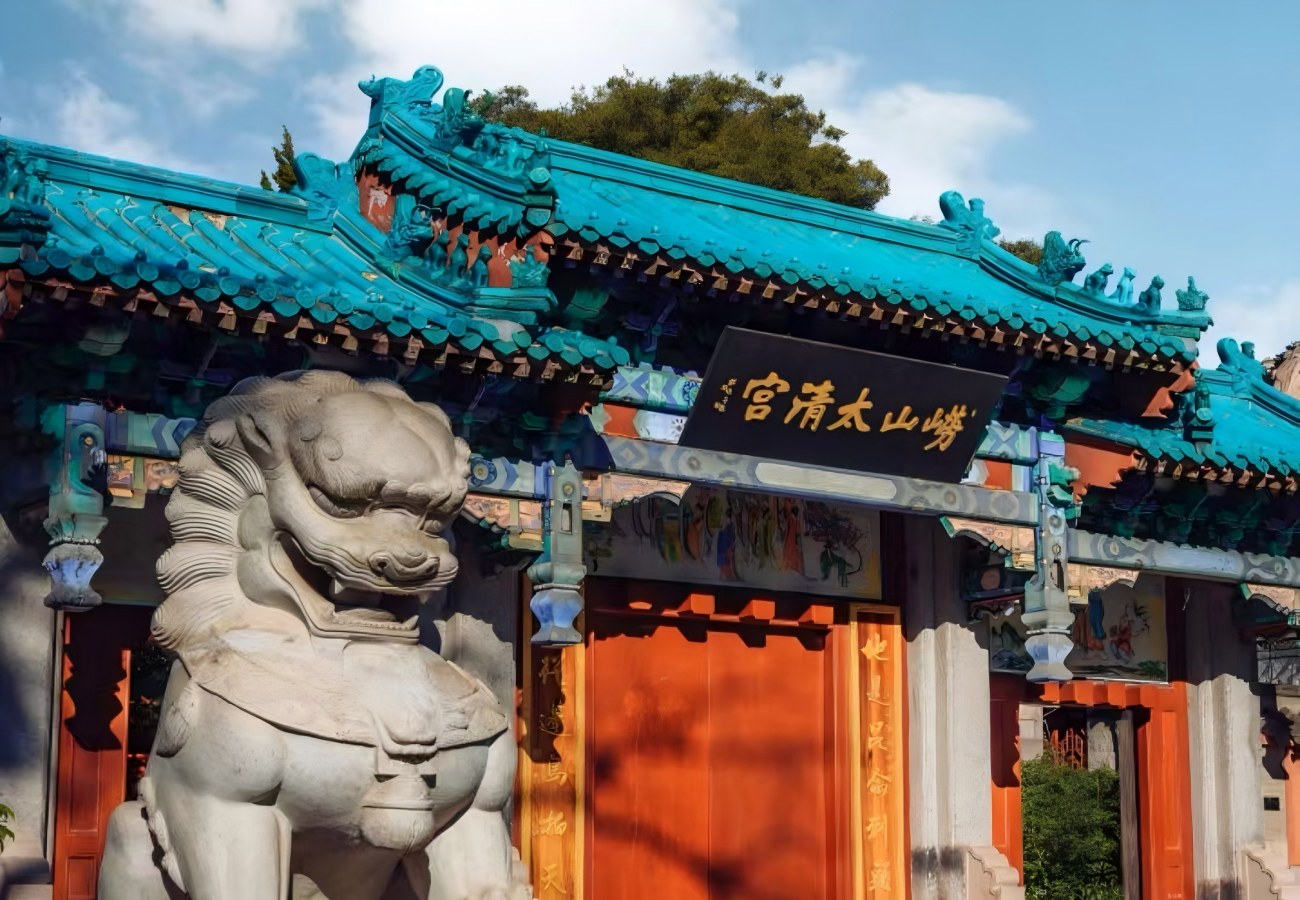
When talking about Laoshan, one cannot overlook its Taoist heart — Taiqing Palace. Founded in the 1st year of the Jianyuan era of the Western Han Dynasty (140 BCE), it is the oldest and largest existing Taoist complex in Laoshan, as well as a key birthplace of the Quanzhen School of Taoism. It is honored as the "Second Conglin" (the first being Beijing’s Baiyun Guan). Perched on the shores of Laoshan Bay, with mountains behind and the sea in front, it enjoys excellent feng shui. Taoist masters throughout history, such as Qiu Chuji and Zhang Sanfeng, once propagated their teachings here, leaving a profound Taoist cultural legacy.
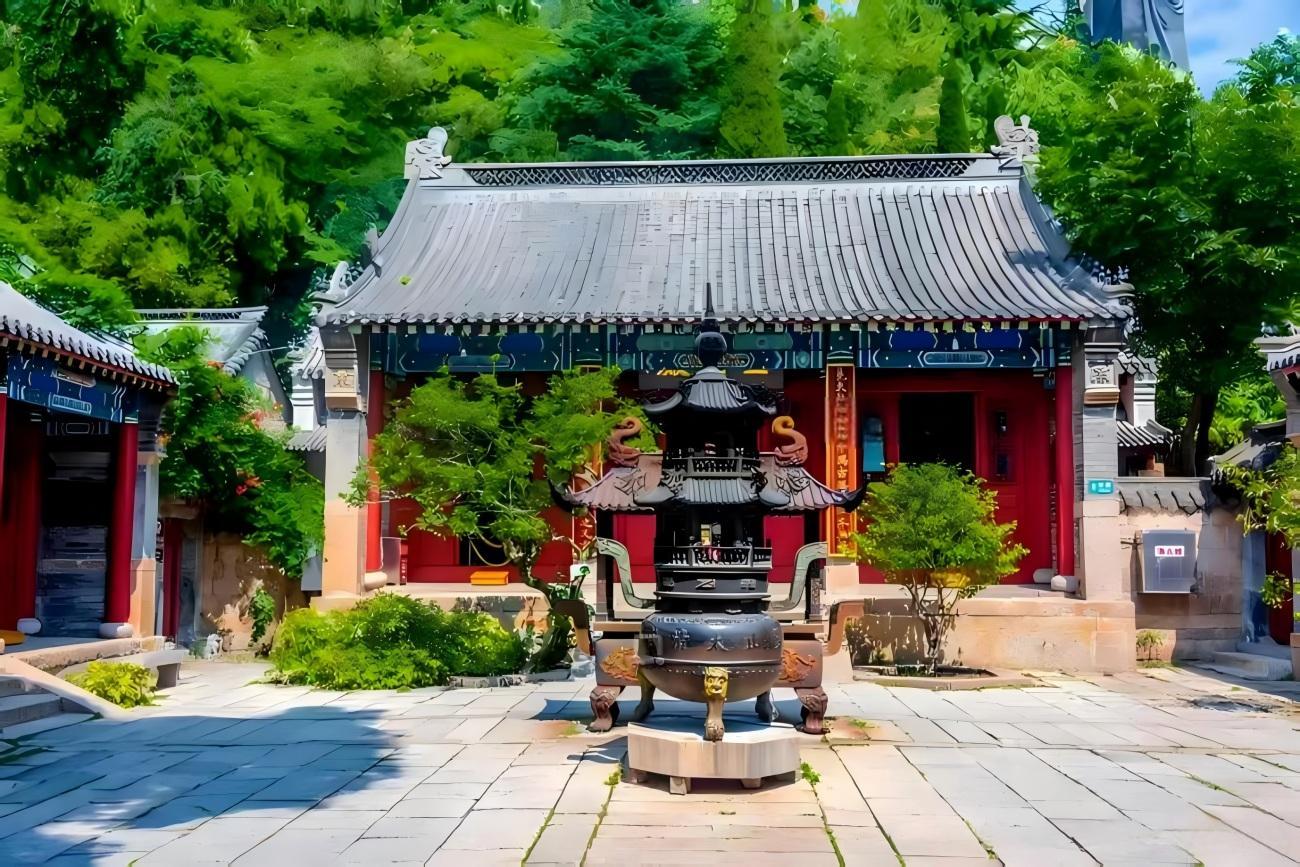
(1) The Three Main Halls of Taiqing Palace: Millennium-Old Architecture with Lingering Daoist Rhythm
Centered on the "Hall of the Three Officials (Sanguan Dian)", "Hall of the Three Pure Ones (Sanqing Dian)", and "Hall of the Three Emperors (Sanhuang Dian)", supplemented by buildings like the Yuanchen Hall, Bell Tower, and Drum Tower, Taiqing Palace forms a scattered complex covering a total area of 30,000 square meters.
Hall of the Three Officials (Sanguan Dian): One of the main halls of Taiqing Palace, dedicated to the "Three Officials of Taoism" (Heavenly Official for Blessings, Earthly Official for Forgiveness, Water Official for Deliverance). Originally built in the Western Han Dynasty, the existing structure was rebuilt in the Qing Dynasty. The deities inside are all Ming Dynasty wood carvings, over 3 meters tall, with solemn expressions. In front of the hall stand two thousand-year-old ginkgo trees — the male tree to the east and the female to the west, both over 2,100 years old. Every autumn, golden leaves carpet the courtyard, contrasting beautifully with the red walls and gray tiles, known as the "Twin Ginkgo Wonders of Laoshan".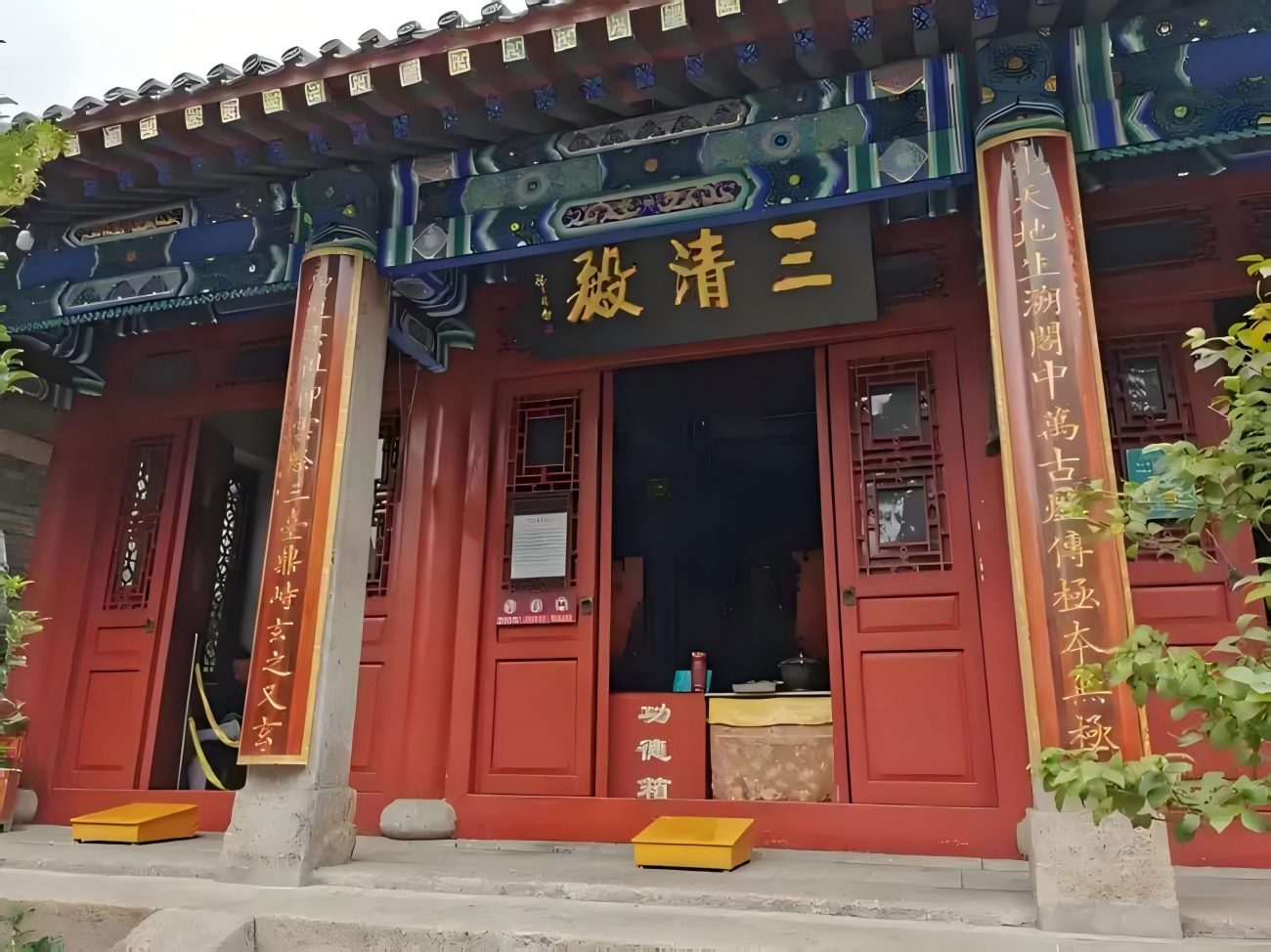
Hall of the Three Pure Ones (Sanqing Dian): Dedicated to the highest Taoist deities, the "Three Pure Ones" (Yuanshi Tianzun, Lingbao Tianzun, Daode Tianzun). The walls inside are painted with the "Three Pure Ones Preaching" murals, exquisite Taoist artworks from the Qing Dynasty. With vivid colors and smooth lines, they depict the Taoist cosmology. In front of the hall lies the "Divine Water Spring (Shenshui Quan)", said to have been dug by Zhang Sanfeng himself. The spring water is clear, sweet, and never dries up, known as the "No.1 Spring of Laoshan". Visitors can lean down to taste the "immortal water" and absorb some Taoist aura.
Hall of the Three Emperors (Sanhuang Dian): The most distinctive hall in Taiqing Palace, dedicated to the "Three Emperors" (Fuxi, Shennong, Huangdi). In addition to the statues of the Three Emperors, it also enshrines "Medicine King Sun Simiao" and "Divine Physician Hua Tuo", reflecting the Taoist concept of "the unity of medicine and Dao". In front of the hall grows a "Han Dynasty Cypress", over 2,000 years old. Its trunk is so thick that it takes four people to encircle it, and it remains lush and leafy, known as the "Cypress King of Laoshan". A stone stele under the tree records the historical evolution of Taiqing Palace.
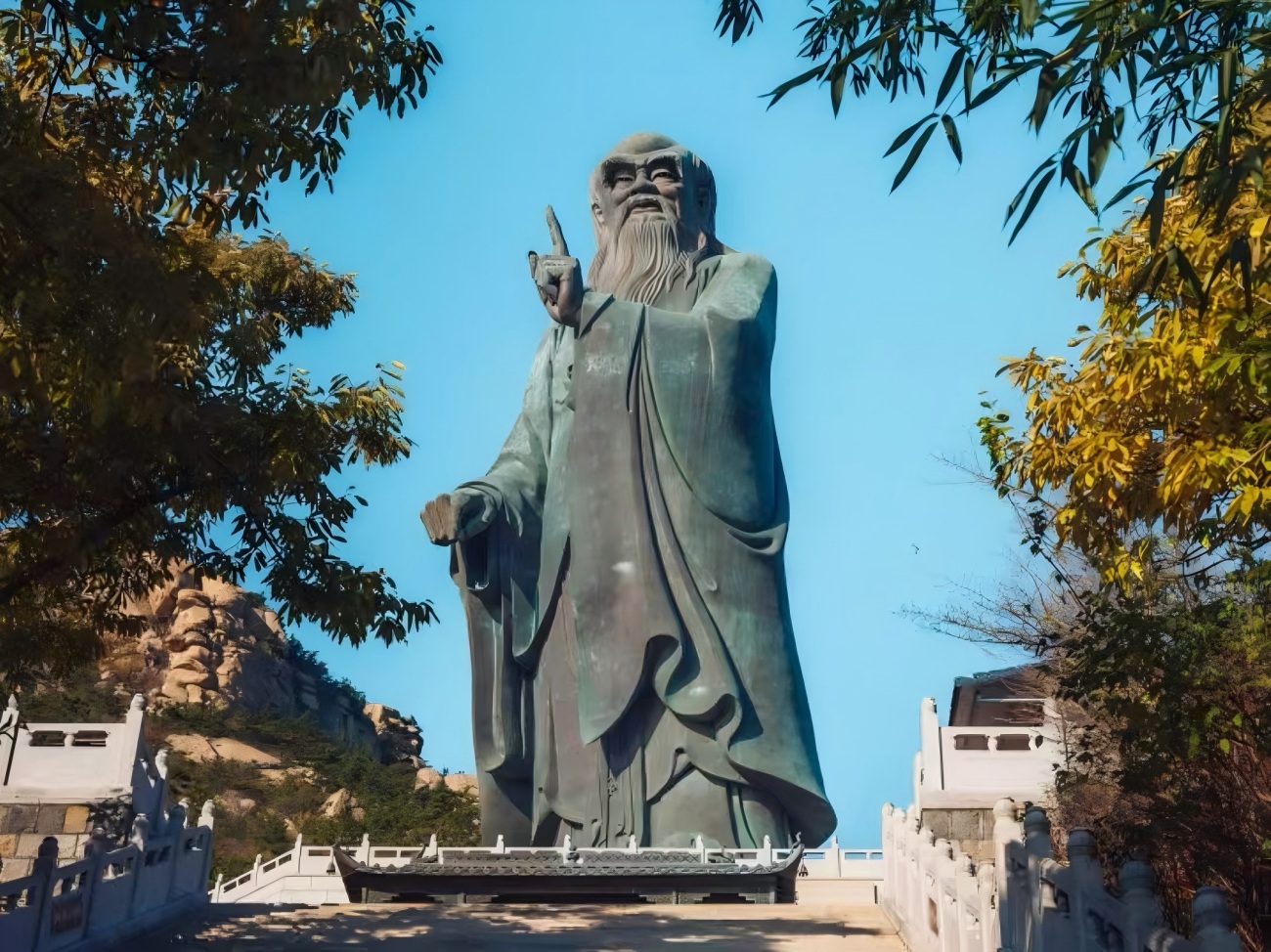
(2) Celebrity Marks and Stories of Taiqing Palace
Taiqing Palace is not only a Taoist sacred site but also a "check-in spot" for literati and scholars throughout the ages. The famous Jin Dynasty Taoist priest Qiu Chuji lived here for many years and wrote ten poems titled Poems of the Laoshan Taoist, among which the line "I have traveled four of the Five Great Mountains, but none may compare to the beauty of this one" has become a classic praise of Laoshan. The Yuan Dynasty literati Zhao Mengfu visited Taiqing Palace and inscribed the plaque "Taoist Sacred Land" for the Hall of the Three Pure Ones. During his eastern tour in the Qing Dynasty, Emperor Qianlong also visited Taiqing Palace and left an imperial poem: "Mountains and seas meet, water connects to the sky; ten thousand li of tides come, waves lap at the shoulders." Today, these calligraphy works are preserved in the "Cultural Relics Museum" of Taiqing Palace.
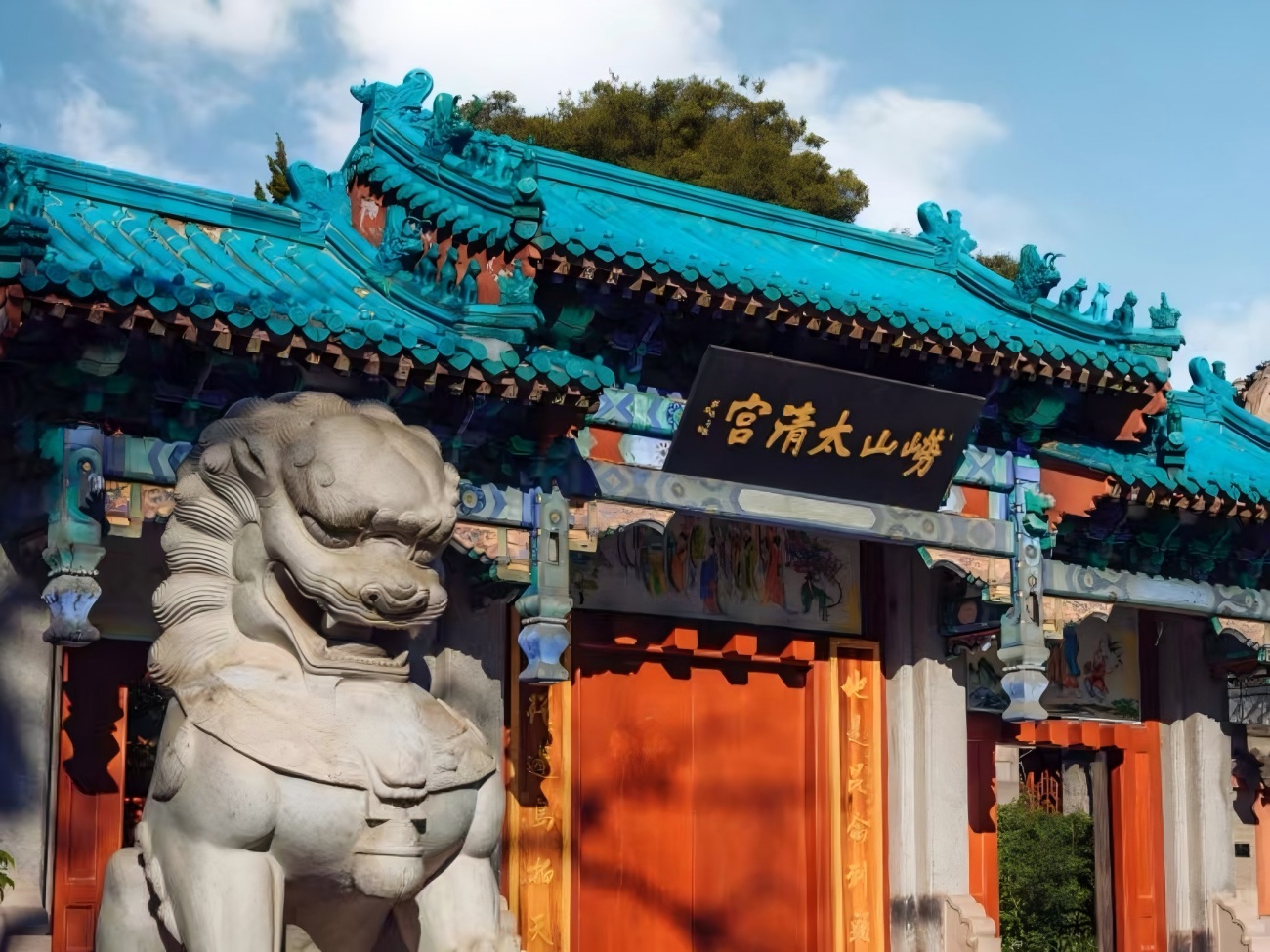
More interesting is the story of "Pu Songling and Taiqing Palace". Legend has it that when Pu Songling wrote The Taoist of Laoshan, he lived in Taiqing Palace for three months, discussing scriptures and Taoism with Taoist priests daily and observing Laoshan’s mountain and sea scenery. The scene of the "Laoshan Taoist walking through walls" in the story was modeled after the "Moon Gate" of Taiqing Palace. Today, Taiqing Palace still preserves the "Pu Songling Study", where his writing tools from that time are displayed. Visitors can experience the integration of literati and Taoist culture here.
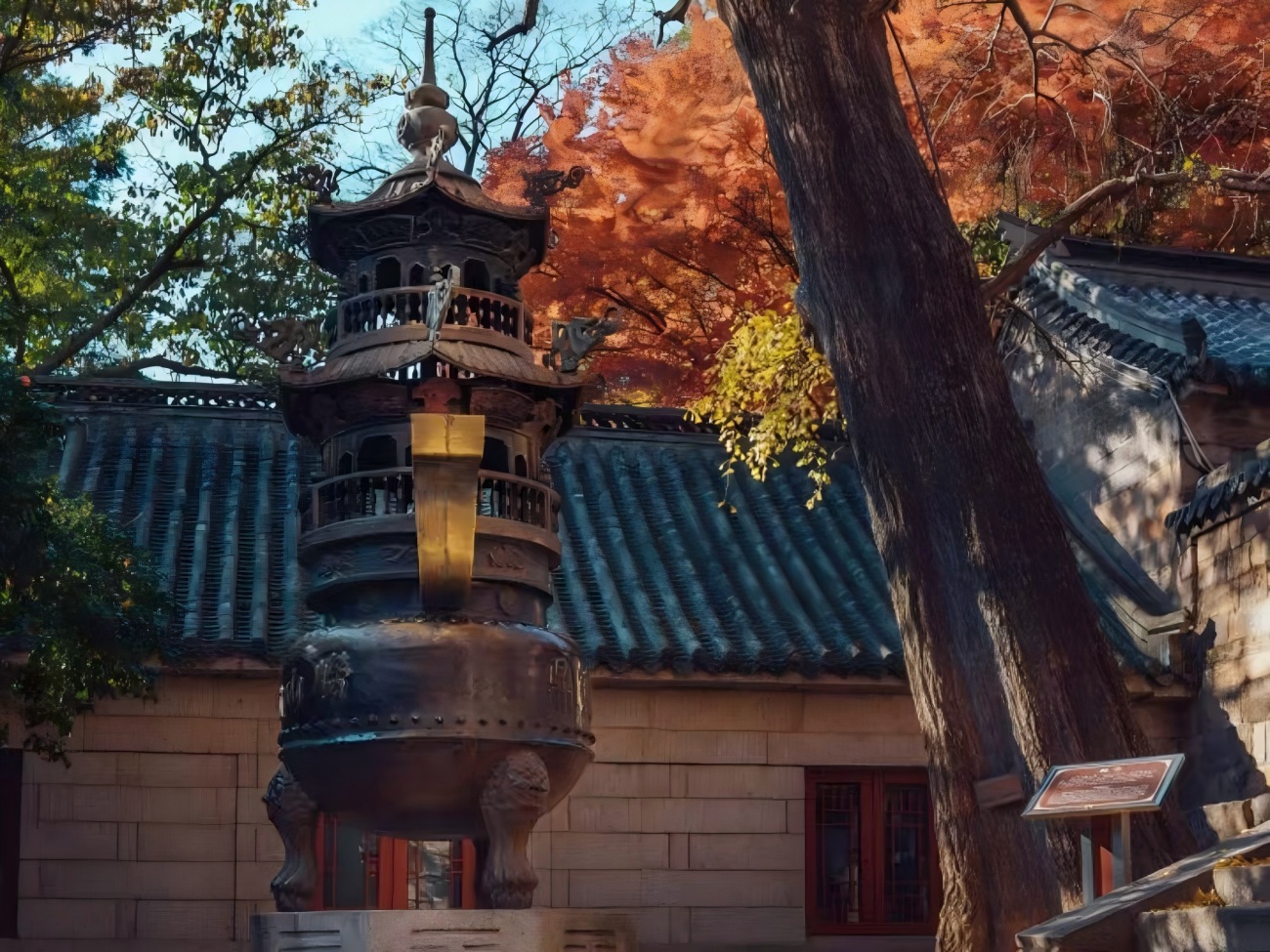
III. Core Scenic Area : Yangkou Scenic Area — A "Natural Gallery" of Mountains and Seas
If Taiqing Palace is the "core of Taoist culture" in Laoshan, then Yangkou Scenic Area is the "essence of natural landscapes". Located on the northeastern foothills of Jufeng (Laoshan’s main peak), Yangkou is surrounded by mountains on three sides and faces the sea on one, featuring "strange mountains, exotic rocks, blue sea, and sandy beaches". Known as the "most beautiful coastline of Laoshan", it is also the best place for visitors to experience the "interconnected mountains and seas" landscape.
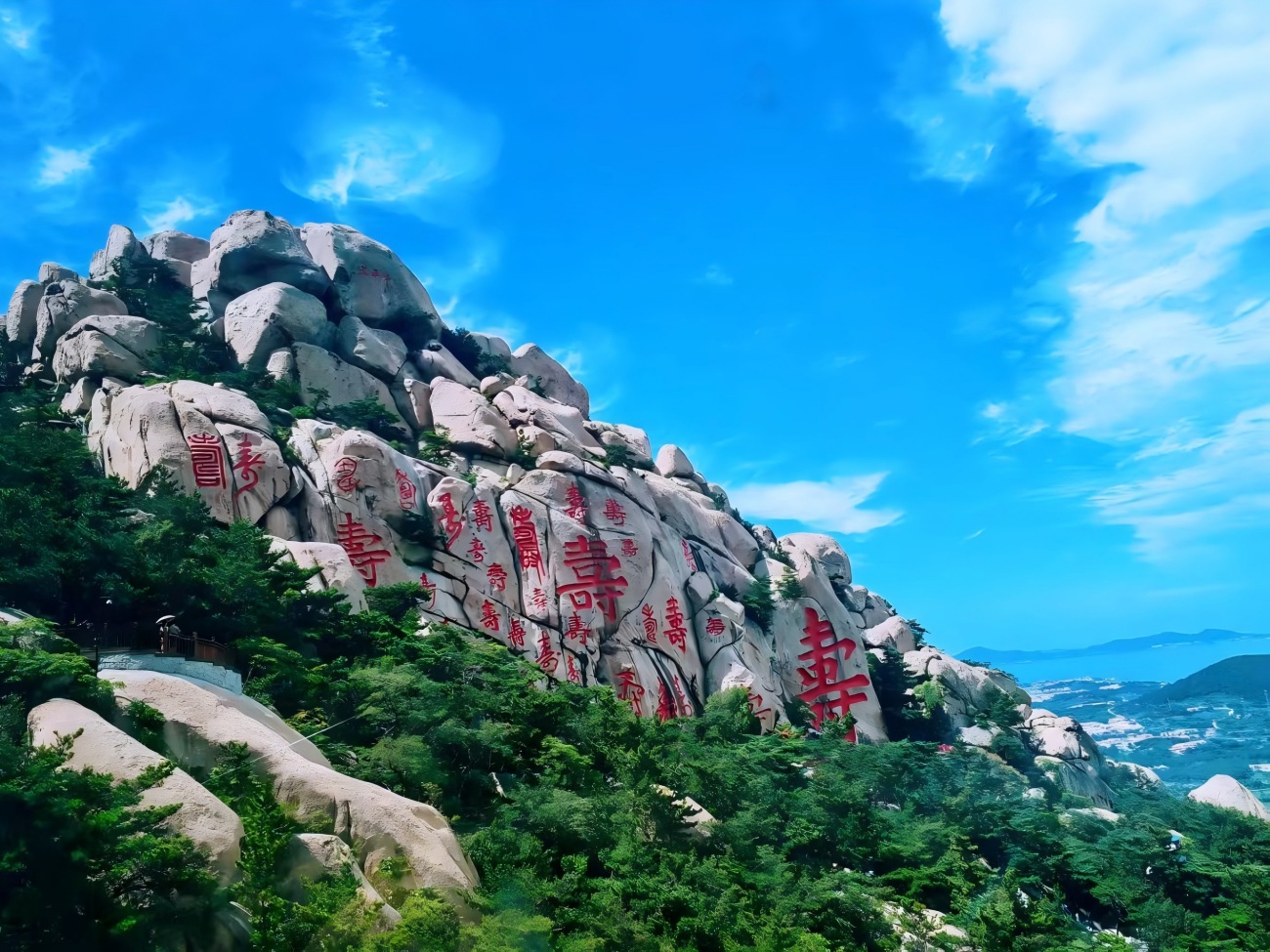
(1) Yangkou Beach: The "Golden Beach" on the Shores of the Yellow Sea
Yangkou Beach is one of the highest-quality natural beaches in Qingdao. Stretching 1.2 kilometers long, it has a gentle slope and fine golden sand, known as the "Golden Beach" (on par with the Golden Beach in Huangdao, Qingdao). The seawater here is crystal clear, with visibility of 3–5 meters. In summer, the average water temperature ranges from 22–25℃, making it an ideal spot for swimming, playing in the water, and beach bathing.
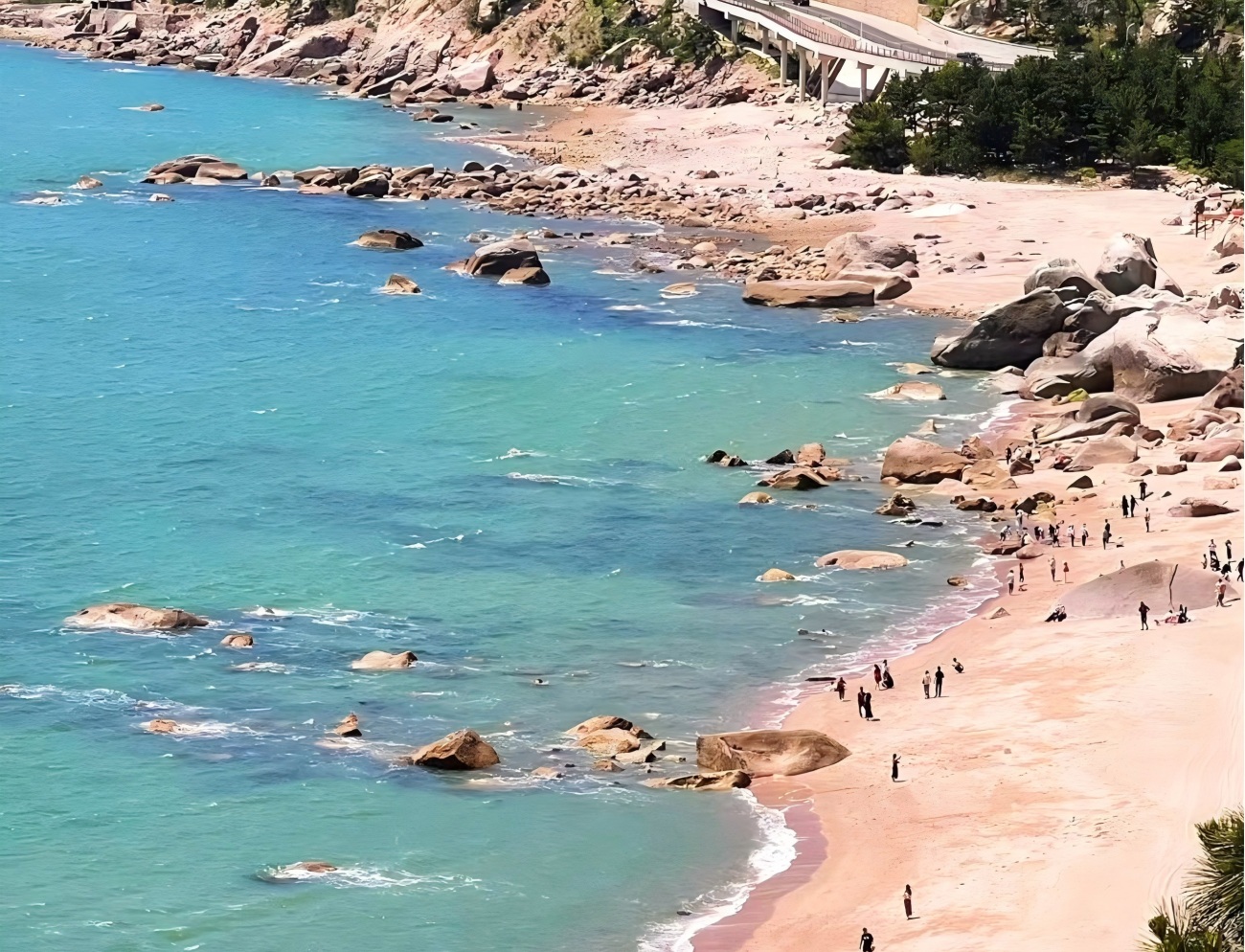
To the west of the beach stands "Taiping Palace", founded in the Song Dynasty and one of Yangkou’s landmark buildings. Built against the mountain and facing south, the palace has small and exquisite halls. Inside the courtyard grows a "thousand-year-old ginkgo tree", over 1,000 years old. Every autumn, golden leaves flutter down, forming a stunning picture with the blue sea and sky of the beach. To the east of Taiping Palace, "Lion Peak" is Yangkou’s "sunrise viewing resort". Every early morning, countless visitors climb Lion Peak to wait for the "sea sunrise" — when the sun slowly rises from the surface of the Yellow Sea, golden sunlight spreads across the sea, sparkling like a "fairyland". This landscape is praised as the "No.1 Wonder of Yangkou".
(2) Yangkou’s Exotic Rocks: The "Masterpiece of Nature’s Ingenuity"
Yangkou’s rocks are famous for being "strange, odd, and perilous", with the most renowned being the "Yangkou Peach Stone", "Chessboard Stone", and "Stone Old Man" (Shilao Ren).
Yangkou Peach Stone: Located on a mountain peak east of Yangkou Beach, it is a huge rock about 10 meters high, shaped like a giant peach. Only its base is connected to the mountain, as if it might roll down at any moment, earning it the title of "No.1 Exotic Rock of Laoshan". Legend has it that this is a peach dropped from the "Queen Mother of the West’s Peach Banquet", which was fixed here by Laoshan Taoists with magic, becoming a "treasure guarding Yangkou".
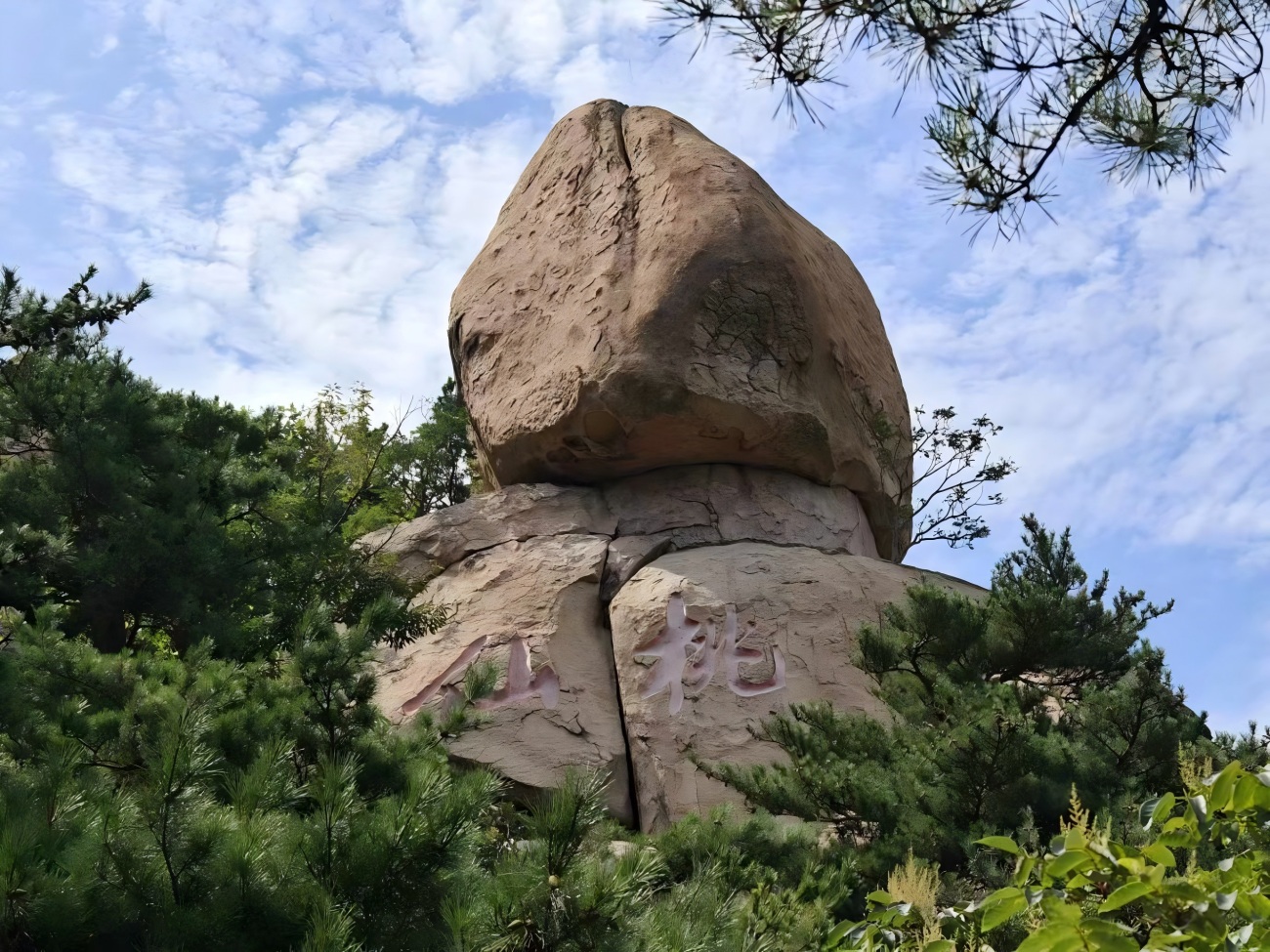
Chessboard Stone: Situated deep in the mountains of Yangkou Scenic Area, it is a flat boulder covering an area of about 20 square meters, with naturally formed "chessboard patterns" on its surface. Legend has it that these are traces left by the Taoist immortals Zhong Liquan and Lü Dongbin when they played chess here. Four pine trees around the Chessboard Stone are distributed in a "square shape", like "immortal boys guarding the chessboard". Visitors can stop here and imagine the scene of the immortals playing chess in the past.
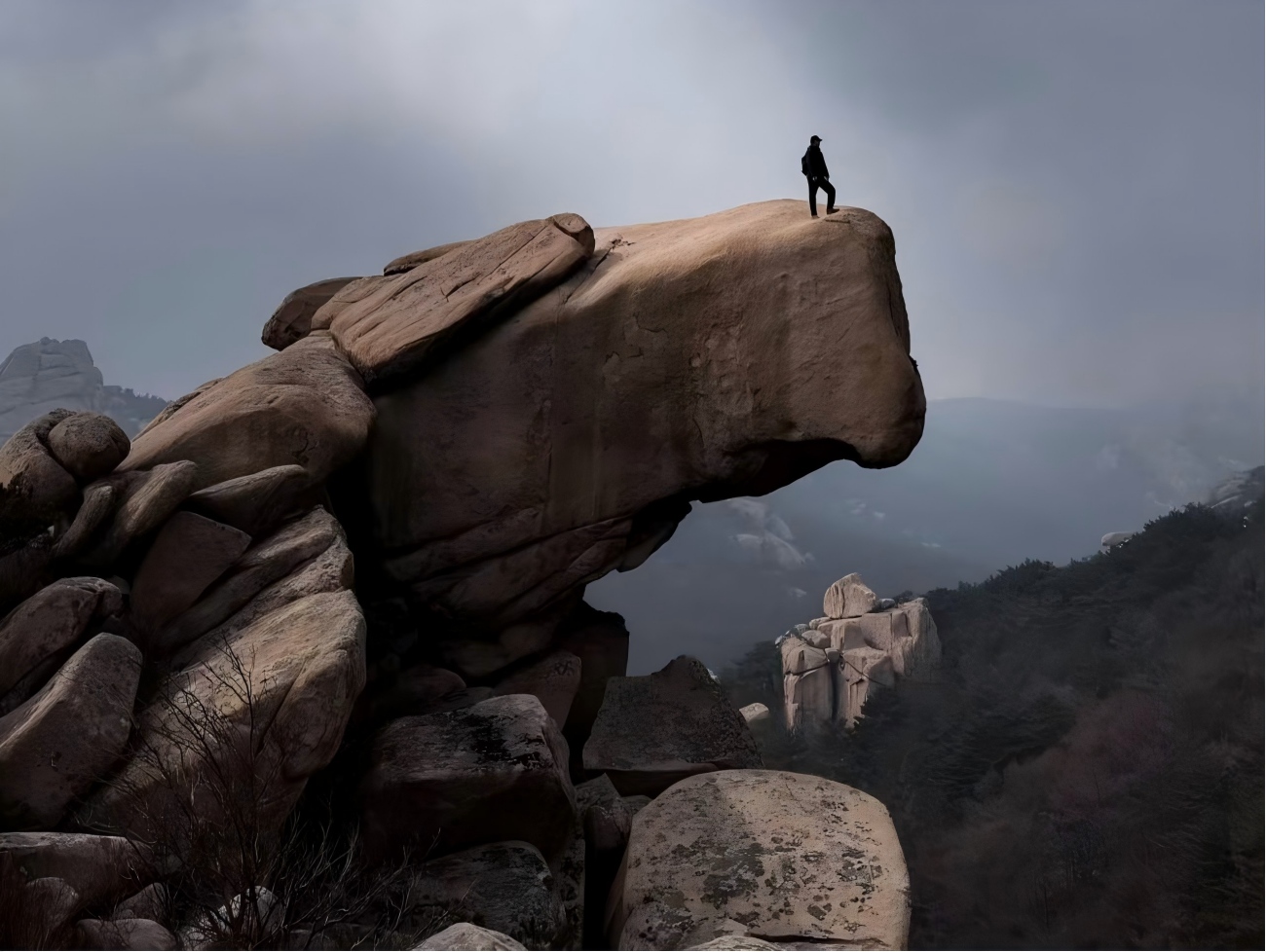
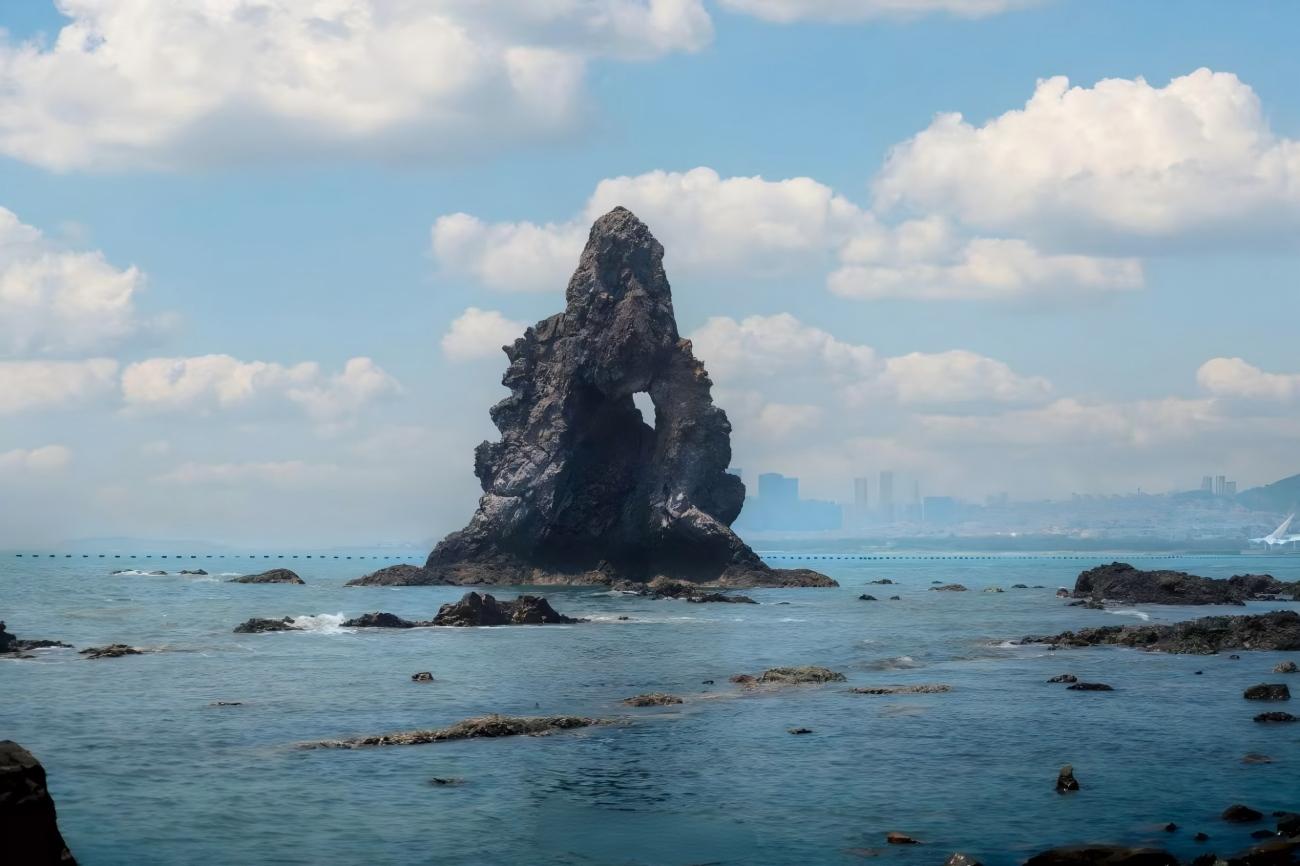
Stone Old Man (Shilao Ren): Located in the sea north of Yangkou Beach, it is a natural stone pillar about 17 meters high, shaped like a hunchbacked old man facing the sea, as if waiting for his distant relatives — hence the name. There is a sad legend about the Stone Old Man: In ancient times, an old man’s daughter was captured by the Dragon King, and he waited by the sea every day until he eventually turned into stone, becoming a "tragic landmark" of Laoshan. Today, the Stone Old Man has become one of Qingdao’s symbols and a "must-visit attraction" in Yangkou Scenic Area.
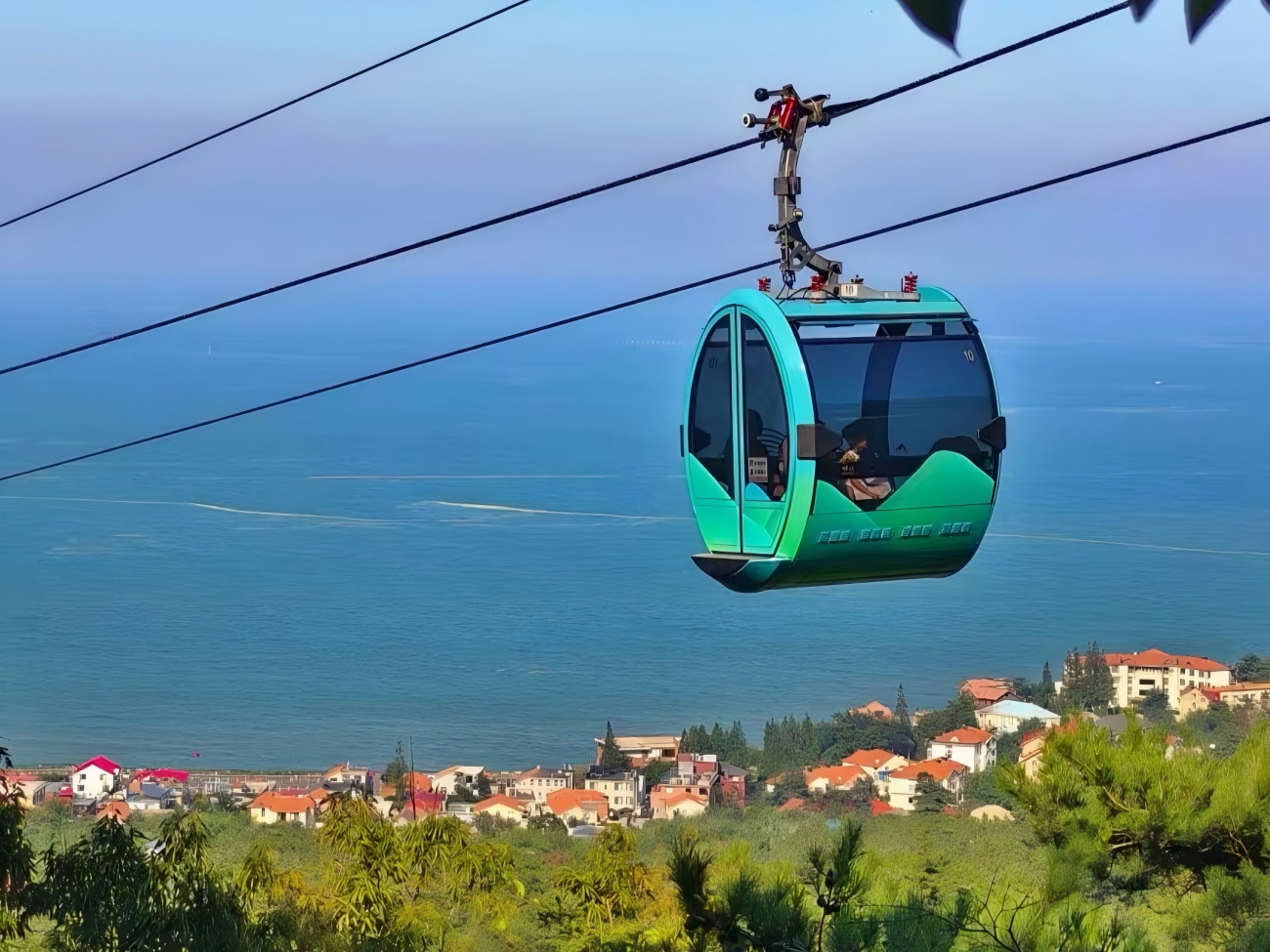
(3) Yangkou Cableway: Overlooking the Panoramic View of Mountains and Seas from Above
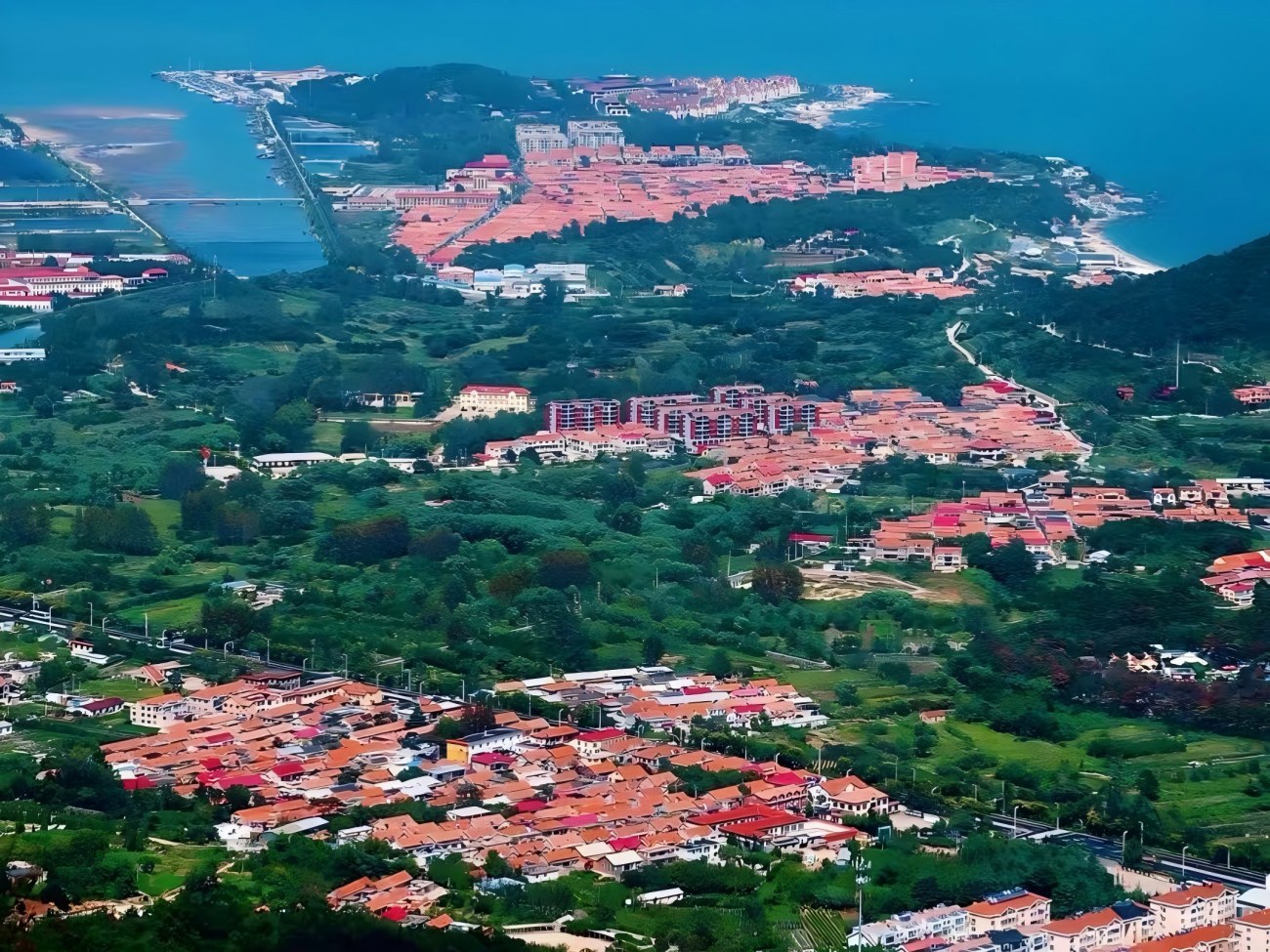
To enjoy Yangkou’s mountain and sea scenery in all directions, taking the Yangkou Cableway is the best choice. With a total length of 1,050 meters, the cableway starts at Yangkou Beach and ends below "Mitian Cave", with a drop of about 400 meters. The one-way ride takes approximately 15 minutes. Sitting in the cable car, visitors can overlook the golden sand of Yangkou Beach, the rippling blue waves of the Yellow Sea, and the rolling mountains of Laoshan. The high-rise buildings of Qingdao’s urban area are also faintly visible in the distance, presenting a integrated view of "mountains, sea, and city", evoking the grand feeling of "seeing all mountains small from above".
Near the cableway’s end, "Mitian Cave" is another wonder of Yangkou. This is a naturally formed cave over 100 meters long, narrow and deep inside. Visitors need to bend over and sidle through. Lights inside illuminate the stalactites, stone pillars, and other landscapes, resembling an "underground fairyland". Emerging from Mitian Cave, visitors reach the "Tianyuan Observation Deck", one of Yangkou’s highest points. Here, you can enjoy a 360-degree panoramic view of Yangkou, with the sea breeze brushing your face and mountains connecting to the sea, making you forget all worries.
IV. Core Scenic Area : Jufeng Scenic Area — The "Sea of Clouds Wonder" at Laoshan’s Main Peak
Jufeng is the main peak of Laoshan, with an altitude of 1,132.7 meters. It is also the highest peak on China’s coastline, known as the "No.1 Peak on the Sea". Jufeng Scenic Area is characterized by "height, peril, strangeness, and beauty", with main landscapes including the "Jufeng Sunrise", "Sea of Clouds Wonder", and "Laoshan Waterfall". It is a paradise for hiking and photography enthusiasts.
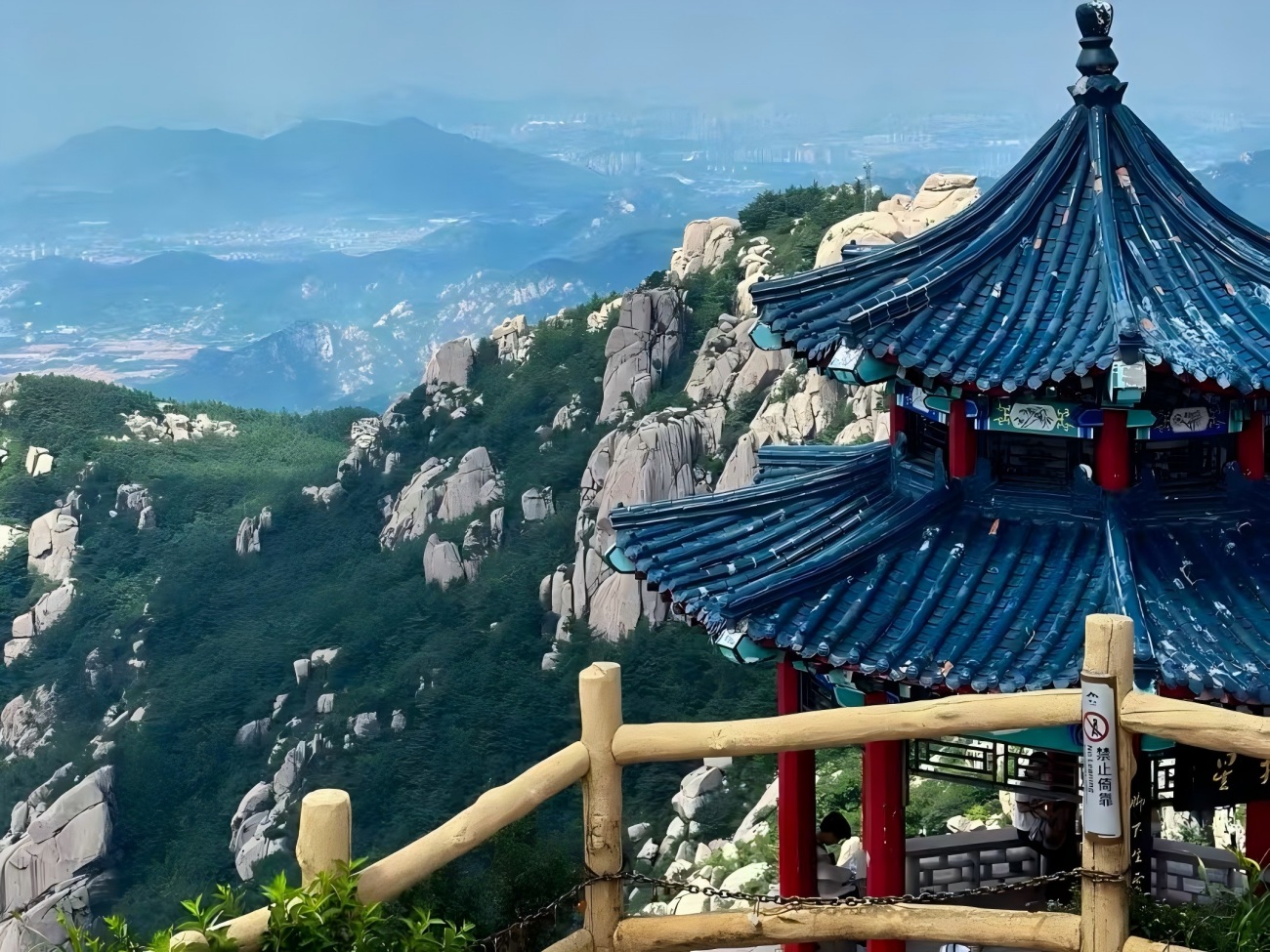
(1) Climbing Jufeng: Challenging the "No.1 Peak on the Sea"
The hiking routes to Jufeng are divided into the "Middle Route" and the "Loop Route". The Middle Route combines the "Jufeng Cableway + walking", while the Loop Route is "full walking". Visitors can choose according to their physical condition. The Jufeng Cableway is 2,000 meters long, starting at the "Jufeng Visitor Center" and ending at the "mid-slope of Jufeng", with a drop of about 800 meters. The one-way ride takes approximately 25 minutes. The cable car cabins are made of fully transparent glass, allowing visitors to enjoy Laoshan’s mountain forest scenery throughout the journey.
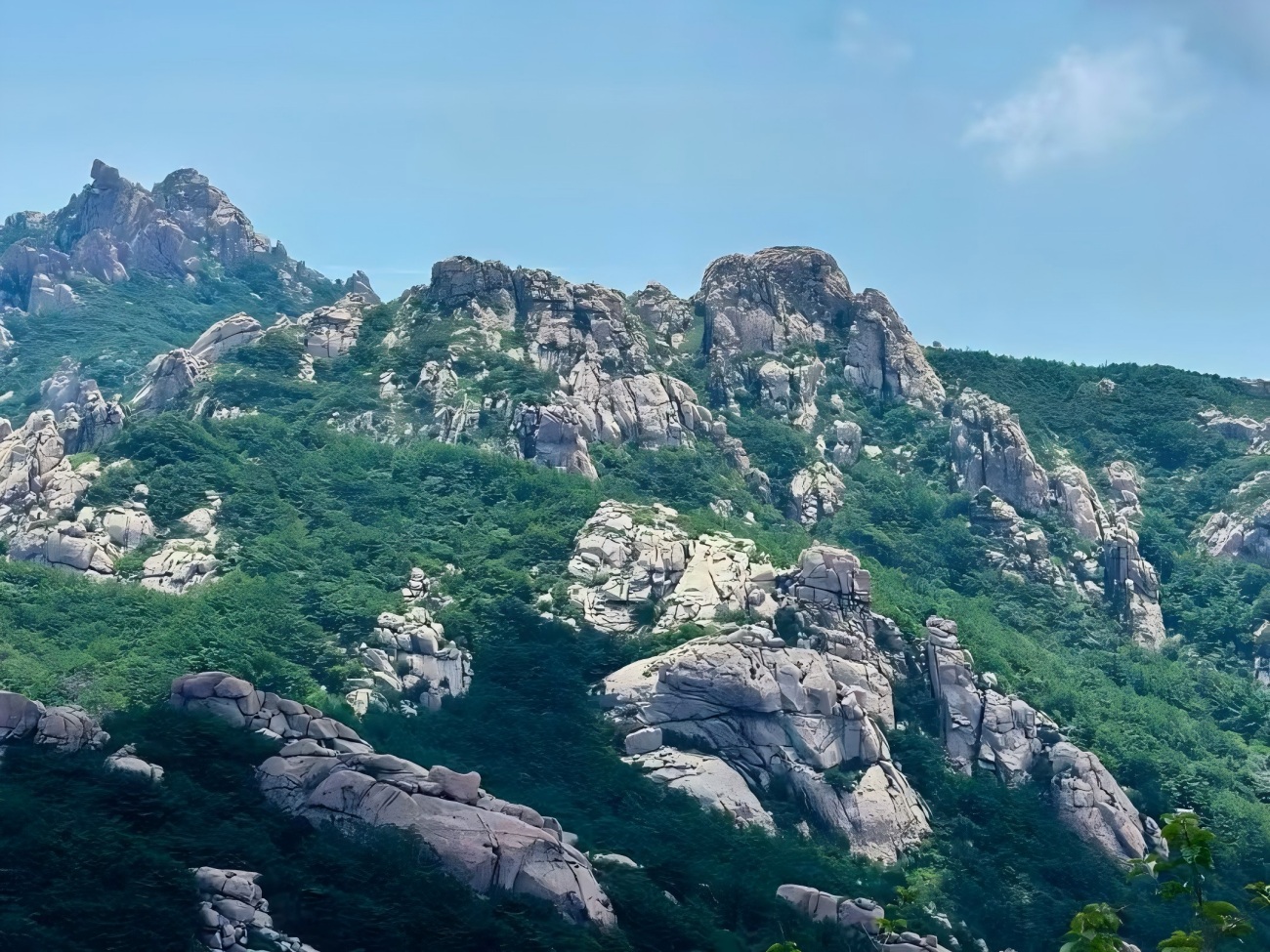
From the cableway’s end to Jufeng’s summit, visitors need to climb about 3,000 steps, with observation decks such as "Five-Finger Peak (Wuzhi Feng)", "Bigao Gu", and "Lingqi Peak" along the way. Among them, "Lingqi Peak" is Jufeng’s "best observation deck", offering a broad view overlooking Laoshan’s "72 peaks". The rolling peaks resemble a "green ocean". On cloudy days, visitors can also witness the "Sea of Clouds Wonder" — clouds and mist swirl around the mountains, rising and falling, with peaks looming in the sea of clouds like "islands in a fairyland", captivating all who see it.
At the top of Jufeng stands the "Jufeng Pavilion", a 10-meter-tall archaic building. Inside, geological specimens and historical photos of Laoshan are displayed, providing a resting and viewing spot for visitors. Outside the pavilion is the "Jufeng Stele", inscribed with "Main Peak of Laoshan · Altitude 1,132.7 Meters", a "must-photograph spot" for visitors.
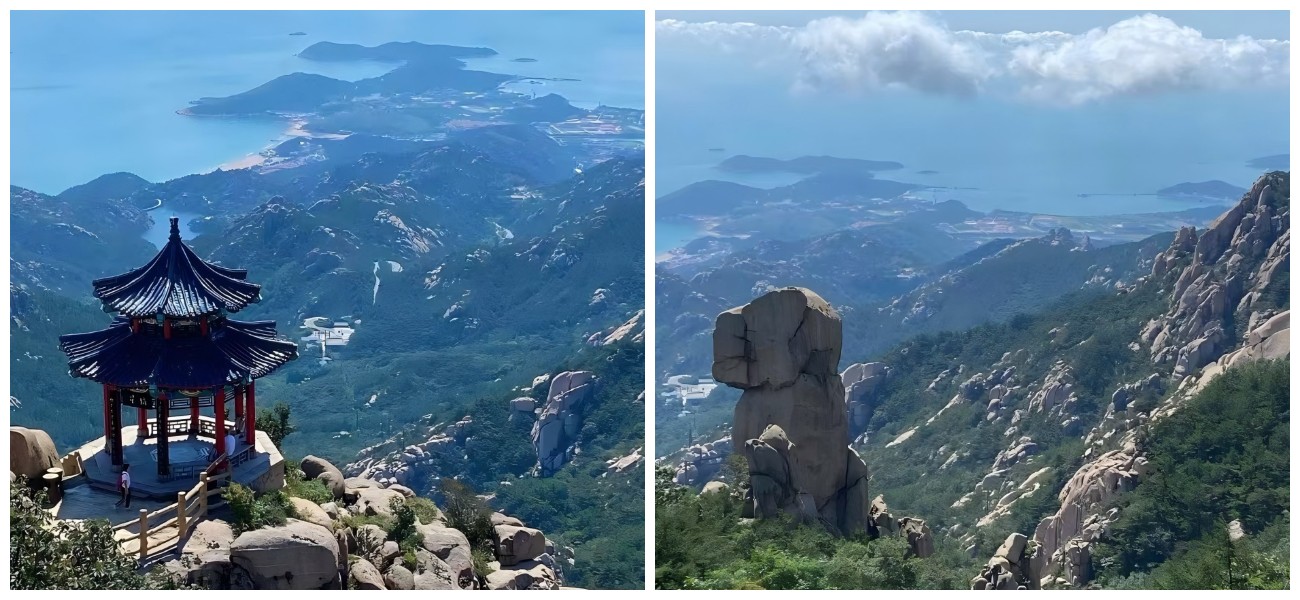
(2) Jufeng Sunrise and Waterfalls: The Ultimate Experience of Natural Wonders
Jufeng is the best "sunrise viewing spot" in Laoshan. From April to October every year is the prime season to watch the Jufeng sunrise. At 4–5 a.m., visitors need to set off from the mid-slope and climb to the summit to wait for the sunrise — when the sun slowly rises from the surface of the Yellow Sea, golden sunlight penetrates the clouds, illuminating Jufeng’s rocks and vegetation. The entire mountain seems to be "gilded with a layer of gold", and the sea of clouds shimmers with colorful light under the sun, creating a "visual feast".
In addition to the sunrise, Jufeng’s "waterfall scenery" is equally spectacular. The "Chaoyin Waterfall" on the west side of Jufeng is Laoshan’s most famous waterfall, with a drop of about 20 meters. Water cascades down from the mountain top, crashing against the rocks and making a sound like "tidal waves" — hence the name "Chaoyin" (Tidal Sound). Below the waterfall lies the "Diangang Bay", a 5-meter-deep pool with clear water and moss-covered surroundings, resembling a "natural swimming pool". In summer, when rainfall is abundant, the Chaoyin Waterfall rushes down with great momentum; in autumn, when the water volume decreases, it hangs like a "silver thread", gentle and graceful, presenting different beauties in different seasons.
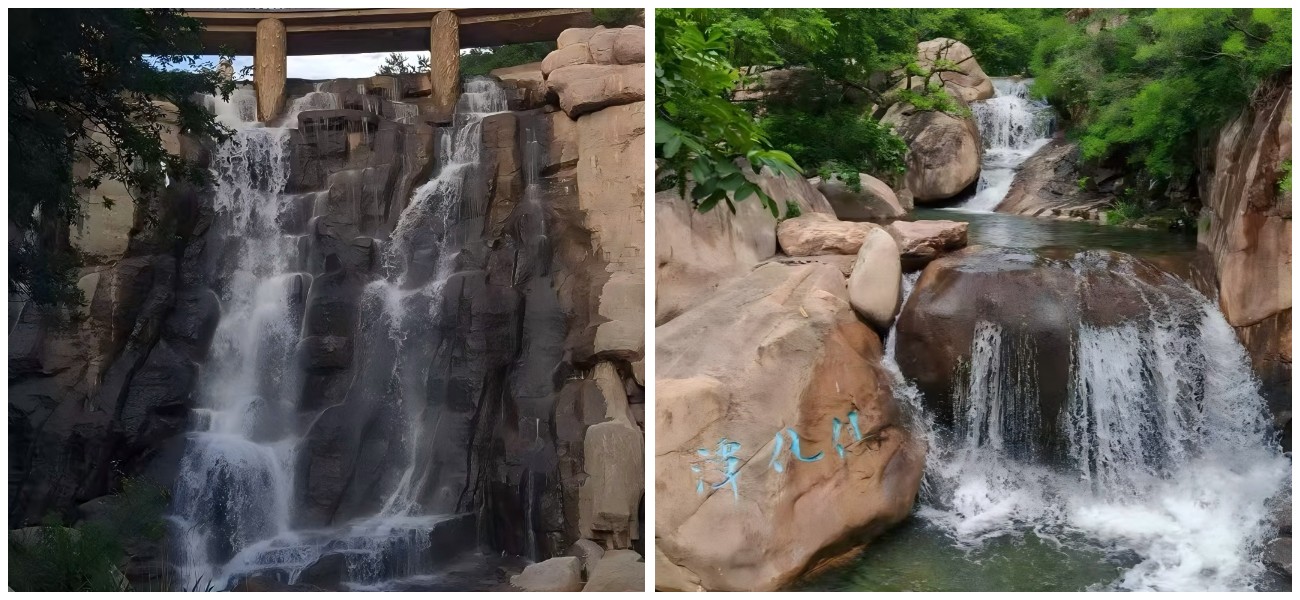
Jufeng Scenic Area also houses the "Jufeng Botanical Garden", which cultivates plants unique to Laoshan, such as the "Laoshan Lily" and "Laoshan Winter Camellia (Naidong)". The "Laoshan Lily" is a national second-class protected plant. It blooms from June to July, with orange-red, trumpet-shaped flowers, very beautiful, and is regarded as the "botanical treasure of Jufeng".
V. Laoshan’s Culture and Cuisine: A Dual Experience of Daoist Rhythm and Earthly Delights
Laoshan not only boasts "immortal aura" and "beautiful scenery" but also rich "culture" and "cuisine". These down-to-earth experiences make a trip to Laoshan more fulfilling and unforgettable.
(1) Laoshan Taoist Culture Experiences
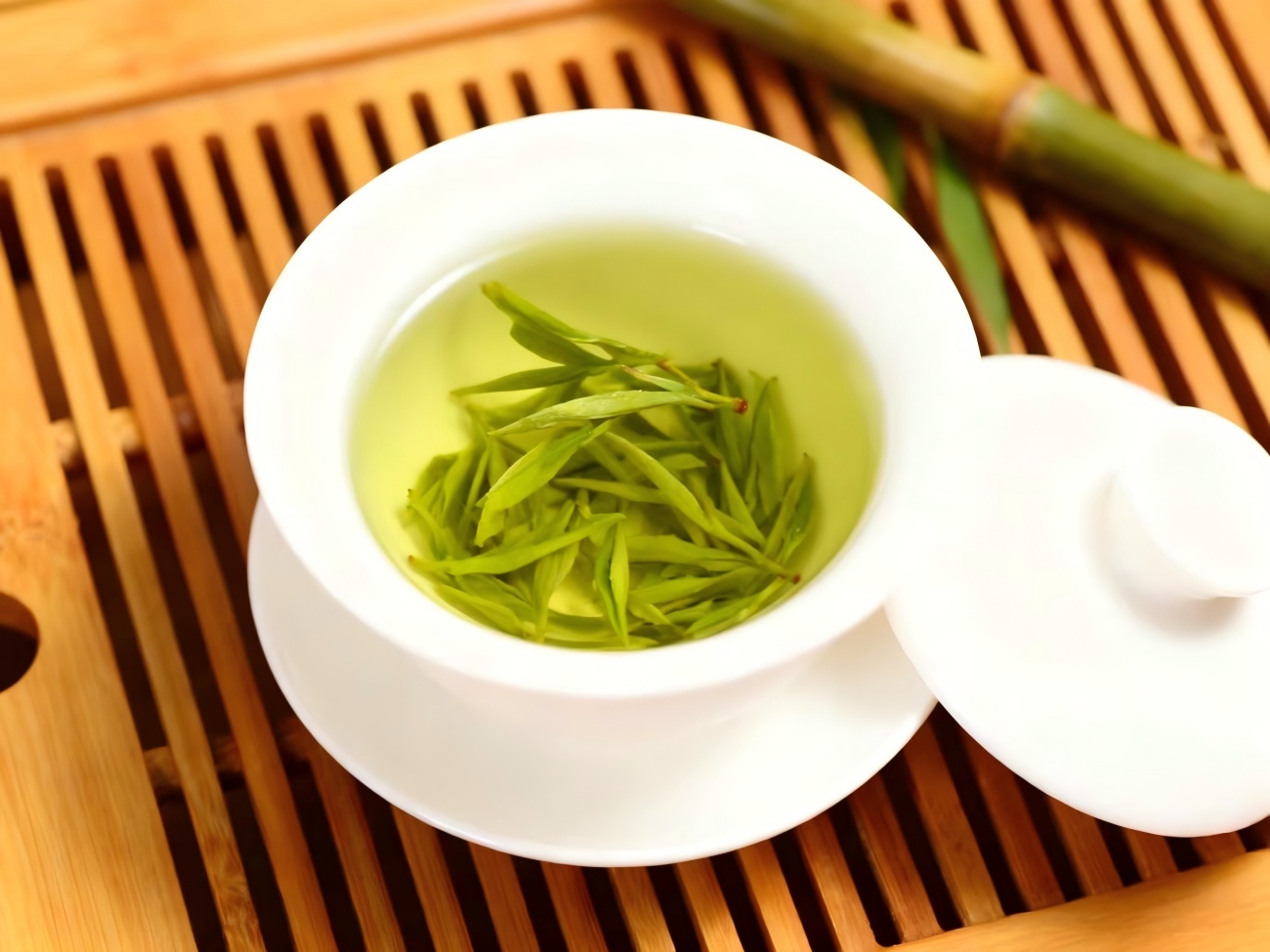
At Taiqing Palace, visitors can participate in "Taoist culture experience activities", such as the "Taoist Health-Preserving Tea Party", "Taoist Etiquette Learning", and "Tai Chi Kung Fu Experience". Among these, the "Taoist Health-Preserving Tea Party" is the most popular. Taoist priests at Taiqing Palace use spring water from the "Divine Water Spring" to brew Laoshan’s unique "Laoshan Green Tea" and explain the Taoist "way of health preservation". Visitors can sip tea while listening to the priests discuss scriptures and Taoism, experiencing the Taoist philosophy of "quietude and inaction".
In addition, Taiqing Palace holds the "Taoist Culture Festival" every year on the 15th day of the first lunar month (Lantern Festival). The event includes "Taoist Rituals", "Taoist Martial Arts Performances", and "Taoist Cultural Relics Exhibitions". Taoist believers and tourists from all over China come to participate, creating a lively atmosphere — the best opportunity to experience Laoshan’s Taoist culture.
(2) Recommended Laoshan Specialty Cuisine
Laoshan’s cuisine focuses on "seafood" and "mountain treasures", integrated with the Taoist concept of "health preservation". Each dish is full of "Laoshan characteristics".
Laoshan Mushroom Braised Chicken: This is Laoshan’s most classic famous dish. It uses locally raised "free-range native chickens" and "Laoshan mushrooms" (a type of wild mushroom growing in Laoshan’s forests), slow-braised to perfection. The chicken is tender and juicy, the mushrooms are fragrant and rich, and the soup is creamy white and thick, nutritious and healthy. It is the "signature health dish" of Taoism and can be enjoyed in its most authentic flavor at Taiqing Palace’s "Vegetarian Restaurant" and Yangkou’s "Fishermen’s Feast".
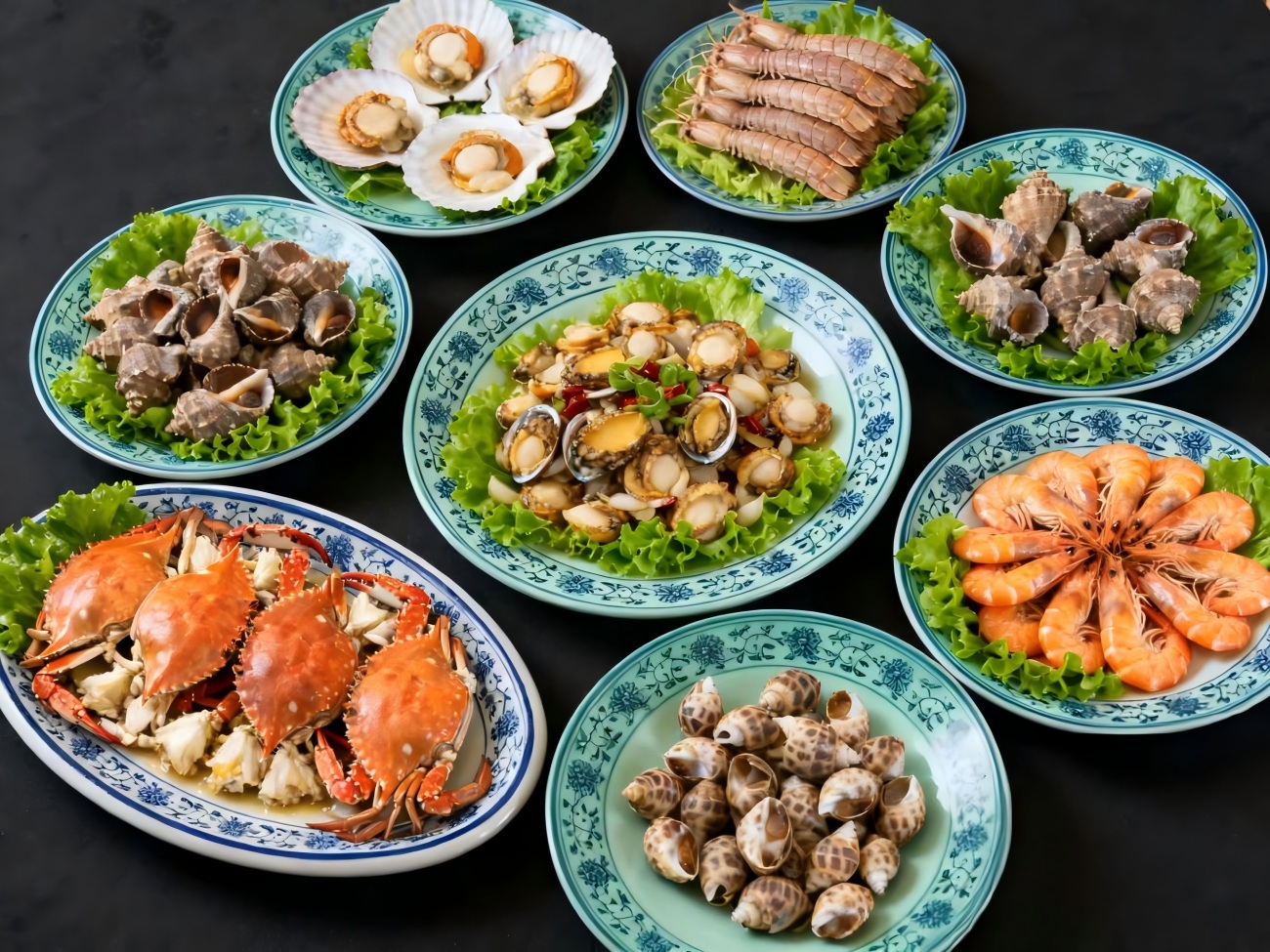
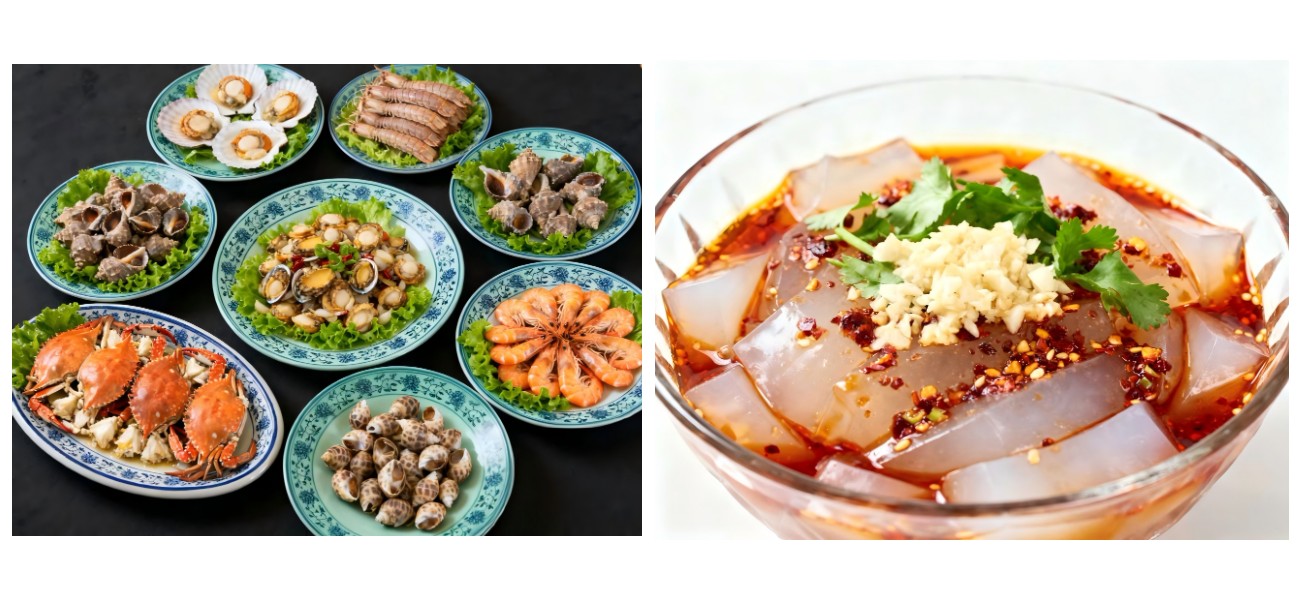
Laoshan Seafood Feast: Bordering the Yellow Sea, Laoshan is rich in seafood resources. The seafood feast is famous for being "fresh and diverse", with common dishes including "Steamed Swimming Crab", "Spicy Stir-Fried Clams", "Braised Prawns in Soy Sauce", and "Grilled Squid". Among these, "Steamed Swimming Crab" is the most distinctive. Using fresh swimming crabs from Laoshan Bay, it is steamed and served with ginger vinegar. The sweet crab meat spreads in the mouth, irresistible. The best season to enjoy it is from September to October (when swimming crabs are at their fattest).
Laoshan Green Tea: A famous green tea variety in China. Grown in Laoshan’s forests and influenced by the mountain-sea climate, the tea leaves are characterized by "thick leaves, fresh taste, and high fragrance", known as the "No.1 Tea in Northern China". At Laoshan’s "Green Tea Plantation Bases", visitors can participate in "tea picking and processing experiences" — picking tea leaves by hand, watching tea farmers process them, and tasting freshly made "new tea", experiencing the "fresh charm" of Laoshan Green Tea.
Laoshan Jelly: A traditional Laoshan snack, made by boiling "agarweed" (a type of seaweed unique to Laoshan). It has a smooth and chewy texture, similar to Penglai’s "Seaweed Jelly". However, Laoshan Jelly’s seasoning has more Taoist characteristics, adding "Laoshan Green Tea Powder" and "honey", making it sweet and sour, appetizing, and refreshing — the "must-try snack" for summer trips to Laoshan. It can be bought on streets and alleys throughout Laoshan.
(3) Recommended Laoshan Souvenirs
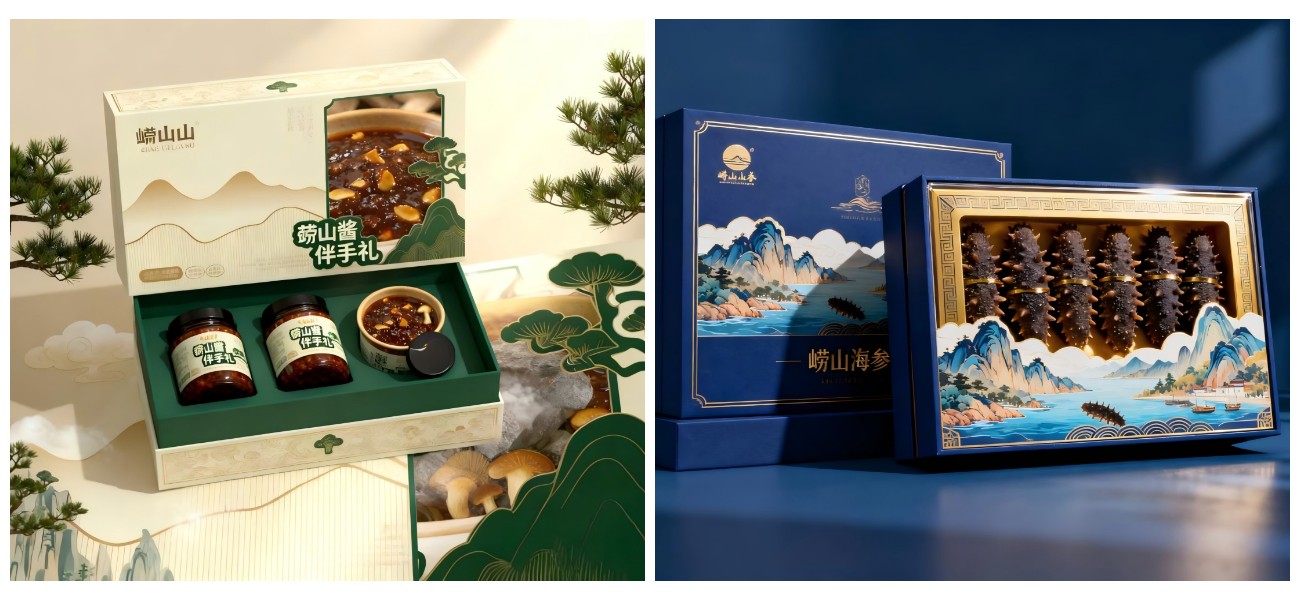
When leaving Laoshan, visitors can purchase "Laoshan souvenirs" such as "Laoshan Green Tea", "Laoshan Mushroom Sauce", "Laoshan Sea Cucumber", and "Taoist Cultural and Creative Products". Among these, "Laoshan Mushroom Sauce" is the most popular. Made from Laoshan mushrooms and various seasonings, it is savory and delicious, suitable for mixing with noodles or rice — an "excellent product" for home and travel. It can be bought at Laoshan’s "specialty stores" and "Taiqing Palace Cultural and Creative Stores".
VI. Encountering Laoshan
Dear tourists and friends, as the sunset gilds Laoshan’s peaks with its final golden glow, and the sea breeze carries the fragrance of Laoshan Green Tea past your ears, our journey to Laoshan is about to draw to a perfect close.
During this short journey, we traced the magical legend of the "Laoshan Taoist", touched the weathered traces of Taiqing Palace’s thousand-year-old architecture, witnessed the magnificent wonder of Jufeng’s sea of clouds, and tasted the fresh flavors of Laoshan’s cuisine. We felt the romance of the "blue sea and golden sand" at Yangkou Beach, waited for the stunning sea sunrise at Taiping Palace, and experienced the tranquility of the "Taoist Tea Party" at Taiqing Palace. These memories, like Laoshan’s sea of clouds, are fleeting yet profound, and will become an unforgettable "mountain-sea imprint" in our hearts.
Laoshan, this "No.1 Mountain on the Sea", not only possesses the natural beauty of "interconnected mountains and seas" but also embodies the profound cultural heritage of "lingering Daoist rhythm". It makes us understand that "fairyland" is never just an illusory place in legends, but the integration of nature and humanity, the dialogue between history and the present, and people’s yearning for a life of "tranquility, nature, and health preservation".
As we bid farewell, may the sea breeze of Laoshan take away your fatigue, may the "immortal aura" of Taiqing Palace bring you good luck, and may the beautiful memories of this journey become a warm "mountain-sea light" in your heart whenever you think of it.