Pingyao Ancient City
Discover Pingyao: Your Private Gateway to Ancient China
We specialize in crafting personalized tours for international travelers to Pingyao, a UNESCO World Heritage site. Here’s what we offer:
Tailored Cultural Immersion: Visit the Rishengchang Draft Bank, birthplace of modern Chinese banking, and the ancient County Government. We adjust each itinerary to match your interests and pace.
Authentic Local Encounters: Enjoy Pingyao’s famous beef, wander traditional courtyards, and optionally visit the stunning Shuanglin Temple with its iconic painted sculptures.
Seamless Customization: From history and architecture to food and photography, we design flexible, stress-free private tours just for you. Let us handle all details for an unforgettable journey.
Contact us to start planning your unique Pingyao adventure today
Discover Pingyao: The Living Ancient City & Cradle of China's Banking
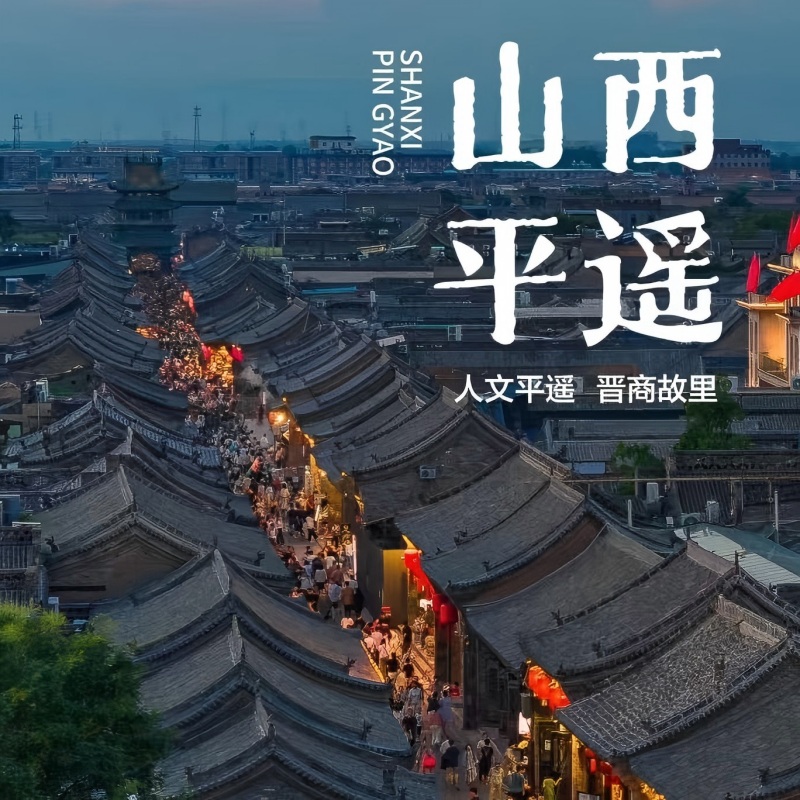
Hey everyone, and welcome to Pingyao! I'm your guide today. We're about to step back in time and explore one of China's best-preserved ancient walled cities, a UNESCO World Heritage site that feels like a living museum from the Ming and Qing dynasties. We'll trace its 2,700-year history, uncover the secrets of its incredible wealth, and even see where modern Chinese banking began. Let's go!
Why Pingyao is a "Turtle City" & Its UNESCO Status
First, let's talk about why Pingyao is so special. Founded over 2,700 years ago and massively expanded in 1370, its unique layout is shaped like a turtle – a symbol of longevity and protection in Chinese culture. The south gate is the head, the north gate the tail, and the four gates on the sides are the legs. This clever design wasn't just for good luck; it made the city incredibly hard to attack.
In 1997, UNESCO recognized Pingyao as a World Heritage Site, calling it an "exceptionally well-preserved example of a traditional Han Chinese city." It's also a top-tier 5A-rated attraction in China. So, we're walking through history itself today!
1. The Ancient City Wall: Your Walk on a 600-Year-Old Guardian
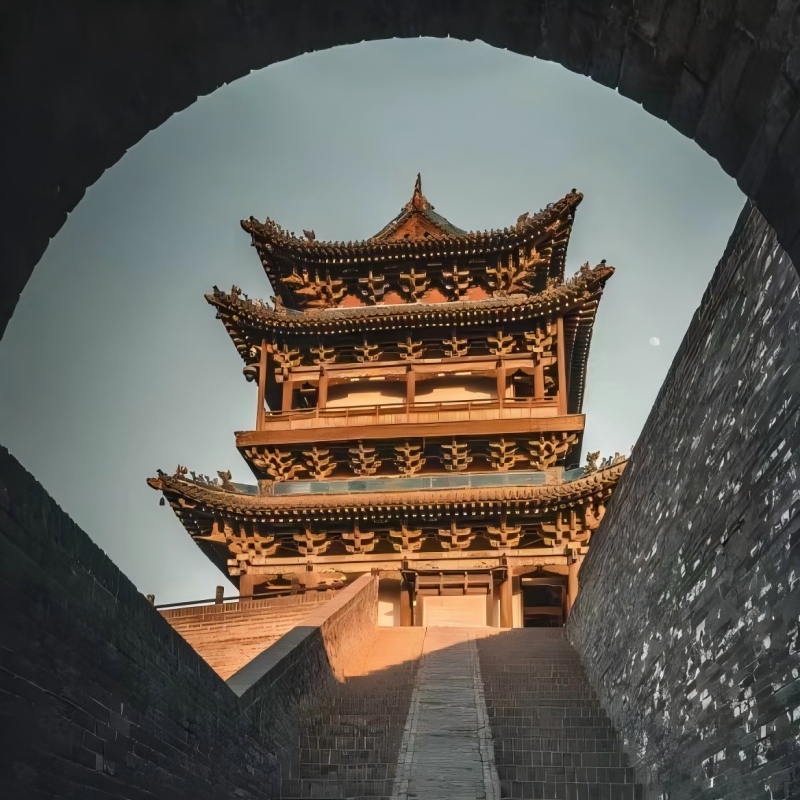
Our first stop is the magnificent City Wall. This is the heart of the "turtle." Stretching over 6 kilometers and standing 12
meters tall, it's the most complete Ming-Qing dynasty county wall in all of China.
Fun Fact: Legend says the Ming-dynasty official in charge dreamed of a divine turtle carrying the city. He used that vision as his blueprint! The wall isn't just a wall; it's a masterpiece of ancient military engineering. Look for the 72 watchtowers and 3,000 battlements – numbers said to honor Confucius's 72 wise disciples and 3,000 students.
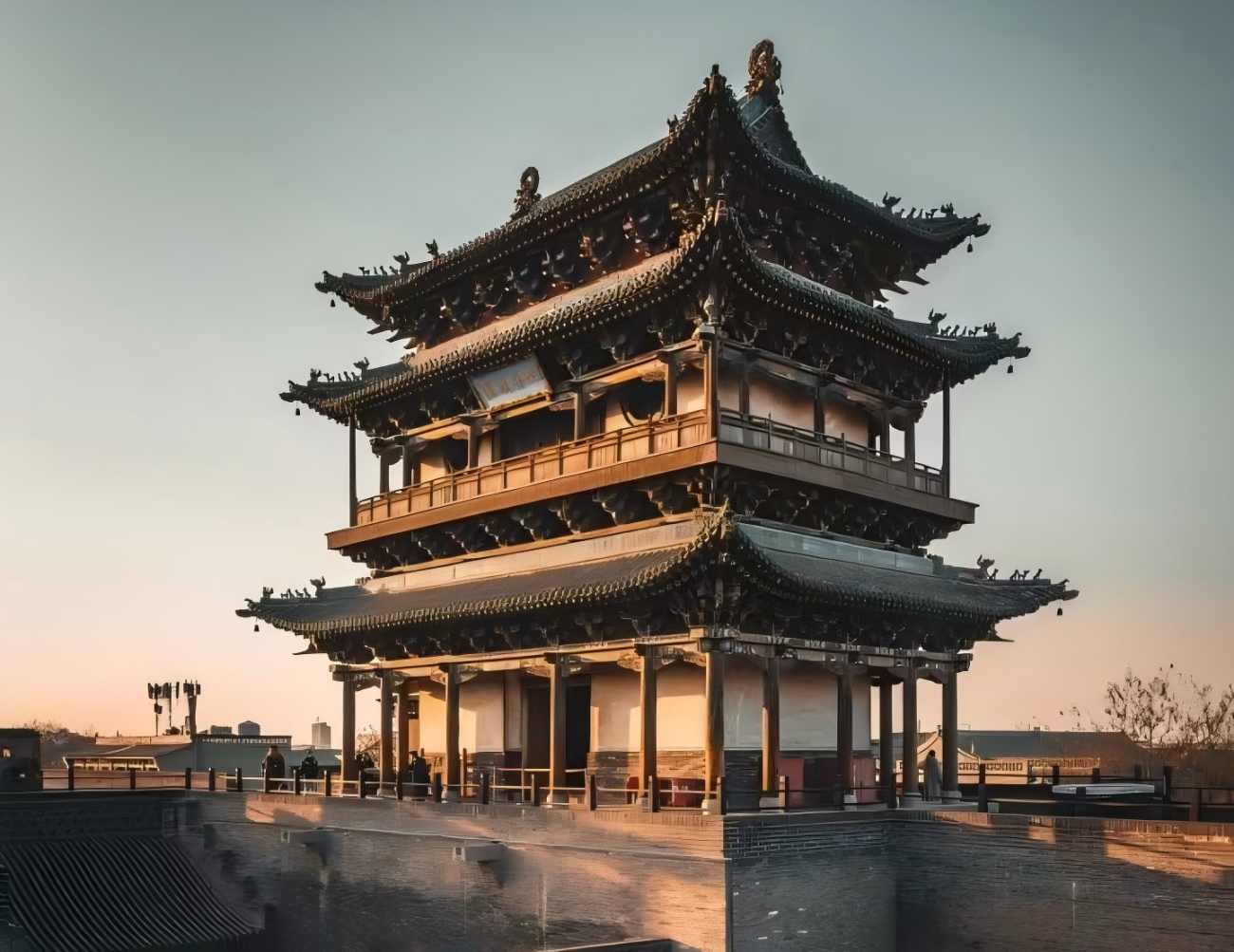
We're entering through the South Gate (Yingxun Gate), the turtle's head. Climb up for an amazing rooftop view! You'll see the chessboard-like street grid, traditional courtyard houses with grey bricks and tiles, and even glimpse distant temples. Touch these ancient bricks – they've weathered centuries and tell countless stories.
2. Rishengchang Draft Bank: The "Grandfather of Chinese Banks"
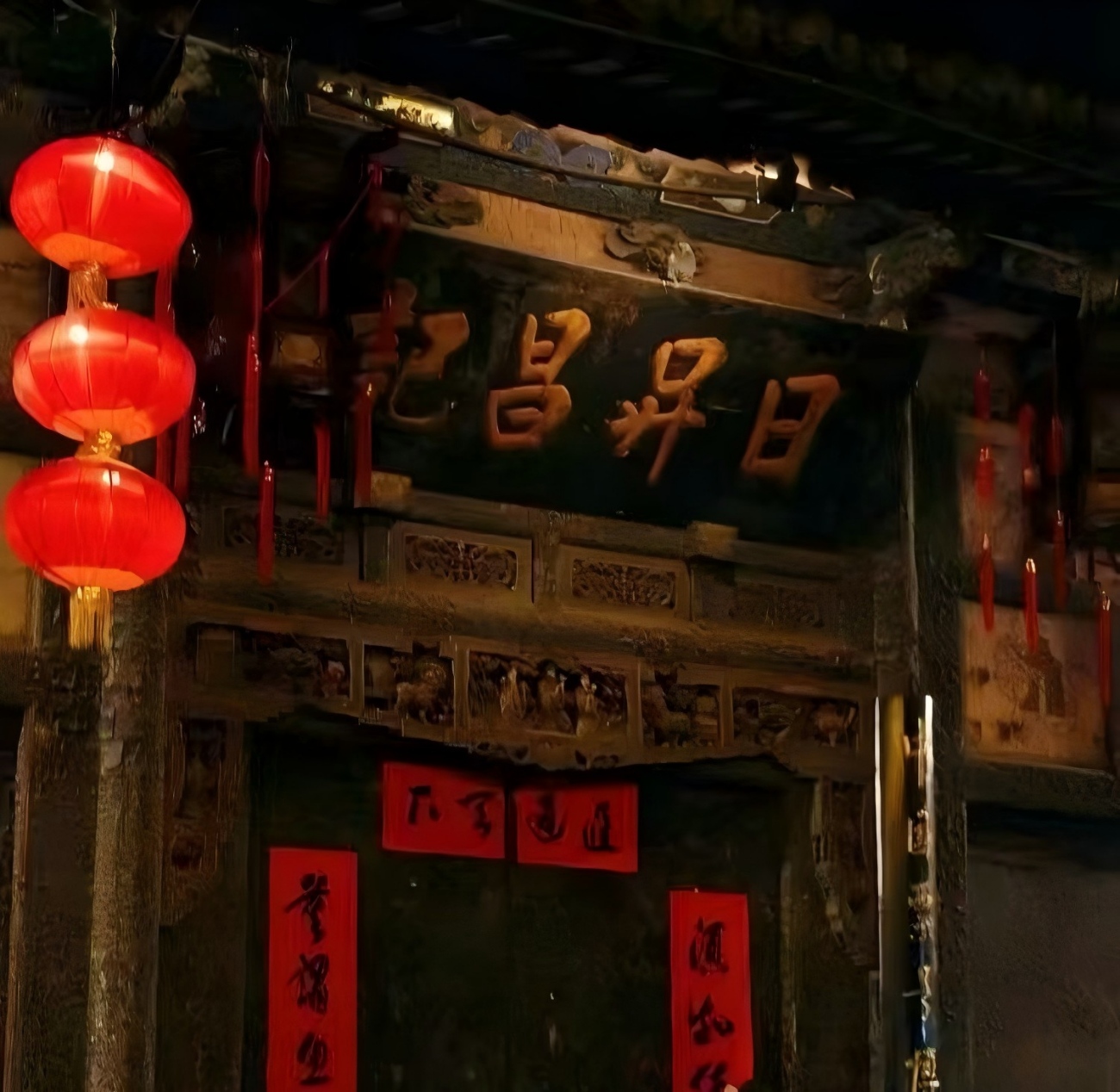
Now, let's dive into the story that made Pingyao rich. Down on West Street, this unassuming courtyard is the Rishengchang Draft Bank, founded in 1823. This is literally where modern Chinese banking was born!
Before this, merchants had to transport silver physically, which was slow, expensive, and dangerous (hello, bandits!). The genius here created the first "draft" or "remittance" system. You could deposit silver here and get a coded paper draft, then cash it in at another branch across the country – safe and simple.
Inside the Courtyard: It's a classic Shanxi merchant compound. The most important room is the Teller's Office. See the plaque that says "Remittance Across the World"? That was their ambition! They even developed a super-secret **code system using poetry to prevent forgery. Words like "Beware of counterfeit tickets" represented different months. Clever, right?
At its peak, Rishengchang had 35 branches across China and Asia, moving millions of taels of silver. It served everyone from the Qing government to rich nobles. While it closed in 1932, it's now the Chinese Draft Bank Museum, showcasing the incredible business acumen and integrity of the "Jin Merchants."
3. The Ancient County Government: A Ming-Qing Era Courthouse
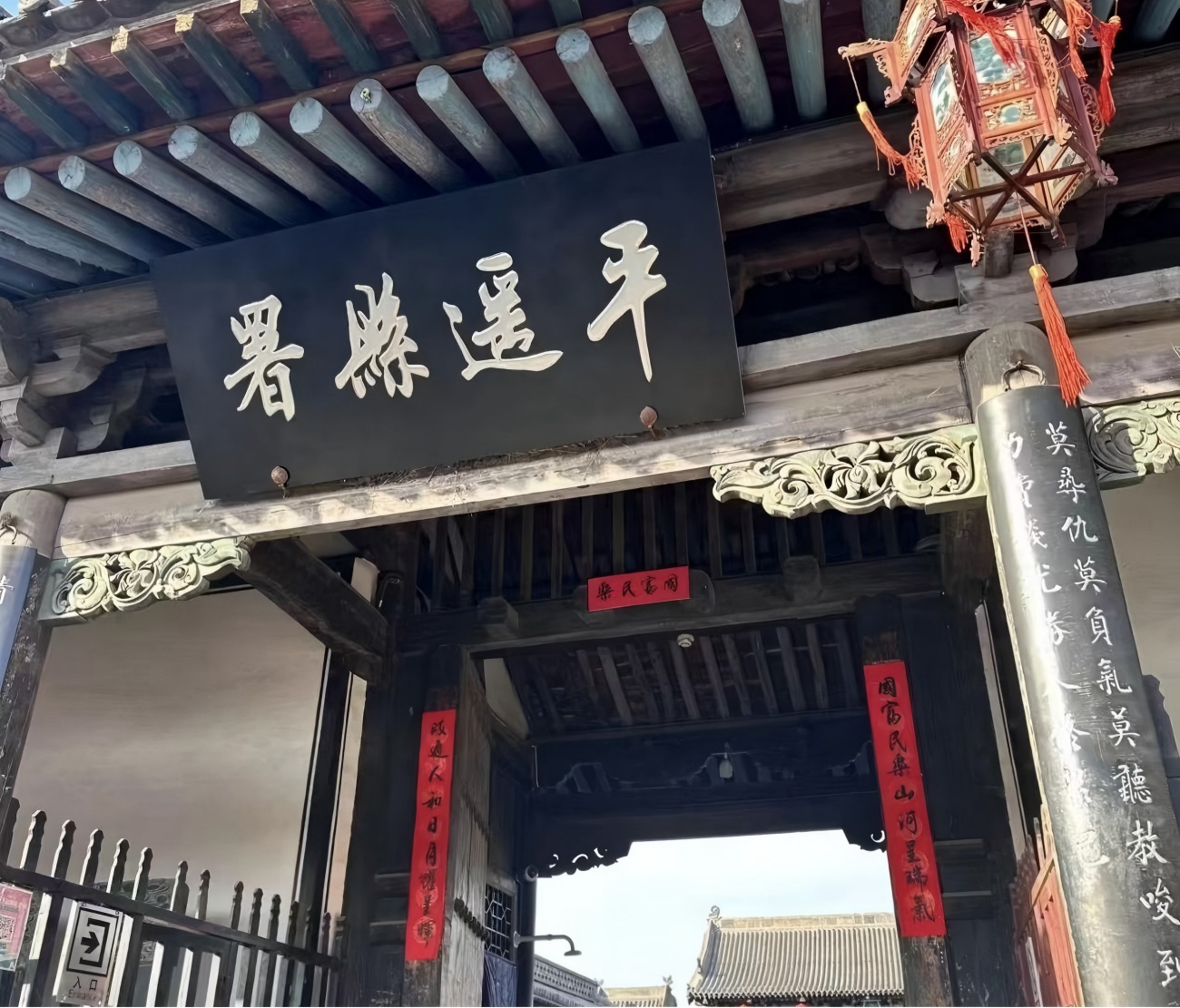
Right in the center of town is the Pingyao County Government Office. It's one of China's largest and best-preserved historical county yamens, giving us a real look at how local government worked for hundreds of years.
This complex has over 200 rooms! We'll follow the "front hall, back residence" layout:
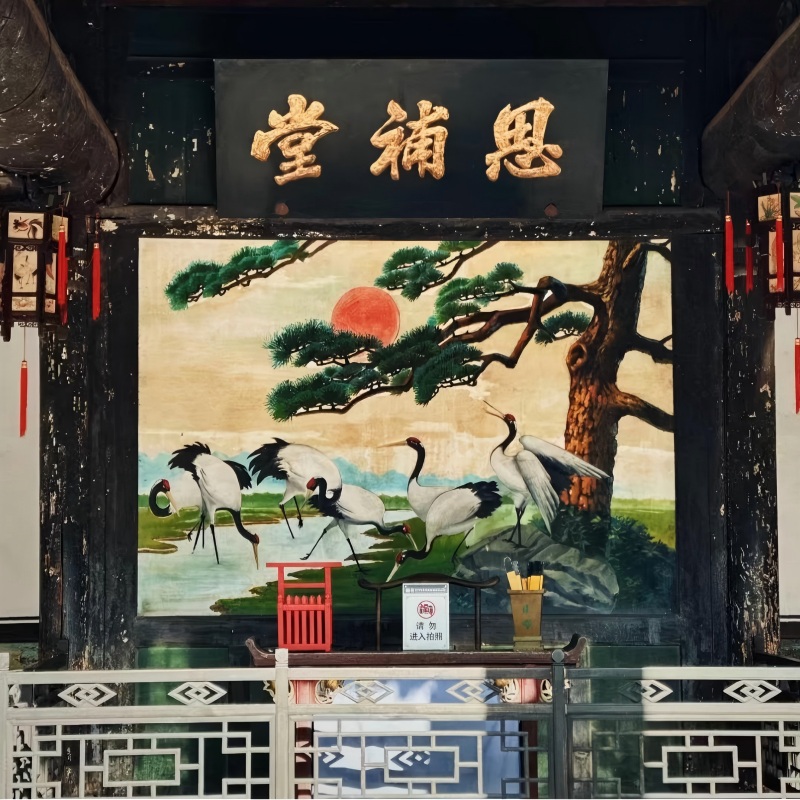
The Great Hall: This is where the county magistrate held court for major trials. See the judge's desk with the gavel and the "arrest" and "punishment" tablets. The screen behind him with a "sea, sun, and mountain" painting reminded him to be "upright and open-minded."
Look at the Trees! In the courtyard, two old cypress trees are nicknamed the "Crooked Neck" and "Straight" trees, symbolizing that both crooked and upright people come before the law, but the judge must stay straight!
Second & Third Halls: Used for daily business and the magistrate's office.
The Back Gardens & Residence: Where the magistrate's family lived. It's a beautiful, peaceful escape from his public duties.
You can also see ancient documents and, in a sobering exhibit, some of the **judicial instruments** (like shackles) used in that era.
4. The City God Temple (Chenghuang Miao): The Spiritual Heart
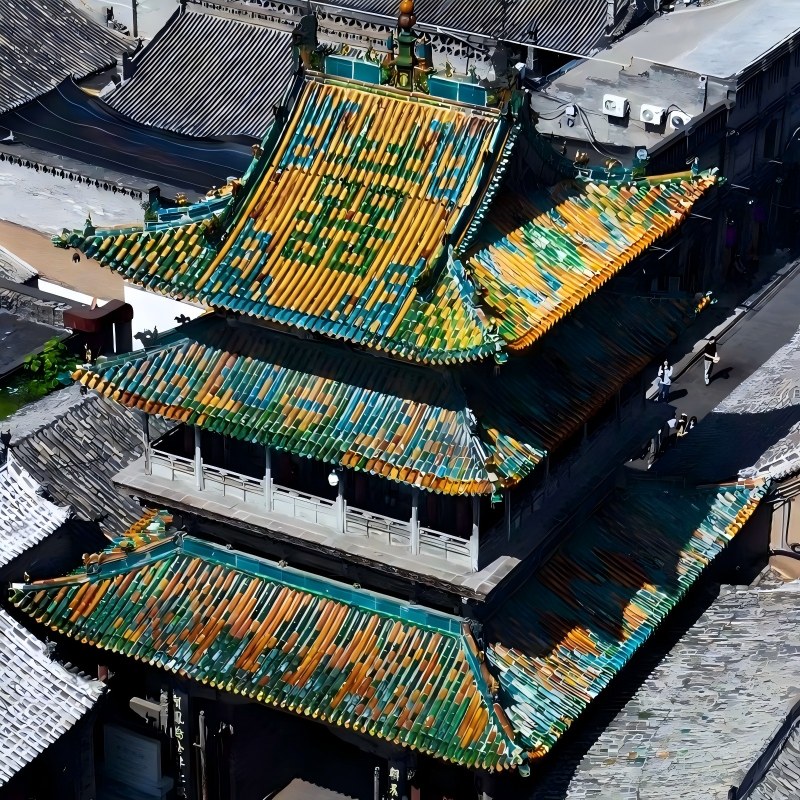
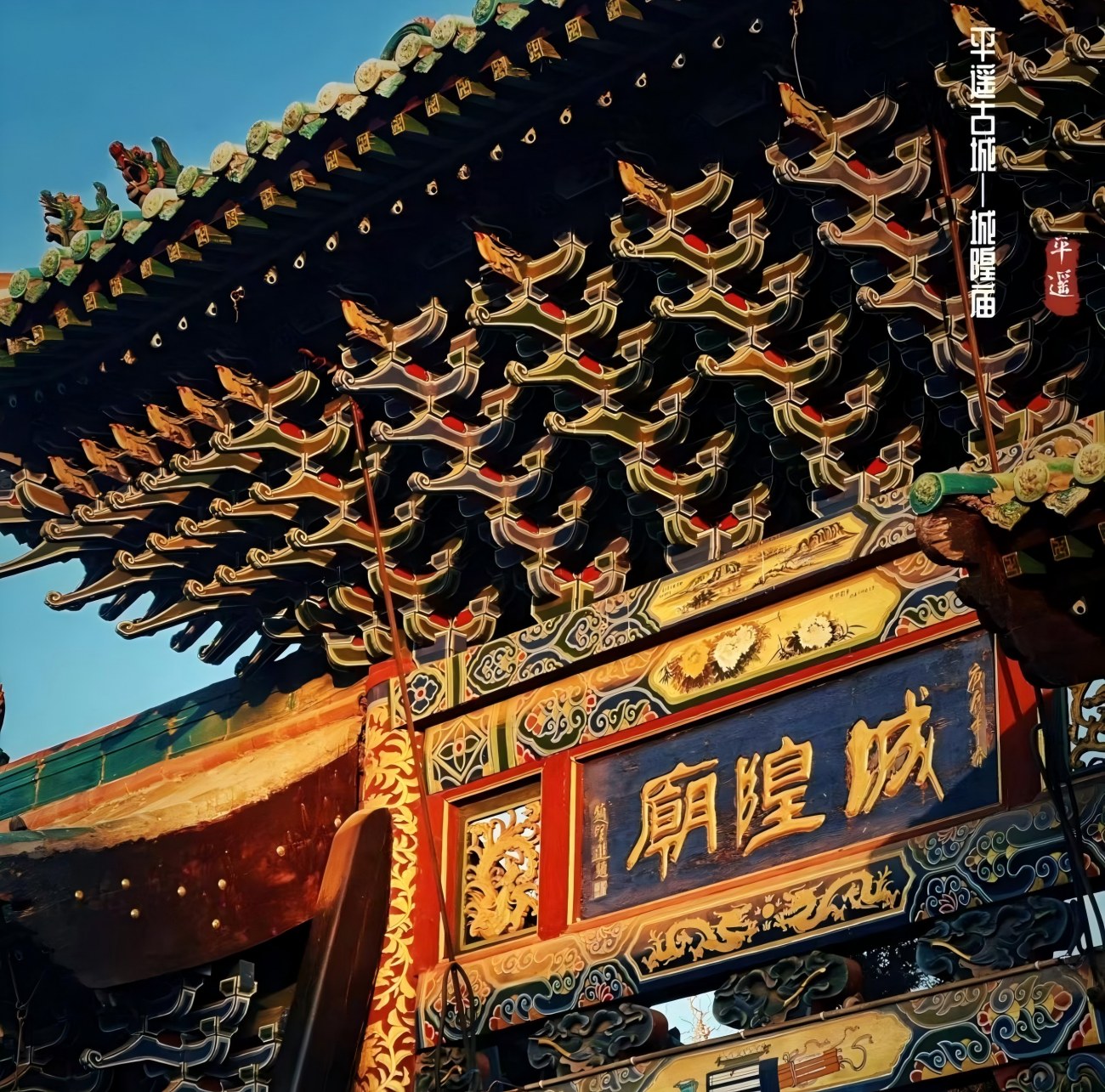
In the southeast corner sits the vibrant City God Temple. Every traditional Chinese city had one dedicated to its divine protector. This one, facing the Government Office across the street, created a balance of power: earthly rule on one side, spiritual watch on the other.
The temple is an architectural mix of Taoist, Buddhist, and Confucian elements. Don't miss:
The Ancient Theater Stage: Right inside the gate. It's stunning, with intricate carvings. During temple fairs, it would come alive with opera performances.
The Main Hall: Houses the statue of the City God, a deified Tang Dynasty general believed to protect the city and its people.
The Unique Combo: Attached to the temple is a Temple of the God of Wealth. This perfect combo shows Pingyao's dual wish: for peace and prosperity. After all, business was in their blood!
5. Shuanglin Temple: The "Treasure House of Oriental Colored Sculpture"
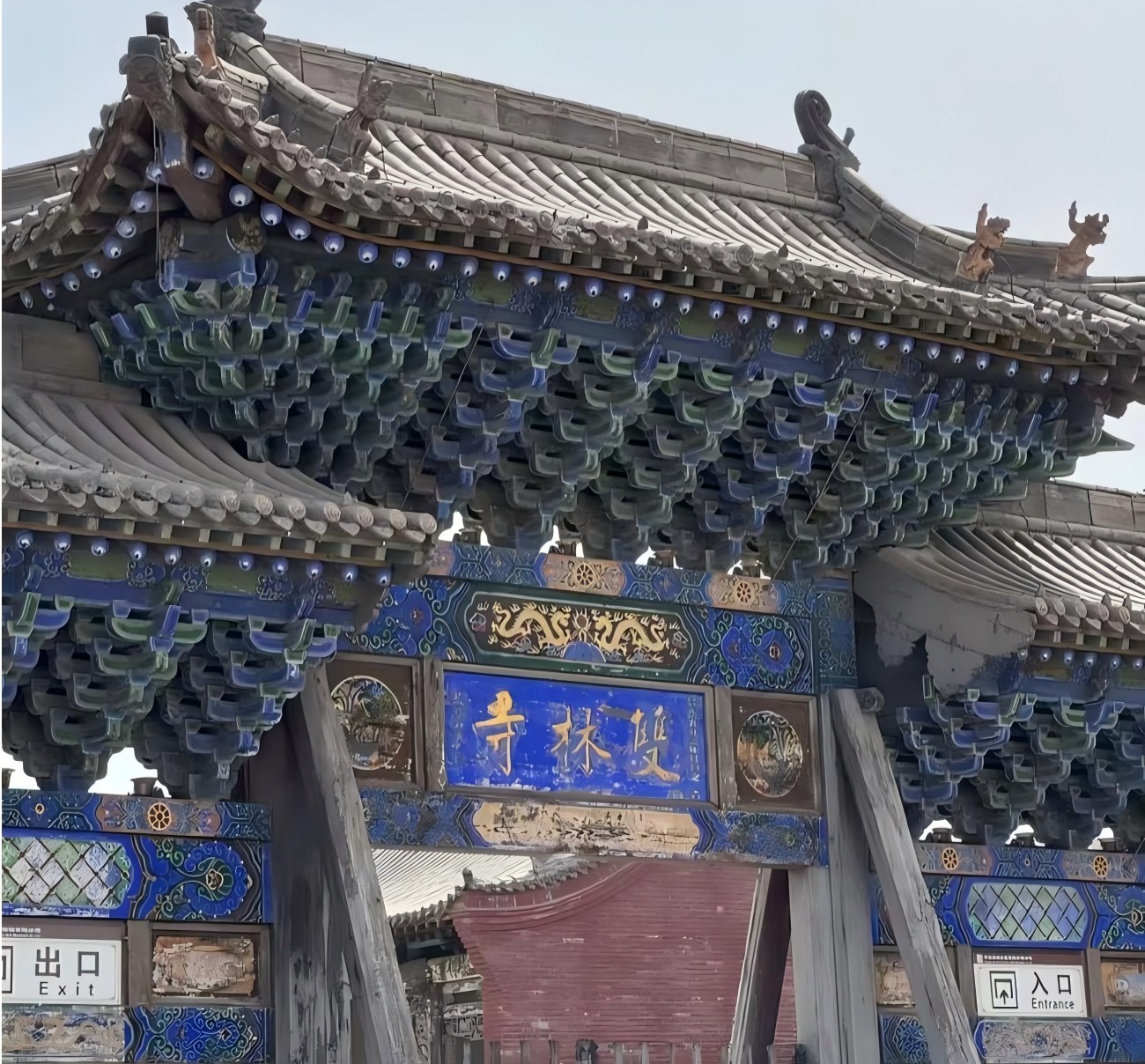
A short trip (6km) outside the city walls brings us to a true artistic marvel: Shuanglin Temple, also part of the UNESCO site. Founded nearly 1,500 years ago, it's famed for its over 2,000 exquisite painted clay statues from the Ming and Qing dynasties.
Forget static, solemn figures. These sculptures are breathtakingly lifelike and expressive.
The Thousand Buddha Hall: Look for the statue of Wei Tuo, a guardian god. His posture, piercing gaze, and the detailed carving of his armor and drapery make him seem ready to step off his pedestal.
The Bodhisattva Hall: Here you'll find the magnificent **Thousand-armed Guanyin, a statue of compassion with dozens of gracefully arranged arms.
The skill of the ancient artisans is mind-blowing. They used wood, clay, and mineral pigments that remain vibrant today. This temple is a quiet, awe-inspiring gallery of some of China's finest religious art.
6. What to Eat in Pingyao: A Foodie's Guide
All that exploring builds an appetite! Pingyao's food is hearty, flavorful, and reflects its merchant heritage.
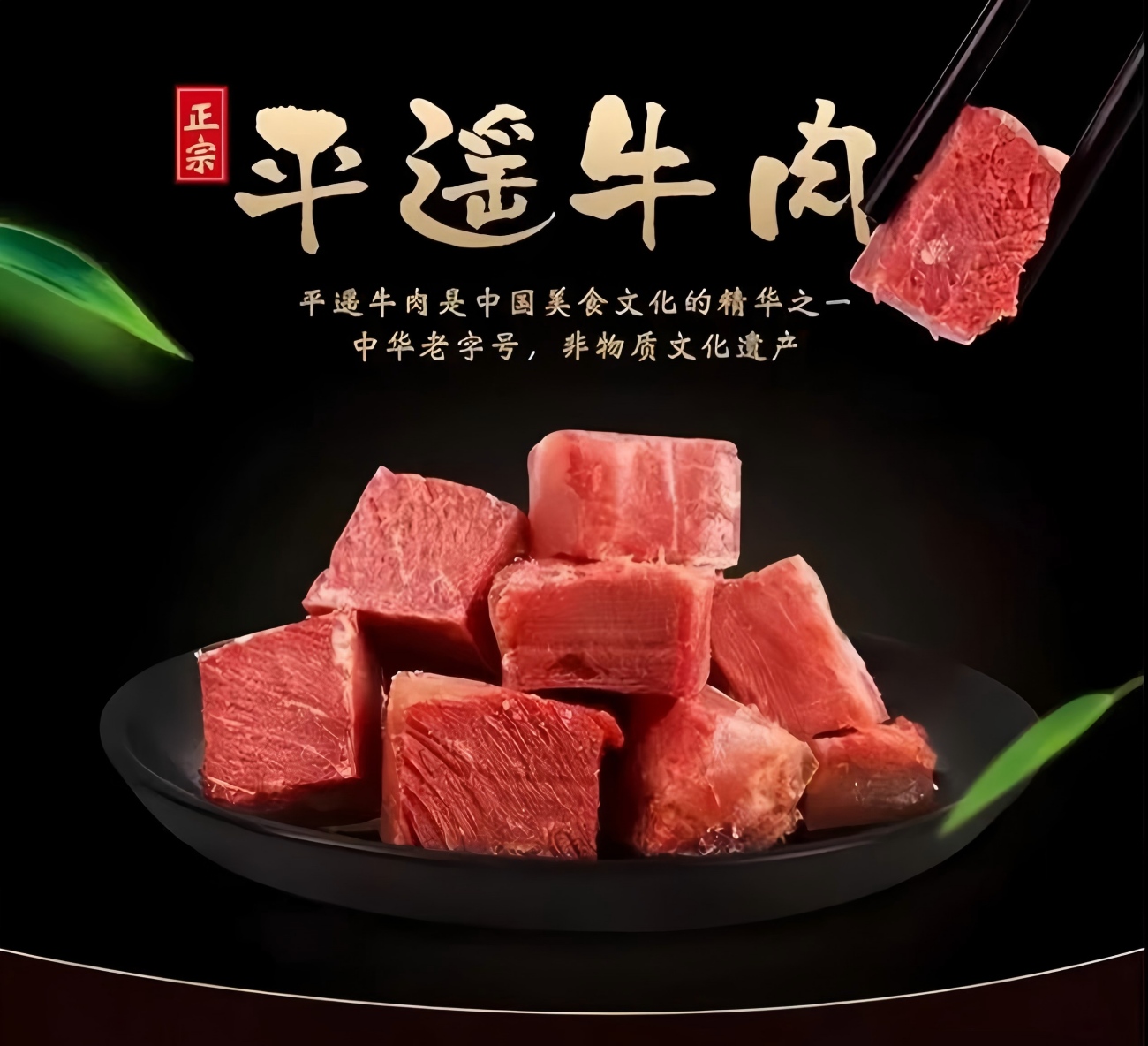
PINGYAO BEEF:You cannot leave without trying this. This is the city's most famous export. Cured and braised for days using a centuries-old method, it's aromatic, tender, and not greasy. Perfect as a snack or in dishes. Look for certified local brands!
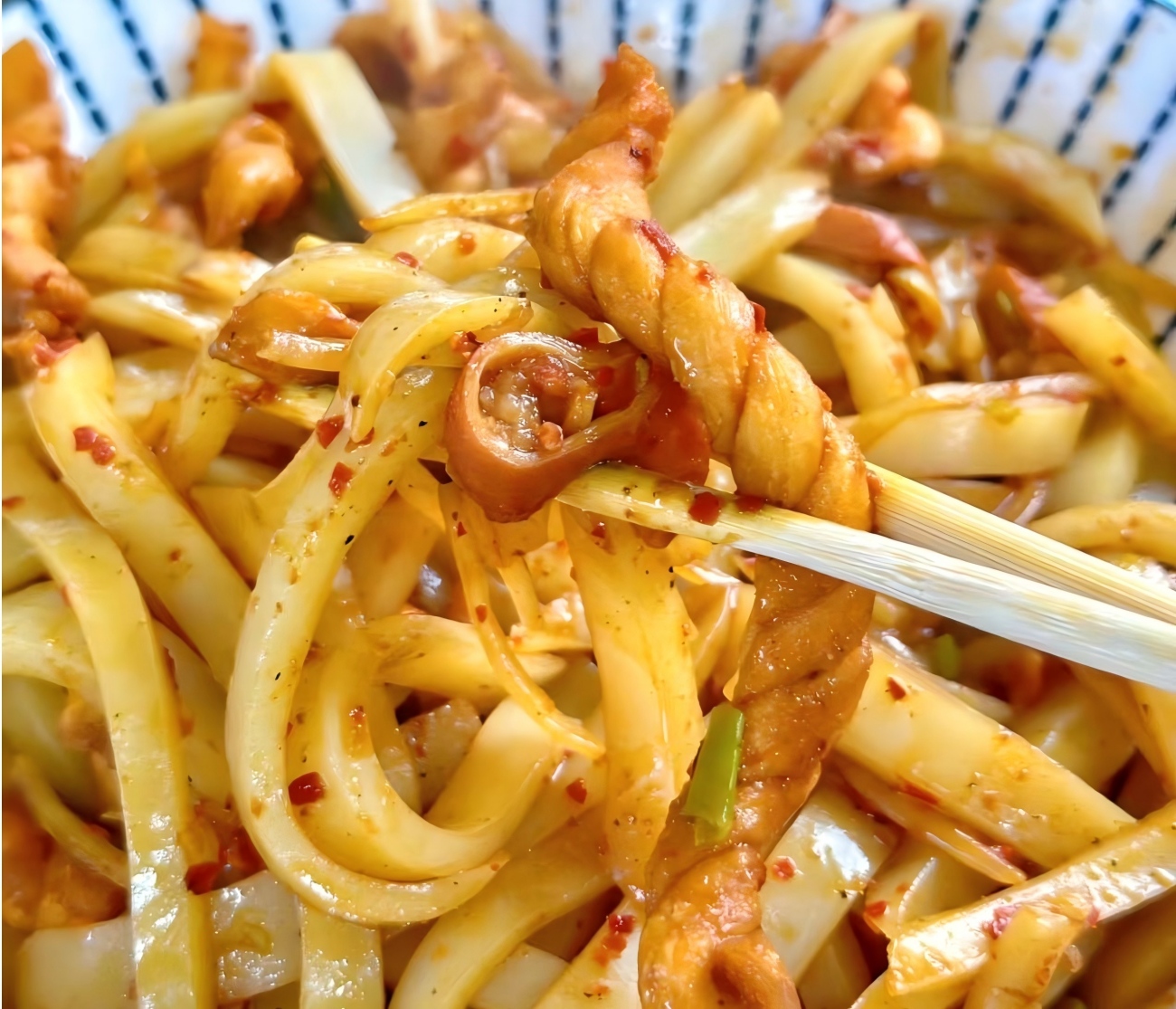
Pingyao Bowl Tiao (Bean Thread Noodles in Bowl): A classic Shanxi noodle dish. Chewy, hand-pulled noodles served in a savory broth, often with a topping of braised beef. Comfort food at its best.
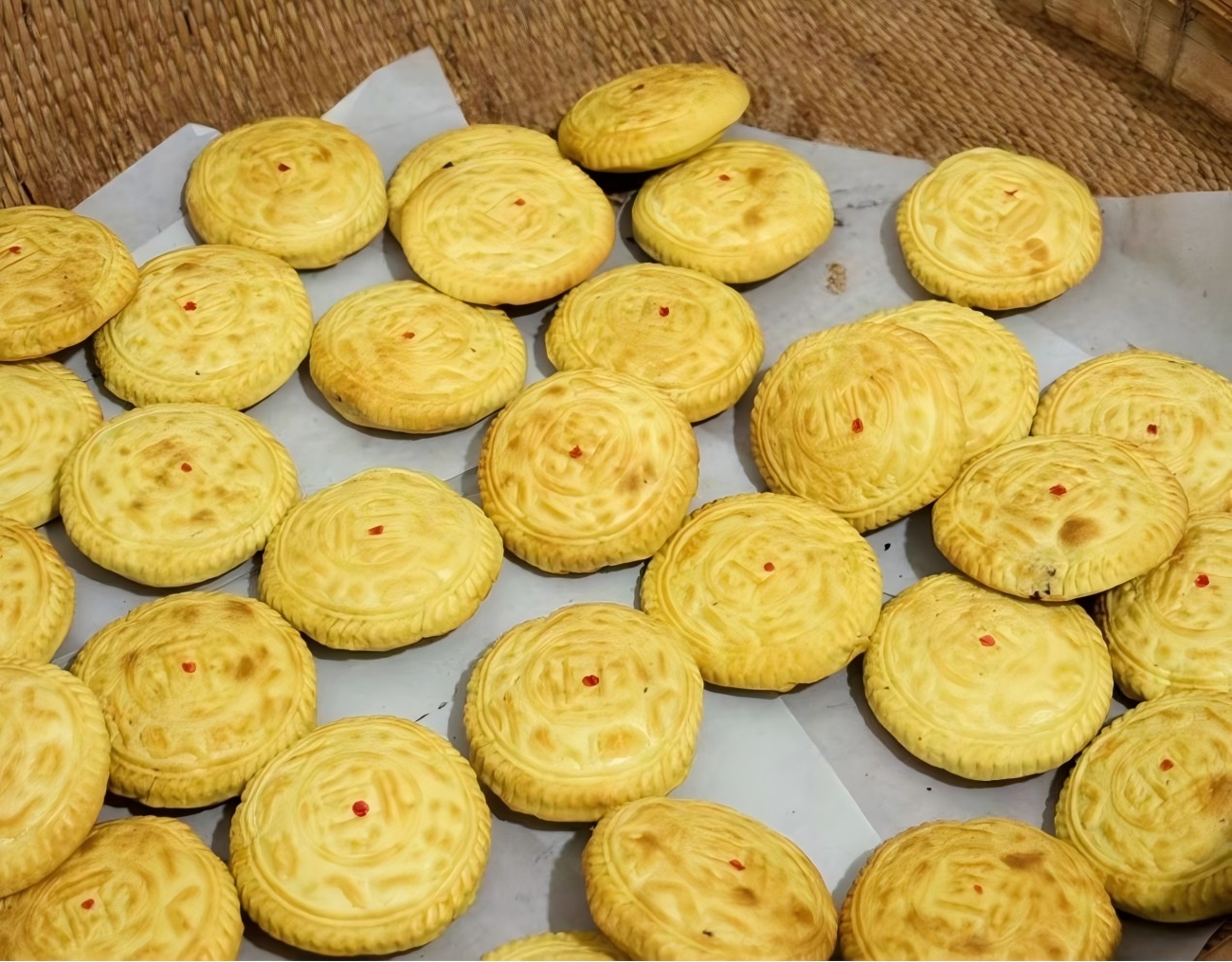
Pingyao Mooncakes: traditional Shanxi pastries with crispy crust and sweet fillings, reflect the charm of Jin merchant culture.
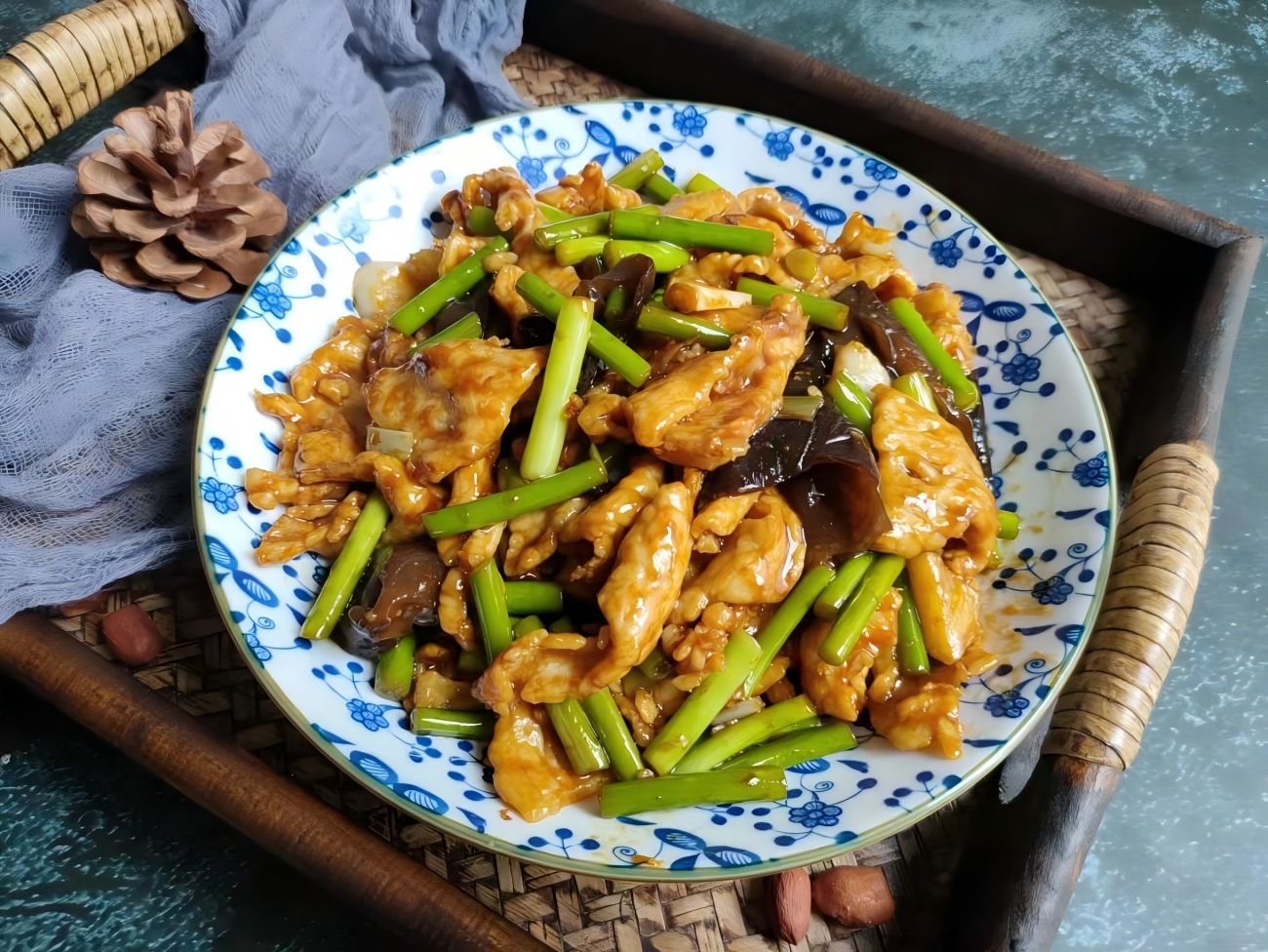
Pingyao Braised Pork Slices: Crispy, savory, and tender, a classic Jin merchant dish loved for its rich flavor.
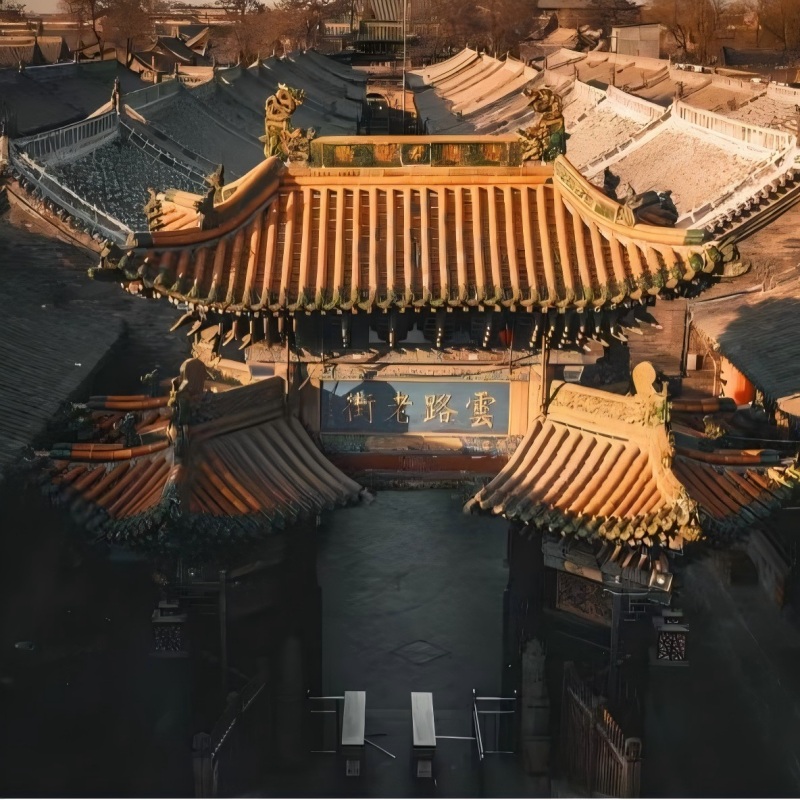
Pro Tip: Wander the ancient streets (especially South Street and Government Street). The best food is often in the small, family-run shops. Don't be afraid to point and try something new!
Final Note: Pingyao is more than just old buildings. It's a story of ingenious design, incredible financial innovation, deep spiritual beliefs, and vibrant art. I hope you feel the history come alive as you walk its streets. Enjoy your exploration