Walk Through Millennia: Explore Xi'an with Huatu International Travel
Xi'an City Wall
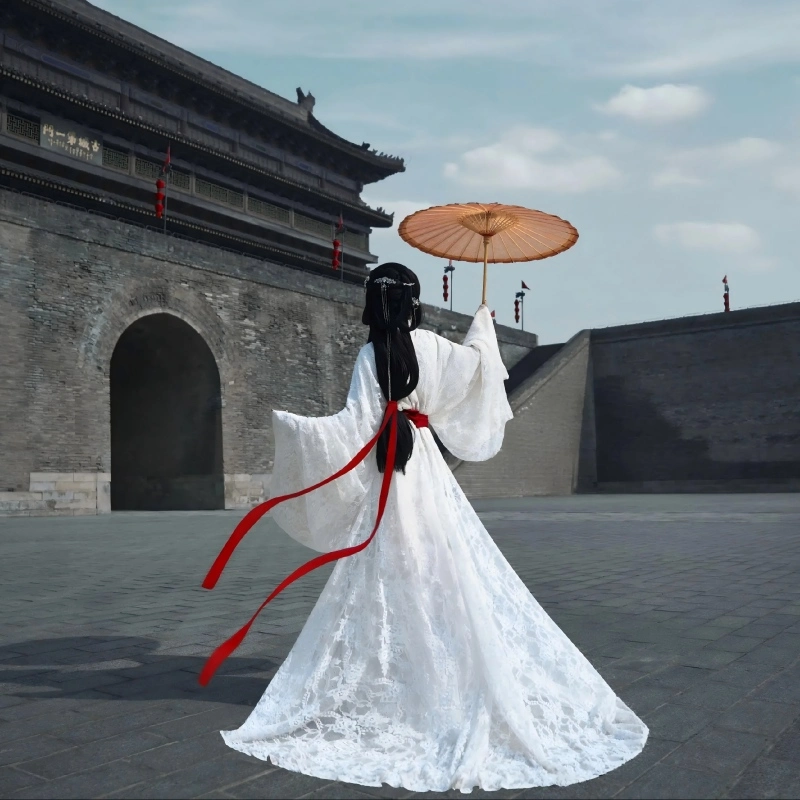
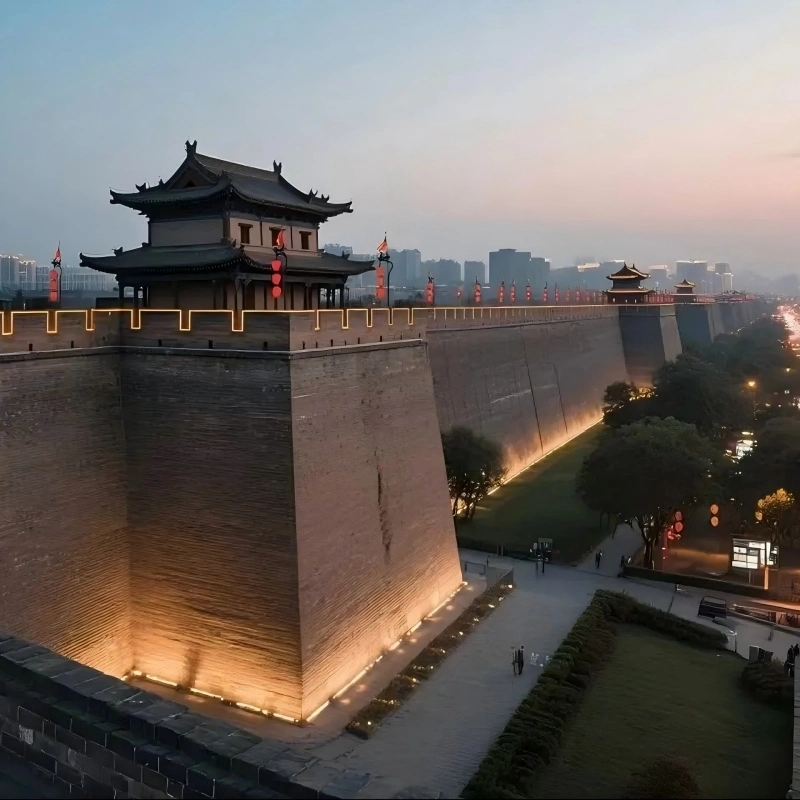
Stroll along Xi'an City Wall and feel the thousand-year history in its 13.74-kilometer length. From the solid Ming-dynasty bricks to the joyful wedding vibes at Yongning Gate, from the Silk Road traces at Anding Gate to the literary charm of Wenchang Gate—this wall has so much to offer. Watch the golden sunrise paint the battlements, or see the ancient structure glow under night lights. it’s like stepping back into the prosperous Tang Dynasty!
Here, you’ll find the cultural heritage of the Kai Cheng Stone Classics and the loyalty spirit of Guan Yu Temple. And don’t miss the local treats—juicy roujiamo (Chinese hamburger), flavorful lamb soup with bread, and more. Every corner tells a story of this ancient capital’s depth and vitality.
Why choose 【Huatu International Travel】? We get what overseas travelers need! Accommodation starts from 4-star hotels—cozy and comfortable for your rest. All meals include local specialties, from cold noodles to icy jelly; your taste buds will thank you. We offer “menu-style” custom tours: dive deep into the city wall, or combine it with Terra-Cotta Army and Giant Wild Goose Pagoda. No hassle with planning!
Our professional team takes care of everything. You just focus on soaking up the wall’s military wisdom and cultural charm. Let’s start a worry-free, authentic Xi'an journey together
Product Details
Wandering Through Millennia of Grandeur: A Guide to Xi'an City Wall
Dear friends from overseas, welcome to Xi'an, the ancient capital of thirteen dynasties, as we embark on today's journey to explore this millennia-old city wall. As the largest and best-preserved ancient city wall in China, Xi'an City Wall stands like a slumbering dragon, guarding the city's historical memories and witnessing the vicissitudes of time from ancient to modern. Next, I will guide you through six key aspects to fully appreciate the unique charm of this "living history museum" and uncover its traditional culture and fascinating stories.
I. Overview: A Millennial Military Marvel of Craftsmanship
Construction of Xi'an City Wall began in 1370 during the Hongwu period of the Ming Dynasty and took eight years to complete. It was modeled after the imperial city of Chang'an, the capital of the Sui and Tang Dynasties—an era when Xi'an (then Chang'an) was the world's largest and most prosperous metropolis, serving as the starting point of the Silk Road. The wall forms a rectangular shape with a circumference of approximately 13.74 kilometers, standing 12 meters high. Its top width ranges from 12 to 14 meters, and the base width from 15 to 18 meters—an imposing scale rarely seen in ancient fortifications worldwide.
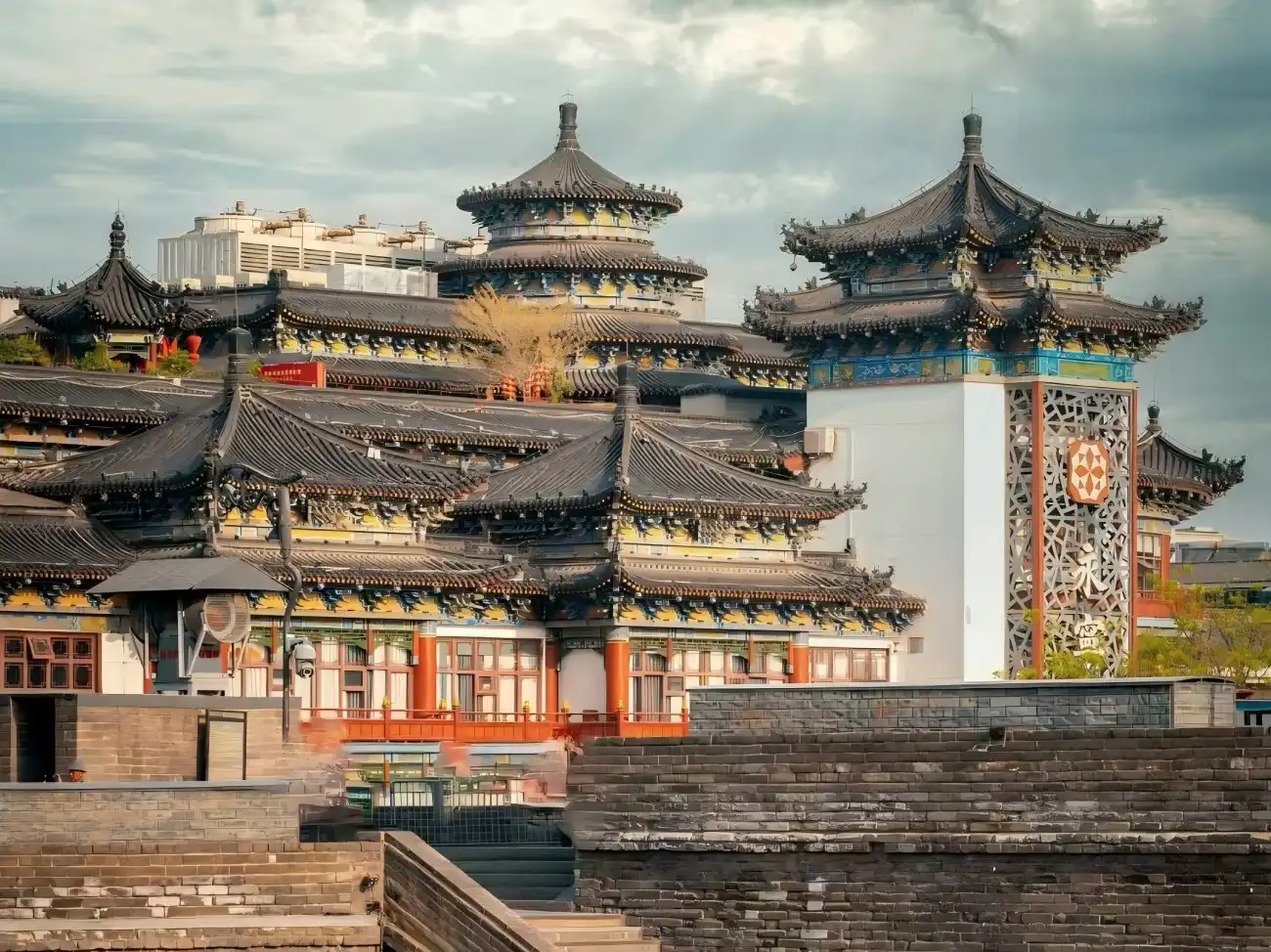
In terms of construction techniques, the wall was built using the "rammed earth with formwork" method, with its outer layer clad in blue bricks. The bricks were bonded using a special mortar made of glutinous rice juice, lime, and loess—a formula so strong that the structure remains solid despite centuries of wind and rain. Every detail of the wall reflects ancient military wisdom: for example, there are 5,984 crenels (notched battlements) on the top, used by soldiers for observation and shooting; and 98 horse faces (protruding bastions), one every 120 meters, which eliminate blind spots in defense and make it difficult for enemies to approach.
Over history, the wall has undergone multiple renovations. The most large-scale one took place in the 1980s, where workers strictly adhered to the principle of "restoring as it was" to preserve its original appearance. Today, as a national 5A-level scenic spot, it is not only a symbol of Xi'an but also a carrier of the city's cultural roots—perfect for history enthusiasts and photography lovers alike.
II. Yongning Gate: The "Wedding Gate" of Rituals and Legends
We are now at Yongning Gate, the south gate and one of the most historically significant and grandest gates of the city wall. Originally built in the Sui Dynasty (581-618 AD) and named "Anshang Gate", it was renamed "Yongning Gate" during the Ming Dynasty, meaning "eternal peace".
In ancient times, Yongning Gate served important ceremonial functions as a passage for the imperial family—used for the emperor's outings for sacrifices and welcoming foreign envoys. What interests many visitors is its folk title: the "Wedding Gate". Traditionally, Xi'an grooms would lead their wedding processions into the city through Yongning Gate, symbolizing a happy and peaceful marriage. This custom endures today, and during holidays, you can often spot lively wedding processions here, adding a touch of warmth to the ancient architecture.
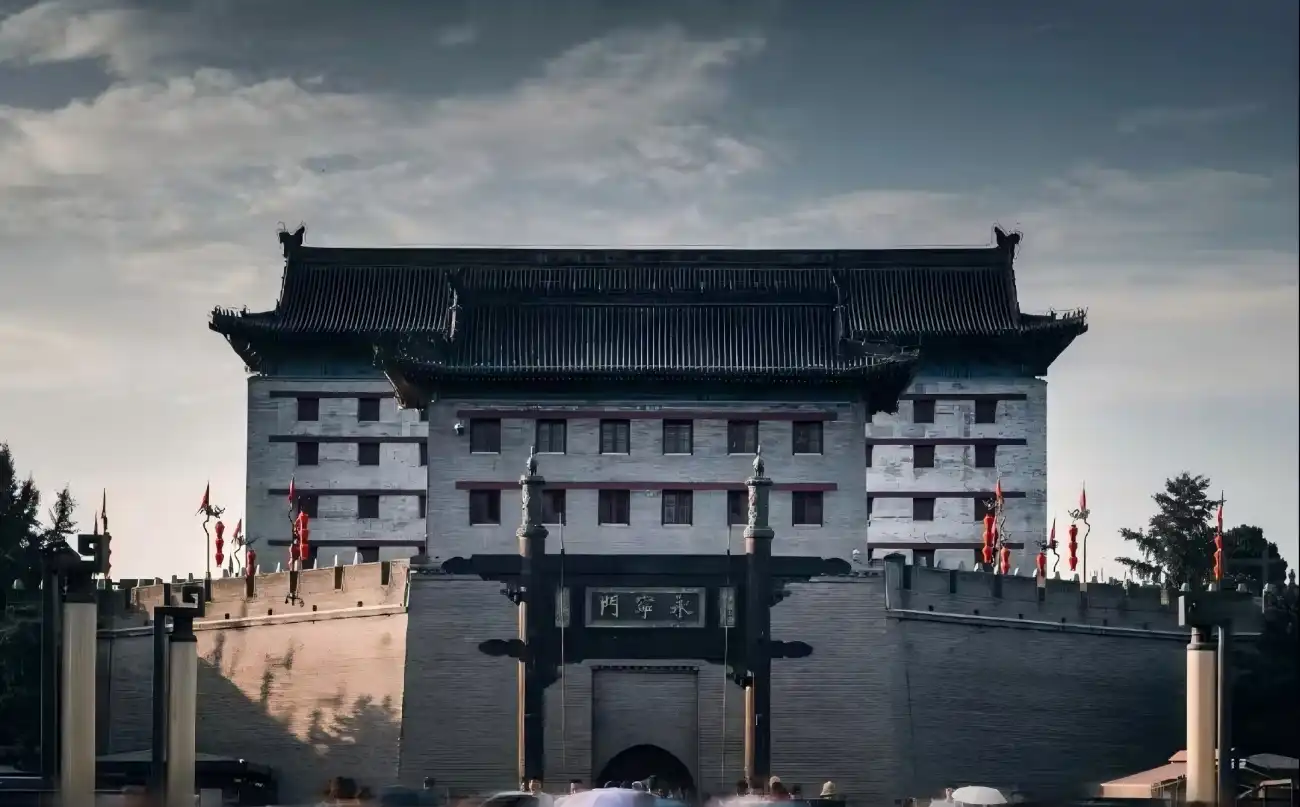
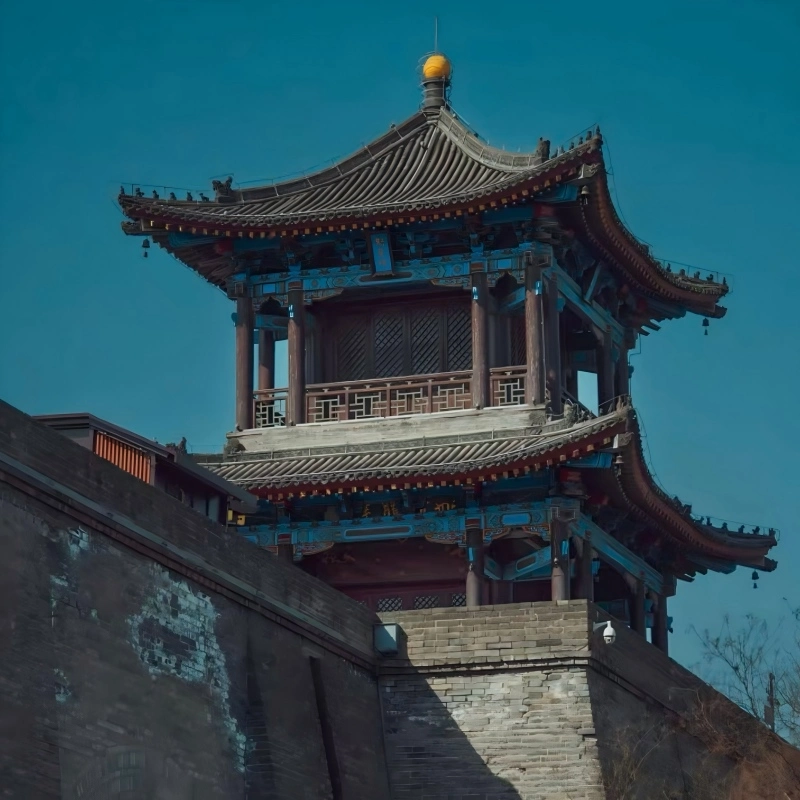
The Arrow Tower and Barbican of Yongning Gate are also remarkable. The 24-meter-high Arrow Tower, built in the Ming Dynasty, has four floors with arrow windows on the outer wall, serving as a key position for defenders to shoot at enemies. The barbican—a semicircular auxiliary fortification outside the gate—has a circumference of 379.8 meters and an area of about 8,000 square meters. Once enemies entered the barbican, defenders would close the front and rear gates, trapping them like "turtles in a jar"—a brilliant example of ancient military defense.
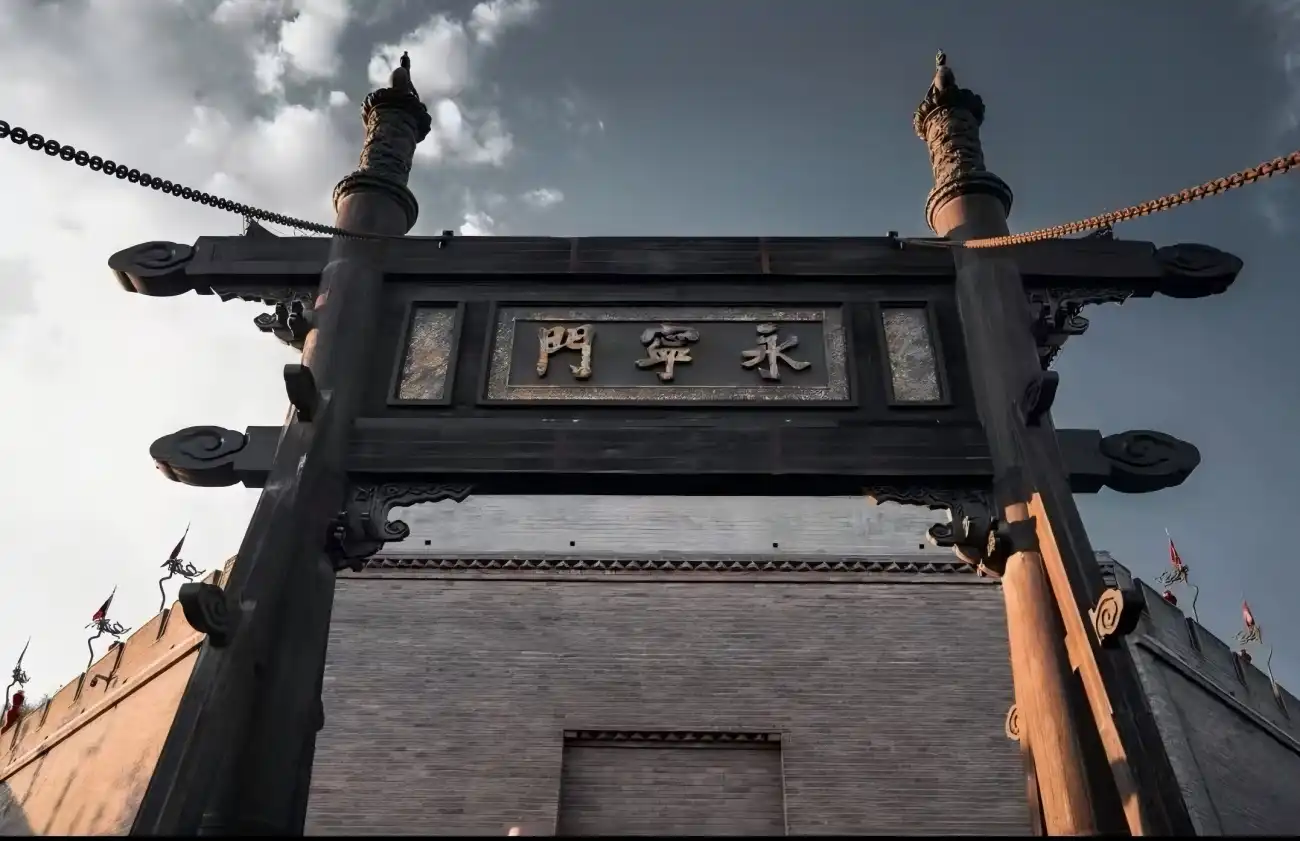
For photography, the sunrise at Yongning Gate is breathtaking—golden light spilling over the ancient bricks, creating a perfect blend of history and natural beauty. Don't miss the chance to capture this moment!
III. Anding Gate: The "West Gate" Witness to Historical Turmoil
Next, we arrive at Anding Gate, the west gate of the city wall. Also founded in the Sui Dynasty and originally named "Anfu Gate", it was renamed "Anding Gate" in the Ming Dynasty, signifying "stability in the west". As a crucial node on the ancient Silk Road, it once witnessed the bustling scenes of merchants and travelers from China and abroad exchanging goods and cultures—silk from Chang'an, spices from Central Asia, and jewelry from the Mediterranean all passed through here.
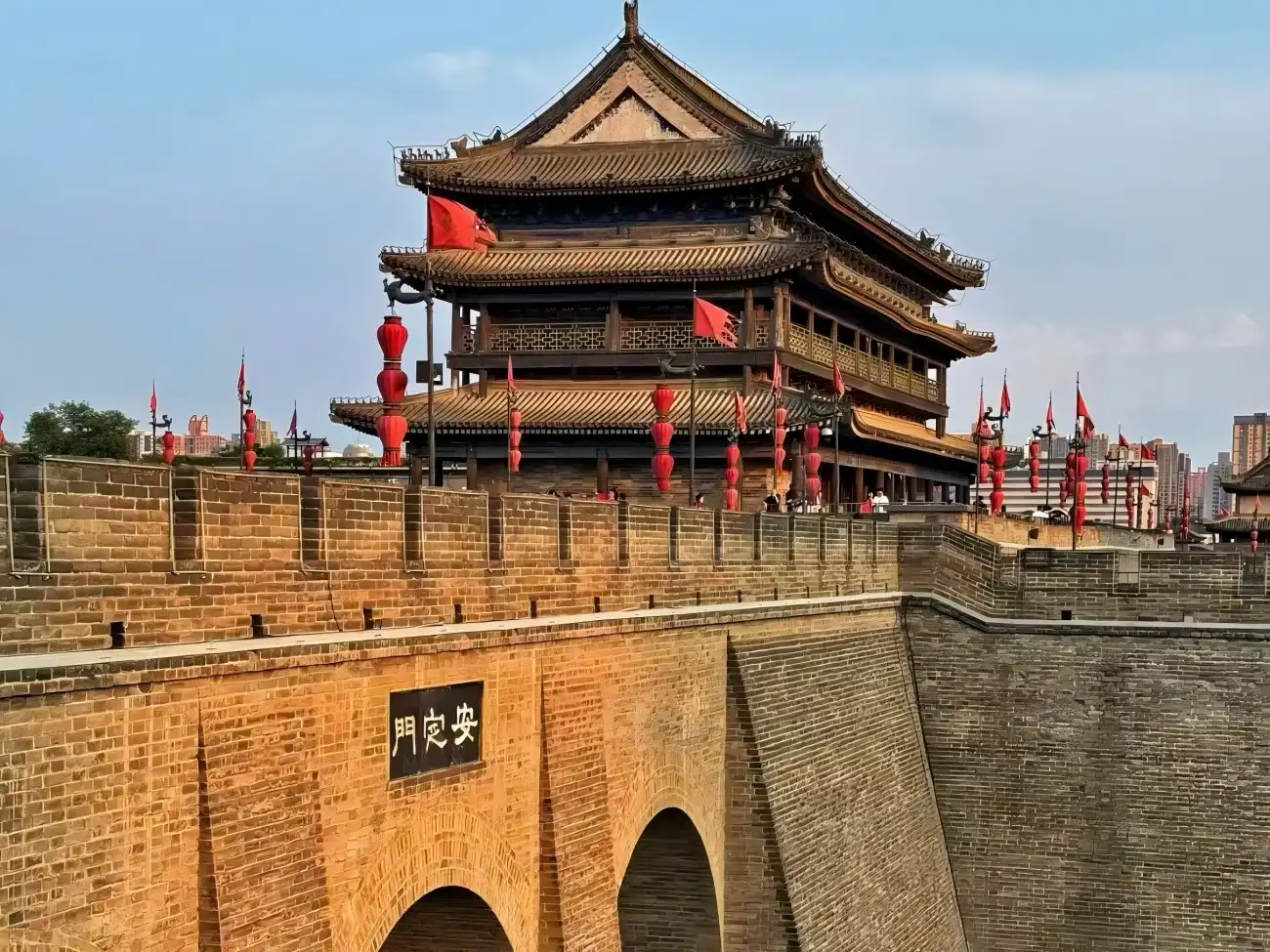
Anding Gate holds great significance in modern history. During the 1936 Xi'an Incident, Generals Zhang Xueliang and Yang Hucheng deployed troops here to resist the attack of the reactionary Kuomintang forces, making a vital contribution to the formation of the Anti-Japanese National United Front. Today, traces of modern warfare remain on the inner side of the gate—bullet holes in the wall bricks silently telling the story of that turbulent era, which deeply resonates with history buffs.
Its barbican is the second largest after Yongning Gate. Inside the barbican stands a Ming Dynasty Temple of Guan Yu, dedicated to Guan Yu, a famous general of the Three Kingdoms period (220-280 AD). In traditional Chinese culture, Guan Yu is revered as the "God of War and Wealth" and a symbol of loyalty and righteousness. In the past, defending soldiers and passing merchants would worship here for safety and smooth journeys. Now, after restoration, the temple is open to visitors—offering a glimpse into traditional folk culture, especially interesting for those curious about Chinese folk beliefs.
IV. Wenchang Gate & Forest of Steles Museum: The "Scholarly Gate" of Cultural Integration
Now we see Wenchang Gate, one of the east gates, built in 1986 on the foundation of the original wall. It was named "Wenchang" (meaning "prosperous literary fortune") because the renowned Xi'an Forest of Steles Museum—China's largest ancient stone tablet museum—lies adjacent to its inner side, and "Wenchang" is a symbol of literary prosperity in traditional culture.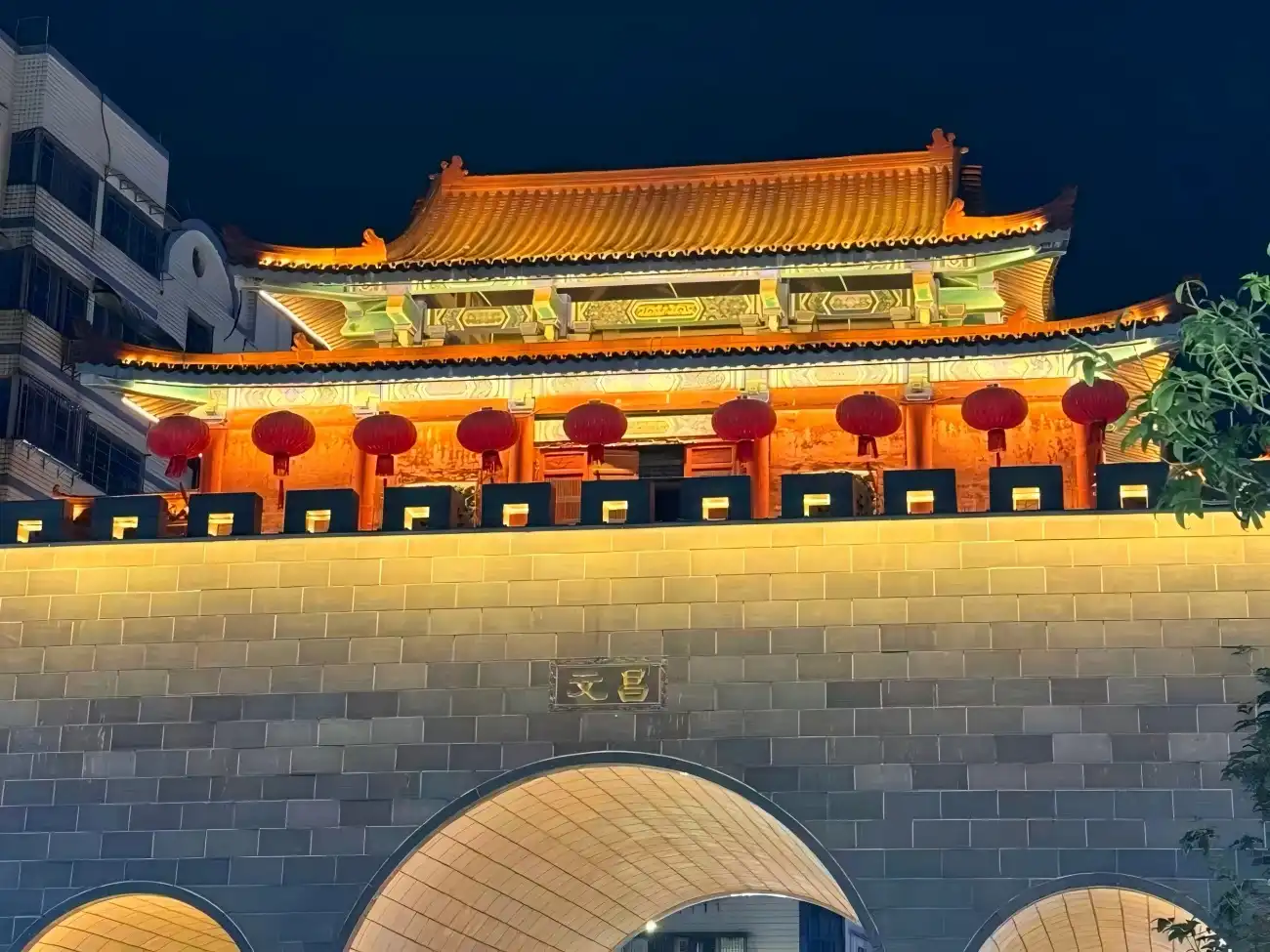
Wenchang Gate features unique architectural design: the gate tower above adopts the traditional Chinese hip-and-gable roof style, with upturned eaves and exquisitely carved beams and rafters—an artistic feast for the eyes. On the inner wall of the gate, there is an embedded stone tablet from the Qing Dynasty (1644-1912) dedicated to Kuixing, the mythological deity in charge of literary fortune, embodying the profound cultural heritage of Xi'an as an ancient capital of learning.
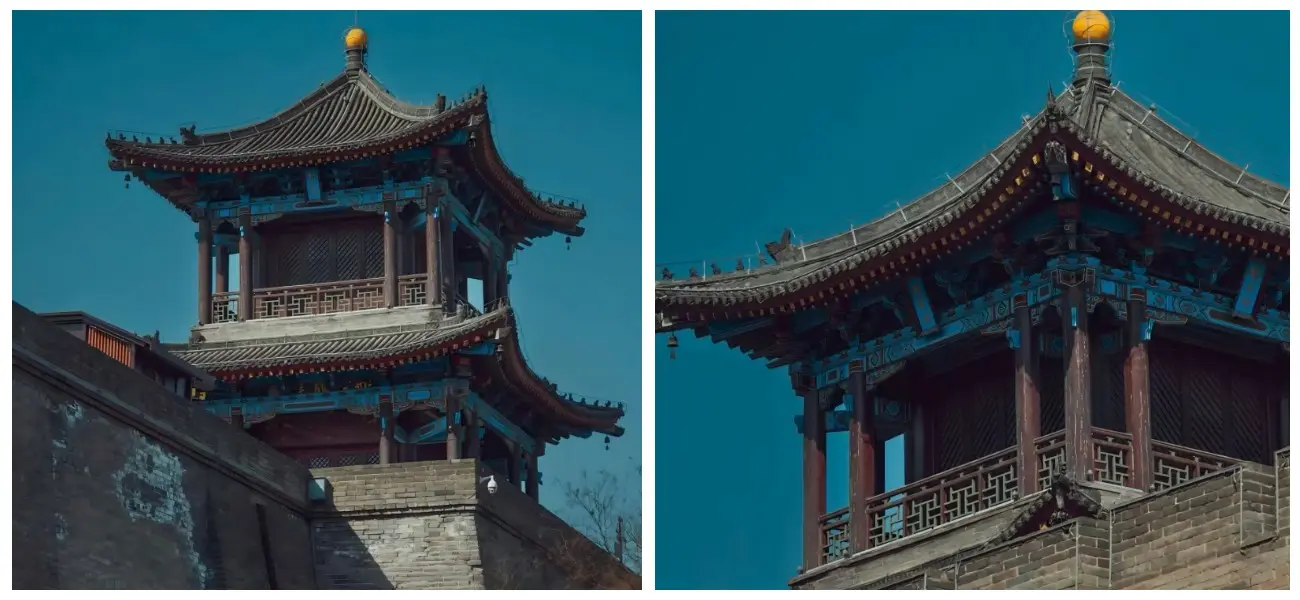
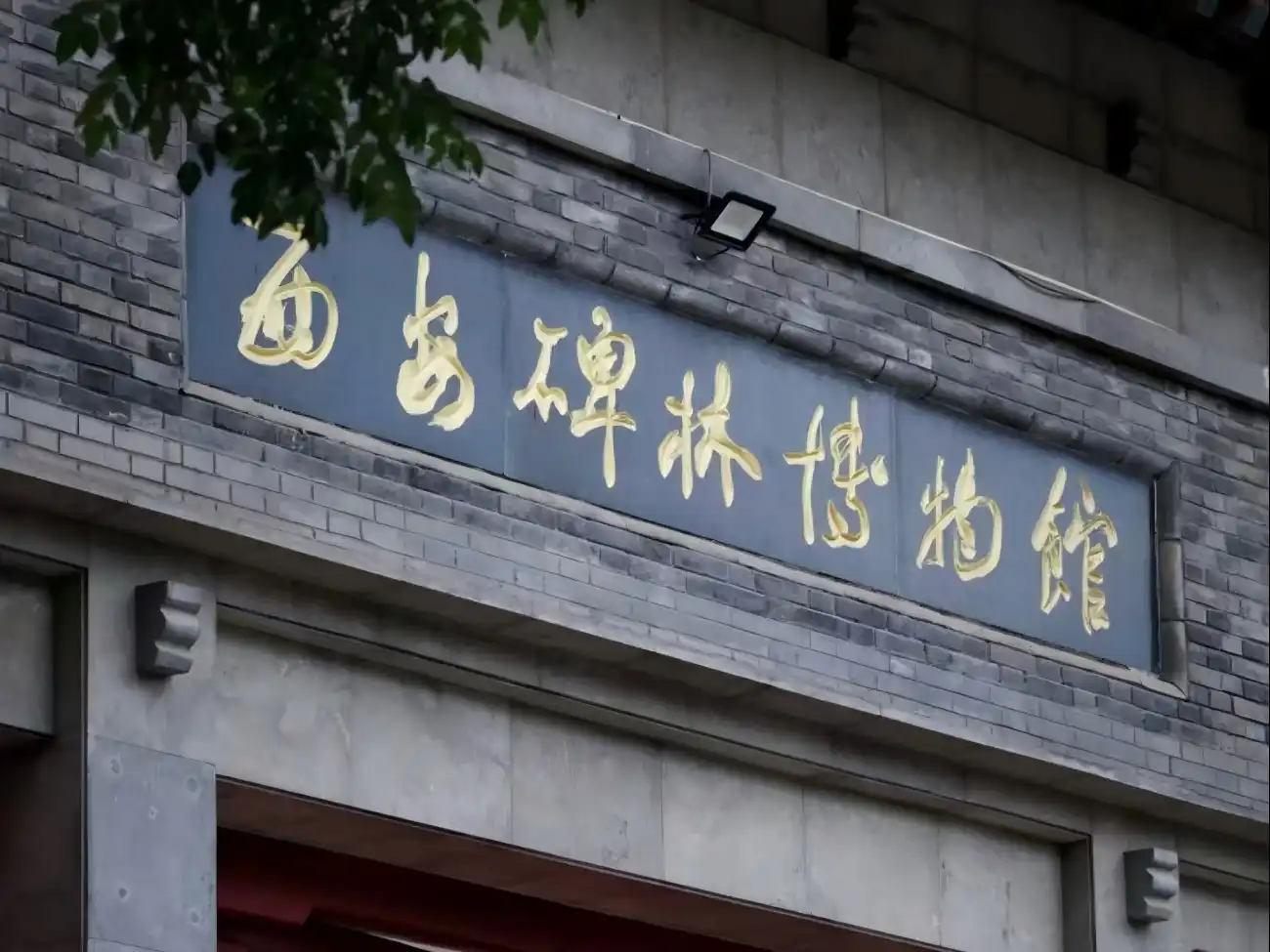
A short 5-minute walk from Wenchang Gate brings you to the Forest of Steles Museum, which houses over 4,000 stone tablets and epitaphs from the Han Dynasty (202 BC-220 AD) to the Qing Dynasty—many of which are national treasures. Highlights include:
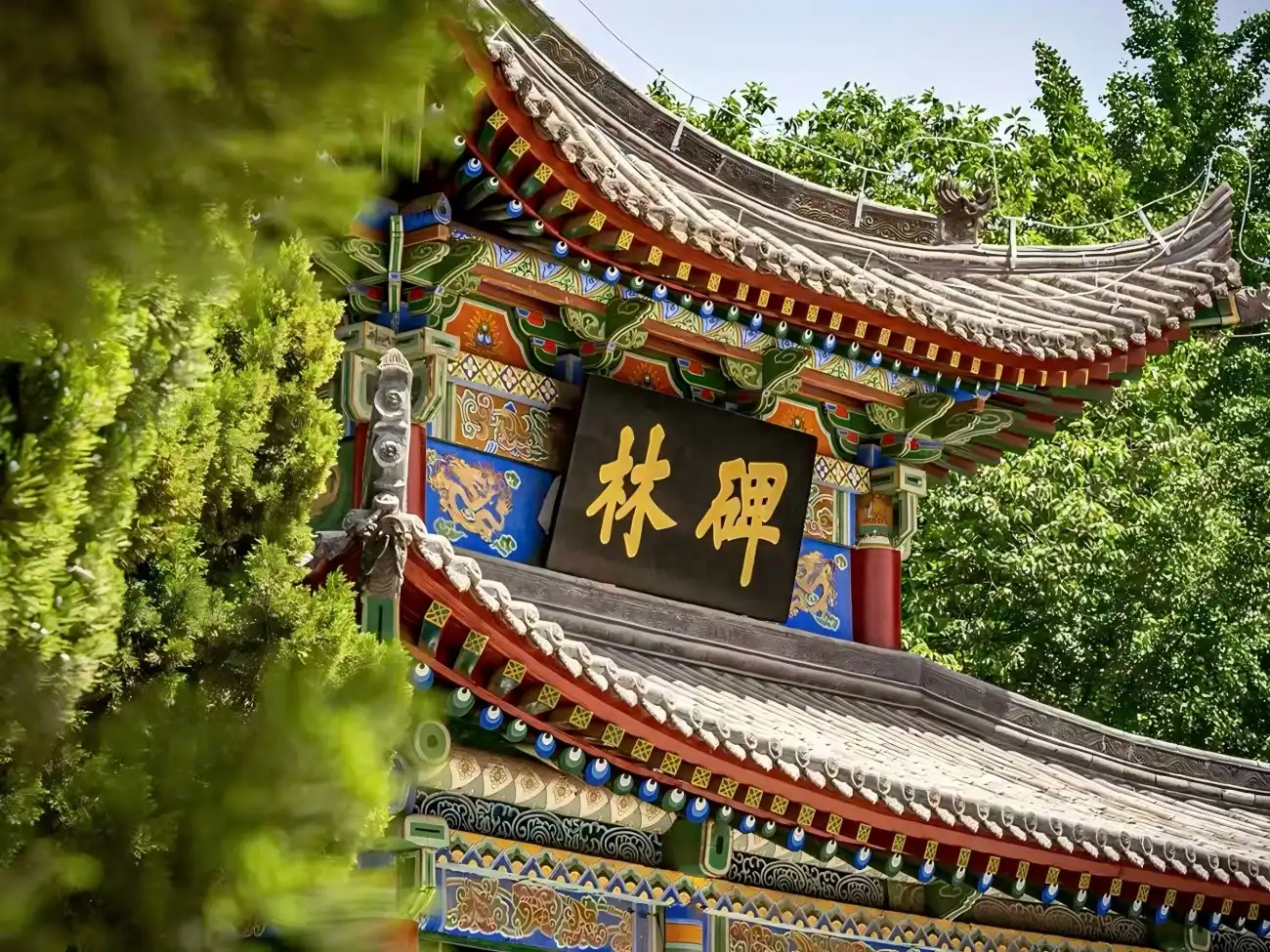
• Kai Cheng Stone Classics: Carved in the Tang Dynasty, these are 114 stone tablets inscribed with the Thirteen Confucian Classics, totaling 228 sides and about 650,000 characters. As the largest stone-carved scripture collection in ancient China, they are invaluable for studying ancient Chinese culture and calligraphy.
• Stele of Nestorian Christianity in China: This stele records the history of Nestorian Christianity (Jingjiao) spreading to China during the Tang Dynasty, serving as a key witness to Sino-foreign cultural exchanges—fascinating for those interested in religious history and cultural diffusion.
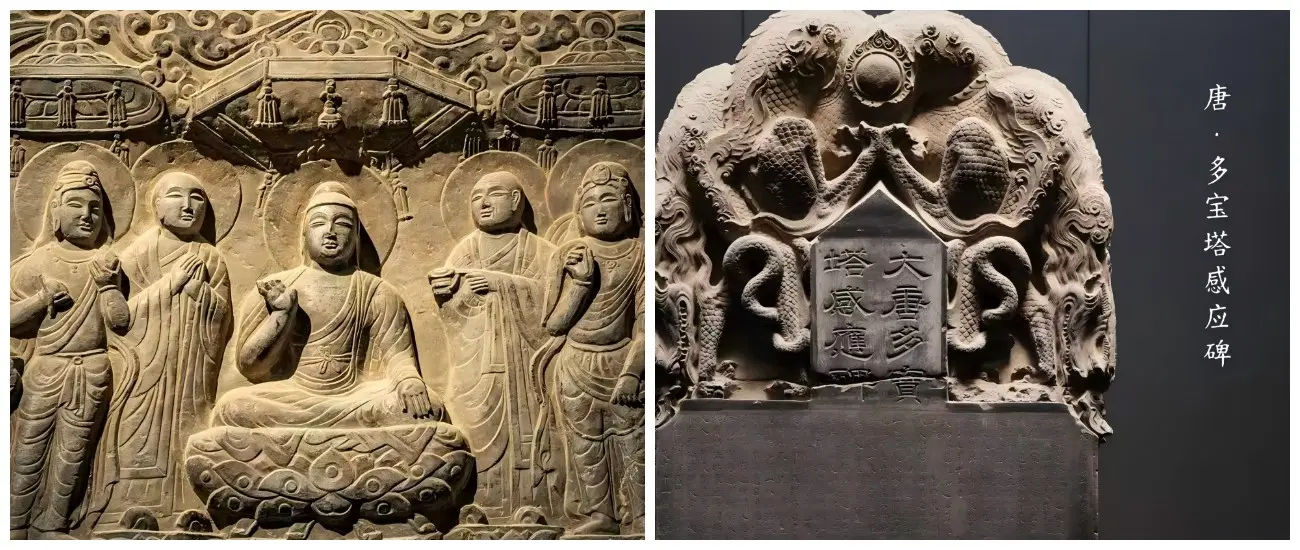
• Duobao Pagoda Stele: A masterpiece of the famous Tang Dynasty calligrapher Yan Zhenqing, this stele is a must-see for calligraphy enthusiasts, showcasing the grandeur of Tang Dynasty calligraphy.
V. Changle Gate: The "East Gate" Mark of Prosperity
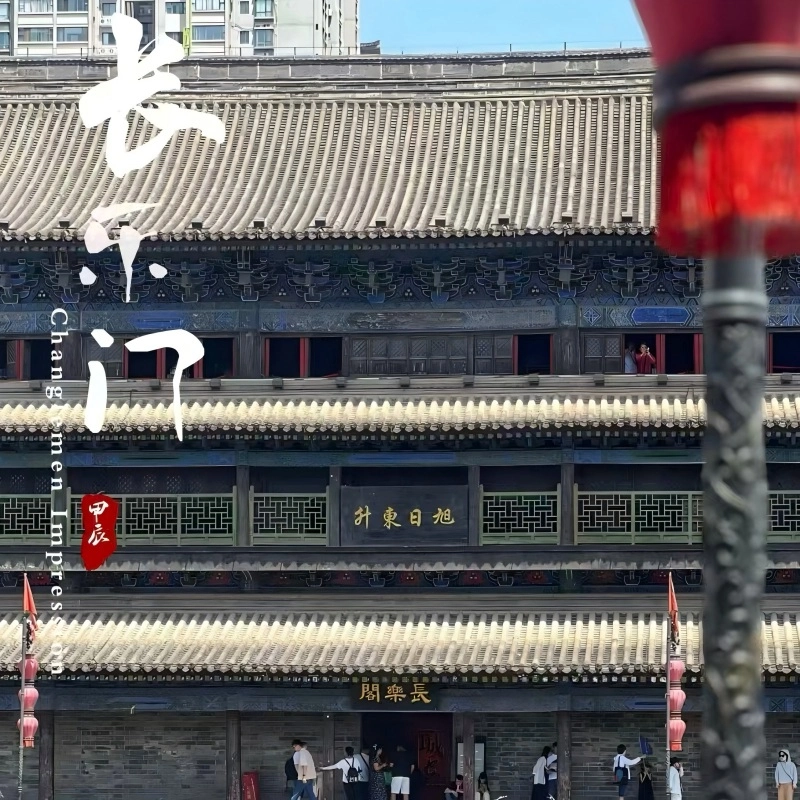
We now stand at Changle Gate, the main east gate of the city wall. Originally built in the Sui Dynasty as "Tonghua Gate", it was renamed "Changle Gate" in the Ming Dynasty, meaning "joyful journeys when departing east". As a vital transportation hub connecting Xi'an to the Central Plains and the eastern coastal regions in history, it was once a bustling center with crowds of merchants.
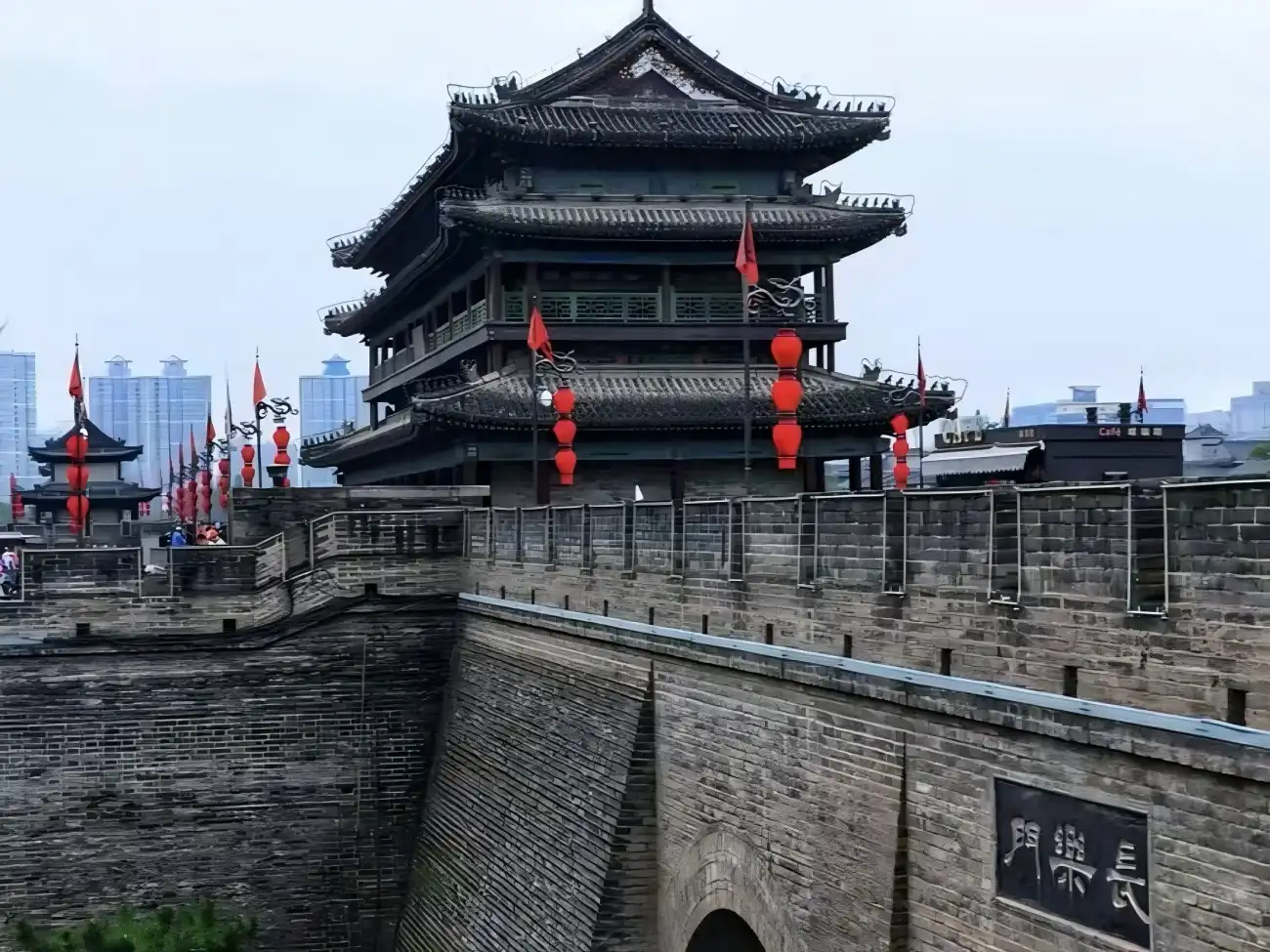
The Arrow Tower of Changle Gate is the best-preserved among all arrow towers on the city wall. Standing 22 meters high with three floors, it has 86 arrow windows on the outer layer. Inside the tower, ancient defense weapons such as crossbows and trebuchets are preserved, allowing you to get up close and imagine the life of ancient soldiers guarding the city—great for interactive history experiences.
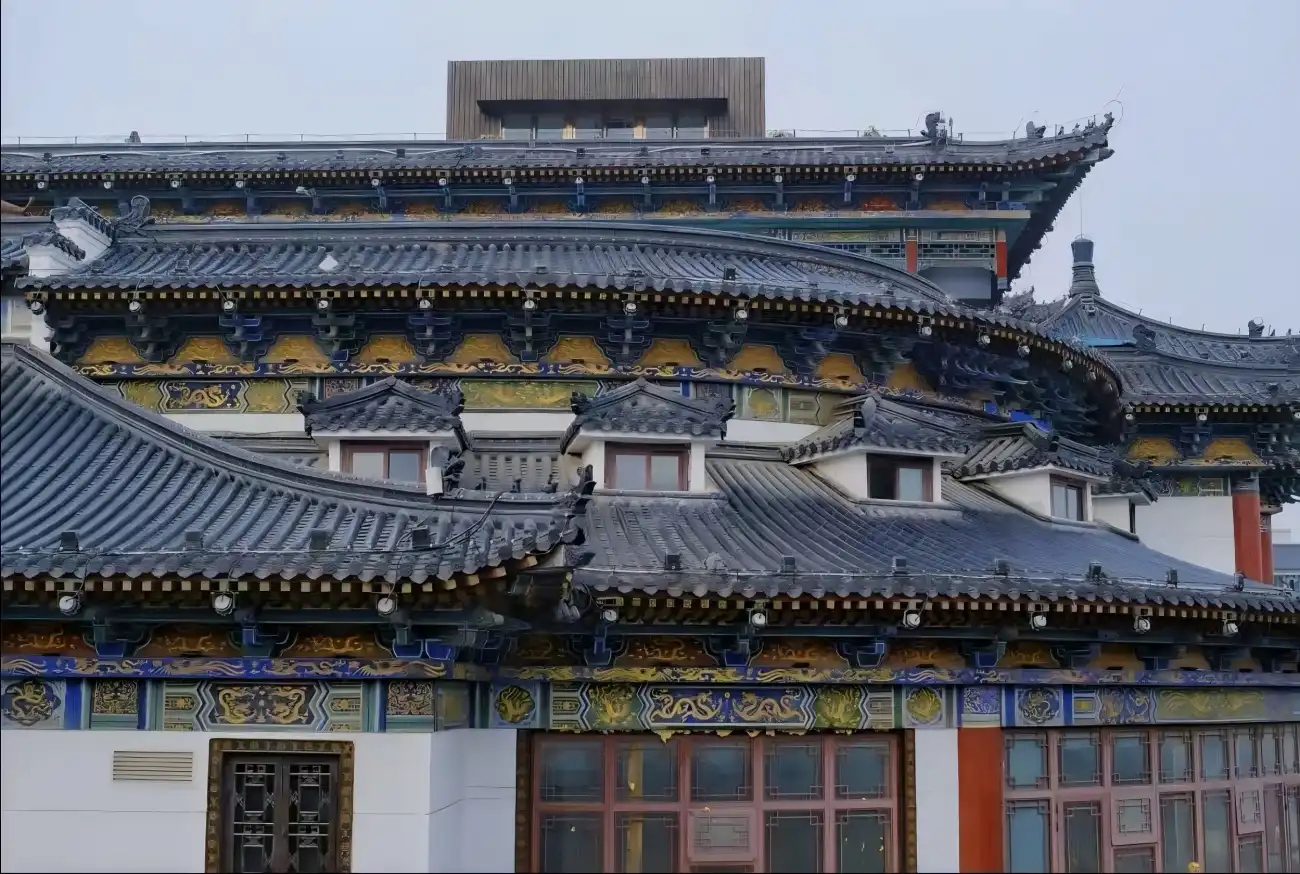
Beneath the inner side of Changle Gate lies the famous Dongguan Main Street, a centuries-old road that was once the commercial center of eastern Xi'an. In the past, its sides were lined with shops selling silk, tea, porcelain, and other goods. Today, after renovation, the street still retains traditional shops and buildings, where you can savor Xi'an's iconic snacks: roujiamo (Chinese hamburger with braised meat), yangrou paomo (lamb soup with soaked bread), and liangpi (cold noodles). It's the perfect place to immerse yourself in Xi'an's lively folk culture and culinary delights—don't forget to try the local specialty bingfen (ice jelly) to cool down on hot days!
VI. Night View & Cultural Events: A Feast for Senses Blending Ancient and Modern
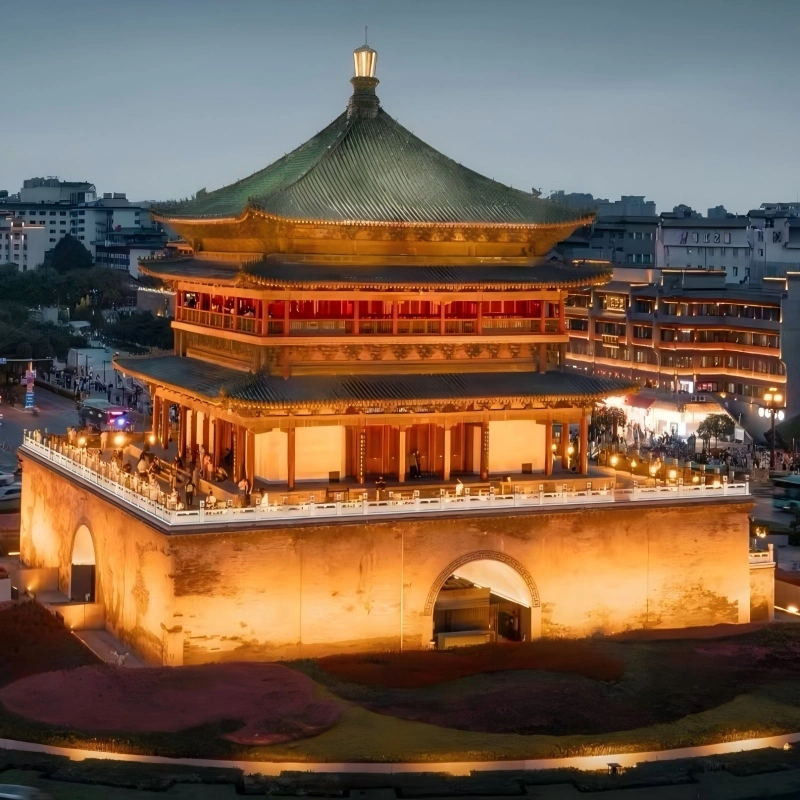
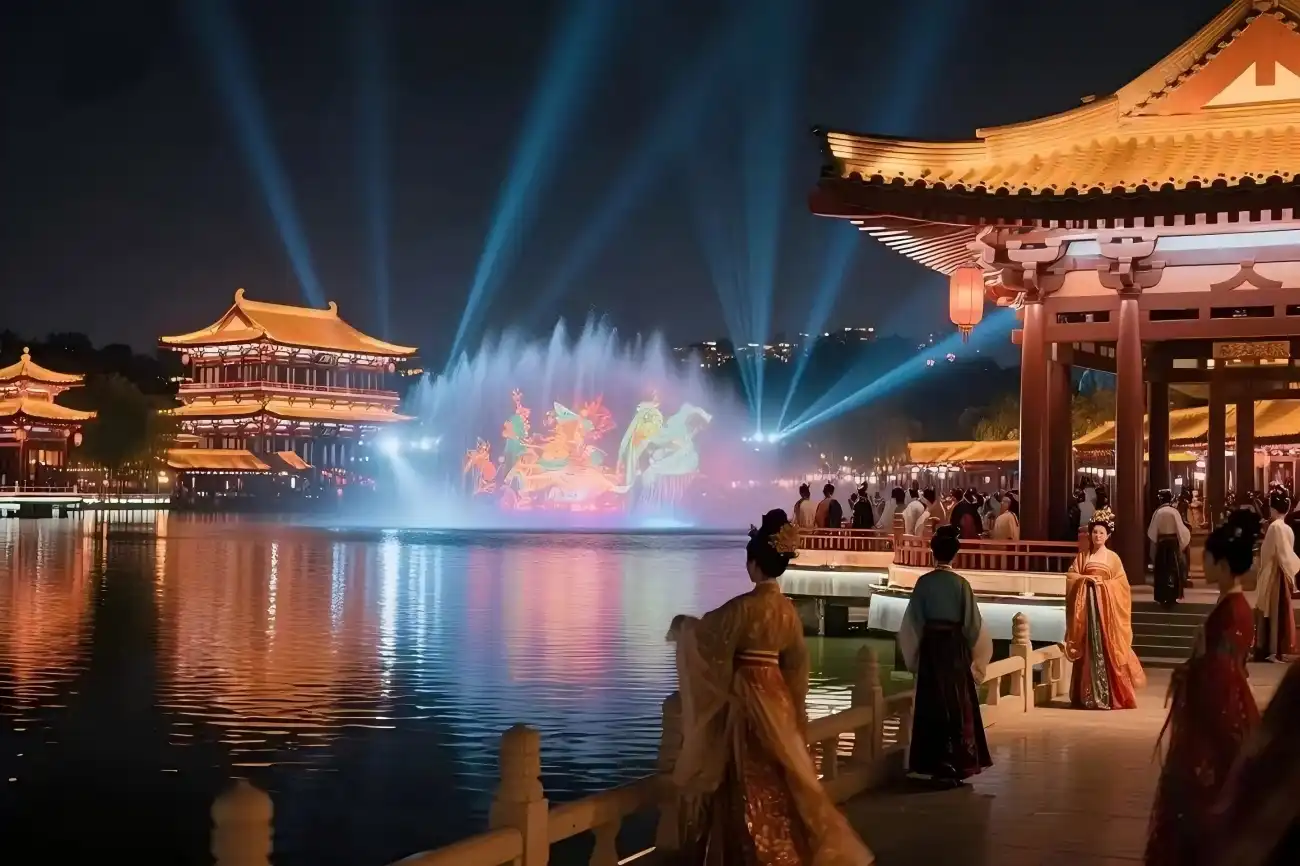
As night falls, Xi'an City Wall dons a brilliant "new outfit". Lights on the top of the wall and the gate towers illuminate sequentially, casting a golden glow over the entire structure, as if transporting visitors back to the ancient Chang'an. Overlooking downtown Xi'an from the wall, you'll see twinkling lights and flowing traffic—an amazing contrast between ancient grandeur and modern vitality. The night view from Yongning Gate to Heping Gate is particularly stunning, with the lights reflecting on the nearby moat, creating a picturesque scene that's a favorite among photographers.

Beyond the beautiful night view, the city wall hosts a variety of vibrant cultural events throughout the year, tailored to both traditional festivals and international tastes:
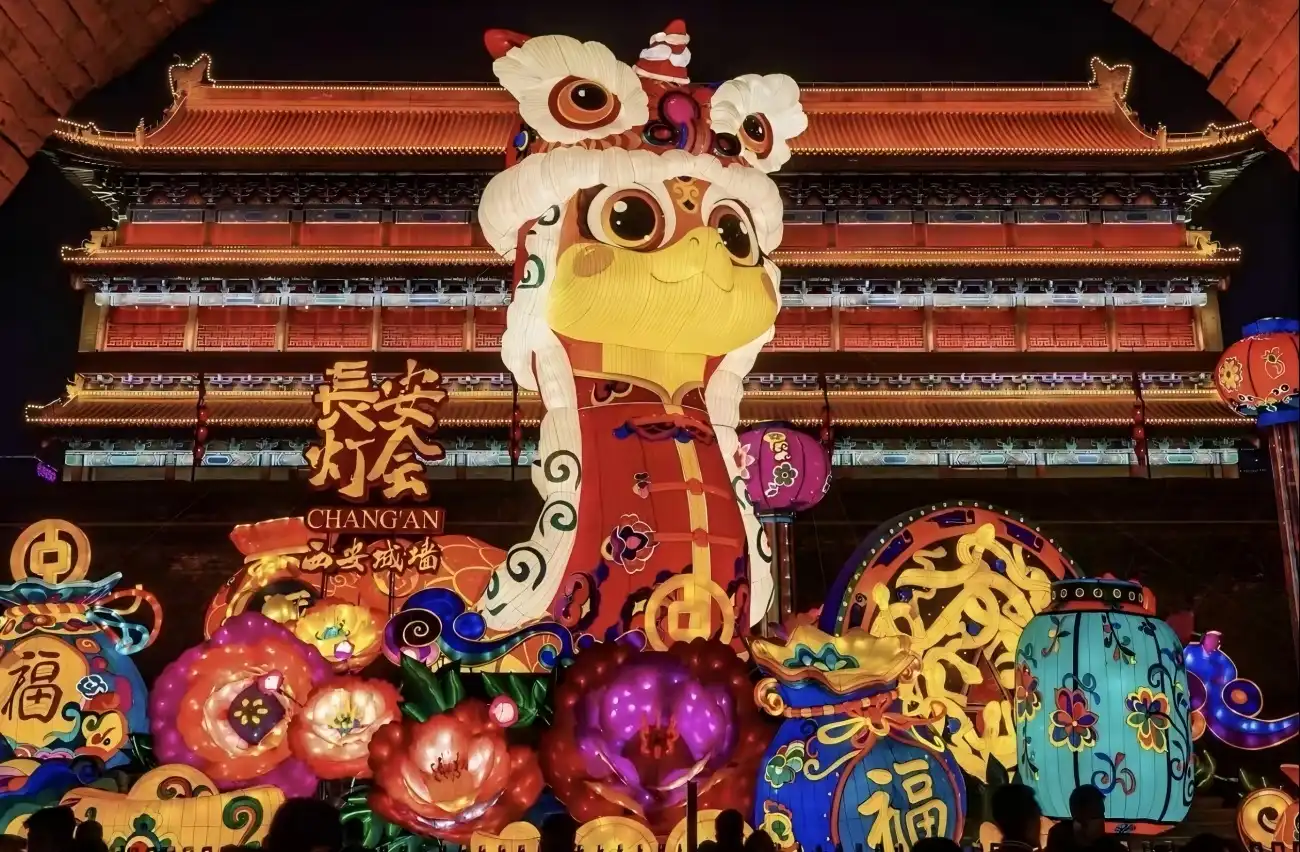
• Xi'an City Wall Spring Festival Lantern Fair: Held annually during the Spring Festival (Chinese New Year), the wall is adorned with thousands of traditional lanterns—featuring zodiac signs, mythological stories, and folk customs. The lanterns are vivid and colorful, and cultural performances like lion dances and folk music shows are held, offering a lively experience of Chinese New Year traditions.
• Mid-Autumn Moon Appreciation Gala: During the Mid-Autumn Festival (a traditional festival for family reunions), you can enjoy mooncakes, watch traditional opera performances, and listen to guzheng (Chinese zither) music on the wall. Gazing at the full moon above the ancient bricks is a serene and unforgettable experience.
• International Cultural and Art Festivals: From time to time, the wall hosts international music performances, art exhibitions, and cultural exchange activities, making it a bridge between Chinese and foreign cultures.
A popular activity among visitors is cycling on the wall. The flat and wide top road is ideal for cycling, with a full loop of about 13.74 kilometers, taking 1-2 hours. Cycling allows you to enjoy the scenery at your own pace—breezing past ancient battlements while feeling the blend of history and modernity. Bike rentals are available at multiple gates, with options for single bikes, tandem bikes, and electric bikes to suit different needs.
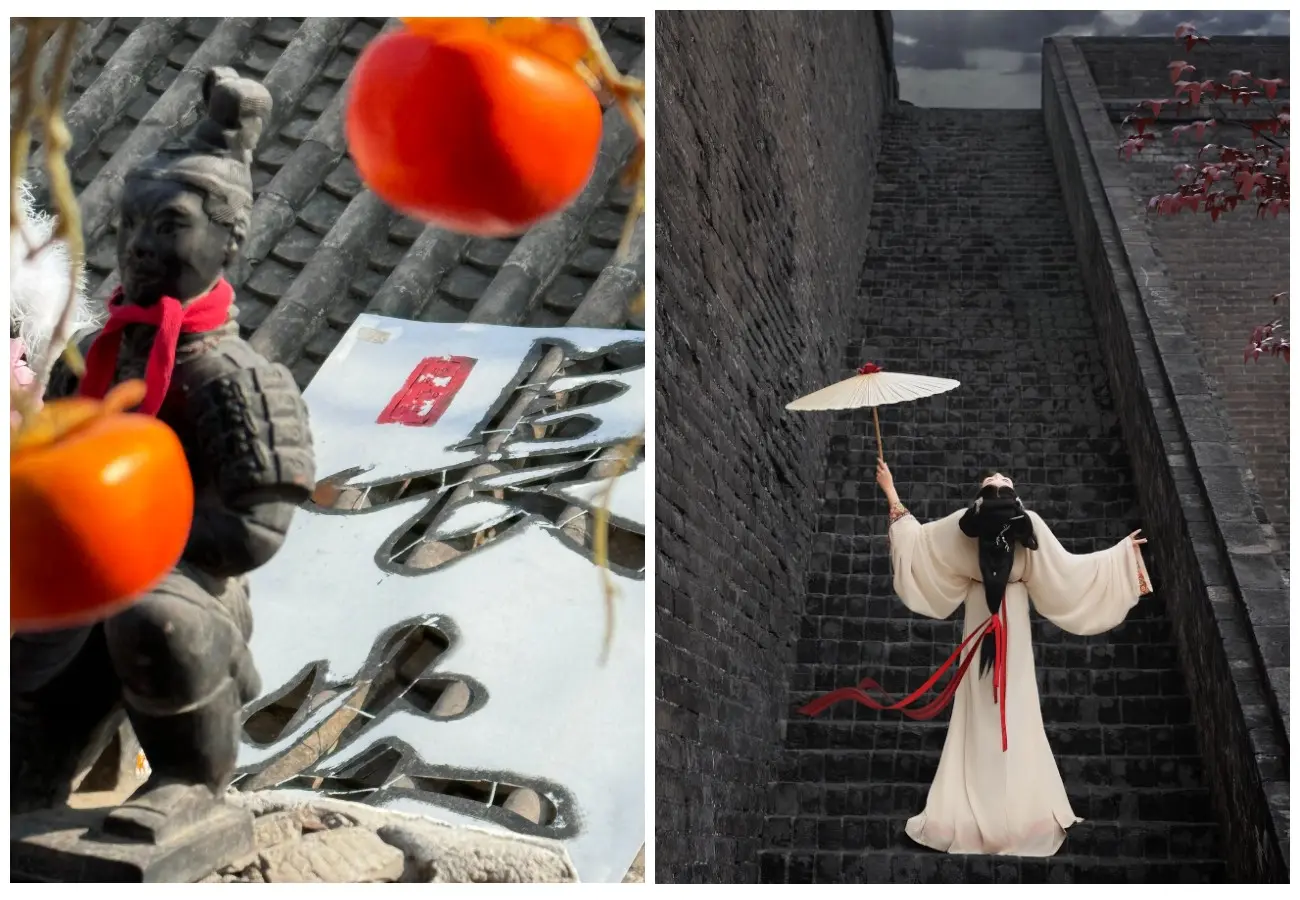
Dear friends, our journey of Xi'an City Wall is coming to an end. I hope this guide has helped you gain a deeper understanding of this ancient structure and appreciate the profoundness of Chinese ancient culture. Xi'an is a city brimming with historical heritage and modern vitality—beyond the city wall, attractions like the Terracotta Army (a UNESCO World Heritage Site), Giant Wild Goose Pagoda, and Small Wild Goose Pagoda are waiting for you to explore. May your trip to Xi'an be unforgettable, and welcome to revisit this charming ancient capital anytime!
Leave your messages