Old Town of Lijiang
Discover Yunnan’s magic with Huatu International Travel—your trusted partner for unforgettable inbound journeys! We specialize in crafting tailor-made trips that blend freedom, comfort, and authentic experiences.
Indulge in local flavors: Savor mouthwatering Yunnan specialties—crispy baba cakes, creamy butter tea, spicy free-range chicken hotpot, and fresh mountain ingredients, all curated to showcase the region’s culinary heritage. Stay in premium accommodations—from charming boutique inns in Lijiang’s old town to cozy lodges with mountain views, ensuring restful nights after daily adventures.
With years of expertise in inbound travel, our team designs fully customizable itineraries—whether you want to wander ancient Tea-Horse Road towns, chase Jade Dragon Snow Mountain’s vistas, or dive into Naxi culture. No rigid schedules—just your preferences, brought to life by our knowledgeable guides.
Trust Huatu for a seamless, delicious, and personalized Yunnan journey. Let’s create your dream trip—where every meal is a discovery, every stay is a comfort, and every moment feels uniquely yours! Book now for an authentic China adventure.
Lijiang Old Town Travel Guide: Explore Snow-Capped Peaks, Ancient Lanes & Living Naxi Culture
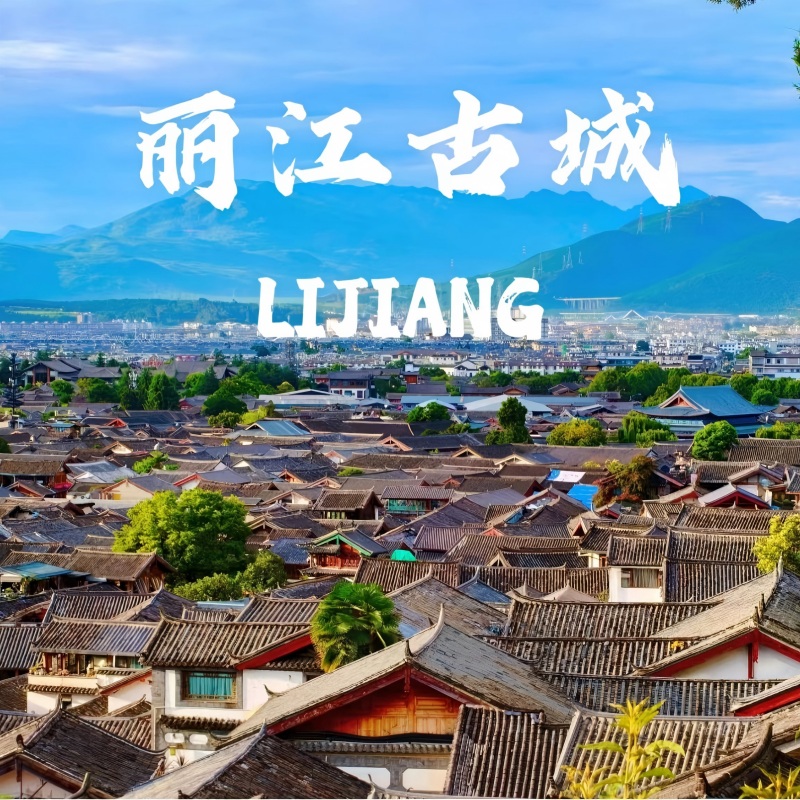
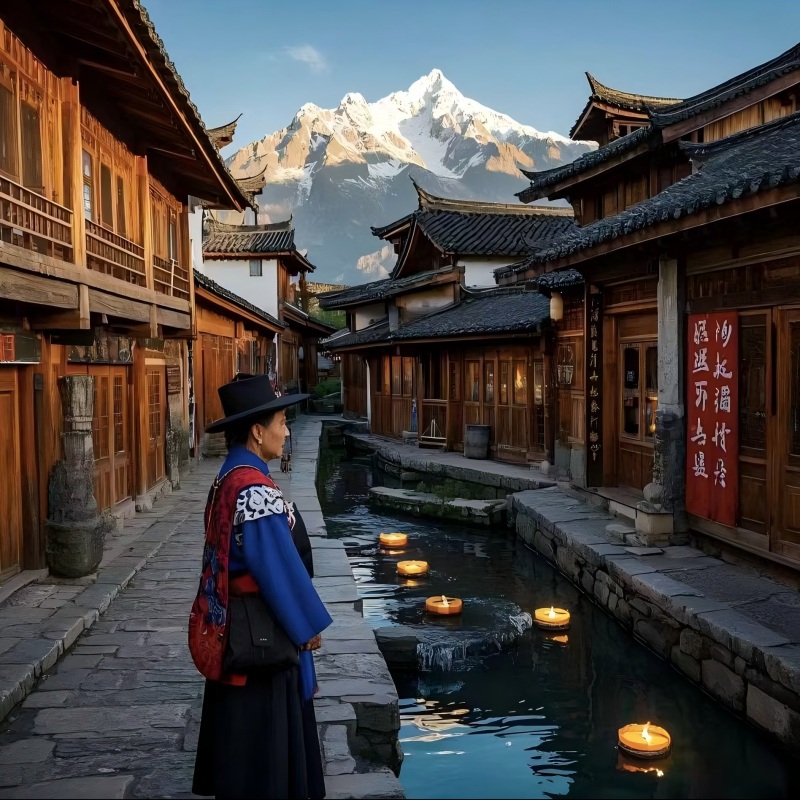
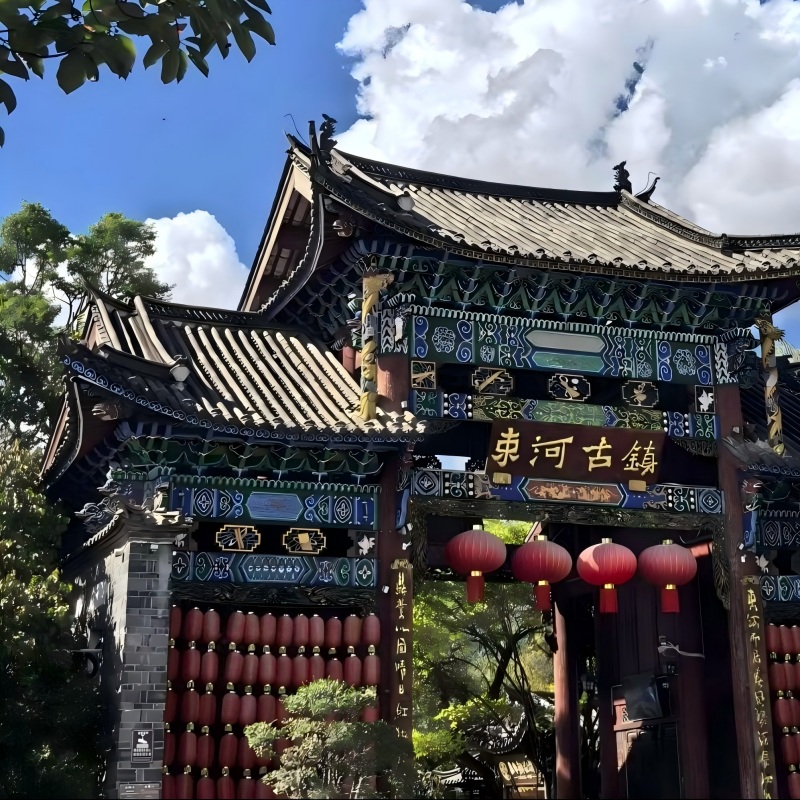
Hello, fellow travelers! Welcome to Lijiang Old Town—Yunnan’s crown jewel, often hailed as the "Venice of the East"—where 800 years of history blends with snow-capped mountain views and vibrant ethnic traditions. As you arrive, you’ll spot the majestic Jade Dragon Snow Mountain rising to the north, its snow-dusted peaks standing guard over the town like a timeless sentinel. This UNESCO World Heritage Site isn’t just a postcard-perfect destination—it’s a living, breathing place where ancient customs, ingenious architecture, and natural beauty converge.
Below, discover the top 5 unmissable spots in Lijiang, plus essential tips for your visit. Whether you’re chasing panoramic mountain views, delving into Naxi culture, or simply wandering cobblestone lanes, this guide will help you make the most of your time in this magical town.
1. Sifang Street: The Heart of Lijiang & Tea-Horse Road Gem
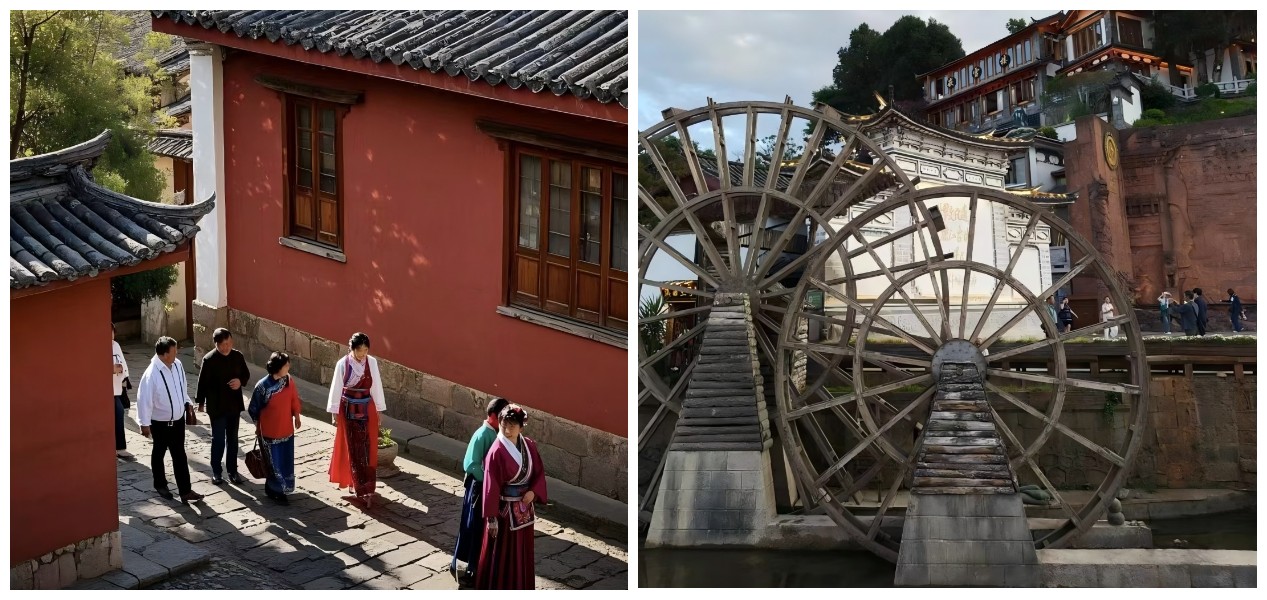
Sifang Street is the beating heart of Lijiang Old Town—and a must-visit for anyone interested in history, culture, or local life. Translating to "Four Directions Square," this bluestone-paved plaza connects the town’s four main streets, making it the perfect starting point for your exploration.
Why It’s Special:
Tea-Horse Road Legacy: For centuries, this square was a bustling trading hub on the ancient Tea-Horse Road, where caravans carrying tea, silk, and salt rested and bartered. Look closely at the stone slabs—you’ll still see faint hoof prints worn into the rock by thousands of horses over time!
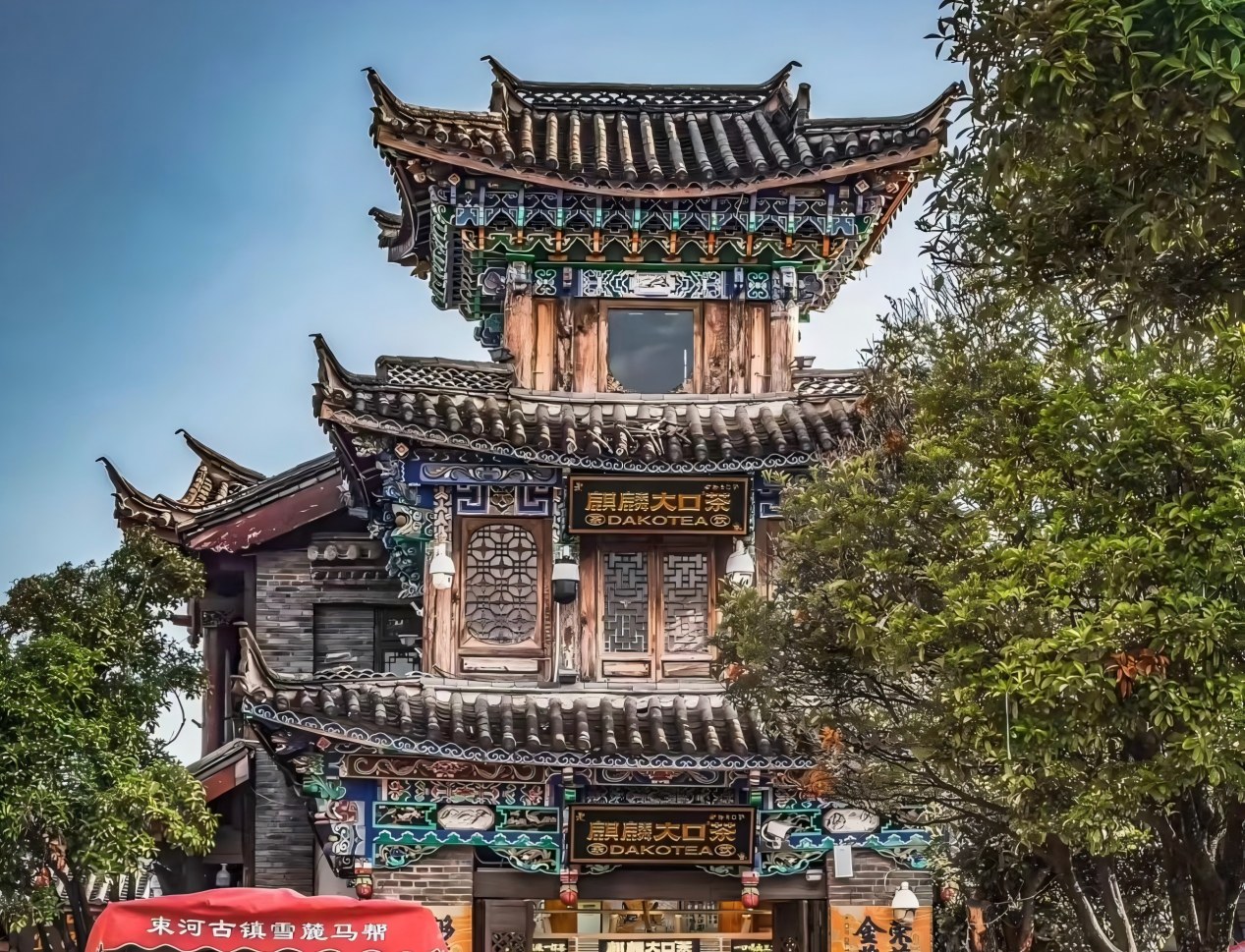
Naxi Architecture: Surrounding the square are traditional Naxi buildings featuring "Three Rooms and One Screen Wall" or "Four Courtyards with Five Skywells" designs. These structures are built to thrive in Lijiang’s high-altitude climate, maximizing sunlight and ventilation. Don’t miss the intricate carvings on doors and windows—depicting pine, bamboo, plum (the "Three Friends of Winter") or the Naxi totem, the Three-Legged Golden Crow—symbols of good luck and resilience.
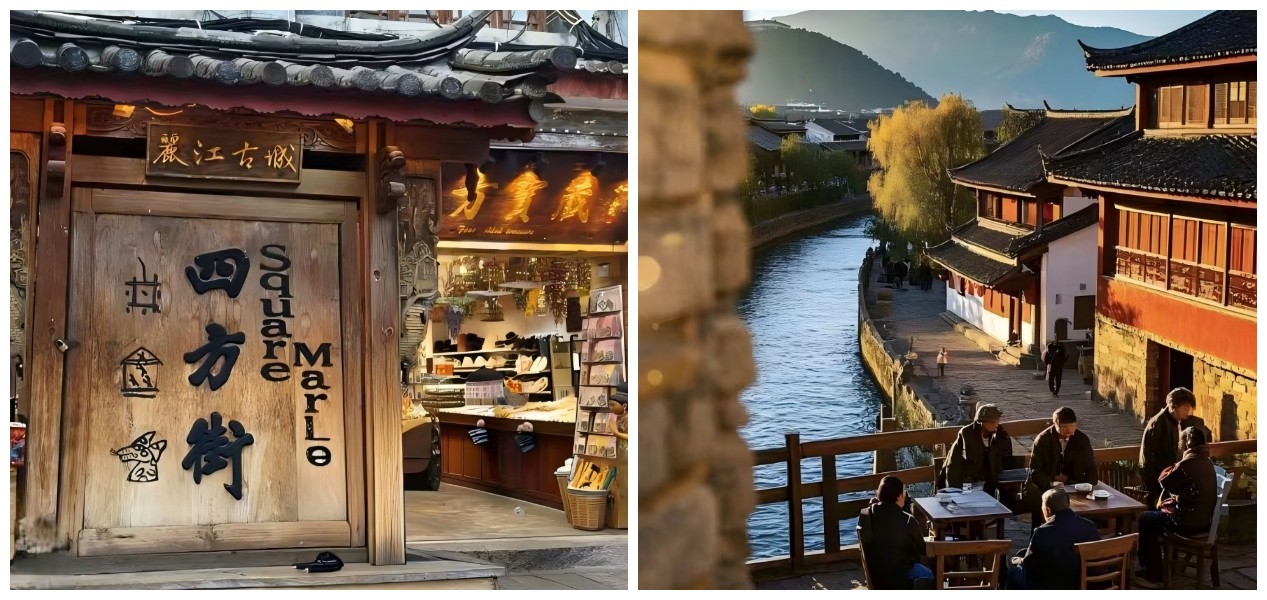
Daily Life & Markets: Mornings bring vibrant local markets, where Naxi elders sell handmade Dongba paper, embroidery, woodcarvings, flaky baba cakes (a savory-sweet local snack), and creamy butter tea. Evenings come alive with "Dadiao" dance circles—join locals in clapping, stomping, and singing for an authentic taste of Naxi joy.
Ingenious Drainage: Notice how the square slopes gently from the center to the edges? This medieval engineering marvel lets rainwater flow into hidden channels, preventing flooding—locals call it the "Eastern Drainage Miracle," far ahead of its time in Europe!
Pro Tip:
Visit at sunrise to avoid crowds, or stay until dusk to watch the square glow with lantern light.
2. Mu Mansion: The "Naxi Forbidden City" Without Walls
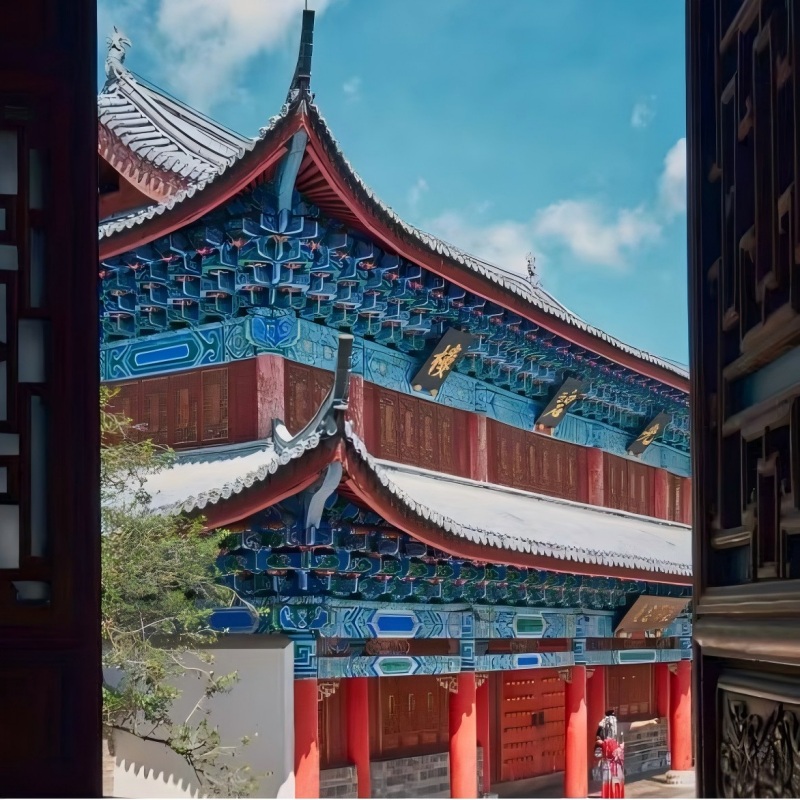
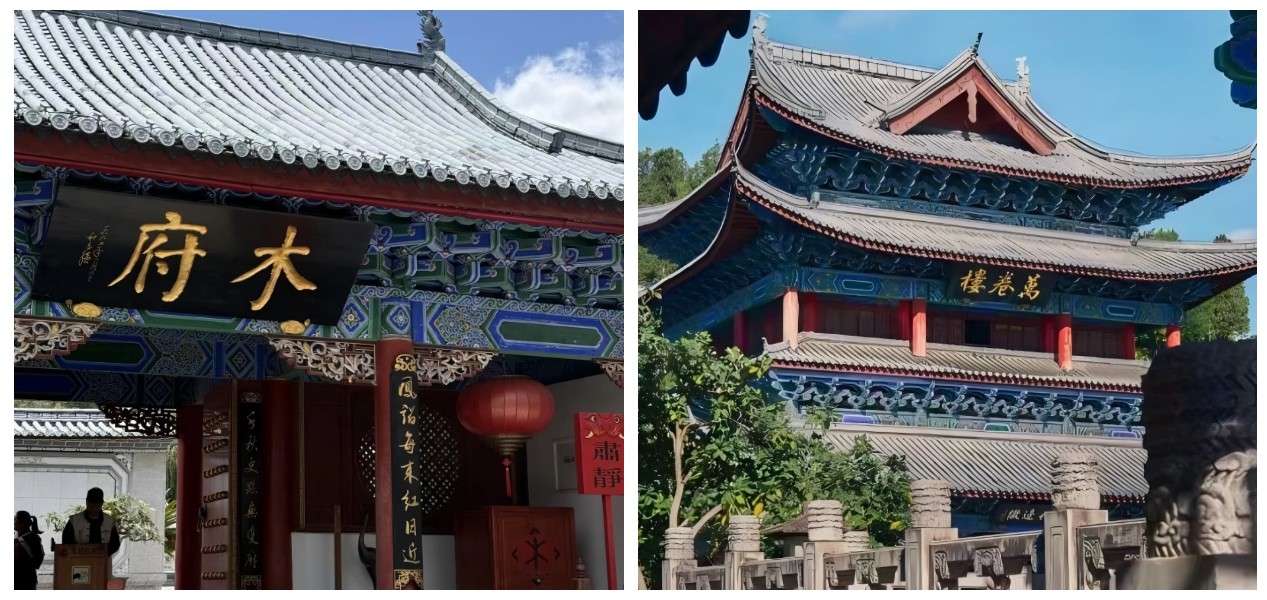
Just 500 meters north of Sifang Street lies Mu Mansion—once the residence of the Mu chieftains who ruled Lijiang for over 500 years. Known as the "Forbidden City of the Naxi," this grand complex has no walls (a deliberate choice: the Mu family believed walls would "trap" their surname’s character "wood" 木,forming the word for "hardship" 困). Instead, it relies on natural terrain and clever design for security.
What to Explore:
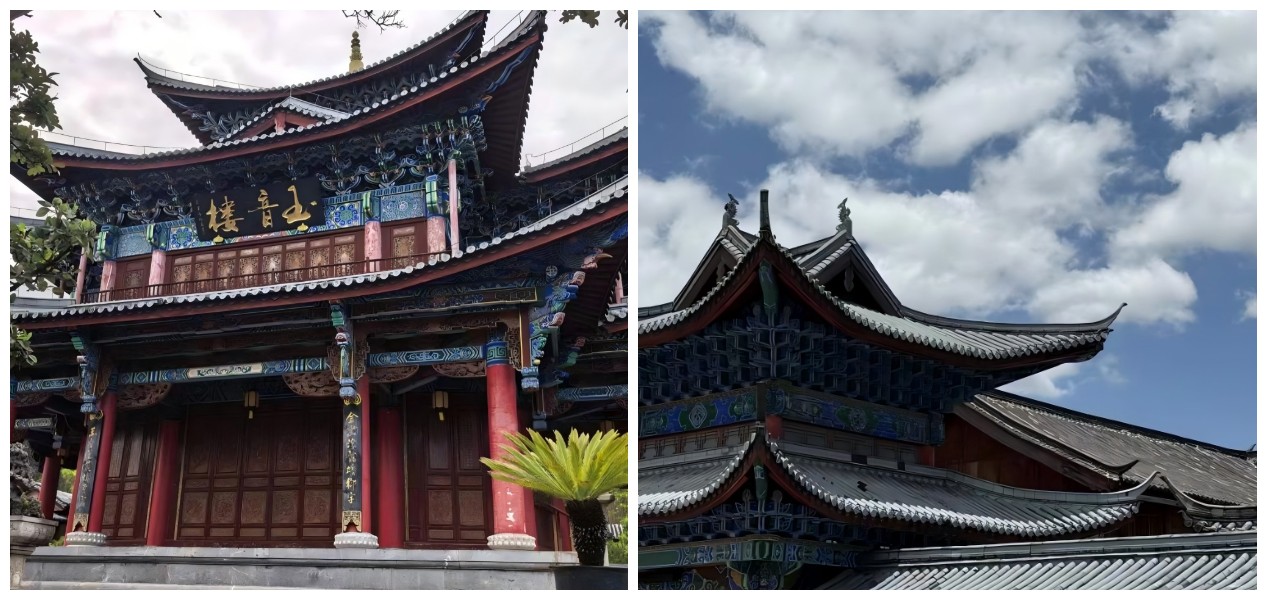
Scale & Grandeur: Covering 300 acres, the mansion follows a central axis facing Jade Dragon Snow Mountain. Highlights include the "Three Purity Hall" (for rituals), the "Jade Voice Tower" (where chieftains hosted banquets), and the "Light and Emerald Tower"—the highest point, offering sweeping views of Lijiang’s tiled roofs, winding streams, and snow-capped peaks. As Ming traveler Xu Xiake noted, its "splendor rivals a king’s palace."
Cultural Fusion: The Mu chieftains blended Han Chinese architectural styles with Naxi traditions. Above the main gate, look for the "Loyalty and Righteousness" plaque, inscribed by Ming Emperor Zhu Yuanzhang. Inside, the "Ten-Thousand Volume Library" houses Confucian classics alongside rare Naxi Dongba scriptures, and the gardens feature Yunnan camellias and Central Plain peonies.
Dongba Script Experience: Watch live demonstrations of Dongba script—the world’s only still-used pictographic writing system. Ask a Dongba priest to write your name in these ancient symbols for a unique souvenir!
Practical Info:
Best Time to Visit: Morning (9 AM–11 AM) to avoid crowds.
3. Black Dragon Pool Park: Lijiang’s Water Source & Photo Paradise
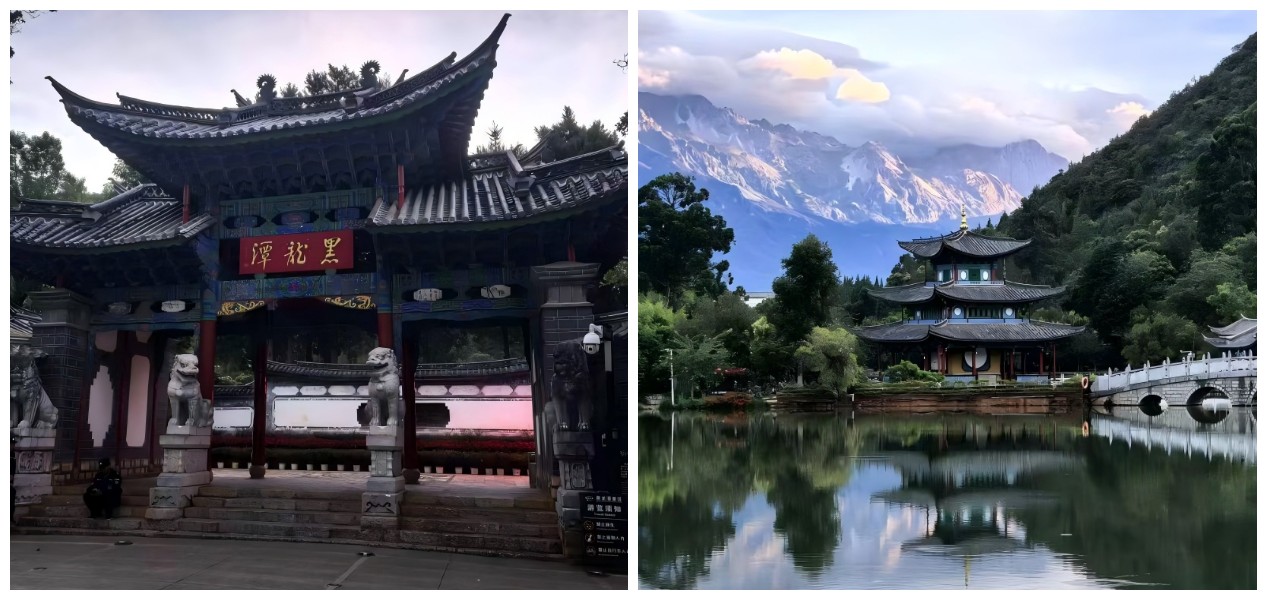
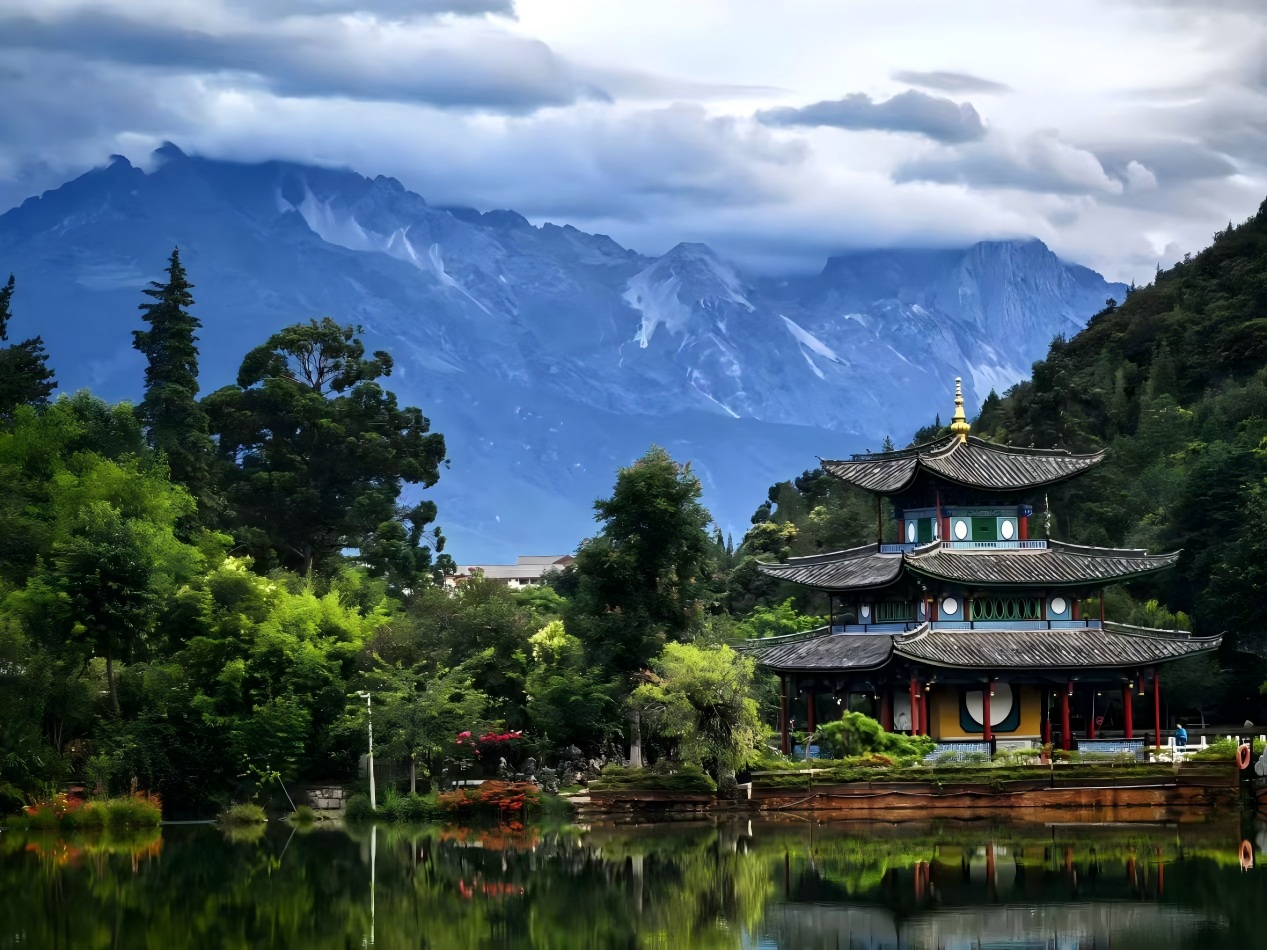
No trip to Lijiang is complete without a visit to Black Dragon Pool Park—dubbed the "Pearl of the Plateau" and the lifeblood of the old town. All the crystal-clear streams flowing through Lijiang originate here, fed by melting snow from Jade Dragon Snow Mountain.
Why It’s a Must-See:
Iconic Mountain Reflections: On clear days, the pool acts as a mirror, reflecting Jade Dragon Snow Mountain’s peaks—a breathtaking sight, especially at sunrise or sunset. The "Moon Embracing Pavilion" offers the best vantage point for photos.
Dongba Culture Museum: Dive deeper into Naxi history with artifacts like Ming Dynasty Dongba scriptures (written on tree-bark paper), ritual objects, and Dongba paintings. Life-sized dioramas showcase traditional ceremonies, highlighting the Naxi people’s deep respect for nature.
Serene Gardens: The park is filled with native plants—camellias, rhododendrons, and orchids—blooming in spring. Wander along stone paths, cross ancient bridges, and listen to the sound of flowing water for a peaceful escape from the town’s bustle.
Practical Info:
Opening Hours: 7 AM–7 PM
Entrance Fee: ~$7 USD (50 RMB) (includes museum access)
Local Tip: Arrive at sunrise for the best light and fewer crowds.
4. Shuhe Old Town: A Quiet Tea-Horse Road Gem
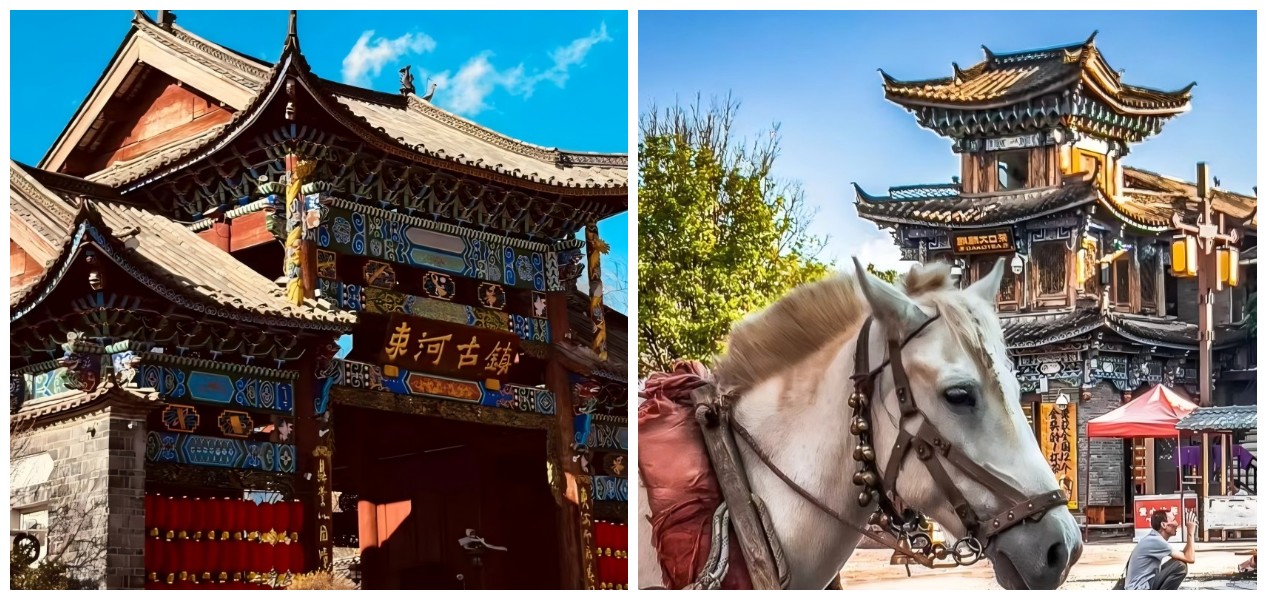
If Lijiang Old Town feels bustling, Shuhe Old Town is its tranquil counterpart. Located 7 km northwest of Lijiang, this well-preserved village is one of the oldest stops on the Tea-Horse Road—with a history even older than Lijiang’s! Its name, "Shuhe" (Bound River), refers to ancient dams built to control water for irrigation and trade.
What to Love:
Tea-Horse Road Museum: Start here to learn about the ancient trade route that linked Southwest China to Tibet, India, and Southeast Asia. Exhibits include old horse saddles, packing baskets, lanterns, and a life-sized caravan station reconstruction.
Sifang Listening to Sounds Square: The town’s core, where caravans once gathered. Today, it hosts daily afternoon performances of Naxi folk songs and dances like "Alili" and "Naxi Trilogy"—a chance to experience local culture up close.
Rural Charm: Beyond the main square, Shuhe feels like a step back in time. Wander quiet lanes lined with well-preserved, less-commercialized old houses, watch locals wash clothes in streams, and explore surrounding rice fields (golden in autumn) where farmers still plow with oxen.
Authentic Food & Crafts: Try "free-range chicken hotpot" at a family-run inn, paired with homemade plum wine. Shuhe is also famous for leathercraft—order a custom-made pair of leather shoes or a bag from local artisans.
5. Ganhaizi Meadow: The Ultimate Jade Dragon Snow Mountain Viewpoint
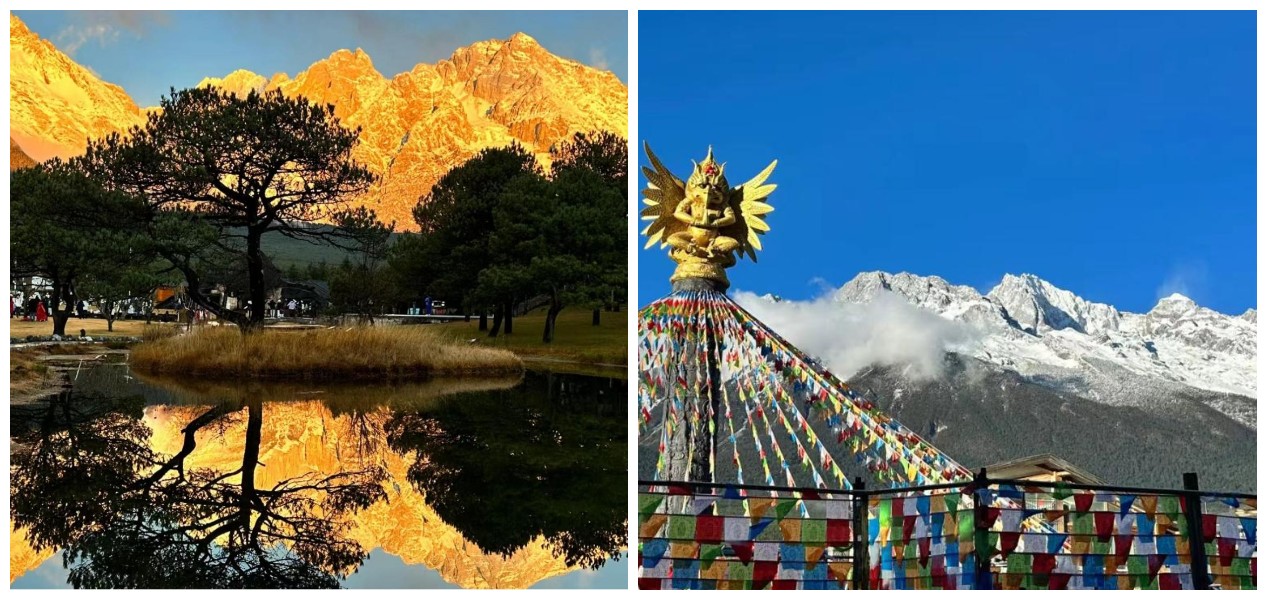
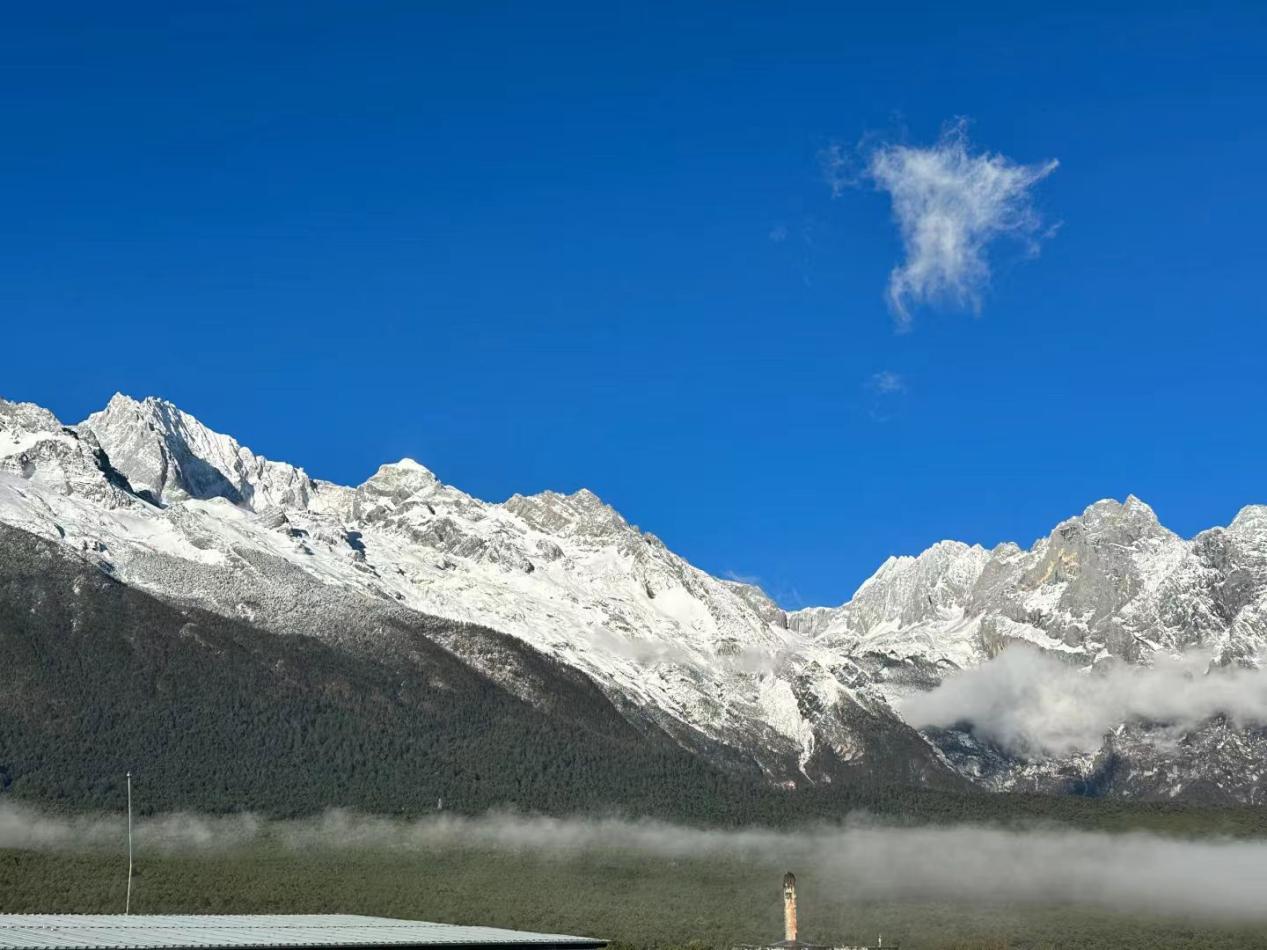
Our final stop is Ganhaizi—a high-altitude meadow at 3,100 meters, nestled at the foot of Jade Dragon Snow Mountain. It’s the best spot in Lijiang for panoramic views of the mountain’s 13 snow-capped peaks.
What to Experience:
Breathtaking Scenery: Stand on the meadow, and you’ll see an endless green carpet dotted with wildflowers (in summer) or covered in soft snow (in winter), backed by the "jade dragon" of snow-capped peaks. The name "Ganhaizi" (Sweet Sea) comes from its former life as a lake—today, it’s a fertile meadow with abundant underground water.
Cultural Significance: For the Naxi people, Ganhaizi is sacred. Every year on the 8th day of the second lunar month, they celebrate the Sanduo Festival (honoring their protector god, Sanduo) with traditional attire, rituals, singing, and dancing. If your visit coincides, don’t miss this vibrant celebration—try festive snacks like Sanduo Festival baba cakes and butter tea!
Winter Skiing: From December to March, Ganhaizi transforms into Southwest China’s largest natural ski resort. Imagine skiing with Jade Dragon Snow Mountain as your backdrop—an unforgettable experience for adventure lovers.
Higher Meadows: For closer views, hike to Spruce Meadow (3,240m)—a hidden clearing surrounded by spruce trees, offering dramatic glacier views—or Yak Meadow (3,700m), where yaks graze against alpine scenery.
Essential Tips for High Altitude:
Some travelers may experience mild altitude sickness (dizziness, shortness of breath). Prepare with Rhodiola supplements or buy a portable oxygen canister locally (~$5-8 USD).
UV rays are strong—wear sunscreen (SPF 50+), a hat, and sunglasses.
Dress in layers: Temperatures can drop sharply, even in summer.
Final Thoughts: Take Lijiang’s Magic With You
Lijiang isn’t just a destination—it’s an experience that stays with you: the sound of streams winding through ancient lanes, the warmth of Naxi smiles, the sight of snow-capped peaks reflecting in clear waters, and the wisdom of a culture that lives in harmony with nature.
While our tour ends here, Yunnan has so much more to explore—from Dali’s Erhai Lake to Shangri-La’s grasslands and Xishuangbanna’s tropical rainforests. If you want to dive deeper into Yunnan’s beauty, let us craft a custom itinerary just for you—tailored to your interests, whether it’s cultural immersion, outdoor adventure, or culinary exploration.
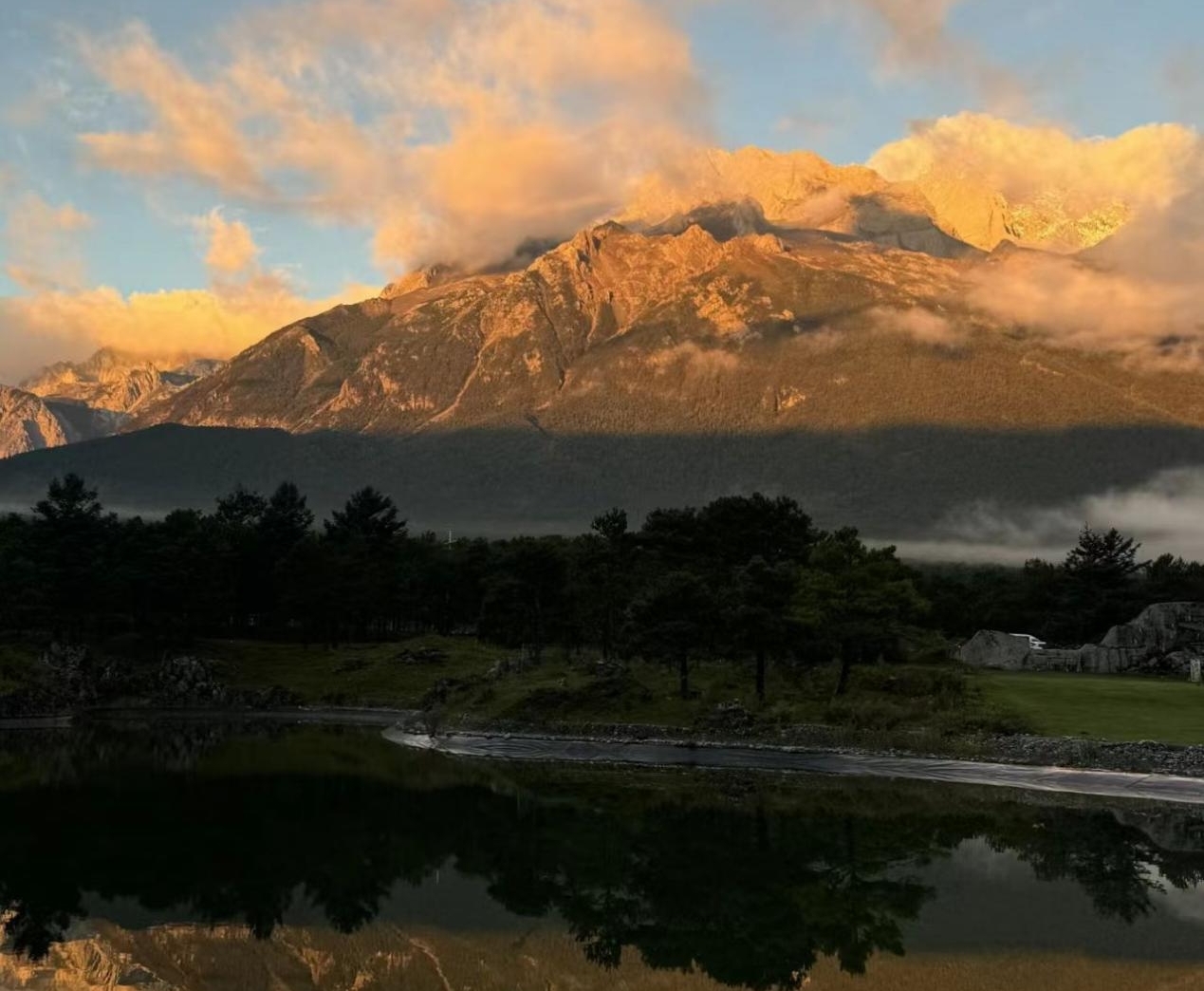
As you leave, carry these gifts from Lijiang: the purity of the snow mountain, the calm of its streams, the richness of its culture, and the memory of a town that feels like home. We can’t wait to welcome you back to these ancient lanes beneath the snowy peaks.
Safe travels, and may your journey be filled with wonder!