Qinghai Lake
Custom Qinghai Lake Tours
Tailored Private Experiences: We design flexible, custom itineraries based on your interests, schedule, and travel style. Explore at your own pace with a private guide and vehicle.
Discover Iconic & Hidden Gems: From the panoramic Erlang Sword viewpoint and the historic Riyue Mountain to the unique Bird Island and Sand Island, we ensure you experience the lake's full splendor.
Authentic Cultural Encounters: Go beyond sightseeing. Enjoy local Tibetan cuisine, visit a nomadic family, and gain deep insights into the region's rich heritage with our expert guides.
Let us create your perfect poetic journey to Qinghai Lake. Contact us to start planning your unique adventure today.
Qinghai Lake: A Journey to the Sacred Blue Gem of the Plateau
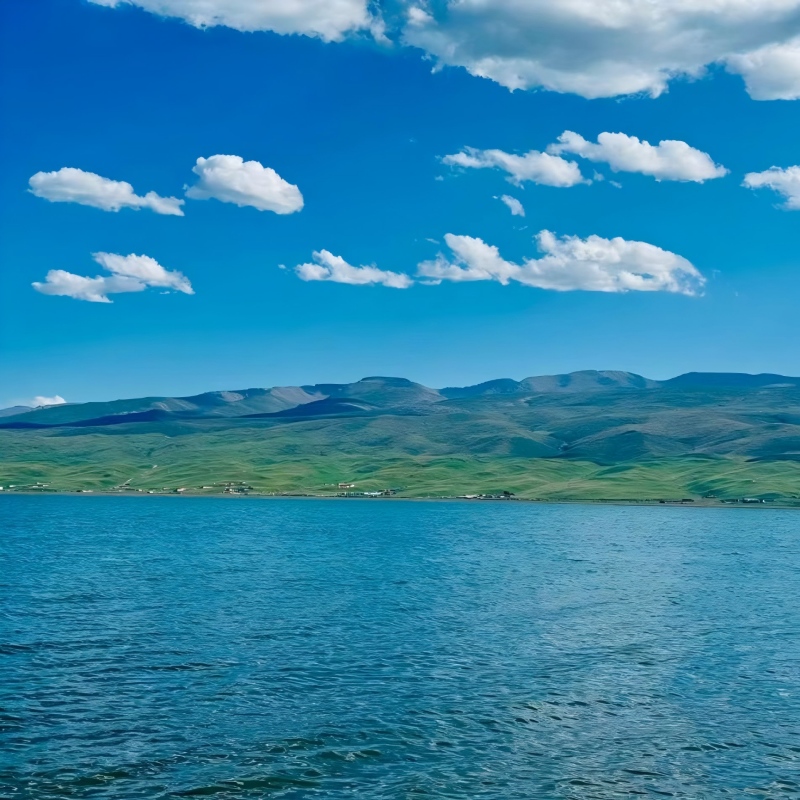
Good morning, everyone! I’m your guide, and I’ll be with you today as we explore the breathtaking Qinghai Lake. Right now, we’re on the way to the lake—just look outside the window! The rolling Qilian Mountains stand in the distance, and herds of yaks and sheep graze leisurely on the grasslands. This is Qinghai’s warm welcome to you.
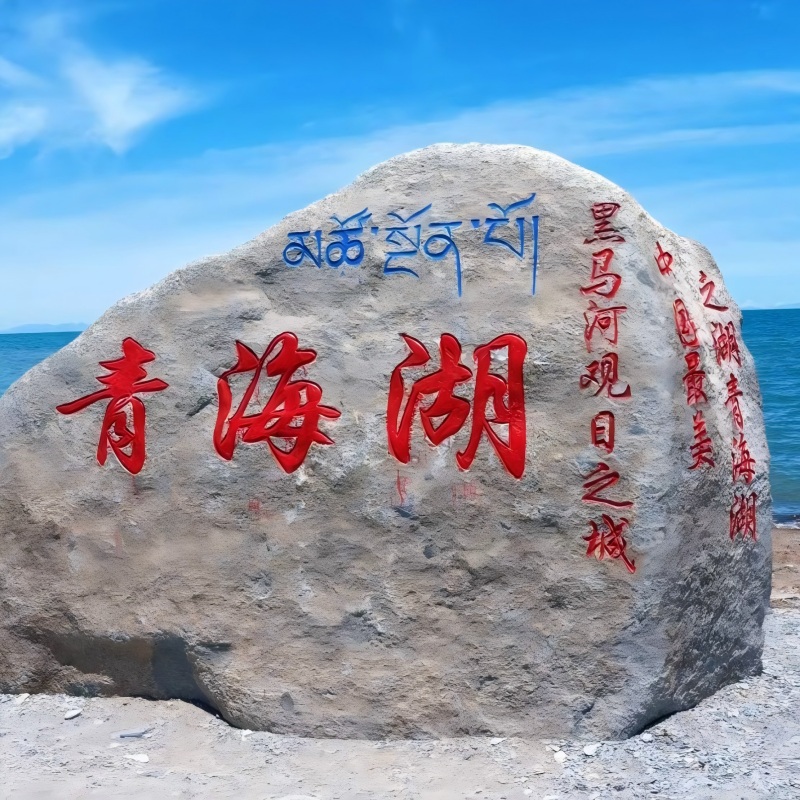
Soon, we’ll arrive at Qinghai Lake, known as the "Blue Sapphire of the Plateau." It’s China’s largest inland saltwater lake, and Tibetans revere it as "Tso Ngombo," meaning “the blue sea.” Today, we’ll visit five iconic spots around the lake and also discover local cuisine. I hope you’ll feel the magic and poetry of this sacred lake throughout the journey.
Best Time to Visit Qinghai Lake:
May to October is ideal, with July and August offering warm weather and blooming rapeseed flowers.
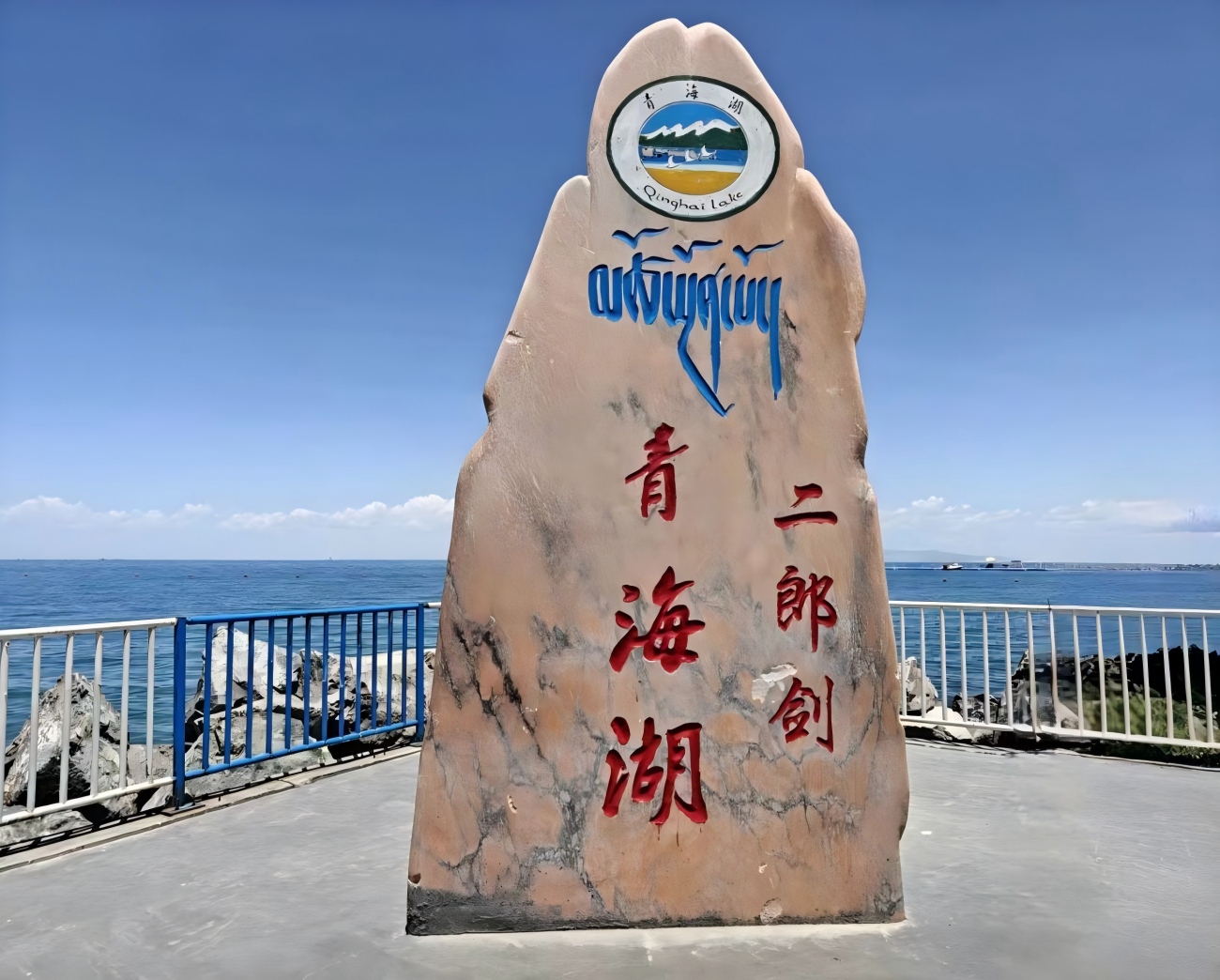
1. Erlang Sword Scenic Area: The Legendary Guardian of the Lake
Our first stop is the heart of Qinghai Lake: Erlang Sword Scenic Area. Look ahead—that narrow peninsula stretching into the water resembles a sword pointing toward the lake’s center. That’s how it got its name. And there’s a fascinating legend behind it.
Long ago, the hero Erlang Shen chased the Monkey King to Qinghai Lake. To calm a water monster, he threw his sword into the lake, which turned into this peninsula. Ever since, it’s said to protect the lake and its people.
Besides the myth, Erlang Sword is the best viewpoint to take in the whole lake. Once a torpedo test base, it still shows traces of its military past. From the viewing platform, you’ll see the lake melt into the sky—a scene so blue it’s hard to tell where water ends and sky begins.
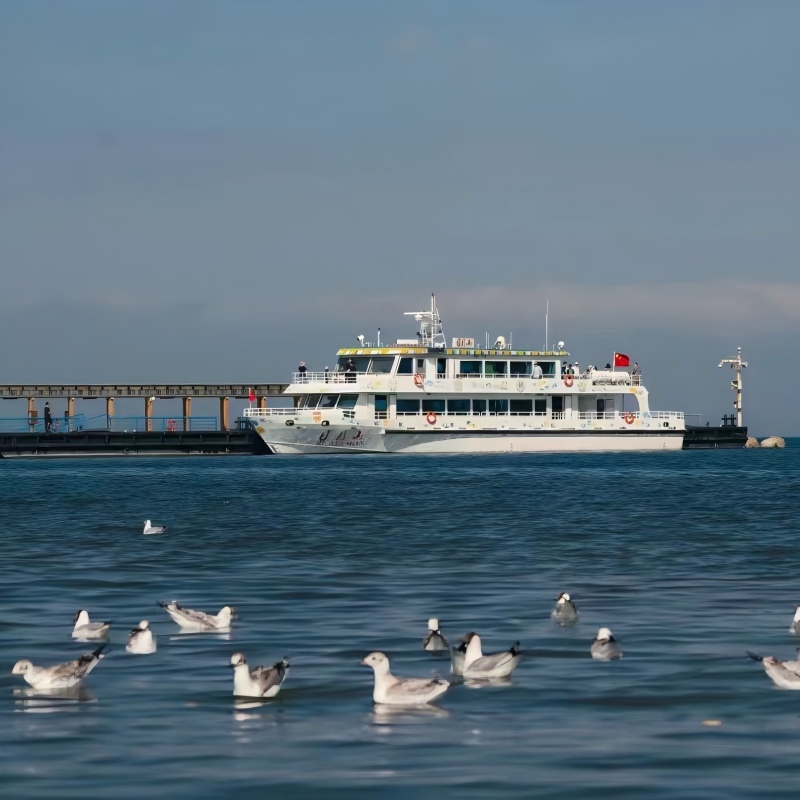
In summer, golden rapeseed fields bloom along the shore, contrasting with the blue water—a dream for photographers. Walk the lakeside boardwalk, touch the cool water, or take a boat ride to feel "inside a painting." You can also visit the Tibetan-style park to try on traditional clothes and taste butter tea.
2. Riyue Mountain: Where Princess Wencheng Looked Back
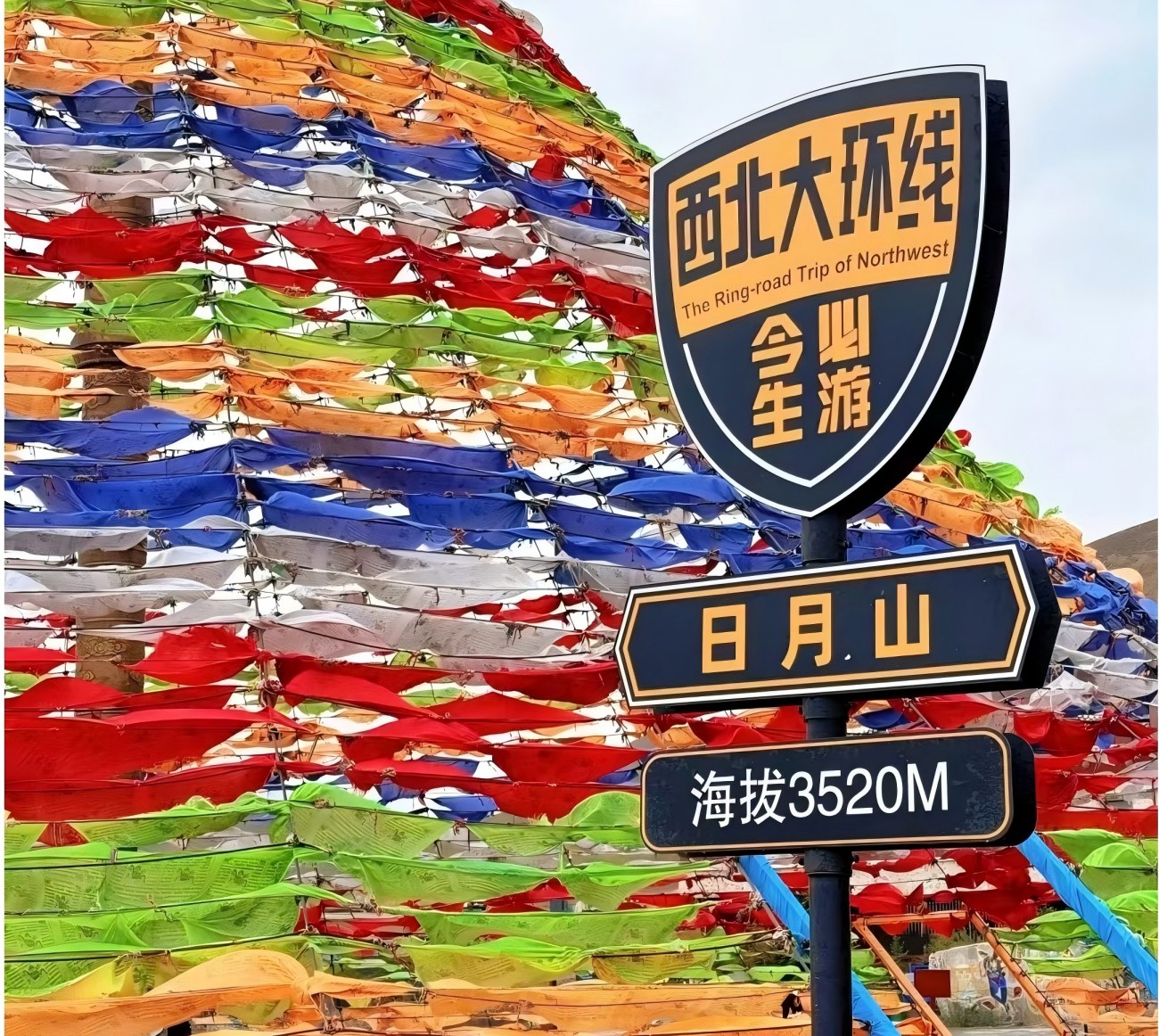
Next, we head to Riyue Mountain (Sun-Moon Mountain), a place steeped in history. At 3,520 meters, it marks the boundary between the Qinghai-Tibet Plateau and the Loess Plateau. Its story is tied to Princess Wencheng.
In 641 AD, Princess Wencheng left Chang’an to marry the Tibetan king. When she reached this mountain, she looked back one last time toward home. Overcome with longing, she threw away her Sun-Moon Mirror—a gift from the emperor. The mirror split into two, forming the Sun and Moon peaks.
Today, you can see her statue and the Sun-Moon Pavilions here, with murals depicting her journey. From the top, the view changes dramatically: farmlands to the east, vast grasslands to the west. Locals consider it a sacred mountain and come to pray for blessings.
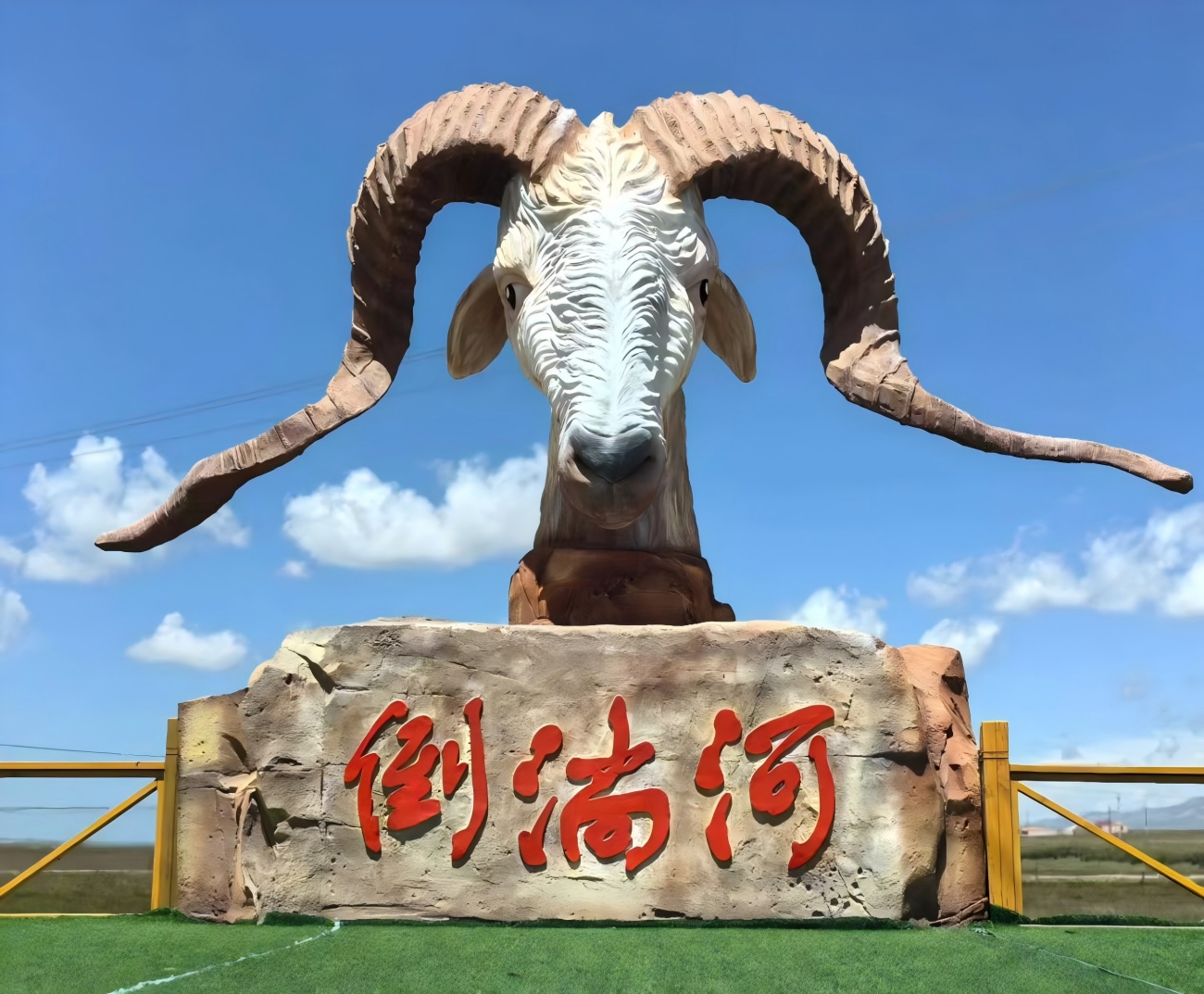
3. Daotang River: The River That Flows Backward
Now, let’s visit the curious Daotang River—the “reverse-flowing river.” Most rivers run east, but this one flows west into Qinghai Lake. Geologically, it’s because tectonic uplift blocked its original path.
Legend says the river was born from Princess Wencheng’s tears as she missed her home. Her tears flowed westward, creating this “backward” stream.
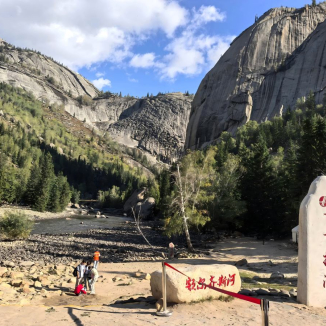
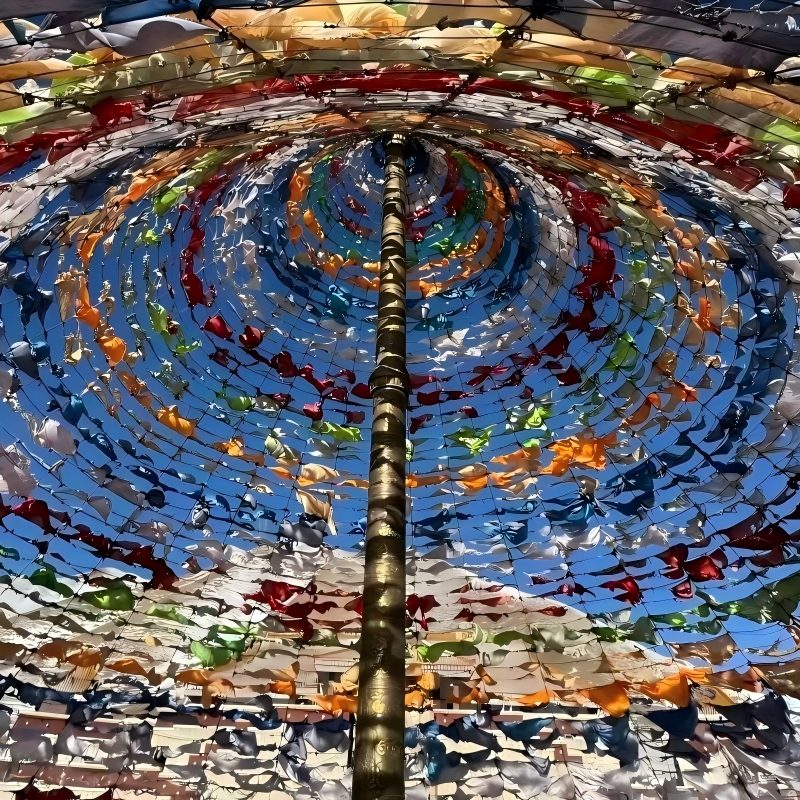
The river is clear, with green banks—a pretty wetland scene. You can stroll here, see herds grazing, and spot Tibetan prayer flags and stone mounds. It’s also a key water source for Qinghai Lake, helping keep its ecosystem balanced.
4. Bird Island: A Paradise for Migratory Birds
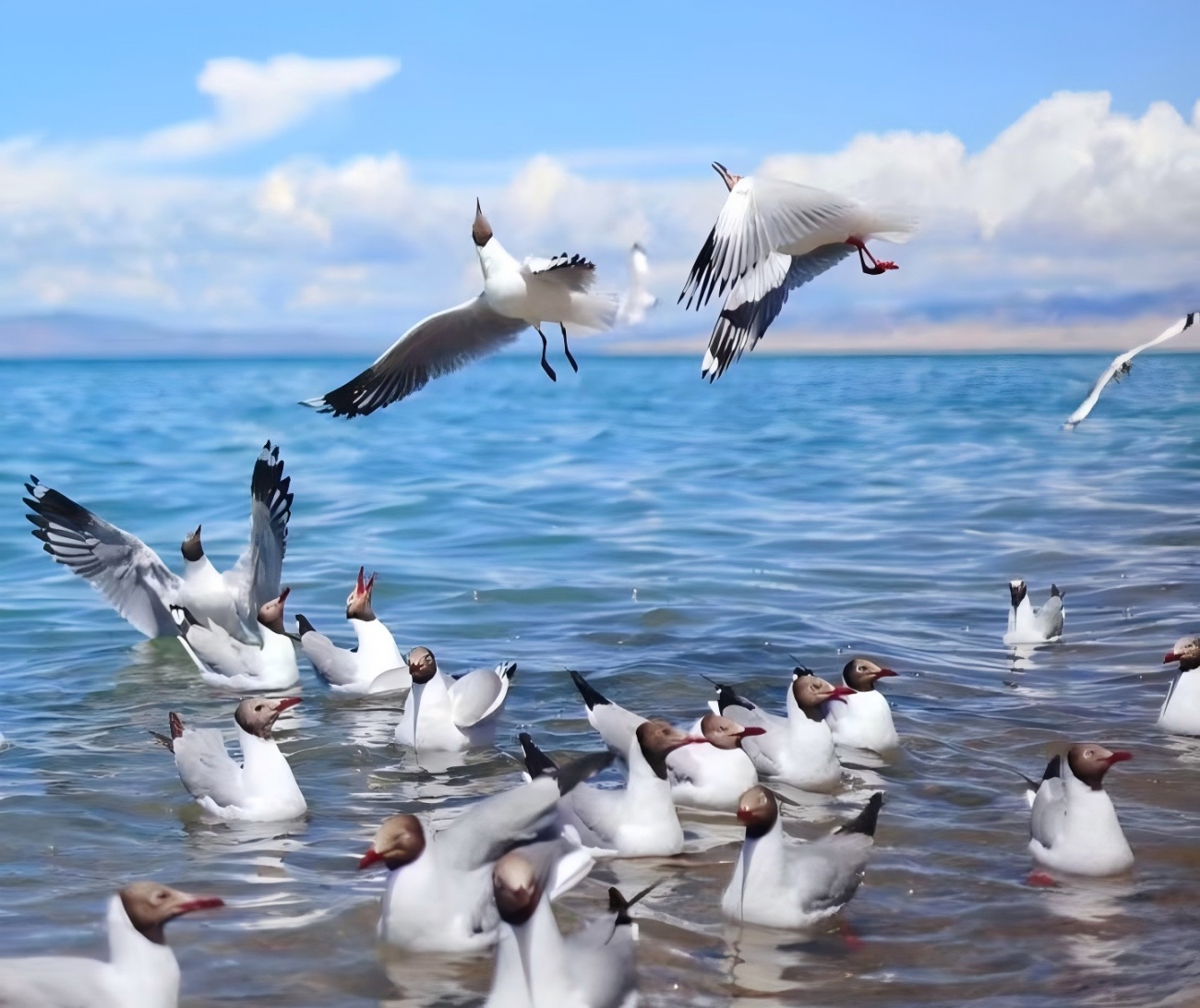
Welcome to Bird Island, the "Bird Paradise" of Qinghai Lake! It’s made of two islets—Egg Island and Haixipi—and hosts thousands of birds each year. It’s one of China’s top bird reserves and a major stop on Asian migration routes.
There’s a myth here too: divine birds were sent to defeat a lake dragon, then stayed to guard the lake, creating Bird Island.
From April to July, birds like bar-headed geese and black-headed gulls flock here to nest. At its peak, over 100,000 birds can be seen! Use the viewing decks and binoculars to watch them feed, fly, and raise their young—but please stay quiet and avoid disturbing them.
Tip: Bird watching season is a highlight for nature lovers.
Thanks to conservation efforts, more species return each year, making this a living symbol of Qinghai Lake’s ecology.
5. Sand Island: Where Desert Meets Lake
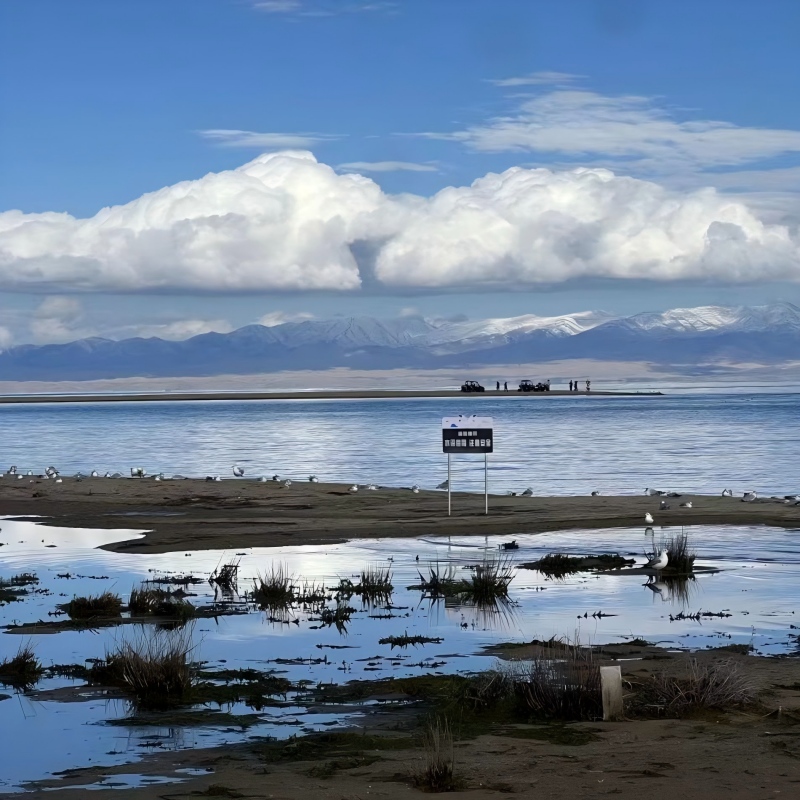
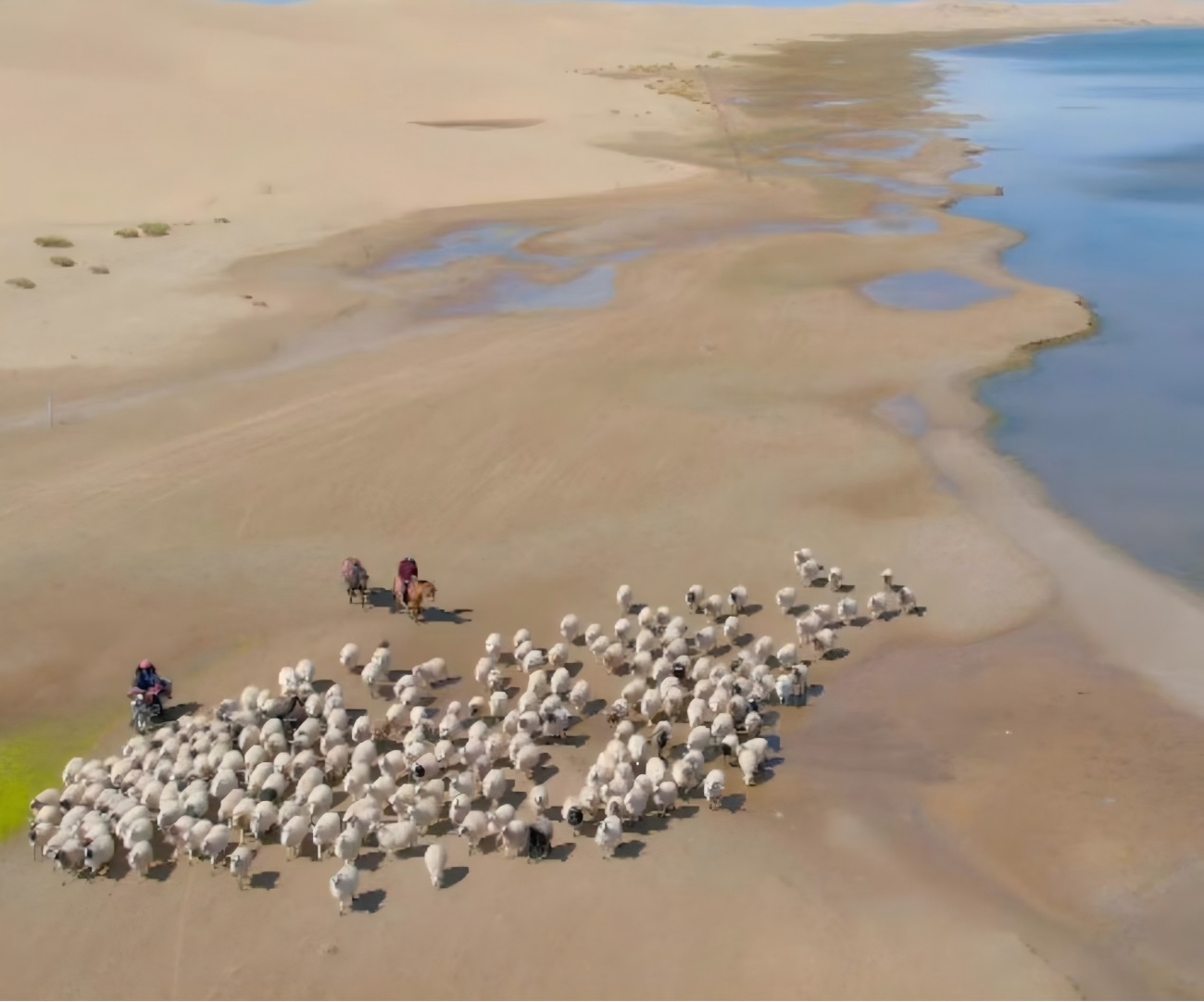
Our final scenic spot is Sand Island, the largest sandy area around Qinghai Lake. It’s a rare "lake-and-desert" landscape on the plateau. How did sand appear next to a lake? Wind and changing water levels exposed lakebed sediment, which piled up over time.
Tibetan legend says the hero King Gesar piled sand here as a defense wall during a battle, which later became Sand Island.
The view is stunning: blue water beside golden dunes. Try sand sliding or a camel ride for fun, or walk the boardwalk to enjoy the contrast. In summer, wildflowers bloom on nearby grasslands, adding color to the scene. Don’t forget your camera!
6. Local Food: A Taste of the Plateau
After all that exploring, let’s talk food! Qinghai’s cuisine blends Tibetan, Hui, and Han flavors. Here are some must-tries:
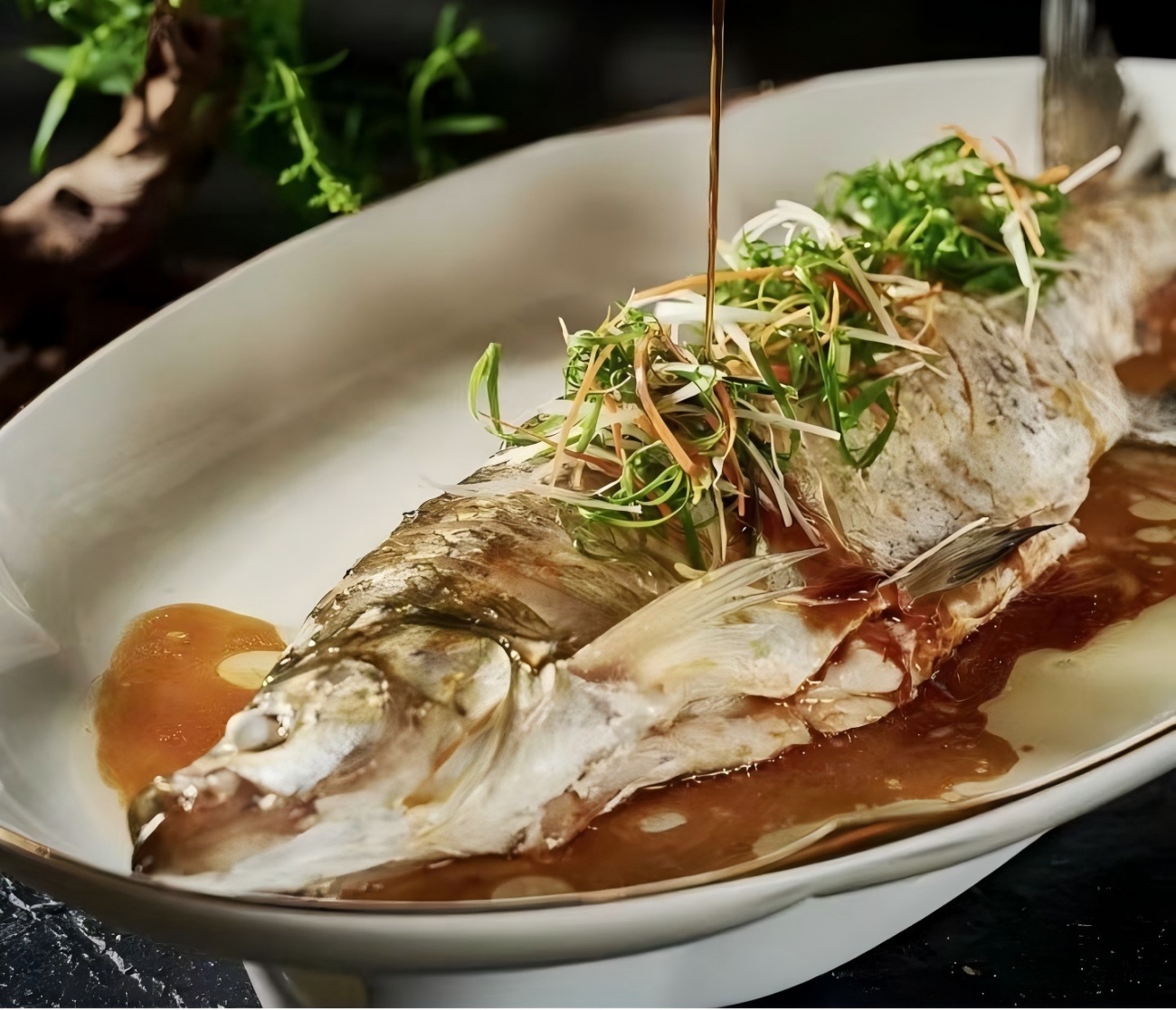
1. Qinghai Lake Naked Carp
A local specialty (now farmed). Try it braised in clear soup—tender, flavorful, and rich in protein.
Please note: Wild naked carp are protected; always choose farmed fish.
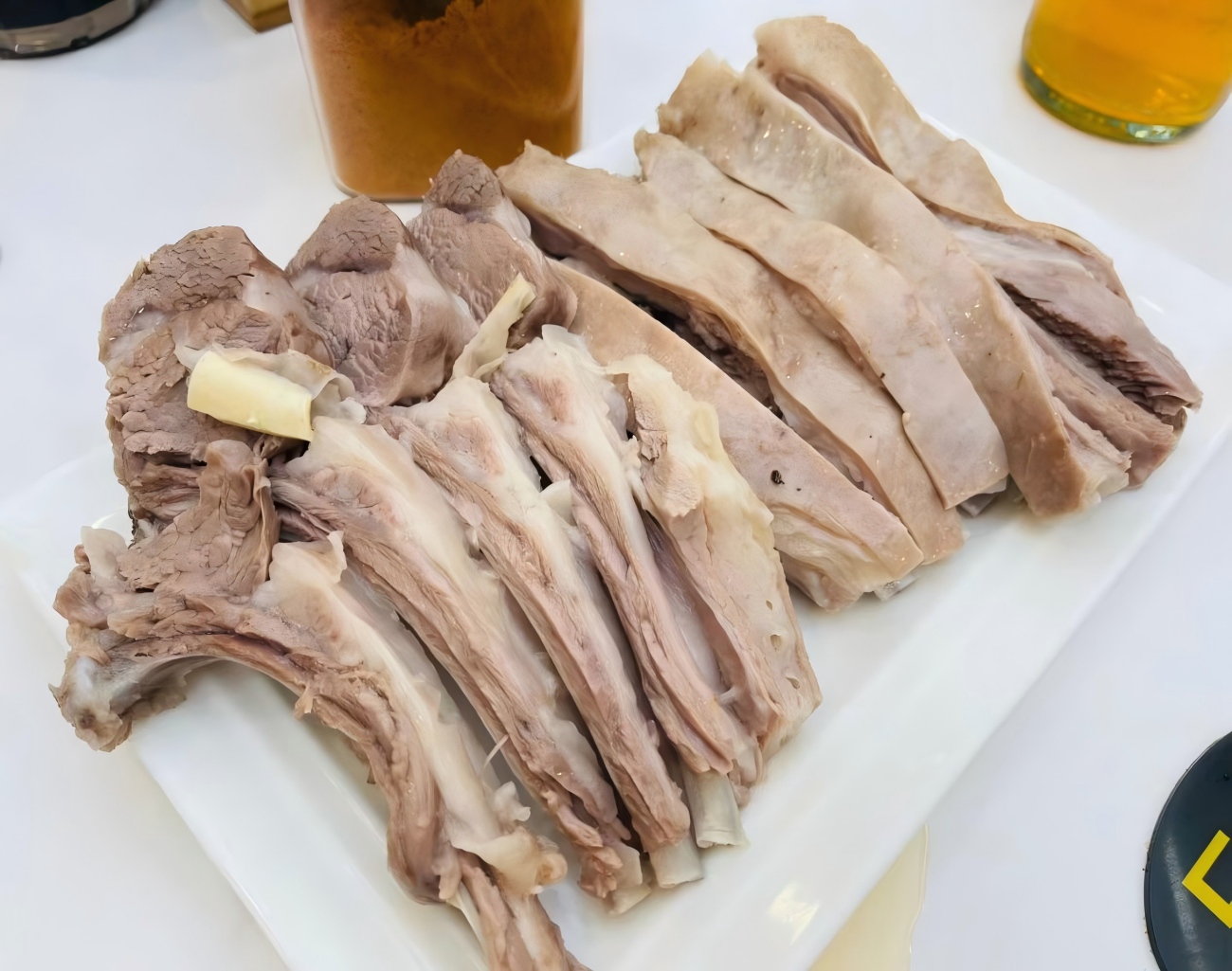
2. Hand-Grasped Lamb
Tender, free-range lamb boiled and served with salt or garlic. Enjoy it in a Tibetan tent with butter tea for an authentic experience.
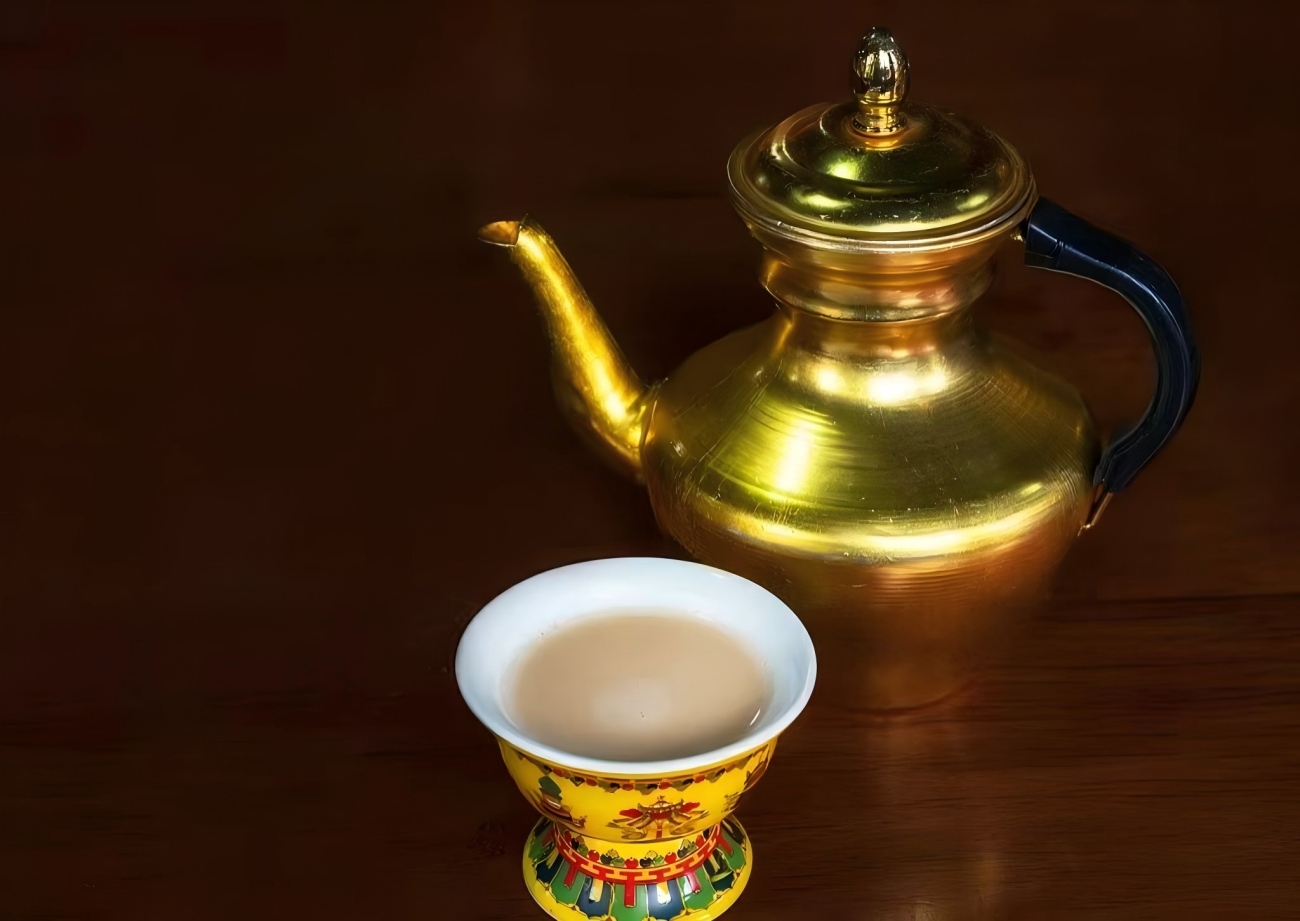
3. Butter Tea
A traditional Tibetan drink made from tea, butter, and salt. It’s savory, energizing, and helps with altitude acclimatization.
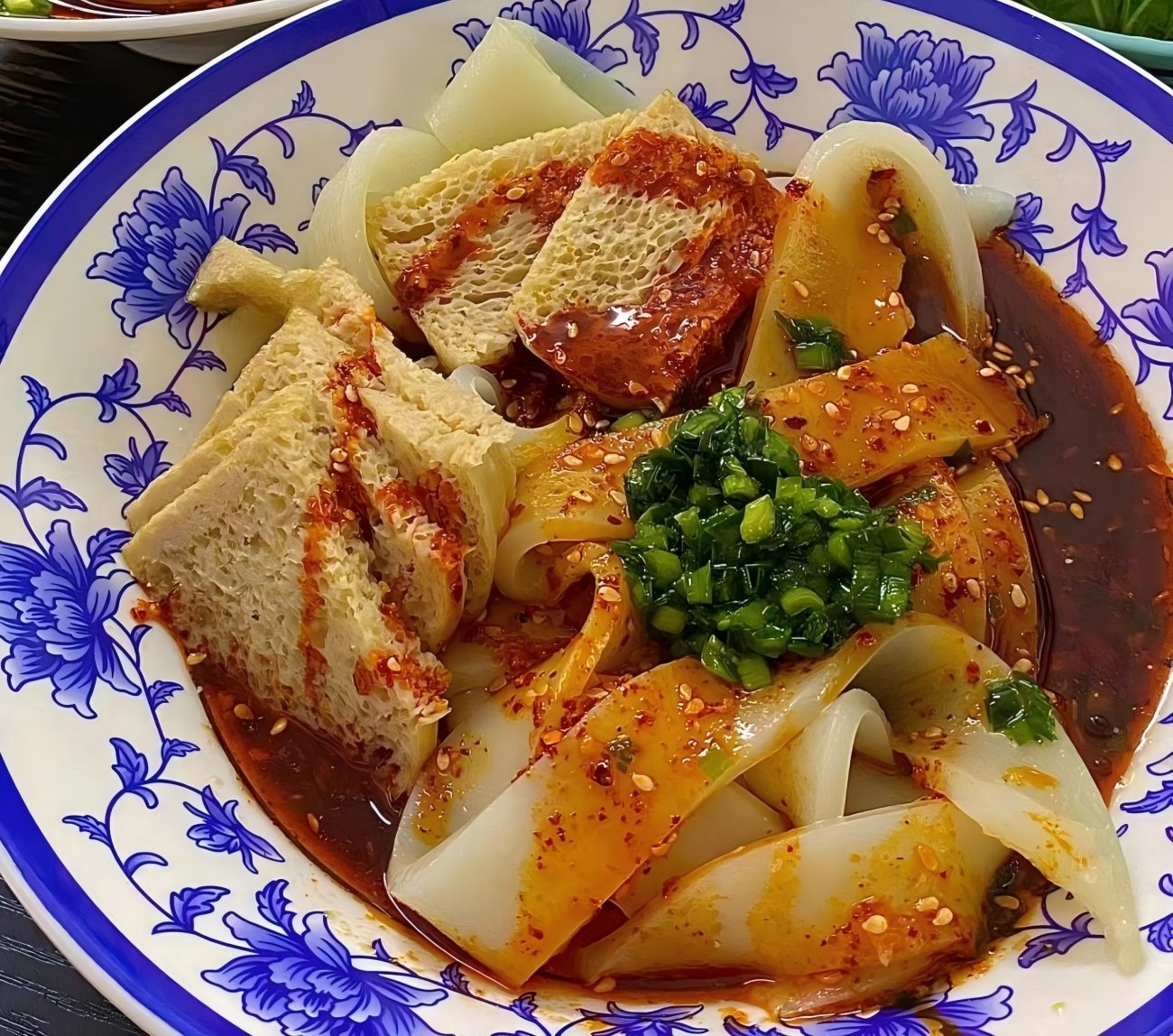
4. Liangpi (Cold Noodle Sheets)
A popular snack—chewy noodles tossed with chili oil, vinegar, garlic, and cucumber. Refreshing and slightly spicy!
Looking for Tibetan food near Qinghai Lake? Try local eateries in Heimahe or around the scenic areas.
7. Goodbye, Qinghai Lake
Dear friends, our journey is coming to an end. From the guardian Erlang Sword to the historic Riyue Mountain, from the reverse-flowing Daotang River to the lively Bird Island and surreal Sand Island—each spot has shared its story. And the local flavors surely delighted your taste buds.
Qinghai Lake is both a natural wonder and a cultural treasure. We hope you carry its beauty and peace with you.
Thank you for joining me today. Wishing you safe travels and good health. May we meet again by this blue gem in another season!
Travel Tips:
How to get there: Fly to Xining, then drive about 2–3 hours to Qinghai Lake.
Altitude: The lake sits around 3,200 meters—take it easy, stay hydrated, and consider altitude pills if needed.
What to pack: Sunglasses, sunscreen, a hat, layers for changing weather, and a good camera.