Mount Kailash
Mount Kailash Pilgrimage – A Sacred Journey in Comfort
Discover the magic of Mount Kailash, Tibet’s cosmic pyramid, on a thoughtfully designed pilgrimage that blends spiritual wonder with modern comfort. Designed for international travelers seeking both inspiration and ease, this journey ensures you experience the soul of the sacred landscape without compromising on quality.
Your Journey, Your Way
Choose your experience with our flexible "menu-style" tours:
Sunrise meditation at Lake Manasarovar
Guided hikes along select Kora trail sections
Cultural immersion in Darchen village
Visit to ancient Guge Kingdom ruins
No rigid schedules—just meaningful moments, tailored to your pace.
Travel with Heart
We follow sustainable principles to protect Kailash’s fragile beauty. All you take are photos and soul-stirring memories; all you leave are respectful footprints.
Join us for a journey that’s as smooth as it is profound—where faith meets comfort, and every detail is arranged for you.
The Echo of Faith from the Sacred Summit – Mount Kailash
Hello everyone, and a warm welcome to all our friends from overseas! I'm your guide today as we explore the mysteries of this sacred mountain. Right now, we're in the Ngari Prefecture of Tibet, often called the "Roof of the World's Roof." And that majestic, snow-capped, pyramid-shaped peak ahead of us? That's Mount Kailash – the most sacred mountain in Tibetan culture, revered as the "Center of the Universe" by Buddhism, Hinduism, Bon, and Jainism alike. In Tibetan, "Kailash" means "Precious Jewel of the Snows." Standing at 6,656 meters (about 21,837 feet) on the Ngari plateau, its true significance lies in its incredible history as a crossroad of faiths for thousands of years, making it the ultimate pilgrimage destination for countless people. So, let's dive into the world of this sacred mountain together – feeling the power of faith in its natural wonders and touching the blend of civilizations in its history.
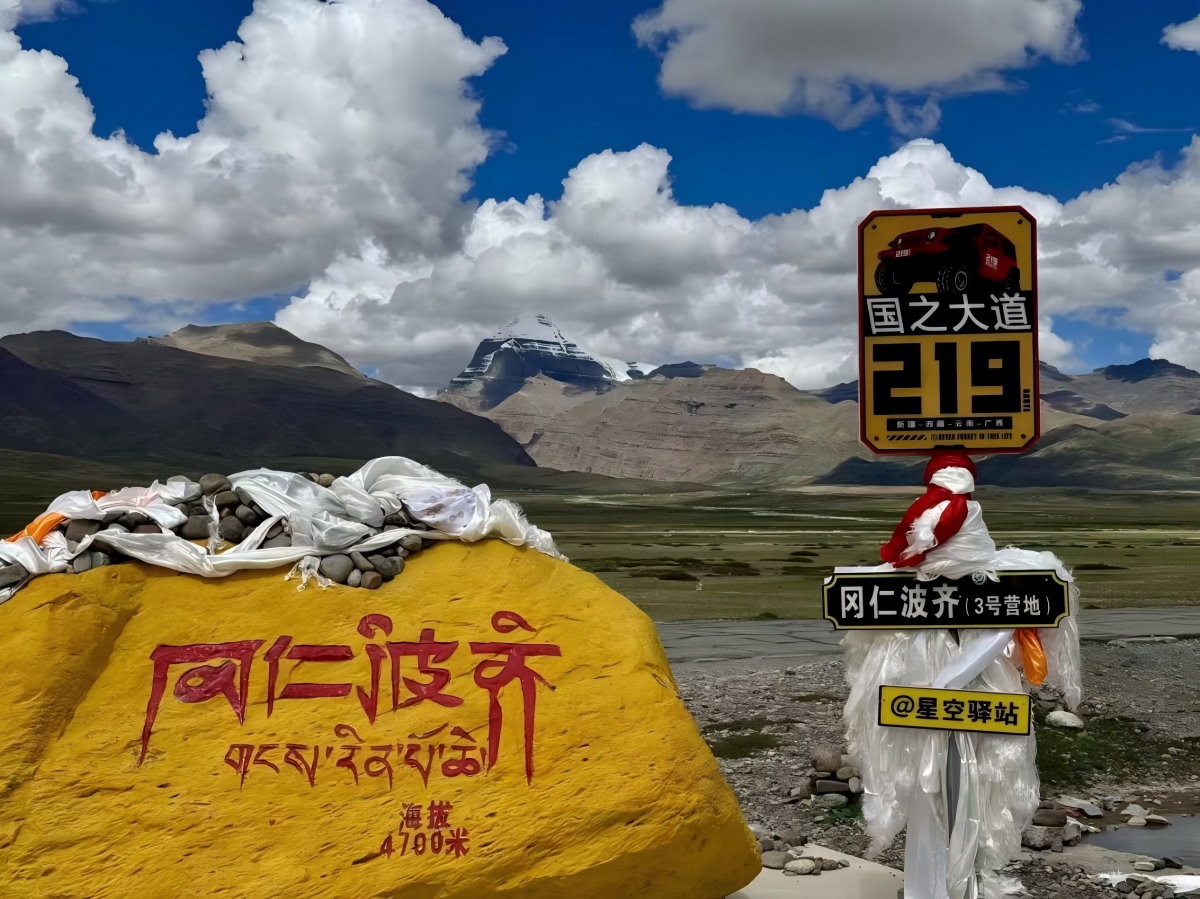
Before we start exploring, let's get a quick overview of Kailash's unique cultural history. Its status as a holy site was established as early as 1000 BC. The Bon religion saw it as the center of the "Nine Stacked Swastika Mountains," believing it was where their founder, Tonpa Shenrab, descended. When Buddhism arrived in Tibet around the 6th century BC, Kailash became identified with the mythical Mount Meru, the dwelling place of Buddha. In Hinduism, it's the eternal abode of Lord Shiva and the source of creation. For Jains, it's where their first Tirthankara, Rishabhadeva, attained liberation. For millennia, followers of these different faiths have come here on pilgrimage, creating a unique landscape of "shared sacredness." Historically, the area around Kailash was also a vital hub on the ancient Southern Silk Road, where merchants, monks, and scholars met, allowing the mountain's spiritual culture to deeply intertwine with civilizations from Central China and South Asia.
1. The Main Peak: The Sacred Center of the Universe
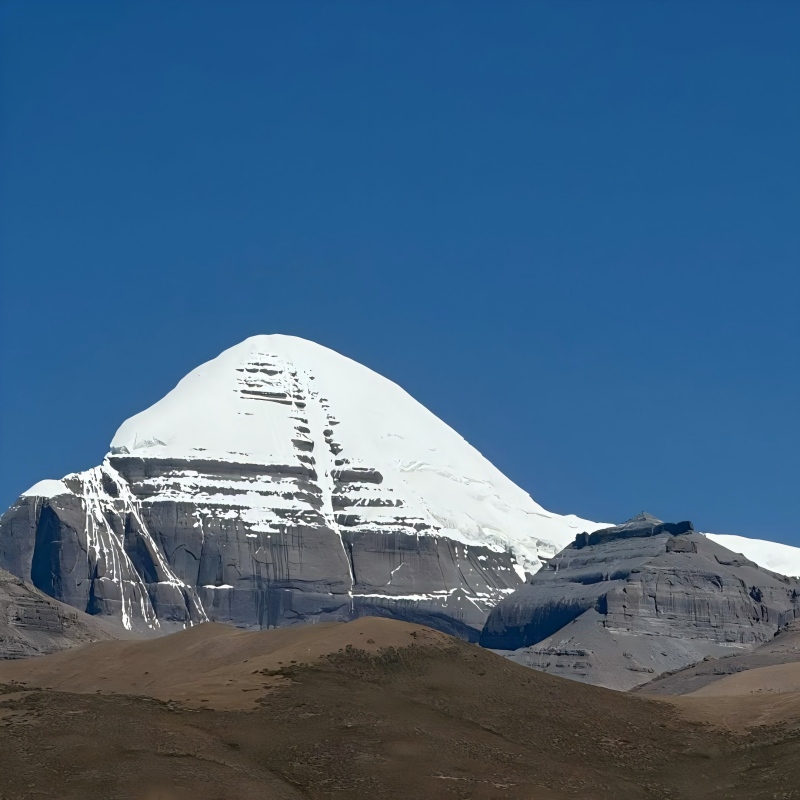
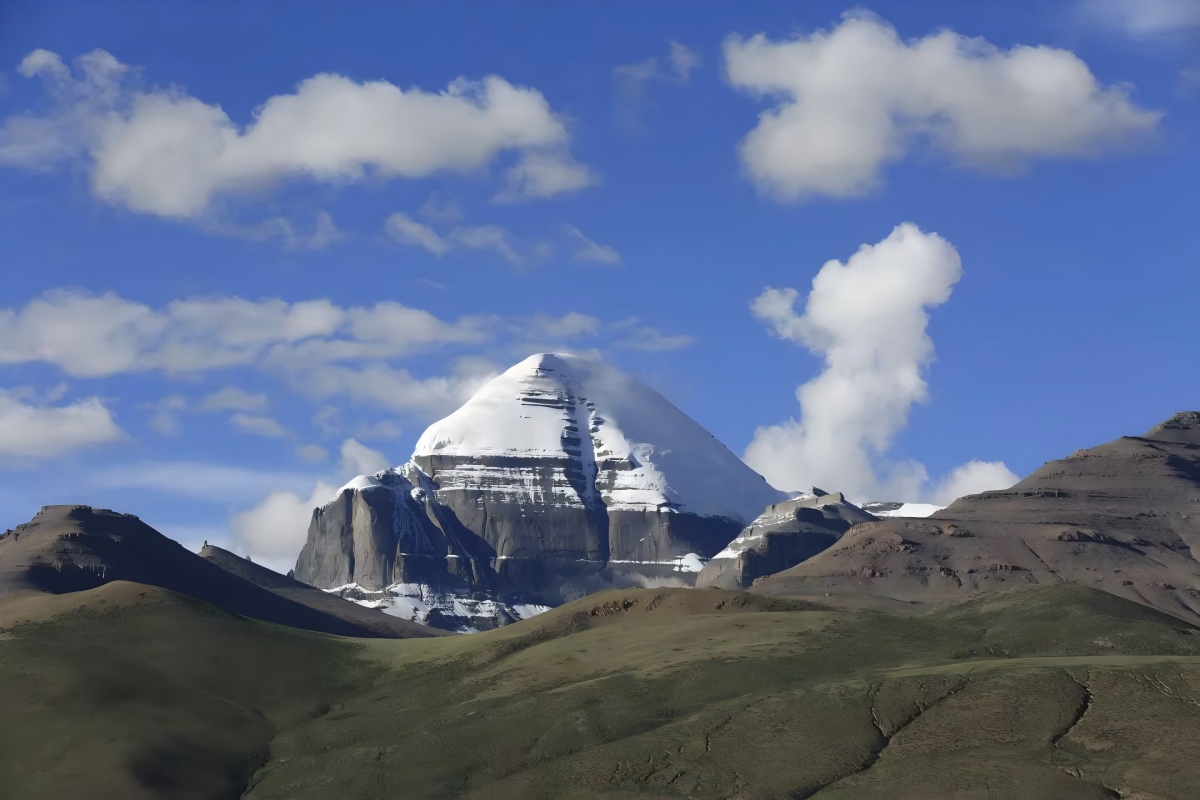
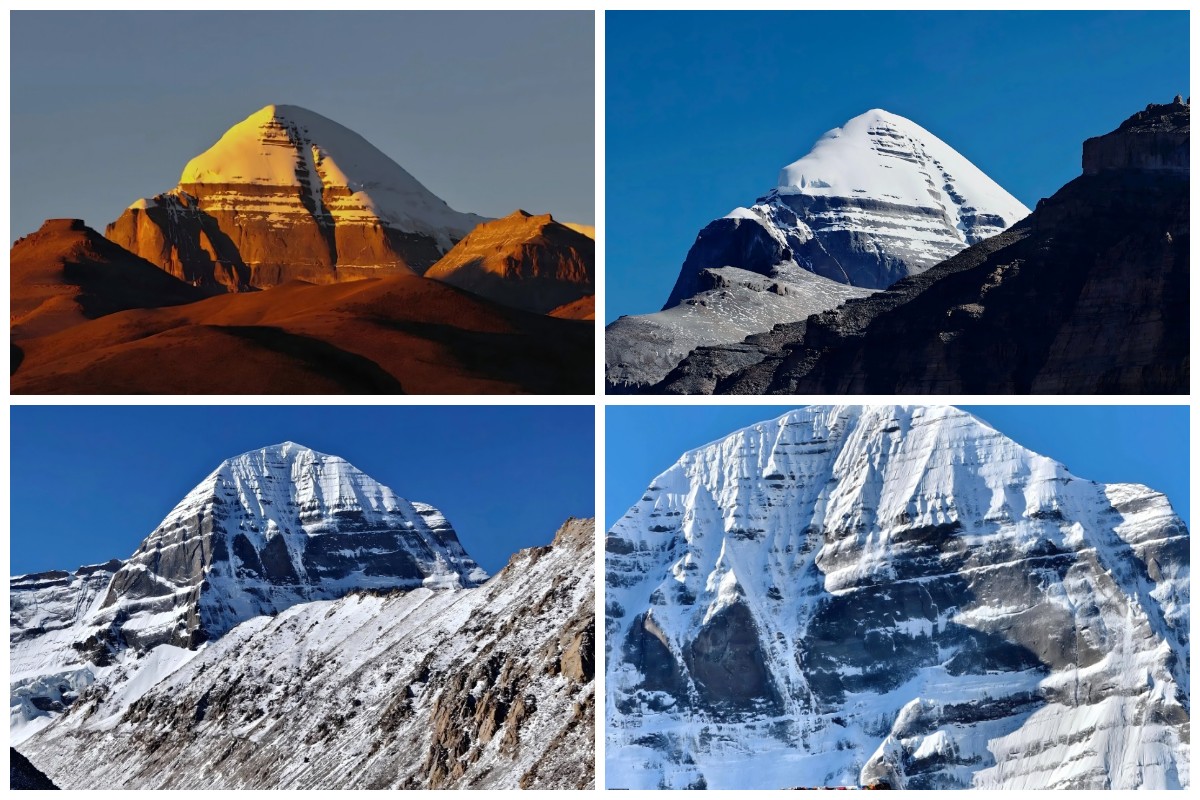
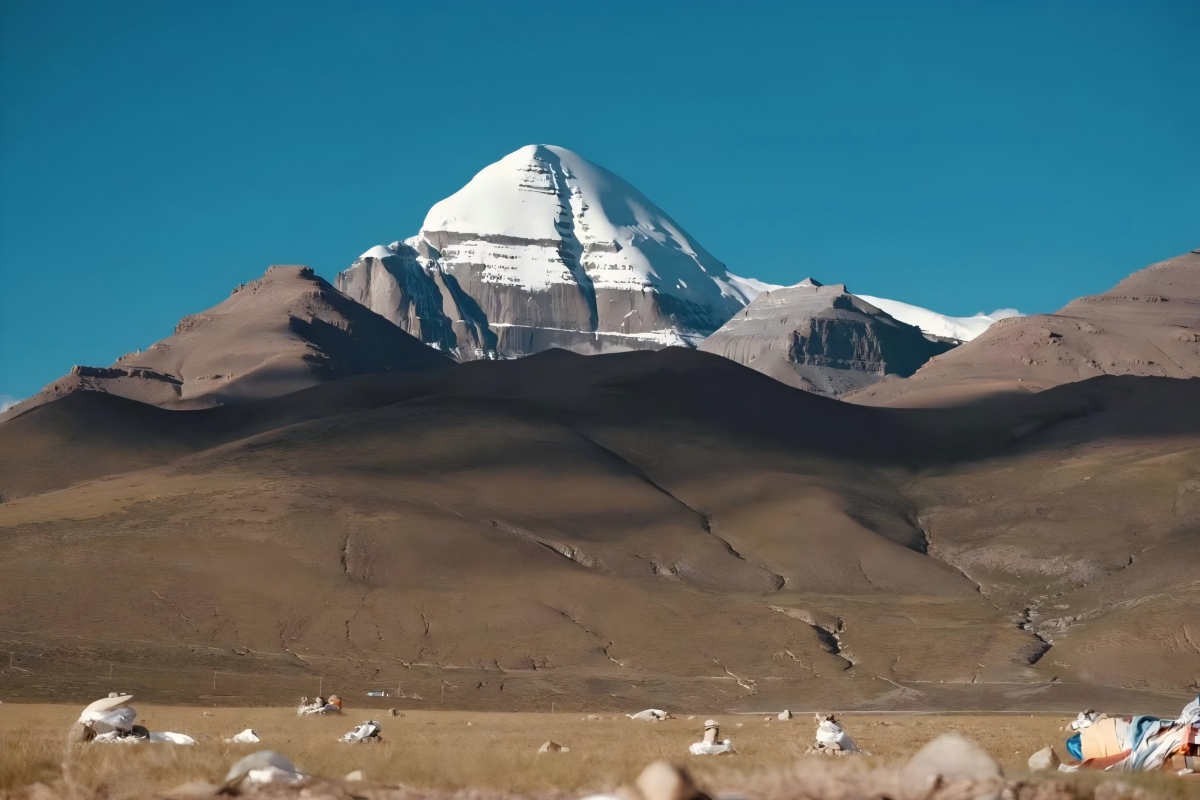
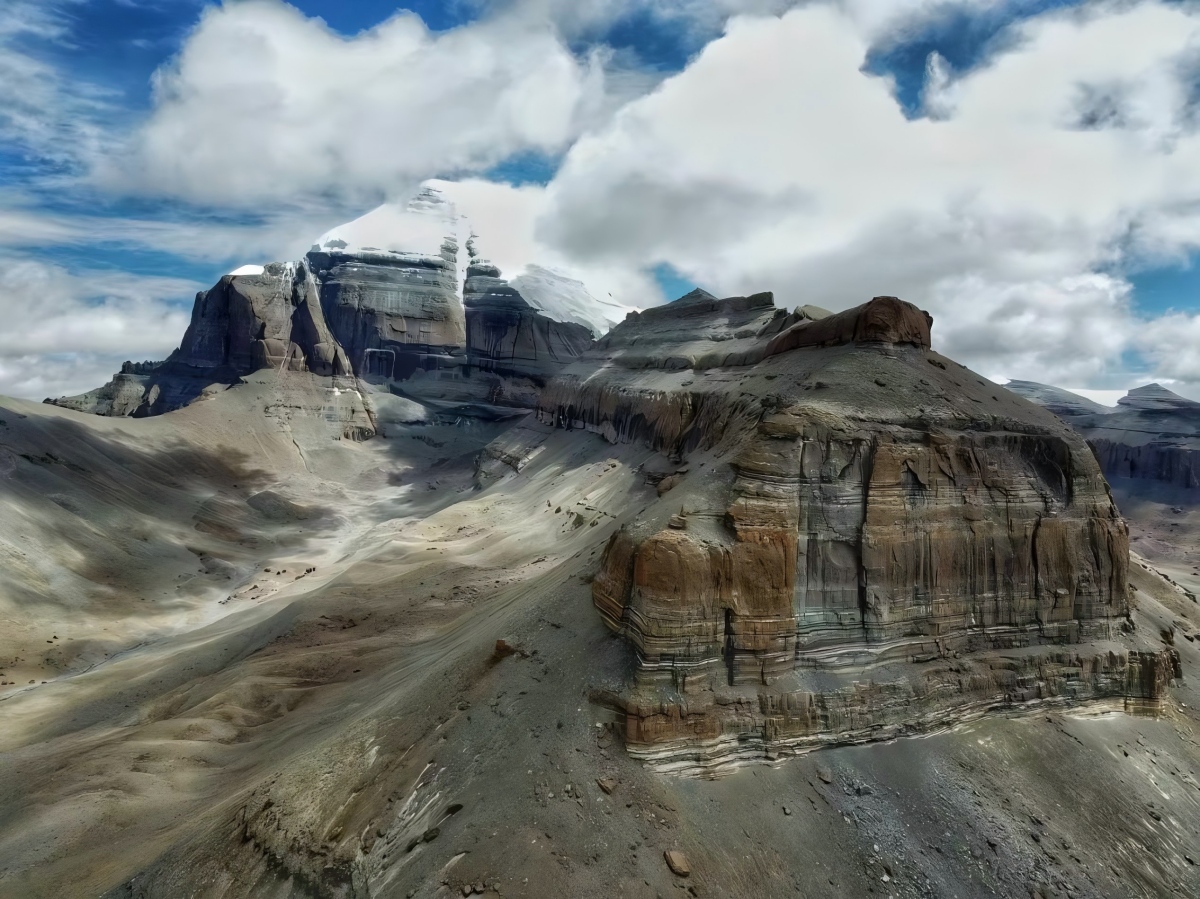
The first and most central sight is the main peak of Mount Kailash itself. What makes this mountain special isn't just its height, but its unique geological shape and visual impact. The main peak is made of granite, with its top perennially covered in snow dozens of meters thick. In the sunlight, it shines in distinct layers of silvery white and bluish-grey, like a giant jewel set against the blue sky. Most remarkably, when viewed from the south, the peak's outline forms a near-perfect pyramid. On the south face, a vertical groove runs down naturally, and together with the horizontal rock layers, it forms what looks like a giant Buddhist Swastika symbol (卍) – a sacred symbol of auspiciousness in both Buddhism and Bon. Pilgrims see this as a self-formed, divine mark, adding to the mountain's legendary holiness.
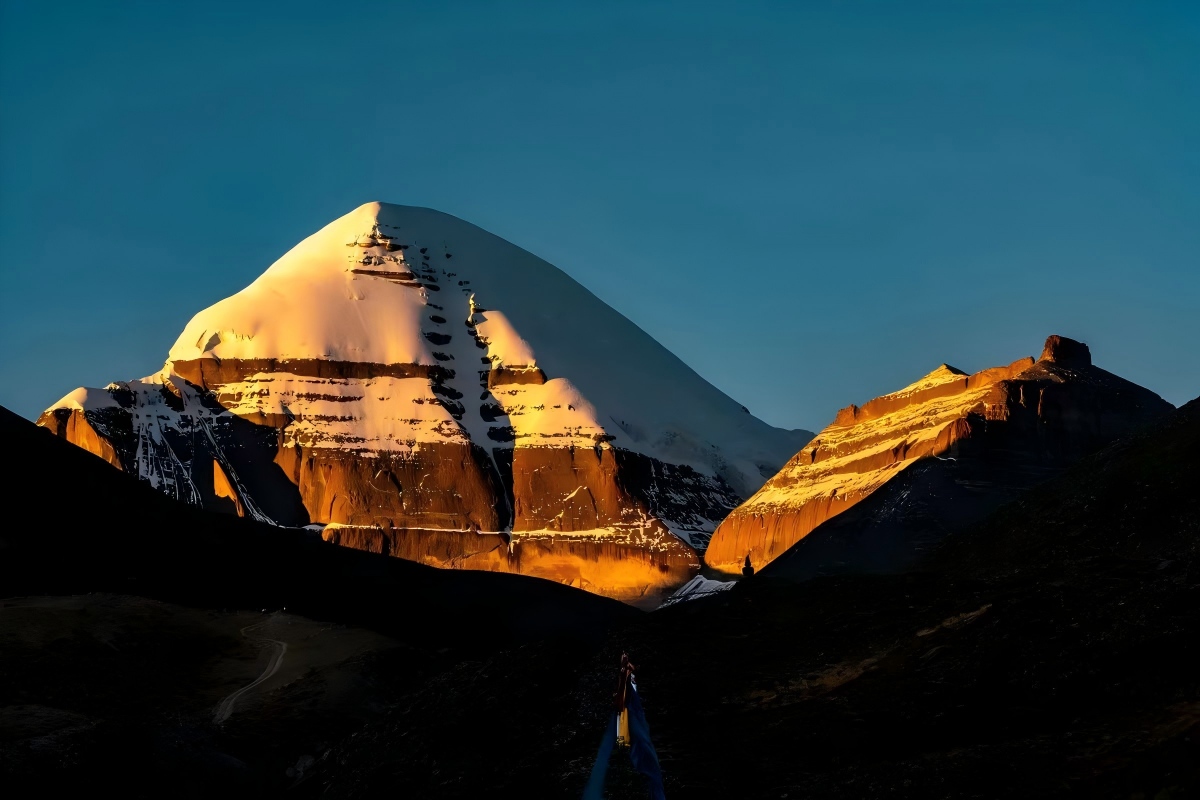
Countless cross-religious legends speak of the peak's sanctity. Bon texts describe Kailash as the "central pillar" connecting heaven, earth, and the underworld, with its four faces representing different climates and symbolizing the cycles of life. Buddhist legends say Buddha once preached here, and the eight surrounding peaks are manifestations of eight Bodhisattvas guarding the sacred land. The Hindu epic, the Mahabharata, tells of Lord Shiva meditating and residing on Kailash's snowy peak, controlling the cosmic cycles of creation and destruction. These millennia-old stories inspire awe for this mountain across different faiths.
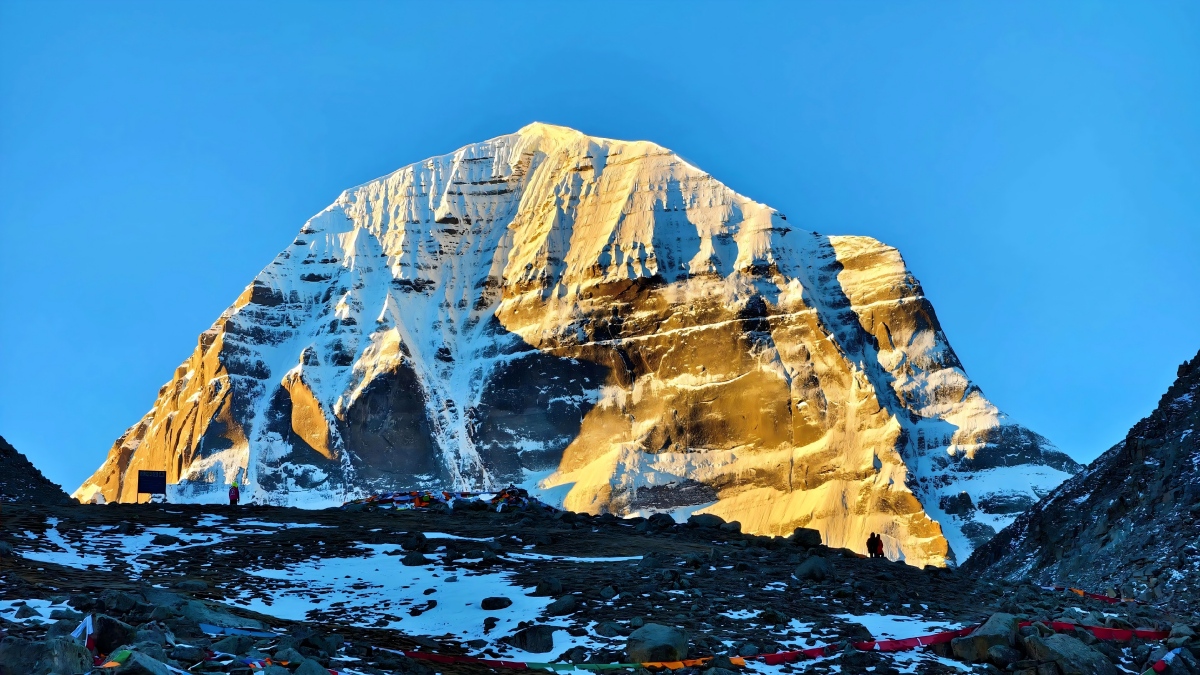
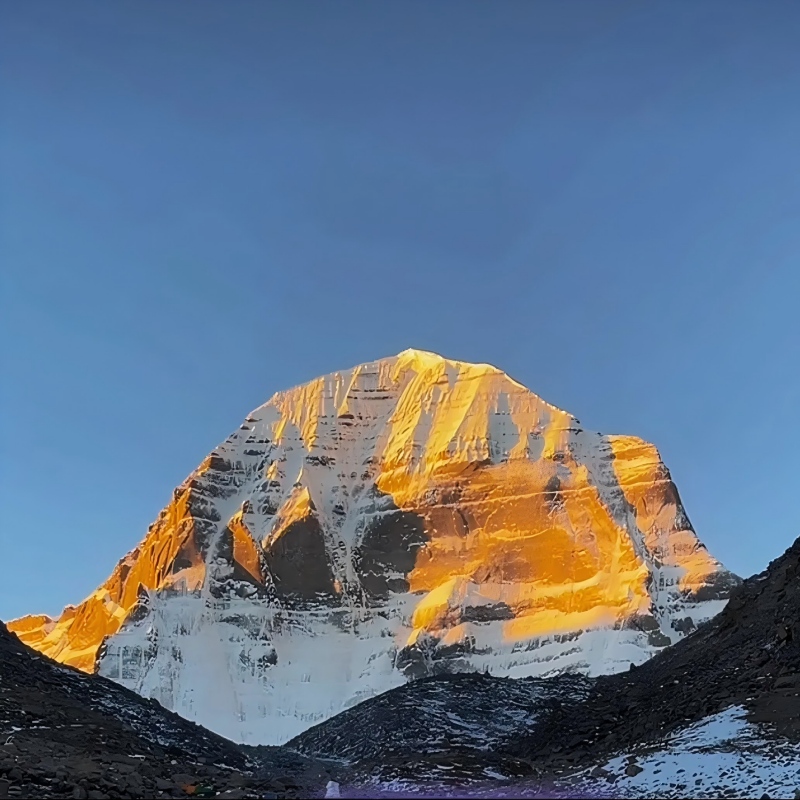
For pilgrims, witnessing the "Golden Crown" sunrise on the peak is a rare and deeply spiritual moment. On clear mornings between April and October, as the first rays of sun hit Kailash's summit, the peak gradually turns a brilliant golden-red, as if bathed in divine light. Pilgrims stop, join their hands in prayer, and chant – a profoundly solemn and devout scene. Even as a visitor, seeing this will make you feel the unique震撼 of this "cosmic center" – a powerful mix of natural beauty and deep faith. A quick tip: the area around the main peak is at high altitude, and weather changes fast. Please stay warm, be safe, and avoid strenuous activity while enjoying the view.
2. Lake Manasarovar Tibet : The "Mother of Sacred Lakes
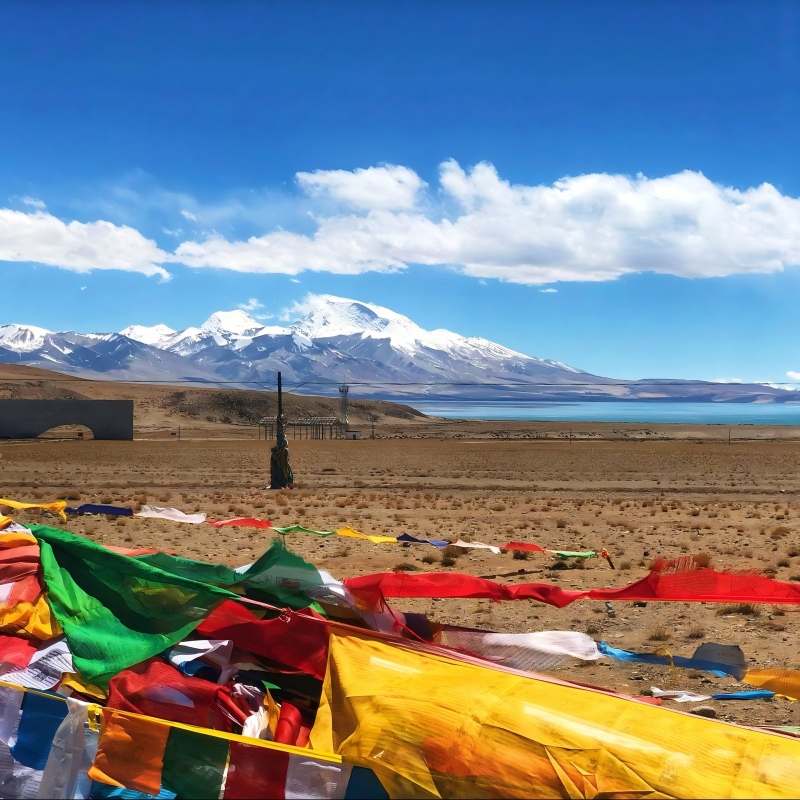
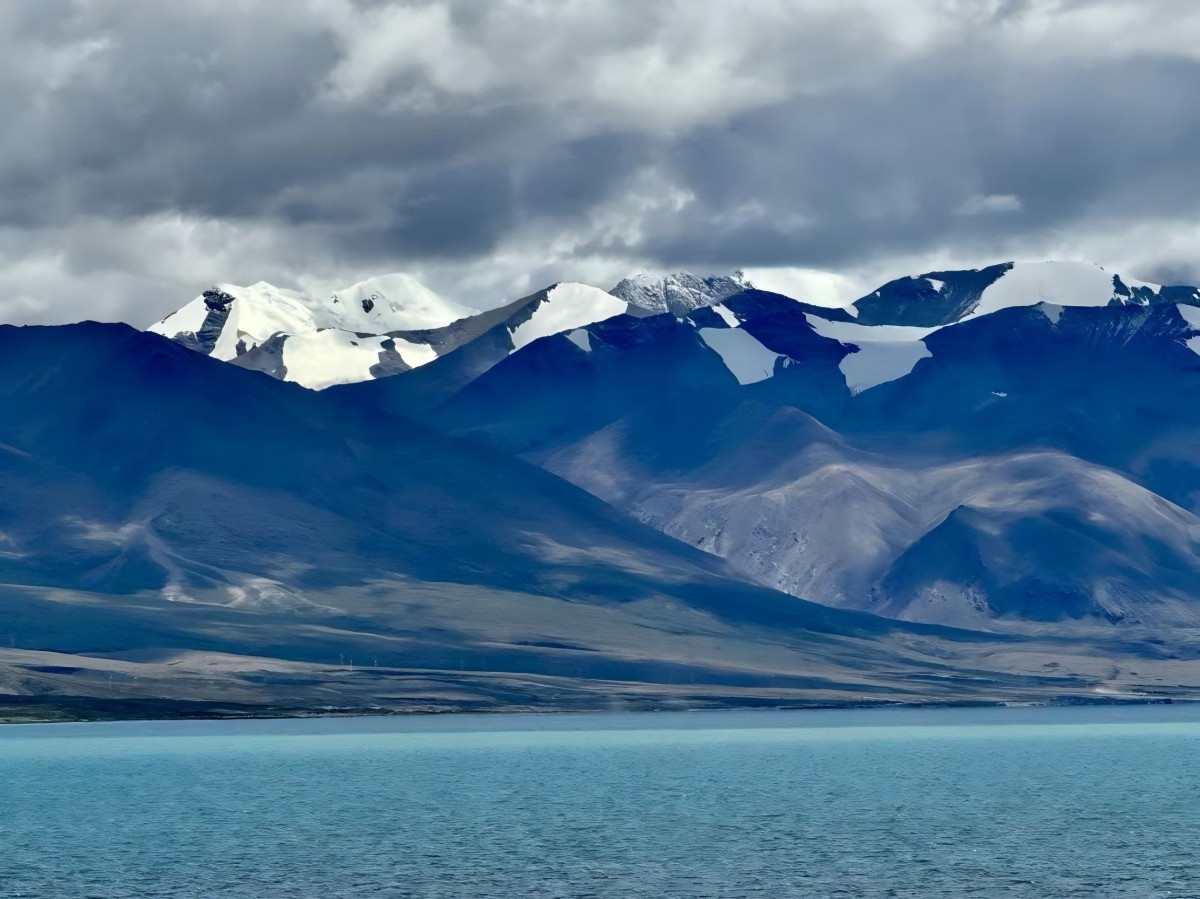
About 30 kilometers southeast of Mount Kailash, lies a stunningly blue lake – Lake Manasarovar, our second key destination. Paired with the sacred mountain, it forms Tibet's most iconic "Mountain and Lake" duo. "Manasarovar" means "Invincible Lake" in Tibetan. At 4,588 meters (15,052 ft) altitude and covering 412 sq km, it's one of the world's highest freshwater lakes, revered as the "Mother of Sacred Lakes" by Buddhists, Hindus, and Bonpos alike. The lake and mountain complement each other in a sacred geography where the mountain is seen as the father and the lake as the mother.
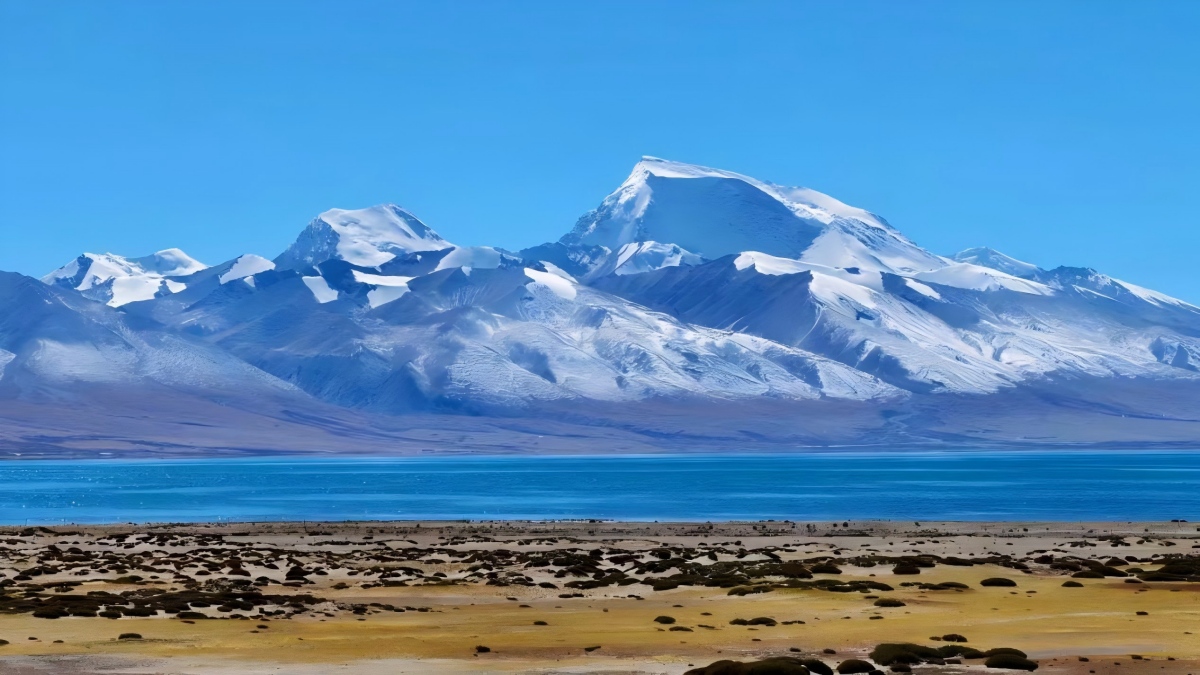
The holiness of Manasarovar stems from its purity. Followers believe its waters are nectar that can cleanse a lifetime of sins and troubles. Drinking it brings health and wisdom; bathing in it purifies the soul. Every summer, pilgrims from Tibet, India, and Nepal come to the lake to wash, drink, and even take water home in special containers to share this "sacred gift" with family and friends. Beyond its religious significance, the lake is incredibly beautiful – its crystal-clear, turquoise waters perfectly reflect the snow-capped Kailash peak. The surrounding grasslands bloom with wildflowers in summer, and it's common to see Tibetan antelope and wild ass, creating a picture of harmony between humans and nature.
There's a famous legend about Manasarovar that blends Bon and Buddhist history. It's said long ago, the lake was a "Ghost Lake" in Bon tradition, inhabited by malevolent spirits harming local people. Later, the Buddhist master Padmasambhava came, subdued these spirits, and transformed the "Ghost Lake" into a "Sacred Lake," building monasteries along its shores to spread Buddhism. Since then, Manasarovar became a Buddhist holy site, and monasteries like Chiu Monastery and Seralung Monastery became important stops on the pilgrimage circuit around the lake, housing precious scriptures and statues related to the sacred mountain and lake.
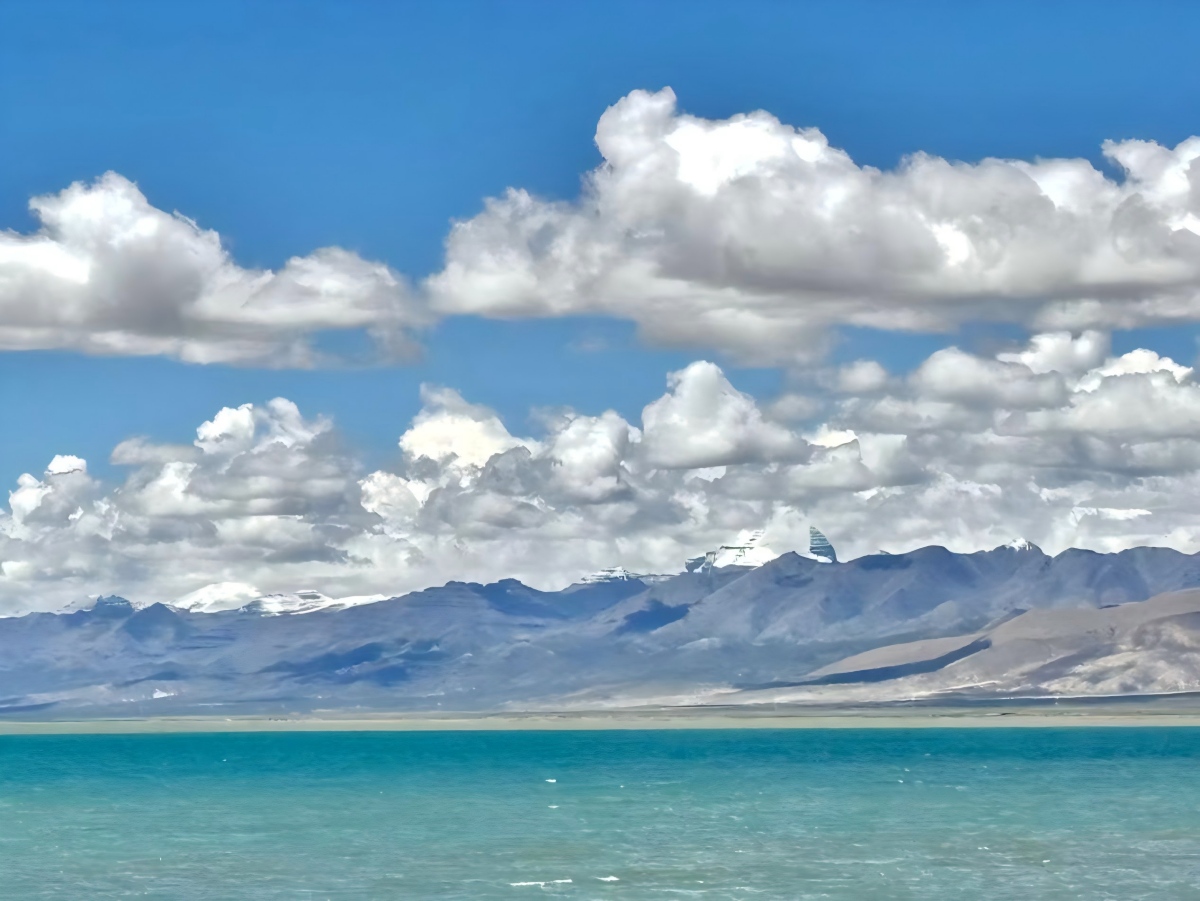
Interestingly, Lake Manasarovar starkly contrasts with its neighbor, Lake Rakshastal (meaning "Lake of the Demon"). Rakshastal is also a high-altitude lake, but due to its high salinity and barren shores, it's called the "Ghost Lake." This juxtaposition of "Sacred Lake" and "Ghost Lake" is seen by believers as a symbol of the unity of opposites – good and evil, purity and impurity – adding another layer of mystery to the area. When visiting Manasarovar, you can get close to the water at designated spots, but please respect local customs: don't catch any lake creatures, and don't litter.
3. Darchen: The Pilgrimage Gateway Village
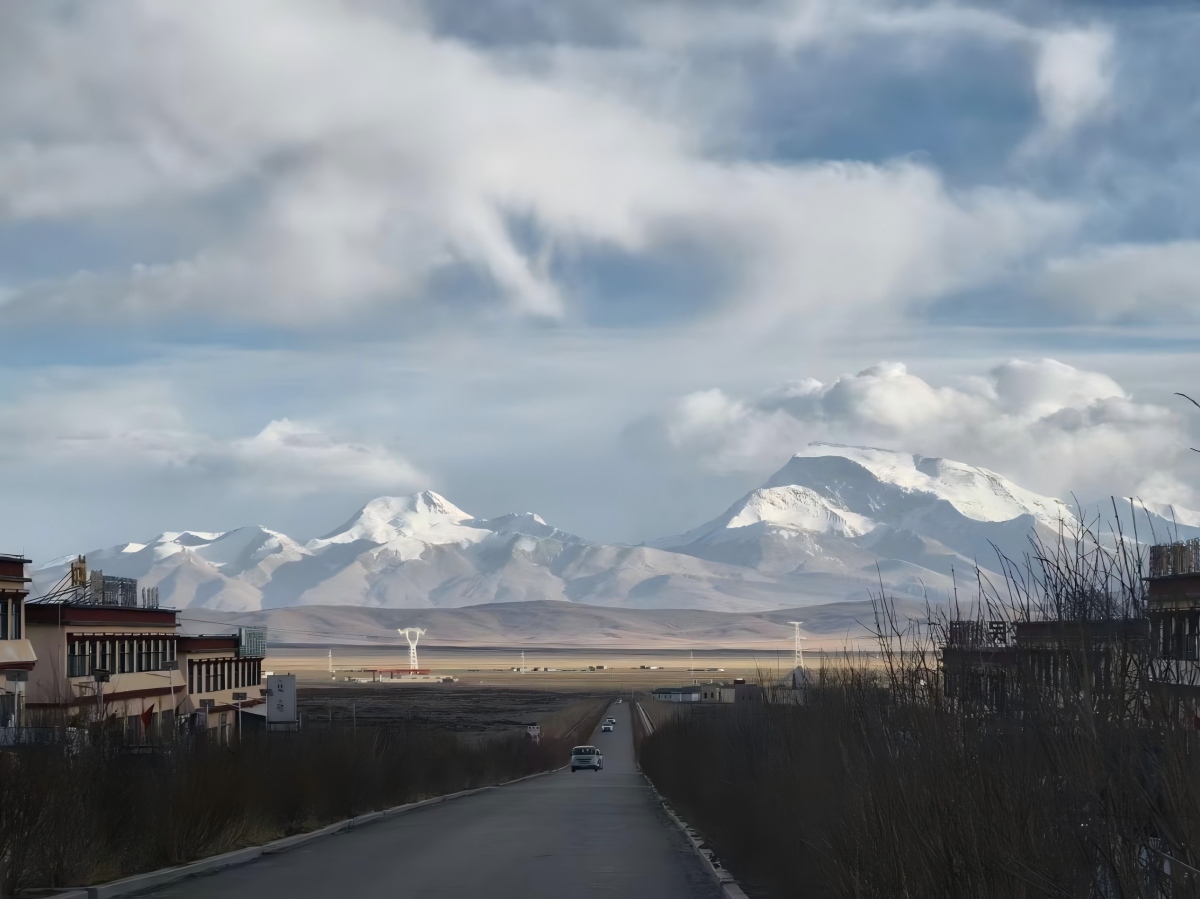
Our third stop is Darchen village, the starting point for the Kailash pilgrimage circuit (Kora). "Darchen" means "Big Prayer Flag" in Tibetan. Nestled at the southern foot of Kailash at about 4,600 meters (15,100 ft), this village is the essential gateway and main service hub for all pilgrims and tourists. While not large, Darchen holds centuries of pilgrimage history and is the best place to experience local culture.
As you enter Darchen, you'll first see the huge prayer flagpole and the vast collection of colorful prayer flags surrounding it. The central pole stands tall, draped with massive flags printed with mantras, Buddha images, and scriptures. When the wind blows – which it often does – it's believed the fluttering flags send these prayers out into the world, bringing blessings to all beings. Nearby, you'll see pilgrims setting off on their Kora. They often circle the flagpole three times clockwise before starting their walk, some chanting with prayer beads and spinning hand-held prayer wheels, others prostrating themselves full-length along the entire route – a powerful display of devotion spanning all ages.
Darchen's history dates back to the Ming Dynasty, growing as pilgrimage activity increased, with settlers offering lodging and supplies to travelers. By the Qing Dynasty, it became an official outpost for managing pilgrim affairs, with a Qing station ensuring safety and provisions. Today, while Darchen has modern guesthouses, restaurants, and shops, it retains a strong Tibetan atmosphere. Traditional stone-and-wood houses with yak-hair tents on rooftops, courtyards with Mani stones (carved prayer rocks) and prayer wheels – the locals, often involved in supporting pilgrims or herding, are famously hospitable, often offering visitors butter tea and tsampa (roasted barley flour).
A key place to visit in Darchen is the Mount Kailash Museum. It houses a rich collection of artifacts: historical scriptures, thangka paintings, statues, and pilgrimage tools, systematically displaying the mountain's religious culture, legends, and folk customs. One of its most precious items is a detailed Qing-dynasty thangka depicting the entire Kailash and Manasarovar region, showing the mountain's form, surrounding monasteries, lakes, and the Kora route – a vital historical record. Multimedia displays also show the different rituals and customs of pilgrims from various faiths, helping you visualize how multiple religions coexist here.
4. The Heart of the Pilgrimage Trail: From Chuku Monastery to Drolma La Pass
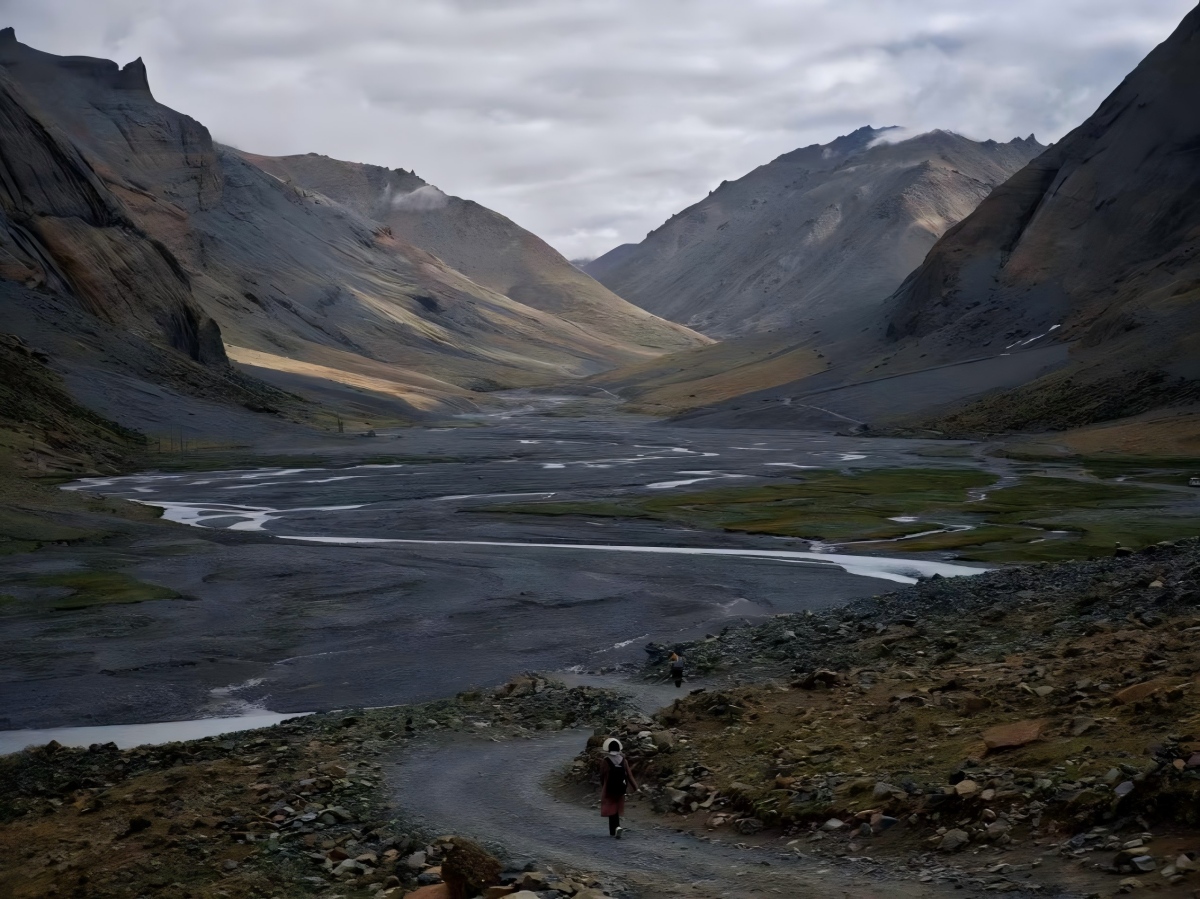
The Kailash Kora (circuit) is one of the world's most famous pilgrim trails. Our fourth highlight is its most challenging and significant core section – the stretch from Chuku Monastery to the Drolma La Pass. This roughly 15 km (9 mile) segment involves an altitude gain of over 1,000 meters, offering breathtaking landscapes and rich religious sites – the very heart of the pilgrimage experience. Even if we don't do the full walk, understanding this section gives a deep insight into the pilgrims' devotion and endurance.
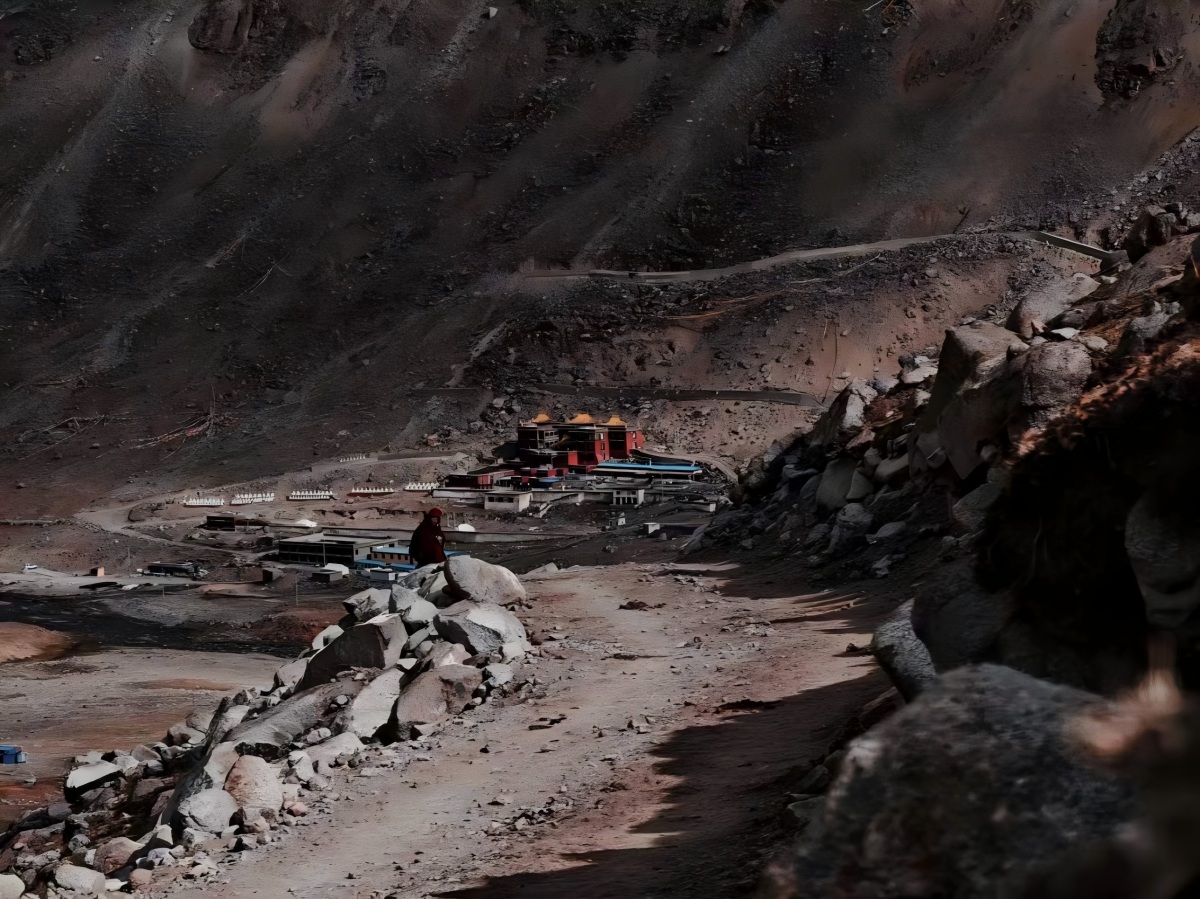
The starting point, Chuku Monastery, is the first major temple on the Kora. Built in the 17th century by Gelugpa school masters, it sits in a valley north of Kailash. Its typical Tibetan architecture houses statues of Sakyamuni Buddha, Chenrezig (Avalokiteshvara), and Gelug masters. Its most famous treasure is a 2-meter tall sitting Sakyamuni Buddha statue carved from natural rock; its face is said to be self-formed, adding to its sanctity. Pilgrims stop here to pray and receive blessed scarves (khata) and protection charms for a safe journey.
About 5 km from Chuku Monastery, the trail leads to Zutrul Phuk Monastery. Founded in the 12th century, it's a key rest stop and offers one of the best direct views of Kailash's main peak. From its viewing platform, the pyramid shape and the swastika mark are clearly visible – a popular photo spot for pilgrims and photographers alike. The monastery provides basic lodging and hot drinks for weary walkers. Legend says the master Padmasambhava meditated in a cave here during his time at Kailash; the cave and his relics are still there, drawing devotees.
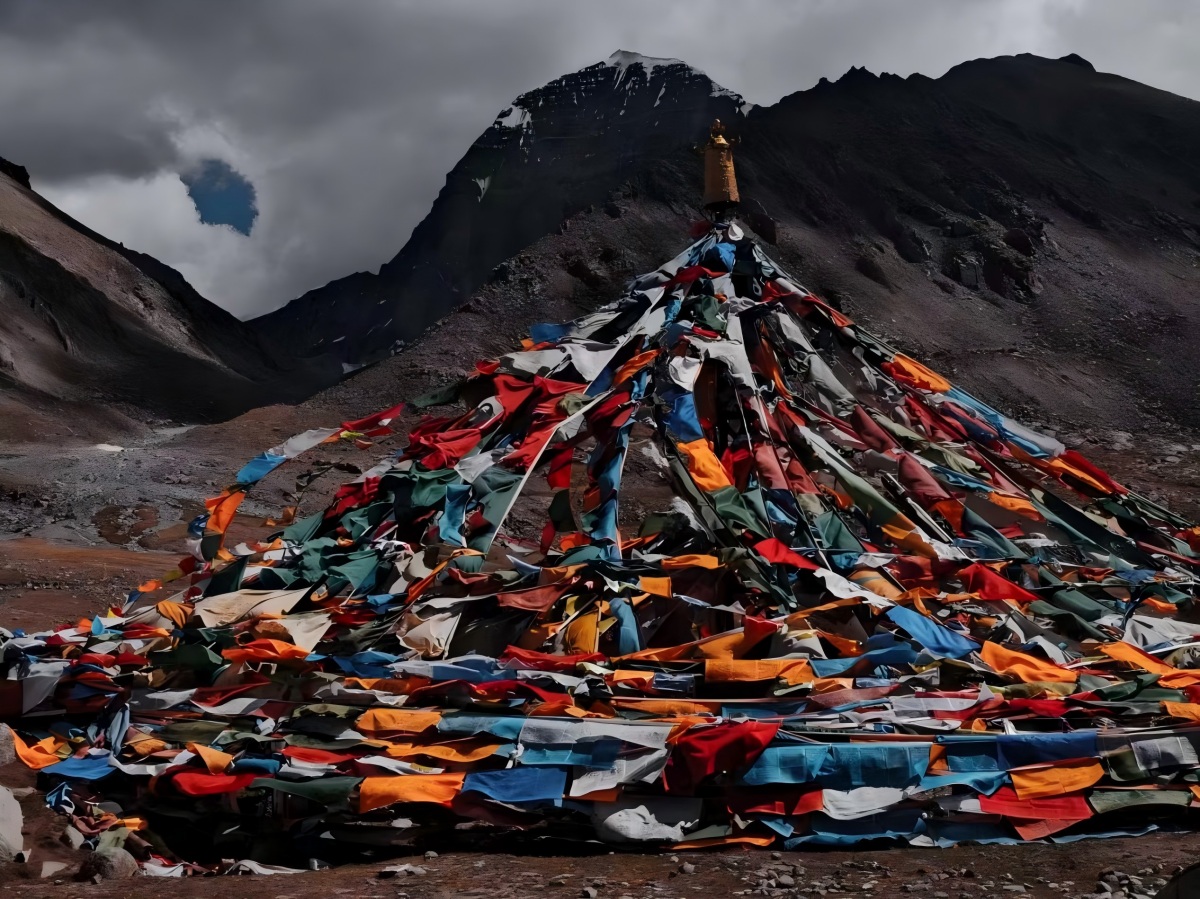
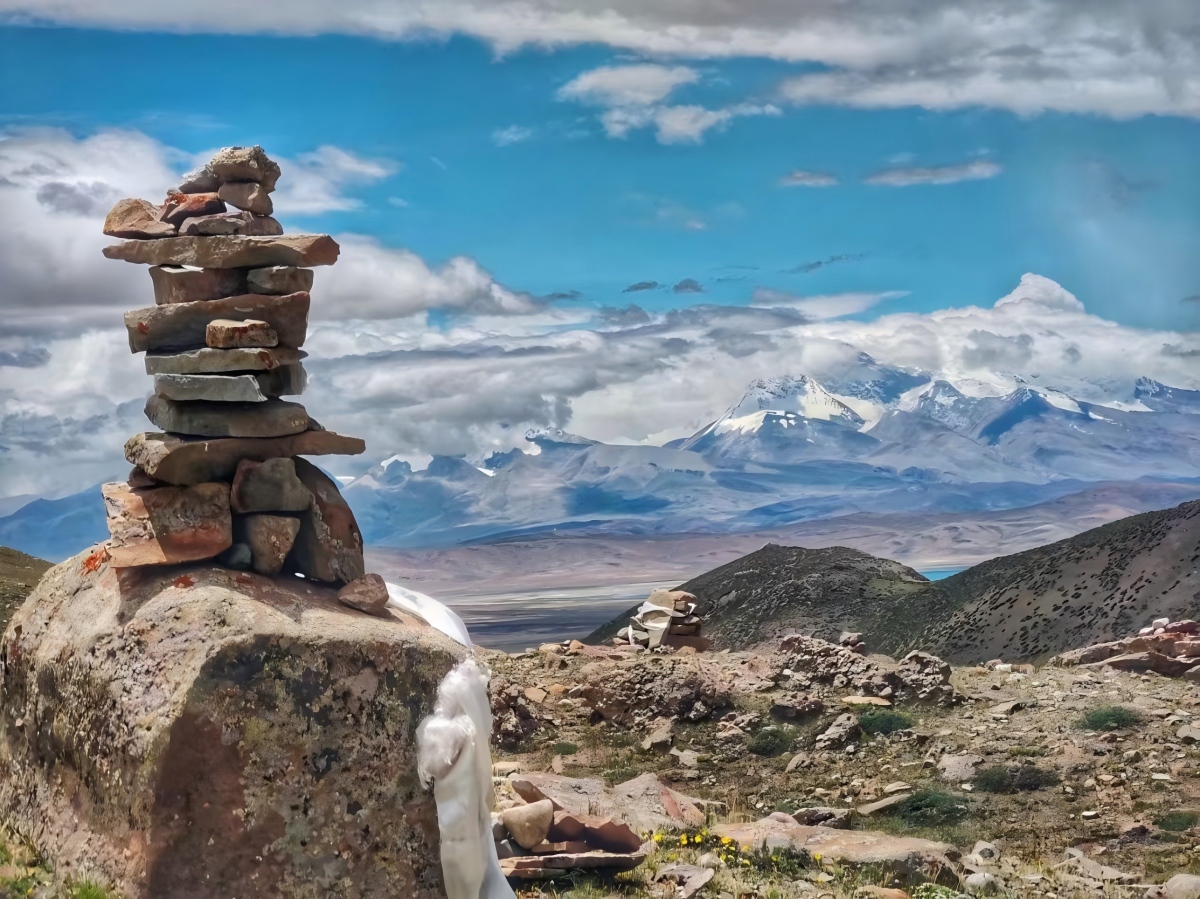
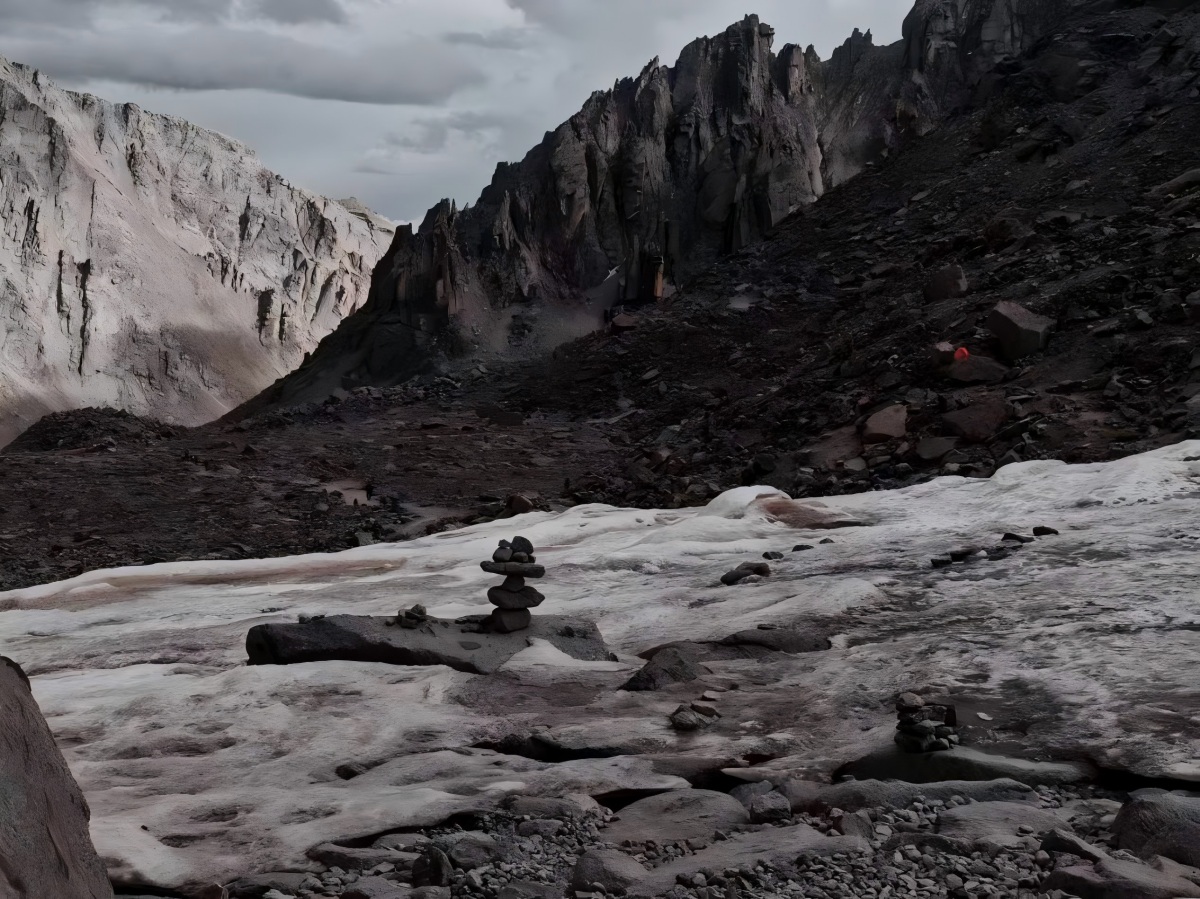
The highest point of the entire Kora is the Drolma La Pass at 5,630 meters (18,471 ft). The climb from Zutrul Phuk is steep, over rocky and often icy paths, with sections up to a 60-degree incline – a true test of physical and mental strength. But reaching the top is an unforgettable reward. The pass is draped in countless colorful prayer flags flapping in the wind. The views are stunning – endless snow-capped peaks and glacial lakes – the whole atmosphere feels intensely sacred. Here, pilgrims add their flags to the collection and place a stone on the pass's giant cairn (Mani pile), praying for health and safety. It's believed that Drolma La is the embodiment of the female Buddha, Tara (Drolma in Tibetan). Passing through with a sincere heart is said to earn her blessing, relieving all sufferings.
Descending from the pass, the trail eases, passing ancient Mani stone piles and rock carvings. The Mani piles, made by pilgrims over centuries with stones carved with mantras and Buddha images, form a kilometers-long gallery. The rock art, created by ancient inhabitants and pilgrims, depicts sacred symbols, landscapes, and life scenes – invaluable cultural records of the Ngari region. This path is not just one of faith, but also of culture, where every artifact speaks of humanity's reverence for the sacred mountain.
5. The Guge Kingdom Ruins: A Lost Civilization in the Sacred Landscape
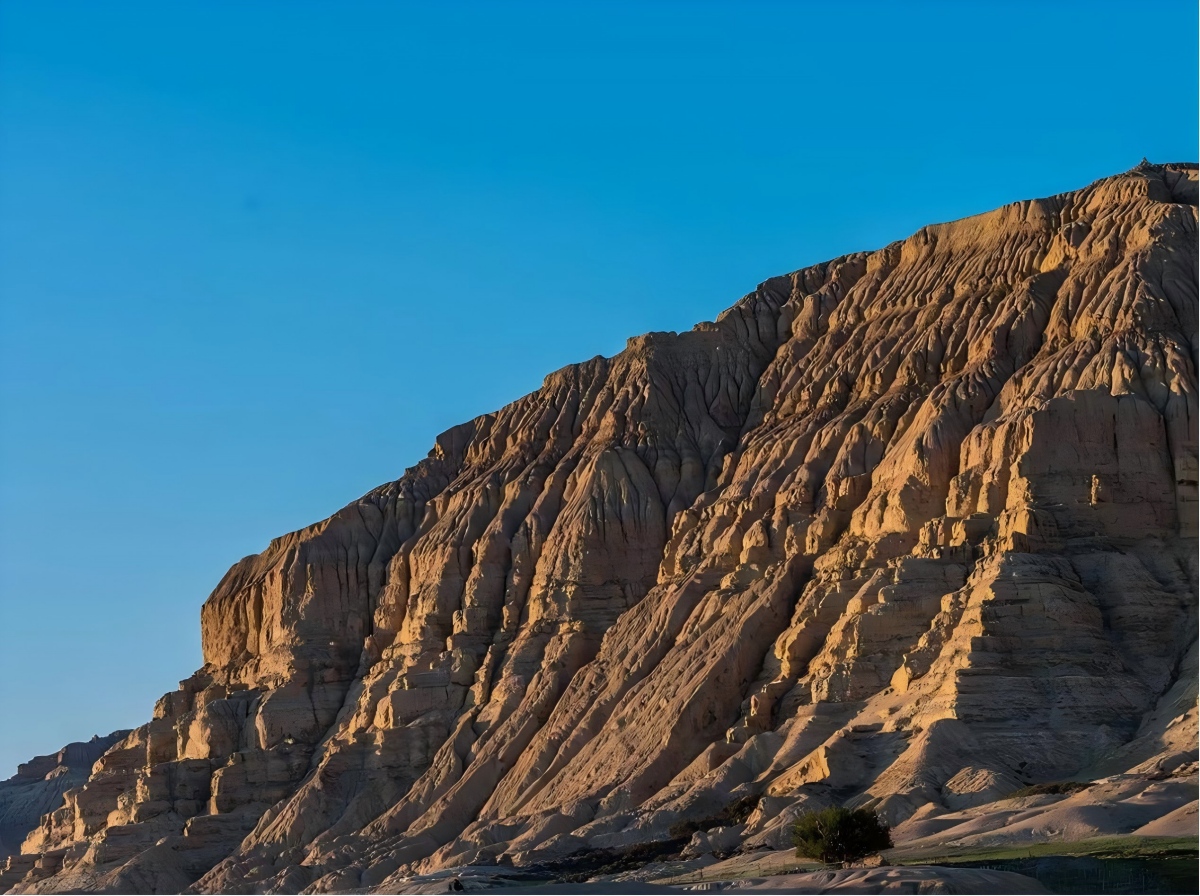
While the Guge Kingdom ruins lie about 200 km from Kailash, they are the most magnificent ancient civilization site near the sacred mountain. Understanding them is key to grasping how Kailash's religious influence spread, making them our fifth and final highlight. Established in the 9th century by descendants of the old Tibetan Empire, the Guge Kingdom ruled over Ngari at its peak. Kailash, as the kingdom's "Sacred Mountain," was the focal point of royal religious ceremonies, and the kingdom's fate was deeply linked to the mountain's spiritual culture.
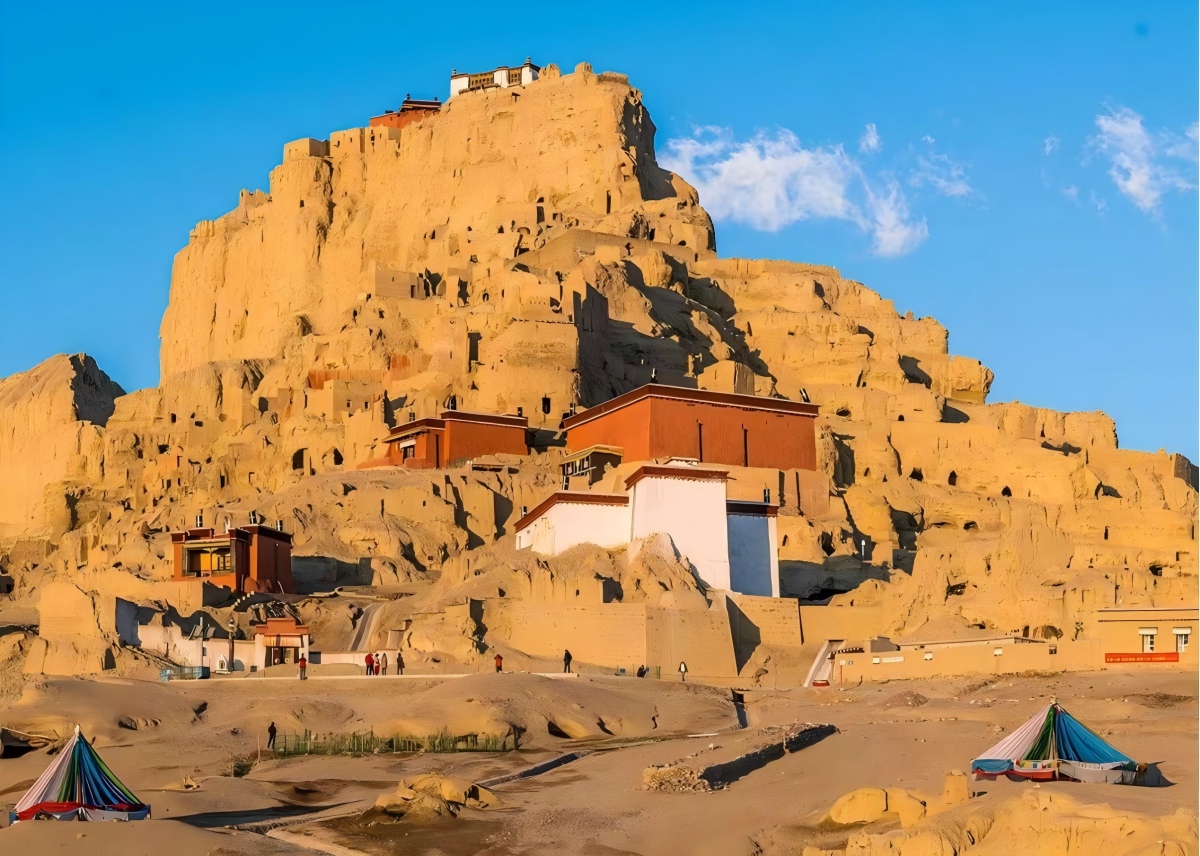
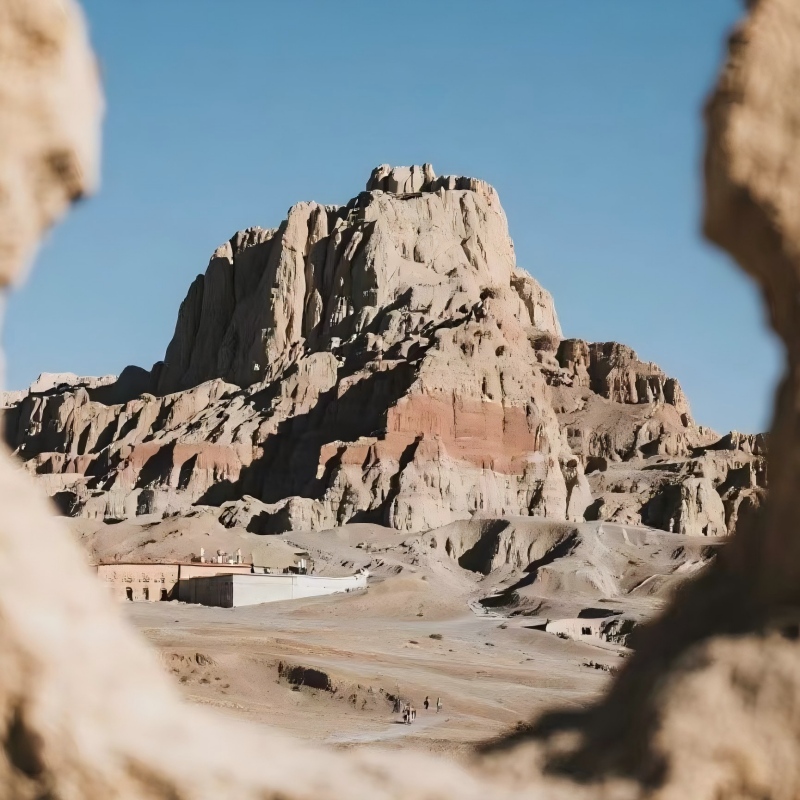
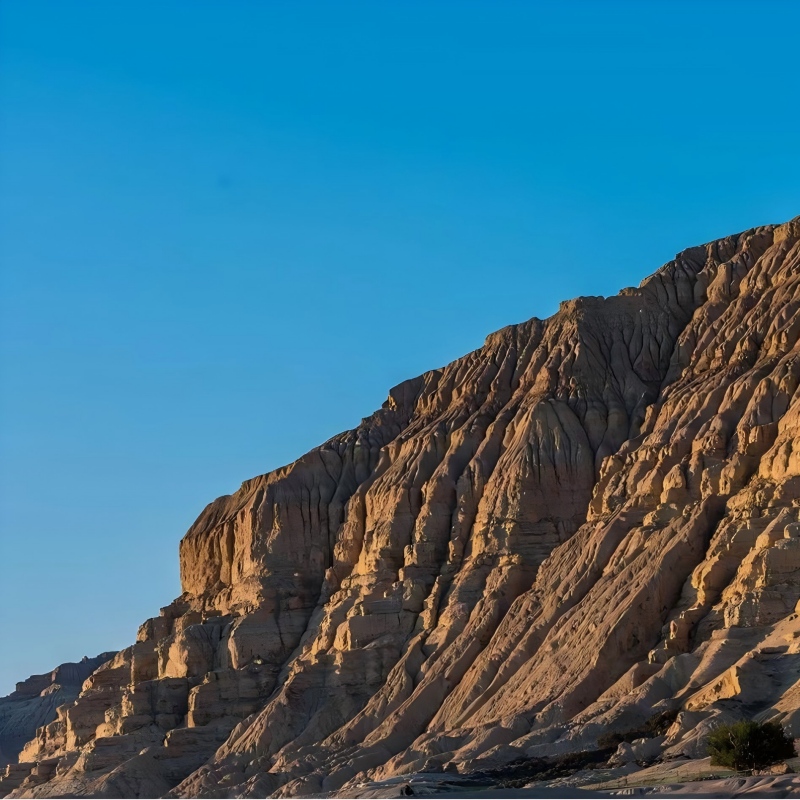
The ruins are built into a 300-meter-high (about 1,000 ft) clay mountain, comprising over 1,000 rooms, 300 stupas, and numerous caves – a vast, majestic complex often called the "Pompeii of the Plateau." The architecture blends traditional Tibetan styles with influences from South and Central Asia. The most famous structures are the Red Chapel and the White Chapel, housing exquisite murals that have retained their vibrant colors for centuries thanks to mineral pigments. These paintings depict Buddhist stories, kingdom history, and folk customs, including scenes of Mount Kailash – crucial evidence of the deep connection between Guge and the sacred mountain.
Guge's kings strongly promoted Buddhism, viewing Kailash as the kingdom's spiritual pillar. They built many monasteries around the mountain and organized royal pilgrimages. Historical records describe kings leading nobles and monks to Kailash for grand ceremonies praying for national peace and good harvests. The kingdom even established offices to manage pilgrimage affairs, setting rules and rituals that influenced Kora customs for generations.
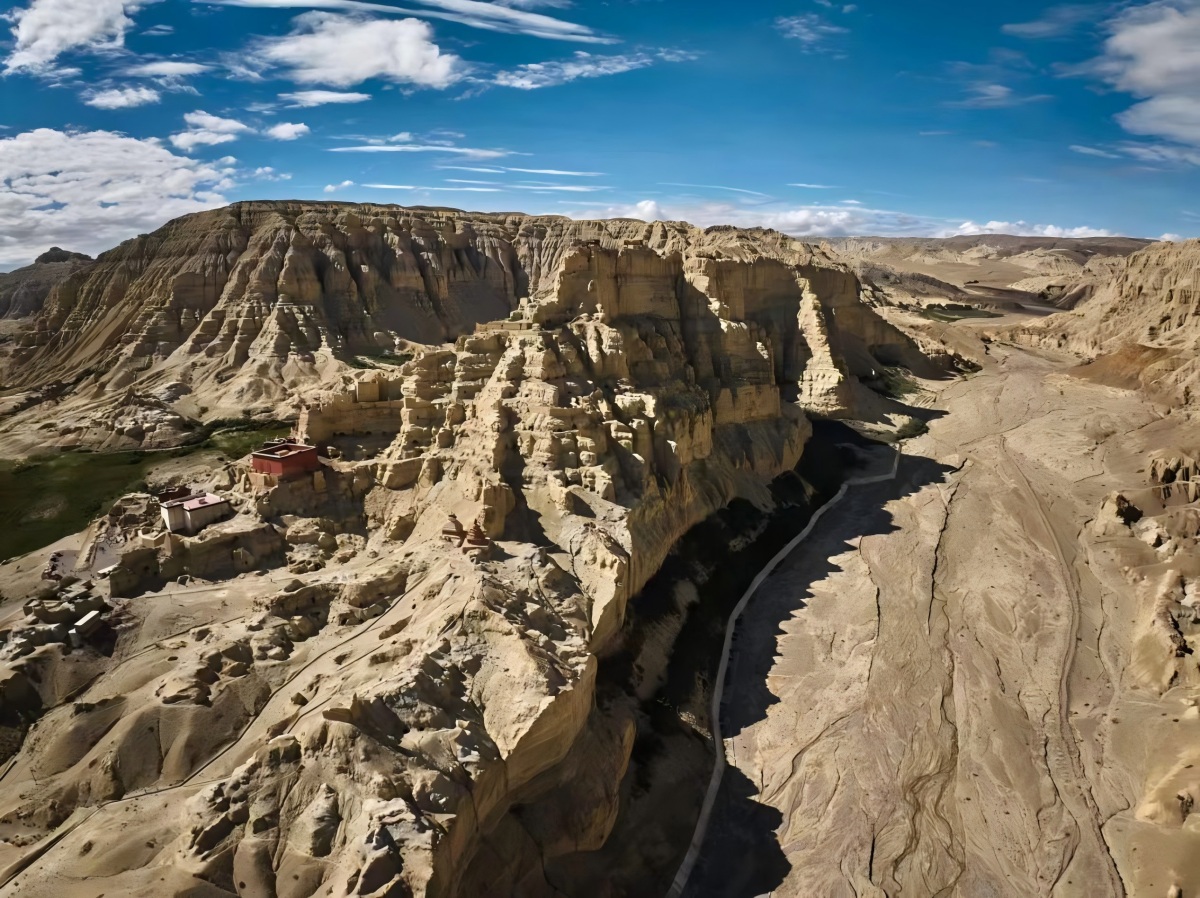
A legend connects the kingdom's fall in the 17th century to Kailash. Facing invasion, the last king and his people held out in the citadel for months until their water supply was cut. In a final, desperate act, the king is said to have led his family to Kailash on a last pilgrimage, carrying sacred objects, praying for divine intervention, but ultimately couldn't save his kingdom. Today, the ruins – including the king's palace and battle remnants – silently tell this tragic tale. Despite its fall, Guge's religious legacy helped cement Kailash's sacred status, creating a bridge between ancient civilization and modern faith.
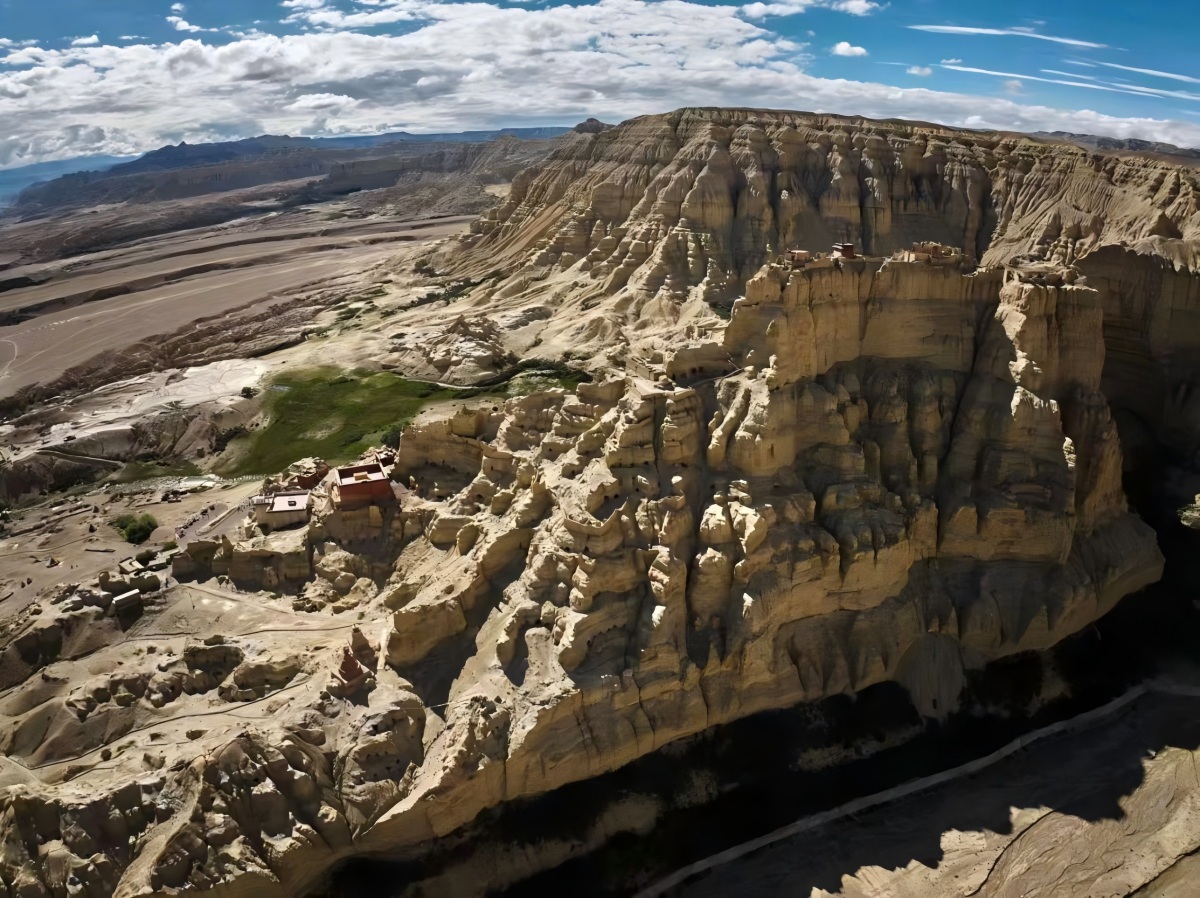
Visiting the ruins, you can look out from the viewpoint towards Kailash, imagining the royal processions of the past. You can enter the chapels to admire the stunning artistry of the murals. Please remember: the artifacts and murals are incredibly fragile and precious. No touching or flash photography is allowed – let's all help protect this invaluable heritage.
6. A Spiritual Journey: The Gift of the Sacred Mountain
Well, friends, our deep dive into Mount Kailash is coming to an end. Today, we've stood in awe of the main peak's majesty, felt the pure serenity of Lake Manasarovar, experienced the pilgrim vibe in Darchen, traced the faithful footsteps on the Kora, and glimpsed the rise and fall of the Guge Kingdom. I'm sure you're feeling as moved and amazed as I am. The true magic of Kailash isn't just its natural beauty, but its incredible包容 as a holy site for multiple faiths, and its rich, millennia-old cultural history.
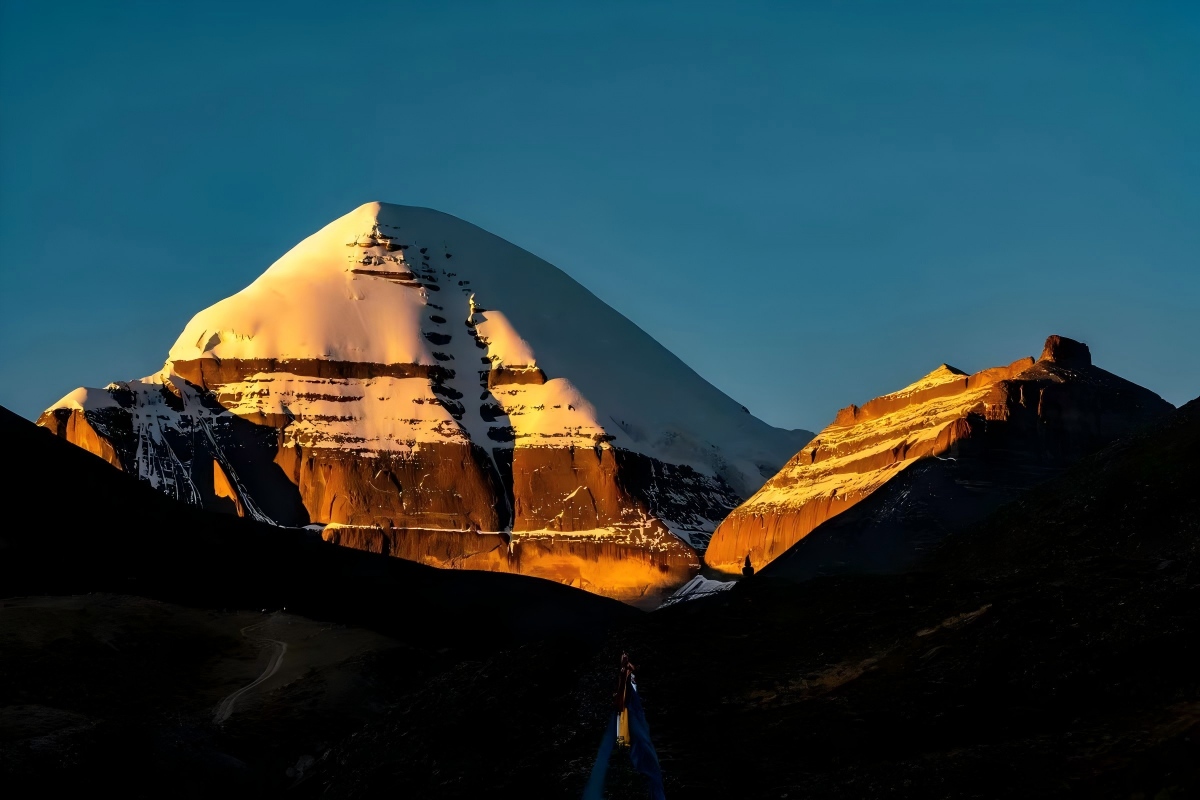
Here, we've seen how believers from different religions come with the same deep devotion. We've seen the local people's profound respect for and guardianship of this nature. We've seen how ancient civilization and modern life coexist in harmony. The sacred mountain stands like a silent sage, witnessing the flow of human history while nurturing every soul that visits.
We might not measure our faith with our bodies like the prostrating pilgrims, but we can carry away this sense of awe for nature, respect for culture, and perhaps a new perspective on life.
The Ngari environment is tough, and today might have been tiring, but I believe the震撼 and inspiration from Kailash will become a truly precious memory. Before we part, let me gently remind everyone: the ecosystem here is very fragile. Let's ensure the only things we take are photos and memories, and that we leave nothing behind but footprints – no litter, no damage to heritage sites. Let's help keep this place sacred for generations to come.
May the purity and blessings of Mount Kailash stay with you on all your journeys. I hope our paths cross again somewhere beautiful in this world. Safe travels, and thank you
Safe travels, folks