Huaqing Palace
Xi'an Huaqing Palace Tour: Customized Royal Retreat with 【Huatu travel】
Crave a blend of ancient Chinese royalty, romance, and culture in Xi'an? Book a customized Xi'an tour with 【Huatu International Travel Service】—your go-to for tailor-made China adventures—to explore the majestic Huaqing Palace, paired with the iconic "Eighth Wonder of the World Terracotta Army".
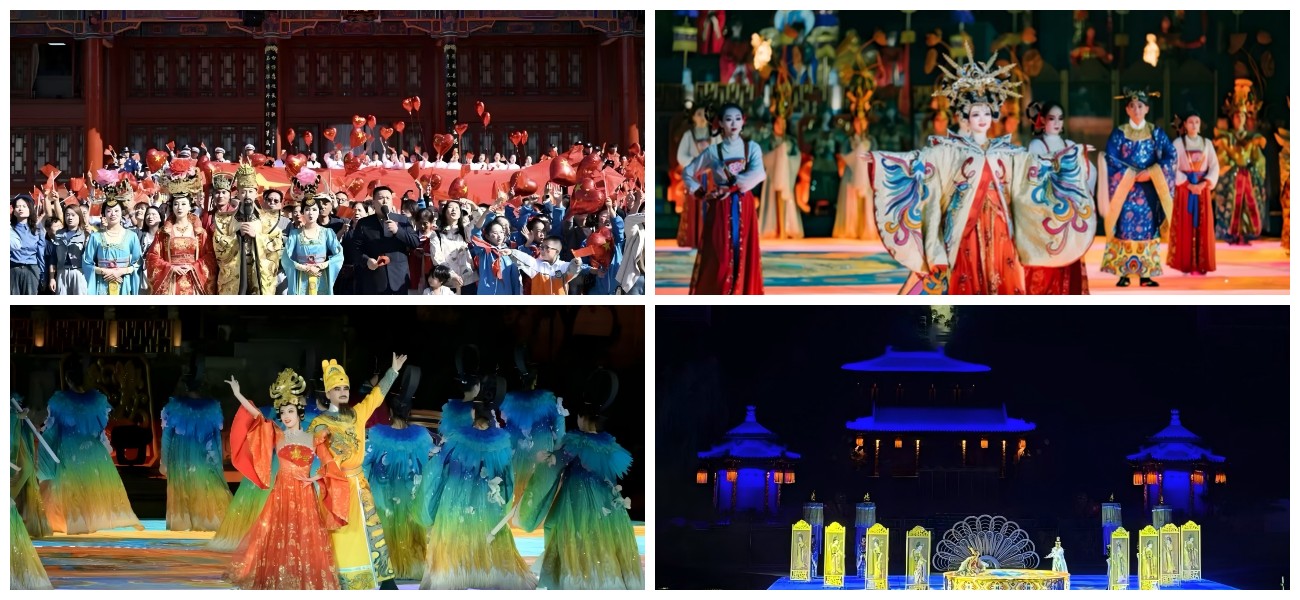
Huaqing Palace isn’t just a historic site; it’s a living story of emperors and love. Once a royal summer resort, this stunning complex boasts thermal springs, intricate palaces, and lush gardens, offering a glimpse into China’s Tang Dynasty grandeur. We’ll customize your experience—whether you want a private tour of the palace’s ancient baths, a evening show of its romantic legends, or a seamless combo with the Qin Shi Huang Terracotta Warriors and Xi'an Terracotta Army Museum for a full day of history immersion.
As a top customized travel company, your comfort and taste are our priorities. Enjoy stays in local 4-star+ hotels—conveniently located near attractions, ensuring relaxation after your explorations. Indulge in Xi’an’s famous local snacks too: crispy roujiamo (Chinese hamburger), hearty yangrou paomo (lamb soup with bread), and spicy liangpi (cold noodles), all handpicked to let you savor authentic Shaanxi flavors.
Every detail—from tour pace to dining preferences—is tailored to you.
For a personalized Xi'an journey that combines Huaqing Palace’s charm, Terracotta Army’s wonder, comfort, and flavor, choose 【Huatu International Travel Service】. Book your custom tour today!
Decoding Huaqing Palace: Tang Dynasty Impressions Across a Millennium
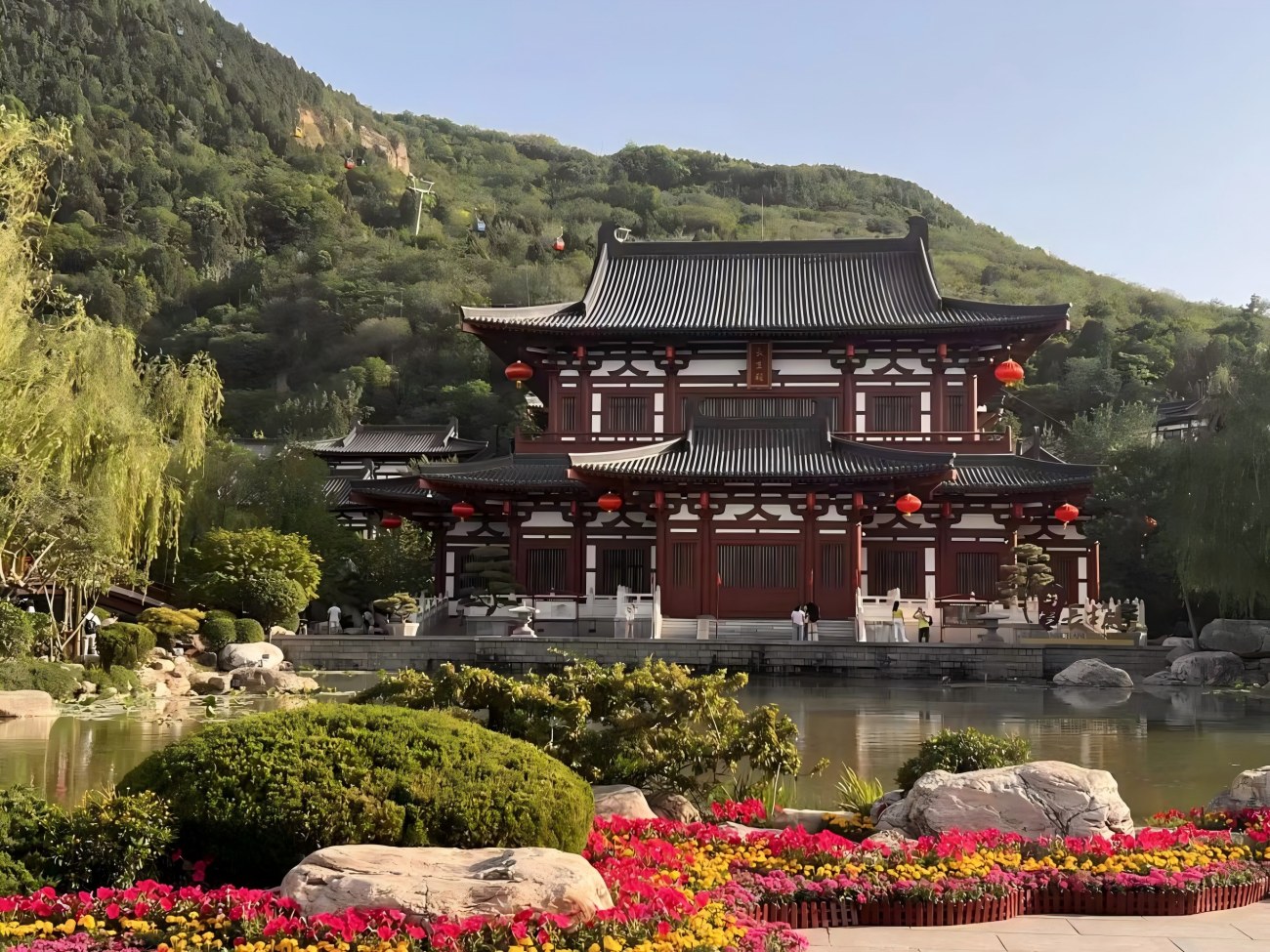
Hello, friends from overseas! Welcome to Huaqing Palace in Shaanxi, hailed as the "Pearl of Oriental Gardens." More than a royal garden with a thousand-year history, it is a living fossil of the prosperous Tang Dynasty culture. From imperial hot springs to palaces witnessing legendary love, from the poetic tales of "The Song of Everlasting Regret" to the ancient story of "Boiling the Sea to Mock the Lords," every inch of this land holds fascinating stories. Next, let’s explore the unique charm of this royal garden through four core scenic areas and feel the prosperity and profoundness of the Tang Dynasty.
I. Royal Hot Spring Ruins: Touch the Living Fossil of Tang Dynasty Bath Culture
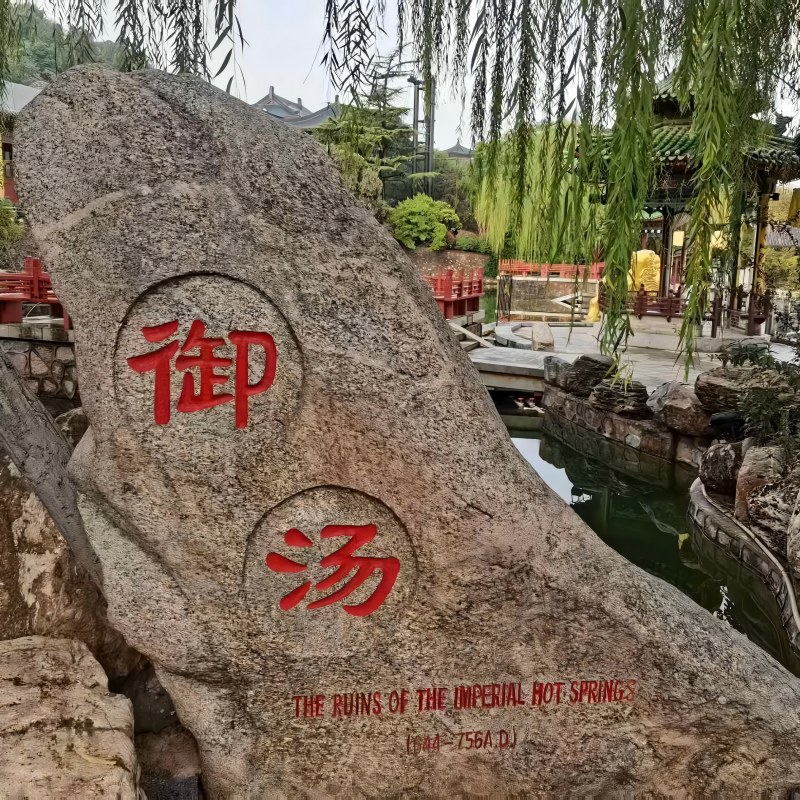
The most representative attraction of Huaqing Palace is the Royal Hot Spring Ruins, which carries a thousand-year history of royal bathing. Preserving the original appearance of Tang Dynasty royal hot springs intact, this site is the largest and best-preserved Tang Dynasty royal hot spring ruins discovered in China, known as the "Museum of Tang Dynasty Bath Culture."
1. Lianhua Tang (Emperor Xuanzong's Exclusive Hot Spring)
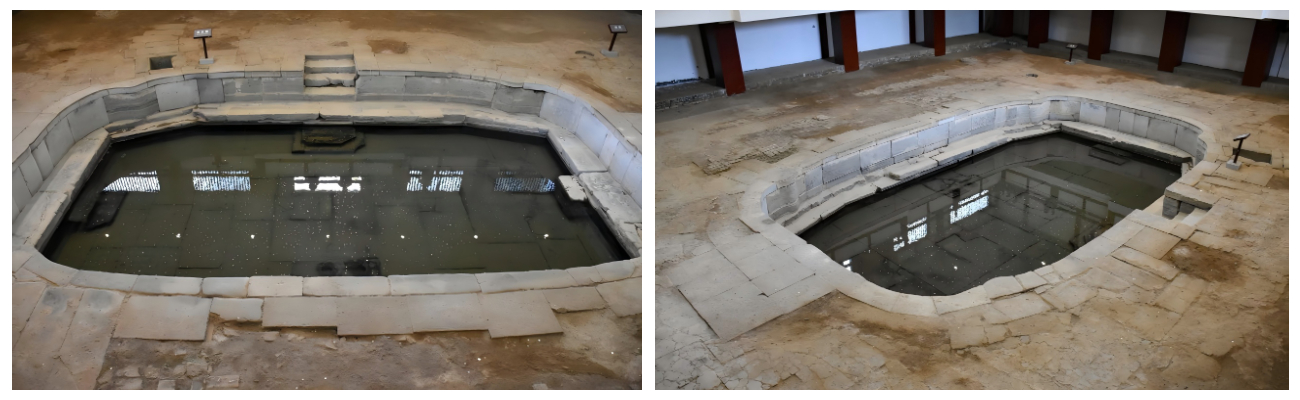
As the exclusive hot spring of Emperor Xuanzong of the Tang Dynasty, Lianhua Tang represents the pinnacle of Tang royal architecture and craftsmanship. Carved entirely from blue stone, the pool walls are as smooth as jade. The most stunning feature is the huge lotus flower carved in the center of the pool bottom, with clear petals and a stamen made of dozens of round pebbles, symbolizing "Lotus Blossoms Under Every Step." Legend has it that when Emperor Xuanzong stepped into the pool, the water submerged the lotus, making him feel as if he was in a fairyland where lotus flowers bloomed. Stone steps for the emperor's entry and exit, and a water storage pavilion to adjust the temperature, still remain beside the pool, showcasing the superb water conservancy design of Tang Dynasty craftsmen. When visiting, you can pay attention to the lotus carving at the bottom and even wear Tang-style costumes to take photos here, recreating the imperial bathing scene of the prosperous Tang Dynasty~
2. Haitang Tang (Yang Yuhuan's Exclusive Hot Spring)
Adjacent to Lianhua Tang, Haitang Tang was specially built for Yang Yuhuan (Consort Yang Guifei) and named for its shape resembling a blooming crabapple flower. Though small in size, the pool is extremely exquisite—the walls made of white marble still retain a warm luster after thousands of years, and the pebbles at the bottom have a massage effect. The water inlet on the north side once slowly injected hot spring water, creating the romantic scene described in the poem "The warm spring water glides over her smooth jade-like skin." Legend has it that before Yang Yuhuan bathed, palace maids would put fresh flowers into the pool. Today, fresh flower displays still stand beside the ruins. You can put on Tang-style ruqun (a type of traditional Han clothing for women) to take photos and experience the luxurious daily life of the imperial concubine.
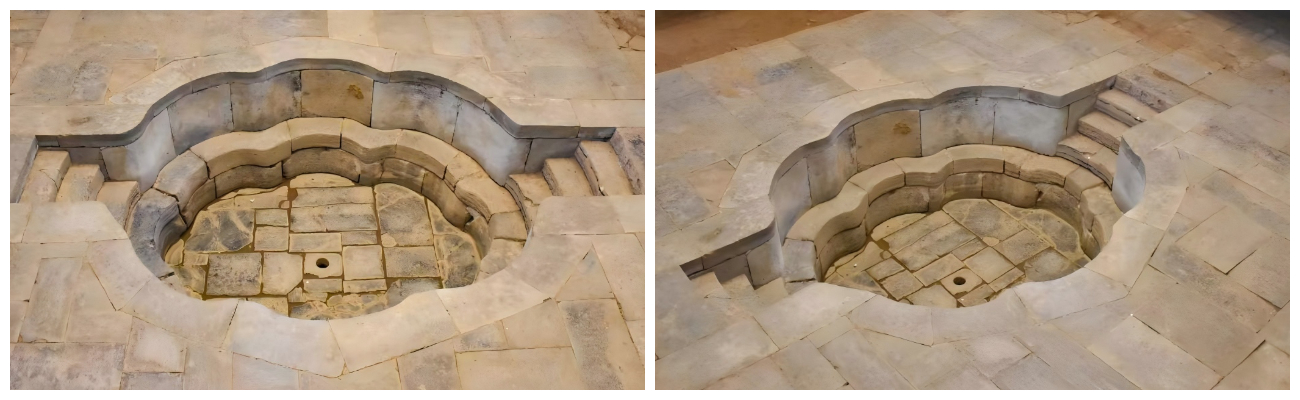
3. Xingchen Tang (Hot Spring for Royal Attendants)
Xingchen Tang was used by princes, close ministers and attendants. Named for the Big Dipper pattern carved on the pool bottom, it symbolizes "Sleeping with the Stars." The pool features a rugged and natural style, forming a sharp contrast with the exquisiteness of Lianhua Tang and Haitang Tang, directly reflecting the strict hierarchical system of the Tang Dynasty. The original spring eye of Lishan Hot Spring is preserved here. Hot spring water first flows into Xingchen Tang before diverting to other pools, so it is also known as the "Source of Hot Springs." Today, a weak flow still seeps out of the spring eye. You can touch it up close and feel the temperature of the thousand-year-old hot spring.
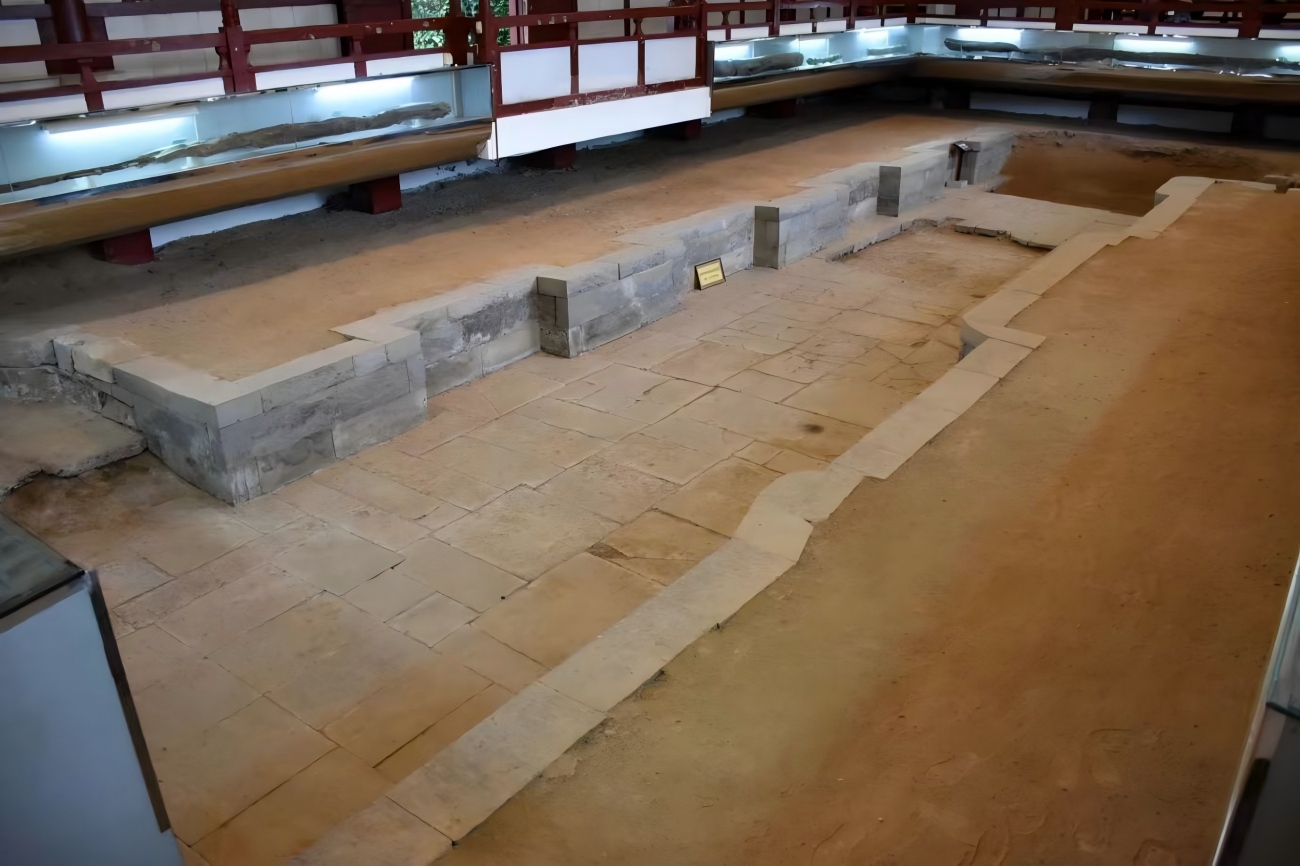
4. Shangshi Tang (Hot Spring for Government Officials)
Shangshi Tang was exclusive to court officials, featuring a simple and practical style without excessive decorations. The stone table and stools in the center of the pool are speculated to be places where officials rested and discussed affairs after bathing. The ingenious design of water inlets and outlets ensures the water is always fresh. Here, you can learn about the daily leisure scenes of Tang Dynasty officials.
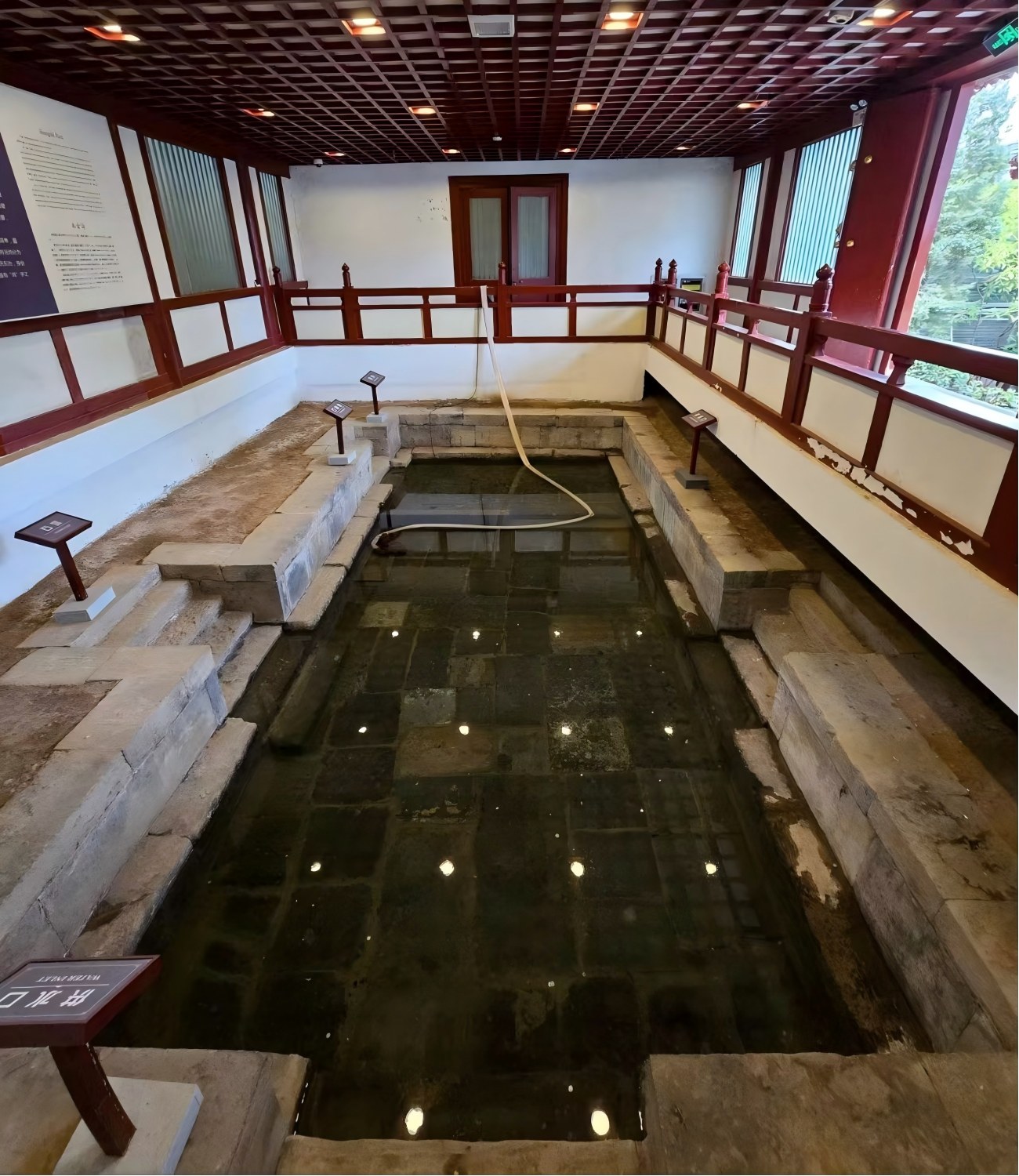
II. Core Palace Complex: Experience the Majesty and Poetry of Tang Royalty
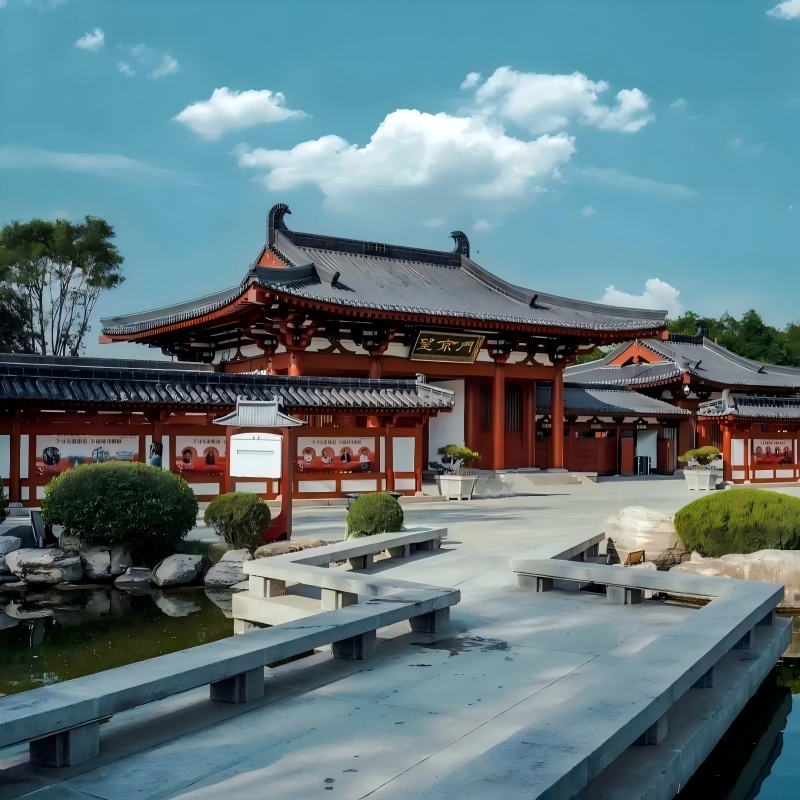
Centered on Feishuang Palace, supplemented by Yichun Palace and Longyin Pavilion, the core palace complex of Huaqing Palace perfectly displays the Tang Dynasty's architectural style of integrating palace and garden. It was both a place for emperors to handle state affairs and a residence for leisure and pleasure.
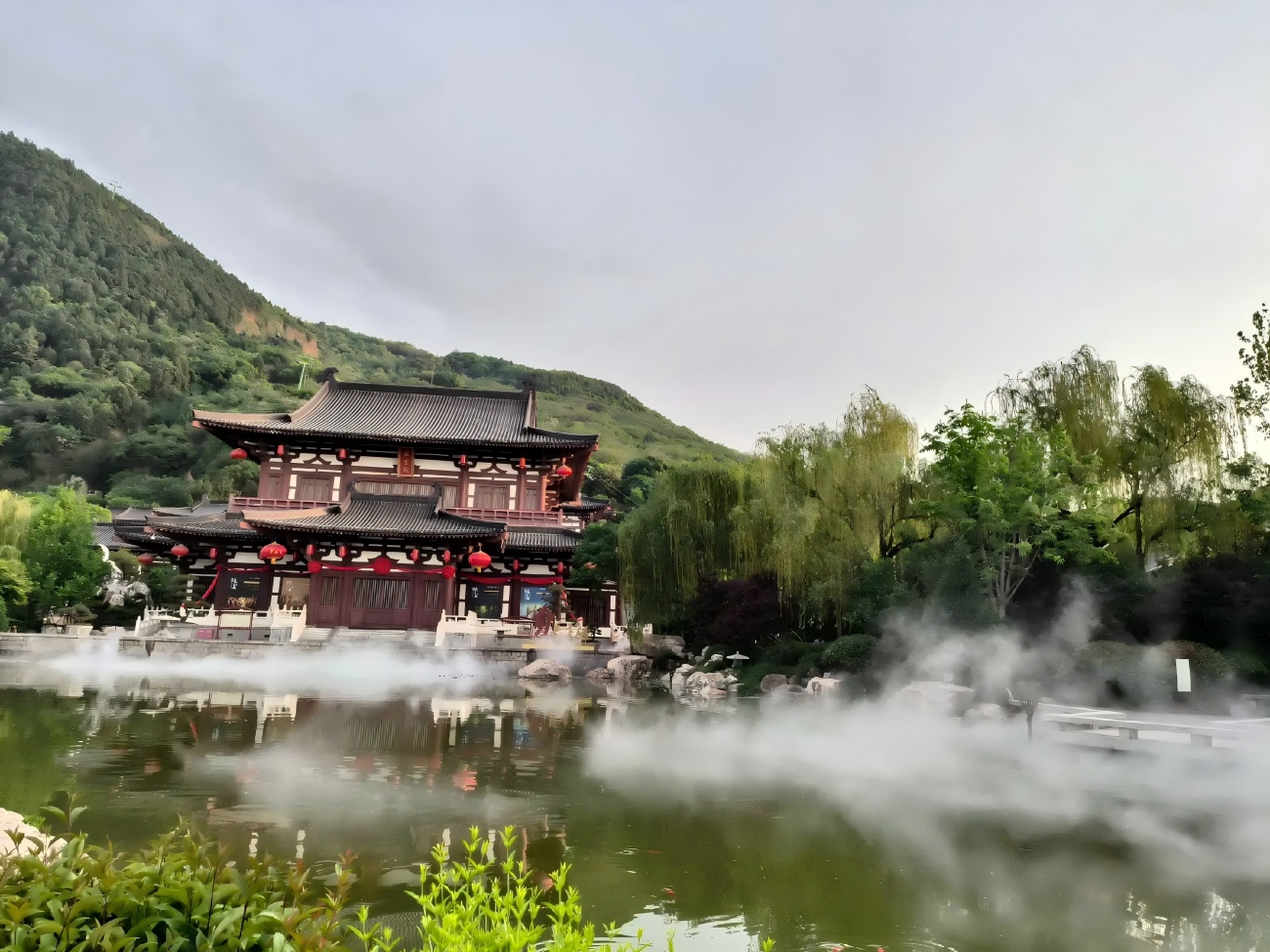
1. Feishuang Palace (Imperial Couple's Bedroom)
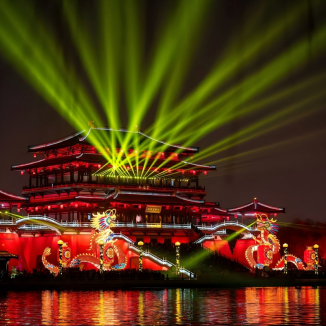
Feishuang Palace was the bedroom of Emperor Xuanzong and Yang Yuhuan in Huaqing Palace, named for the frost formed when hot spring steam meets cold air in winter. The palace roof adopts the typical gabled and hip roof of the Tang Dynasty, covered with yellow glazed tiles. The bracket sets under the eaves are carved with patterns of dragons, phoenixes and peonies, showing royal majesty. The replicated dragon bed, phoenix couch and the copy of "Jialing River Landscape Painting" in the palace make people feel as if they can see the romantic scene of the imperial couple drinking wine and admiring the moon in those years. The scenery is more beautiful when the lanterns are lit at night. You can check in for the night view of the Tang Dynasty palace here.
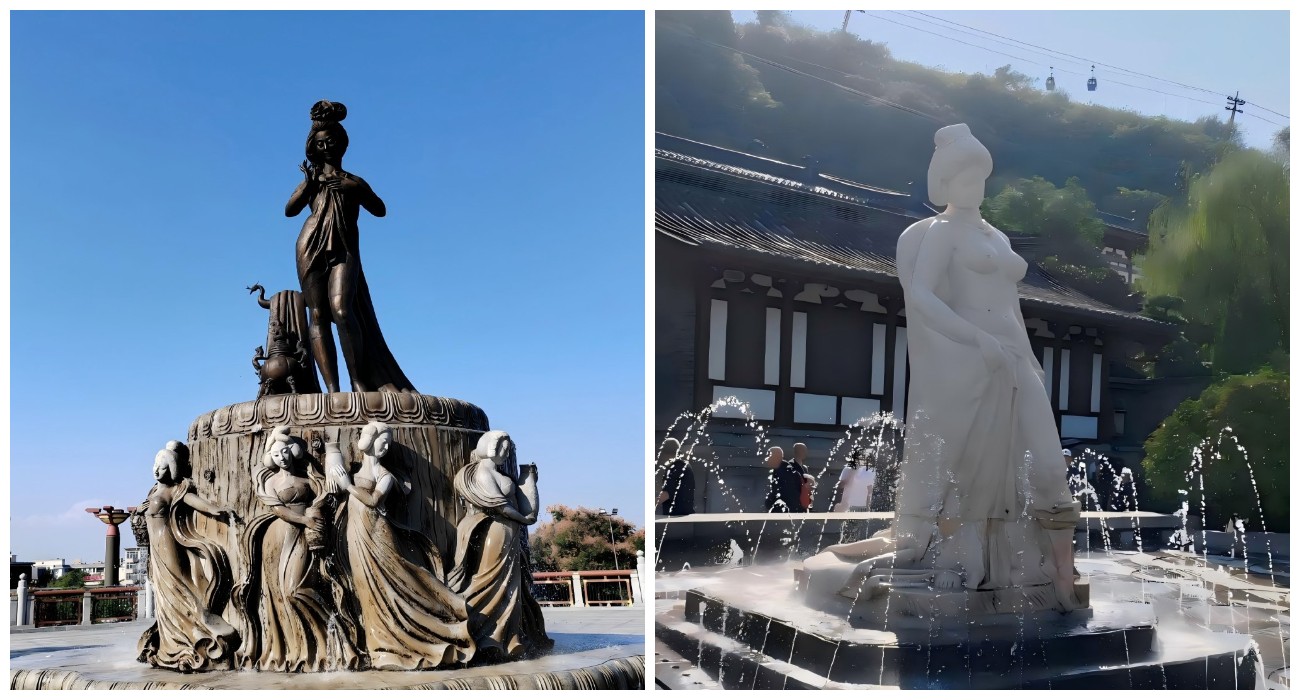
2. Yichun Palace (Government Affairs and Feast Venue)
Yichun Palace was where Emperor Xuanzong handled government affairs and held banquets, named for its pleasant scenery like spring all year round. The green glazed tile roof forms a striking contrast with the yellow of Feishuang Palace, being solemn yet lively. The imperial throne and official chairs in the palace replicate the scene of Tang Dynasty officials paying homage to the emperor. The stage on the west side once staged the "Song of the Rainbow Feather Garment" dance. Today, Tang Dynasty court banquet performances are often held here. You can taste Tang-style special delicacies and enjoy singing and dancing, experiencing the banquet culture of the prosperous Tang Dynasty immersively.
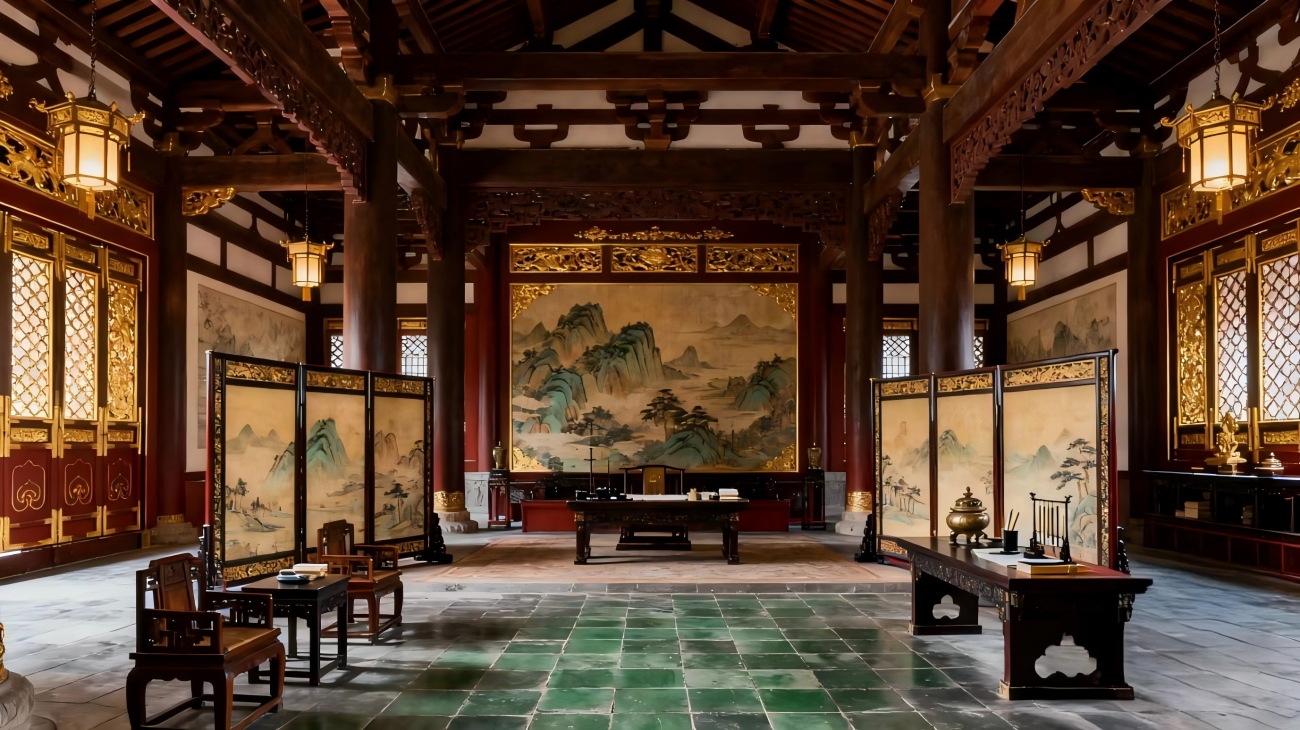
3. Longyin Pavilion (Viewing and Resting Pavilion)
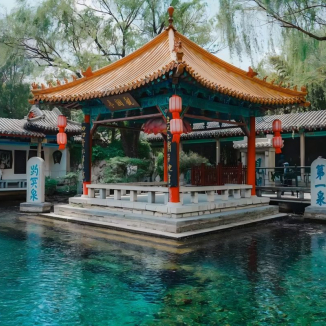
Built by the lake, Longyin Pavilion is named for the sound of wind blowing over the lake, which resembles the roar of a dragon. The wooden pavilion is light and flexible. You can rest here, enjoying the lotus flowers, koi fish in the lake and the distant scenery of Lishan Mountain. When peach blossoms bloom in spring, the peach blossoms and willow greens on the central island connected by the zigzag bridge make it an excellent spot for spring viewing in Huaqing Palace. You may wish to stop here to take photos as a souvenir.
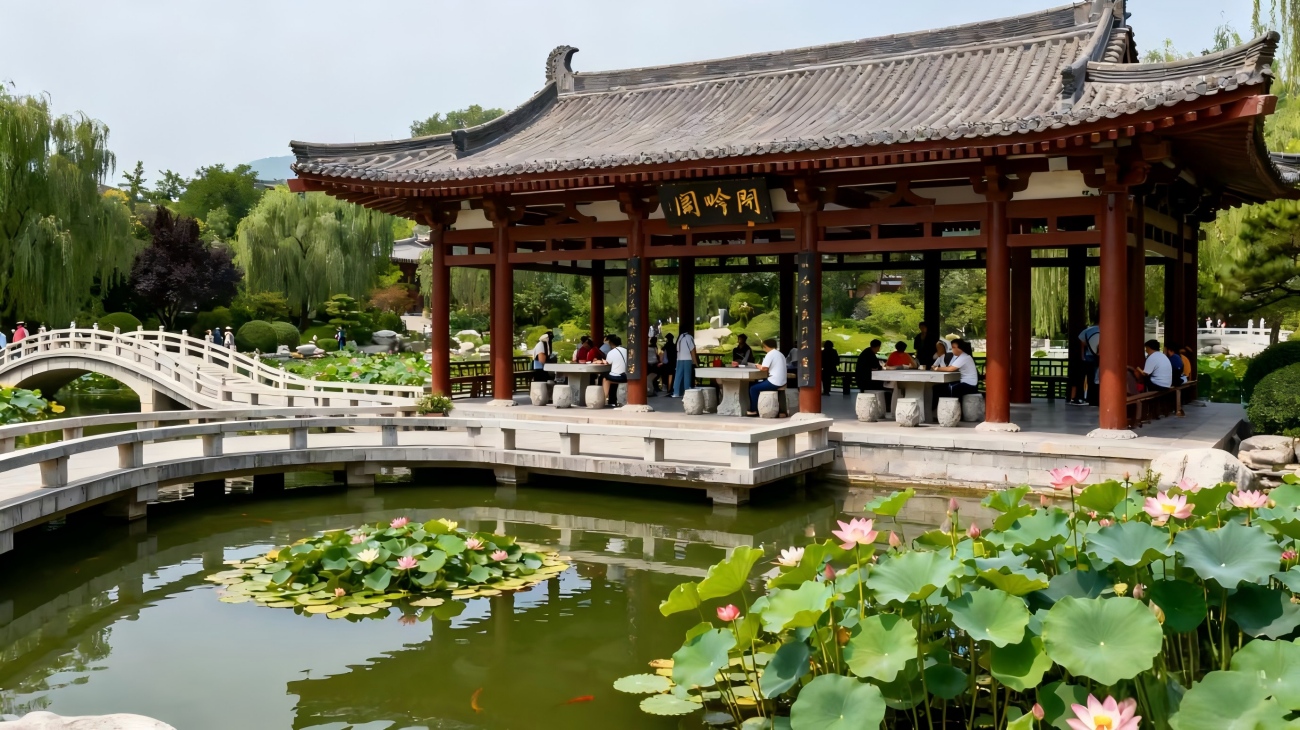
III. Cultural Theme Venues: Unlock the Historical and Artistic Codes of Huaqing Palace
To help you understand Huaqing Palace's culture more deeply, the scenic area has built venues such as the Tang Royal Hot Spring Ruins Museum and the Eternal Regret Culture and Art Museum. Through cultural relic exhibitions and multimedia interactions, these venues tell the thousand-year-old stories vividly.
The Eternal Regret Culture and Art Museum is themed on Bai Juyi's famous poem of the same name. The first floor displays different versions of "The Song of Everlasting Regret" and calligraphy works, allowing you to feel the beauty of the combination of poetry and calligraphy. The second floor recreates classic scenes such as "Qixi Oath" and "Mawei Slope Incident" through wax figures, interweaving romance and solemnity to intuitively show the ups and downs of this love story. The interactive area on the third floor is particularly worth experiencing. You can learn to create Tang-style poems and wear Tang-style costumes to take photos, personally feeling the life fun of Tang Dynasty literati.
IV. Lishan-related Attractions: Explore the Integration of Nature and Humanities in Huaqing Palace
Huaqing Palace is located at the northern foot of Lishan Mountain. Lishan not only provides natural hot springs but also nurtures many characteristic attractions, perfectly integrating natural landscapes with human history.
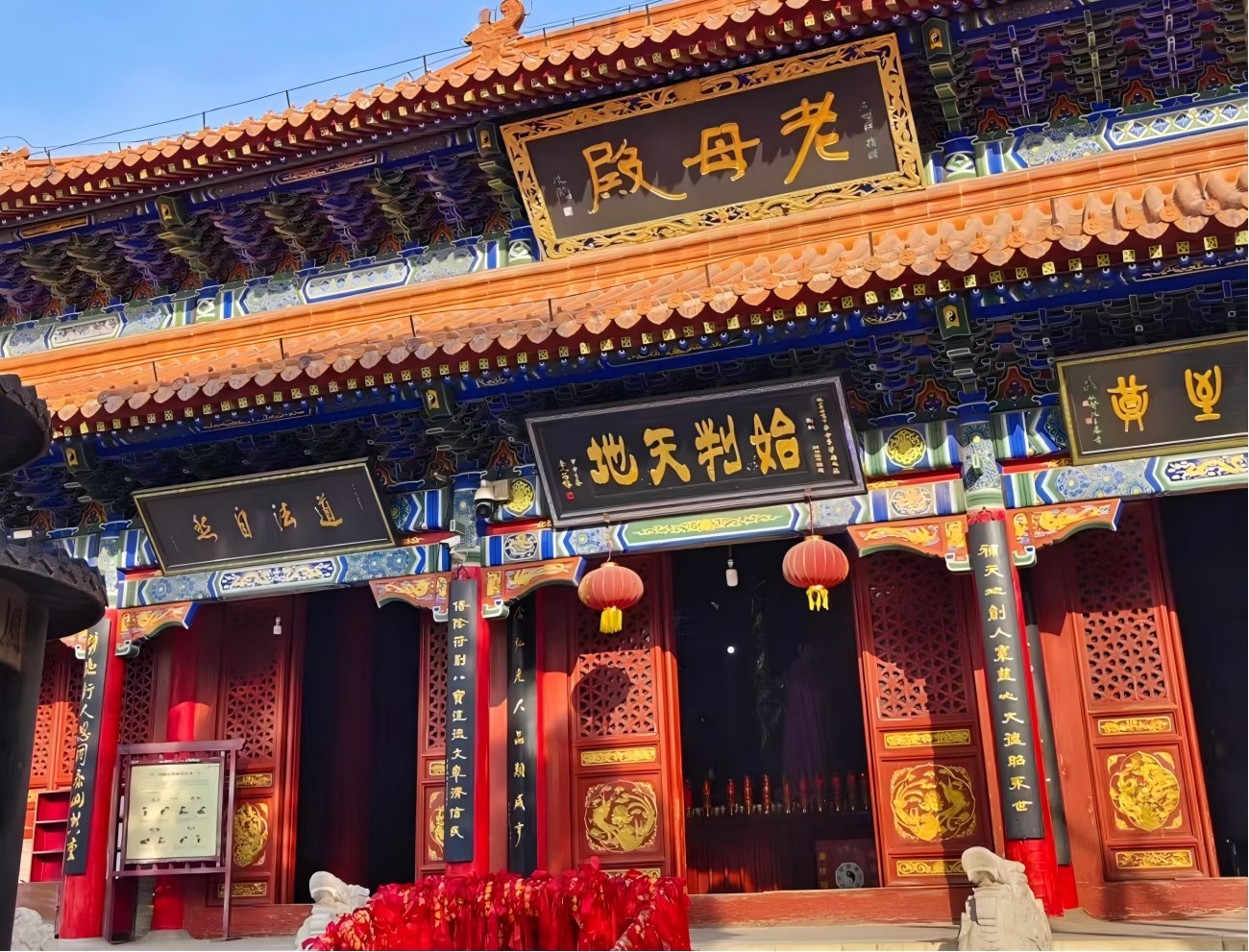
1. Laomu Palace (Ancestral Culture Holy Land)
Located at the top of Lishan Mountain, Laomu Palace is a temple dedicated to Laomu (Lishan Old Mother), the ancestor of the Chinese nation (legendarily the incarnation of Nüwa). The murals of Nüwa Mending the Sky in the palace are colorful and vivid. Surrounded by evergreen pines and cypresses and lingering clouds and mist, standing here, you can overlook the panoramic view of Huaqing Palace. The red walls and glazed tiles set off against the Lishan vegetation, presenting a magnificent scenery.
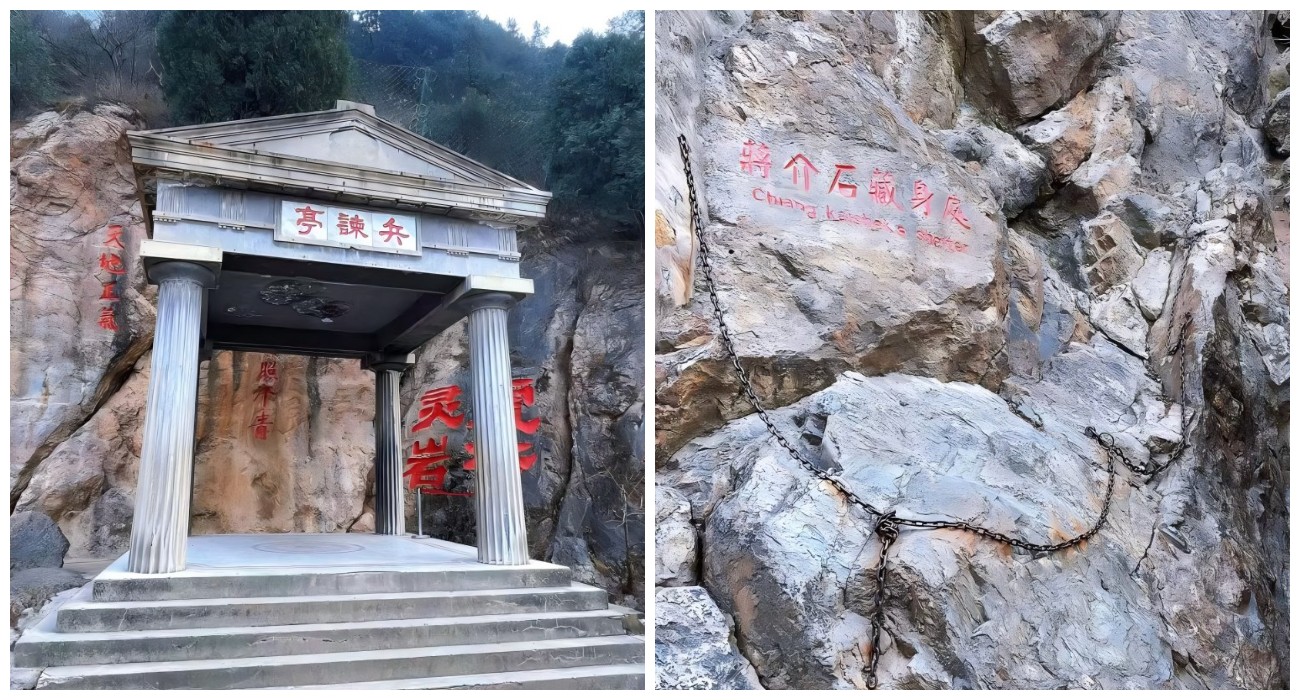
2. Bingjian Pavilion (Witness to Modern History)
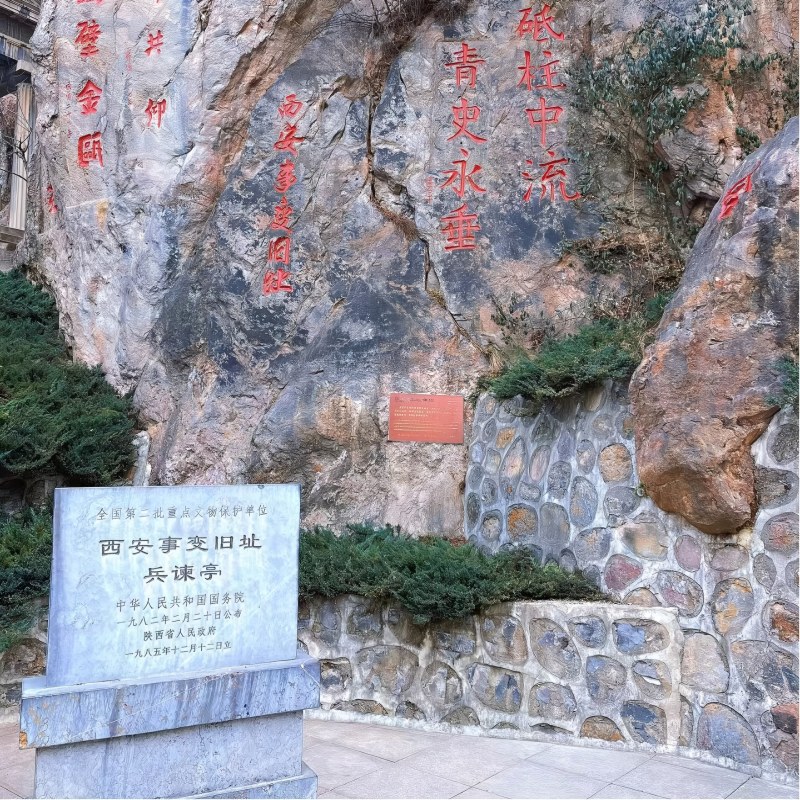
Located on the eastern hillside of Lishan Mountain, Bingjian Pavilion was built to commemorate the 1936 "Xi'an Incident." Originally named "Zhuojiang Pavilion" (Arrest Chiang Pavilion), it was later renamed "Bingjian Pavilion," meaning "Advising the Ruler with Military Force to Save the Country and the People." Bullet holes and footprints from the Xi'an Incident are still preserved on the rocks beside the pavilion. You can walk along the winding Bingjian Road, feeling this period of modern patriotic history. It is also an important base for patriotic education.
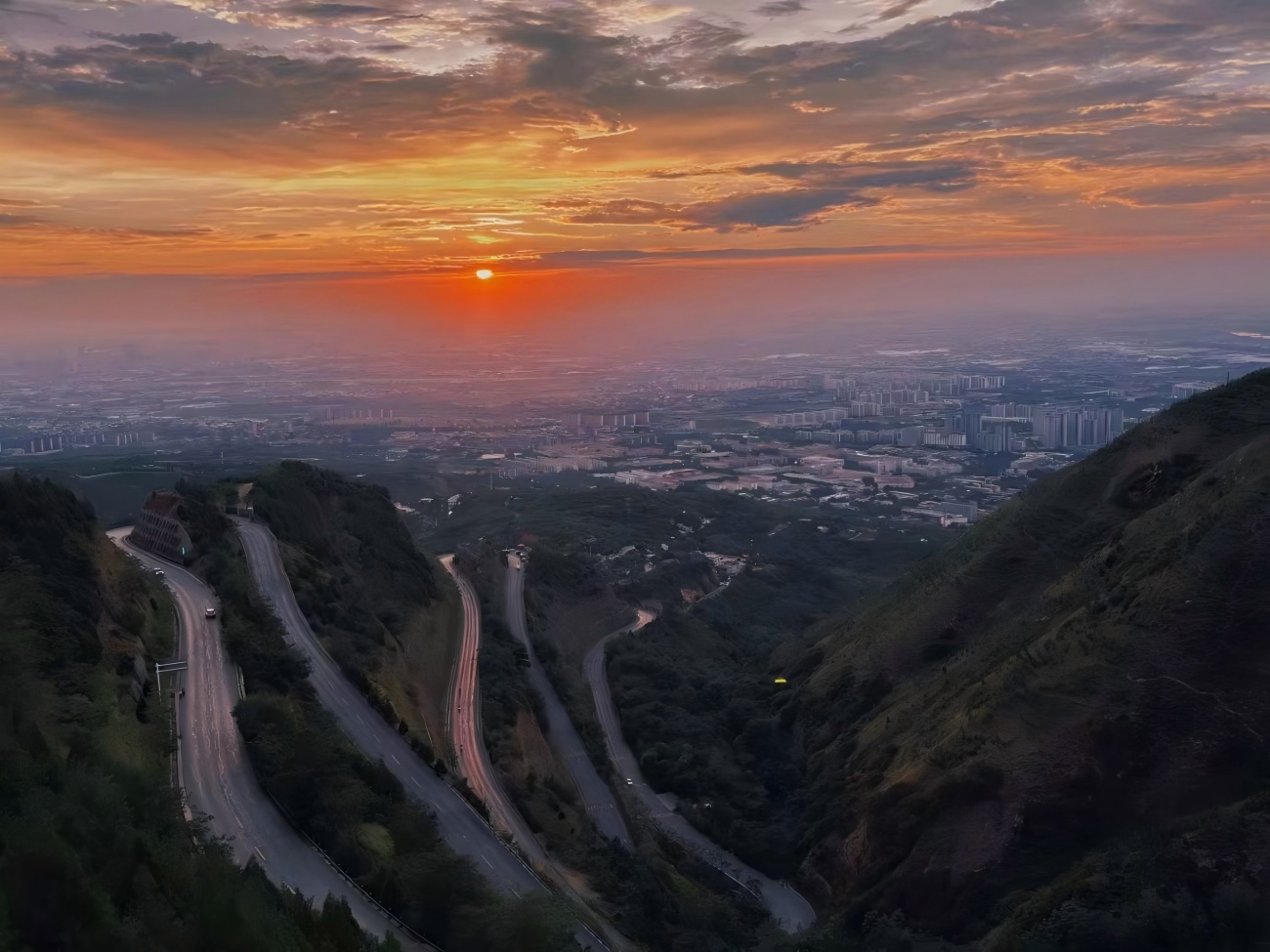
3. Lishan Sunset Glow (One of the Eight Scenes of Guanzhong)
"Lishan Sunset Glow" is one of the "Eight Scenes of Guanzhong" (the eight famous landscapes in the Guanzhong area). In the evening, the setting sun dyes Lishan Mountain golden, and the sunset glow illuminates the palace complex of Huaqing Palace. The lake shimmers with light, forming a stunning picture of "mountains reflecting in the water and water reflecting the mountains." The best place to watch this landscape is Wan Zhao Pavilion (Sunset Pavilion). You may wish to stay here in the evening and record this magnificent integration of nature and humanities with your camera.
V. Huaqing Palace Today: A Cultural Bridge Connecting Past and Future
Today, Huaqing Palace is no longer an exclusive royal garden but a cultural scenic spot open to tourists from all over the world. Here, you can experience the life of the prosperous Tang Dynasty immersively:
The Tang-style costume rental shops in the scenic area provide various costumes such as dragon robes, phoenix gowns, long gowns and ruqun. Staff will also help you with makeup and hairstyling, allowing you to "travel back" to the Tang Dynasty in an instant.
In the handicraft experience area, you can make Tang-style sachets by hand, learning embroidery and sewing skills to feel the charm of traditional crafts.
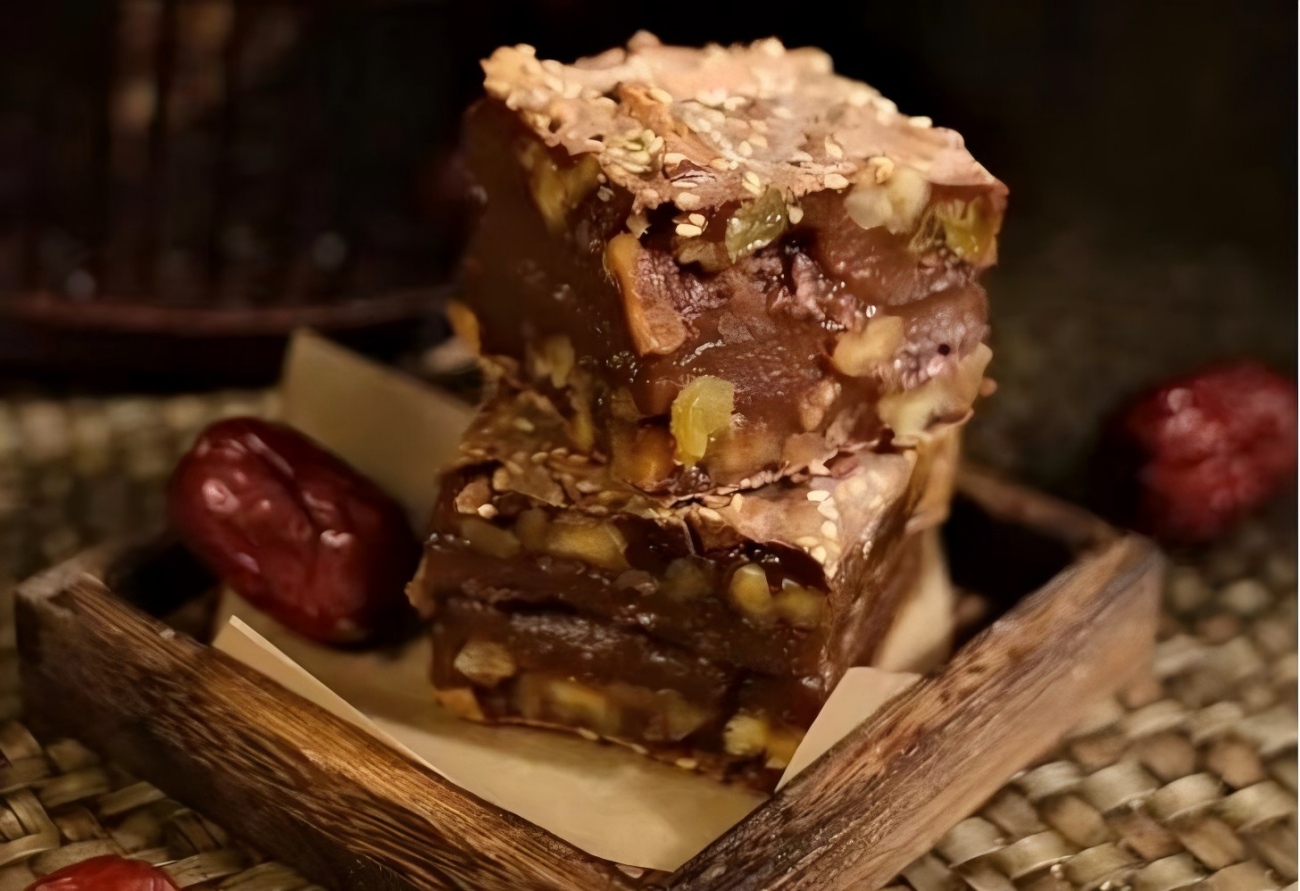
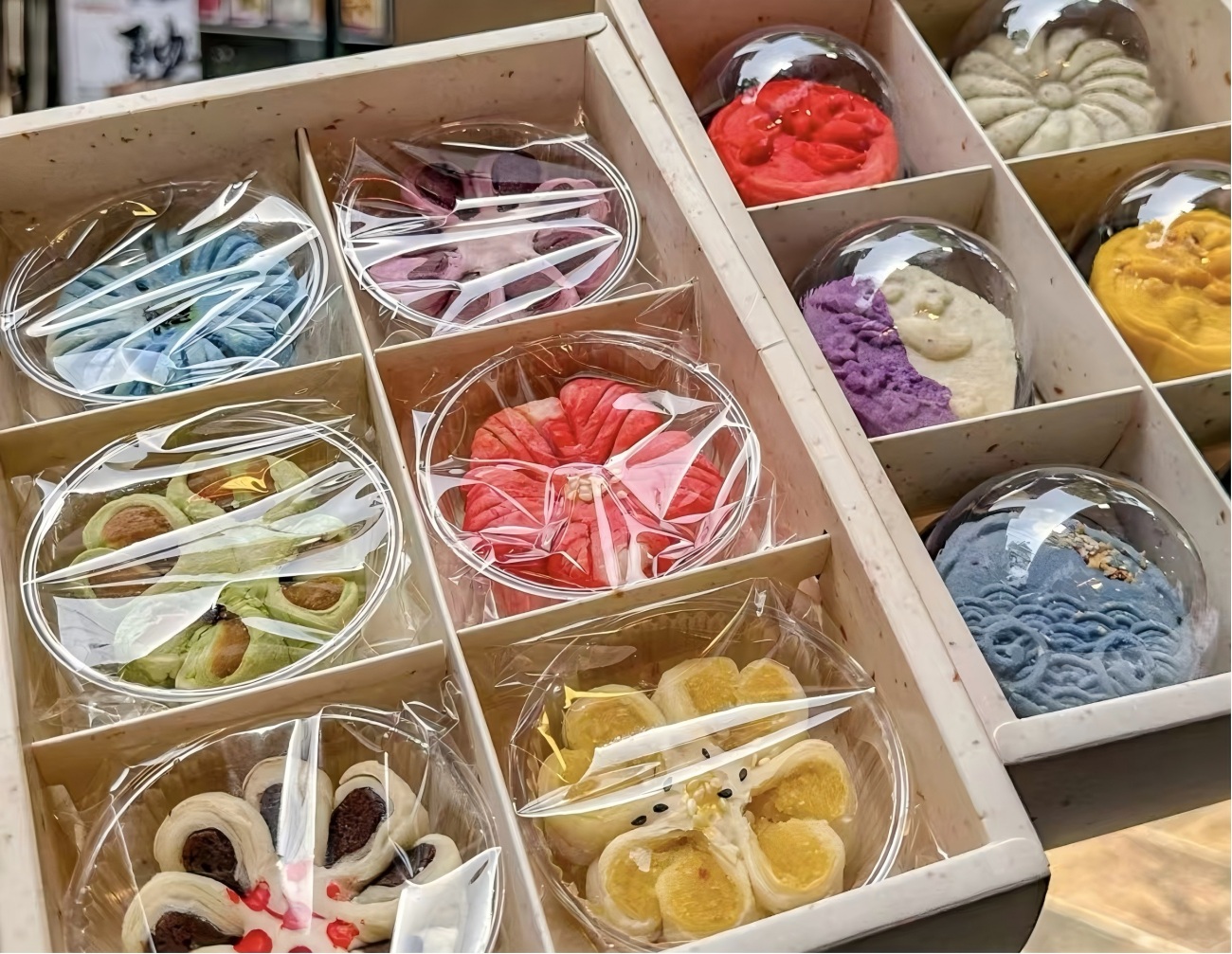
You can also taste special delicacies such as Guifei Cake (Concubine's Cake) and Wenquan Crisp (Hot Spring Pastry). Guifei Cake is soft, glutinous and sweet, said to be Yang Yuhuan's favorite. Wenquan Crisp is crispy with a light hot spring aroma, allowing your taste buds to experience the flavor of the prosperous Tang Dynasty.
For Huaqing Palace, it is not only a historical relic but also a cultural bridge connecting China and the world. It lets overseas friends see that China not only has a long history but also a vibrant cultural heritage. Just like the Lishan Hot Spring that has flowed endlessly for a thousand years, the cultural charm of the prosperous Tang Dynasty will always flow on this land.
Dear friends, there are many more stories about Huaqing Palace. Next, let's walk into this thousand-year-old garden, touch the temperature of the prosperous Tang Dynasty with our own hands, and feel the unique charm of traditional Chinese culture!