Dream of witnessing the "Eighth Wonder of the World Terracotta Army"? Book a customized Xi'an tour with Huatu International Travel Service—your expert in tailor-made China adventures—to uncover the ancient mysteries of the Qin Shi Huang Terracotta Warriors.
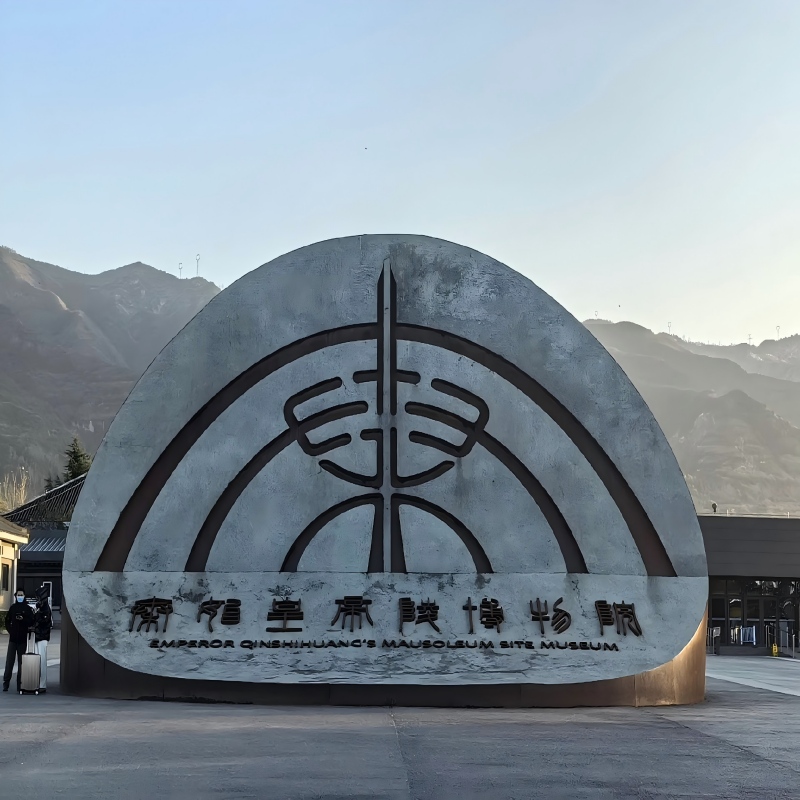
Museum of the Terracotta Army
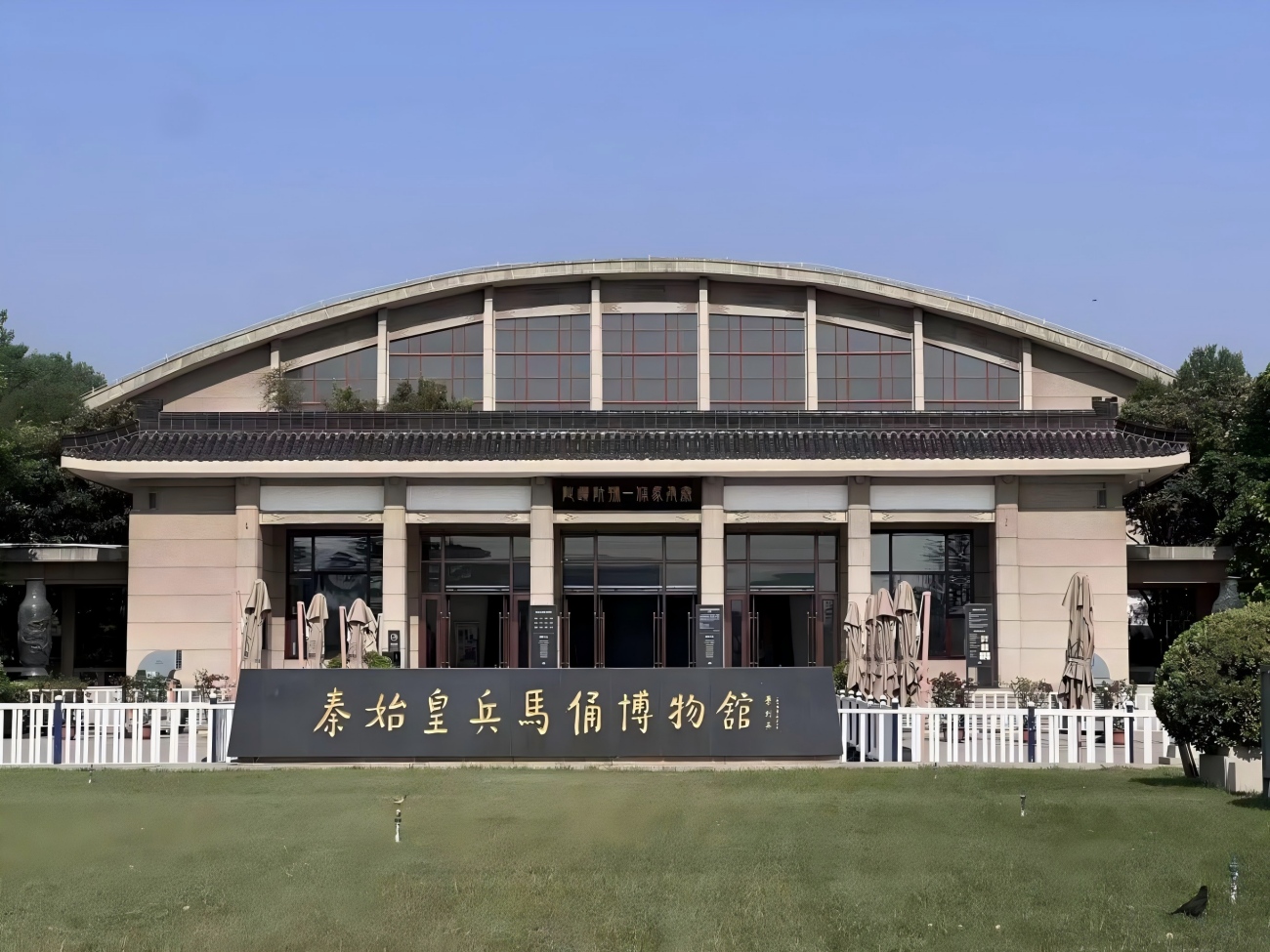
No Xi'an trip is complete without visiting the Xi'an Terracotta Army Museum, home to the legendary Qin Shi Huang Terracotta Warriors. Discovered in 1974, these life-sized clay soldiers, horses, and chariots stand as a testament to China’s Qin Dynasty grandeur, offering an awe-inspiring glimpse into ancient military history and craftsmanship. It’s a once-in-a-lifetime cultural experience you can’t miss.
Whether you want a private tour of the Terracotta Army Museum, extended visits to Xi’an’s other historic sites, or adjusted dining and accommodation, we tailor every detail.
For a personalized Xi'an Terracotta Army adventure that blends culture, comfort, and flavor, choose 【Huatu International Travel Service】. Book your custom tour today!
Need more route ideas? Just reach out to customer service directly!
Product Details
Exploring the Underground Army of Qin Shi Huang: The Terracotta Army Museum
Dear overseas visitors, welcome to Xi'an, a renowned historical and cultural city in China, and to the Terracotta Army Museum, hailed as the "Eighth Wonder of the World." Here, we will travel back over 2,000 years to explore the mysteries and brilliant civilization of China's first feudal dynasty. Next, I will guide you through a comprehensive journey to appreciate the unique charm of this "underground army" from five aspects: historical background, core attractions, cultural connotations, and more.
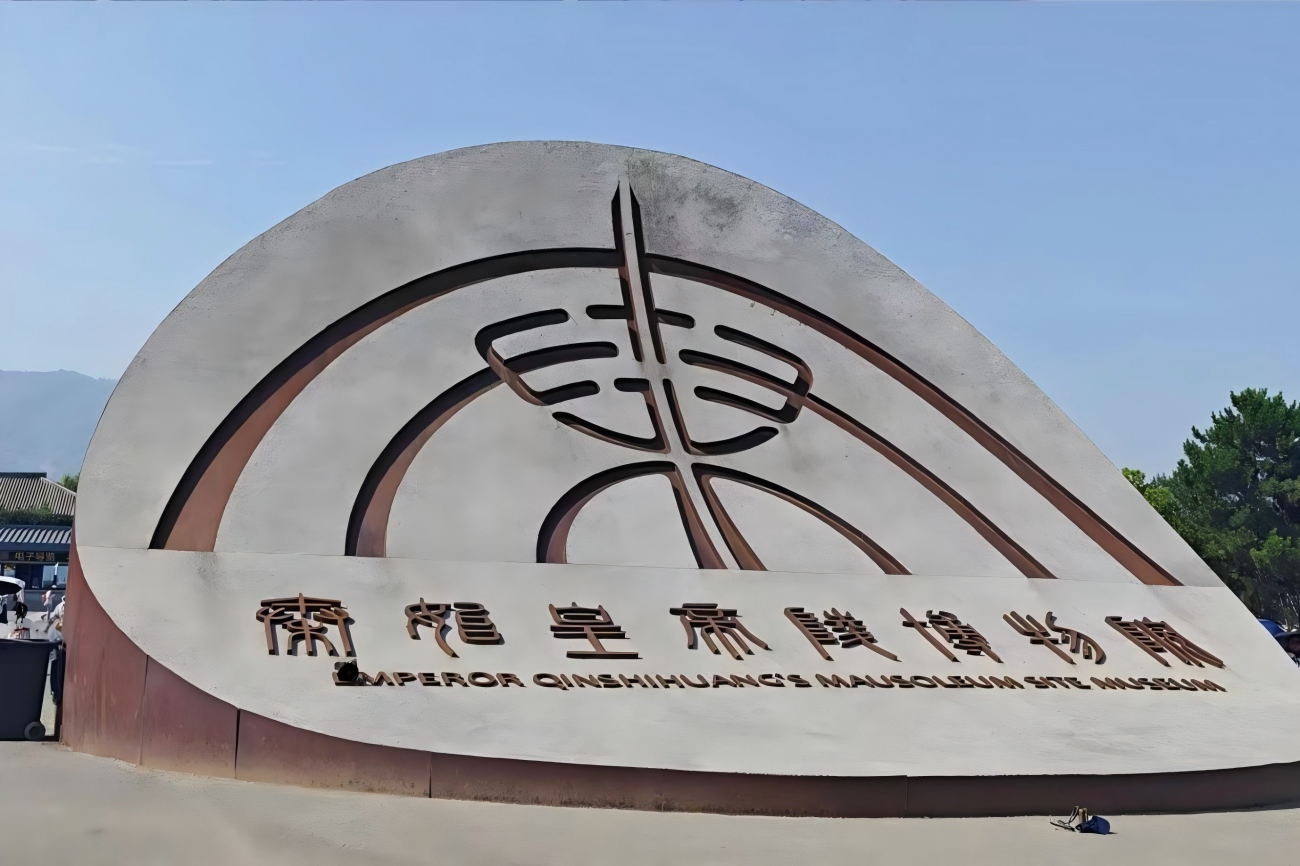
I. Echoes of History: The Millennium Connection Between Qin Shi Huang and the Terracotta Army
To truly understand the Terracotta Army, we must start with its creator—Ying Zheng, Emperor Qin Shi Huang. Born in 259 BCE in Handan, the capital of the State of Zhao, Ying Zheng ascended the throne of the State of Qin at the age of 13. After officially taking full control of state affairs at 22, he eliminated the powerful minister Lü Buwei and the Lao Ai clique with decisive measures, launching his campaign to unify the six warring states. From conquering the State of Han in 230 BCE to the State of Qi in 221 BCE, in just ten years, he led the Qin army to sweep across the land, ending over 500 years of division and separatism since the Spring and Autumn and Warring States periods. He established China's first centralized feudal dynasty—the Qin Dynasty—and titled himself "Shi Huangdi" (First Emperor), meaning "subsequent generations will be counted as the second, third, and so on, for ten thousand generations, passing on endlessly."
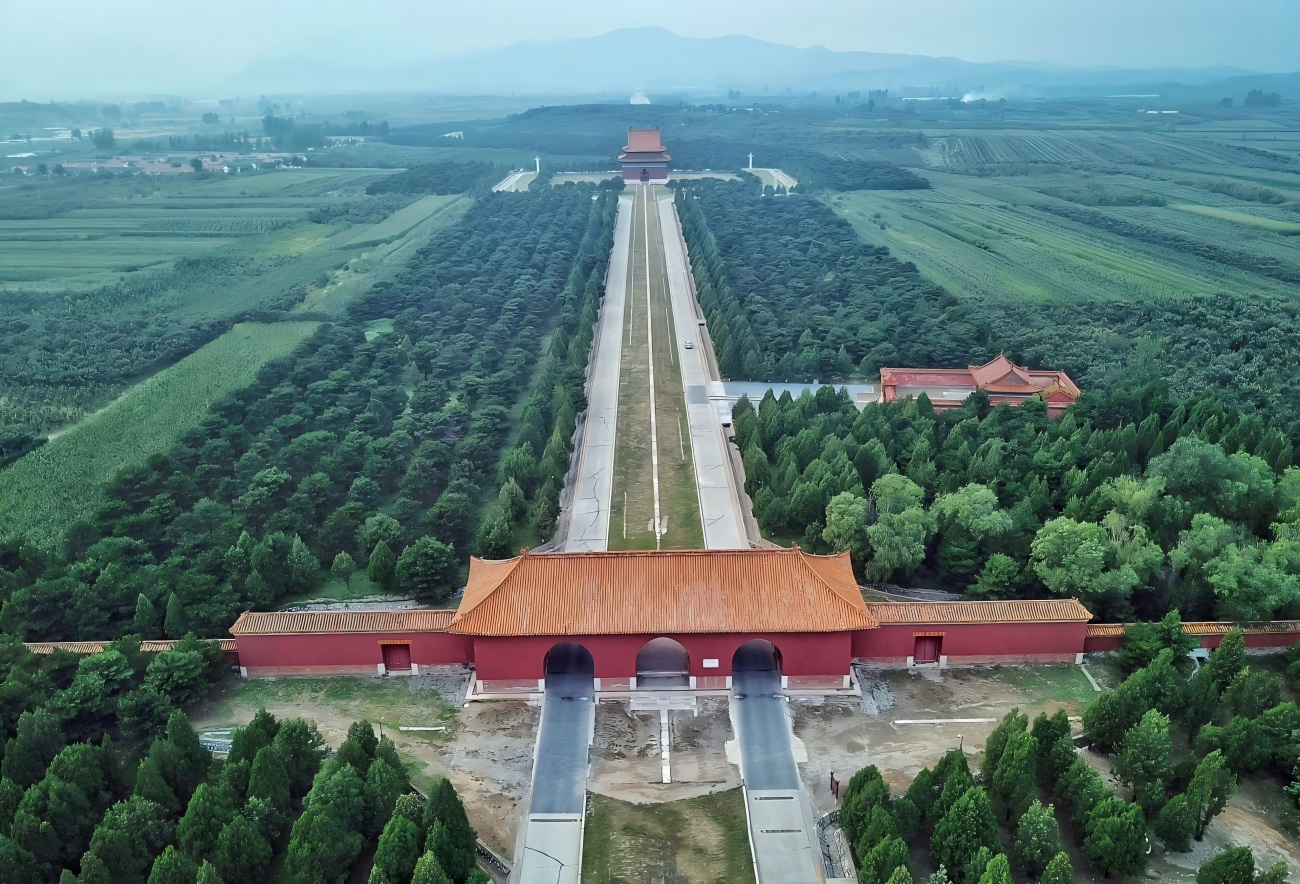
After unifying the whole country, Qin Shi Huang implemented a series of far-reaching reforms: unifying the writing system to ensure smooth government decrees and a unified carrier for cultural inheritance; standardizing weights, measures, and currency to promote national economic exchanges; building the Great Wall to resist invasions by the Xiongnu in the north; and digging the Lingqu Canal to connect the Yangtze and Pearl River systems, strengthening ties between the south and the Central Plains. The construction of the Terracotta Army is the ultimate embodiment of his concept of "treating the afterlife as the present life." According to "Records of the Grand Historian · Biography of Qin Shi Huang," Qin Shi Huang ordered the construction of his mausoleum as soon as he ascended the throne. The project took 39 years and employed over 700,000 craftsmen and laborers, making it a veritable "underground empire." As an auxiliary pit of the mausoleum, the Terracotta Army symbolizes the millions of troops under Qin Shi Huang's command during his lifetime. He hoped that in the afterlife, he could still rely on this army to guard his territory and continue his rule.
In March 1974, farmers from Xiyang Village, Yanzhai Commune, Lintong County, accidentally dug up some pottery figurine fragments while drilling a well to combat drought. Initially, the villagers thought they were just ordinary "clay gods." It was not until archaeological experts arrived that they realized this was a major discovery that would shock the world. After decades of archaeological excavation, the Terracotta Army Museum has gradually lifted its mysterious veil and become an important window showcasing ancient Chinese civilization.
II. Pit 1: The Majestic "Main Infantry Formation"
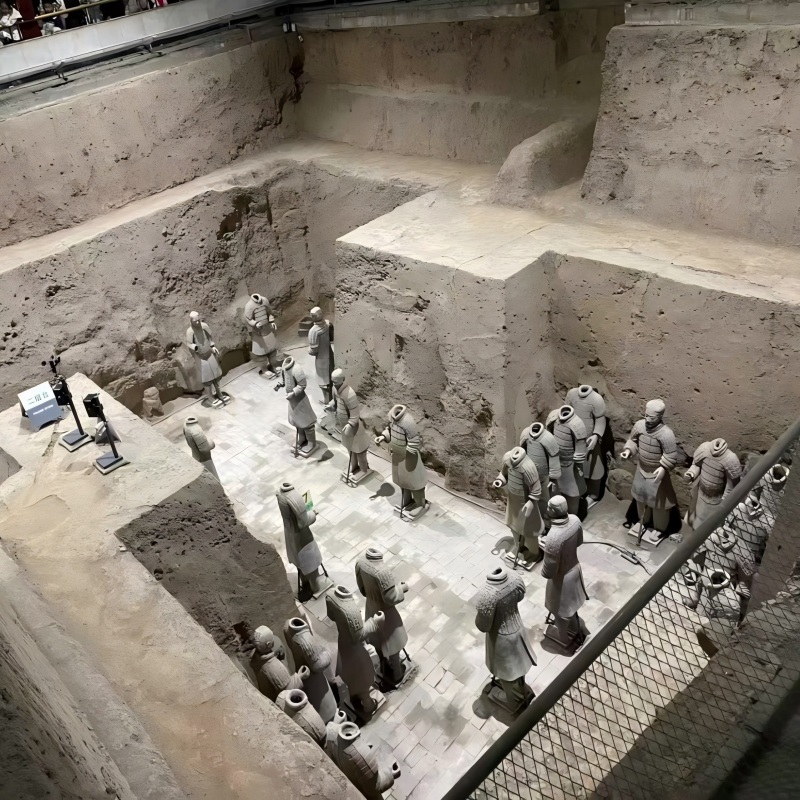
We are now in Pit 1, the core and largest pit of the Terracotta Army Museum. Stretching 230 meters east-west and 62 meters north-south, it covers a total area of 14,260 square meters—equivalent to the size of two standard football fields. The pit houses approximately 6,000 terracotta warriors and horses, making it the most visually striking area among the three excavated pits.
Upon close observation, you will find that the military formation in Pit 1 is extremely regular, perfectly replicating the Qin army's combat system of "vanguard - main force - flanks - rearguard." At the forefront of the pit stands the "vanguard force" composed of 210 warrior figurines. They are lean, holding crossbows, arranged in three horizontal rows with uniform spacing. It seems that at an order, they could shoot a dense rain of arrows to clear the way for the subsequent troops.
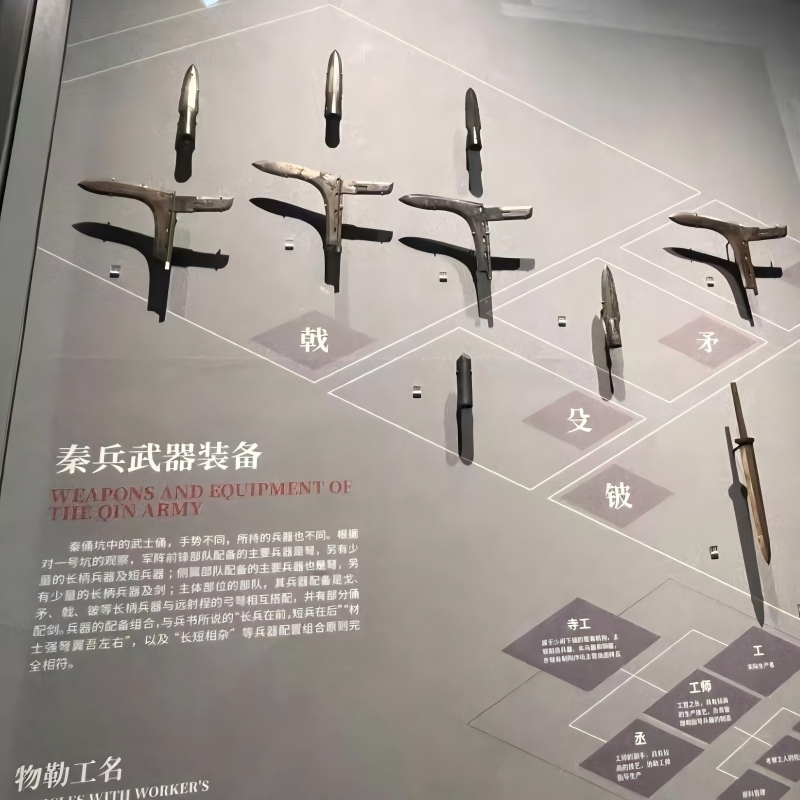
Following the vanguard is the "main force" formed by 38 vertical columns. The warrior figurines here have an average height of about 1.8 meters, wearing armor and holding long and short weapons such as ge (dagger-axes), spears, swords, and ji (halberds). Their postures are varied: some stand tall with firm eyes, like seasoned veterans who have experienced many battles; some frown with serious expressions, as if deliberating tactics; others smile slightly with calmness, fully showing the confidence and heroism of the Qin army.
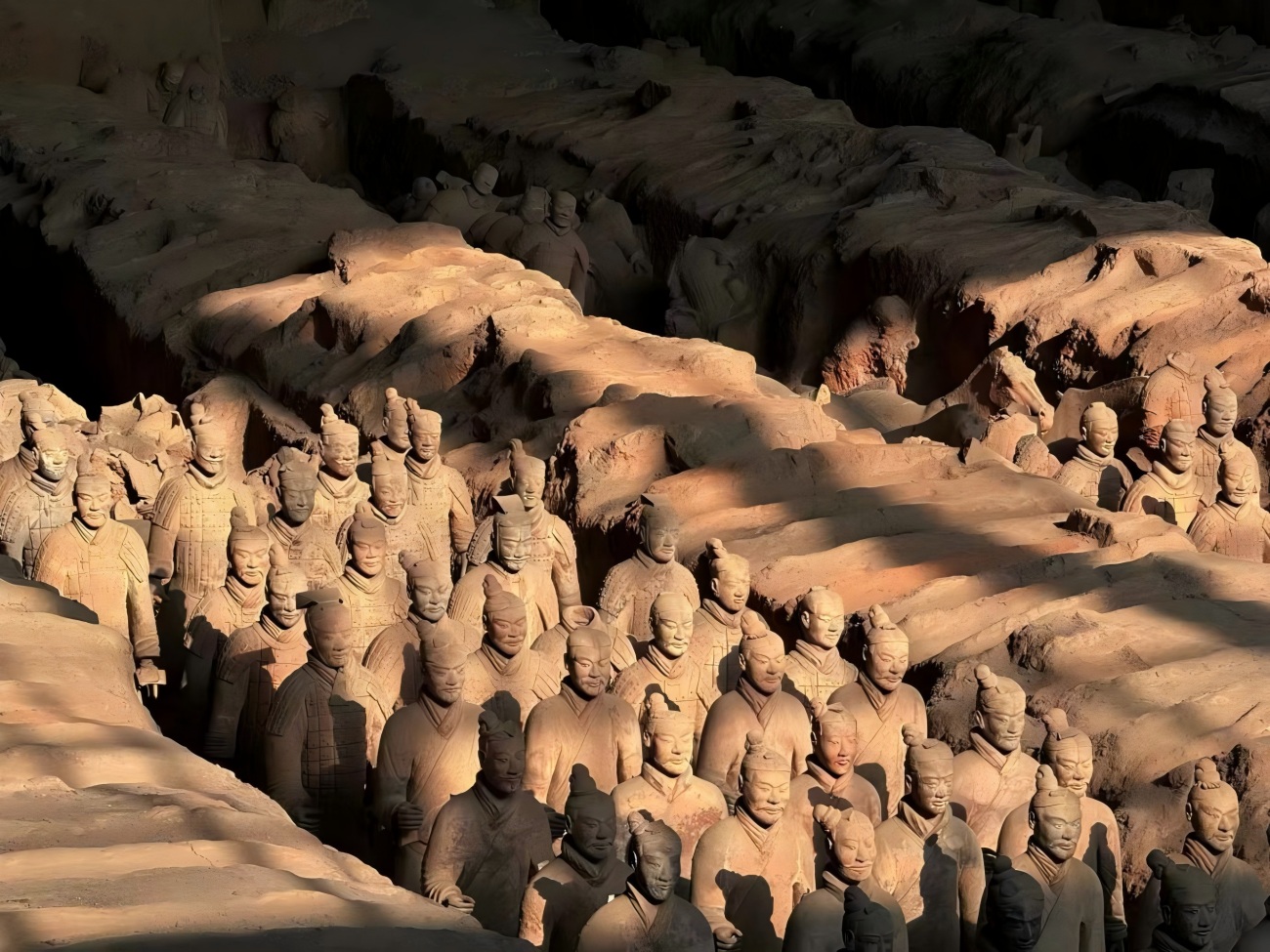
On both sides and at the rear of the formation are the "flank troops" and "rearguard troops" responsible for defense. The warriors on the flanks face outward, holding long weapons and vigilantly watching the left and right directions. The rearguard troops stand with their backs to the main force, guarding the rear of the formation to prevent enemy surprise attacks. This layout of "all-round defense and phased attack" fully demonstrates the extraordinary wisdom of the Qin Dynasty's generals.
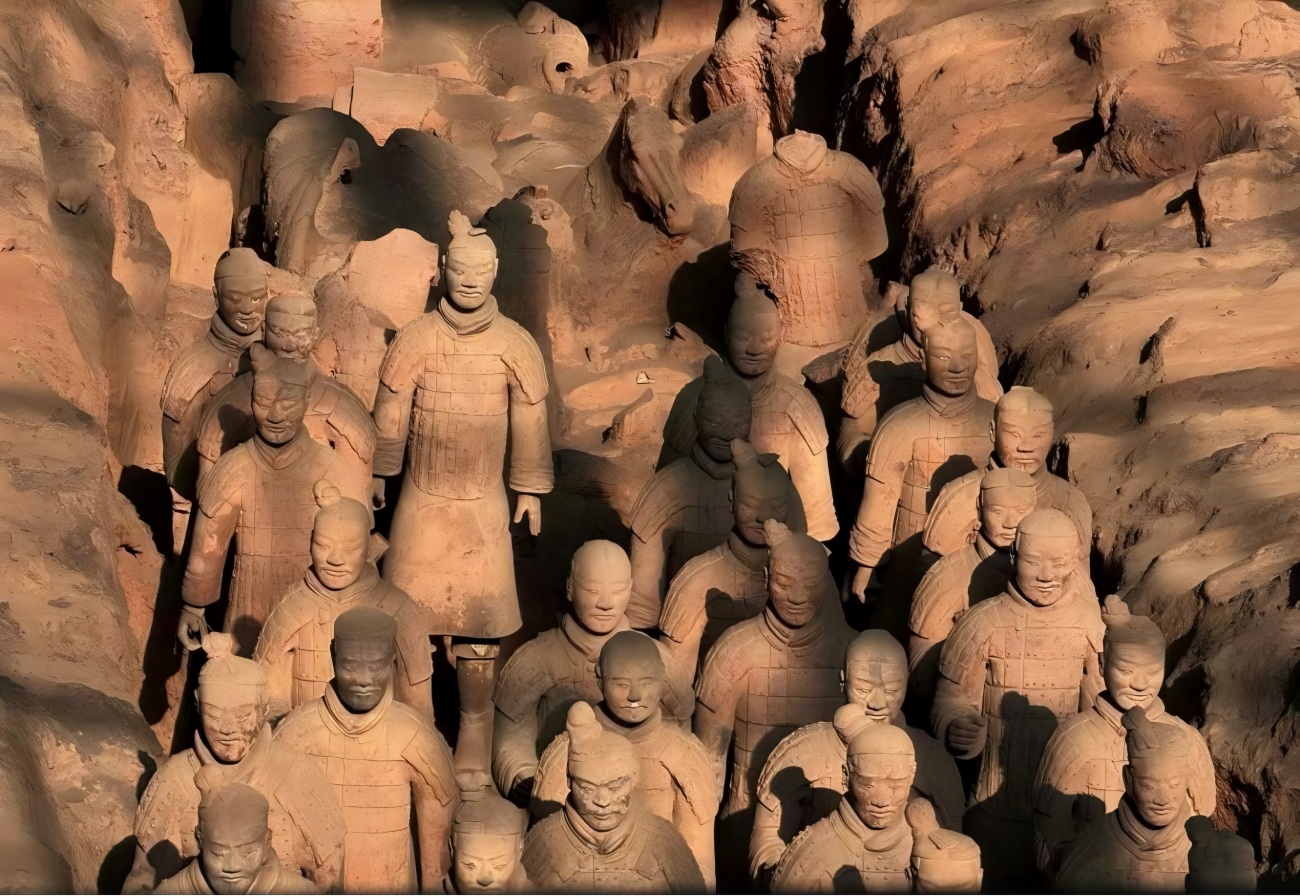
Also worthy of attention is the production craftsmanship of the terracotta figurines. Craftsmen adopted a process of "combining molding and sculpture, segmental production, high-temperature firing, and assembly with painting." First, they made the initial blanks of the figurines' trunks, limbs, etc., using molds. Then, they carried out fine manual carving—look at the hair of the warrior figurines, each strand is distinct; the patterns on the armor scales are clear and regular; even the stitches on the soles of the shoes are dense and neat, just like real cloth shoes. Finally, the craftsmen painted the figurines with bright colors, mainly red, green, blue, purple, and yellow, making the entire formation colorful. Unfortunately, due to the drastic changes in air humidity and temperature after excavation, most of the paint peeled off due to oxidation within a few minutes. What we see today as grayish-blue is actually the "base color" of the terracotta figurines. However, through modern scientific and technological means, archaeologists have successfully preserved some painted terracotta figurines. In the museum's exhibition area, you can see the true appearance of these "painted terracotta warriors" and feel the artistic charm of over 2,000 years ago.
III. Pit 2: The Elite "Special Forces Corps" with a Complete Range of Arms
If Pit 1 is the "main regular infantry," then the adjacent Pit 2 is the "elite special forces" of Qin Shi Huang's army. Covering an area of about 6,000 square meters, it consists of four arms: cavalry, crossbowmen, chariots, and infantry. It is the area with the most complete arms and the most complex tactics among the three pits, known as a "living textbook of Qin army tactics."
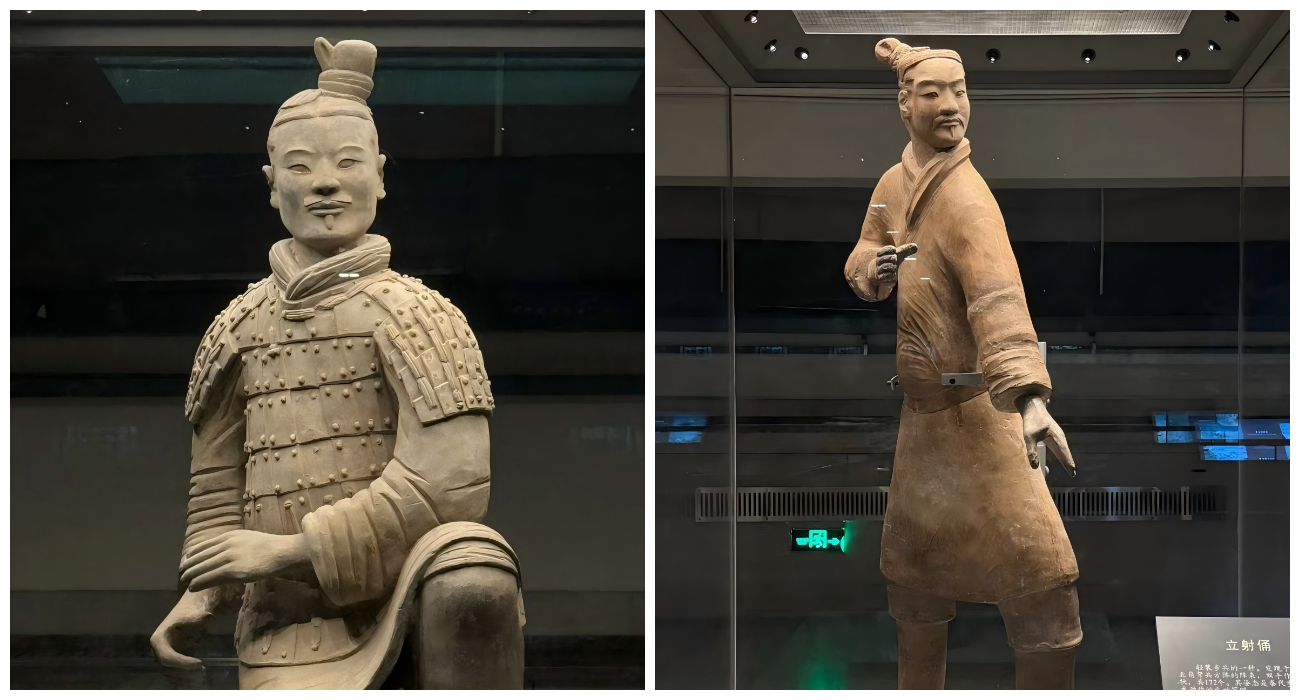
The layout of Pit 2 is divided into four independent units, each corresponding to one arm, yet they echo each other to form a complete combat system. The first unit is the "crossbow formation," which houses 172 crossbowman figurines, divided into two types: "standing archers" and "kneeling archers." The standing archers stand with their feet apart, bodies slightly leaning forward, and hands pulling bows, with relaxed postures suitable for long-range shooting. The kneeling archers kneel on one knee, with the other leg bent to support the body, maintaining a stable center of gravity for precise aiming. The two types of crossbowmen are arranged alternately, forming a tactic of "echoing front and rear, shooting in turns," which can maximize the lethality of the crossbows. It is worth noting that the range of Qin Dynasty crossbows could reach over 200 meters, which was comparable to a "long-range weapon" in the cold weapon era.
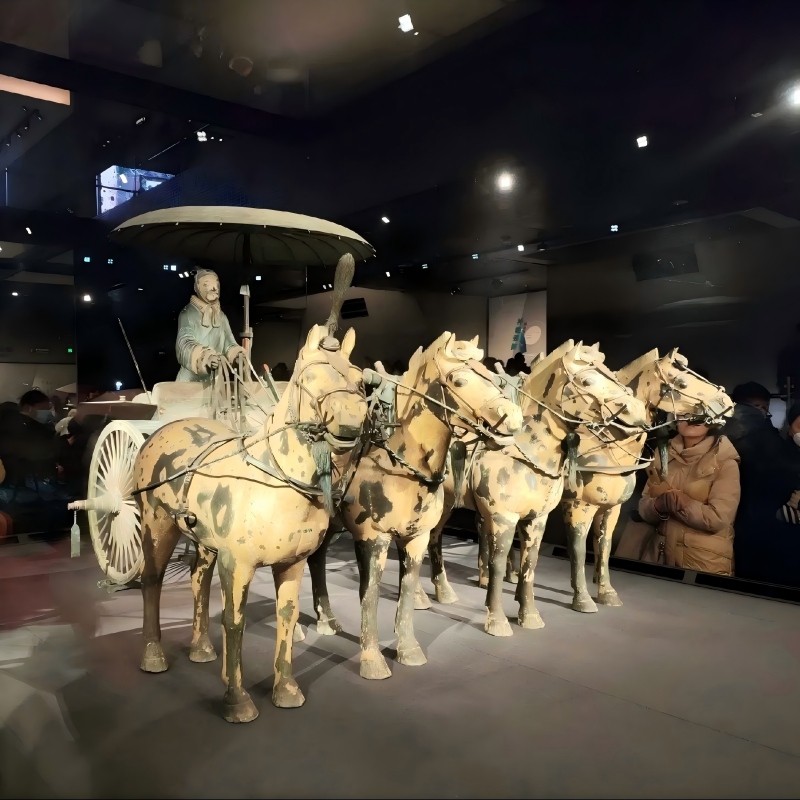
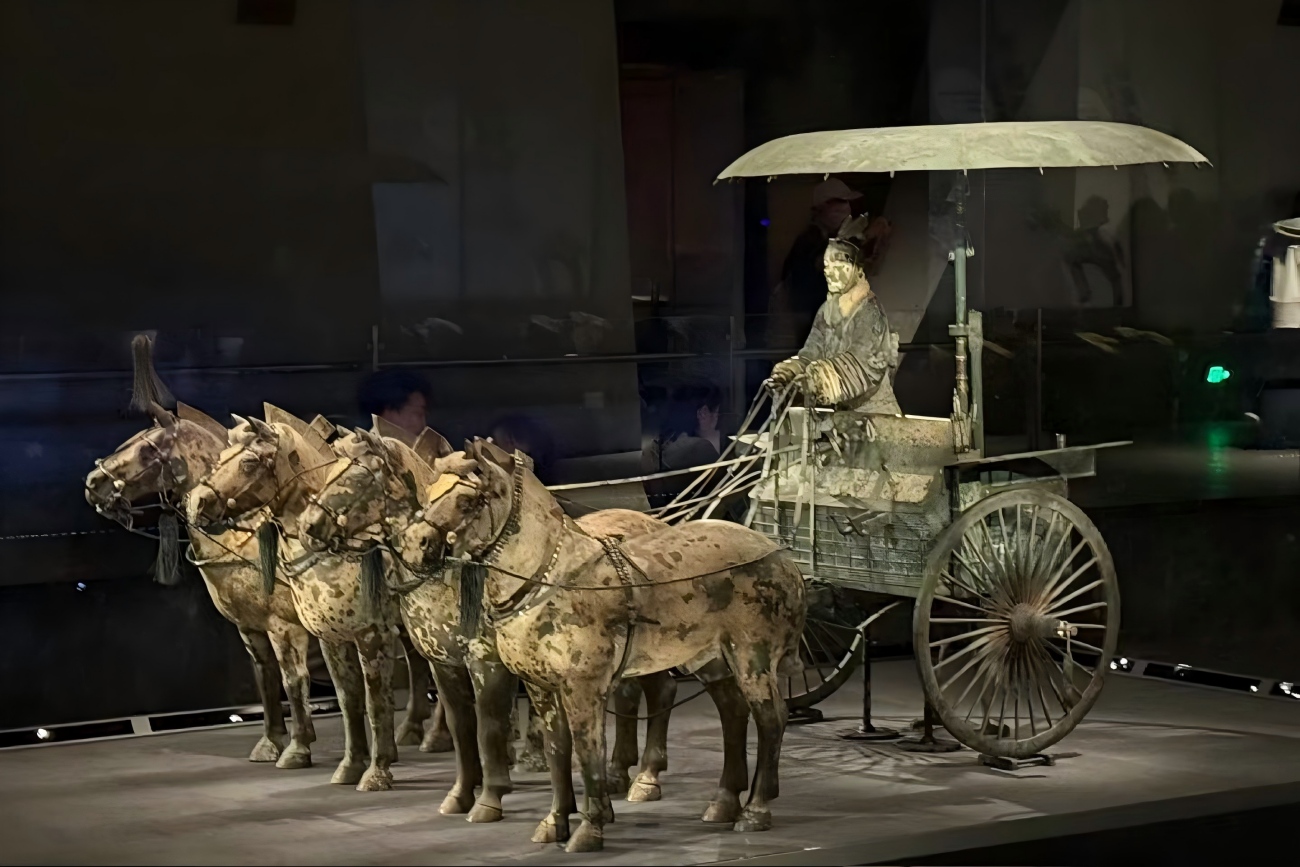
The second unit is the "chariot formation," with a total of 64 chariots. Each chariot is pulled by 4 terracotta horses and equipped with 3 warrior figurines: the driver in the middle is responsible for driving the chariot; the soldiers on both sides hold long weapons for close combat. Chariots were the "command center" and "assault weapon" in the Qin army, with high speed and strong impact, often serving as the core force of the formation.
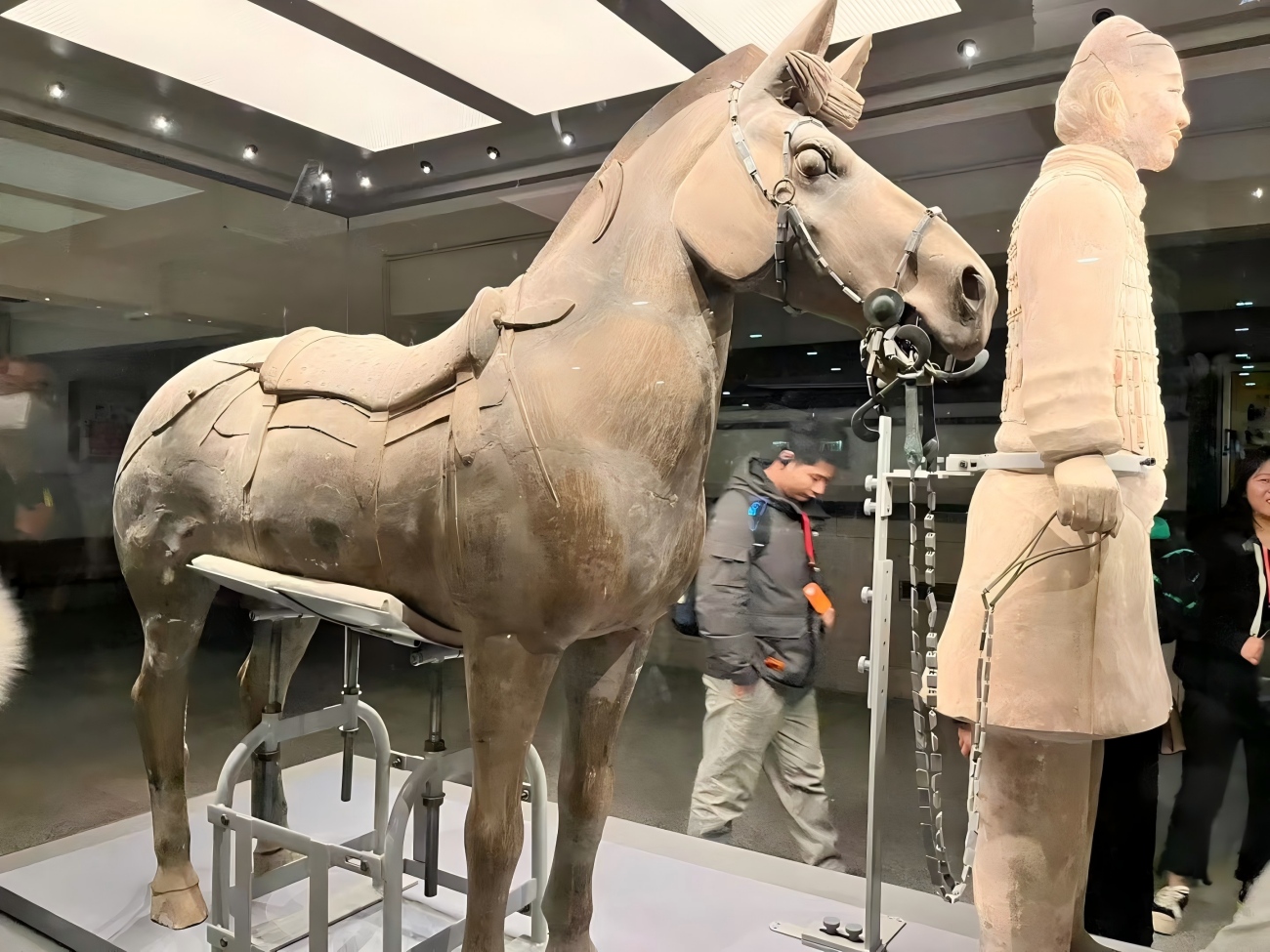
The third unit is the "cavalry formation," the most eye-catching part of Pit 2. The cavalry unit composed of 116 cavalry figurines and 116 terracotta horses demonstrates the strong strength of the Qin Dynasty's cavalry. The cavalry figurines are robust, wearing leather caps, short armor, and boots. They hold reins in one hand and short swords in the other, with light and agile postures, as if ready to gallop at any time. The shaping of the terracotta horses is even more lifelike: their ears stand upright as if listening for movement; their eyes are wide open, showing vigilance; their muscle lines are full, and their limbs are strong and powerful. Even the manes on the horses are neatly combed, and their tails are tied and raised upward to avoid tangling the reins while running—these details all reflect the craftsmen's careful observation of horses.
The fourth unit is the "infantry formation." Unlike the main infantry in Pit 1, the infantry here are mostly "light infantry," wearing lightweight armor and holding short weapons. They are highly mobile and often fight in coordination with cavalry and chariots. The four arms cooperate with each other: there are crossbowmen for long-range attacks, chariots for charging, cavalry for rapid raids, and infantry for flexible combat, perfectly demonstrating the advanced tactics of "joint operations of multiple arms" in the Qin Dynasty. Currently, Pit 2 is still partially under excavation, and archaeologists are continuing their exploration—there may be more surprises waiting for us in the future.
IV. Pit 3: The Mysterious and Special "Army Command Center"
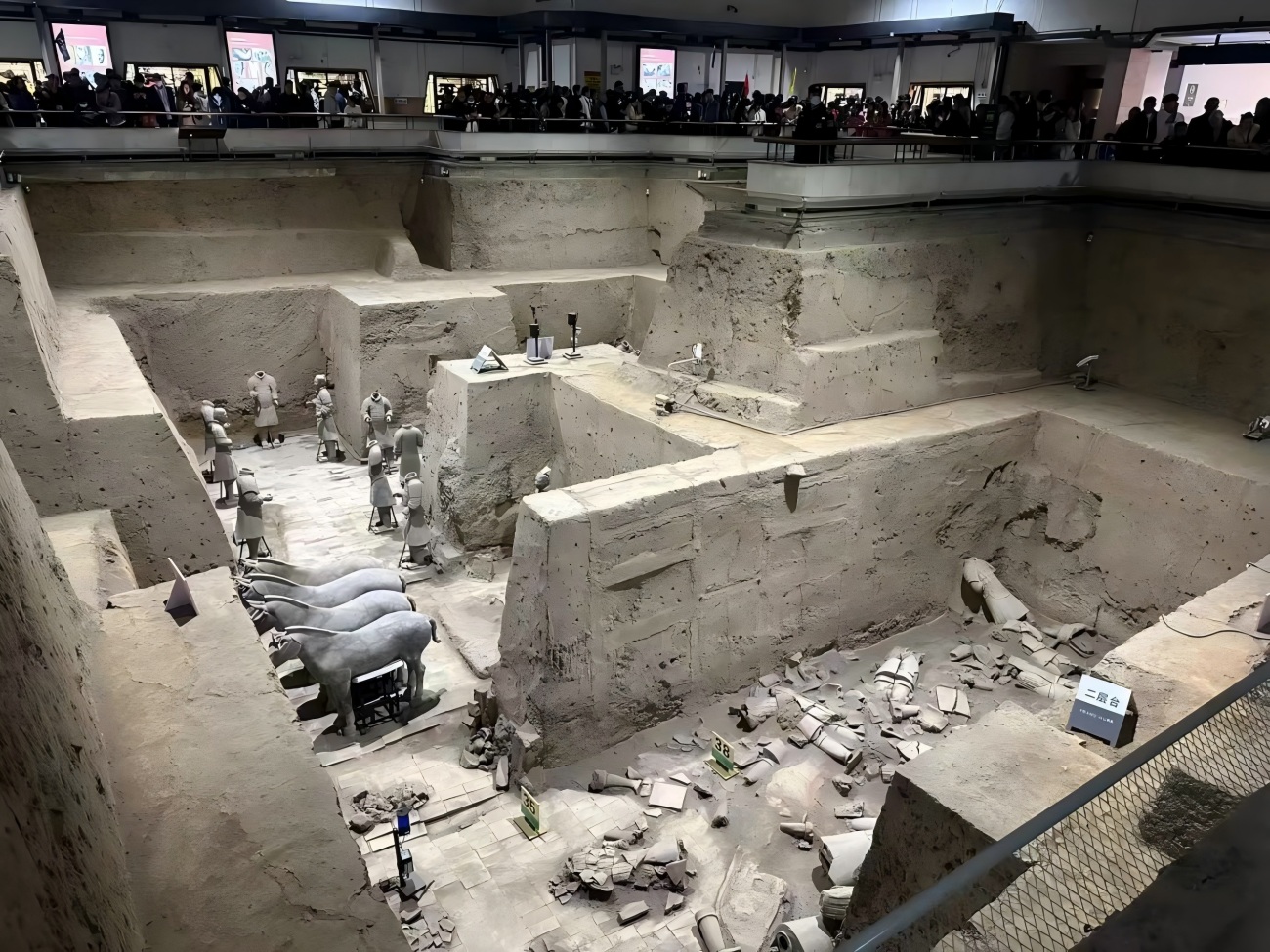
Different from the "combat troops" in Pit 1 and Pit 2, Pit 3 is the "command center" of the entire Terracotta Army formation, also known as the "military tent" or "headquarters" in ancient armies. It has the smallest area, only about 520 square meters, but plays a crucial role as the "key" to understanding the Terracotta Army's formation system.
Entering Pit 3, you will find that its layout is completely different from the previous two pits. A total of 68 terracotta warriors and 4 terracotta horses have been unearthed here. Instead of a large-scale combat force, there are a large number of warrior figurines holding "bronze shu" (a ceremonial weapon without a blade, mainly used for rituals and guards). They are arranged in a circular formation around the "command platform" in the center of the pit. The platform is rectangular, covering an area of about 20 square meters, with flat blue bricks paved on the ground, and corridors and door leaves around it. Experts speculate that this was the place where generals discussed and issued orders.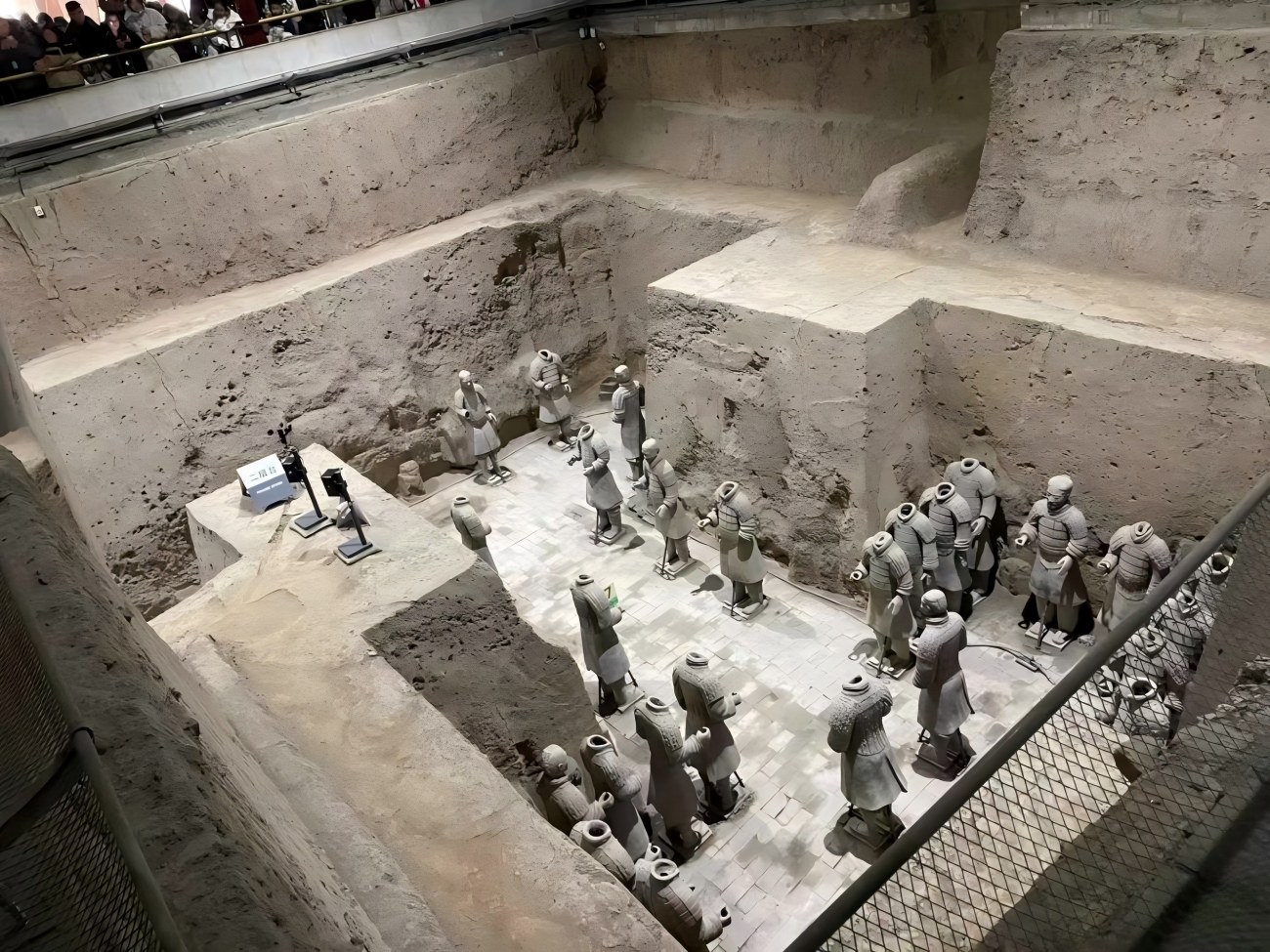
In terms of location, Pit 3 is located north of the rear of Pit 1 and Pit 2, in the "central position" of the entire formation. It can command the main infantry in Pit 1 and the special forces in Pit 2 to the front, and connect to the direction of Qin Shi Huang's Mausoleum to the rear, facilitating the transmission of orders and protecting the safety of command personnel. Traces of chariot and horse remains, weapon depots, and meeting spaces have also been found in the pit: the chariot and horse remains are located on the west side of the pit, where a chariot and 4 terracotta horses were unearthed. This chariot is more luxurious than those in Pit 2 and may have been the "command chariot"; a large number of bronze weapons were unearthed in the weapon depot. Although there are no signs of actual combat, they are neatly arranged, symbolizing the "military power" of the headquarters; the meeting space retains traces of terracotta figurines sitting and lying, as if it were a scene where generals discussed tactics.
More interestingly, most of the terracotta figurines in Pit 3 are not wearing heavy armor and have more relaxed postures: some stand sideways as if talking to companions; some cross their hands on their chests as if thinking about countermeasures; others bow their heads slightly as if listening to orders. This "non-combat" posture forms a sharp contrast with the "ready-for-battle" warriors in Pit 1 and Pit 2, further confirming its functional positioning as the "command center." However, there are still many unsolved mysteries about Pit 3—for example, why has no "supreme commander" terracotta figurine been found in the pit? Are there any unearthed areas? These mysteries await future archaeological research to uncover.
V. Treasure of Civilization: The Cultural Value and Global Significance of the Terracotta Army
At this point in the visit, you may be thinking: why is the Terracotta Army hailed as the "Eighth Wonder of the World"? Beyond being an "underground army," what cultural value does it carry? In fact, the Terracotta Army is not only a masterpiece of ancient Chinese science, technology, and art but also a common cultural heritage of all humanity, with its value reflected in multiple dimensions.
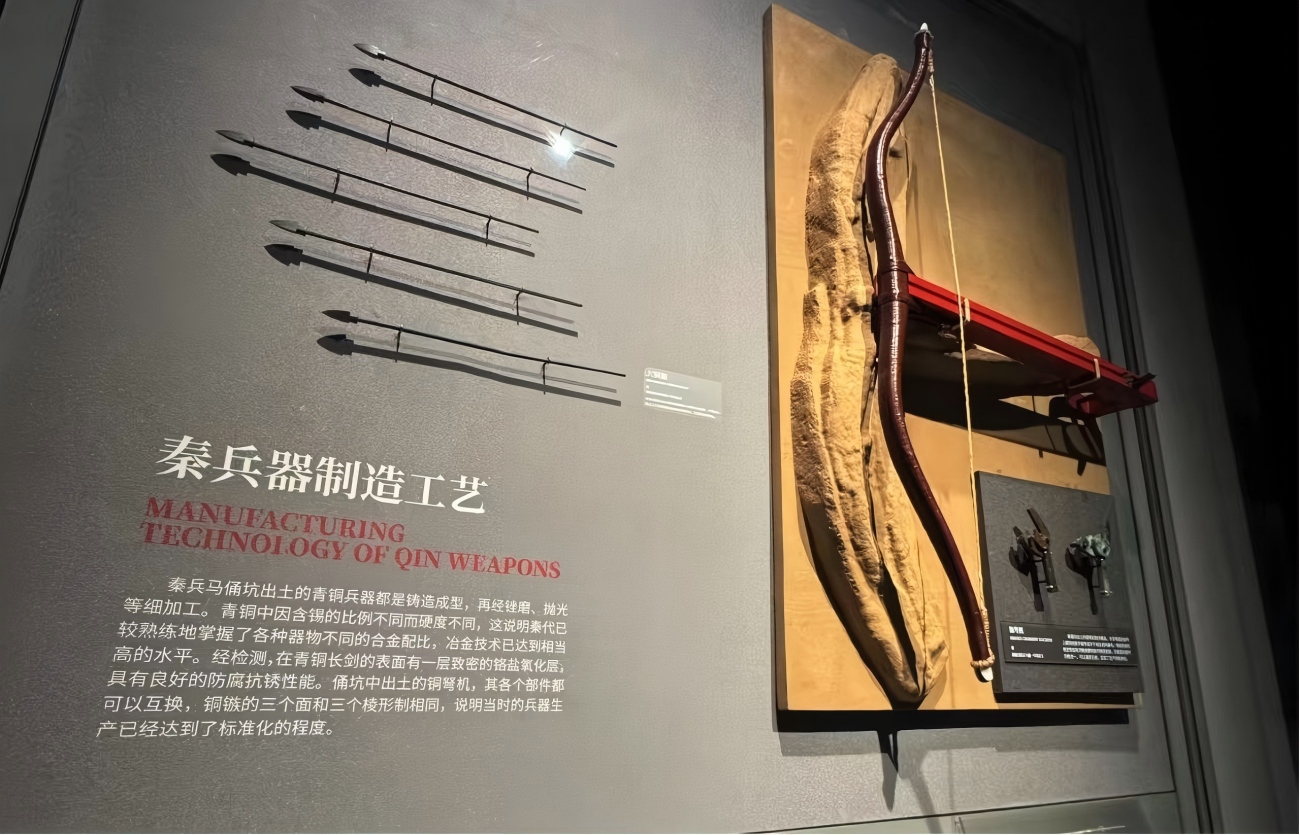
In terms of historical value, the Terracotta Army is a "living fossil" for studying the military system of the Qin army. It completely showcases the organization, arms, tactics, and weapons and equipment of the Qin army, allowing us to intuitively understand the combat mode of the Chinese army over 2,000 years ago. For example, the "phased attack formation" in Pit 1 and the "joint operation formation of multiple arms" in Pit 2 provide valuable physical materials for the study of ancient military history. The bronze weapons unearthed in the pits also witness the superb metallurgical technology of the Qin Dynasty. Take the bronze sword as an example: the sword body is 91 centimeters long, with a 10-15 micron chromate oxide layer on the surface. This "chromate passivation" technology can effectively prevent the bronze sword from rusting, allowing it to remain extremely sharp after being buried underground for over 2,000 years, easily cutting through paper. This technology was not invented and patented in modern Germany and the United States until the 20th century— the wisdom of Qin Dynasty craftsmen is truly astonishing.
In terms of artistic value, the Terracotta Army breaks the artistic limitation of "thousands of people with the same face" and pioneers the "realism" in ancient Chinese sculpture. Each terracotta figurine has a unique facial expression, hairstyle, clothing, and demeanor: some have weathered faces with deep wrinkles, like veterans who have gone through wars; some have youthful faces with clear eyes, like new recruits who have just joined the army; some have majestic expressions, imposing without anger, like generals commanding thousands of troops. This "personalized" artistic shaping not only demonstrates the craftsmen's superb carving skills but also reflects their attention to "people," serving as an early embodiment of ancient Chinese humanistic spirit. Therefore, the Terracotta Army is also known as the "peak of Qin Dynasty sculpture art," exerting a profound influence on the development of Chinese sculpture art in later generations.
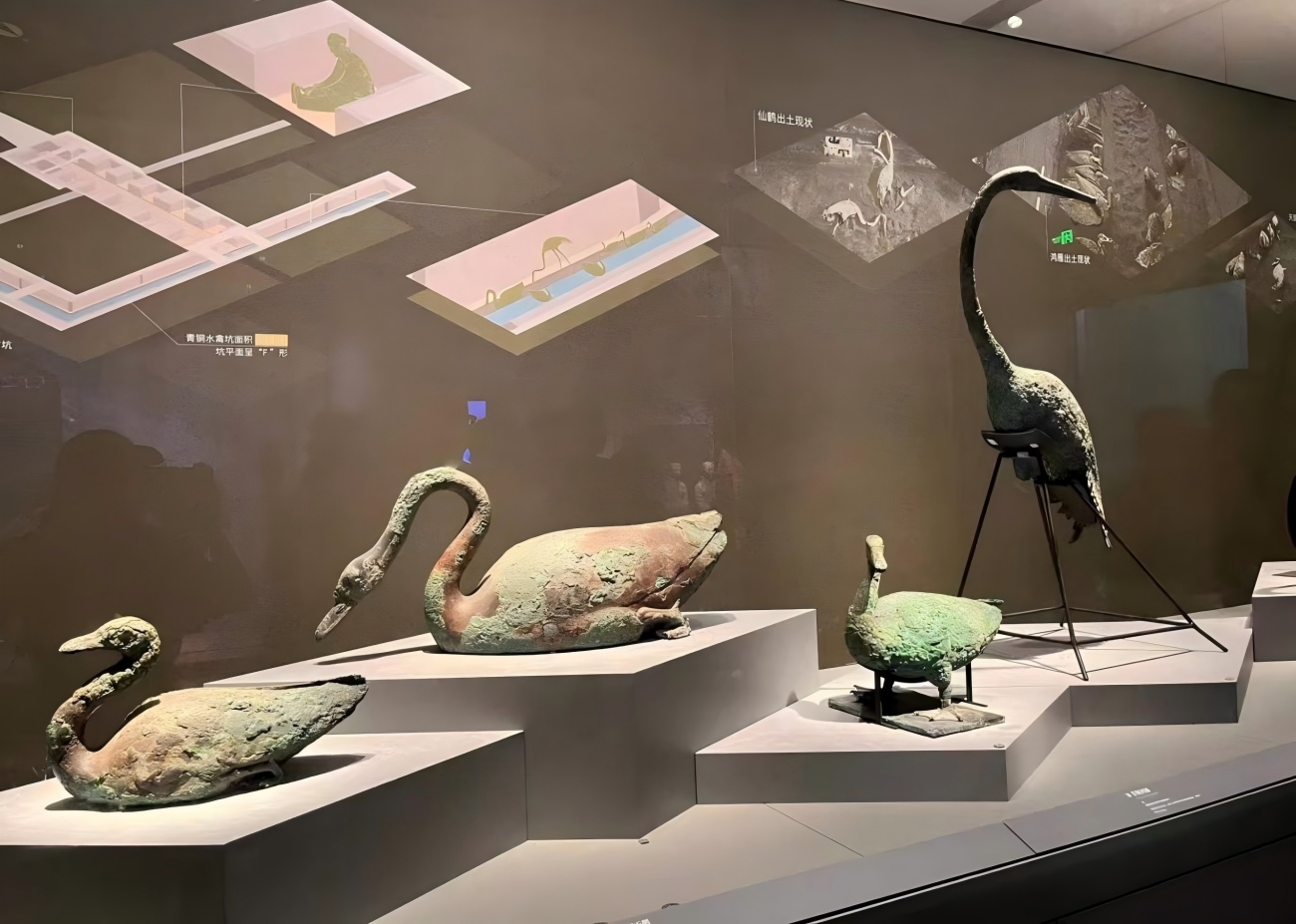
In terms of global significance, the Terracotta Army is an important bridge for cultural exchange between China and foreign countries. Since opening to the outside world in 1979, the Terracotta Army Museum has received hundreds of millions of visitors from all over the world, including many heads of state and government. It allows overseas friends to intuitively feel the glory of ancient Chinese civilization, understanding that China has not only the "Great Wall" but also such a shocking "underground army." At the same time, the archaeological research on the Terracotta Army has attracted the attention of scholars worldwide. Through cooperation, Chinese and foreign experts have achieved many results in the production craftsmanship of terracotta figurines, paint protection, and historical background research, promoting the development of global archaeology and historiography. Today, the Terracotta Army has become China's "cultural card," proving to the world that ancient Chinese civilization is not only long-standing but also brilliant, together with the civilizations of all countries in the world, forming a colorful picture of human civilization.
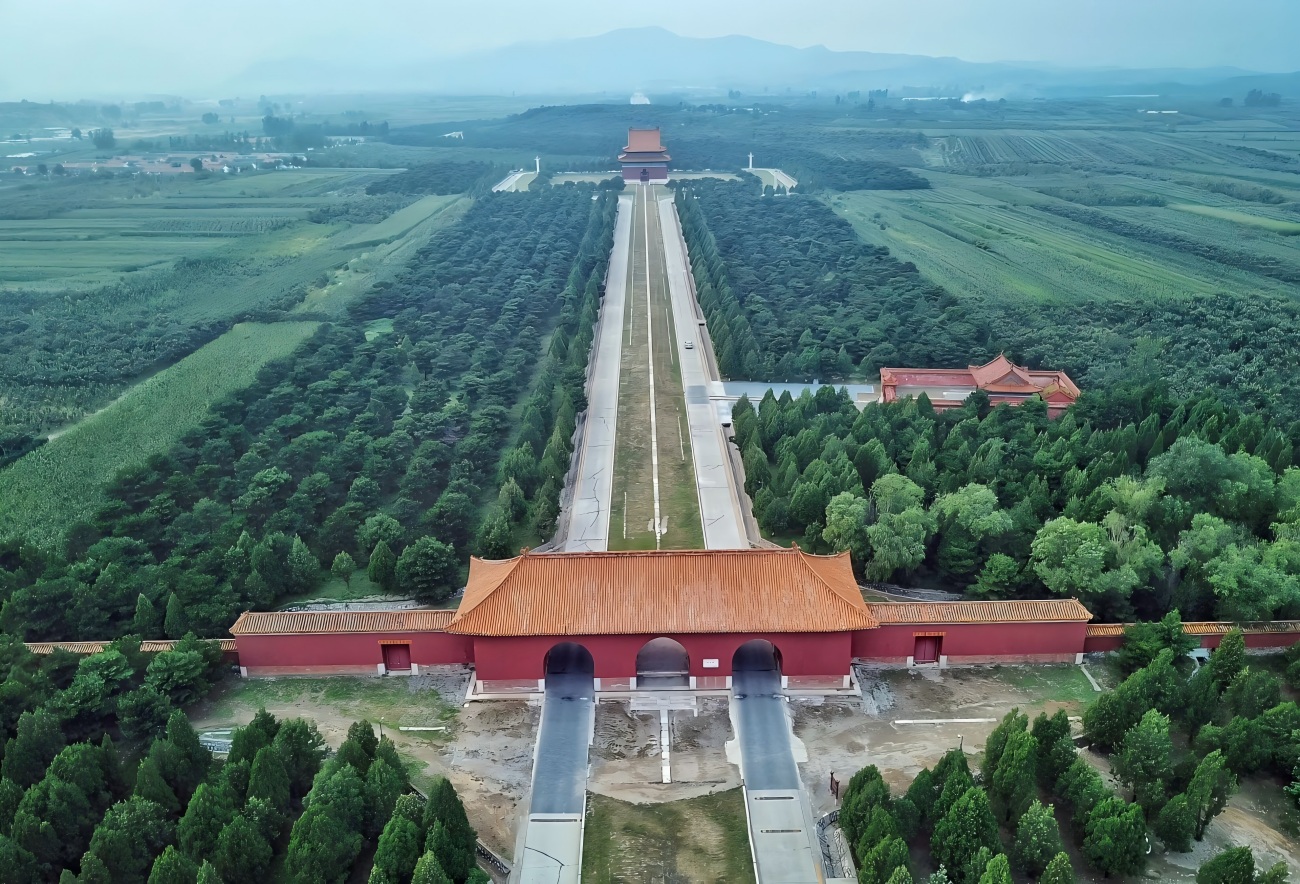
Dear friends, today's tour of the Terracotta Army is drawing to a close. Standing here, looking at this "underground army" that has slept for over 2,000 years, we seem to hear the shouts of the Qin army and feel Qin Shi Huang's ambition to unify the six states. I hope that through today's explanation, you have not only admired the grandeur of the Terracotta Army but also gained a deeper understanding of ancient Chinese history and culture. Xi'an is a city full of historical heritage. In addition to the Terracotta Army, there are many other attractions worth visiting, such as the Giant Wild Goose Pagoda, the Ancient City Wall, and the Shaanxi History Museum. Next, you can continue to explore the charm of this city and feel the unique charm of traditional Chinese culture. Finally, I wish you a pleasant and rewarding trip in Xi'an, and look forward to you bringing this "Chinese memory" back to your country, letting more people know about the Terracotta Army and China!
Leave your messages