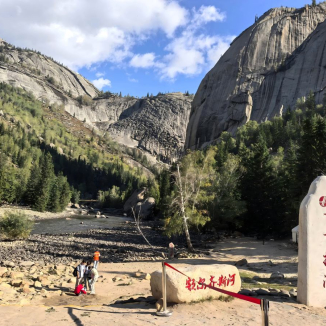
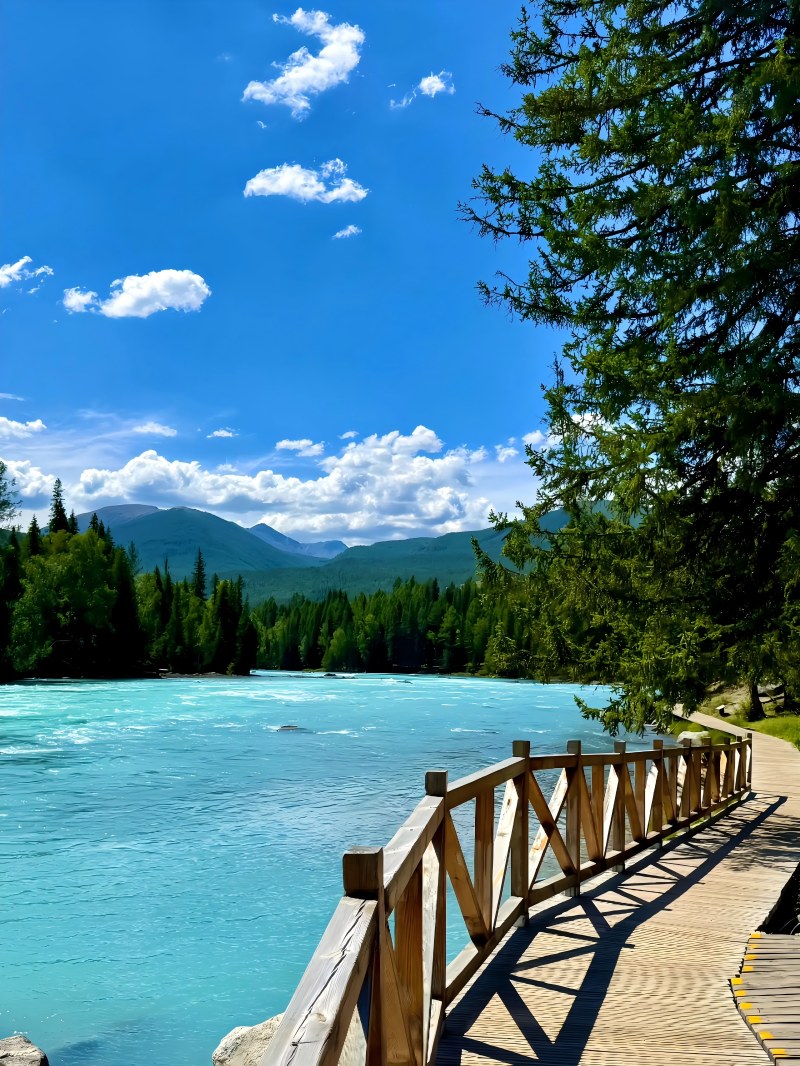
Located in Altay Mountains, Xinjiang, near Kazakhstan, Russia, and Mongolia.
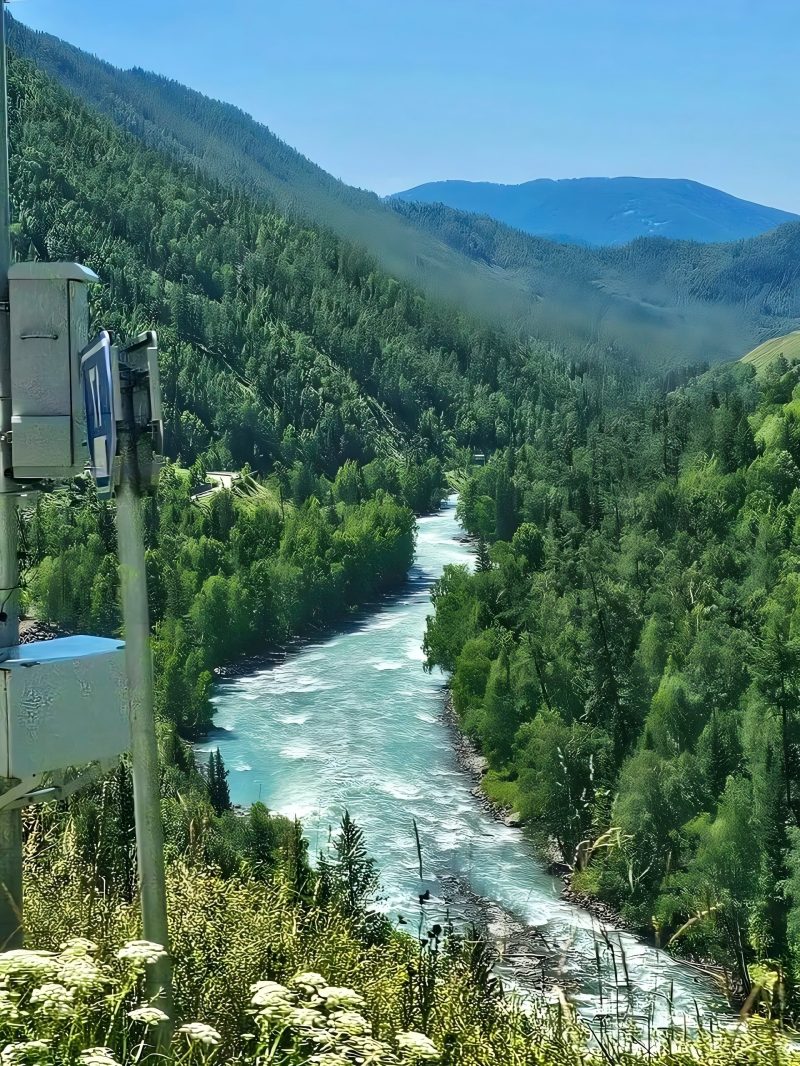
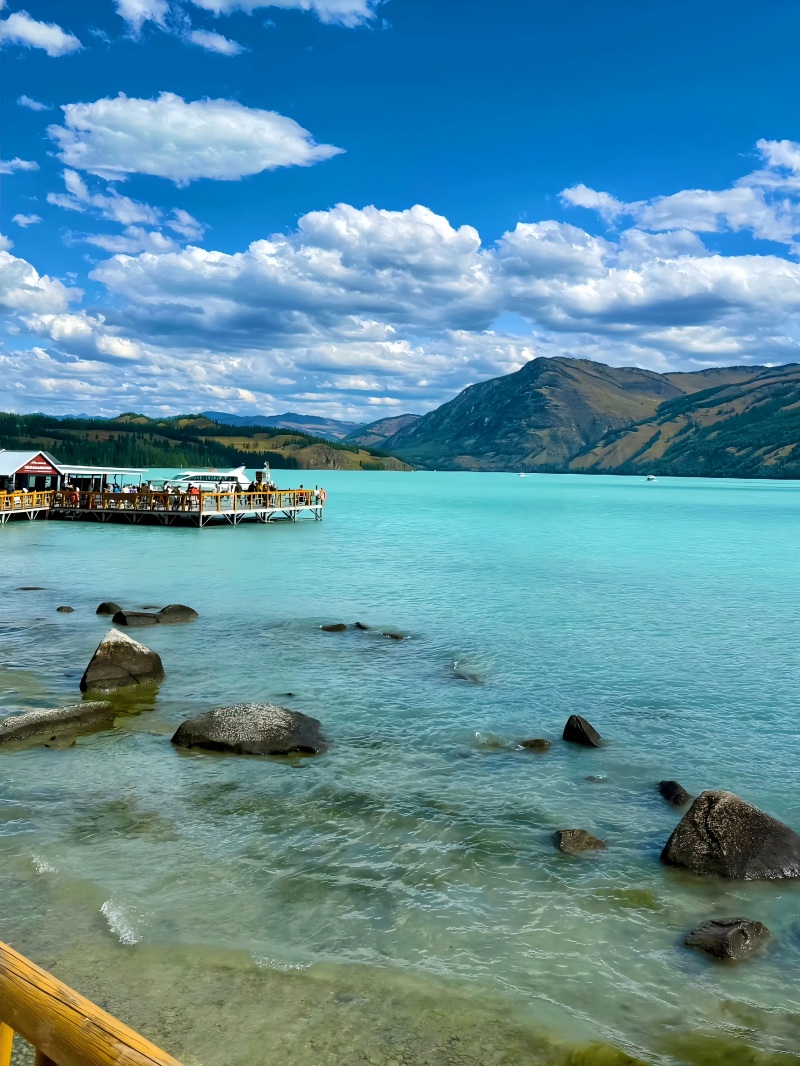
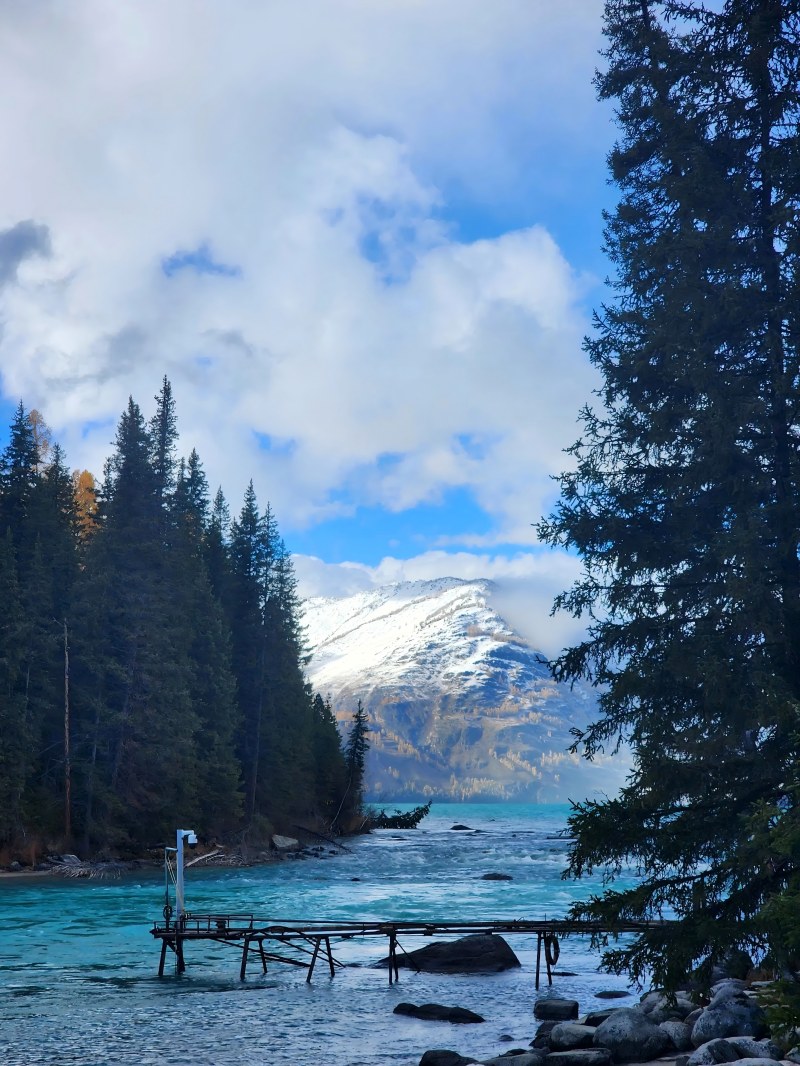
Kanas Lake: deep glacial lake with blue-green water, surrounded by forests and snow mountains.
Key spots: Observation Deck, Boat Tour, Three Bays (Wolong, Moon, Fairy).
Villages: Hemu (“Most Beautiful Mountain Village”), Baihaba (border charm, traditional wooden houses).
Culture: Tuva people, lake monster legend, traditional festivals like the Lamp Festival.
Local food: naan, hand-pulled rice, roast buns, milk tea, lamb soup.
Xinjiang Kanas Lake China
Catering Standard: Savor Local Delicacies.
Accommodation Standard: 4-5 Star Local Hotels.
Attraction Selection: Flexible Combinations & Professional Itinerary Design.
Transportation Standard: Multiple Vehicle Options Tailored to Your Needs.
Entertainment Activities: Immersive Local Cultural Experiences with Guide Escort.
Need more route ideas? Just reach out to customer service directly!
Product Details
I. Welcome Address and Core Positioning of the Scenic Area
Hello, fellow travelers from around the world! It is our great honor to accompany you into the “paradise on earth” of northern Xinjiang, China—the Kanas Scenic Area. For those visiting Northwest China for the first time, let us briefly introduce its location: Kanas is situated in Burqin County, Altay Prefecture, Xinjiang, nestled on the southern slopes of the central Altai Mountains. Bordering Kazakhstan, Russia, and Mongolia. It stands as China's sole nature reserve bordering three nations and one of Asia's rare “Nordic-style” natural landscapes. Its combination of alpine lakes, forest-grasslands, and snow-capped mountains rivals the beauty of Switzerland's Lake Geneva and the Alps. Here, you'll experience mountain-grassland scenery distinctly different from China's eastern regions.
“Kanas” originates from the Mongolian language, meaning “lake in the gorge.” This region is renowned not only for its breathtaking natural beauty but also for its millennia-old cultural and historical legacy. Next, we will unlock the unique charm of Kanas through four dimensions: its scenery, legends, culture, and cuisine.
II. Immersive Experience of Natural Landscapes: Core Scenic Areas and Iconic Landmarks
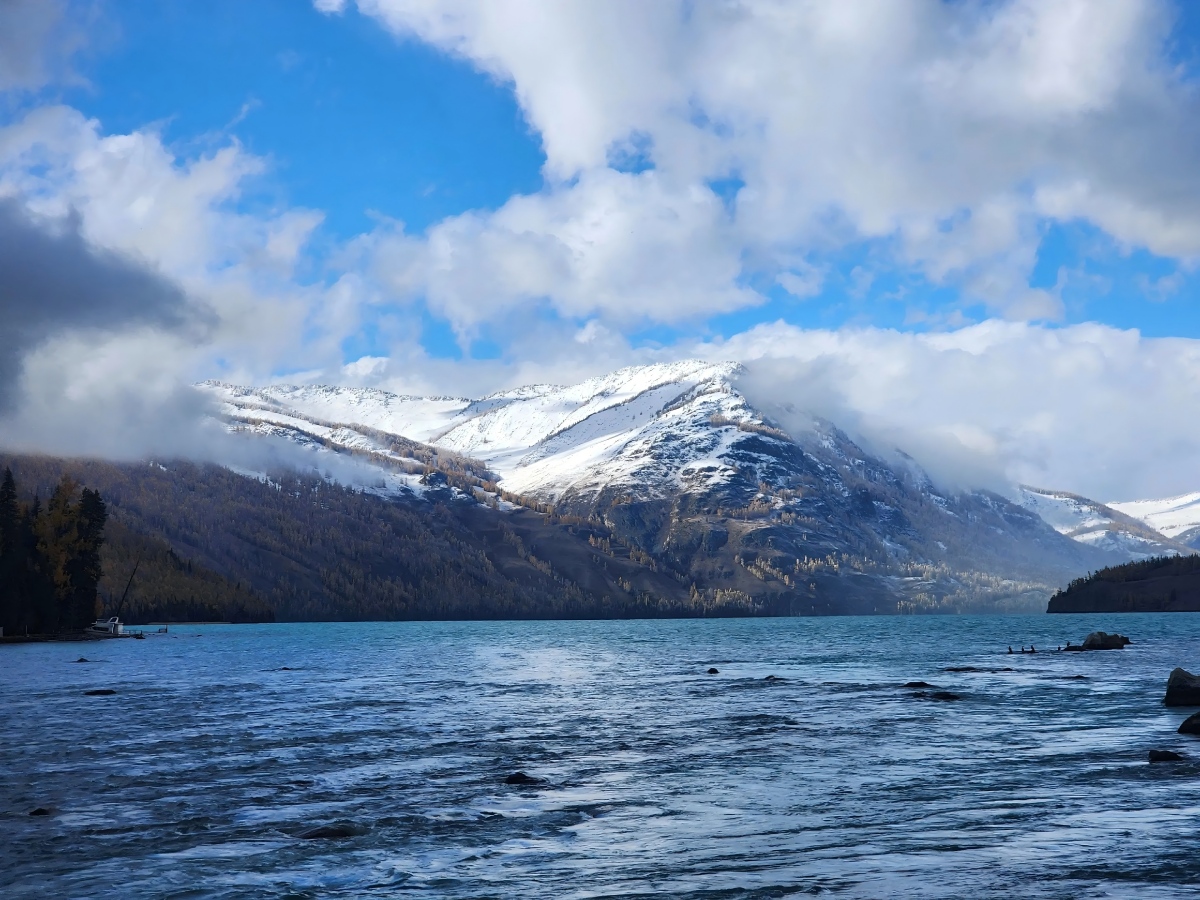
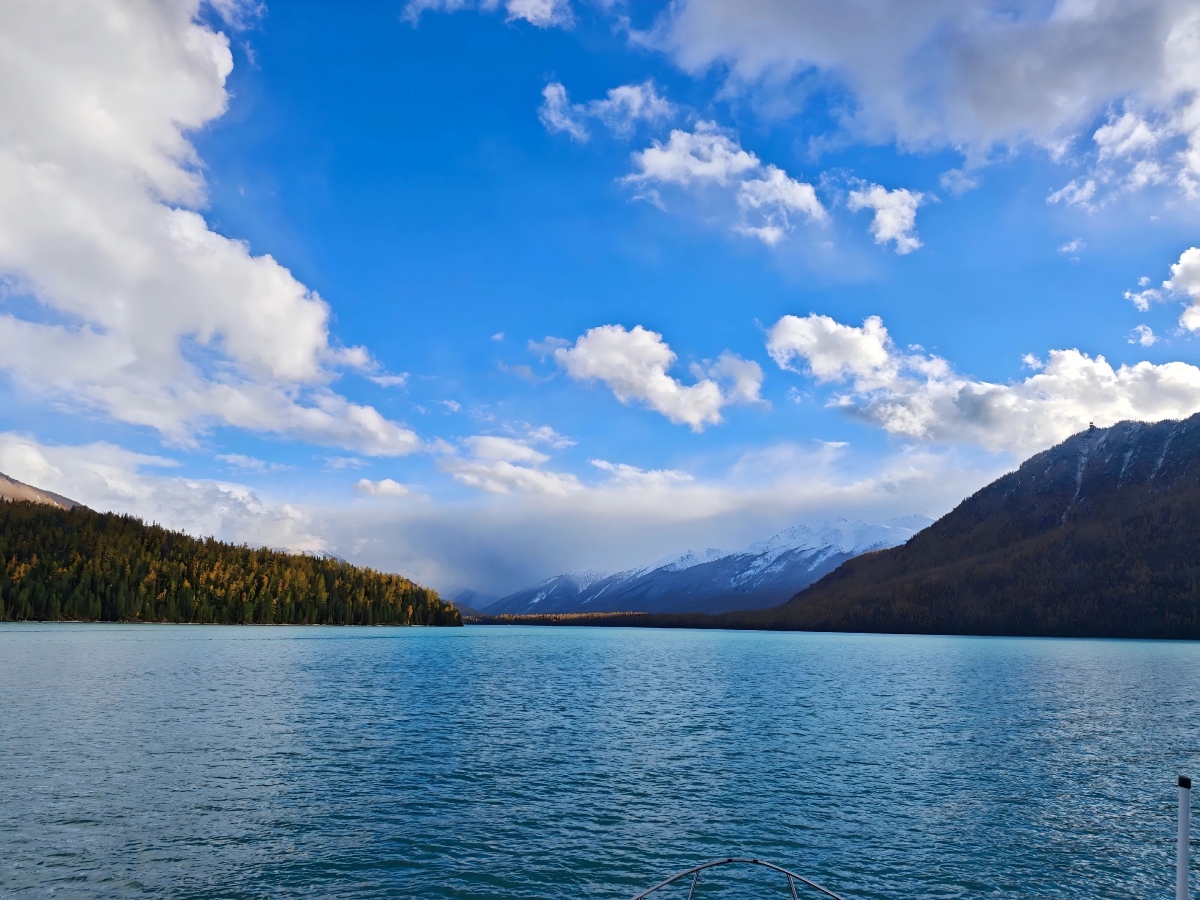
Kanas' natural landscapes are the “masterpiece” of Quaternary glacial movements 200,000 years ago— — Core Kanas Lake stands as China's deepest glacial dammed lake (formed when glacier-transported rocks blocked a river channel, similar to many lakes in the European Alps). At an elevation of 1,374 meters, it reaches a maximum depth of 188 meters and spans approximately 45 square kilometers, winding like a blue silk ribbon through the canyon. The scenic area comprises the core lake zone and surrounding peripheral regions. We recommend allocating at least 2-3 days for an immersive experience. The following attractions are not to be missed:
(I) Core Scenic Areas of Kanas Lake
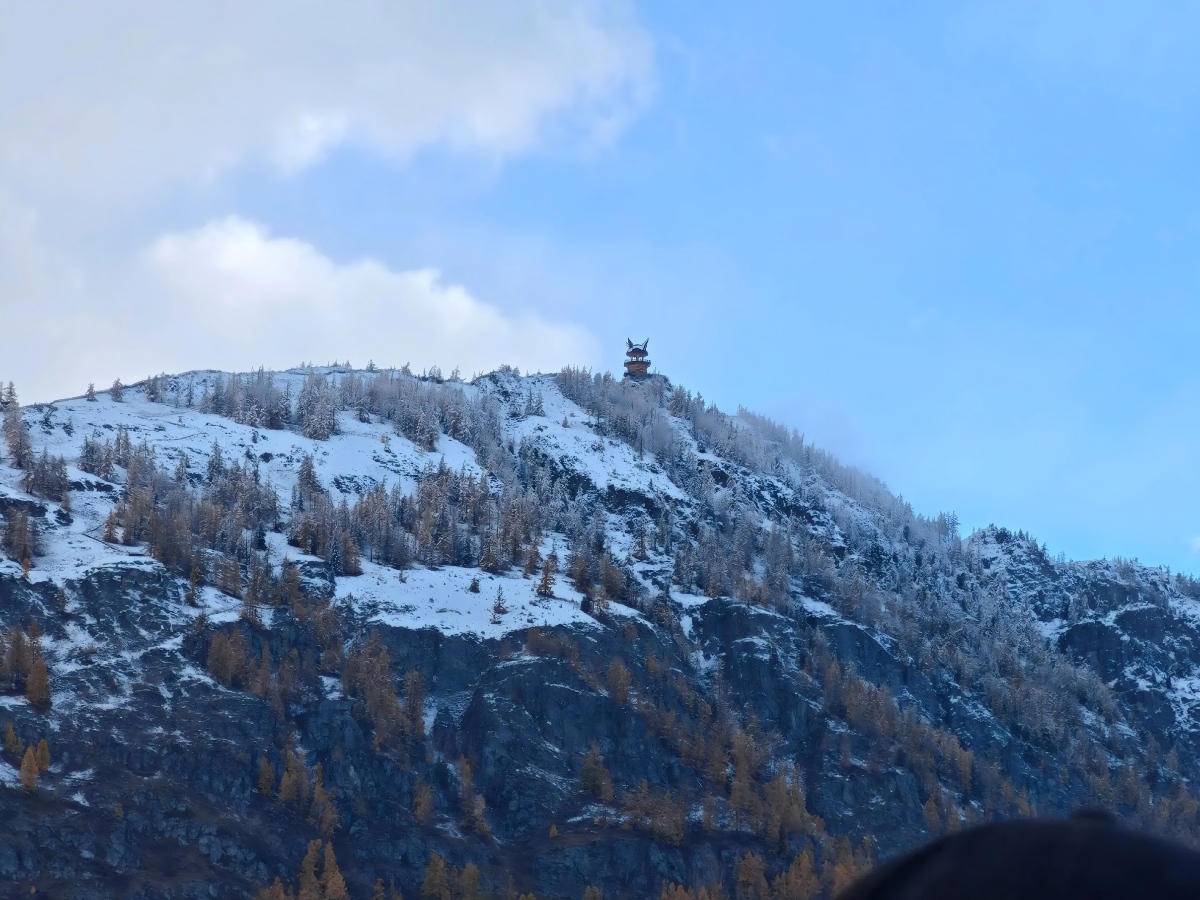
1. Fish Viewing Platform: As the prime vantage point for surveying the entire Kanas Lake, the Fish Viewing Platform sits at an elevation of 2,030 meters. Visitors must climb 1,068 steps to reach it (or opt for horseback riding). Upon reaching the summit, the emerald-green lake appears nestled among the surrounding mountains. Gaze upon the perpetually snow-capped Friendship Peak in the distance—the legendary “lake monster” is said to appear most frequently in this area, drawing many visitors who come specifically to wait and photograph it.
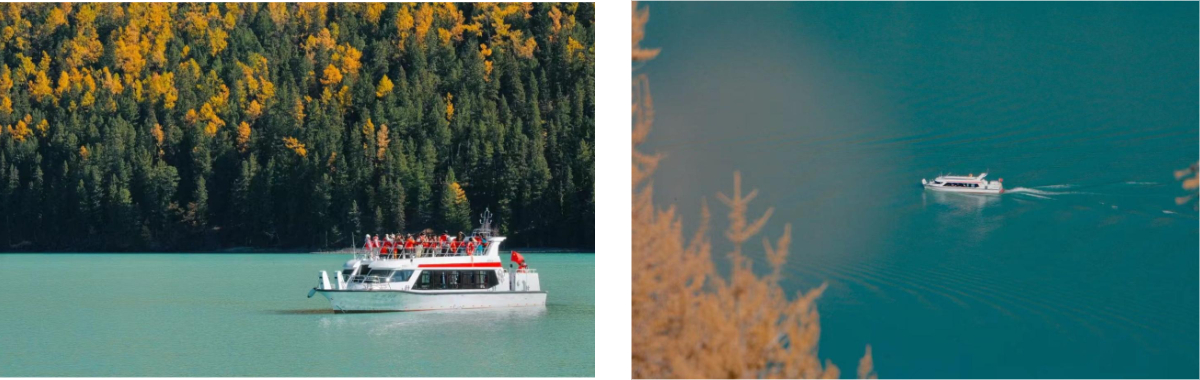
2. Kanas Lake Boat Tour: Glide into the lake's heart to witness its mesmerizing transformation through blue, green, and turquoise hues as light shifts. Snow-capped peaks and primeval forests mirror on the water's surface, creating a living, flowing painting. Along the journey, observe dense forests of spruce and fir lining the shores, occasionally spotting wildlife like red deer emerging from the woods.
3. Three Bays Hike: This approximately 2-hour trail connects three iconic landscapes along the lakeside boardwalk, offering an essential route to experience Kanas's ethereal beauty:
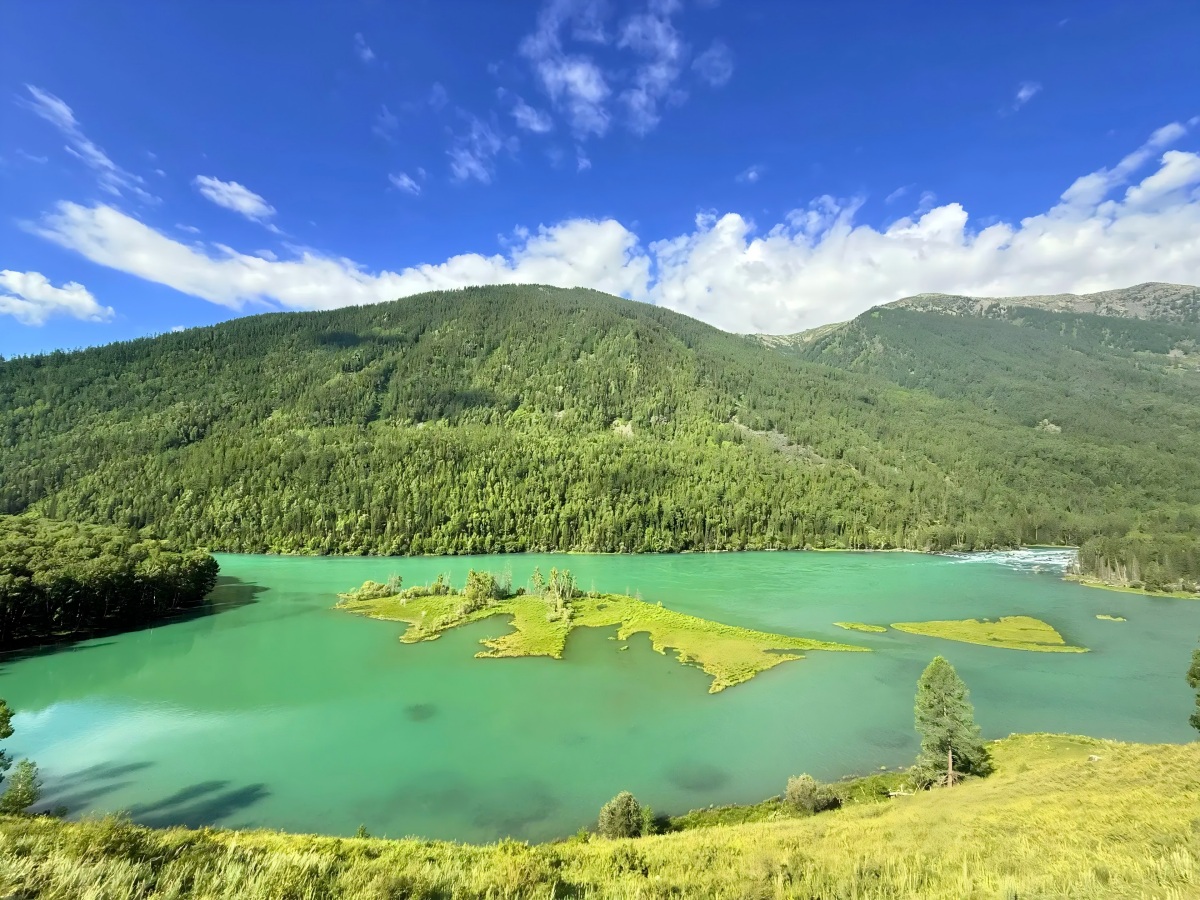
Wolong Bay: In the lower reaches of the Kanas River, an island in the lake's center resembles a raised-head, tail-wagging stegosaurus, resting peacefully in the emerald waters. In autumn, the surrounding birch forests turn golden, contrasting beautifully with the emerald lake and the gray-brown “dragon's body.” Every snapshot captures an oil-painting quality. Wolong Bay's beauty also changes with the seasons, donning new “attire” each time. In spring, the birch trees along the shore sprout tender green leaves, mirroring the lake's emerald hue and filling the view with vitality. In summer, the lake grows clearer with melting snow and ice. Sunlight dances on the surface, creating a shimmering contrast with the island's deep shade, offering cool respite. By autumn, the scenery becomes utterly intoxicating—birch forests turn golden, poplars blaze orange-red, and the island's “dragon body” is enveloped in a tapestry of vibrant foliage. Even in winter's icy embrace, the “Reclining Dragon's” silhouette remains distinctly visible beneath the snow-covered landscape.
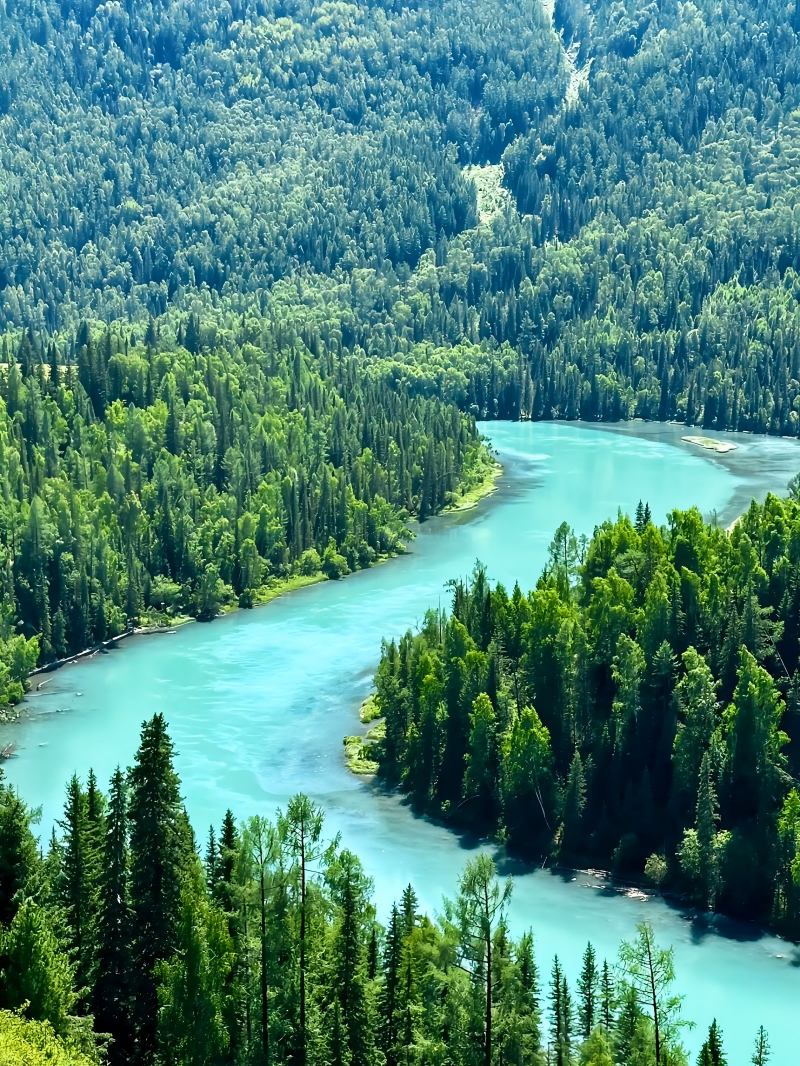
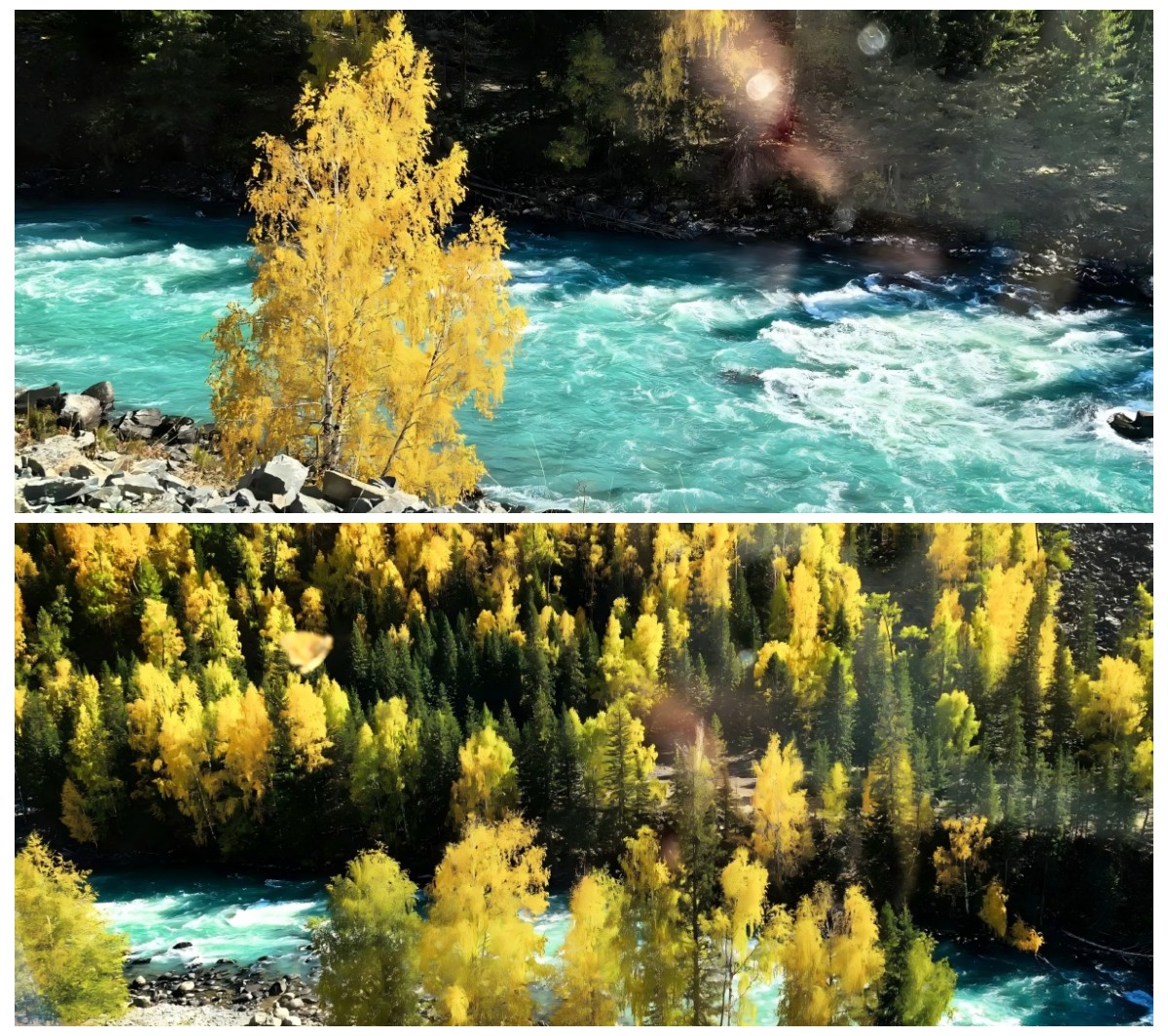
Moon Bay: A 1-kilometer walk from Reclining Dragon Bay leads to this crescent-shaped bay, where the river winds through a 4-kilometer zigzag bend resembling a crescent moon. Two small islands in the river center form the “Immortal's Footprint” wonder. Even when frozen in winter, the S-shaped curve resembles a silk ribbon studded with diamonds, with the blue-toned light at dawn and dusk being particularly breathtaking. Moon Bay's waters also hold a “color-changing magic” — at dawn, the lake surface appears pale blue due to lingering mist, like a layer of sheer gauze; At midday under direct sunlight, the waters transform into a translucent emerald green, like a jade gem; as the sun sets in the evening, the afterglow gilds the lake surface with a golden rim, while the waters take on warm orange-red and golden hues. Every moment brings a different delight. Even in winter, Moon Bay holds its own: when the river freezes, the S-shaped ice surface, framed by snow-covered banks, resembles a silver silk ribbon studded with diamonds. At dawn and dusk, the ice reflects dreamlike blue hues, making every snapshot a winter fairy tale scene.
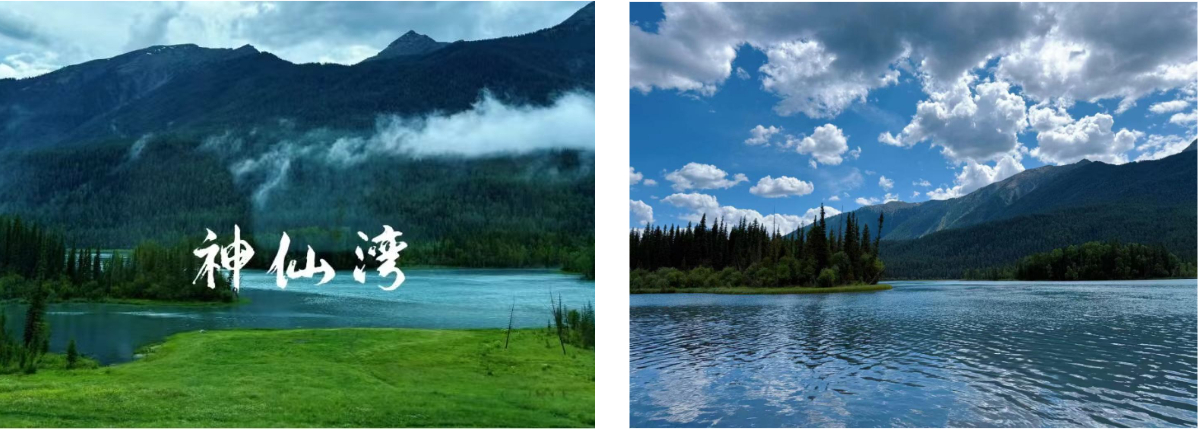
Fairy Bay: Travel 3 kilometers further to a broad river section where currents carve out numerous islands, lush with boreal forests. Morning mists often rise, swirling through the woods and across the water. When sunlight filters through, the surface shimmers like a fairyland. With luck, you might even encounter sika deer foraging through the snow. At the heart of Fairy Bay lie scattered islets, each cloaked in dense boreal forests. The deep green of spruce, the pale green of larch, and the tender yellow of birch intertwine, forming emerald islands embedded in the lake. The river flows gently around these islands, without turbulent waves but only soft ripples. Occasionally, a bird skims the water's surface, leaving concentric circles that accentuate the profound tranquility of this place.
(II) Surrounding Characteristic Villages
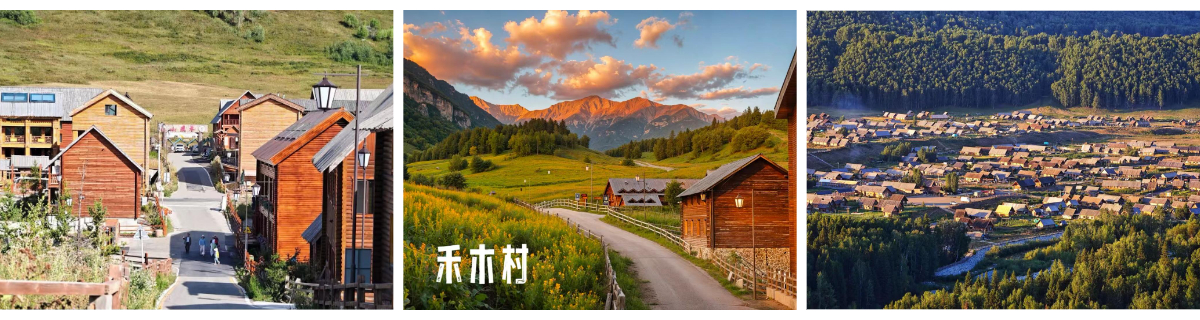
1. Hemu Village: Hailed as “China's Most Beautiful Mountain Village,” it serves as the primary settlement of the Tuvan people. From the Denghaden Viewing Platform, wooden log cabins, wispy cooking smoke, and snow-capped grasslands form a breathtaking panorama. The play of light and shadow at sunrise makes it a paradise for photography enthusiasts. Horseback riding to Meili Peak (approx. 2 hours) traverses birch forests and grasslands, immersing you in authentic nomadic life. Winter transforms Hemu into a fairy-tale realm—snow-capped log cabins resemble cream cakes, while nights below -20°C offer silent vistas of the low-hanging Big Dipper and meteor reflections.
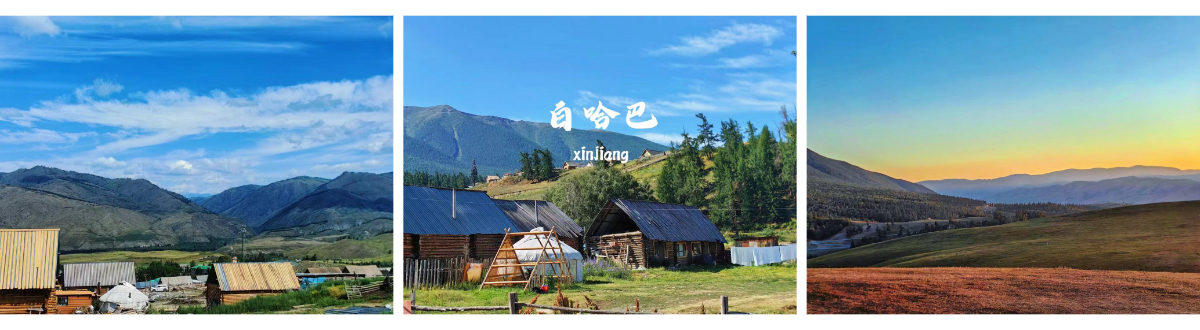
2. Baihabah Village: Dubbed the “First Village of the Northwest,” it borders Kazakhstan and requires advance border permits (obtainable with ID at Burqin or the scenic area). Its log cabins are even more rustic than Hemu's, where cobblestone paths, wooden fences, and grazing herds create a picturesque scene. From the viewing platform, gaze upon the Kazakhstani mountains and immerse yourself in the tranquil atmosphere of this frontier settlement.
III. Listening to the Mysterious Legends of Kanas: Tales of the Lake Monster and the Tuvan People
Beyond its natural beauty, Kanas captivates global travelers with its legendary tales, two of which are most widely known:
1. The Mystery of the “Lake Monster”: Generations of Tuvan people have passed down stories of a “giant aquatic creature” dwelling in the lake— — known as the “Great Red Fish,” measuring up to 10 meters in length, regarded as a guardian spirit of the land. In 1980, a 100-meter net deployed by a scientific expedition was found the next day dragged several kilometers upstream, severely damaged with a massive tear. In 2004, tourists captured footage of several giant black creatures swimming in the lake. Scientists speculate it might be the endemic taimen, a species exceeding 3 meters in length, but no conclusive evidence has been found, deepening the legend's mystery.
2. The Tuvan “Ancestral Origin” Legend: With only about 2,000 members, the Tuvans are a rare ethnic group in China. Legend holds that their ancestors were the vanguard troops who became lost during Genghis Khan's western campaigns in the 13th century. They construct exceptionally insulated “log cabin” dwellings (similar to Nordic log cabins) from larch wood, subsisting on herding and hunting. Skilled at crafting the “syr” instrument from reeds—whose ethereal tones resemble the Scottish bagpipes—they still uphold the tradition of avoiding intermarriage with outsiders. The Lantern Festival (Zoulu Festival) on the 25th day of the 10th lunar month is their most significant celebration, where families gather to share meat dishes and fermented milk wine, perpetuating ancient customs.
IV. Culinary Kanas: Must-Try Delicacies and Food Culture
Kanas cuisine blends nomadic influences from the Tuvan and Kazakh peoples, featuring dairy products, meats, and grains. Ingredients are primarily sourced from local mountains, forests, and grasslands, making them ideal for warming the stomach and heart in cold climates. The following dishes are worth experiencing:
(I) Staples: Energy-Packed Nomadic Flavors
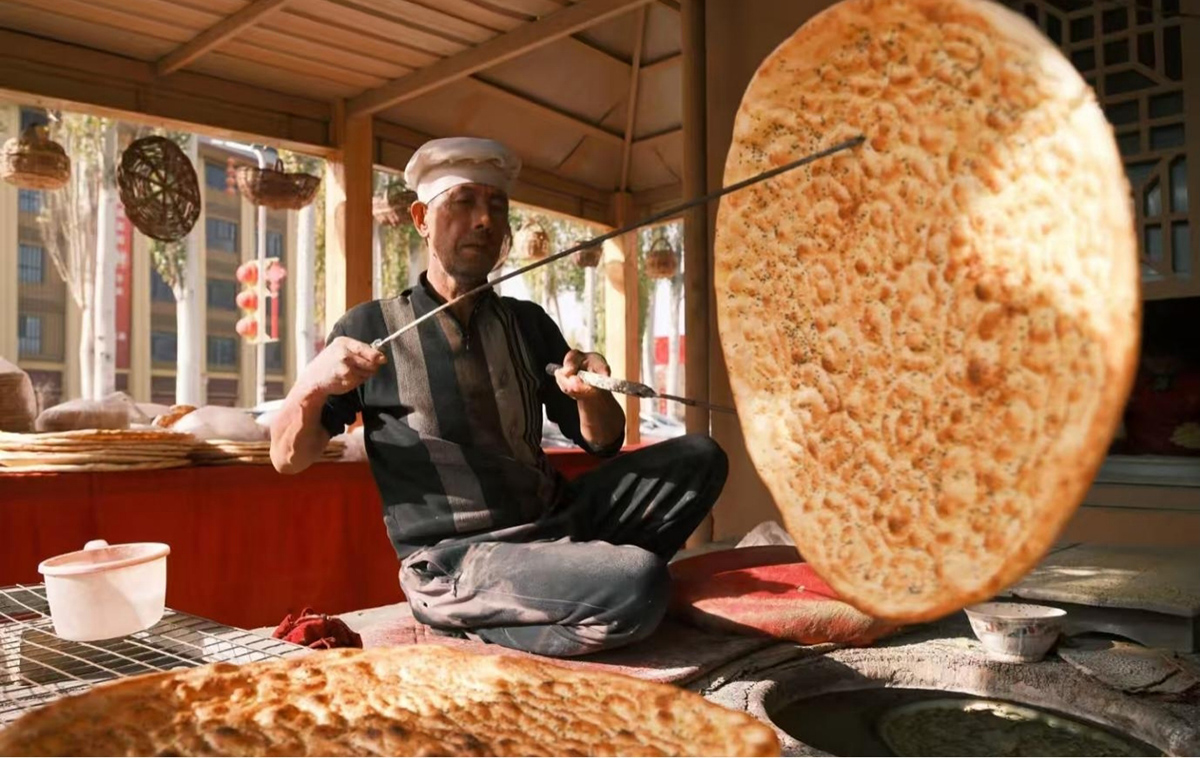
1. Kanas-Style Naan: As a signature Xinjiang dish, the naan here is larger in size. Freshly baked, it boasts a crispy crust and soft interior, carrying the natural aroma of wheat. Due to the unique water quality, its flavor is richer than that of Urumqi naan. Try the specialty versions sprinkled with salt or scallions—paired with milk tea, it makes a classic breakfast.
2. Hand-Pulled Rice: Simmered with local yellow carrots, onions, raisins, and lamb, the rice absorbs all the ingredients' essence, resulting in a rich yet non-greasy texture. Though often eaten with chopsticks today, it still evokes the bold flavors of nomadic cuisine. Mixing it thoroughly ensures every bite blends savory meatiness with fruity notes.

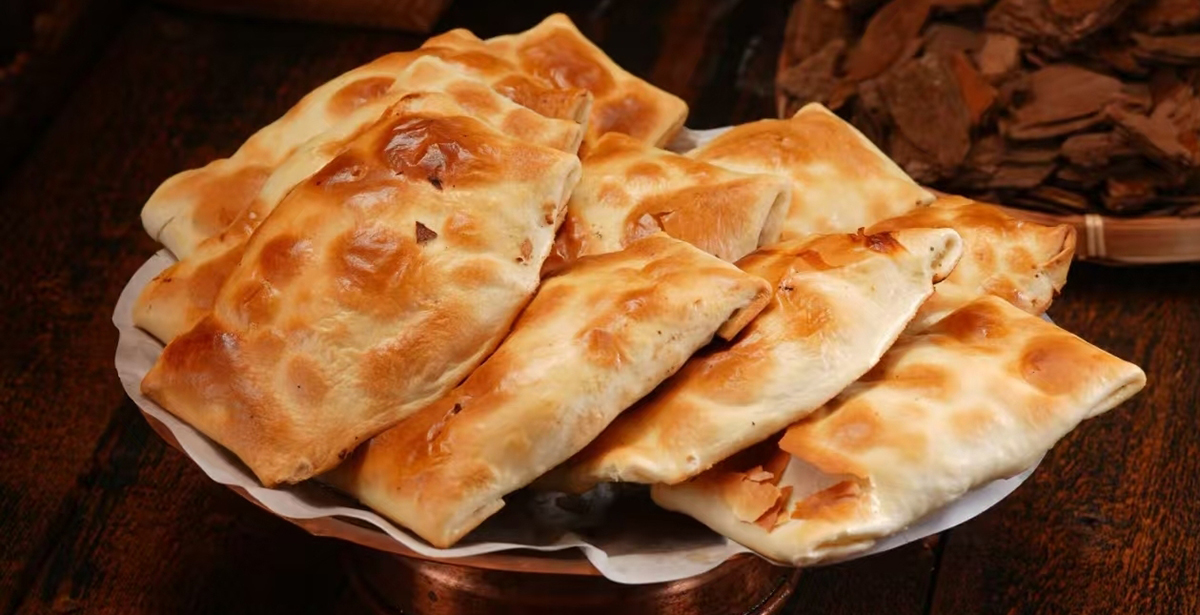
3. Baked Buns: These hearty buns, baked in traditional clay ovens, feature a thick crust enveloping a filling of diced lamb and onions. Fresh out of the oven, they're golden and crispy, bursting with savory juices when bitten into. Best enjoyed hot—they lose their crispiness when cooled. Despite their small size, they're surprisingly filling, making them an excellent snack for travelers on the go.
(II) Hot Beverages and Dishes: Heartwarming Delights Essential in Cold Lands
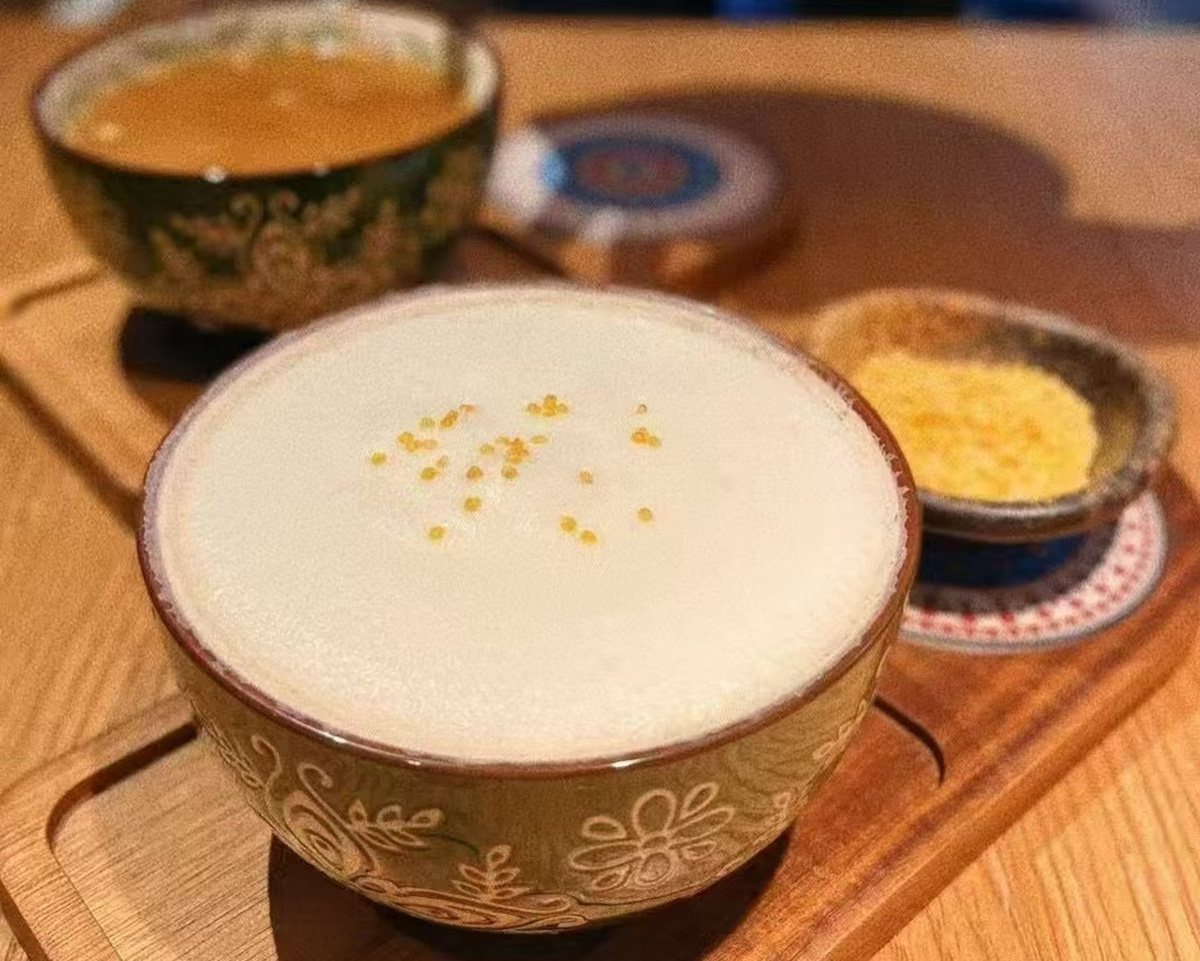
1. Kazakh Milk Tea: Simmered with brick tea, milk (or goat milk), and salt, this savory and rich brew is a daily staple for the Tuvan and Kazakh peoples. On chilly mornings or evenings, sitting in a yurt with a bowl of hot milk tea while watching snow fall outside offers a truly soothing experience. Remember to drink it while hot.
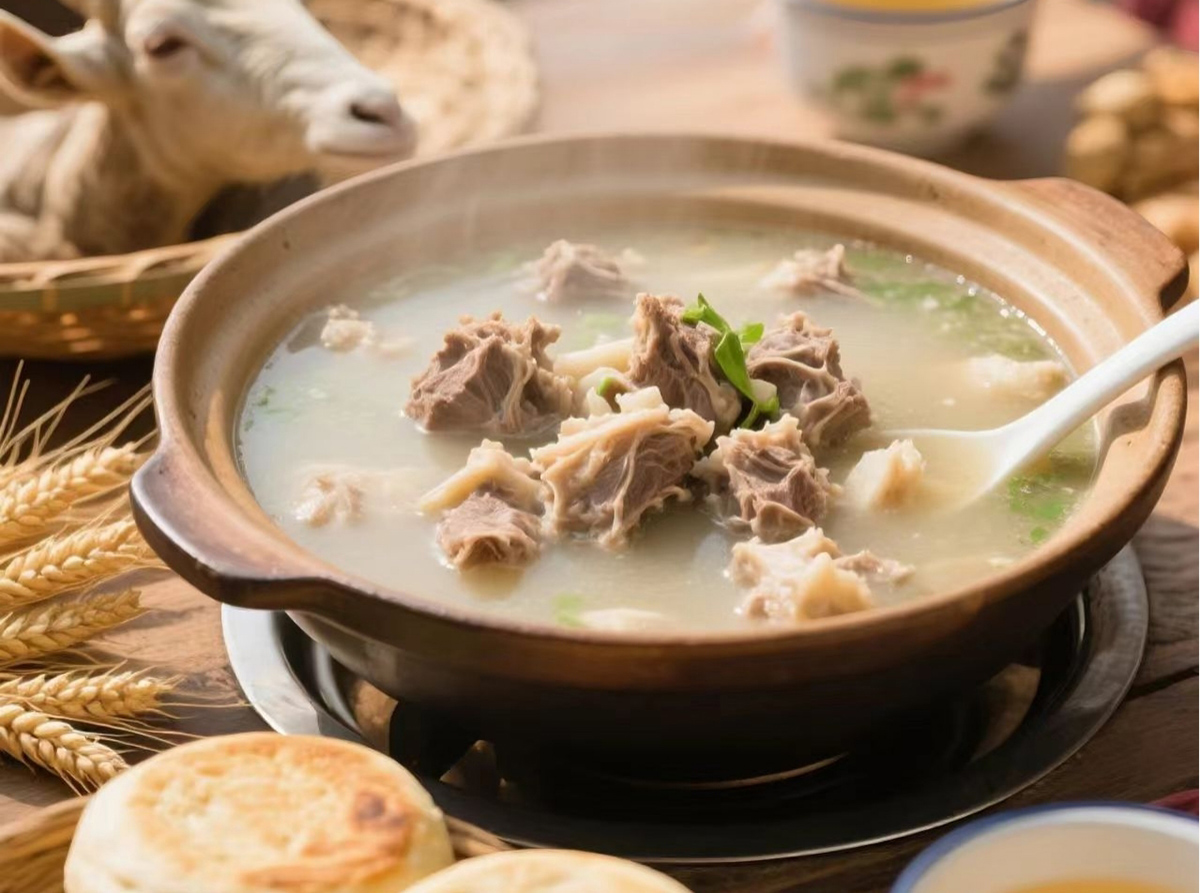
2. Mutton Offal Soup: Simmered with hearty ingredients like mutton liver, intestines, and lungs, along with spices, this soup boasts a rich, mellow broth. One bowl warms you from head to toe while providing nourishment. Paired with naan, it's a local winter staple. However, its robust flavor may be too heavy for sensitive stomachs—those prone to discomfort should enjoy it in moderation.
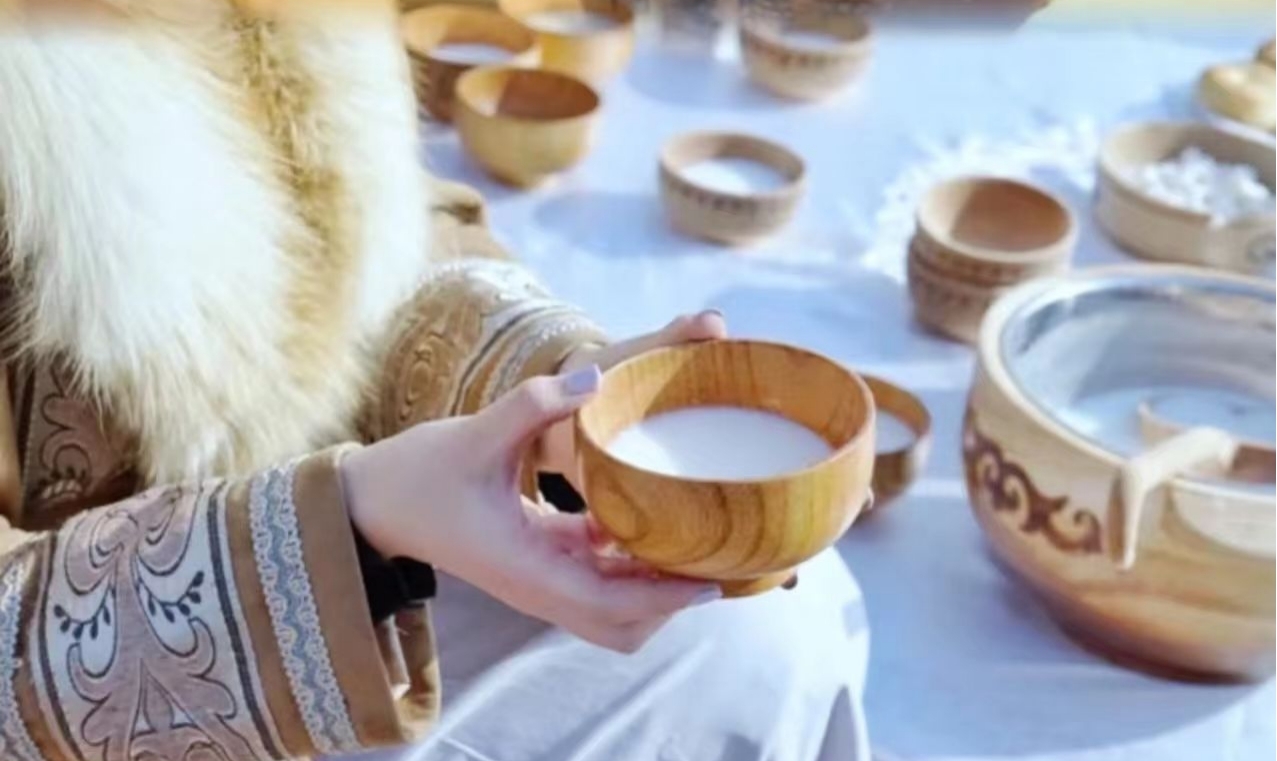
3. Kumis: A precious beverage crafted by Tuvan women, fermenting cow, sheep, or mare's milk with special yeast before distillation. Hailed as “the essence of the forest condensed,” it offers a sweet-tart taste with a hint of alcohol. An essential drink for the Lantern Festival, it packs a punch—enjoy in moderation to avoid getting tipsy.
V. Touching History: The Cultural Depths of the Altai Mountains
The Altai Mountains, home to Kanas, are not only a natural treasure trove but also a “World Cultural Mountain.” Their history and culture trace back over 3,000 years:
1. The Golden Heritage of Altai: Renowned since ancient times as a “land of gold,” around 1000 BC, merchants from the Central Plains dynasties and Persian civilization (modern-day Iran) converged here along the “Golden Road,” forming an early corridor for East-West cultural exchange. Artifacts from ancient gold-panning sites are still displayed in the scenic area museum.
2. Ancestral Mountain of Nomadic Tribes and Epic Heroism: Ancient nomadic peoples like the Scythians, Xiongnu, and Xianbei once grazed their herds here, leaving behind numerous rock paintings and burial sites. This region is also the birthplace of China's three great heroic epics, including the “Jiangge”—a work comparable to the ‘Iliad’ and “Ramayana.” Much of its narrative unfolds against the backdrop of the Altai Mountains, chronicling the heroic legends of nomadic peoples.
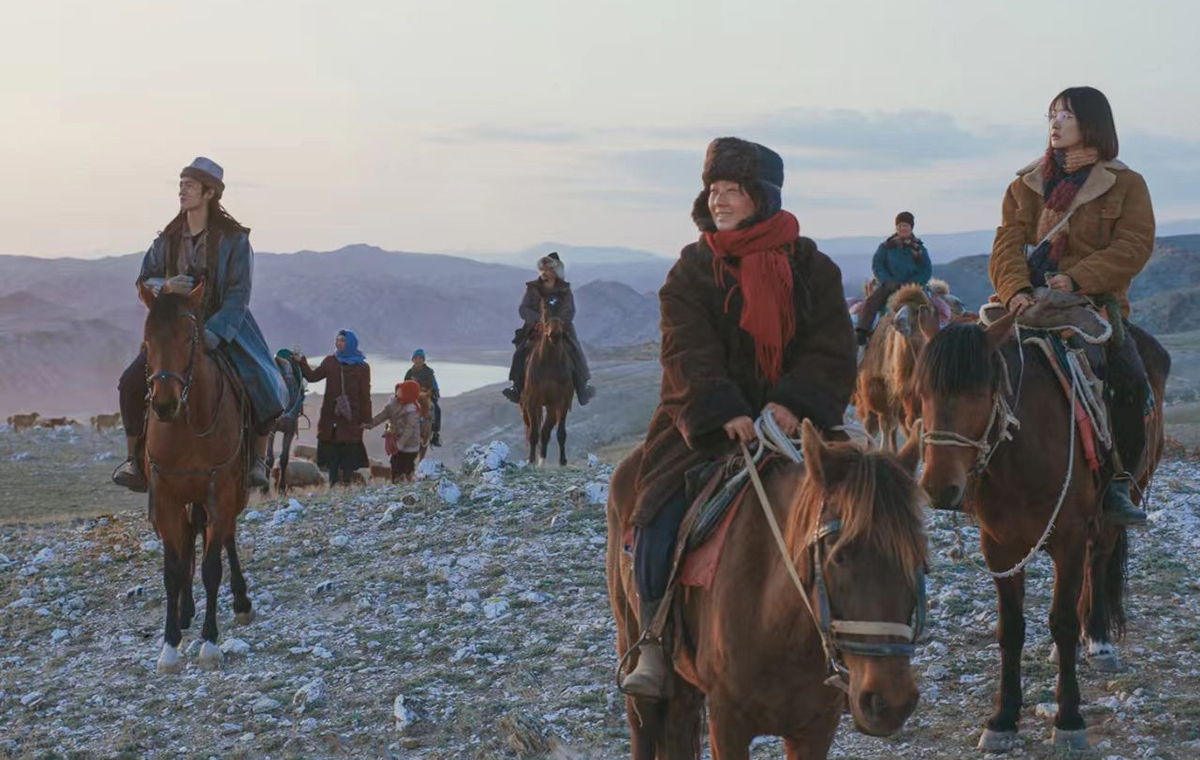
Friends, Kanas' beauty lies not only in its lakes and mountains but also in the wheat aroma of roasted naan, the richness of milk tea, and the mystique of its legends. Next, choose your experience based on preference: nature lovers can take a boat tour of the lake or hike the Three Bays; those drawn to culture can join a “Tuvan Home Visit” (advance booking required) to savor authentic cuisine while listening to the Suur (a traditional Tuvan instrument). If time permits, stay overnight in Hemu Village to witness the morning smoke rising from chimneys and the snowfields under the starry sky.
May this journey leave you with lasting memories of this enchanting corner of Northwest China. Enjoy your travels!
Leave your messages