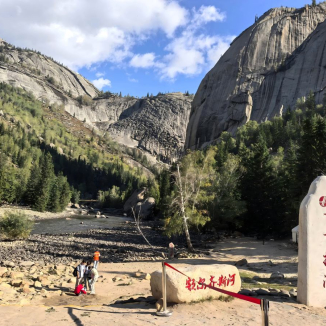
Scenic Views from the Clouds: A Cultural Exploration Tour of Baiyun Mountain
Dear overseas friends, welcome to Guangzhou, the shining pearl of southern China, to embark on today's cultural exploration tour of Baiyun Mountain in Guangdong. As a famous mountain in southern Guangdong, Baiyun Mountain has long been known as "the most beautiful scenic spot in Yangcheng (Guangzhou)". It not only boasts stunning natural scenery but also embodies a thousand years of traditional culture and profound historical heritage. Next, let's explore this famous mountain that carries Guangzhou's memories from six dimensions and appreciate the unique charm of the integration of nature and humanity.

1. Overview of Baiyun Mountain: A Millennium Legend of the Famous Mountain in Southern Guangdong
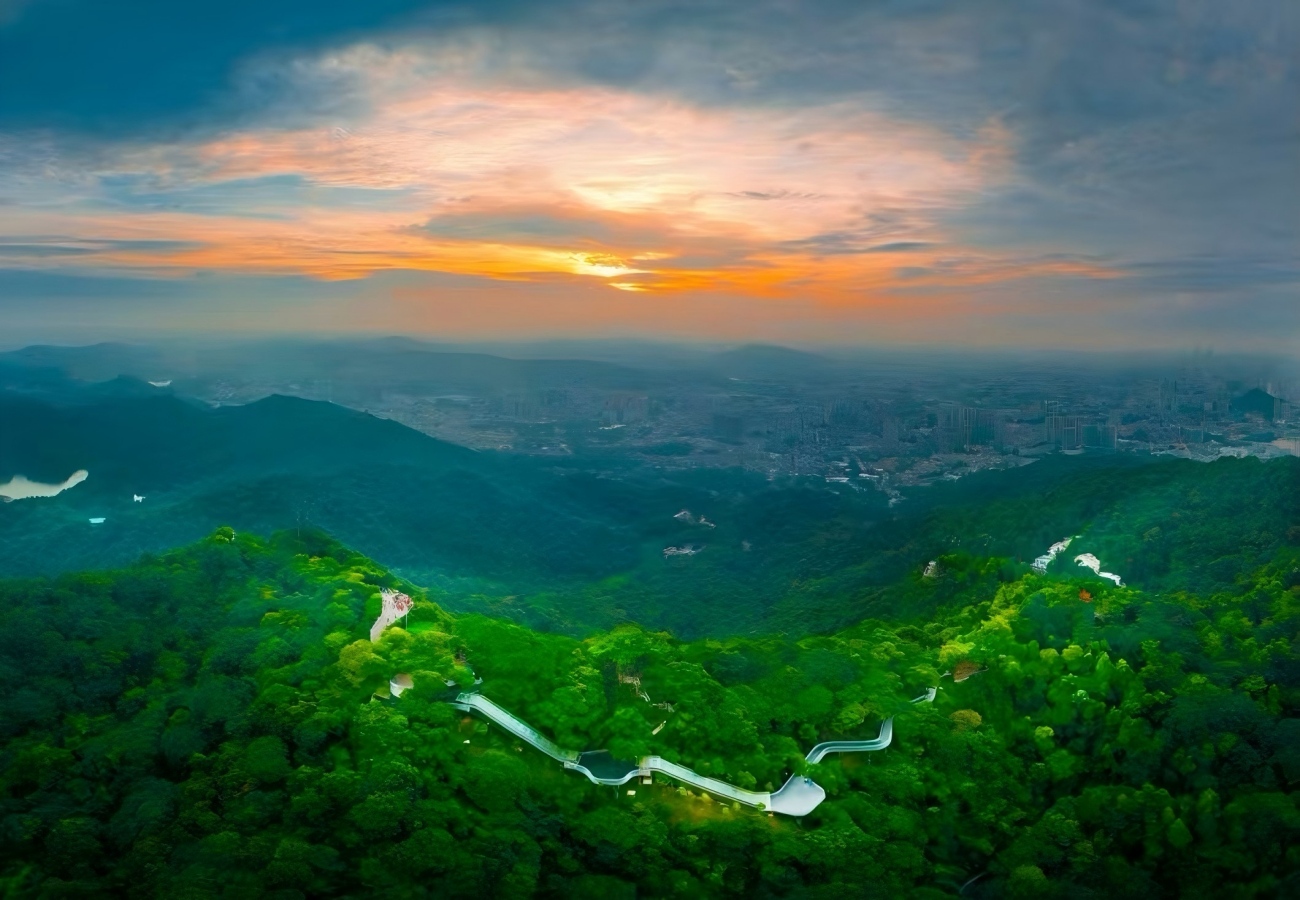
Baiyun Mountain is located in Baiyun District, Guangzhou, covering an area of 20.98 square kilometers. Its main peak, Moxing Ridge, stands at an altitude of 382 meters. Though not towering into the clouds, it has become a landmark mountain in Guangzhou and even the Lingnan region, embodying the essence of "a mountain gains fame not for its height but for the immortals it hosts".
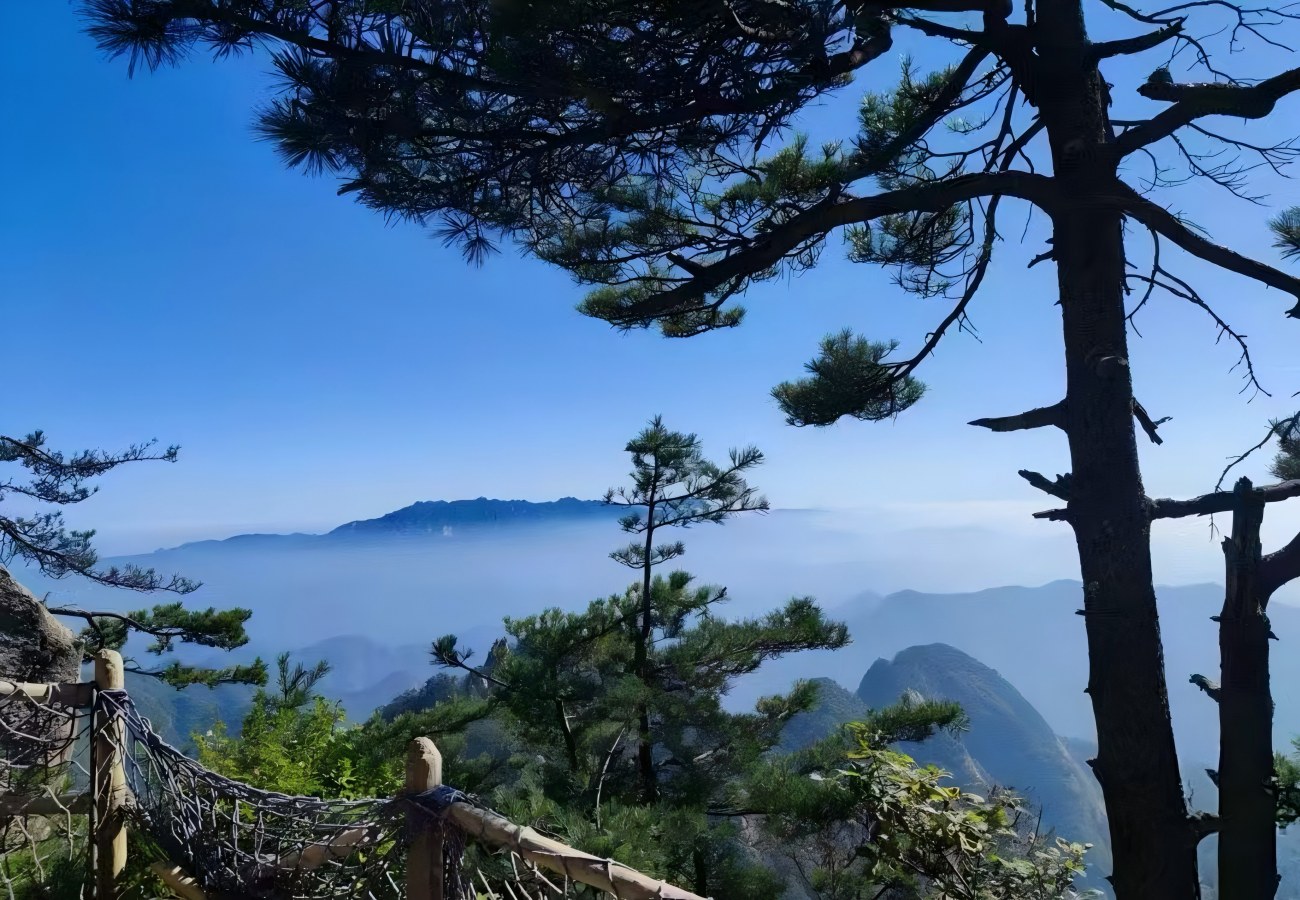
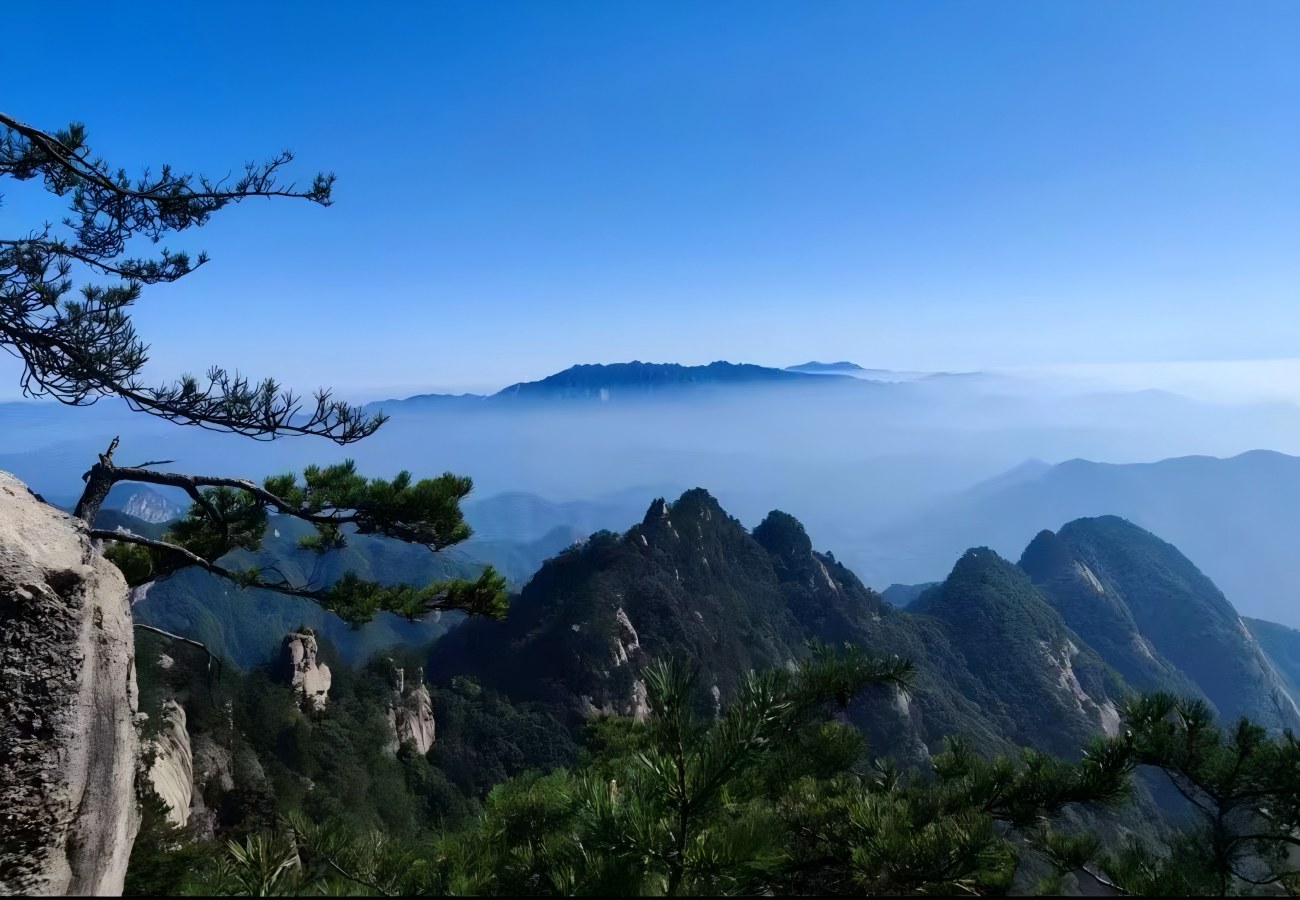
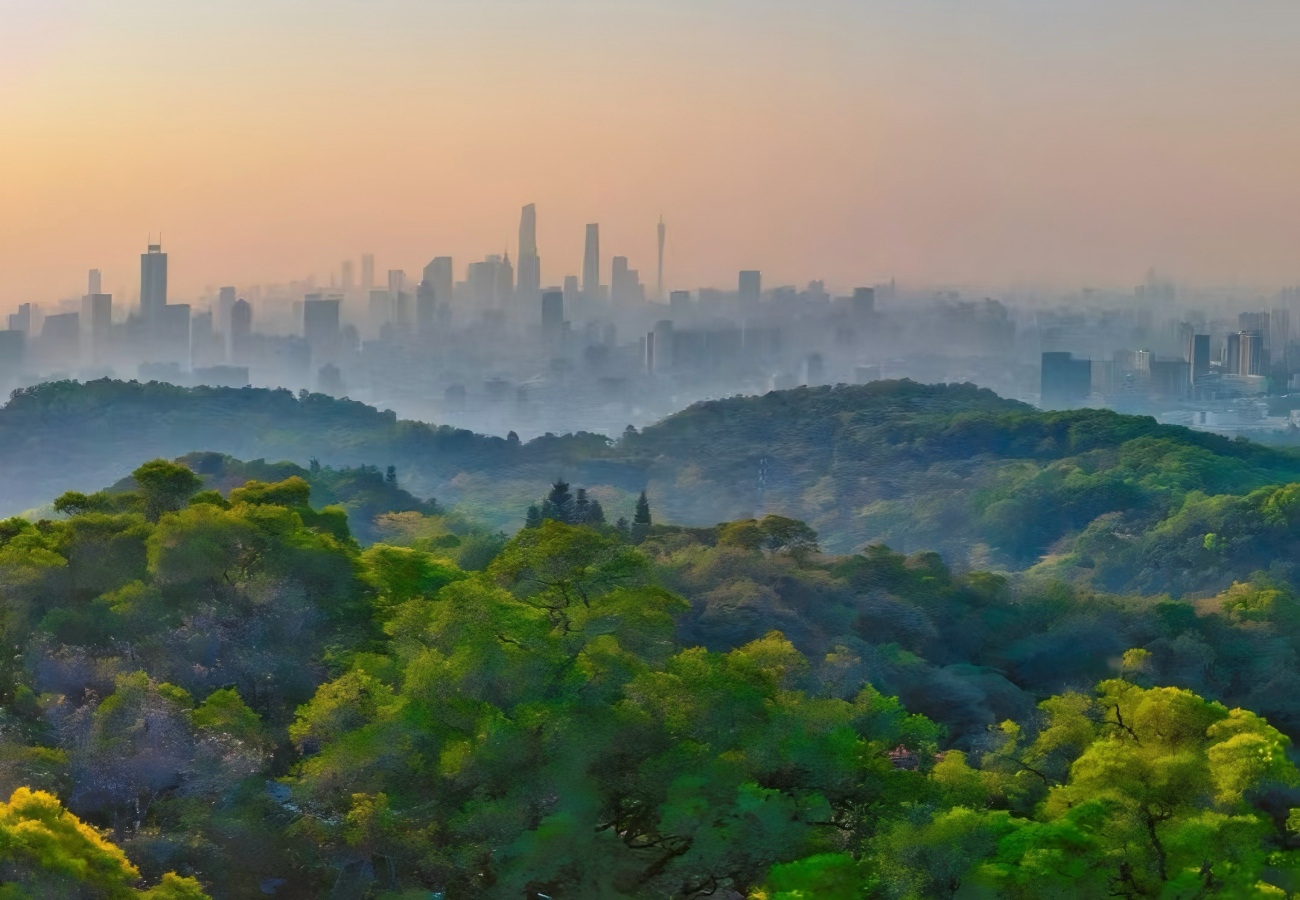
The name "Baiyun Mountain" (White Cloud Mountain) comes from its poetic scenery. After rain or at dawn, the mountain is often shrouded in white clouds, like a fairyland. Its history dates back to the Pre-Qin Period (before 221 BC) and was recorded in The Classic of Mountains and Seas under the name "Fuqiu Mountain". Over thousands of years, Baiyun Mountain has been an important carrier of Lingnan culture, attracting literati and celebrities of all dynasties who left their footprints and masterpieces here.
From the Tang Dynasty poet Han Yu's verse "South of the sky, birds sing everywhere; half the prefectures have no city walls. Rural markets bear the surnames of the locals; mountain villages take their names from rivers", to the Song Dynasty writer Su Shi's inscriptions during his visit, and to the Ming and Qing Dynasties when many scholars built huts here to study and cultivate their moral character, Baiyun Mountain has witnessed the rise and fall of Guangzhou and become an important symbol of traditional Lingnan culture.
Today, Baiyun Mountain is a national 5A-level tourist attraction, consisting of scenic areas such as Luhu, Santailing, Mingchunggu, Moxing Ridge, and Mingzhulou. It attracts millions of domestic and foreign tourists every year. Here, you can climb mountain trails to feel the freshness and vitality of nature, wander in ancient temples and gardens to savor the charm and profundity of traditional culture, and overlook the cityscape of Guangzhou to appreciate the harmonious coexistence of a modern metropolis and natural landscapes.
2. Luhu Scenic Area: A Model of Lingnan Gardens with Adjacent Mountains and Water
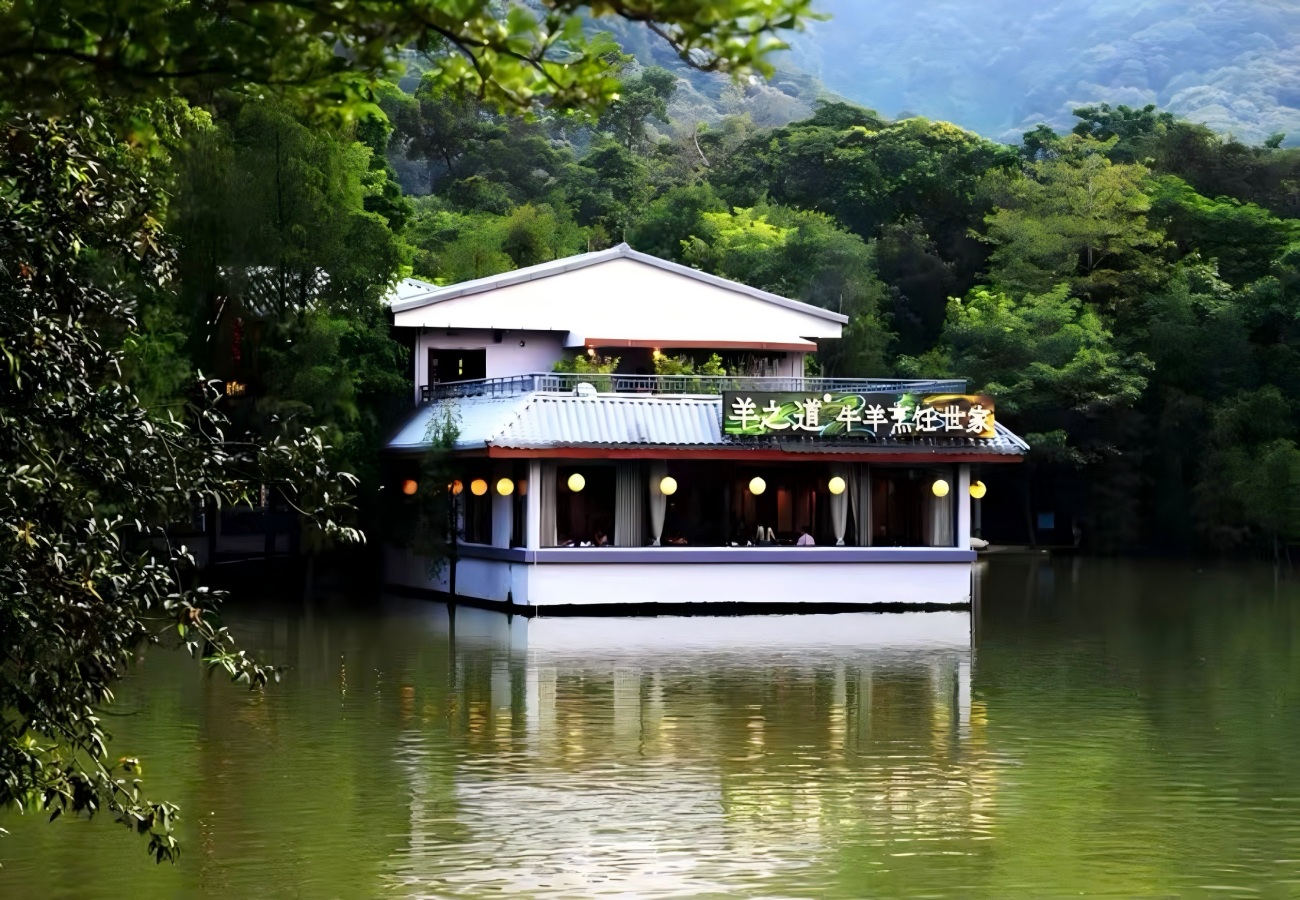
As the gateway to Baiyun Mountain, Luhu Scenic Area is located in the northwest of the Baiyun Mountain Scenic Area. Centered on Luhu Lake (Deer Lake), it is surrounded by pavilions, terraces, towers, and flowers, presenting a typical Lingnan garden style. It is an ideal place for overseas tourists to experience Lingnan garden culture.
Originally named Jinye Pool, Luhu Lake was built in 1958 as one of Guangzhou's large artificial lakes. With a water surface area of 20 hectares, the lake has clear water and is surrounded by green mountains, offering pleasant scenery. A several-kilometer-long lakeside trail allows you to stroll and enjoy the beautiful landscape of the lake and mountains, with a gentle breeze brushing your face.
In spring, willow trees by the lake sprout new buds, and peach and cherry blossoms bloom in competition, painting the entire scenic area in bright colors like a fairy tale world. In autumn, maple leaves turn red and ginkgo leaves turn yellow; the colorful leaves reflect in the lake, forming a beautiful autumn picture.
Within Luhu Scenic Area, there is also Xinghai Garden, a typical Lingnan-style garden built to commemorate Xian Xinghai, a famous Chinese musician. The garden displays Xian Xinghai's life story, manuscripts of his musical works, and related cultural relics. A native of Panyu, Guangzhou, Xian Xinghai created classic works such as The Yellow River Cantata, which inspired countless Chinese people during the War of Resistance Against Japanese Aggression (1931-1945) and became a monument in China's modern music history. Wandering in Xinghai Garden, you can not only admire the delicacy and elegance of Lingnan gardens but also listen to Xian Xinghai's musical works and feel his patriotic feelings and artistic talent.
In addition, the Guangzhou Museum of Art is located in Luhu Scenic Area. It houses a large number of Lingnan art treasures, including paintings, calligraphy, sculptures, and ceramics, among which are works by famous artists such as Qi Baishi, Xu Beihong, and Gao Jianfu. 
3. Mingchunggu Scenic Area: A Bird Paradise for the Harmonious Coexistence of Man and Nature
Located halfway up Baiyun Mountain, Mingchunggu Scenic Area is China's largest natural birdcage and one of the most distinctive scenic areas of Baiyun Mountain. With the artistic conception of "the mountain becomes more serene with birds singing", it attracts many tourists to watch birds and experience the beauty of harmonious coexistence between man and nature.
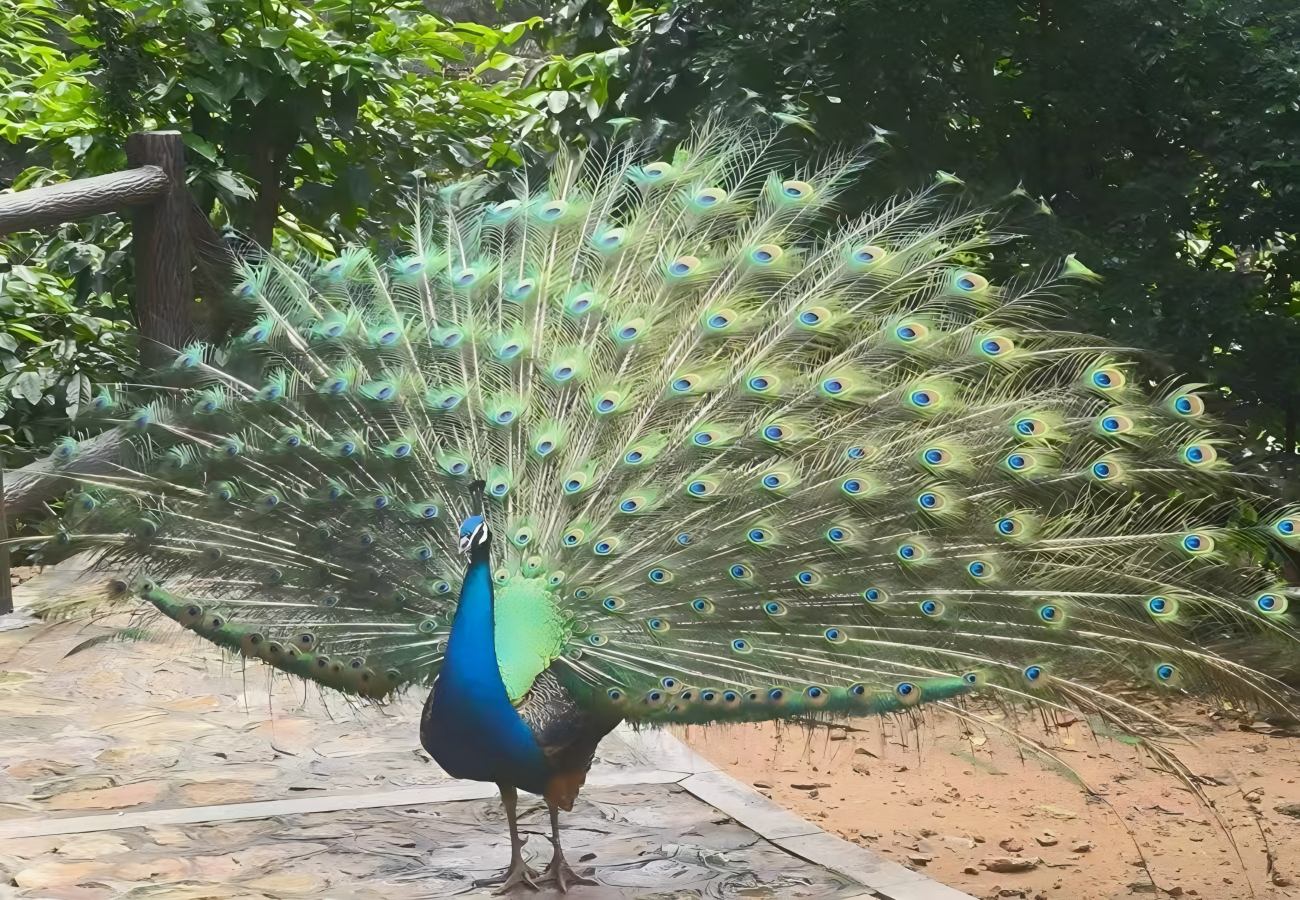
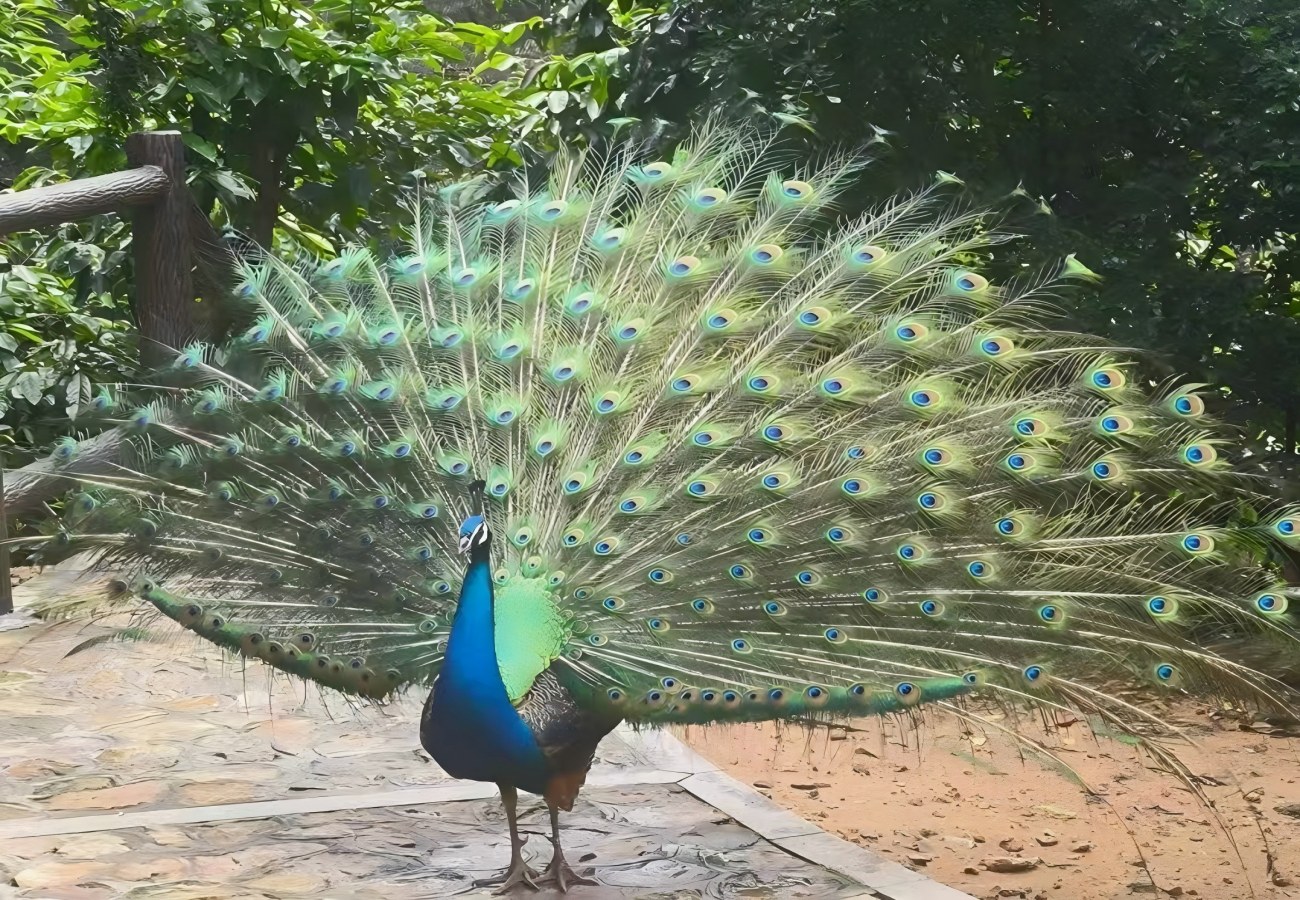
Covering an area of 56,000 square meters, Mingchunggu Scenic Area is transformed from a natural valley. With lush trees and gurgling streams, it provides an excellent habitat for birds. Currently, the scenic area houses over 5000 birds of more than 150 rare species at home and abroad, including red-crowned cranes, white-naped cranes, white swans, black swans, peacocks, and parrots.
At dawn or dusk, the birds sing loudly, and the crisp and pleasant sounds of various birds interweave like a touching symphony, hence the name "Mingchunggu" (Valley of Singing Spring). There is also a traditional culture-related legend about Mingchunggu. It is said that in ancient times, the ecological environment around Baiyun Mountain was beautiful, with a large number of birds. When spring came, the birds' songs could be heard tens of miles away in Guangzhou, attracting many literati to come and listen.
Zhang Jiuling, a poet of the Tang Dynasty, once wrote a poem here: "Orchid leaves thrive in spring; osmanthus flowers shine bright in autumn. This vibrant life naturally becomes a beautiful season", praising the natural beauty and vitality of this place. Today, Mingchunggu Scenic Area is not only a paradise for birds but also an important place for popularizing bird knowledge and enhancing environmental awareness.
In Mingchunggu Scenic Area, you can walk along the bird-watching trail to watch the living habits of various birds up close, or go to the bird show arena to watch wonderful performances such as parrots doing arithmetic and birds riding bicycles, and feel the intelligence and cuteness of the birds. Meanwhile, there is a bird science museum in the scenic area, which introduces knowledge about bird classification, habits, and ecological value to tourists through pictures, texts, and specimens, allowing you to learn rich popular science knowledge while enjoying the beautiful scenery.
4. Moxing Ridge Scenic Area: "The First Peak in Southern Heaven" Overlooking Yangcheng
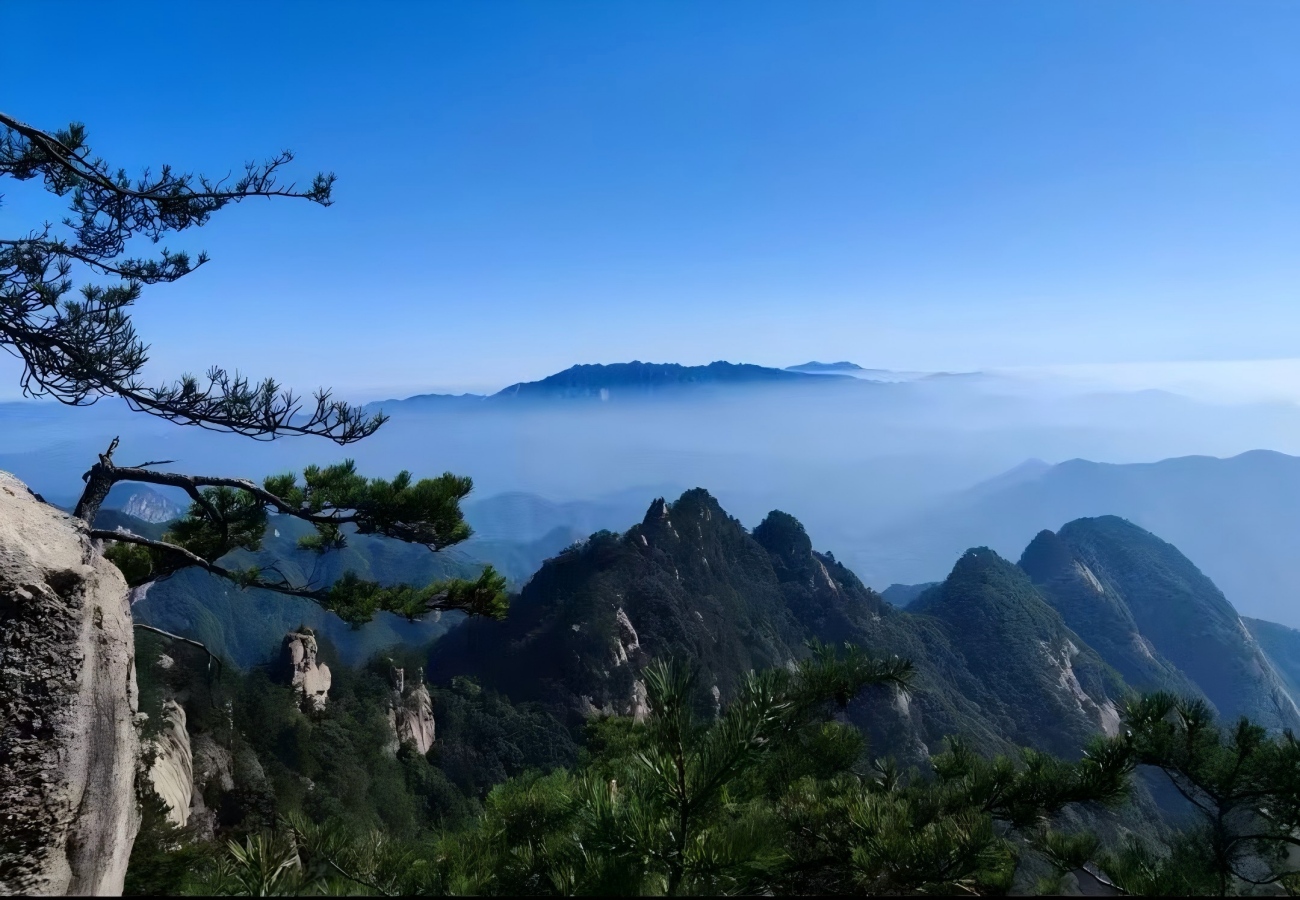
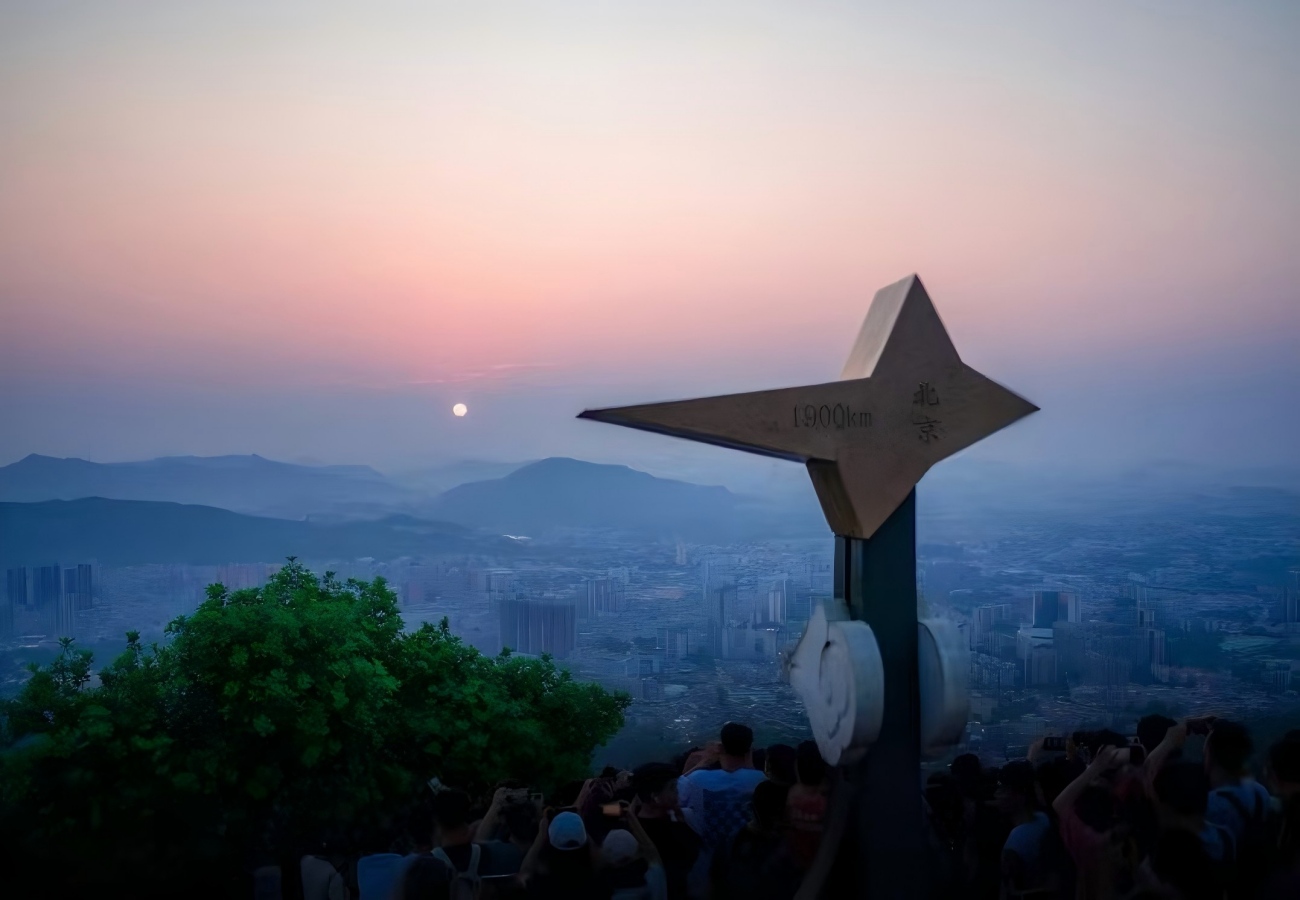
As the main peak of Baiyun Mountain, Moxing Ridge stands at an altitude of 382 meters. It gets its name "Moxing Ridge" (Star-Touching Ridge) because the top of the mountain is often surrounded by white clouds, as if you can touch the stars with your hands. Known as "the First Peak in Southern Heaven", it is the best place to overlook the panoramic view of Guangzhou and one of the scenic areas with the most profound historical and cultural heritage in Baiyun Mountain.
Climbing along the hiking trail of Moxing Ridge, you will see many historical relics and cultural landscapes along the way. Among them, the most famous is the stone tablet of "the First Peak in Southern Heaven". Built in the Qing Dynasty, the stone tablet is about 2 meters high, with the five powerful characters "the First Peak in Southern Heaven" inscribed on it by a famous calligrapher of the Qing Dynasty. Standing beside the stone tablet, you can feel the grandeur and solemnity of Baiyun Mountain as a famous mountain in southern Guangdong.
At the top of Moxing Ridge, there is also a thousand-year-old ancient temple - Jiulongquan Temple. Founded in the Tang Dynasty, Jiulongquan Temple has a history of over 1,300 years and is one of the oldest temples in Baiyun Mountain. Built against the mountain, the temple has a simple and elegant architectural style, and enshrines Buddhist statues such as Guanyin Bodhisattva, Manjushri Bodhisattva, and Samantabhadra Bodhisattva.
According to legend, there is a thousand-year-old ancient well in Jiulongquan Temple - Jiulong Spring. The well water is clear and sweet, and never dries up all year round. It is said that drinking this water can prolong life. Many celebrities in history have drunk the water from Jiulong Spring and left poems praising it. Today, Jiulongquan Temple has become an important place for Buddhist believers to pray for blessings and also attracts many tourists to visit and experience the profoundness of Buddhist culture.
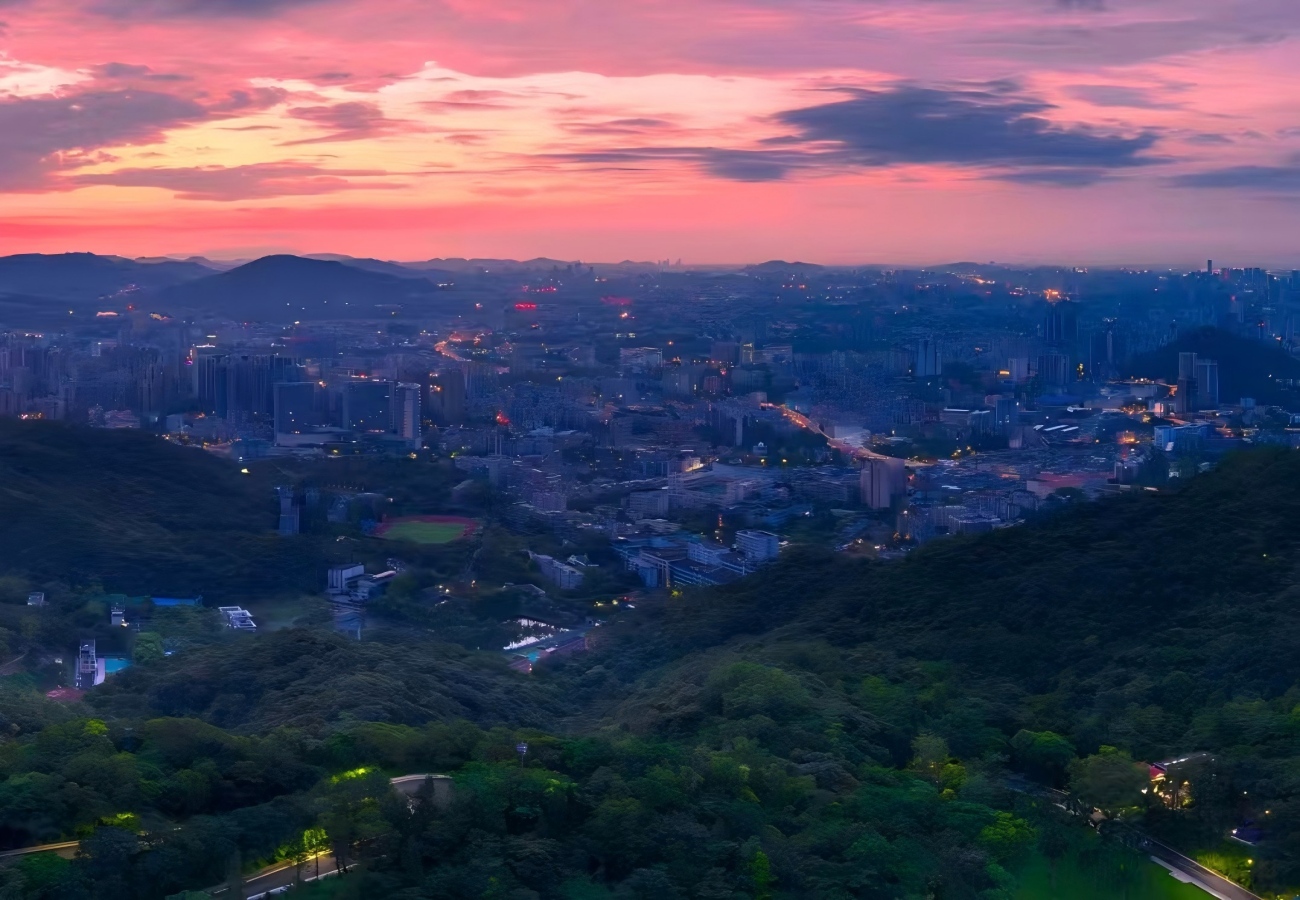
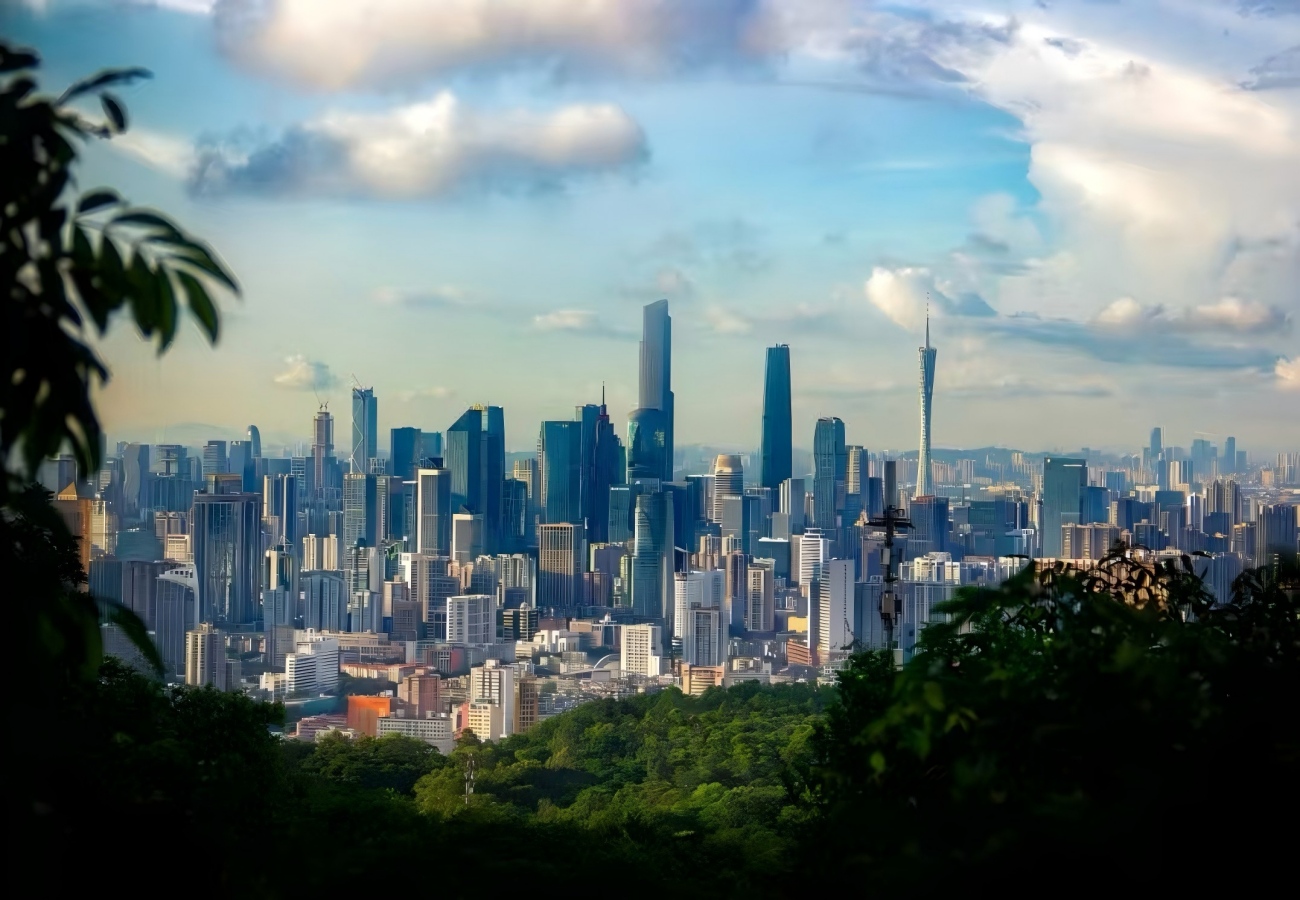
Standing at the top of Moxing Ridge and looking far into the distance, you can take in the beautiful scenery of Guangzhou. You can see the Pearl River winding through Guangzhou like a silver ribbon, modern high-rise buildings such as Canton Tower and CITIC Plaza rising from the ground, showing the prosperity and vitality of Guangzhou as an international metropolis, and the green mountains and rivers in the distance, feeling the tranquility and beauty of nature. Especially at dawn or dusk, when the sun shines on Guangzhou, the whole city glitters like a fairyland, making people feel relaxed and happy.
5. Mingzhulou Scenic Area: A Cultural Secret in the Landscape of Lakes and Mountains
Located in the northwest of Baiyun Mountain, Mingzhulou Scenic Area is centered on Mingzhu Lake (Pearl Lake) and surrounded by green mountains, green trees, and ancient buildings. As a scenic area integrating natural beauty and cultural heritage in Baiyun Mountain, it is like a bright pearl embedded in the mountains, attracting many tourists to explore.
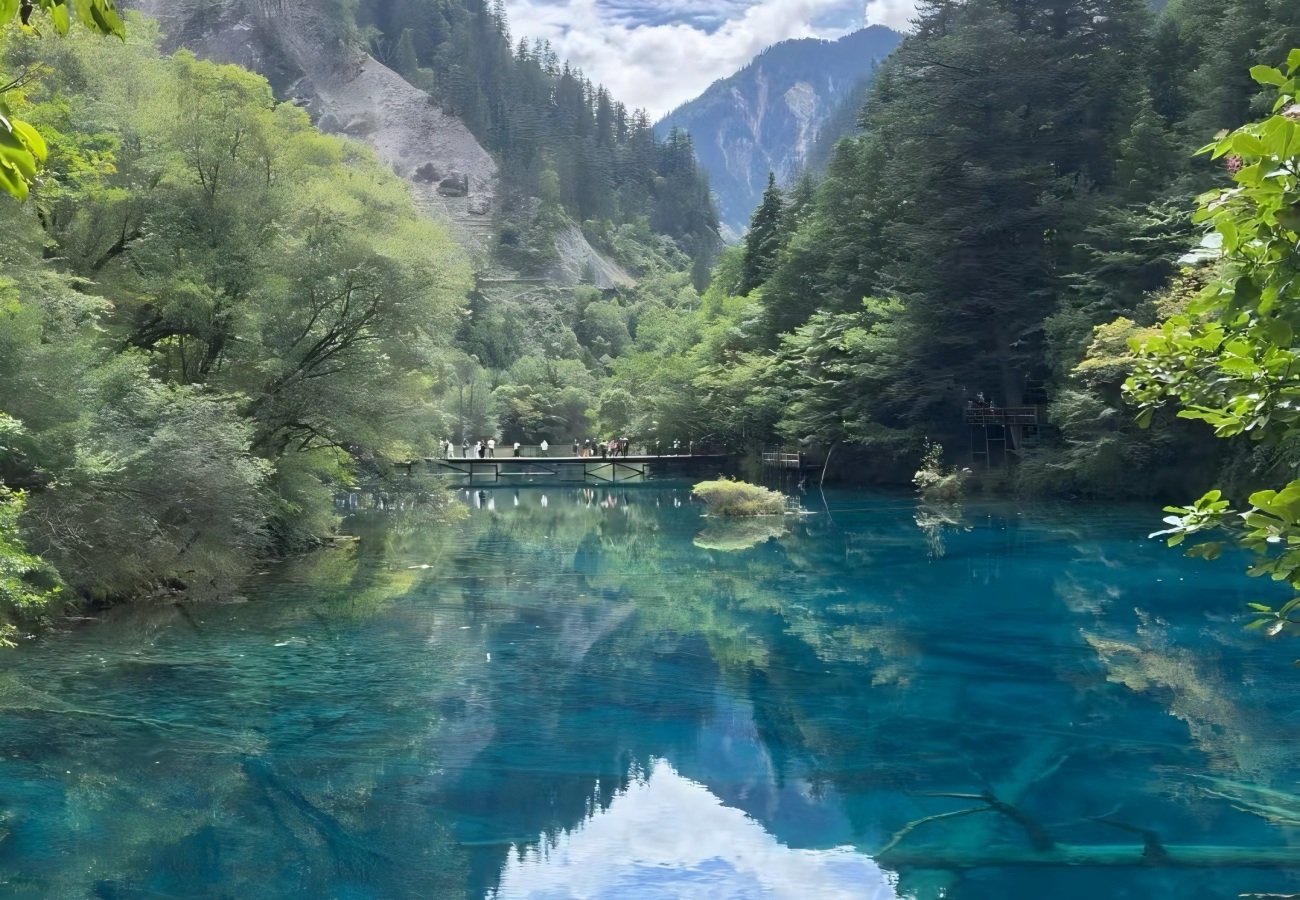
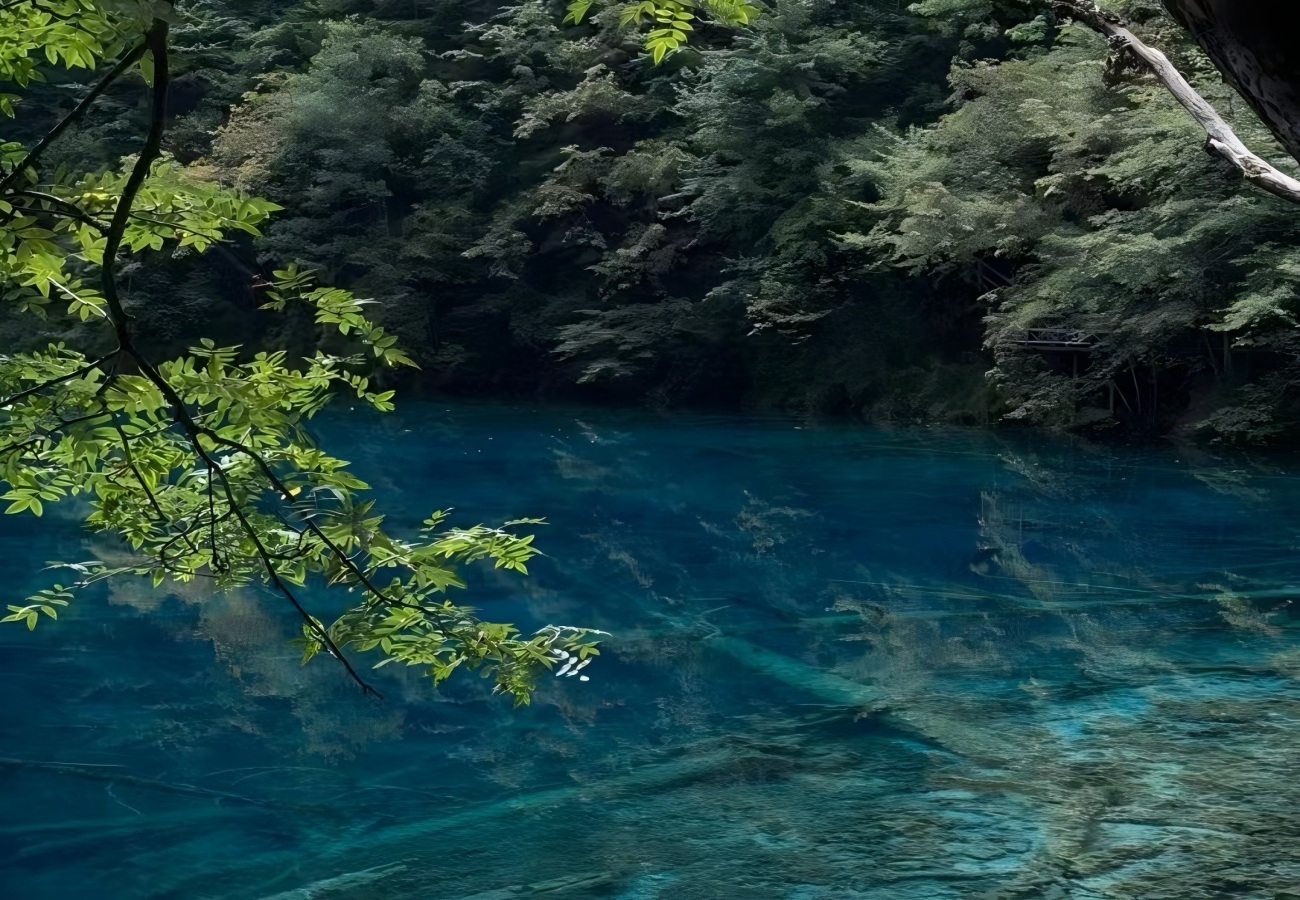
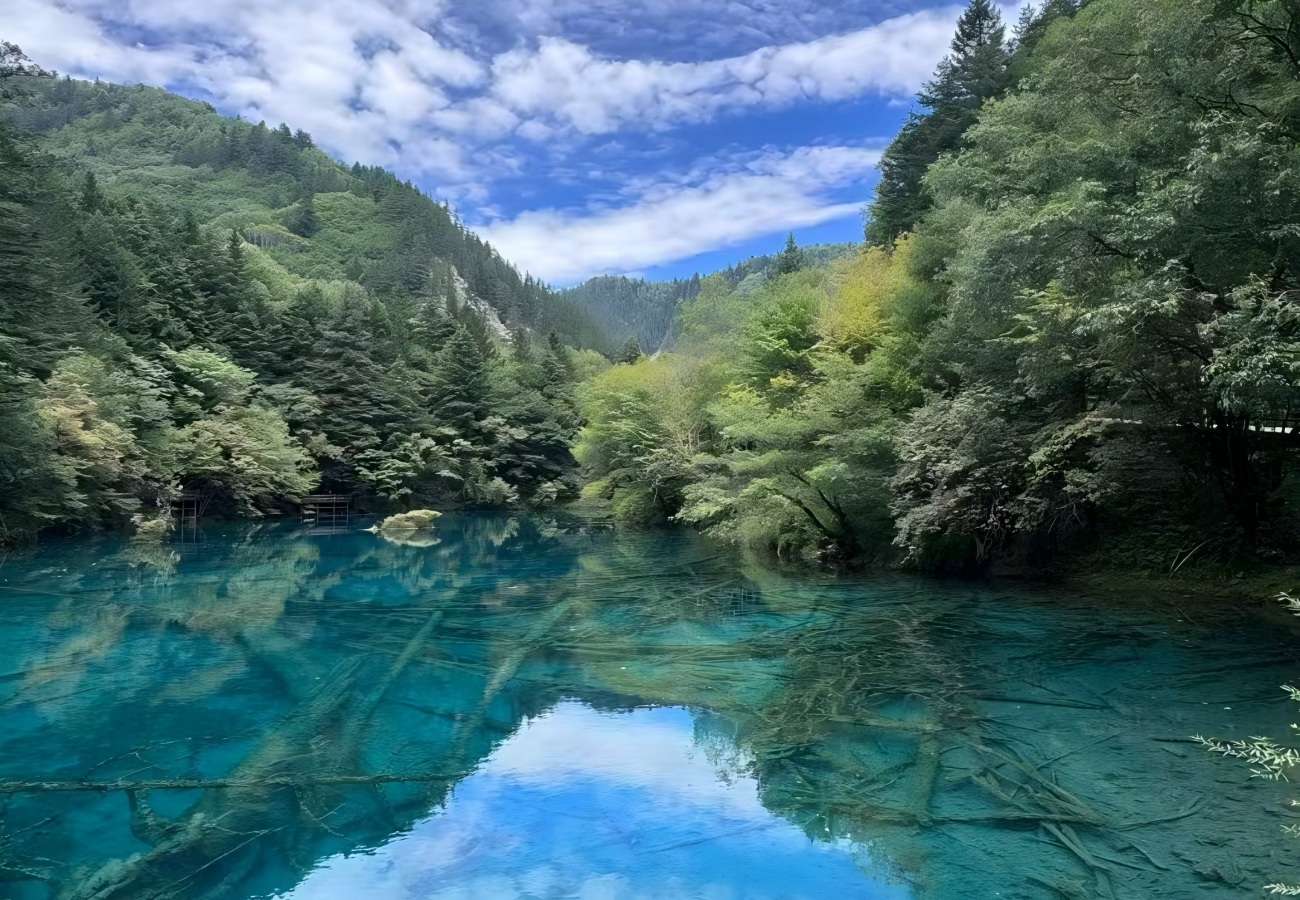
Mingzhu Lake is the core landscape of the scenic area, with a water surface area of about 15,000 square meters. The lake water is green and clear, like a piece of jade inlaid among the mountains. Willows sway by the lake, reeds grow in clusters, and wild ducks occasionally play on the lake, outlining a peaceful and serene natural picture. You can walk along the wooden plank road by the lake to feel the fresh air brought by the breeze and enjoy the beautiful scenery where the lake and mountains set off each other, or take a boat tour on the lake to feel the gentleness and tranquility of the lake water, as if you are in the water towns of the Yangtze River Delta.
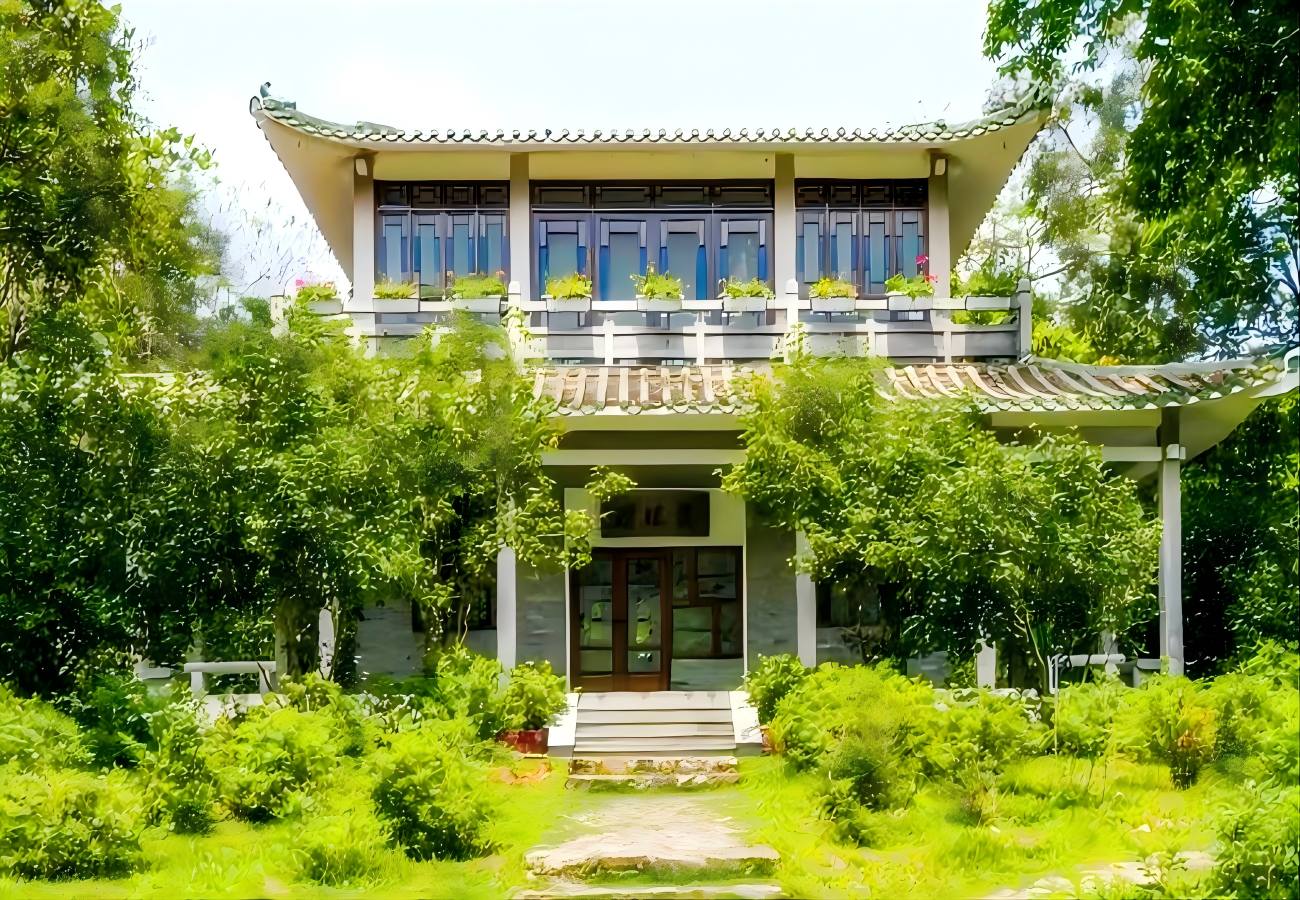
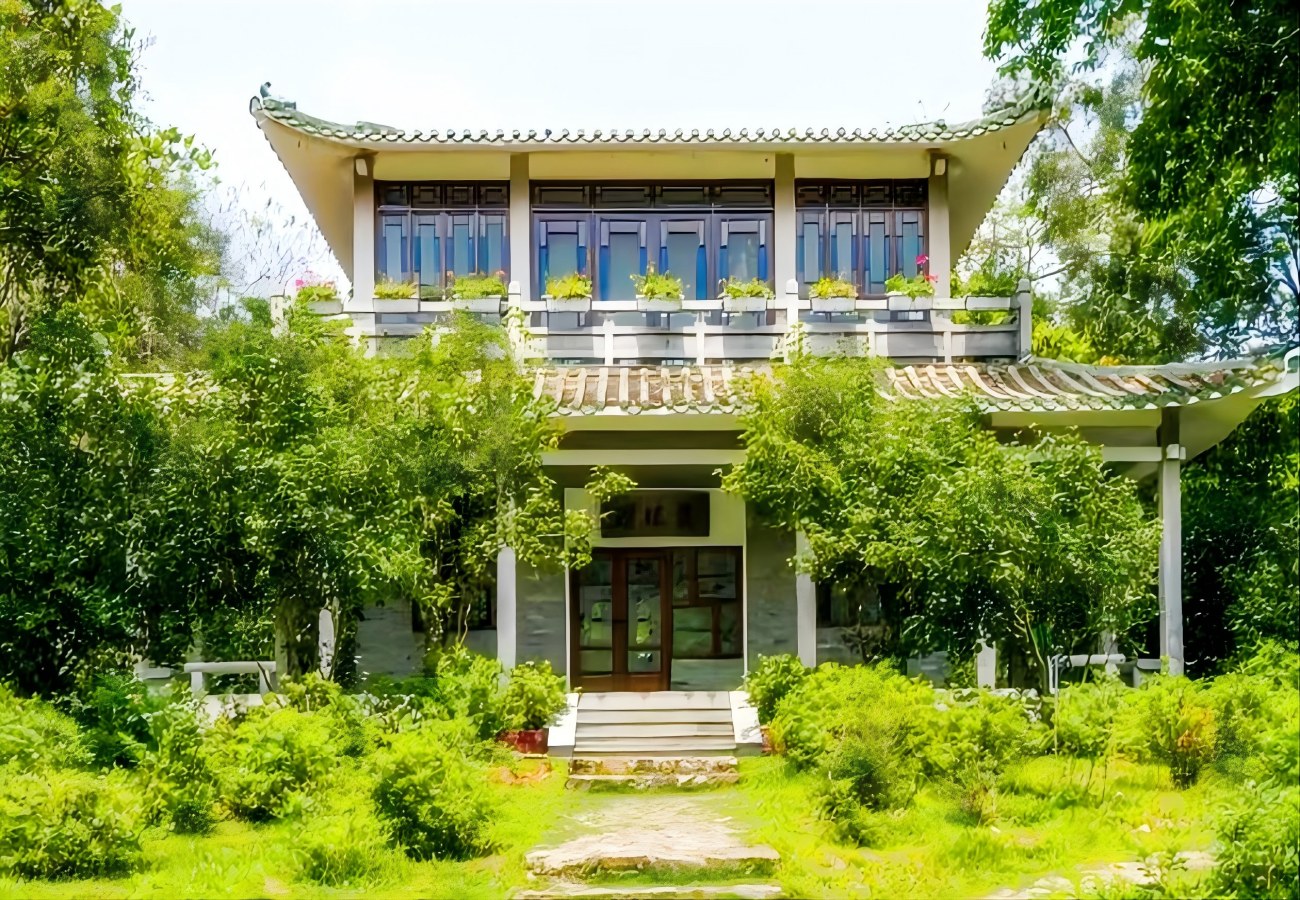
The most representative building in the scenic area is Mingzhulou (Pearl Building). Built in the Republic of China period (1912-1949), it is a two-story Lingnan-style building with a brick-wood structure, featuring red walls, black tiles, and upturned eaves, presenting a simple and elegant style. The name of Mingzhulou has a touching legend. It is said that in ancient times, an immortal passed by Baiyun Mountain and was attracted by the beautiful scenery here. He accidentally dropped the luminous pearl he carried with him, and the luminous pearl turned into a lake after falling to the ground, which is now Mingzhu Lake. The building where the immortal stayed was named Mingzhulou.
Today, Mingzhulou houses the Baiyun Mountain History and Culture Exhibition Hall, which displays the development history of Baiyun Mountain from ancient times to the present, as well as related historical events and celebrity stories through old photos, cultural relics, and models, allowing you to gain an in-depth understanding of the historical changes of Baiyun Mountain.
Within Mingzhulou Scenic Area, there is also a famous cultural landscape - Peach Blossom Stream. Covering an area of about 40,000 square meters, Peach Blossom Stream has thousands of peach trees of various varieties, including green peach, birthday peach, and red-leaf peach. When peach blossoms bloom in spring, the entire Peach Blossom Stream becomes a sea of pink, with blooming peach blossoms and a fragrant scent, attracting countless tourists to come and take photos. It has become one of the most popular scenic spots in Baiyun Mountain in spring.
There is also a romantic legend about Peach Blossom Stream. It is said that in ancient times, a pair of lovers met and fell in love here. They made a promise under the peach trees and would meet here every year when peach blossoms were in full bloom. Therefore, Peach Blossom Stream has become a symbol of love, and now many couples come here to check in and pray for a long-lasting love.
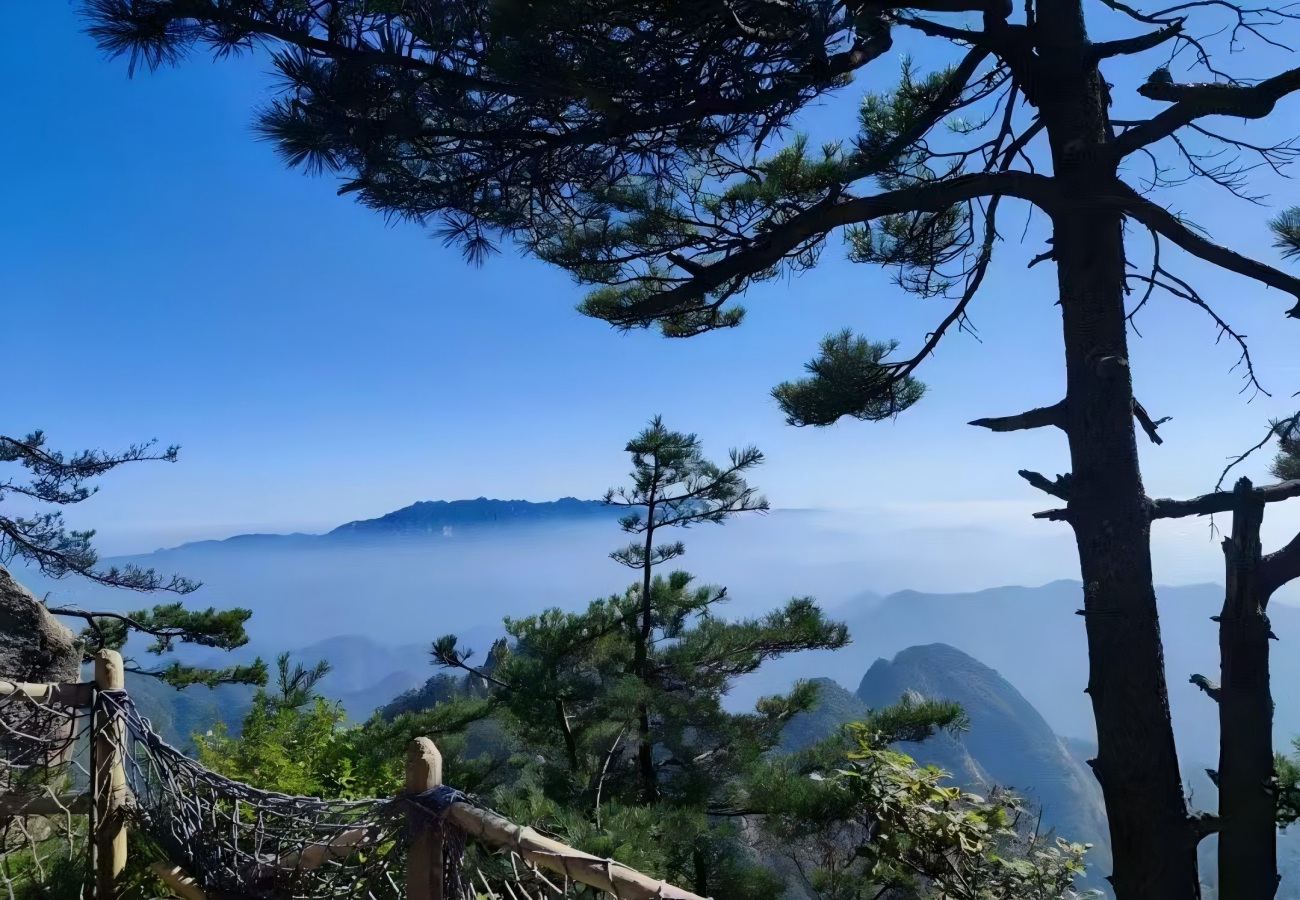
In addition, the scenic area also has landscapes such as "Baiyun Pine Waves" and "Songtao Courtyard". "Baiyun Pine Waves" is one of the famous ancient scenic spots in Baiyun Mountain. A large area of pine trees is planted here. When the wind blows, the pine needles sway, making a sound like waves, hence the name "Baiyun Pine Waves". Zhang Weiping, a poet of the Qing Dynasty, once wrote a poem here: "Houses among the shady pines, pavilions and towers hidden among the bamboos. The sound of waves comes to the pillow, and the green mountains fall beside the bed", praising the beautiful scenery here. "Songtao Courtyard" is a simple courtyard with well-arranged pavilions, terraces, towers, and lush flowers and trees. It is a good place for tourists to rest and taste tea. You can make a pot of Lingnan-style Gongfu tea here, enjoy the slow-paced leisure time, listen to the sound of pine waves, and enjoy the gifts of nature.
6. Inheritance of Traditional Culture in Baiyun Mountain: The Spiritual Home of Lingnan Culture
Baiyun Mountain is not only a famous natural mountain but also the spiritual home of Lingnan culture. It carries the historical memories and cultural genes of the Lingnan region and is an important carrier for the inheritance and development of traditional Lingnan culture.
In terms of food culture, the food around Baiyun Mountain is deeply influenced by Lingnan food culture, featuring lightness, freshness, and delicacy. Among them, the most famous is Baiyun Mountain Tofu Pudding. Made from high-quality soybeans using traditional techniques, it has a smooth taste and a sweet flavor, making it the best snack for tourists during mountain climbing. It is said that the production technique of Baiyun Mountain Tofu Pudding has a history of hundreds of years, inheriting the traditional food wisdom of the Lingnan region. Today, it has become one of Guangzhou's specialty snacks and is loved by domestic and foreign tourists.
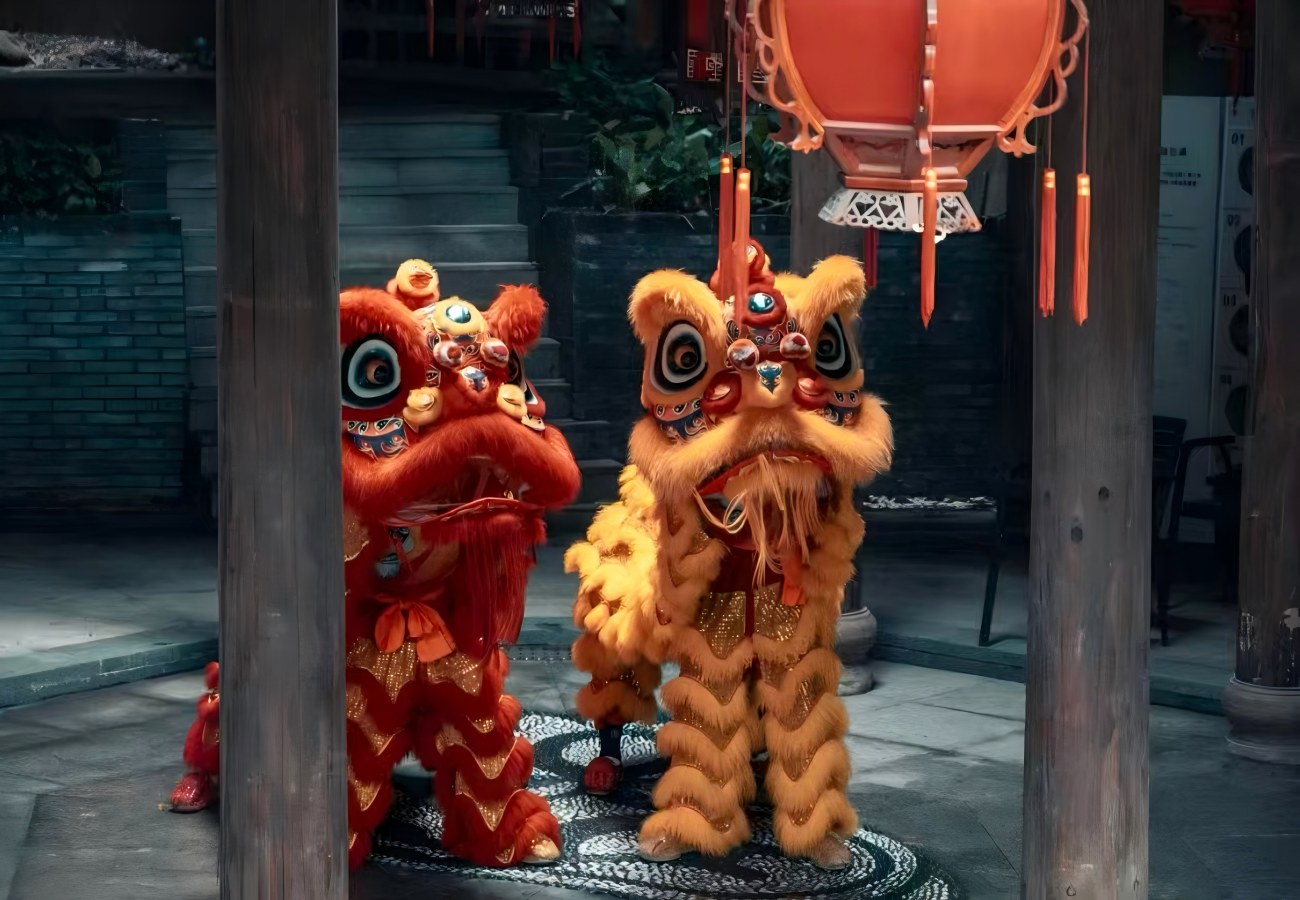
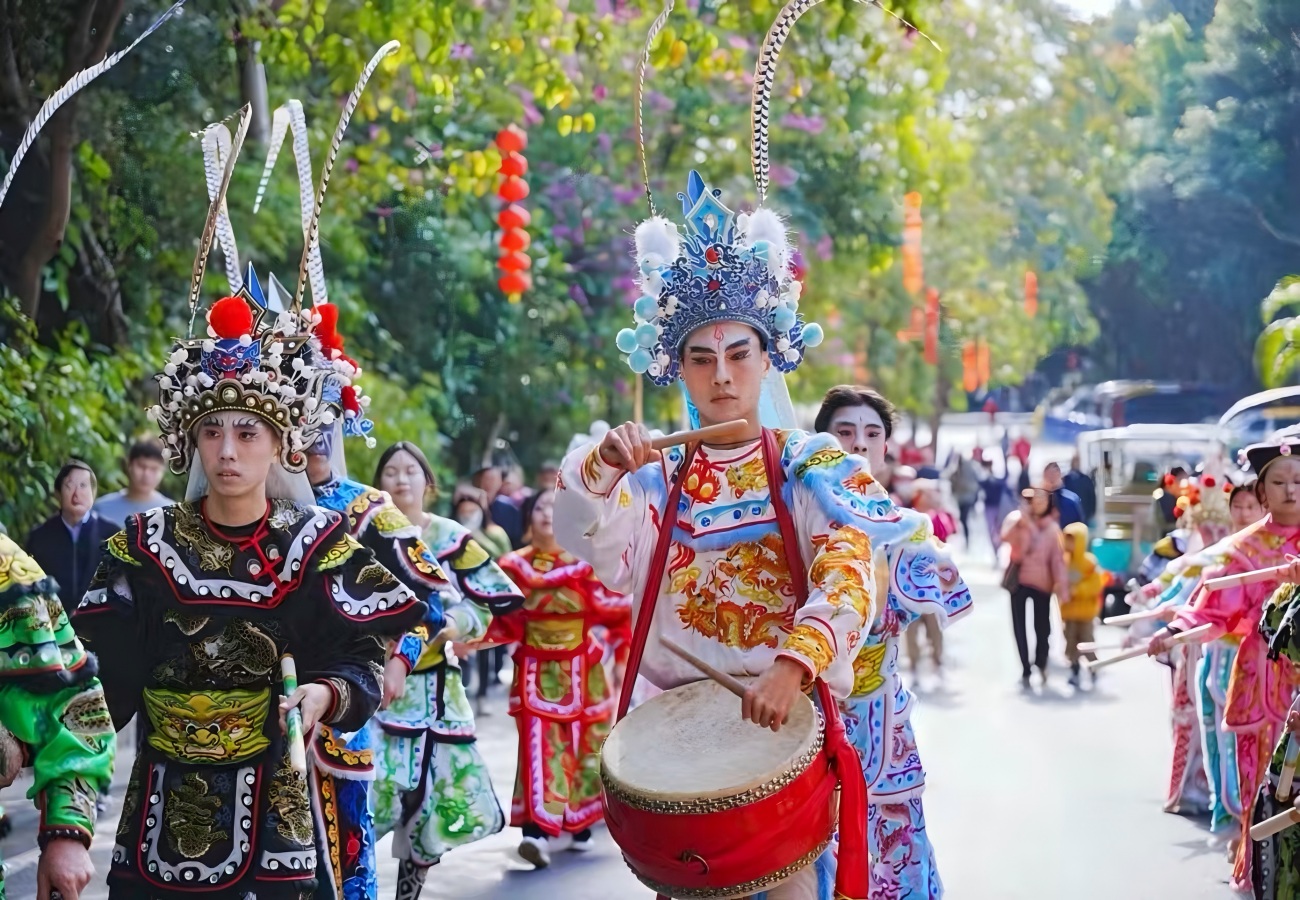
In terms of folk culture, Baiyun Mountain holds various traditional folk activities every year, such as the Spring Festival Temple Fair, the Lantern Festival, and the Double Ninth Festival Mountain Climbing Activity. Among them, mountain climbing on the Double Ninth Festival is a long-standing traditional custom in Guangzhou. Every Double Ninth Festival (the 9th day of the 9th lunar month), thousands of Guangzhou citizens climb Baiyun Mountain to pray for peace, health, and good luck. This custom can be traced back to the Han Dynasty and has become an important part of Lingnan folk culture after thousands of years of inheritance. During the Double Ninth Festival, various cultural activities such as dragon and lion dances, folk performances, and poetry recitals are held in Baiyun Mountain Scenic Area, allowing tourists to feel the strong traditional folk atmosphere while climbing the mountain.
In terms of literature and art, Baiyun Mountain has been a source of inspiration for literati and artists since ancient times. Literati of all dynasties have left a large number of poems, paintings, and calligraphy works here. These works not only praise the natural beauty of Baiyun Mountain but also reflect the historical culture and social life of the Lingnan region, becoming an important part of the Lingnan literature and art treasure house. Today, there are many literary and artistic creation bases in Baiyun Mountain Scenic Area, attracting many contemporary literati and artists to come for collection and creation, injecting new vitality into the inheritance and development of Lingnan culture.
Dear overseas friends, today's virtual tour of Baiyun Mountain's cultural exploration is coming to an end. It is hoped that through today's tour, you have not only appreciated the beautiful natural scenery of Baiyun Mountain but also gained an in-depth understanding of the profound heritage of traditional Lingnan culture. Baiyun Mountain is like a thick history book, recording Guangzhou's past and present, and also carrying the future and hope of Lingnan culture. Finally, wish you good health and look forward to your visit to China!
Baiyun Mountain Cultural Terms Glossary
中文术语 | 英文翻译 | 简要说明(英文) |
岭南文化 | Lingnan Culture | The unique cultural system of southern China's Guangdong, Guangxi, and Hainan, known for its openness and local traditions. |
功夫茶 | Gongfu Tea | A traditional Lingnan tea ceremony emphasizing careful tea brewing and slow sipping to savor flavor. |
5A 级旅游景区 | National 5A-level Tourist Attraction | China's highest rating for scenic spots, representing top-quality service and landscape. |
重阳节登高 | Double Ninth Festival Mountain Climbing | A traditional Chinese custom on the 9th day of the 9th lunar month, symbolizing warding off bad luck and praying for health. |
《黄河大合唱》 | The Yellow River Cantata | A famous Chinese musical work by Xian Xinghai, inspiring patriotism during the War of Resistance Against Japanese Aggression. |
岭南园林 | Lingnan Garden | A garden style featuring natural integration, open layouts, and adaptation to the subtropical climate of southern China. |
白云山豆腐花 | Baiyun Mountain Tofu Pudding | A signature sweet snack of Baiyun Mountain, made with soybeans and traditional techniques, known for its smooth texture. |