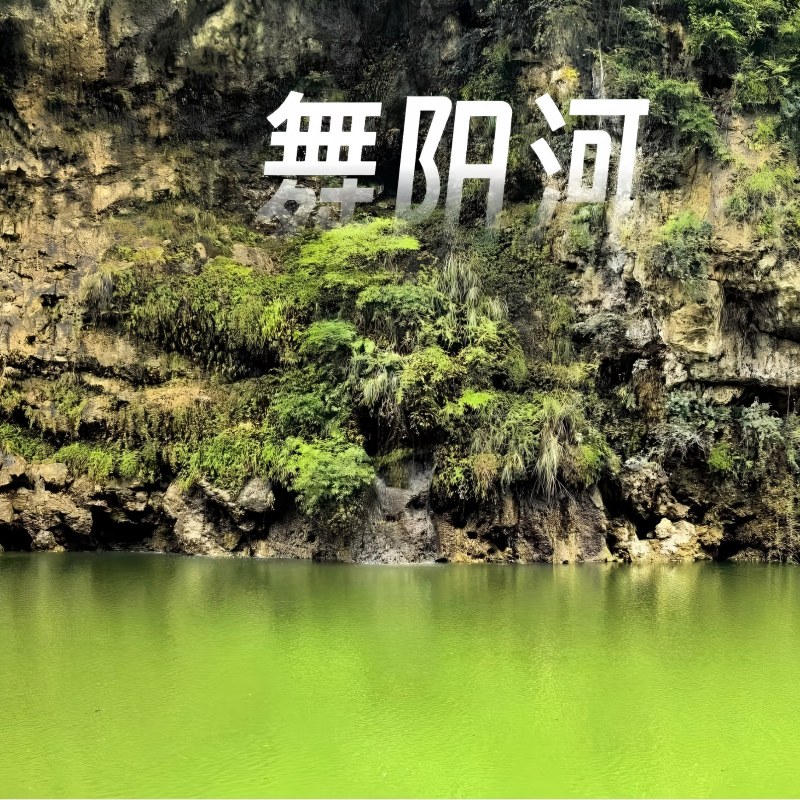
Zhenyuan County
Discover Zhenyuan: Tailored Tours with Huatu International
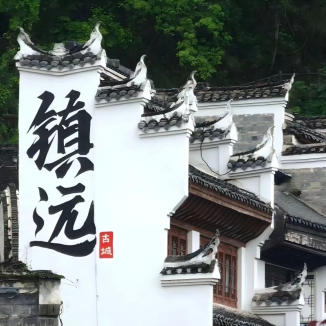
Had enough of overcrowded, cookie-cutter tourist spots? With Huatu International Travel, uncover the hidden gem of Zhenyuan Ancient Town — where the meandering Wuyang River weaves a natural Tai Chi pattern, blending millennia of history with serene landscapes.
We specialize in customized, intimate small-group tours tailored exclusively for international travelers. Dive into authentic local culture through handpicked culinary feasts — savor unique Miao-Han fusion flavors you won’t find in mainstream restaurants, each dish telling a story of cultural harmony.
Rest easy in our carefully curated, quality accommodations, chosen for their comfort and proximity to Zhenyuan’s most charming spots. No more generic hotels — we ensure your stay complements the town’s tranquil vibe.
Our seasoned guides don’t just lead the way; they bring Zhenyuan’s millennium-old tales to vivid life — from the cliffside wonders of Qinglong Cave to the glowing lanterns of Zhusheng Bridge. With flexible itineraries that adapt to your pace, authentic dining experiences, and hassle-free stays, we handle every detail so you can focus on soaking up the magic of Guizhou.
Ready to craft your one-of-a-kind Zhenyuan journey? Reach out to Huatu International now and let’s make your Guizhou adventure unforgettable!
Zhenyuan Ancient Town: A Millennium of Tai Chi Magic Along the Wuyang River
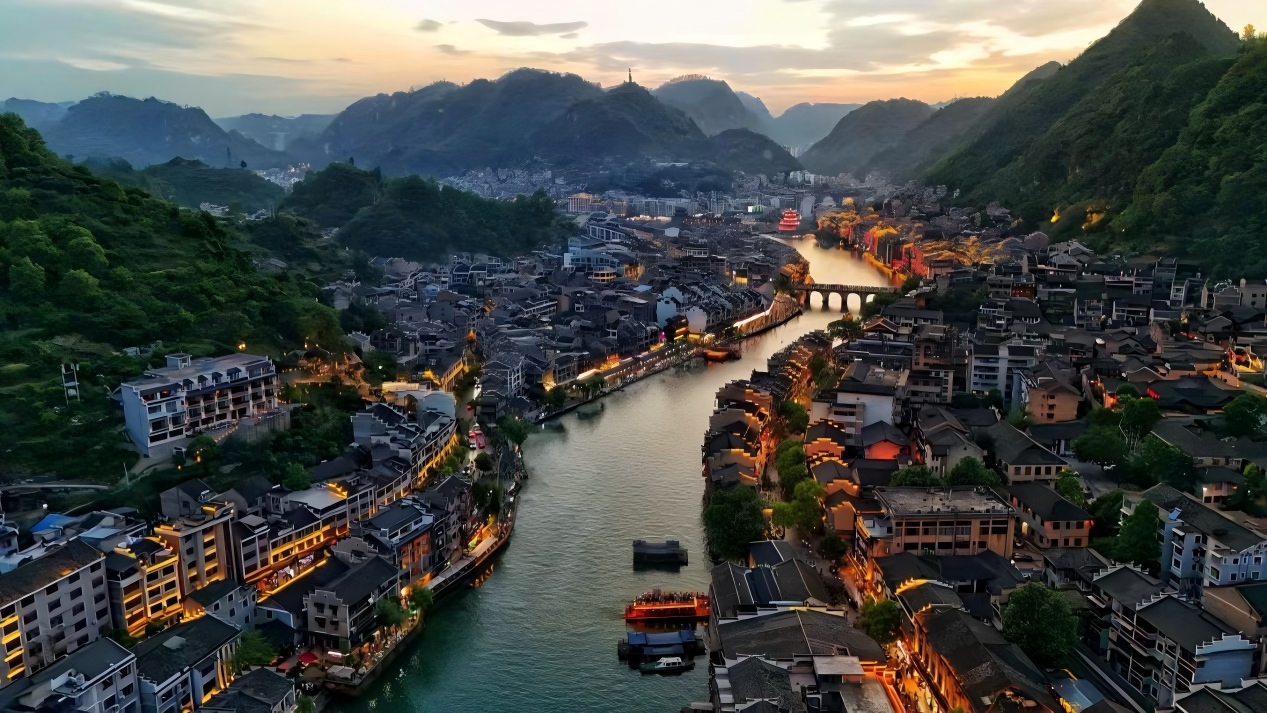
Hello travelers! Welcome to Zhenyuan Ancient Town — a hidden gem where the Wuyang River curves into a natural Tai Chi diagram, and over 600 years of history are etched into blue-tiled roofs, glowing red lanterns, and serene waters. Unlike the busy streets of Lijiang or the flashy charm of Fenghuang, Zhenyuan feels like a wise old soul, quietly sharing stories of the past. It’s said that Liu Bowen, a famous feng shui master from the Ming Dynasty, once called it the place where “Tai Chi locks vital energy, and nine dragon veins converge.” Ready to explore the magic of this “Oriental Venice”? Let’s go!
1. Qinglong Cave: Where Three Religions Meet on a Cliff
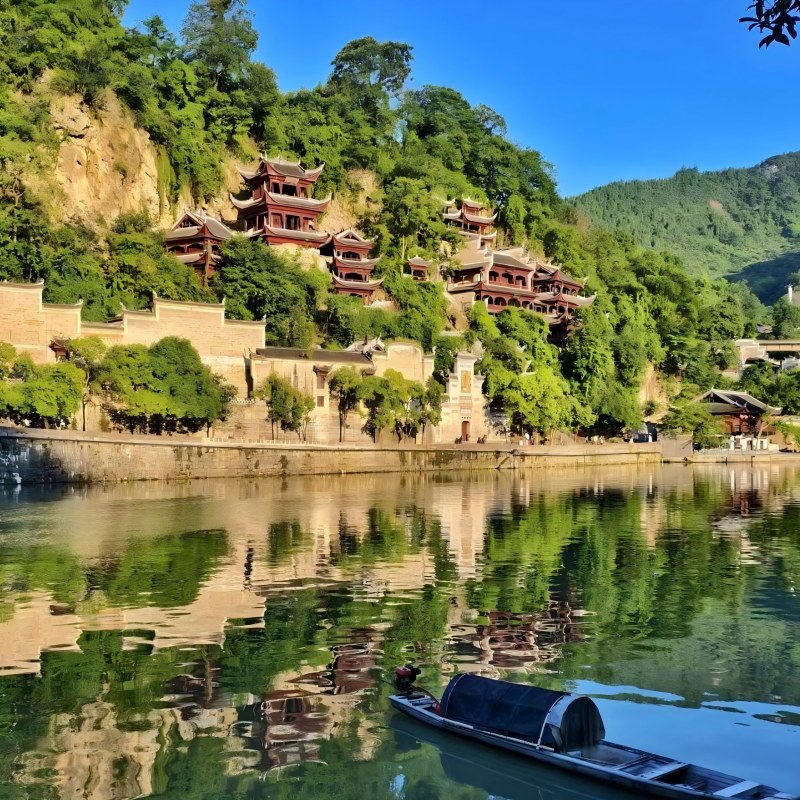
Our first stop is Qinglong Cave, often called the “Hanging Temple of the South.” Look up — this incredible structure is built right into the cliff face on the north bank of the Wuyang River. No bricks or tiles were used for the foundation; instead, wooden beams were anchored directly into the rock. Amazingly, it’s stood strong through centuries, with upgrades made during the Ming and Qing dynasties.
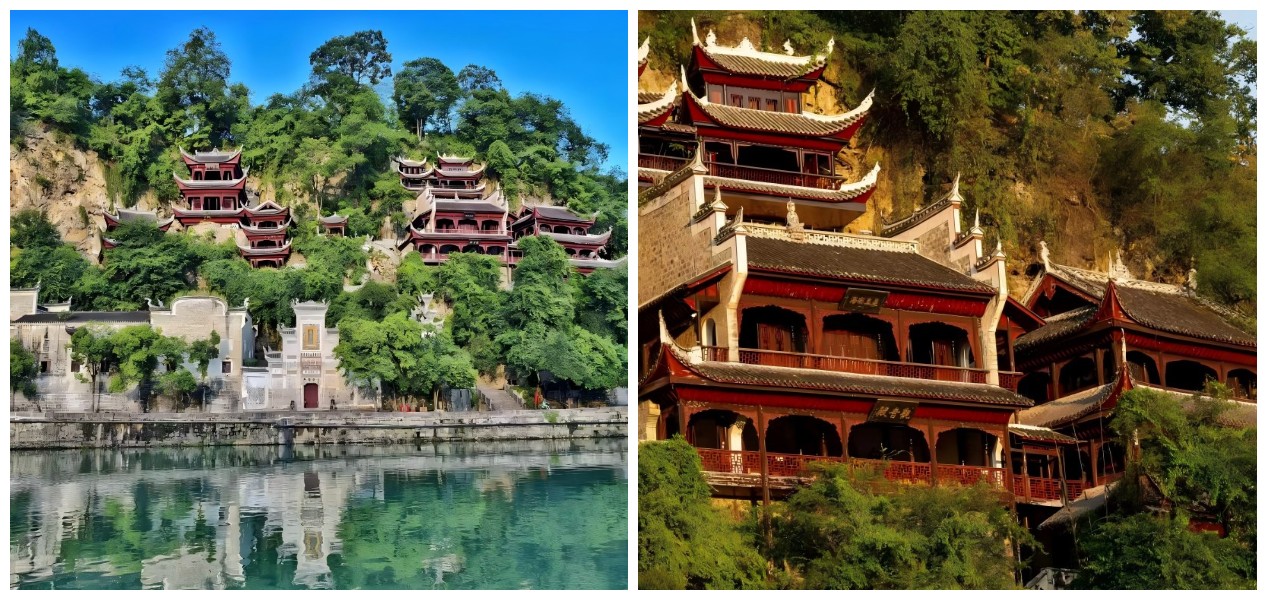
What’s even more special? Within just 15,000 square meters, you’ll find temples and halls for Confucianism, Buddhism, and Taoism — a rare example of “three religions under one roof.”
Legend says Liu Bowen identified Zhenyuan’s Tai Chi layout and marked this cliff as a “dragon’s spine.” He believed building a temple here would harmonize the area’s energy. Locals started with Taoist halls, then scholars added Confucian schools, and Buddhists built meditation spaces — slowly forming this unique spiritual hub.
Don’t miss the Jade Emperor Pavilion at the top — its upturned eaves point toward the river’s S-bend, designed to “draw dragon energy into the town.” As you walk through, notice the wood carvings: Taoist symbols, Confucian motifs, and Buddhist lotus patterns all share the same space in harmony.
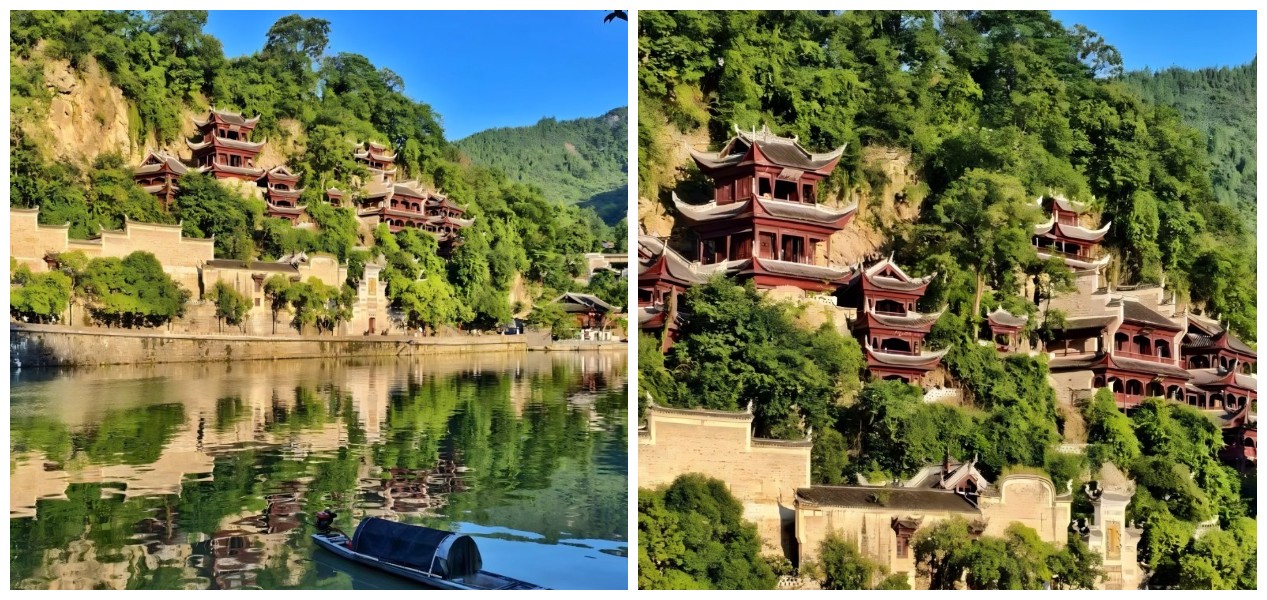
Climb to the viewing platform for a bird’s-eye view of Zhenyuan’s Tai Chi shape. At night, the golden eaves light up, reflecting on the river — a surreal mix of ancient charm and neon glow. It’s a photographer’s dream!
2. Zhusheng Bridge: The “Eye” of the Tai Chi Town
Next, we cross the Wuyang River via Zhusheng Bridge — the spiritual heart of Zhenyuan. When‘ Liu Bowen’ saw the natural Tai Chi shape, he felt it needed a “pupil” to connect both sides. He chose this spot, saying: “This bridge shall link yin and yang; this pavilion shall guard the dragon’s vein.”
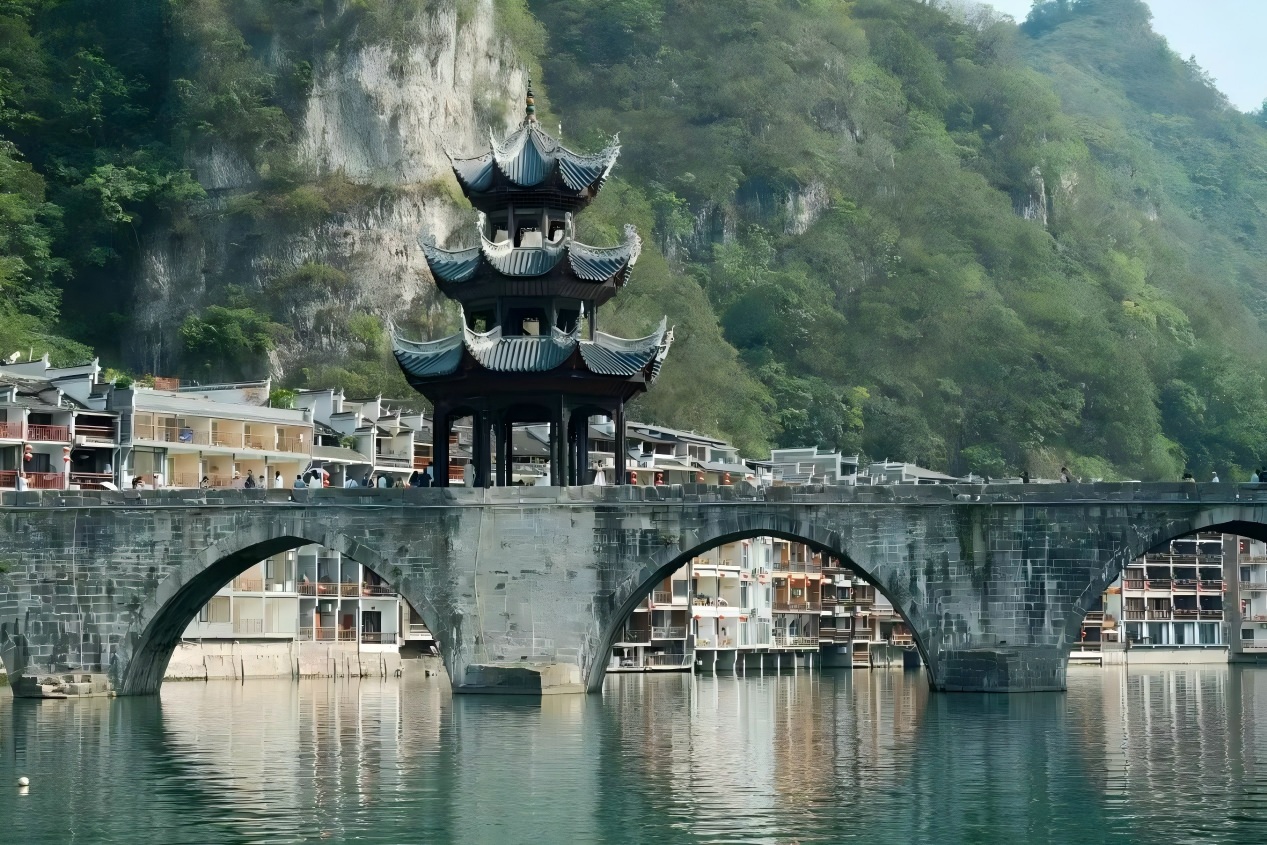
Built over 25 years during the Ming Dynasty, the bridge connects the north and south towns like the lively eye of the Tai Chi symbol. Made of blue stone with seven arches, it’s famous for the “Seven Arches Mirroring the Moon” at night. The Kuixing Pavilion in the middle was where scholars prayed for success in imperial exams.
As a key stop on the ancient Southwest Silk Road, this bridge once saw caravans loaded with silk and tea — you can still see hoof marks on the stone rails.
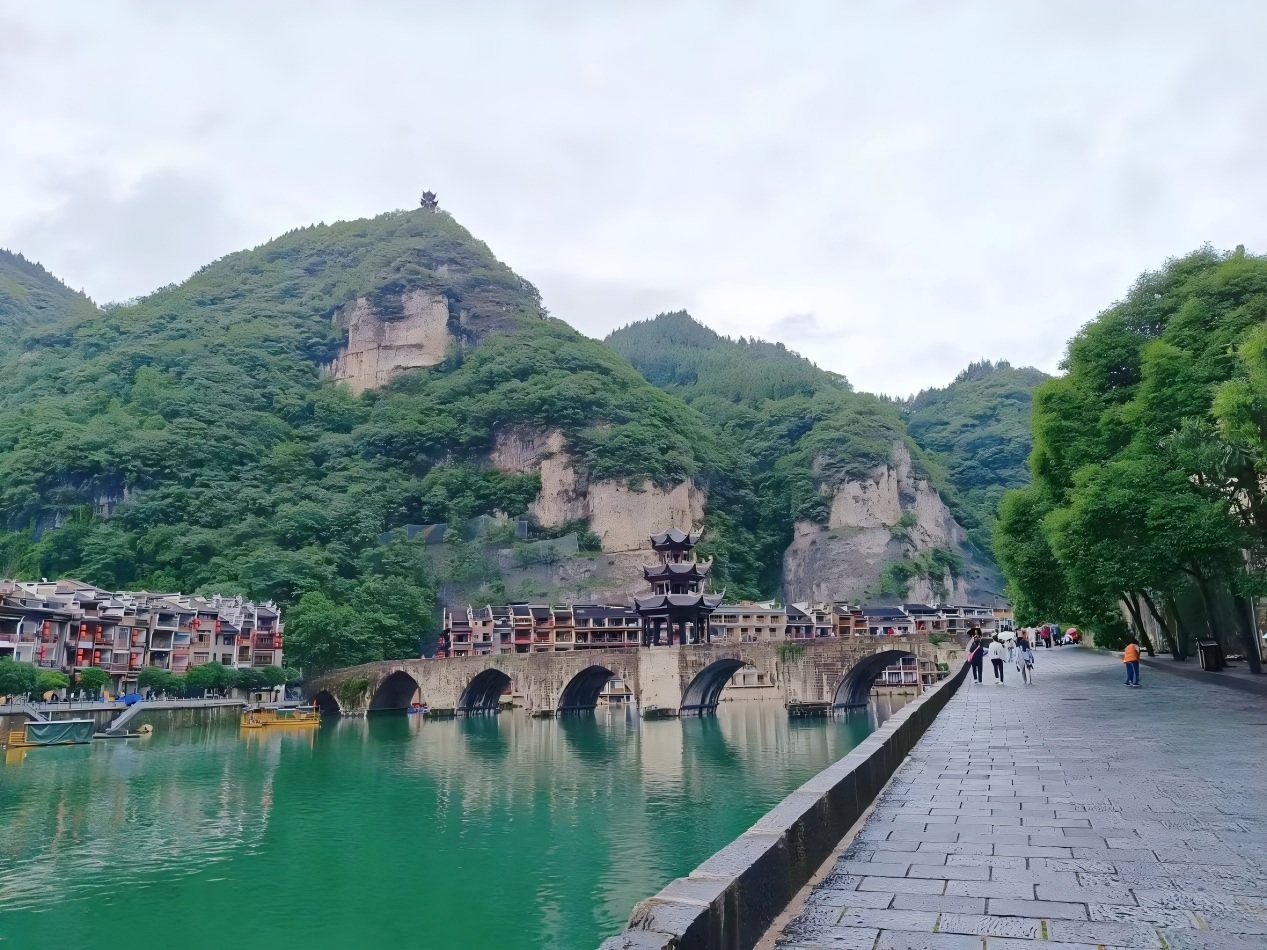
One legend tells of a Qing Dynasty drought when the river dried up. Locals remembered Liu Bowen’s words and lit thousands of lanterns along the bridge and riverbanks. That night, rain finally fell, and a special “dragon vein” stone appeared in the riverbed. Today, at dusk, the bridge lights up beautifully, blending with Qinglong Cave’s glow — a must-see night view.
3. Shiping Mountain: The Best Vantage Point Over Zhenyuan
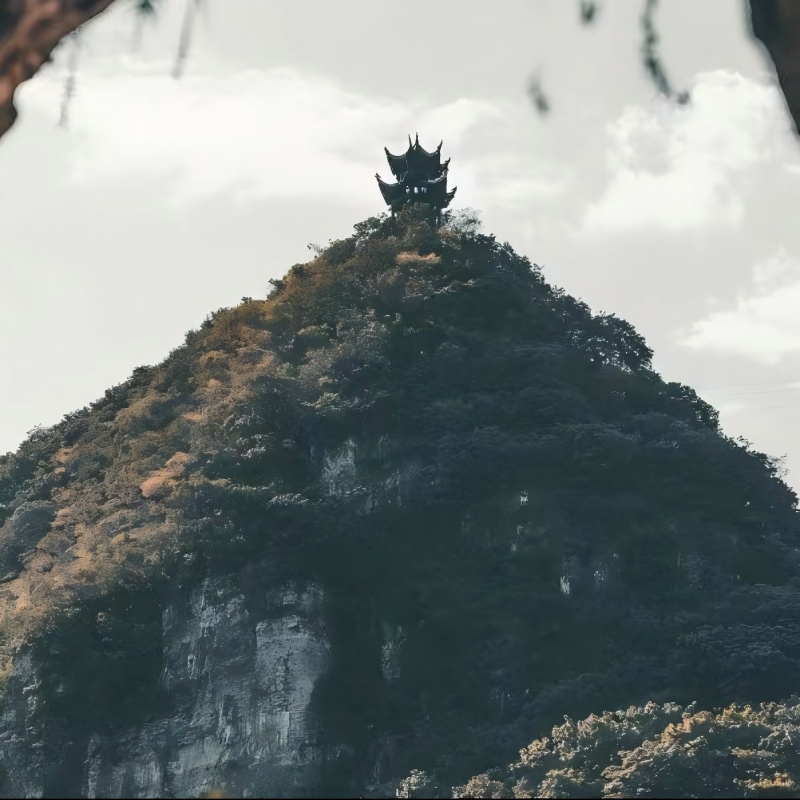
To truly appreciate Zhenyuan’s Tai Chi layout, we head to Shiping Mountain. ‘Liu Bowen’ described it as the place where “nine dragon veins converge.” From here, you can see nine mountain ridges winding like dragons toward the town.
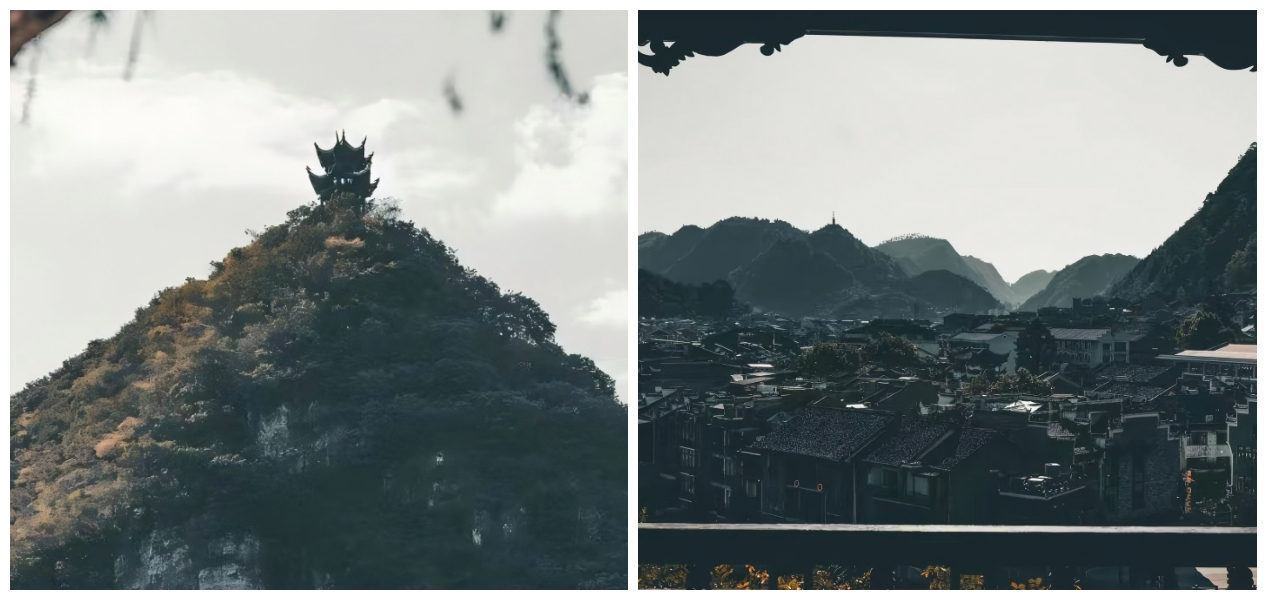
At 668 meters high, this green-covered mountain is a natural shield for the ancient town. It’s also dotted with Ming and Qing military relics — including old city walls and beacon towers.
The climb is worth it. Halfway up, you’ll see the Wuyang River’s S-curve. From the top, the whole Tai Chi town unfolds below: the north town’s maze-like lanes and the south’s peaceful courtyards, all tied together by the river. Locals say: “You haven’t really been to Zhenyuan if you haven’t climbed Shiping Mountain.”
�� Tip: The official entrance is 30 RMB, but you can hike for free from the Minzhu Community trail (though it’s steeper). Visit at dawn or dusk for the best views — misty mornings or golden sunsets with the town lights twinkling below.
4. Ancient Alleys: A Living Museum of Ming-Qing Life
After the climb, we dive into Zhenyuan’s ancient alleys — a living museum of Ming and Qing life. Unlike other planned old towns, these lanes curve naturally with the landscape, each with its own story.
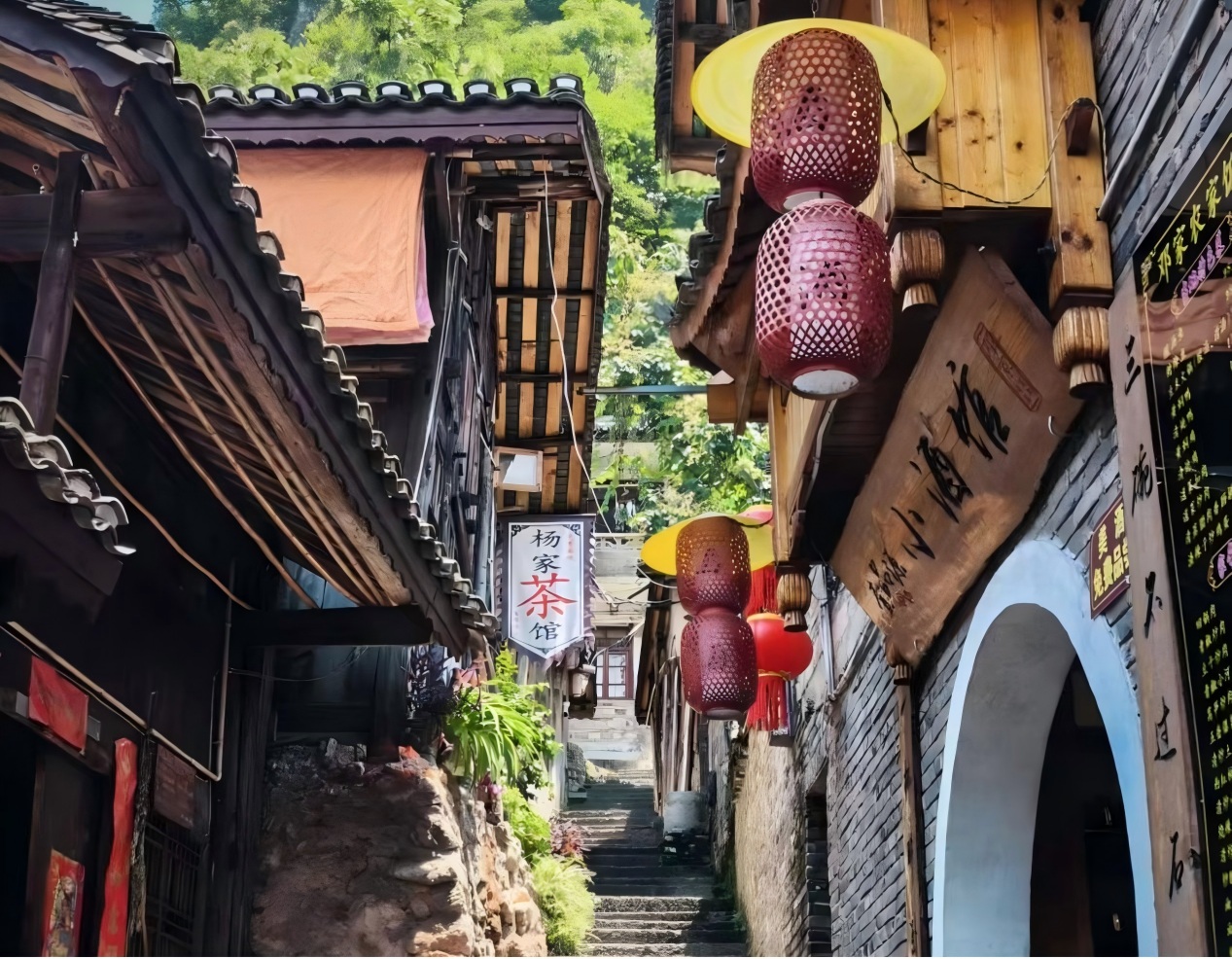
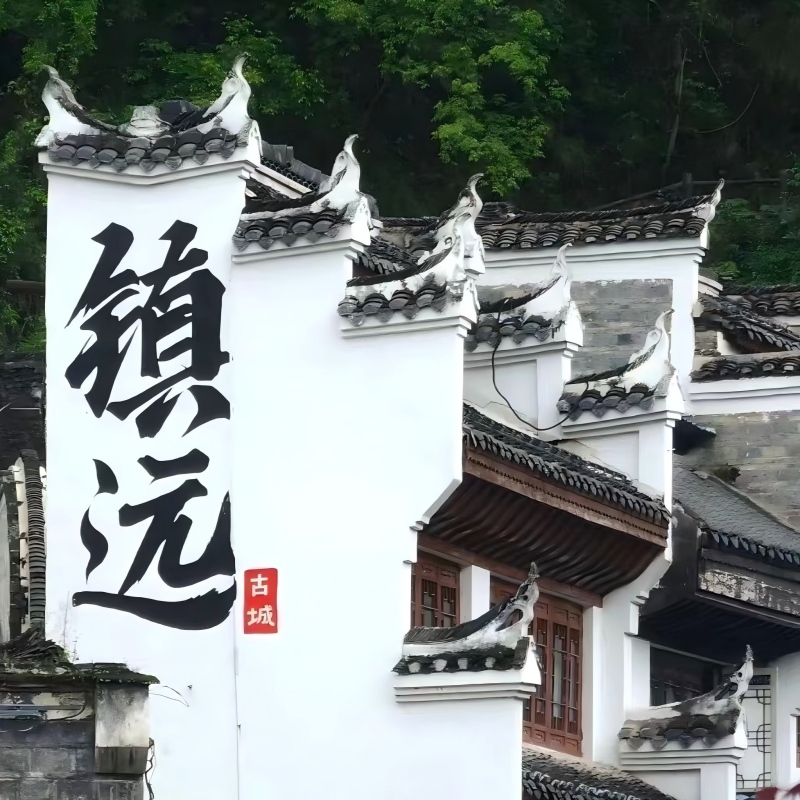
Check out Sifangjing Alley (Square Well Alley), named after a 1,000-year-old Tang Dynasty well. Locals still draw water here, and nearby distilleries use it to make fragrant rice wine. Stroll past traditional courtyard homes with horse-head walls and detailed carvings. Many doors still hang Qing Dynasty plaques with family mottos like “Farming and Reading Sustain the Family.”
Then there’s Fuxing Alley — quieter and more elegant, lined with former officials’ homes. The blue stone paths are worn smooth by time, and red lanterns sway in the breeze. You might see local Dong grandmothers in embroidered dress, carrying bamboo baskets — it’s like stepping back in time.
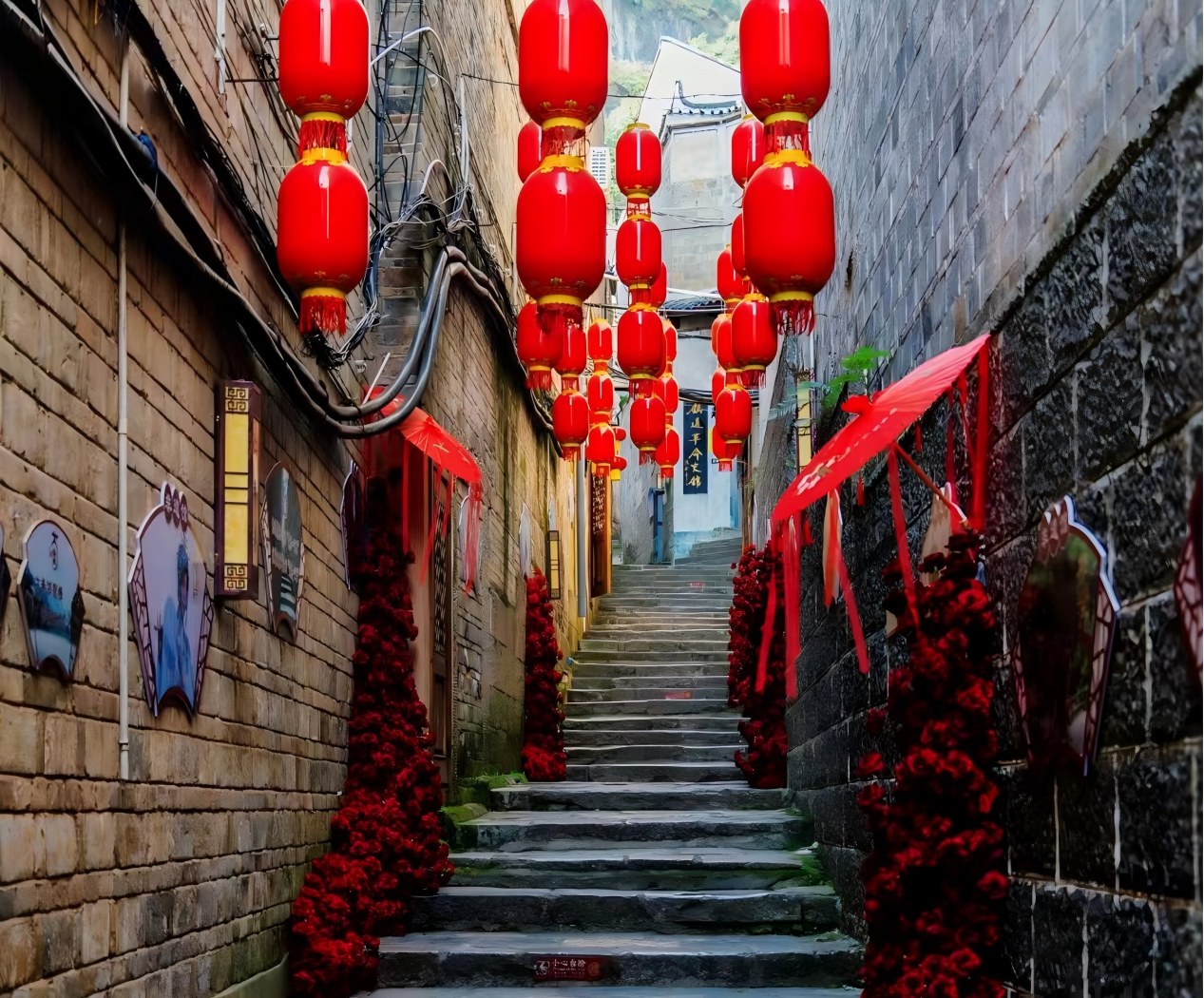
Stop at a teahouse, try some local cloud mist tea, and chat with the owners. They’ll share stories about a courtyard that produced a top imperial scholar, or a wall that hid a caravan warehouse. Slow down — every corner here has a surprise.
5. Wuyang River: The “Jade Belt” of Zhenyuan
No visit is complete without experiencing the Wuyang River — the lifeline of Zhenyuan. Flowing from Weng’an, it forms that iconic S-bend that gives the town its Tai Chi shape. A boat ride is the best way to take it all in.

Choose between a day cruise — peaceful, with green mountains, white houses, and fishing boats reflecting in the water — or a night cruise, when the river comes alive with lanterns and neon lights. The night ticket is around 140 RMB and includes stunning views of illuminated bridges, cliffs, and temples.
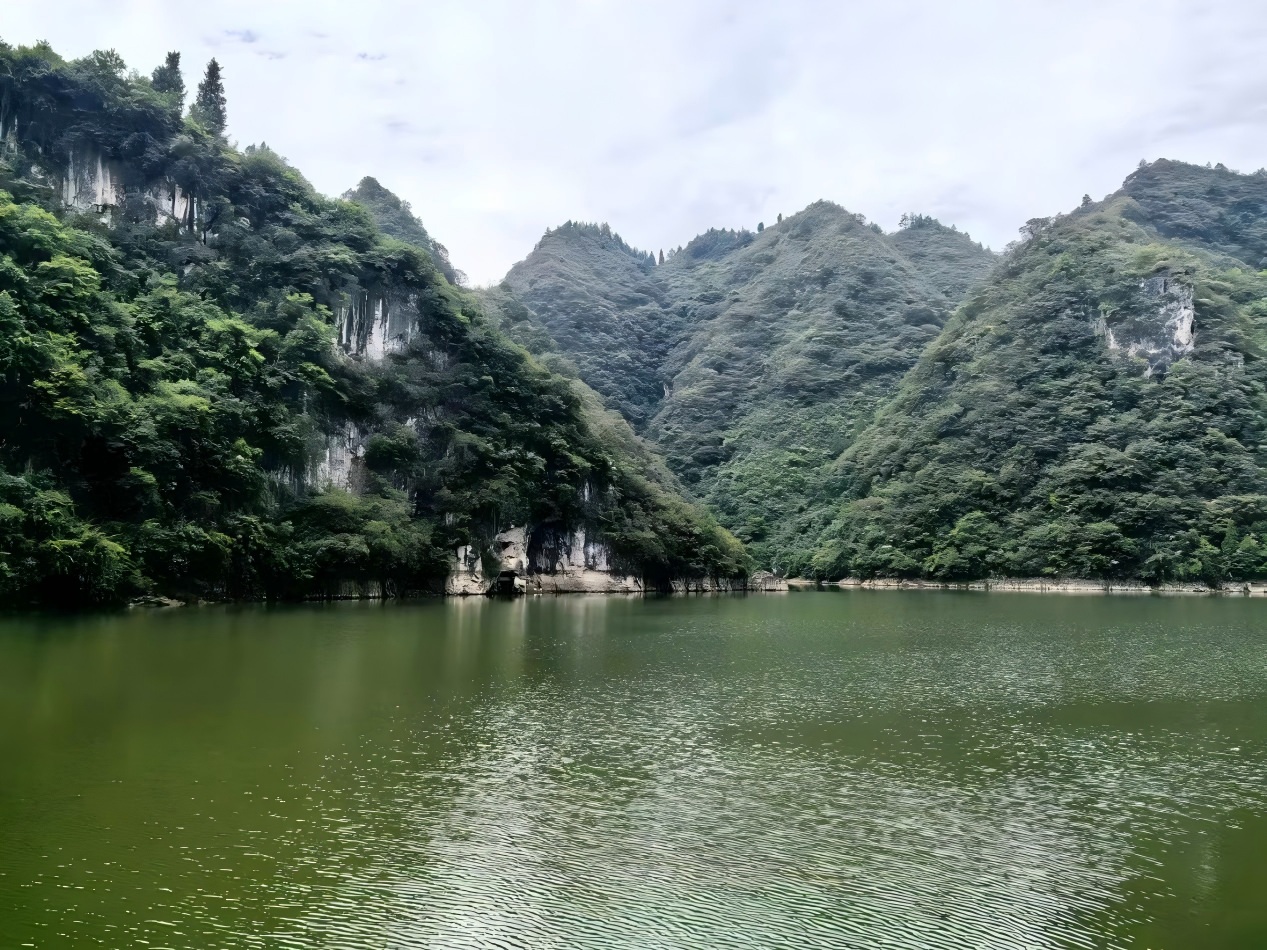
As you glide under Zhusheng Bridge, look up — the arches glow against the night sky. Your guide might point out where Liu Bowen’s “dragon vein stone” once appeared. If you’re lucky, you’ll hear Dong folk songs drifting from the shore, blending with the river’s flow.
6. Local Food: A Mix of Miao, Dong, and Han Flavors
Time to eat! Zhenyuan’s food scene blends Miao, Dong, and Han influences — expect bold, spicy, and unique flavors.
Changwang Noodles: A local favorite. The broth is simmered for hours with pork intestines, blood curd, and greens. Served with chewy handmade noodles and a spicy kick — try it at Lao Wang’s (be prepared to queue!).

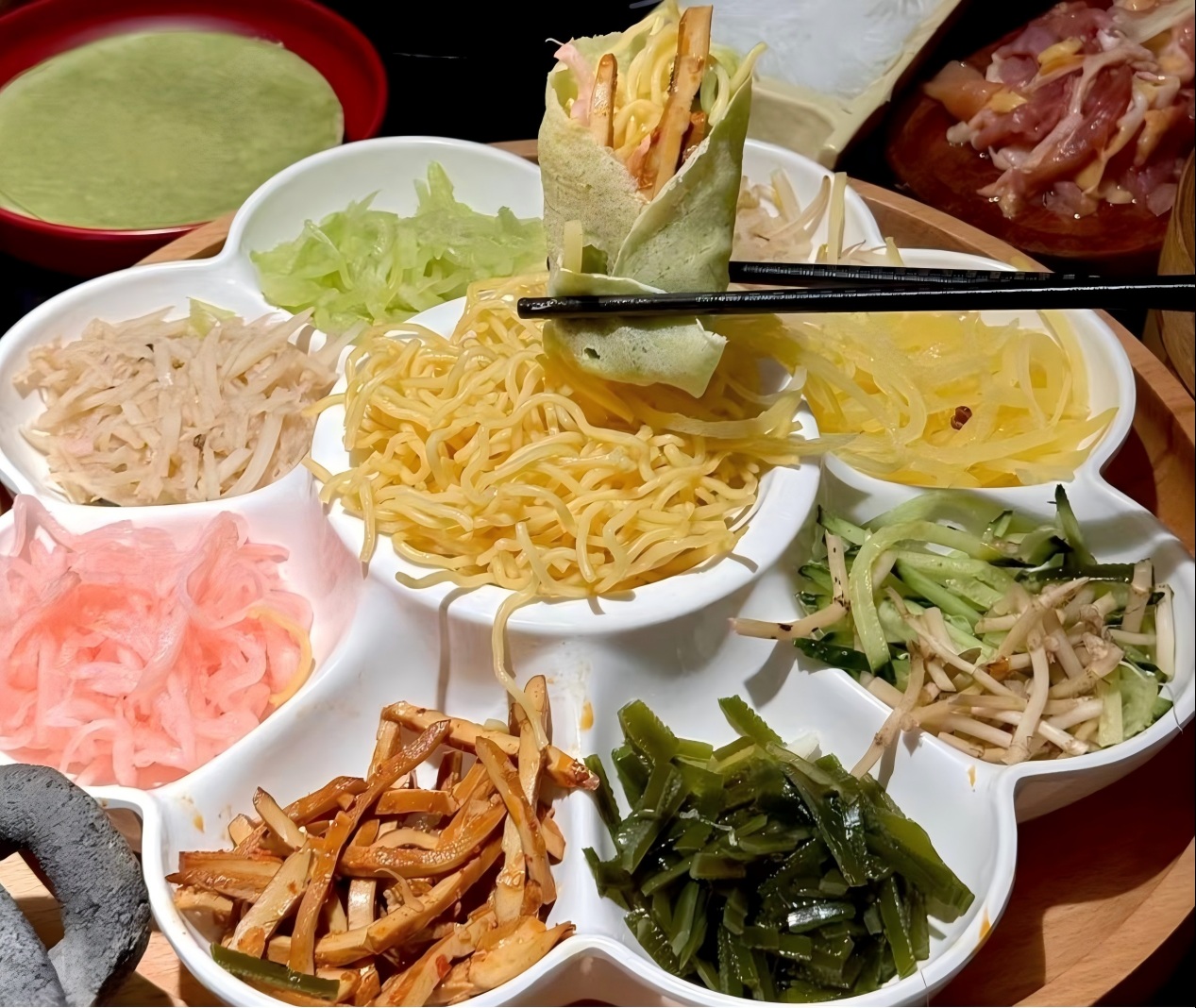
Silk Dolls: A refreshing street snack. Thin rice paper wraps crunchy veggies like radish and tofu, topped with tangy sauce — perfect for a light bite.
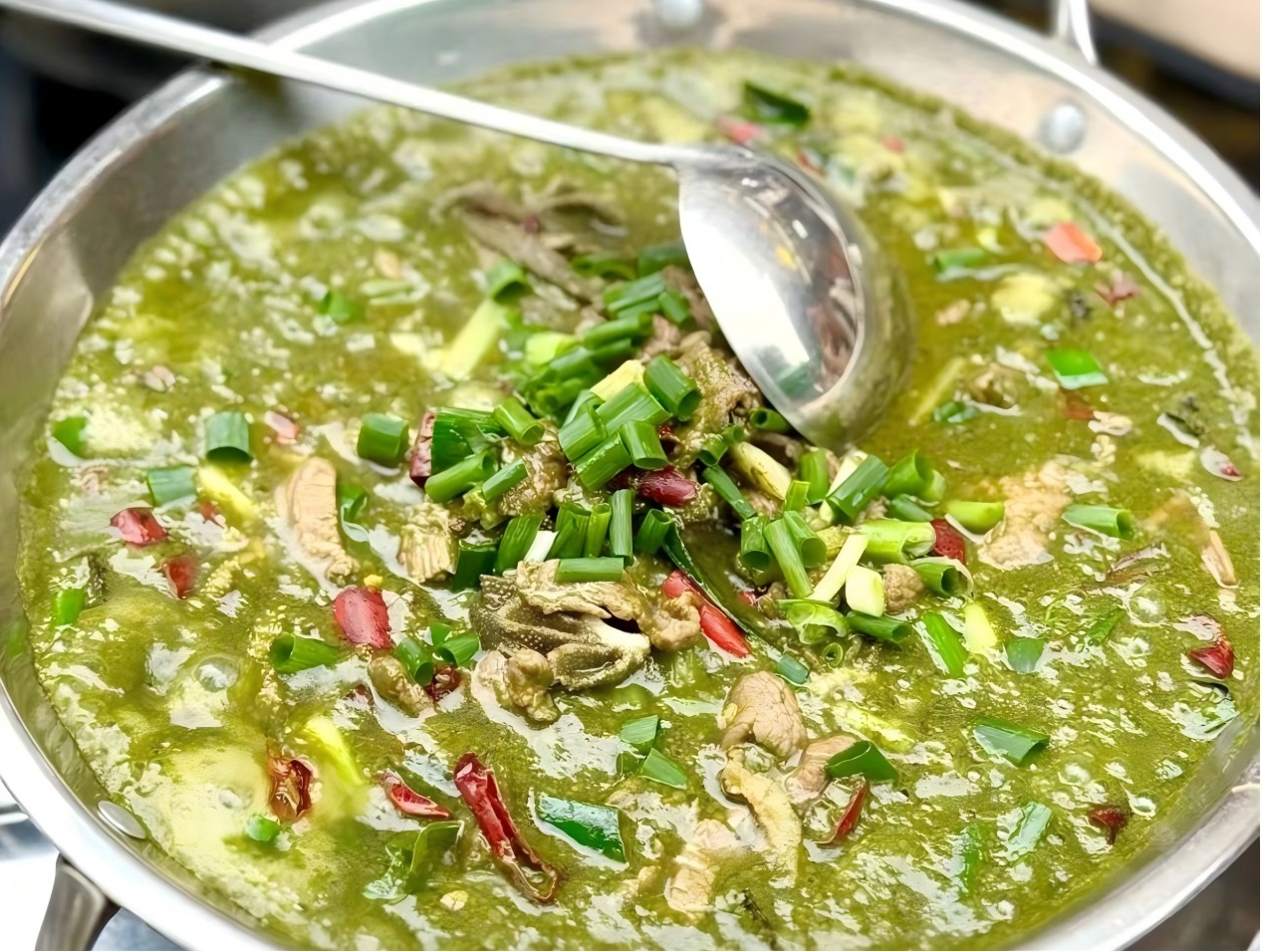
Niubie Hot Pot Chinese food: Adventurous eaters, this one’s for you. A Hmong delicacy made from herbs found in a cow’s stomach. It has a unique herbal flavor and is served with dipping sauces.
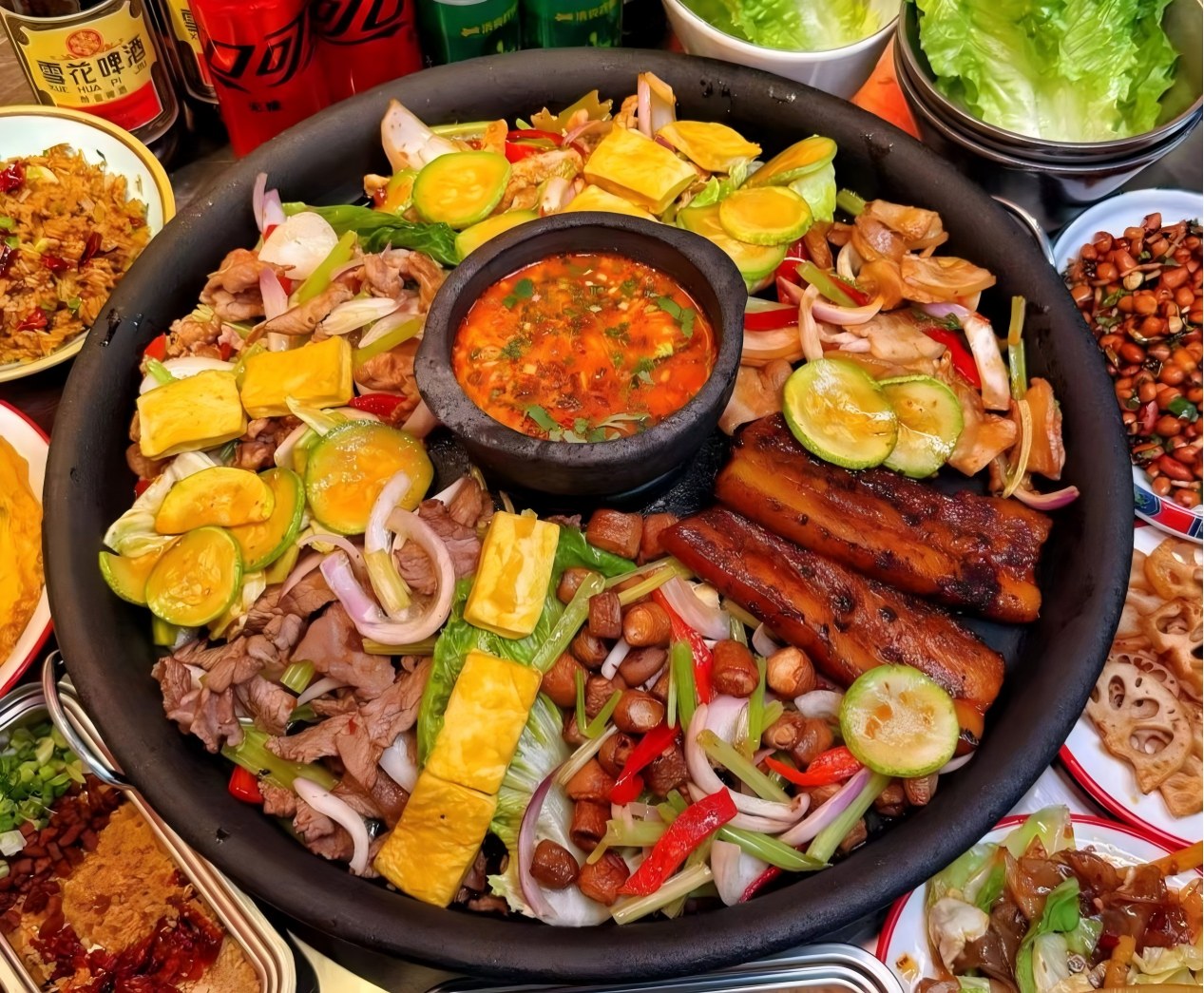
Laoguo Chinese food (Griddle Pot): DIY street food! Cook your own pork, potatoes, and tofu on a hot griddle, then dip in chili powder — fun and flavorful.
7. Bringing Zhenyuan Home
That’s a wrap on our Zhenyuan tour! From cliffside temples and glowing bridges to mountain views and flavorful bites — every moment here tells a story.
Zhenyuan is like a rich book we’ve only just opened. Its beauty lies not just in landscapes and architecture, but in centuries of culture, faith, and daily life. Maybe it’s a lantern on the bridge, the smell of rice wine in an alley, or the taste of sour soup that you’ll remember most.
Take a piece of Zhenyuan’s calm and charm with you. And come back someday — each season paints the town differently. Safe travels, and see you next time!