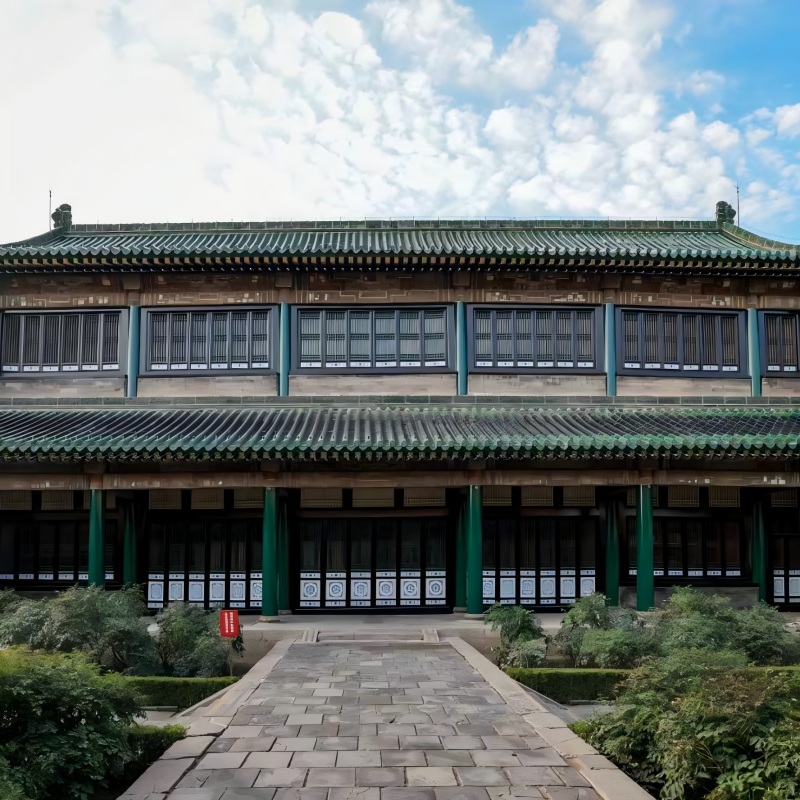
Mukden Palace
Shenyang Palace Museum: Your Custom Gateway to Qing Dynasty History
Discover the Cradle of an Empire: Explore the UNESCO-listed Shenyang Palace Museum, the unique architectural masterpiece where the mighty Qing Dynasty was founded.
Tailor-Made Historical Journeys:We design personalized itineraries. Whether you're a history enthusiast, architecture lover, or foodie, we'll create a tour that matches your pace and interests.
Experience Manchu-Han Fusion: Go beyond standard tours. Our expert guides provide deep cultural context, from the Eight Banners system in the Dazheng Hall to the royal life in the Qingning Palace.
Book Your Custom Adventure: Let us craft your perfect historical exploration. Contact us to plan your unique visit to this living monument of imperial China.
Explore the Shenyang Palace Museum: Where the Qing Dynasty Began
Hello everyone, and welcome to the Shenyang Palace Museum! They say "Half of Qing history is in Shenyang," and this magnificent palace is the living proof. Unlike Beijing's Forbidden City, it stands out with its unique blend of Manchu and Han architectural styles and its status as the "cradle of the Qing Dynasty's imperial power." Today, we'll step into the sanctuary of two founding emperors—Nurhaci and Huang Taiji—and discover the fascinating fusion of cultures. Let's begin our journey through history!
1. Dazheng Hall & Ten Princes Pavilions: The Heart of the Eight Banners
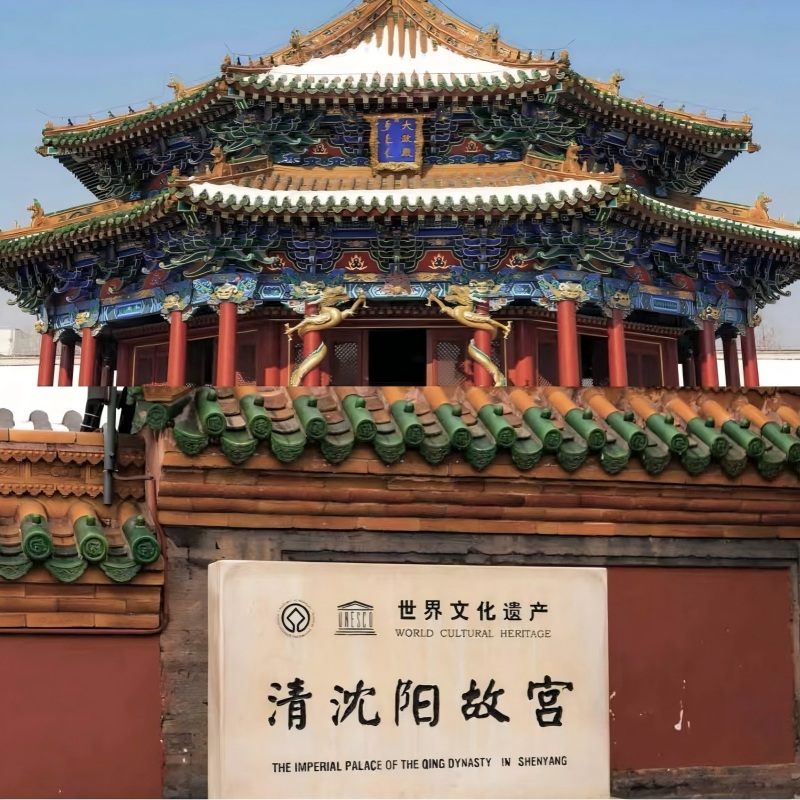
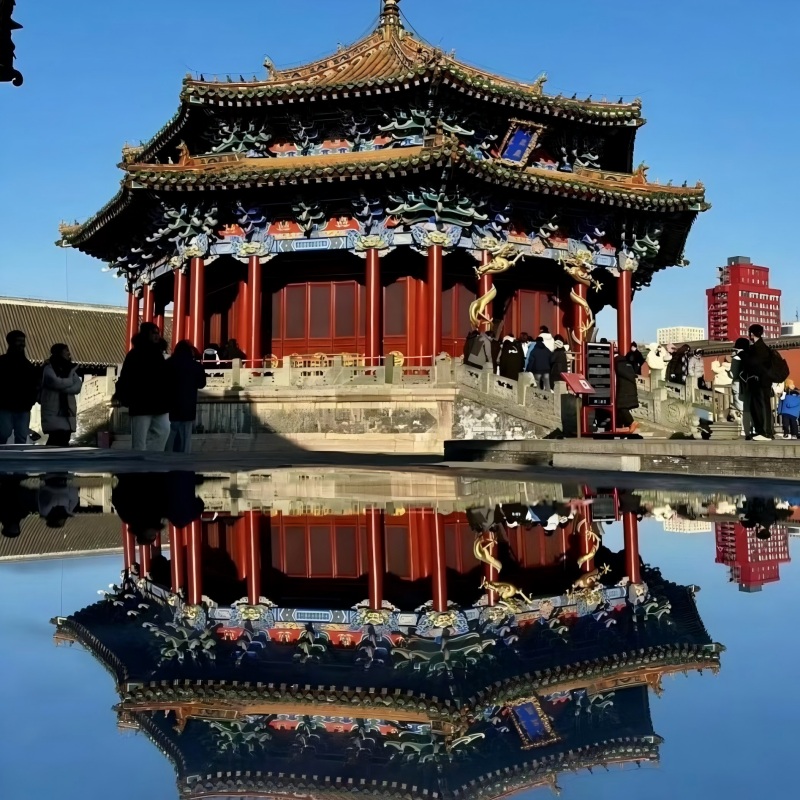
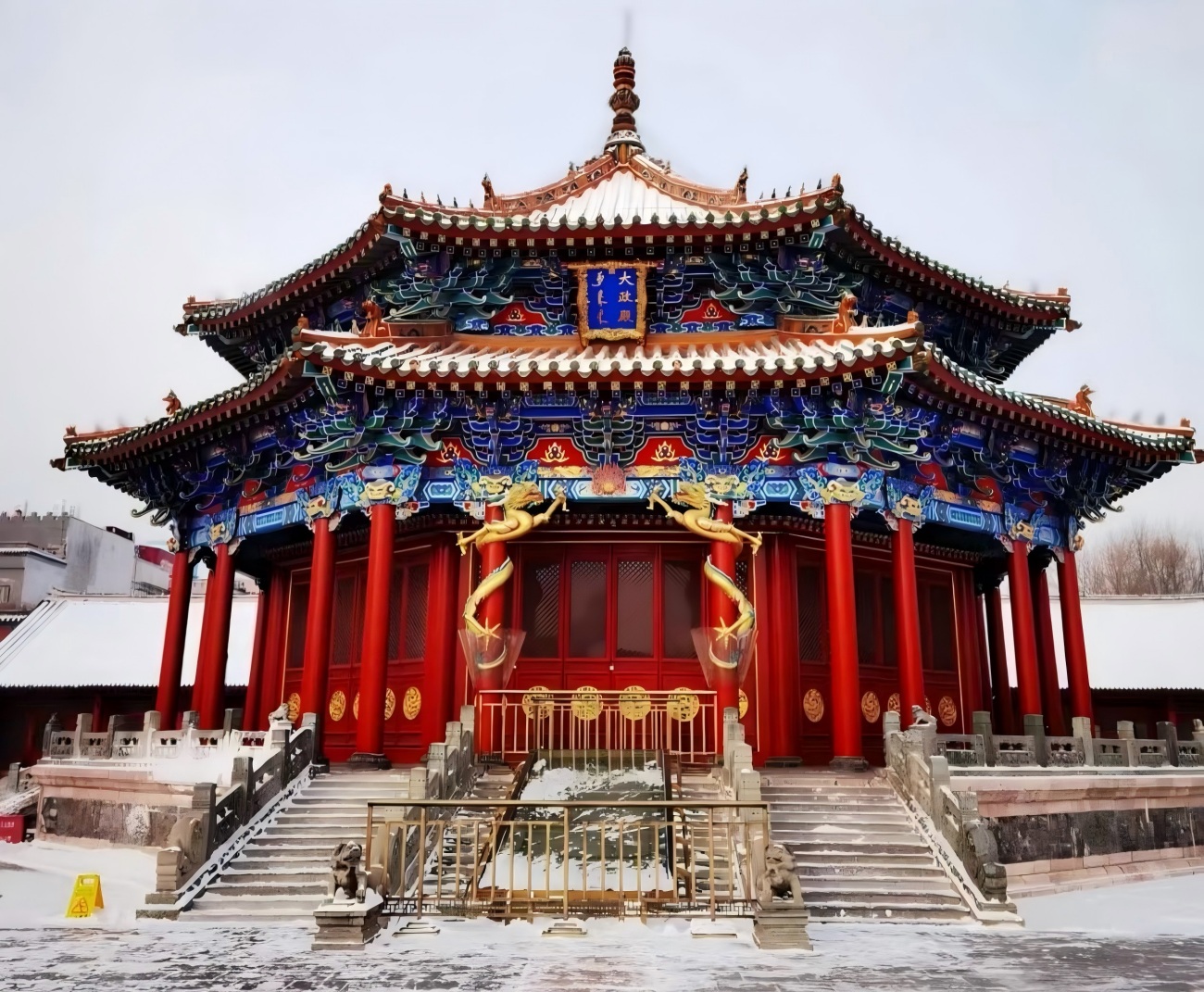
Our first stop is the Dazheng Hall, the symbolic core of the palace complex. Notice its unique octagonal shape with a pointed roof—quite different from typical Chinese halls. Built in 1625 for Nurhaci, its design reflects traditional Manchu tents (cuoluozi) and a deep reverence for heaven.
More importantly, its layout embodies the Eight Banners system, the Manchu military and social organization. Surrounding the hall are the Ten Princes Pavilions. These ten small buildings housed the leaders of the Eight Banners plus two additional ministers. During important meetings, Nurhaci would deliberate with his nobles here, a powerful display of early Manchu governance. This is where Huang Taiji later proclaimed the new "Qing" dynasty in 1636.
2. Chongzheng Hall: The Throne Room of Power
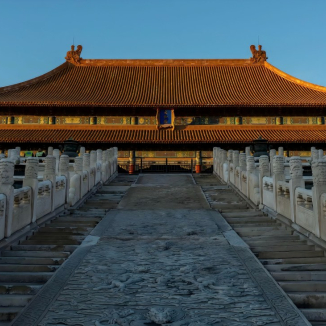
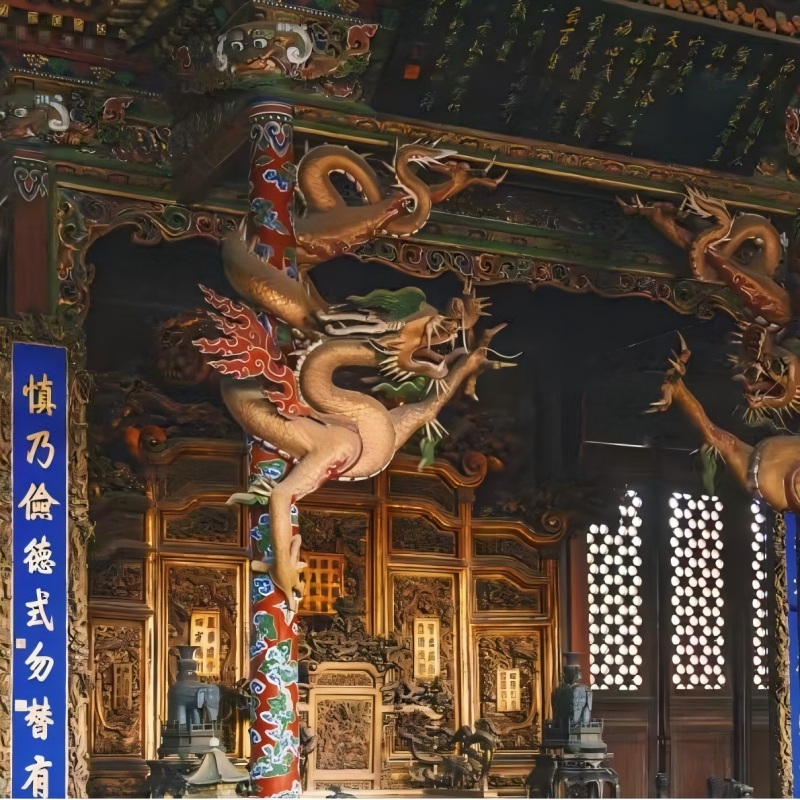
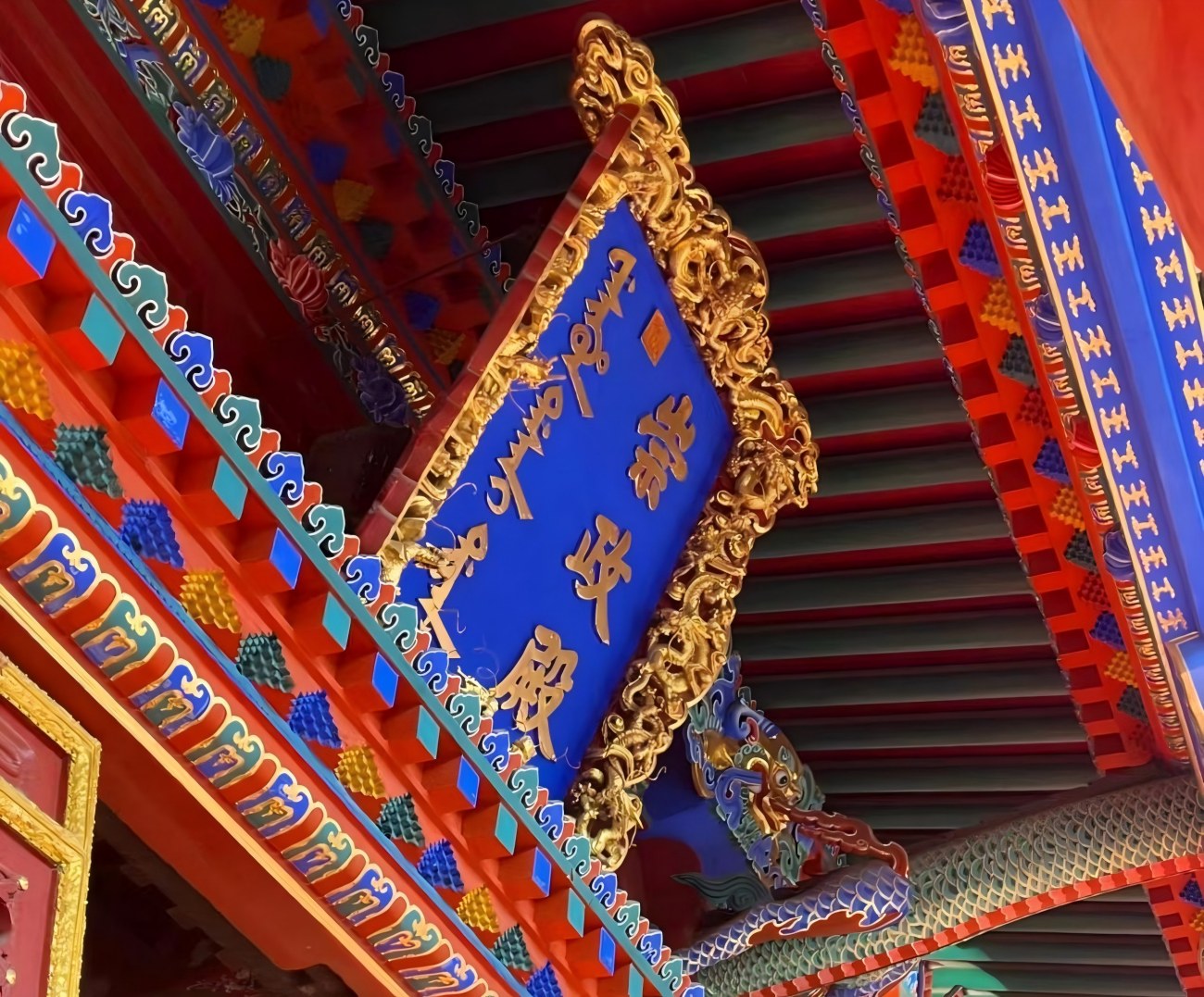
Walking along the central axis, we reach Chongzheng Hall, the main throne hall for handling daily affairs. This hall, resembling Beijing's Hall of Supreme Harmony, showcases more Han Chinese architectural influence.
Inside, you'll find the imperial throne and the plaque inscribed with "Zheng Da Guang Ming" (Upright and Bright). Major historical events unfolded here, like the grand victory banquet after the pivotal **Battle of Songjin (1642)**, which paved the way for the Qing conquest of China. Emperor Shunzhi also held his coronation here before moving the capital to Beijing.
3. Fenghuang (Phoenix) Tower: The Gateway to the Inner Court
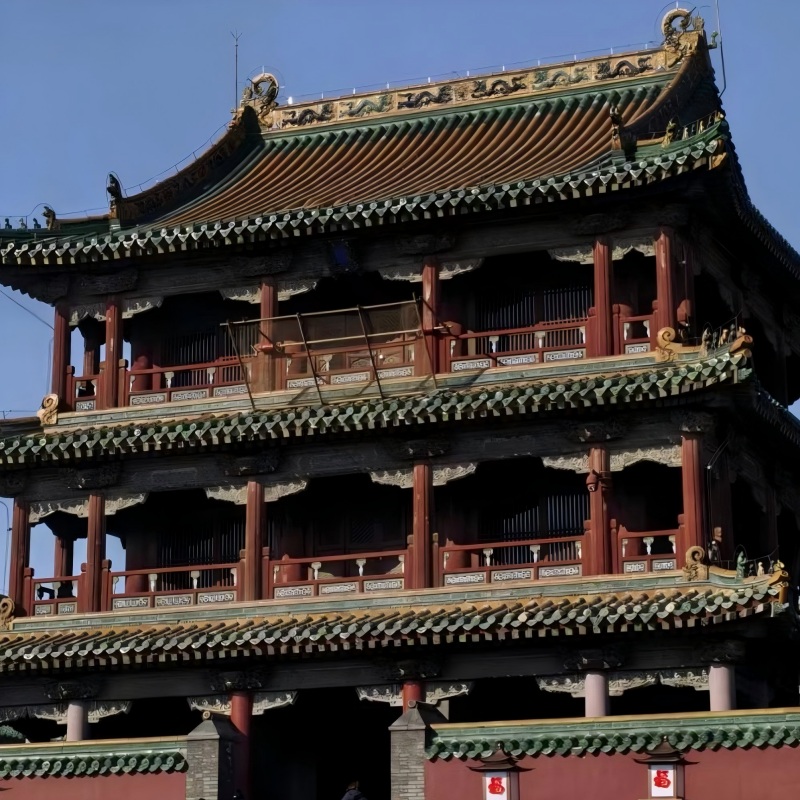
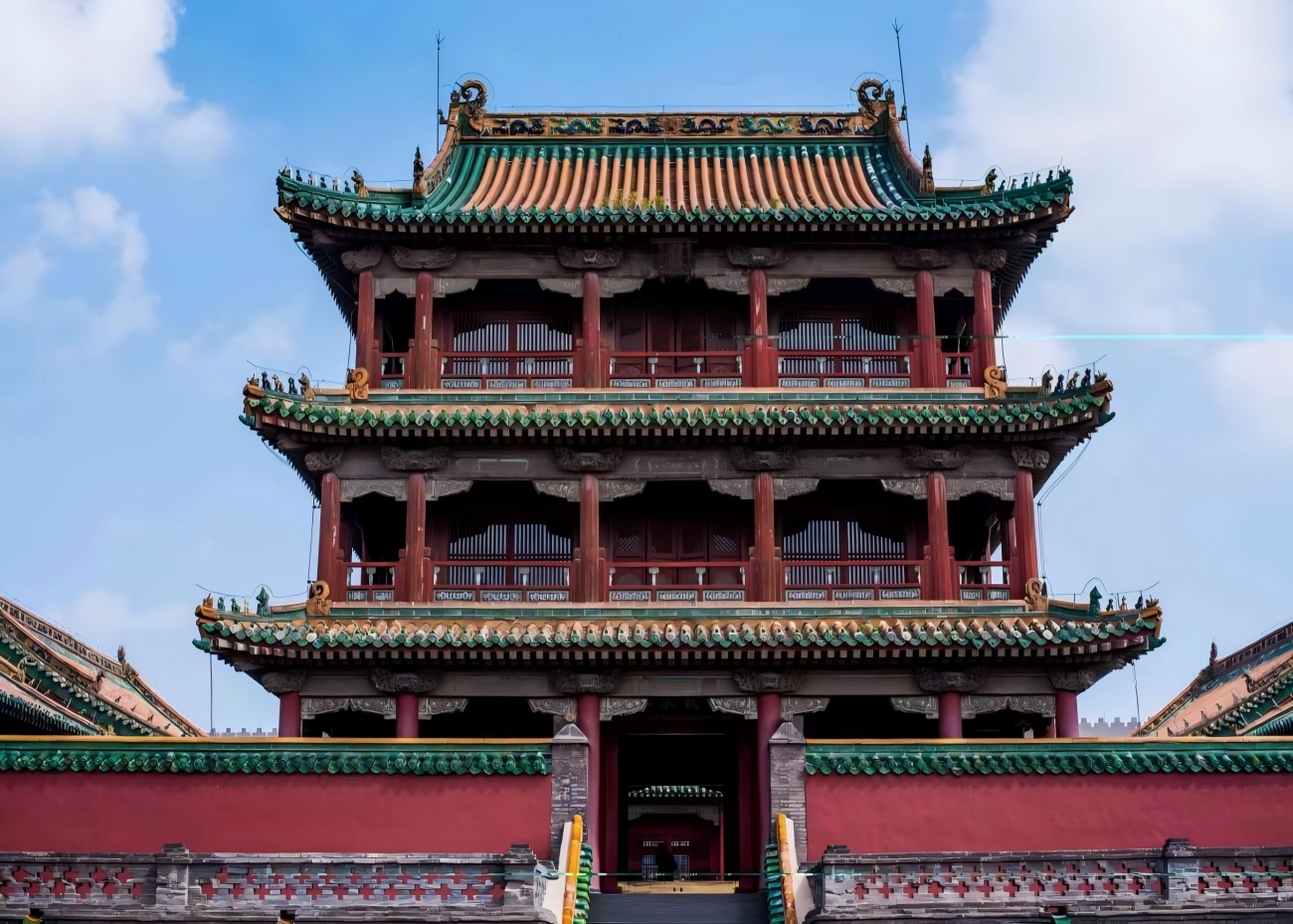
This three-story tower is the tallest building in the palace. It served as the gateway between the public outer court and the private inner quarters. Emperors and consorts would climb it to enjoy panoramic views of old Shenyang.
The phoenix, symbolizing the empress, gives the tower its name. Its "front hall, rear tower" layout is rare in Chinese palace design. It was famed for its "Four Scenic Views" at dawn, in drizzle, under snow, and at sunset.
4. Qingning Palace: A Glimpse into Manchu Royal Life
This was the residence of Empress Zhezhe, Huang Taiji's primary wife. It’s a classic example of a Manchu "pocket house," with its door facing the auspicious east.
Inside, the layout blends living and spiritual spaces. The western section is a shamanic worship hall, where rituals for the Manchu deity were held. The eastern bedroom features the traditional heated kang bed, essential for surviving harsh northeastern winters. Artifacts like cheongsams and bows paint a vivid picture of early Qing court life.
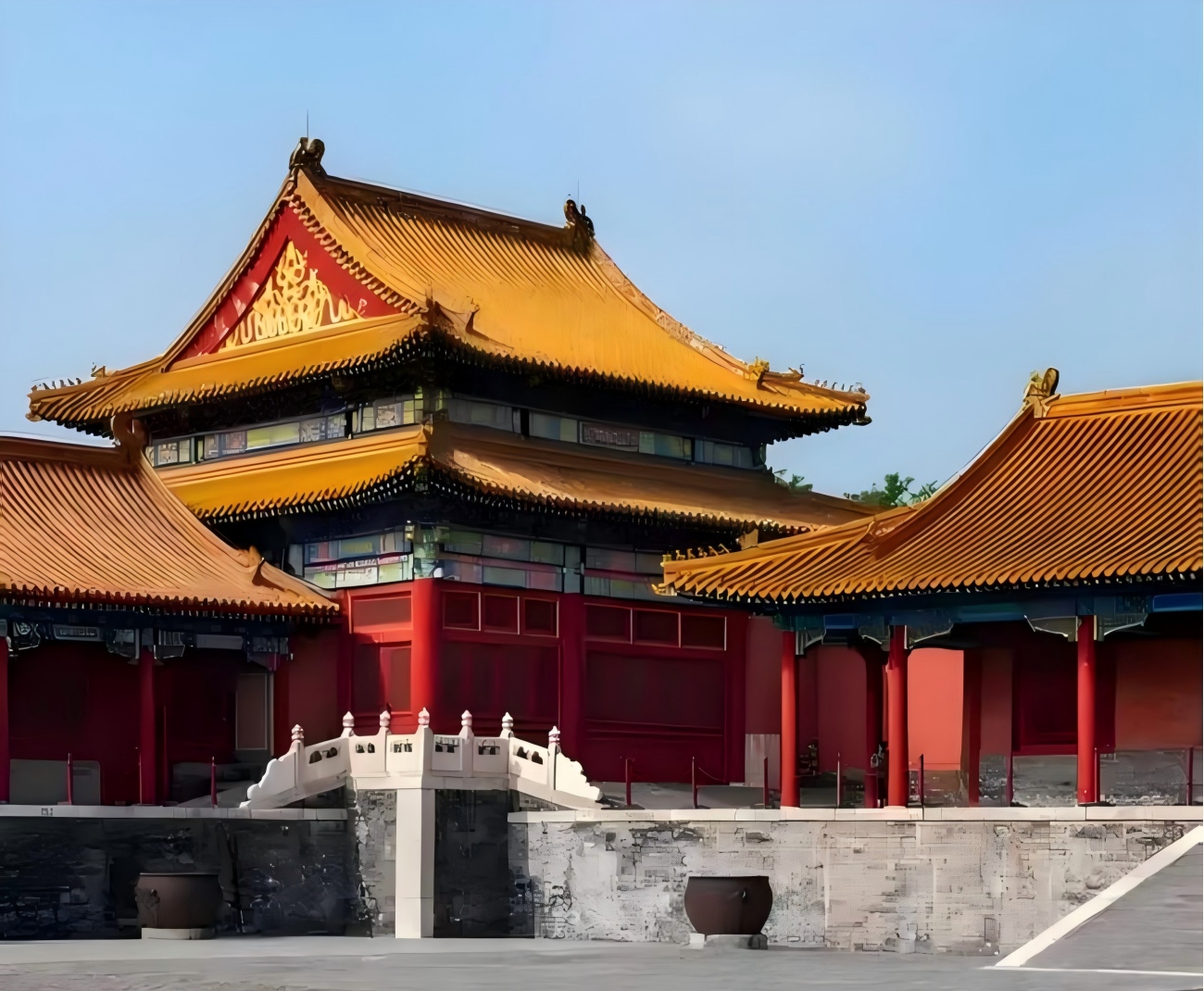
5. Wensu Pavilion: The Imperial Library
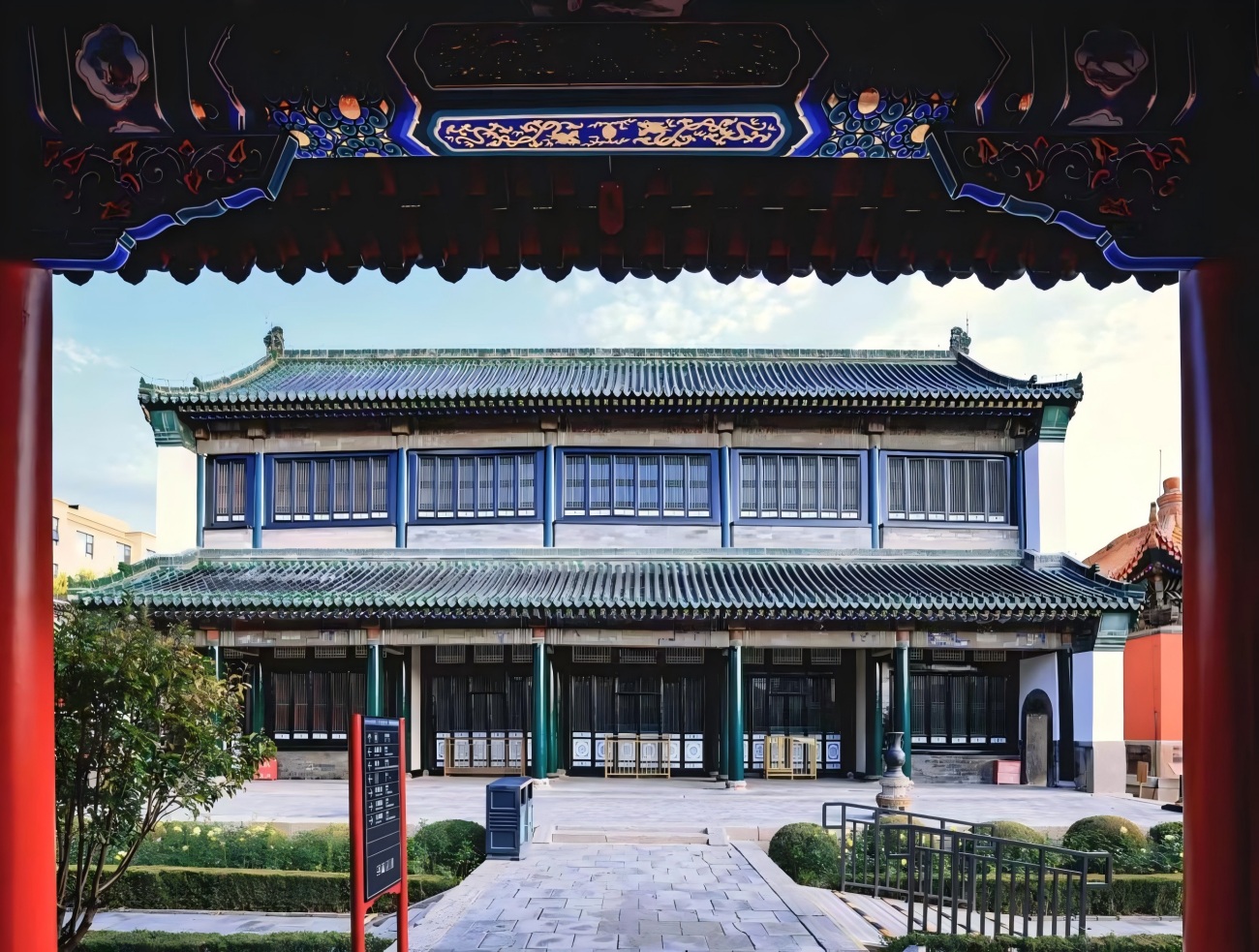
This distinct building with a green glazed-tile roof is the Wensu Pavilion, a royal library built by Emperor Qianlong. Green symbolizes water, intended to protect the books from fire.
It once housed a copy of the Siku Quanshu (Complete Library of the Four Treasuries), China's largest literary collection. The pavilion was part of Qianlong's project to promote culture and scholarship throughout the empire.
6. A Taste of Shenyang: Must-Try Local Flavors
After exploring, enjoy some iconic Shenyang dishes that blend Manchu and local Han flavors:
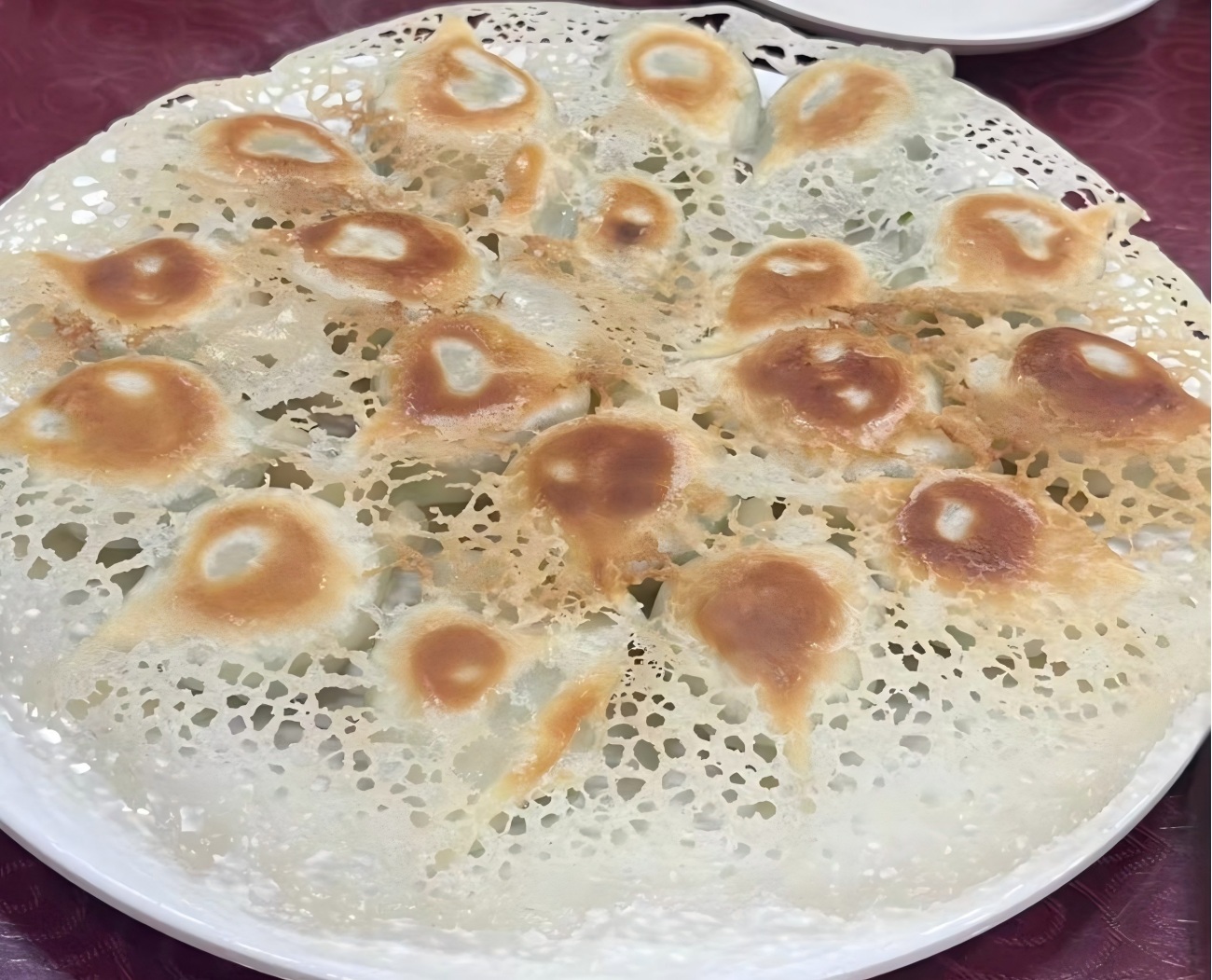
1. Laobian Dumplings: A century-old brand famous for its "stir-fried filling" technique, which locks in incredible juice and flavor. Try the Three Delicacies (sea cucumber, shrimp, chives).
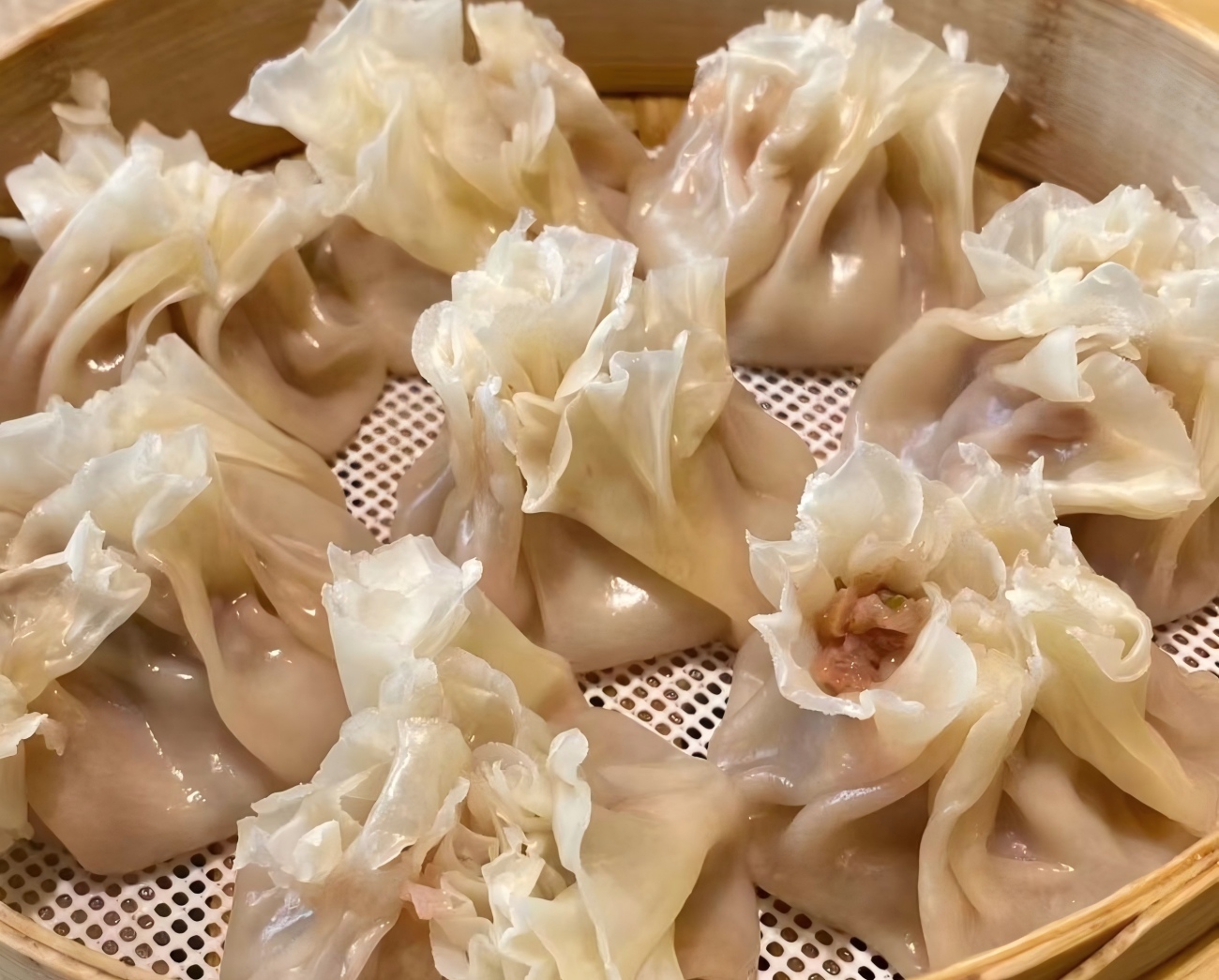
2. Majia Shaomai: A renowned Muslim snack with paper-thin wrappers** bursting with savory beef or lamb filling. Enjoy it with a bowl of mutton soup.
3. Shenyang "Huitou": A pan-fried Manchu pastry filled with pork and cabbage. Legend says Nurhaci named it "Looking Back" after his soldiers enjoyed it so much.
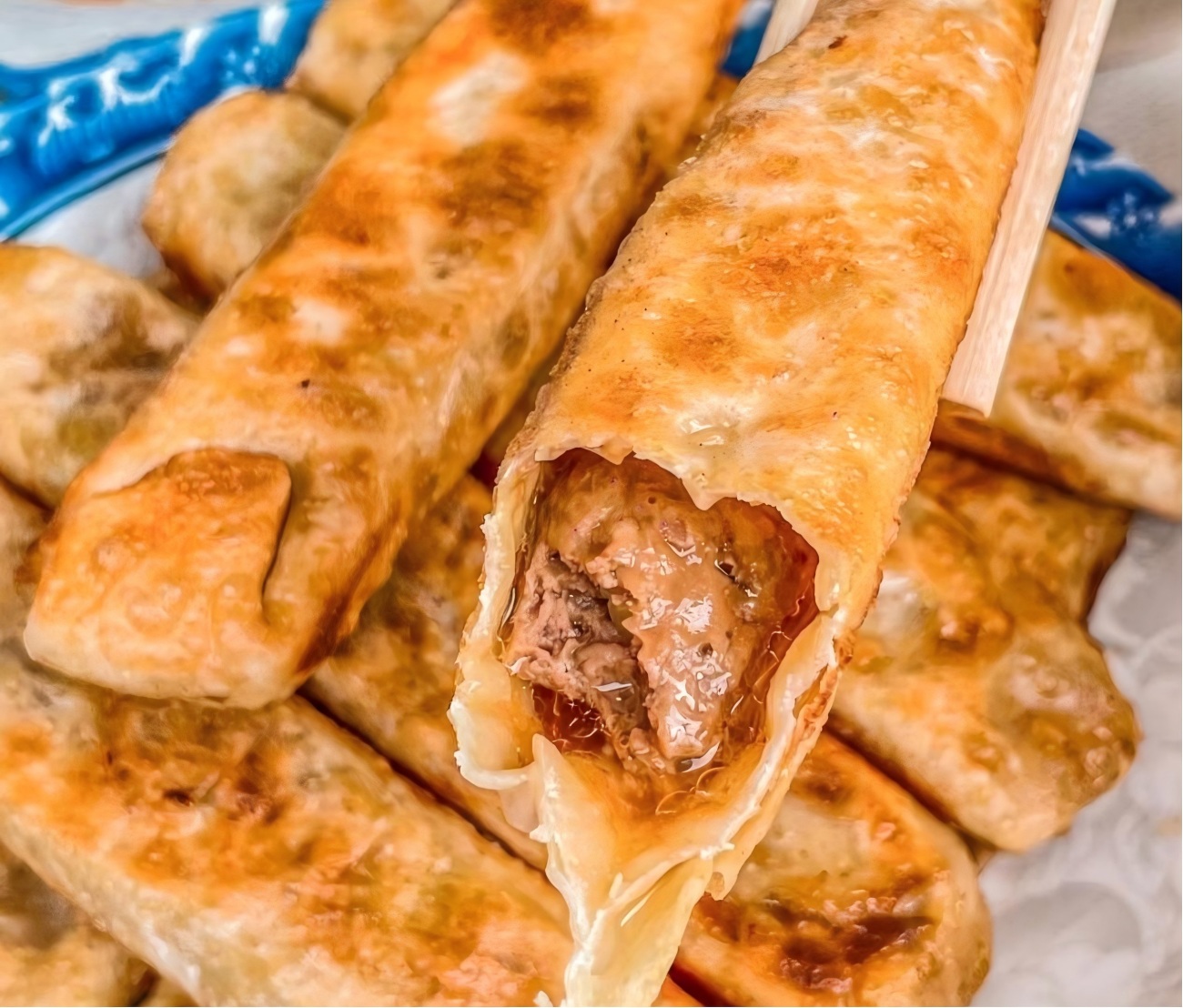
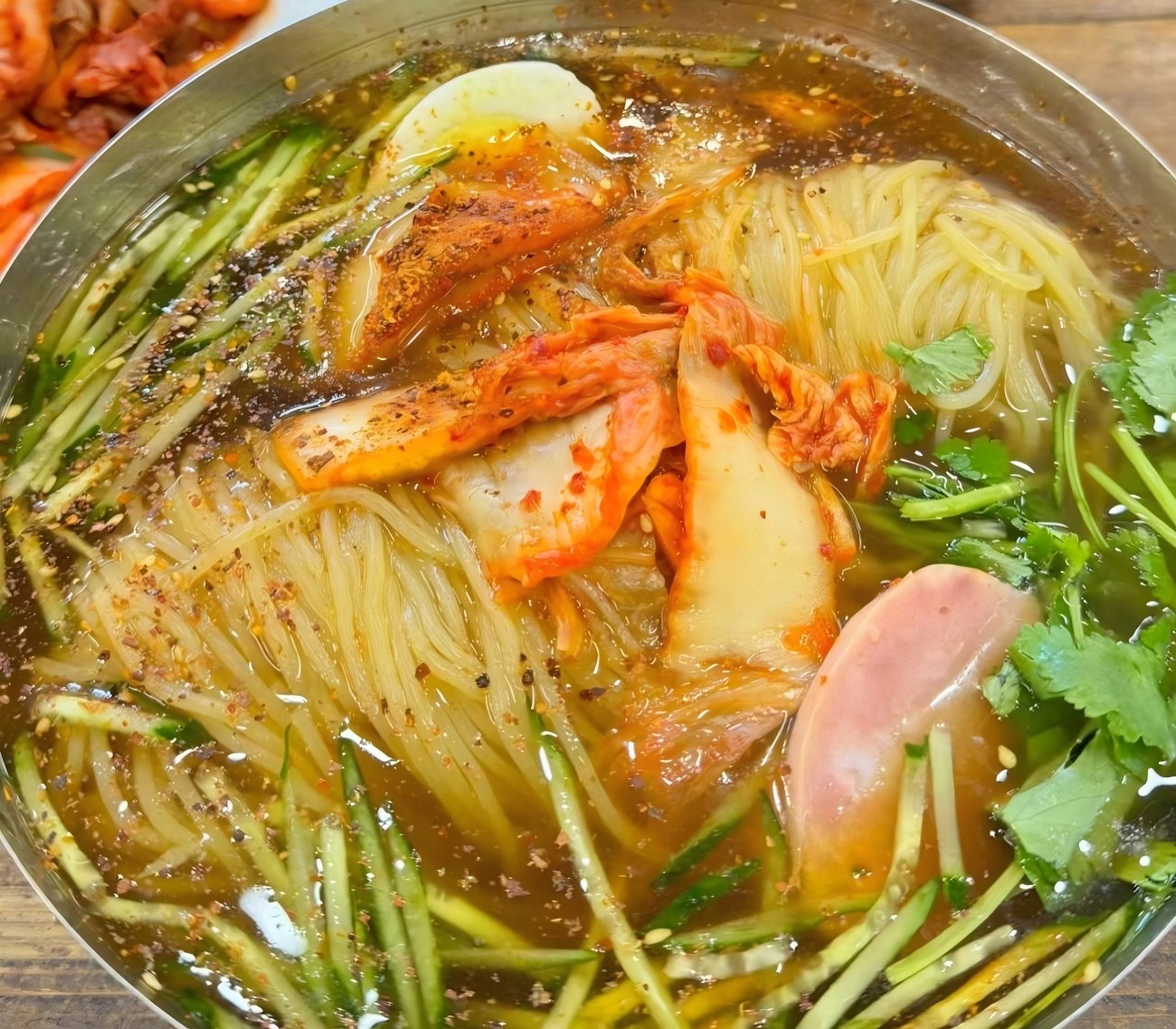
4. Xita Cold Noodles: A perfect Korean-Chinese dish for summer. Chewy noodles are served in a sweet, sour, and slightly spicy chilled beef broth with various toppings.
7. Farewell & Final Thoughts
Our tour is concluding. We've seen where the Eight Banners gathered, where emperors ruled, and where Manchu traditions blended with Han culture.
The Shenyang Palace Museum may be smaller than Beijing's Forbidden City, but its unique architectural fusion and role as the dynasty's birthplace make it a historical treasure. We hope you take with you the memories and spirit of this ancient imperial city. Wishing you a wonderful rest of your trip!