Sayram Lake: The "Jade of the Western Frontier" Where Nature and Romance Converge in the Tianshan Mountains
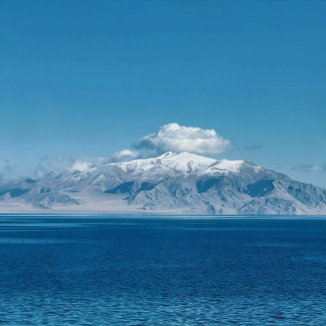
Nestled at the crossroads of Bortala Mongol Autonomous Prefecture and Ili Kazakh Autonomous Prefecture in Xinjiang, China, Sayram Lake stands as a crown jewel of alpine landscapes. As China’s largest alpine glacial lake, it perches at an altitude of approximately 2,071 meters, spanning over 450 square kilometers with a maximum depth of 92 meters. Its name, derived from the Mongolian term meaning "a lake upon the ridge," aptly describes this aquatic gem—perched like a polished blue stone atop the Tianshan Mountains, its waters shimmering with hues that shift like a living tapestry under the sun. For centuries, it has been a silent witness to nomadic migrations, ancient trade routes, and tales of love that have woven themselves into the fabric of the region’s history.

I. Natural Splendor: A Symphony of Colors Crafted by Time
1. The Lake’s Ever-Changing "Blue Palette"
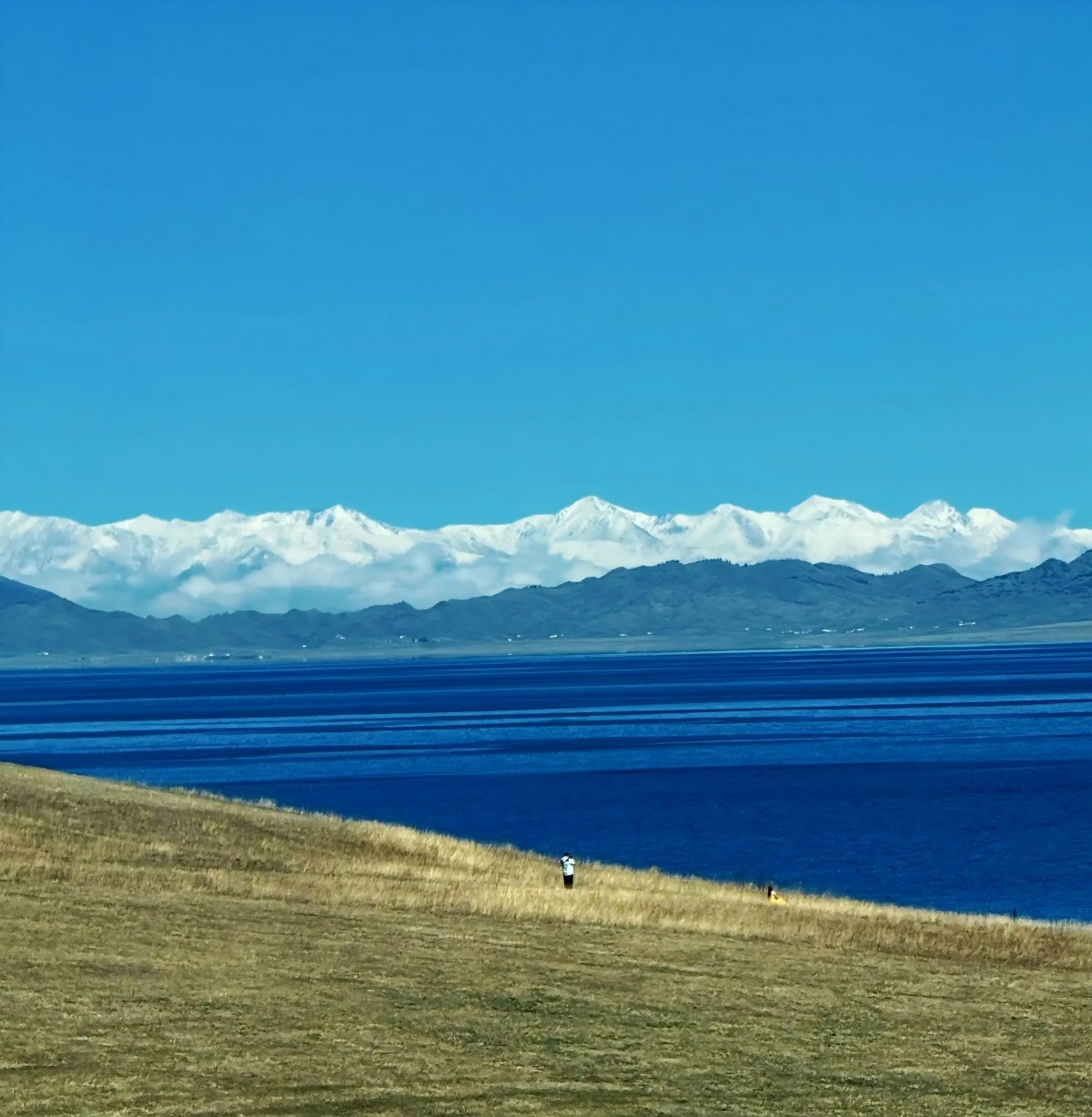
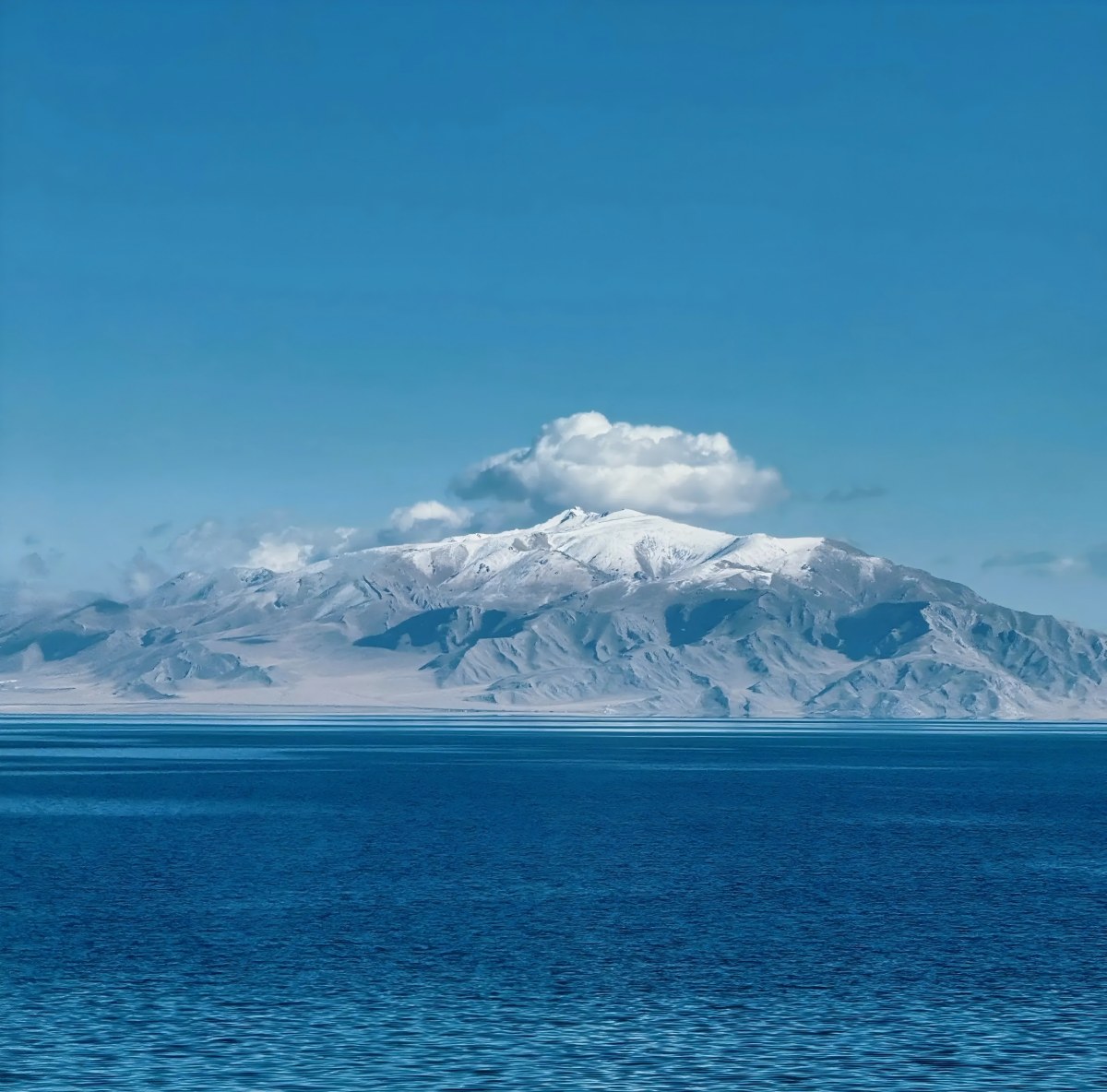
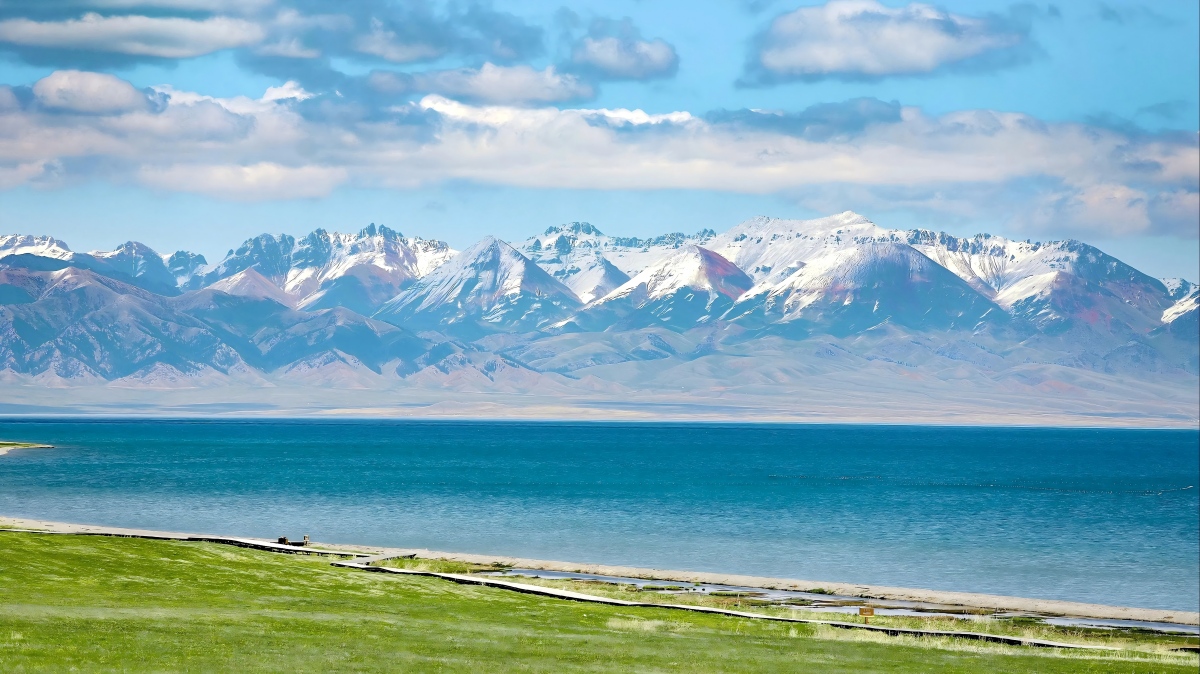
Sayram Lake’s most mesmerizing trait lies in its kaleidoscopic shades of blue—each shift dictated by the sun’s angle, cloud cover, and even the season.
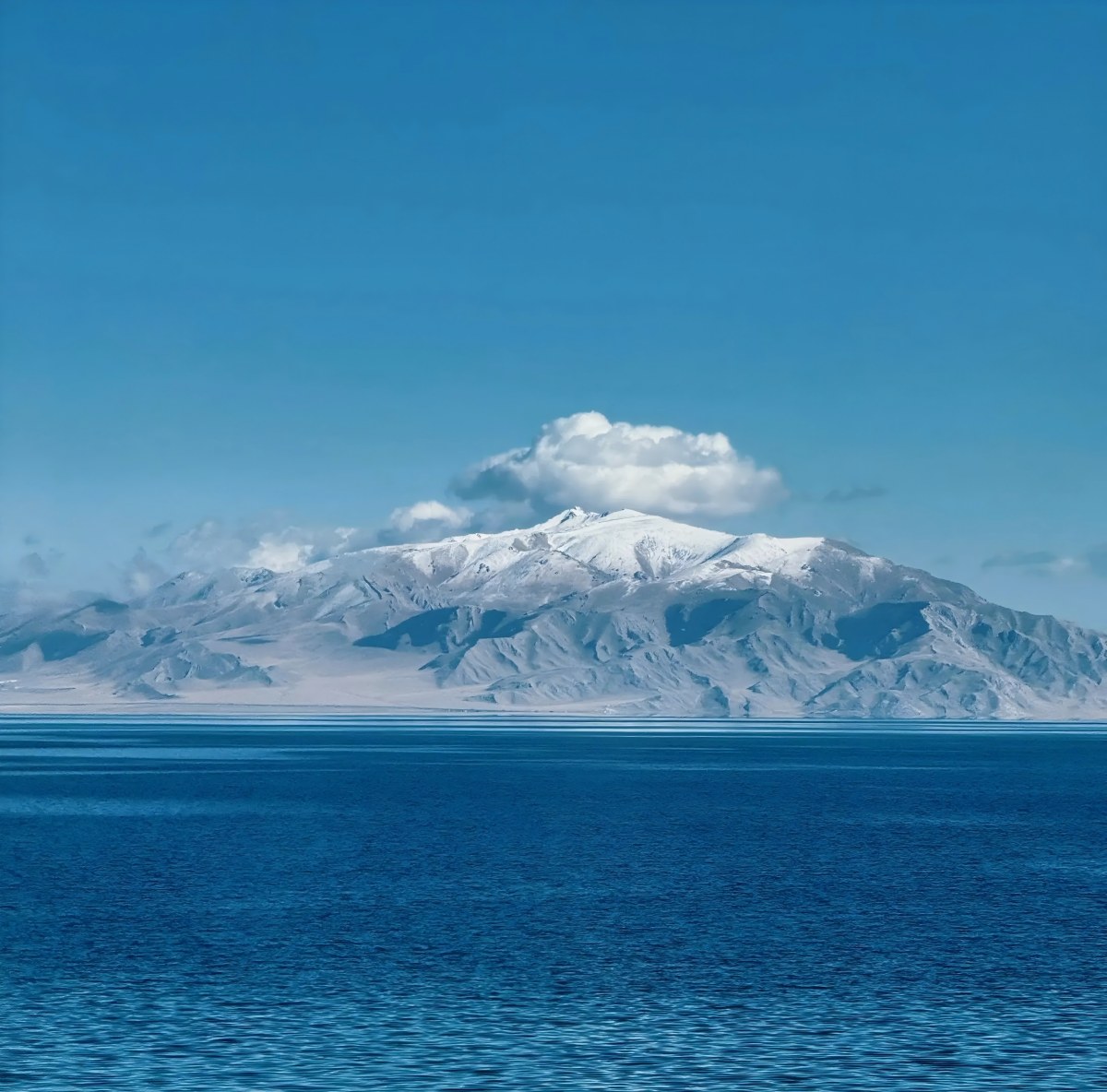
On cloudless days, the water glows with a crystalline, sapphire-like brilliance, so transparent that pebbles and aquatic plants 10 meters below the surface are visible, as if suspended in mid-air. Locals often joke that "the lake borrows its color from the sky, yet outshines it."
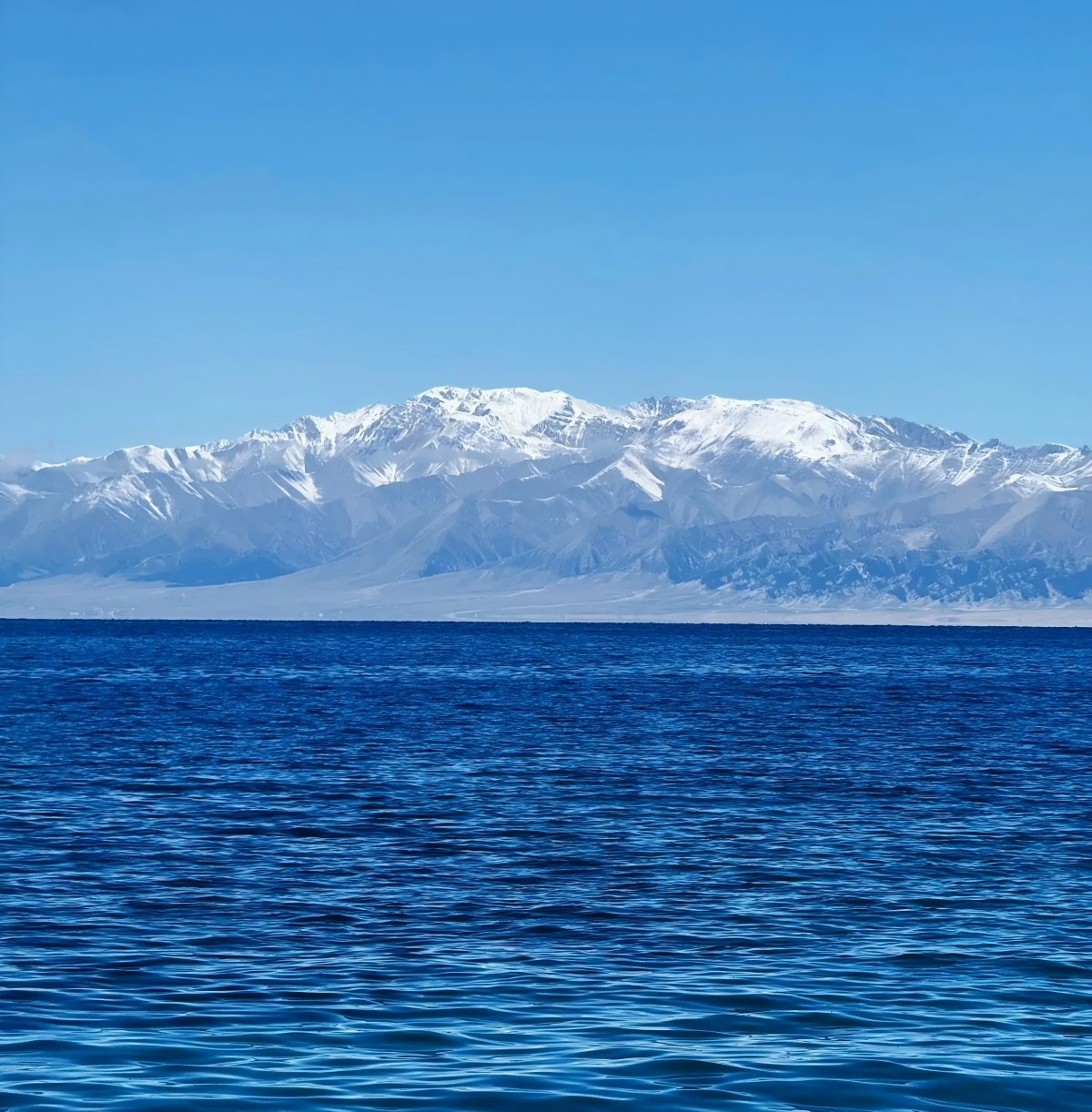
When mist drifts across the water or storm clouds gather, the lake deepens into a velvety indigo, blending seamlessly with the Tianshan’s snow-capped peaks in the distance—a scene that evokes the quiet grandeur of a medieval landscape painting.
At dawn or dusk, the sun dips low, painting the lake with strokes of lavender, rose, and gold. The water becomes a mirror, reflecting the fiery sky until the line between water and air blurs, as if the heavens themselves have merged with the earth.
This ever-shifting blue is not just a visual feast; it is a reminder of the lake’s glacial origins. Formed over millions of years by the retreat of Tianshan glaciers, its waters retain the purity of ancient ice—each ripple carrying the legacy of geological time.

2. The Surrounding Tapestry: Snow, Grasslands, and Floral Carpets
The lake’s beauty is amplified by the landscapes that cradle it, creating a harmonious blend of rugged mountains and gentle plains.
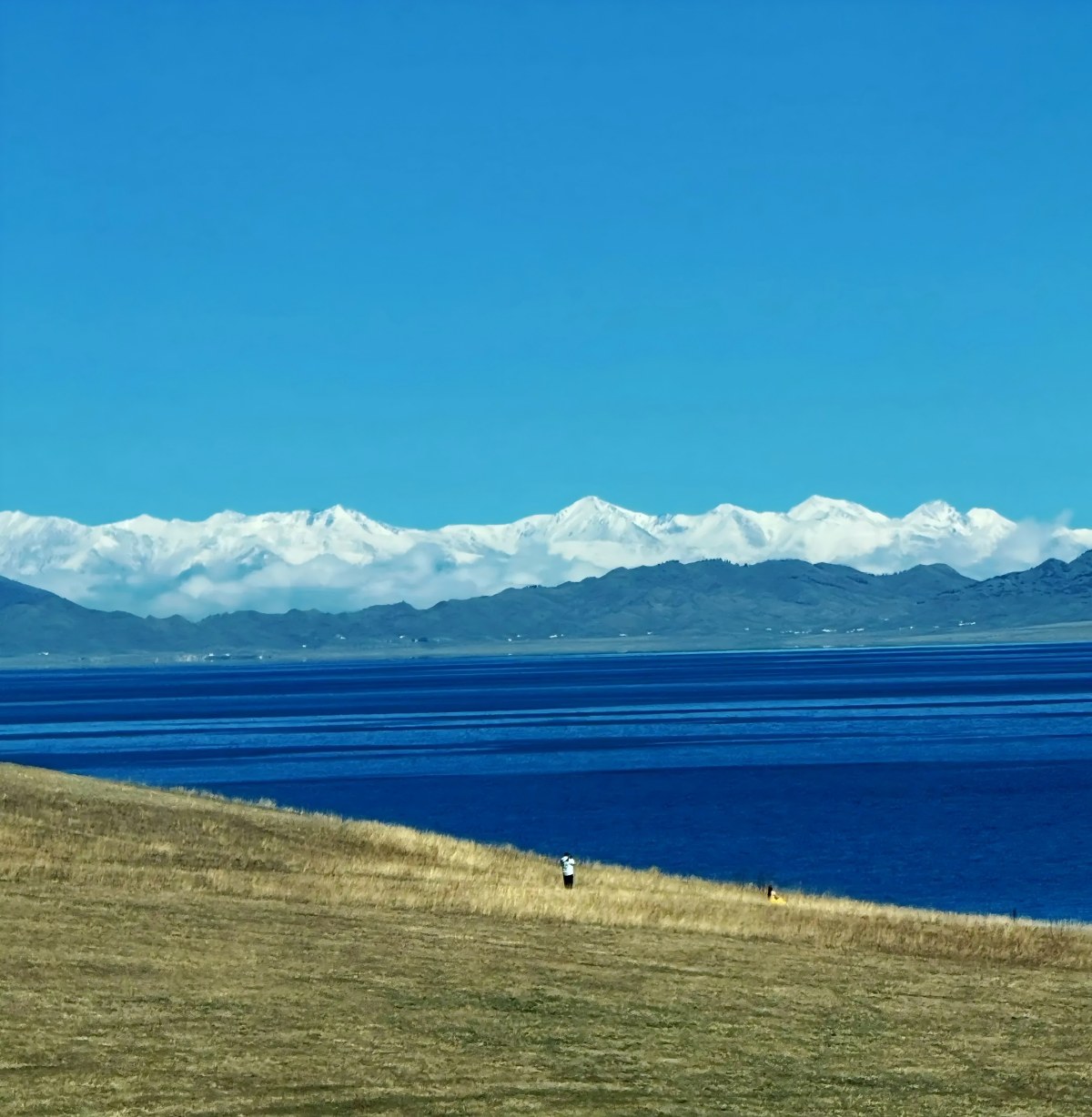
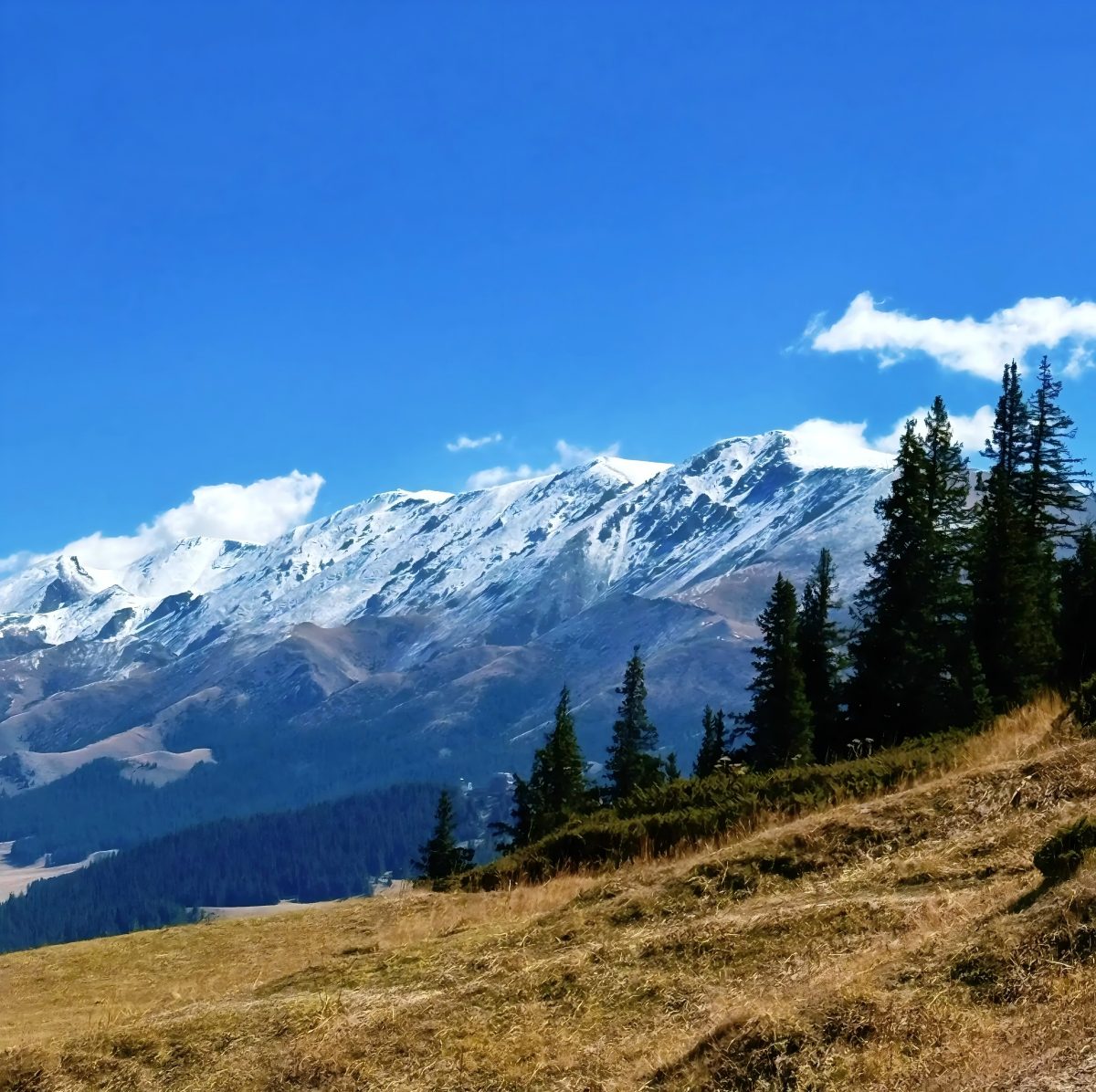
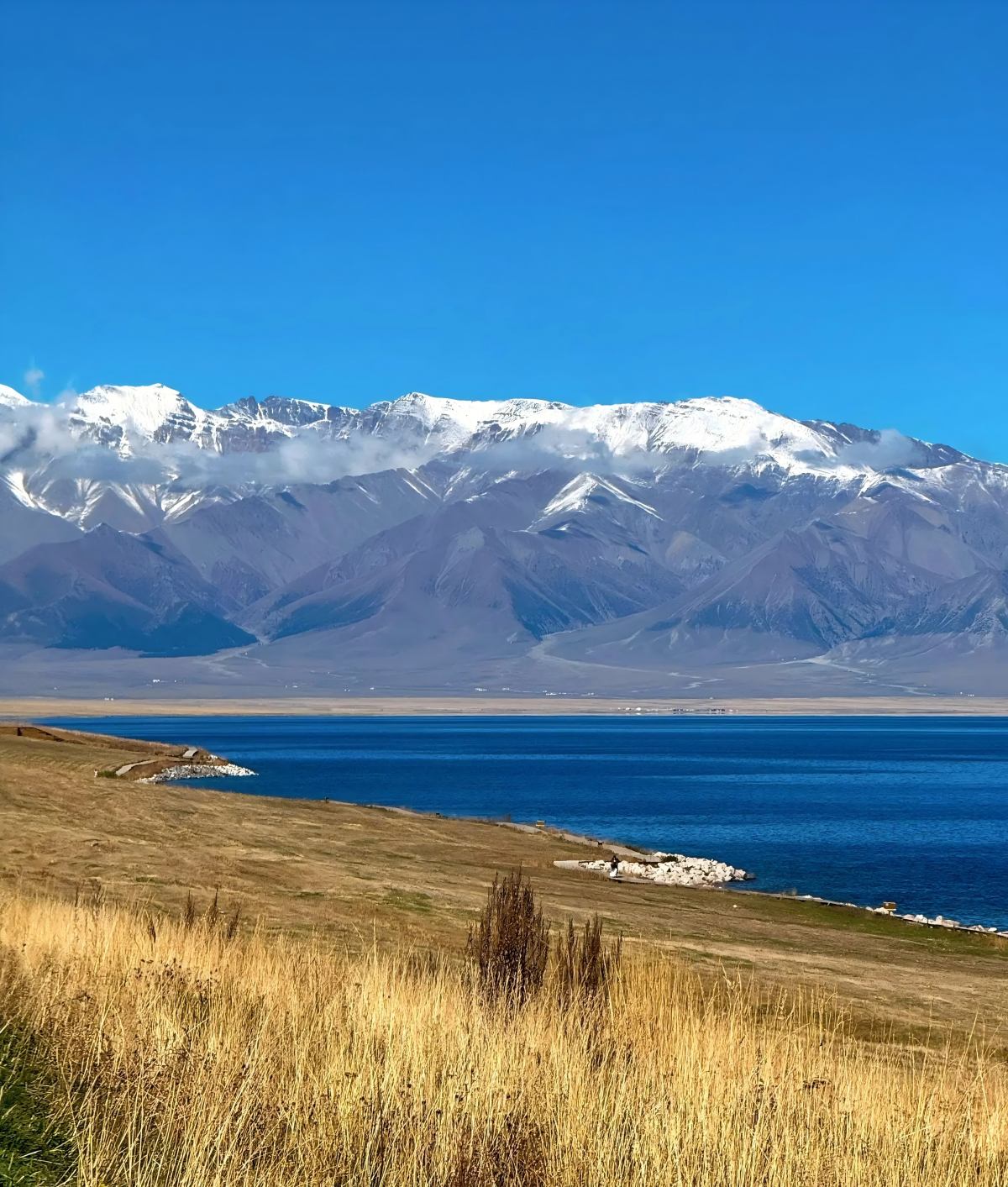
The Eternal Snow Backdrop: Year-round, the Tianshan Mountains encircling the lake wear a crown of snow. In summer, this white mantle contrasts vividly with the emerald grasslands at their feet and the lake’s blue waters—a triad of colors so vibrant, it feels as if nature has saturated the world with pigment.
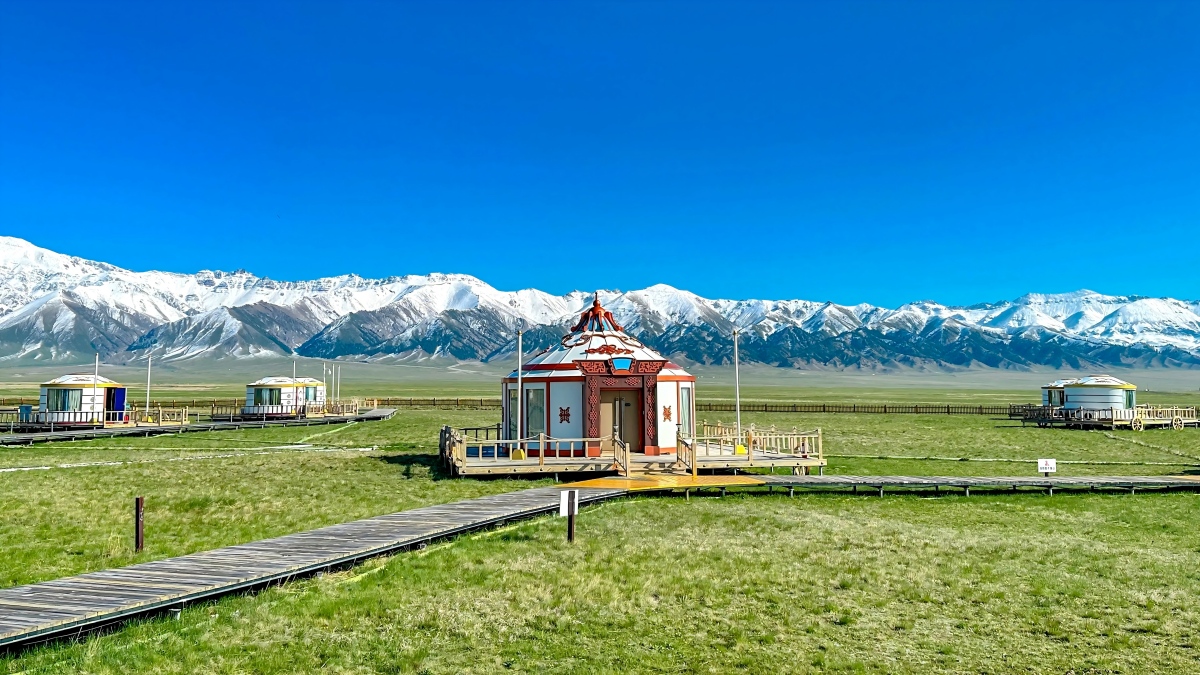
The Floral Bloom (Late May–Early July): As summer unfolds, the northern and western shores of the lake transform into a sea of wildflowers. Yellow asters, purple sage, white clover, and pink rhododendrons carpet the grasslands, stretching from the lake’s edge to the mountain slopes. Herds of horses and sheep graze lazily amid the blooms, while Kazakh yurts—white domes against the green—dot the landscape like scattered pearls. This is the time when the lake lives up to its reputation as the "Garden of the Tianshan."
The 90-Kilometer Scenic Loop: The road encircling Sayram Lake is a gateway to its diverse beauty. Whether driving, cycling, or hiking, visitors can pause at viewpoints like the "Sunset Terrace" (where the lake turns to liquid gold at dusk) or the "Snow Mountain Overlook" (offering panoramic views of the lake framed by peaks). In autumn, the grasslands fade to golden amber, and poplar trees along the road blaze red—adding warmth to the crisp mountain air.

II. Cultural Legacies: Myths, History, and the "1314 Love Tale"
Sayram Lake is more than a natural wonder; it is a repository of stories—some rooted in legend, others in the annals of history.
1. The "Tear of Sayram": A Kazakh Legend of Undying Love
Long ago, when the Tianshan grasslands were ruled by nomadic clans, there lived a Kazakh girl named Sayram—known for her beauty, which locals said "rivaled the brightness of the moon"—and her skill with the dombra (a traditional two-stringed instrument). She fell in love with a young shepherd named Kurban, whose courage and kindness had won the hearts of the clan. Their love was as pure as the lake’s waters, and they dreamed of building a life together amid the grasslands.
Tragedy struck when a greedy nobleman from a neighboring tribe set his sights on Sayram. He threatened to attack her clan unless she agreed to marry him. Unwilling to betray Kurban or bring harm to her people, Sayram fled with her lover to the shores of the lake. Cornered by the nobleman’s soldiers, they clasped hands and leaped into the water—choosing death over separation.
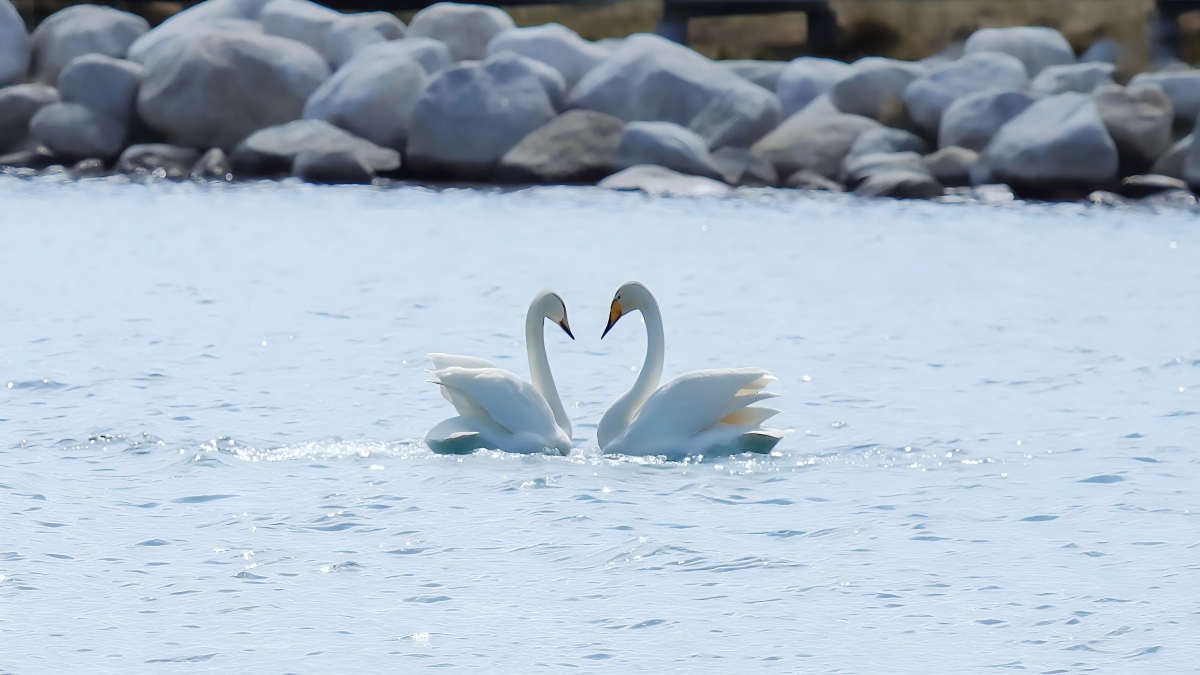
The gods, moved by their devotion, transformed the pair into two silver fish that swim in the lake to this day. Locals believe the lake’s clear waters are Sayram’s tears, and that on quiet nights, you can hear the faint strum of a dombra—Kurban playing for his beloved. To this day, Kazakh couples visit the lake to pay homage to their love, believing that the waters will bless their union.

2. The "1314" Love Story: A Modern Tribute to Eternal Devotion
In recent years, Sayram Lake has become a symbol of lasting love, thanks to a touching modern tale tied to the numbers "1314"—a homophone for "一生一世" (yīshēng yīshì) in Chinese, meaning "for a lifetime."
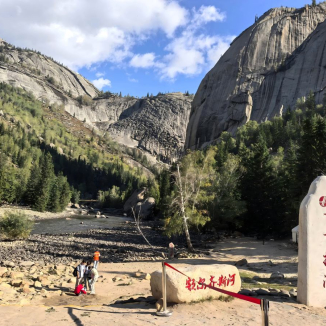
A decade ago, a young couple from southern China traveled to Sayram Lake. Struck by its beauty and the legend of Sayram and Kurban, they vowed to return every year to celebrate their anniversary. They chose to mark their love by carving "1314" into a small stone and placing it on the lake’s shore—a promise to stay together "for life."
Word of their vow spread, and soon, other couples began following their lead. Today, the "1314 Stone" (as it is now known) has become a popular landmark. Couples from across China—and even abroad—visit to take photos with it, leave handwritten notes of love, or simply sit by the lake, reaffirming their commitment. It is a testament to how Sayram Lake, with its timeless beauty, continues to inspire stories of love that transcend time.

3. Historical Echoes: The Lake on the Silk Road
Long before it became a symbol of romance, Sayram Lake played a role in one of history’s greatest trade networks—the Silk Road. For centuries, caravans carrying silk, spices, and jade from China to Central Asia and Europe passed by the lake. Merchants and travelers would stop here to rest their camels, refill their water skins, and listen to nomads’ tales of the mountains.
The lake’s strategic location made it a meeting point for different cultures: Chinese, Kazakh, Mongol, and Persian traders exchanged goods and ideas, leaving traces of their traditions in the region’s music, food, and crafts. Today, you can still see echoes of this history in the Kazakh yurts (which blend nomadic design with local materials) and in the lake’s name—its Mongolian origin a reminder of the nomadic empires that once roamed the Tianshan.

III. Travel Guide: Experiencing Sayram Lake
1. Best Times to Visit
Summer (June–August): The peak season, with mild temperatures (15–20°C), blooming wildflowers, and lush grasslands. Ideal for hiking, camping, and interacting with local Kazakh herders.
Autumn (September–October): Fewer crowds, golden grasslands, and deeper blue waters. Perfect for photography and quiet reflection.
Winter (December–February): A winter wonderland. The lake freezes over, turning into a "blue ice" spectacle—its surface sparkling like crushed crystal under the sun. Visitors can go ice fishing or walk on the lake (with safety guides) and enjoy the tranquility of the snow-covered mountains.

2. Must-Try Activities
Cycling the Lake Loop: Rent an electric or traditional bicycle to explore the 90-kilometer road. Stop at viewpoints, chat with herders, and soak in the scenery at your own pace.
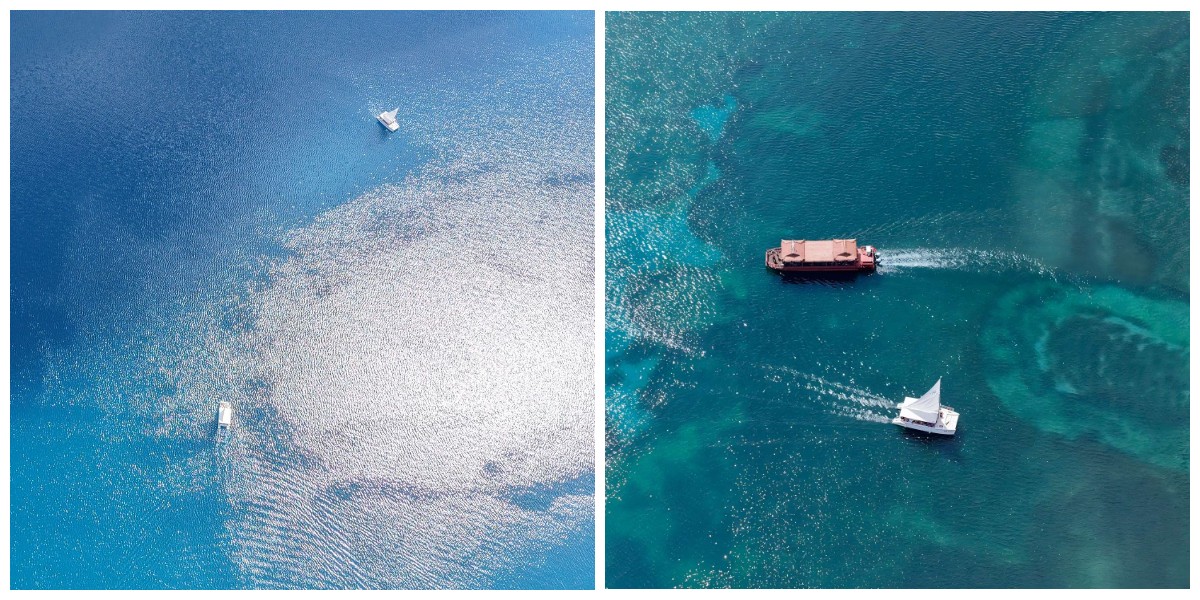
Boat Cruise to the Center: Take a cruise ship to the middle of the lake. From here, you can see the full expanse of the Tianshan peaks and spot seagulls (which migrate to the lake in summer) flying above the water.
Stargazing: With minimal light pollution, Sayram Lake is a paradise for stargazers. On clear nights, the Milky Way stretches across the sky, its stars reflected in the lake—creating a scene that feels like floating in the cosmos.
Stay in a Kazakh Yurt: Experience nomadic life by staying in a traditional yurt. Enjoy homemade Kazakh dishes like hand-grabbed mutton (tender meat cooked with only salt and water) and kumis (fermented mare’s milk), and listen to dombra music by the fire.

3. Tips for Visitors
Altitude Adaptation: The lake’s high altitude may cause mild altitude sickness (headaches, dizziness). Drink plenty of water, avoid strenuous exercise on your first day, and carry a light jacket (temperatures drop at night).
Respect Local Customs: When visiting a Kazakh yurt, remove your shoes before entering. Ask permission before taking photos of local people, and avoid touching sacred objects (like clan banners).
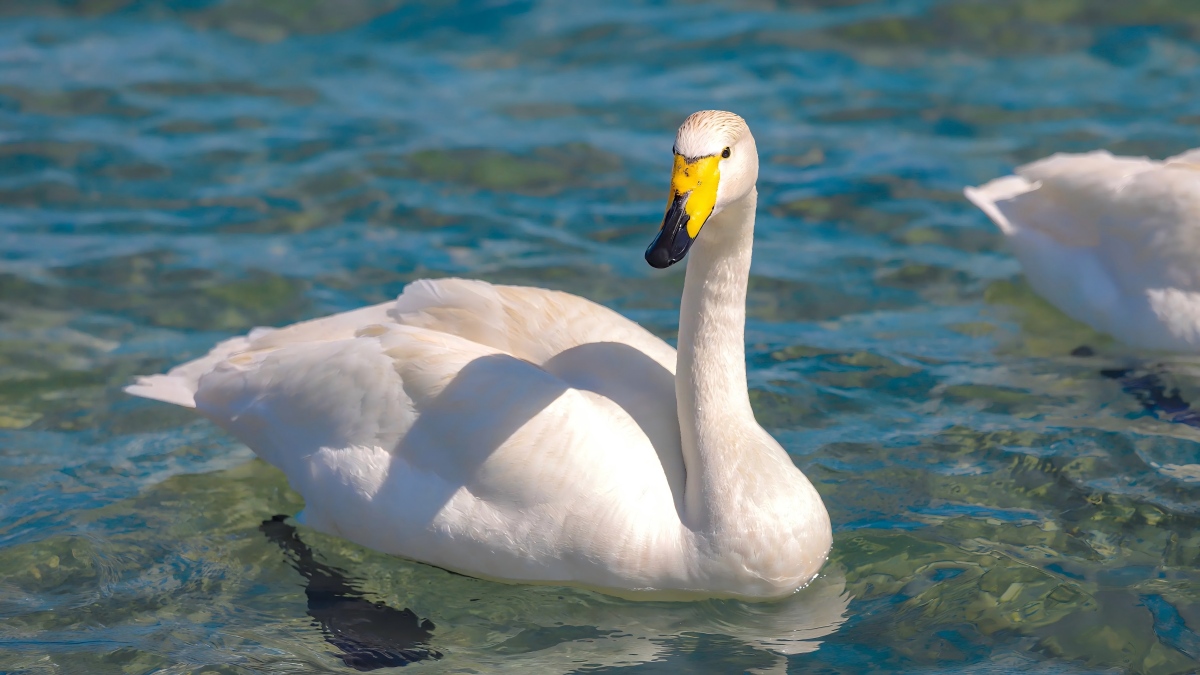
Protect the Environment: Sayram Lake is a protected natural area. Do not litter, pick wildflowers, or disturb wildlife (such as the lake’s native birds and fish).
Sayram Lake is more than a destination—it is an experience that touches the soul. Whether you come for its natural beauty, its tales of love, or its historical charm, it will leave you with memories that linger like the echo of a dombra’s melody. As the Kazakh proverb goes, "The lake does not just reflect the sky—it reflects the heart of those who look upon it." For travelers seeking wonder, romance, and a connection to the past, Sayram Lake is a treasure waiting to be discovered.