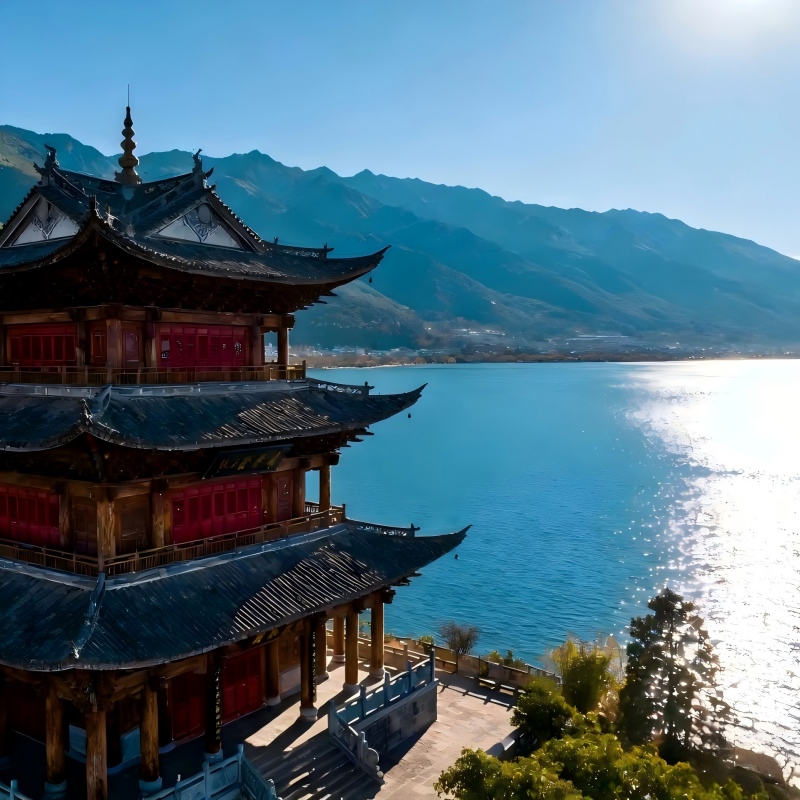
Three Pagodas of chongsheng temple
Huatu International Travel: Your Tailor-Made China Journey
Discover Dali’s Chongsheng Temple Three Pagodas and more top 5A sites with Huatu—your trusted inbound travel expert. With years of experience, we craft fully customized tours to match your pace.
Savor authentic local feasts: Dali’s creamy grilled milk fan, flavorful clay pot fish, and Bai ethnic three-cup tea. Rest easy in handpicked comfortable accommodations, perfectly located for your adventures.
From combining Yunnan’s gems with other provinces to adjusting itineraries, we handle every detail. Let our professional team turn your China dream into reality—delicious, comfortable, and uniquely yours. Book now!
Chongsheng Temple Three Pagodas: Dali’s UNESCO-Worthy Landmark & Millennium History
Dear travelers, greetings! I’m your guide for today’s exploration of Chongsheng Temple Three Pagodas—Dali’s most iconic 5A scenic spot, often hailed as the “Jewel of Cangshan and Erhai.” This millennium-old Buddhist complex isn’t just a postcard landmark; it’s a living window into the Nanzhao and Dali Kingdoms (7th–14th centuries) and a spiritual hub where ancient Chinese architecture meets profound Buddhist culture. Let’s dive into its stories, secrets, and must-see highlights.
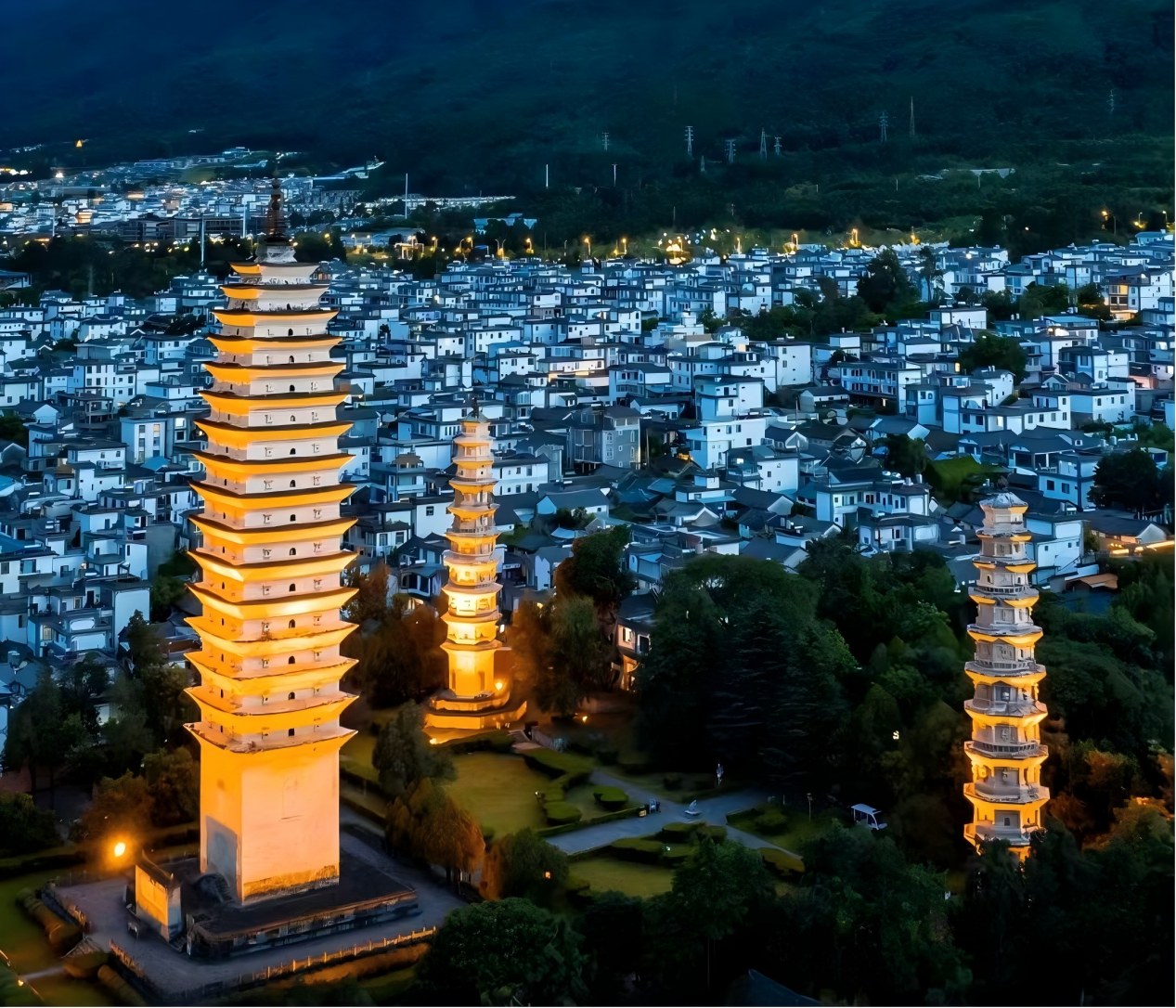
1. Three Pagodas: Dali’s Earthquake-Resistant Architectural Wonder
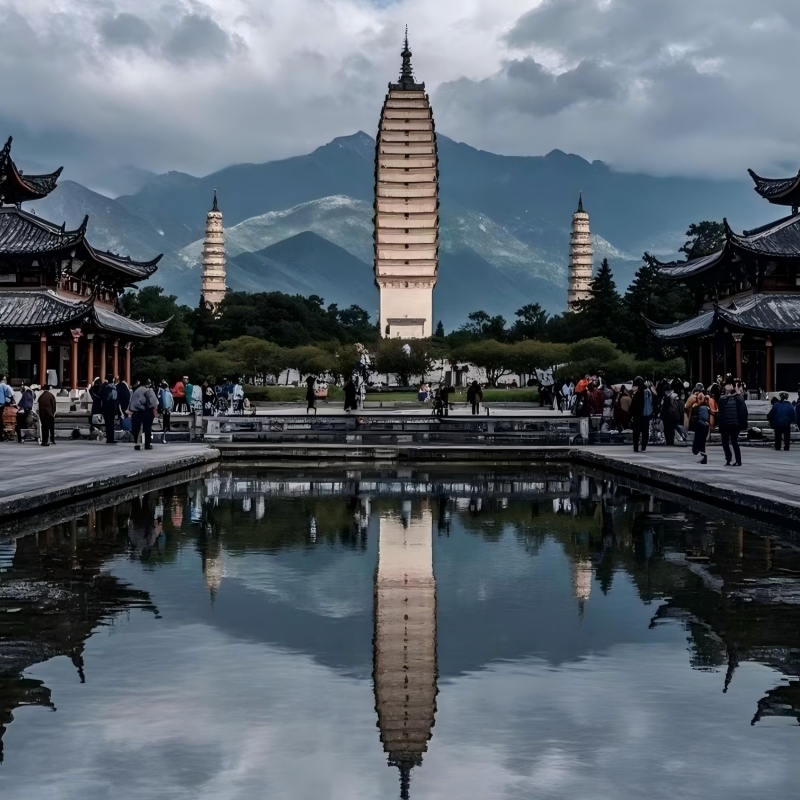
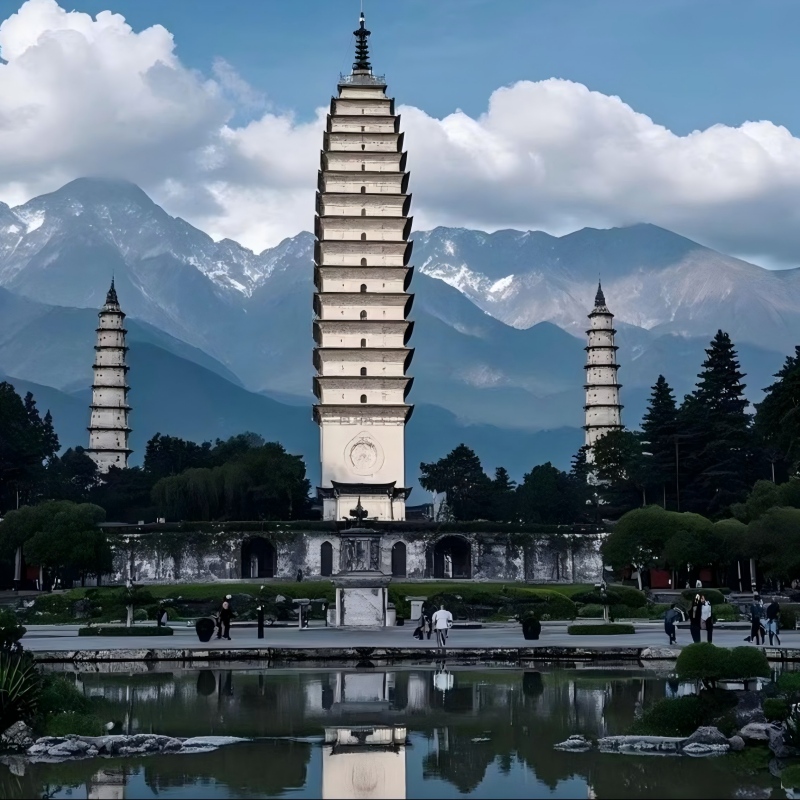
The first sight that stops every visitor—three pagodas standing in a triangular formation—are the heart of the site. This “one main, two secondary” layout is rare in Chinese pagoda design, and their resilience tells a remarkable story.
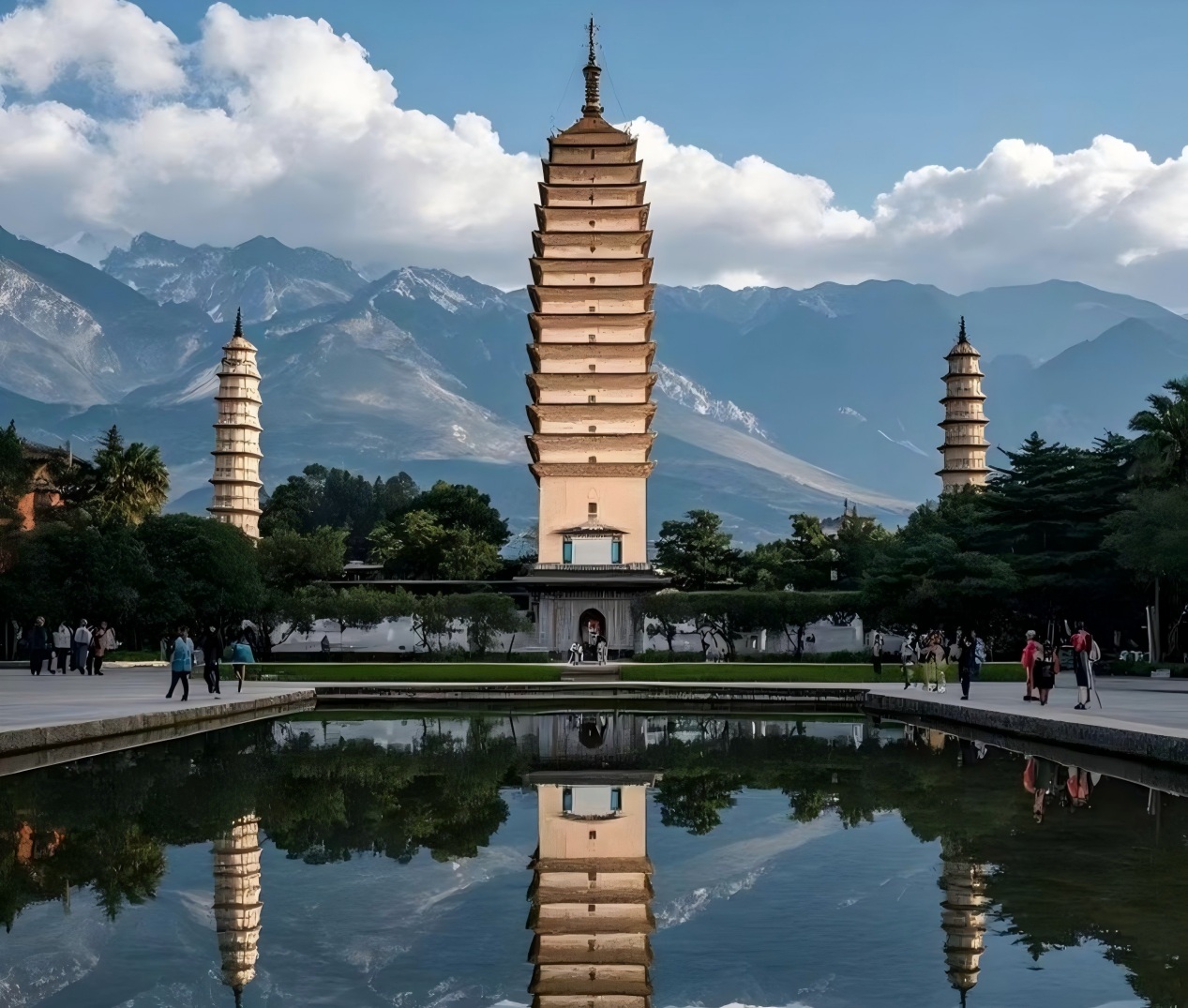
Qianxun Pagoda (Main Tower): Built between 833–840 AD (Nanzhao Kingdom), this 69.13m-tall square brick pagoda is a Tang Dynasty masterpiece. Its name “Qianxun” (Thousand Fathoms) emphasizes its sky-piercing height. What’s astonishing? It has survived countless earthquakes over 1,200 years—thanks to ancient craftsmanship: a rock-solid foundation, bricks bonded with glutinous rice paste (stronger than modern mortar), and a spindle shape that disperses seismic force. A local legend credits the carpenter god Lu Ban with guiding builders to its perfect foundation.
Southern & Northern Pagodas: Shorter (42.19m) but equally stunning, these octagonal pagodas date to the Dali Kingdom—The Eightfold Path of the Heavenly Dragonthe era inspired by Jin Yong’s martial arts novel (home to the hero Duan Yu). Each level features unique carvings: Buddha statues, lotus flowers, and wooden-style brackets—showcasing Song Dynasty sculpture at its finest.

Pro Tip: In 1978, over 600 precious Buddhist artifacts (golden Avalokitesvara statues, silver pagoda models) were found inside Qianxun Pagoda—some are displayed in the on-site museum (included in your ticket).
2. Nanzhao Jianji Bell: The Bell Heard 40km Away
A 5-minute walk north of the pagodas leads to the Bell Tower, housing Chongsheng Temple’s “sound treasure”—the Nanzhao Jianji Bell. The Ming Dynasty traveler Xu Xiake (a renowned figure in Chinese exploration) wrote of its predecessor: “Its sound echoes 80 li (40km) across the lake.”
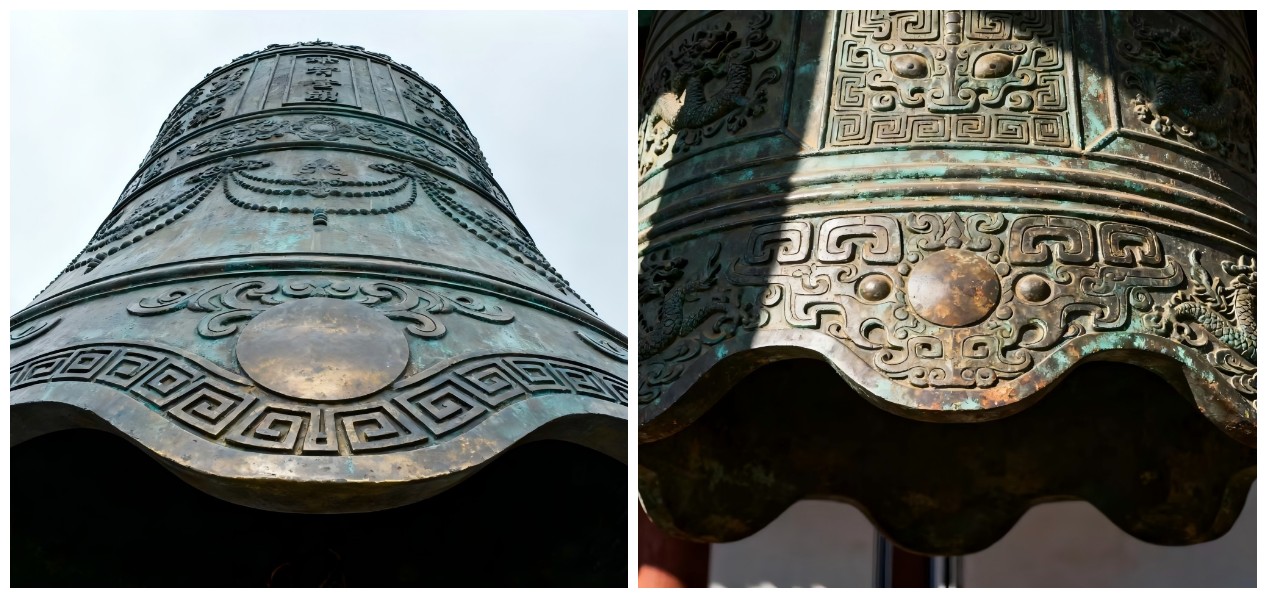
The original 871 AD bell was lost to war, but the 1997 replica (16.295 tons, Yunnan’s largest) honors its legacy. Cast with the full Diamond Sutra (6,800+ characters) and Buddhist reliefs, its deep chimes at dawn/dusk are a must-experience—locals say the sound “washes away worry.” Don’t miss the bell inscription rubbings and Nanzhao bronze exhibits nearby.
Fun Fact: A local legend claims the bell once rang by itself to warn villagers of a flood, saving thousands of lives.
3. Rain-Bronze Avalokitesvara Hall: Dali’s Unique Guanyin Statue
Next, discover the temple’s most culturally distinct treasure: the Rain-Bronze Guanyin. The story behind its name is magical—when artisans cast the original in 899 AD, bronze “rain” fell from the sky, supplying exactly the material needed.
The 1999 recast statue (12.6m tall, 11 tons, gilded bronze) stands out for a striking feature: a gentle female face paired with a tall, masculine body. This “male-body, female-face” design blends Buddhist compassion with local guardian traditions—unique to Nanzhao-Dali culture. Flanking it are four sacred Avalokitesvara statues, including the Arhat Avalokitesvara (modeled after a golden relic from the Three Pagodas).
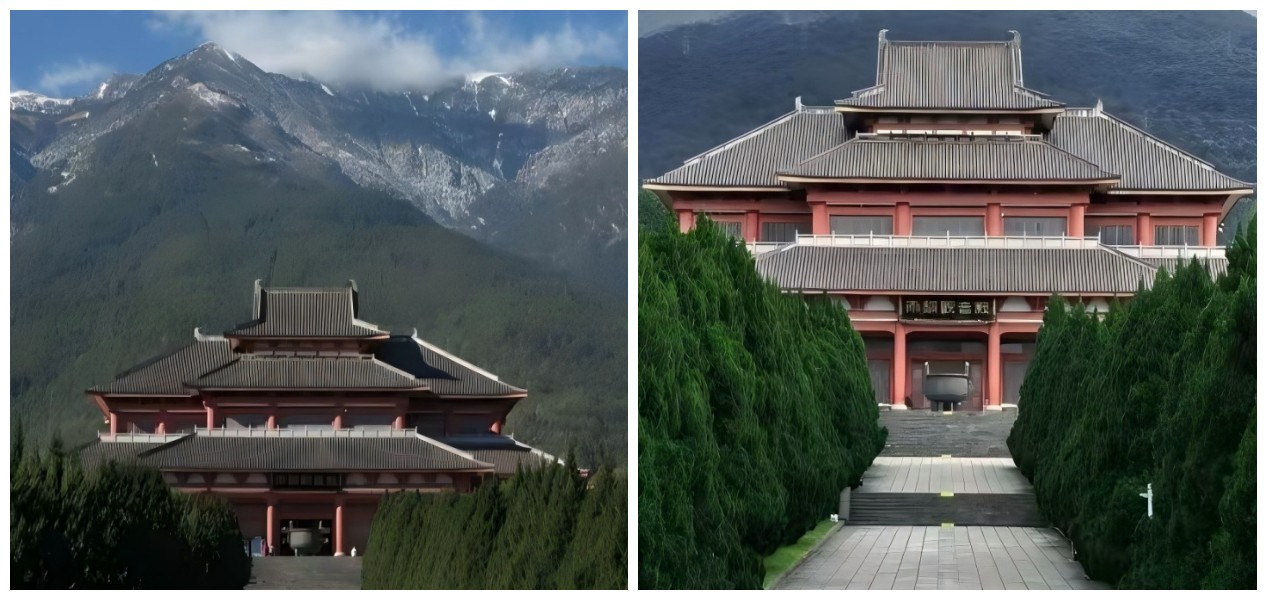
Don’t skip the second floor: Replicas of two national treasures—the Nanzhao State History Scroll and Zhang Shengwen’s Buddhist Painting (called “Dali’s Along the River During Qingming Festival”)—offer rare insights into ancient Dali’s art and history. The original painting is housed in Taipei’s National Palace Museum.
4. Chongsheng Temple: China’s Royal Buddhist Complex Reborn
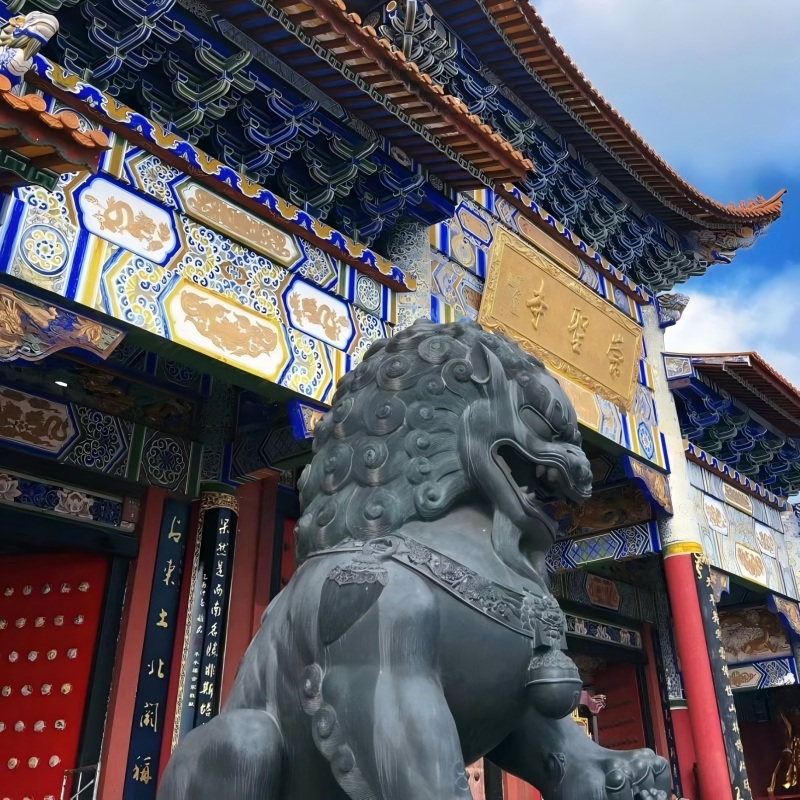
Beyond the pagodas lies the “First Temple of Chinese Buddhism”—a 2005 reconstruction of the Nanzhao-Dali royal temple. Though new, it follows the original “3 axes, 8 terraces, 9 courtyards” layout and uses over 1,000 tons of bronze for its 617 statues—an unprecedented feat.
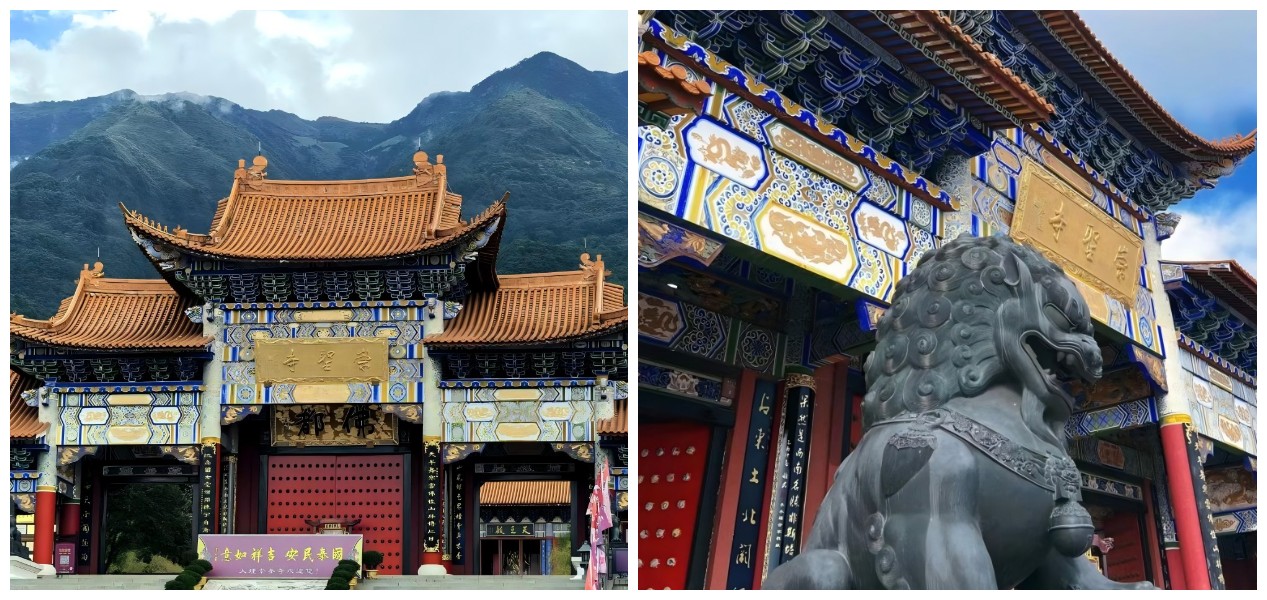
Follow the central axis for the best experience:
- Mountain Gate: Inscribed by famous calligrapher Qi Gong—perfect for photos.
- Hall of Heavenly Kings: Four guardian statues symbolize “good harvests” (wind, rain, thunder, lightning).
- Mahavira Hall: The temple’s core—three 11m-tall gilded bronze Buddhas (Past, Present, Future) stand beneath golden dragon-and-phoenix murals. The mahogany carvings here are masterful.
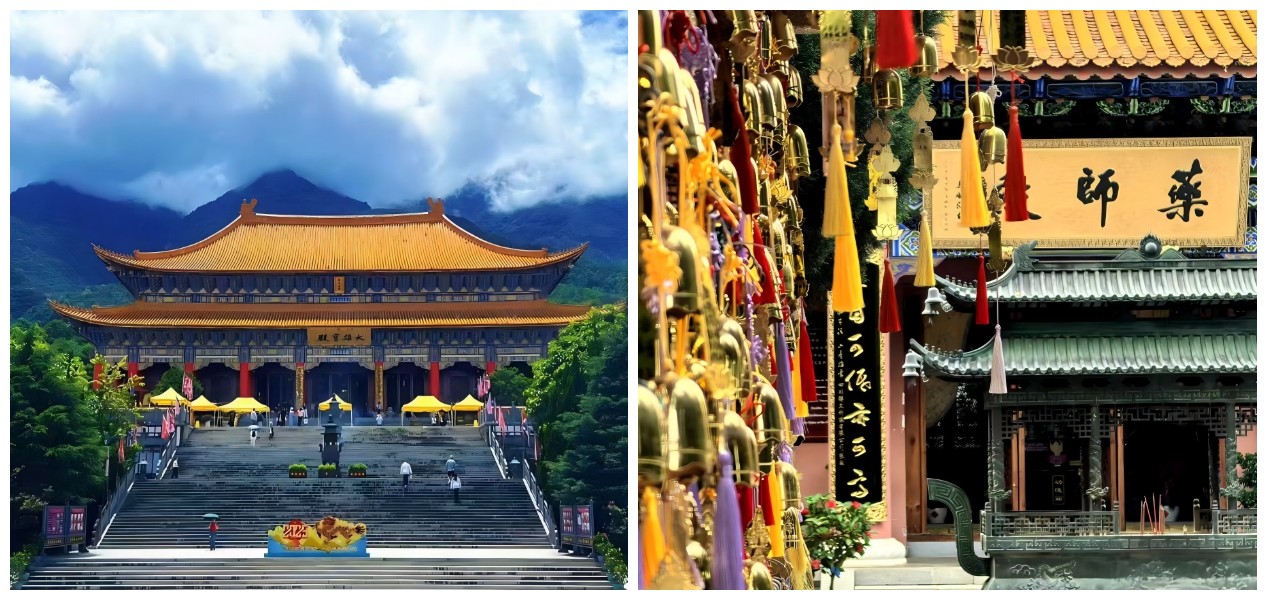
Look for Duan Gong’s Tomb near the abbot’s courtyard—a link to the Duan family, rulers of the Dali Kingdom and inspiration for *The Eightfold Path of the Heavenly Dragon*.
5. Wanghai Tower: Dali’s Best Sunset & Panoramic Viewpoint
No visit is complete without climbing Wanghai Tower (“Sea-Gazing Tower”), the temple’s highest point (26m). From the top, you’ll capture Google’s most-searched Dali vista: 19 misty Cangshan peaks, Erhai Lake’s blue waters dotted with fishing boats, and the Three Pagodas below—exactly what poet Yang Shengan described as “green mountains, half-moon lake.”
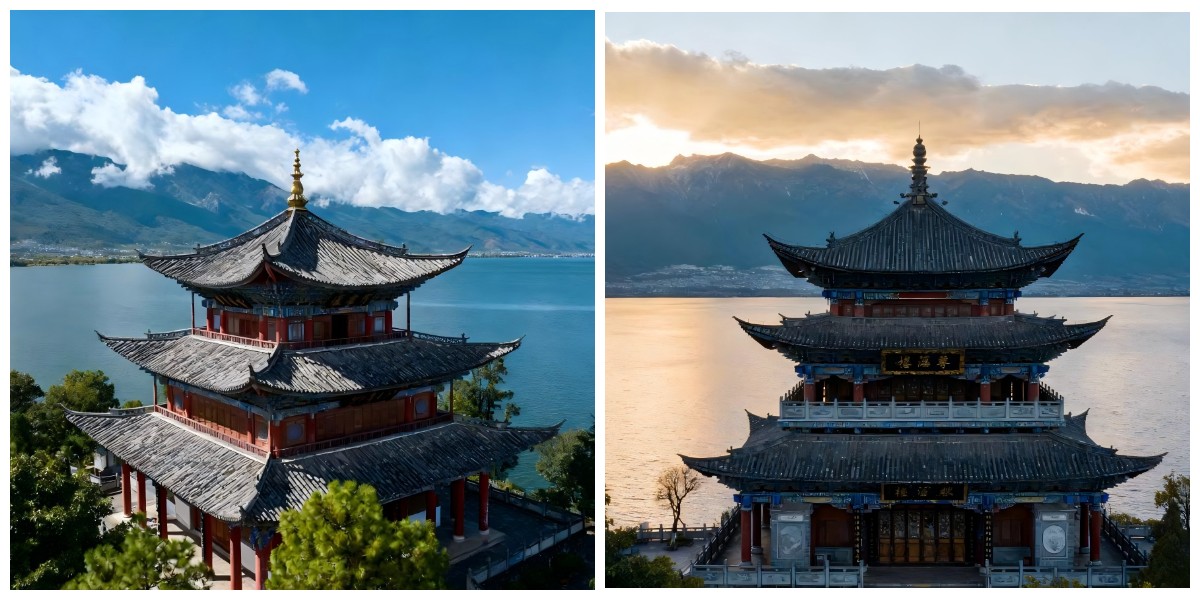
Why it’s a photographer’s favorite: Sunset turns the pagodas and lake golden—arrive 30 minutes before sunset for the best shots. Relax in the tower’s tea house with a cup of Dali Pu’er, and savor the moment: “Tea smoke curling, temple bells echoing.”
Pro Tip: The lakeside path west of the tower is perfect for a post-sunset stroll—lotus blooms here in summer.
6. Dali Food Guide: 4 Must-Try Local Delicacies
After exploring, fuel up with Dali’s most popular flavors—all easy to find near the scenic area:
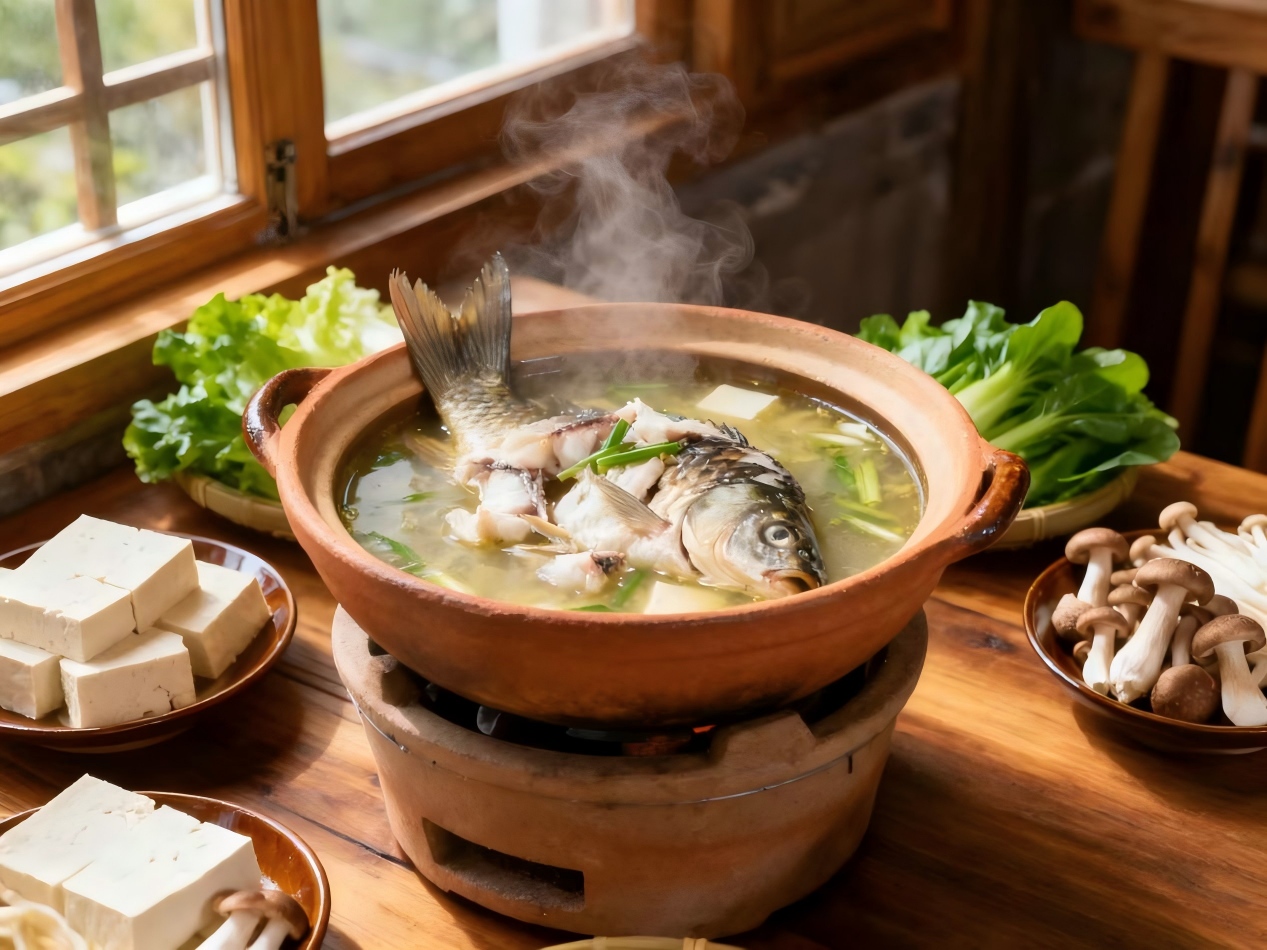
1. Clay Pot Fish Chinese food: Fresh Erhai carp simmered with tofu and mushrooms—warm, flavorful, and ideal for cool days. Try it at Erhai Fishing Village Restaurant (10-minute walk from the exit).
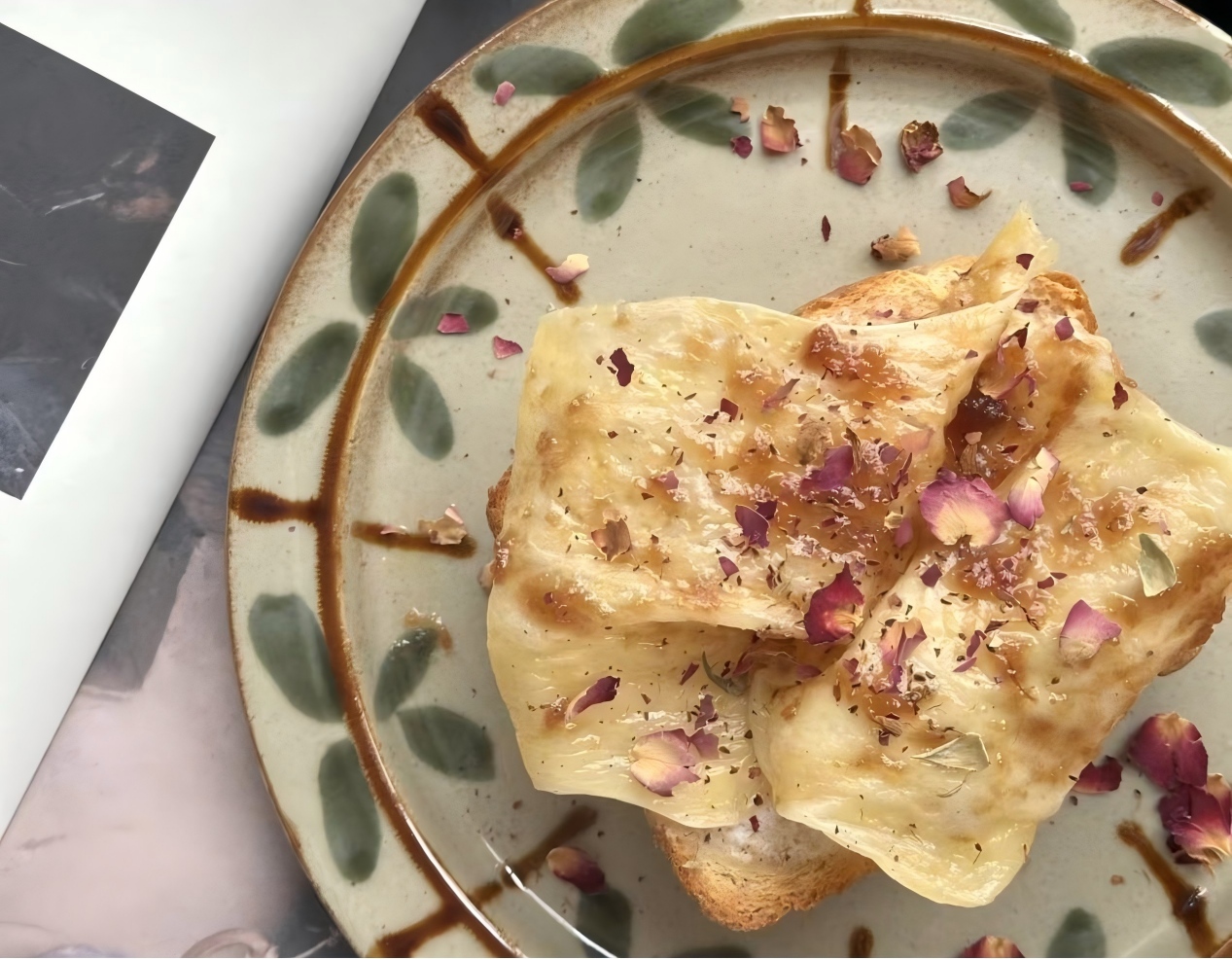
2. Milk Fan (Rushan): Grilled over charcoal, brushed with honey/rose jam—crispy, sweet, and uniquely Dali. Street stalls by the main gate serve the best.
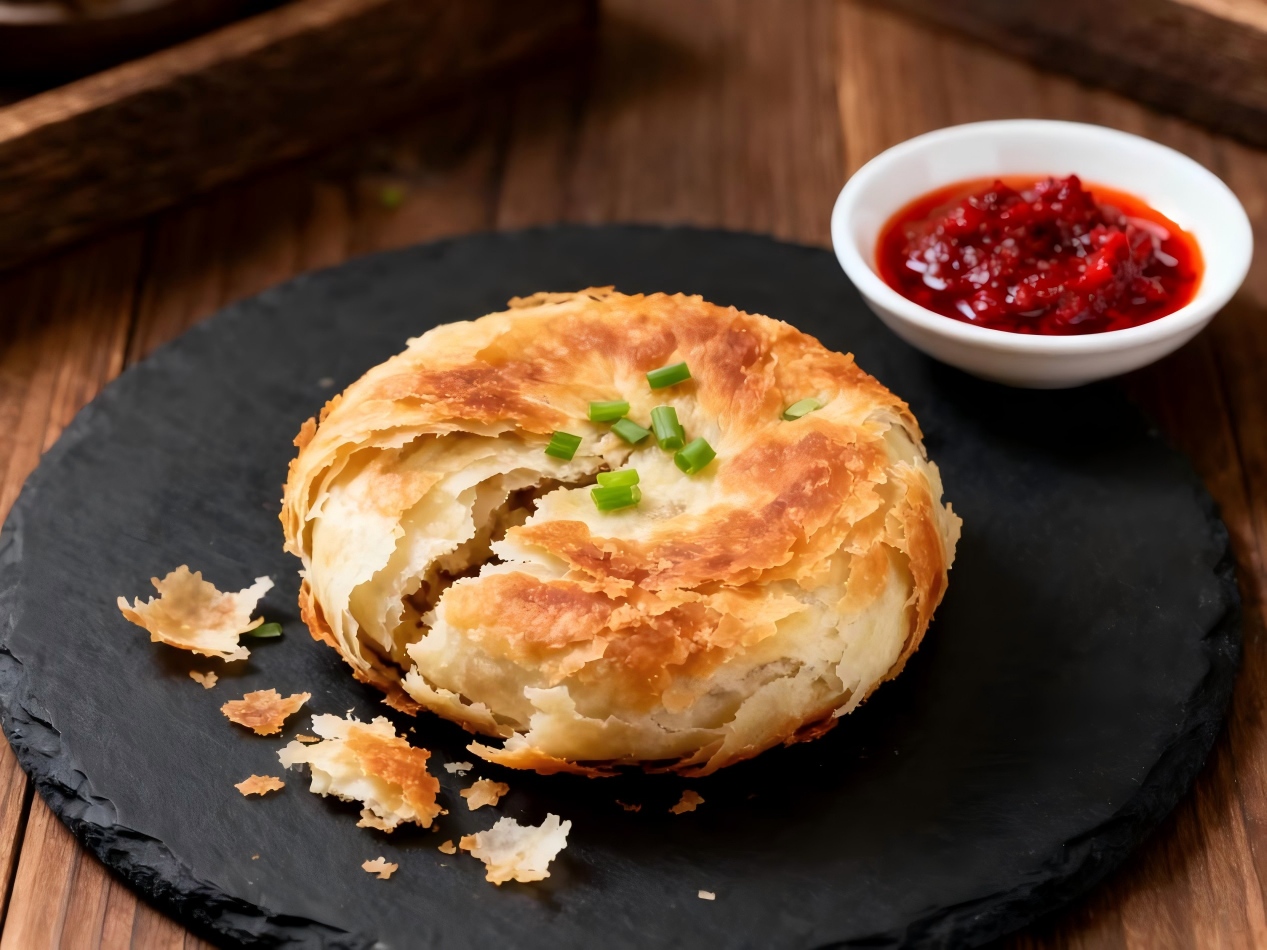
3. Crispy Layered Pastry (Po Su Ba Ba): Sweet (rose jam) or savory (ham/scallion)—fresh from the oven is non-negotiable.
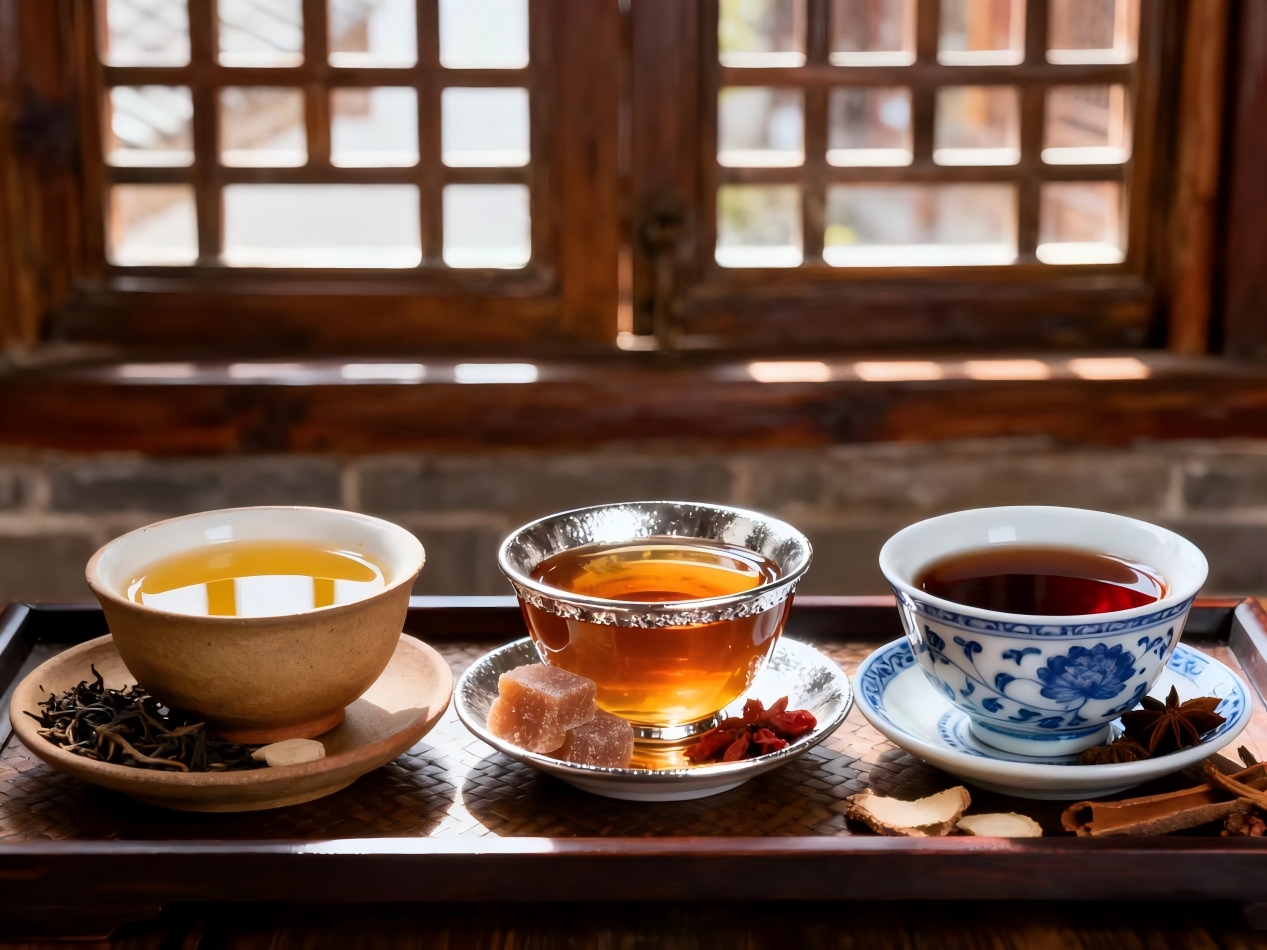
4. Bai Ethnic Three-Cup Tea: “One bitter, two sweet, three refreshing”—a cultural ritual. Experience it at Bai Family Tea House inside the temple.
7. Final Tips & Farewell
Dear travelers, our journey through Chongsheng Temple’s history, art, and natural beauty is ending—but your Dali adventure continues. Here’s what to remember:
- Best Time to Visit: Spring (March–May) or autumn (September–November)—avoid summer rain.
- Nearby Attractions: Dali Ancient Town (20-minute drive) and Erhai Lake cycling (book via your guide).
- Souvenirs: Handmade Bai tie-dye and Dali marble carvings—authentic at the scenic area’s craft market.
The Three Pagodas have stood for 1,200 years, witnessing kingdoms rise and fall. They’re more than stones—they’re Dali’s soul. I hope this tour leaves you with stories to share and memories to cherish.
Safe travels, and may Cangshan’s winds and Erhai’s waves accompany you. Until we meet again!